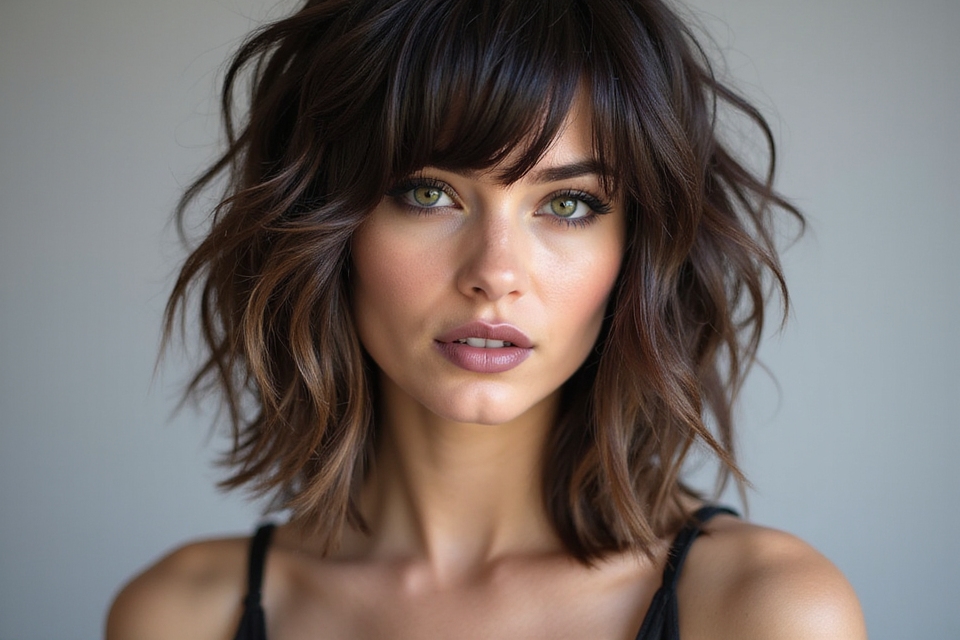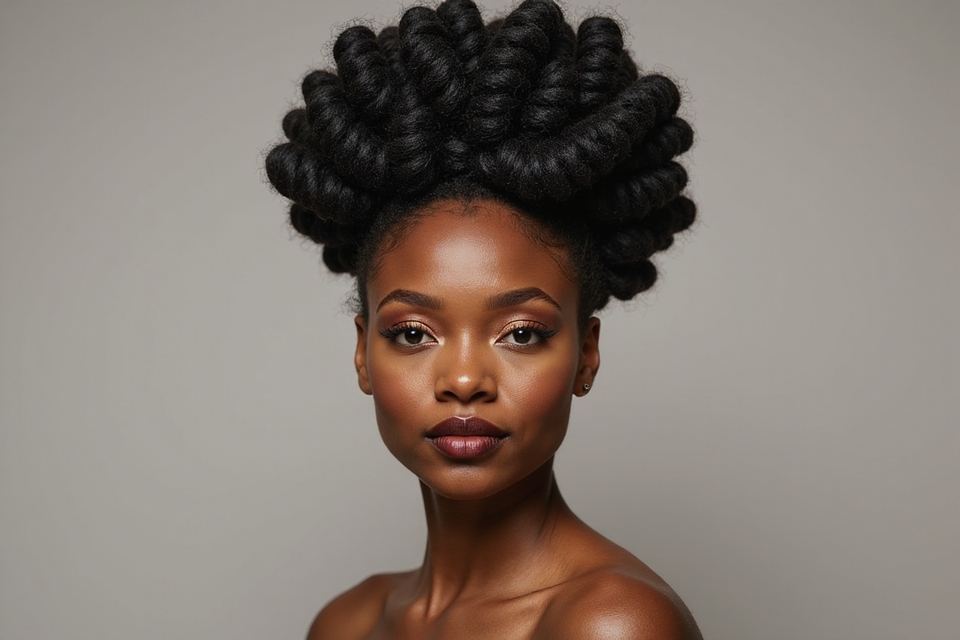

The first long install I ever did took six hours, two podcasts, and a numb left foot, and my client stood up, looked in the mirror, and immediately started planning the next set. That is the pull of twist hairstyles. They are protective, they are versatile, and once you find your kind, you tend to keep coming back.
Below are the twists worth knowing, from a quick two-strand you can do on a Tuesday to a full passion-twist install that carries you for two months. I will tell you which ones protect your hair, which ones photograph best, roughly what they cost, and how to keep your edges happy through all of it.
What to Know Before You Twist
Twists split into two camps: styles done on your own hair (two-strand, flat twists, twist-outs), which cost nothing but time, and extension styles (Havana, passion, Senegalese, faux locs), which run $80-250 at a salon and last four to eight weeks as a protective style. Both rely on the same foundation: moisturized hair, clean parting, and gentle tension at the roots.
The single most important rule is that no twist should hurt. Tight installs cause traction tension along the hairline, which is the leading cause of thinning edges. A good set feels secure, never sore, and a little leave-in plus a nightly satin scarf is most of the upkeep.
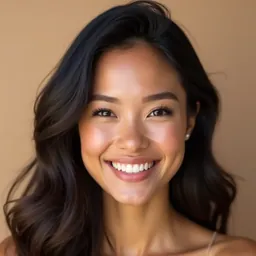
Classic Two-Strand Twists
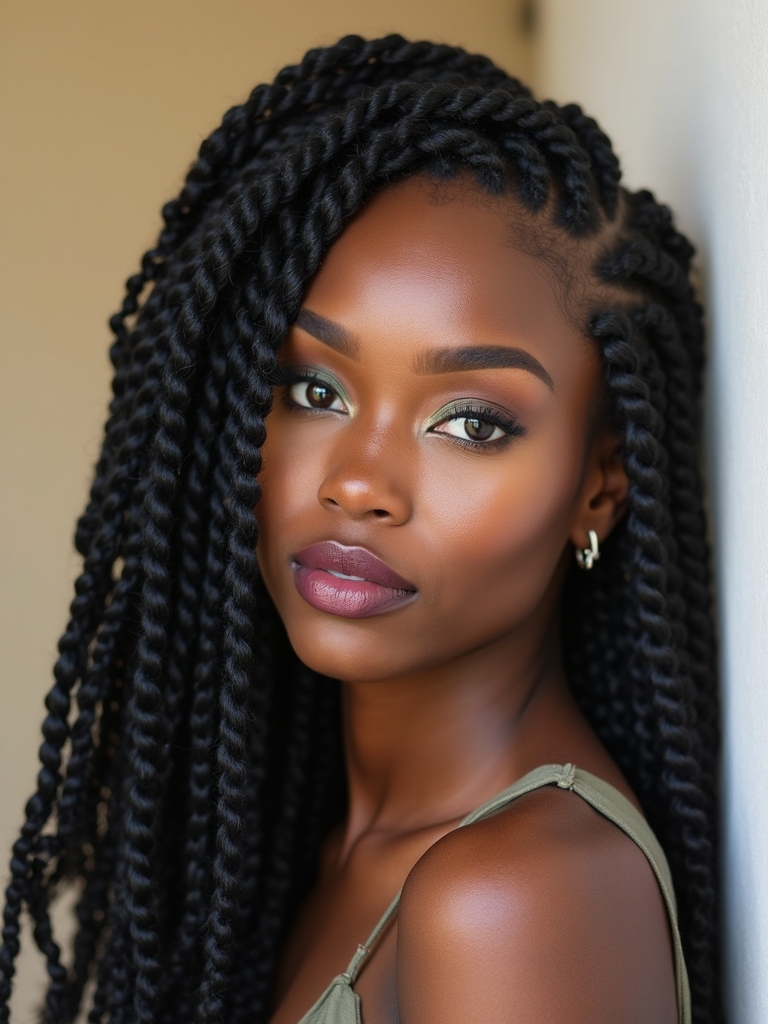
Two-strand twists are the foundation everything else builds on, and they are the set I tell every beginner to master first. You part a section, split it in two, and wind the strands around each other down to the ends. That is it. Done on your own hair, they cost nothing but a free evening.
Tension is where this goes right or wrong. Keep it even and gentle, tight enough to hold but loose at the root so your scalp can breathe. A little curl cream as you go gives a cleaner finish and helps the twist hold its shape past day one.
The payoff is range. Wear them down for a soft look, pin them up for the office, or unravel them after a few days for a built-in twist-out. For most textures they hold five to seven days before they need refreshing.
Rope Twists for Texture
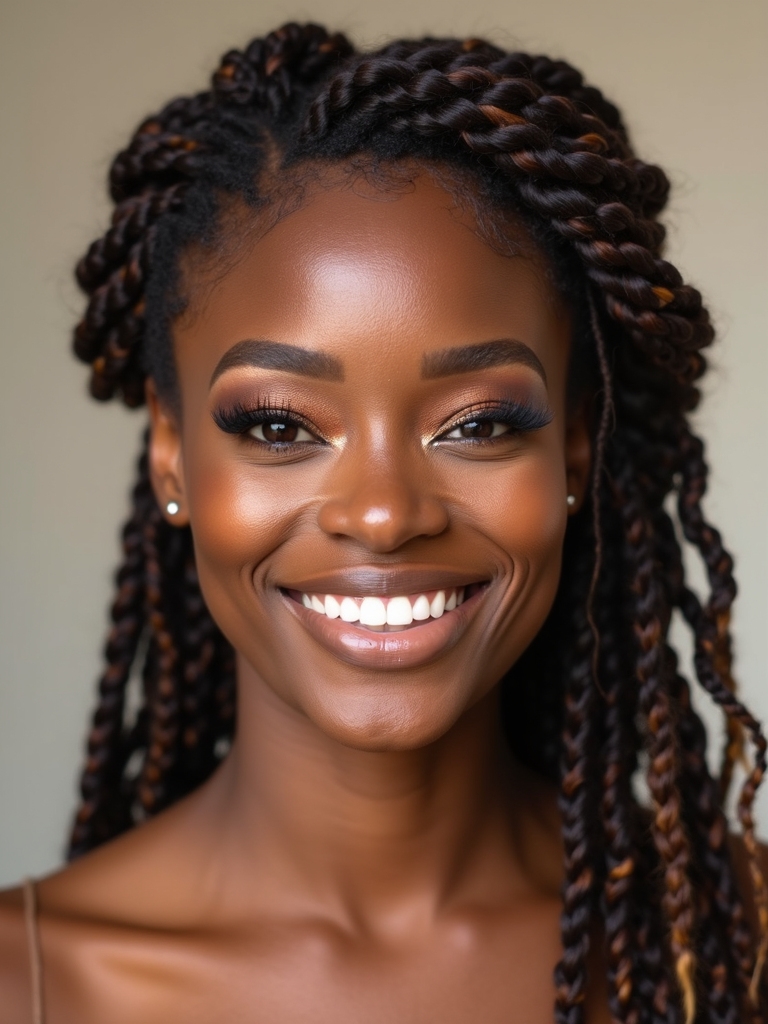
Rope twists look like two-strand twists but with more drama, because you twist each section hard in one direction before winding them together. That extra tension is what gives the rope its tight, sculptural cord and the volume people notice.
Prep matters here. A little mousse or foam at the roots gives the lift that keeps rope twists from going flat by afternoon. Work in clean, even sections so the cords match each other down the head.
They suit almost any length, which makes them a fast upgrade when your usual style feels tired. On longer hair they swing beautifully; on shorter hair they look sharp and modern. Either way, seal the ends so the cord does not unravel.
Protect Your Edges
A twist install should feel secure, never painful. If your edges throb during the appointment or you wake up with tiny bumps along the hairline, the tension is too tight, so ask your stylist to redo the perimeter looser. Traction tension is the leading cause of thinning edges, and no style is worth your hairline. Leave the front sections gentlest of all.
Bold Jumbo Havana Twists
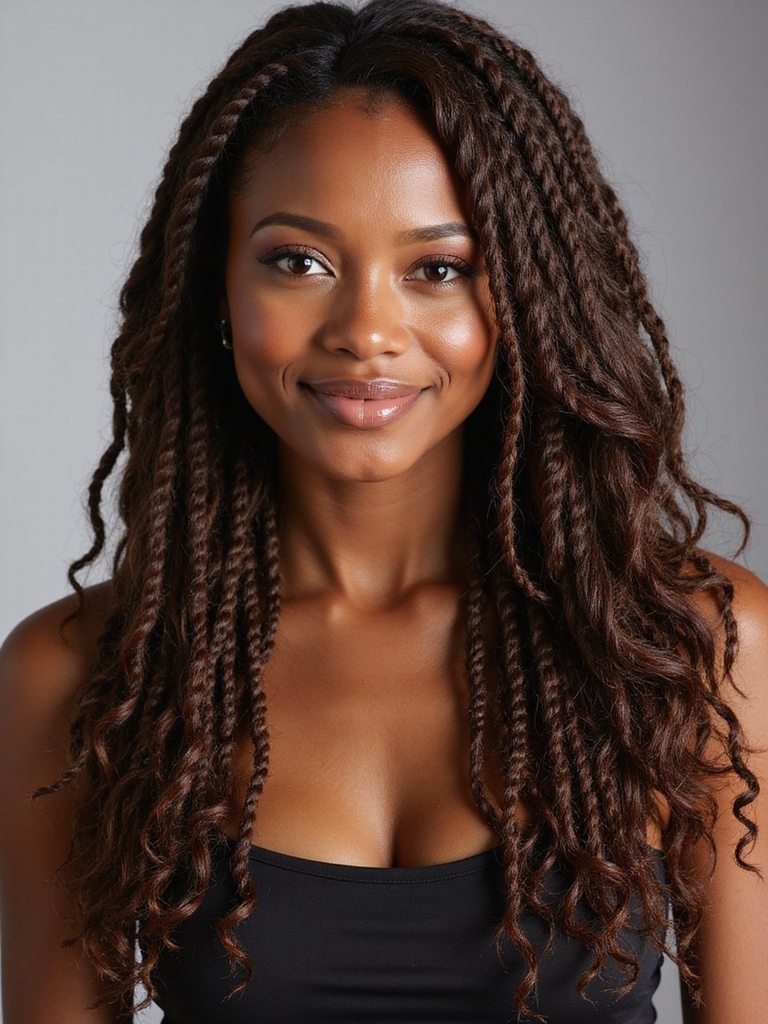
Jumbo Havana twists are the statement set: big, lightweight, and fast to install because the sections are large. They use a soft, fluffy extension hair that keeps the weight down, which is part of why they are kinder on the scalp than denser styles. Here is how to keep them looking fresh:
- Choose a lightweight Havana or Marley hair so the twists do not drag on your roots
- Mist with water and a drop of leave-in every couple of days to fight frizz at the base
- Wrap them in a satin scarf at night, and expect a good install to last four to six weeks
Passion Twists, Full of Charm
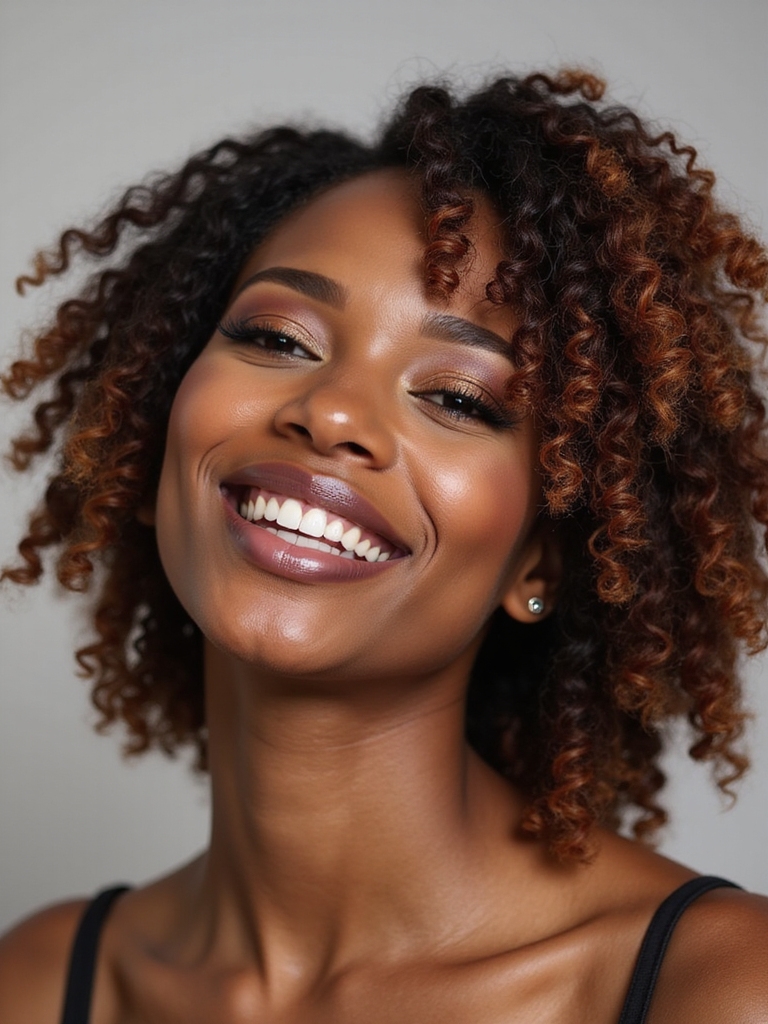
Passion twists took over for a reason: that soft, wavy, slightly wet-looking texture feels carefree and still pulled-together. They use a curlier extension hair than Senegalese, so the finished twist has movement and a romantic, beachy feel.
They are a forgiving style to wear and a popular protective option, holding four to six weeks with light upkeep. Pick your length and color to match your mood, from honey-brown waves to a deep burgundy. Like other protective braids, the trick is keeping the base moisturized so your natural hair thrives underneath.
📋Before a Big Twist Install
- ✓Wash, deep-condition, and fully detangle so your natural hair is healthy underneath
- ✓Choose a lightweight extension hair to keep weight off your roots and scalp
- ✓Block out three to six hours, and ask for medium, not micro, tension at the hairline
Modern Senegalese Twists
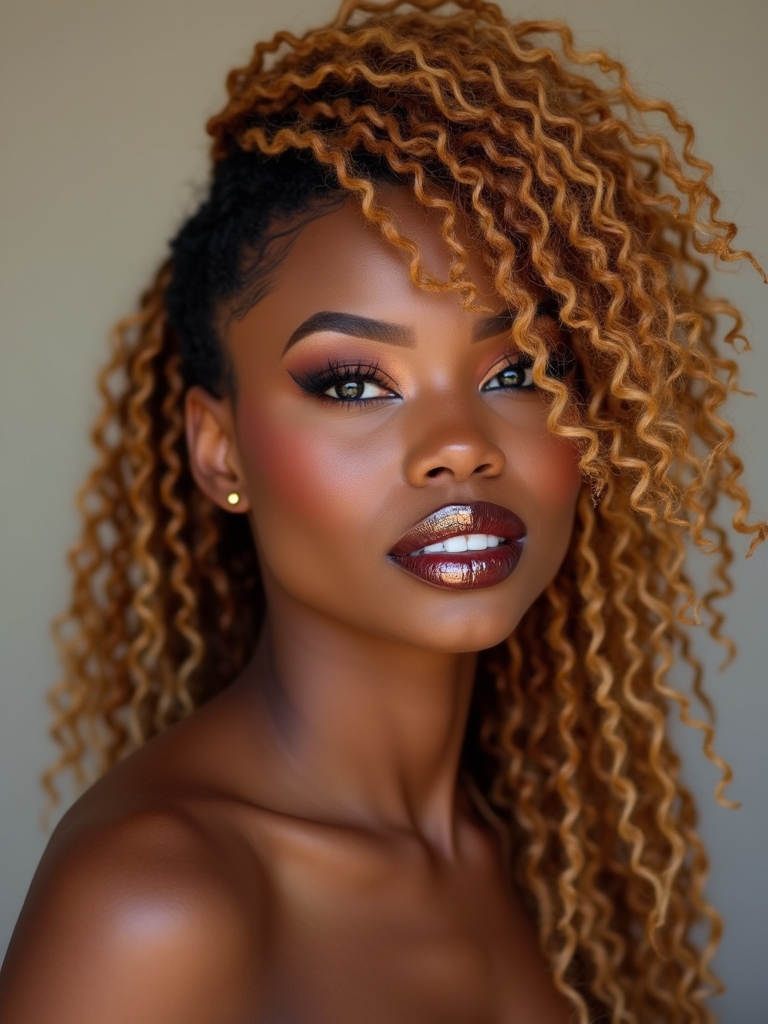
Senegalese twists are the sleek, polished member of the family, made with a smooth synthetic hair that gives them a glossy, rope-like finish. They are the refined pick for protection that still moves, and I recommend them to clients nervous about a heavy install. Here is how to get the most from a set:
- Go long for drama or shoulder-length for an easier, lighter set on your edges
- Add a few colored twists to break up an all-black install without much extra cost
- Keep a light oil on the scalp and avoid heavy gels, which flake on the smooth texture
Elegant Flat Twists
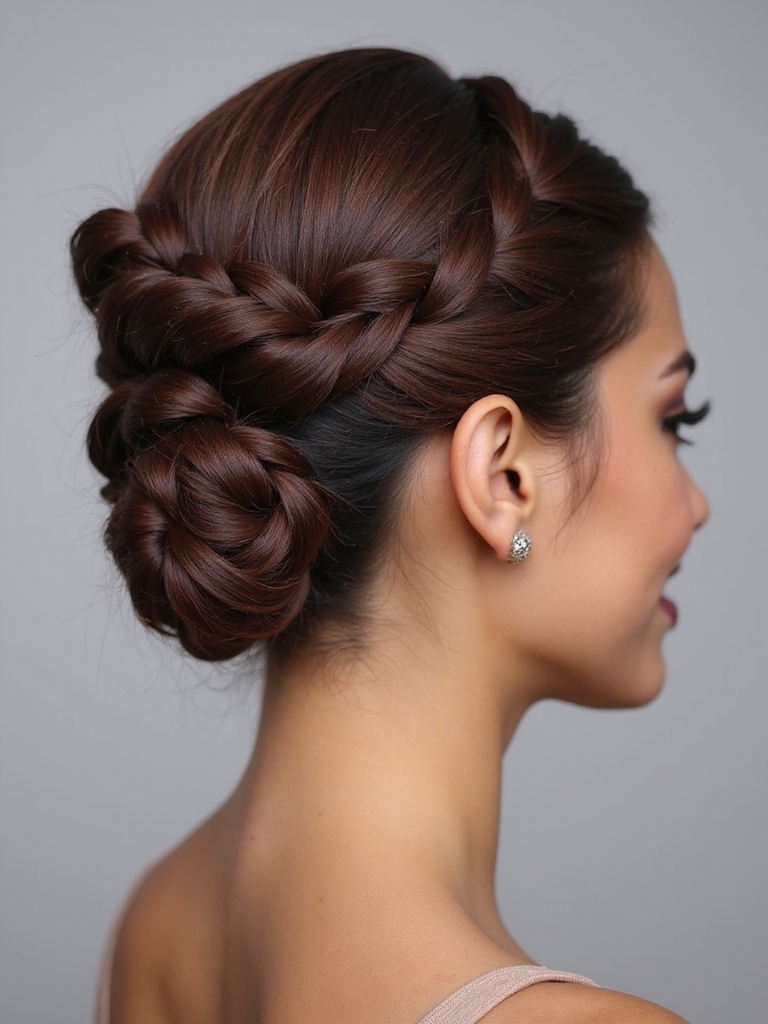
Worked in rows against the scalp, flat twists trade the three-strand cornrow braid for a simpler two-strand cross, which makes them quicker to learn and softer in appearance. Done in neat rows, they create the kind of clean, symmetrical pattern that turns heads with very little fuss.
They are about as low-maintenance as styling gets, which is half their appeal, and they double as a base for other looks. I steer clients toward flat twists when they want a few protected days that can transform into a twist-out later. Keep the parts crisp and the tension even, and they sit flat and tidy for a week.
🅰️Senegalese Twists
Smooth synthetic hair gives a sleek, glossy, rope-like finish. Polished and refined, best for anyone who wants twists that look crisp and move like silk.
🅱️Havana Twists
Fluffy, lightweight Marley-style hair gives a fuller, softer, more matte look. Faster to install in big sections and gentler on the scalp for long wear.
Kinky Twists for Natural Texture
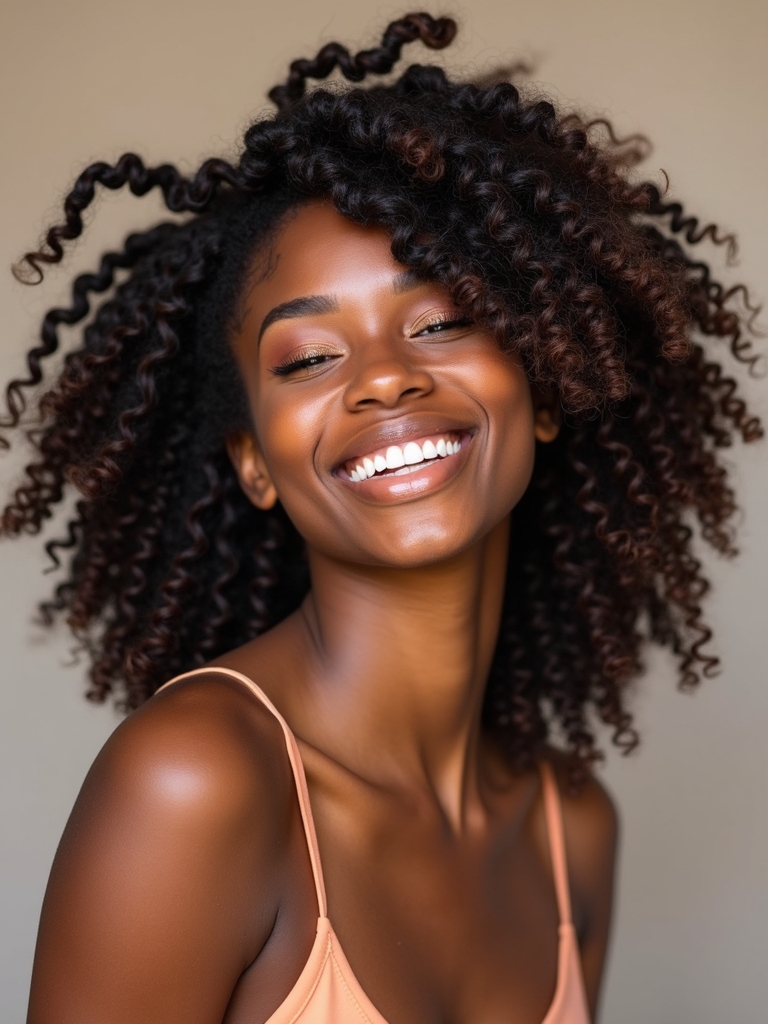
Kinky twists lean into coily texture and let it show, using a coarser extension hair that blends naturally with type 4 hair. They are a true protective style and about the most comfortable option for long-term wear. A few things that keep them healthy:
- Pick a lightweight kinky braiding hair so the install stays comfortable for weeks
- Moisturize the scalp two or three times a week, since coily hair dries out fastest
- Wear them waist-length or shaped into a bob; the texture holds either length well
Easy Protective Crochet Twists
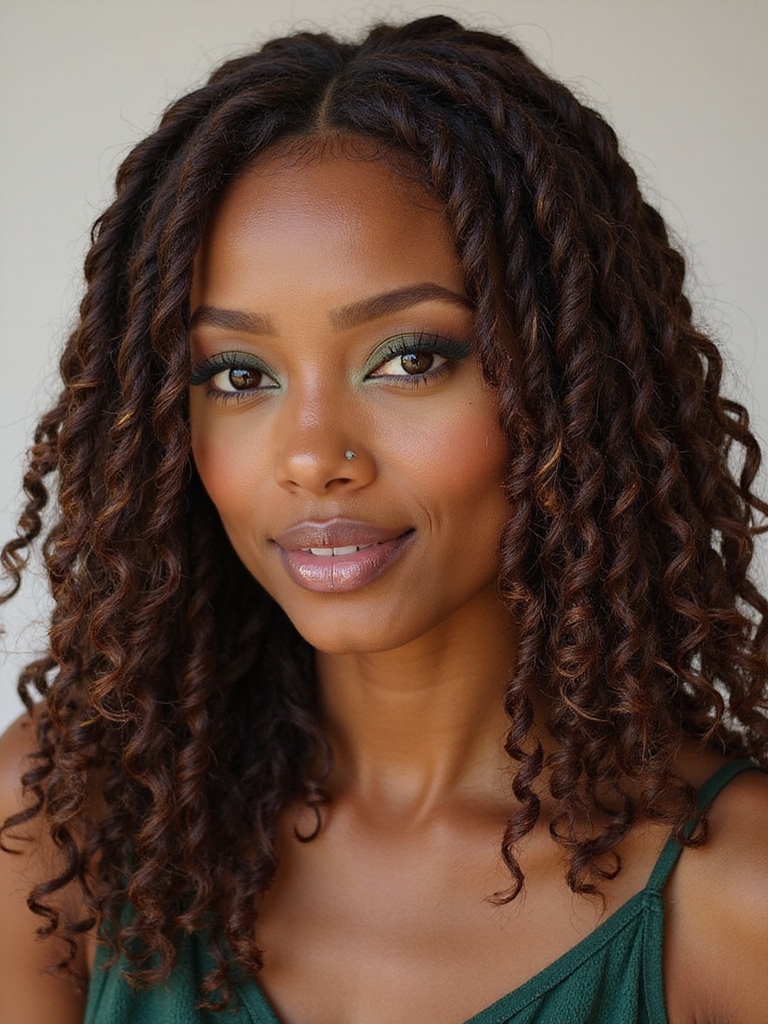
Crochet twists are the shortcut: pre-twisted hair looped through cornrows with a crochet hook, which cuts the install from hours to under one. They protect your natural hair underneath and need almost no daily styling, which makes them a favorite for busy weeks. Why people reach for them:
- Quick install, often under 90 minutes versus the half-day a full hand-twist takes
- Truly protective, since your own hair stays braided down and untouched
- Low effort to maintain, with a satin scarf at night doing most of the work
Moisture Tip
Coily hair under kinky twists dries out faster than any other texture, and dry hair under tension is what breaks. Mix water with a few drops of leave-in and a little oil in a spray bottle, mist your scalp and the base of the twists two or three times a week, and seal your ends. Hydrated hair stays flexible, and flexible hair does not snap.
A Twist-Out for Volume
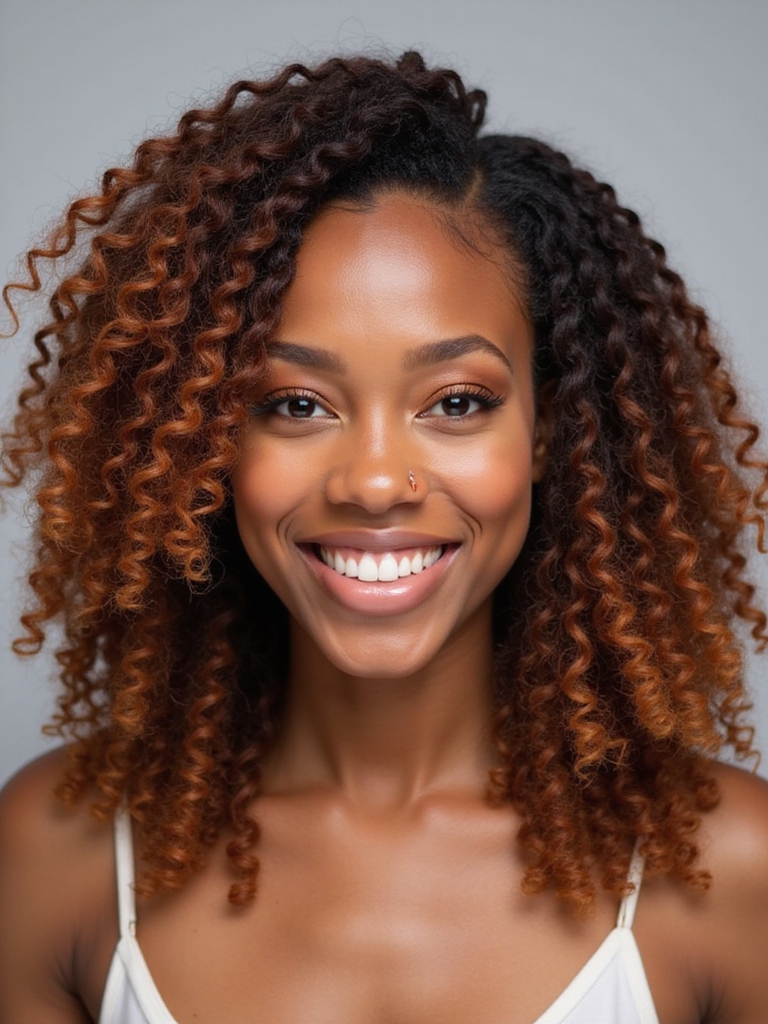
A twist-out is not a worn style so much as the reward for one. You twist freshly washed, conditioned hair, let it dry fully, then unravel each twist to reveal soft, defined waves with serious volume.
Patience Is the Whole Game
The two things people rush are the most important: definition product and dry time. Work a curl cream or gel through each section before twisting, and do not unravel until the hair is bone dry, or it frizzes instead of defining.
When you take them down, separate gently with oiled fingers to keep the curl intact and the fluff high. The result is a bouncy, full style that lasts two to three days before a refresh.
Twist-and-Braid Combinations
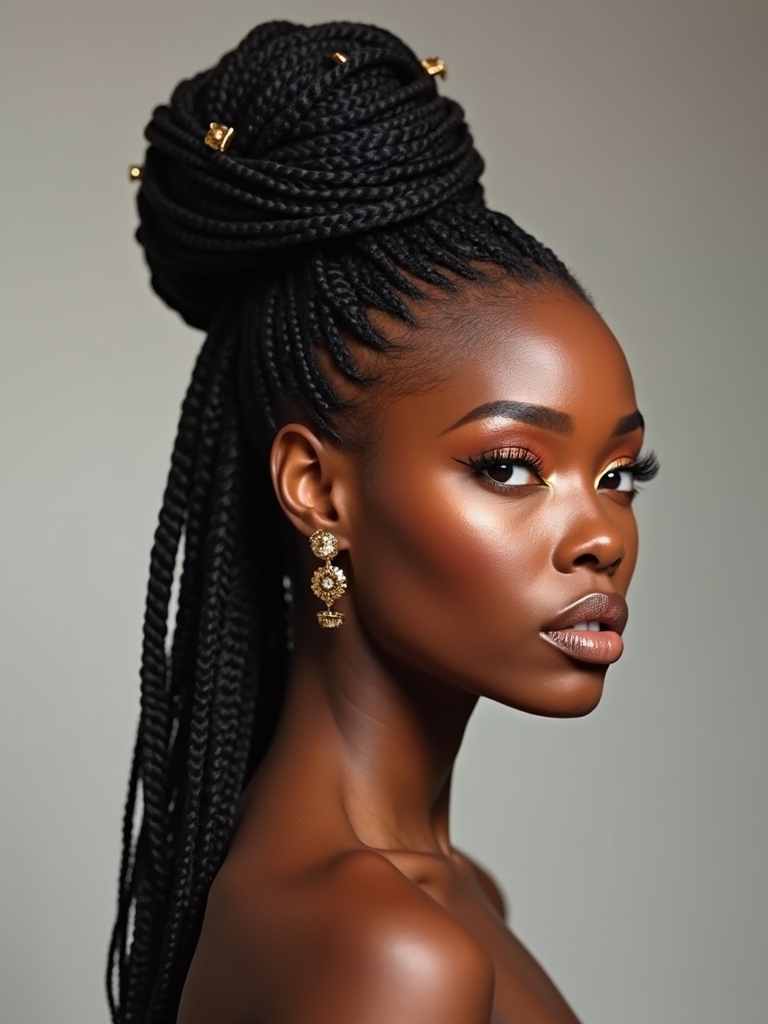
Mixing twists with braids gives a hairstyle texture and structure at once, and it is a fun way to break out of a single-technique rut. The contrast between a tight braid and a softer twist catches the eye in a way one alone does not.
Two Textures, One Look
A few combinations work especially well. Pair fishtail braids with twists for an intricate, woven look, or run a twist crown above loose twists for something a little regal. Chunky sections look bold; fine ones feel delicate.
These combos shine for weddings and events, but they also wear fine day to day. If you like the mixed look, the same instinct drives a lot of modern braided styles, where two textures do more than one.
Versatile Mini Twists
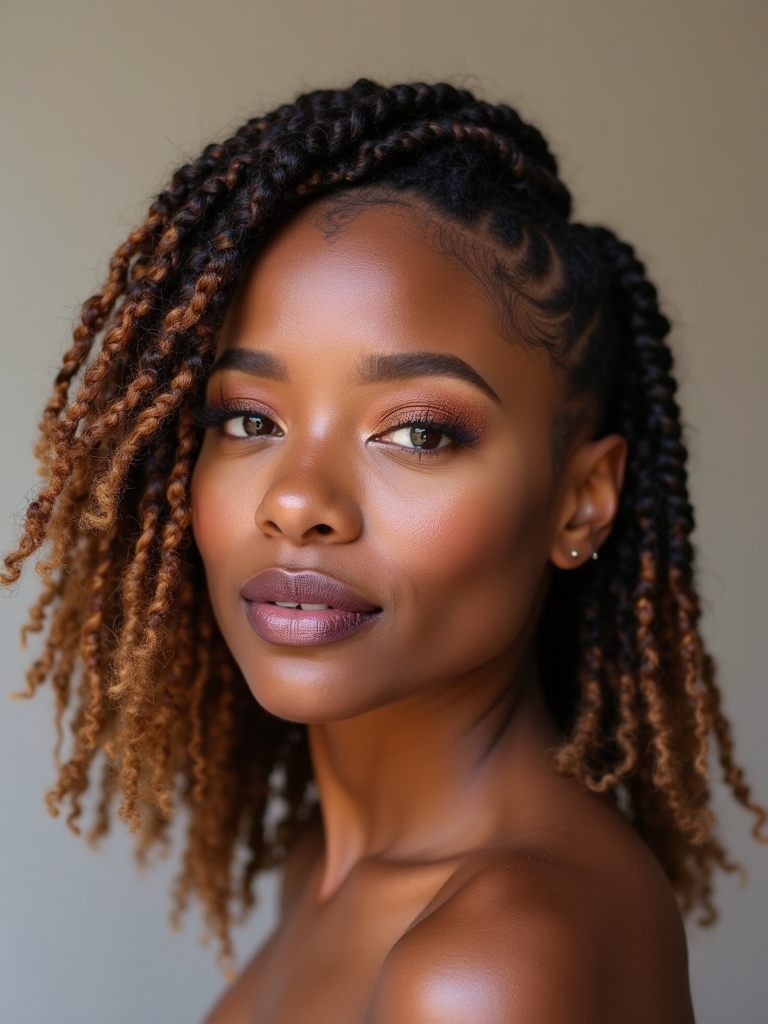
Mini twists are exactly what they sound like, small twists done across the whole head, and their size is their superpower. The tiny sections give you styling range no larger twist can match, from a sleek down-do to a pinned bun.
They take patience to install because there are so many of them, but they pay it back in wear time. A careful set of mini twists on natural hair can last two to three weeks with light care, longer than almost any other own-hair style.
They flatter every length, and the take-down doubles as a soft, tightly defined twist-out. Just unravel slowly; rushing minis is how you trade twenty minutes for a tangle.
Rubber Band Twists, Personalized
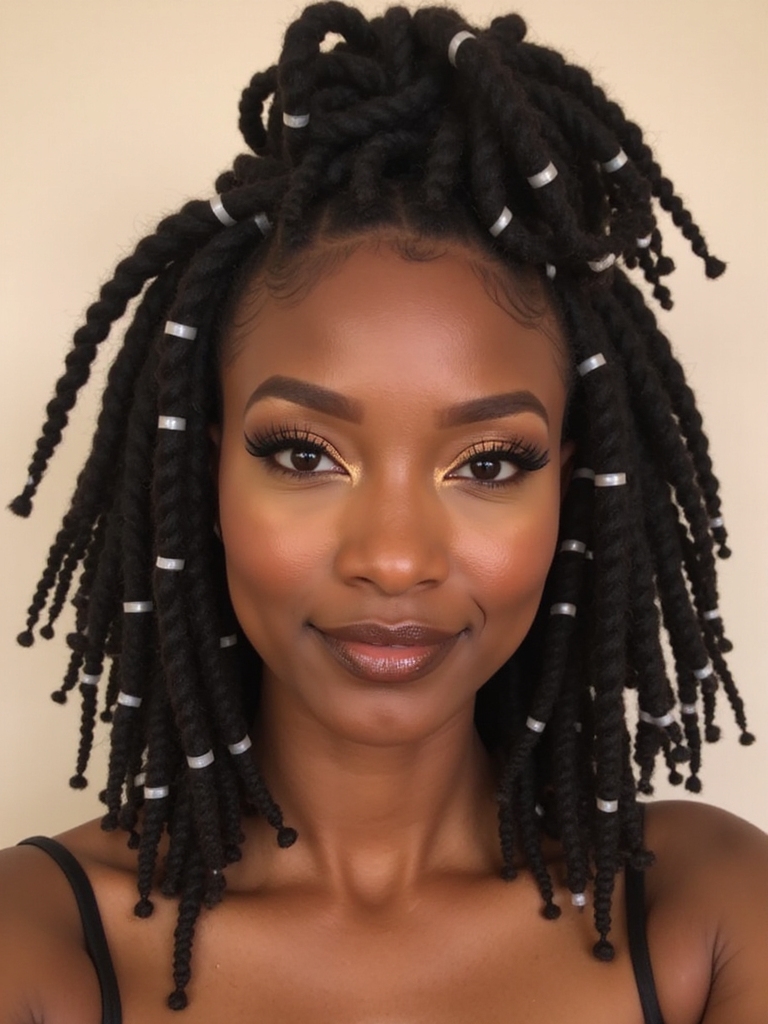
Rubber band twists use small elastics to section and secure the hair, which makes them one of the easiest styles to get crisp at home. The bands lock each part in place, so even a beginner can keep the rows neat and symmetrical.
The fun part is the bands themselves. Clear ones disappear for a clean look, while colorful bands add a pop that kids and festival-goers love. Mix hues for a personalized, playful edge that costs almost nothing.
Prep with a little moisture so the strands stay smooth, then section cleanly before you band. Whether you want a strict geometric pattern or something free-form, the bands give you control without heavy product.
A Chic Half-Up Twist
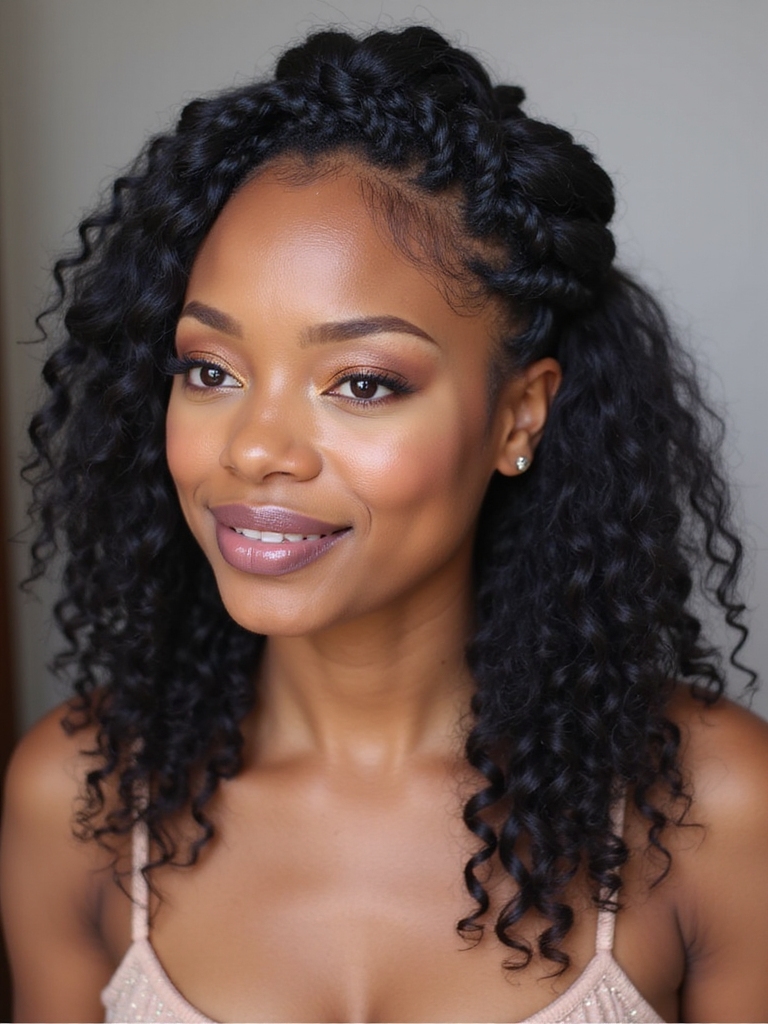
A half-up twist is the in-between style for days you want polish without committing to a full updo. You gather the crown, twist it back, and pin it, leaving the rest to fall loose. It looks playful and put-together at once.
It works on nearly every texture and length, which is why it is such a reliable Monday-morning save. For more ideas in this lane, a good half-up half-down style follows the same logic of structure on top, freedom below.
- Twist the crown sections away from your face for a cleaner line
- Secure with bobby pins crossed in an X so they grip and hide
- Pull one or two soft pieces forward by the cheeks to ease the line
A Twisted Updo for Formal Days
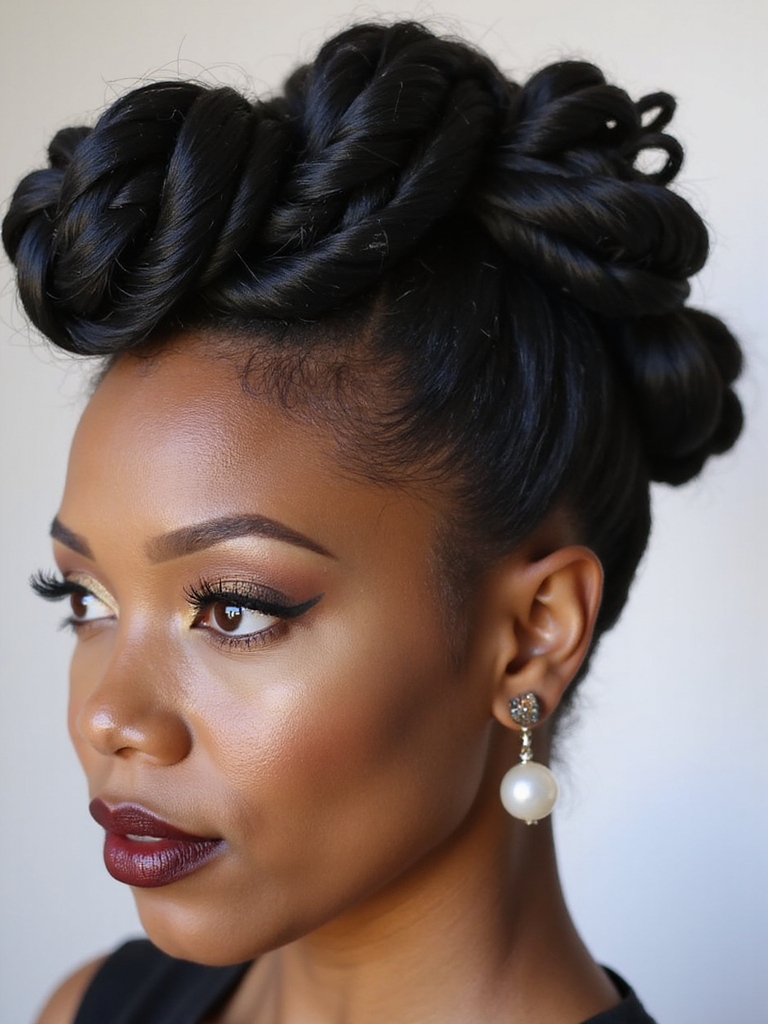
A twisted updo is where twists go formal. You divide the hair into sections, twist each one until it is firm, then pin them at the back into a shape that holds for hours. It is what I pull together when a client needs hair to survive a long reception.
The beauty is that it works on textured and straight hair alike, and it hides a multi-day-old wash beautifully. Keep the twists slightly loose before pinning so the finished shape looks soft rather than severe, the way the best updo styles do.
A Twisted Low Ponytail
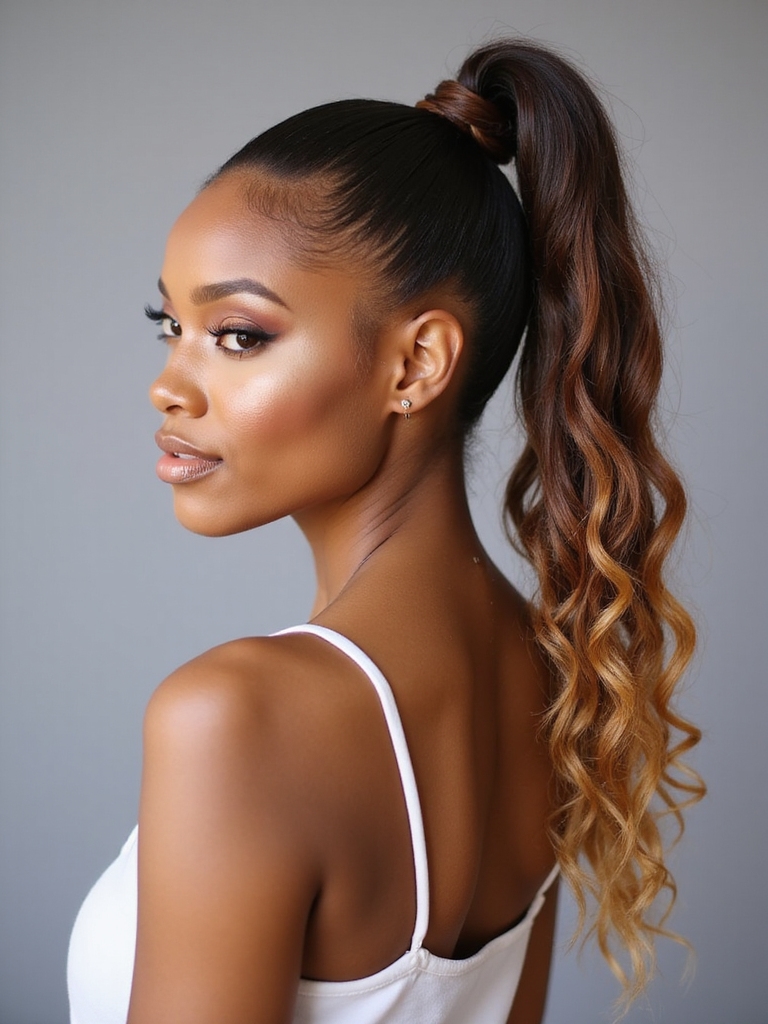
A twisted low ponytail takes a five-minute style and makes it look considered. Gather the hair low, split the tail in two, twist each half, then wind them around each other and pin so the cord wraps cleanly down the length.
It is sleek enough for work and quick enough for a school run, and it keeps loose ends tucked away. Smooth the crown with a little gel or a brush before you gather, and it sits closer to a polished sleek ponytail than a rushed one.
Twists With Quiet Elegance
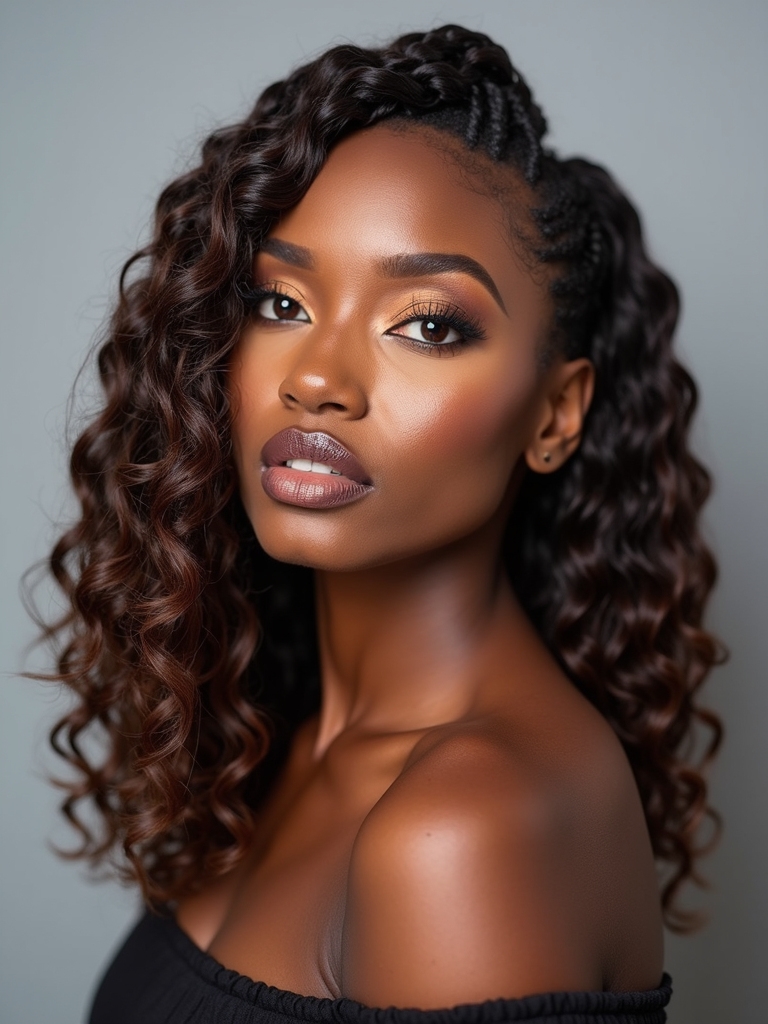
Side-swept twists are the low-effort glamour option, sweeping the twists to one side for a soft, old-Hollywood line that suits an evening out. The technique is simpler than it looks, and it works on most lengths. Here is the order I use:
- Section the hair and work a light styling cream through for control
- Twist the sections away from your face so they sweep cleanly to one side
- Pin the gathered twists behind one ear and leave a soft piece loose in front
A Messy Twist Bun
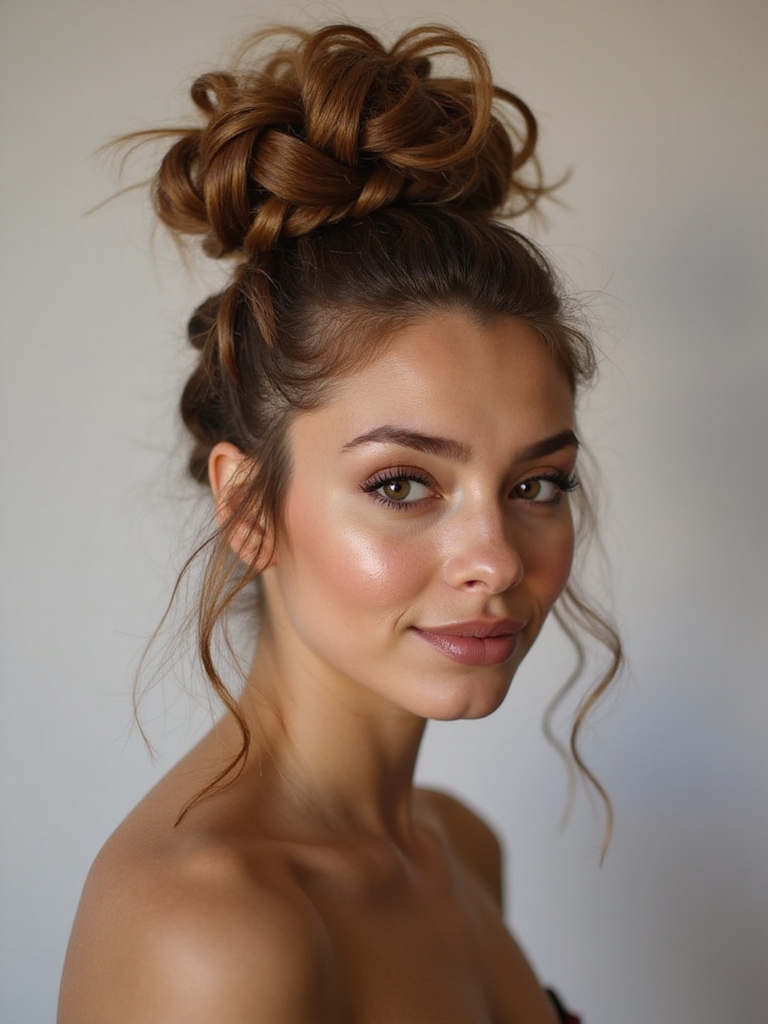
The messy twist bun is the casual-day hero, the one that looks like you did not try when you absolutely did. You loosely twist sections of hair and tuck them into a bun, securing as you go.
Structured, Then Loosened
Pin generously, because a messy bun stays up on hidden structure, not luck. Once it is secure, tug a few strands free near the temples and hairline so the bun softens into something undone.
It suits second- or third-day hair perfectly, so it earns its place on wash-day-adjacent mornings. If you love the easy-bun lane, there is a whole world of simple bun styles built on the same tuck-and-pin idea.
Faux Locs With Twist Elements
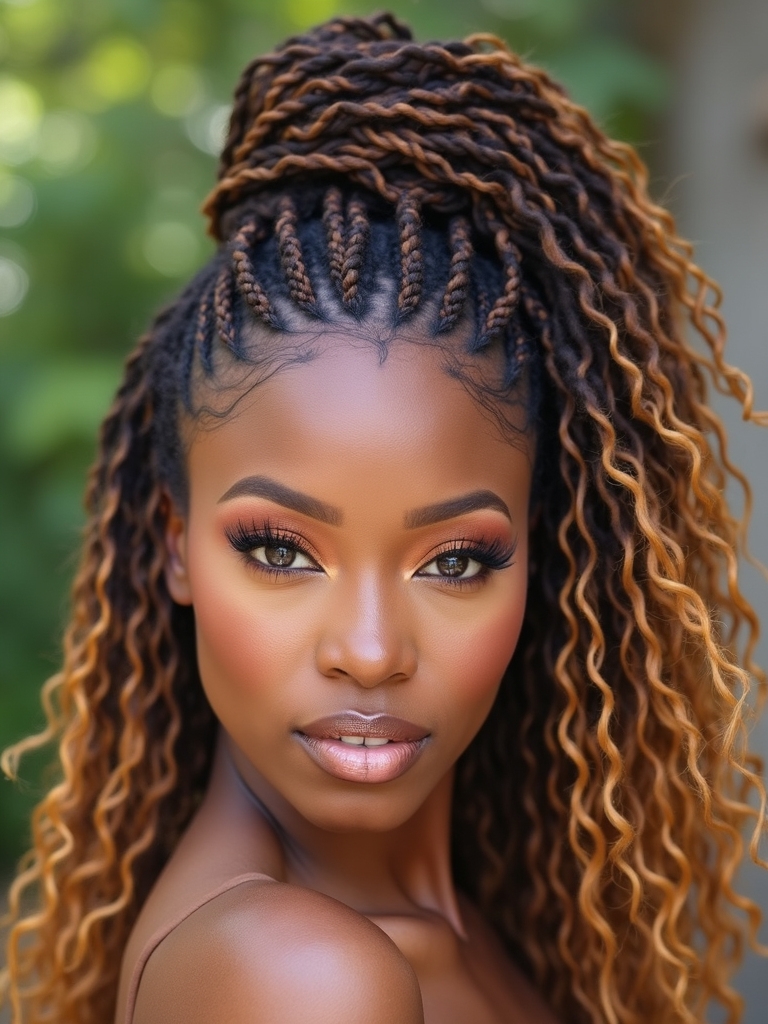
Want loc texture without locking your hair for good? Faux locs are the answer, and weaving in twist elements both softens the look and speeds up the wrap. You braid the natural hair down first, then coil loc hair around it from root to tip for that signature surface.
This is a bold, beautiful protective style that holds for weeks, and the styling range is wide once they are in. If you are drawn to the loc aesthetic, it is worth exploring real loc styles too before deciding which suits your hair goals.
- Wash and section your hair into even parts before any wrapping
- Keep the base braid neat so the finished loc looks smooth, not lumpy
- Seal the ends and refresh the roots every few weeks to keep them tidy
Bold Asymmetrical Twists
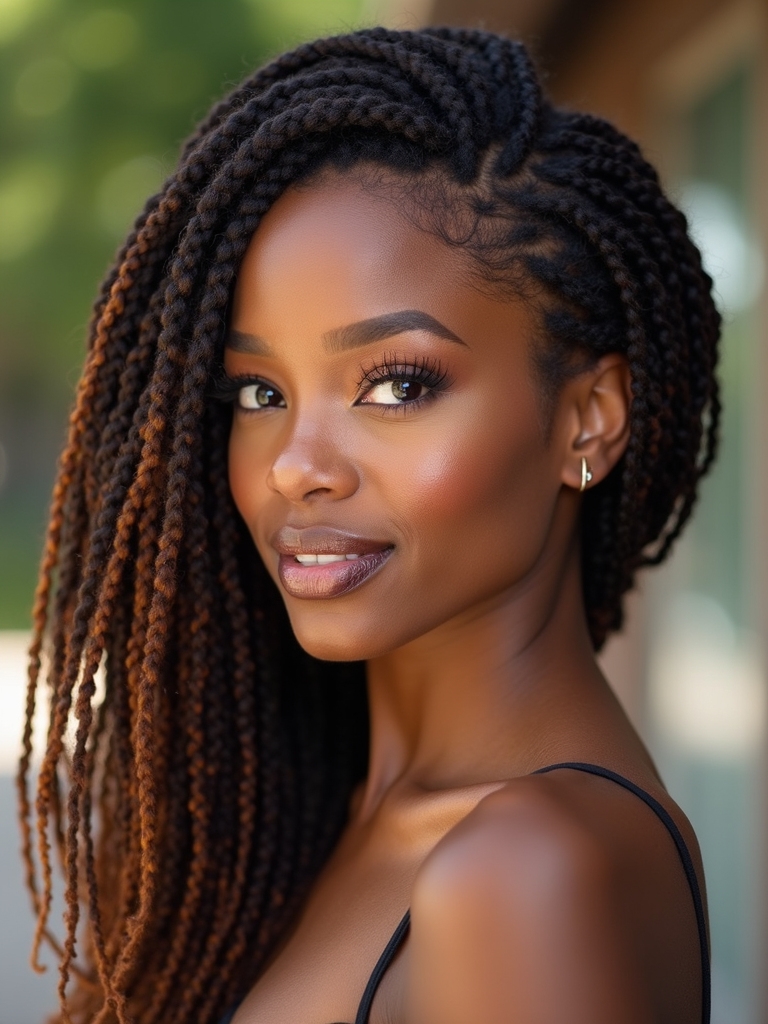
Asymmetrical twists break the rule that hair has to match side to side, and that is exactly the point. You lean the volume and direction toward one side for a daring, off-balance shape that feels modern and a little rebellious.
Off-Balance on Purpose
Pick your stronger side and build the fullness there, using a light volumizing spray to give the twists lift. Then secure the heavier side with pins so the shape holds through the night.
It is a confident look that rewards a confident wearer, and it photographs with real energy. Keep the parting deliberate; a clean, intentional part is what separates bold from messy.
Bohemian Twists With Accessories
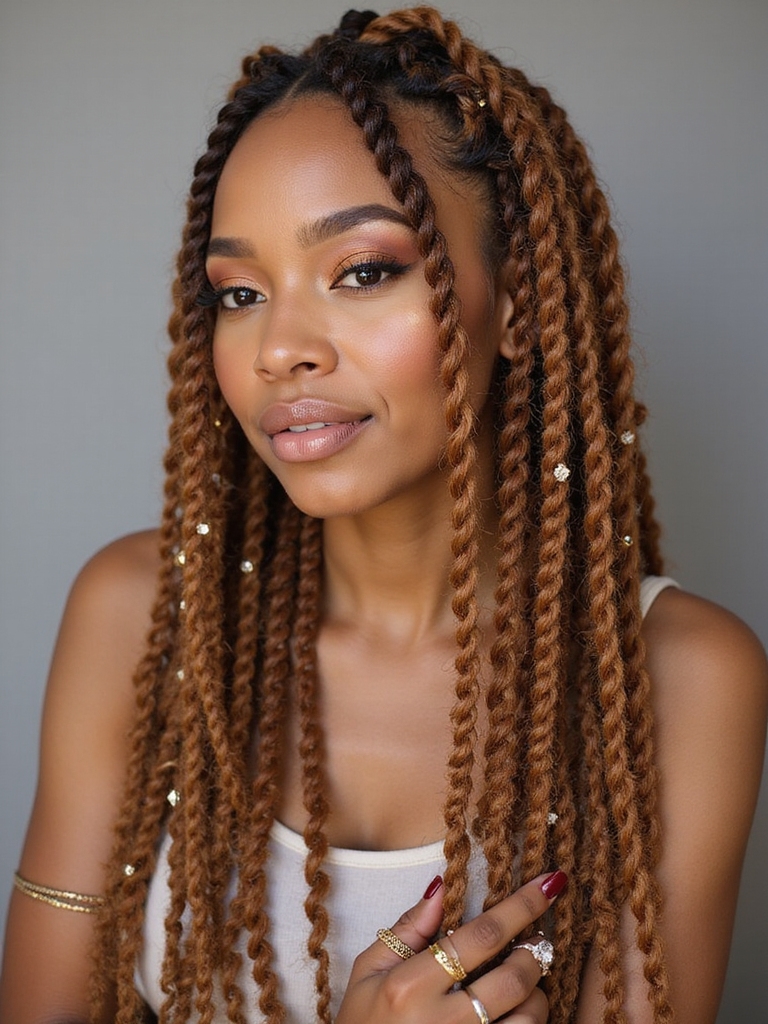
Bohemian twists carry a free-spirited charm that suits anyone who likes their style a little undone. The twists themselves stay soft and relaxed, and the magic is in what you weave through them: thin scarves, colorful threads, a few metal cuffs.
Adding the accessories is as simple as wrapping them into a twist as you go, and the result feels personal rather than fussy. A festival, a beach day, a lazy weekend, all of it suits this look. Start with one accent color so the hand of accessories stays light.
Twist Braids With Beads and Charms
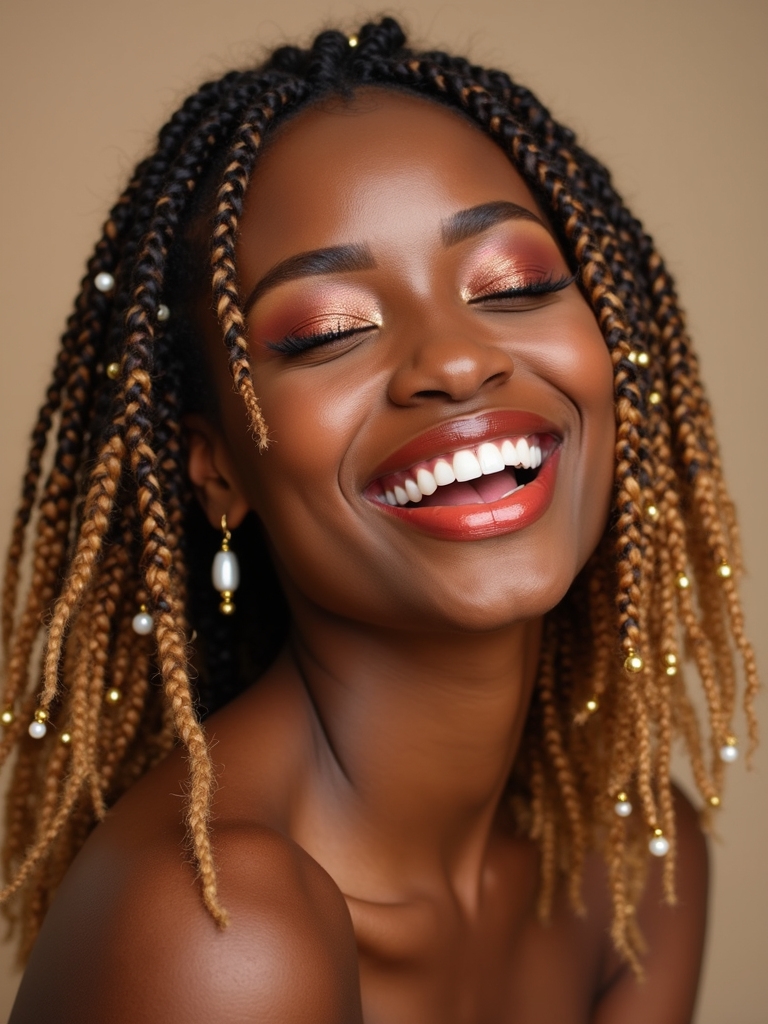
Beads and charms turn twist braids into something playful and personal, and they carry real cultural history in many Black hair traditions, so wear them with that respect in mind. Threaded onto the ends, they add movement, a little sound, and a lot of personality.
Choosing the materials is half the fun: metallic beads for shine, wooden ones for an earthy feel, colorful glass for a pop. Slide them onto finished twists and secure them so they sit without slipping.
Keep the weight reasonable, especially near the hairline, so heavy beads do not tug your edges. Mixed and matched thoughtfully, they look festive and intentional, the way they do in classic Fulani styles.
Colorful Twist Styles
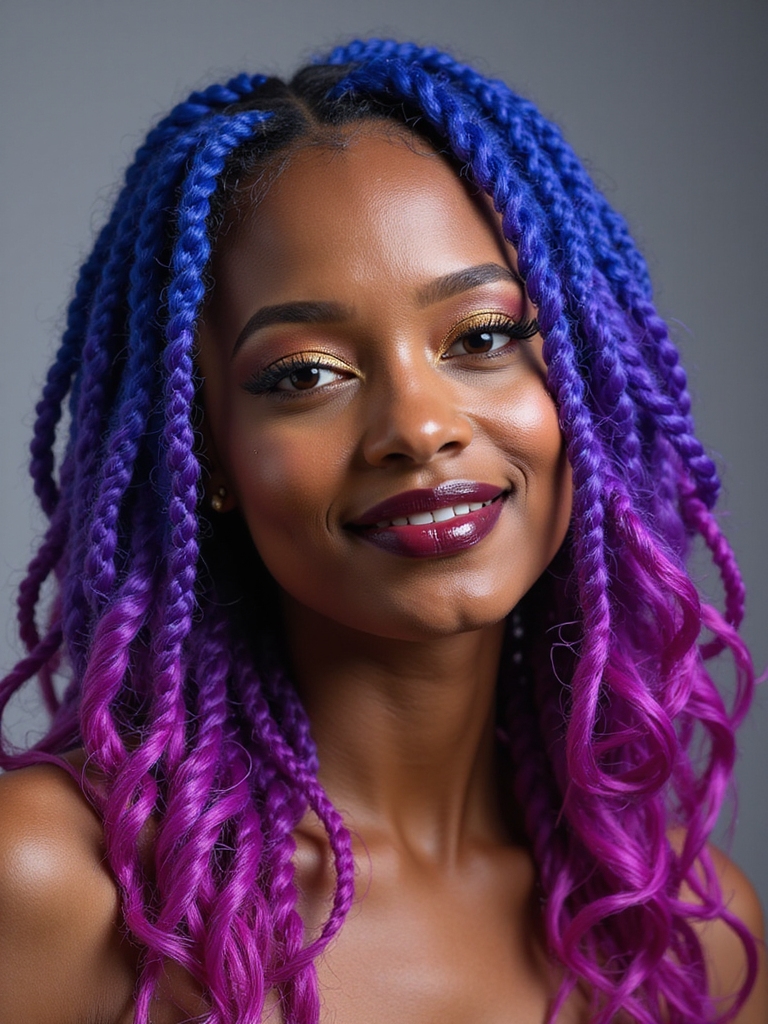
Color is the fastest way to make a twist style feel new, and you do not have to commit to permanent dye to get it. Worked into your twists, a bold shade like electric blue or warm sunset orange brings instant playfulness.
The low-stakes route is colored extension hair or temporary hair chalk, both of which wash or take out without touching your natural color. That makes color twists a great way to test a shade before you ever sit in a colorist’s chair.
Try a few accent twists framing the face for a subtle hit, or go all-in for a full fashion-forward set. Either way, the color shows brightest against clean, moisturized hair, so prep before you play.
A Low Twisted Bun
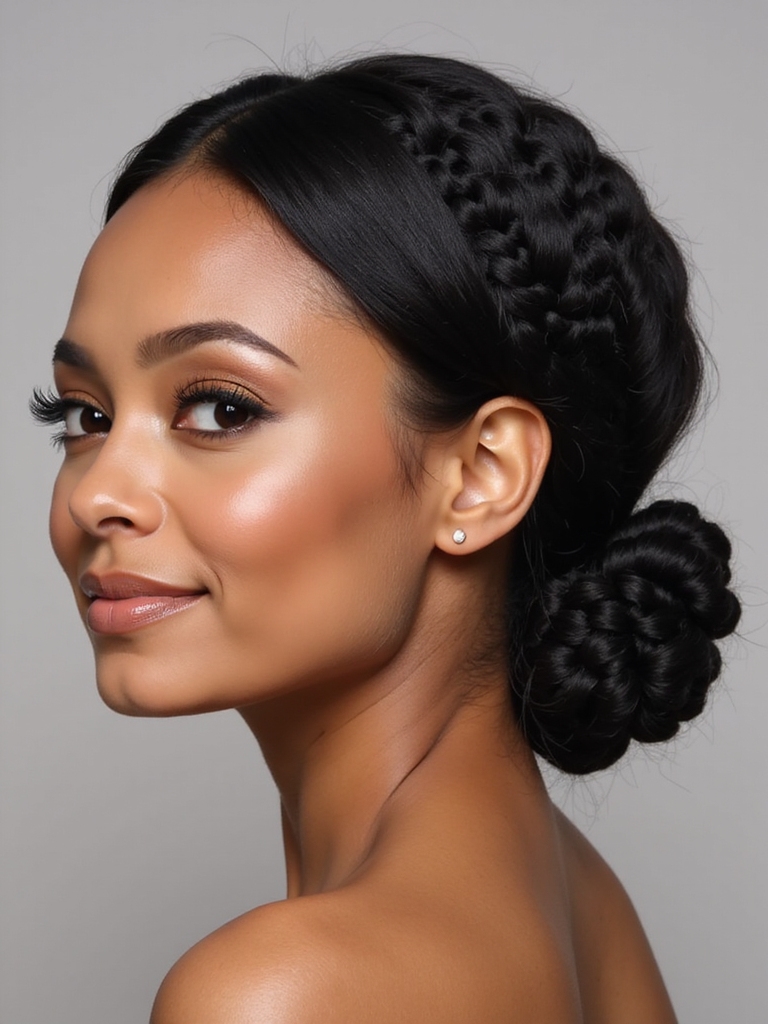
The low twisted bun is the refined cousin of the messy version, and it is my go-to when a look needs to read grown and polished. You divide the hair into two segments, twist each, and secure them low at the nape into a smooth coil.
Smooth on Top, Coiled Below
Keeping it elegant comes down to a clean crown. Take a brush and a touch of gel to the top before gathering, so the only texture lives in the bun itself.
Loosen the coil just slightly for softness, and it carries an outfit from the office to dinner without a single restyle. It is proof that a simple bun, done cleanly, can look expensive.
Criss-Cross Flat Twists
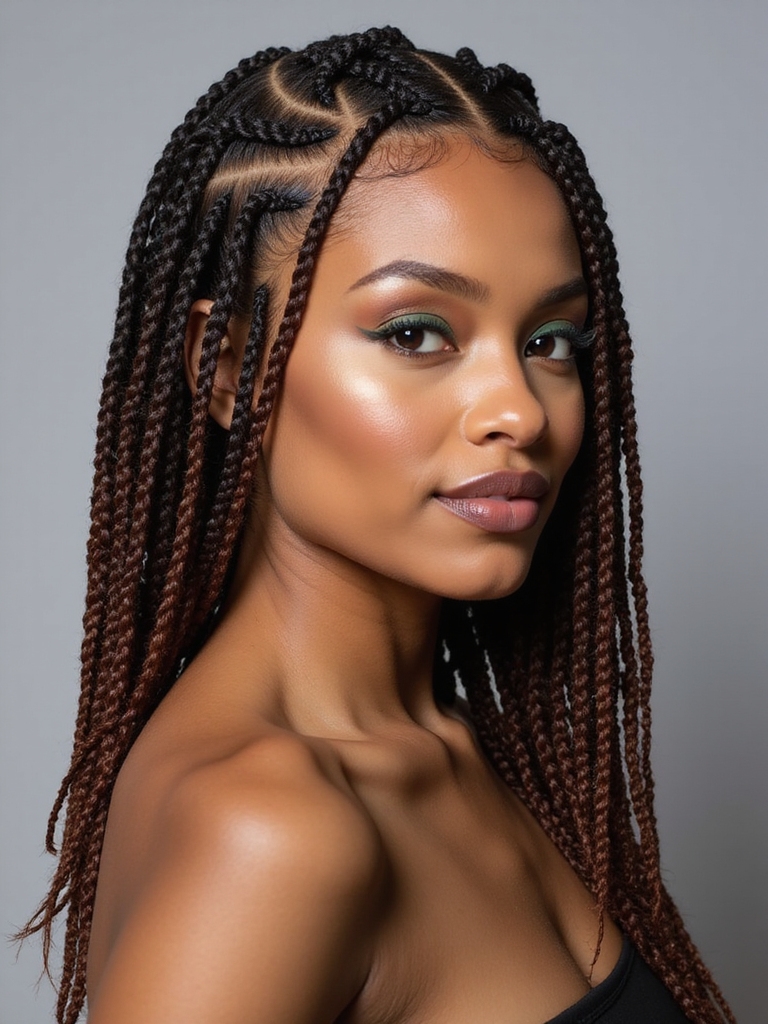
Criss-cross flat twists are the trendsetter’s pick, taking the clean flat-twist base and crossing the rows in an alternating pattern for a graphic, eye-catching design. The woven effect looks intricate but comes together faster than it appears.
Let the Pattern Do the Talking
Part the hair neatly into sections, twist each one flat to the scalp, then cross them over each other and pin where they meet. Precision in the parting is what makes the pattern pop.
It is ideal for an event where you want a real style without hours in the chair, and it holds its shape for days. Like other cornrow-based looks, the cleaner your parts, the sharper the finish.
Twist Hairstyles, Answered
?How long do twist hairstyles last?
It depends on the type. Own-hair styles like two-strand or mini twists hold one to three weeks, while extension styles such as Havana, passion, and Senegalese twists are protective and last four to eight weeks. A nightly satin scarf and regular scalp moisture are what stretch the wear.
?Are twists actually protective, or can they damage hair?
Done with gentle tension and lightweight hair, twists are protective: they tuck your strands away and cut daily manipulation. The damage comes from installs that are too tight or too heavy, which strain the edges. If a set hurts, it is wrong, and you should ask for it to be loosened.
?How much do extension twists cost at a salon?
Most extension twist styles run **$80-250** depending on length, size, and your area, with longer and smaller twists costing more for the extra hours. Crochet twists are usually the most budget-friendly because they install so quickly, while a full hand-twisted passion or Senegalese set sits at the higher end.
Finding Your Kind of Twist
Twists are less a single style than a whole language, and the fluency comes from trying a few. Maybe yours is a quick two-strand on your own hair, maybe it is a full passion-twist install you wear for two months, maybe it is a beaded set for a festival. They all protect, and they all bend to your week.
If you are new to it, start with two-strand twists or flat twists on your own hair before booking a long install. Get a feel for the tension, the parting, the upkeep. Then, when you sit down for the big set, you will know exactly what your hair and your edges can carry.
Hand-Picked for You