There are two kinds of braid people. Some want a quick plait that lasts an afternoon, and some want a set they fix once and forget for weeks. This guide is for both, because braids stretch across that whole range, from a five-minute French braid to a month of knotless box braids.
Braids are equal parts technique and tradition. These styles run from the everyday classics to protective sets rich with heritage, with honest notes on how to wear each one and keep your hair healthy.
Braid Basics
- Braids fall into two camps: quick everyday styles like French and Dutch, and longer-lasting protective sets like box, Ghana, and knotless braids.
- Protective braids can last two to eight weeks and shield your ends, but they must be installed with gentle tension to spare your edges.
- A salon protective set runs roughly $80 to $250 depending on size, length, and pattern, while a home plait costs nothing.
- Whatever the style, clean prep and nightly protection are what keep braids looking fresh and your hair strong underneath.
The Cultural Legacy of Braids

Braids carry centuries of meaning, especially across African cultures where patterns signaled community, status, and identity. Every modern braid sits on top of that long, rich history.
Wearing Braids With Respect
Understanding the legacy changes how you wear them. A braid is part of a tradition passed hand to hand across generations, not merely a quick fix.
When you choose protective braids like box or Ghana braids, you join that lineage, which is reason enough to wear them with knowledge and pride.

Braiding Basics: Tension and Symmetry

Every good braid comes down to two things: even tension and clean sections. Get those right and almost any style falls into place.
The Golden Rule of Tension
Tension should be firm enough to hold but never tight enough to hurt. A stinging scalp is the warning sign of the kind of pull that damages your hairline over time.
Symmetry comes from clean parting, so a rat-tail comb and a little patience matter more than speed when you are learning.
Pick the braid that fits your goal:
🎯A quick everyday look
A French or Dutch braid takes minutes and works on most lengths and textures.
🎯Weeks of protected hair
Box, Ghana, or knotless braids tuck your ends away and last for weeks at a time.
Mastering the Three-Strand Braid
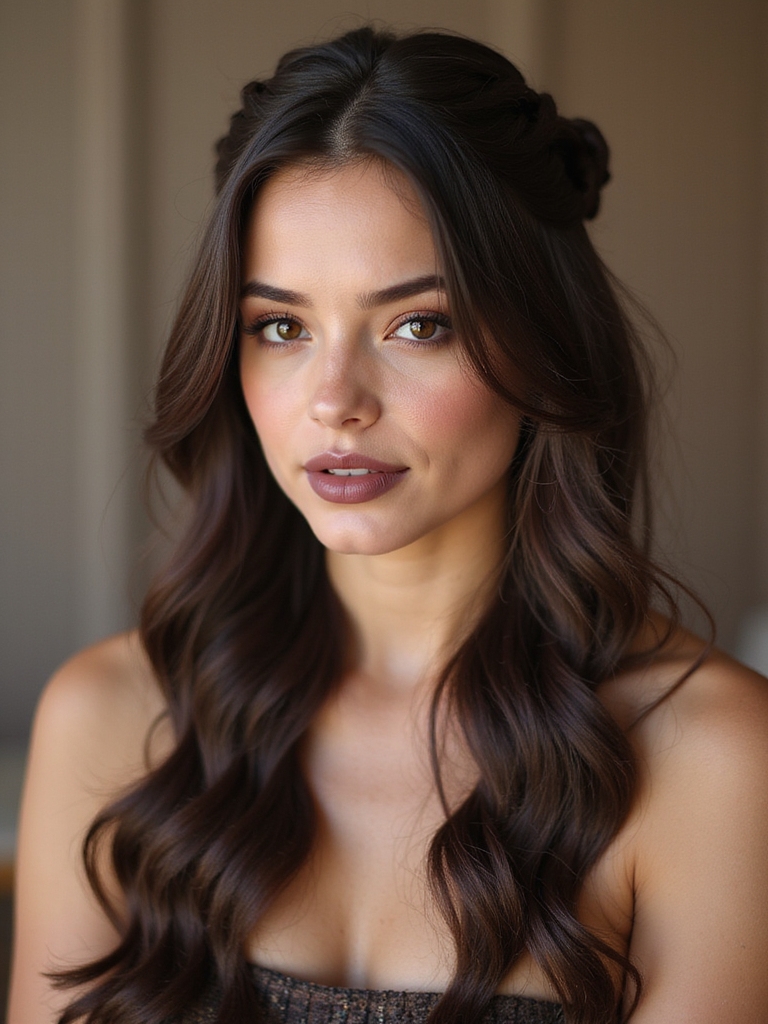
The humble three-strand braid is the foundation of nearly every style here, so it is worth getting comfortable with. Once your fingers know the rhythm, the fancier braids come easily.
- Split a section into three equal strands held with light, even tension.
- Cross the outer strands over the middle, alternating sides as you go down.
- Keep the tension consistent so the braid looks even from top to tail.
The French Braid
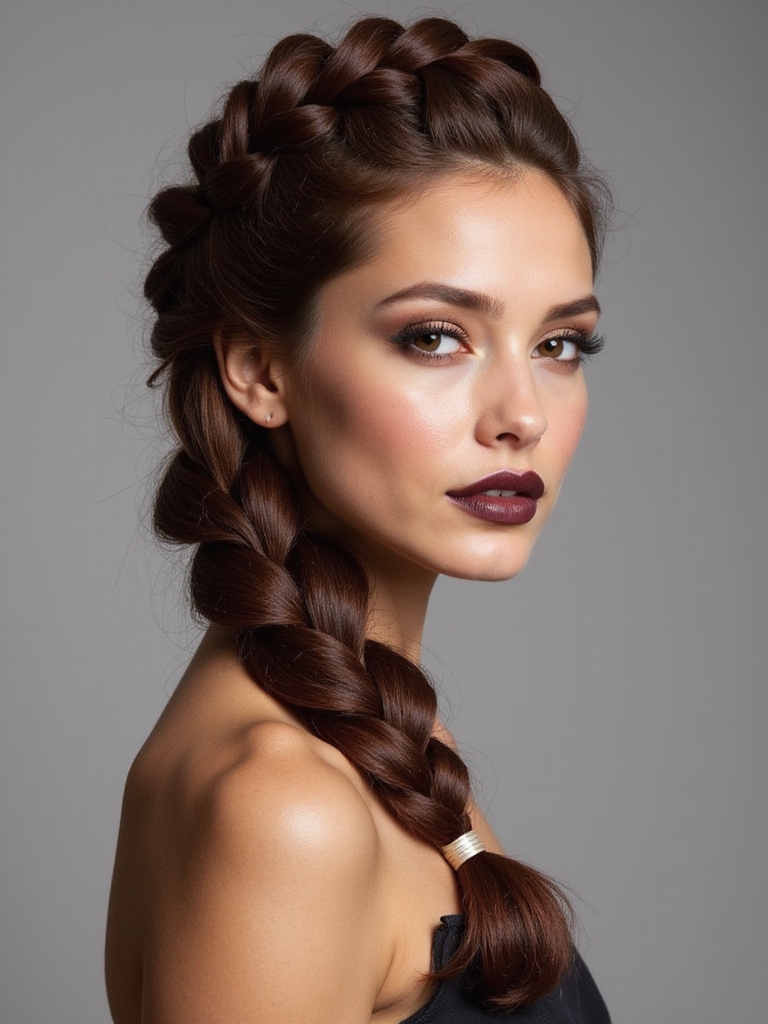
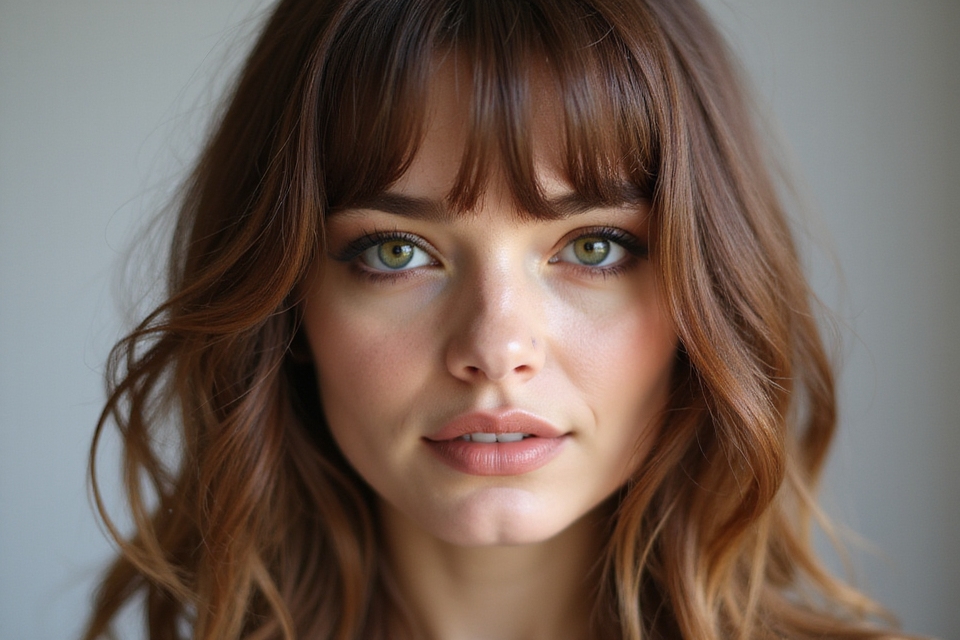
The French braid is the everyday workhorse, gathering hair from the scalp as it goes for a neat, secured style. I tell clients it is the first braid worth learning, since it works on almost any length and texture.
It sits on top of the hair, which makes it softer and easier than its Dutch cousin.
- Start with a section at the crown and add hair to each strand as you braid down.
- Keep it centered for a classic look, or angle it to one side for something softer.
- Pancake the edges gently afterward for a fuller, more relaxed braid.
The three-strand braid, step by step:
1Split and hold
Divide a section into three even strands with light, equal tension.
2Cross and repeat
Cross the outer strands over the middle, alternating sides down to the ends.
The Dutch Braid
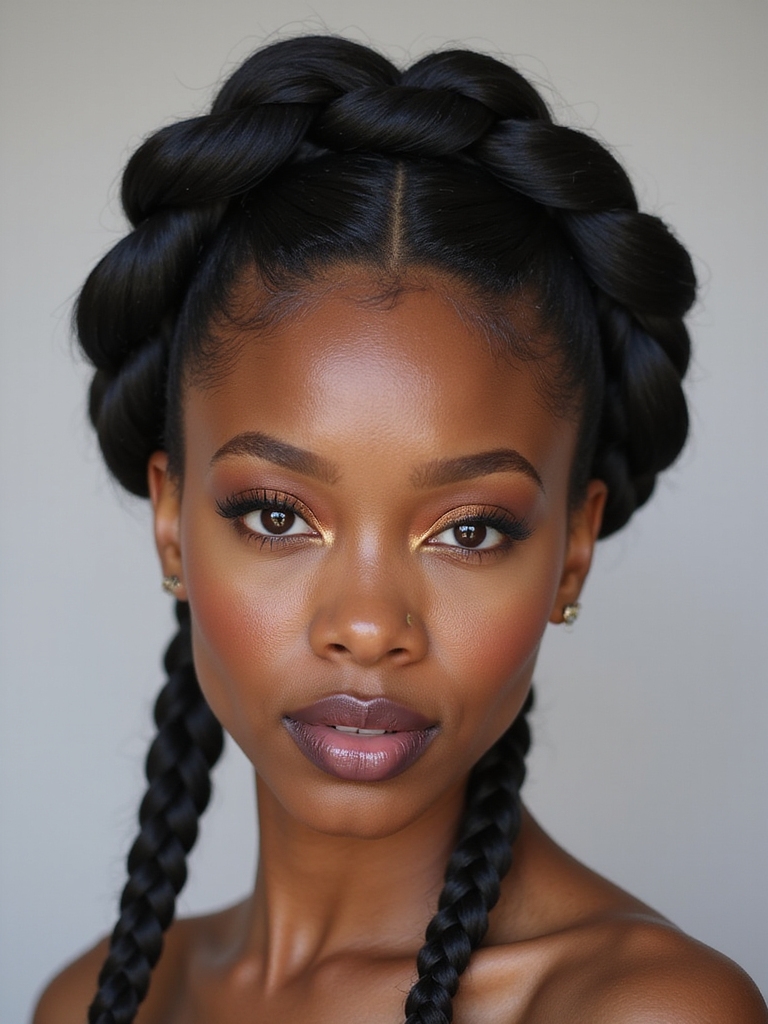
The Dutch braid is the French braid’s bolder sibling, crossing the strands under instead of over so the braid stands up off the head. That raised, three-dimensional look is why it photographs so well.
- Cross each outer strand under the middle, the opposite of a French braid.
- Add hair to each strand as you go for that gathered, secured finish.
- Two Dutch braids side by side are a sporty, secure favorite for the gym.
Elegant and Versatile Braids

Braids are not only practical; the right one is truly elegant for a wedding or an evening out. A soft braid wrapped low or a delicate crown reads romantic and refined.
The trick to elegance is a looser, softer braid plus a few face-framing pieces left loose.
Finish with a mist of shine spray and a couple of pins, and a simple braid becomes formal enough for the fanciest occasion.
Heads-Up
If your scalp stings or you see tiny bumps along the hairline after an install, the braids are too tight. Have them loosened or removed; tension this strong leads to traction damage over time.
Creative Box Braids
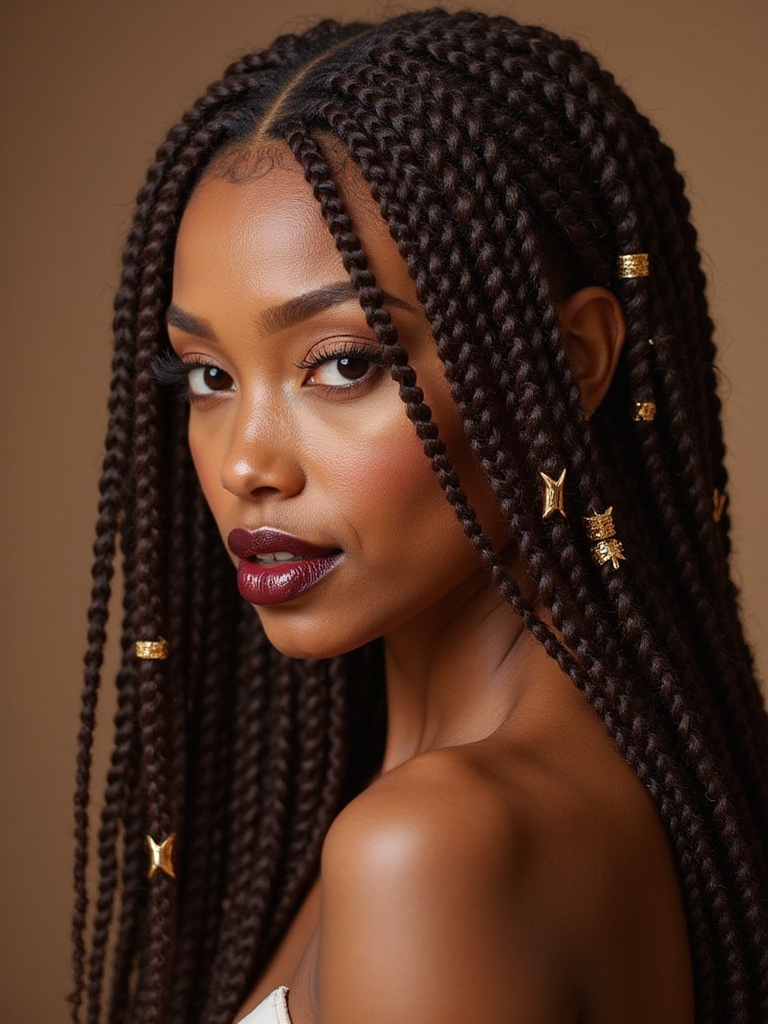
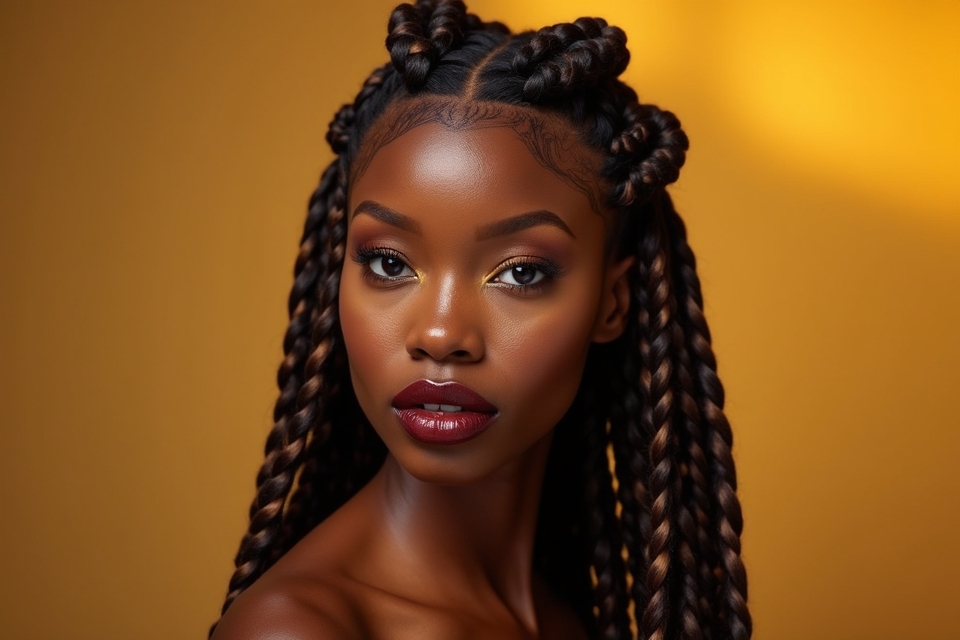
Box braids are the beloved protective style, individual plaits sectioned into neat squares, usually with added braiding hair for length. They are endlessly versatile once installed.
You can wear box braids down, in a high bun, half-up, or wrapped into an updo, which is why a single set carries you through weeks of different looks.
Expect a few hours in the chair and a price that climbs with length and braid size, but the weeks of easy, protected hair are worth it.
A Low-Maintenance Braided Style

The whole appeal of many braids is how little they ask once they are in. A protective set frees your mornings for weeks, with no daily heat or styling.
That is the real luxury for busy people, and the reason clients ask me for braids before a vacation or a hectic season.
- No daily styling, just a quick scarf at night and a light spritz of moisture.
- Frees up weeks of morning time, ideal for travel or a packed schedule.
- Refresh the edges and parting to keep a long-worn set looking neat.
📋Before You Book Braids:
- ✓Wash and deep-condition a day or two before your appointment.
- ✓Decide on size, length, and pattern, and bring a reference photo.
- ✓Plan your nightly satin scarf and a light moisture spray for upkeep.
The Halo Braid
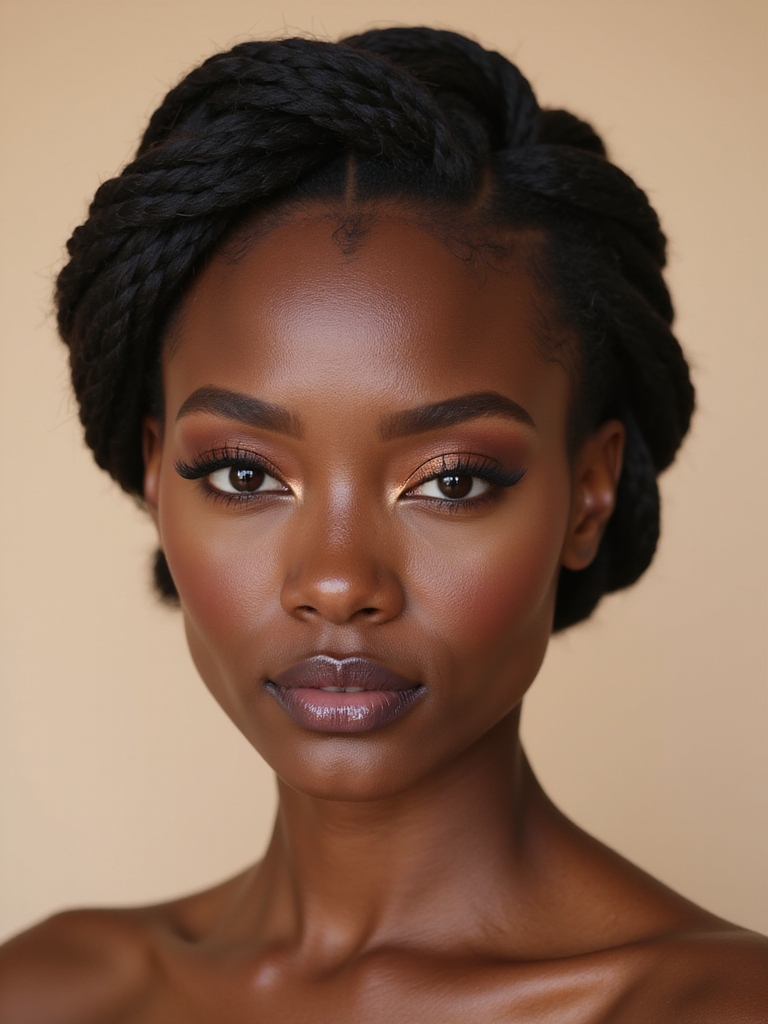
The halo braid wraps a single braid around the head like a crown, a romantic, regal look that suits weddings and festivals alike. It keeps hair completely off the neck, which is a blessing in summer heat.
Braid one long plait, then pin it around your crown, tucking the ends underneath. Longer or extension-added hair makes the wrap go all the way around, while shorter hair can manage a partial halo at the back.
Structured Ghana Braids

Ghana braids, also called banana or feed-in cornrows, start small at the hairline and grow thicker as braiding hair is fed in. The result is a sleek, structured set that lies flat and reads polished.
The gradual feed-in is gentle on the hairline because the tension stays light where it matters most. Worn straight back or in intricate patterns, Ghana braids are a striking protective choice that can last for weeks.
Protective Crochet Braids

Crochet braids loop pre-made hair through cornrowed natural hair with a crochet hook, which makes them one of the fastest protective styles to install. They open up curly, wavy, or straight looks with minimal time in the chair.
- Your natural hair is cornrowed first, then the crochet hair is looped through.
- Far quicker to install than individual braids, often in an hour or two.
- Choose curly or straight crochet hair to switch up the look entirely.
Feed-In Braids

Feed-in braids add extension hair gradually along the braid rather than all at once at the root. That technique gives a natural-looking start at the hairline and, just as important, keeps the tension gentle on your edges.
Because the braid begins with your own hair and builds up, there is no heavy knot pulling at the scalp. This makes feed-in braids one of the most comfortable and edge-friendly protective options.
They work beautifully for cornrows, ponytails, and sleek braided updos that need a clean, flat foundation.
A Textured Protective Style

Some of the prettiest protective braids lean into texture, using wavy or curly extension hair for a soft, full finish. Goddess braids and boho styles leave curly pieces out for a romantic, lived-with look.
This is a great option if you love the protection of braids but want a softer, less uniform finish.
- Curly or wavy extension hair gives a fuller, softer texture.
- Boho and goddess styles leave a few loose curls out for romance.
- Still protective at the root, with all the softness on the surface.
Micro Braids and Cultural Expression
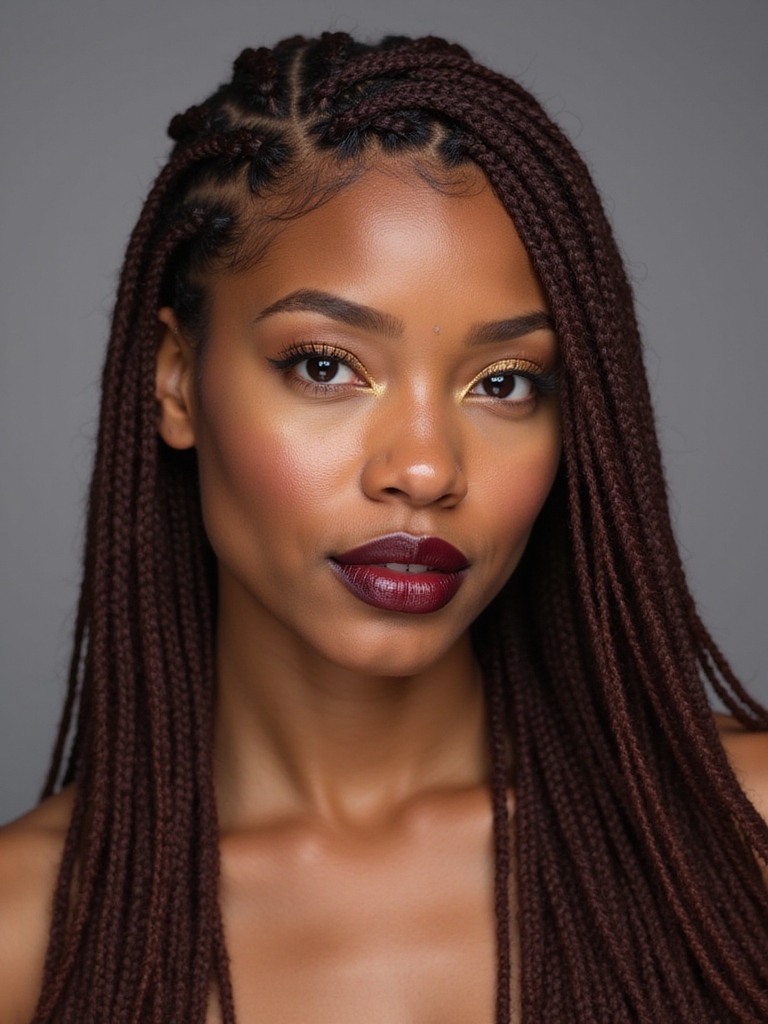
Micro braids are tiny, delicate plaits that take hours of skilled work and carry deep roots in braiding traditions. The fineness lets them move almost like loose hair while staying protected.
Because they are so small, micro braids are gentle in individual tension but heavy as a whole, so they should not be worn too long. A few weeks is plenty before they need to come down.
Take them out carefully and patiently, since rushing the removal of so many fine braids is where breakage happens.
How Braids Protect Hair Health

The reason braids are called protective styles is real: they tuck your ends away and give your hair a long rest from daily heat and manipulation. Done well, that rest lets hair retain length and stay healthy.
- Ends are tucked safely away from friction and breakage.
- No daily heat styling means less damage over time.
- The catch: braids only protect when the tension is gentle and they are not worn too long.
Regal, Timeless Braids
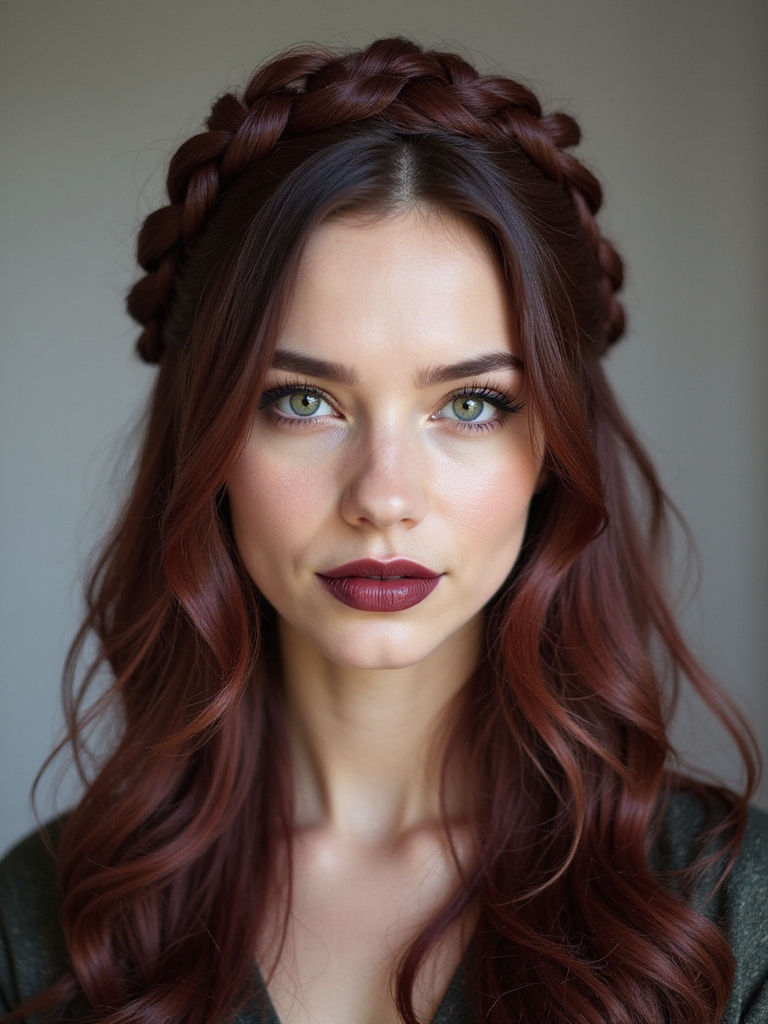
Some braided looks feel almost regal, the kind of crown braids and sculptural updos that have signaled grace for centuries. There is a reason braids appear on so many depictions of queens and goddesses.
A wrapped crown braid or a sleek braided bun carries a quiet authority that few other styles match. When a client wants to feel powerful at a milestone, this is where I point her.
Add a delicate hairpin or a thread of gold, and a simple braid becomes a true statement of timeless elegance.
Cascading Braids

Cascading braids blend a braid into loose, flowing hair, the soft half-up styles where a braid melts into waves below. It is the most romantic way to wear a braid. Soft, loose, undone.
- A waterfall braid drops strands down to create a flowing, cascading effect.
- Pairs a braided crown or half-up with loose curls beneath.
- Perfect for weddings, festivals, or any time you want soft romance.
Accessories That Enhance Braids
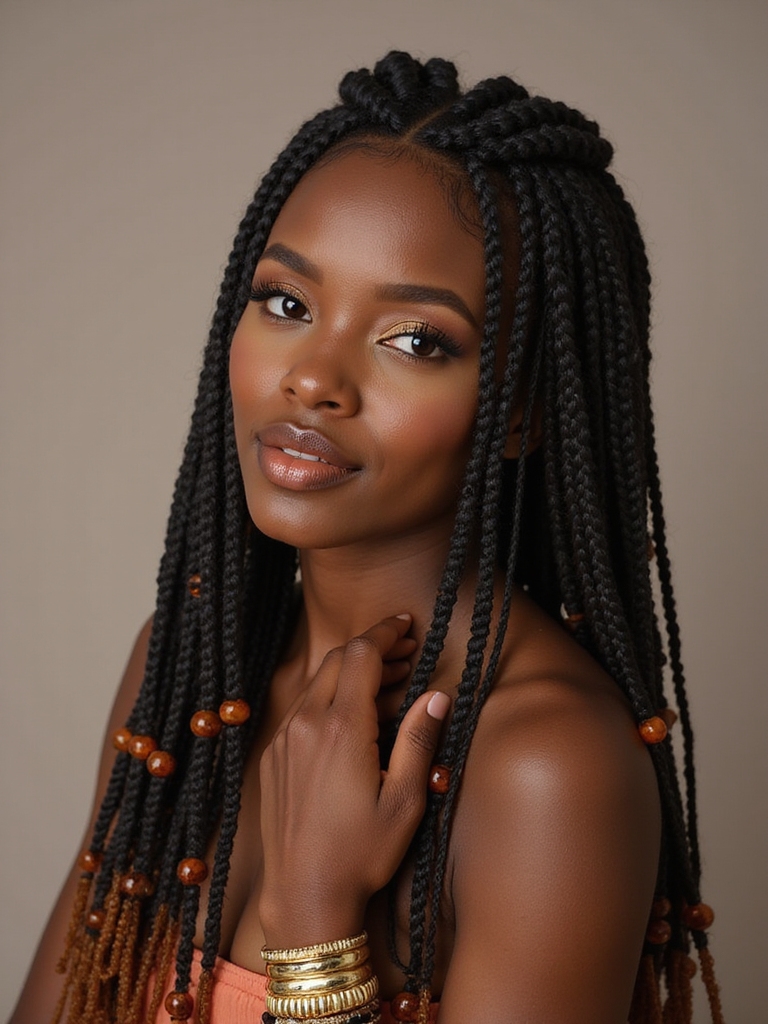
Accessories turn a simple braid into a statement, and they carry a long, meaningful history in braided styles. A few well-chosen pieces personalize any set.
- Gold and silver cuffs slide onto braids for an instant polished glint.
- Beads add color, weight, and movement, a beautiful nod to tradition.
- Wrapped thread along a few braids gives a bold, artistic finish.
Comfortable Knotless Braids
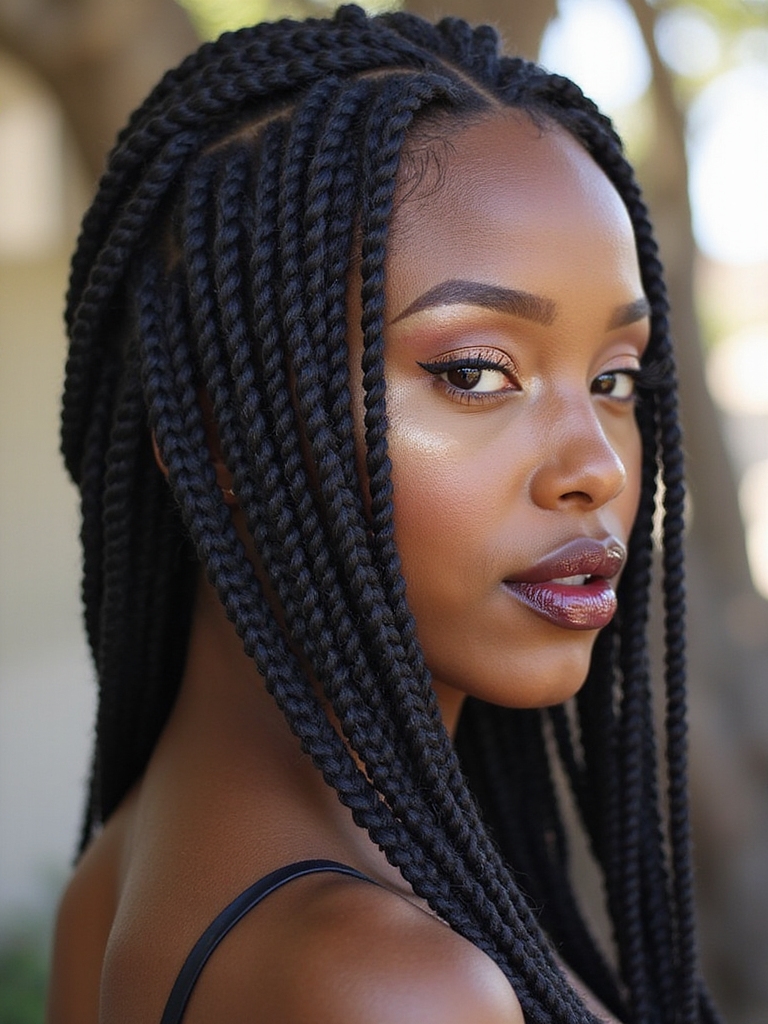
Knotless braids are the modern upgrade to box braids, starting with your natural hair and feeding extensions in gradually, with no anchoring knot at the root. That single change makes them far more comfortable and far gentler on your edges.
Without the tight knot at the root, there is less tension and less of that first-day soreness. They also lie flatter and move more naturally, which is why clients ask me for knotless over classic box braids almost every time now.
Braiding Myths, Debunked

A few stubborn myths keep people from enjoying braids or wearing them safely. Clearing them up makes for healthier hair and better-looking braids.
The most damaging belief is that tighter braids last longer, when really they just harm your hairline.
- Myth: tighter is better. Truth: gentle tension lasts just as long without the damage.
- Myth: braids do not need washing. Truth: a clean scalp prevents itch and buildup.
- Myth: braids grow your hair. Truth: they protect length you already have by reducing breakage.
Clean Braids, Healthy Scalp

A clean scalp is the difference between braids that feel fresh for weeks and braids you want out after a few days. Buildup causes itch, flaking, and odor, none of which a beautiful style can hide.
How to Wash Braids
Cleanse gently every week or two with a diluted shampoo or a cleansing spray worked into the scalp itself. Let the braids dry fully so they never trap moisture.
Between washes, a soothing scalp spray and a light oil keep things comfortable without weighing the braids down.
Braid Maintenance for Longevity
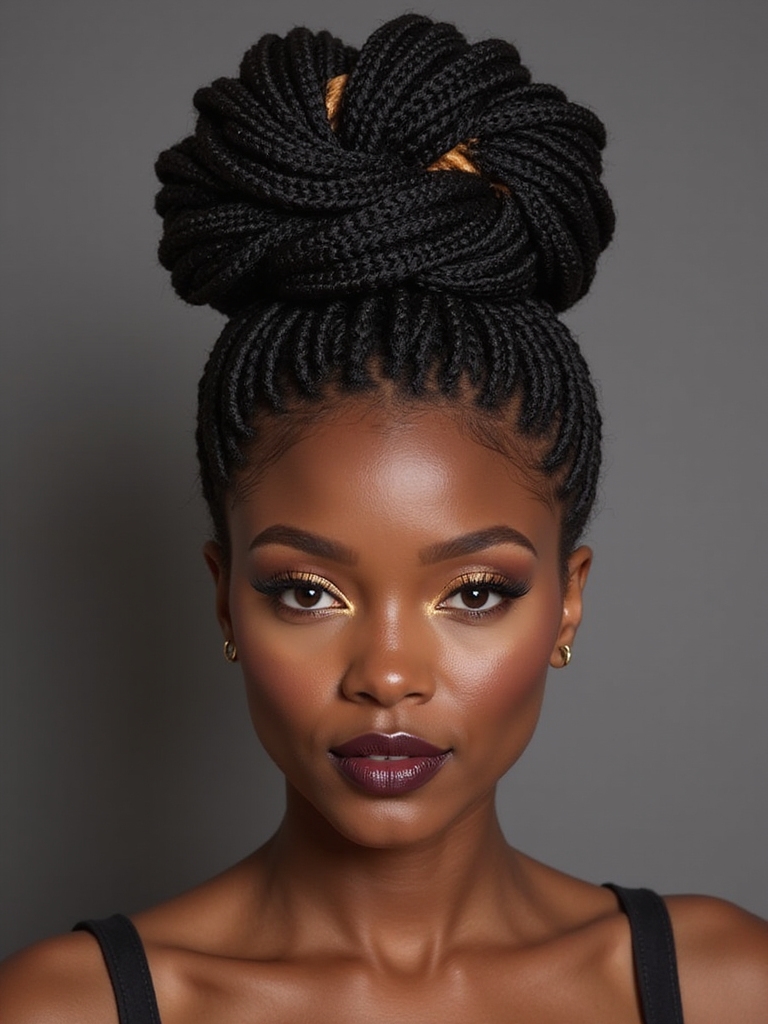
With the right habits, a protective braid set looks good for weeks instead of fading after a few days. The goal is to fight frizz and keep the edges neat without disturbing the braids.
- Wrap the braids in a satin scarf or bonnet every single night.
- Refresh frizzy edges with a little edge cream and a soft brush.
- Take the set down before it grows out too far, which tangles and breaks the roots.
Versatile Braids for Everyone
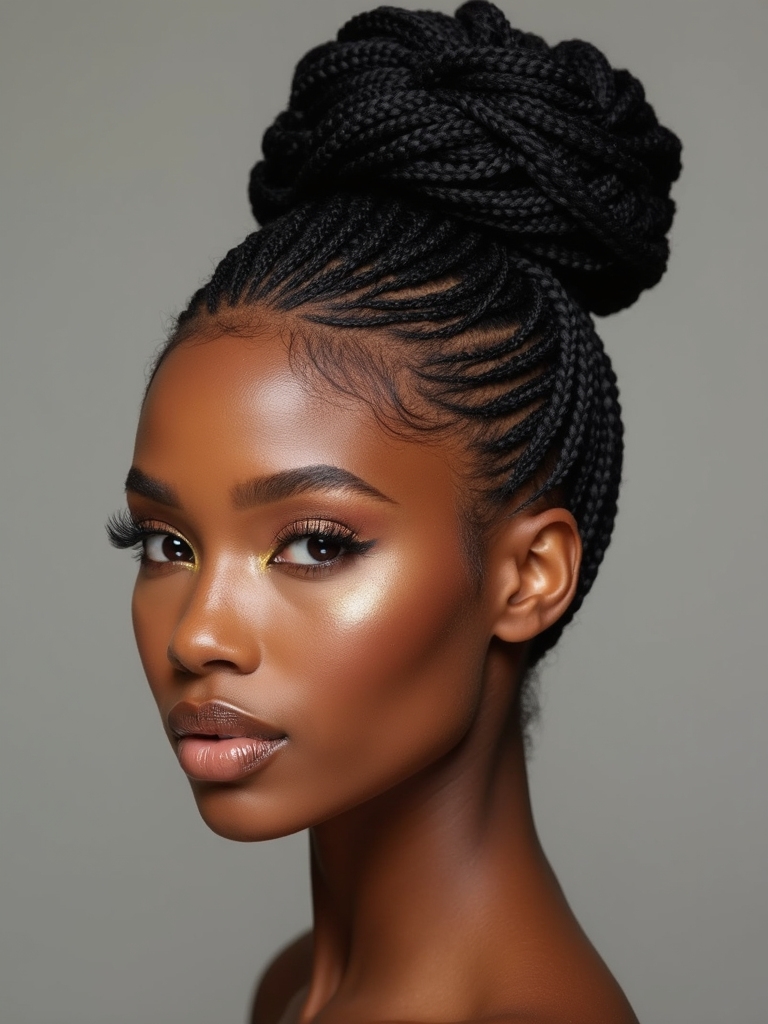
The beauty of braids is how universal they are, working across every hair texture, length, and age. There is a braid for fine straight hair and one for the tightest coils.
Matching Braids to Your Hair
Fine and straight hair holds soft French and Dutch braids beautifully, while coily and kinky hair grips protective sets like box and Ghana braids for weeks.
Whatever your hair, there is a braid waiting that fits your texture and your life, which is what keeps the style timeless.
Personalize Your Braids
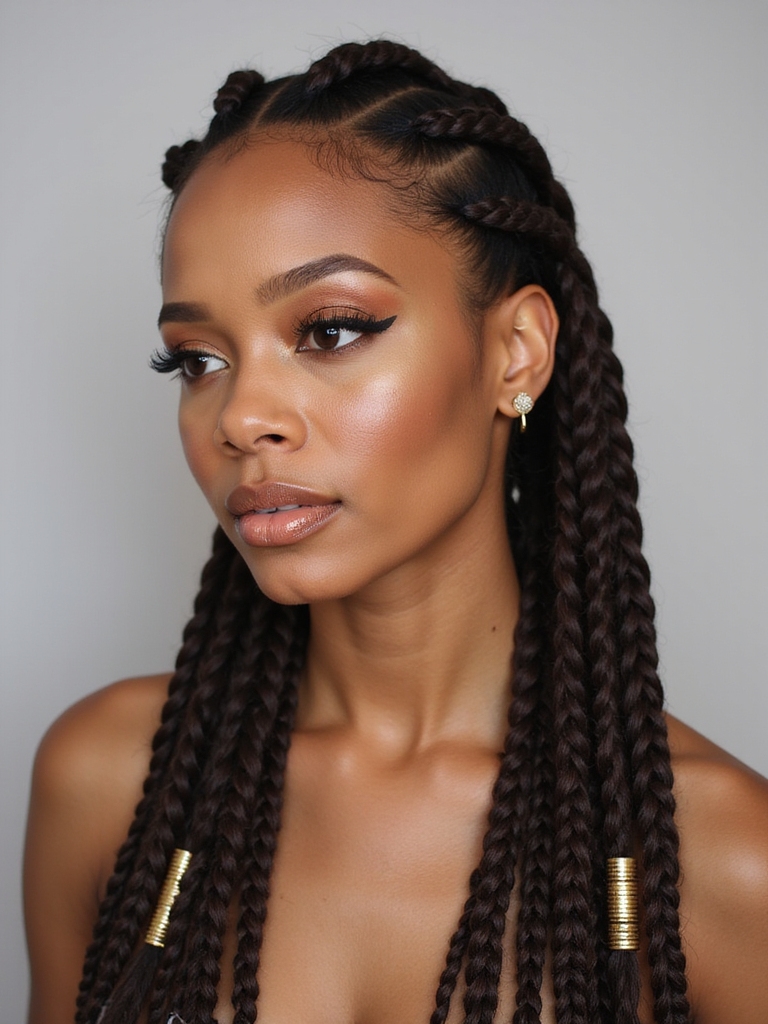
No two braid sets have to look alike, and small choices make a style truly yours. The size, the pattern, the parting, and the accessories all shift the whole mood, so talk through your vision before the braiding starts.
- Braid size changes everything, from bold and chunky to fine and delicate.
- Patterns and parts let you express your own taste and flatter your face.
- Add beads, cuffs, or color for a personal, standout finish.
Maintenance & Care
Braids reward a small, steady routine more than any big effort. Wrap them in satin every night to fight frizz, cleanse the scalp gently every week or two, and keep a light oil or braid spray on hand to stay moisturized. The single most important habit, though, is protecting your edges: keep the tension comfortable from the start, and never wear a set so long that new growth tangles and strains the roots.
Know when to take braids down, too. Most protective sets are best removed within six to eight weeks, with a wash, a deep treatment, and a few days of rest before the next style. Treated this way, braids truly protect and grow healthier hair. For more textured ideas, see our cornrow hairstyle guide and our afro hairstyle guide.
Braided Hairstyle Questions
?How long do protective braids last?
Most protective sets like box, Ghana, or knotless braids last two to eight weeks, depending on the size and your hair type. Smaller braids last longer, but no set should stay in past about eight weeks, or new growth tangles and strains the roots.
?Are knotless braids better than box braids?
They are gentler. Knotless braids feed in extension hair gradually instead of anchoring with a knot, so there is less tension at the root, less first-day soreness, and less strain on your edges. Many people find them far more comfortable.
?Do braids damage your hair?
Not when done right. Braids are protective and can keep hair healthy, but damage happens when they are installed too tight or worn too long. Gentle tension and a sensible time limit are what keep braids safe for your hairline.
?How do I keep my scalp clean in braids?
Cleanse gently every week or two with a diluted shampoo or a cleansing spray aimed at the scalp, then let the braids dry fully. Between washes, a soothing scalp spray handles itch without buildup.
?Can fine or straight hair be braided?
Yes. Fine and straight hair holds soft French and Dutch braids beautifully, and extensions can add grip and length for protective styles. The technique is the same; you just adjust for how the hair behaves.
Finding Your Braid
Braids are one of the most versatile, meaningful things you can do with hair, spanning a quick French plait, a regal halo crown, and a protective set of knotless braids that lasts a month. Whatever you choose, the same principles hold: start with clean hair, keep the tension gentle at your edges, protect the style at night, and take it down before it grows out too far.
Match the braid to your texture, your occasion, and the time you actually have, and you will land on a style that looks beautiful and keeps your hair healthy. The best braid is the one that respects both how you want to look and how your hair feels underneath.
More Hair Ideas