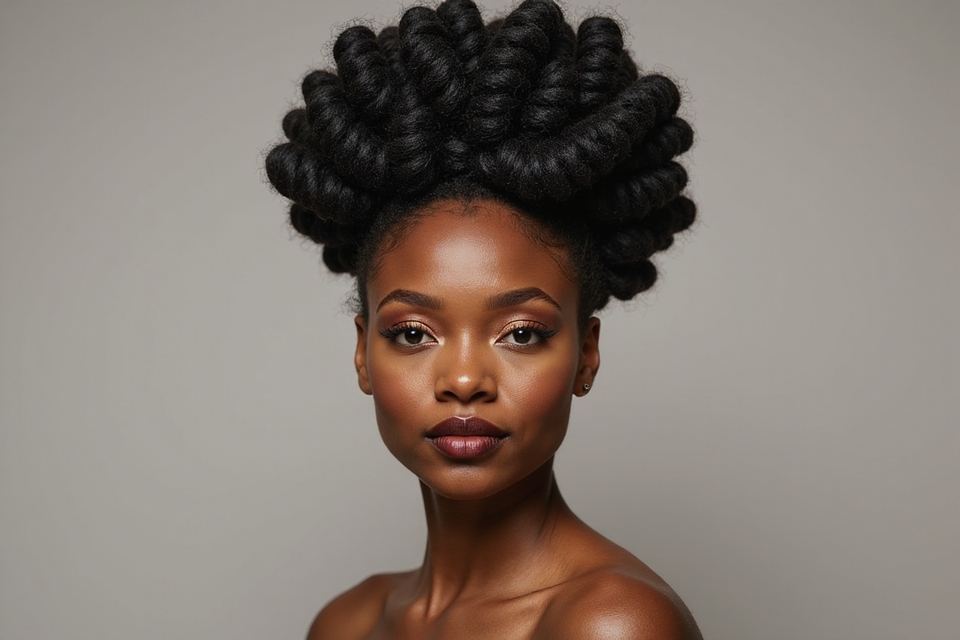
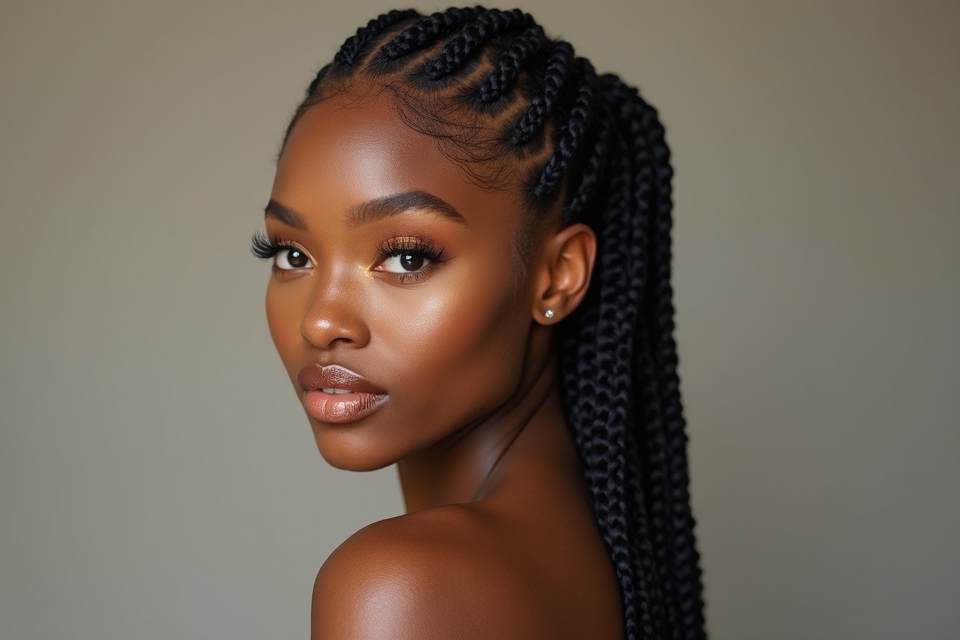
How long should a set of cornrows really last, and how do you keep your hairline healthy while they do? Those are the two questions I hear most when someone slides into the chair for braids. The honest answer is that good cornrows can hold for weeks, but only when the tension is right and the care is steady.
Cornrows are equal parts artistry and engineering. These ideas cover the styles, the prep, and the upkeep, so your braids look sharp and your hair stays strong underneath.
Cornrow Essentials
- Cornrows are a protective style that can last two to six weeks depending on the pattern and your hair type.
- Tension is everything. Braids should feel secure, never painful, since a stinging scalp signals the kind of tension that damages your edges.
- A salon set runs roughly $60 to $200 with extensions, and the price climbs with intricate patterns and length.
- Good prep and nightly protection are what let cornrows last; a satin scarf and a light oil go a long way.
Cultural Artistry and Elegance
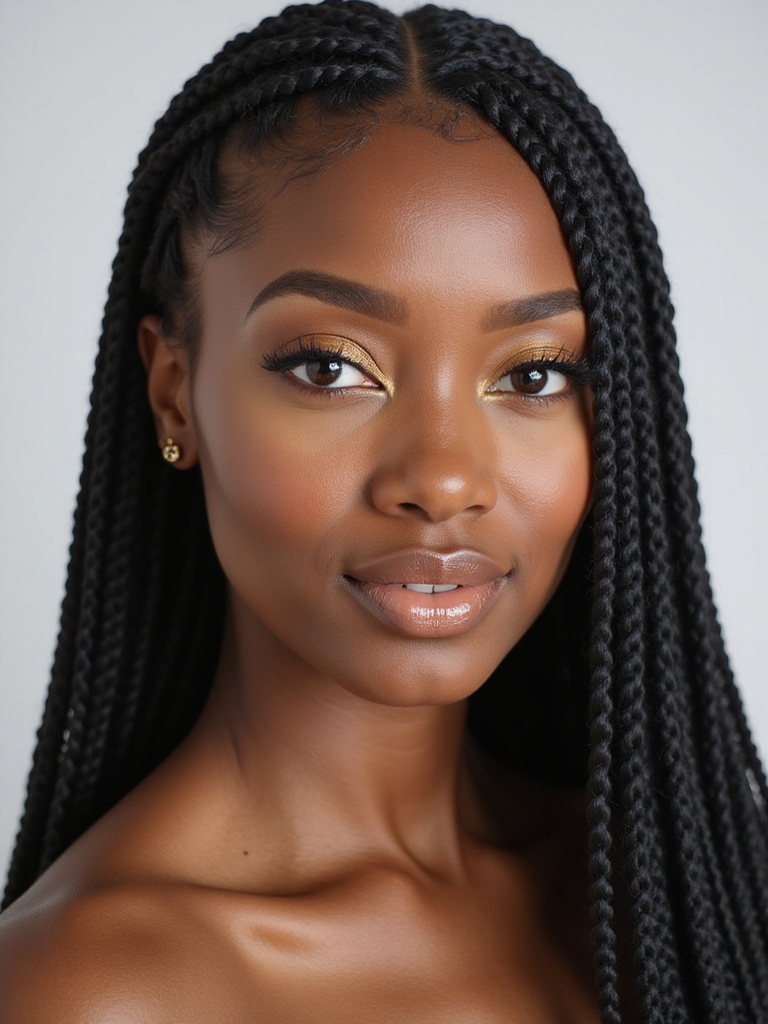
Cornrows are one of the oldest, most refined forms of hair artistry, with roots reaching deep into African heritage. The clean, raised rows are sculpture you wear. A skilled braider treats your head like a canvas.
Why Cornrows Are an Art Form
What makes them elegant is the precision: even sections, smooth tension, and a pattern that flatters the face. Done well, cornrows read as polished as any updo.
I always remind clients that the artistry takes time, so never rush a braider or judge the cost by the clock alone.

Essential Tools for Braiding
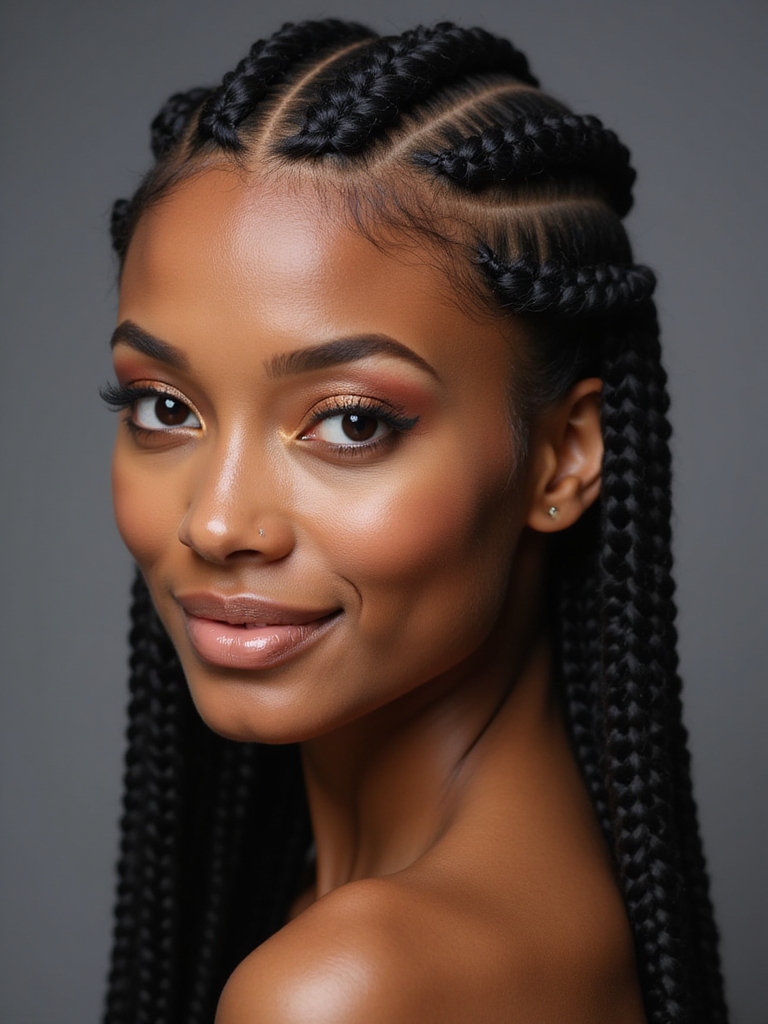
A clean, simple toolkit makes cornrowing smoother whether you braid your own hair or someone else’s. You do not need much, but the few things you use should be the right ones.
A rat-tail comb for parting is the single most important tool, since clean sections are the backbone of a good set.
- A rat-tail comb for precise, even parting.
- Sectioning clips to keep unbraided hair out of the way.
- A light oil or braid spray and a mirror setup so you can see the back.
🅰️Your Own Hair
Cornrows braided on your natural length. Lighter, lower cost, and gentler, but limited by how long your hair is.
🅱️With Extensions
Feed-in braiding hair for length, fullness, or color. More dramatic and longer-lasting, but it must be installed gently to spare your edges.
Preparing Hair for Cornrows
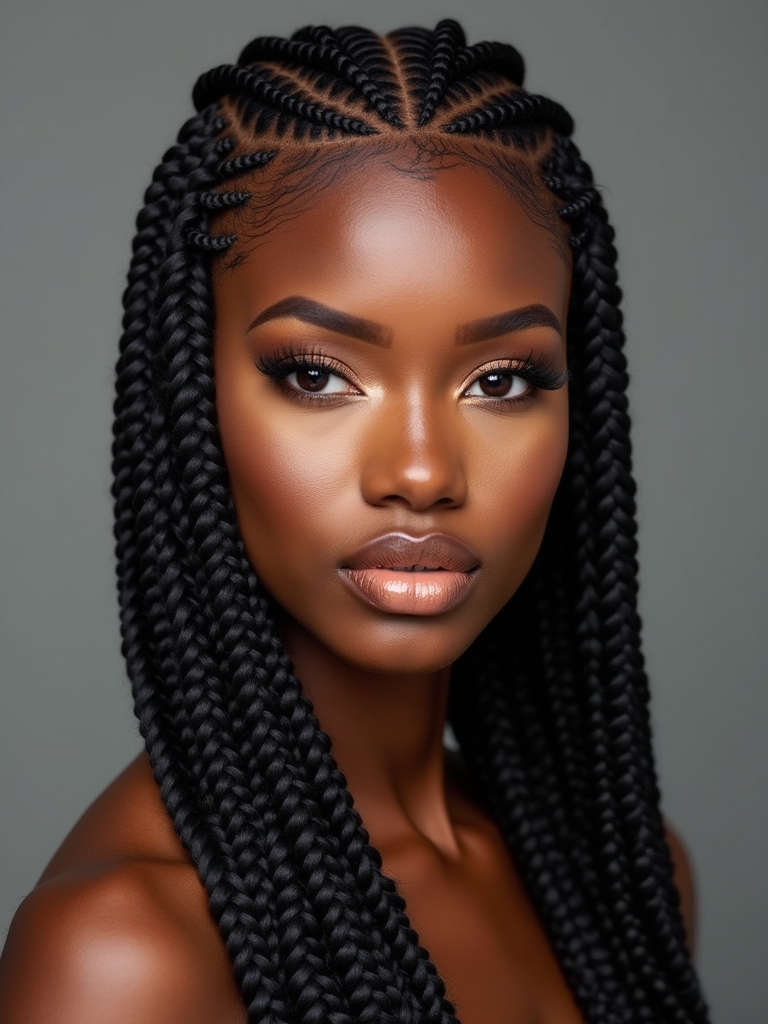
Good cornrows start days before the braiding, with clean, conditioned, detangled hair. Braiding over dirty or tangled hair traps debris and makes the style itch within days.
Wash and deep-condition, then stretch the hair by blow-drying on low or banding, which makes parting far easier. Moisturize and seal the lengths so they stay hydrated under the braids.
Above all, ask your braider for a soft, gentle hold around the hairline. A set that pulls hard at the edges is the leading cause of traction damage, and no style is worth your hairline.
Choosing Versatile Cornrow Styles
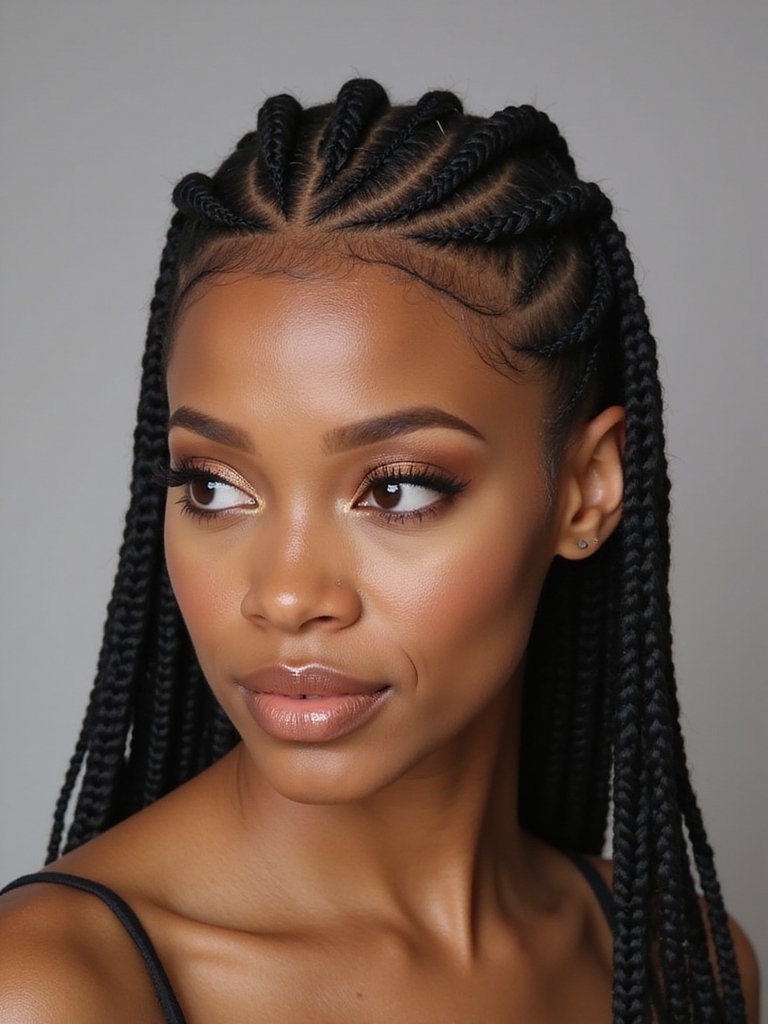
Some cornrow patterns lock you into one look, while others can be restyled day to day. If you want range, ask for a versatile base you can dress up or down.
Straight-back cornrows are the most adaptable, since you can leave them down, gather them into a bun, or tie them into a high pony.
- Straight-back rows: the most flexible everyday base.
- Cornrows into a bun or pony: dressy in seconds.
- Feed-in styles: add length and fullness without extra tension at the root.
Braider Tip
If your scalp stings after an install, do not tough it out. Mist with water to relax the hair slightly and ask your braider to loosen the tightest rows. Pain is never the price of a good set.
Essential Cornrow Braiding Techniques
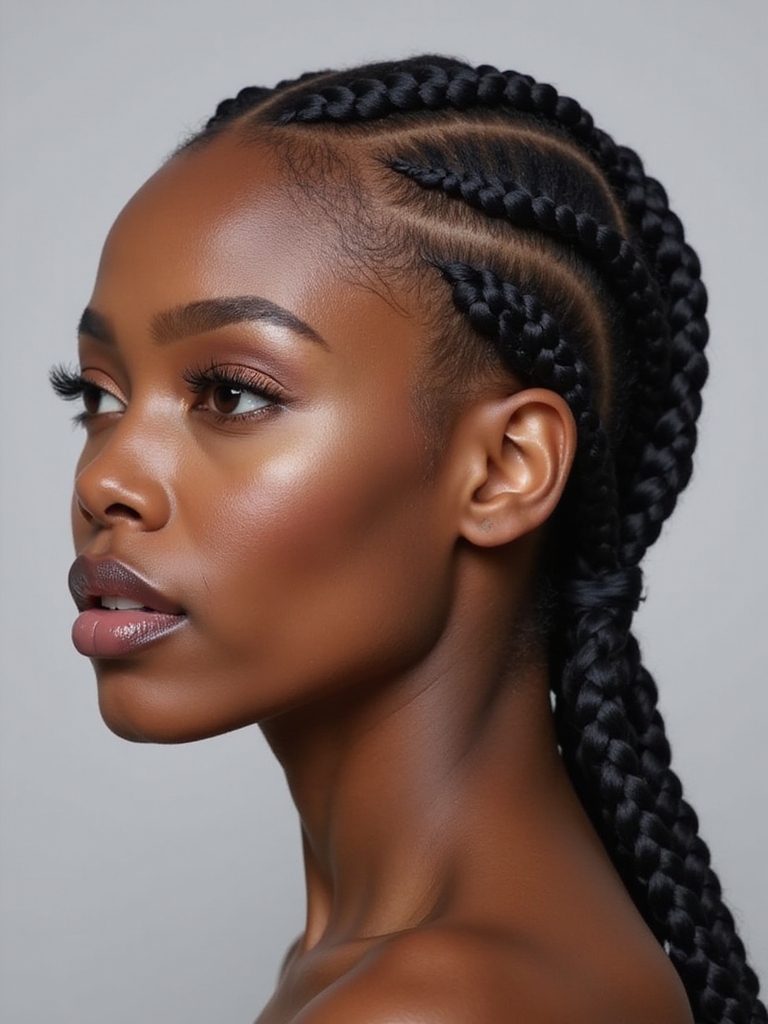
The cornrow itself is an underhand, three-strand braid worked flat against the scalp, feeding in new hair with each pass. It sounds simple. Keeping it even takes real practice.
The trick that separates a clean set from a messy one is consistent tension and picking up equal amounts of hair on each cross. Rushing this is where most home attempts go wrong.
Feed-in extensions are added gradually along the row, which builds length while keeping the start at your hairline soft and comfortable.
Cornrows as Wearable Art
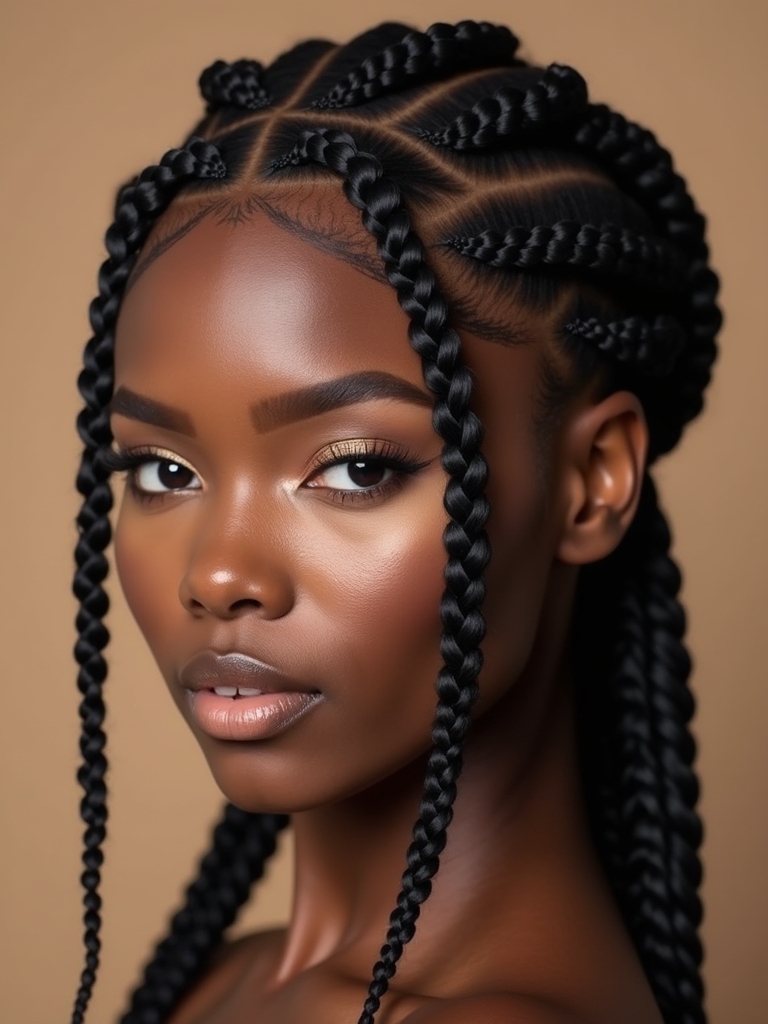
Beyond straight rows, cornrows become true wearable art, with curved paths, geometric shapes, and intricate freestyle designs. A talented braider can map a pattern across your whole head like a drawing.
These artistic sets take longer and cost more, but the result is unmistakable. I tell clients to bring a reference photo of the pattern they love and trust the braider to adapt it to the shape of the head.
A clean part is the whole secret. Get the sections even and the rest of the braid almost takes care of itself.
Cornrows With Added Extensions
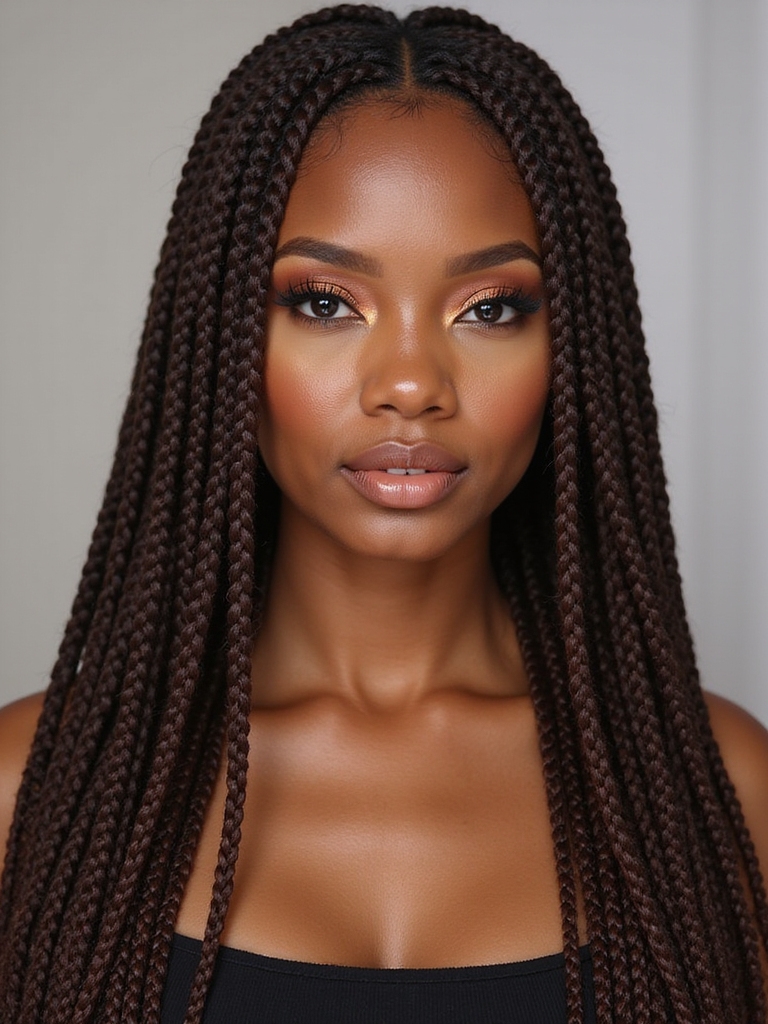
Extensions open up cornrow styles your own length cannot reach, adding dramatic length, fullness, or a pop of color. Feed-in braiding hair blends gradually into your own for a natural start.
The key is a quality braiding hair matched to your texture, and a gentle install. Heavy or tight extensions strain the roots, so ask your braider to keep the feed-in light at the hairline.
Protect and Maintain Your Cornrows
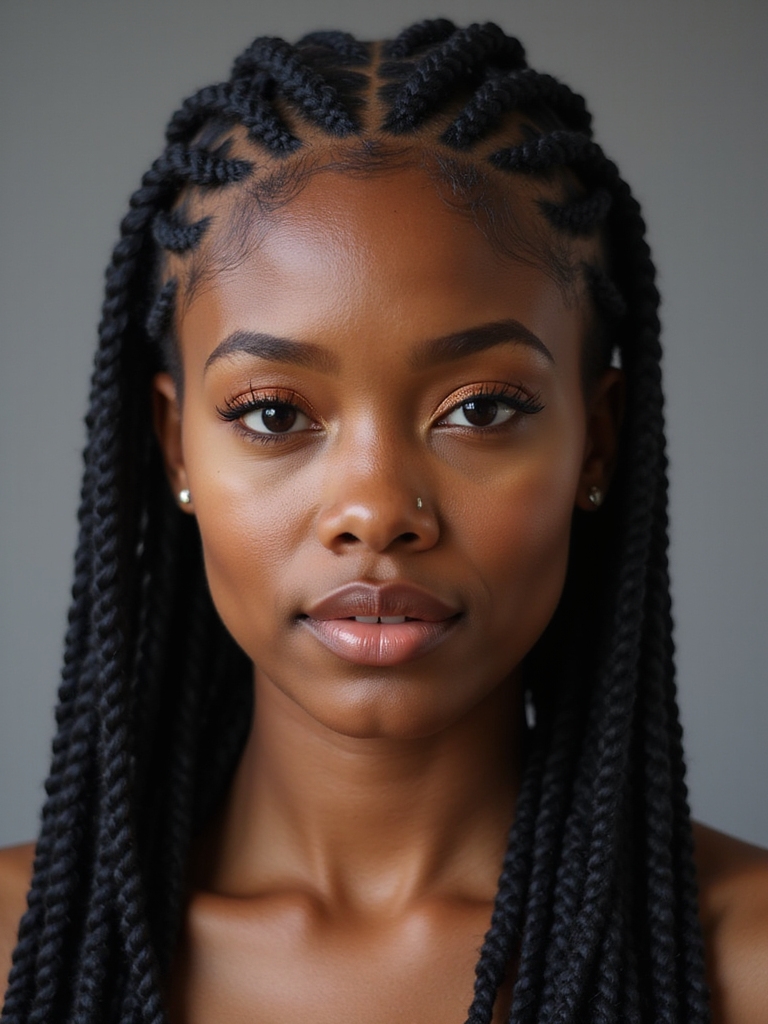
Cornrows last longest when you protect them daily and cleanse them gently. The goal is a clean scalp and moisturized hair without frizzing the braids or loosening the rows.
Wrap your head in a satin scarf at night, mist the scalp with a light braid spray every few days, and resist the urge to scratch. With this routine, a good set holds its shape for weeks rather than days.
Two cornrow myths worth clearing up:
❌ Myth: Tighter braids last longer
✅ Reality: They do not; they just damage your edges. A secure, comfortable tension lasts just as long without the traction risk.
❌ Myth: Cornrows do not need washing
✅ Reality: They do. A clean scalp prevents buildup and itch, so cleanse gently every week or two while the set is in.
Soothing an Itchy Scalp
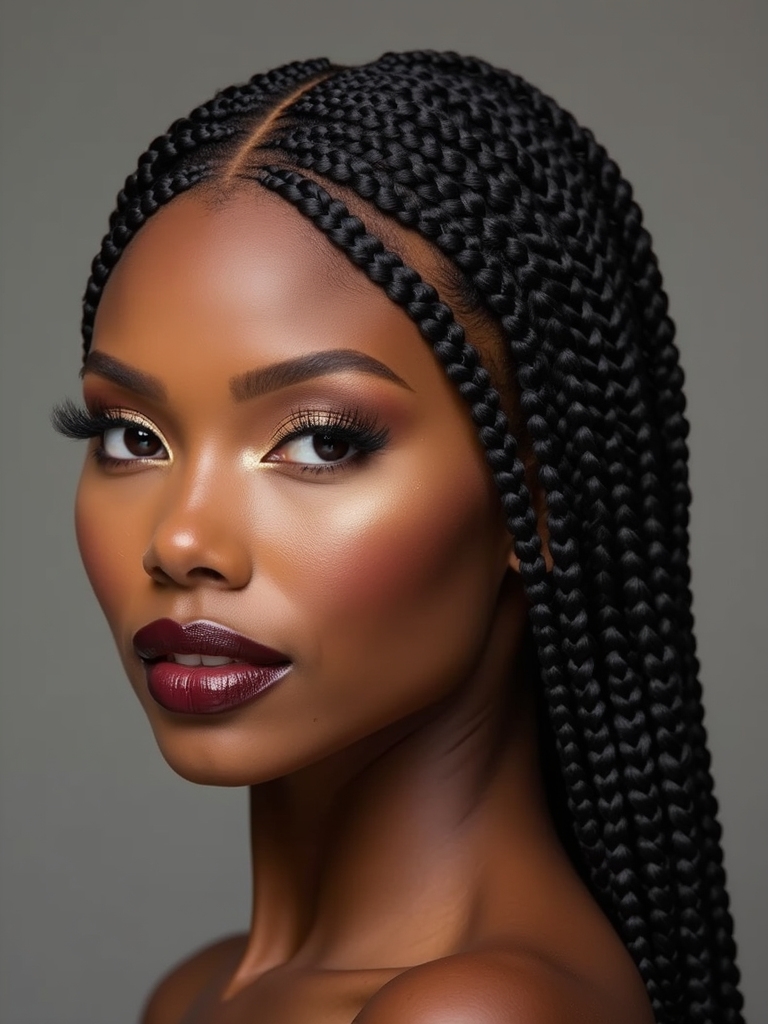
An itchy scalp is the most common cornrow complaint, especially in the first few days. The fix is gentle moisture and cleanliness, not scratching, which only frizzes the braids and irritates the skin.
If the itch is severe or comes with soreness, that may signal braids that are too tight, so do not hesitate to have them loosened or removed.
- Spritz a diluted witch hazel or a soothing scalp spray between the rows.
- Dab, do not scratch, with the pad of a finger or a cotton swab.
- Keep the scalp clean with a gentle cleanser to prevent buildup and flaking.
A Comfortable Sleep Routine
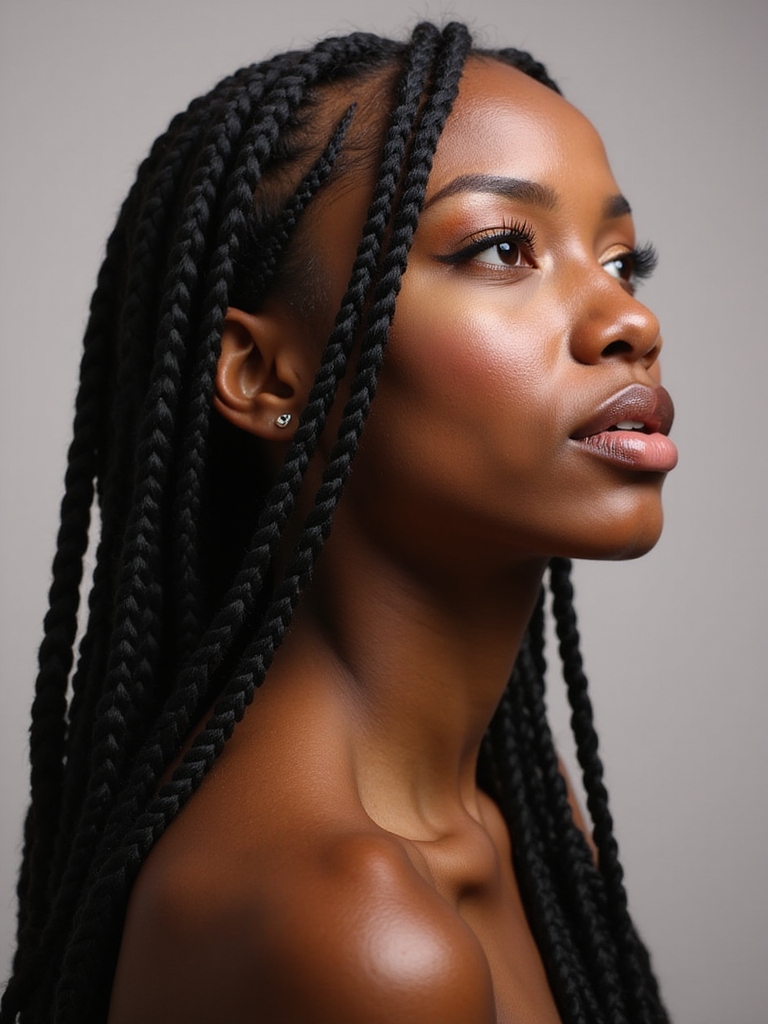
Nighttime is when cornrows frizz and loosen, so a simple sleep routine adds days to their life. A few seconds of protection before bed keeps them looking fresh.
- Wrap the braids each night in a satin scarf or a snug bonnet.
- A satin pillowcase is a good backup if a scarf slips off.
- Avoid going to bed with damp braids, which can mildew and smell.
Essential Products for Cornrows
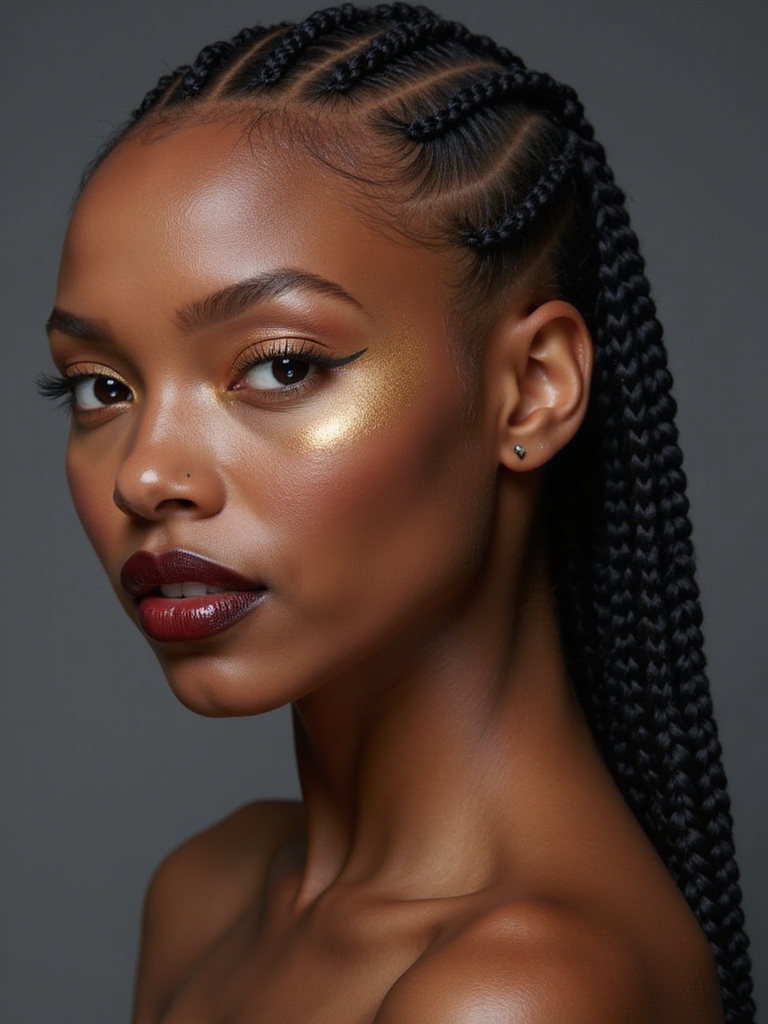
A short shelf of the right products keeps cornrows clean, moisturized, and fresh between salon visits. Lightweight is the rule, since heavy creams build up and attract lint.
- A water-based braid spray or light oil to moisturize the scalp and hair.
- A soothing scalp product like witch hazel for itch and buildup.
- A fresh edge cream and a soft brush to keep your hairline neat.
Chic Everyday Cornrow Styles
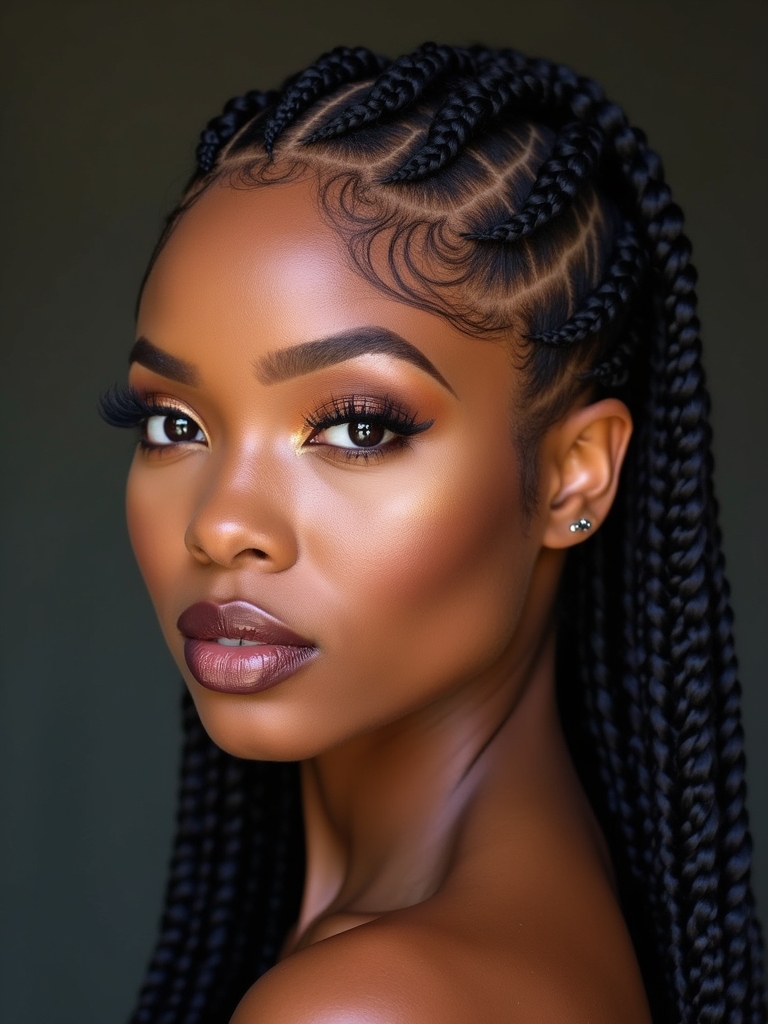
Not every cornrow set has to be elaborate. Simple, chic patterns are perfect for everyday wear, keeping hair tidy and protected with minimal fuss.
Everyday to Evening
A few straight-back rows or a clean side part read polished enough for work and easy to maintain for weeks. Clients ask me for this simple version more than any other.
Dress it up with a single accessory or by gathering the ends, and the same everyday set works for an evening out.
Accessorizing Cornrows
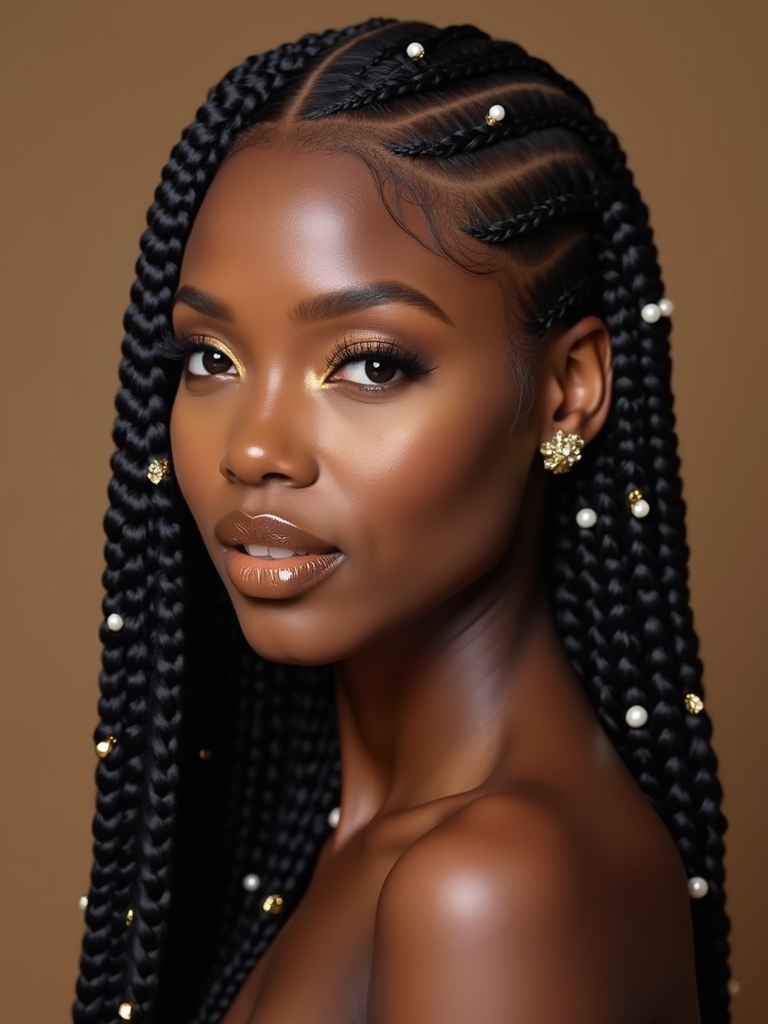
Accessories turn a simple cornrow set into a statement, and they have a long, meaningful history in braided styles. A few well-placed pieces personalize the look instantly.
- Gold or silver cuffs slide onto individual braids for a polished glint.
- Beads add color and movement, a beautiful nod to tradition.
- Wrapped thread along a few braids gives a bold, artistic finish.
Protecting Cornrows While Swimming
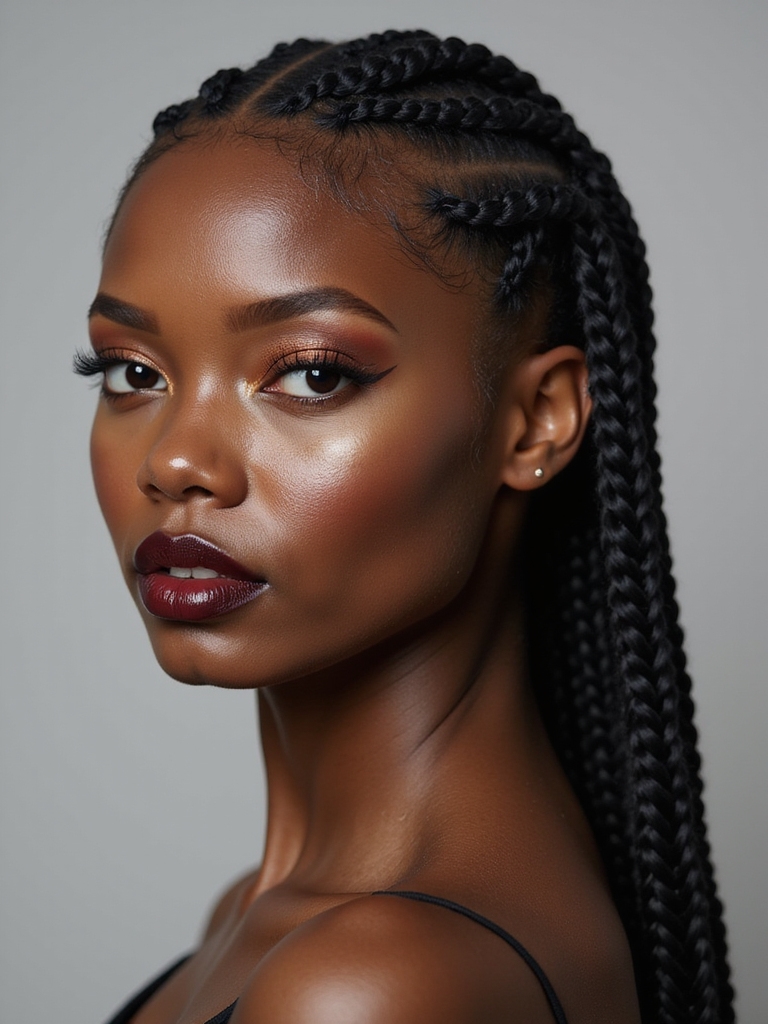
Chlorine and salt water are hard on cornrows, drying the hair and loosening the braids, but a little prep lets you swim without wrecking your set. The goal is to keep the pool water from soaking in.
- Rinse the braids with clean water before swimming so they absorb less chlorine.
- Wear a swim cap for real protection, or tuck the braids up under it.
- Rinse and lightly condition right after, then let the braids dry fully.
Transitioning to a New Style
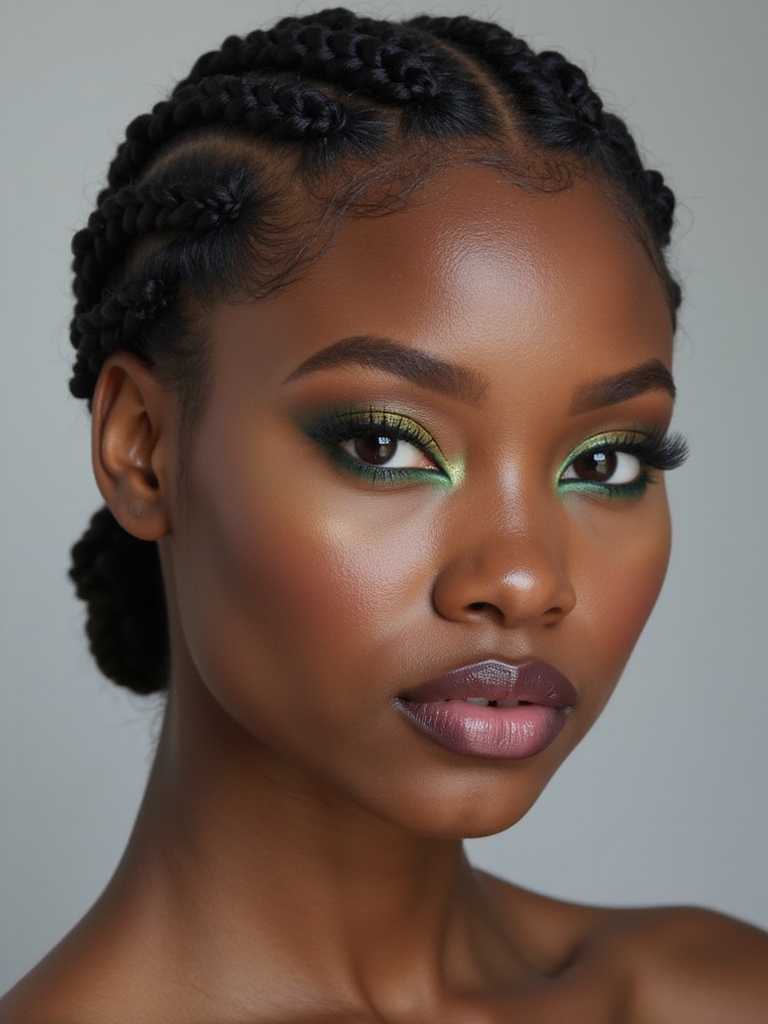
When it is time to move on, a thoughtful transition protects the hair you just rested under braids. Resist wearing cornrows so long that they grow out and tangle at the root, which causes breakage on removal.
Give your hair a break between protective styles, with a wash, a deep treatment, and a stretch of low manipulation. Then you can move into your next style on healthy, refreshed hair.
How Your Hair Type Shapes Cornrows
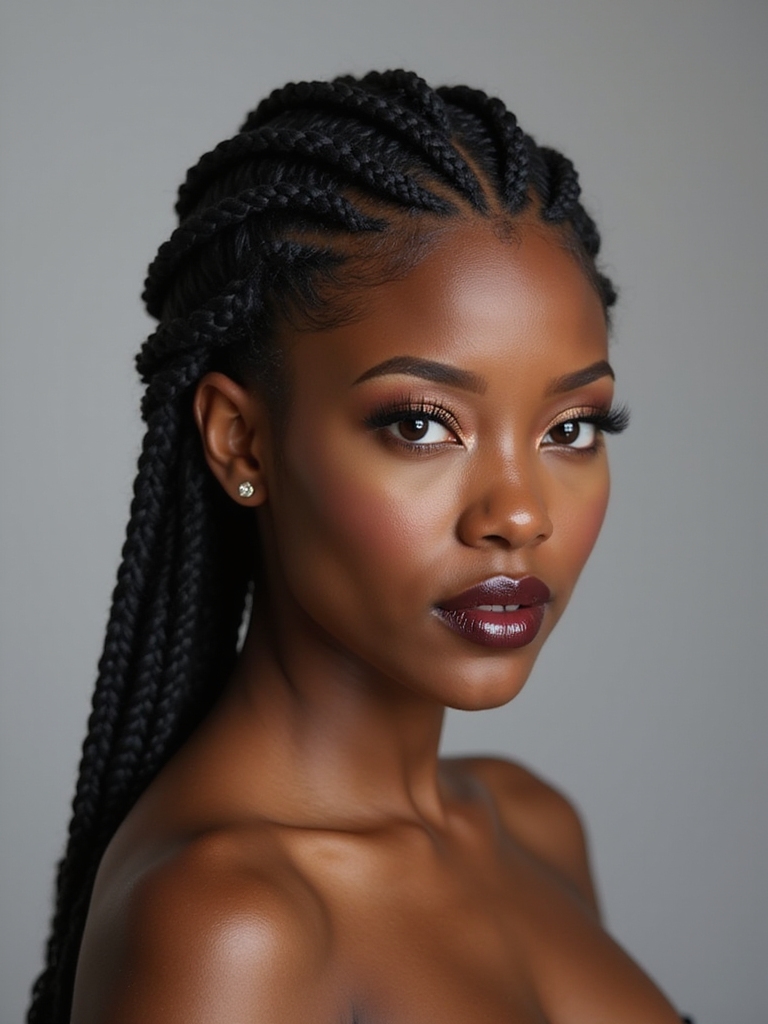
Your hair’s texture and density change how cornrows behave and how long they last. Thick, coily hair grips a braid and holds for weeks, while fine or straight hair may slip and need extensions for grip.
Knowing your hair helps you set realistic expectations with your braider.
- Coily and kinky hair: holds cornrows longest and grips without extensions.
- Fine or straight hair: may need feed-in hair to keep braids from slipping.
- Density affects how many rows fit and how the pattern looks.
Removing Cornrows With Care
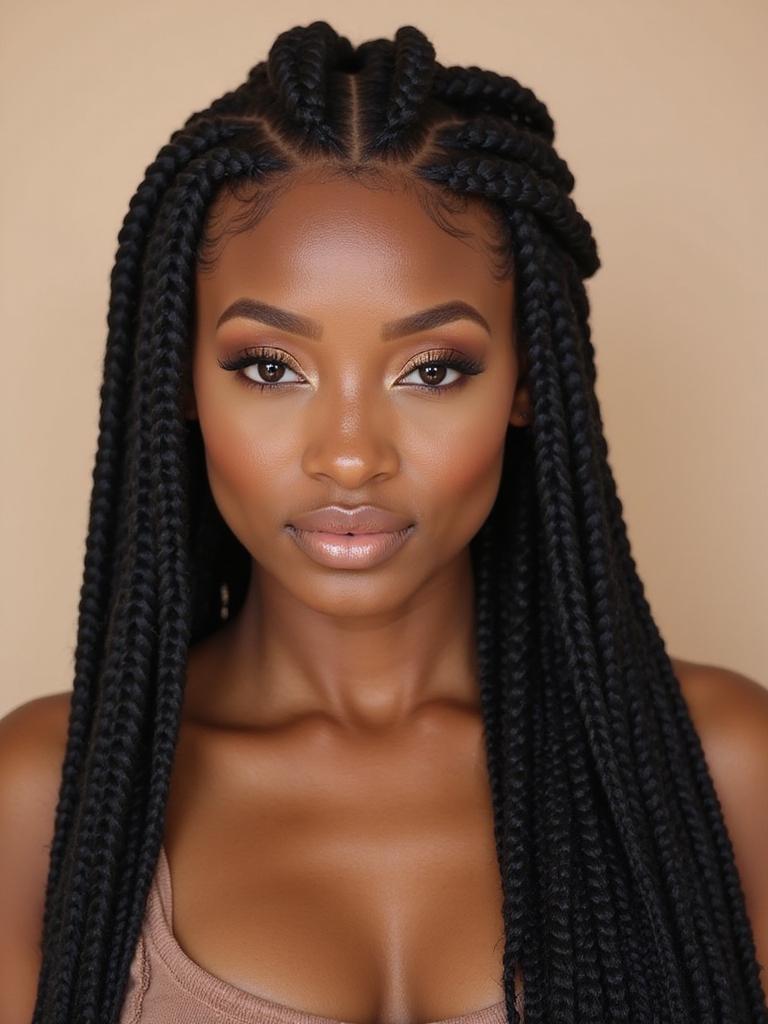
Taking cornrows out carefully matters as much as the install, since rushing the removal causes breakage. Patience here protects all the length you grew under the braids.
- Unravel each braid gently, using a little oil to ease any knots.
- Detangle in sections with your fingers and a wide-tooth comb before washing.
- Wash, deep-condition, and let the hair rest before the next style.
Common Cornrow Mistakes
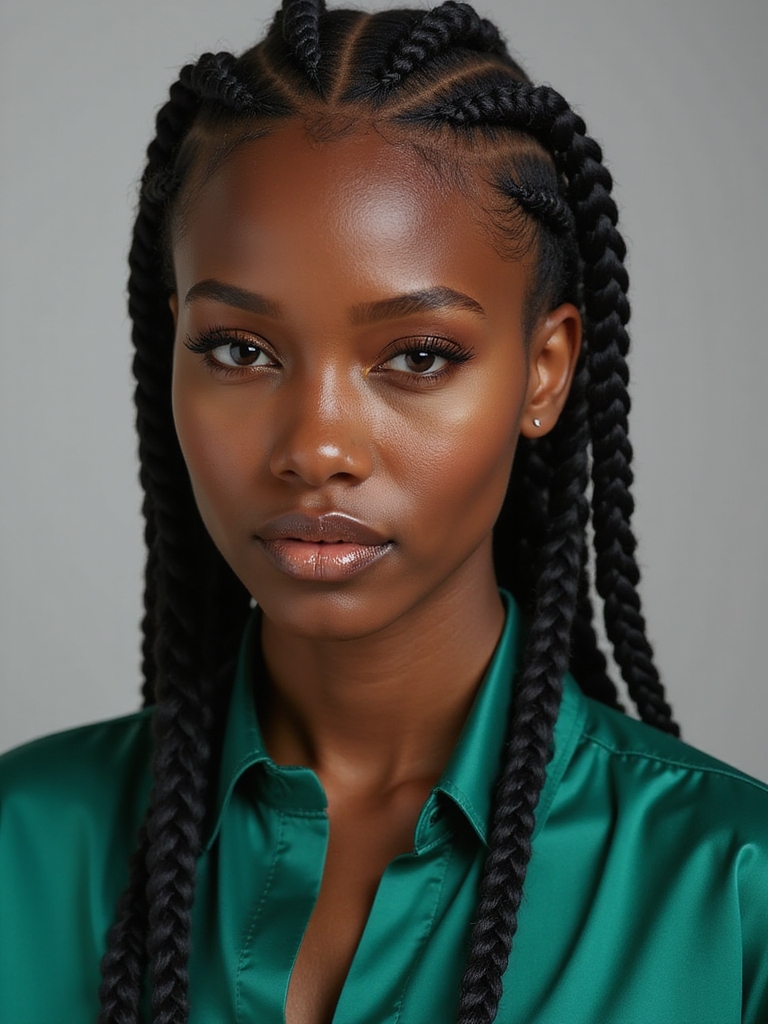
Most cornrow regrets trace back to a few avoidable mistakes. The biggest by far is braiding too tight, which strains the hairline and can lead to traction damage over time.
Close behind is leaving the style in too long, so the new growth tangles and breaks when you finally take it down. Six weeks is a sensible ceiling for most sets.
Braiding over dry or dirty hair is the third, since it traps debris and makes the scalp itch. Clean, moisturized hair and gentle tension solve nearly every common problem.
Celebrity Cornrow Inspiration
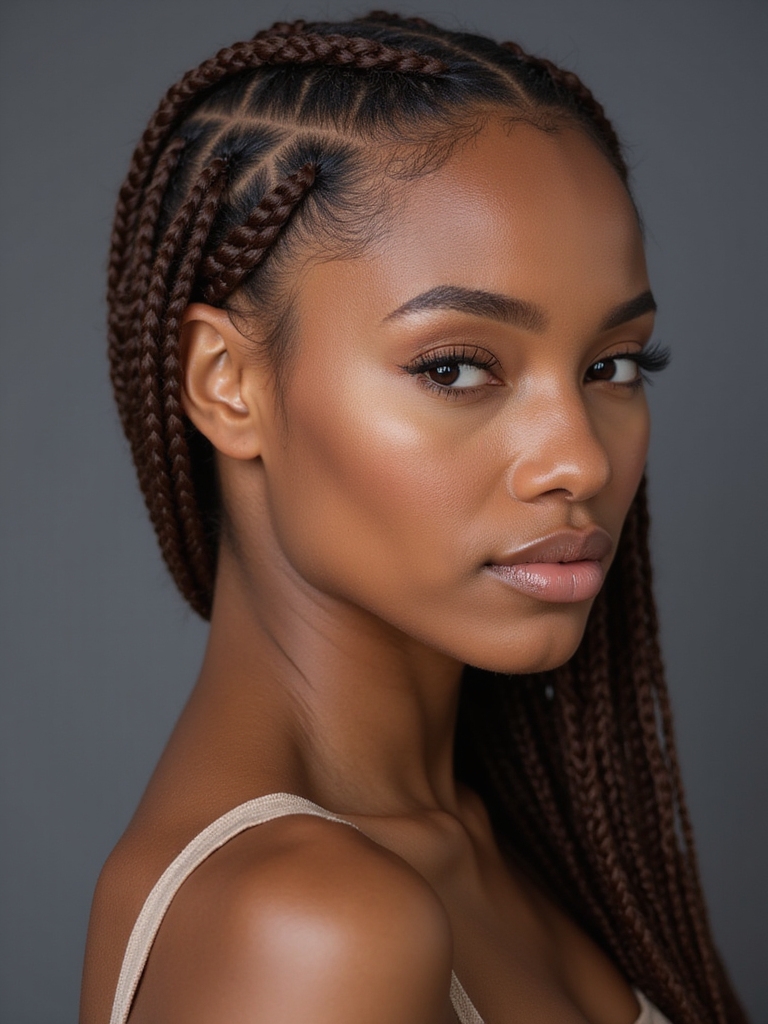
Cornrows show up constantly on red carpets and stages, worn by performers and athletes as both art and statement. Seeing intricate braided designs in the spotlight has helped more people appreciate the skill behind them.
Bring a photo of the pattern that inspires you to your braider rather than a name, since the design has to be adapted to your hair and the shape of your head to look its best.
Cultural Resilience and Cornrows
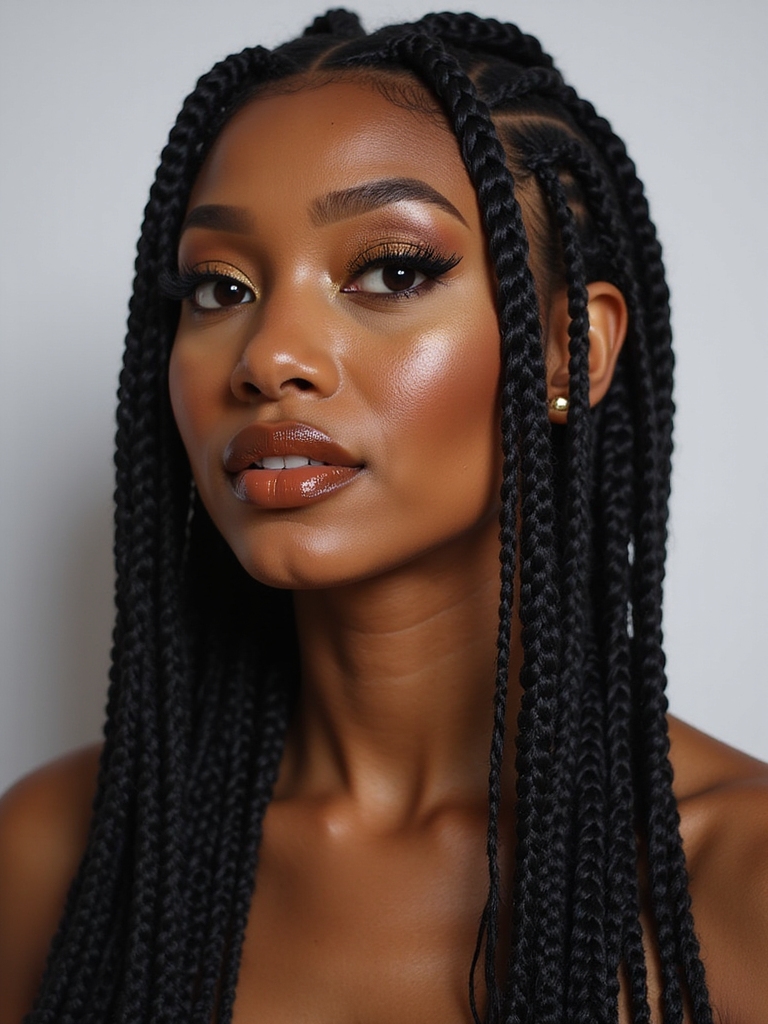
Cornrows carry centuries of history and meaning within African and diaspora cultures, worn through generations as a proud symbol of identity and community. They have endured as an act of cultural resilience, and wearing them today honors that long legacy. The style deserves to be understood and respected, not reduced to a passing trend.
- Cornrow patterns have signaled identity and belonging across many cultures.
- The style has been passed down and protected through generations.
- Wearing cornrows with knowledge honors their heritage; learn more in our Black hairstyle guide.
Mastering Cornrow Techniques
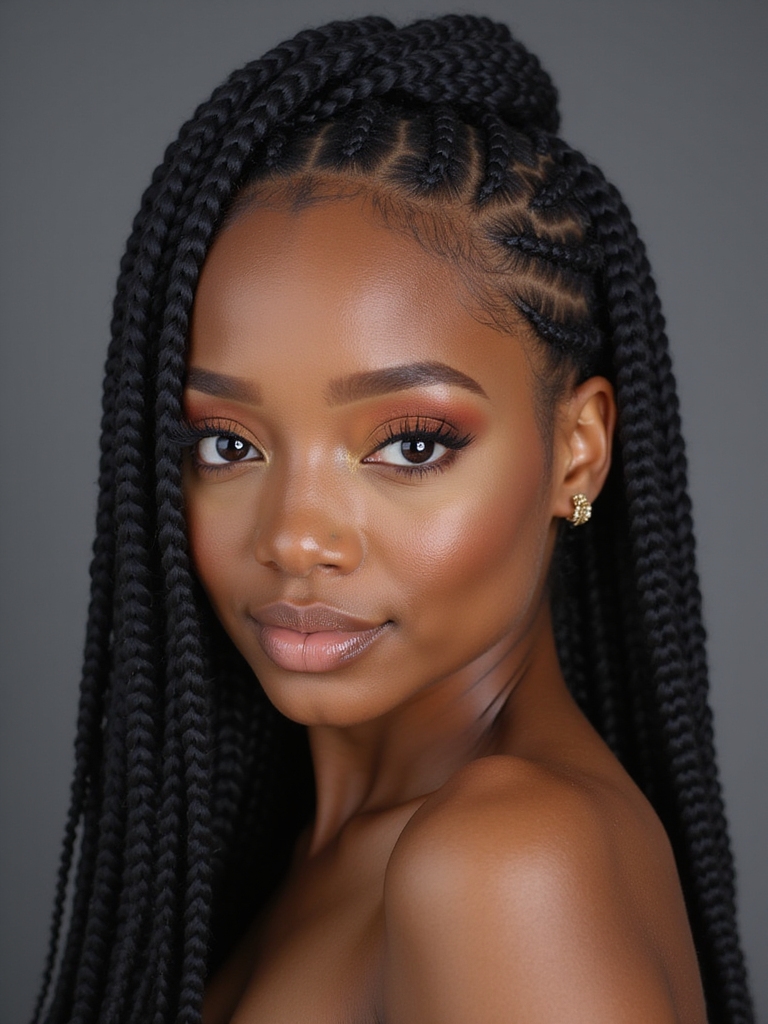
Cornrowing is a skill that rewards patience and practice, whether you are learning on your own hair or training as a braider. The basics come quickly; even, professional-looking rows take time.
I always tell new braiders to start simple and build up, and never to be discouraged by early lopsided attempts.
- Practice clean parting first, since even sections drive everything else.
- Work on consistent tension before attempting intricate patterns.
- Film the back of your head to spot where rows drift uneven.
Evenly Sectioned Cornrows
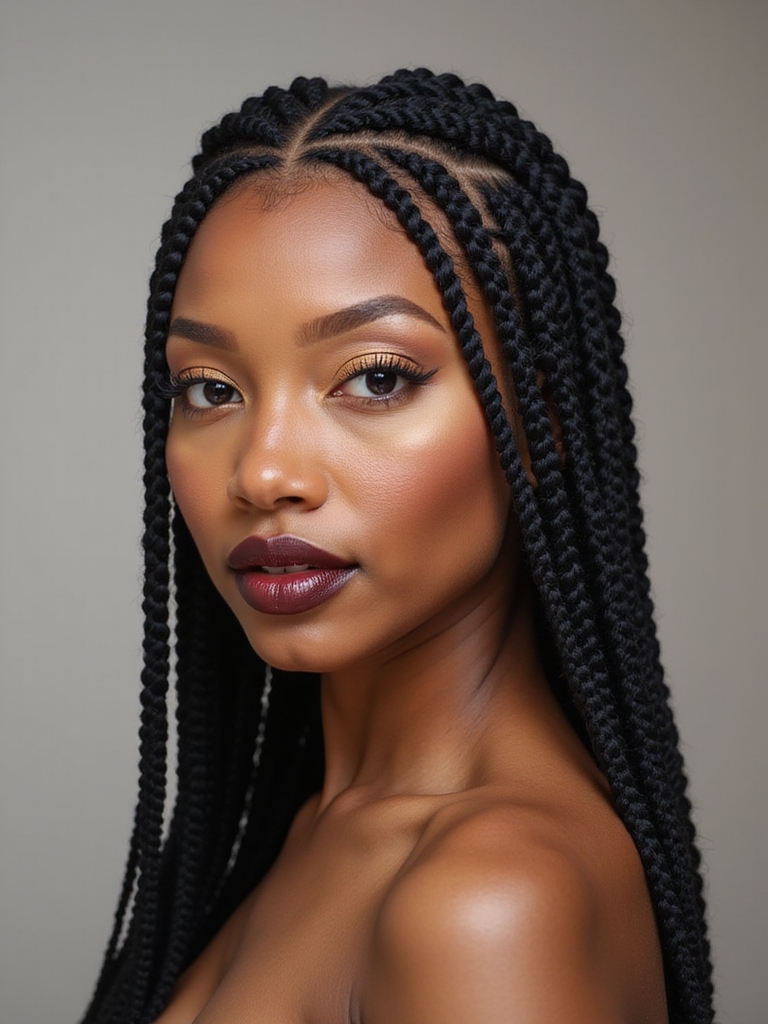
The single biggest marker of a professional cornrow set is even sectioning. Uniform rows look intentional and sit comfortably, while uneven ones twist and pull in odd directions.
Why Clean Parts Matter
A rat-tail comb and a steady hand create those clean parts, measuring by eye and feel as you go. This is the step beginners rush and pros never do.
Even sections also distribute tension evenly, which is gentler on the scalp and helps the whole set last longer.
Creative Cornrow Patterns
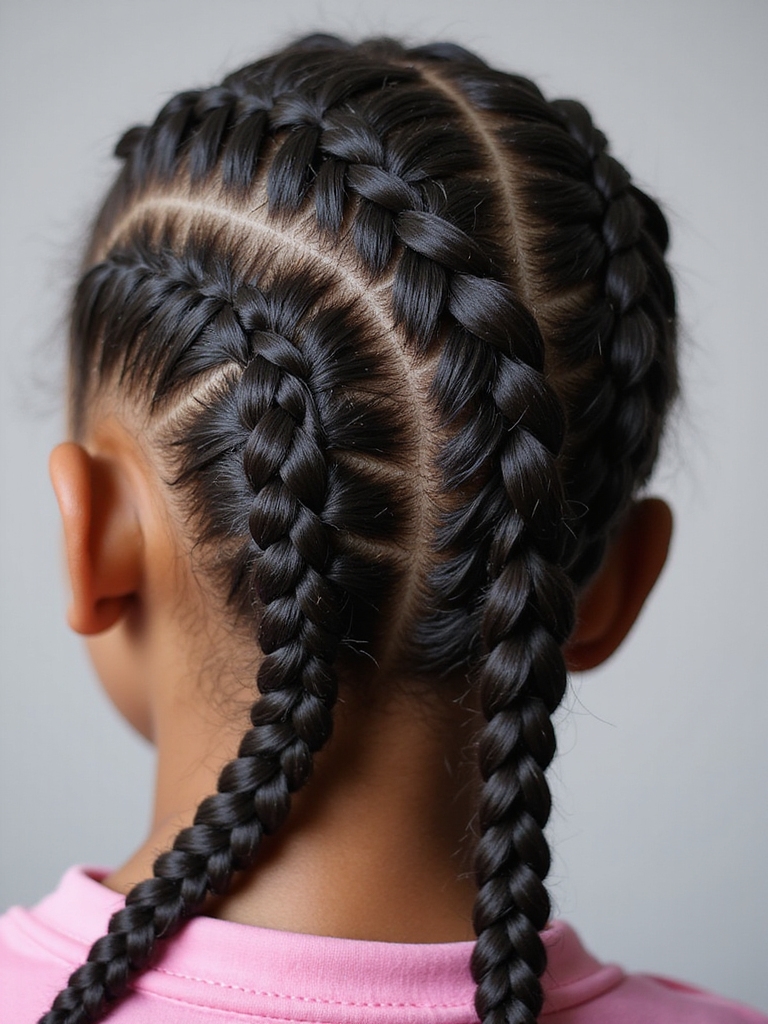
Once you move past straight rows, cornrows become a playground for creative patterns. Curved paths, zigzags, hearts, and swirling freestyle designs turn the scalp into a canvas.
Getting an Intricate Design Right
These artistic sets reward a confident braider and a clear reference photo. The more intricate the design, the more time and skill it asks for, so plan accordingly.
Creative patterns are a joyful way to express personal style, and they photograph beautifully thanks to the crisp lines and movement.
Cornrow Duration, Comfort, and Care
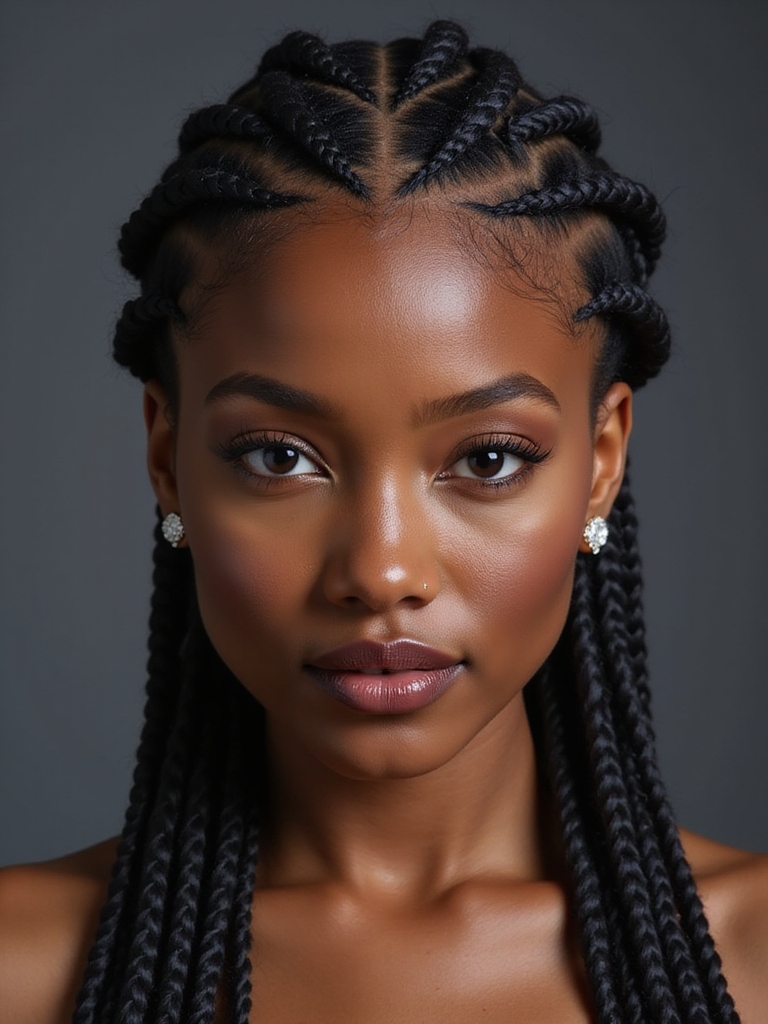
Let me be straight about the practical side. A good cornrow set lasts two to six weeks, should never hurt, and protects your hair when done and cared for properly.
When to Loosen or Remove
Clients ask me how it should feel, and the answer is simple: comfort is the real test. Mild tightness eases in a day, but persistent pain or soreness means the braids are too tight and need attention, full stop.
Treated well, cornrows are one of the healthiest styles you can wear, giving your hair a long rest from daily heat and manipulation. Pair them with a braided bun when you want a fresh way to wear the same rows.
Who It Suits Best
Cornrows suit virtually everyone with enough hair to braid, but they shine on coily and kinky textures that grip the braid and hold a pattern for weeks. Fine or straight hair can absolutely wear cornrows too, usually with feed-in extensions for grip and staying power. The style fits anyone who wants weeks of low-manipulation, protected hair, from someone with a packed schedule to an athlete who needs hair off the face.
Beyond hair type, cornrows suit anyone willing to commit to the prep and care that keep them healthy. If you can sit for the install, protect them at night, and take them down before they grow out too far, you will get the full benefit. For more protective and textured ideas, see our afro hairstyle guide.
The Heart of a Great Set
The best cornrows balance two things that can seem at odds: a set tight enough to hold for weeks, and gentle enough to protect the hairline it rests against. Get that balance right, with clean prep, even sections, comfortable tension, and steady nightly care, and cornrows become one of the healthiest, most beautiful ways to wear your hair.
Find a braider whose work you trust, speak up the moment anything pulls too hard, and treat the style with the care its history deserves. Your hair will thank you long after the braids come out.
More to Explore