
Tempted by ombre but worried it’s high-maintenance, or that you’ll hate the grow-out? Here’s the good news: ombre is the lowest-upkeep color you can get, because the darker roots are part of the design, not a problem to fix.
This guide covers every kind of ombre, from classic brown-to-blonde to bold rainbow, plus the real cost, the upkeep, and the exact words to tell your stylist for the gradient you want. Whether you’re a first-timer or refreshing a faded ombre, you’ll walk in knowing what to ask for.
Before You Book
Ombre is a gradient from darker roots to lighter ends, and because the roots are meant to stay dark, it’s the most forgiving color to grow out. That makes it a low-commitment way to go lighter, even if you’ve never colored your hair before.
The big choices are tone (warm caramel and honey, or cool ash and beige), contrast (subtle to bold), and where the lightness begins. A full ombre runs roughly $120 to $250, but upkeep is gentle: a toning gloss every couple of months keeps it fresh.
The Evolving Artistry of Ombre

Ombre has grown up. The harsh, stripey ombre of a decade ago, dark on top and bleach-blonde on the bottom with a hard line between, has softened into something far more wearable.
Today’s ombre is a gradual, blended gradient that mimics how hair naturally lightens at the ends. The transition is soft and seamless-looking, with no obvious line, which is why it works for so many more people than the old, harsh version ever did.
- Modern ombre is soft and blended, not stripey
- The dark-to-light gradient mimics natural sun-lightening
- Far more wearable and low-maintenance than early versions
Classic Brown-to-Blonde Ombre
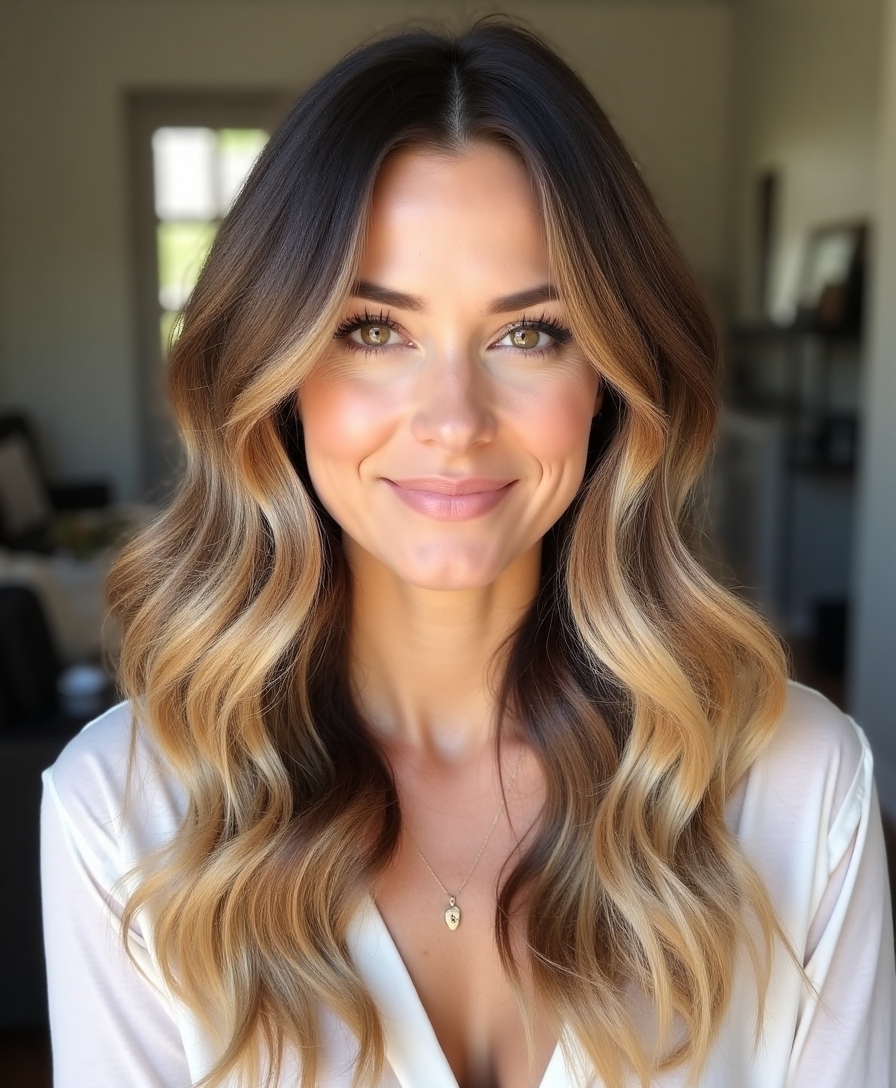
The classic brown-to-blonde ombre is the one most people picture, and it remains the most flattering and versatile. Dark or medium-brown roots melt into honey, caramel, or bright blonde ends, giving long hair instant dimension and the look of depth.
It flatters most skin tones and works on nearly every natural color. Because the top stays dark, the grow-out is gentle, making it a low-commitment way to go lighter. It’s especially pretty on fine hair that needs dimension.
- The most versatile ombre; suits most natural colors
- Roots stay dark, so the grow-out is gentle
- Choose warm (caramel) or cool (ash) ends to suit your skin
Which ombre suits you?
1You want low-maintenance color
A soft ombre or balayage with a blended root grows out beautifully with minimal upkeep.
2You want a bold, fashion look
A rainbow or high-contrast ombre makes a statement but needs more frequent toning to stay vivid.
Subtle Caramel Ombre
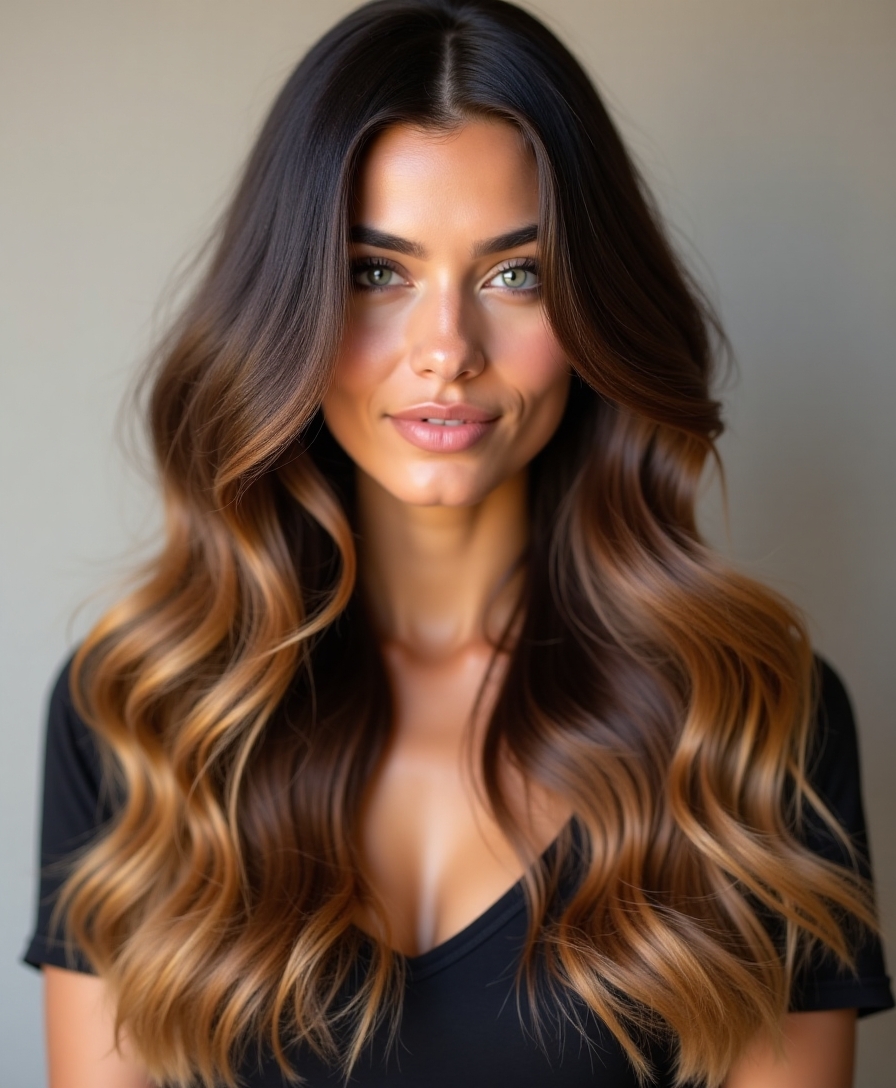
Caramel ombre is the warm, rich option, and it’s especially beautiful on brunettes who want dimension without going fully blonde. The golden-brown ends add warmth and glow.
Warm Without Going Blonde
It’s a lower-contrast look than brown-to-blonde, so it looks natural and grows out softly. Caramel flatters warm and olive skin tones particularly well, picking up their golden undertones.
For an even softer version, ask for a sombre, a subtle ombre with just a hint of caramel at the ends. It’s the lowest-key way to warm up dark hair, a little like a mushroom brown but warmer.
Balayage or Ombre: How to Choose
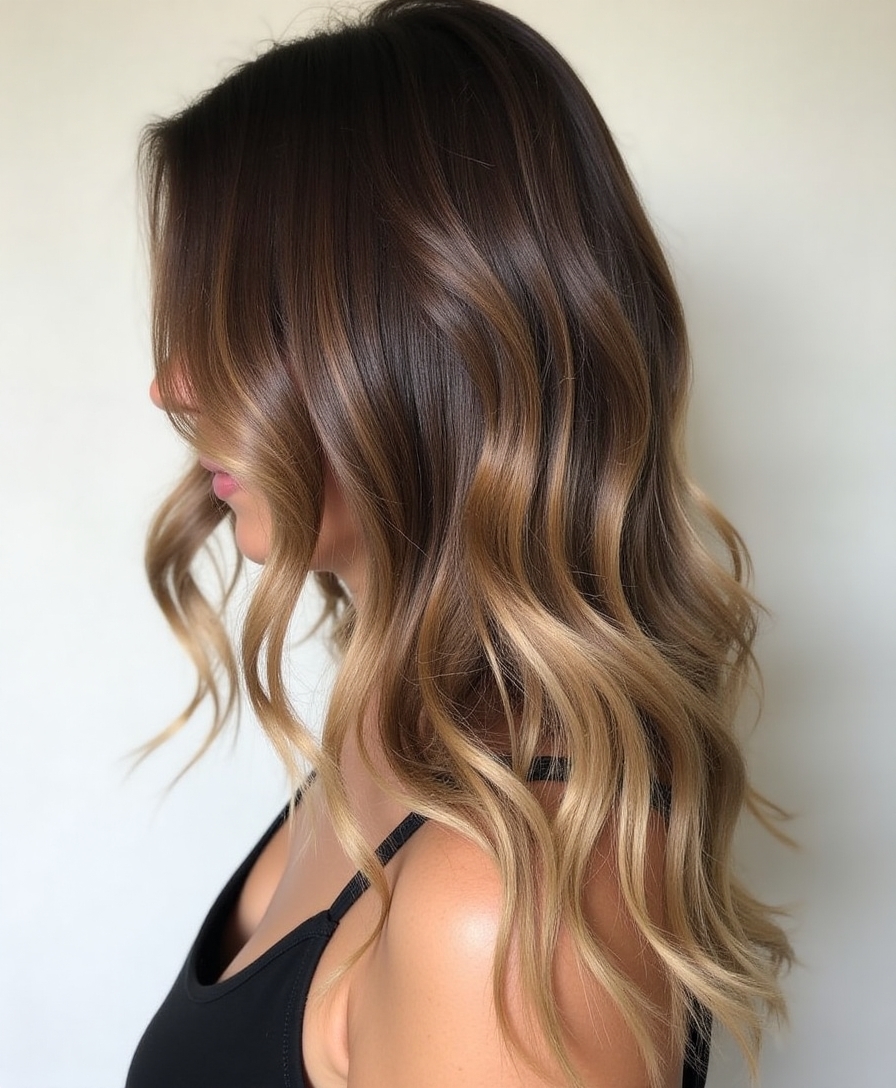
People use ombre and balayage interchangeably, though they’re different techniques that create different effects. Ombre is a horizontal gradient: dark roots blending to light ends, with the color change running across the hair.
Balayage is a painting technique, sweeping lightener freehand through the hair for scattered, sun-kissed highlights that can sit higher up. Many stylists combine the two, using balayage to blend an ombre so there’s never a hard line.
- Ombre: a top-to-bottom gradient, dark roots to light ends
- Balayage: freehand-painted highlights, more scattered
- The two are often combined for a soft, blended result
Stylist’s tip
Ombre is the most grow-out-friendly color there is, since the dark roots are supposed to be there. That’s why it’s the perfect first step if you’ve never colored your hair; you can stretch salon visits to every few months without an obvious line.
Festival-Ready Rainbow Ombre
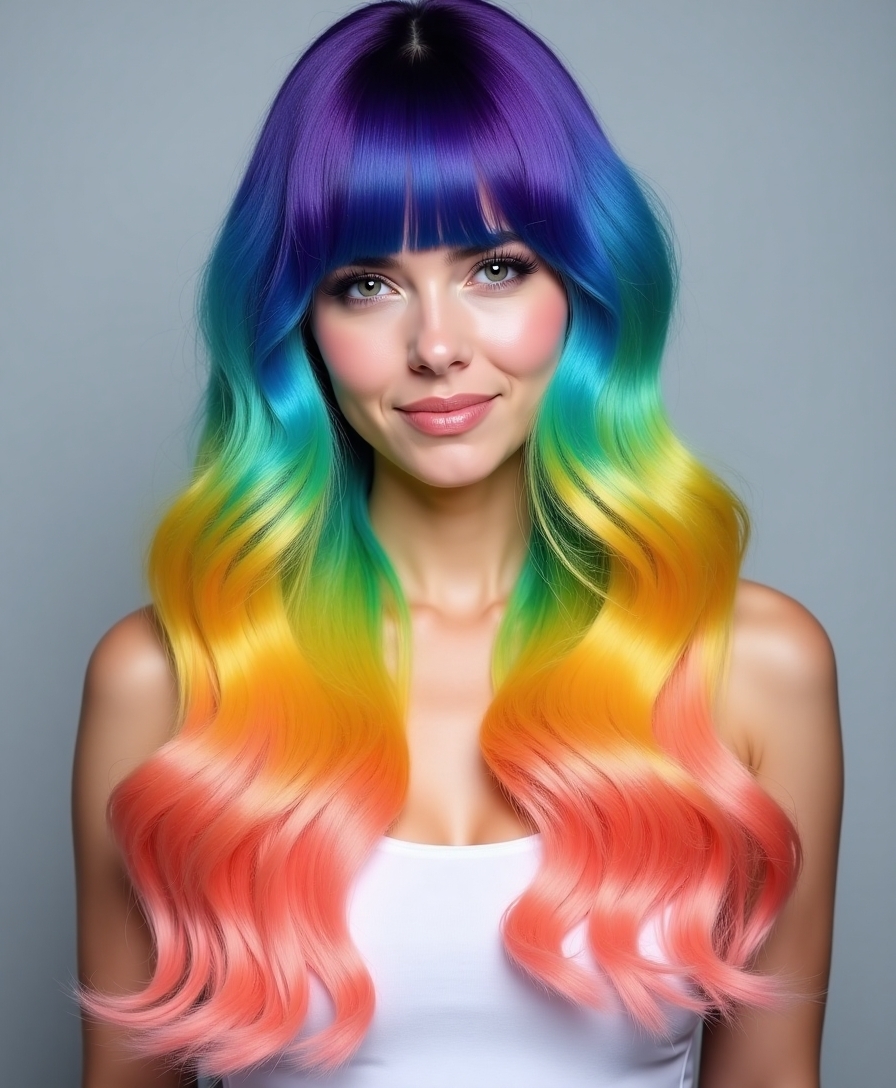
For the bold, ombre goes technicolor. A rainbow or vivid ombre keeps natural roots and explodes into color toward the ends, perfect for festivals and self-expression. Here’s what to know first:
- It usually needs pre-lightening at the ends, so healthy hair matters
- Vivid colors fade fast, needing toning or refreshing every few weeks
- Keeping the roots natural makes the grow-out and upkeep much easier
- A color-safe, sulfate-free routine is non-negotiable to slow the fade
Ombre Hair Care Essentials
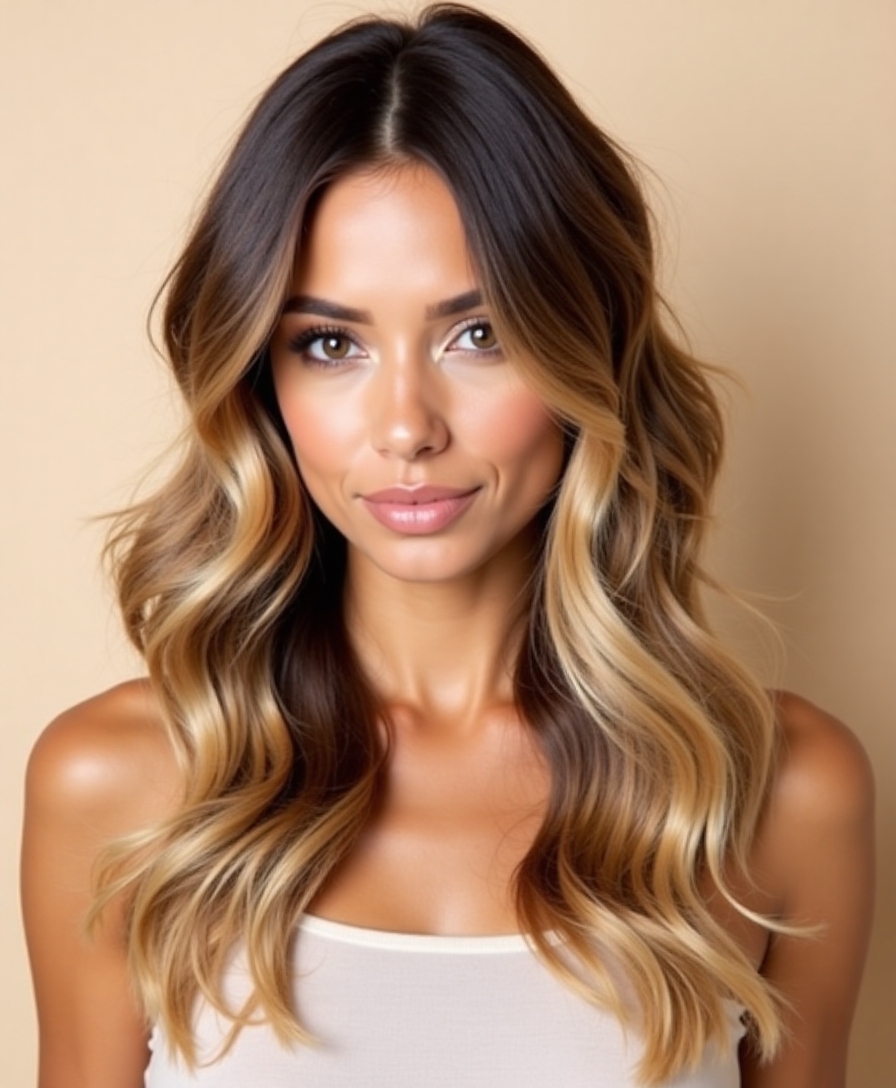
Ombre means lightened ends, and lightened hair needs more care to stay healthy and bright. The ends are both the oldest hair and the most processed, so they’re the priority.
A sulfate-free, color-safe shampoo, a weekly deep-conditioning mask, and heat protection are the core routine. Purple shampoo keeps blonde or caramel ends from going brassy between salon visits.
Wash less often, in cooler water, to preserve both color and condition. Lightened ends that aren’t cared for go dry and dull, which is what makes an ombre look grown-out and tired.
Good to Know
Ombre means ‘shaded’ in French. True ombre is a horizontal gradient from dark roots to light ends, while balayage is a freehand highlighting technique. They’re frequently combined, which is exactly why the two terms get muddled.
Essential Products for Ombre
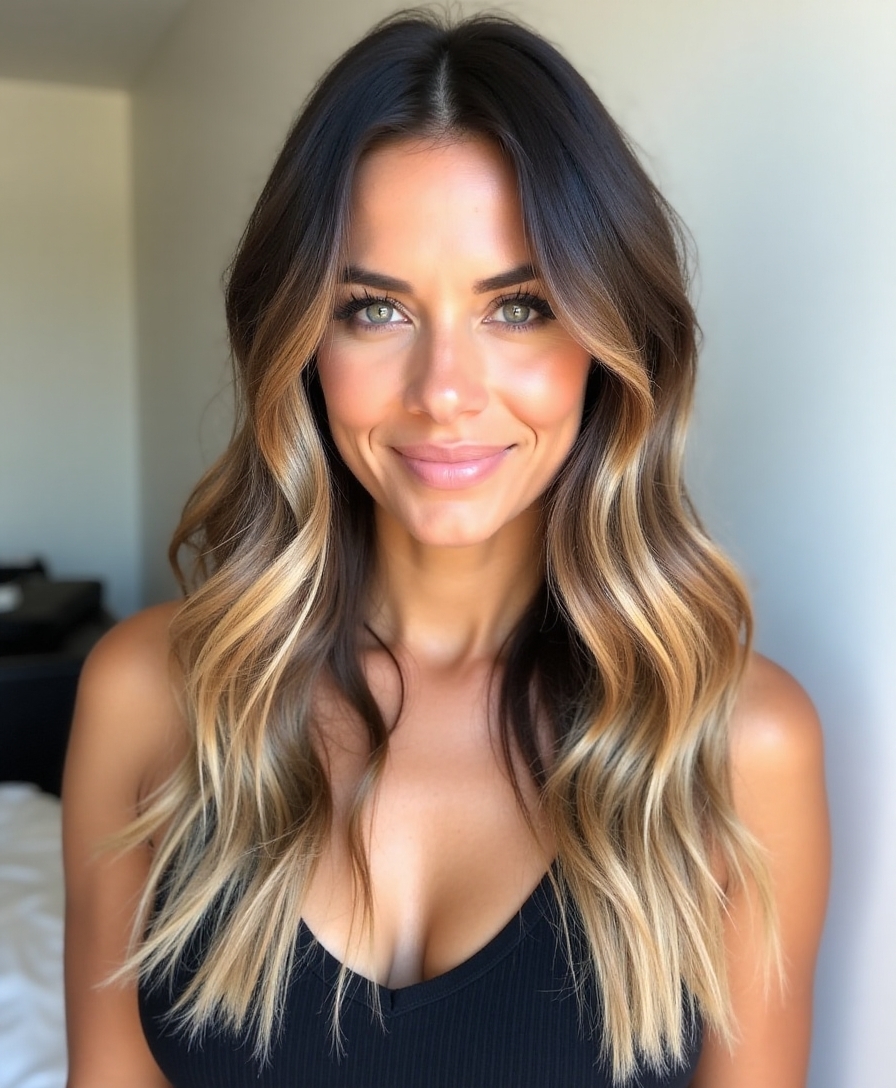
A few targeted products keep ombre looking salon-fresh between visits. A color-depositing or purple shampoo maintains your tone, while a bond-building treatment repairs the lightened ends.
A leave-in conditioner and a shine serum fight the dryness that comes with lightening, and a heat protectant guards against further damage. You don’t need a huge collection, just the right few aimed at colored, lightened hair.
Endless Styling Options
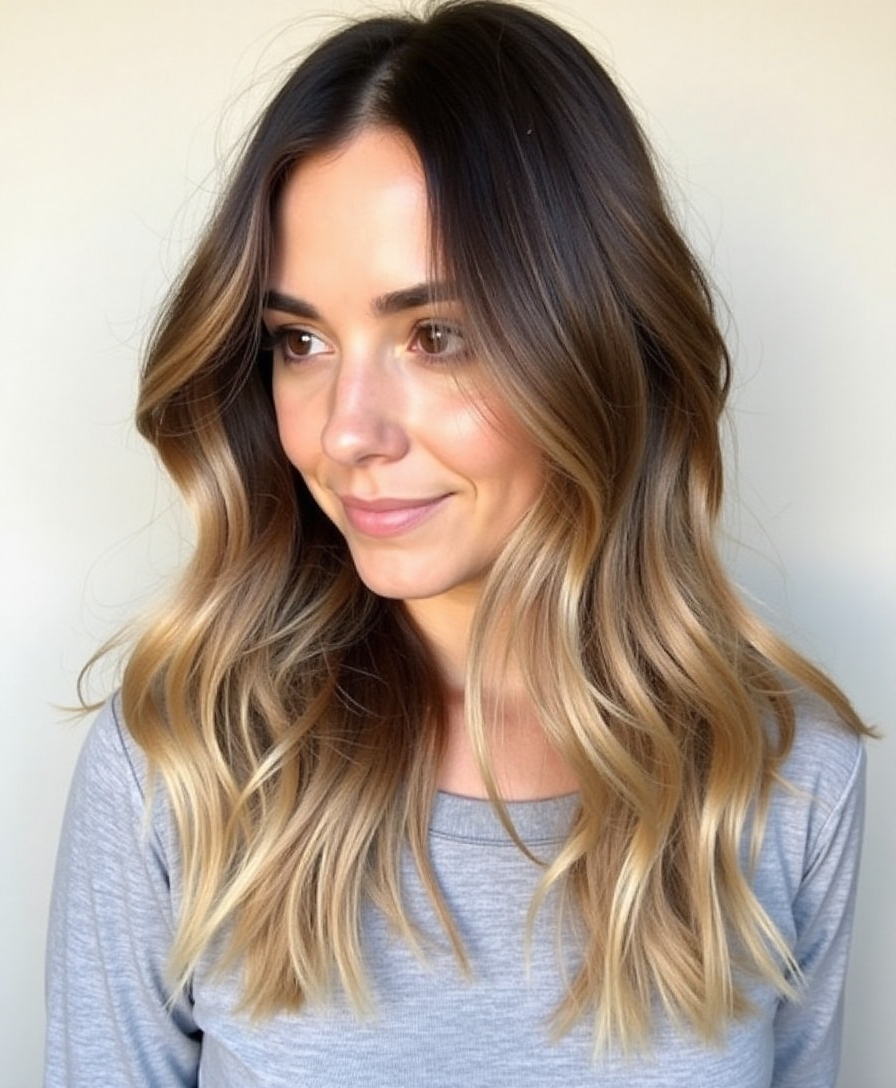
One of the best things about ombre is how it transforms with styling. Waves and curls show off the gradient beautifully, since the movement reveals the lighter ends as the hair bends.
Straight styles show a clean, graphic transition, while an updo or braid scatters the two tones for a dimensional effect. However you wear it, ombre adds depth that flat color can’t, so even a simple style looks richer.
| Style | Best for | Upkeep |
|---|---|---|
| Brown to blonde | Most colors, the classic | Gloss every 8 to 10 weeks |
| Caramel | Warming up brunettes | Low; grows out soft |
| Rainbow / vivid | Bold, fashion-forward | High; fades fast |
| Sombre (soft) | Subtle, natural dimension | Very low |
Celebrity Ombre Inspiration

Ombre has been a red-carpet staple for years, and those looks are great inspiration when you focus on the gradient rather than the famous face. Notice where the color starts to lighten and how warm or cool the ends are.
Borrow the Gradient, Not the Face
The placement of the transition is everything: higher up looks bolder, lower down stays subtle. Bring a photo to your stylist showing the contrast level and the tone you like.
What translates is the concept, the depth of the roots, the brightness of the ends, the warmth of the tone, adapted to your own base color and skin.
Seasonal Color Transitions

Ombre shifts beautifully with the seasons, and many people adjust their tone a couple of times a year. A few easy ideas:
- Summer: brighter, sun-kissed blonde or caramel ends, see summer hair colors
- Fall and winter: deeper, richer ends like chocolate or burgundy, or a cool winter tone
- A toning gloss is the easy way to shift warmth season to season
- The dark roots stay constant, so only the ends change
Choosing Your Ombre Shades Wisely
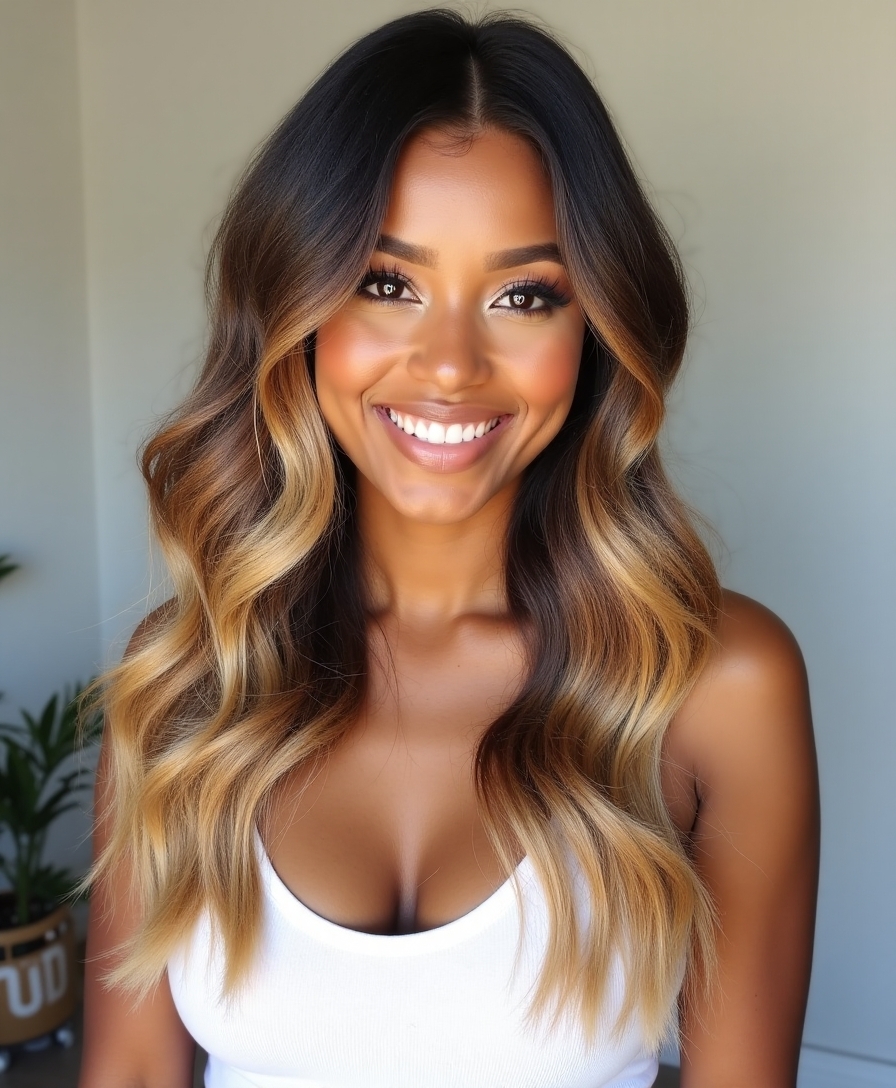
Choosing your ombre shades comes down to two things: your natural base and your skin tone. The roots usually stay close to your natural color for an easy grow-out, while the ends are where you make the real choice.
Warm skin tones glow with golden, caramel, and honey ends; cool skin tones suit ash, beige, and platinum. The contrast level is yours too, subtle for natural or high for bold. A good colorist will help you land on shades that flatter rather than fight your complexion.
- Roots stay near your natural color for an easy grow-out
- Warm skin: golden, caramel, honey ends
- Cool skin: ash, beige, platinum ends
The Techniques Behind a Perfect Ombre
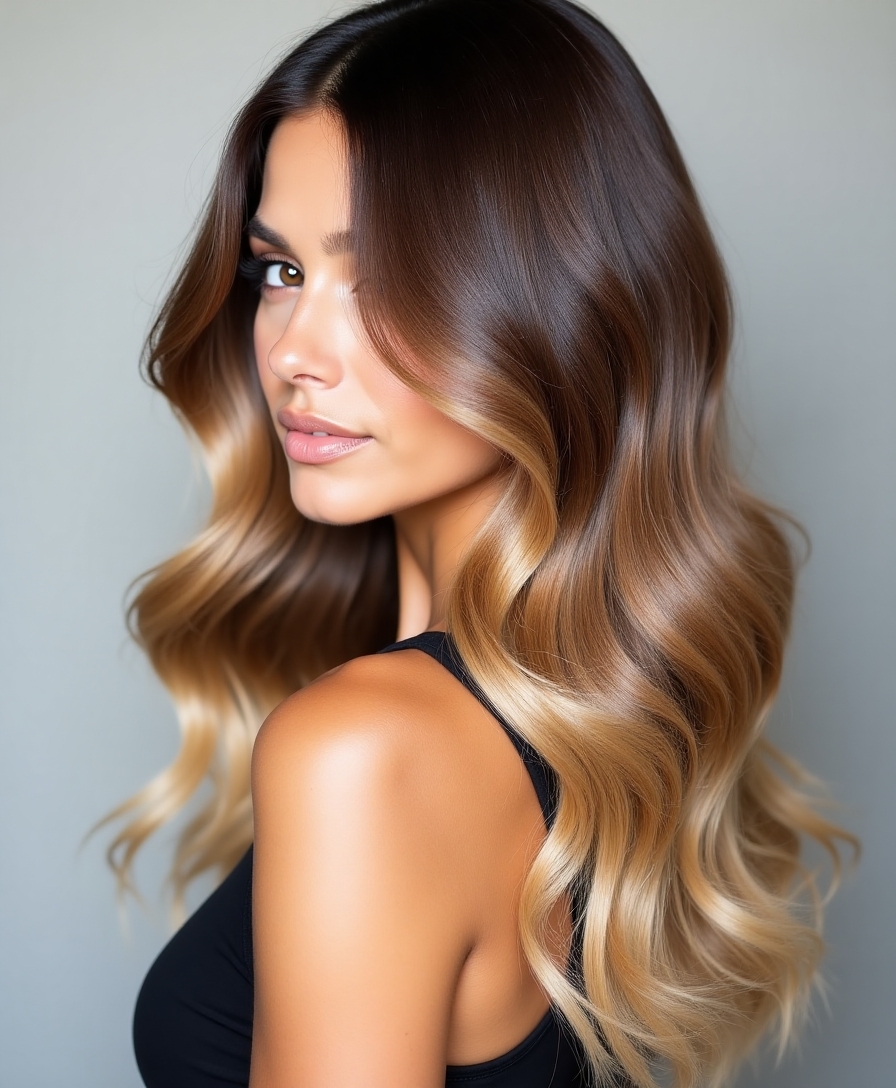
A perfect ombre is all about the blend, and that’s where a skilled colorist earns the fee. The lightener is applied in a gradient, heavier at the ends and feathered upward so there’s no hard line.
The transition zone is hand-painted and softened, often with balayage, so the two tones melt together. A final toning gloss unifies the color and kills any brassiness. It’s precise work, which is why ombre is rarely a good DIY project.
- The blend is everything; a hard line looks dated
- Lightener is feathered upward from the ends
- A toning gloss unifies the final result
Styling Tips for Ombre Hair
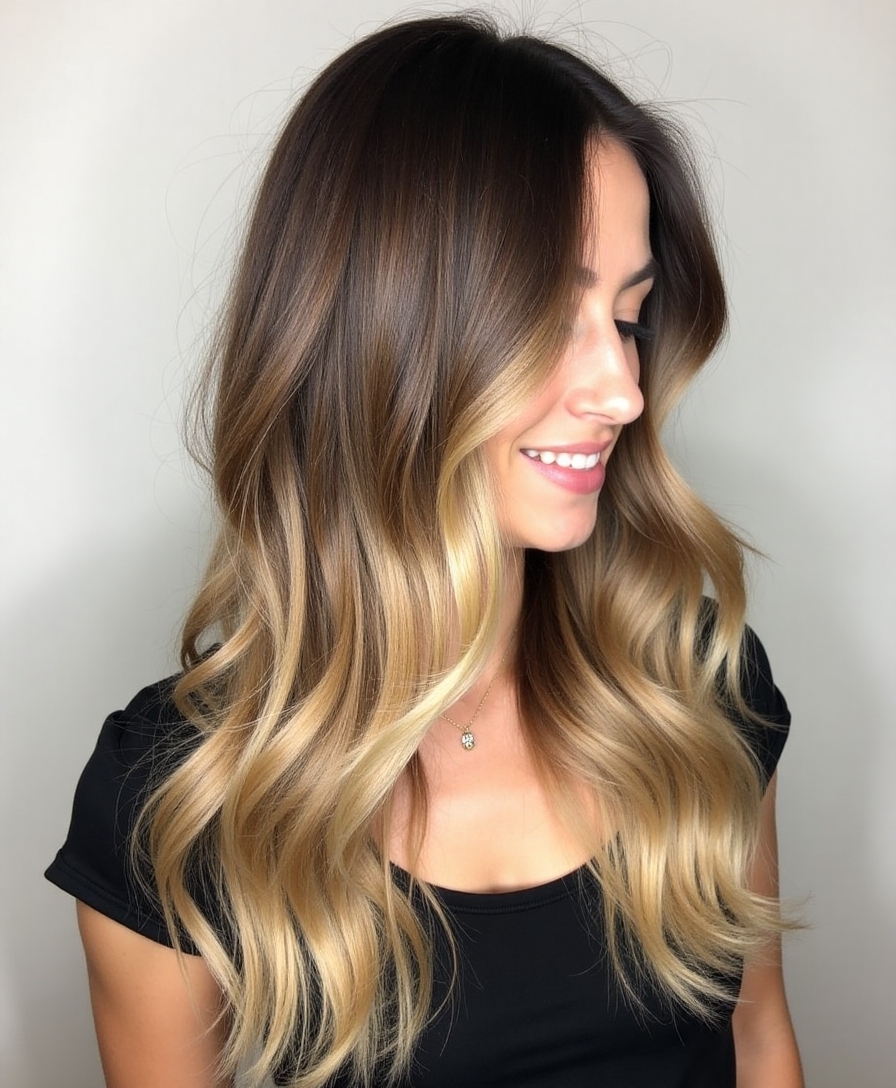
Ombre rewards a few styling habits that show off its dimension. Loose waves are the gold standard, since the bends catch the light and reveal the lighter ends.
Waves Show It Best
Use a 1.25-inch wand and alternate directions for natural-looking waves, then break them up with your fingers. A shine serum on the ends makes the gradient look glossy and expensive.
When you want the transition to really pop, a half-up style or a side-swept look exposes the color change. Play around, since ombre looks different in every style you try.
Ombre Maintenance and Costs
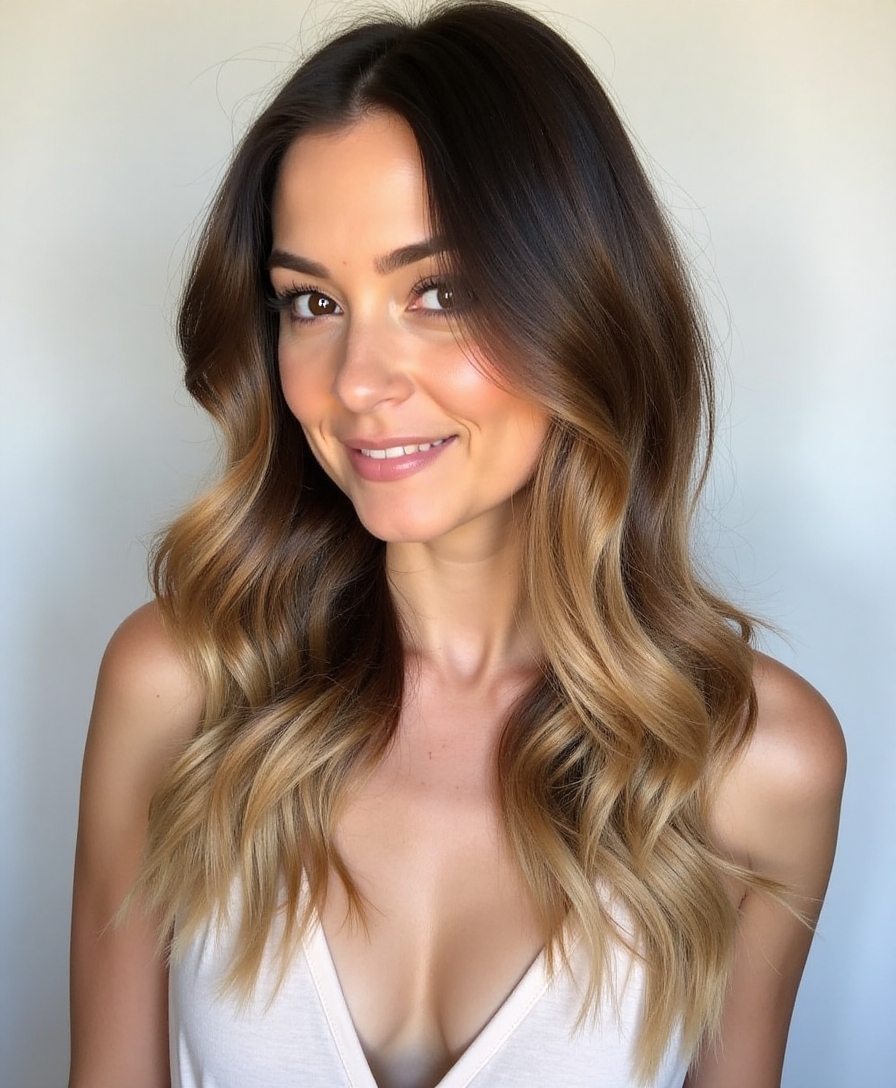
Let’s talk money, since ombre is an investment. A full ombre or balayage runs roughly $120 to $250 depending on your hair length, thickness, and salon.
Low Upkeep, Real Value
The upside is that the upkeep is low. Because the base is meant to be dark, you skip the touch-ups every few weeks that all-over color demands. A toning gloss every 8 to 10 weeks, around $40 to $60, keeps it fresh.
Vivid and high-contrast ombres cost more to maintain, since they fade faster. A classic, soft ombre is the most budget-friendly over time.
How to Maintain Ombre Properly
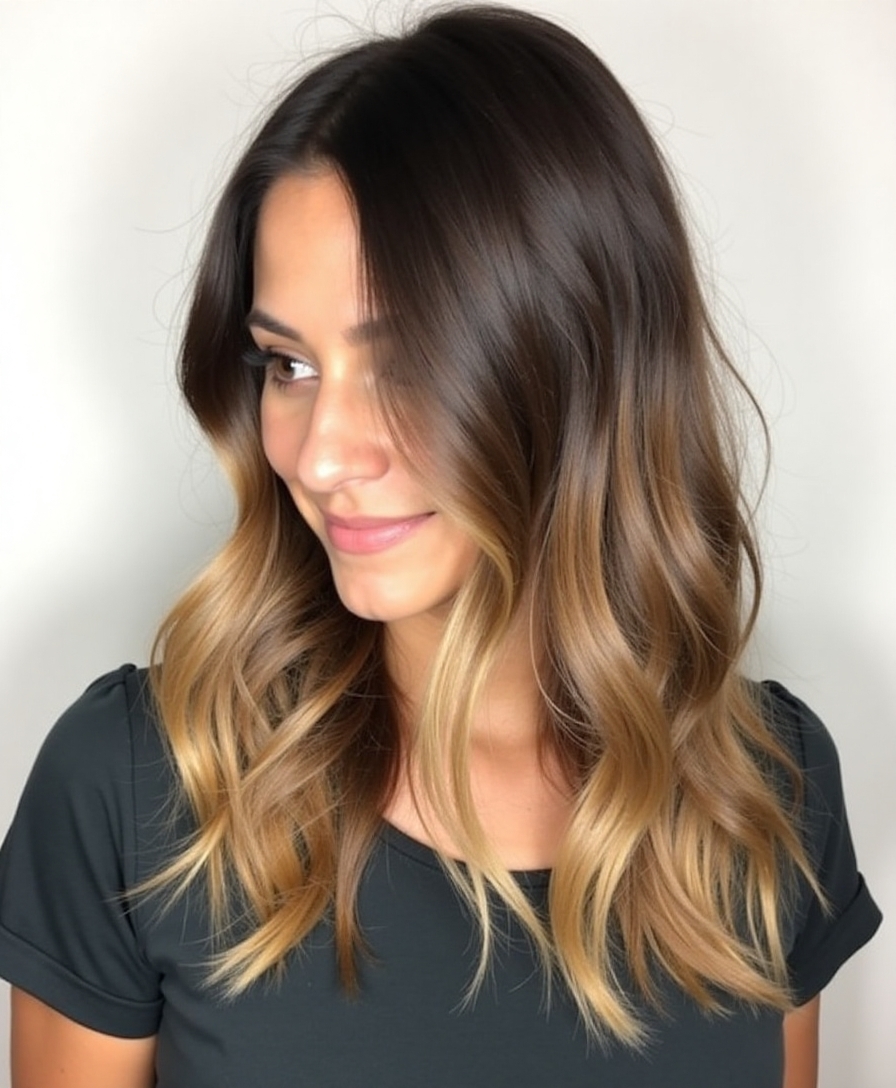
Keeping ombre looking its best comes down to protecting the lightened ends and the tone. The two enemies are dryness and brassiness.
Protect the Ends, Protect the Tone
Fight dryness with weekly masks and bond-building treatments, and fight brassiness with a purple or blue shampoo once a week. Minimize heat and always use protectant on the fragile ends.
Get a toning gloss when the color starts to look warm or dull, usually every couple of months. With that simple routine, an ombre can stay fresh for months between full appointments.
How to Ask Your Stylist for Ombre
Walking into a color appointment prepared gets you the ombre you actually want. Bring two or three photos that show the contrast level, the tone, and where the color starts to lighten, since ombre means very different things to different people.
Use the right words: say whether you want warm or cool ends, subtle or high contrast, and how low-maintenance you need it to be. Ask about the cost, the upkeep schedule, and whether your hair is healthy enough for the lift you want. A good colorist will be honest if your goal needs more than one session to reach it safely.
Ombre Hair: Quick Answers
?Is ombre high-maintenance?
It’s one of the lowest-maintenance colors, because the dark roots are part of the design and never need touching up. You’ll want a toning gloss every 8 to 10 weeks, but you can stretch full appointments to every few months.
?How much does ombre cost?
A full ombre or balayage typically runs $120 to $250 depending on length, thickness, and your salon, plus $40 to $60 for a toning gloss every couple of months. Vivid, high-contrast colors cost more to maintain.
?What’s the difference between ombre and balayage?
Ombre is a horizontal gradient from dark roots to light ends. Balayage is a freehand painting technique for scattered, sun-kissed highlights. The two are often combined to blend an ombre so there’s no hard line.
?Will ombre damage my hair?
The lightening process does stress the ends, so healthy hair and good aftercare matter. Bond-building treatments, weekly masks, and gentle, color-safe products keep lightened ends from going dry and brittle.
The Easiest Way to Change Your Color
If there’s one color worth trying, it’s ombre, because it gives you the most change for the least commitment. The dark roots mean a forgiving grow-out, the lightened ends add dimension, and the upkeep is gentler than almost any other color out there.
Whether you go classic brown-to-blonde, warm caramel, or bold rainbow, the principle is the same: a soft, blended gradient that flatters your base and your skin. Bring your photos, talk shades, and let the gradient do the work.
Keep Reading