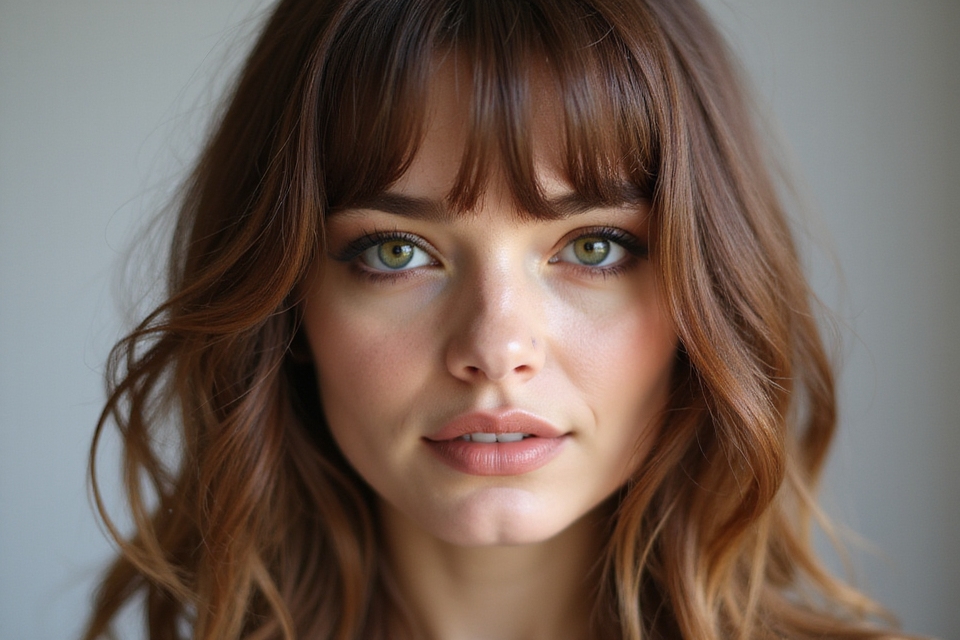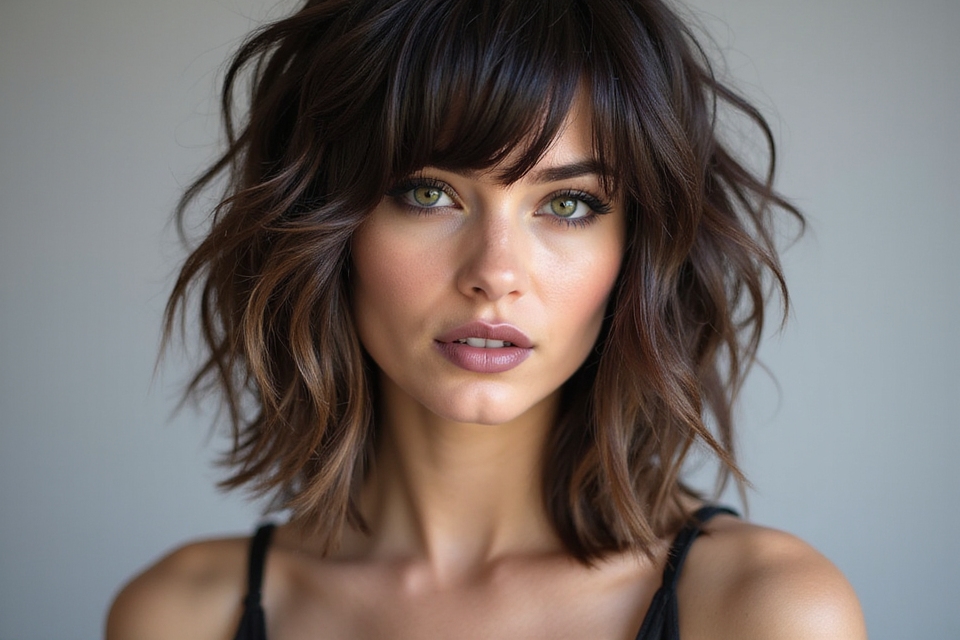

There’s a myth that brown hair is boring, the safe, do-nothing shade you settle for when you can’t commit. Mushroom brown is the rebuttal. This cool, smoky, greige-tinged brown has quietly become one of the most requested colors in the salon, precisely because it looks expensive and complex without ever shouting.
Named for the soft, earthy tones of a mushroom, all muted browns, taupes, and ashy grays, it’s a low-key color that rewards a closer look. Here’s everything that goes into a great mushroom brown: the chemistry, the right base, who it suits, and how to keep it from fading warm.
The Quick Version
Mushroom brown is a cool-toned brown shot through with smoky, ashy, taupe-gray undertones. It looks soft and expensive, dimensional in the light, and muted rather than flat.
It suits cool and neutral skin tones best, takes some skill to mix and maintain since the ash fades fast, and looks its richest with subtle highlights woven through. Below: how it’s made, who it flatters, and how to keep it cool.
A Cool, Ashy, Sophisticated Brown

What sets mushroom brown apart from an ordinary brunette is its coolness. Where a standard brown leans warm and golden, mushroom brown is shot through with ashy, smoky, almost gray undertones that lend it a soft, sophisticated quality.
That muted, dusty character is the whole appeal. It looks understated and expensive, the kind of color that’s hard to place, neither fully brown nor gray but something quietly in between.
It’s a grown-up, modern shade that flatters without demanding attention, which is exactly why it has become such a salon favorite.
The Chemistry of a Cool-Toned Color

Getting mushroom brown right is a real exercise in color theory, because that cool, ashy quality comes from carefully balancing tones. The smoky gray is created by neutralizing warmth with ashy and sometimes violet or blue-based pigments.
This is why mushroom brown is tricky to achieve and to keep; hair naturally wants to pull warm, so the cool tones have to be built in and then defended against fading. It’s a color that rewards a knowledgeable colorist.
- The smoky tone comes from neutralizing warmth with ash
- Violet or blue-based pigments cancel unwanted gold
- The cool result fades faster than a warm one
Two mushroom brown myths, cleared up:
❌ Myth: Brown hair is boring.
✅ Reality: Mushroom brown’s smoky, dimensional ash makes it among the most sophisticated browns there is.
❌ Myth: It’s basically gray hair.
✅ Reality: Not so; it’s a cool brown with gray and taupe undertones, soft and youthful rather than actually gray.
Base Colors for Mushroom Brown

Your starting color matters enormously with mushroom brown, since the shade is built on top of whatever base you already have. Naturally light to medium brown hair is the easiest canvas, needing only toning to reach that cool, smoky finish.
Darker hair usually needs lifting first to make room for the ashy tones, while lighter or blonde hair may need depth added so the color has something to sit on. A colorist reads your base before deciding the formula.
Mushroom Brown for Your Skin Tone

Like any cool shade, mushroom brown flatters some complexions more naturally than others, though there’s a version for nearly everyone. A quick guide:
- Cool, pink, or neutral undertones: a natural match for the ashy color
- Fair skin: a lighter mushroom brown keeps it soft rather than stark
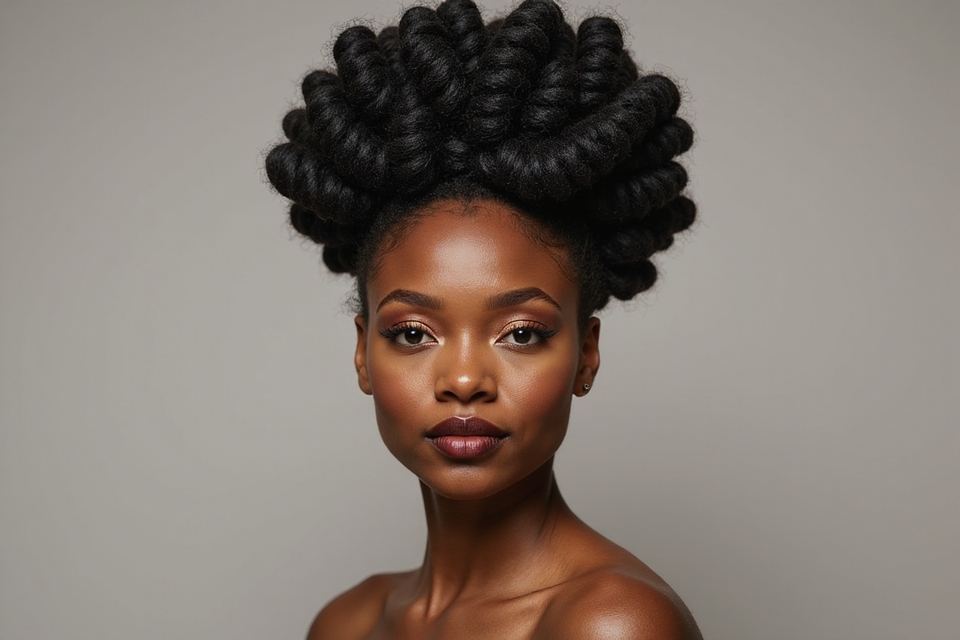
- Deep, rich skin: a deeper mushroom with a warm-cool balance glows beautifully
- Warm undertones: ask for a touch of neutral warmth so it doesn’t look gray or dull
Good to know
Mushroom brown’s cool, ashy pigments are the first to fade, which is why hair drifts brassy or warm within weeks. A weekly purple or blue toning shampoo and a gloss every month or so are what keep it smoky.
Preparing Your Hair Before Coloring

A cool, demanding color like mushroom brown looks its best on healthy hair, so a little prep pays off. Before your appointment:
- Deep-condition for a week or two beforehand for even absorption
- Skip heavy oils or product on the day of coloring
- Arrive with clean, dry hair that isn’t freshly washed that morning
- Be honest with your colorist about past color and any henna
Professional vs DIY Hair Color

Mushroom brown is one shade where a professional is truly worth it. The precise balance of cool tones, the lifting, and the toning are hard to nail from a box, and box dyes tend to run warm or muddy.
A box version can manage a subtle shift on already-light hair, but for anything involving lifting or a real change, a colorist gets a cleaner, more dimensional, longer-lasting result. The cost buys precision the box can’t.
A little color vocabulary:
📖Ash
A cool, smoky tone with no gold or red; the heart of mushroom brown.
📖Toner or gloss
A semi-permanent color that refreshes tone and shine between full colors.
📖Greige
A gray-beige shade; mushroom brown’s cooler, more fashion-forward end.
How to Maintain Mushroom Brown

The ashy tones in mushroom brown fade fastest, so a little upkeep keeps it from turning brassy. The routine looks like this:
- Use a blue or purple toning shampoo once a week to fight warmth
- Cut back on washing and turn the water cooler to slow the fade
- Schedule a toning gloss every month or so
- Protect it from sun and chlorine, which speed the warm shift
Common Mushroom Brown Mistakes

A few avoidable mistakes can turn a beautiful mushroom brown muddy or brassy. The biggest is going too ashy, which can look flat, gray, or even dull, especially on warm skin.
What Goes Wrong, and Why
Another is neglecting the toning upkeep, since the cool pigments fade first and let warmth creep back in. And starting from the wrong base, or attempting a big lift at home, often ends in patchy, uneven color.
The fix for all three is the same: a good colorist and a realistic plan. Mushroom brown rewards patience over shortcuts.
What a mushroom brown appointment looks like:
1Consultation
Your colorist reads your base, your skin tone, and your inspiration photos.
2Lift if needed
Darker hair is lightened to make room for the cool tones.
3Tone
Ashy, sometimes violet-based pigments build the smoky mushroom shade.
4Gloss and finish
A toning gloss seals the cool cast and adds shine.
5Home plan
You leave with a toning shampoo and a maintenance schedule.
Color-Care Essentials

Keeping mushroom brown looking fresh comes down to a small, color-smart routine. A gentle, sulfate-free, color-safe shampoo is the base of it, mild enough to leave the toner intact.
A Color-Smart Routine
Add a weekly toning treatment to maintain the cool cast, a hydrating mask for shine, and a heat protectant, since dull, damaged hair makes any color look faded. Cooler water and less frequent washing stretch the color’s life.
These small habits are the difference between a mushroom brown that stays smoky and one that drifts orange within weeks. For warmer-season shade ideas, see our summer hair colors guide.
Stylish Ways to Highlight

Mushroom brown comes alive with the right highlights, which weave in the depth that stops it falling flat. Some flattering options:
- Fine, cool-toned babylights for a soft, lit-from-within glow
- A subtle balayage in a slightly lighter mushroom for movement
- Ashy ribbons a shade or two up for depth without brassiness
- A soft money piece to brighten around the face
Seasonal Mushroom Brown Adjustments

Mushroom brown is a year-round color, but small seasonal tweaks keep it feeling fresh. In the cooler months, lean into its smoky, deeper side for a rich, wintery finish.
Bending With the Seasons
Come summer, when the sun naturally lifts and warms hair, a colorist can add cooler toning or a few brighter mushroom highlights to keep it from going brassy. The base color stays; only the toning shifts.
This adaptability is part of mushroom brown’s appeal. It bends to the season without a full color change. For more cool-season shades, see our winter hair colors guide.
Custom Mushroom Brown Highlights

The beauty of mushroom brown is how customizable it is. A colorist can tweak the exact balance of brown, gray, and taupe to suit you, dialing the ash up for a cooler, more fashion-forward finish or softening it with neutral warmth for something more natural. Highlights and lowlights can be woven through to add depth and dimension, with the placement tailored to brighten your face or add movement where you want it.
No two mushroom browns are quite alike, which is the whole point; yours should be mixed for your base, your skin, and your taste. For a silvery cool-toned cousin of the shade, see our silver blonde guide.
- The balance of brown, gray, and taupe is tailored to you
- Dial the ash up for fashion, down for natural
- Highlights placed to brighten the face or add movement
Embrace Growth, Maintain Shape

One quiet advantage of mushroom brown is how gracefully it grows out, especially if your natural base is a cool or medium brown. Because the color is soft and dimensional rather than solid, the regrowth line stays subtle.
That makes it lower-maintenance than a bold or high-contrast color; you can stretch the time between appointments and still look polished. A toning gloss between full colors keeps it fresh without a big commitment.
Budget-Friendly Hair Dye Tips

Mushroom brown can be a salon investment, but there are ways to keep the cost down. Stretching time between full color services is the biggest saver, and the color’s soft grow-out makes that easy.
Stretching the Spend
Maintain the tone at home with a good purple or blue shampoo and the occasional toning gloss rather than booking a full color each time. A money piece or partial highlights cost less than a full head and still refresh the look.
And if you do go the box route, choose a cool-toned shade close to your natural level and keep your expectations modest. Small, smart spends keep mushroom brown affordable.
Mushroom Brown Hair Inspiration

If you’re considering the shade, gather inspiration before your appointment, since mushroom brown spans a wide range, from nearly gray and fashion-forward to soft, warm-leaning, and natural. Save photos that show the exact level of ash you want.
Bring several references rather than just one, and look for hair with a similar base to yours so the result is realistic. Your colorist will use them to mix a mushroom brown that’s yours. For another soft, dimensional look, see our modern shag guide.
Maintenance and Care
Mushroom brown is a commitment to cool tones, and keeping it smoky takes a little routine. Use a purple or blue toning shampoo weekly to fight the warmth that creeps in as the ash fades, and wash less often in cooler water to make the color last. A salon gloss roughly every month or so revives the cool cast without a full color service.
Beyond toning, treat the hair gently: a sulfate-free shampoo, a weekly mask, and heat protection keep it shiny, since healthy hair holds color better and dull hair always looks faded. Protect it from sun and chlorine, the two fastest routes to brassiness. Look after the tone, and mushroom brown stays soft and expensive for months. For another low-maintenance, grown-out look, see our medium shag guide.
The Quiet Sophisticate of Brunettes
Mushroom brown proves that brown hair is anything but boring. With its smoky, ashy, dimensional character, it’s the brunette shade that looks the most expensive while asking for the least attention: soft, modern, and quietly sophisticated.
It takes a skilled colorist and a little toning upkeep to keep it cool, but the payoff is a color that flatters, grows out gracefully, and never looks like it’s trying too hard. If you want brunette with depth and a cool edge, mushroom brown is the one to ask for.
Related Reads