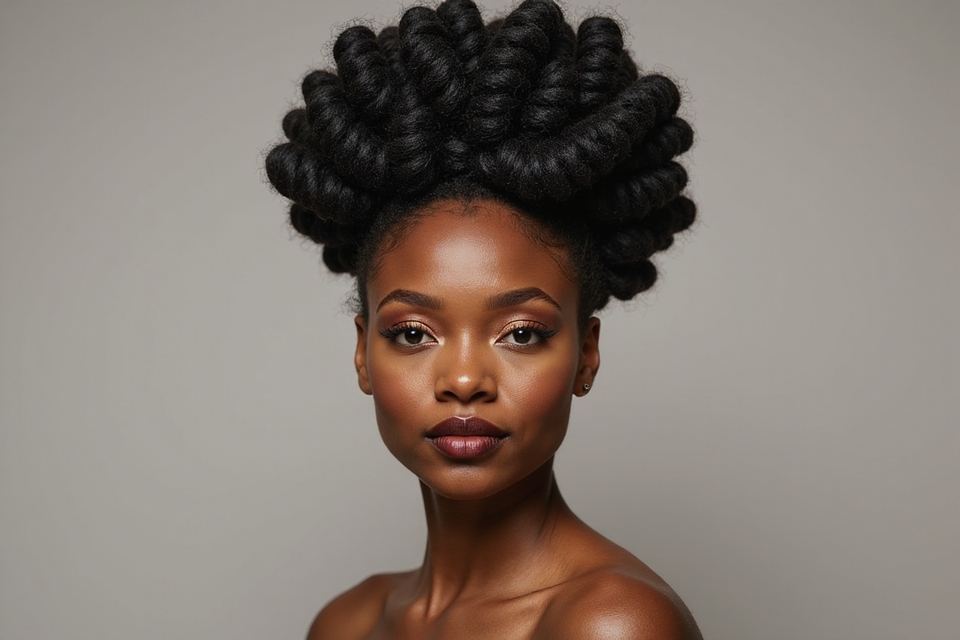
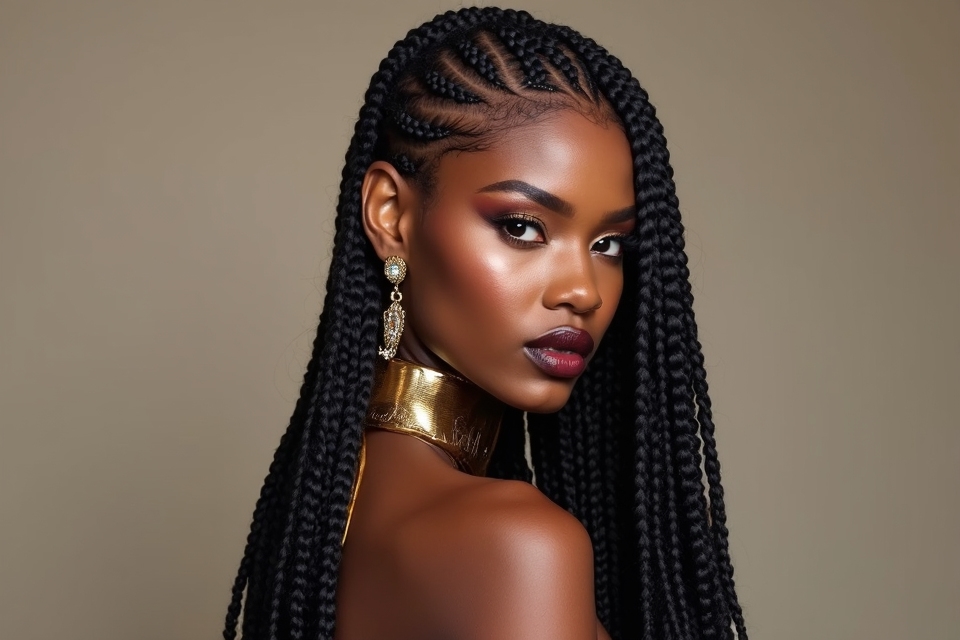
A braid down the center of the head, cornrows swept along the sides, and cowrie shells catching the light: that is the signature of Fulani braids, a protective style rooted in the heritage of the Fula, or Fulani, people of West Africa and the Sahel. Those beads and shells have always carried meaning of their own. Worn well, the style is bold, personal, and deeply tied to a long tradition.
These fulani braids hairstyles cover the heritage behind the style, the classic and modern variations, how beads and length change the look, and the honest care that keeps both the braids and your hair healthy. This is a celebration of a culturally significant style, worn with the respect it deserves.
What to Know About Fulani Braids
- Fulani braids originate with the Fula people of West Africa and the Sahel.
- The signature is a center braid plus side cornrows, often with beads or cowrie shells.
- Worn as a protective style, they tuck the ends away and shield the hair.
- A full set runs about $150 to $300 and several hours, depending on length and detail.
Cultural Heritage in the Braids

Fulani braids take their name from the Fula people, one of the largest ethnic groups across West Africa and the Sahel, from Senegal and Mali to Nigeria and beyond. The style has been worn for generations, long before it appeared on any runway or feed.
The classic form is instantly recognizable: a braid running down the center of the head, cornrows swept along the sides, and a braid or two falling near the face, finished with beads or cowrie shells. Every element has deep roots in tradition.
Understanding that origin is the first step to wearing the style with respect. These are not simply pretty braids; they are a living piece of West African culture worn on the head.

What the Braids Symbolize
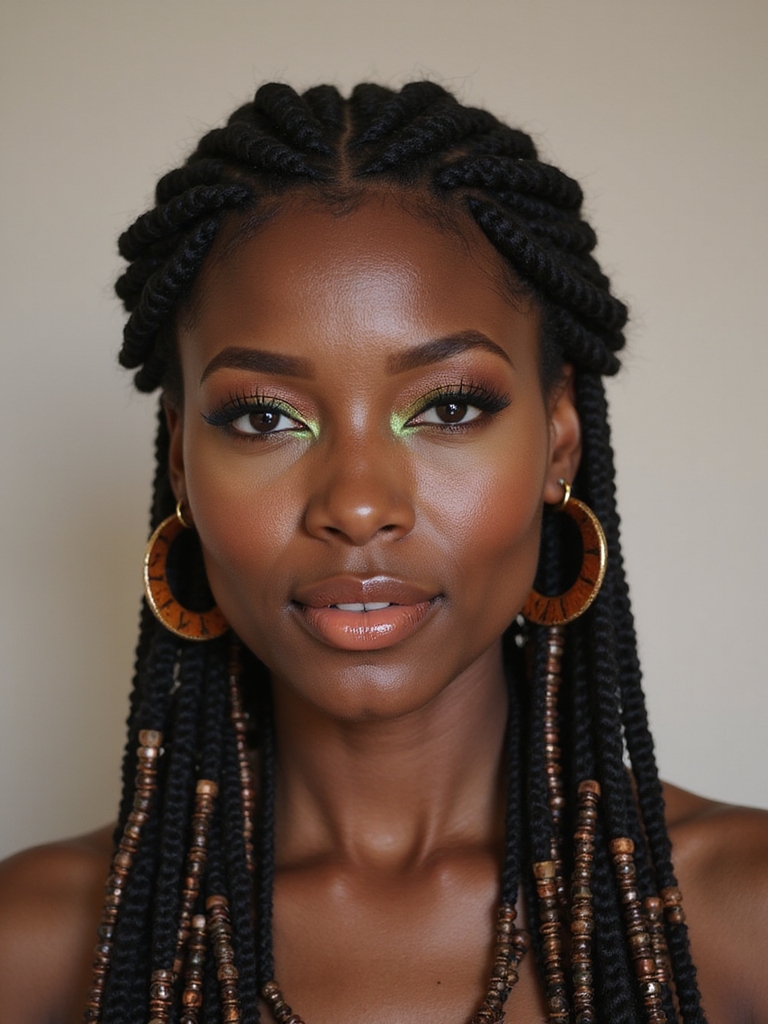
Within Fula culture, braids and their adornments have long carried meaning beyond decoration. The beads, shells, and even silver or amber pieces traditionally signaled things about the wearer.
Knowing this depth is part of appreciating the style as the meaningful thing it is.
- Beads and adornments could signal age, marital status, or wealth.
- Cowrie shells have long symbolized prosperity and femininity.
- Patterns and parting could reflect family or community ties.
- The style has always been deeply personal and expressive.
📋Before You Get Fulani Braids
- ✓Choose an experienced braider who respects the heritage.
- ✓Discuss length, size, color, and beadwork in advance.
- ✓Bring a few reference photos so you and your braider align.
- ✓Plan for scalp care and a satin bonnet at home.
Heritage Across the Regions
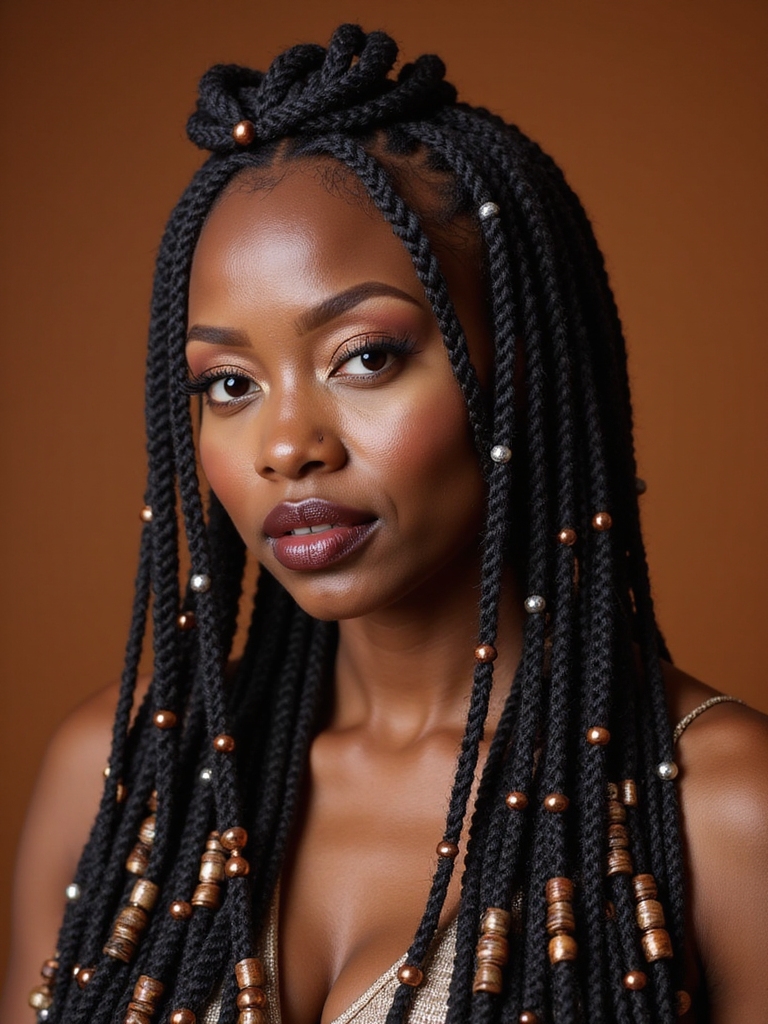
Because the Fula are spread across a vast stretch of West Africa and the Sahel, Fulani braids are not one fixed look but a family of regional variations. From Senegal and Mali through to Niger and Nigeria, communities developed their own parting patterns, bead choices, and proportions, so a set from one area can read quite differently from another.
What stays constant is the bones of the style: the braid down the center, the cornrows swept to the sides, and the adornments near the face. Local materials shaped the details, with cowrie shells common in some places and silver, amber, or coins in others. That regional richness is part of why the look has so many faces while still being instantly recognizable.
Beads That Define Fulani Braids
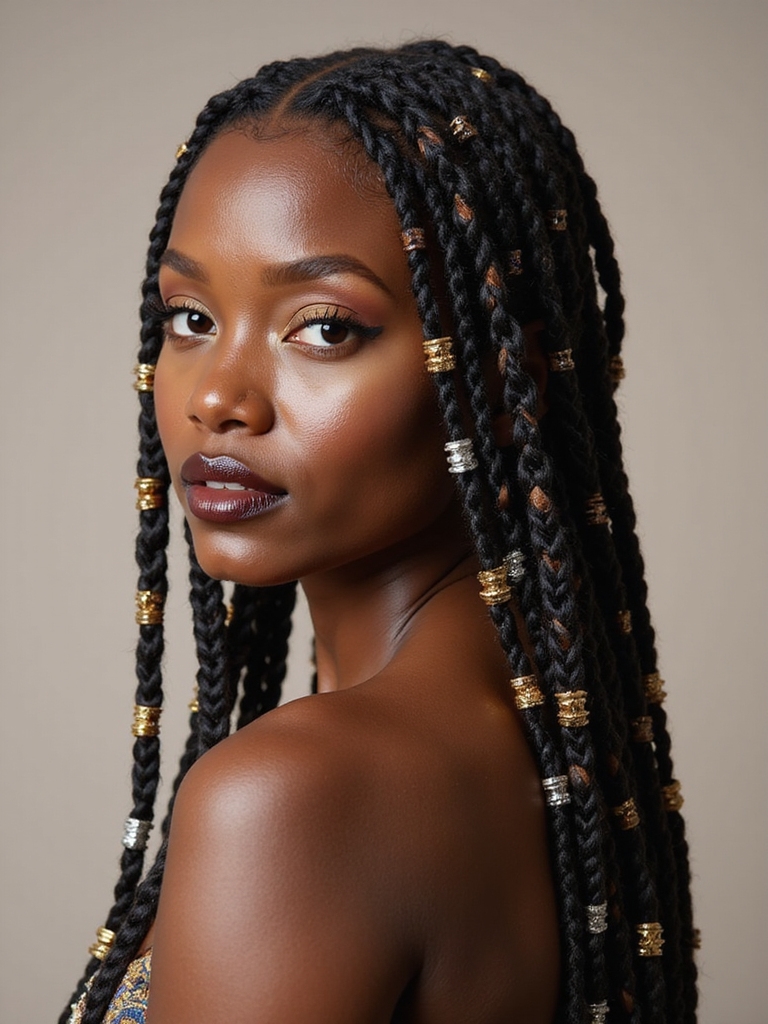
Beads and cowrie shells are the detail most people picture with Fulani braids, and they are central to the style itself. Threaded along the braids, they add color and movement, the unmistakable finishing touch.
How you place them is personal, from a few near the face to beads throughout. When clients ask me how many is too many, the answer comes down to weight, since heavy strands tug at the braids over time.
- Cowrie shells are the most traditional adornment.
- Gold or wooden beads add warmth and personality.
- Cluster them near the face or scatter through the lengths.
- Heavy beads add weight, so keep them balanced to protect the braids.
One thing worth clearing up.
❌ Myth: Protective styles like Fulani braids cannot damage hair.
✅ Reality: They protect hair only when done and worn correctly. Braids that are too tight or left in too long can strain the hairline, so gentle tension and reasonable wear time matter.
The Modern Evolution
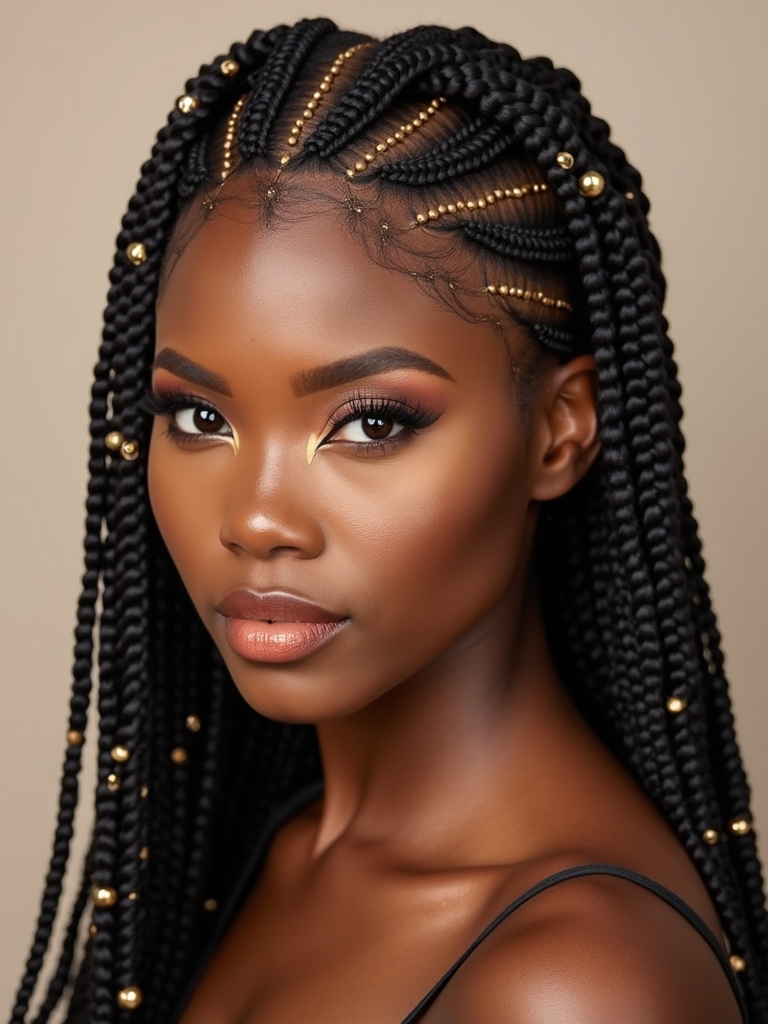
While the heart of the style stays the same, modern Fulani braids have expanded in creativity, from intricate parting to knotless techniques. Braiders now blend the classic structure with contemporary touches that suit individual taste.
The tradition is the foundation; the variations are how each person makes it their own.
- Knotless techniques reduce tension at the root.
- Intricate, geometric partings add modern detail.
- Mixed braid sizes give texture and dimension.
- The classic center braid usually remains the anchor.
Creative Braid Patterns
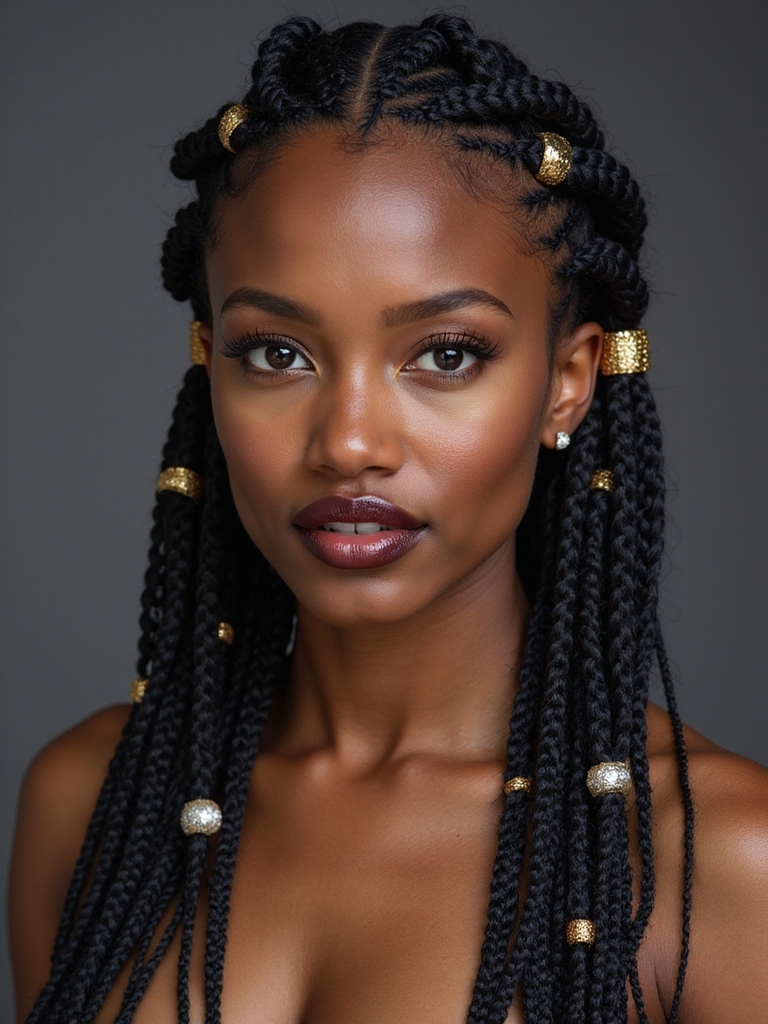
The parting is where Fulani braids become true artistry, with the scalp design as much a part of the look as the braids themselves. A skilled braider treats the part lines like a canvas.
- Curved or geometric partings add intricate detail.
- A zigzag center part is a modern signature.
- Beads can echo the part lines for a coordinated finish.
Match the set to what you want.
🎯Low-maintenance and comfortable
Choose shorter or mid-length braids with minimal heavy beadwork.
🎯Bold statement
Go long, add color and generous beads, but balance the weight.
How Length Shapes the Look
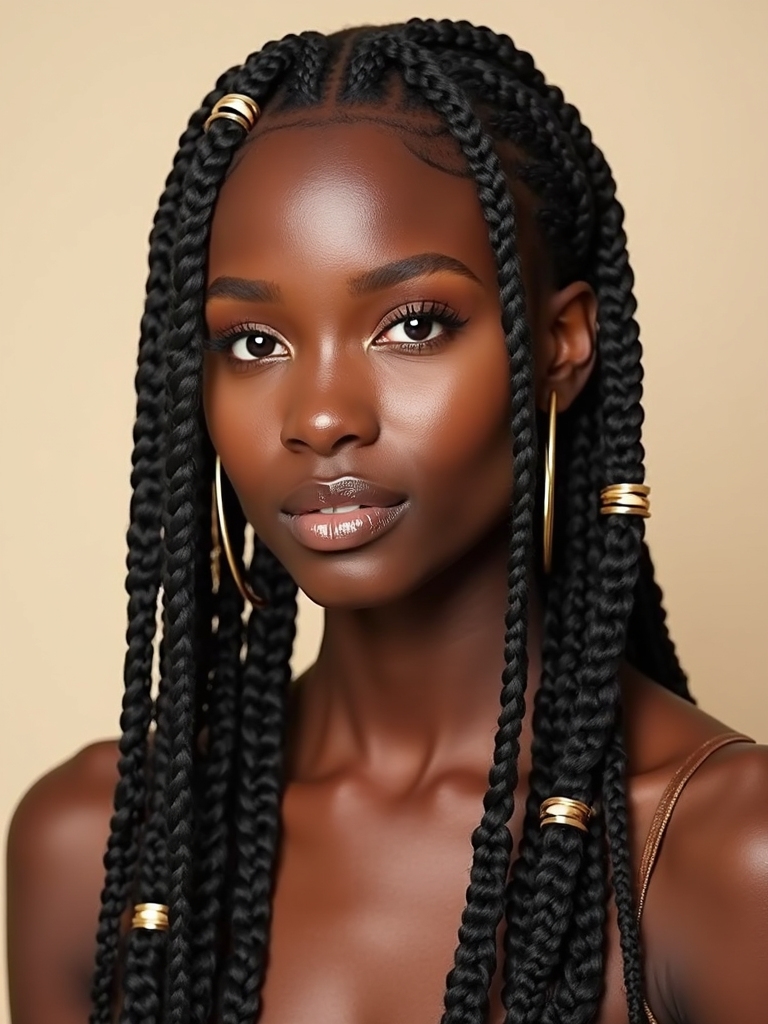
Fulani braids can be worn at almost any length, and the choice changes both the look and the upkeep. Length is often achieved with added braiding hair, so it is a real decision to make with your braider.
- Shorter braids are lighter and easier on the scalp.
- Mid-length offers versatility for updos and styling.
- Long, waist-length braids make the boldest statement.
- Longer and heavier means more tension, so weigh comfort against drama.
Face-Framing With Braids

A defining feature of Fulani braids is the braid or two that falls near the face, framing it the way face-framing layers do with loose hair. Those front pieces draw attention to the features and soften the overall look.
- The front braids frame and flatter the face.
- Beads on these pieces add a focal point.
- They can be swept back or left to fall forward.
Keeping a set healthy week to week.
1Cleanse
Wash the scalp gently with a diluted cleanser every week or two.
2Moisturize
Apply a light oil to the scalp to prevent dryness and itch.
3Protect
Cover your hair at night and use a satin pillowcase.
4Refresh
Restyle or re-bead around week four, gently at the roots.
The Cultural Revival
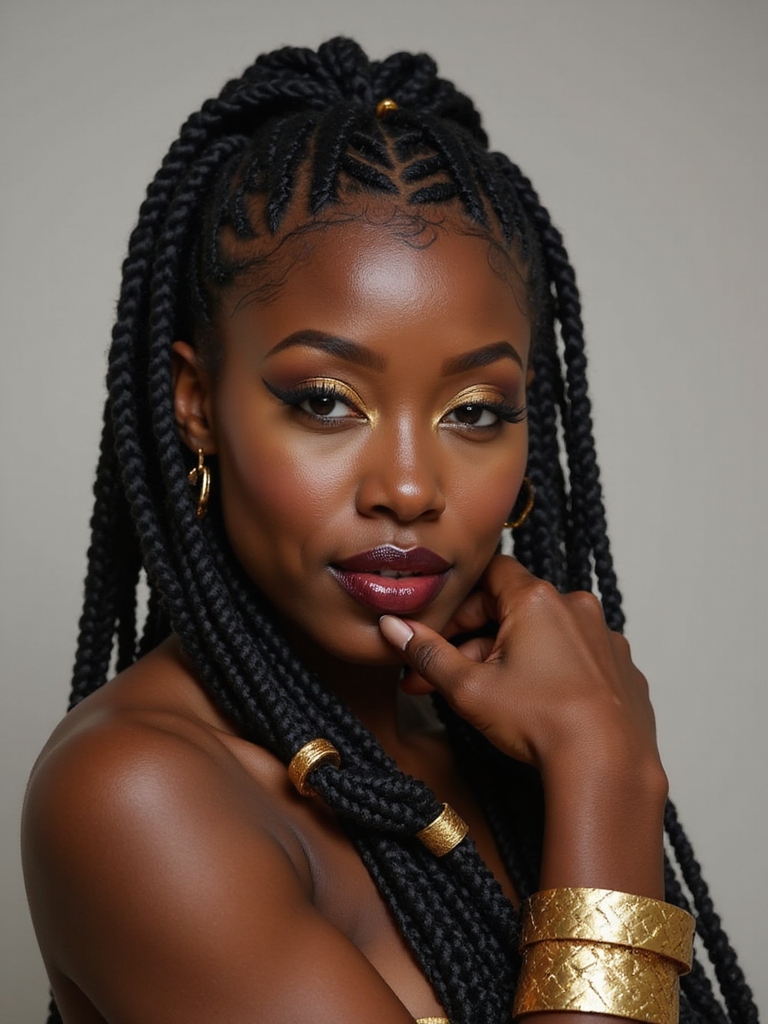
Lately the style has seen a major revival, with public figures and a new generation embracing the braids and their heritage. That visibility has rightly put the spotlight back on a style with deep roots.
- Wider visibility has renewed pride in the style.
- It has sparked important conversations about origins and credit.
- The revival celebrates the heritage behind the style.
- Knowing the roots is part of wearing it now.
Styling Fulani Braids
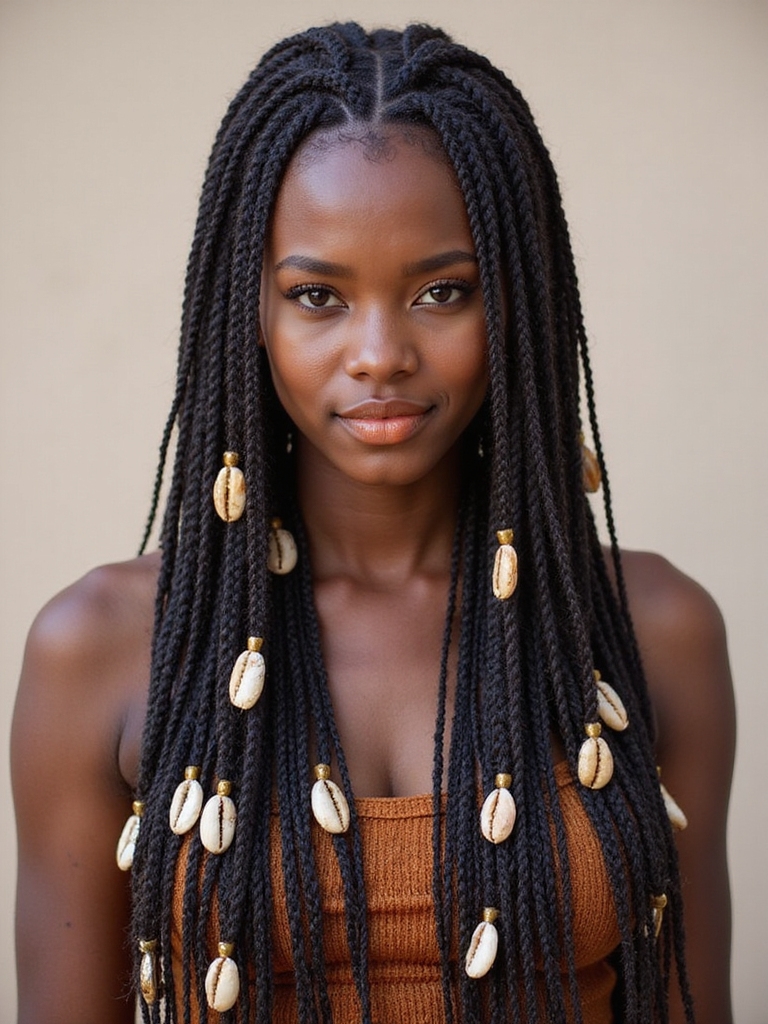
The real payoff of Fulani braids comes once they are in, when you realize how many ways you can wear them. The same set shifts from down and flowing to a high bun to a half-up style in minutes.
Gathering them into a high or low bun keeps them off the neck on hot days, while the half-up version is the one I see photograph best, showing off the front braids and beads. Wrapping a scarf around the base adds another easy variation.
Because the braids do the structure, styling them takes little effort day to day. Just be gentle at the roots when you gather them up, so the front braids stay smooth and the part lines keep their shape.
Maintaining Healthy Fulani Braids
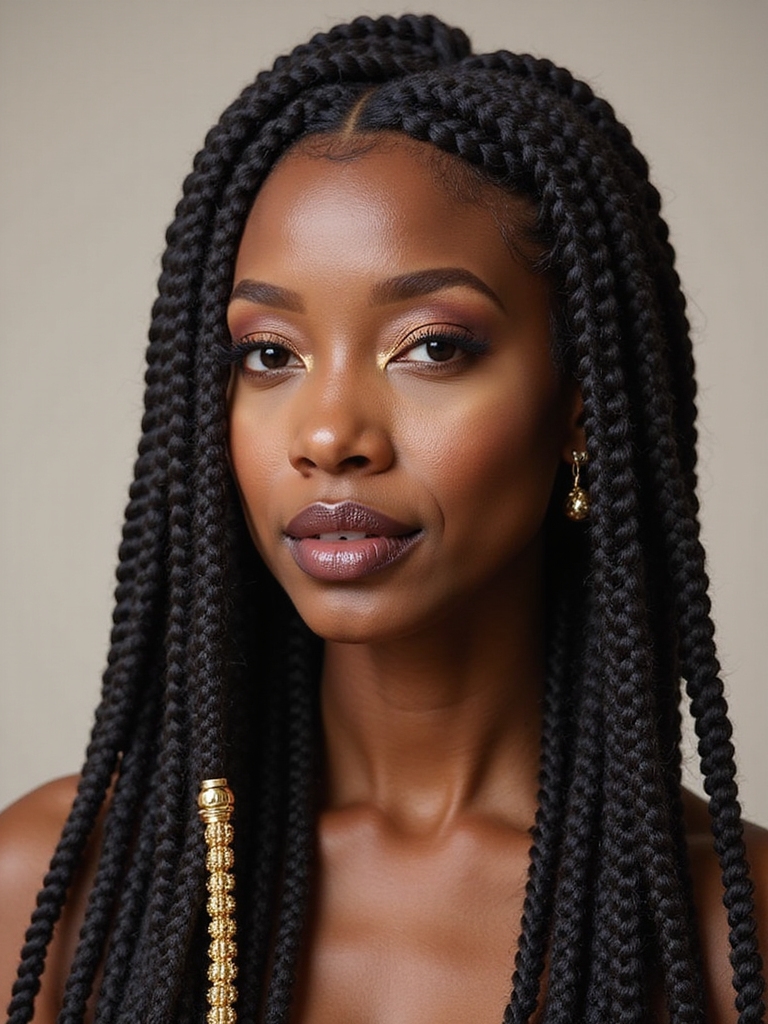
Fulani braids are a protective style, but they only protect the hair if they are cared for properly. The single most important rule is gentle tension: braids should never be so tight that they hurt or strain the hairline, since that is what risks damage over time.
The advice I give anyone new is simple: speak up the second a braid stings. I have watched a too-tight braid raise little tented bumps along the hairline within the first hour, and that is the cue to have it loosened, not toughed out. Keeping the wear time sensible does the rest.
- Braids should feel snug, never painful or pulling at the edges.
- Keep them in for six to eight weeks at most.
- Cleanse the scalp gently and moisturize to avoid dryness.
- Protect the braids overnight with a bonnet or silk scarf to cut friction.
A Show of Cultural Richness
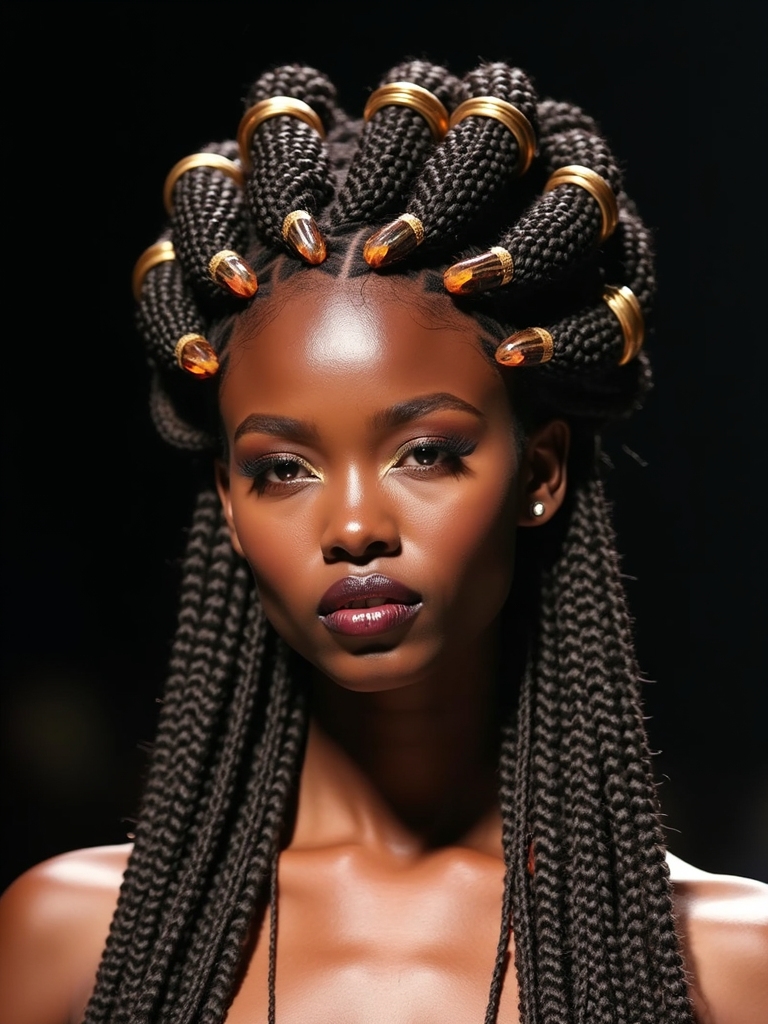
Few hairstyles carry the artistry and cultural richness that Fulani braids do, combining skill and history with real personal expression. The intricate parting and the layered beadwork reflect generations of refinement.
Why Every Set Is Unique
Because the parting, bead placement, and proportions are decided fresh every time, no two sets are exactly alike. That is part of what makes a finished head of Fulani braids feel so personal.
Appreciating that richness means seeing the style as the art form it truly is. The hours of skilled work behind a good set are part of its value.
Tradition Meets Innovation
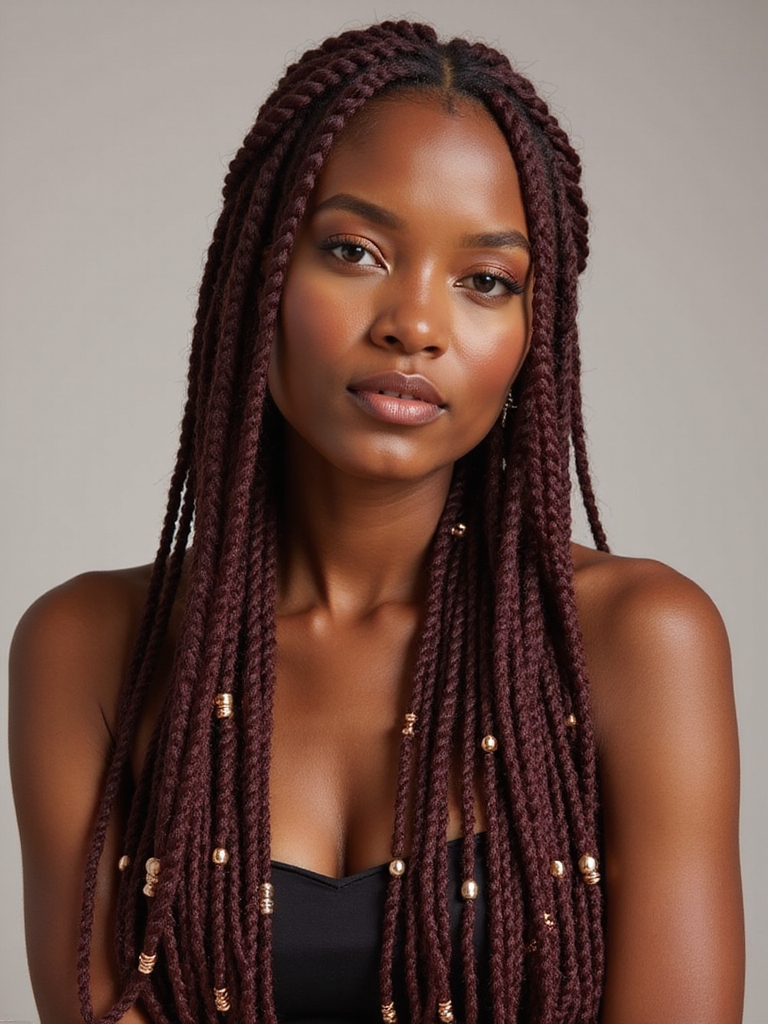
The best modern Fulani braids hold tradition and innovation in balance, keeping the classic structure while embracing new techniques and finishes. The center braid and side cornrows stay, but the details evolve.
Knotless roots, ombre braiding hair, and fresh parting patterns are all ways braiders update the style without losing its essence. The foundation honors the heritage while the flourishes keep it feeling current, which is exactly how a living tradition stays alive.
Cultural Elegance in Braids
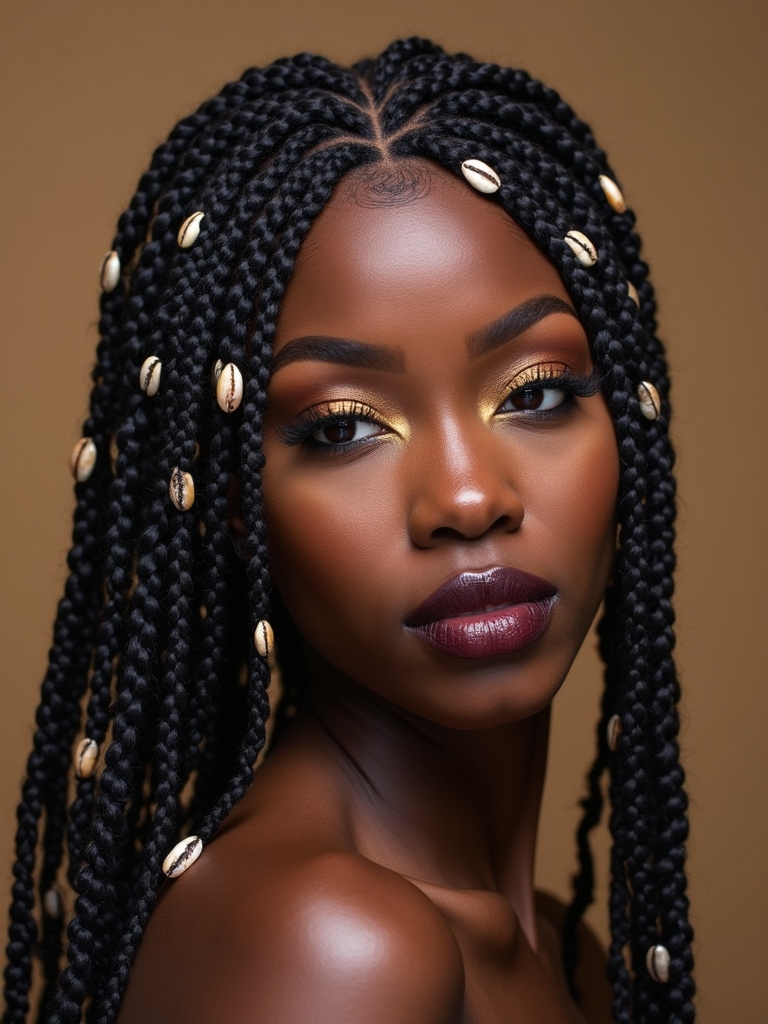
Fulani braids carry a natural elegance, the kind that comes from a style refined over generations. Sleek partings and balanced beadwork give the look a polished, striking quality.
That elegance suits any occasion, from everyday wear to weddings and events, which is part of the style’s enduring appeal. Dressed up with gold beads or kept simple, the braids always look intentional.
It is a reminder that protective styles can be beautiful in their own right. Fulani braids have been turning heads with that quiet elegance for a very long time.
Heritage Worn as a Hairstyle
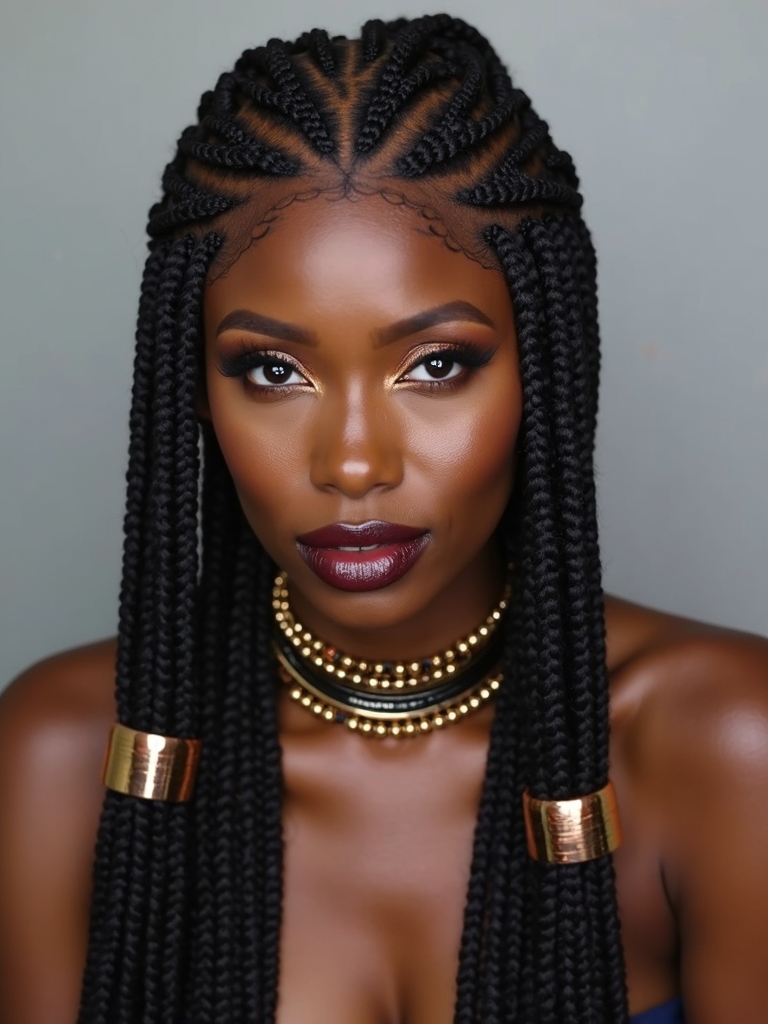
For many who wear Fulani braids, the style is a way to carry heritage and identity visibly and proudly. It is more than a hairstyle; it is a connection to roots and a statement of belonging.
- The style links the wearer to West African heritage.
- It is a visible celebration of Black hair and culture.
- Wearing it can be an act of pride and self-knowledge.
- That meaning is why credit and respect matter so much.
Enhancing Fulani Braids

Beyond beads, there are many ways to enhance Fulani braids and make a set feel personal. Hair cuffs, threads, rings, and shells all add detail and individuality to the braids.
Metal cuffs slid onto a few braids add a modern, glinting touch, while colored thread wrapped along a braid brings in a pop of color. The key is balance, since too many accessories add weight and can pull on the braids.
A few well-placed accents keep the look refined and uncluttered. The adornment should lift the braids and stay light enough to keep them comfortable.
Fulani Braids in Pop Culture
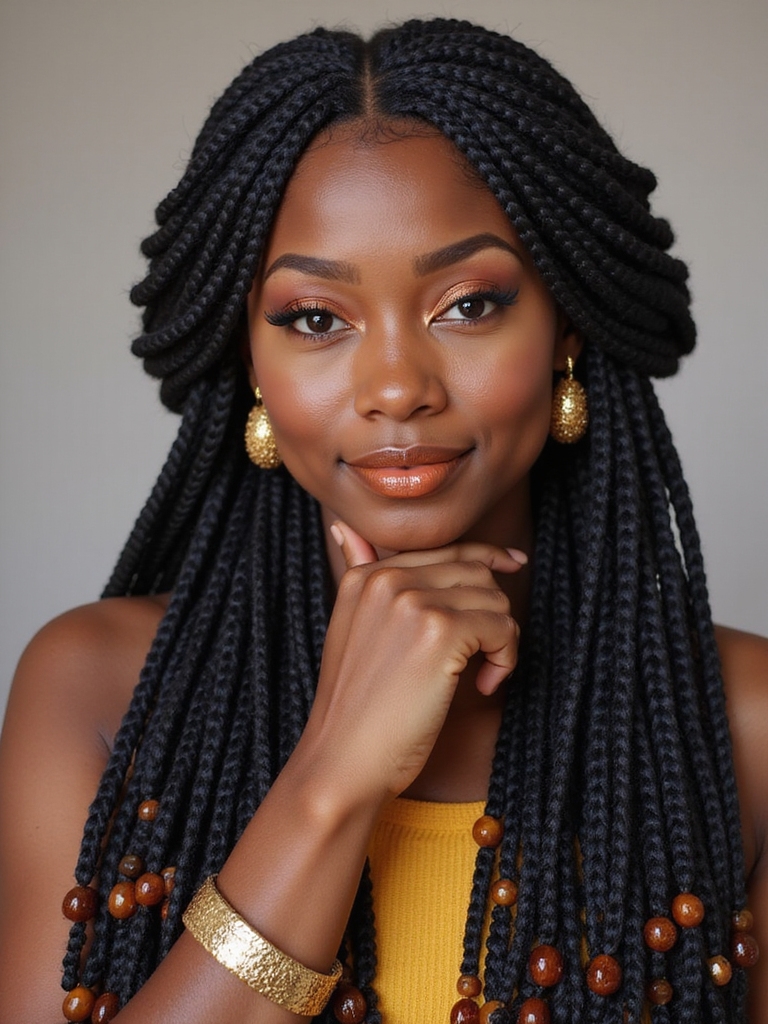
Music, film, and fashion have all made the braids highly visible, which has both celebrated the style and raised important questions about credit. When the style appears widely, naming its Fula origins matters.
That visibility has helped a new generation discover and take pride in the style, while also fueling necessary conversations about appropriation versus appreciation. The healthiest version of that visibility is one that honors where the braids come from rather than treating them as a costume detached from their roots.
Seasonal Braid Choices

Fulani braids work year-round, and many people adjust the details with the seasons. The protective nature of the style makes it especially practical through changing weather.
Adapting With the Weather
In summer, lighter, shorter braids and an updo keep the neck cool, while richer bead colors and longer braids suit cooler months. The style adapts without losing its character.
Because braids stay in for weeks, they are a low-effort way to keep your hair protected through a busy or weather-changing season. That practicality is part of why the style endures.
Colorful, Personalized Braids

Color is a popular way to personalize Fulani braids, from subtle highlights to bold, all-over shades. Braiding hair comes in every color, so the possibilities are wide open.
Caramel and honey tones add warmth and dimension, while bold colors like burgundy or even pastels make a statement. Ombre braiding hair, fading from dark roots to lighter ends, is a popular modern choice.
I recommend color to anyone nervous about commitment, since it lives in the braiding hair while your own strands stay untouched. When the braids come out, your natural color is exactly as it was, which makes experimenting easy and safe.
Transforming Your Braids

A set of Fulani braids does not have to look the same for its whole life; you can refresh and transform them as the weeks go on. A new styling or a few added accessories gives a second wind to braids a few weeks in.
Switching from a down style to a sculpted updo, adding fresh beads, or wrapping a scarf can make the same braids feel new. This is especially handy around the four-week mark when the style starts to mature.
A refresh saves time over a full redo and is gentler on your hair. Just keep any new styling loose at the roots, since the braids and your edges have already been worked for weeks.
Scalp Care for Fulani Braids

Healthy braids start with a healthy scalp, so caring for the skin underneath is just as important as the braids on top. A clean, moisturized scalp keeps your hair strong for the weeks the braids are in.
- Cleanse the scalp with a diluted cleanser or applicator bottle.
- Use a lightweight oil to keep the scalp from drying out.
- Avoid heavy buildup, which can lead to flaking and itch.
- If you feel real pain or see redness, see a professional promptly.
The Tradition of Braiding

The act of braiding itself is a tradition worth honoring, a skill that takes years to master and hours to perform. Behind every set of Fulani braids is a braider carrying knowledge passed down through their own line.
Recognizing that labor and artistry is part of valuing the style fairly, including paying braiders what their skilled work is worth. A good set is the product of real expertise and patience, which is why it is best left to an experienced braider who can give it the time it deserves.
Cultural Fusion in Hairstyles

Modern braiders often blend Fulani braids with other techniques and styles, creating thoughtful fusions that still honor the original. These combinations expand the look while keeping its signature elements.
- Fulani braids mixed with box braids or goddess braids.
- Combined with curly ends left out for softness.
- Paired with bun or updo finishes for events.
- The center braid and beads keep the Fulani identity clear.
Fulani Braids as Self-Expression
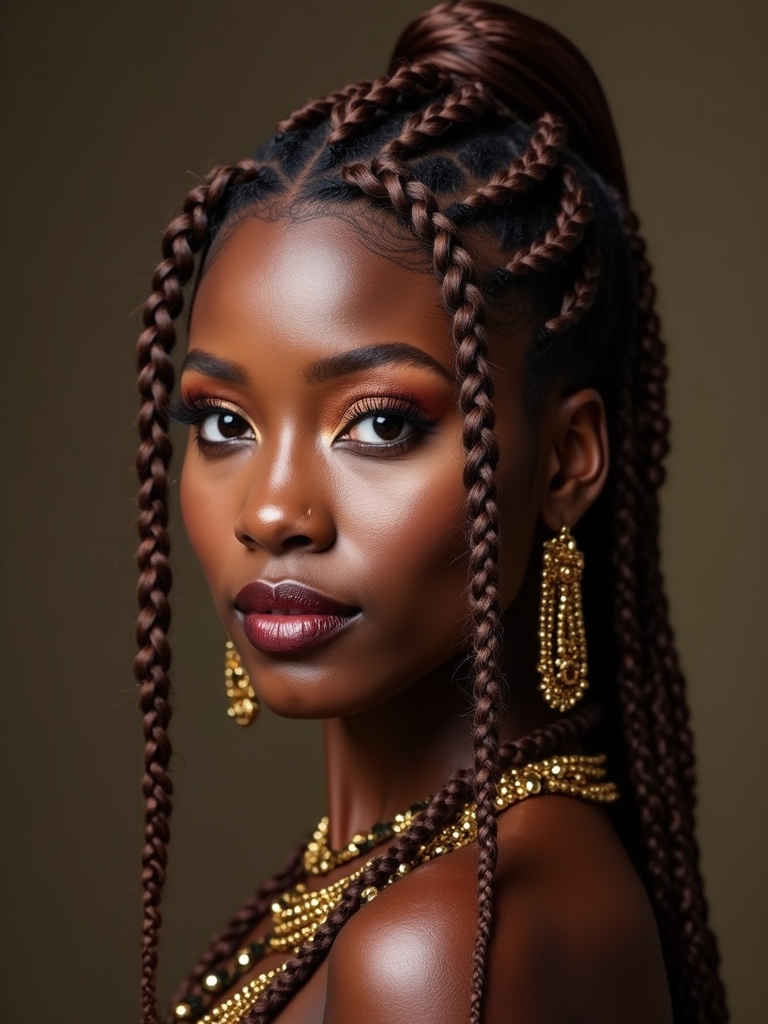
At their heart, Fulani braids are a canvas for self-expression, shaped by the choices you and your braider make together. The size, length, color, parting, and beads all combine into something personal.
Collaborating With Your Braider
That collaborative choice-making is why the style has stayed meaningful for so long. It lets the wearer tell a little of their own story through pattern and adornment.
Bring references to your braider, but stay open to their expertise, since they know how a design will sit and last. The best sets come from that collaboration between your vision and their skill.
Heritage in Fashion
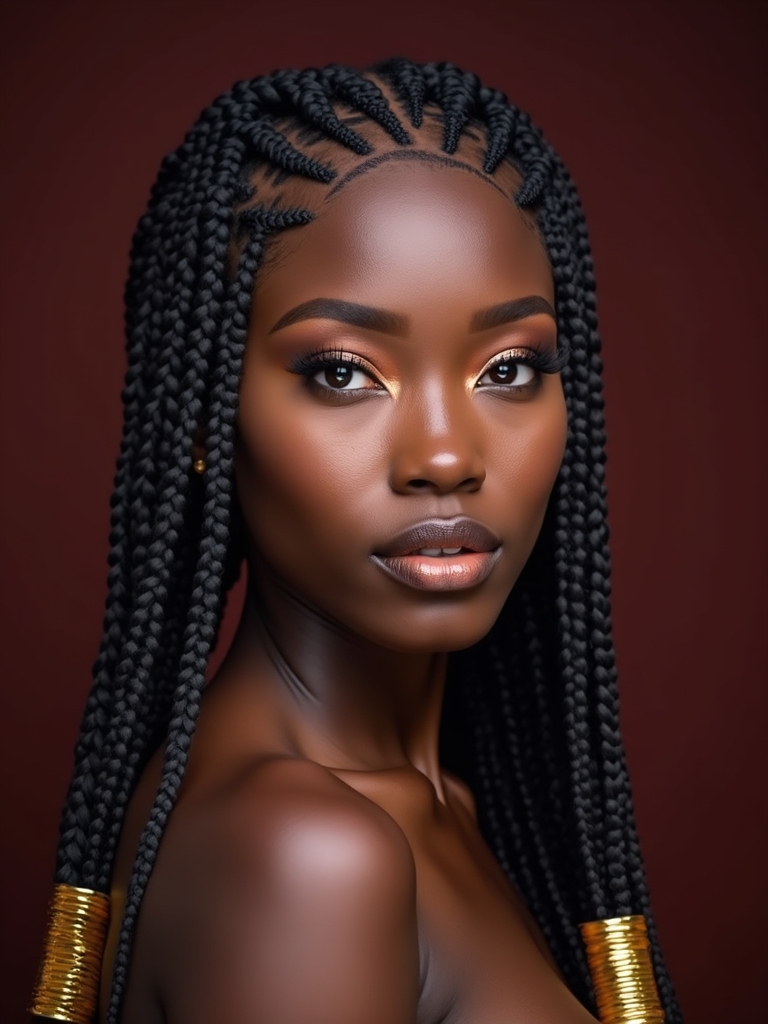
There is a firm place for Fulani braids in fashion, on runways, in editorials, and across the style world. Their graphic structure and beadwork make them a favorite for photographers and designers.
That presence is a double-edged thing: it celebrates the artistry while also raising the question of who gets credit for it. The most respectful coverage names the Fula heritage rather than presenting the braids as a brand-new trend.
Seeing the style honored in fashion, with its roots acknowledged, is the goal. At its best, that coverage treats Fulani braids as the rich cultural art form they truly are.
Booking and Caring for Fulani Braids
If you are getting Fulani braids, choose an experienced braider, ideally one who knows and respects the style’s heritage, and expect to invest in the work; a full set can run anywhere from $150 to $300 or more depending on length, detail, and your area, and it can take several hours. Talk through length, size, color, and beadwork beforehand so you and the braider share the same plan before any hair is parted.
Once they are in, keep them about six to eight weeks, cleanse and moisturize the scalp, and sleep on satin to protect both the braids and your edges. For more on braided and protective styles, see our braided hairstyles for Black women, cornrow hairstyles, braided hairstyles, and cornrows.
A Style With Roots and Personality
Fulani braids are bold and beautiful, full of personality, but their real richness lies in the heritage behind them, a living tradition of the Fula people carried through generations of skilled braiders. Worn with knowledge and respect, the style is both a striking look and a meaningful one.
Choose an experienced braider, give your scalp regular care, and personalize the braids with the beads, length, and color that feel like you. Done that way, Fulani braids protect your hair while letting you wear a piece of a rich cultural tradition with pride.
You Might Also Like