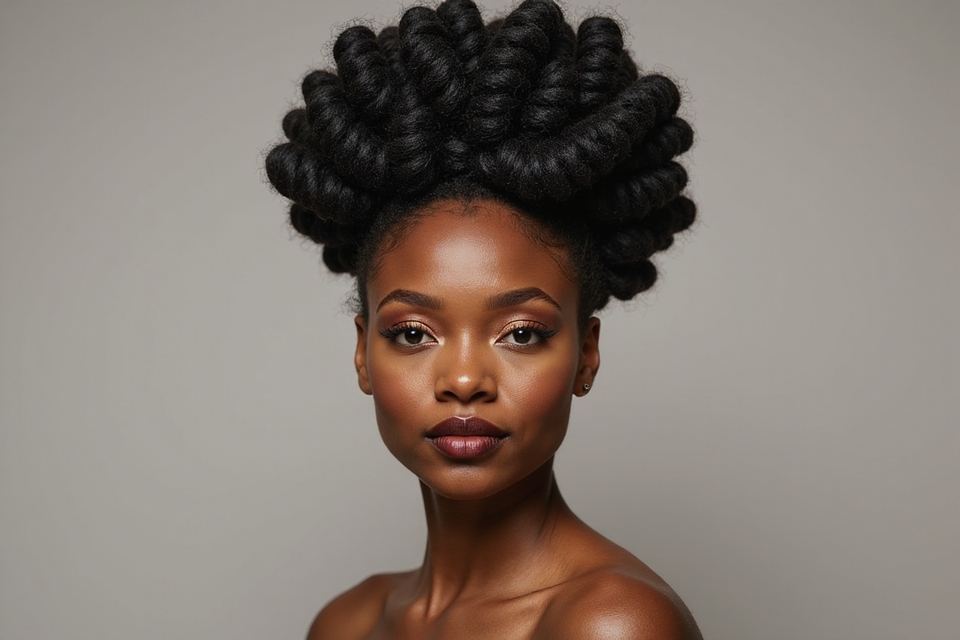
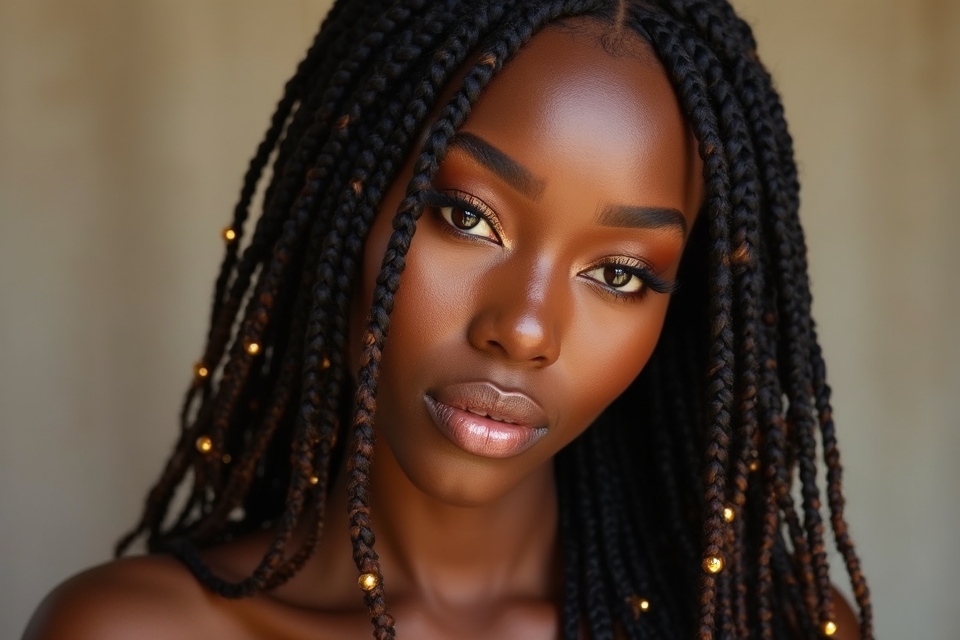
I still remember the smell of hair grease and the ache of sitting between someone’s knees as a child, the radio low, a braid taking shape inch by inch. For so many Black women, that scene is the first memory of beauty, and the braid that came out of it carried more than style. These looks honor that, running from box braids to Fulani patterns to soft goddess braids.
A braid is technique, protection, and heritage all at once. Here are the styles worth knowing, with honest notes on what each takes and how to keep your hair healthy underneath.
The Short Answer
Which braid style lasts longest? Small box and knotless braids can last six to eight weeks, while chunkier or feed-in styles run shorter. None should stay in past eight weeks, or new growth tangles at the root.
What does a full set cost? A salon set runs roughly $120 to $300 depending on size, length, and pattern, with smaller and more intricate braids costing more and taking longer.
How do I protect my edges? Insist on gentle tension and a feed-in or knotless start. Tight braids at the hairline are the leading cause of traction damage, and no style is worth your edges.
Braids That Carry Heritage

Box braids are where many people start, individual plaits sectioned into neat squares with added braiding hair for length. They are the iconic protective set, worn for decades and never out of style.
Their staying power is no accident. Box braids protect your ends, last for weeks, and can be worn down, up, or in an updo, which is a lot of value from a single appointment.
Cultural Identity in Fulani Braids

Fulani braids draw on a West African tradition, typically a center cornrow paired with side braids, often finished with beads or cuffs. The pattern is instantly recognizable. It is also rich with history.
- A central braid runs front to back, with cornrows angled along the sides.
- Beads and cuffs are part of the look and a nod to its roots.
- Worn with respect and knowledge, the style honors where it came from.
“The single best thing you can do for your braids is speak up about tension. If it stings at the install, it is too tight, and toughing it out costs you your edges. A good braider will always loosen it.”
A Timeless Protective Choice
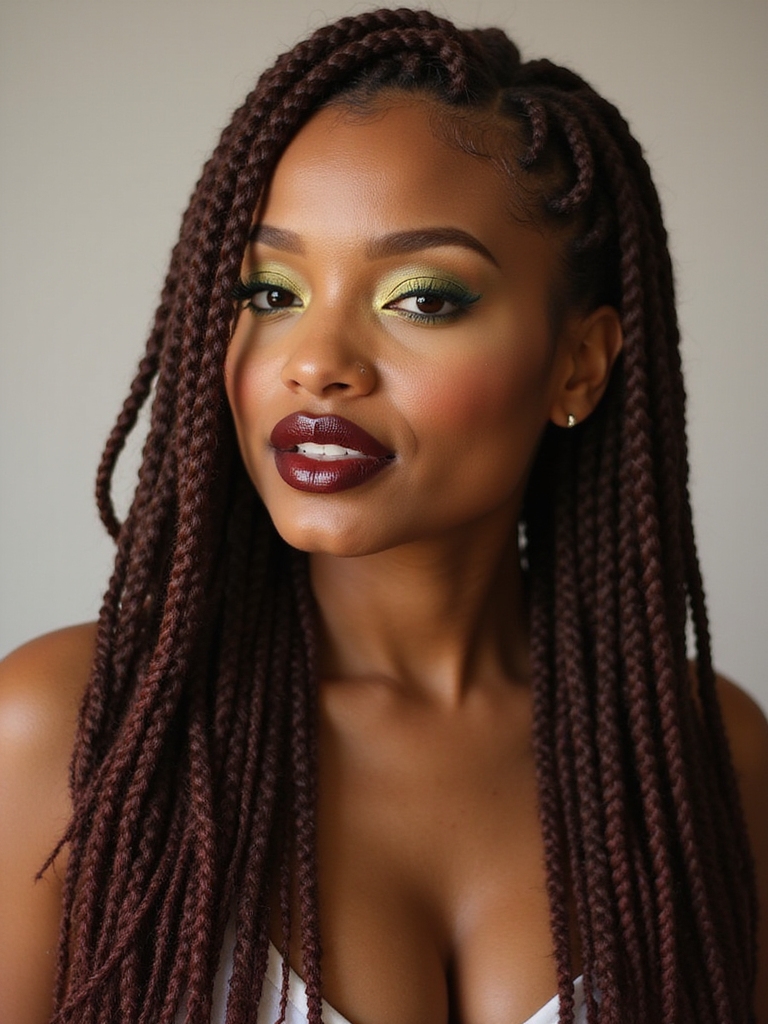
When clients want weeks of low-fuss, protected hair, a classic braided set is my first answer. It tucks the ends away and frees your mornings for a long stretch.
The practical payoff is real: no daily heat, no styling battle, and far less breakage from manipulation. That is why braids are a staple, not a passing trend.
Plan on a few hours in the chair and a price that climbs with length and braid size, but the weeks of easy hair are worth the investment.
Creative, Versatile Twists

Twists are braiding’s smooth, ropey cousin, made by winding two strands instead of crossing three. Senegalese and Marley twists give a sleek or textured finish that reads softer than a tight braid.
- Senegalese twists use silky hair for a smooth, glossy rope.
- Marley twists use textured hair for a fuller, more natural look.
- Twists are often faster to install and just as protective as braids.
👍Why Braids Work
- +Protect your ends and rest your hair from daily heat.
- +Last for weeks with minimal daily styling.
- +Endlessly versatile in size, color, and pattern.
👎Worth Knowing
- –Too-tight installs risk traction damage to the edges.
- –Intricate sets take hours and cost more.
- –Worn too long, new growth tangles and breaks at the root.
Styles That Reflect Strength

Goddess braids are large, raised cornrows that command attention, often with a few curly pieces left loose for softness. They feel powerful and a little regal, the set clients ask me for when they want to stand tall.
The bold scale means a quicker install than tiny braids, and the loose curls give a romantic, lived-with finish. They flatter almost every face and carry from a workday into an evening with ease.
Braids as Cultural Legacy

Cornrows are the foundation beneath so many of these styles, and they carry one of the longest lineages in hair. Flat, sleek rows have been worn and passed down for generations, a true cultural inheritance.
- Cornrows form the base for buns, ponytails, and feed-in styles.
- The patterns themselves are a craft passed hand to hand.
- Learn more in our cornrow hairstyle guide.
🅰️Knotless Braids
Feed-in start with no root knot. Gentler on edges, flatter, and more comfortable, though slightly pricier and slower to install.
🅱️Classic Box Braids
Anchored with a small knot at the root. Faster and often cheaper, with a fuller base, but more tension at the scalp on day one.
Heritage in Tribal Patterns

Some of the most striking sets use intricate, patterned cornrows that map curves and shapes across the whole head. These designs trace back to traditions where patterns carried real meaning.
- Curved and geometric parts map a deliberate design across the head.
- Feed-in hair lets the pattern grow thicker without root tension.
- Bring a clear reference photo, since intricate work rewards a skilled braider.
African Influence on Global Fashion

Braided styles rooted in African heritage now shape runways, red carpets, and editorials worldwide. Seeing the artistry celebrated on a global stage is long overdue recognition of a centuries-old craft.
That visibility matters, but it also means wearing braids with awareness of where they come from.
- Designers and stars regularly feature box braids, cornrows, and Fulani styles.
- The exposure has built appreciation for the skill behind the work.
- Credit and respect for the origin keep the celebration meaningful.
| Goal | Best Style | Typical Wear |
|---|---|---|
| Longest wear, most versatile | Small box or knotless | 6 to 8 weeks |
| Quick, bold impact | Jumbo or goddess braids | 3 to 5 weeks |
| Gentlest on fragile edges | Knotless or feed-in | 5 to 7 weeks |
The Significance of Braiding

Braiding has always meant more than beauty within Black communities. Historically, patterns and styles signaled community, status, age, and belonging, a language written in hair.
That depth is why a braided style can feel so personal and so powerful to wear. It links the person in the chair to a long line of women who sat in the same spot.
Understanding this significance changes the whole experience, turning a hairstyle into a quiet act of connection and pride.
Knotless Braids

Knotless braids skip the small knot that classic box braids anchor at the root. Instead, the braider blends extension hair in a little at a time once your own hair is already braiding, so there is no hard knot tugging at the scalp. Your edges feel the difference within the first hour.
- No knot at the root means less tension and less first-day soreness.
- They lie flatter and move more naturally than classic box braids.
- The gentler start makes them the kinder choice for fragile edges.
Lemonade Braids

Lemonade braids are feed-in cornrows swept to one side, a sleek, dramatic look that frames the face beautifully. The diagonal flow is what makes them so flattering and photogenic.
- All the braids angle to one side for a bold, asymmetric line.
- Feed-in hair keeps the start gentle while adding length and fullness.
- Accessorize with a few cuffs to lift the look for an event.
Bold Jumbo Braids

Jumbo braids are the big, bold answer when you want impact and a quicker appointment. The chunky size means fewer braids and far less time in the chair.
Why Bigger Can Be Better
They make a confident statement and weigh less than a head of tiny braids, though the larger sections can pull if installed too tight, so gentle tension still matters.
Because they are larger, jumbo braids are best worn a little shorter in duration than fine braids, since they loosen sooner.
Weaving Identity Into Braids

Every braided set becomes a kind of self-portrait, shaped by the size, the parting, and the accessories you choose. No two are quite alike, and that individuality is part of the joy.
I encourage clients to make a style their own rather than copying a photo exactly.
- Braid size and pattern set the whole mood, from delicate to bold.
- Color, from honey to burgundy, adds personality without daily upkeep.
- Beads, cuffs, and thread make a set unmistakably yours.
Hair as a Creative Canvas

In skilled hands, a braided set becomes a piece of design, where curved paths, geometric shapes, and color read like a composition. A protective style turns into something closer to art.
This is where braiding crosses fully into artistry, and where booking a talented braider pays off most.
- Freestyle patterns let a braider design something one of a kind.
- Pops of color or ombre braiding hair add another creative layer.
- Bring inspiration, then trust your braider to adapt it to your head.
A Celebration of Unique Braid Styles

Some of the best looks mix techniques, combining cornrows with box braids or twists with beads for something entirely personal. There are no rules once you know the basics.
- Pair sleek cornrows at the front with loose box braids at the back.
- Mix twist and braid textures for depth and movement.
- Half-up braided styles show off a pattern while keeping length loose.
Braided Hairstyle Care
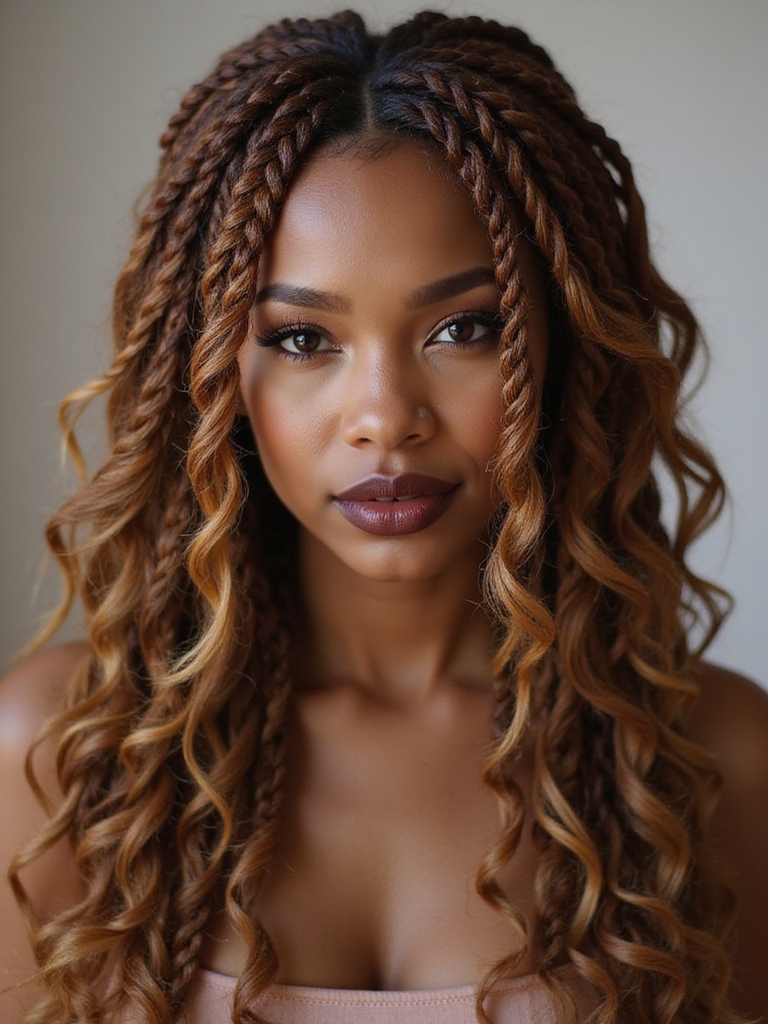
The most beautiful braids mean nothing if they harm the hair underneath, so care is everything. Protecting your edges starts at the install, with gentle tension and a feed-in or knotless start, never a set so tight that your scalp stings.
Protecting Your Edges
Day to day, wrap the braids in a satin scarf at night, cleanse the scalp gently every week or two, and keep a light oil on hand for moisture.
Just as important, take the set down before it grows out too far, since new growth tangling at the root is where breakage happens.
Honoring the Heritage

For Black women, braids are a birthright and a connection to ancestry, worn with pride through every era. They are a living part of cultural identity, carried with pride.
That history is worth carrying with intention. Knowing the meaning behind a Fulani pattern or a set of cornrows deepens the experience of wearing it.
Supporting skilled braiders and learning the roots of a style are simple ways to honor the craft that gave us all of this.
How Braid Patterns Evolved
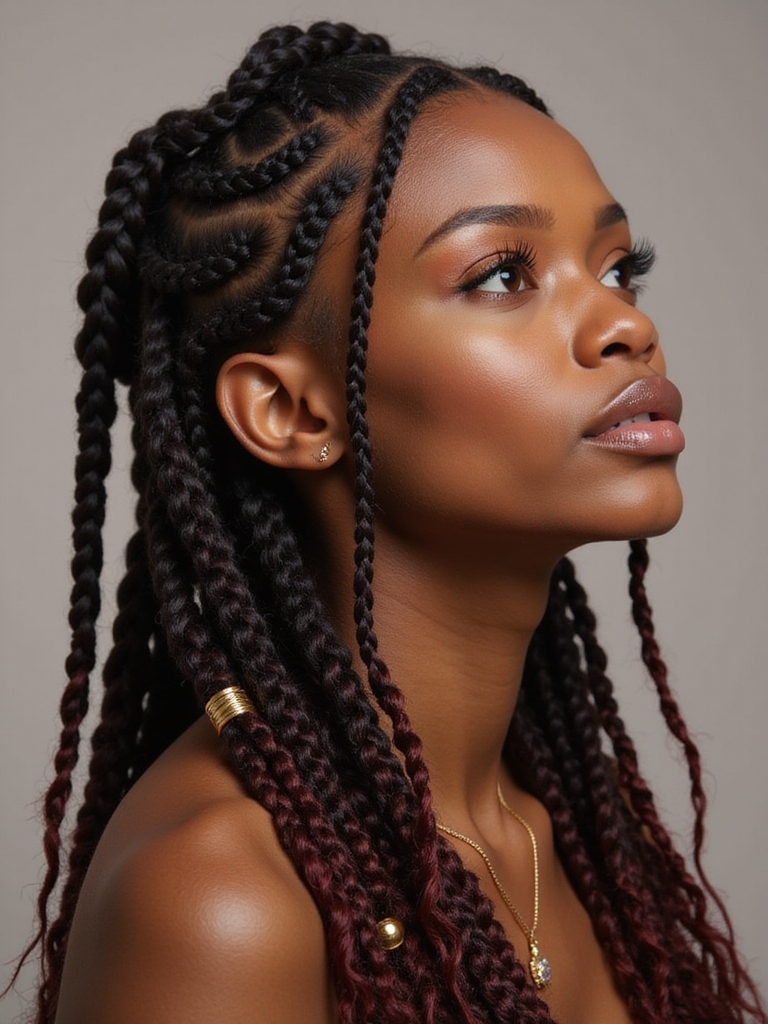
Braid patterns have evolved across centuries and continents, from ancient African traditions, through the diaspora, and into today’s salons. Each generation added its own techniques while keeping the core craft intact.
Modern methods like feed-in and knotless braiding are the newest chapter, making protective styles gentler than ever. The pattern language is old, but it keeps growing, which is what keeps braids endlessly fresh.
Celebrating Natural Hair

Braids and natural hair are partners, not opposites. A protective set gives your coils a rest, but the health of your natural hair underneath is what makes the next style thrive.
Resting Between Styles
Wash days between braids matter, with a gentle cleanse, a deep treatment, and a few days of low manipulation before the next install.
The goal is balance: enjoy the ease of braids, then celebrate and nourish the natural texture they protect.
Community-Driven Braiding Traditions

Braiding has always been communal, shared between mothers and daughters, friends, and salon chairs full of conversation. The act itself builds connection as much as it builds a style.
- Hours of braiding create space for stories, advice, and bonding.
- Skills pass down through families and neighborhood braiders.
- Supporting a local braider keeps that tradition and community alive.
Empowerment Through Braids
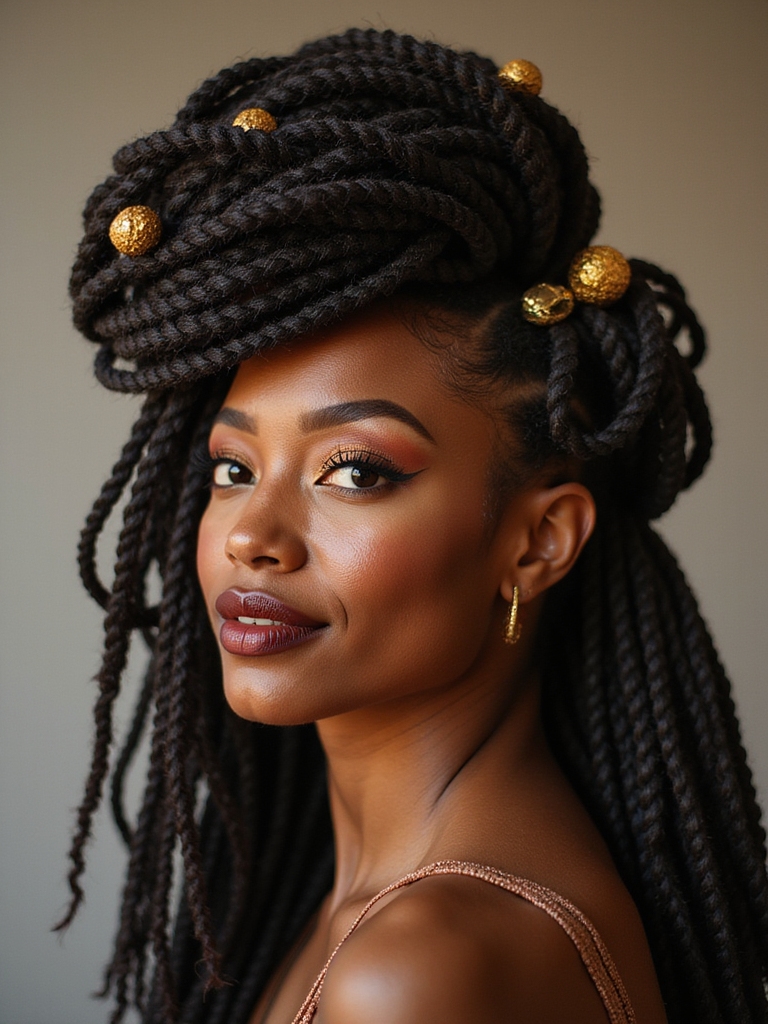
Clients ask me why a fresh set feels so good, and the honest answer is that there is real power in it. Clients tell me they walk out of the salon feeling more themselves, ready to take on anything. The change is real.
The Confidence of a Fresh Set
Part of that comes from looking polished, and part comes from the freedom of weeks without daily styling. It is a quiet, practical kind of empowerment.
Wearing your hair in a style rooted in your heritage, with pride and knowledge, only deepens that feeling of standing fully in yourself.
Braids That Express Identity

No two women wear braids the same way, and that is the point. Your choices in length, color, pattern, and finish turn a shared tradition into a personal signature.
I always tell clients that the best set reflects them, not a trend they saw scrolling.
- Go bold with jumbo braids and color, or delicate with fine micro braids.
- A signature accessory or part can become your trademark.
- The style should feel like you the moment you see it in the mirror.
Heritage Meets Modern Style

Modern sets love to mix eras, pairing an old technique with a current finish: waist-length knotless braids worn in a half-up space-bun, or cornrows dyed a soft honey and swept into a low pony. The technique is generations old; the styling is pulled straight from this season.
I tell clients to treat the classics as a foundation they build on, not a rule to follow exactly. A heritage pattern with a fresh color or an unexpected updo still honors its roots while feeling entirely yours.
Tradition Meets Innovation
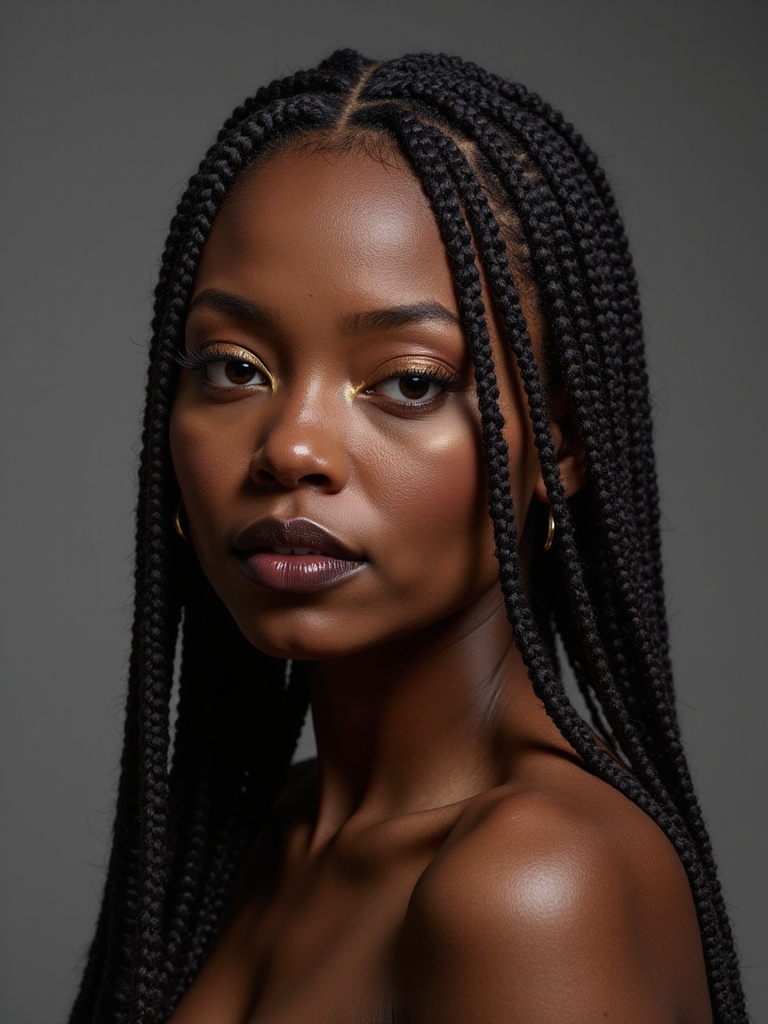
The tools keep improving even as the craft stays the same. Lightweight, pre-stretched braiding hair, gentler feed-in methods, and better edge products mean a set today is more comfortable and longer-wearing than the same style a decade ago.
That willingness to innovate is exactly why braids endure. The artistry adapts to new hair, new tools, and new ideas, while the heart of the craft stays the same. Pair any of these with a braided bun when you want a fresh way to wear them up.
Who It Suits Best
These braided styles suit virtually every Black woman, since the technique adapts to coily, kinky, and curly textures alike, and most can be worn with or without added hair. The right choice comes down to your lifestyle and your edges.
If you want the longest wear and the most versatility, small box or knotless braids are hard to beat; if you want a quicker install and bold impact, jumbo or goddess braids deliver. Anyone with fragile edges should lean toward knotless and feed-in methods, which keep the tension gentle where it matters most.
Beyond hair type, these styles suit anyone willing to commit to the care that keeps them healthy: gentle tension at the install, a satin scarf at night, gentle cleansing, and a sensible time limit before take-down. Honor those, and braids protect and celebrate your hair at once. For more textured inspiration, see our afro hairstyle guide and Black hairstyle ideas.
Braids, Twisted With Memory
A braided style is never just a hairstyle for Black women. It is protection, artistry, and a thread reaching back through generations to the women who braided before us.
Whether you choose box braids for the long haul, knotless for your edges, or goddess braids for a bold moment, the same truths hold: keep the tension gentle, protect the style at night, take it down in time, and wear it with knowledge of where it comes from. Honor those, and a braided set will protect your hair and carry your story at once.
Worth a Look