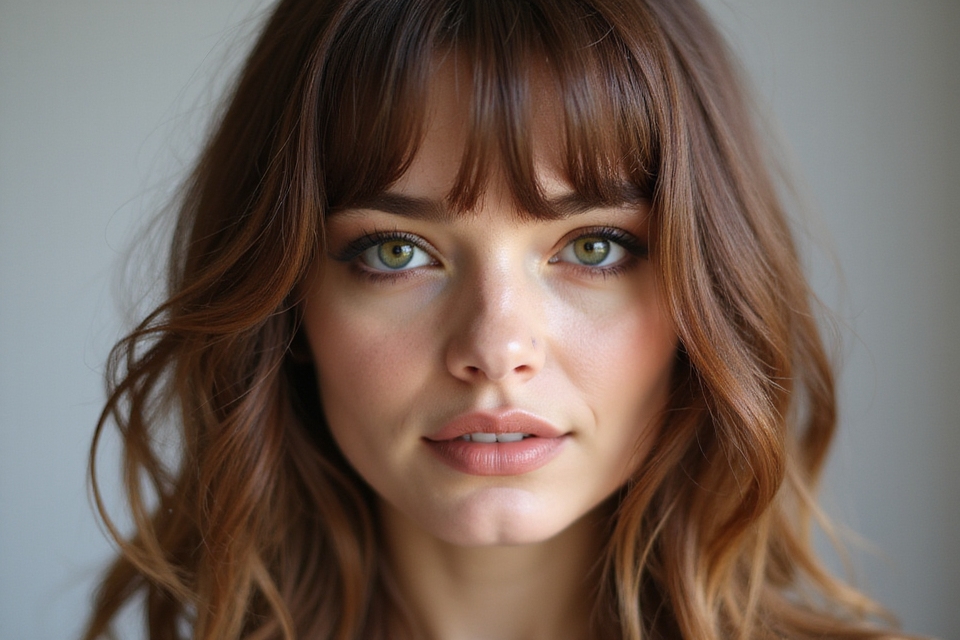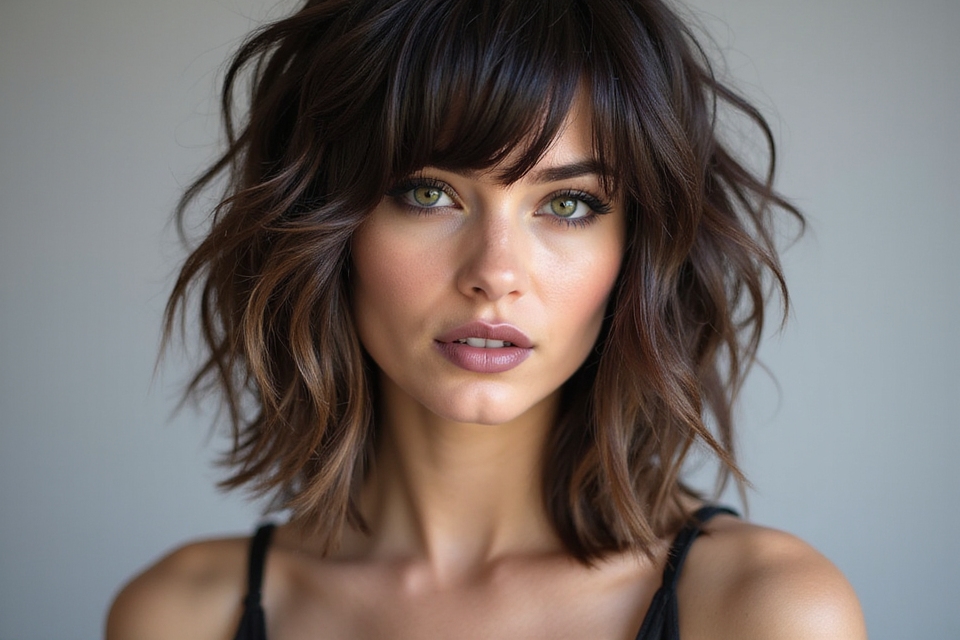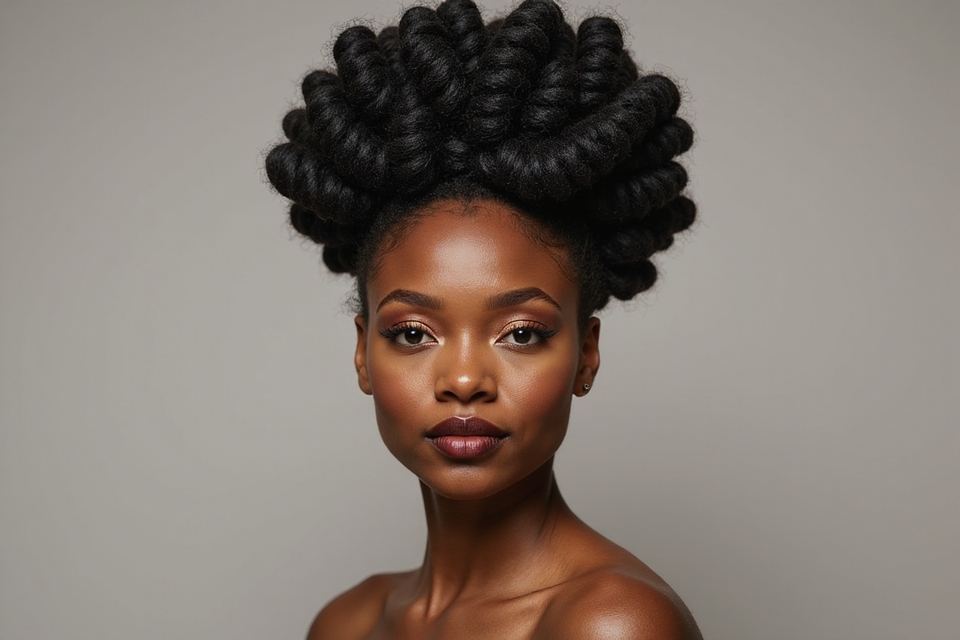

Here is the myth I want to bust first: a pixie is not the cut you settle for when you give up on your hair. It is the cut you choose when you are done losing an hour a week to it. The women who sit in my chair asking for one are not surrendering, they are reclaiming their mornings.
If you are tired of blow-drying, of ponytails that give you a headache, of product you never finish, this is for you. Below is the honest case for the pixie: the time it hands back, the myths that are not true, and exactly what it asks of you in return, so you can decide with your eyes open.
The Short Version
A pixie is the lowest-effort haircut you can own day to day: minutes to style, almost no product, and truly wash-and-go. The catch is a salon trim every four to six weeks to hold the shape, which is the trade for those easy mornings.
It is not just for one face, one age, or one hair type. With the right cut it flatters round and long faces, fine and thick hair, straight and tightly coiled textures, and every decade of life. The myths that say otherwise are the main thing standing between most women and a cut they would love.
Bold, Versatile Pixie Cuts

The first thing to know is that a pixie is not a single look. The word covers everything from a soft, grown-out crop you can sweep to one side to a sharp, faded cut that means business. That range is exactly why it suits so many different women.
What they share is the payoff this whole article is about: short hair that frames the face and frees up your time. Within that, you choose how bold to go. A longer, softer pixie eases you in, while a cropped, textured one makes a clear statement.
I tell first-timers not to fixate on one famous pixie and panic. Your version will be built for your face, your texture, and how much you actually want to fuss, which is usually not much at all.
Pixie Maintenance, Realistically

Let me be straight about maintenance, because it is the one real catch. A pixie is almost no work day to day and a little more commitment at the salon. Here is the actual trade, laid out plainly.
- Daily: two to five minutes, a little paste, no heat most days. The easiest hair you will own.
- Salon: a shape-up roughly every five weeks, since short shapes show growth quickly.
- Product: you use a fraction of what long hair burns through, so the cost mostly evens out.
Good to Know
The average woman spends close to half an hour a day on long hair between washing, drying, and styling. A pixie typically cuts that to under five minutes, which adds up to hours back every week. That reclaimed time, not the look alone, is why most of my pixie clients never grow it out.
Pixie Cuts and Your Face

The biggest myth I fight is that a pixie only suits delicate, oval faces. Not true. A good stylist balances the cut against whatever face you bring, which is why the same crop looks right on wildly different women.
It comes down to where the length and volume sit. The adjustment is always small, a little height here, a softer fringe there, and it is the stylist’s job to figure out, not yours.
- Rounder face: a bit of height up top lengthens and slims.
- Longer face: a fringe and width at the sides bring it into balance.
- Strong jaw: a soft, side-swept piece eases the line.
Timeless Layered Pixies

If sharp and edgy is not your thing, the layered pixie is the gentle, ageless version. Soft, feathered layers fall around the face and keep the whole thing pretty rather than severe, which is the look that wins over most people who fear short hair will be too harsh on them.
It is also the kindest to grow out and the simplest to style day to day, since the layers drop into place on their own. This is the pixie I start nervous clients on.
- Feathered layers add softness and movement.
- A longer, side-swept fringe frames the face gently.
- It suits fine and medium hair especially well. See feathered pixie haircuts.
A few terms worth knowing before your appointment:
📖Graduation
The way the back and sides are cut to stack close to the head; it is what gives a pixie its shape.
📖Undercut
Hair shaved or clipped short underneath a longer top layer, used to remove bulk and add a hidden edge.
📖Point-cutting
Cutting into the ends at an angle instead of straight across to soften the line and avoid a blunt, helmet look.
Edgy, Modern Pixie Looks

On the other end is the cut for women who want their hair to say something: short, textured, sometimes with faded or undercut sides against a fuller top. It is sharp, current, and the furthest thing from a haircut you settle for.
This version needs the most upkeep, since faded sides blur within weeks, but it photographs incredibly and feels powerful to wear. It is a favorite of mine for clients stepping into a new chapter who want the hair to match the moment.
You can dial the boldness up or down with how short the sides go and how much you push the top. Even an edgy pixie can be worn soft on a quiet day.
Pixie Styling, Fast
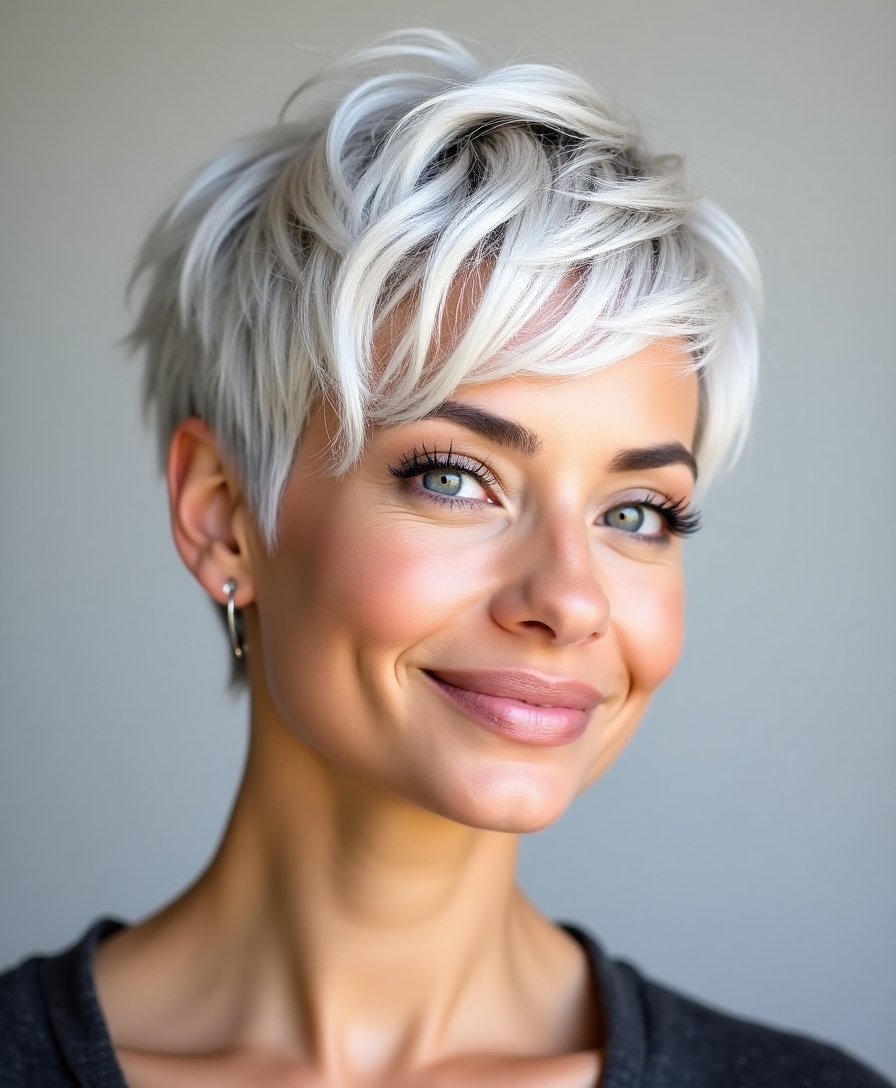
The everyday styling is almost embarrassingly simple, which is the entire point. Here is the whole routine on a normal morning.
- If the crown slept flat, mist it damp and quick-dry with a little lift.
- Warm a pea of clay or paste between your palms.
- Rake it through dry hair, push the front into place, and head out.
Styling a pixie from damp, start to finish:
1Prep
Work a pea of mousse or a root-lift spray through damp roots.
2Dry
Rough-dry with your fingers, lifting the roots against the way they grow.
3Finish
Warm a little clay in your palms and define the ends, leaving the roots alone.
Pixie Care Essentials

You need very little to keep a pixie looking good, which is part of the savings. A texture paste or matte clay does most of the work, a heat protectant matters if you use a flat iron, and a gentle shampoo keeps the scalp happy, since short hair shows oil faster.
Skip the heavy serums and oils built for long hair; on a crop they just sit there and weigh it flat. Lighter almost always wins on short hair.
A travel dry shampoo earns its place too, since it revives a flat root on day two and buys you a no-wash morning. That is the entire kit, and most of it lasts forever on so little hair.
Short Hair Myths, Debunked

Most of the hesitation I hear comes down to a handful of myths, and they keep women from a cut they would love. The one clients ask me about most is whether short hair looks masculine. It does not; a pixie frames and shows off the very features, eyes, cheekbones, jaw, that we read as soft and feminine.
Short does not mean masculine
The next is that it is unprofessional or aging. The opposite is closer to the truth: a sharp pixie reads modern and confident, and it lifts the face rather than dragging it down the way thin, long hair sometimes can.
And the belief that you cannot style short hair is backwards. There is less to manage, not more. The learning curve is about a week, and then it is the simplest hair you have ever had.
| The Myth | The Reality |
|---|---|
| It looks masculine | It highlights the eyes, cheekbones, and jaw, the softest features you have. |
| It is high-maintenance | Two-minute mornings; the only real upkeep is a salon trim. |
| It will not suit my hair | Fine, thick, curly, and coily hair all wear a pixie well. |
Celebrity Pixie Inspiration

Naming a reference helps your stylist read the vibe you are after, and the pixie has no shortage of icons across every style and texture.
- Halle Berry’s textured, piecey crop is the bold, edgy benchmark.
- Michelle Williams and Charlize Theron have worn softer, elegant takes.
- Lupita Nyong’o shows how striking a pixie is on tightly coiled hair, cut to celebrate the texture. See pixie cut.
The Journey to a Pixie

Getting to a pixie is its own small adventure, and there are two routes. Some women want it gone in one cathartic appointment, and that decisiveness usually pays off. Others ease in through a bob, then a longer pixie, before the full crop.
Neither is wrong. If you are nervous, the gradual path lets you live with short hair before fully committing, and you can stop at whatever length feels right.
Whichever you choose, almost everyone feels a flash of panic the second the length is gone, then loves it by the next morning. I have watched it happen hundreds of times, and the regret never lasts.
Seasonal Pixie Care

Short hair feels the seasons, but it also bounces back from them fast. Summer sun and chlorine dry out the exposed ends, so a little extra conditioning and a UV mist help. Winter brings static and hat-flattened crowns.
The upside is that a single trim erases a season of damage, which is far harder to do on long hair. That quick reset is one more quiet perk of going short.
- Summer: UV mist, deeper conditioning, rinse after the pool.
- Winter: a smoothing balm tames static and hat hair.
- A fresh trim resets sun-stressed ends in a single visit.
A Strategic Pixie Grow-Out

Maybe one day you will want length back, and a pixie grows out more gracefully than its reputation suggests, with a plan. The mistake is to stop seeing your stylist; the move is to keep shaping it as it lengthens.
- Keep trimming the nape and sides while the top grows freely.
- Let it pass through a deliberate longer-pixie, then a crop-bob stage.
- Use clips and texture spray to ride out the in-between weeks. See pixie bob haircut.
The Best Hair Types for Pixies

Here is the truth the myths bury: there is no hair type a pixie cannot work with, only different ways of cutting it. Fine hair gains the volume it lacks from short layers. Thick hair gets its bulk hollowed out so it stops puffing.
Curly and coily hair makes a beautiful pixie, but the cut has to happen on dry, unstretched coils so the shape respects how they actually spring. For tighter textures the cut accounts for shrinkage, since the hair springs up far shorter than its wet length, and a taper lets the crown stand full.
The honest question, then, is not whether your hair can take a pixie but how your stylist will cut it for your texture. That is a conversation worth having before the first snip. See bob hairstyles for black women.
Tools and Styling Techniques
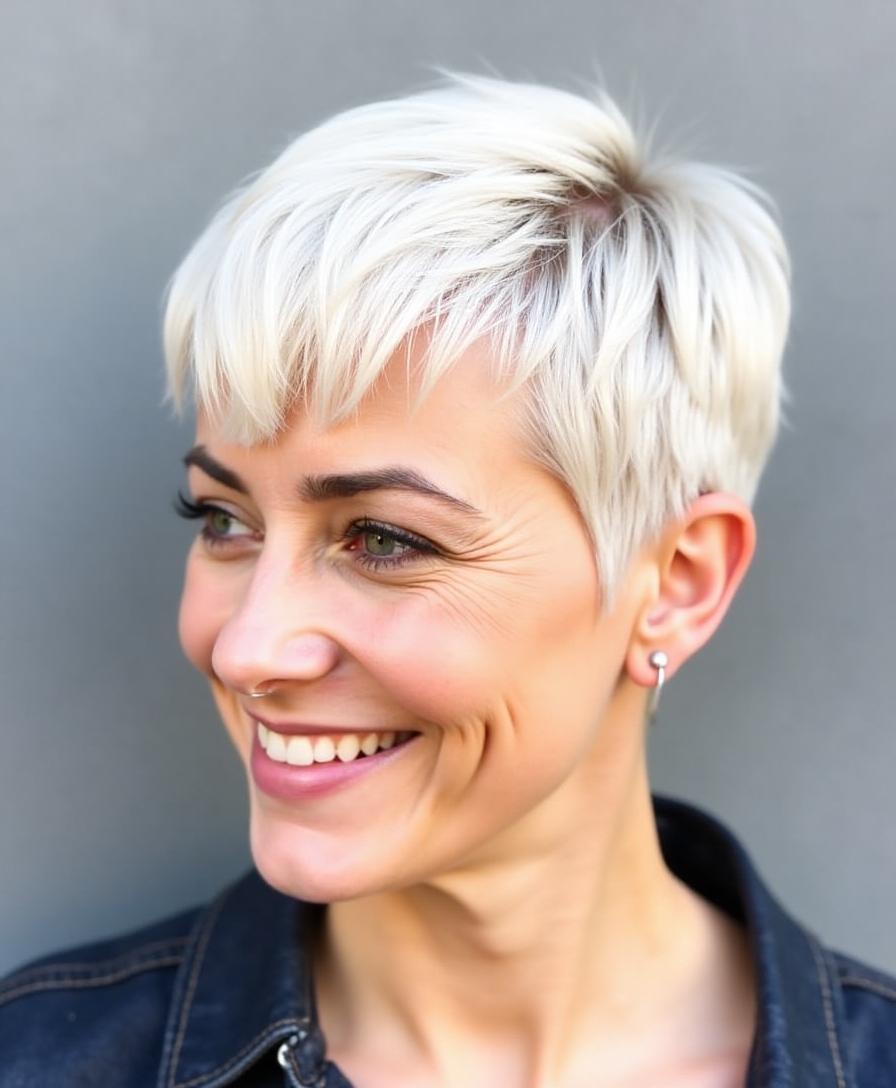
Beyond the daily two minutes, a couple of techniques let a pixie change mood. A flat iron run lightly over the top and sides smooths it into a sleek, polished look; salt spray scrunched in and air-dried gives the opposite, a gritty, undone texture.
A small round brush adds soft volume and bend if you want a more done finish. None of it takes long, and most days you will not bother, which is exactly the appeal.
- Flat iron lightly for a sleek, editorial finish.
- Salt spray plus air-dry for an undone, gritty texture.
- A small round brush builds soft, bouncy volume.
Colorful Pixie Options
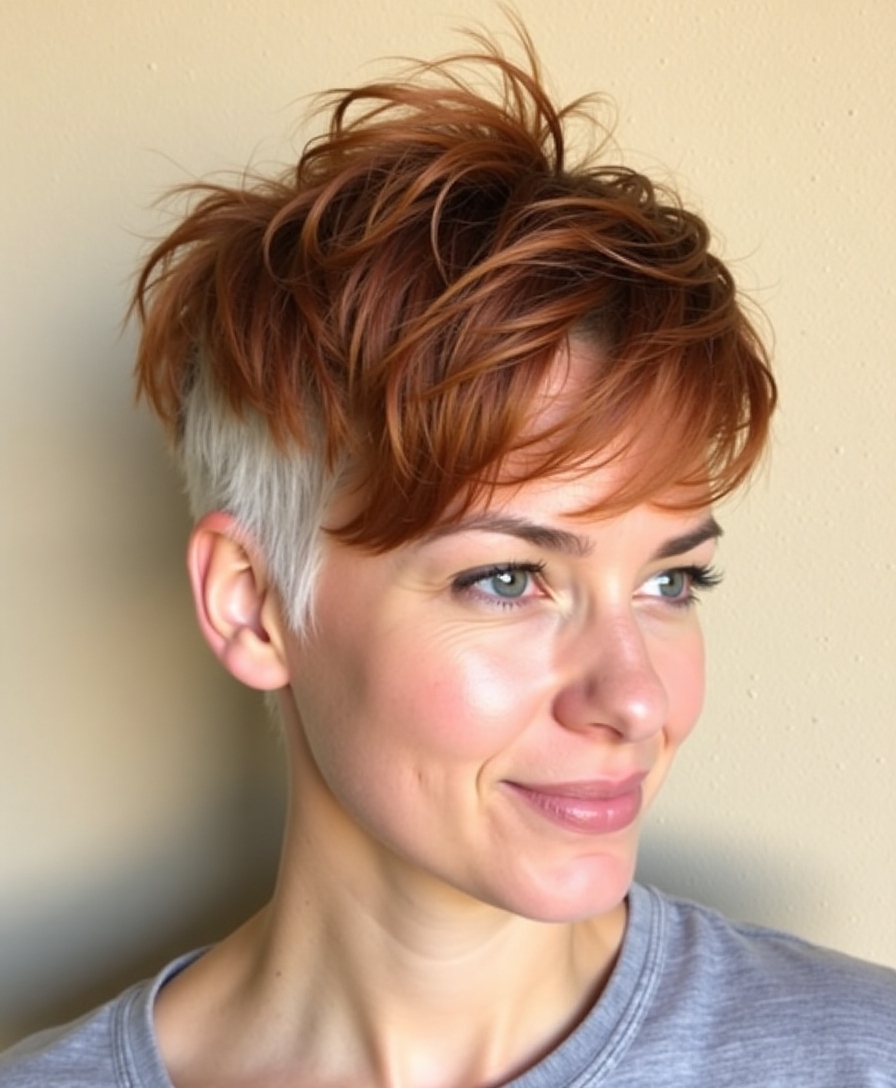
If you have ever wanted to try a daring color, a pixie is the place to do it. With so little hair, a bold all-over shade, a platinum crop, or bright fashion color is far less of a commitment, and the regrowth grows out fast.
Low-risk, high-reward color
It costs less, too, since there is less hair to process, so a color you would never risk on long hair becomes a low-stakes experiment here.
Softer options work beautifully as well, a sun-kissed balayage on top or a brighter piece at the front to frame the face, with almost no upkeep between visits.
Why Regular Trims Matter

If there is one rule for keeping a pixie looking sharp, it is this: do not skip the trim. The whole shape lives on precise, close lines, and even a couple of weeks of growth softens them into shapelessness.
- Book the next trim before you leave, about once a month.
- Edgier and faded cuts need the shorter end of that range.
- A soft, layered pixie can sometimes stretch closer to seven weeks.
Keeping a Pixie Affordable

People assume short hair is cheaper across the board, and the daily costs are: far less product, fewer tools, lower time and water bills. The salon side is where it flips, since you go more often.
Where the money actually goes
A pixie trim usually runs less than a full long-hair cut, but at a monthly shape-up it adds up over a year. The honest math is that you trade product and styling-time savings for more frequent, smaller salon visits.
Ask your salon about a standing shape-up rate or a junior stylist for the in-between tidy-ups, which keeps the frequency from stinging. See short hairstyles.
Pixie Haircut Questions, Answered
?Is a pixie really low-maintenance?
Day to day, yes, the lowest there is: minutes to style, almost no product, often wash-and-go. The one catch is a salon trim every four to six weeks, which is the trade for the easy mornings.
?Will a pixie make me look older or masculine?
No. A pixie highlights the eyes, cheekbones, and jaw, the features we read as soft, and a sharp cut tends to look modern and lift the face rather than age it. The masculine fear is the most common myth and the least true.
?Does a pixie work on curly or coily hair?
Beautifully. It must be cut on dry, unstretched hair so the stylist shapes around your real curl pattern, and for tight coils the cut accounts for shrinkage. A taper with a full crown lets the texture stand on its own.
?How much does a pixie cost to maintain?
Less on product and tools, more on salon visits. A trim is usually cheaper than a full long-hair cut, but you go in about once a month. Overall it tends to even out, with your time back as the bonus.
?Can I grow a pixie back out easily?
Yes, with a plan. Keep getting it shaped as it grows rather than stopping cold, let it pass through a longer-pixie and crop-bob stage, and lean on clips and texture spray during the in-between weeks.
Hair That Gives Time Back
Strip away the myths and the pixie is really about one thing: getting your time and your mornings back without giving up on looking good. It frames the face, flatters nearly everyone, and asks only for a regular trim in return.
If you have been quietly circling the idea, take this as your sign. Book a consultation, bring honest photos of your hair and your life, and let your stylist tailor a version that fits both your hair and your routine. Worst case, it grows back; likeliest case, you wish you had done it sooner.
You Might Also Like