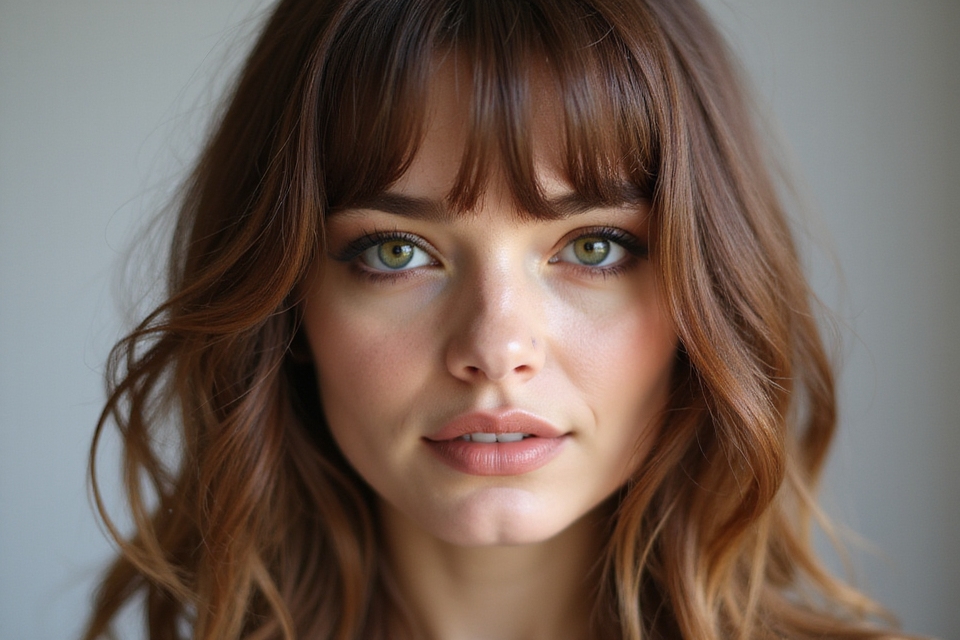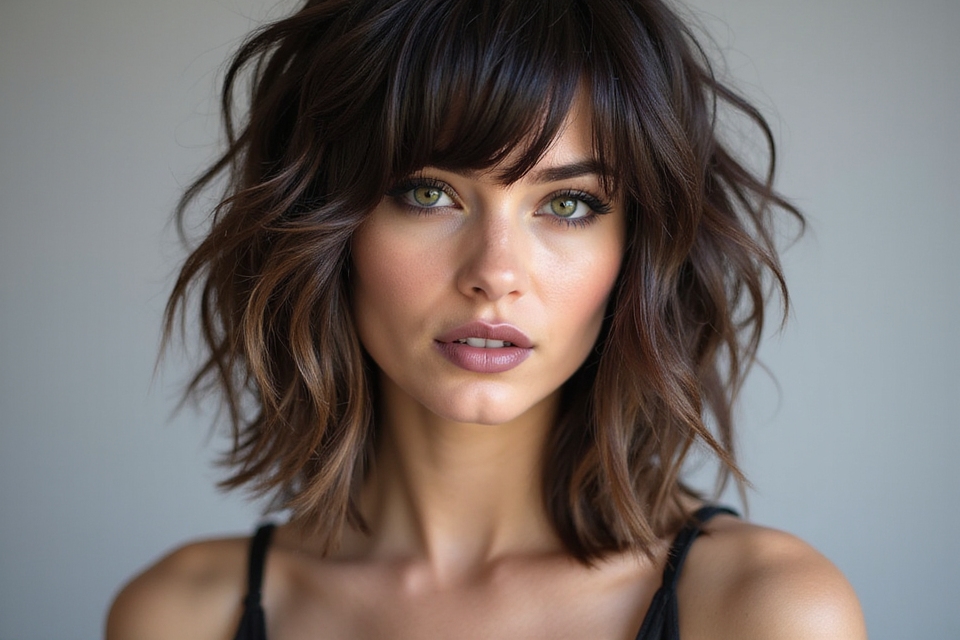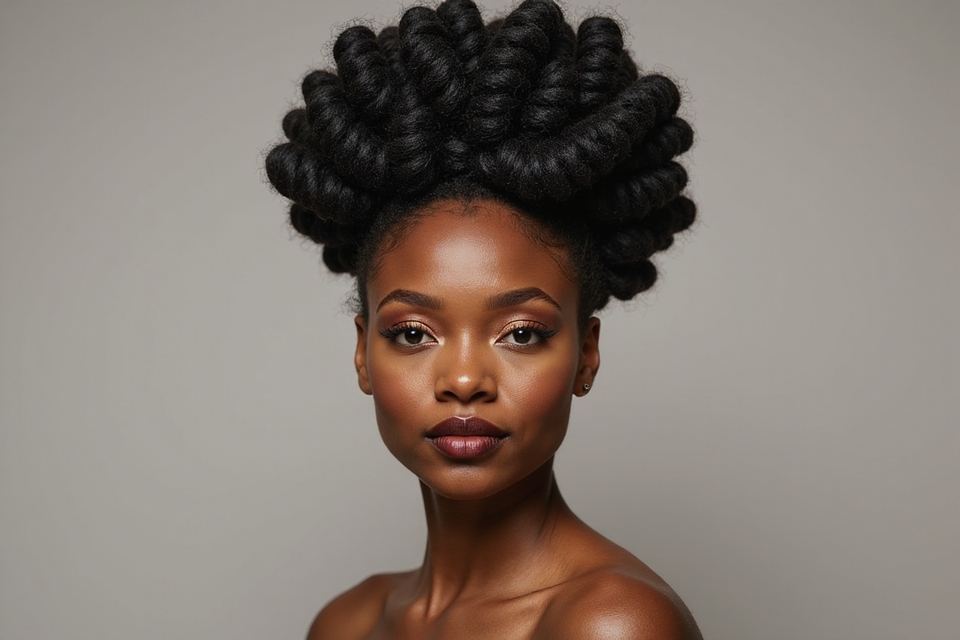
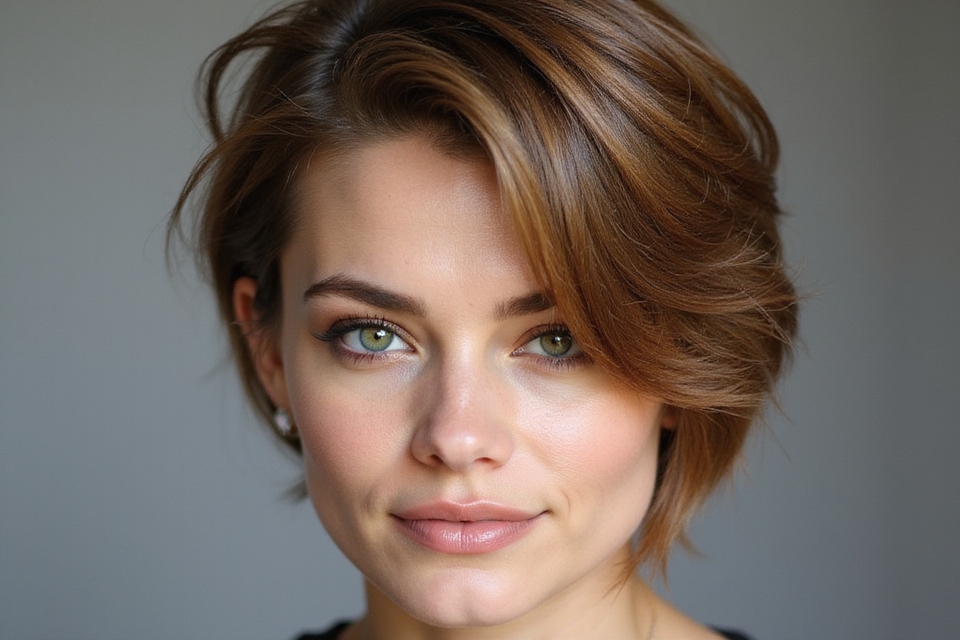
Can one cut really sit between a pixie and a bob without committing to either? The pixie bob does exactly that, longer and softer than a true pixie, shorter and snappier than a bob, with enough length on top to style and enough crop at the nape to feel low-effort. It is the haircut I hand to people who want short hair but are nervous about going too short.
Below, I have laid out everything I would tell you at the consultation: who it flatters, how the shape is cut, the quickest ways to style and color it, and the smartest path through the grow-out later. Read the parts that fit your hair and skip the rest.
Pixie Bob at a Glance
| Question | Short Answer |
|---|---|
| What is it? | A hybrid: pixie-short at the nape, bob-length and styleable on top. |
| Who suits it? | Most face shapes; the cut is customized to balance yours. |
| Upkeep? | A shape-up trim every five to six weeks runs about $35 to $60. |
| Hardest part? | Growing it out; the awkward middle phase needs a plan. |
The Pixie Bob: A Chic, Versatile Cut
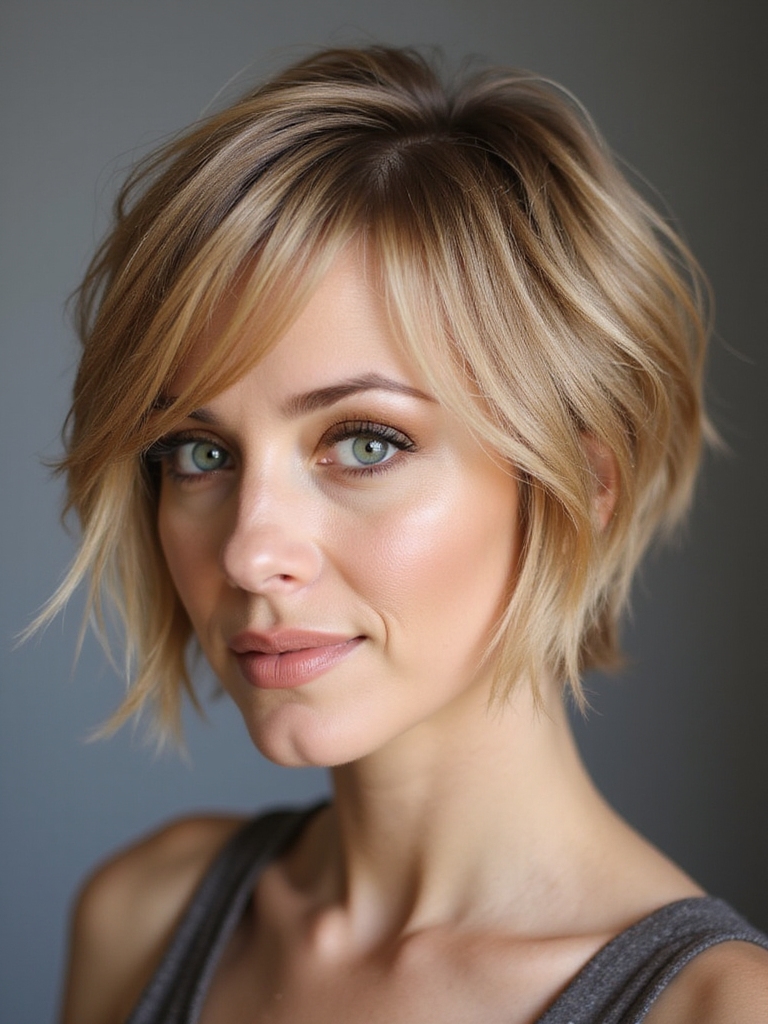
At its simplest, a pixie bob holds a pixie’s short, close back and sides while keeping real length through the top and the front, more than a classic pixie ever gives you. That extra length is the whole reason it works: you can sweep it, tuck it, or texture it, where a true pixie gives you little to play with.
Why it splits the difference
The result looks short and modern without feeling severe. There is enough hair to frame the face and soften the jaw, which is why it tends to flatter people who tried a pixie and felt exposed by it.
Think of it as the gateway short cut. It is the one I suggest to clients in my chair who are short-curious but not ready to lose everything.
The Evolution of Short Hair
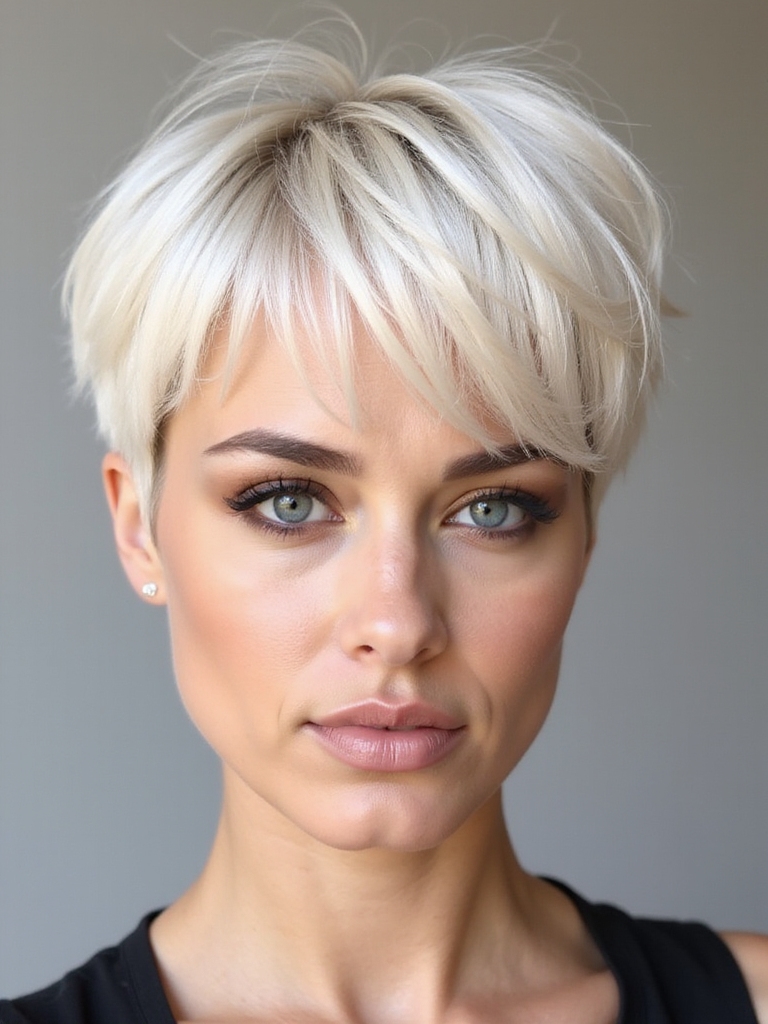
Short hair on women is barely a hundred years old as a mainstream choice, and the pixie bob borrows from every era of it. The flapper bob of the 1920s made cropped hair respectable, the 1960s pixie made it bold, and the soft, lived-with crops of the last decade made it low-effort. The pixie bob folds all three instincts into one cut.
- The 1920s bob proved short could be elegant, not rebellious.
- The 1960s pixie turned short into a deliberate statement.
- Modern crops prize texture and ease over rigid shape. See pixie cut.
Not sure the pixie bob is your cut? Match it to you:
🎯I want short but I’m nervous
The pixie bob is the gentlest way in: short and easy, but with enough length on top to feel safe.
🎯I want truly wash-and-go
It qualifies day to day, as long as you commit to a trim every five to six weeks.
🎯I have fine or thin hair
Ideal. The cut builds the fullness fine hair struggles to hold on its own.
Why It Is So Low-Maintenance
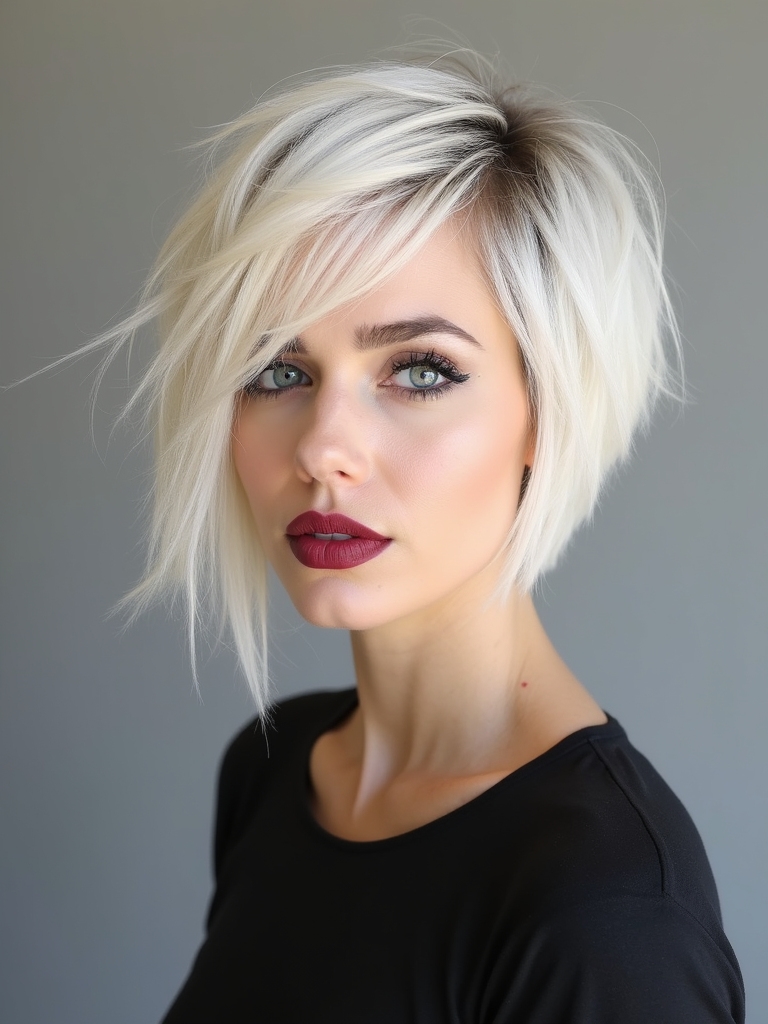
The trade-off with any short cut is more frequent trims for far less daily work, and the pixie bob lands in a comfortable spot on that scale. Wash day takes a fraction of the time, you use a fraction of the product, and air-drying is a real option here, which it rarely is on long hair.
- Styling most mornings is two minutes of paste and fingers.
- You go through shampoo and conditioner far more slowly.
- The catch is salon frequency: plan a trim every five to six weeks.
A Pixie Bob for Every Face Shape

The reason this cut suits so many people is that a good stylist adjusts it to your face rather than handing you one fixed shape. Where the length, the part, and the fringe sit changes everything about how it balances your features.
Placement does the flattering
Round faces gain from height at the crown and a slightly longer, angled front to lengthen. Square jaws soften with texture and a side-swept piece. Long faces want width through the sides and a fringe to cut the length, while heart shapes balance with a little more weight toward the jaw.
When clients ask me whether they can pull it off, the honest answer is almost always yes, as long as the cut is built for their face and not copied off a photo.
How much styling time do you actually have?
1Two minutes, tops
A shorter, textured pixie bob that air-dries and needs only a finger-rake of paste.
2Five to ten minutes
A longer, smoother version you can round-brush sleek or rough up, depending on the day.
3I will fuss if it is worth it
An asymmetric or undercut version with sharper lines rewards a little daily shaping.
Building Soft Volume
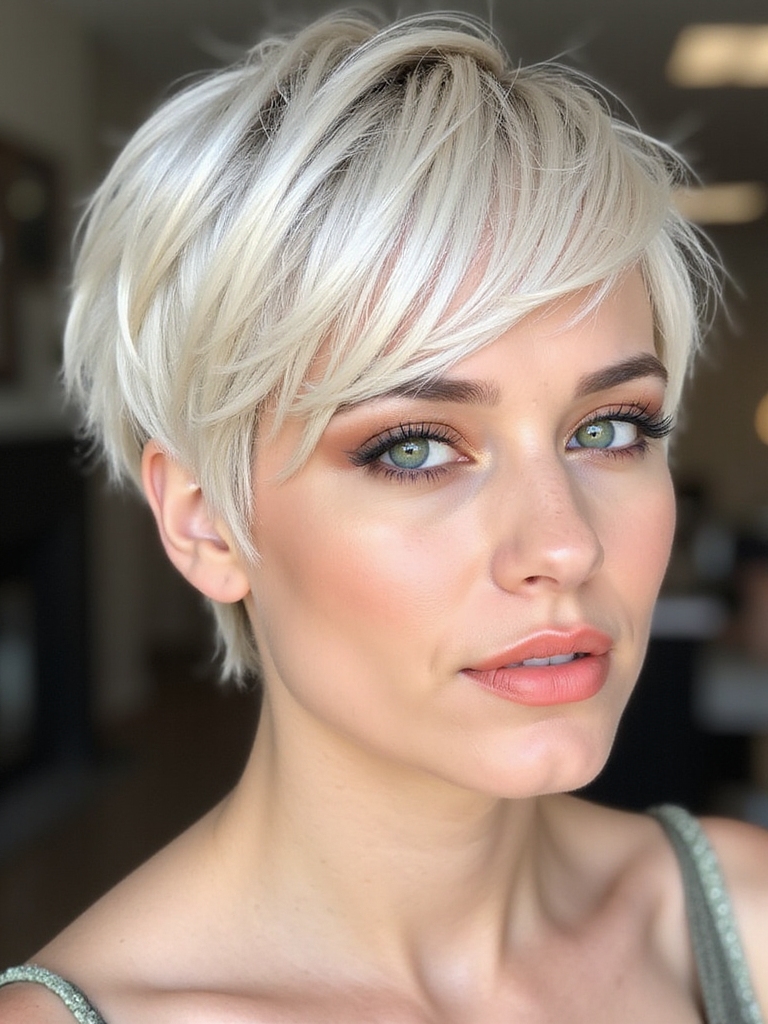
Volume is what keeps a pixie bob from falling flat against the head, and most of it is built at the root while the hair is damp. A mousse or root-lift spray worked in before drying gives the crown something to stand on.
Rough-dry with your fingers, lifting the roots against the direction they grow, then lock the shape down with a round brush or a shot of cool air. A diffuser adds bounce on wavy hair without frizz.
Keep the product light. Heavy creams drag a short crown down, and once it is flat there is no length to disguise it.
The Precision Cut Behind the Shape
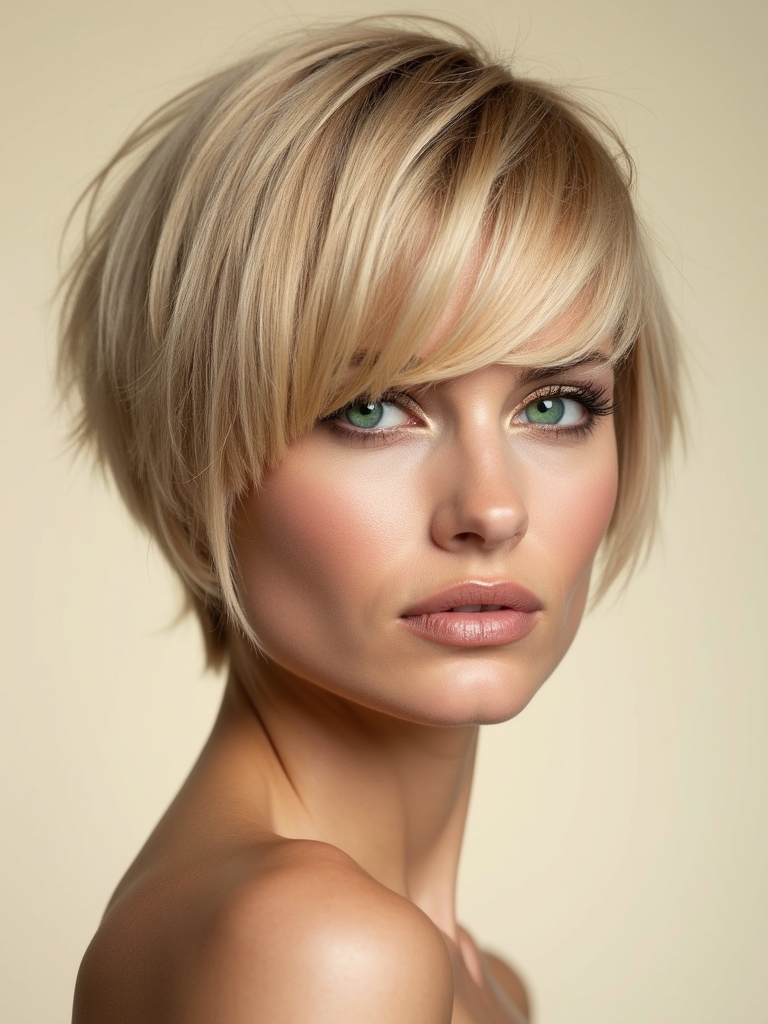
What makes a pixie bob look expensive is the cutting work you cannot see at a glance. The back and sides are graduated so they sit close, then point-cutting softens the ends so nothing looks blunt or helmet-like.
The top is left longer and texturized so it falls into the shorter sides without a hard line between them. That smooth blend, not the length itself, is the hard part of the cut and the reason a skilled stylist matters here.
It is also why a cheap version often disappoints: the length is right but the blending is not, and the eye catches it as unfinished. See feathered pixie haircuts.
“One tip most first-timers miss: ask your stylist to leave the top a touch longer than feels comfortable at the first appointment. You can always take more off in two weeks, and that extra length gives you something to actually style while you learn the cut.”
Everyday Pixie Bob Styling
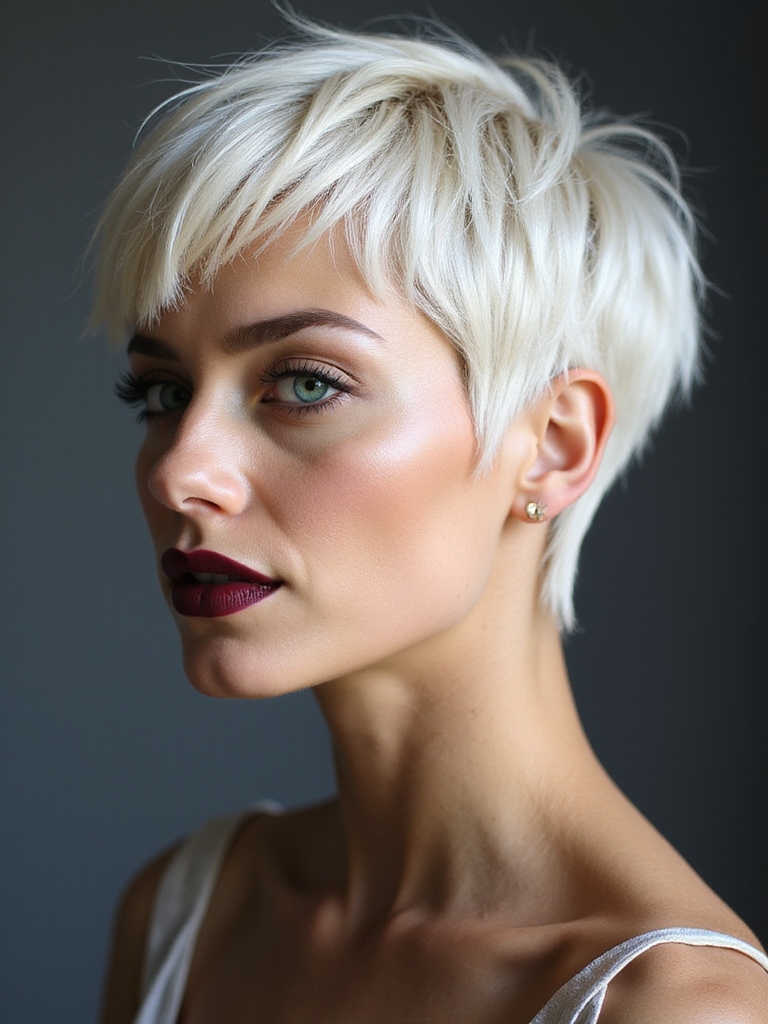
Day to day, the pixie bob asks for very little. A pea of texture paste warmed between your palms and raked through dry hair is enough to define the pieces and add grip. The whole point of this cut is that it looks intentional with almost no effort, so resist the urge to overwork it.
- Warm a little paste or clay in your hands before touching your hair.
- Rake it through with fingers, concentrating on the ends, not the roots.
- Push the front where you want it and leave it; over-styling reads stiff.
Subtle, Polished Finishes
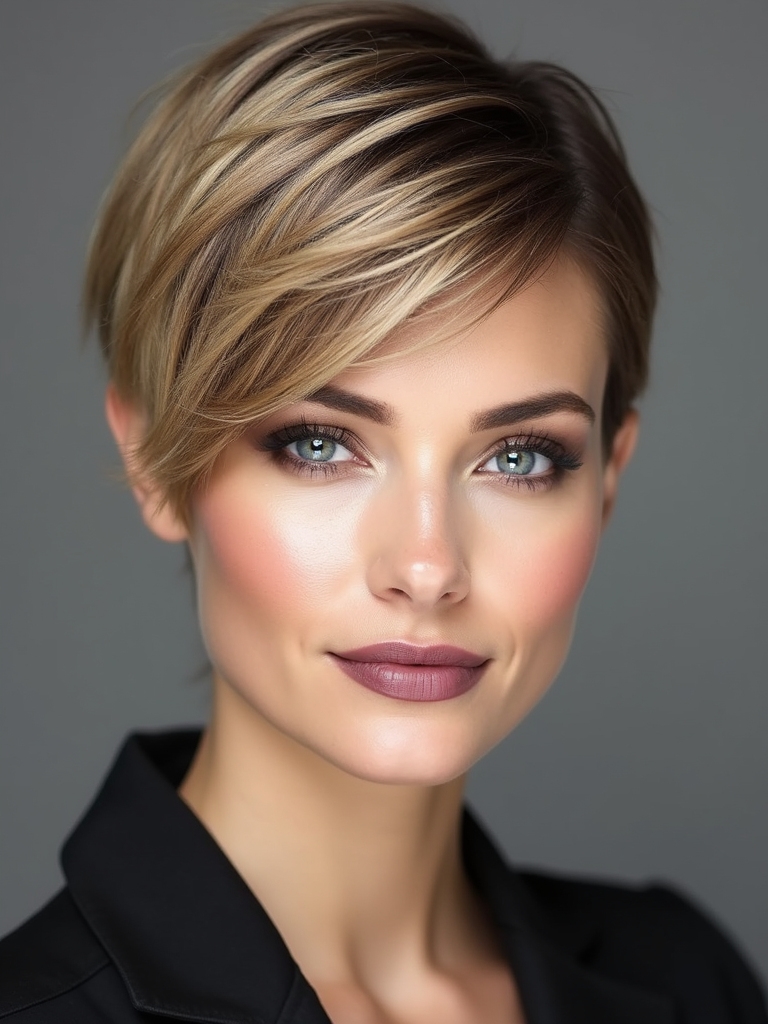
When the occasion calls for it, the same cut turns sleek and editorial in a couple of minutes. A flat iron run lightly over the top and sides smooths everything down, and a drop of shine serum or glossy pomade gives it that wet-look polish that photographs beautifully.
Tuck the front behind one ear, keep the shine concentrated on the surface rather than the roots, and you have a refined evening version of your everyday cut. This quick-change quality is exactly why short-hair skeptics end up loving the pixie bob.
📋Before Your Pixie Bob Appointment
- ✓Bring two or three photos and be ready to describe what you like about each.
- ✓Know your real styling time so the cut matches your routine.
- ✓Ask about your cowlicks and growth pattern up front, not after the cut.
The Edgy, Tousled Version
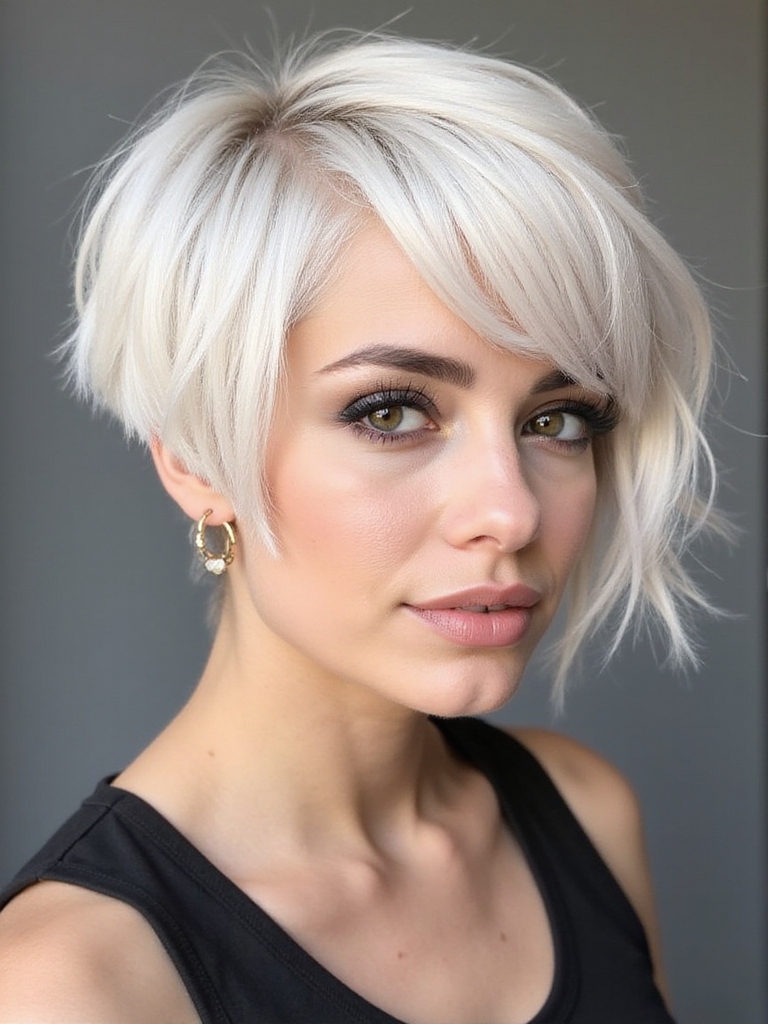
On the other end, the pixie bob takes beautifully to a rougher, piecey finish. Sea-salt spray scrunched into damp hair and air-dried gives you that undone, gritty texture, then a matte clay separates the ends for definition.
This is the version that suits the cut’s natural attitude. It hides a grown-out shape well, too, which makes it a smart everyday default between trims.
- Spray salt or texture mist on damp hair and scrunch.
- Finish dry hair with a matte clay, pinching the ends.
- Leave it imperfect; this look gets better as it loosens. See shaggy pixie bob styles.
Color Trends Worth Trying
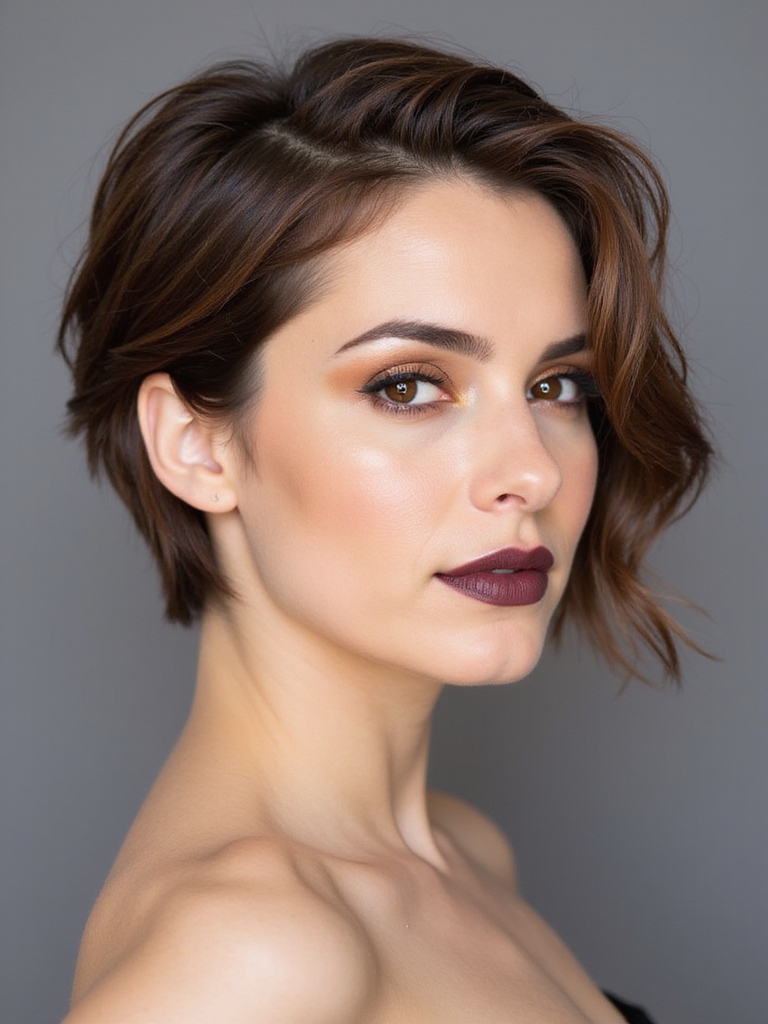
Short hair is a gift for color because the whole canvas is visible and any regrowth grows out fast. A pixie bob shows off dimensional work, soft balayage through the top, a brighter money piece at the front, or an all-over fashion shade that would be a huge commitment on long hair but feels playful here.
Because the hair is short, color also costs less and processes faster, so it is a low-risk place to experiment. Just factor root regrowth into your trim schedule if you go very light or very bold.
- Balayage on top adds depth without a harsh regrowth line.
- A lightened front piece brightens the face for little upkeep.
- All-over vivids are far more wearable on a small canvas.
At-Home Maintenance
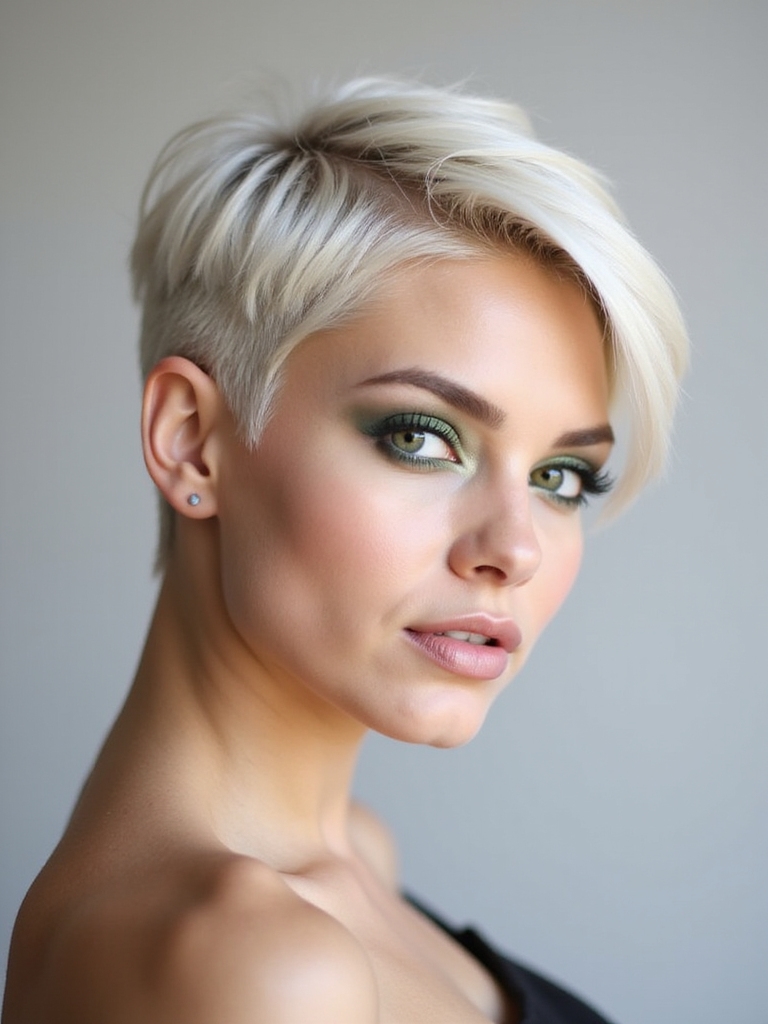
In the weeks between cuts, your job is simply to keep the hair healthy and the shape sitting right. A gentle sulfate-free shampoo and a light conditioner kept to the mid-lengths stop a short style from going greasy at the roots too fast. A weekly mask keeps colored or fine hair from getting brittle.
Resist trimming your own neckline; it is the fastest way to throw off a cut you paid for. A little dry shampoo at the roots on day two and a refresh of paste is all most days need.
Salon Tips for a Long-Lasting Cut
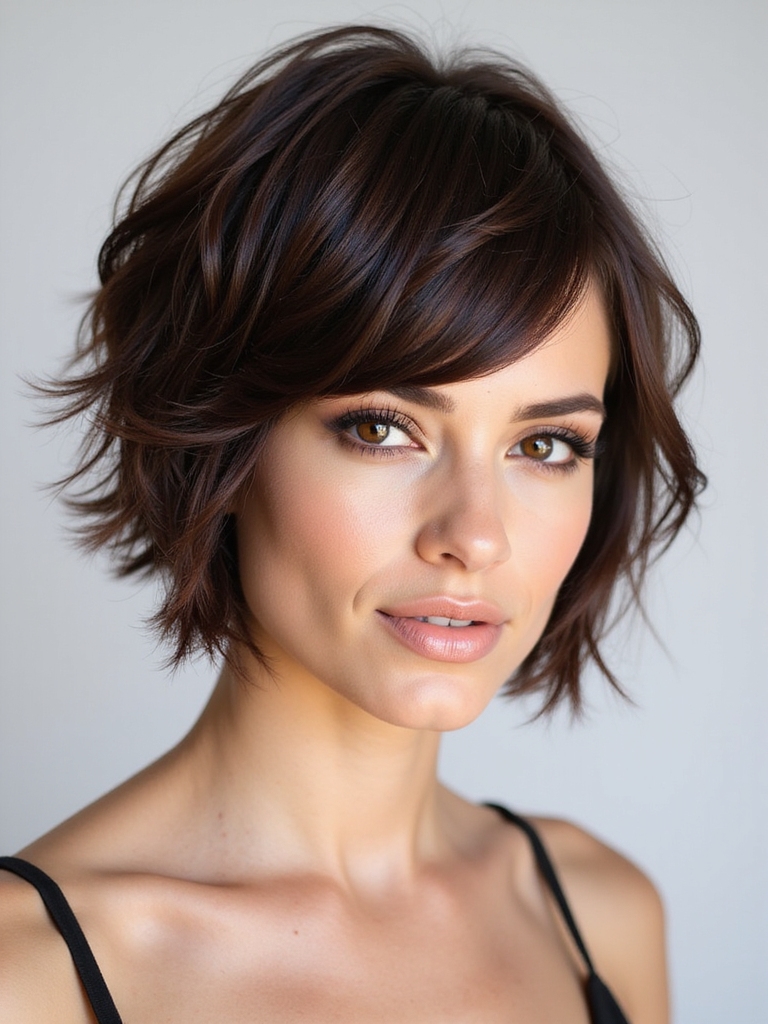
If you do one thing for a pixie bob, rebook your next trim on the way out the door. Because the shape lives or dies on the graduation at the nape and sides, letting it grow more than six weeks blurs the whole thing. A quick shape-up runs about $35 to $60 depending on where you are.
Bring photos of your own hair when it looked best, not someone else’s, and tell your stylist the honest amount of time you put into your hair each morning. An honest brief gets you a cut that fits your life instead of one that fights it.
Accessorizing to Transform the Look
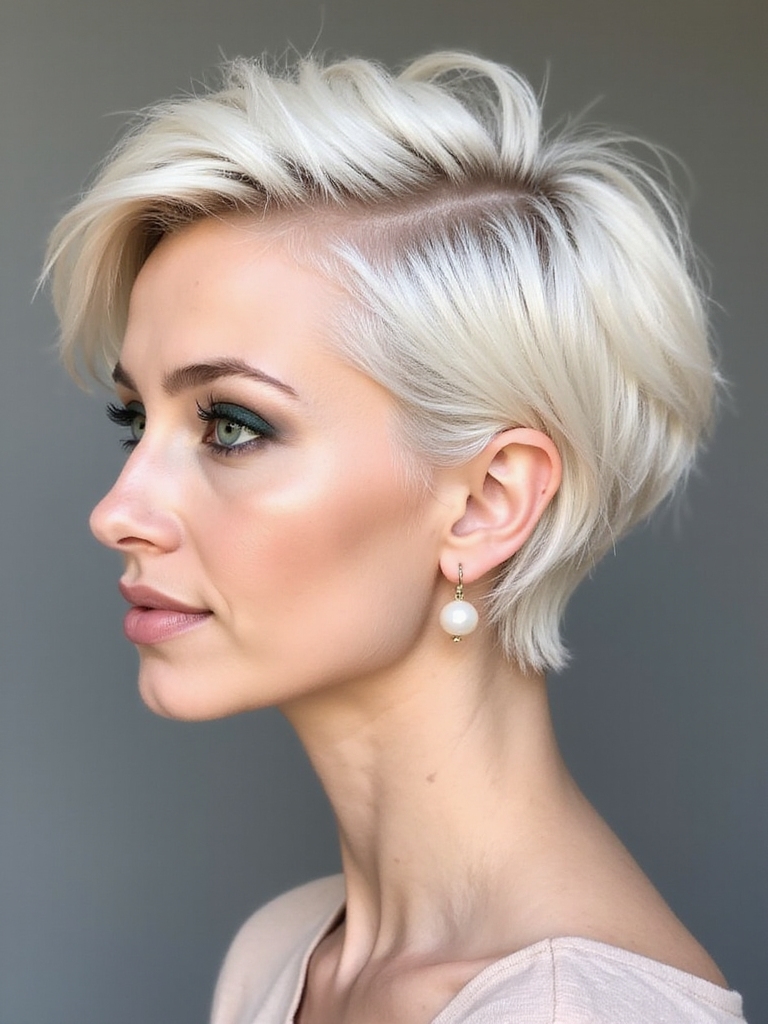
Short hair and accessories are an underrated pairing. A row of small claw or snap clips pinning back one side instantly changes the shape, and a slim headband dresses the cut up for an evening with zero heat.
A folded silk scarf tied as a headband leans retro and protects color from sun, and it is a favorite trick of mine for second-day hair that does not want to cooperate.
Because the hair is short, accessories sit visibly front and center, so a single good piece does a lot of work. You need fewer of them than you would on long hair.
Transforming Day to Evening
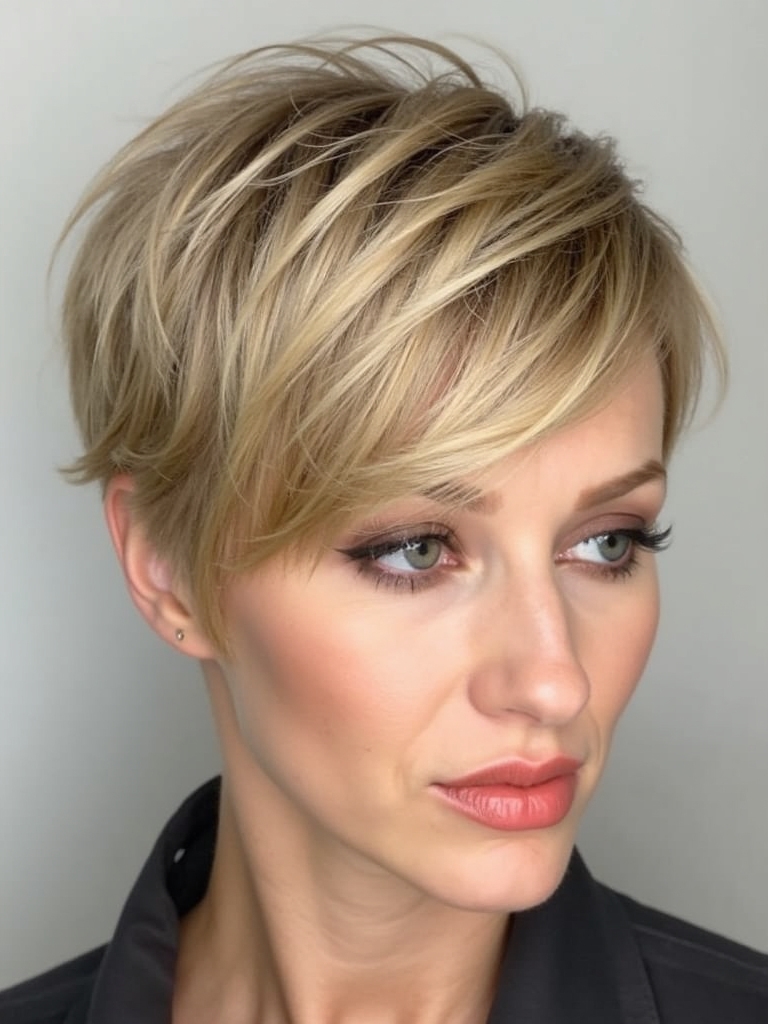
The pixie bob’s party trick is how fast it changes register. A daytime tousle becomes an evening look with a smoothing serum and a sharper part, or the reverse: a sleek workday style loosens into texture with a little salt spray.
Dry shampoo is the bridge product here. It revives a tired root, adds the grit a tousled look wants, and buys you the second-day wear that short hair often needs.
- For evening: serum, a deeper side part, front tucked behind the ear.
- For undone: salt spray and clay roughed through with fingers.
- Dry shampoo refreshes the roots for either direction.
Layering for Movement
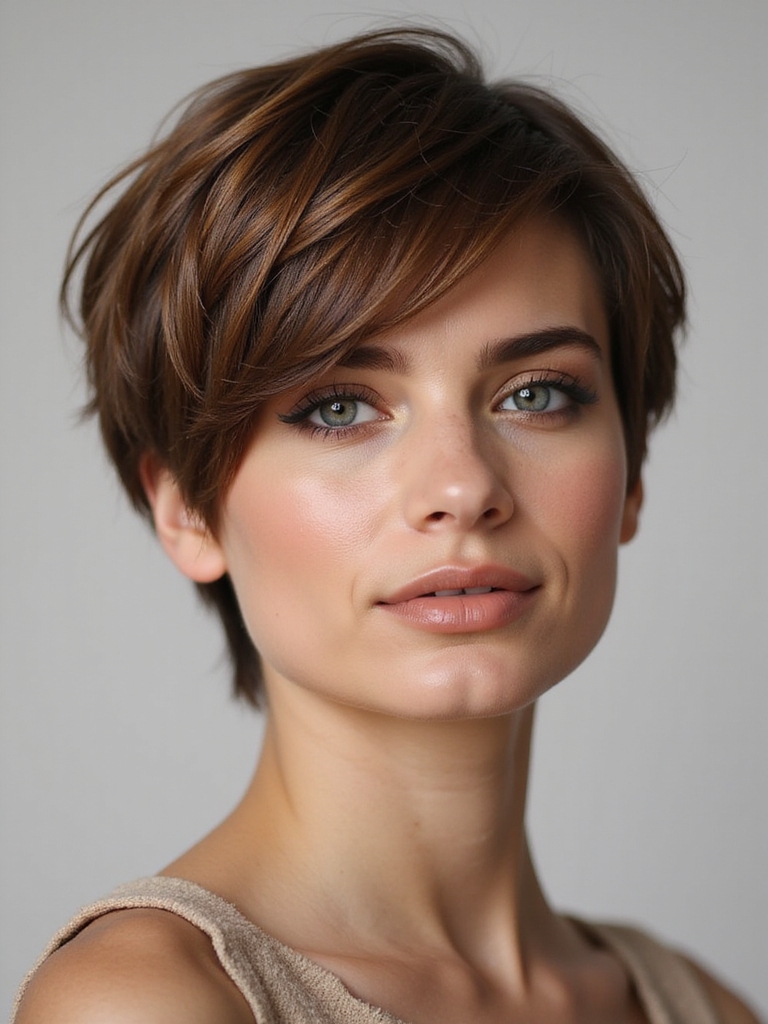
Layering is what gives a pixie bob its movement, and it works differently on a short cut than a long one. Internal layers remove weight so the top falls with bounce instead of sitting like a cap, while graduated front layers create the face-framing angles that flatter the cheekbones.
- Internal layers lift and lighten a heavy or thick top.
- Front graduation builds the face-framing angle.
- Too many layers on fine hair, though, can leave it wispy and thin. See layered pixie cut ideas.
Texturizing Techniques
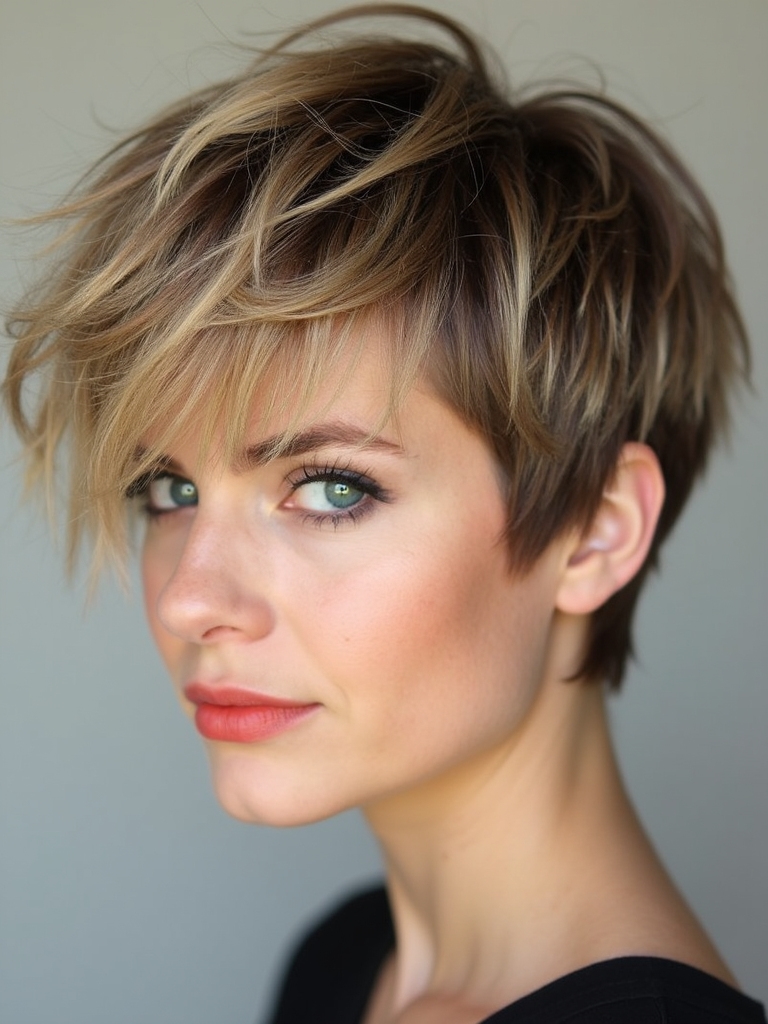
Texturizing is the finishing work that decides whether your ends look soft or blocky. Point-cutting, where the shears are angled into the ends rather than cutting straight across, removes hard lines and is the workhorse here.
Match the technique to your density
Razor cutting gives an even airier, feathered finish but should be used carefully, since a razor on dry or fragile hair can cause split ends. Thinning shears pull bulk out of a thick interior without changing the length.
The right mix depends on your hair. Fine hair wants minimal texturizing so it keeps its weight; thick hair needs plenty so the cut does not balloon.
Celebrity Pixie Bob Inspiration
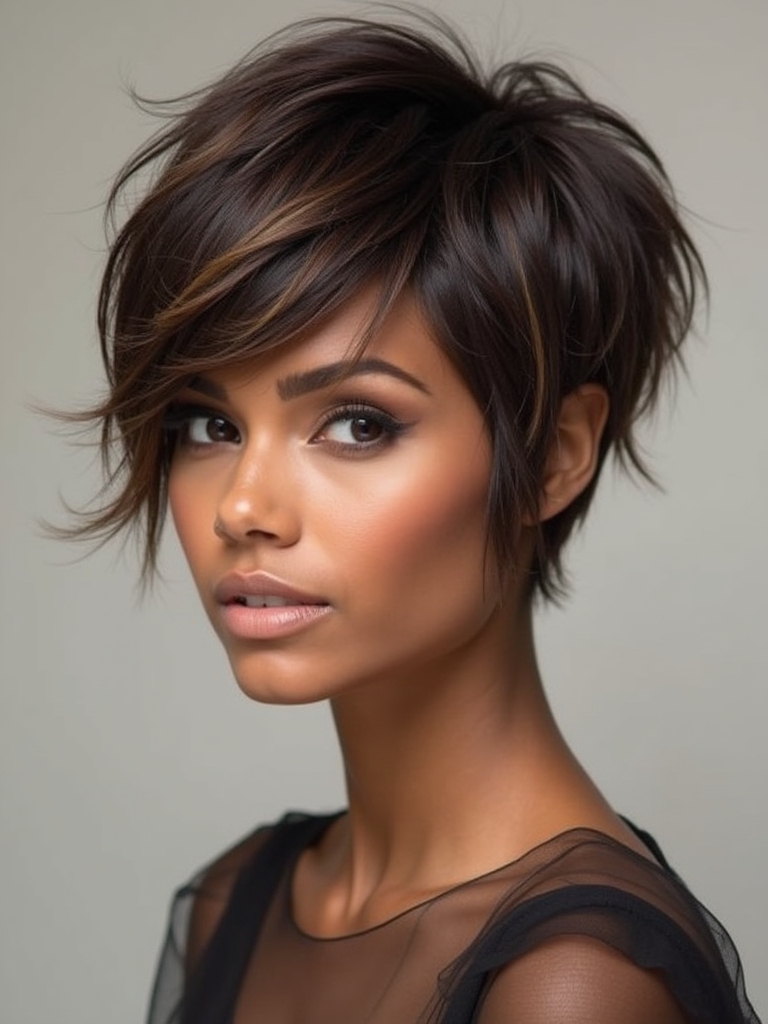
Plenty of well-known women have worn versions of this cut, and they are useful as a shorthand for what to ask for. Halle Berry’s textured, piecey crop is the edgy end; Charlize Theron has worn a softer, more grown-out pixie bob that leans elegant.
Zoë Kravitz and Lupita Nyong’o have both shown how beautifully the shape works on textured and coily hair, cut to celebrate the curl pattern rather than flatten it.
Use these as a starting point in your consultation, but remember their hair is cut for their face and their texture. The version that suits you will be its own thing.
Fringe and Bangs Options
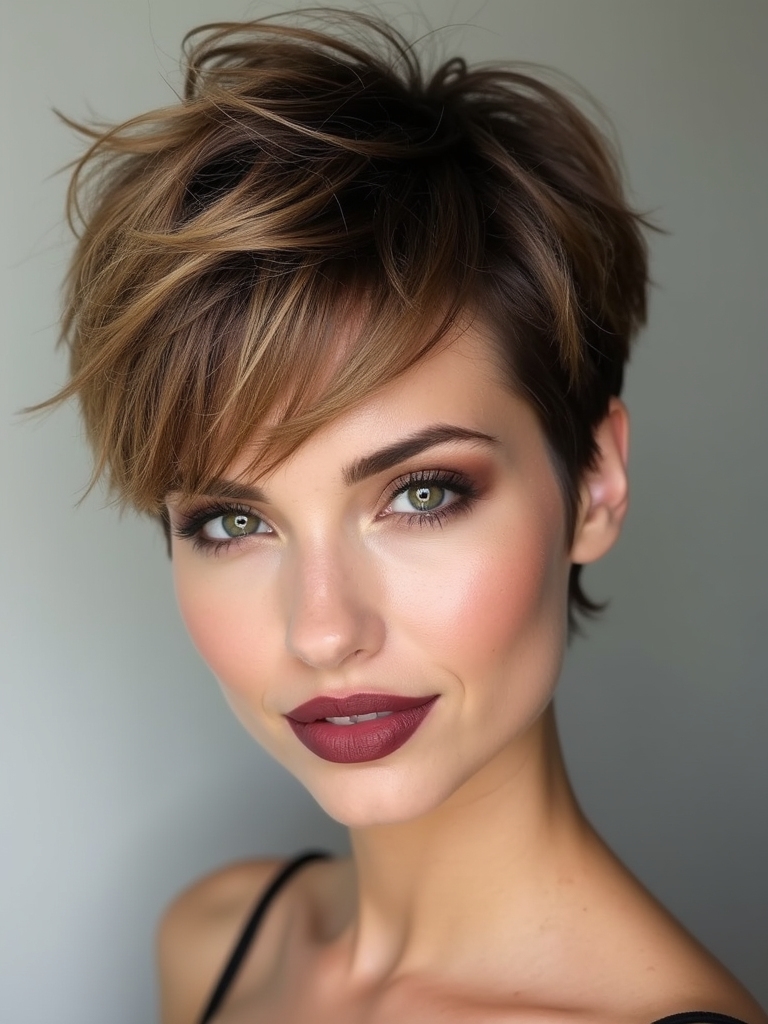
The fringe is where a pixie bob gets most of its personality, and changing it can transform the whole cut without touching the length. A wispy micro-fringe feels modern and shows the brows; a side-swept piece softens a strong jaw; choppy bangs add edge and texture. Talk through the option that suits your forehead and face shape before you commit, because bangs grow out slowly.
- Side-swept fringe softens square and angular faces.
- A blunt or choppy fringe adds drama and frames the eyes.
- Micro-bangs feel fashion-forward but suit smaller foreheads best.
Stylish Ways to Grow It Out
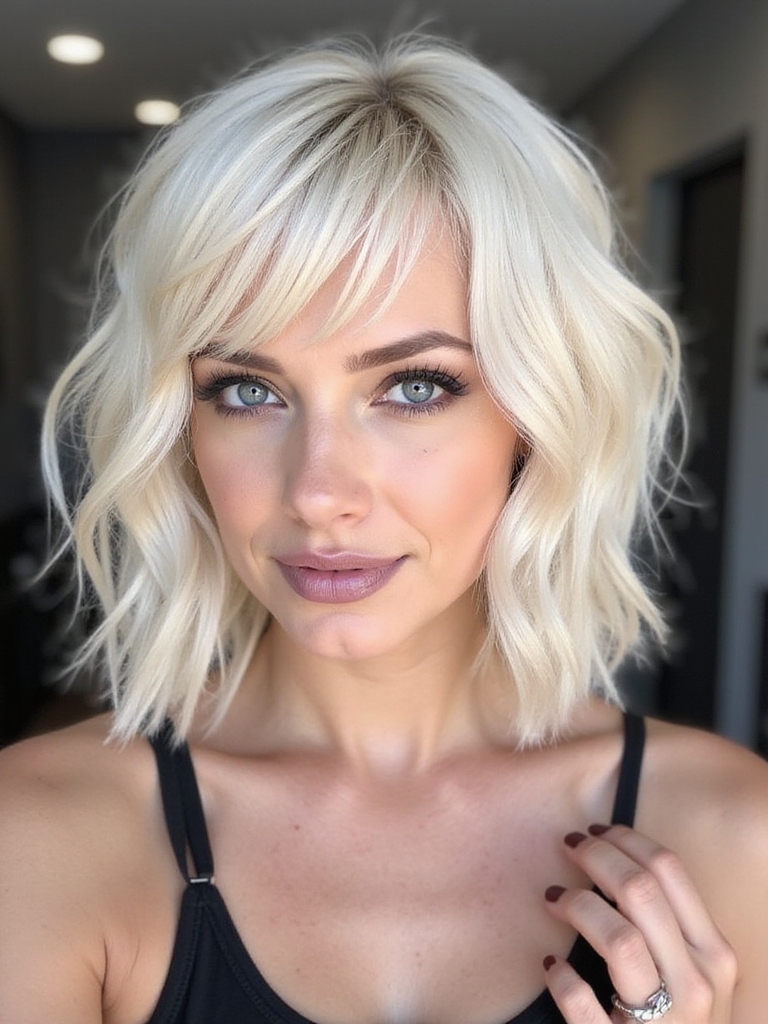
Here is a quiet advantage of starting with a pixie bob rather than a true pixie: it grows out into a bob almost on its own. Because it already carries length on top, the grow-out reads as a lengthening bob instead of an awkward mullet, so there are far fewer rough weeks to push through.
- Let the top lengthen freely while you keep the nape clean a few more weeks.
- Around chin length, switch to a bob shape-up instead of a pixie one.
- A texture spray and a tuck behind the ear smooth over any flat days.
Common Styling Challenges
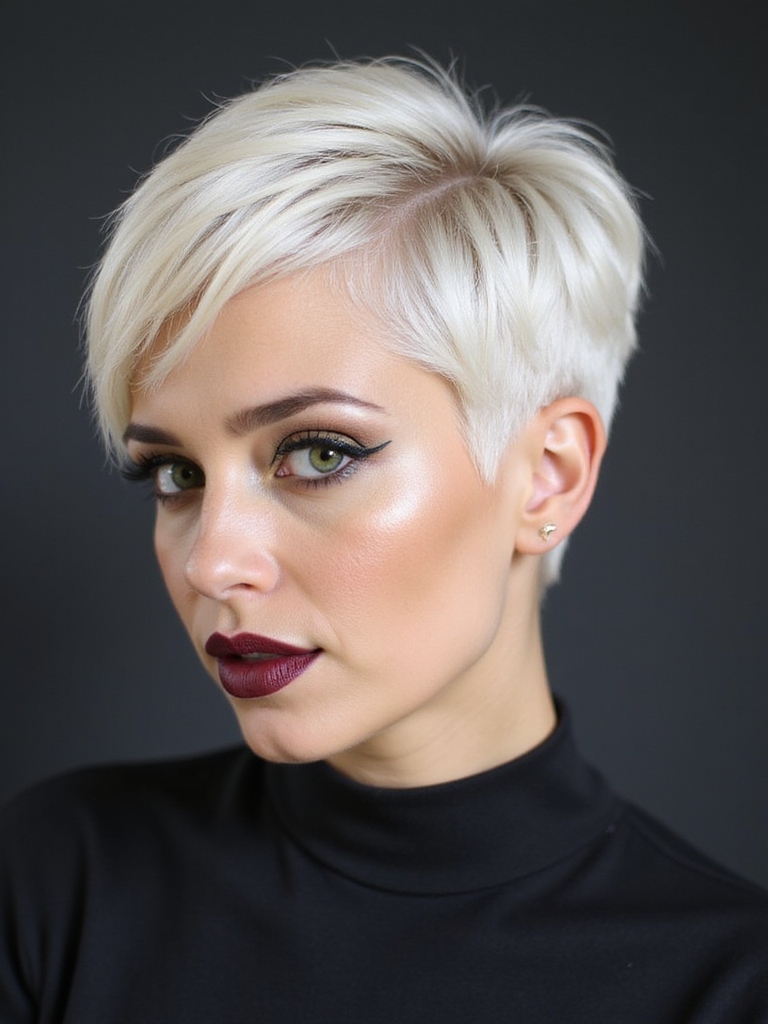
Most pixie bob frustrations come down to a few predictable culprits, and each has a fix. A cowlick at the crown or nape can fight your shape, but cutting with the growth rather than against it usually solves it, which is worth raising at your consultation.
- Flat crown: build volume at the root while damp, not with product later.
- Rogue cowlick: ask your stylist to cut with the natural growth pattern.
- Greasy roots by day two: dry shampoo and a lighter conditioner.
Essential Tools and Products
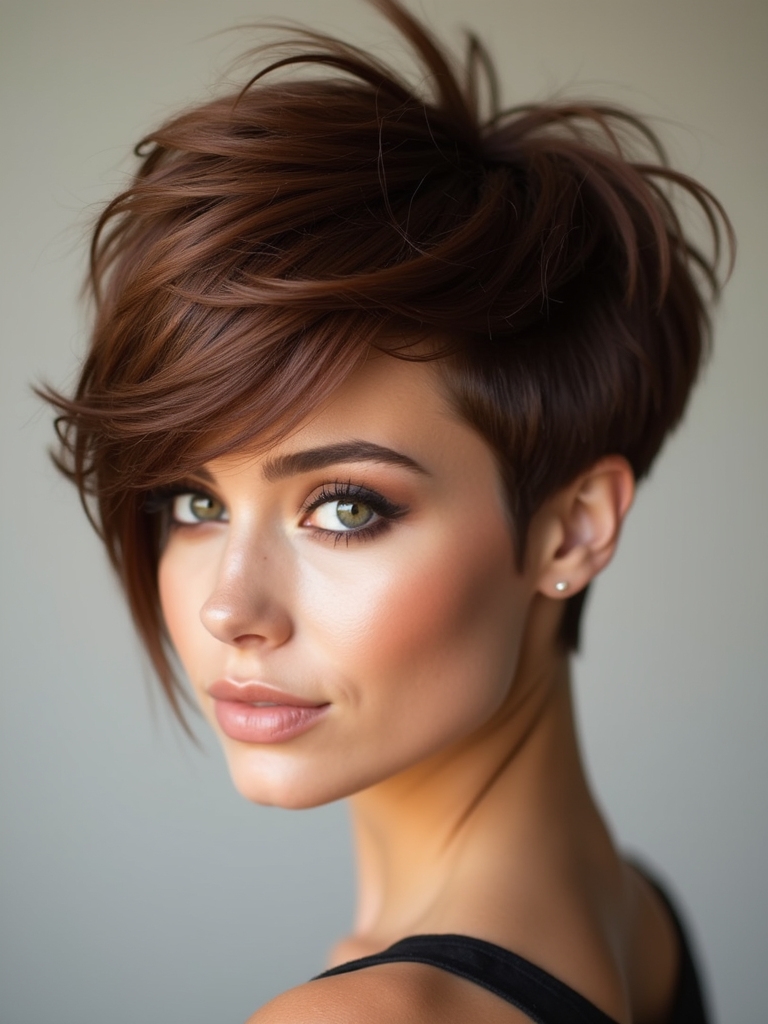
You need surprisingly little to maintain a pixie bob at home. A small flat iron or a round brush handles the smooth looks, and a good texture paste or matte clay handles the undone ones. That is most of the kit.
A heat protectant matters more than people think on short hair, because you are passing heat over the same exposed lengths often. A root-lift spray and a travel dry shampoo round it out.
Skip the heavy serums and oils built for long hair; they flatten a crop fast. On short hair, lighter products almost always win.
Maximizing Volume in Fine Hair
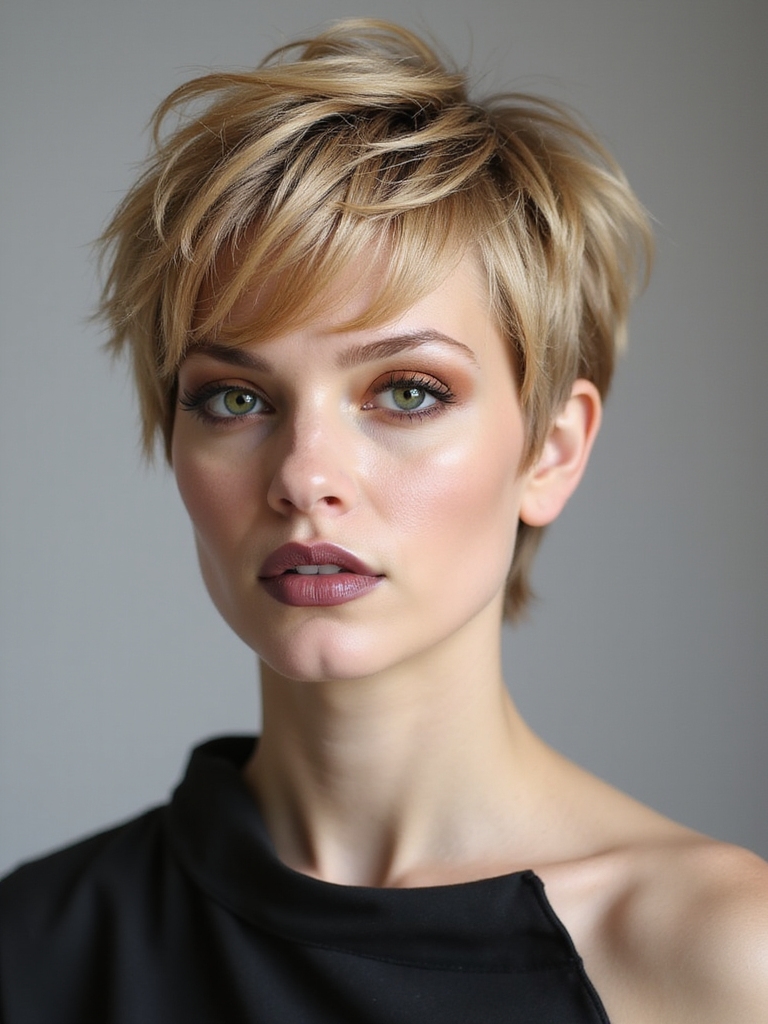
Fine hair suits a pixie bob beautifully, and most of the fullness comes from the cut rather than from product. The trick at the chair is asking for weight-building layers instead of heavy thinning, which can leave fine hair wispy, plus a little more length on top to stack body where you want it.
- Request weight-building layers, not aggressive thinning, on fine hair.
- A blunter perimeter holds the look of density better than feathered ends.
- Then add a volumizing mousse at the root, never oils, which flatten fine hair fast. See haircuts for thin fine hair.
Personalizing Your Pixie Bob

Once you have the basic shape, there is real room to make it yours. A hidden undercut at the nape removes bulk and adds an edge you can reveal or cover; a slightly asymmetric front gives the cut attitude; a shaved part or soft design appeals if you want something bolder. These details are what turn a standard cut into a signature one, and most are simple to grow past if you ever change course.
- An undercut removes weight and adds a hidden edge.
- Asymmetry between the two sides reads modern and intentional.
- Soft shaved details personalize without a major commitment.
Seasonal Hair Care
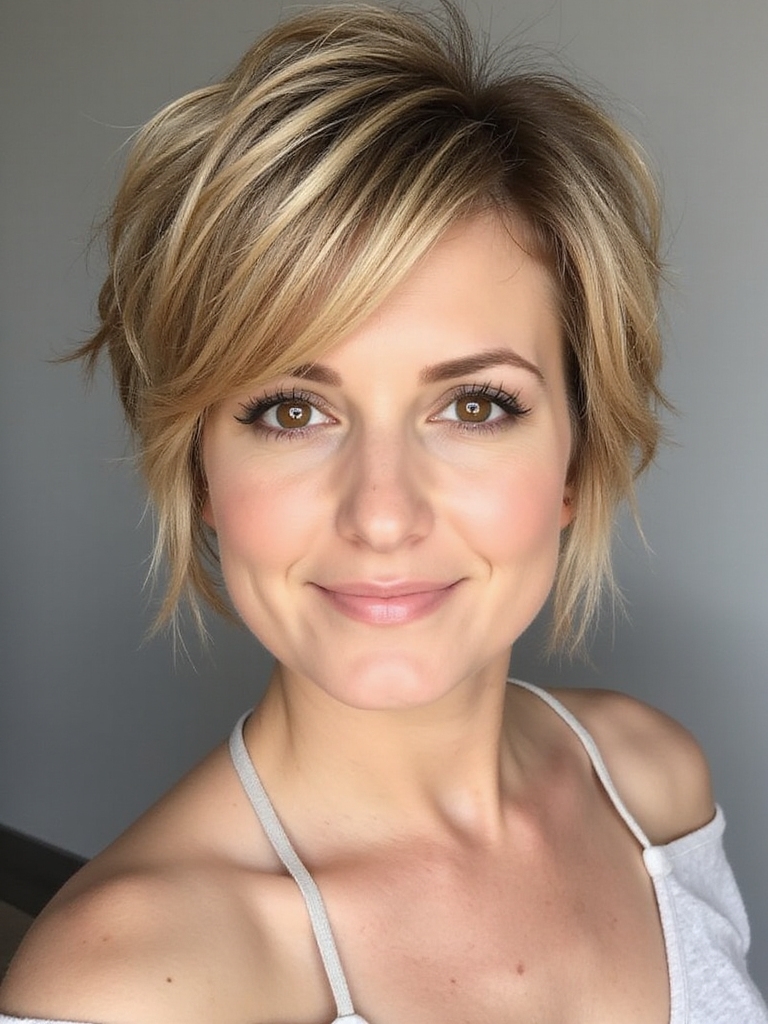
Short hair shows the seasons more than you would expect. Summer sun and chlorine fade color and dry out the exposed ends fast, so a UV-protectant spray and a little more conditioning help. Winter static and hat hair are the cold-weather headaches.
Because the hair is short, recovery is quick, a fresh trim resets sun damage in one visit, which is one more quiet advantage of the cut.
- Summer: UV spray, deeper conditioning, rinse after the pool.
- Winter: a smoothing serum tames static and hat flatten.
- A trim erases seasonal damage faster than on long hair.
Edgy Asymmetry and Bold Color
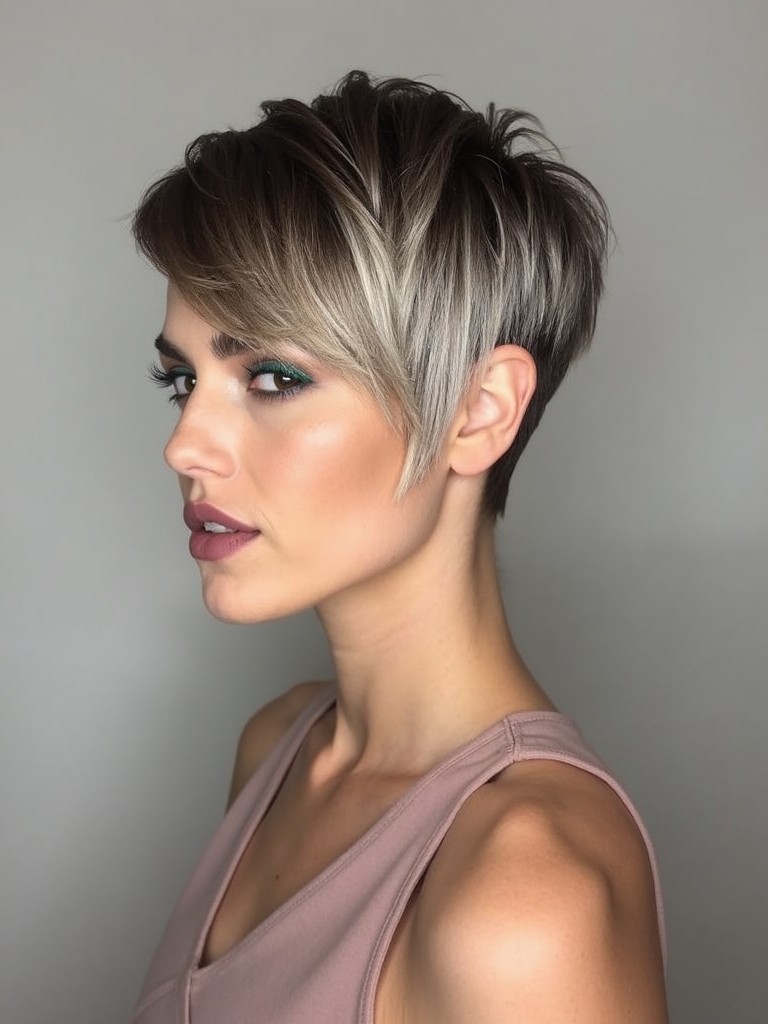
If you want the pixie bob at full volume, this is where it goes: a sharply asymmetric line paired with a bold color choice. A longer front sweeping to one side against a cropped opposite side gives the cut a strong, graphic edge.
When you want the cut to do the talking
Add an unexpected shade, a steel silver, a deep burgundy, a soft pastel, and the whole thing becomes a statement. The short canvas makes even daring color feel wearable rather than overwhelming.
This is the version I steer bolder clients toward, the ones who want their hair noticed before anything else about them. It is not for everyone, and that is the point. See pixie haircuts for women.
Common Mistakes to Avoid
The biggest mistake people make is treating a pixie bob as low-commitment because it is short. It is low-effort daily but high-frequency at the salon; skip trims and the shape that made it look good collapses within a couple of months. The second mistake is choosing it off a single photo without talking through your face shape, hair texture, and styling time with your stylist.
On products, less is honestly more. Heavy oils and creams meant for long hair flatten a crop and make it look greasy. And if your hair is curly or coily, book a stylist who cuts curls dry, so the shape follows how your curls actually fall rather than how they look stretched and wet; ask up front how they will handle shrinkage, since a coily pixie bob can spring up far shorter than the wet length suggests.
A tapered shape with the crown left full lets tight coils stand on their own. For more short options, see short hairstyles and bob haircut.
Where the Pixie Bob Goes Next
The pixie bob has lasted because it bends to the wearer instead of asking the wearer to bend to it. Softer or edgier, sleek or tousled, fine or coily, there is a version of this cut for nearly anyone willing to commit to the trim schedule.
If you have been circling short hair for a while, this is the cut I would start you on. Bring honest photos, talk through your face and texture with your stylist, and let the cut grow into something that feels like yours rather than a trend you borrowed.
Hand-Picked for You