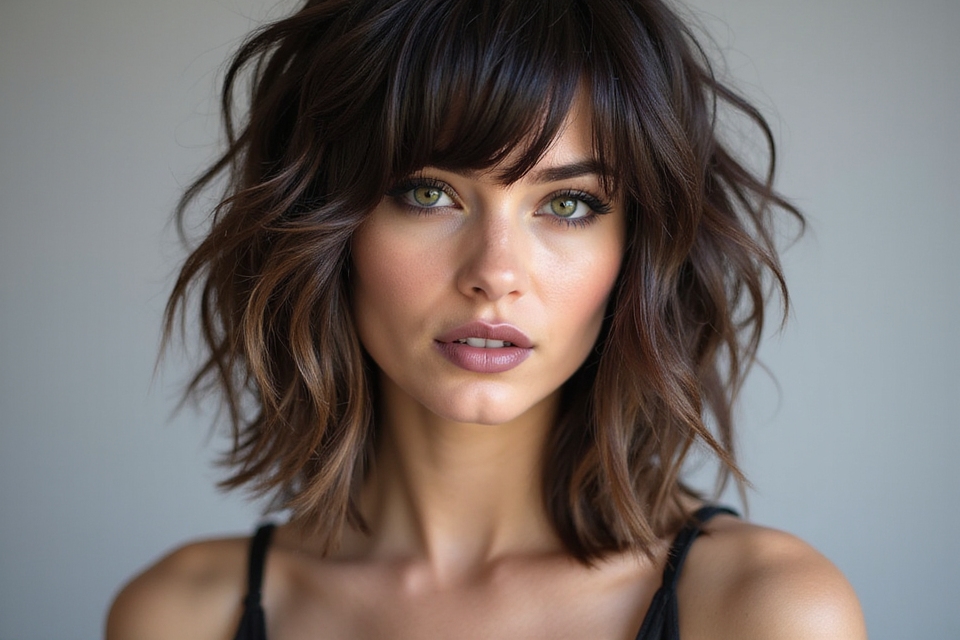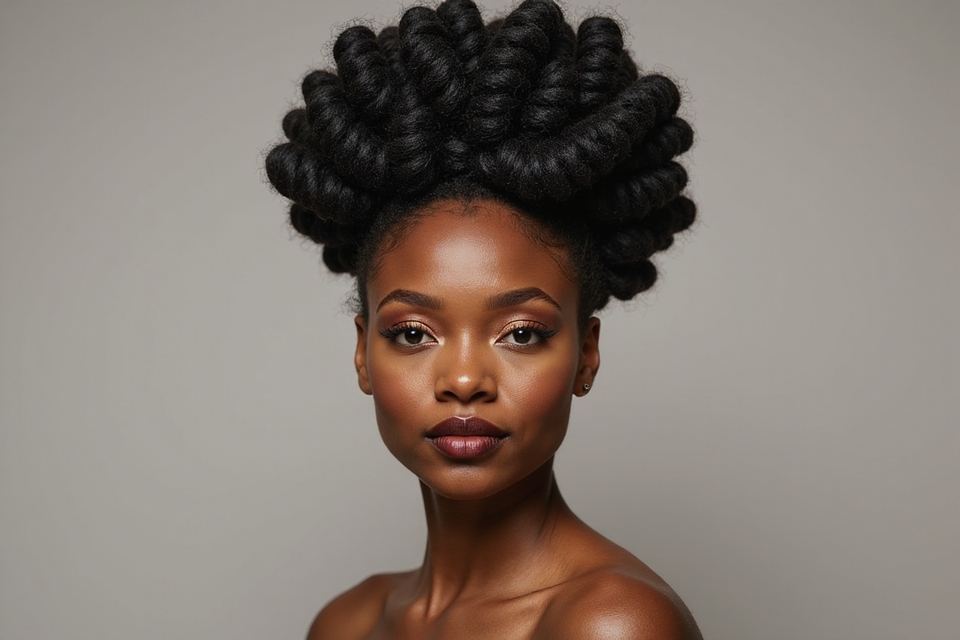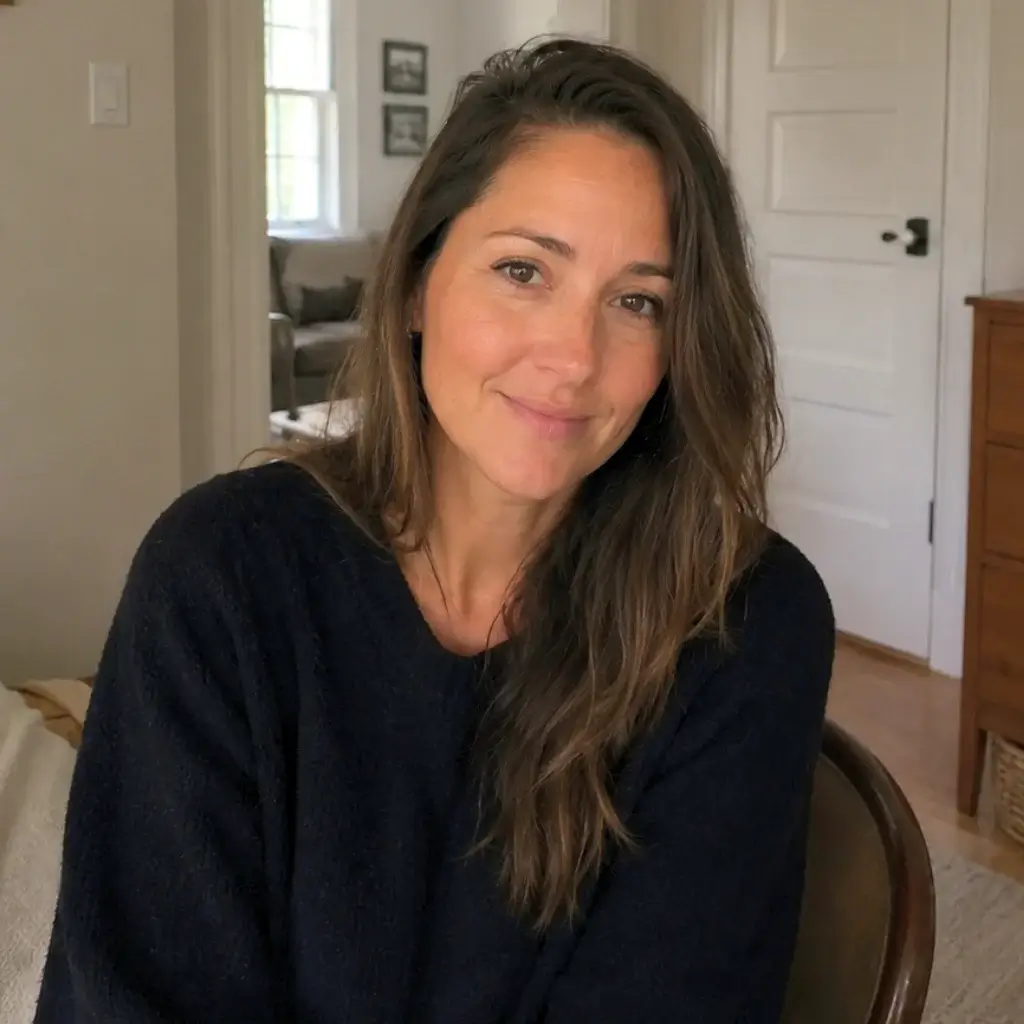

Some women walk in wanting the bob to disappear into a routine, and some want it to be the loudest thing about them. The cut does both, which is why it has stayed on my appointment book for as long as I have held scissors.
A bob is not one haircut. It is a whole family of them, from a razor-sharp blunt line to soft, tucked layers. This guide walks through the versions worth knowing, with honest notes on who each suits and what it costs to keep up.
The Bob, in Brief
- A bob suits every face shape and hair type once you adjust the length, weight, and angle to fit you.
- Blunt and one-length cuts fake fullness on fine hair; layered and graduated shapes remove bulk from thick hair.
- Most bob cuts run $45 to $95 and need a trim every five to eight weeks, depending on how sharp you keep the line.
- Texture drives everything. Straight hair holds a crisp line, while curls want a dry cut shaped to their pattern.
The Versatile Classic Bob
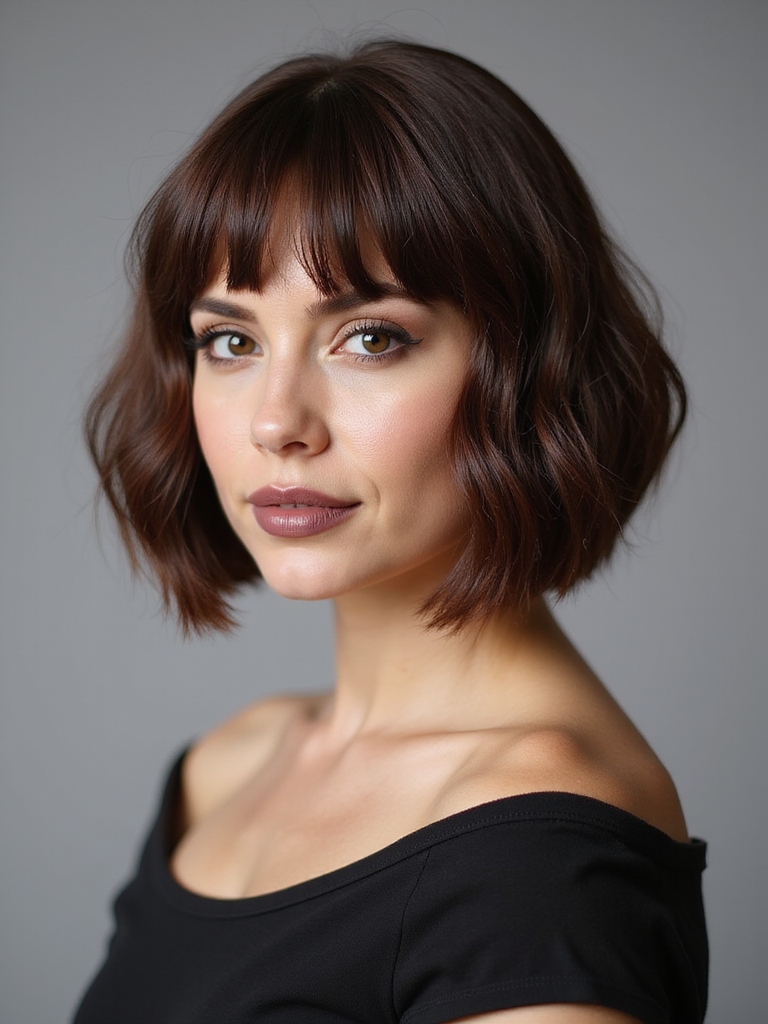
The classic bob sits somewhere between the chin and the shoulders, one clean length that works almost anywhere. It is what I recommend when someone walks in with no clear idea, only the certainty that she wants change.
Its strength is range. Wear it sleek for work, tousled on the weekend, or tucked behind the ears when you are busy.
- Suits every face shape with small tweaks to the length and part.
- Grows out gracefully, so you are never stuck.
- A safe, smart first bob if you have never gone short.
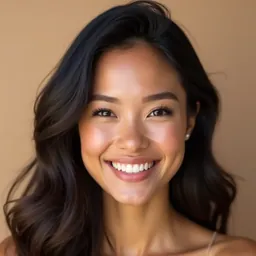
Quiet Elegance and Sophistication
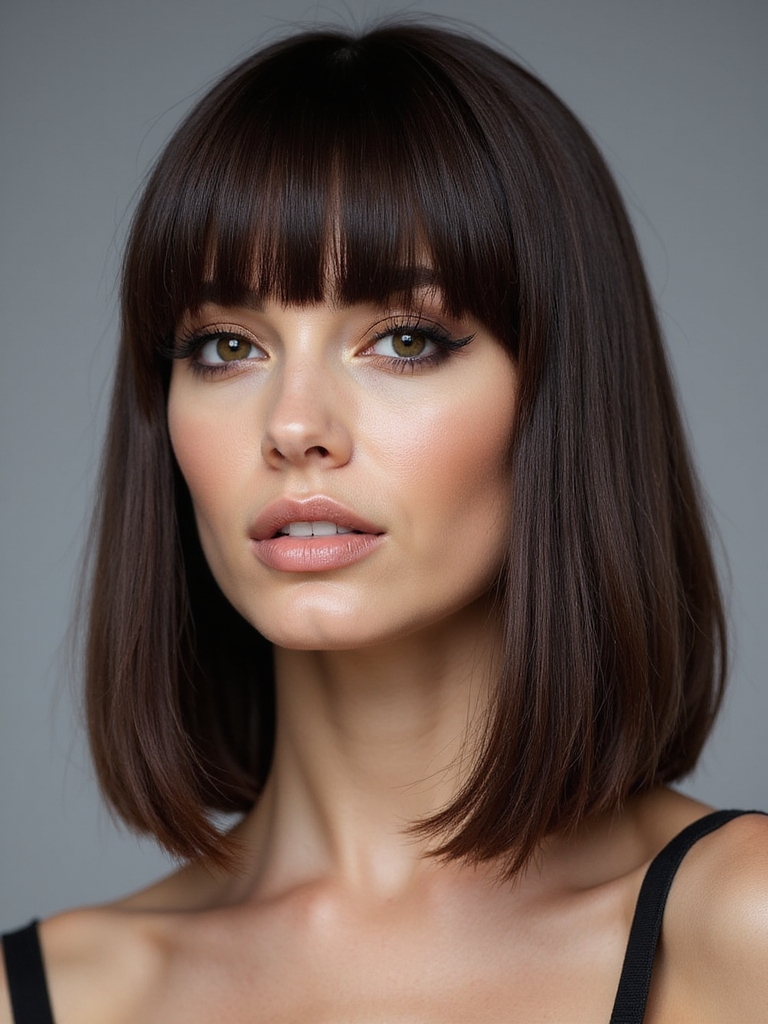
Some bobs are loud and some are quietly expensive-looking. The polished, sophisticated version leans on shine and a precise line rather than any trendy detail.
The whole effect comes from health and finish. A glossy tone, smooth ends, and an even perimeter read more refined than any amount of styling product.
Keep it with a clear gloss every couple of months and a trim before the line softens. This is the bob that looks pulled-together on the days you are anything but.
The bob is the great equalizer of haircuts. There is a version of it for every face, every texture, and every kind of morning.
The Asymmetrical Bob
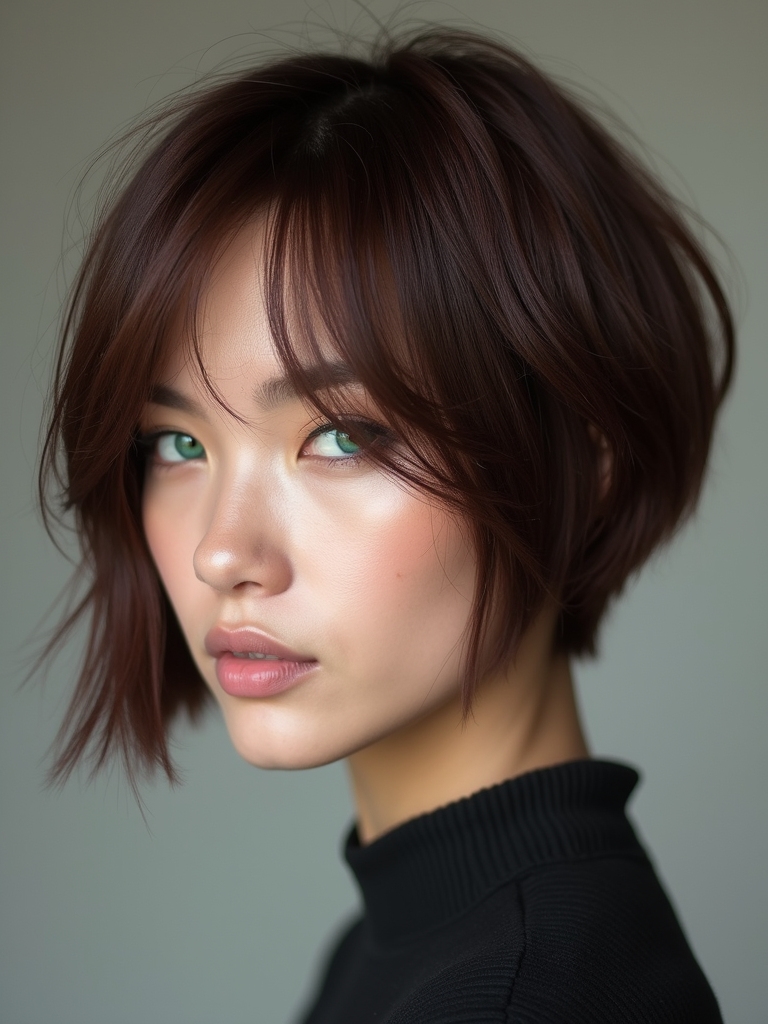
An asymmetrical bob runs longer on one side, which builds movement into an otherwise controlled cut. The diagonal line is flattering and a little daring.
Why the Off-Balance Line Works
It draws the eye across the face, softening a round shape and adding angle to a soft jaw. The longer front piece also gives you something to tuck or sweep.
Keep the length difference deliberate, around an inch or two, so it looks designed.
Shaggy Bob With Textured Layers
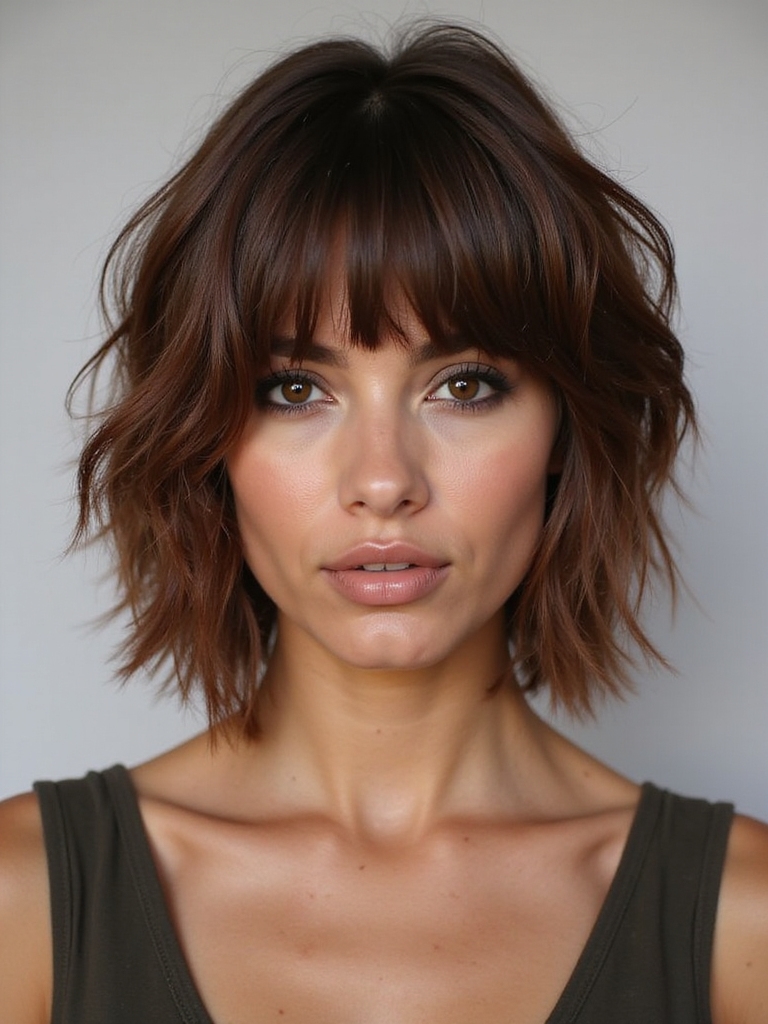
The shaggy bob throws out the rulebook on the clean line. It piles on choppy, textured layers for a cut that looks like you woke up cool, which is exactly its appeal.
This one forgives a rough blow-dry and rewards natural texture, so it is a favorite of mine for low-maintenance clients.
- Best on wavy or thick hair that wants somewhere for its volume to go.
- Style with a matte texture paste scrunched through the ends.
- Ask for choppy point-cutting and curtain bangs for the full shag effect.
How to land on the right bob length:
1Map your jaw
A chin bob is the boldest and least forgiving; drop the length just past the jaw if you want a softer frame.
2Factor your texture
Add length for waves and curls, since they spring up and shrink once dry.
Modern Elegance, Updated
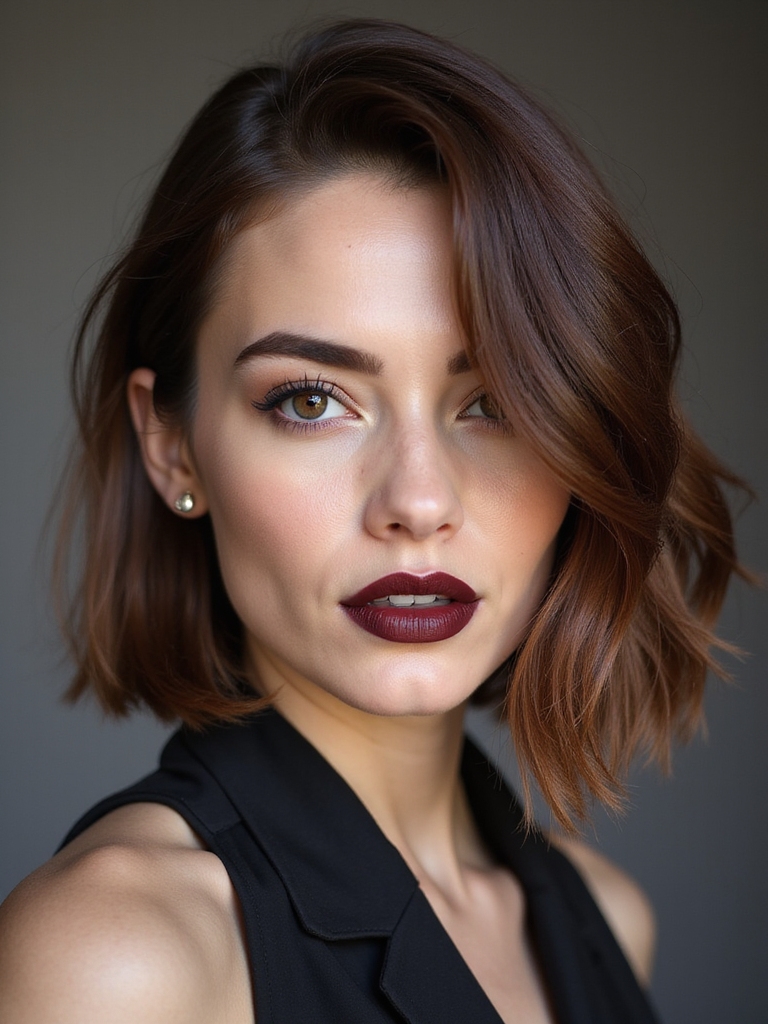
The modern bob strips away fuss and leans into clean shapes and soft, easy movement. Think less helmet, more easy swing.
It pairs a blunt or near-blunt line with a little internal texture, so the cut looks current without trying too hard. A center part keeps it especially fresh.
I send a lot of clients here when they want something that photographs well but still feels like real, wearable hair.
The Sleek Lob
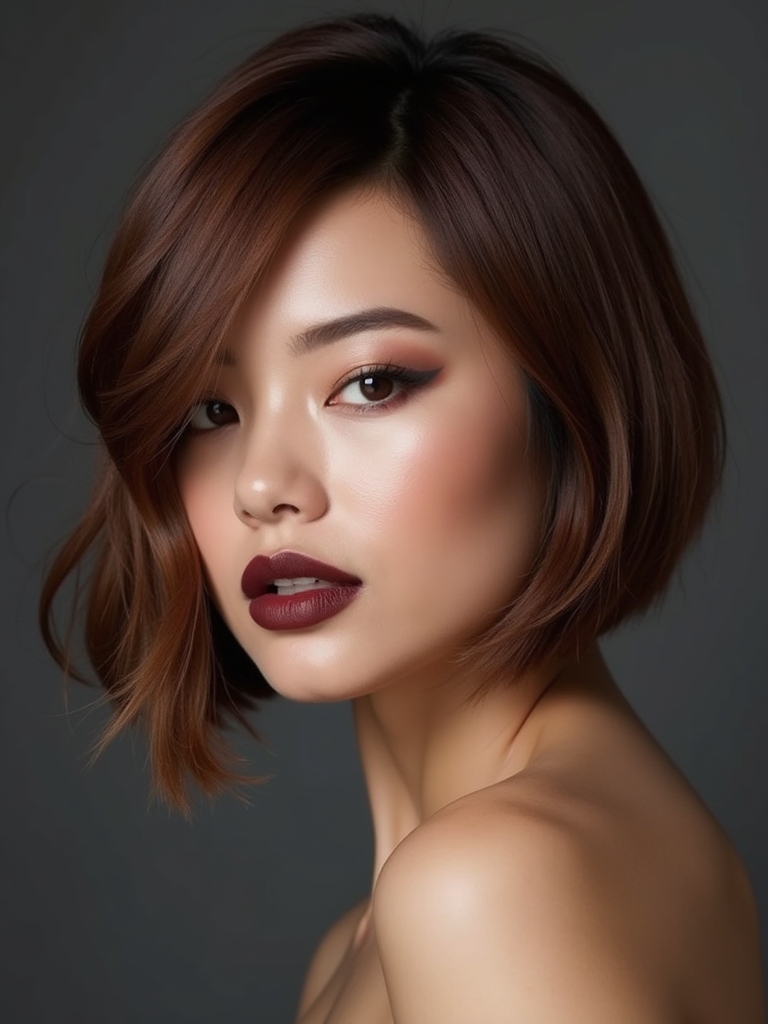
When the chin feels too short, the lob is the answer. It keeps the polish of a bob but grazes the collarbone, which feels less drastic and styles in minutes.
Lob vs Classic Bob
Sleek is the move here. A smoothing cream, a round-brush blow-dry, and a flat iron through the ends give you that glassy, grown-up finish.
It is the most forgiving length for a first-timer and the easiest to pull into a low pony on a hectic morning.
Good to Know
A blunt, one-length bob makes fine hair look denser because all the weight sits in a solid line, while layered and graduated cuts remove bulk from thick hair. The same haircut name does opposite jobs depending on how it is cut.
The Inverted Bob
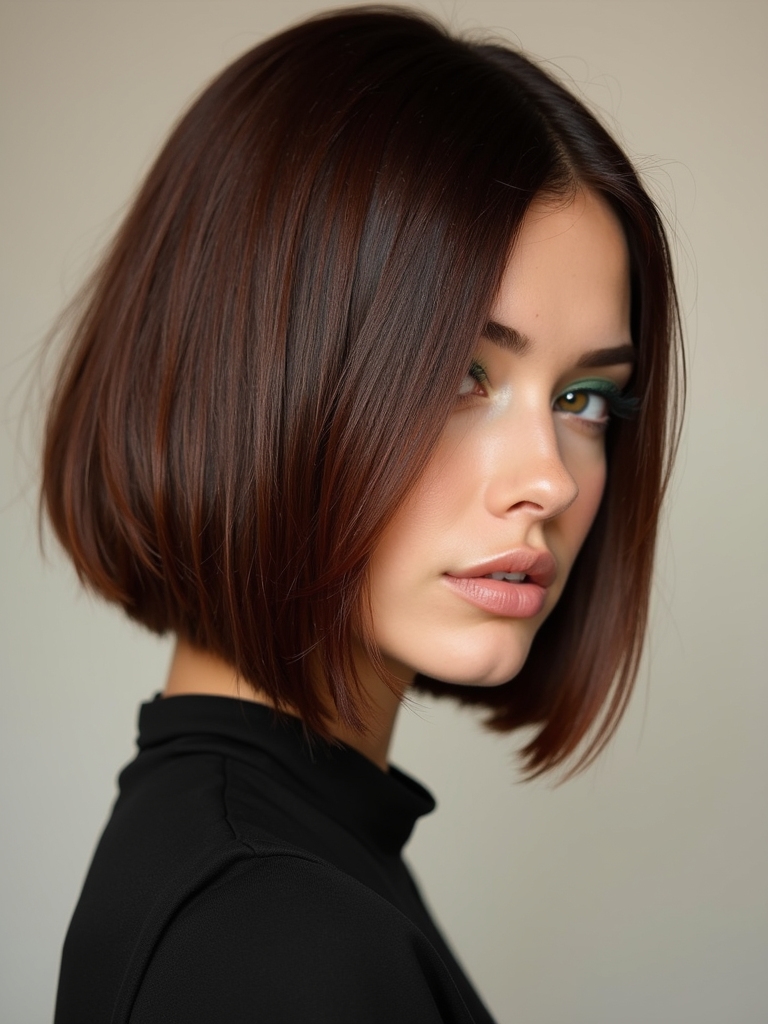
An inverted bob sits shorter at the back and graduates longer toward the face, with stacked layers building volume at the crown. It is the fix for hair that goes flat at the back.
The shape does a lot of styling work for you, since the built-in volume means less time with a round brush.
- Great for fine hair that needs lift through the crown.
- The front length flatters and frames the jaw.
- Plan on a salon visit roughly every six weeks so the stacked back keeps its lift.
The Contemporary Wavy Bob
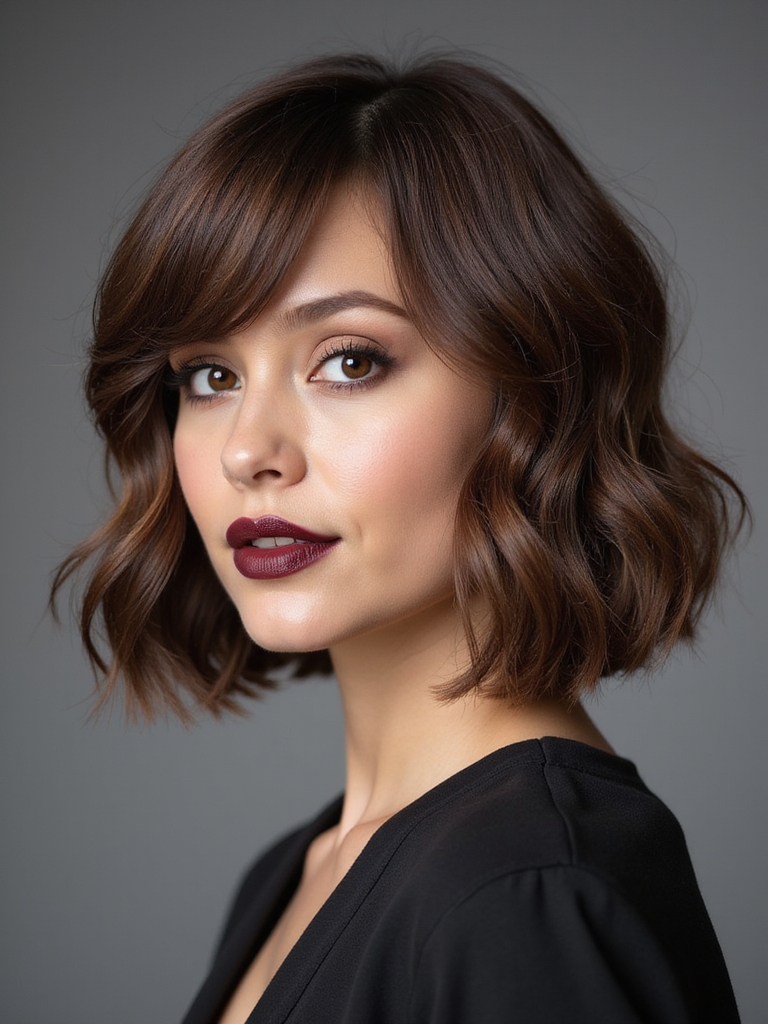
If you fight your waves into submission, this is the bob that works with them. Cut for natural movement, it lets the wave fall into a soft, beachy shape.
Leave a little more length than feels right, because waves spring up and shrink as they dry. A wavy bob cut too short puffs out at the sides rather than falling cleanly toward the jaw.
Scrunch in a curl cream on damp hair, air-dry or diffuse, and you have a five-minute look. It is the lowest-effort bob for anyone with a natural bend.
| Goal | Best Bob | Upkeep |
|---|---|---|
| Fake fullness on fine hair | Blunt or inverted | Trim every 5 to 6 weeks |
| Tame thick or wavy hair | Layered or A-line | Trim every 6 to 8 weeks |
| Lowest styling effort | Wavy lob or shaggy bob | Trim every 8 weeks |
The Layered Bob
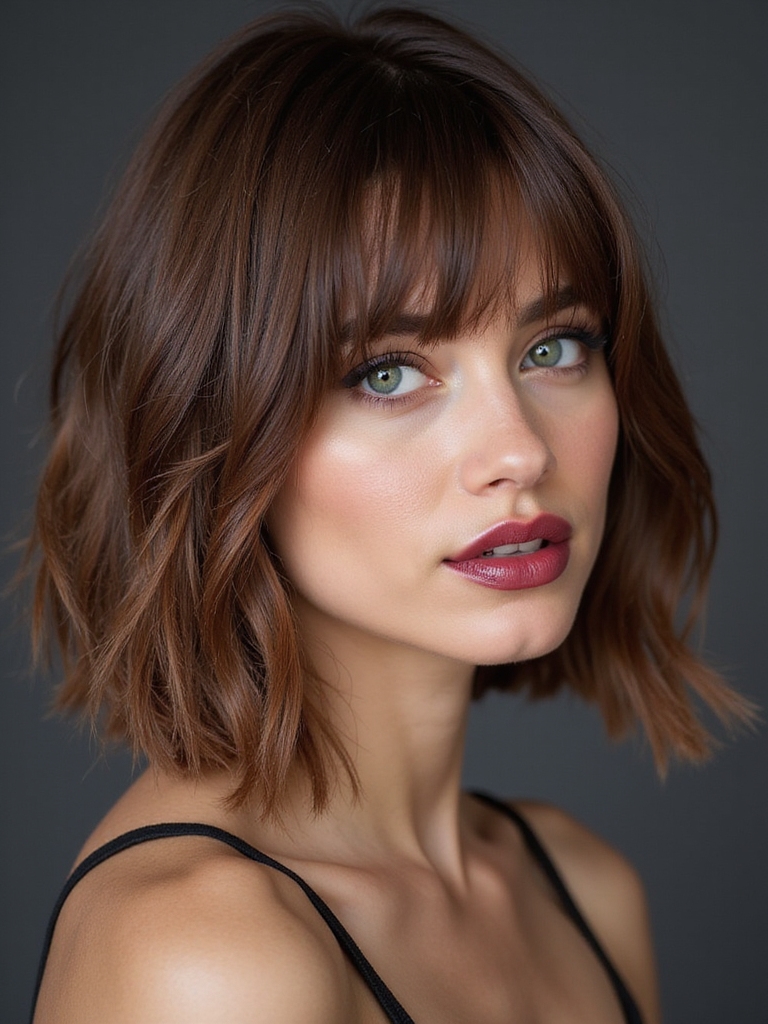
Layers turn a flat bob into one with body and bounce. A few internal layers remove weight from thick hair and add lift to fine hair, depending on where they are placed.
The trick is keeping the perimeter strong so the bob still reads polished, with the layers doing their work underneath.
- Thick hair: long layers thin the bulk so the bob does not balloon.
- Fine hair: shorter crown layers add the volume it lacks.
- Ask for connected layers so the cut moves as one piece.
The A-Line Bob
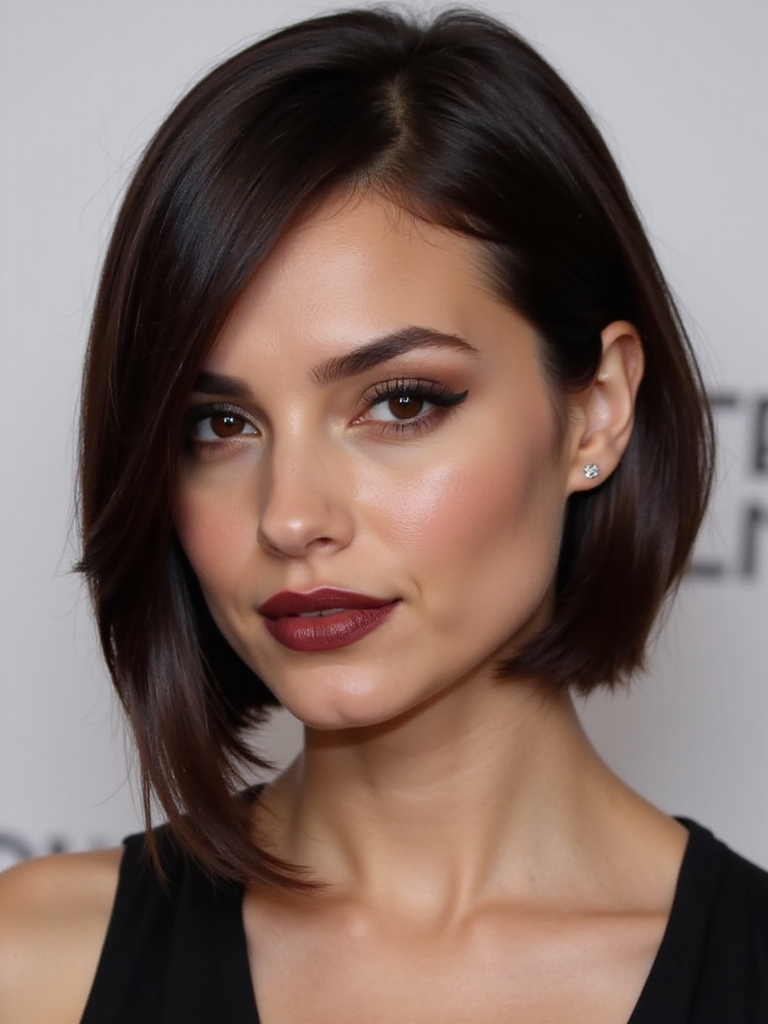
The A-line bob slopes gently from shorter in the back to longer in front, without the dramatic stacking of an inverted cut. It is the subtler cousin, and it flatters almost everyone.
Who the A-Line Flatters
That forward angle frames the face and pulls the eye toward the jaw and cheekbones. It also keeps a little length up front, which nervous first-timers appreciate.
Because the angle is built in, it grows out softly and forgives a longer stretch between cuts.
A Bold, Edgy Bob
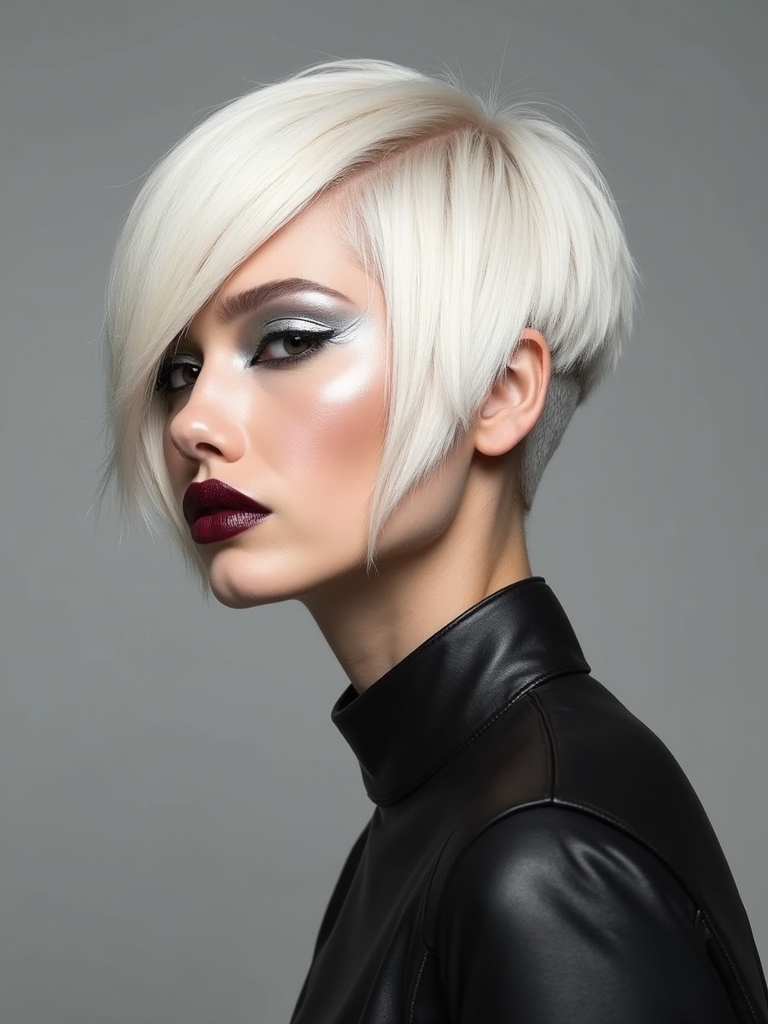
Some bobs are made to be noticed. The bold, edgy version leans into hard lines, an undercut, or a razored finish for a cut that doubles as the whole outfit.
This is a commitment. It photographs beautifully and turns heads, but it asks for confidence and a stylist with a steady, fashion-forward hand.
Plan on a tidy-up every four to five weeks, since a sharp, structured shape softens fast and loses its edge.
The Graduated Bob
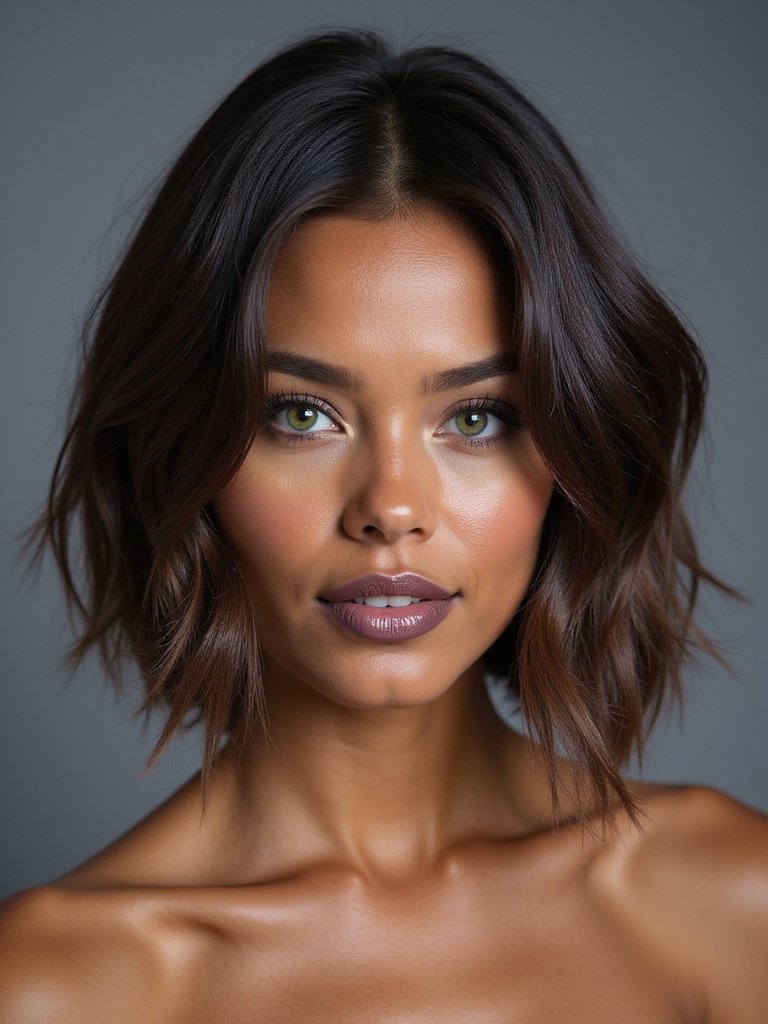
The graduated bob builds soft, rounded volume at the back through gentle stacking. It is the classic, elegant shape that has framed faces for decades, and it never looks dated.
Keeping the Shape Round
The graduation keeps the back from going flat and gives the whole cut a soft, polished curve. It suits straight to wavy hair beautifully.
It does need regular trims to hold the rounded shape, so this is not the bob for someone chasing the longest possible gap between visits.
Styling a Curly Bob
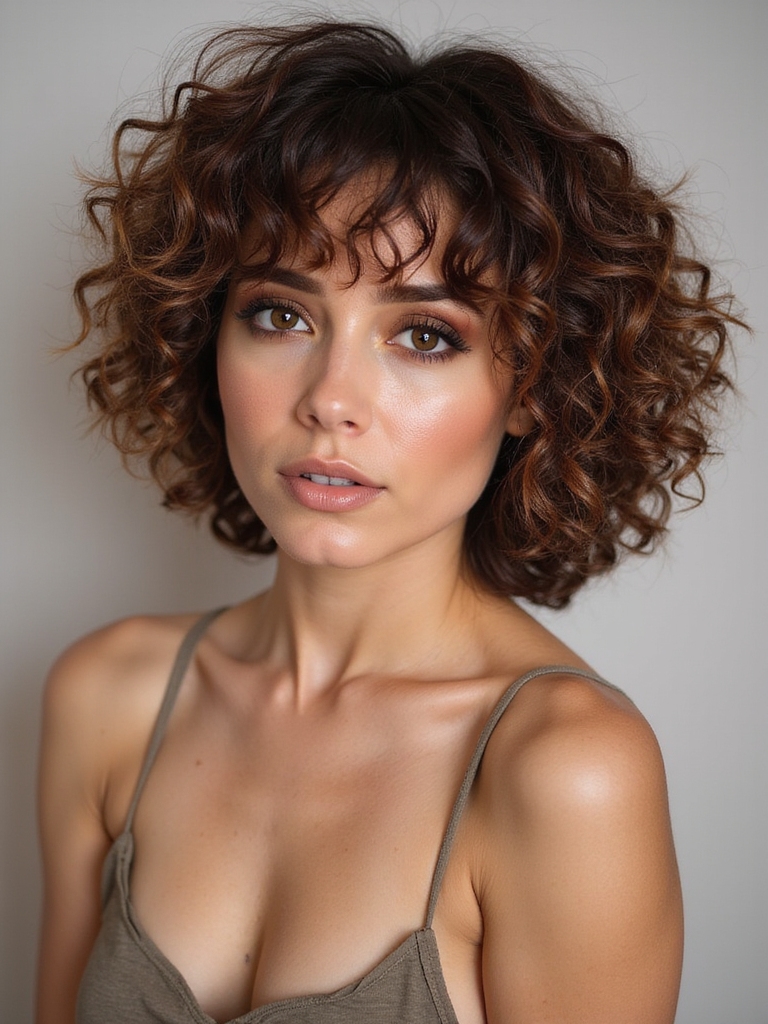
A bob can be glorious on curly and coily hair, but only when it is cut right. With curls, I cut the hair dry so I can watch how each coil actually falls before I shape a single section.
I tell every curly client to leave it longer than feels natural, because the pattern always lifts the ends higher than a wet cut suggests. A curly bob cut to a wet length almost always ends up shorter and rounder than planned, which catches people off guard.
Style with a curl cream and a diffuser, scrunching upward to encourage the pattern. Refresh second-day curls with a little water and leave-in rather than restyling from scratch.
Easy Volume and Style
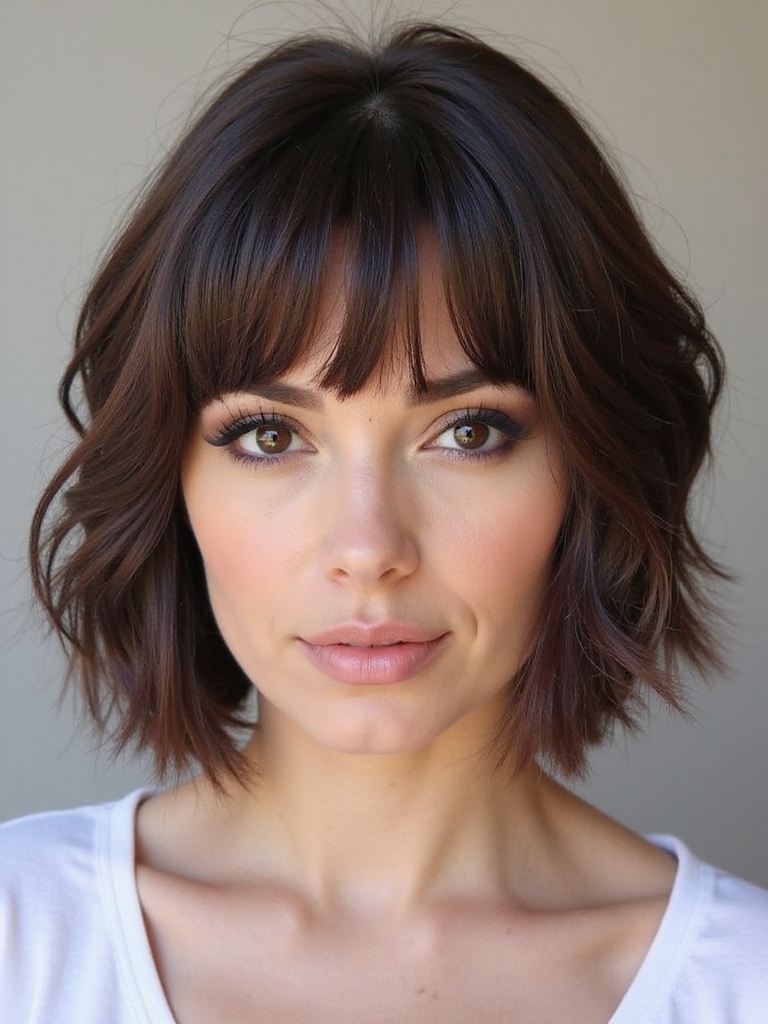
Flat hair is the most common complaint I hear, and a bob is one of the best cuts for faking volume. The shorter length plus a little layering gives hair somewhere to lift.
- Blow-dry upside down for instant root lift.
- A volumizing mousse at the roots beats heavy serums for fine hair.
- A round brush turned under at the ends adds body and a soft curve.
The Messy, Stylish Bob
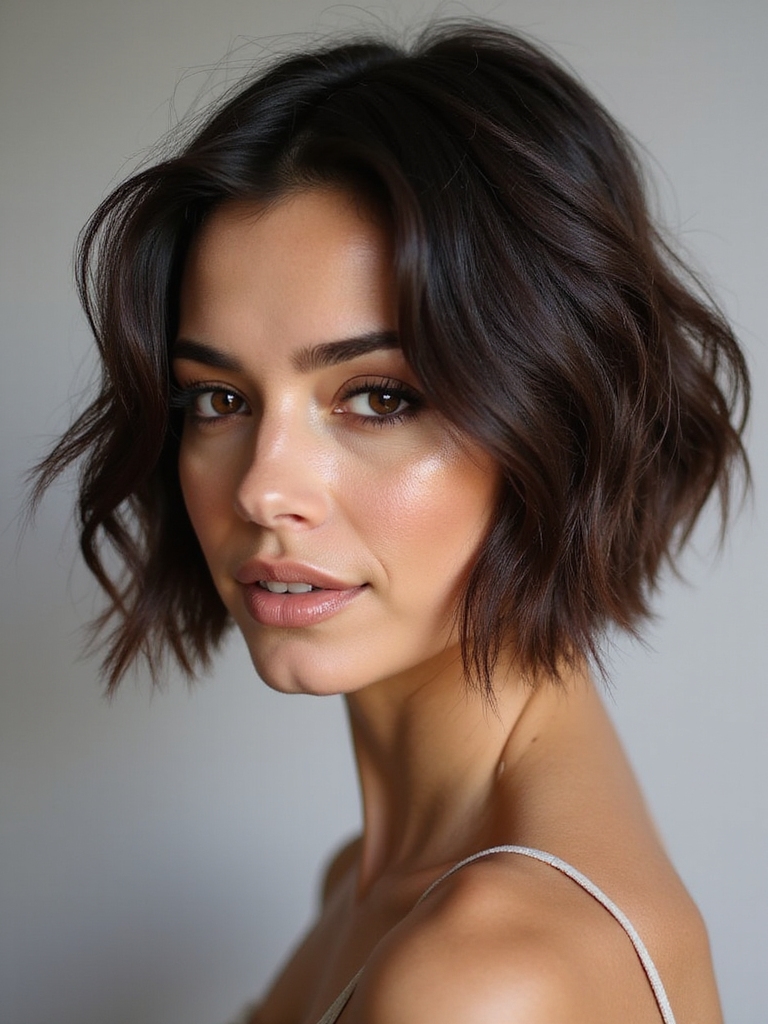
The undone bob looks like you did nothing, which always takes a little something. The goal is piecey, separated texture that feels relaxed, not unkempt.
- Rough-dry the hair most of the way, skipping the round brush.
- Break up the ends with a pea-sized bit of texture paste on your fingers.
- A quick bend with a flat iron, left intentionally imperfect, adds the right amount of movement.
The Playful Chin-Length Bob
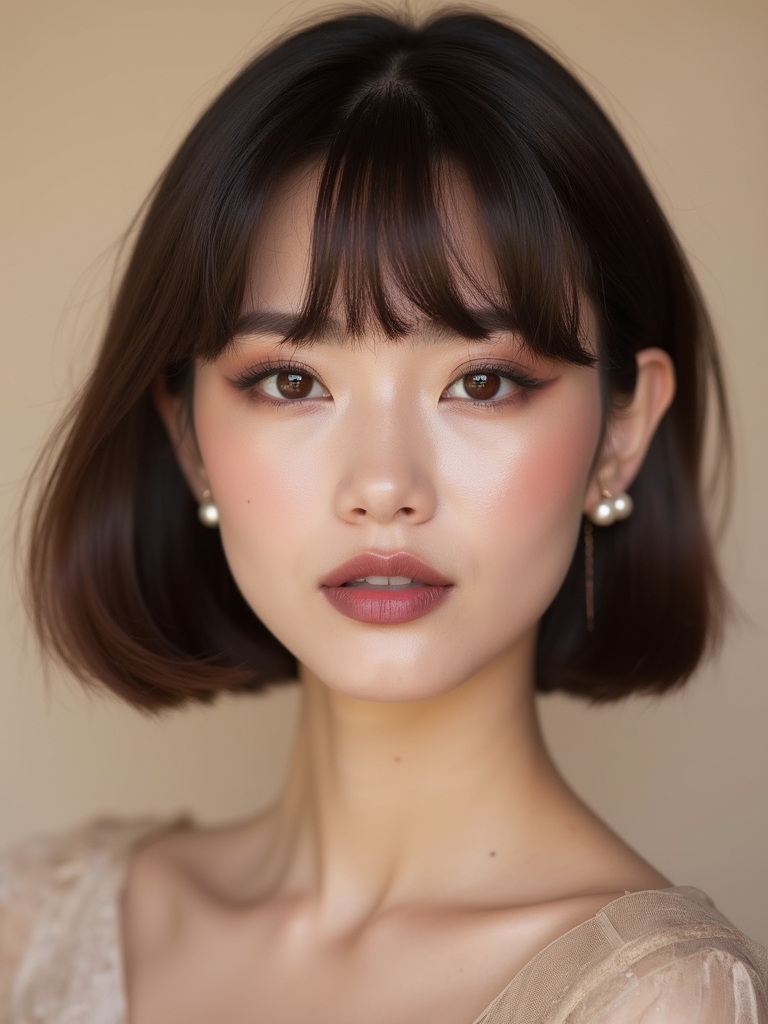
The chin-length bob is the boldest, most playful length on this list. Sitting right at the jaw, it frames the face and pushes attention to the eyes and cheekbones.
It is striking but the least forgiving length, so weigh your real morning routine before you book it.
- Flatters long and oval faces; drop it just past the jaw for a round face.
- Needs daily styling, since the short length hides nothing.
- Pairs beautifully with long bangs to soften the frame.
Dynamic Color on a Bob
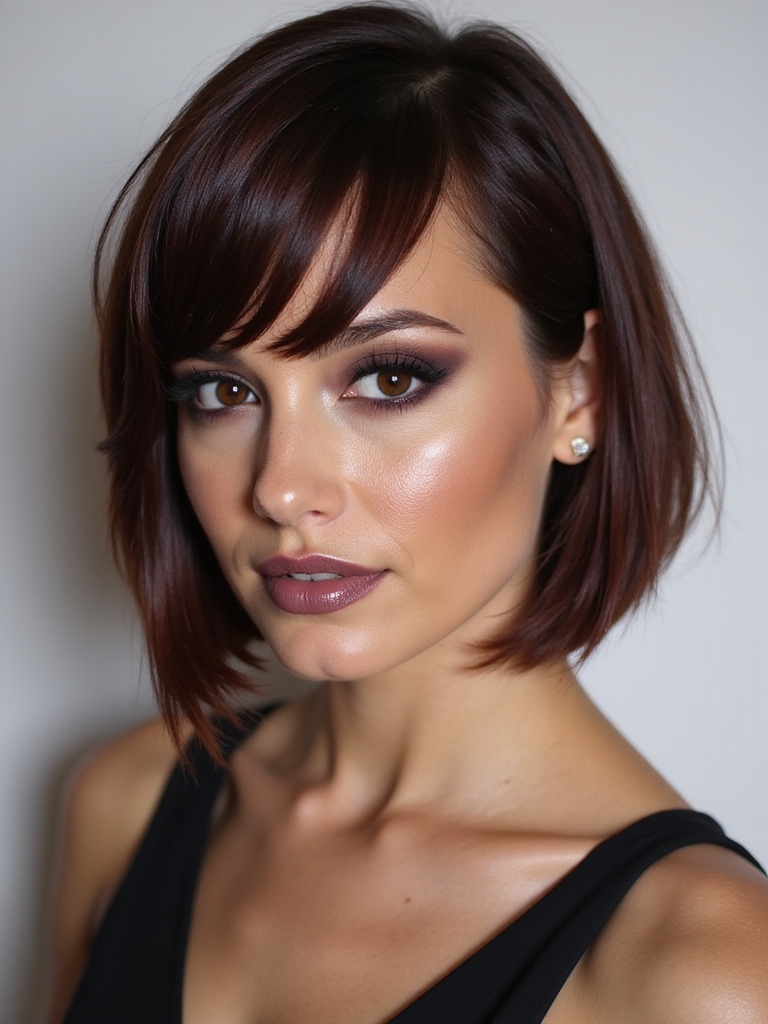
Color and a bob are a perfect match, because a short cut shows off dimension and a glossy line. The right shade can make a good cut look great.
- A solid, rich block color reads the most polished and shows off the hemline.
- Soft balayage adds movement with low-maintenance regrowth.
- Face-framing money pieces brighten the front; see warm options in our blonde lob guide.
Celebrity-Inspired Bob Cuts
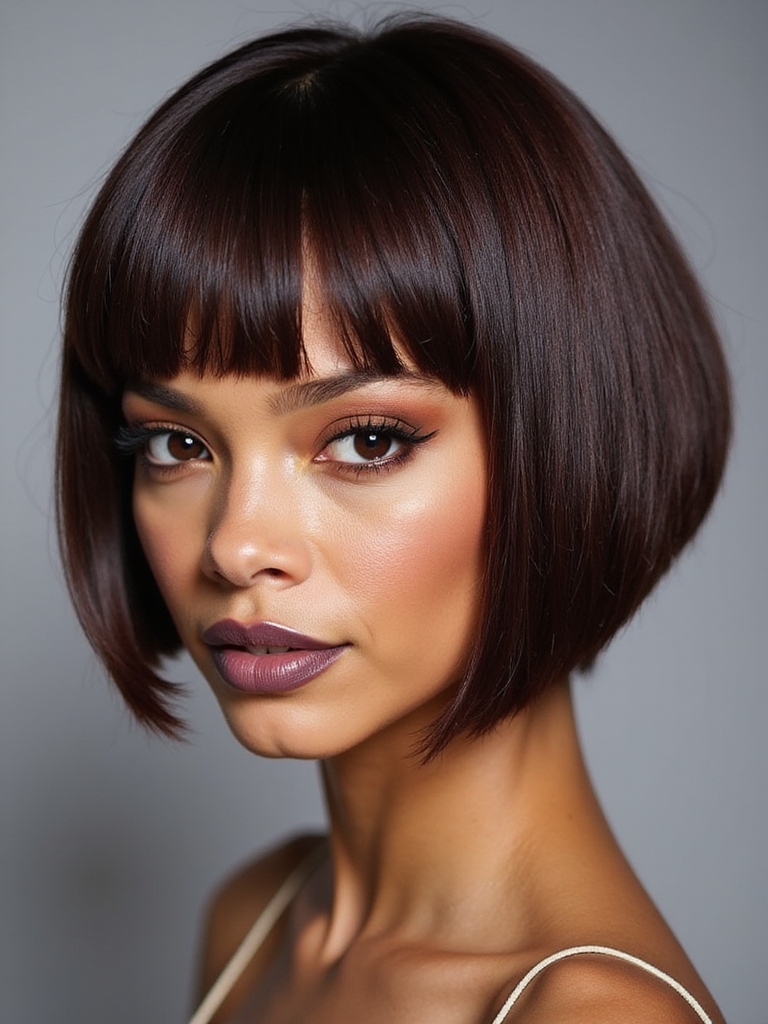
Every awards season fills my inbox with red-carpet screenshots, and the bob is always in heavy rotation. The reason is simple: it photographs sharply and frames the face under bright lights.
- Bring a photo of the shape and vibe, not a specific name.
- A look that suits one bone structure can fall flat on another, so adapt it to your face.
- Most red-carpet bobs are styled, not just cut, so ask how to recreate it at home.
A Bob Tailored to Your Face Shape
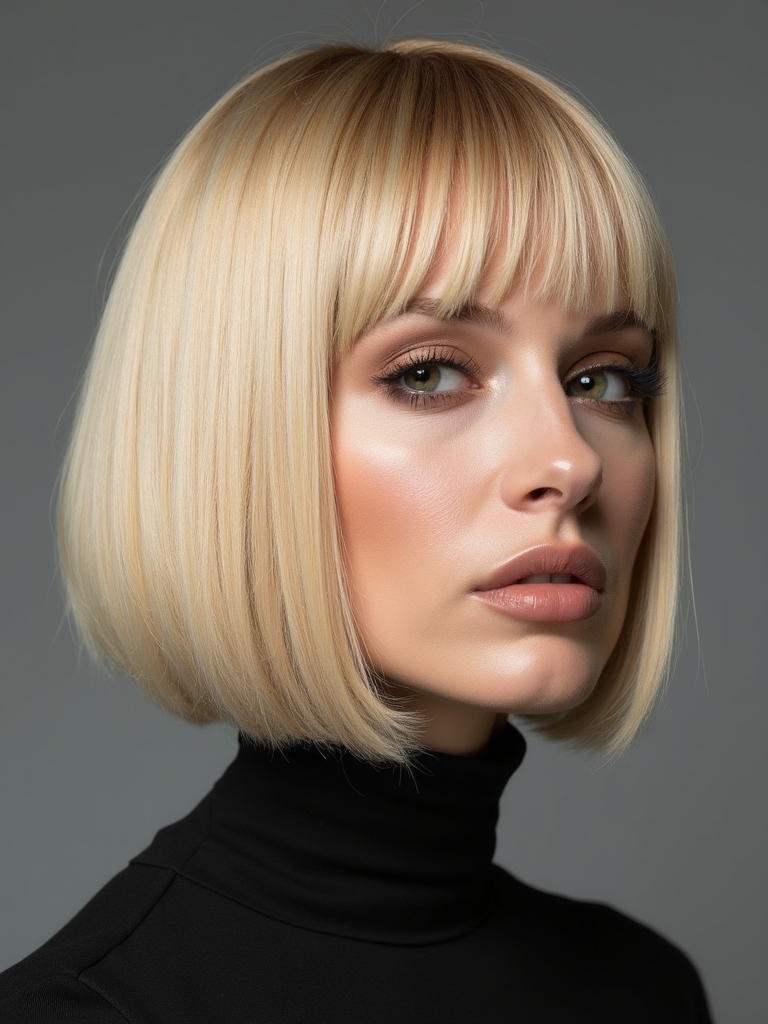
Clients ask me which bob will suit them more than almost any other question, and the honest answer is always the same: the single biggest factor in a flattering bob is matching it to your face shape. The same length can lift one face and shorten another.
Quick Face-Shape Cheat Sheet
A round face wants length past the jaw and a side part to draw vertical lines. A long face suits a chin bob with soft volume at the sides. A square jaw softens with waves and a longer, layered shape.
When in doubt, a stylist can read your proportions in seconds, so have the conversation before the cut.
Easy Bob Maintenance
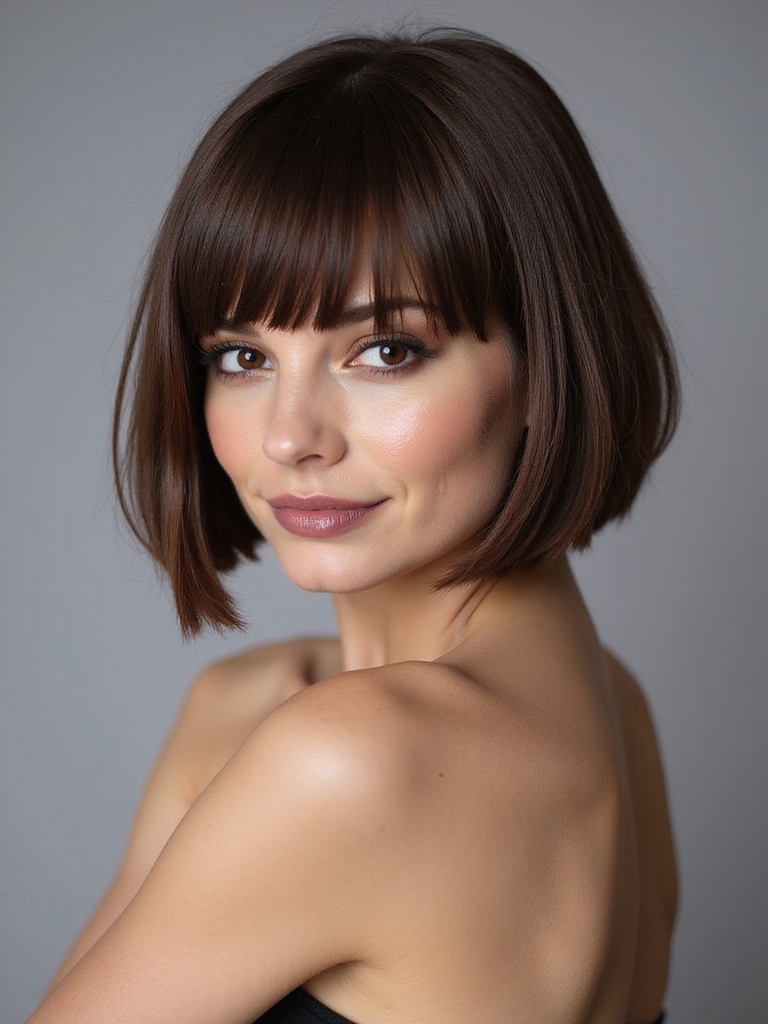
A bob looks its best when the shape is fresh, which means upkeep matters more than it does with long hair. The good news is the routine is simple once you know it.
- Book a trim every five to eight weeks, sooner for a blunt or chin length.
- Use a smoothing cream and a heat protectant to keep ends healthy.
- A weekly mask keeps the line looking crisp and the color glossy.
Ways to Transform Your Bob
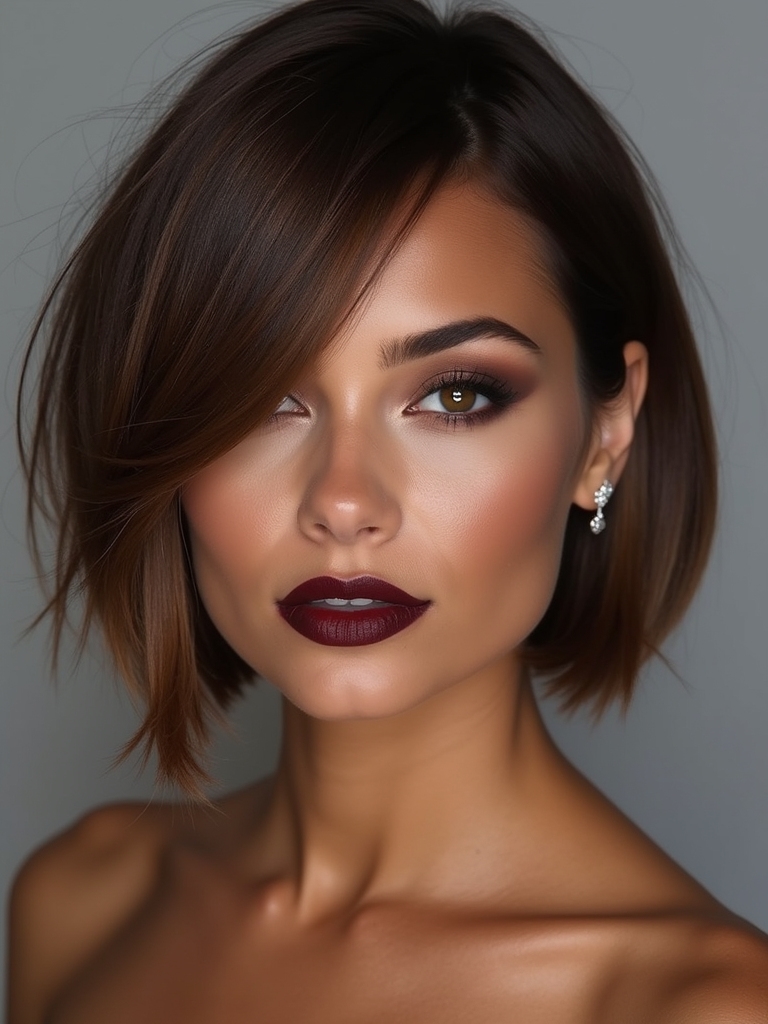
The best part of a bob is how many ways it wears. The same cut can shift from sleek to tousled to pinned in minutes, so you never feel stuck with one look.
- Switch your part from center to deep side for instant volume and a new mood.
- Add waves with a flat iron for soft, weekend texture.
- Pin one side back with a clip for a quick, polished evening change.
Growing Out Your Bob
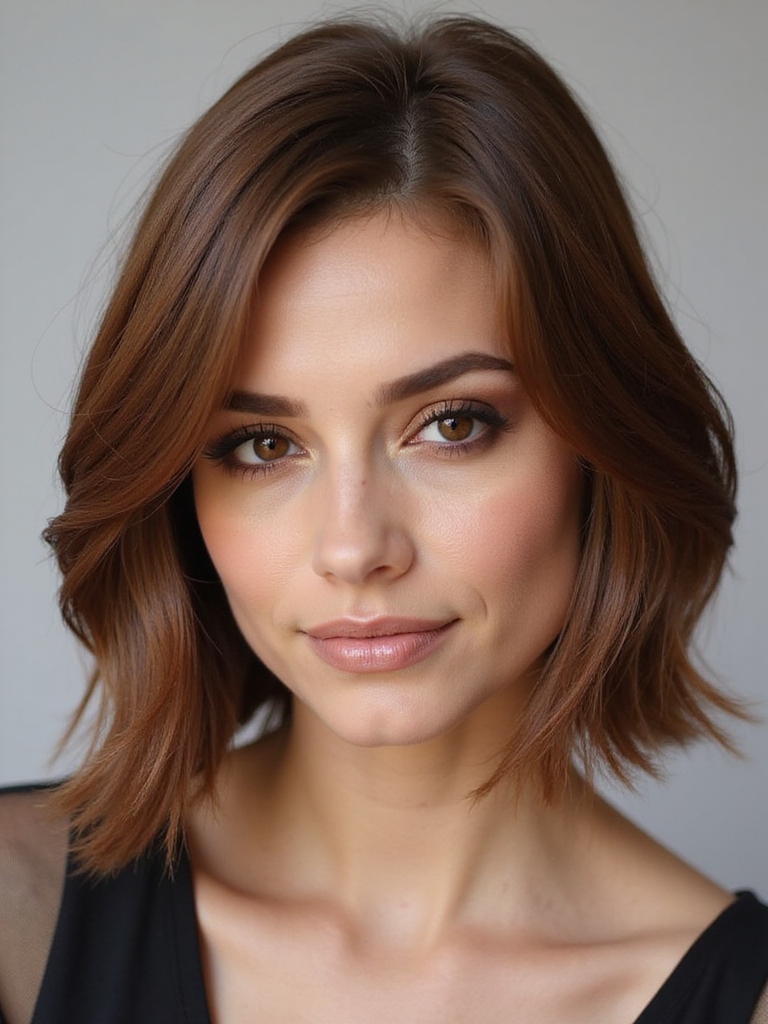
Every bob eventually hits the grow-out stage, and a plan makes it painless. The goal is to keep the shape intentional while the length catches up.
- Keep trimming the perimeter so the cut never looks shapeless.
- Add face-framing layers as it lengthens to blend the old line.
- Lean on clips and texture spray through the awkward weeks; see our long bob for thin hair for the next stage.
Bob Accessories Worth Trying
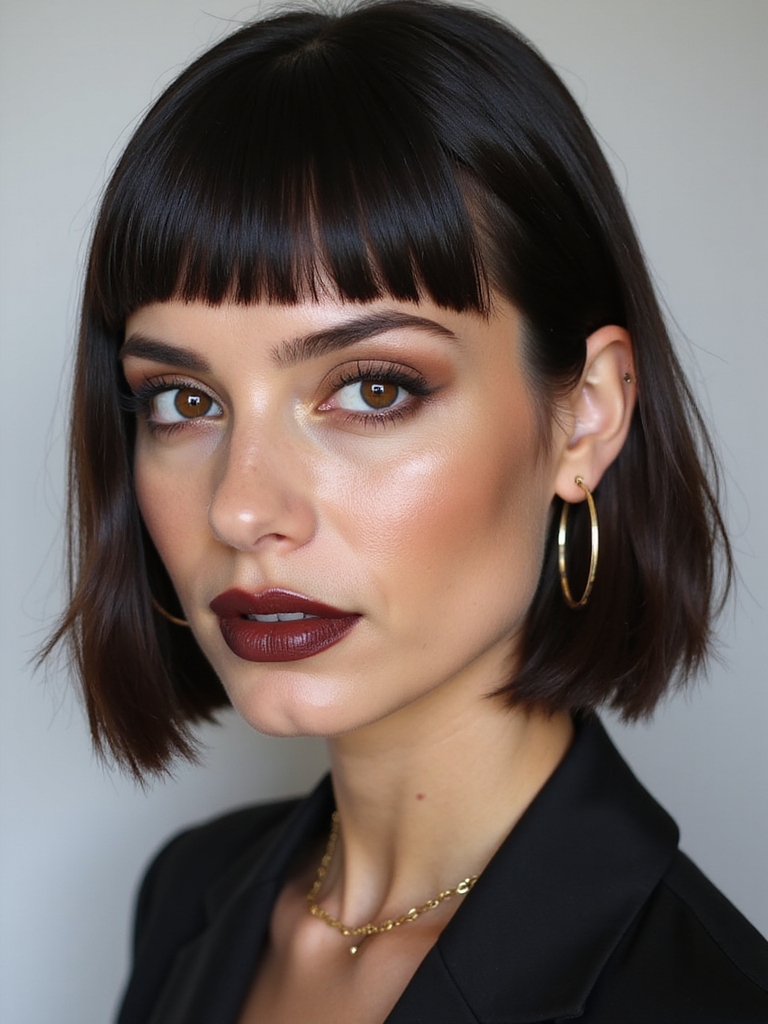
Short hair is a playground for accessories, and a few pieces change the whole feel on second-day hair. Keep them proportional to the cut so they do not overwhelm a small bob.
- Tiny claw clips pin back grown-out pieces with a relaxed feel.
- A thin headband pushes hair off the face on a no-style day.
- A row of mini bobby pins turns a flat morning into a deliberate one.
Bangs to Refresh a Classic Bob

Adding bangs is the fastest way to make an old bob feel new without changing the length. The right fringe reframes the whole face.
Match the fringe to your texture and your patience, since a blunt bang needs more upkeep than a soft, grown-out one.
- Curtain bangs suit almost everyone and grow out kindly.
- A blunt fringe makes a bold, graphic statement on straight hair.
- Wispy, piecey bangs soften a strong jaw without much commitment.
Personalized Bob Ideas
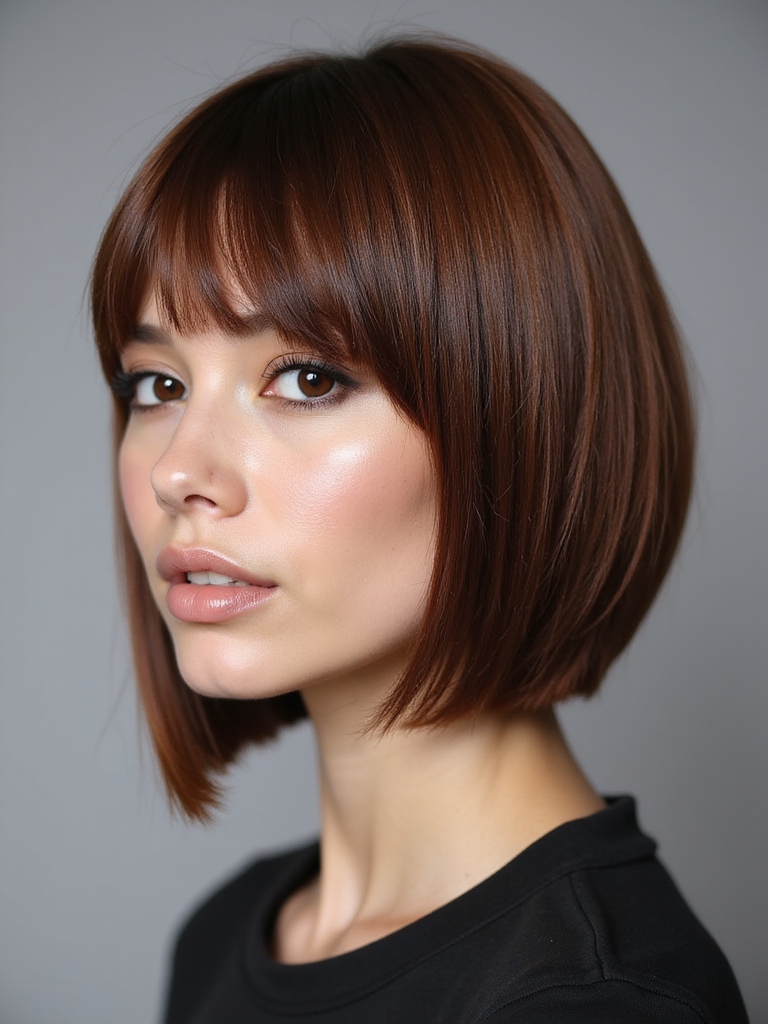
The bob you see online is a starting point, not a prescription. The best version is built around your hair, your face, and your real morning, which is why no two should look quite the same.
Mix and match the elements that fit. A blunt line with curtain bangs, an A-line with balayage, a wavy lob with a deep part; the cut bends to whatever you are. Bring your ideas to a stylist and build the bob around your life, not someone else’s photo.
Common Mistakes to Avoid
The most common bob regret is picking a length that fights your face shape, like a chin bob on a very round face when an inch more would have flattered it. The second is ignoring your texture and asking for a sleek, pin-straight bob when your hair waves; you will spend every morning fighting it. Be honest about what your hair does on its own.
The other quiet mistake is skipping the trims. A bob lives and dies by its shape, and a grown-out one looks unkempt no matter how good the original cut was. Book your next trim before you leave the salon, and the cut will look as sharp on week six as it did on day one. For a flattering, lower-upkeep take, see our bob ideas for women over 50.
Bob Haircut Questions, Answered
?Which bob is best for fine hair?
A blunt or inverted bob, both of which build the look of density. The solid line of a blunt cut and the stacked volume of an inverted shape both make fine hair appear fuller than layers ever would.
?How often does a bob need trimming?
Every five to six weeks for a sharp chin or blunt cut, since the clean line shows grow-out fast. A longer lob, A-line, or shaggy bob can stretch to seven or eight weeks before it loses shape.
?Will a bob work on curly hair?
Yes, beautifully, when it is cut dry in the natural curl pattern and left long enough to allow for spring-up. A curly bob cut to a wet length usually ends up shorter and rounder than expected.
?What bob suits a round face?
Keep the length just past the jaw rather than at the chin, and choose a side part or an A-line shape. Both draw vertical lines that lengthen and slim a round face instead of widening it.
Finding Your Bob
The bob endures because it is not one haircut but a whole toolkit. Whether you want a sharp blunt line, a soft graduated curve, or a wavy lob you can air-dry, the right version depends on three honest things: your texture, the shape of your face, and the number of minutes you will realistically spend styling it. Match those three honestly and the cut will work for you, not against you.
If you have been circling a bob for a while, save the photos that keep catching your eye and take them to a stylist. Have the real conversation about your hair and your routine, and you might find the easiest, most flattering decision is also the boldest one.
Don’t Miss These