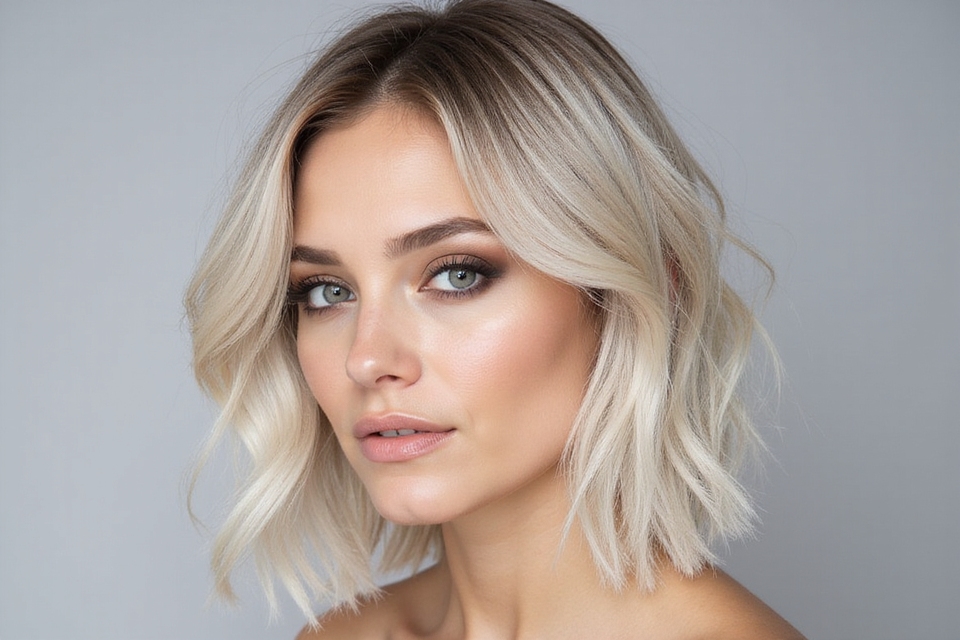
There is a specific feeling to a fresh blonde lob: the weightless swing of collarbone-length hair and the way light catches every dimensional strand. It is the cut and color combination I get asked for more than almost any other, because it flatters nearly everyone and looks expensive when it is done right.
This is the full walk-through, from picking your length and tone to the lightening process, protecting your hair, and the care routine that keeps blonde looking bright instead of brassy. Whether you are going blonde for the first time or refining a lob you already love, here is everything that goes into getting it right.
Blonde Lob Quick Guide
| Step | What matters most | Why |
|---|---|---|
| Color | Match the blonde to your undertone | The right tone flatters; the wrong one washes you out |
| Cut | Collarbone length with soft layers | Keeps the lob full and flattering |
| Upkeep | Toning, bond-building, and trims | Blonde stays bright and the cut stays sharp |
A Blonde Lob With Dimension
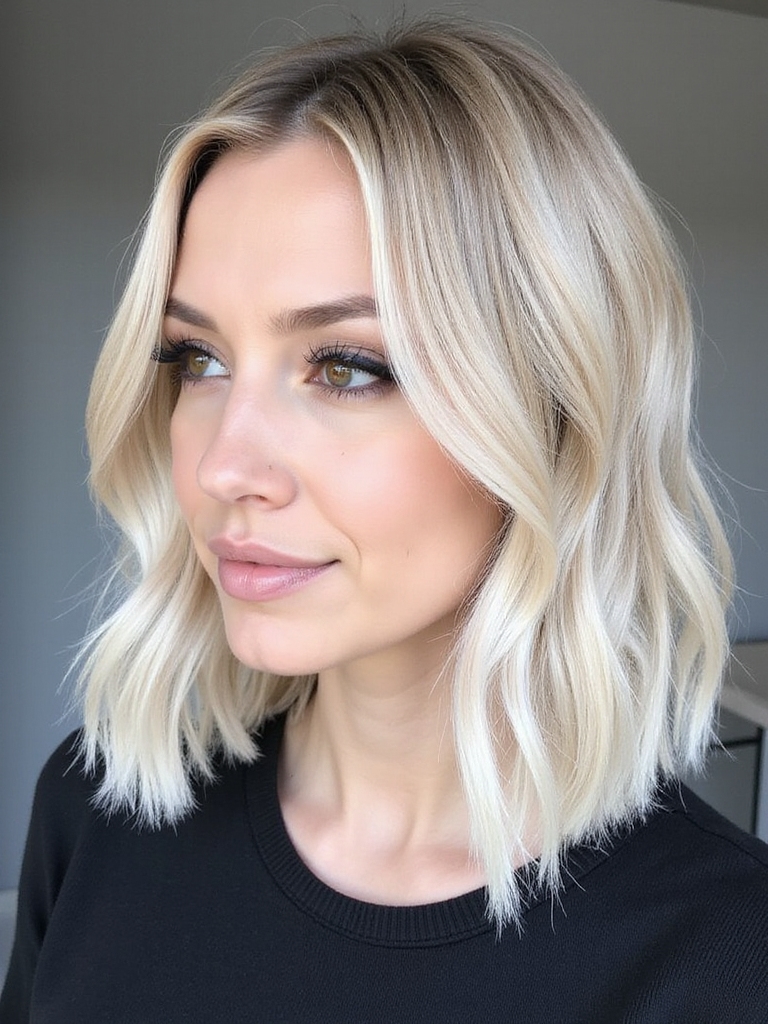
The reason a great blonde lob looks so high-end comes down to one word: dimension. A flat, single-shade blonde looks cheap and ages quickly; a blend of lighter and deeper tones gives the hair depth, movement, and a natural, lit quality.
Dimension is what makes blonde look like sunlight more than paint. It also grows out far more gracefully, since the varied tones blur the line at the root, which is the whole secret to a low-stress blonde.
Finding Your Ideal Lob Length
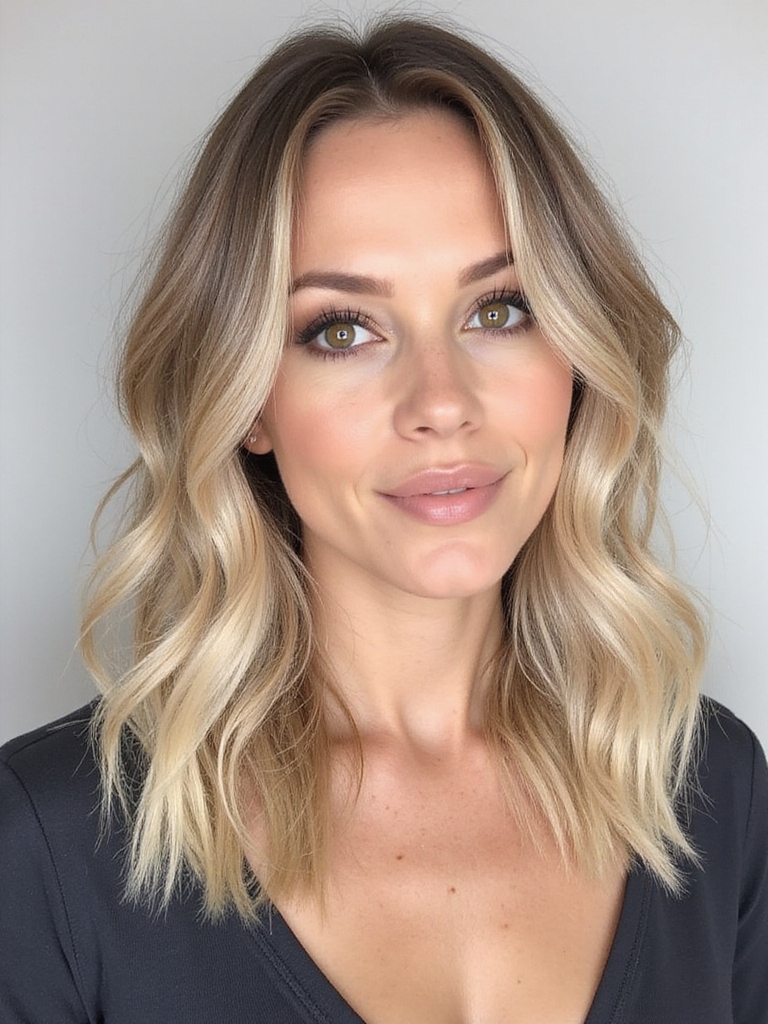
Length makes or breaks a lob, and the sweet spot sits right around the collarbone. That length keeps the ends full, frames the face, and stays long enough to tuck or tie back.
- Collarbone length suits the most face shapes and hair types.
- A touch shorter and angled forward elongates a round face.
- Go slightly longer if your hair is very fine, so the ends keep weight.
- Bring a photo so you and your stylist agree on exactly where it falls. The bob haircut guide covers lengths in detail.
Heads-Up
Going much lighter from a dark base usually takes more than one appointment to do safely. A colorist who promises platinum in a single session from dark hair is risking serious breakage; trust the ones who pace it across visits.
Understanding Your Undertones
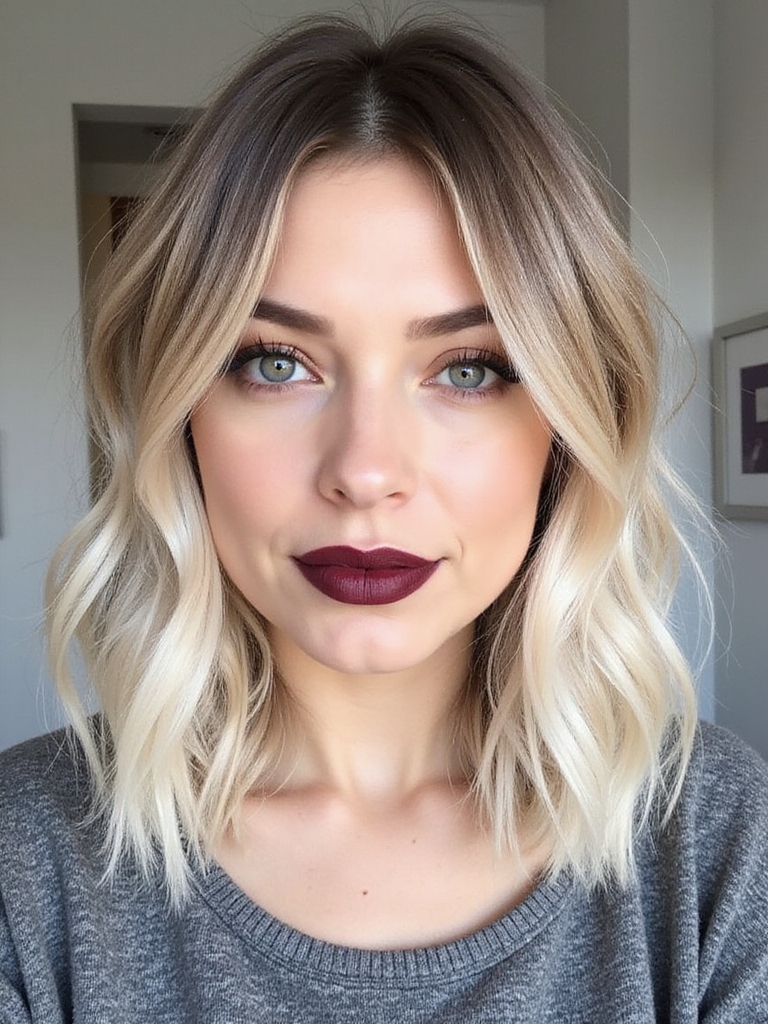
The single most important color decision is matching the blonde to your skin’s undertone, because that harmony is what makes blonde flatter instead of fight your complexion.
Cool skin glows in icy and ashy blondes, while warm skin comes alive in golden and honey tones. Get this right and the color looks made for you.
- Cool or pink undertones suit ashy, beige, and platinum blondes.
- Warm or golden undertones suit honey, caramel, and golden blondes.
- Neutral undertones can wear almost any blonde; choose by preference.
- Hold swatches near your face in daylight to see which warms your skin.
Getting Expert Guidance
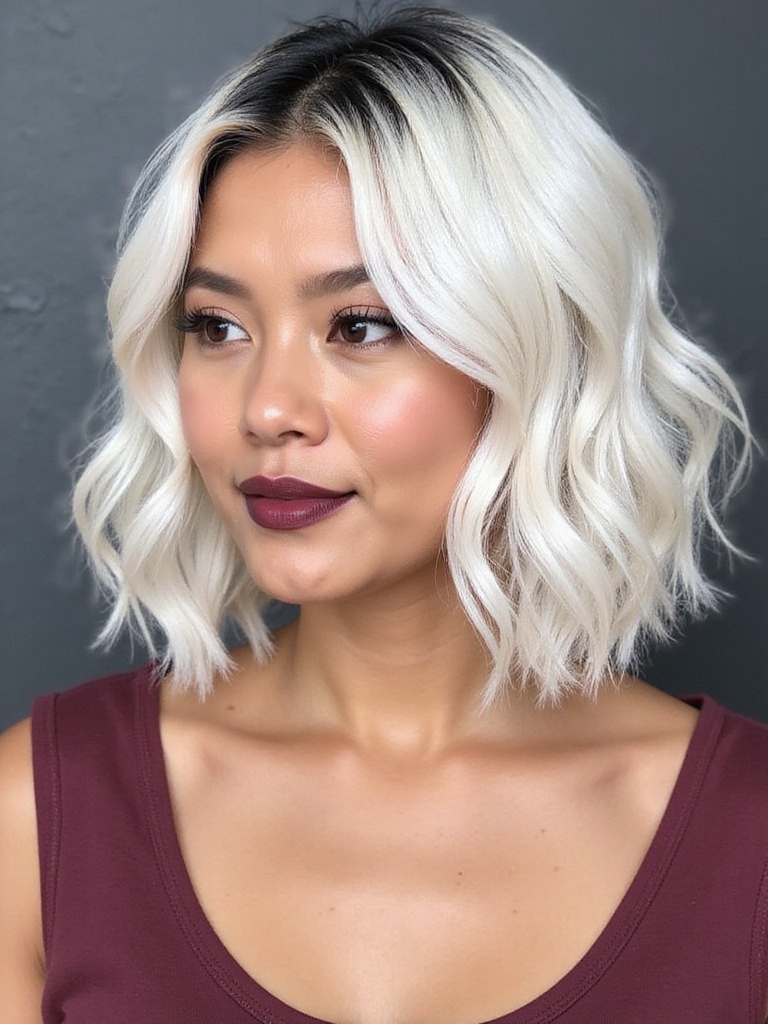
Going blonde, especially from a darker base, is one color job worth leaving to a professional. A skilled colorist protects your hair through the lightening, places the tone to flatter you, and saves you from the orange-and-breakage disasters that box blonde is famous for.
A good consultation before you commit is half the battle won. It is also where you learn the real numbers: a full balayage often runs $150 to $300 or more depending on length and your area, and going from a dark base to bright blonde usually takes two or three sessions to do safely rather than one.
- Book a consultation to discuss your goal, your base, and your hair’s health.
- Ask to see the colorist’s blonde work, since lightening is a real specialty.
- Be honest about past color and any home dye, which affects the process.
- Discuss the upkeep and cost before you start, so there are no surprises.
A blonde myth worth busting:
❌ Myth: Blonde hair is automatically damaged and dry.
✅ Reality: Lightening does stress the hair, but with bond builders, gentle products, and a good care routine, blonde can stay soft, shiny, and strong. Damage comes from poor technique and neglect, not from being blonde itself.
Prepare Your Hair for Coloring
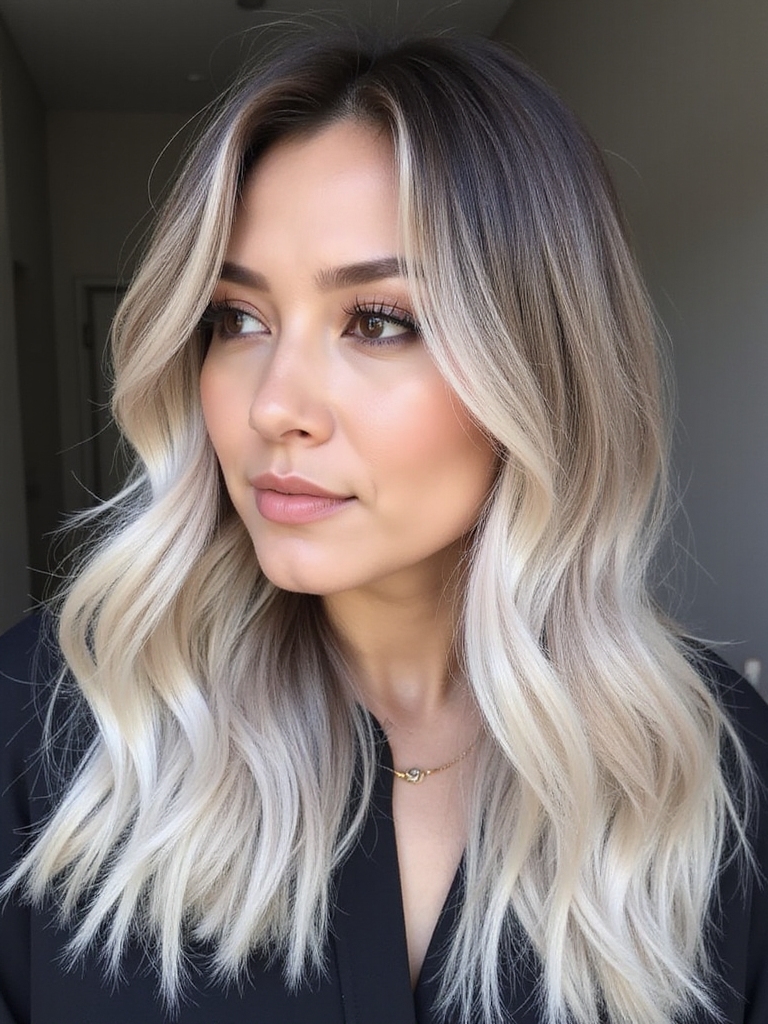
Healthy hair lightens more evenly and holds tone better, so the weeks before your appointment matter. Deep conditioning and a bond-building treatment in the run-up strengthen the hair so it can handle the process.
Avoid arriving with heavily product-coated or freshly washed hair unless your colorist asks otherwise, and skip any clarifying right before, since a little natural oil protects the scalp during lightening. The healthier your starting point, the brighter and softer your result.
The Root Blur
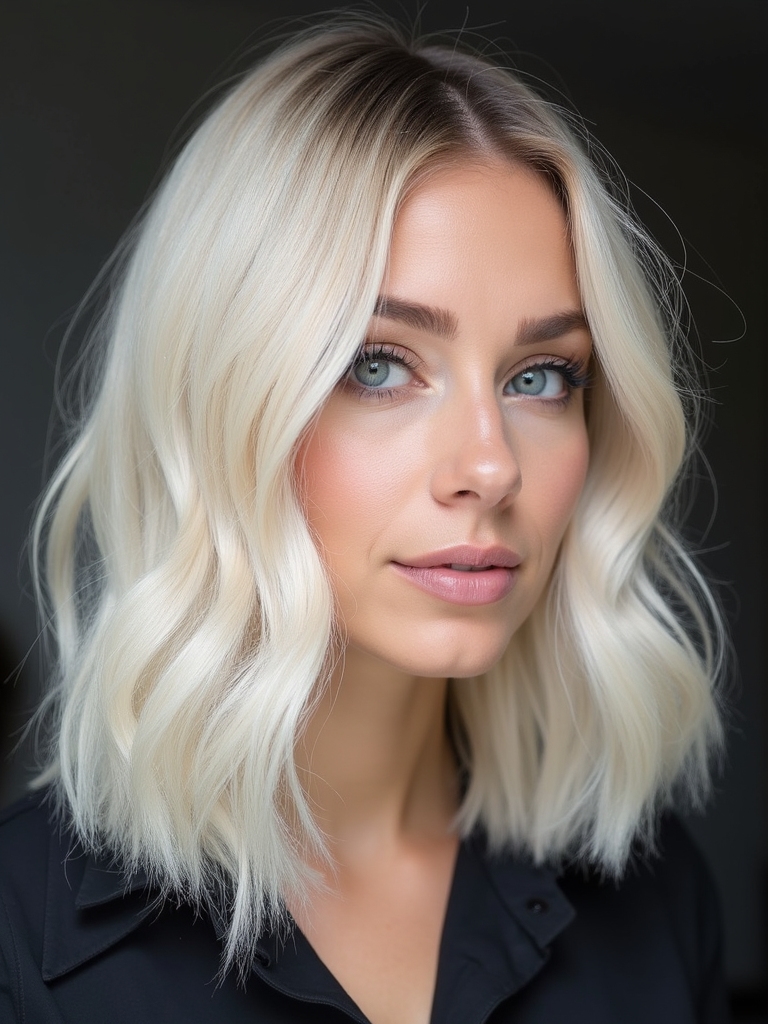
A root blur, sometimes called a root smudge or shadow root, is the technique that changed blonde for the better. Instead of a hard line where your natural color meets the blonde, the colorist softly melts a deeper shade through the roots.
The payoff is huge: the regrowth blurs in gradually rather than landing as a harsh line, which stretches the time between appointments dramatically.
It is the reason so many of my clients now go three to four months between color visits instead of touching up roots every six weeks. If low maintenance is your priority, a soft root is the single most important thing to ask for.
| Your undertone | Flattering blondes | Skip |
|---|---|---|
| Cool or pink | Ash, beige, platinum, icy | Brassy golden tones |
| Warm or golden | Honey, caramel, golden | Very ashy, flat tones |
| Neutral | Beige and most blondes | Nothing in particular |
The Blonde Gradient Technique
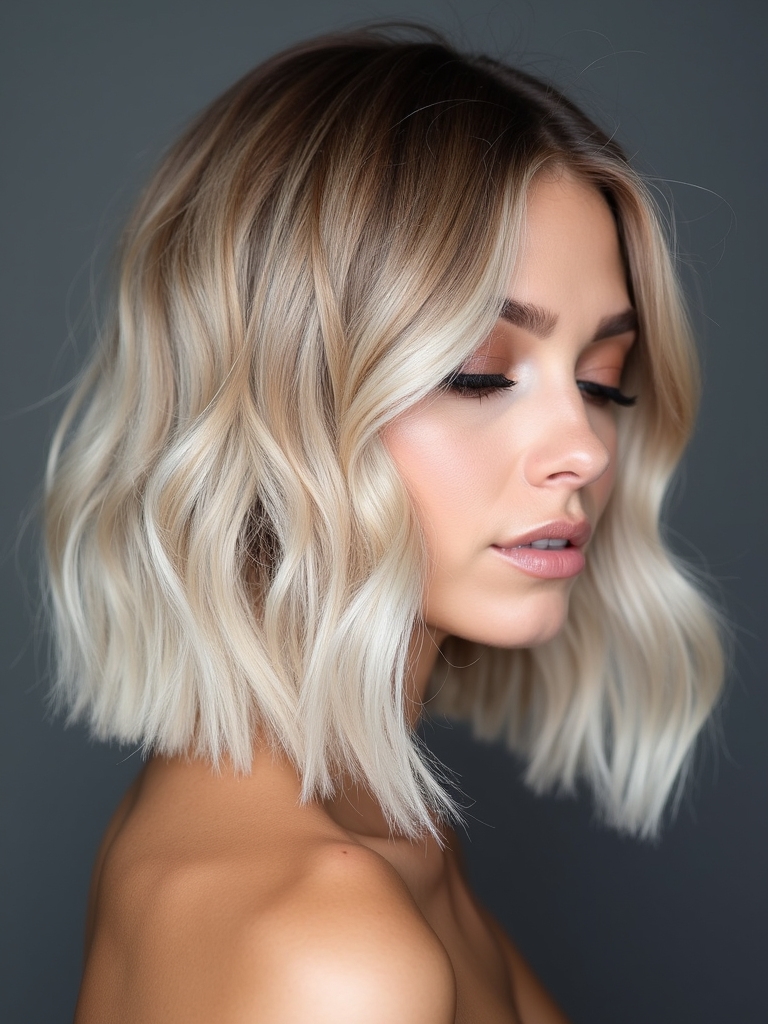
Balayage and other gradient techniques hand-paint lightness through the hair so it brightens gradually from root to tip, mimicking the way the sun naturally lifts color. The result is soft, blended, and with no obvious stripes.
This gradual brightening is what gives modern blonde its natural, sun-grown look, with the brightest pieces placed where light would naturally hit.
- Balayage is hand-painted for a soft, blended, lower-maintenance result.
- Foils give brighter, more uniform lift if you want maximum lightness.
- Keep the brightest pieces around the face for a flattering frame.
- A gradient hides regrowth far better than an all-over single process.
Selecting Your Blonde Tone
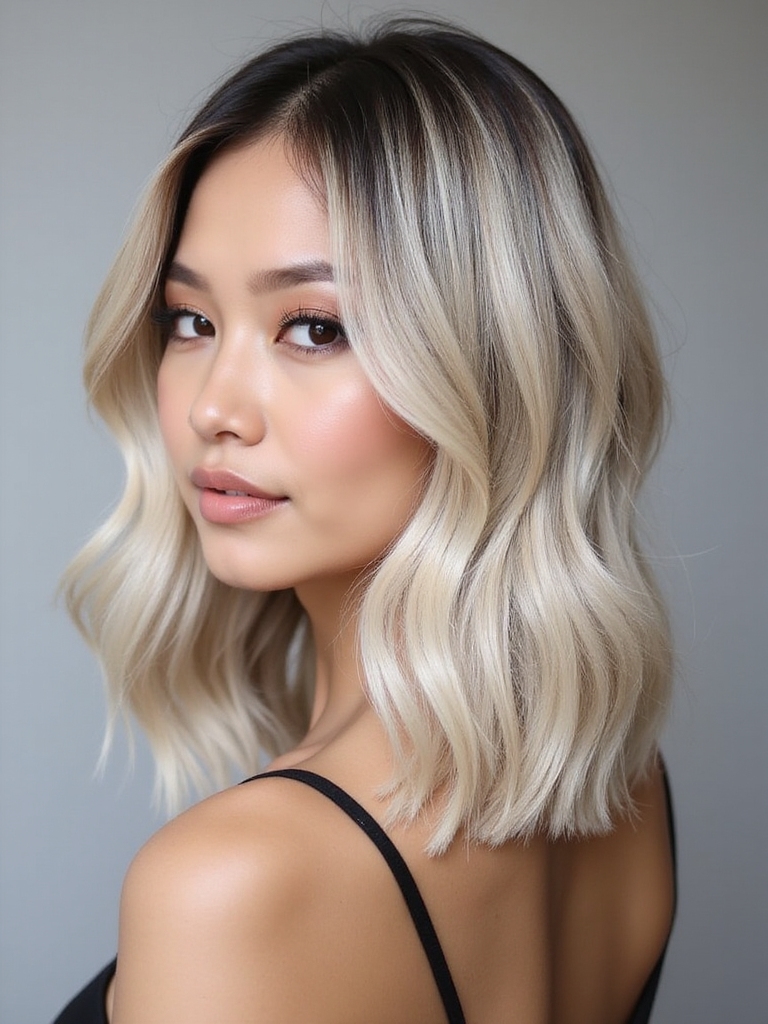
Within blonde there is a whole spectrum, and naming the exact tone you want saves a lot of confusion in the chair. Platinum and icy read sleek and cool; beige and champagne sit neutral and flattering; honey and gold feel soft and warm.
Where this goes wrong, in my experience, is people asking for platinum when their skin and lifestyle would be far happier in a beige or honey. Be honest about how much upkeep you want; the cooler and brighter the tone, the more toning it needs.
Most people land happiest somewhere in the middle, a beige or neutral blonde that suits most complexions and fades softly between visits.
Pick your blonde by maintenance level:
🎯Want low upkeep?
A sun-kissed balayage with a root blur grows out softly and stretches between visits.
🎯Want bright and bold?
An all-over or foiled platinum is striking but needs toning and root touch-ups more often.
Highlights and Lowlights
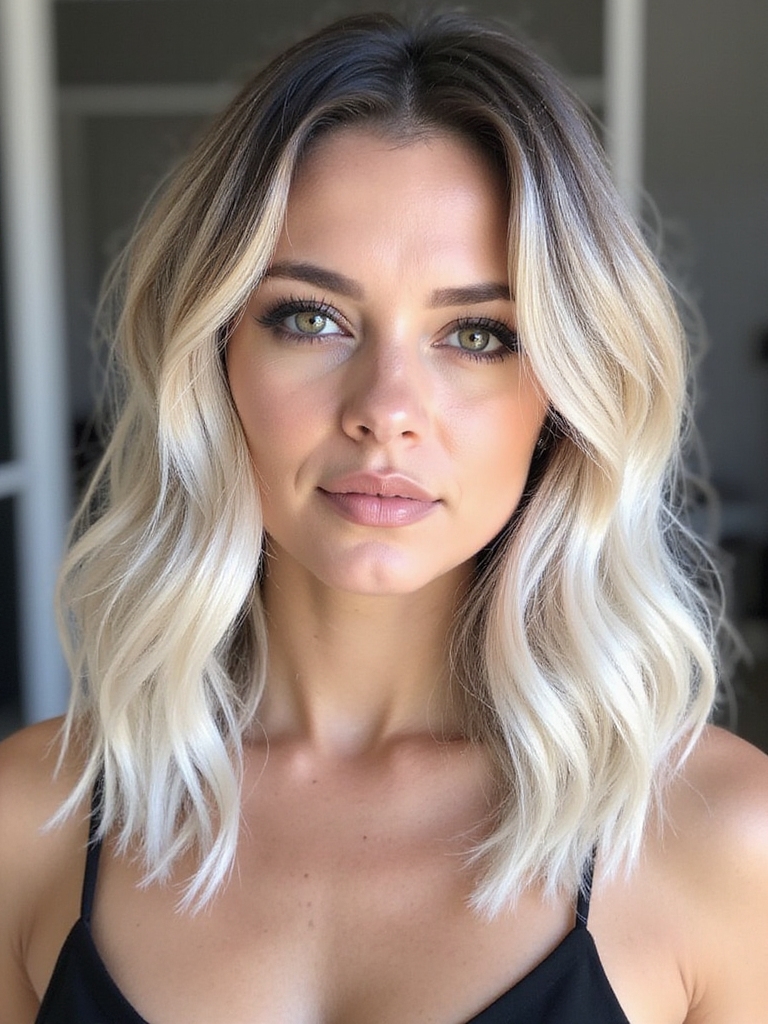
Dimension comes from combining lighter highlights with deeper lowlights woven through the hair. The highlights brighten and the lowlights add depth and contrast, and together they create the multi-tonal blonde that looks rich and expensive.
- Highlights lift sections lighter for brightness and shine.
- Lowlights add deeper strands so the blonde has depth, not flatness.
- A mix of both reads far more natural than highlights alone.
- Concentrate brightness up top and around the face for the most flattering effect.
Natural Sun-Kissed Color
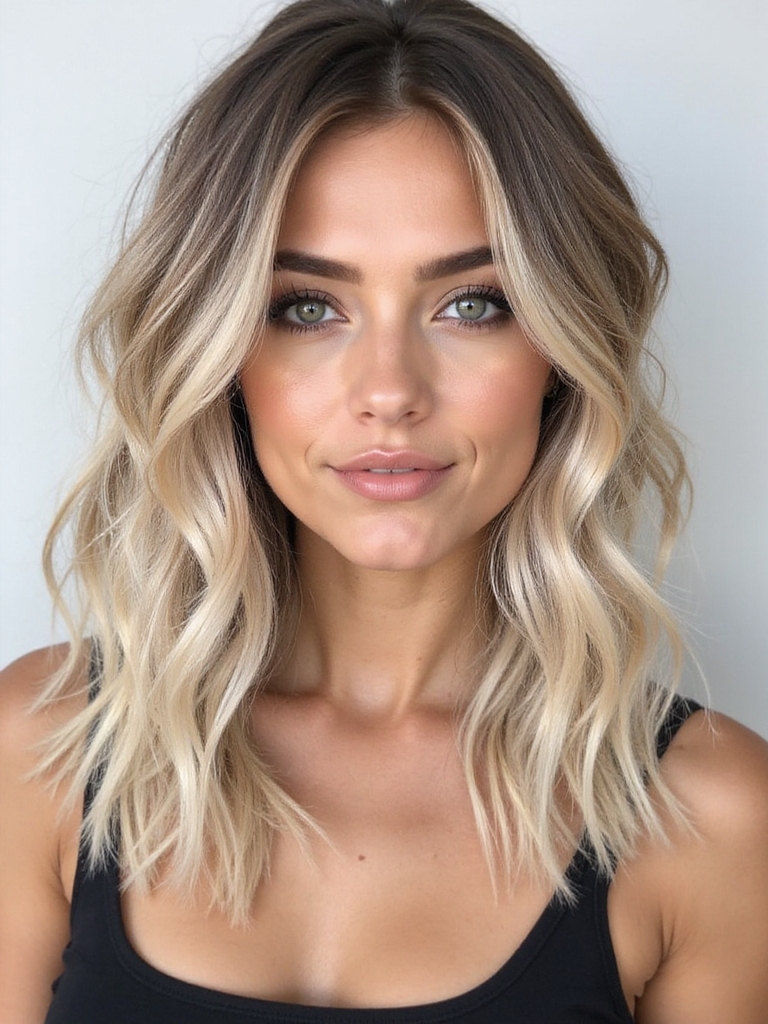
The most-requested blonde of all is the soft, sun-kissed look, the color you would get from a long summer outdoors. It keeps a slightly deeper root and brightens toward the ends and face, exactly where the sun would naturally lift you.
This look is forgiving and universally flattering, which is why it never leaves my request list. Because the brightness is concentrated where the sun would lift you, it stays believable rather than overdone, and a believable sun-grown finish.
Protecting Hair During Lightening
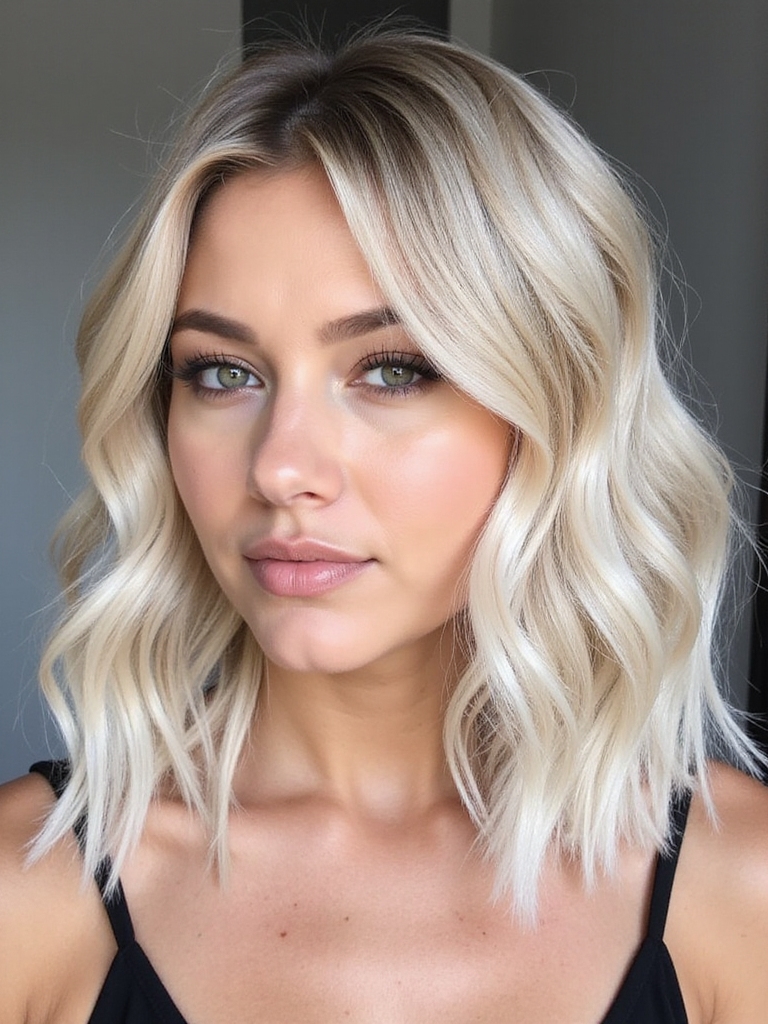
Lightening is the one part of going blonde that truly stresses the hair, so protection during the process is non-negotiable. Bond-building additives mixed into the lightener protect the hair’s internal structure as the color lifts.
Bond builders explained
A good colorist builds this protection into the service, which is one more reason a professional is worth it for a big lift.
The difference between bright, soft blonde and bright, straw-like blonde is almost always how well the hair was protected during the lift.
Protecting Hair From Damage
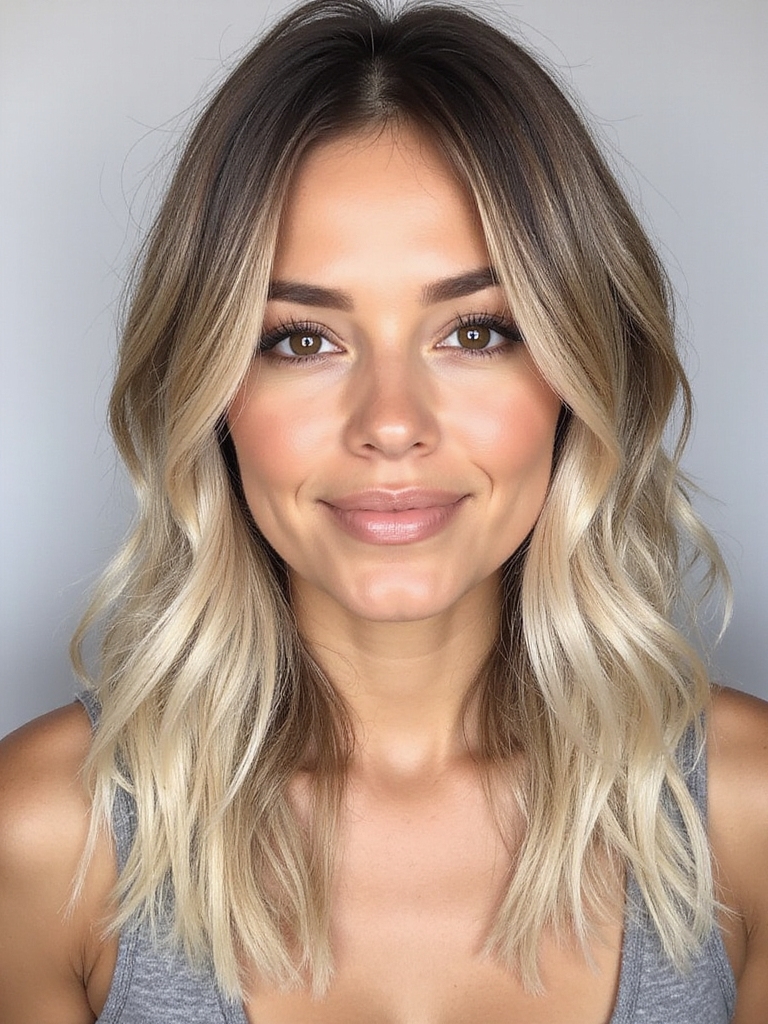
Beyond the salon chair, keeping blonde healthy is an ongoing job, since lightened hair is more porous and more prone to breakage. The everyday habits matter as much as the in-salon protection.
Lower your heat styling, always use a heat protectant, sleep on silk, and build in a strengthening treatment once a week. Blonde hair rewards gentleness; the softer you treat it, the longer it stays strong, and the better it holds its tone between salon visits.
Precision Coloring Technique
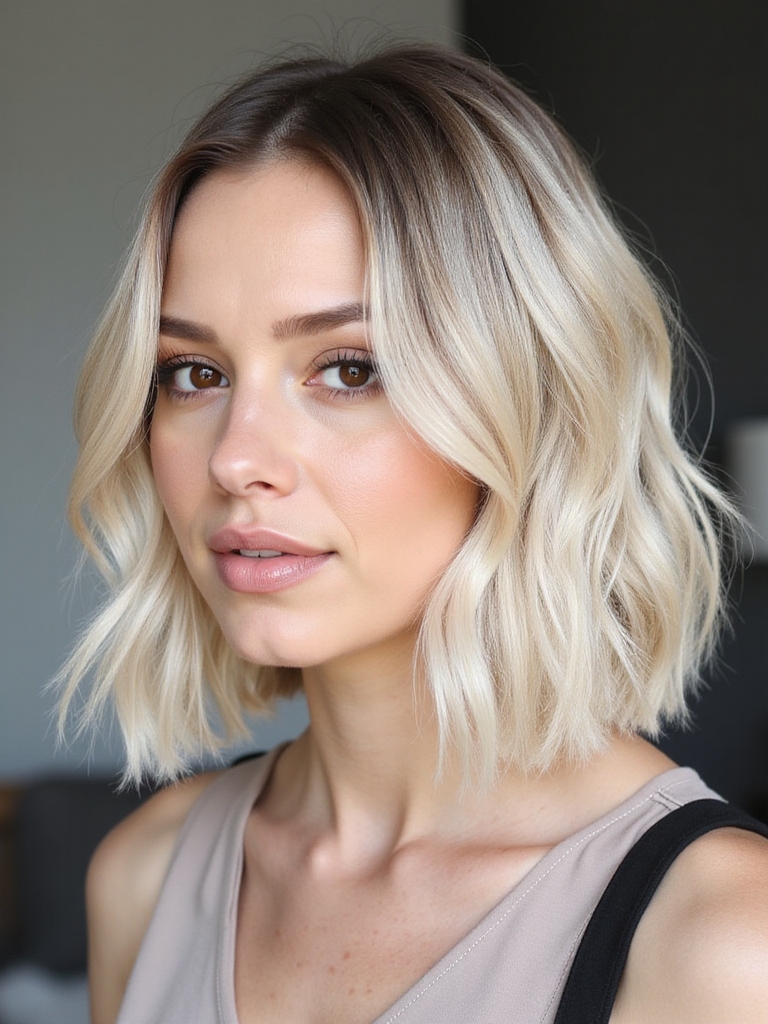
What separates a beautiful blonde from a patchy one is precise placement, the artistry of exactly where the lightness goes. A skilled colorist maps the brightness to your features and your cut, brightening where it flatters and leaving depth where it adds shape.
This precision is why two people with the same shade of blonde can look completely different, and it is the part I spend the most time mapping before I ever pick up the brush.
- Brightness around the face lifts and frames your features.
- Placement should follow your haircut so the color enhances the shape.
- Hand-painting allows custom placement that foils alone cannot.
- Trust your colorist’s eye for where the light should fall.
Styling Tools and Products
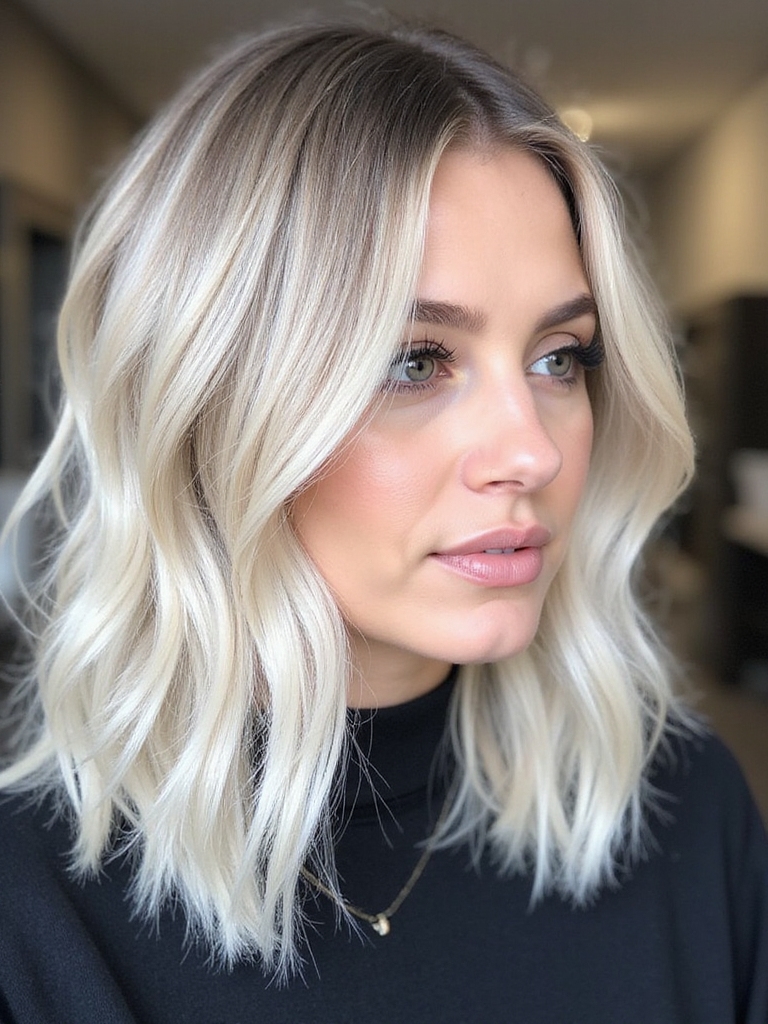
A blonde lob is endlessly stylable, and a few key tools make it easy. A round brush gives that bouncy, blown-out body, a flat iron creates a sleek straight finish, and a wand adds soft waves for a beachy look.
The right products protect the color while you style.
- A round brush and dryer build the classic, full blowout shape.
- A wand or flat iron creates waves or a sleek finish as the mood calls.
- Always use a heat protectant to shield lightened hair.
- A texture spray adds the piecey, modern movement a lob loves.
A Perfectly Shaped Lob Cut
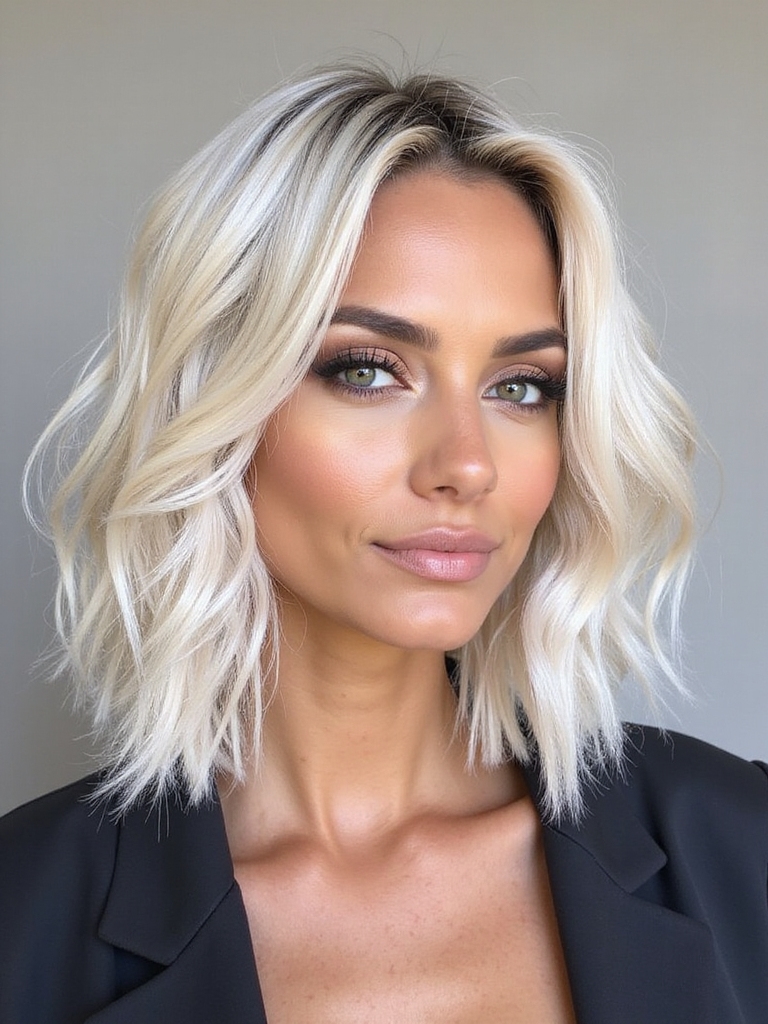
The cut is half the magic. A lob can be blunt for density, layered for movement, or angled for an edge, and the right shape depends on your hair type and face.
Blunt or layered
Blunt suits fine hair that needs the look of thickness, while soft layers give thick hair movement and remove bulk.
Face-framing pieces are the detail that makes a lob truly flattering, drawing the eye to your cheekbones. The blunt bob hairstyles for women guide has shapes worth a look.
Volume and Texture Tips
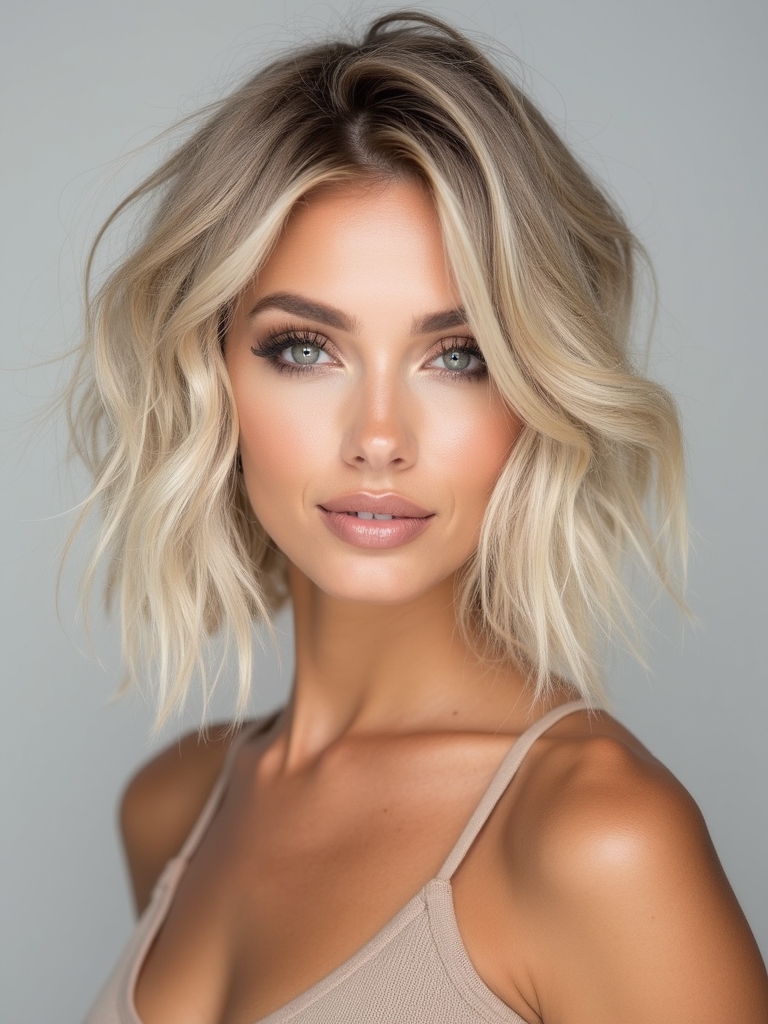
A lob is the perfect length for big, healthy-looking body, and a few tricks maximize it. Blow-drying with a round brush, lifting at the roots, and a little texture spray turn a flat lob into a full, modern one.
- Blow-dry roots in the opposite direction first for lasting lift.
- A volumizing mousse at the roots adds body, especially on fine hair.
- Flip the ends out or under with a brush for retro or sleek movement.
- A texture spray gives that piecey, undone finish a lob wears so well.
Maintaining Your Blonde Lob
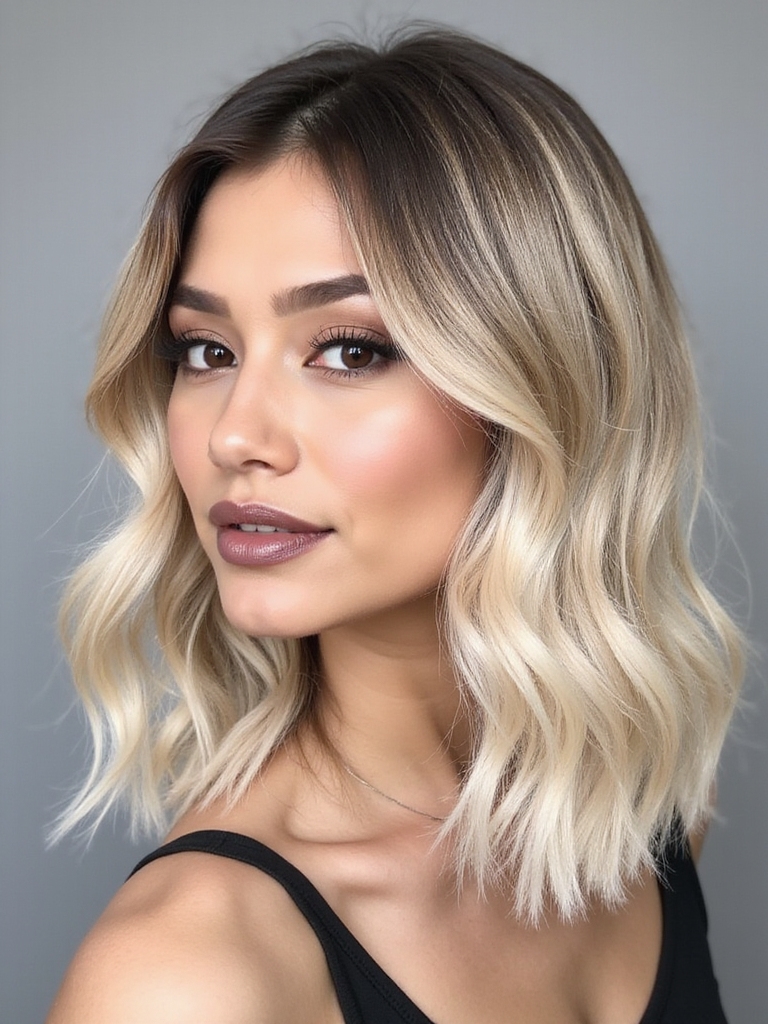
Blonde needs upkeep to stay bright, and the two enemies are brassiness and dryness. A purple shampoo or a salon gloss neutralizes the warm, yellow tones that creep in over time, keeping the color clean and cool.
A regular toning rhythm keeps your blonde looking freshly done between full color appointments, and a salon gloss every few weeks runs about $40 to $80 depending on your area.
- Reach for purple shampoo once or twice weekly to keep yellow tones in check.
- Book a toning gloss every few weeks to refresh the tone.
- Book a trim on a six-to-eight-week cycle so the lob holds its shape and the ends stay healthy.
- See the silver blonde hairstyles for women guide for the coolest tones.
Essential Blonde Hair Products
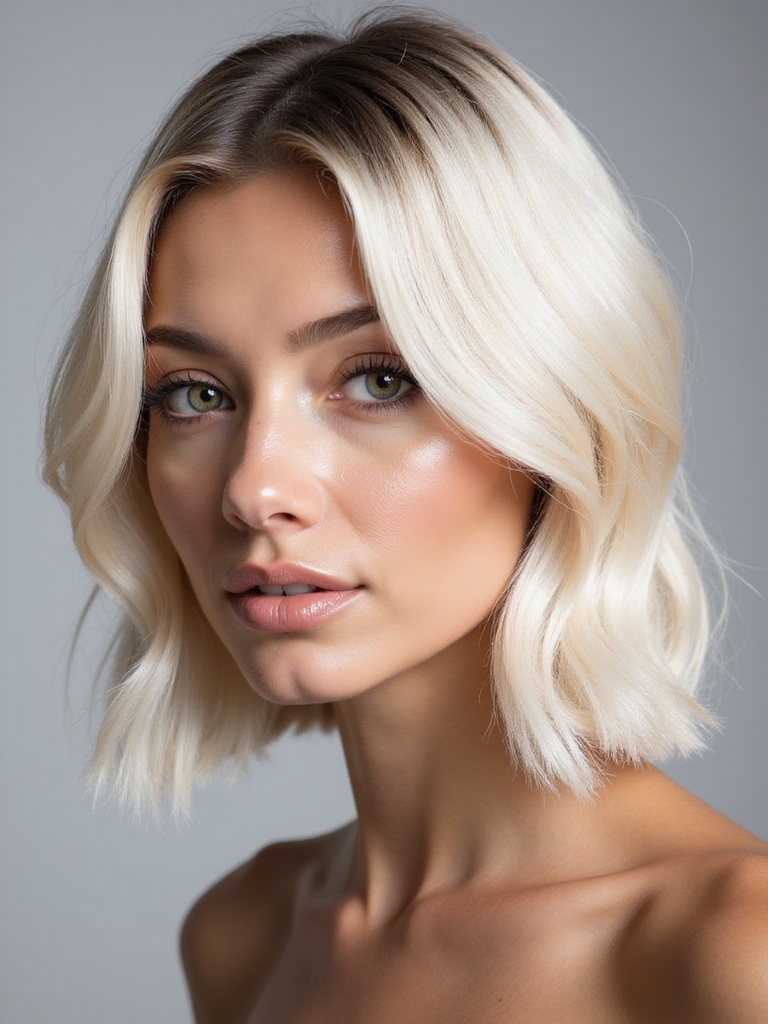
Beyond the toning shampoo already in your routine, a small shelf of treatment products keeps blonde soft and strong. You do not need a cabinet full of bottles, just a few that do real work.
Quality matters more than quantity with lightened hair.
- A weekly bond or protein treatment to rebuild strength after lightening.
- A rich hydrating mask to counter the dryness lightening brings.
- A leave-in and heat protectant to shield strands every time you style.
- A UV or color-protect spray to stop sun from shifting your tone.
A Blonde Lob Care Routine
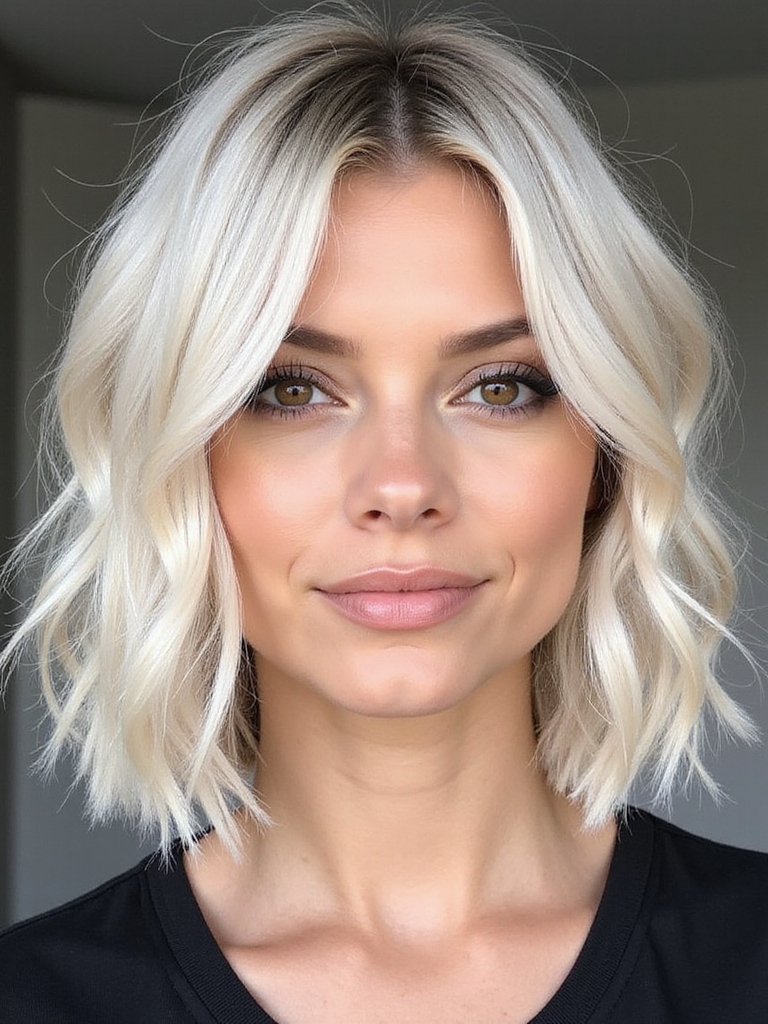
Pulling it together, think of your week as a simple rhythm rather than a daily chore. A light wash midweek, a toning wash at the weekend, and one treatment day is usually all blonde needs to stay bright and soft.
- Wash two or three times a week to protect color and natural oils.
- Make one of those a purple-shampoo wash to keep brass in check.
- Pick one day for a deep or bond treatment to rebuild strength.
- Sleep on silk and keep heat low and shielded on the days in between.
Styling Through Regrowth
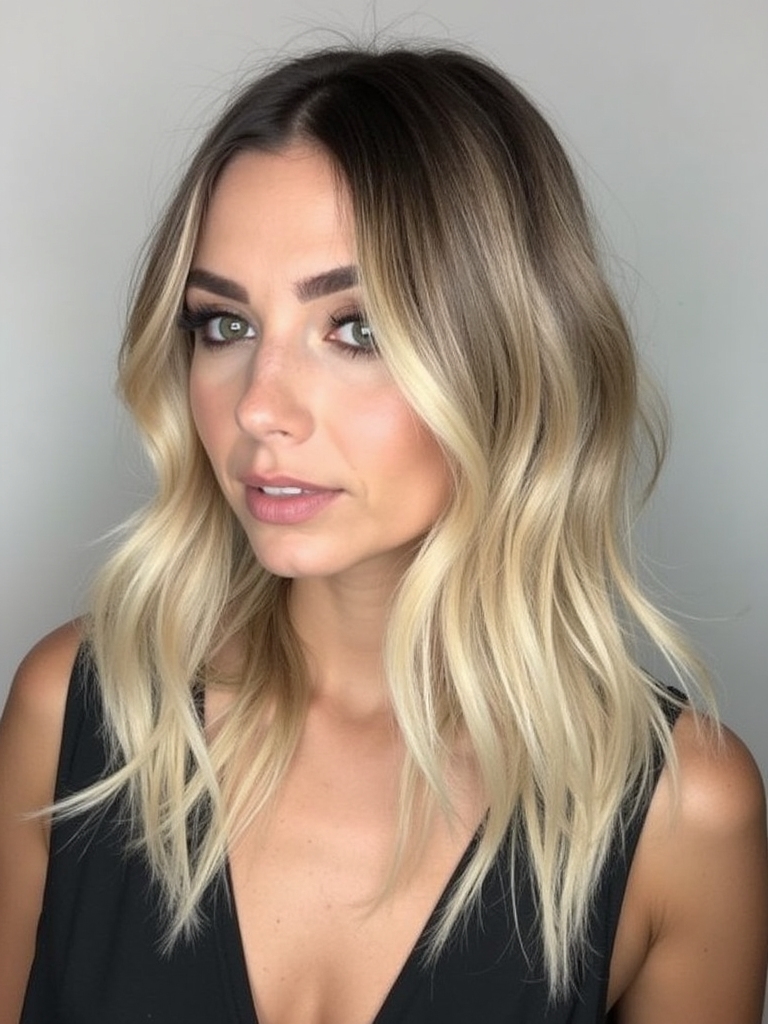
Even with a root blur, regrowth eventually shows, and a few styling tricks buy you time between color appointments. A deep side part, soft waves, and a little texture all disguise a growing root beautifully.
Pulling the hair into a half-up or adding waves breaks up the line where new growth meets blonde, making it far less obvious. A dry shampoo with a tint, or a root-concealer spray for special occasions, bridges the gap until your next visit so you never feel rushed to rebook.
Adaptable Lob Styling Options
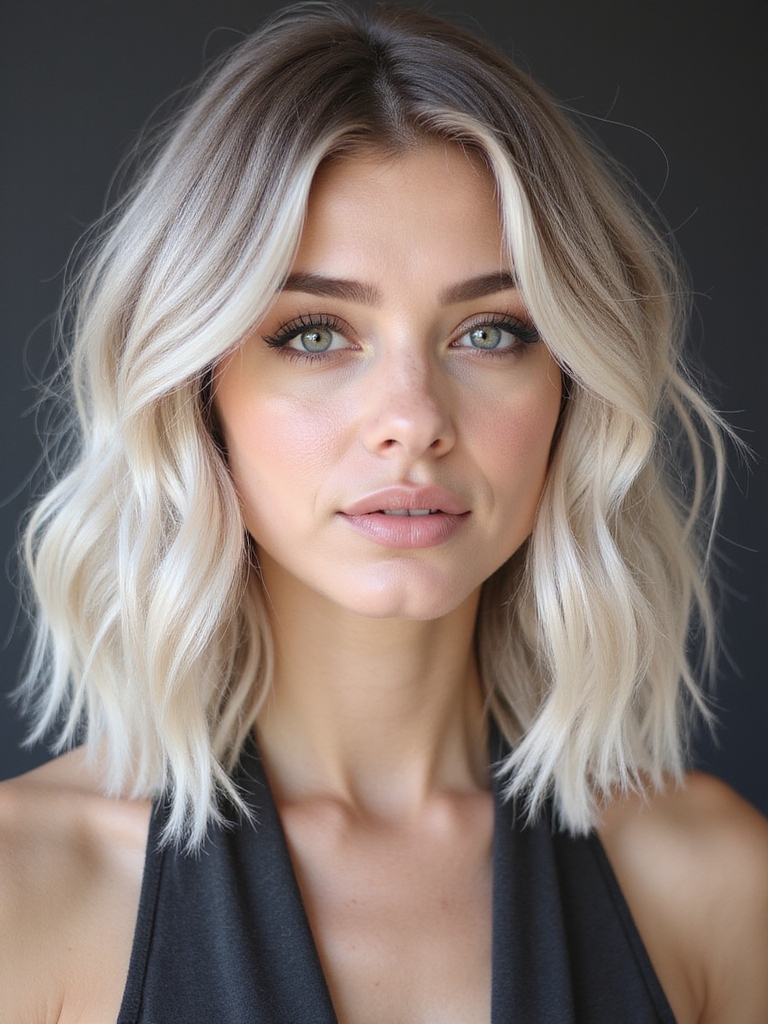
One of the lob’s best qualities is how many ways it can be worn from the same cut. It is long enough to pull back yet short enough to stay full, so it shifts with your day.
From desk to dinner
Sleek and straight for work, beachy waves for the weekend, a half-up for an event, or a quick low bun, the same blonde lob does it all.
That versatility is what makes this cut and color such a practical, low-stress favorite. The long layered hair guide has more styling ideas.
Seasonal Lob Care
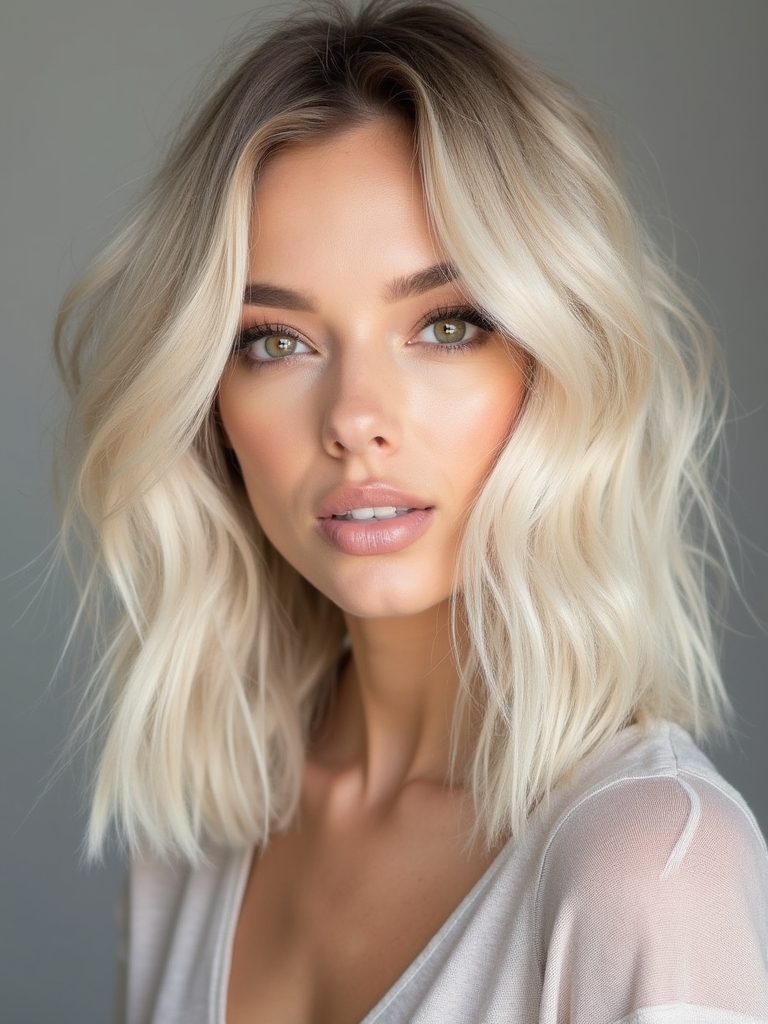
Blonde hair has different needs as the seasons turn, and adjusting keeps it healthy year-round. Summer sun and chlorine can turn blonde brassy and dry, while winter’s dry air calls for extra moisture.
- In summer, rinse after swimming and use a UV-protectant to guard the tone.
- Chlorine and salt can shift blonde green or brassy, so wet hair with fresh water first.
- In winter, add a richer mask and a leave-in to fight dry, static strands.
- Adjust your toning rhythm with the season, since sun lifts warmth faster.
A Bold Color Transformation
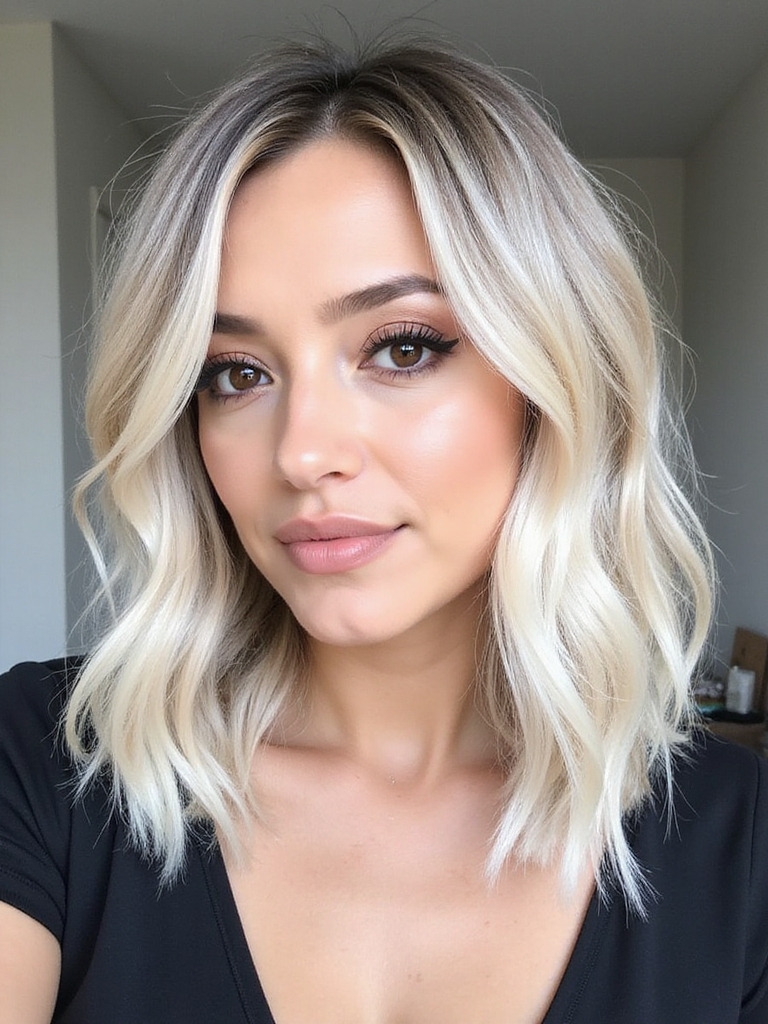
Going boldly blonde, especially from a dark base, is a real transformation and one of the most rewarding changes you can make. It often takes more than one session to reach a bright, healthy blonde, and that patience protects your hair.
Trust the process and your colorist; reaching a beautiful blonde safely is worth a few visits rather than rushing it in one harsh appointment. The payoff is a fresh, lit, confidence-boosting version of you, finished in the most flattering cut there is. The bob hairstyle ideas for women guide has more to browse once you are blonde.
Your Blonde Lob, Done Right
A blonde lob is one of the most flattering, versatile cut-and-color combinations there is, and loving yours comes down to the details: the right tone for your undertone, a dimensional color with a soft root, a cut shaped to your hair, and a care routine that keeps it bright and strong.
Save this guide for your next salon visit, talk honestly with your colorist about your goals and your hair’s health, and give the process the patience it deserves. The result is a blonde that looks like sunlight and a cut that carries you through anything.
More Hair Inspiration