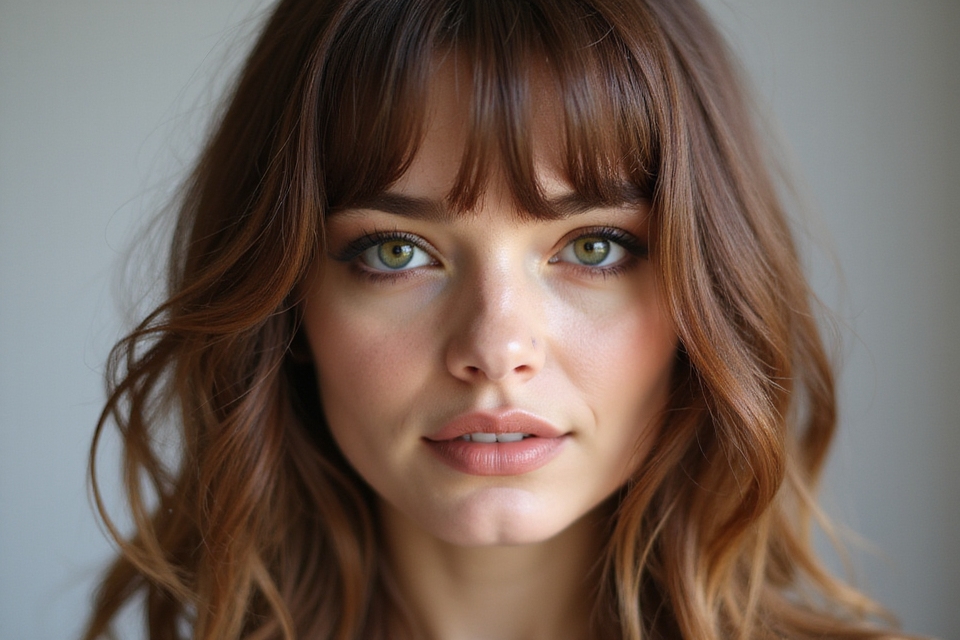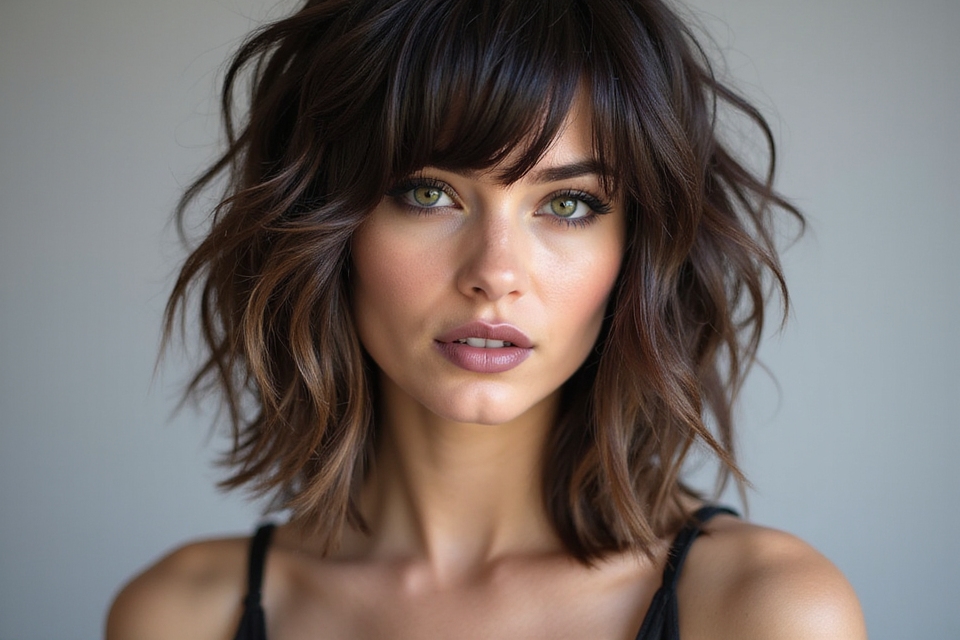

A woman sat down in my chair last month clutching a photo of a chin bob with soft, cheekbone-grazing bangs. She wanted the look but feared the fringe. We talked it through, cut the bangs long and parted, and she left flicking them out of habit she did not know she had yet.
Long bangs are what make a bob feel personal. They frame the face, skip the commitment of a blunt baby fringe, and grow out kindly. Here is how to choose, cut, and live with the pairing.
Before You Book the Cut
- Long bangs, meaning curtain or side-swept fringe that hits the cheekbone or lower, flatter almost every face shape and grow out without the awkward phase short bangs bring.
- Pair them with any bob length. A chin bob reads bold, a lob stays soft and forgiving.
- Budget about $50 to $95 for a cut with bangs, plus a free or low-cost fringe trim every three to four weeks to keep the shape.
- Cut bangs dry, or at least dry-check them, since wet hair springs up shorter than you think once it dries.
How the Long-Banged Bob Earned Its Place

The bob with a heavy, eyebrow-skimming fringe used to be the only option, and it scared a lot of people off. The modern version is softer. Long bangs that sweep to the side or part down the middle have made the whole look approachable, which is why it has quietly become the cut everyone asks about.
- Long bangs frame the eyes and cheekbones without hiding them, so the look feels open.
- They suit a first-timer, because the grow-out is gentle and easy to manage.
- The pairing works on a sharp bob or a soft blunt bob, depending on how bold you feel.
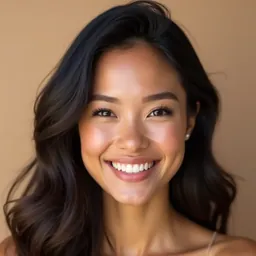
A Versatile Bob That Flatters Your Features

The reason this combination flatters so many people is that the two halves do different jobs. The bob gives structure around the jaw. The long bangs draw a soft line down the sides of the face, narrowing a round shape and adding width where a long face needs it.
That is real face-shape work, more than simple styling. You can shift the effect just by changing where the bangs fall.
- Round face: keep bangs long and parted to draw vertical lines.
- Long face: a fuller, lower fringe shortens the face beautifully.
- Square jaw: soft, wispy ends on the bangs soften strong angles.
Heads-Up
Resist cutting long bangs short to make them last longer. Short fringe needs trimming more often, not less, and it strips the soft, grown-out quality that makes this look modern.
The Styling Tools You Actually Need
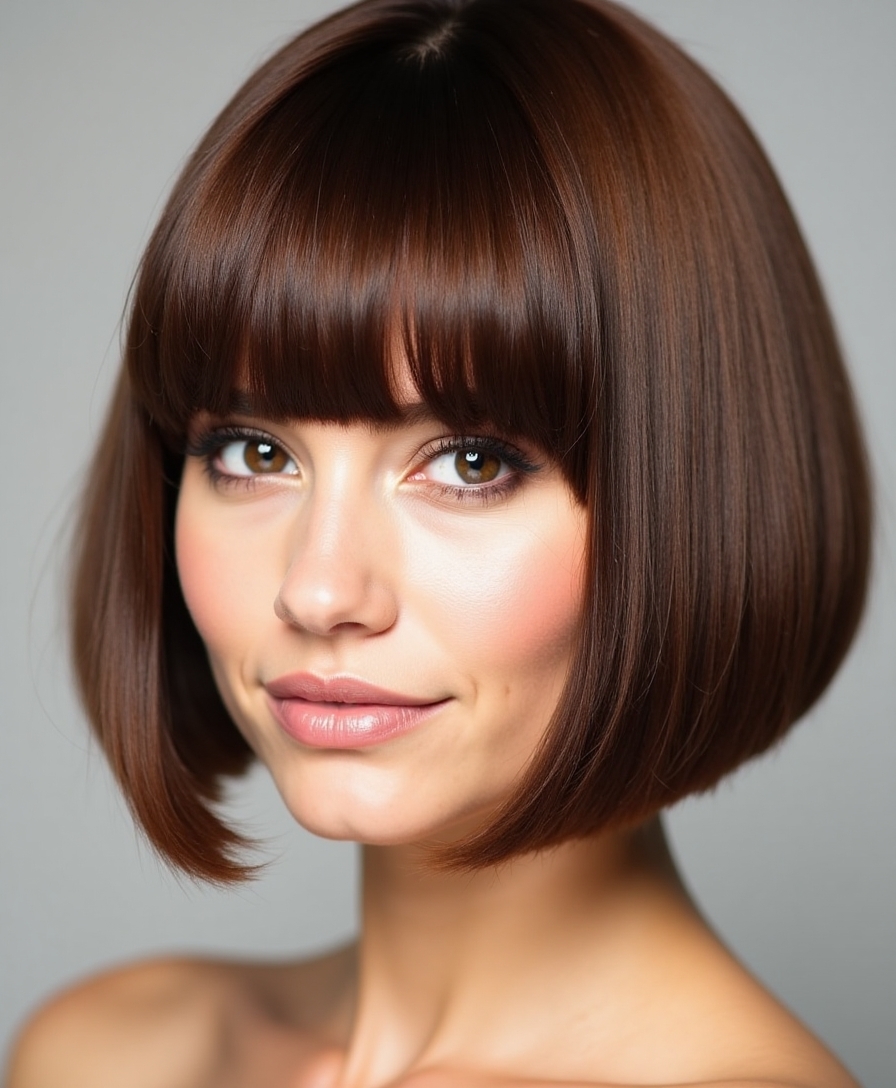
Styling this cut takes surprisingly little hardware. Three tools cover almost everything, and I tell clients to master these before buying anything fancy.
- A round brush, ideally 1.5 to 2 inches, for smoothing the bob and bending the bangs.
- A flat iron or small curling wand to shape the fringe and add a soft bend at the ends.
- A lightweight texture spray or dry shampoo to keep bangs from going flat or greasy by midday.
Strategic Layering for Volume

Long bangs and a bob can fall flat without a little internal shaping. A few well-placed layers lift the crown and let the bangs blend into the rest of the cut so they never sit like a separate piece. Have your stylist blend the fringe into the face-framing layers so it all moves together.
- Long layers through the body add volume without thinning the blunt perimeter.
- Connected layers let you tuck the bangs back on days you want them off your face.
- Fine hair benefits most here, since layers fake the fullness it lacks.
Pick the tool that matches your texture:
🎯Straight or fine hair
A round brush and a quick blast of dry shampoo keep bangs lifted and clean-looking.
🎯Wavy or curly hair
A small wand or diffuser and a light cream define the fringe without crunch.
Trimming Your Long Bangs Between Cuts

Bangs grow faster than the rest, so a between-visit trim keeps the shape. Go slowly. Most over-cut fringe disasters happen when people rush, so follow these steps with sharp shears, never kitchen scissors.
- Trim dry, on clean hair styled the way you normally wear it.
- Point the shears upward into the ends to keep the line soft and feathered.
- Take off no more than a few millimeters at a time, stepping back to check after each pass.
Highlights and Lowlights for Depth

Color makes a bob with bangs look expensive, because dimension catches the light as the hair moves. A few brighter pieces around the face and through the fringe lift the whole look.
I love a soft balayage here. Regrowth stays subtle on a short cut, so the upkeep is gentle.
- Face-framing highlights brighten the bangs and draw the eye to your features.
- Lowlights add depth and richness so fine hair looks thicker.
- Book a gloss every couple of months to keep tone fresh between full color services.
A safe at-home fringe trim, step by step:
1Dry and style first
Trim only dry hair worn the way you normally part it, so you cut the real length.
2Point, do not slice
Hold the shears vertically and nick into the ends, taking a few millimeters at a time.
Celebrity-Inspired Bob and Bangs

Every awards season sends a wave of clients in with screenshots, and the bob-and-bangs pairing shows up again and again on the red carpet. The looks photograph beautifully because the fringe softens the face under harsh lights.
You do not need a stylist on call to get the effect, though. The trick the pros use is a deep side part and bangs bent slightly back with a round brush, which gives that lifted, camera-ready shape.
Bring a photo of the vibe rather than a specific person, and let your stylist adapt it to your face and texture. A look that suits one bone structure can fall flat on another.
The Low-Effort Bob With Bangs
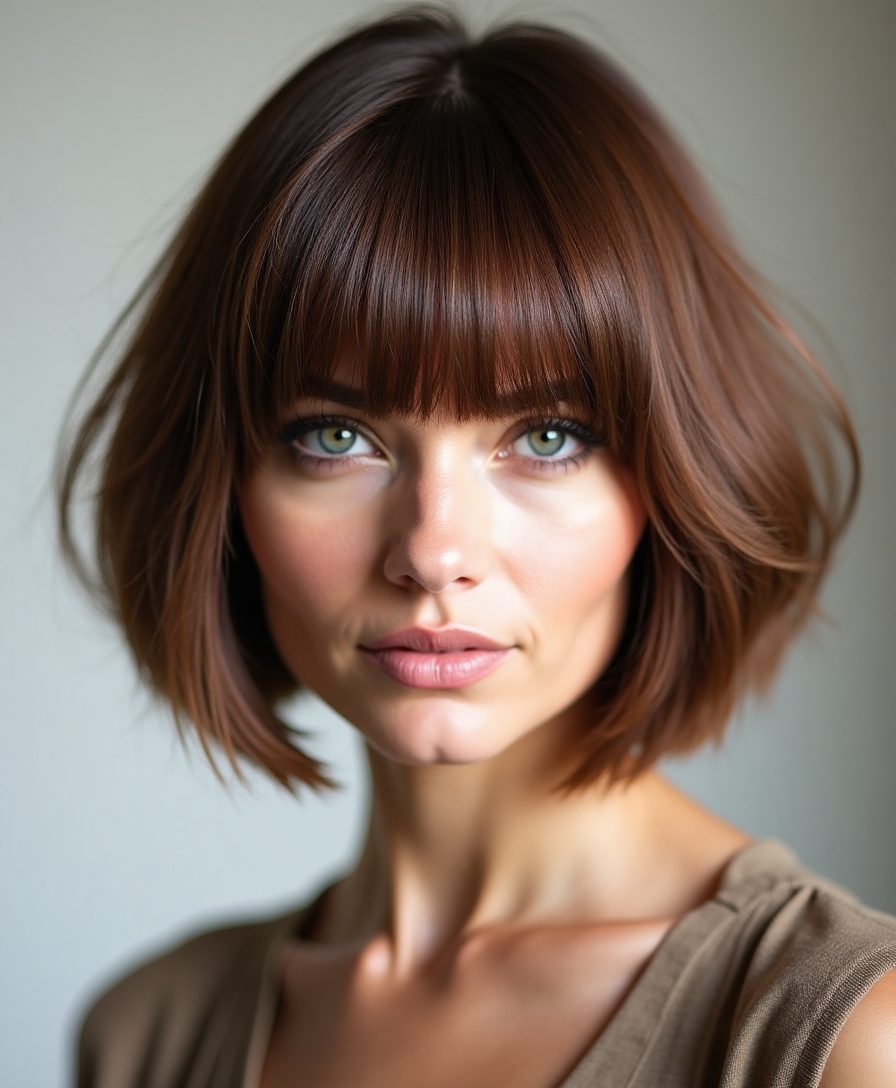
Not everyone wants a styling ritual. The good news is that a bob with long bangs can be close to wash-and-go if it is cut for your natural texture.
Ask your stylist to cut the bangs so they fall right when air-dried, and to keep the bob length where your wave behaves. Then your morning is a quick rough-dry of the fringe and a little texture spray.
This is the version most of my busy clients keep for years, because it asks so little of them on a Monday.
“Bring a photo of the shape you want, not a name. I can recreate a fringe on your face and texture, but I cannot give you someone else’s hairline.”
Seasonal Variations on the Look

You can refresh this cut from season to season with zero salon time. In summer, I push the bangs to the side and let the bob air-dry rougher for a beachy feel that handles humidity. Lately, more clients want that softer, undone version year-round.
When it turns cold, a sleeker blow-out and a center-parted fringe read more polished under hats and collars. Same haircut, two moods, zero salon visits in between.
Customizing the Bob for Your Texture
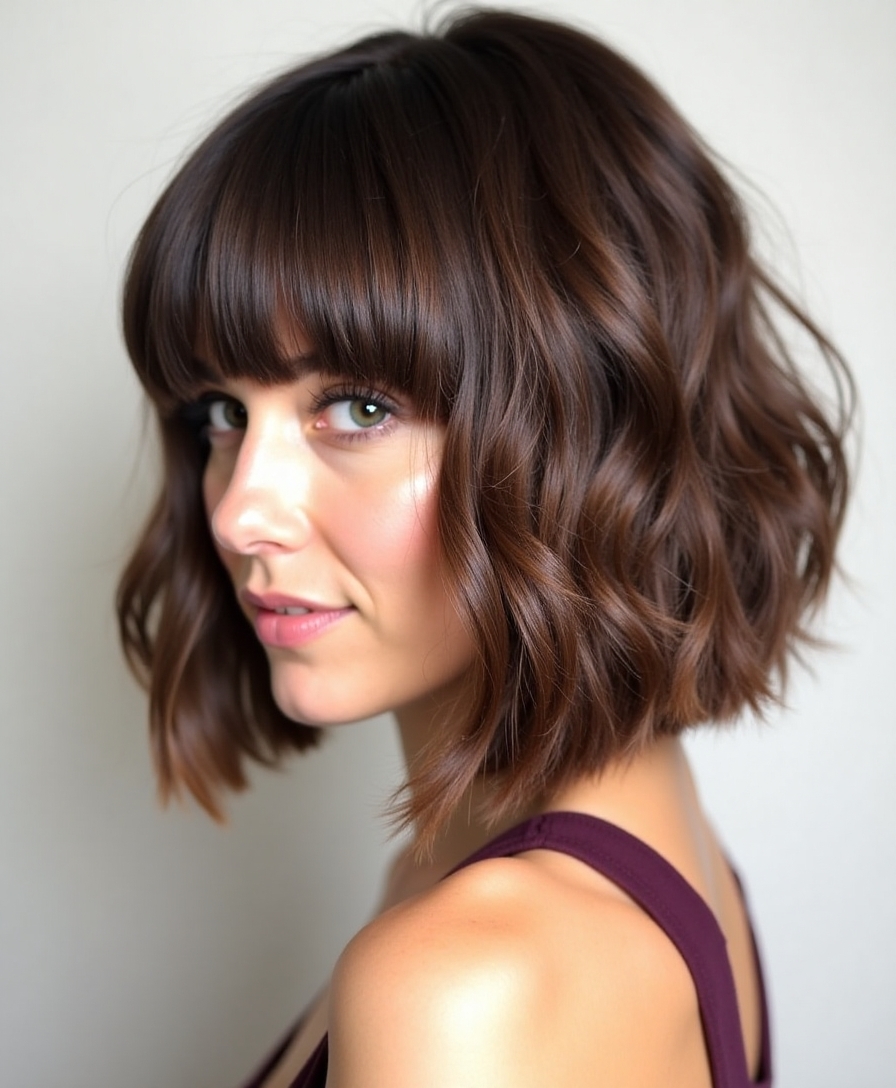
The biggest mistake is treating every bob the same. Your natural texture should drive the cut, especially for the bangs, which behave very differently across hair types.
- Straight hair carries a blunt line and a sleek fringe with little fuss.
- Wavy hair wants a softer, point-cut bang and a touch more length to allow for shrinkage.
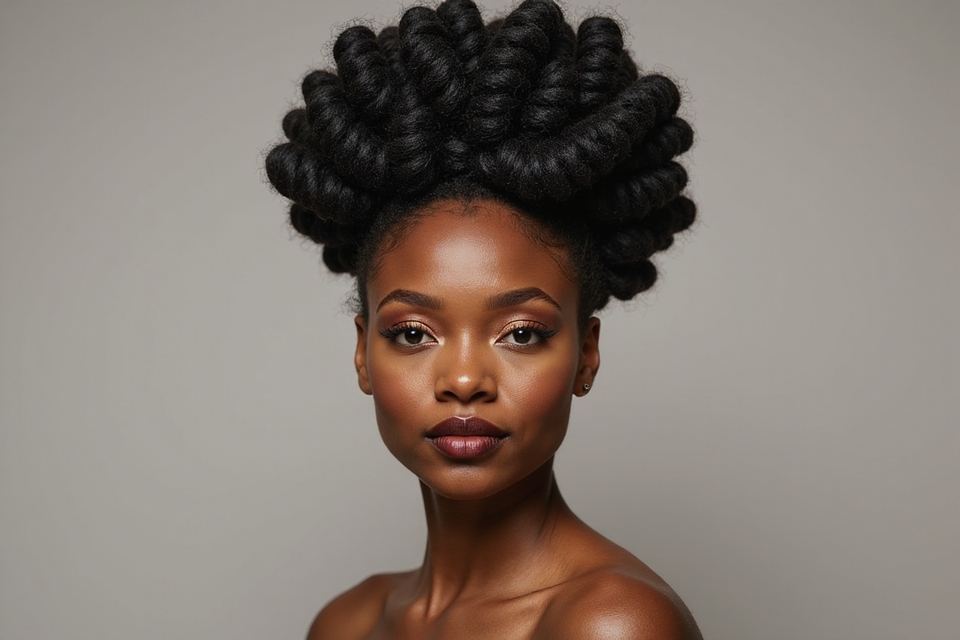
- For curls and coils, the hair is shaped dry so the natural pattern guides the cut, and the fringe is kept long to allow for spring-up. A wispy bang rarely flatters a tight curl, so a longer, blended fringe is the smarter call.
Cutting Errors That Sink the Look
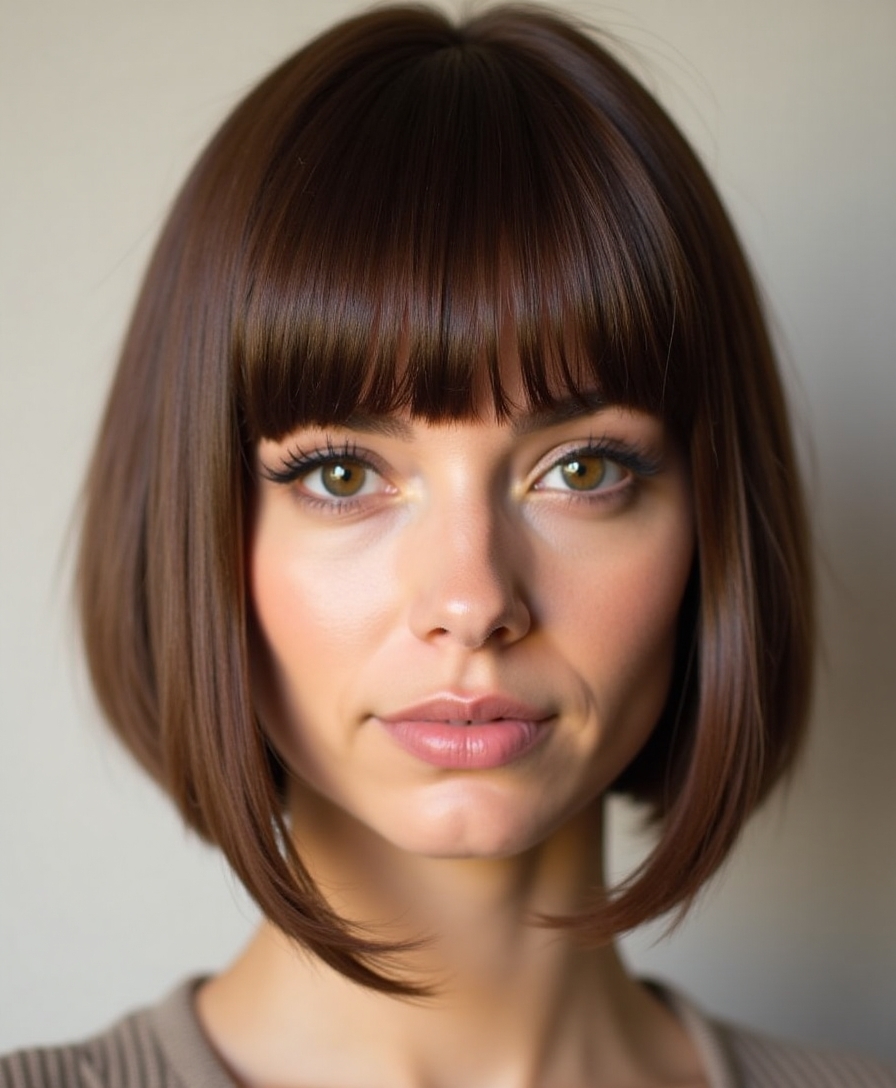
Most regrets with this cut happen at the scissors, not the styling. Cutting the bangs too short is the classic one, and it leaves you waiting weeks for them to reach your cheekbones again. Cutting them wet is the close second, since hair dries shorter and you lose control of the length.
The other quiet error is ignoring your cowlick. If you have a strong one at the front, force the part to follow it, because fighting a cowlick with a heavy fringe is a daily battle you will lose.
Salon vs DIY Upkeep

You can split the upkeep smartly. The full cut and any color belong in a salon, where a trained eye keeps the shape balanced and the color even.
The between-visit fringe trims, though, are fair game at home once you have the technique down. Many salons will even do a quick bang trim free between cuts, so ask before you reach for your own shears.
My honest rule: do your own micro-trims if you are patient, and leave the actual cut to a pro every six to eight weeks. The math saves you money without risking the shape.
A Gradual Transition to the Bob
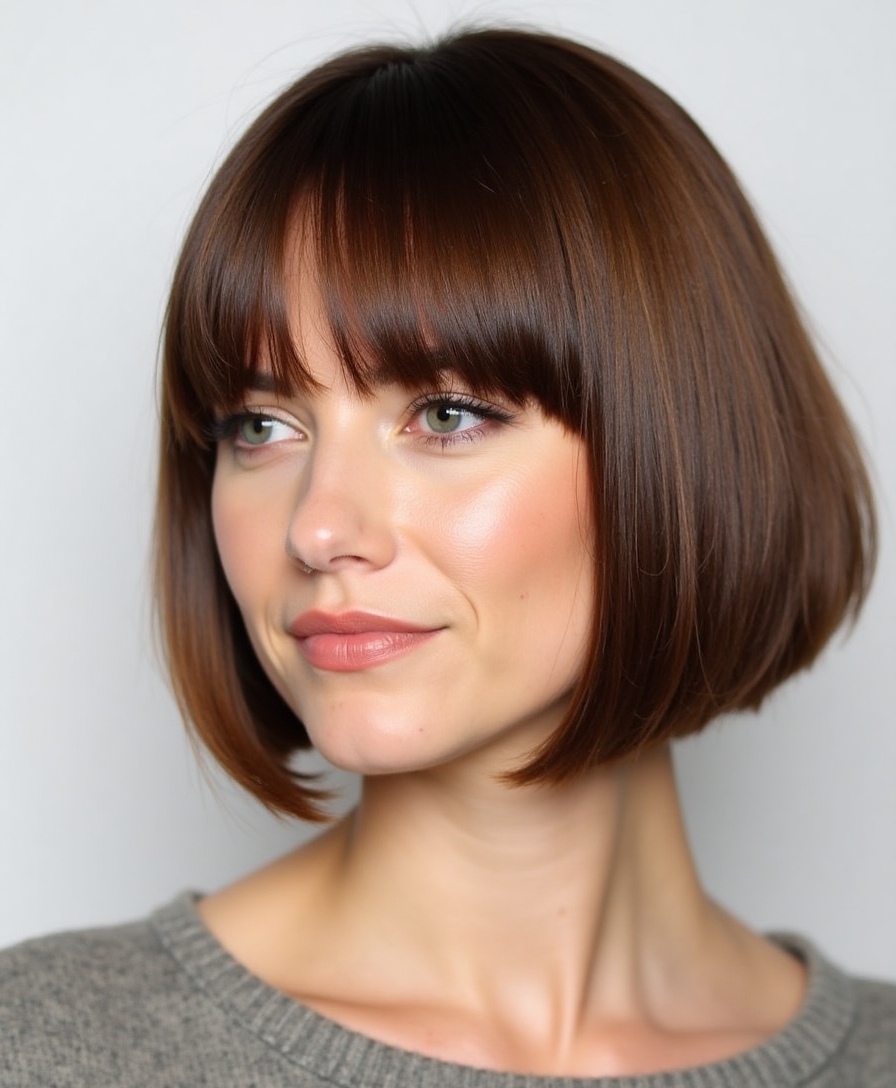
If chopping to a chin bob feels terrifying, you do not have to do it in one sitting. A gradual transition lets you test the waters and keeps you from a panic grow-out.
Start long and work down over a couple of appointments, adding the bangs first so you adjust to the fringe before the length goes.
- First visit: a long lob with long bangs to ease in.
- Second visit: take the length up to the collarbone or jaw.
- Add the fringe early, so the biggest change feels familiar by the time you go short.
How to Accessorize Your Bob

Short hair and bangs are a playground for accessories, especially on second-day hair. A few well-placed pieces buy you another day between washes and change the whole mood in seconds.
Keep the hardware proportional to the cut, since oversized pieces can overwhelm a small bob.
- Tiny claw clips pin back grown-out bangs with a relaxed, current feel.
- A thin headband pushes the fringe off your face on a no-style day.
- Mini bobby pins in a row turn a flat morning into a deliberate one.
Stylish Hair-Growth Tips for the Grow-Out

Every bob reaches the awkward growing-out stage, and the bangs are usually what saves it. Long fringe blends into face-framing layers as everything lengthens, so the grow-out stays wearable.
Making the Grow-Out Painless
Keep the bangs trimmed even while the rest grows, because a tidy fringe makes shapeless lengths look intentional.
A little patience and the right product carry you through. This is where texture spray and a good clip earn their keep.
Common Mistakes to Avoid
Beyond the scissors, a few habits trip people up. The first is choosing a bob length that fights your face shape, like a chin bob on a very round face, when dropping an inch would solve it. The second is ignoring your real morning routine and picking a high-maintenance sleek look you will never actually style. Be honest about your five minutes.
The last common slip is skipping the fringe trims. Long bangs creep into your eyes within weeks, and once they do, the whole cut looks unkempt no matter how good the bob is. If you want a fringe with even less upkeep, the soft, grown-out shape of side-swept bangs forgives a longer gap between trims.
Bob and Long Bang Questions
?Do long bangs suit a round face?
Yes, and they are one of the best fringe options for a round face. Long, parted bangs draw vertical lines down the sides, which lengthens and slims the face rather than widening it the way a short blunt fringe can.
?How often do long bangs need trimming?
Roughly every three to four weeks to keep them from sliding into your eyes. Many salons offer a quick free trim between cuts, so it is worth asking before you attempt your own.
?Can I get this cut with curly hair?
Absolutely, with the right approach. Curly hair should be cut dry in its natural pattern, and the bangs kept long to allow for spring-up, blending into face-framing layers instead of a tight, short fringe.
?What bob length works best with long bangs?
Almost any length pairs well. A chin bob reads boldest, a jaw bob is the classic, and a longer lob is the most forgiving if you want low styling and an easy grow-out.
?Are long bangs high maintenance?
Less than you would think. They grow out softly and blend as they lengthen, so aside from the regular trims, they ask little. That gentle grow-out is exactly why so many people choose them over a blunt fringe.
Is This Your Next Cut?
A bob with long bangs gives you the boldness of short hair with a soft, forgiving frame around the face. The pairing flatters nearly everyone, grows out gracefully, and bends to fit a five-minute morning or a full blow-out, depending on the day you are having.
So ask yourself the real question. Are you ready for the fringe you keep saving photos of, and will you trim it every few weeks to keep it looking like you meant it?
More to Explore