
Most haircut articles sell you transformation, the dramatic chop, the bold color, the big before-and-after. The cuts I get asked for most do the opposite. My clients want to look current and put-together without a haircut that announces itself, the kind of style that enhances them instead of defining them. Quiet confidence, on the head.
These fourteen neutral cuts are exactly that, classic bobs, soft layers, a refined pixie, face-framing pieces that flatter without shouting. None demands an hour with a round brush, and most are built to grow out gracefully. Here is how each one works, who it suits, and what it actually takes to keep.
Neutral Haircuts At A Glance
A neutral haircut flatters your face and fits your life rather than chasing a trend. The best ones, a bob, a lob, soft layers, a grown-out pixie, work across face shapes and ages, and they look polished in a boardroom and relaxed on a weekend.
The secret to a neutral cut is the cut itself, not the styling. A good shape falls into place with a quick blow-dry or air-dry, so ask your stylist for a cut that works with your natural texture. Plan a trim every eight to twelve weeks, usually $40 to $80 at a salon, to keep the shape clean.
Timeless Classic Bob Hairstyle

The classic bob is the reigning neutral cut for a reason. It works for nearly every face shape and hair type, sitting in that easy middle ground, current but calm. Clean lines frame the face, and most mornings it needs almost no styling.
I cut it to fall anywhere from the chin to the jaw depending on the face, and it customizes endlessly, blunt or soft, with or without a few layers. On fine hair I keep it blunt for the look of density; on thick hair I add internal layers to take out weight.
It is the cut I recommend most to someone who wants one low-effort style that always looks intentional. See bob haircut ideas for variations.
Versatile Shoulder Length Layers

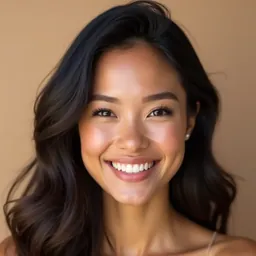
If there is an ultimate do-everything length, it is shoulder-length with layers. It hits the sweet spot of length, and the layers add movement and volume while keeping all your styling options open.
I cut the layers to suit the texture, longer and softer on fine hair, more graduated on thick. You can wear it straight, waved, or pulled up, and it flatters most face shapes, which is why it is the length I suggest when someone cannot decide.
It adapts to your life instead of the other way around. More at medium-length layered haircuts.
Before You Cut
A blunt bob can fall flat on very fine hair without a few internal layers, and a too-short bob can widen a round face. Bring a photo and ask your stylist to check the length against your face shape and density before they cut, since a bob is hard to lengthen once it is gone.
Professional Blunt Lob Hairstyle

The blunt lob is my go-to for professional polish without a complicated routine. Clean lines and face-framing versatility give it a rare mix of sophistication and simplicity, and the precise ends keep it looking sharp from a meeting to a weekend.
I cut it to graze the shoulder with a blunt, weighty edge. It suits busy mornings, because a quick blow-dry, or even air-drying, leaves it looking deliberate. For a softer version, see lob with bangs.
Refined Short Pixie Hairstyle

A pixie does not have to be a dramatic statement. The refined version keeps two to three inches of length on top with softly textured sides, so it looks polished and feminine instead of severe.
Is A Pixie Low-Maintenance?
I texturize the top so it can be swept soft or piecey, and keep the sides tapered close. It is practical, light, and quick to style, and it flatters strong bone structure beautifully, including women over fifty who want something modern.
It is the lowest-effort cut here once you commit, though a short pixie needs a shape-up on a roughly monthly rhythm, or the crop starts to lose its edge. See pixie cut ideas.
🅰️Blunt lob
Maximum polish and weight; best on fine-to-medium hair, with precise ends and regular trims.
🅱️Layered lob
More movement and volume; better on thick hair, grows out softer, a little less sharp.
Soft Low Maintenance Hair Dimensions

Soft graduation is the middle ground for anyone who wants dimension without obvious layers. The technique creates gentle shifts between lengths, so the hair falls naturally and moves on its own.
It flatters any face shape, adds just enough volume, and gives that woke-up-like-this ease without looking undone. I use it constantly on clients who want their hair to look natural but cannot spend time on it.
- Gentle length shifts instead of hard layers.
- Lets the hair fall and move naturally.
- Great for fine-to-medium hair that needs soft volume.
Versatile Textured Mid Length Shag

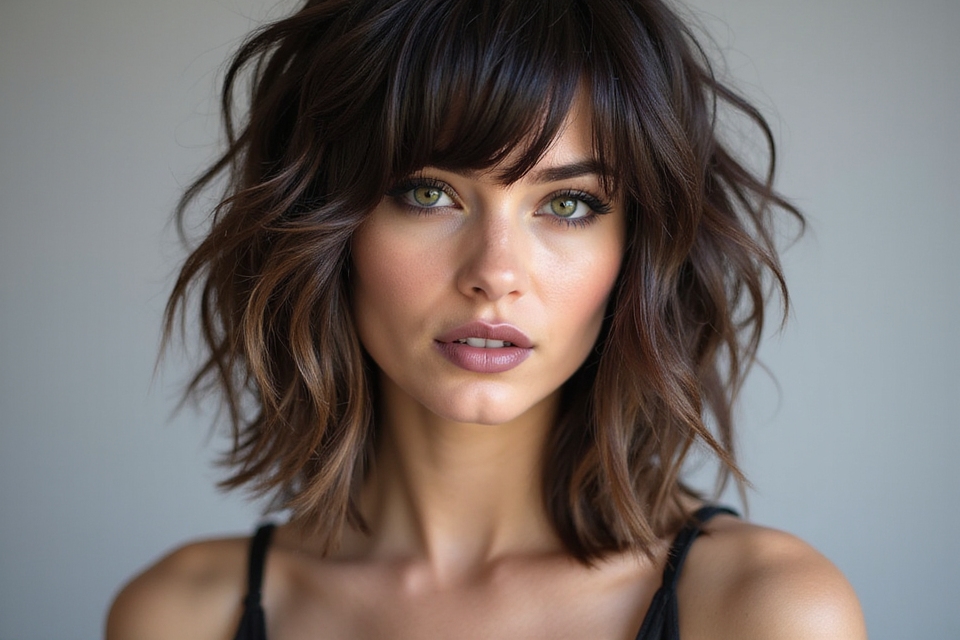
The mid-length shag is the textured neutral, the layers and movement of a shag without the edgy rebellion of its seventies version. It creates volume and interest while staying versatile enough for any setting.
I keep the layers soft and the ends piecey, professional enough for work and relaxed enough for the weekend. It is for anyone who wants subtle texture over a sleek finish. More at modern shag haircut.
The best neutral haircut is the one you forget you are wearing. It falls into place on its own and never asks for an hour of your morning.
Versatile Face Framing Hairstyle Choice

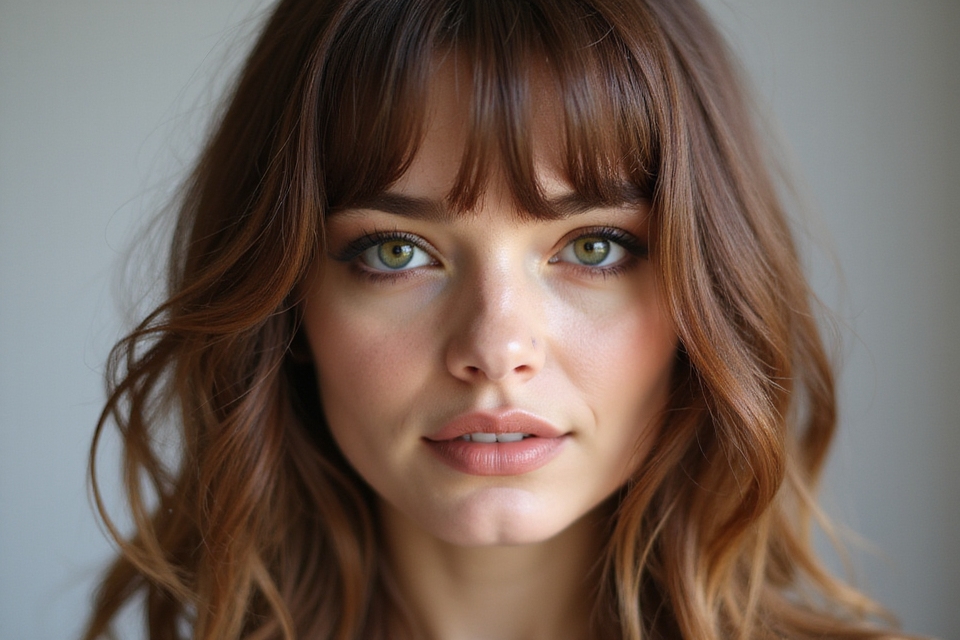
Curtain bangs are the face-framing piece that suits almost everyone. The gentle center part and tapered edges soften the features while staying remarkably flexible, you can sweep them aside or wear them forward depending on the day.
- Flatter virtually any face shape.
- Grow out gracefully, with no awkward stage.
- Style in seconds with a round brush or your fingers. See curtain bangs.
Elegant And Versatile Layers

A chin-length cut frames almost any face with elegant simplicity. It offers face-framing layers you can wear sleek and straight or with a gentle wave, and it delivers polish without demanding hours, a quick blow-dry or air-dry usually does it.
- Frames the face at a deeply flattering length.
- Styles sleek or wavy depending on the day.
- Low-effort, with quick blow-dry or air-dry results.
Good to Know
Curtain bangs are the most grow-out-friendly fringe there is. Because they are long and parted in the center, there is no awkward stage; they just blend into your layers as they grow, which is why stylists call them the gateway fringe.
Subtle Layers Enhance Movement

Sometimes all a neutral cut needs is subtle layering, dimension without committing to dramatic, stepped styles. Understated layers add movement while keeping that easy feel you are after.
Layers Without The Upkeep
I cut long, barely-there layers that catch the light, face-framing pieces a touch shorter than the rest, and interior layers that add volume with no obvious steps.
It is the difference between flat hair and hair that moves, with none of the upkeep of a heavily layered cut.
Invisible Trim Healthier Hair

Sometimes the most neutral move is a trim that feels almost nonexistent. An invisible trim, a quarter-inch off the ends, refreshes the hair without sacrificing length.
Growing Out Without Dead Ends
I take a clean, blunt finish that removes just enough to clear split ends, so you keep your length while the hair looks noticeably healthier and the ends stop tangling.
It is the maintenance trim I recommend every eight to twelve weeks for anyone growing their hair out.
Brighten With Face Framing Highlights

Face-framing highlights add brightness without a full color commitment. A few lighter strands around the face draw attention to your best features, the eyes, the cheekbones, the jaw, and create subtle dimension.
Why Face-Framing Beats All-Over
I place them only where the light naturally hits, so the grow-out stays soft and you never get a stark regrowth band. It is the lowest-commitment way to add interest if you are nervous about color.
Because they are limited to the front, they need far less upkeep than all-over highlights, a refresh every few months at most.
Low Maintenance Everyday Waves

For anyone racing the clock, low-maintenance waves are the balance between polished and practical. They suit busy women who want a put-together look with no styling commitment, because they work with your natural texture rather than against it.
- Sleep on damp hair in loose braids for morning texture.
- Keep a good sea-salt spray for quick touch-ups.
- Work with your natural pattern; fighting it just makes more work.
European Sophistication Cut

The modern French cut balances soft shape with polish, that understated European look everyone quietly wants. It hinges on precisely placed face-framing layers that cascade gently while the ends stay textured and never look too done.
- Ask for soft, face-framing layers around the front.
- Keep the ends textured, not blunt, for an undone finish.
- Style with a little texture spray and your fingers, not a round brush.
Customized Neutral Hairstyling Solutions

The most neutral cut of all is the one customized to you. Personalized tapering, subtle graduation shaped to your bone structure and texture, highlights your best features without the cut itself drawing attention.
How To Ask For A Neutral Cut
I tailor it to each face and hair type, polished enough for work and relaxed enough for the weekend. A good neutral cut is less about a named style and more about what falls into place on your head.
That is the whole idea of a neutral haircut: you do not need a dramatic change to look polished and current. You need the right shape for you.
Maintenance & Care
A neutral cut is low-maintenance by design, but low-maintenance is not no-maintenance. The single most important habit is the trim: roughly every two to three months for a bob, lob, or layers, and closer to monthly for a short pixie, to keep the shape clean as it grows. Skip trims and even the best cut loses its line and starts to look shapeless.
Beyond that, the upkeep is mostly about working with your hair, not against it. A good cut should air-dry into shape, so invest in one or two products that suit your texture, a light cream for frizz, a salt spray for wave, and skip the heat most days.
If you color, keep it to face-framing pieces or soft, grown-out highlights so the regrowth never forces you back into the chair on a schedule. This season the soft, grown-out cuts are the ones clients ask for most, because they look current and demand almost nothing.
Neutral Haircut Questions, Answered
?What is the most low-maintenance neutral haircut?
A blunt bob or lob, or a grown-out pixie. All hold their shape with minimal styling and air-dry into place. The trade-off is regular trims to keep the line clean.
?How often should I trim a neutral cut?
Bobs, lobs, and layers want a shape-up about every two to three months; a short pixie needs one closer to monthly. Regular trims keep the line sharp and stop split ends as you grow.
?Will a neutral cut suit my face shape?
Almost certainly, because neutral cuts are chosen to flatter rather than challenge. A good stylist adjusts the length, layers, and face-framing to your bone structure, so bring a photo and your honest styling time.
Style Without The Statement
If there is one idea here, it is that you do not need a dramatic haircut to look polished and current. A neutral cut, the right shape, the right length, the right face-framing for you, does more for how put-together you look than any bold chop, and it does it quietly, every single day.
So save this list, and next time you are in the chair, bring the cut that fits your face and your real morning routine, not the one that photographs boldest. The most stylish thing you can do is choose the haircut that makes you look like the best version of yourself, no statement required.
Keep Reading