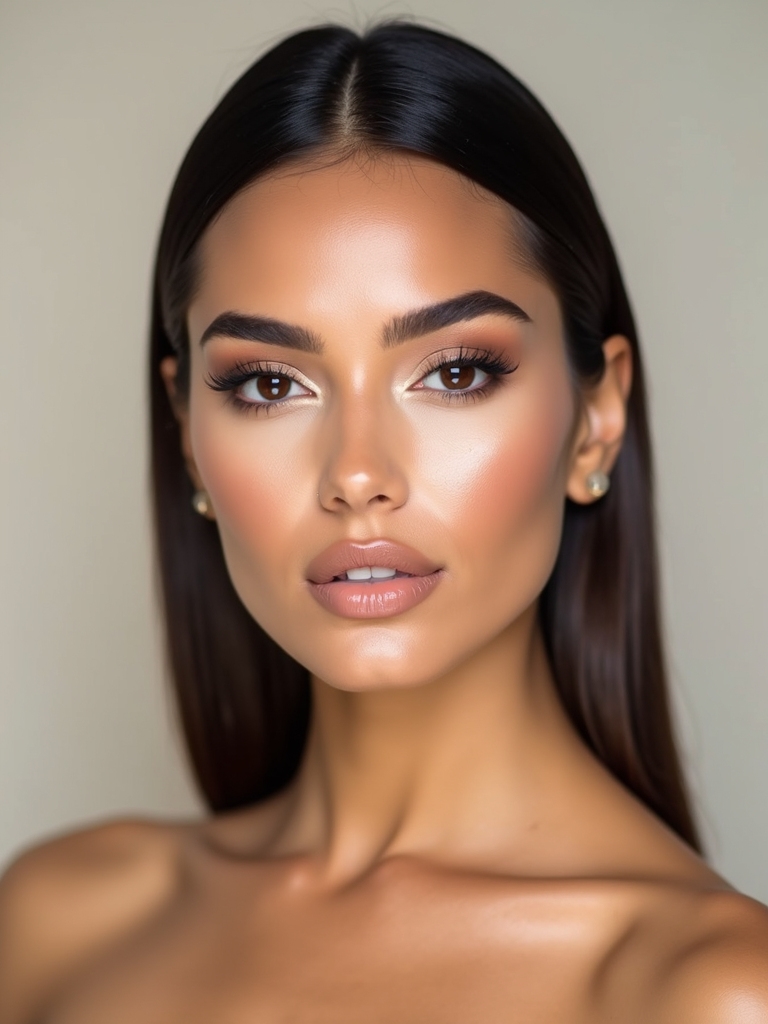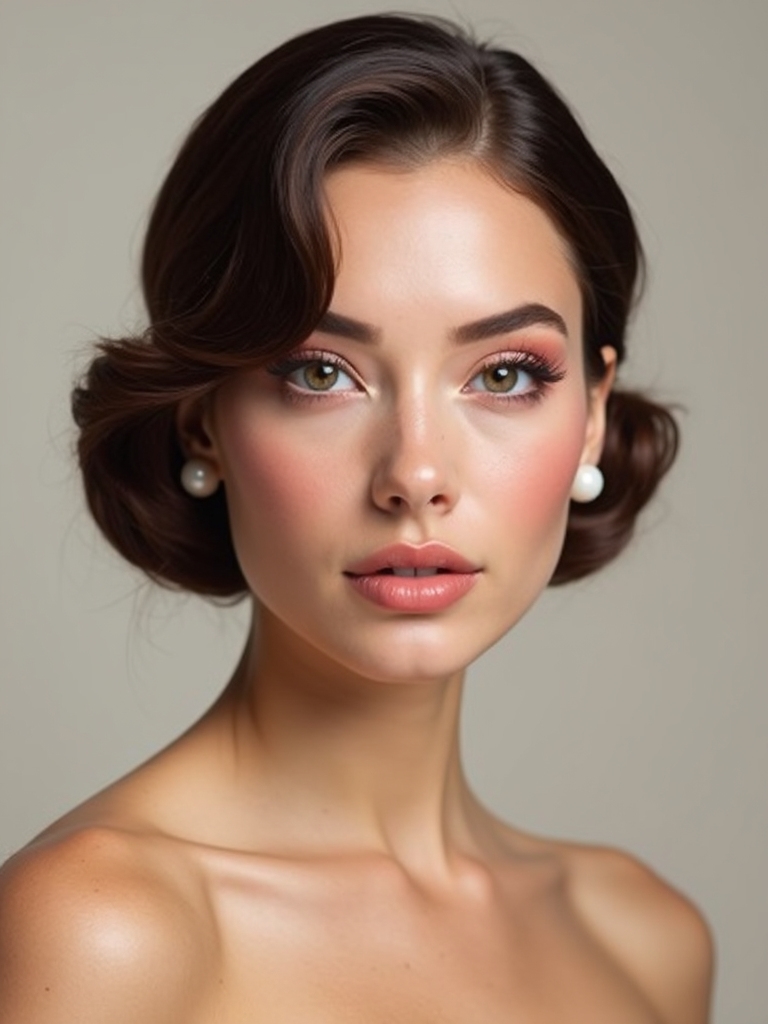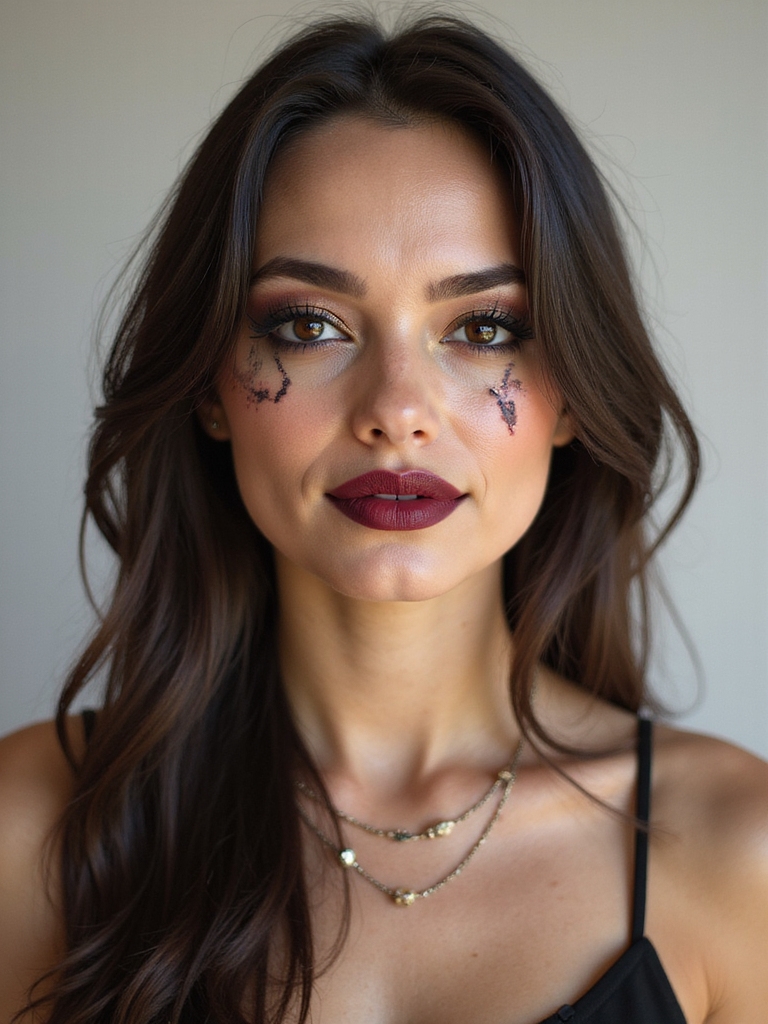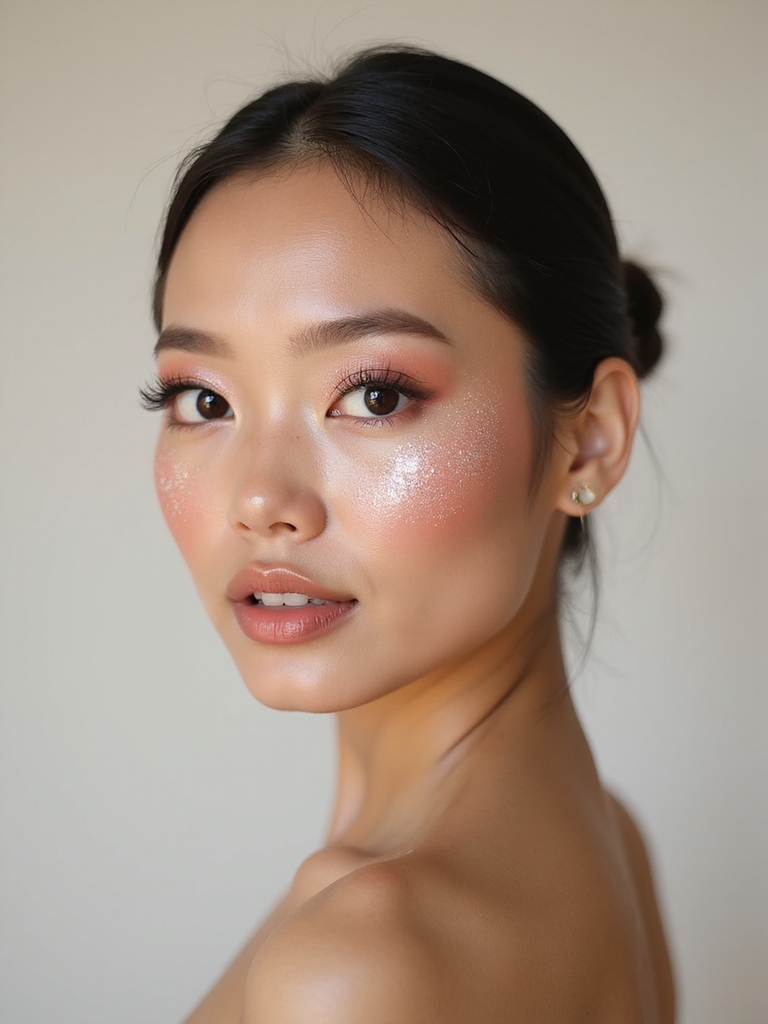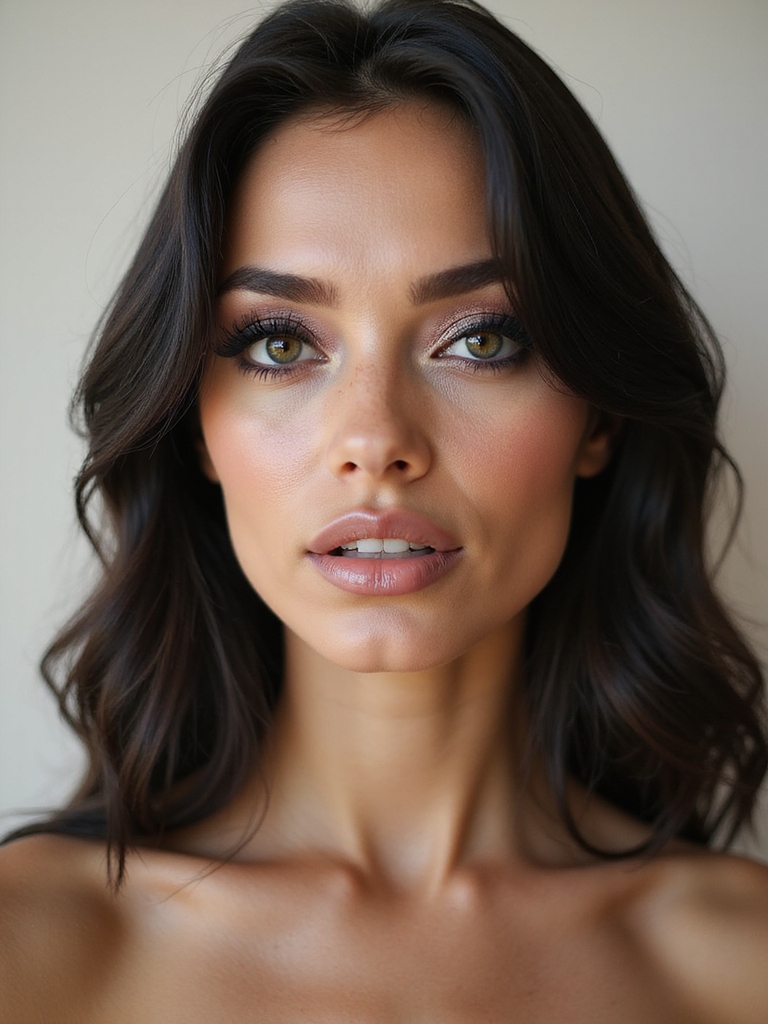

The 1960s invented the idea that your eyes could do all the talking. After the painted, matte-lipped glamour of the decades before, the ’60s flipped the face: a pale, soft mouth, a barely-there cheek, and an eye drawn with the precision of a graphic designer. That cat-eye wing and those spider lashes are still the most copied makeup of any decade, and they have come roaring back.
Here are fifteen ’60s makeup looks and how to actually wear them now, from the sharp cat-eye and spaced lower lashes to a nude mod lip, floating liner, and the siren red. I will tell you what reads vintage, what reads costume, and how to make a sixties idea work on a modern, real-life face rather than a doll’s.
The ’60s Face, in Brief
- The decade was all about the eye: a graphic black wing, defined or spaced lower lashes, and a clean, often pale lid, paired with a nude or soft mouth.
- The complexion was matte and even but never heavy, and the cheek stayed quiet so the eye could shout.
- You need very little to do it: one good liquid or gel liner, around eight to fifteen dollars, a few lashes, and a nude lip, and most looks take fifteen to twenty-five minutes.
The Graphic Cat-Eye Wing
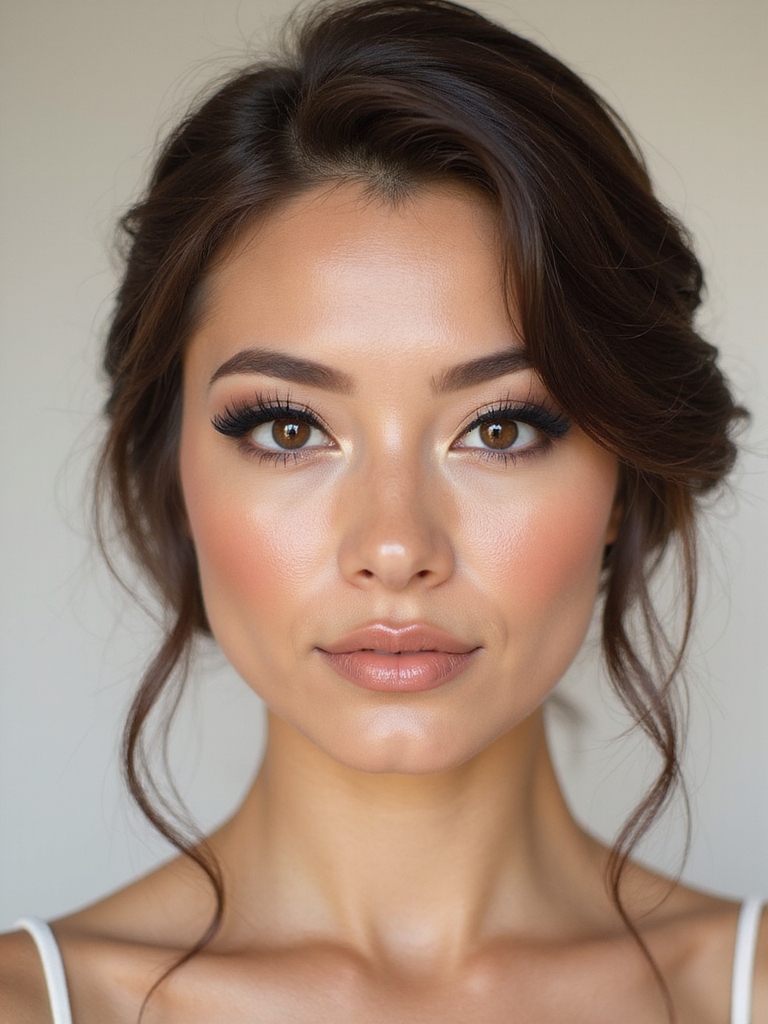
If the decade gave us one thing, it is this cat-eye: a sharp black wing that flicks up and out, longer and more graphic than anything before it. The line stays clean and a little exaggerated, drawn as if with a ruler, and it is the single look that reads sixties from across a room.
Use a felt-tip or gel liner and build the wing in short, connected strokes, keeping the flick high and the underside straight. A good liner runs eight to fifteen dollars and is the one tool worth buying well. On a client who wants vintage drama with zero fuss anywhere else, this is the one that earns its keep. Our cat-eye makeup guide breaks the shape down further.
Spaced Lower Lashes
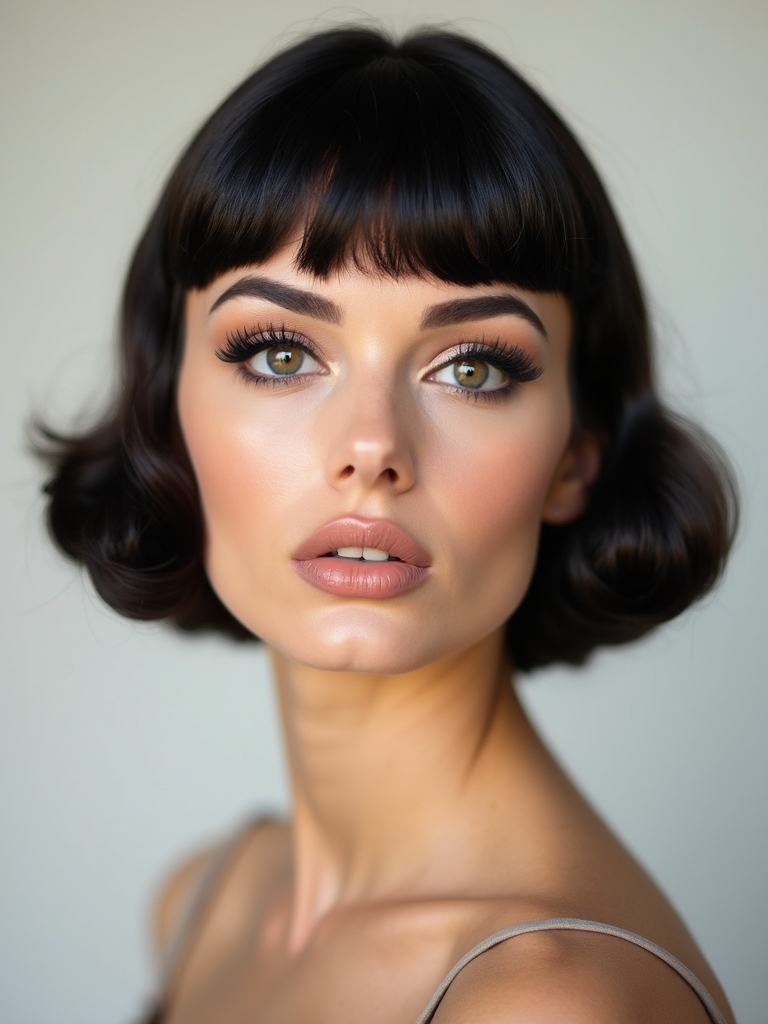
The doe-eyed look of the era leaned hard on the lower lash line, where tiny painted or applied lashes sat spaced apart like a child’s drawing of an eye. It is unmistakably sixties and it makes the eyes look enormous.
All the Drama Underneath
You can draw them on with a fine liner, leaving clean gaps, or apply a few individual lower lashes for the real thing. Keep the upper lashes present but not competing, since the drama here lives underneath.
Pair it with a pale lid and a bare lip so the eye stays the whole story. It photographs beautifully and is the most fun, most costume-leaning look on this list, so save it for when you want to commit.
📋Your ’60s Starter Kit
- ✓A felt-tip or gel liner in true black for the wing.
- ✓Wispy, feathered strip or individual lashes, plus a white or nude waterline pencil.
- ✓A nude lip in your undertone and one cool pastel shadow.
A Soft-Focus Matte Complexion
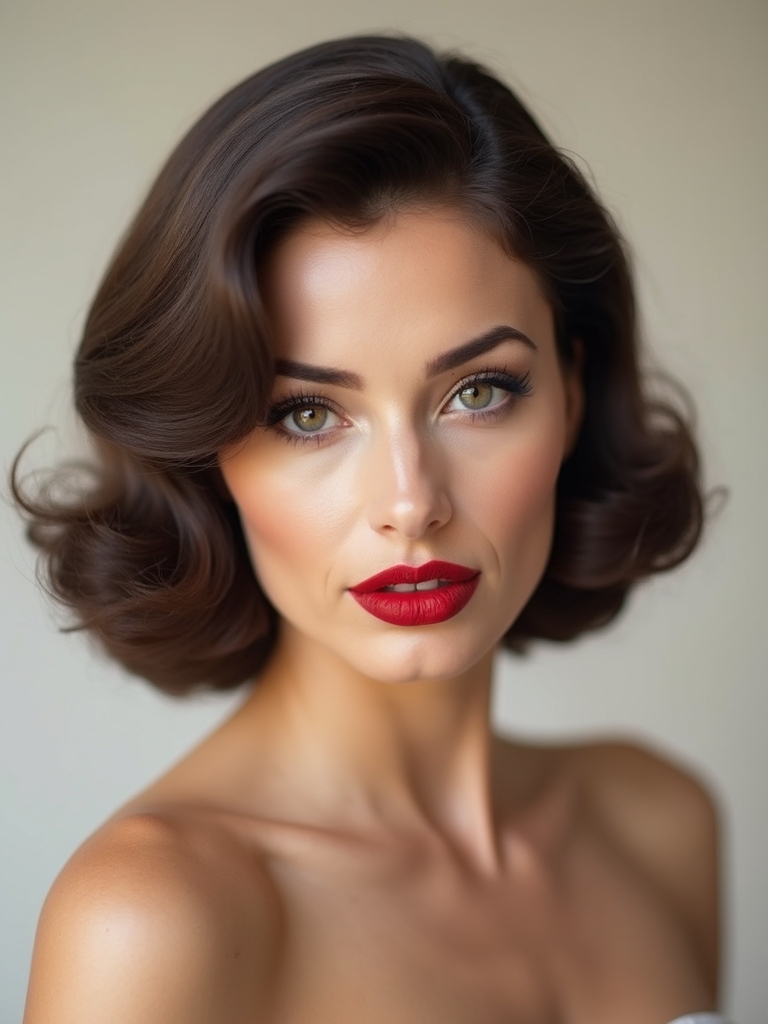
The sixties face was matte and even, but never the heavy, cakey kind. Think smooth and velvety, a complexion that looks lit from a soft window rather than spotlit. Skin was the quiet backdrop the eye performed against.
Match your foundation to your real shade, set only where you get shiny, and skip heavy contour entirely, which did not exist yet. Clients ask me most often how to keep that velvet finish from going flat or ashy on deep skin. What holds up is a luminous-matte formula in your true depth, set sheer, with one light layer instead of powder stacked over powder.
- Use a satin or natural-finish foundation, not a full-matte heavy one.
- Set the T-zone and under-eye only, leaving the rest with a little life.
- Skip bronzer and sculpting; the era kept the face flat and the eye busy.
The Nude Mod Lip
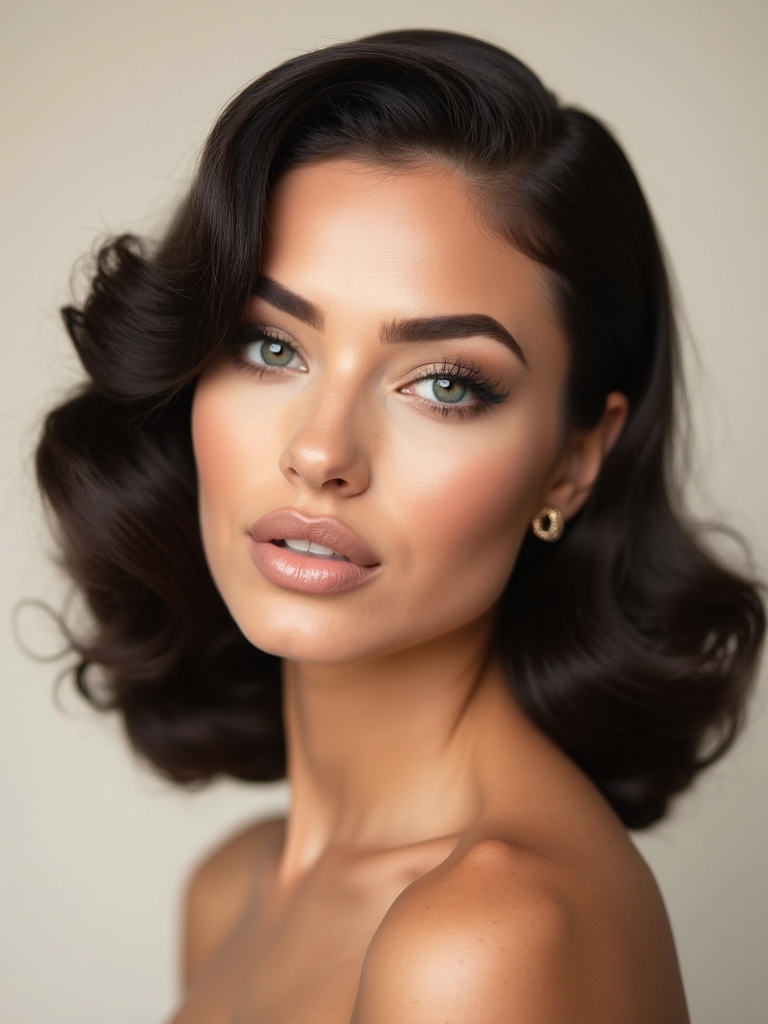
With the eye doing so much, the lip went quiet, and the signature was a pale, nude beige that practically erased the mouth. It sounds unflattering and is the opposite: it throws every bit of attention up to the eyes.
The modern way to wear it is a nude that still suits your undertone, not a concealer lip that grays you out. Pick a beige with warmth if you are warm, a rosier nude if you are cool, and keep it matte or soft, never glossy.
On deeper skin, a true nude is a caramel or soft brown that flatters your depth; the goal is a quiet lip in your own register, not a pale one. A lip pencil one shade deeper keeps it from disappearing completely.
| Look | Best for | Effort |
|---|---|---|
| Graphic cat-eye | Any eye shape; total beginners | Low to medium |
| Cut crease | Hooded eyes wanting depth | High |
| Floating liner | Anyone wanting a fast, modern nod | Low |
Sharp Cut Crease
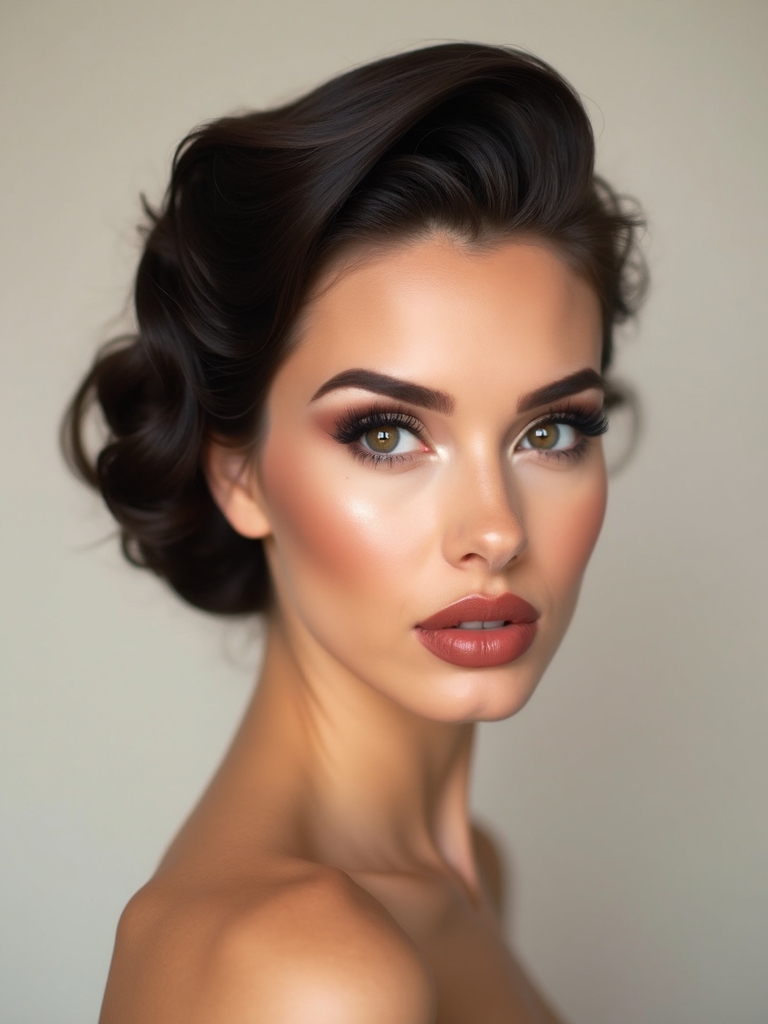
The cut crease is where sixties eye makeup got architectural: a sharp line of deeper color carved into the socket, separating a pale lid from a defined crease. It builds depth and that wide-awake, sculpted eye the decade loved.
Carve, Then Clean
Map the crease with a soft brown first, then sharpen the line and clean the lid with a flat brush and a little concealer. A pale or shimmery lid below makes the contrast pop. Take your time here; this is the one look that really rewards a steady hand, and it runs about ten minutes once it clicks.
It is demanding but worth learning, and it suits hooded eyes especially because it draws a crease where one may be hidden.
Floating Crease Liner
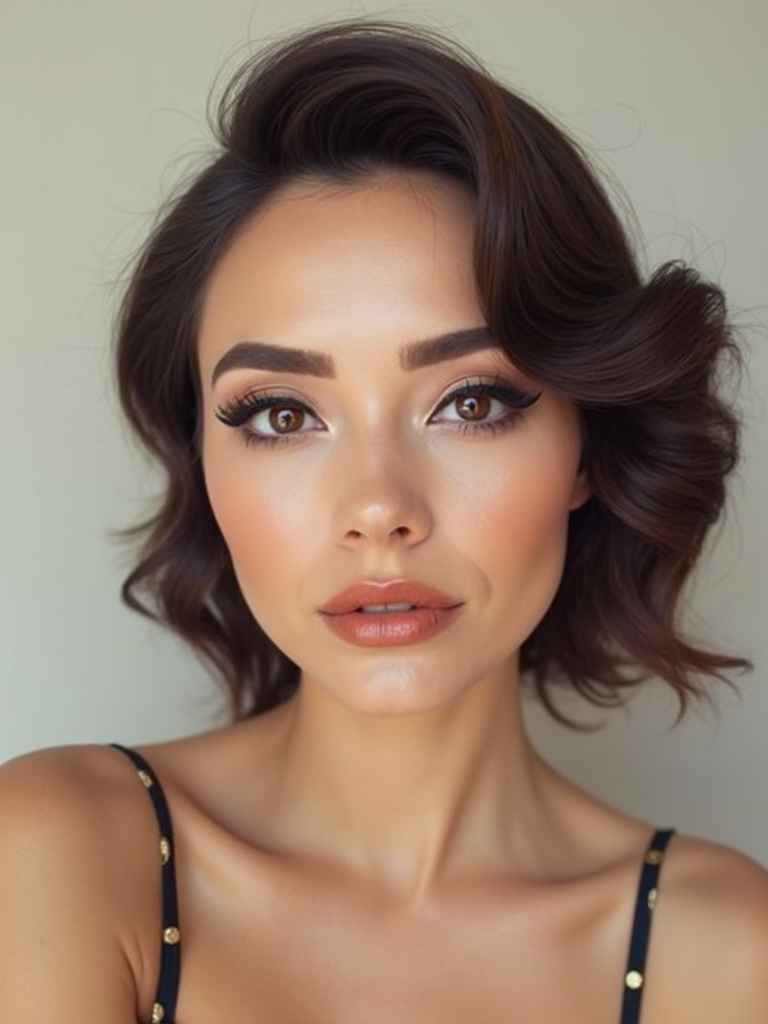
A more modern, mod descendant of the cut crease is the floating line: a single graphic stroke drawn above the natural crease, hovering over a bare lid. It is cleaner and faster than a full cut crease and feels fresh rather than retro-heavy, which is why it keeps reappearing on runways.
- Draw the line where your crease casts a natural shadow, then lift it slightly higher.
- Keep the lid below it bare or barely glossed so the line floats.
- A bold color, sky blue, white, or jet, reads most authentically sixties.
Heads-Up
The fastest way to tip a sixties look from chic into costume is doing all of it at once. A graphic cat-eye, spaced lower lashes, white lid, and a bold lip together read as a Halloween kit, not a face you can wear to dinner. Pick one hero, the eye or the lip, and keep everything else quiet.
A Smudged Sixties Smoky Eye
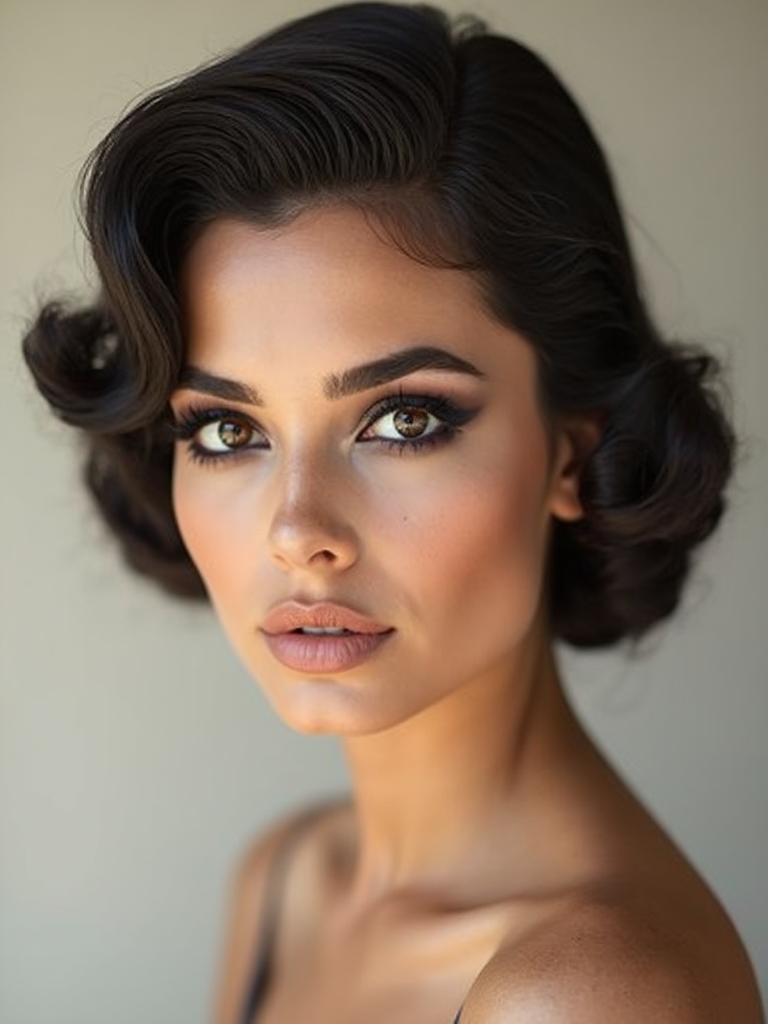
Not every sixties eye was crisp; the decade’s other mood was tousled and smudged, a soft, sooty haze worn with messy hair and a bare lip. It is the bombshell end of the era, sultry instead of graphic.
On a shoot, this is the look I build when the brief is undone and a little sexy: a charcoal or warm brown smoked up and out with a brush and a fingertip, deliberately imperfect. Worn-in beats razor-sharp here.
- Smudge a soft brown or charcoal along both lash lines and blend up, not out.
- Leave the edges hazy on purpose; a clean line kills the mood.
- Add a few tousled lashes and skip the lip. Here is more on smoking out an eye.
Pastel Wash Lids
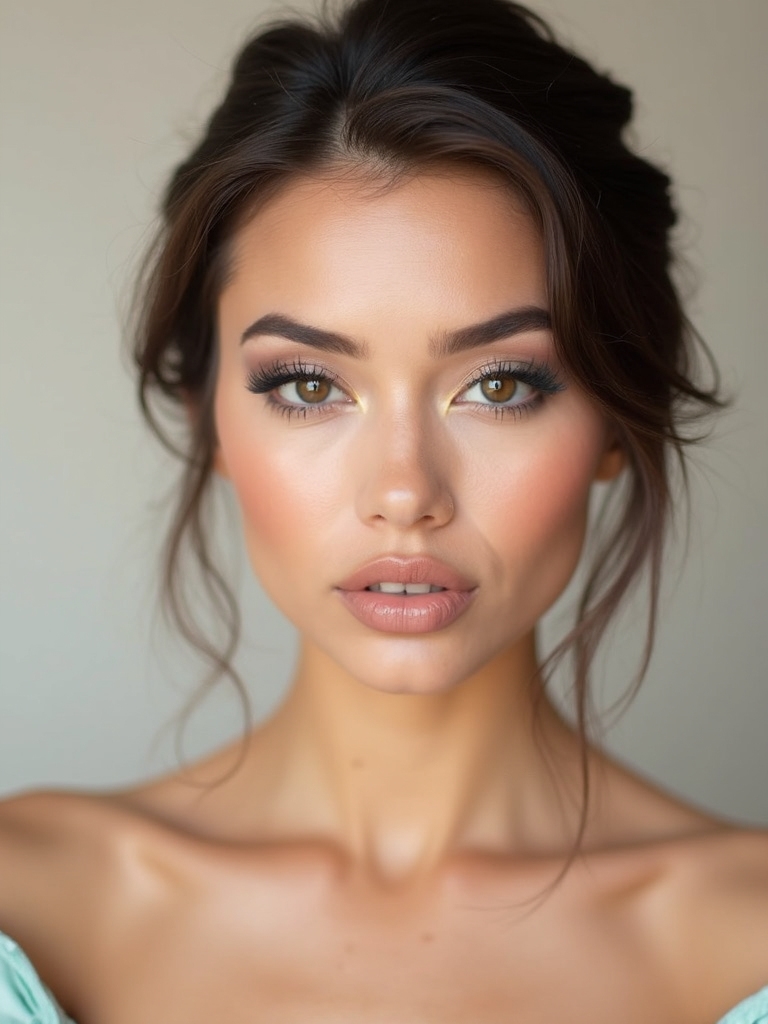
Color was a sixties signature, and the sweetest version is a sheer wash of pastel across the lid: sorbet blue, mint, lilac, or pale peach swept on like watercolor. It is playful and surprisingly wearable when you keep it soft and let the skin show through.
- Sweep one sheer pastel over the lid and blend the edges so it fades, not blocks.
- On deep skin, choose a cream or pressed-pigment pastel over a chalky powder, which can read ashy; the payoff lands far truer.
- Anchor it with a thin liner so it reads intentional rather than unfinished.
Good to Know
The decade’s wide-eyed look was a deliberate reaction against the heavy, dark, red-lipped glamour of the 1950s. Designers and makeup artists pushed a younger, more graphic face on purpose, which is why sixties makeup still reads as fresh and a little rebellious rather than old-fashioned.
Fluttery Doll Lashes
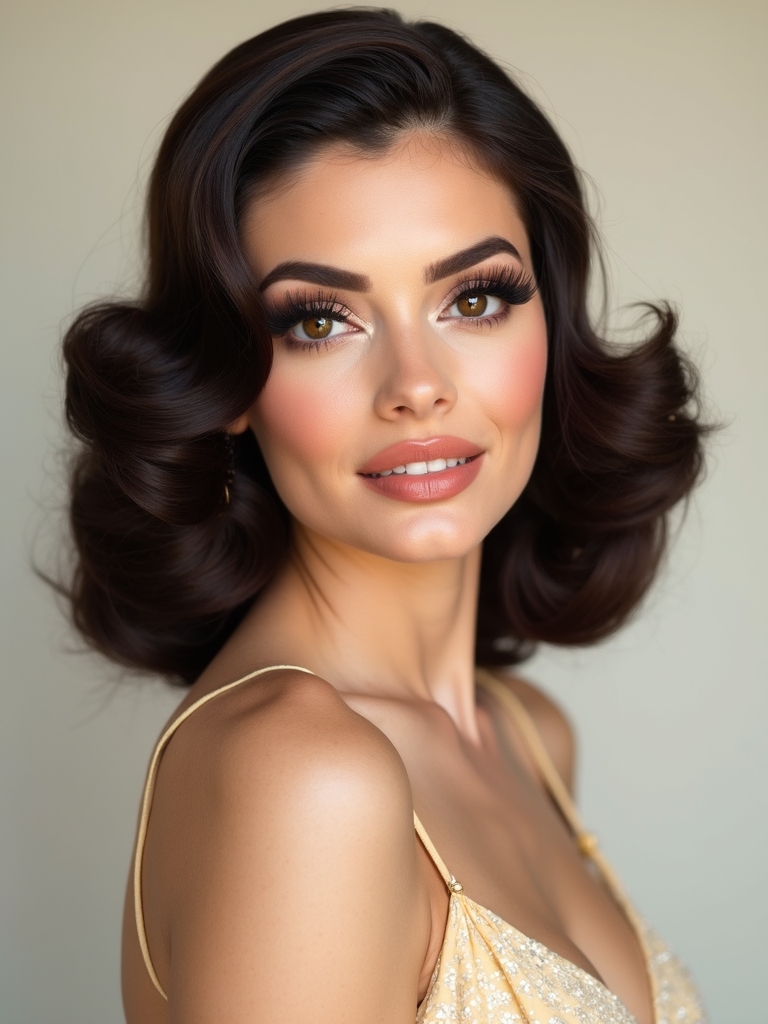
If the lower lashes are the era’s quirk, the upper lashes are its glamour: full, feathered, fluttering fans that opened the eye wide. This is the part of the look that translates to any face with zero risk of costume.
- Curl your natural lashes hard and coat them in a few thin layers, combing between coats so they separate.
- Add a wispy, feathered strip lash rather than a dense, spiky one for the period feel.
- Tightline the upper lash line first so there is no bare gap above the lashes.
The White Waterline Brightener
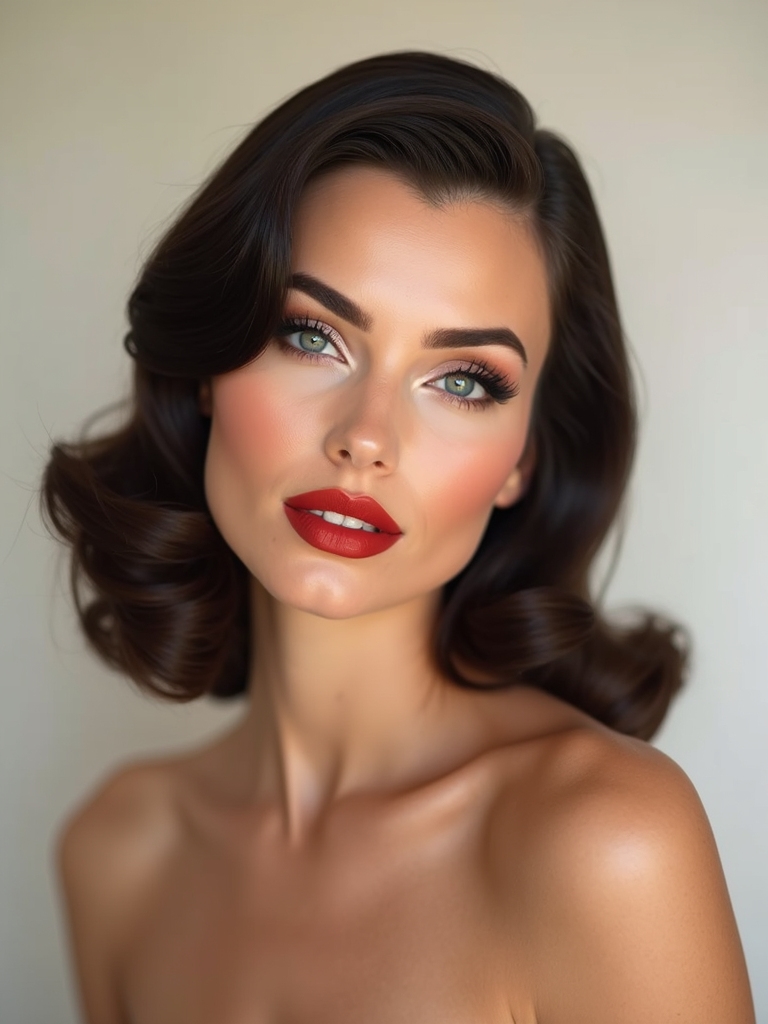
One tiny sixties trick does more than any other to open the eye: a stroke of white or cream along the lower waterline. It fakes a brighter, bigger, more rested eye instantly and costs almost nothing to try.
- Line the lower waterline with a creamy white or nude pencil, reapplying as it fades.
- On deep, richly melanated skin, a warm ivory reads softer and more natural than a stark bright white.
- Pair it with the cat-eye for the full wide-awake doll effect.
Cool Sculpted Cheeks
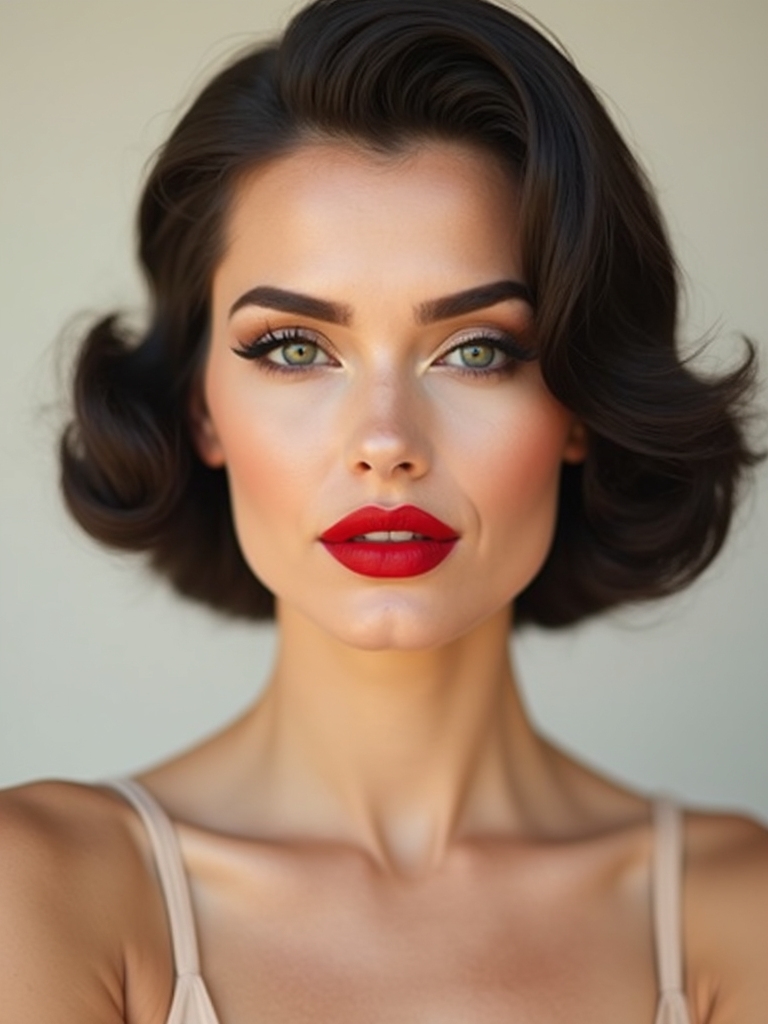
The sixties cheek was not the warm, bronzed contour we use now; it was a cool, lifted shadow placed high to carve a little structure under sharp eye looks. It is subtle, more architecture than color, and it keeps the face from going flat.
- Use a cool-toned, taupe blush or shadow, not a warm bronzer, just under the cheekbone.
- Place it high and blend up toward the temple for a lifted, mod angle.
- Keep it whisper-light; the cheek should support the eye, never compete.
A Monochrome Peach Moment
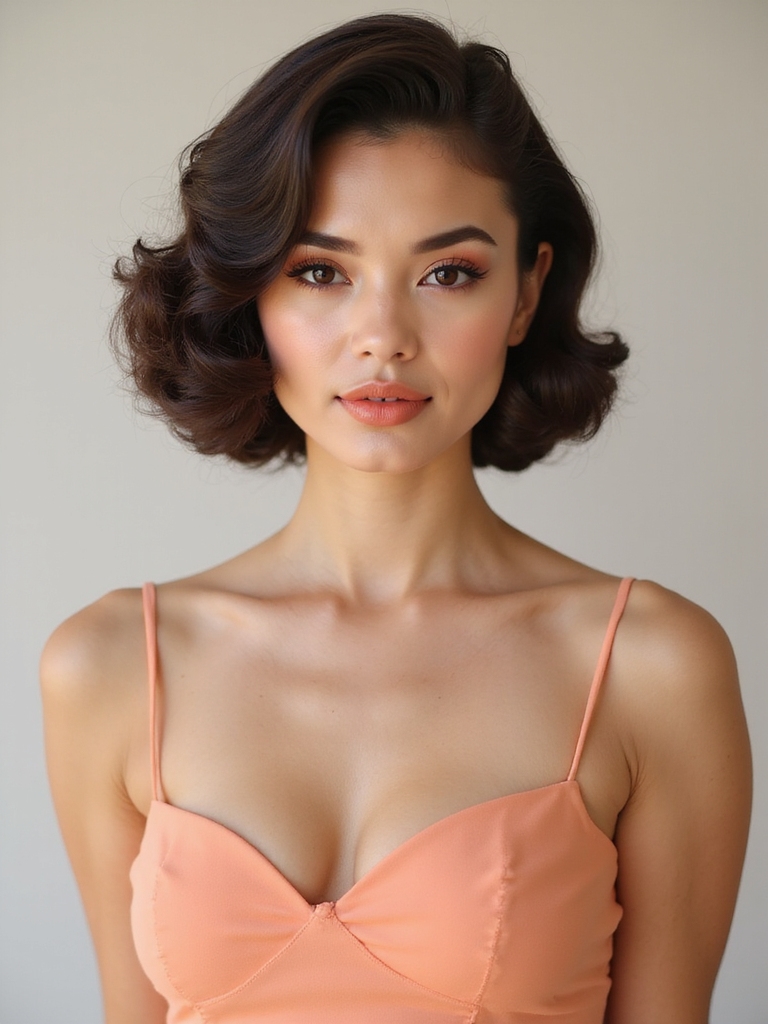
For the era’s softer, daytime side, a peach monochrome washes the same warm, rosy peach over lids, cheeks, and lips for a sunlit, cohesive glow. It is the gentlest sixties look and the easiest to wear to work.
- Use one creamy peach product on eyes, cheeks, and lips for a quick, harmonious face.
- Keep the eye diffused, not graphic, with a thin liner if you want a little definition.
- It flatters warm and neutral undertones; cooler skin can shift the peach toward apricot-pink.
The Mod Black-and-White Eye
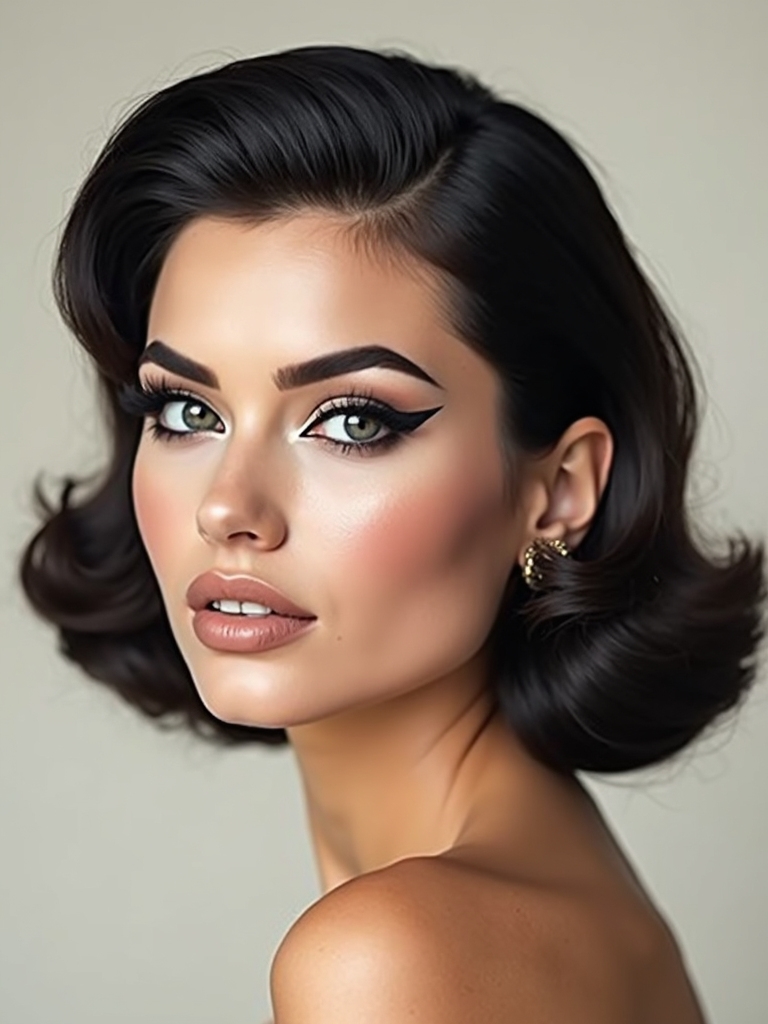
At the boldest, graphic end sits the mod black-and-white eye: stark white lid against jet-black liner, a high-contrast op-art moment built for a statement. It is the look that turns makeup into pure graphic design and is not for a quiet Tuesday.
- Paint the lid bright white, then frame it with a thick, clean black line above.
- Keep the rest of the face nearly bare so the eye stays the whole event.
- Set the white with a matching shadow so it does not crease or slide by noon.
The Sixties Siren Red Lip
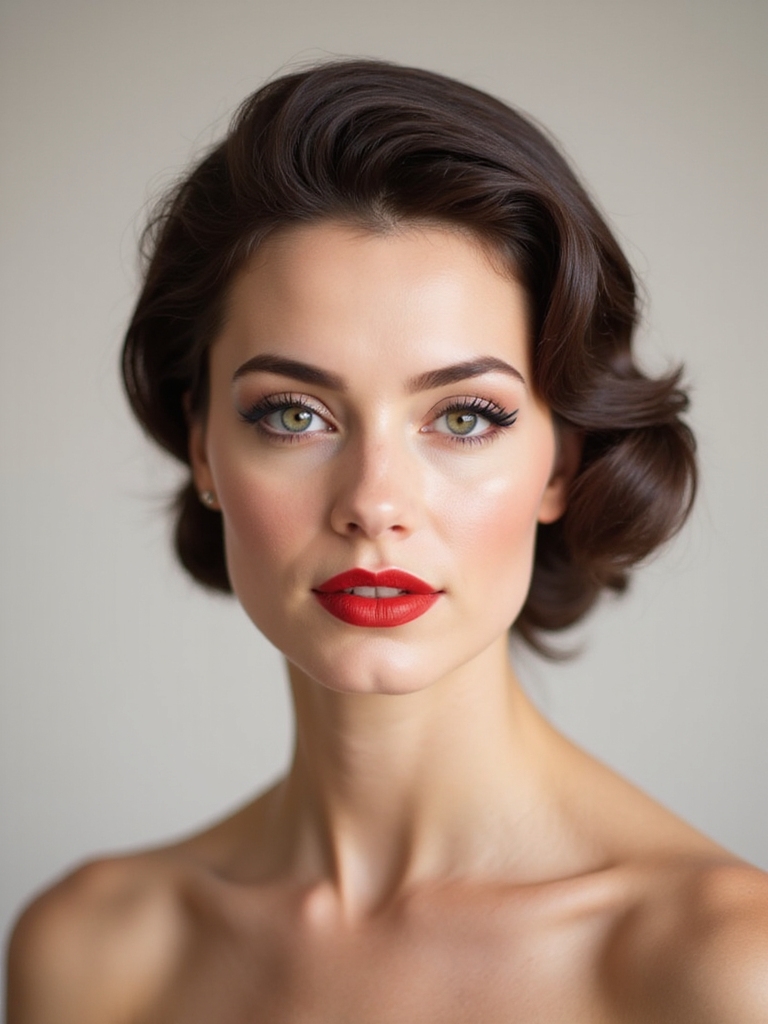
Not every sixties woman wore a nude; the decade’s other mouth was a confident matte red, worn with a softer eye for evening glamour. It is the look that proves the era was not only doe-eyed innocence.
Over years of doing other people’s faces, I have learned the red is all about undertone. Cool, blue-based reds flatter pink and olive skin, while a true or brick red glows on warm and deeper tones; test it against your wrist, not the back of your hand. Line first, blot, and reapply for a stain that lasts the night. For a different decade’s take, see the ’70s version.
The Headband and Liner Pairing
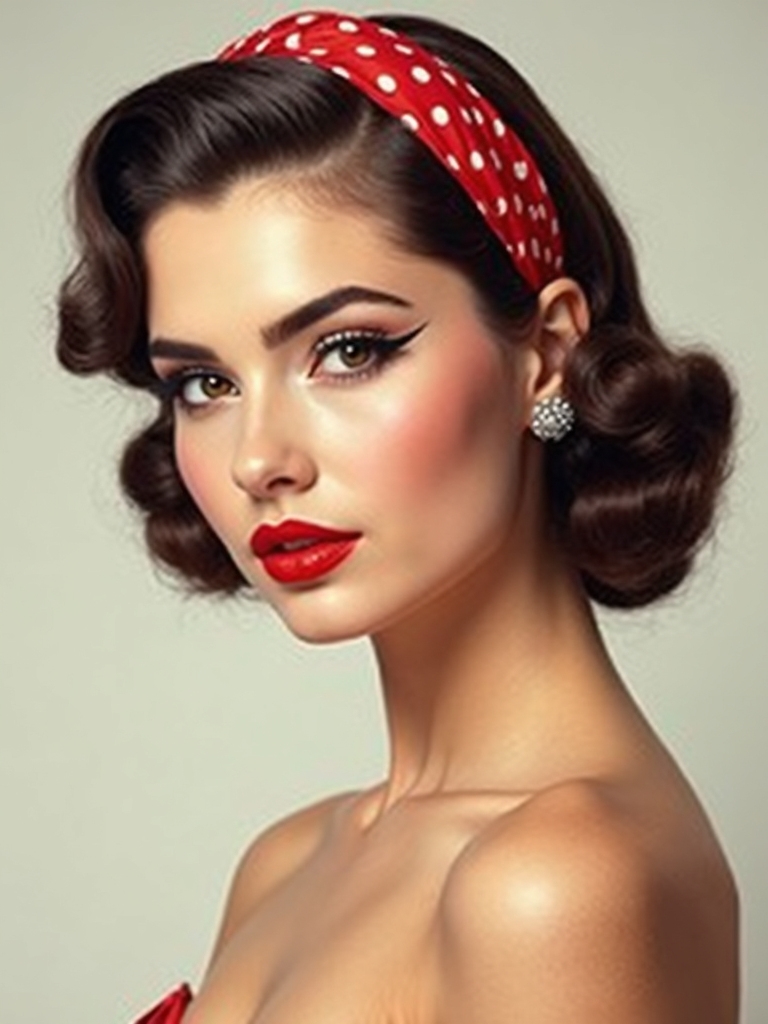
The sixties was as much about the framing as the face, and nothing finishes a graphic eye like a wide headband pushing the hair back and up. The bare forehead and lifted volume put the whole focus on the liner, and it is the fastest way to make the look feel complete and intentional.
Keep the hair smooth and the band simple, a solid color or a clean print, so it frames rather than fights the makeup. It is a one-second styling trick that turns a strong eye into a finished, head-to-toe sixties moment. For a soft, current cousin to all of this, try an everyday natural face instead.
’60s Makeup, Answered
?What is the single most important part of a ’60s makeup look?
The eye, without question. If you only do one thing, make it a clean, graphic black wing, since the entire decade was built on drawing attention upward to a defined, wide-open eye. A nude or soft lip then balances it. Get the liner right and the rest is supporting cast.
?Does ’60s makeup only suit certain skin tones?
Not at all, though some pieces need adjusting. The graphic eye and nude lip work on everyone once you pick the right nude for your undertone, and pastels or white waterlines simply want a creamier, pigment-rich formula on deeper skin to stay true rather than ashy. The shapes are universal; the shades are personal.
?How do I keep a cat-eye from looking uneven?
Start by mapping both wings with light dots before you draw, lining them up with your lower lash line, then connect in short strokes rather than one nervous swoop. If they go crooked, clean the underside with a cotton swab and a little concealer to sharpen the line instead of starting over.
?Is ’60s makeup hard for beginners?
The cat-eye takes practice, but several looks are truly beginner-friendly: the floating liner, the peach monochrome, and the white waterline trick all deliver the vibe with very little skill. Start with those, build confidence, and work up to the cut crease, which is the one technique that truly rewards experience.
?How do I make the look feel modern instead of like a costume?
Wear one element, not all of them. Choose a single hero, a graphic eye or a bold lip, keep the skin fresh and natural rather than powdered flat, and let the rest stay minimal. The difference between chic and costume is almost always restraint, not technique.
Wearing the Sixties Now
What makes sixties makeup endure is how modern its logic still feels: pick one feature, draw it boldly, and let the rest of the face go quiet. Strip away the doll-like extremes and you are left with a graphic eye and a nude mouth that look just as current today as they did then.
So borrow the piece that speaks to you, the wing, the pastel wash, the siren red, and leave the rest. Borrow the one that makes you grin, and leave the museum piece on the screen. Answer that honestly and a vintage idea starts to look like you, the way it should.
More to Explore