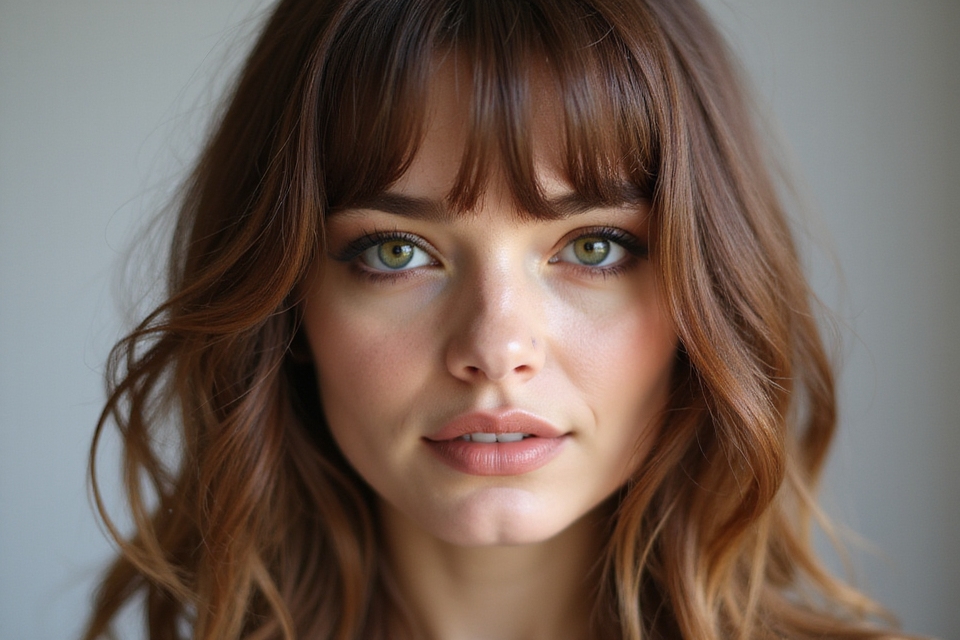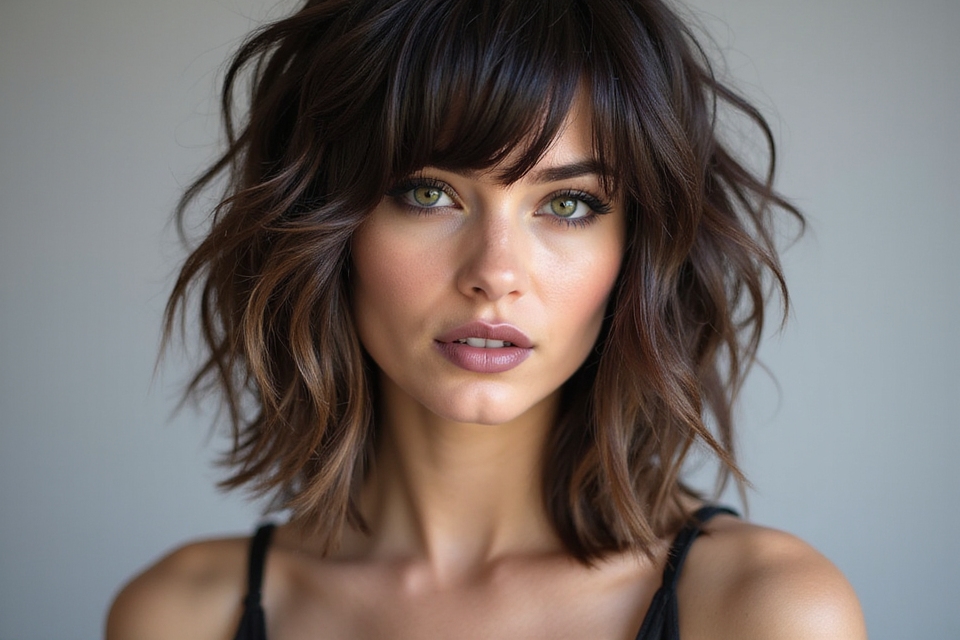
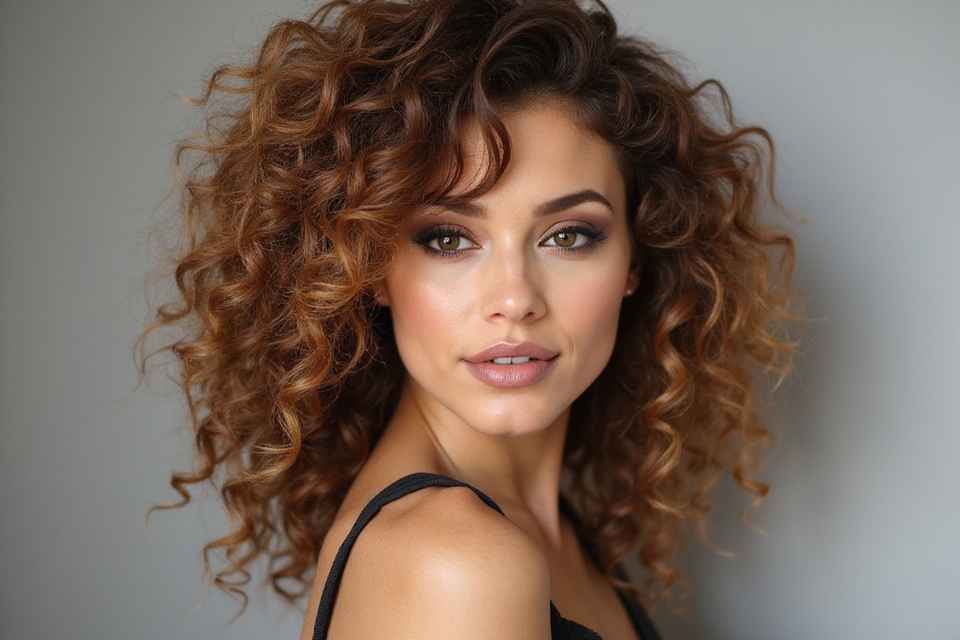
A friend of mine spent years tying her curls back because they sat in a flat, heavy triangle no matter what she did. Then she walked into a salon, asked for a curly shag, and walked out with hair that finally moved. She has not owned a hair tie since.
That is the quiet power of the shag on curly hair. All those choppy, stacked layers break up bulk, scatter volume where you want it, and let curls spring instead of clump. This guide runs through the cut itself, the layers and bangs, the styling that keeps it alive, and the small mistakes worth dodging, whatever your curl pattern.
Curly Shag Basics
What is a curly shag? A heavily layered cut with shorter pieces up top and longer ends, designed to add movement and remove bulk so curls fall in soft, separated layers rather than one dense mass.
Who does it suit? Almost everyone. From loose type 2 waves to tight type 4 coils, the layers just get adjusted to your density and curl pattern.
How often does it need trimming? Every eight to twelve weeks keeps the layers crisp. The shape grows out softly, so you have some grace between appointments.
The Cool Curly Shag

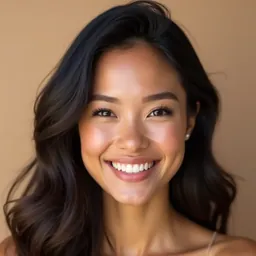
The curly shag has roots in 1970s rock and roll, and it has come roaring back because it does something few cuts manage: it makes curly hair look styled and undone at the same time. The whole vibe is relaxed, a little wild, and full of texture.
- Choppy, uneven layers that give curls room to bounce and separate.
- A fuller, textured crown that tapers into wispy, piecey ends.
- Bangs or face-framing pieces that soften the whole look around the face.
The Layered Curly Shag

Layers are the entire engine of this cut. Where a one-length cut on curly hair traps weight at the bottom and creates that dreaded pyramid, a shag stacks shorter pieces through the top and crown so volume spreads evenly. The hair ends up rounder and far more dynamic.
The layering on a curly shag is heavier and more dramatic than on straight hair, because curls shrink and need extra room to expand. A skilled stylist removes bulk with intention, carving more than chopping, carving out shape while keeping enough density that the cut still looks full.
Done right, those layers read as movement, with curls of slightly different lengths catching the light and tumbling over each other. That dimension is exactly what makes a shag look so alive compared to a blunt cut.
Two things people wrongly believe about curly shags.
❌ Myth: A shag will make my curly hair frizzier.
✅ Reality: The opposite, usually. When cut by a curl specialist, the layers reduce bulk and the puffiness that reads as frizz. Bad frizz comes from the wrong cut or dryness, not the shag itself.
❌ Myth: Shags only work on loose, wavy hair.
✅ Reality: Tight coils wear the shag beautifully too. The layering is simply adjusted to control shrinkage and shape, and many of the best curly shags are on type 4 hair.
Curly Shag by Face Shape

One reason the shag flatters so widely is how adaptable it is. The placement of layers and bangs can be tuned to balance any face shape, which is the kind of customizing a good curly stylist does instinctively. It behaves more like a flexible blueprint than a fixed cut.
The goal is always balance, using volume to soften and balance your strongest features. A quick conversation about your face shape before the cut pays off for months.
- Round faces: keep height and volume at the crown to lengthen and slim.
- Long faces: build width at the sides with shorter layers and add bangs.
- Square faces: soft, wispy face-framing layers round off a strong jaw.
Shag Length Options

The shag is not locked to one length. It works from cropped to past the shoulders, with each version giving a different mood, so you can keep as much length as you love while still getting all that layered movement. Your daily routine is worth weighing here too.
- Short curly shag: maximum volume and edge, low on length, high on personality.
- Medium curly shag: the most popular middle ground, hitting around the collarbone.
- Long curly shag: keeps real length while layers stop it from going flat and heavy.
🅰️Short Curly Shag
Maximum volume and edge with minimal styling time, great for showing off tight curls. Less length to play with for updos.
🅱️Long Curly Shag
Keeps the length you love while layers add movement and stop the weight. Needs a bit more product and care to avoid flatness at the root.
Layered Curls for Movement
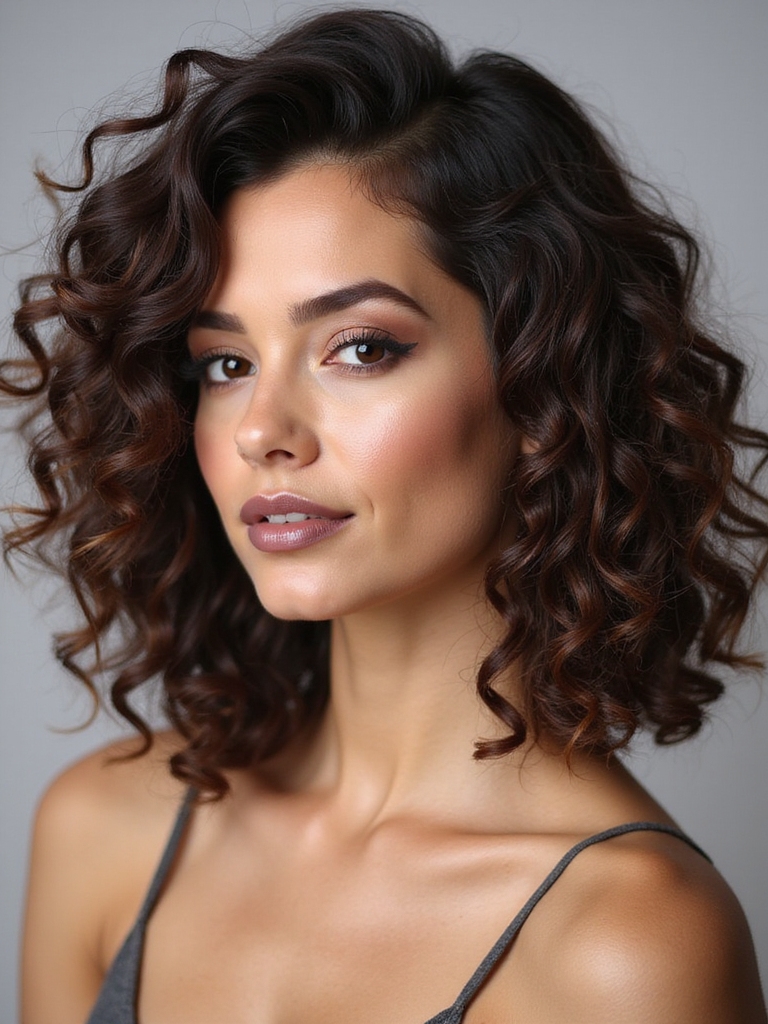
Movement is the payoff curly people chase, and layers are how you buy it. By varying the length of curls throughout the cut, a shag frees your hair from one heavy block so individual curls swing and spring. This is the antidote to the triangle shape so many curlies battle.
- Internal layers remove weight from underneath so curls can lift at the root.
- Varied lengths let curls fall at different points for a tumbling, dimensional look.
- Lighter ends flick out and add the piecey, textured finish a shag is known for.
Bangs for the Shag
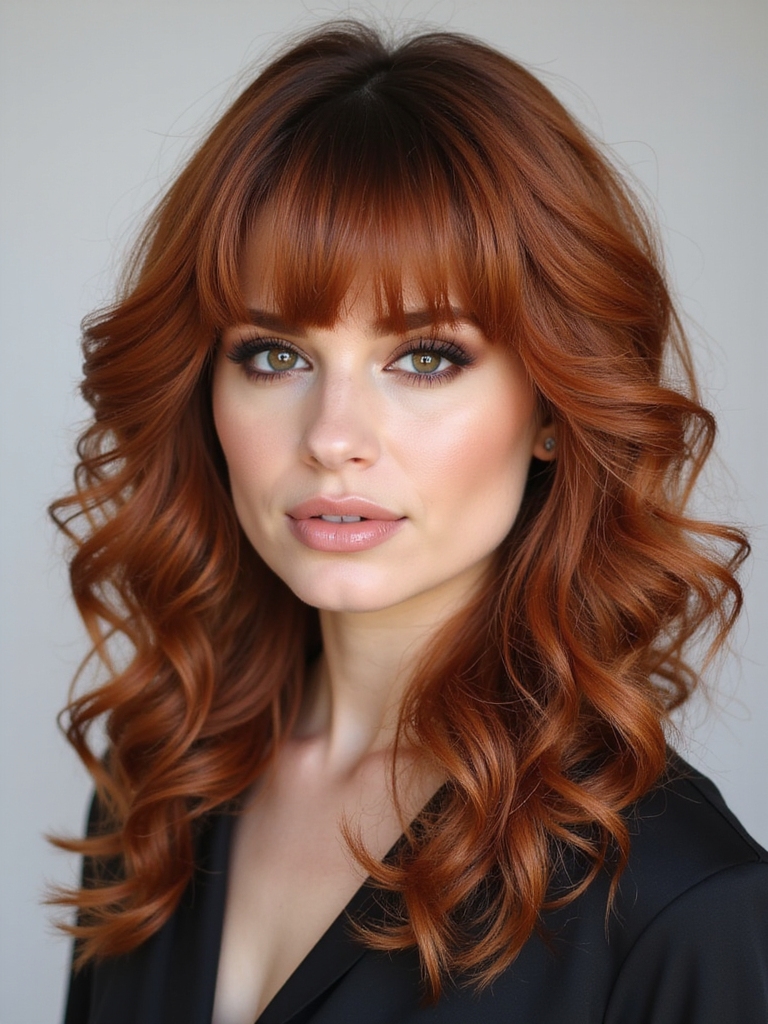
Bangs and the shag are a near-perfect match. Curly fringe, whether full or wispy, frames the face and pulls the whole cut together, adding to that carefree energy the style is built on. Just respect the shrinkage and cut them on the longer side. The curtain bangs option is the most forgiving entry point.
- Curly curtain bangs that part in the middle and sweep softly to each side.
- A fuller curly fringe for a bold, retro statement on tighter textures.
- Wispy, piecey bangs that blend smoothly into the face-framing layers.
“Stylist tip: bring photos of your actual curl type, not just a look you like, and ask your stylist to cut your hair dry and in its natural state. Curls shrink and behave differently when wet, so a dry cut is how you avoid the surprise of a shag that turns out much shorter than you pictured.”
Built-In Volume and Texture
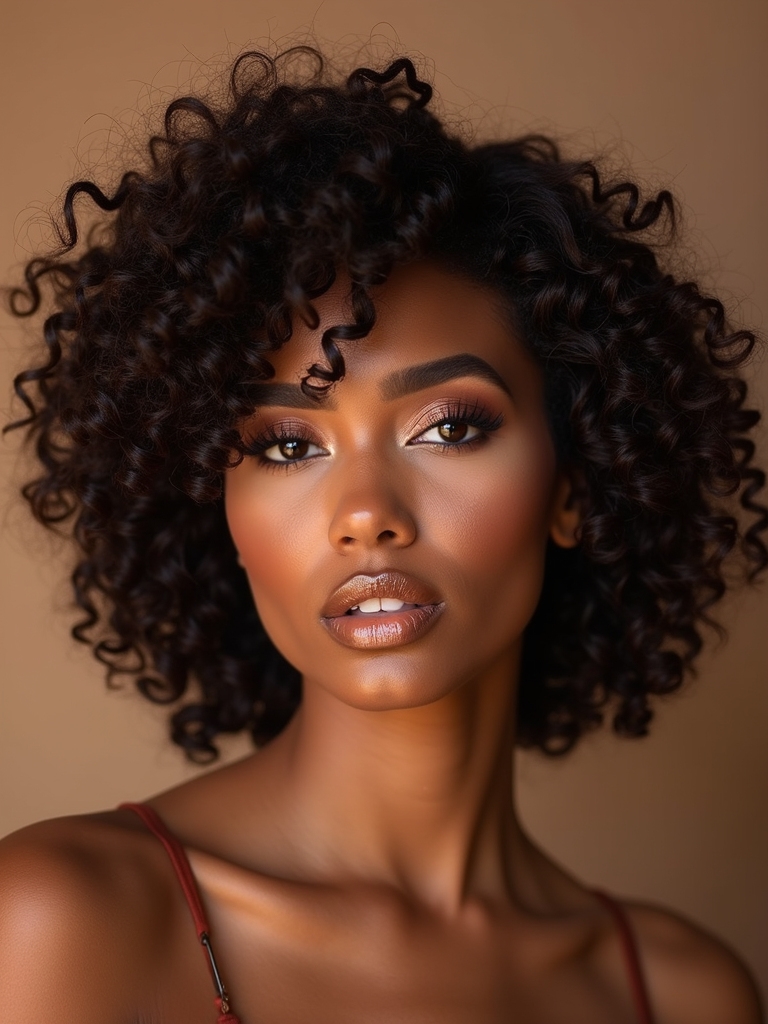
The best thing about a curly shag is how much it does without you. The layered structure builds volume and texture into the cut itself, so even on a low-effort day your hair has shape and body. The work happens at the chair, not in your bathroom every morning.
Letting the Cut Do the Work
That built-in fullness comes from the way short crown layers prop up the curls around them. Each layer gives the one above it a little lift, creating natural height that a one-length cut simply flattens out.
It means you can lean on the cut. A quick refresh and scrunch, and the shape is there waiting, which is a big part of why busy curlies fall for this style.
Curly Shag Maintenance
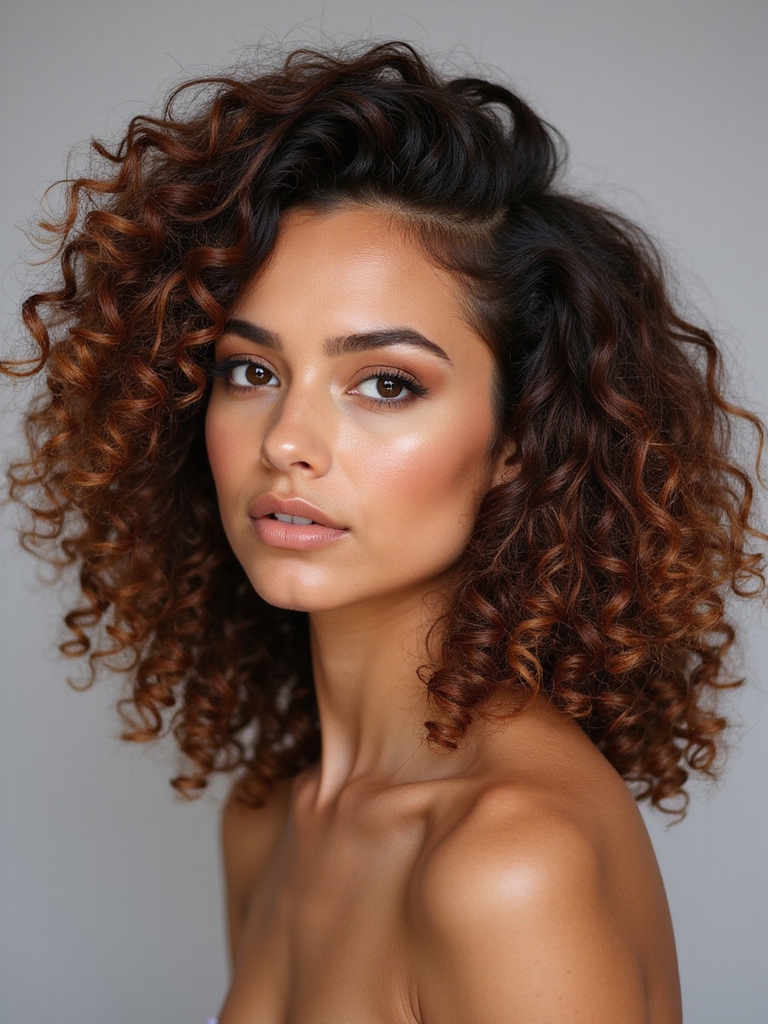
A shag is lower-maintenance day to day, but it does ask for upkeep in the chair. Because the shape relies on precise layers, regular trims keep it from blurring into a shapeless grow-out. Budget around $60 to $150 per cut depending on your salon, every couple of months.
- Book a trim every eight to twelve weeks to keep the layers defined.
- Find a stylist who cuts curly hair dry, so they can shape each curl as it falls.
- Between cuts, dust your own ends only if you know what you are doing, or leave it to the pro.
Quick Win
If your curls keep going flat at the crown, clip the roots up with a few small claw or duckbill clips while your hair dries. Two minutes of clipping locks in lift that lasts all day on a shag.
Products for Curl and Volume
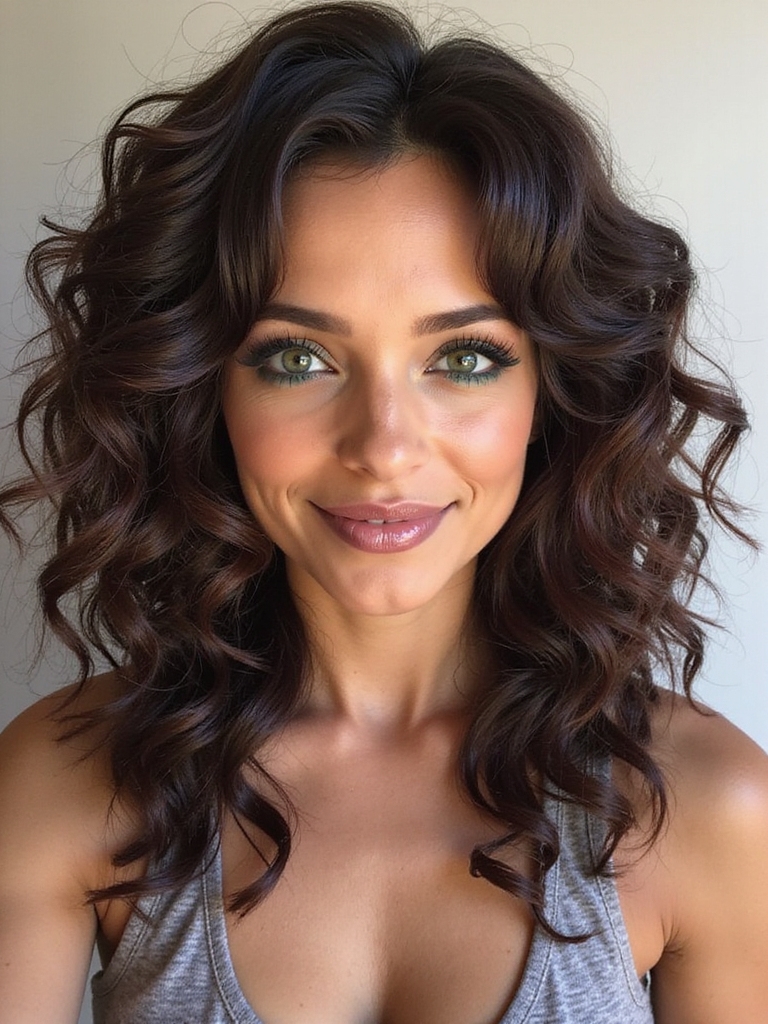
The right products turn a good cut into a great style. Curly shags love lightweight formulas that define without weighing the layers down, since the whole point of the cut is air and movement. Heavy creams can flatten all that hard-won volume.
Start with a leave-in on soaking-wet hair, then add a curl-enhancing mousse or a light gel to define and hold. Mousse is a curly shag’s best friend because it adds body without heaviness, and a gel cast scrunched out once dry gives lasting definition.
Finish with a tiny amount of oil or serum only on the mid-lengths and ends to fight frizz, keeping the roots clear so they stay lifted. A volume-focused root spray helps fine curls hold their height.
Heat Protectant for Healthy Curls

Most curly shags look best air-dried or diffused, but if you ever reach for a hot tool, protection is non-negotiable. Heat is one of the fastest ways to lose curl definition over time, and a shag depends on healthy, springy curls to look its best. Damaged ends fall flat and frizzy.
Always apply a heat protectant before any heat, including a diffuser on a hot setting. These products put a barrier between your strands and the heat, reducing the moisture loss that leads to breakage and dullness.
When you can, let your curls dry naturally or on cool-to-warm settings. Your curl pattern stays tighter and your shag holds its shape far longer when heat damage is not slowly loosening it.
Air-Dry or Diffuse
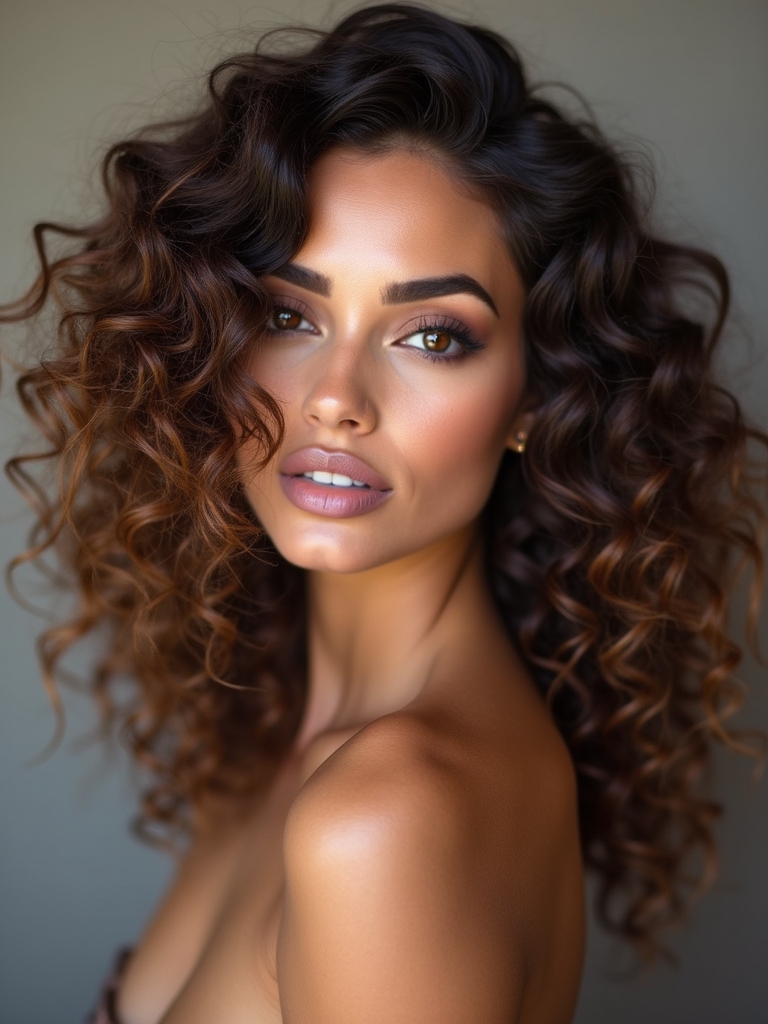
How you dry a curly shag shapes the final result more than almost anything else. Air-drying gives the most natural, relaxed fall and zero heat exposure, which curls love, though it asks for patience and cooperative weather. The trade-off is time.
Diffusing speeds things up and pumps real volume into the roots, which suits the lifted, full shape a shag wants. Use a low speed and medium heat, cup the curls up toward the scalp, and stop while they are just barely damp to avoid frizz. Both routes work; it just depends on your morning.
Curly Shag Inspiration

When you are ready to commit, gather a few reference photos so you and your stylist start on the same page. Looking at shags on hair like yours, similar curl pattern and density, sets realistic expectations far better than a photo of looser hair.
Choosing Reference Photos
Pay attention to layer placement and bang style in the photos you save, not just the overall vibe. Those details are what actually translate to your cut, and pointing to them helps your stylist read your goal.
For a broader pool of ideas across lengths, the modern shag haircut gallery is a useful starting point before your appointment.
Bold Curls With Layers
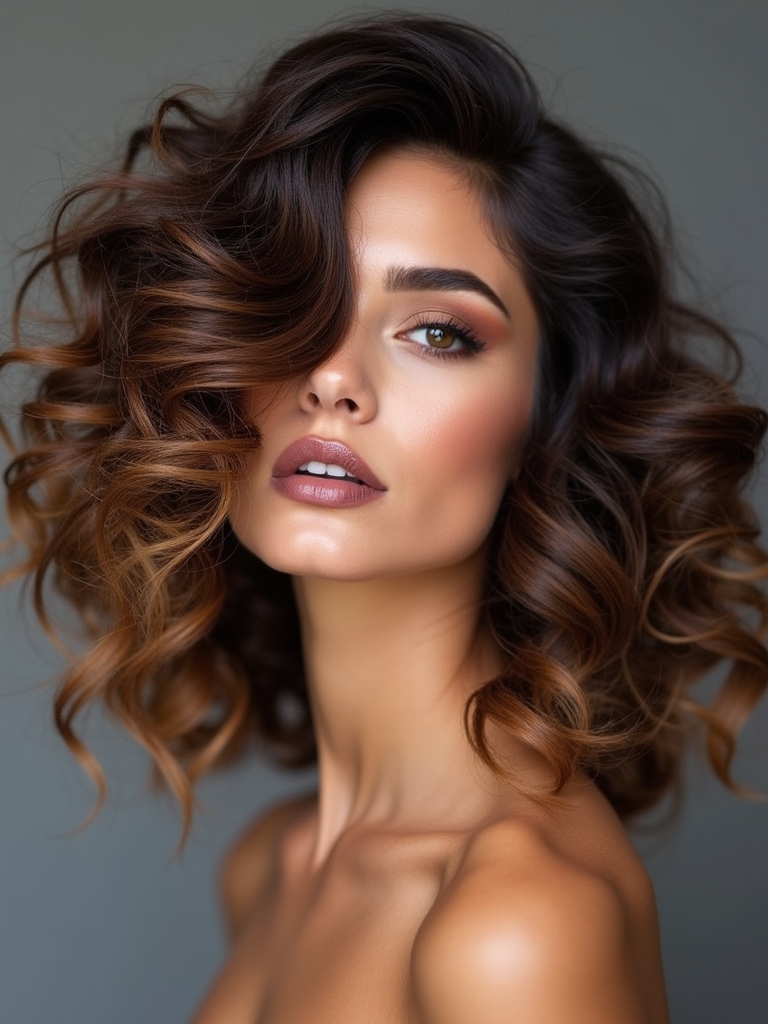
If you want your shag to make a statement, lean into the boldest version of the cut. More dramatic layering and bigger volume turn the style up to full rock-and-roll, perfect for anyone who wants their curls to be the loudest thing in the room. This is the shag with the volume dial maxed.
- Heavier, choppier layers for extra separation and a wilder texture.
- Maximum crown volume diffused upside down for serious height.
- A bold curly fringe to frame the face and complete the high-impact look.
A Curly Shag Transformation
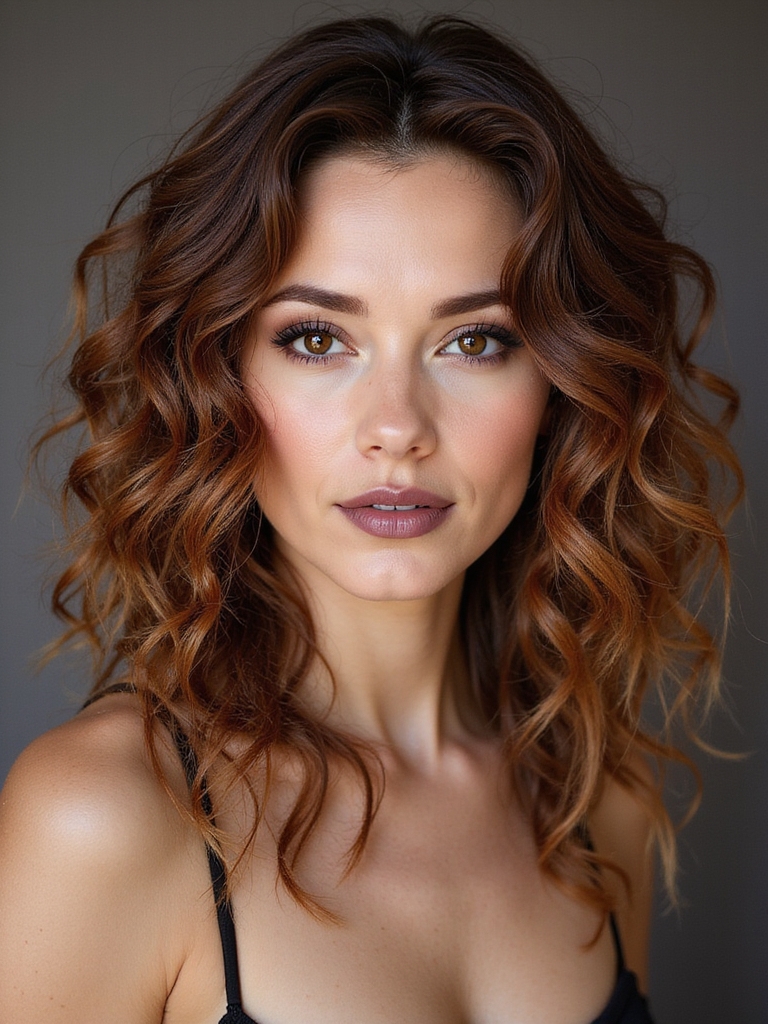
Few cuts deliver a more satisfying before-and-after than a curly shag on hair that has been one length for years. Watching dense, flat hair turn into something with bounce and shape is real fun to witness in the chair. The change is immediate.
- Before: heavy, triangular, with curls weighed down and stuck to one shape.
- During: layers carved through the bulk, instantly freeing the curls to expand.
- After: light, voluminous, and full of movement, often with less daily effort than before.
Curly Shag for Every Curl Type
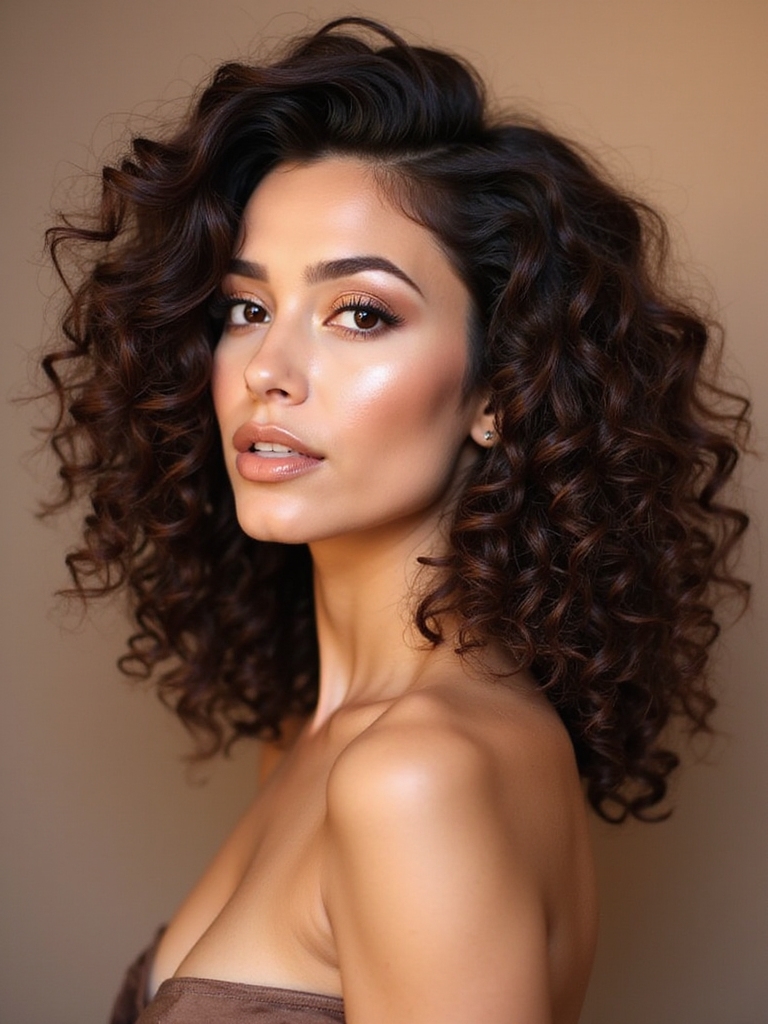
A curly shag is not a one-size cut, and that is its strength. The same layered idea gets tailored to how your curls actually behave, which is why it works across the whole texture spectrum. The stylist simply adjusts where and how much they layer.
Looser Curls Versus Tight Coils
On looser type 2 and 3 hair, layers add the definition and grit that finer curls can lack, stopping the hair from falling limp. On tighter type 3c and 4 coils, the layers are placed to control bulk and shape the silhouette while protecting length, since coily hair shrinks the most.
What matters most is a stylist who truly understands your specific pattern. A shag cut for wavy hair differs from one cut for coils, and that expertise is what makes the cut sing on any head.
The Shag Transformation, Step by Step
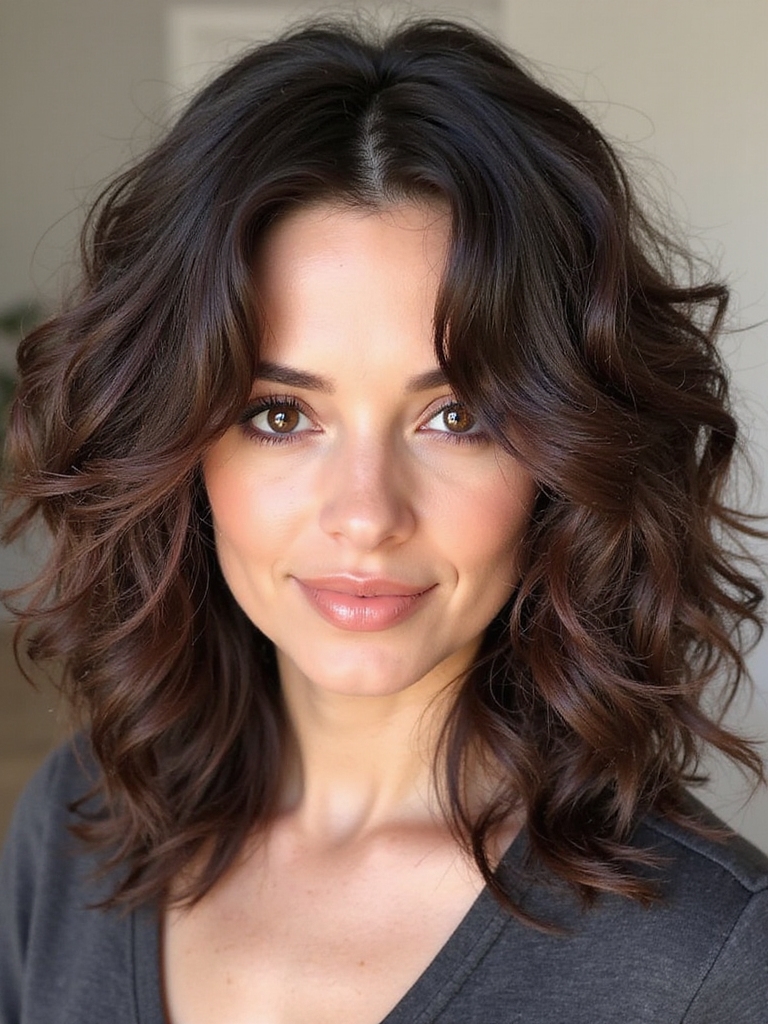
If you have never had a shag, knowing the process takes the nerves out of it. A good curly cut usually starts with your hair dry and in its natural state, so the stylist can see exactly how your curls sit before a single snip. This is the opposite of the old wet-cut approach.
From there, they section and carve out layers curl by curl, checking the shape as they go and accounting for how each piece will spring up. It feels slower than a regular cut, and that patience is the whole point of a dialed-in result.
Many stylists finish by styling the cut so you leave knowing how to recreate it. Do not be shy about asking which products they used and how, since that knowledge is half of what you are paying for.
Color and Hues on Curls
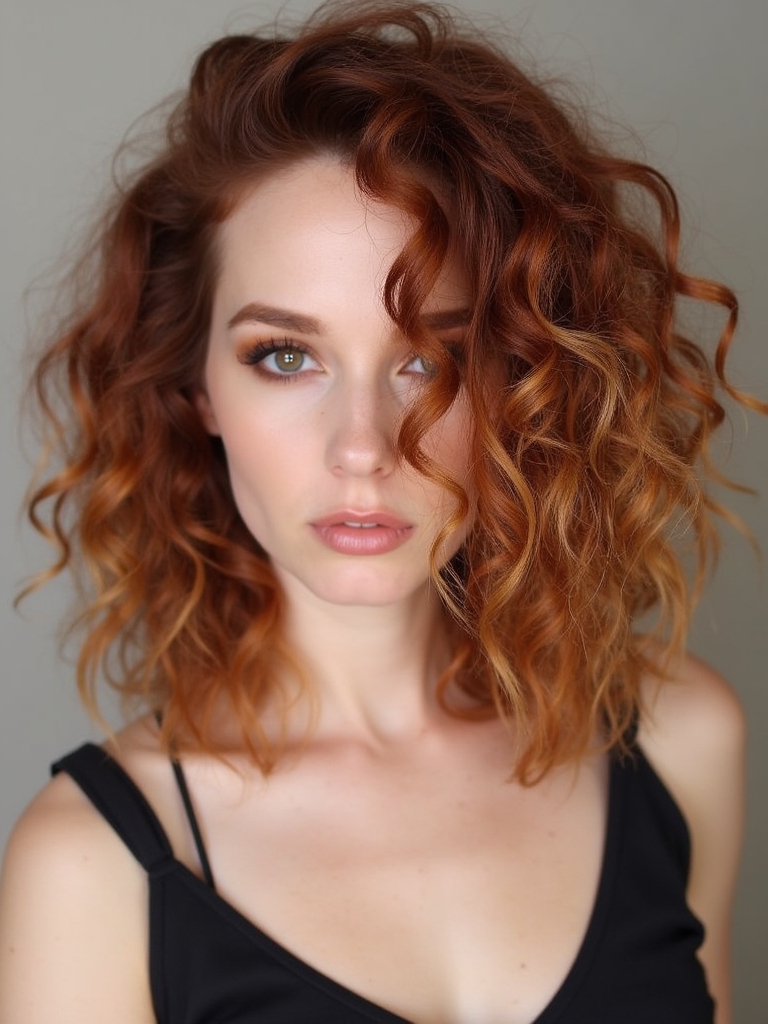
Color and a shag are a powerful combination, because all those layers give dimensional color somewhere to shine. Highlights and lowlights woven through the cut catch the eye as the curls move, making the texture look even richer and fuller. The shape and the color amplify each other.
Curl-painting techniques work especially well on a shag, placing brightness along individual curls so it traces the spiral, never flat banded color. The movement of the cut then shows that color off from every angle.
Keep in mind that color is drying, and a shag needs healthy curls to hold its shape. If you color, double down on moisture and deep conditioning so your curls stay springy and strong.
The Chic Curly Shag
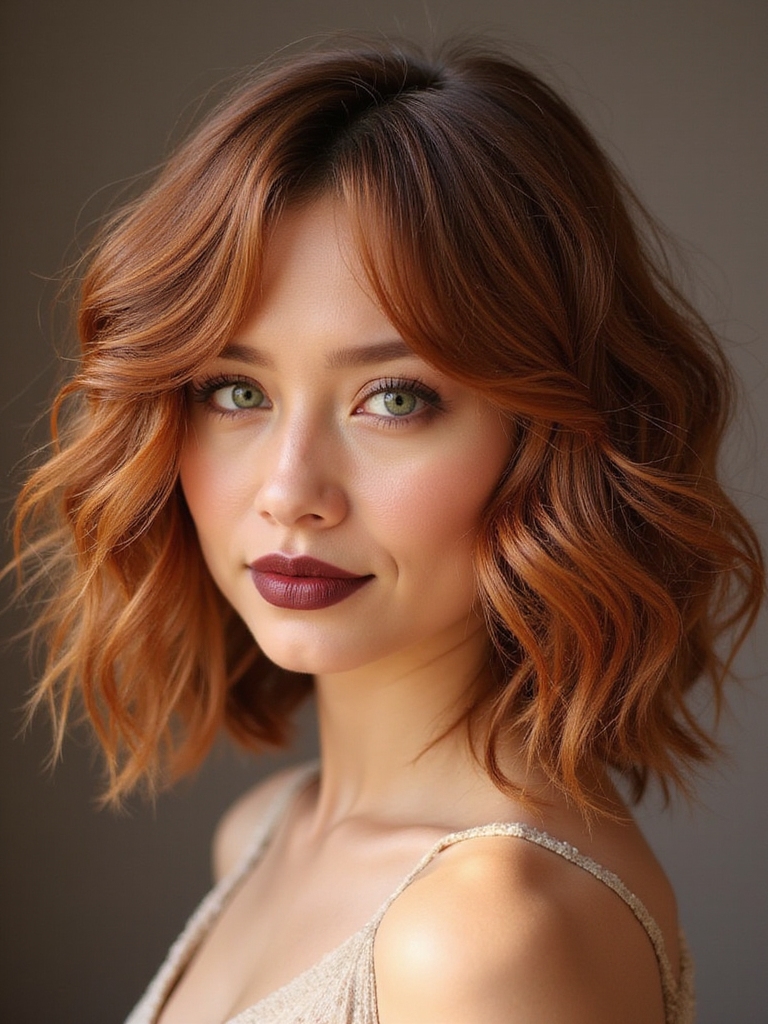
The shag can look polished as easily as wild, depending on how you finish it. Smoothing a few key areas while letting the rest stay textured gives you a put-together look that still feels relaxed and easy. It is the cut’s most office-friendly mood.
- Smooth the crown and front pieces while leaving the lengths full and curly.
- Add a deep side part for instant polish and a touch of drama.
- Tuck one side behind the ear to show off the face-framing layers cleanly.
Moisturize and Trim
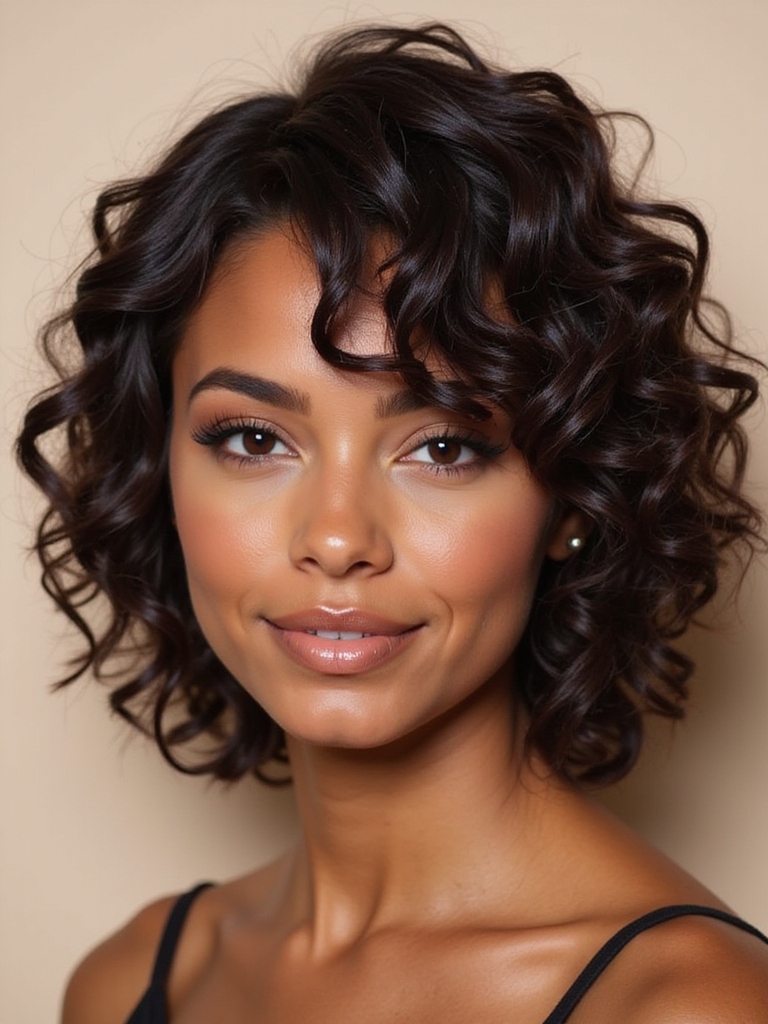
Two habits keep a curly shag looking its best between salon visits: consistent moisture and not skipping trims. Curls run dry by nature, and a shag’s wispy ends show damage fast, so hydration and the occasional dusting protect the shape you paid for. They are unglamorous but they matter.
Think of moisture as daily upkeep and trims as the reset. Together they keep your layers crisp and your curls bouncy instead of frayed and limp at the ends.
- Deep condition weekly to keep curls hydrated and elastic.
- Refresh with water and leave-in between washes so ends do not dry out.
- Keep regular trims so the layered shape stays sharp and breakage stays away.
Curly Shag Mistakes to Avoid
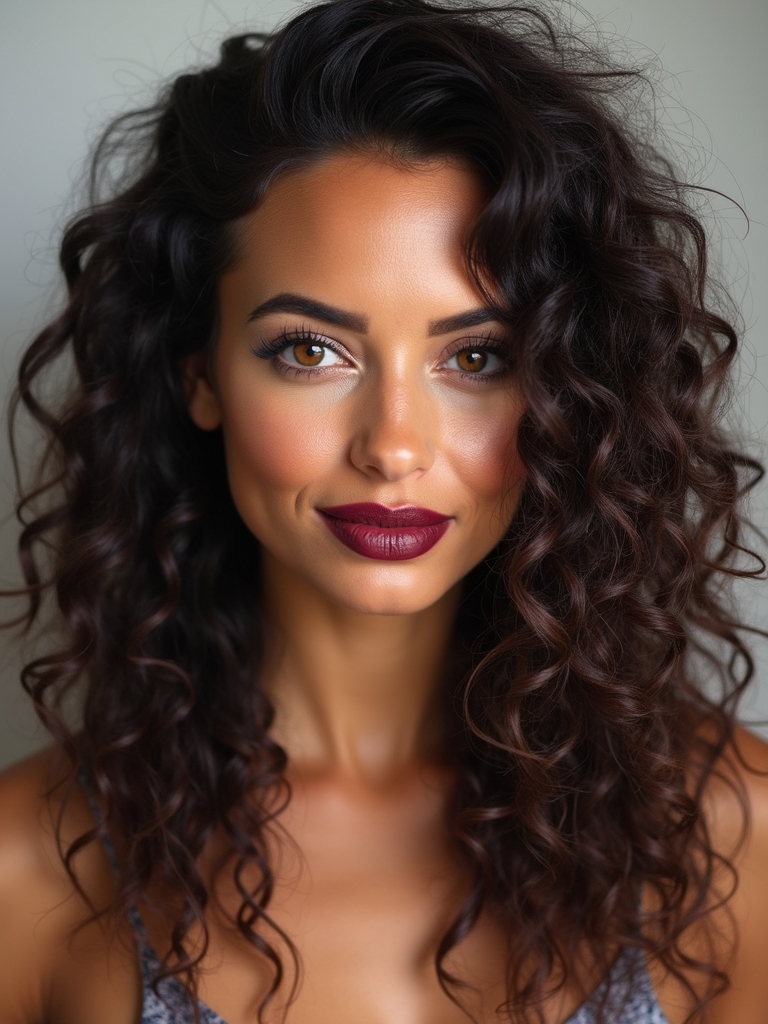
A few avoidable missteps can turn a dream shag into a regret. The biggest is going to a stylist who does not specialize in curly hair, since cutting curls like straight hair is how you end up with that uneven, puffy result nobody wants. Always check a stylist’s curly work first.
The other classics are easy to sidestep once you know them. Brushing a dry shag shatters the curl pattern and triggers frizz, over-washing strips the moisture the cut depends on, and piling on heavy product flattens the volume. Go light on product and gentle on dry curls, and the cut rewards you.
Seasonal Shag Care
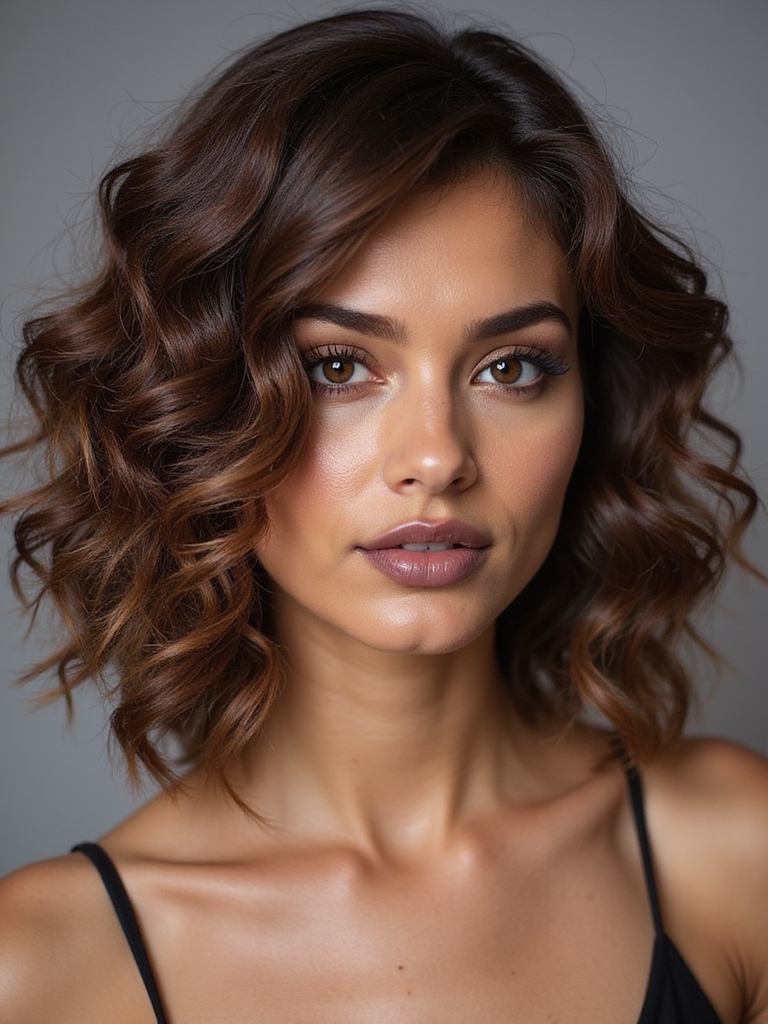
Your curls behave differently as the weather turns, so a little seasonal tweaking keeps the shag happy year-round. Humidity, dry indoor heat, and sun all affect how curls hold and how much moisture they need, and adjusting your routine beats fighting the conditions.
- Summer: lean on anti-humidity gels and lightweight moisture to fight frizz.
- Winter: richer conditioning to counter dry indoor heat, plus a satin-lined hat.
- Year-round: protect curls overnight with a satin pillowcase or bonnet to keep the shape.
Salon Versus DIY
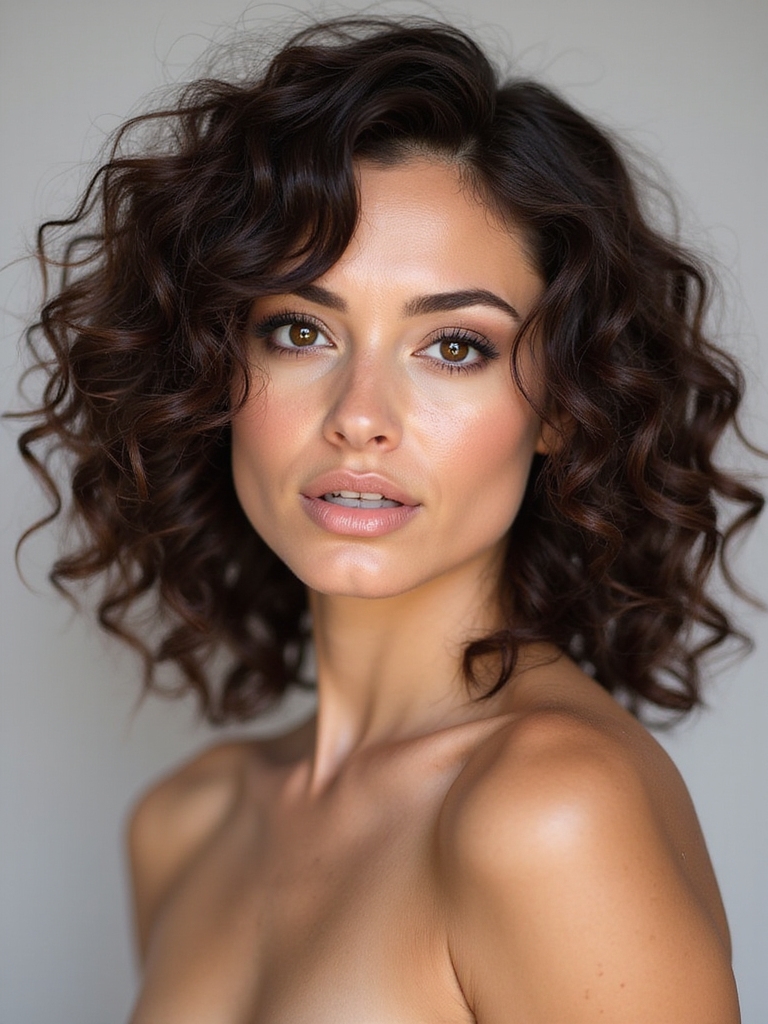
It is tempting to try a curly shag at home after watching a few videos, and plenty of people do trim their own curls. But a true shag relies on precise, intentional layering that is hard to pull off on yourself, especially in the back, so it pays to be honest about the risk.
- Salon: a curl specialist gets the layers, balance, and shape right the first time.
- DIY: fine for small refreshes or curl-by-curl dusting once you have experience.
- Middle ground: get the initial shape cut professionally, then maintain lightly at home.
Shag Updos and Braids
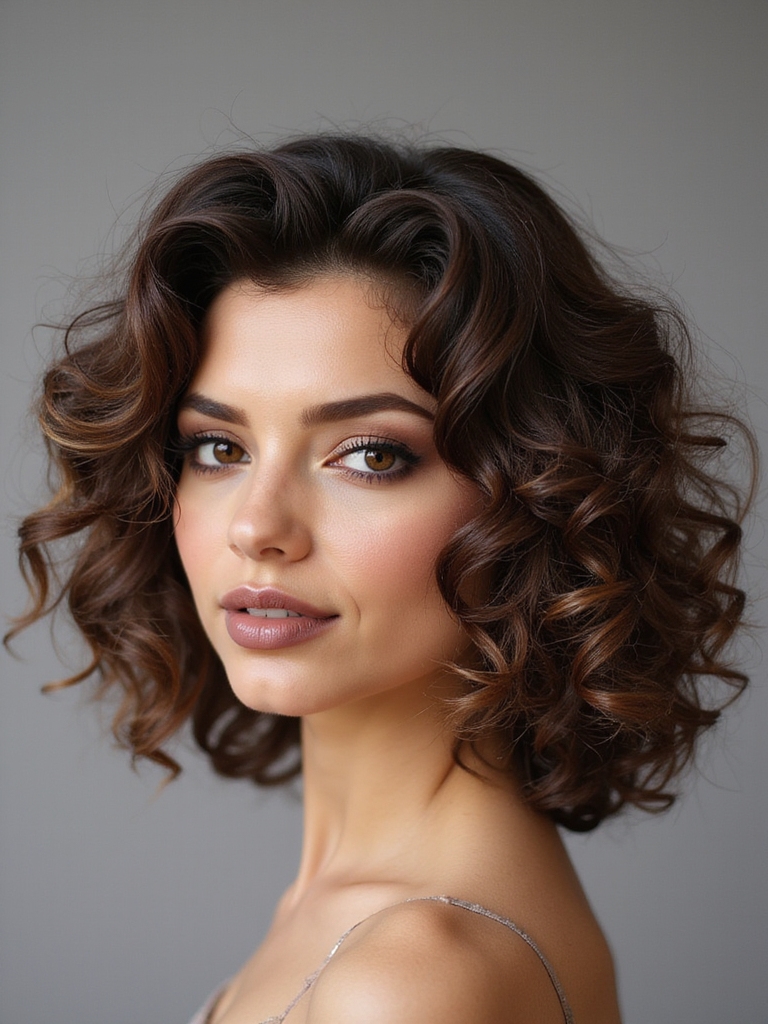
All those layers do not stop you from wearing your shag up. The shorter pieces actually add to the charm of an updo, falling around the face for a soft, undone finish that still looks intentional. A shag rarely pulls back perfectly slick, and that is part of its appeal.
Lean into the texture rather than fighting it. Loose, messy styles flatter the cut far more than tight, polished ones, letting those face-framing layers do their thing.
- A half-up clip that lifts the crown while the layers tumble loose below.
- A loose, low bun with face-framing pieces left out around the face.
- Small braids pinned back to keep the front out of your eyes with a boho feel.
The Timeless Curly Shag
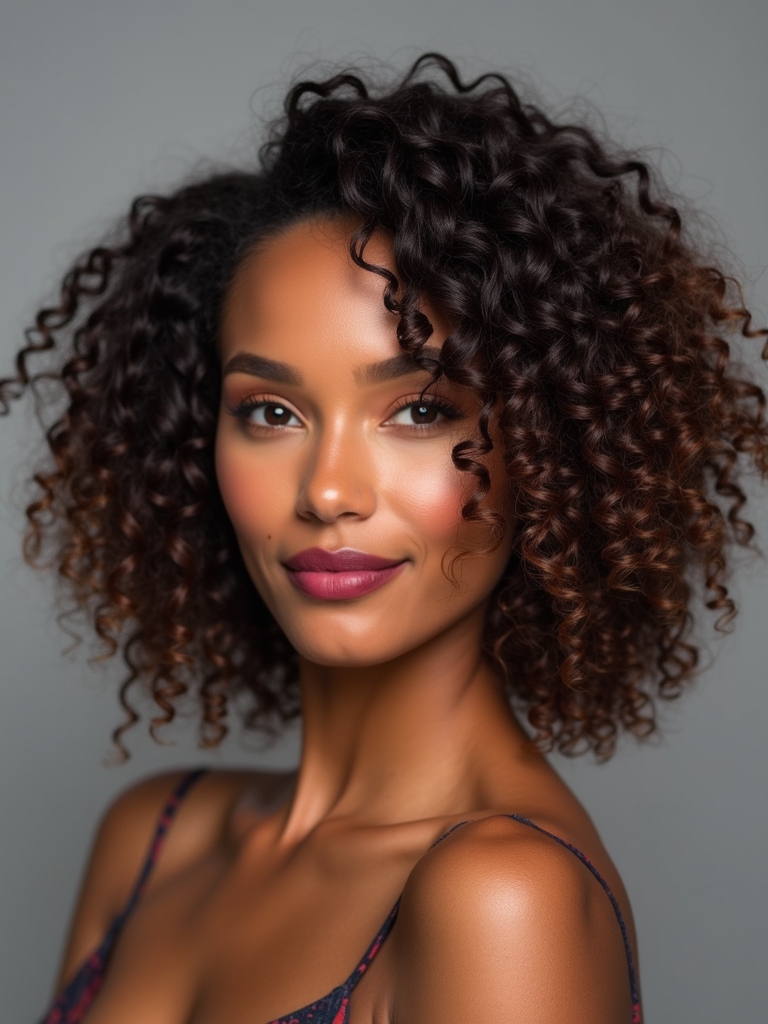
The shag has cycled in and out of fashion since the 1970s, and the curly version keeps proving it has staying power. It works because it solves real problems for curly hair, balancing volume, adding movement, and flattering nearly everyone, well beyond any passing trend.
Why It Always Returns
That practicality is why it never fully disappears. A cut that makes your hair easier to live with and better to look at is always going to find its way back into the conversation, decade after decade.
If you have been on the fence, this is a low-regret leap. The layers grow out softly, so even if it is not your forever cut, you are never stuck. For shorter takes on the same idea, the short shag haircuts and short curly hairstyles roundups are worth a look.
Curly Shag Questions, Answered
?Will a curly shag work on my curl type?
Almost certainly. The shag adapts to everything from loose waves to tight coils; the stylist just changes where and how much they layer. The most important factor is finding someone who specializes in your specific texture.
?How much length will I lose with a shag?
Less than you might fear, since the cut is about layering more than overall shortening. You can keep significant length and still get the movement. Remember curls shrink, so discuss your goal length dry with your stylist.
?Is a curly shag high maintenance?
Day to day it is fairly low-effort, thanks to the built-in volume. The main upkeep is regular trims every eight to twelve weeks to keep the layers defined, plus a consistent moisture routine.
?Can I cut a curly shag myself?
Light dusting or curl-by-curl trims are doable with experience, but the initial layered shape is tricky to get right alone, especially in the back. For the first cut, a curl specialist is well worth it.
Ready to Take the Leap
If your curls have felt heavy, shapeless, or stuck in a triangle, the curly shag is among the most rewarding changes you can make. It hands your hair movement and volume while often cutting your daily styling time, which is a rare win-win in the curly world.
Find a stylist who lives and breathes curly hair, bring a couple of honest reference photos, and trust the cut to carry the look. Once you see your curls finally spring the way they were meant to, you will wonder why you waited. For more shape ideas, the shag haircut guide covers the wider family.
Where to Next