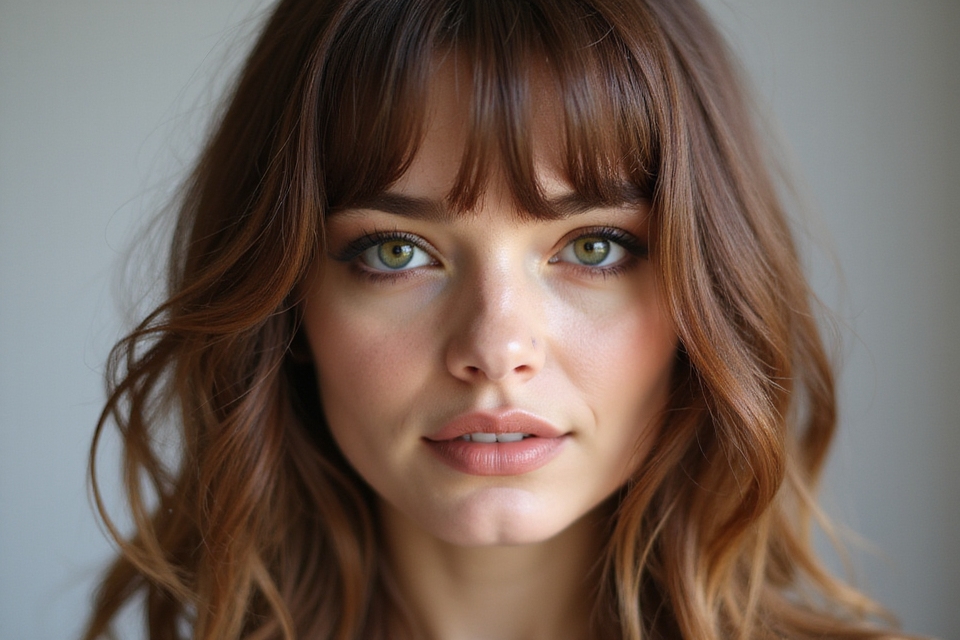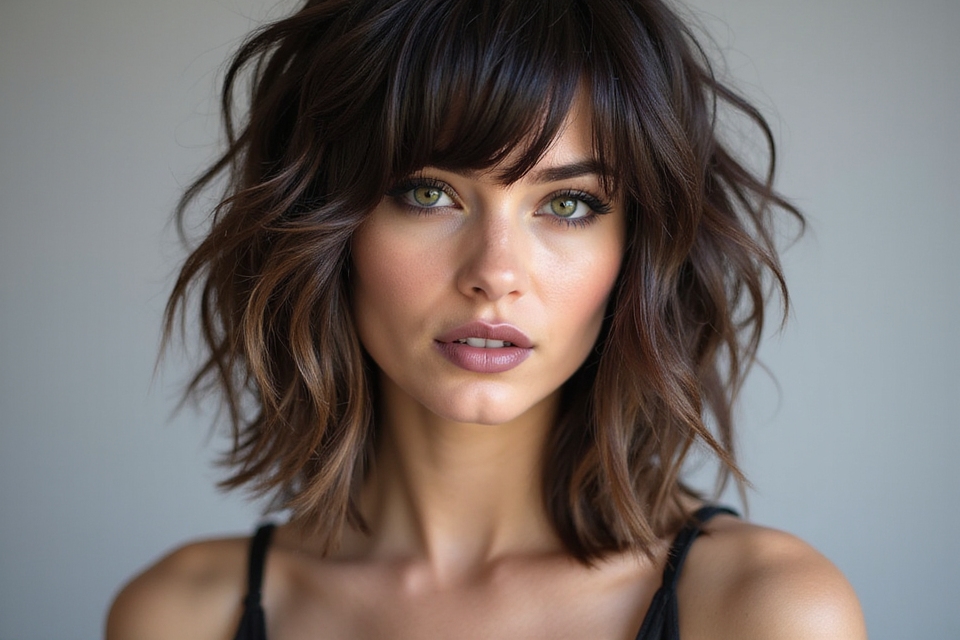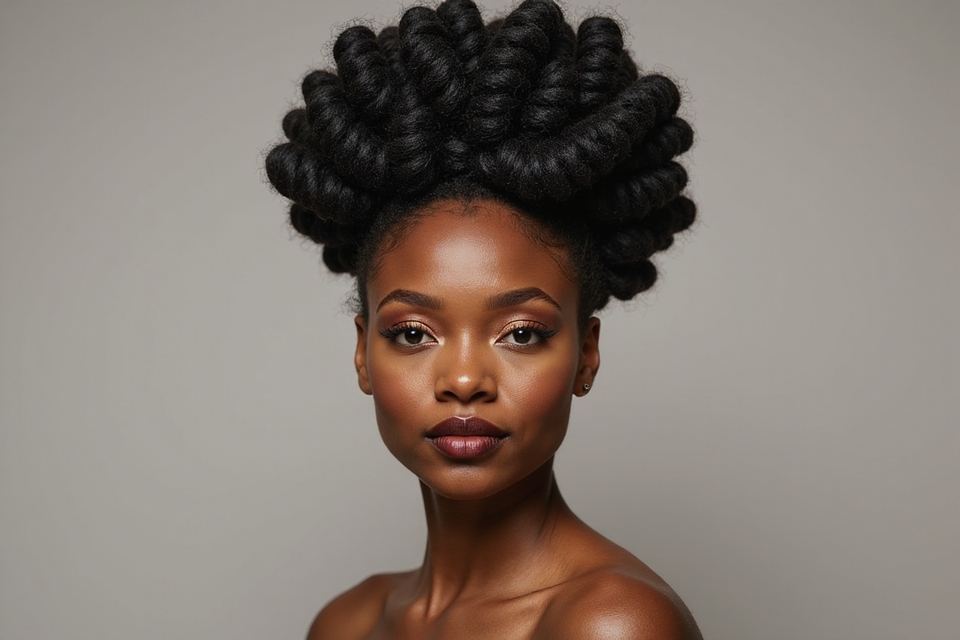

The biggest myth about curly hair is that going short means losing control of it. The opposite is true. Cut and shaped well, short curly hairstyles show off the spring and shine that length can weigh right out of your curls.
From a tight pixie to a jaw-length curly bob, the shorter you go, the more your curl pattern gets to do the talking. Here are twenty-five short curly looks worth trying, along with the cut, product, and care notes that keep them bouncing.
Curl Cheat Sheet
| Curl type | Try this cut | Wash day |
|---|---|---|
| Loose waves and curls | Curly bob or soft shag | Every 2 to 3 days |
| Springy ringlets | Pixie or curly crop | Every 3 to 5 days, refresh between |
| Tight coils | Tapered crop or twist-out shape | Weekly wash, daily moisture |
Embracing Your Natural Curls
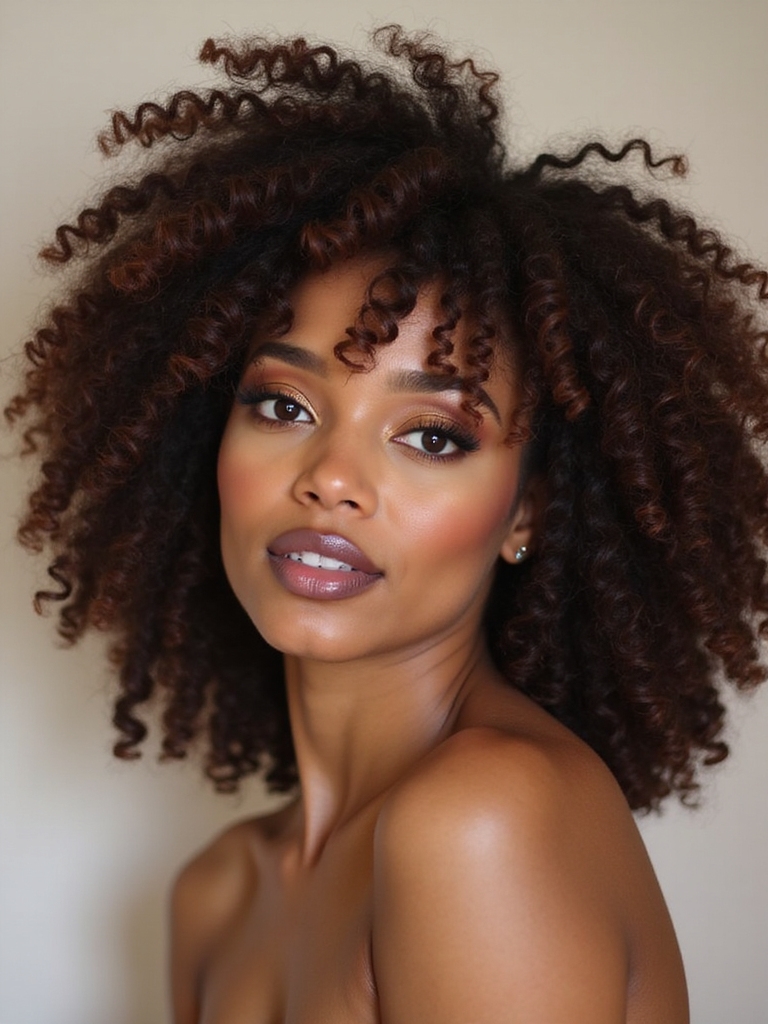
Every short curly style starts with one decision: working alongside your curl pattern rather than flattening it. Loose waves, springy ringlets, and tight coils each behave differently. The best cut respects how yours grows, shrinks, and falls.
I tell clients to learn their curl type before they book anything. Knowing whether you sit around a loose wave or a tight coil tells you how much shrinkage to expect and how a cut will spring up once it dries. A whole world of curly hairstyles opens up once you stop fighting the texture you have.
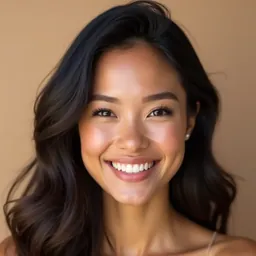
Pixie Cuts With a Twist
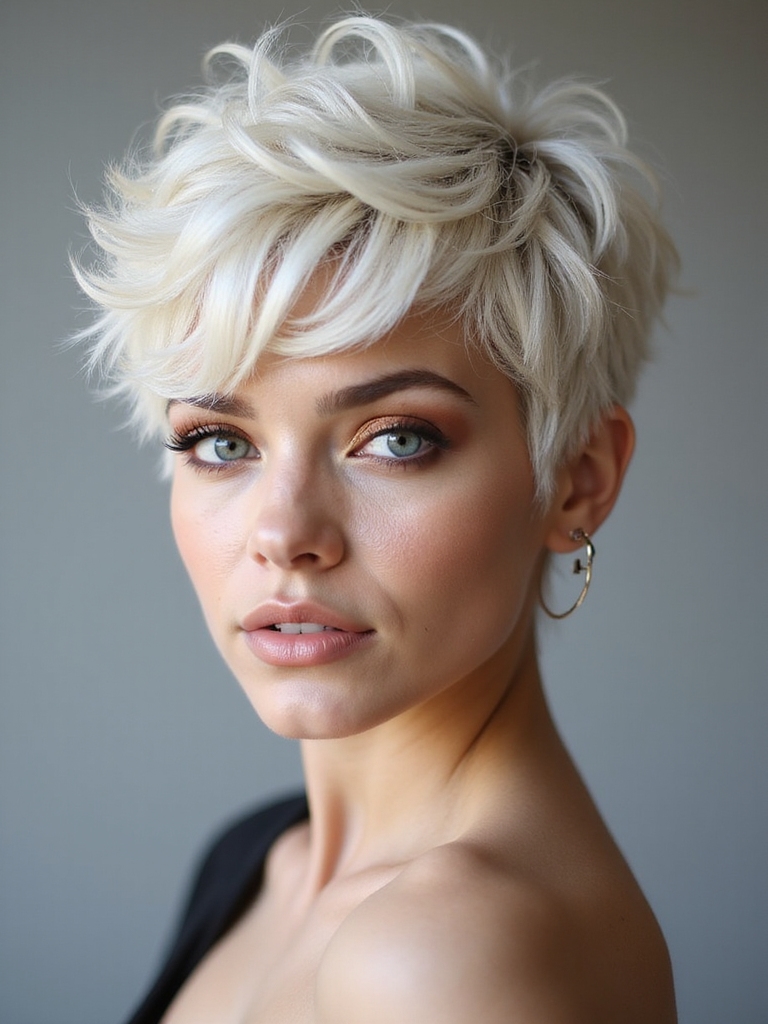
A curly pixie is the boldest short look here. On the right curl pattern, it is pure personality. Cropped close at the sides with length left on top, it lets your curls pile up and spring forward. It is freeing and fast to style. Best of all, it puts your face front and center. A few things to know before you commit:
- Best on springy or coily curls that hold height on top.
- Work a curl cream through damp hair with your hands, then diffuse or let it air-dry.
- A pixie cut needs reshaping roughly every six weeks to hold its form.
Healthy curls do not need taming. They need the right cut, real moisture, and someone who knows how to read the pattern your hair already has.
Classic Bob With Curls
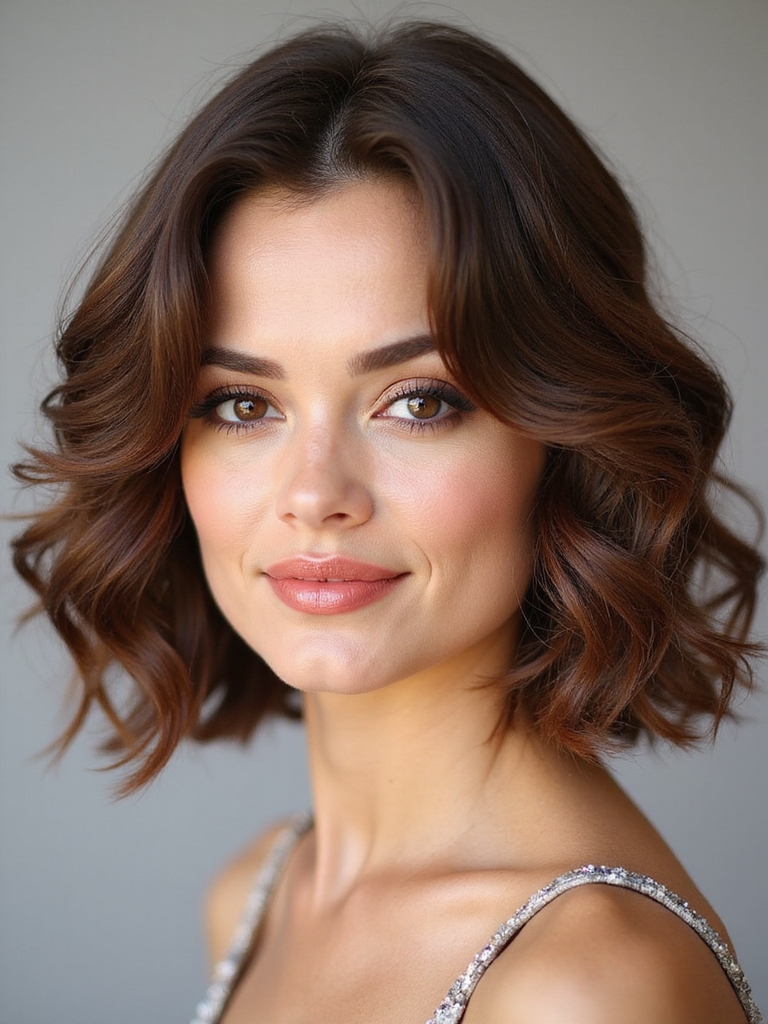
The curly bob is the crowd favorite for good reason. It keeps enough length to show off a full curl while staying light and shaped. Most versions land between the chin and the jaw.
The trick is leaving room for shrinkage, so the bob is cut a touch longer than you think. A skilled stylist shapes it dry to see where each curl lands. For a version that bounces right at the jaw, study a jaw-length curly bob before you book.
Voluminous Curly Crop
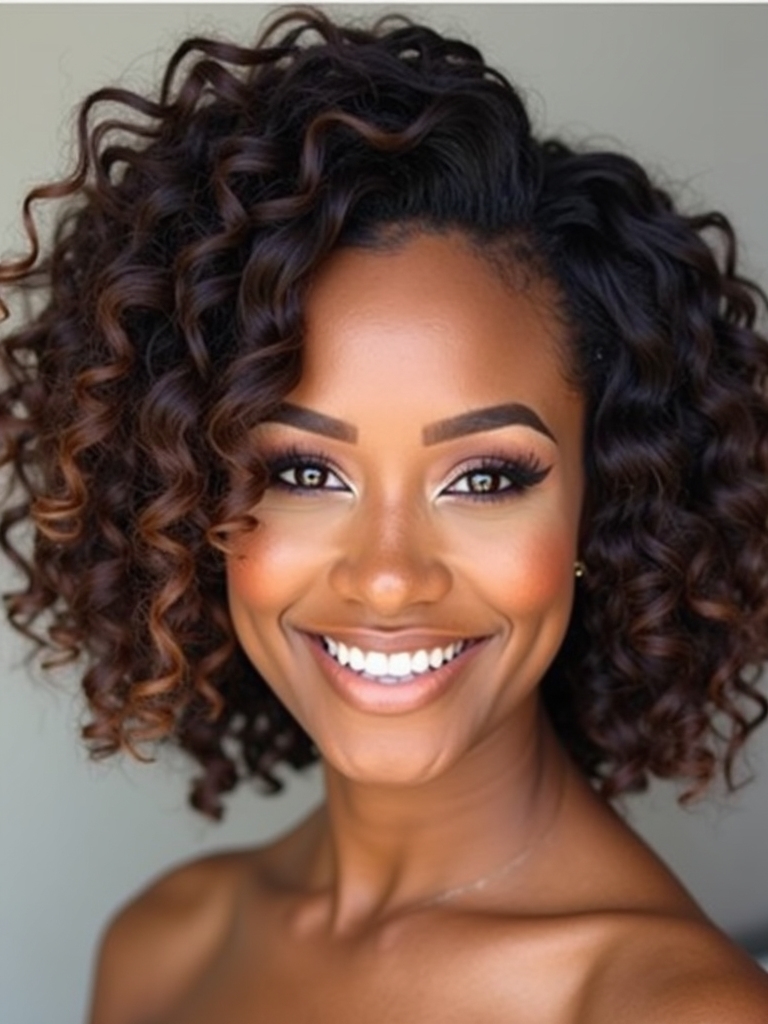
A curly crop builds a soft, rounded cloud of curls close to the head. It sits shorter than a bob and fuller than a pixie. The result looks modern and a little artful.
It flatters tighter curl patterns beautifully, since the curl itself creates the shape. Keep it healthy and defined with these basics:
- Use a leave-in plus a curl gel for hold and definition.
- Diffuse on low heat or air-dry to protect the volume.
- Between washes, bring the shape back with a quick spritz of water and leave-in.
- ✓Cuts curly hair dry or curl by curl, never soaking wet
- ✓Specializes in your specific curl pattern
- ✓Talks shrinkage through with you before the first snip
- ✓Shows you how to refresh the shape at home
Layered Curls for Volume
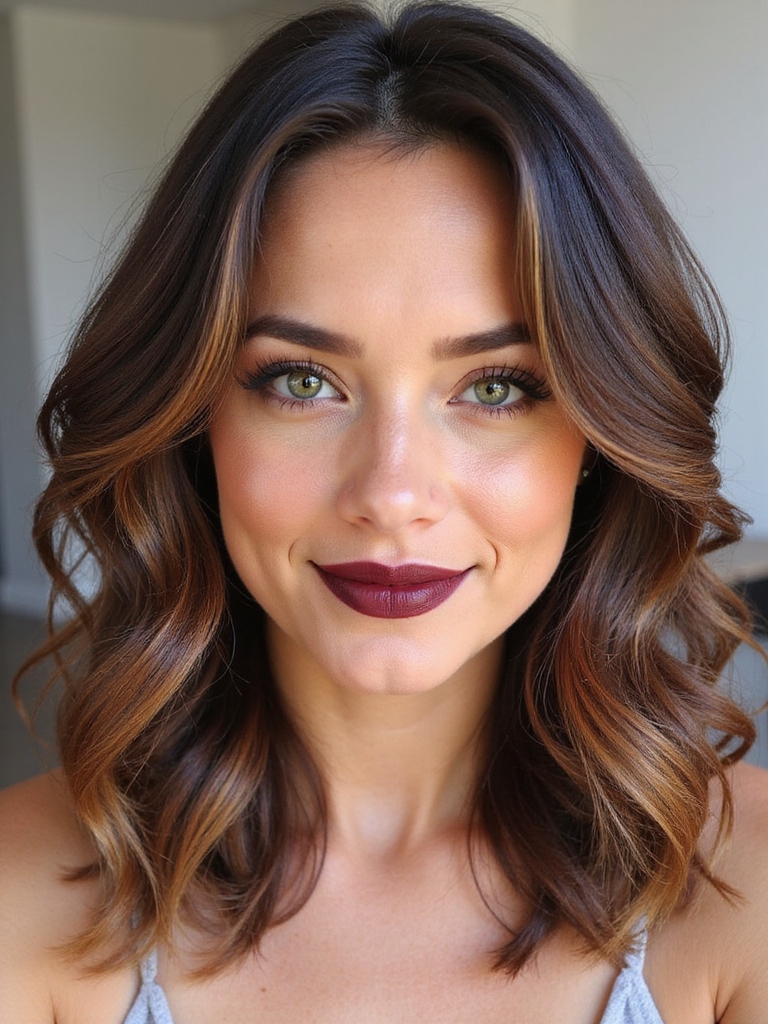
Layering is how a short curly cut gets its shape and bounce. Thoughtful layers remove bulk from the bottom and let tighter curls spring up, which keeps round and triangle silhouettes in check. The goal is balance, so the layers should be cut by someone who understands curls:
- Ask for layers cut on dry, curly hair for accuracy.
- Heavier curls need more layering to release weight and lift.
- Too many layers can cause frizz, so trust a curl specialist with the call.
The Curly Shag
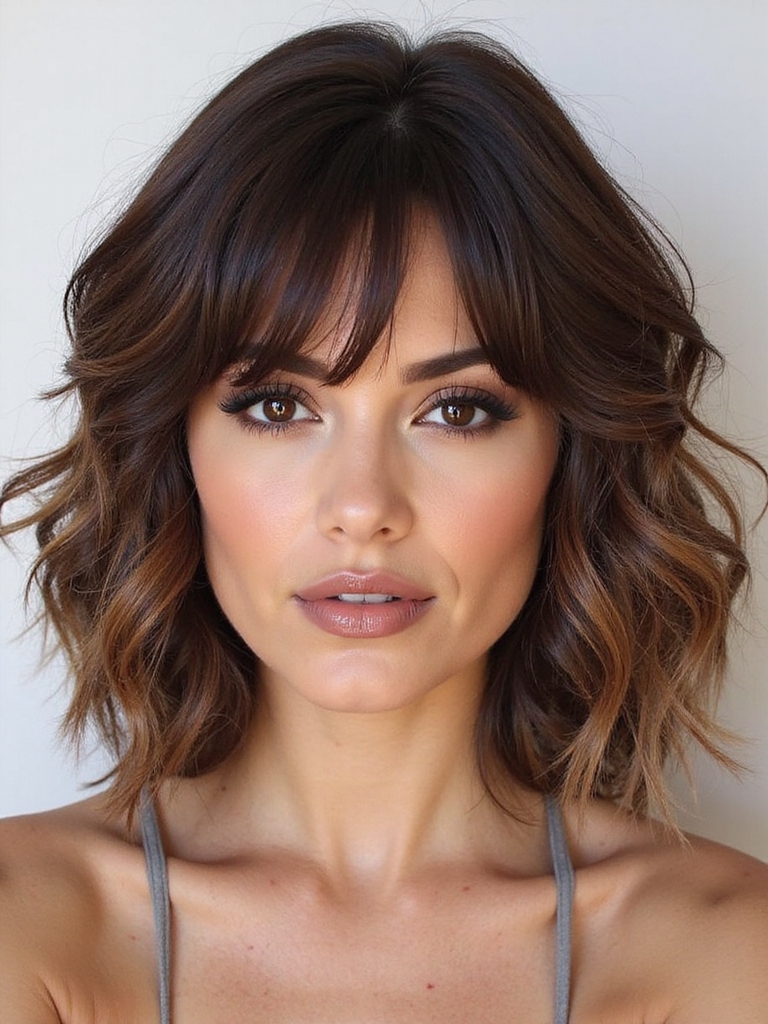
The curly shag pairs heavy layering with a curtain-ish fringe for a rumpled, lived-with look that suits curls perfectly. It moves, it forgives a missed wash, and it carries real attitude. Build it like this:
- Ask for shaggy layers through the crown and around the face.
- Scrunch in a mousse or light gel and let it air-dry for grit.
- For a shorter take, a curly take on the shaggy bob keeps the same energy.
👍Why Layer Curls
- +Removes bulk and builds a flattering shape
- +Lets tighter curls spring up with less weight
- +Adds movement to a round or triangle silhouette
👎Watch For
- –Over-layering can cost you definition
- –Needs a true curl specialist, not just any stylist
- –Grows out faster than a one-length cut
Chic Undercut for Curly Hair
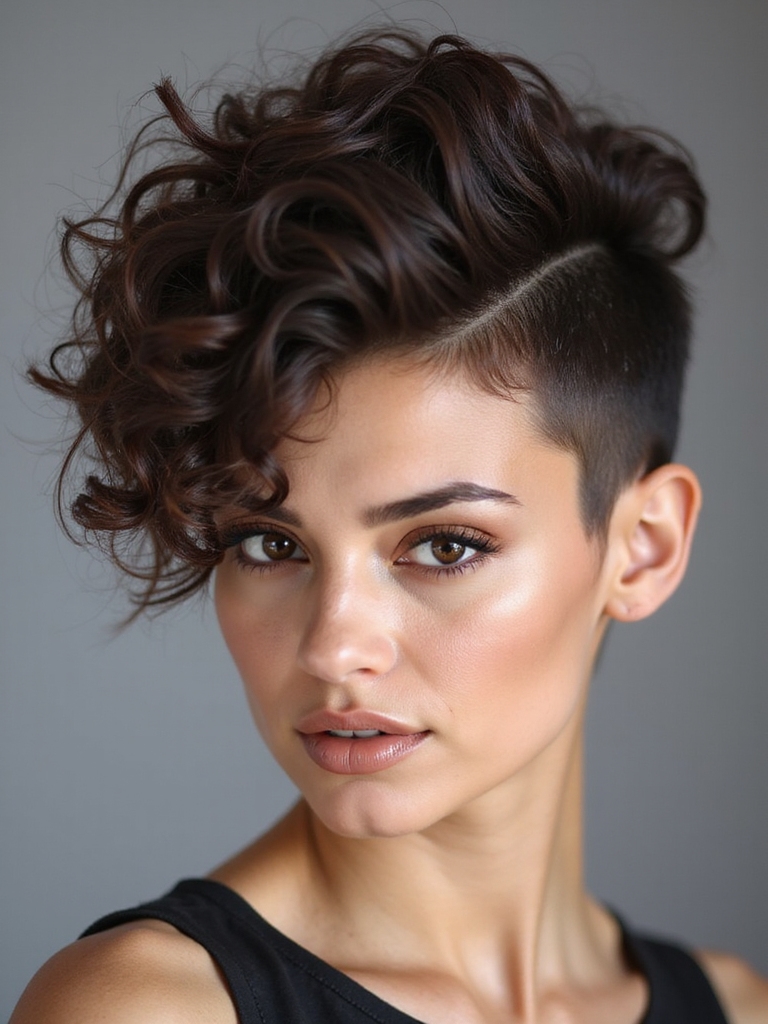
An undercut quietly removes weight from below, which is a gift for thick, dense curls that otherwise sit heavy. The top curls stay full while the hidden section lightens the whole style.
Why It Helps Dense Curls
It also keeps you cooler in summer. Tuck or pin one side and the hidden cut shows for a bit of edge, while the curls on top do all the visible work and nobody guesses what is underneath.
Just know the upkeep is real. The shaved section grows out fast and needs a buzz every three or four weeks, so build that into your schedule before you commit.
Asymmetrical Curly Look
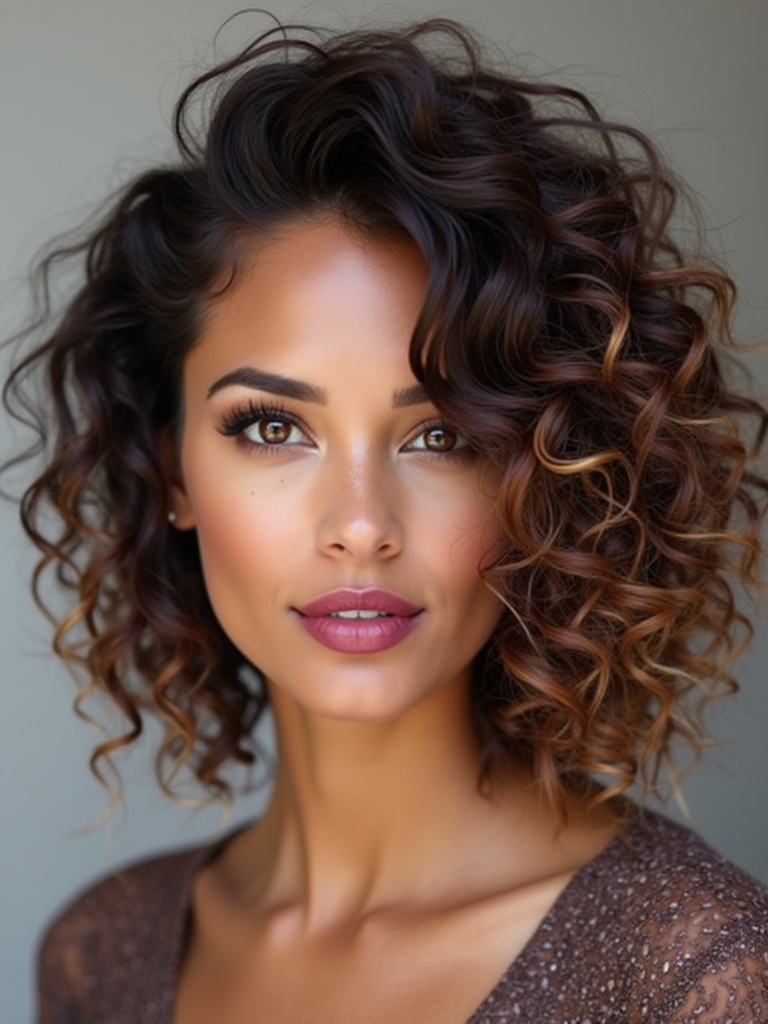
An asymmetrical curly cut runs longer on one side, which adds drama and draws the eye on a slant. On curls, the uneven length looks artful and soft, since the texture eases the line.
Making the Length Work
It is a fun way to break out of a symmetrical bob without going drastically short. The longer side softens your features, and the shorter side puts the curl spring on full display.
Keep the contrast intentional with regular shaping, and use a defining cream so both sides hold their pattern cleanly.
Short Curly Hairstyles by Face Shape
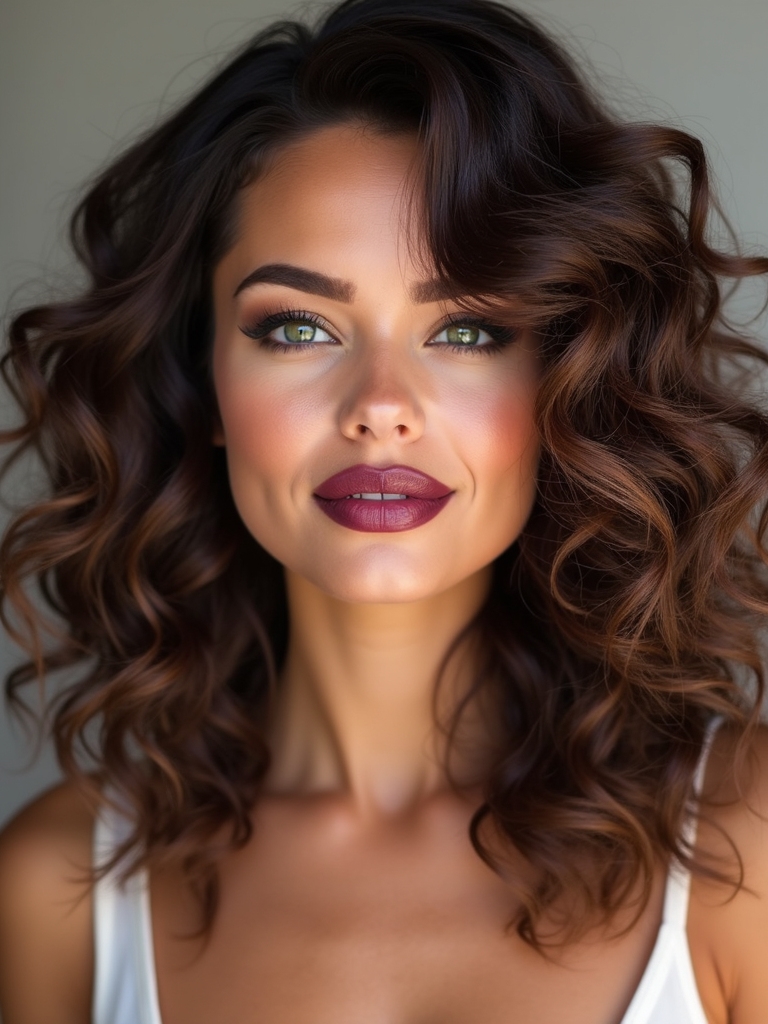
Curls add volume in every direction. The right short cut balances that against your face shape. Round faces do well with height on top and less width at the cheeks, exactly what a pixie or a curly crop delivers when it is shaped with intention.
Long faces suit fuller sides and a fringe to add width, while square jaws soften under rounded curls around the face. Heart-shaped faces love a curl-heavy chin-length bob that adds fullness lower down. Your stylist can place the volume where it flatters you most.
Styling Tips for Short Curls
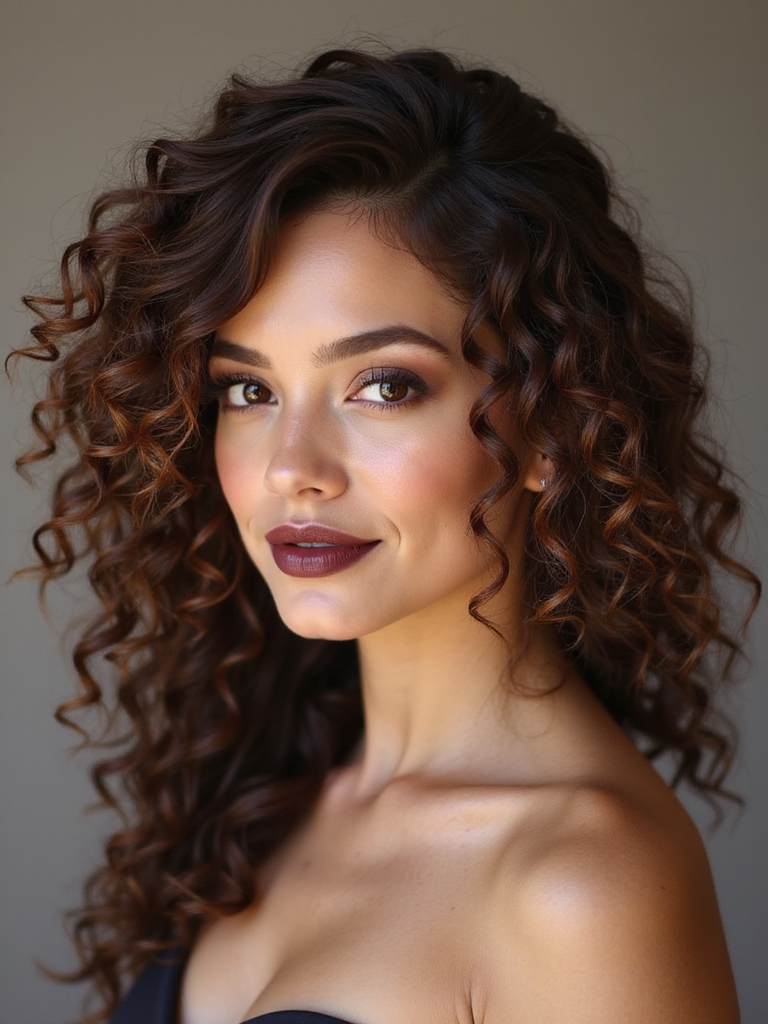
Short curls are quick to style once you find a rhythm. On a good day, the whole routine takes five minutes from wet hair to finished curls. Here is the order that works:
- Apply product to soaking-wet hair so it distributes evenly.
- Cup and press curls up toward the roots to help them clump.
- Diffuse on low or air-dry, and do not touch it until it is fully dry.
- Once it dries all the way, break the gel cast with a little oil pressed between your palms.
Choosing the Right Curly Products
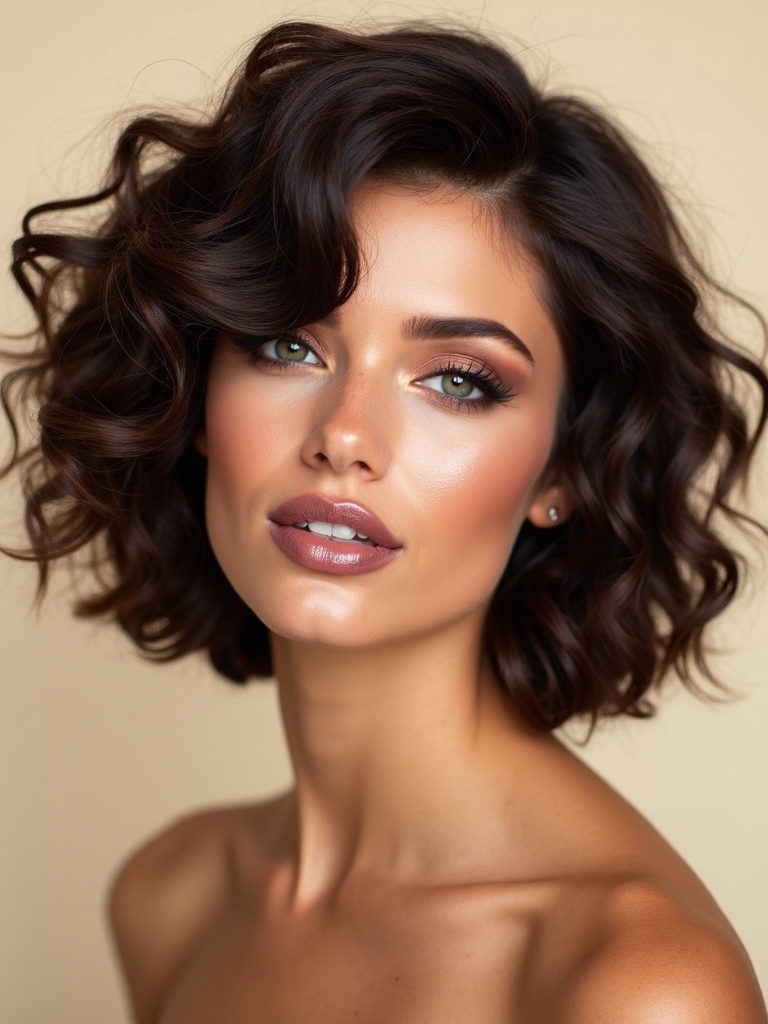
Curly hair lives and dies by hydration, so your products matter more than your tools. A short, well-chosen lineup beats a cabinet full of half-used bottles.
I recommend a creamy, sulfate-free cleanser or co-wash, a rich leave-in, and a curl gel or cream for hold. Tighter coils want heavier butters and oils, while looser curls do better with lighter formulas that will not flatten them. Match the weight of the product to the weight your curls can carry.
Creative Color for Curly Hair
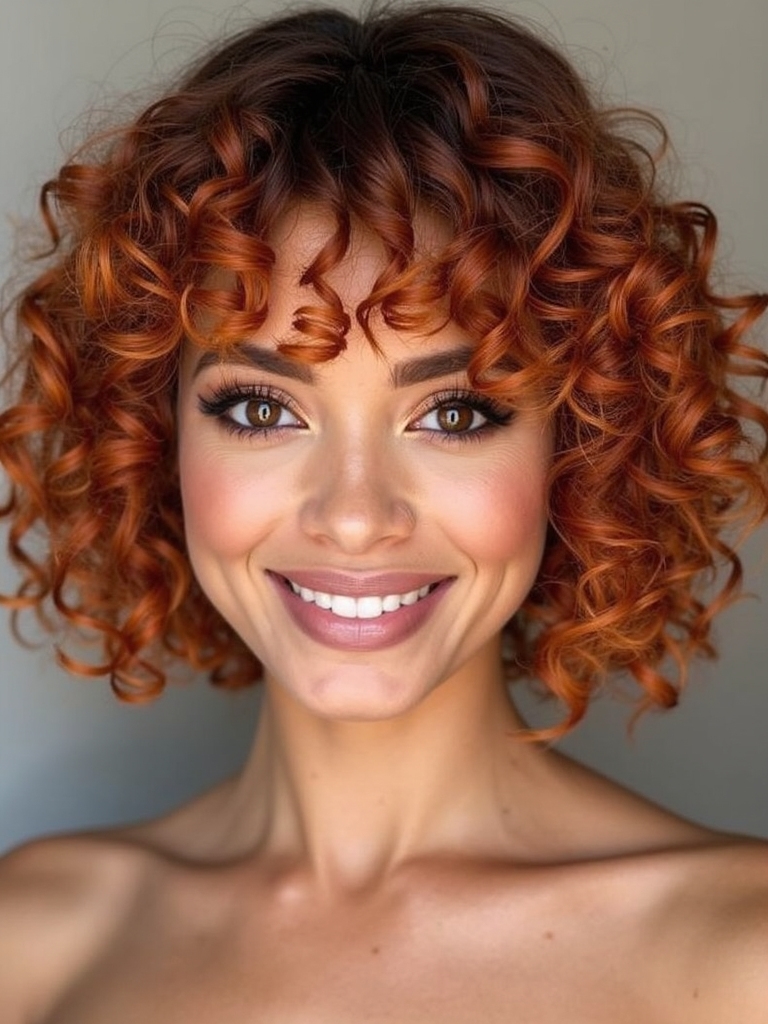
Color looks beautiful on curls. Every twist and turn catches the light, showing off a depth and dimension that a straight, flat style simply cannot put on display the same way.
Color Without the Damage
Balayage and highlights placed around the face brighten the whole look, while a bold all-over shade makes a short curly crop pop. Curl-by-curl painting keeps the color landing where the light hits.
The honest catch is dryness. Color-treated curls need extra moisture and a bond-building treatment, plus a gloss every couple of months, roughly $40 to $70, to stay rich and healthy.
Curly Fringe Ideas
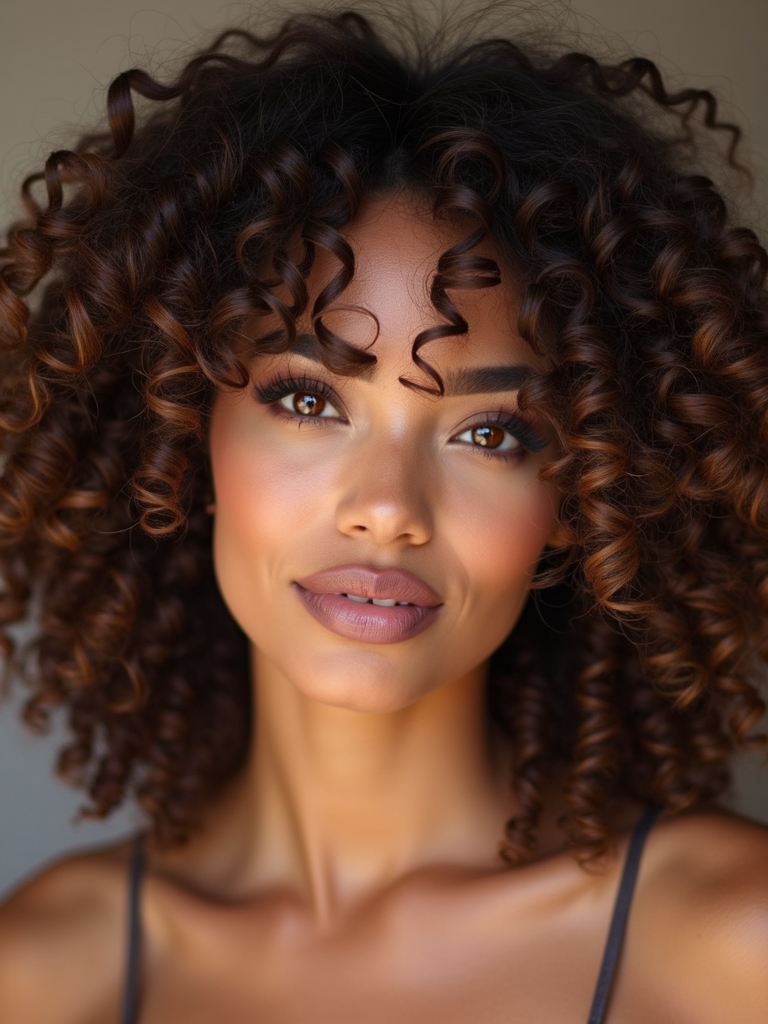
A curly fringe adds instant personality and softens the forehead without the daily wrestling a straight fringe demands. The curl does the styling for you.
It works best when cut to your curl pattern and left a little longer to allow for shrinkage. A few ways to wear it:
- A full curly fringe for a bold, retro feel.
- A soft, piecey fringe that blends into the rest of the curls.
- Grown-out curtain bangs that frame the face and curl away on each side.
Textured Bangs With Curls
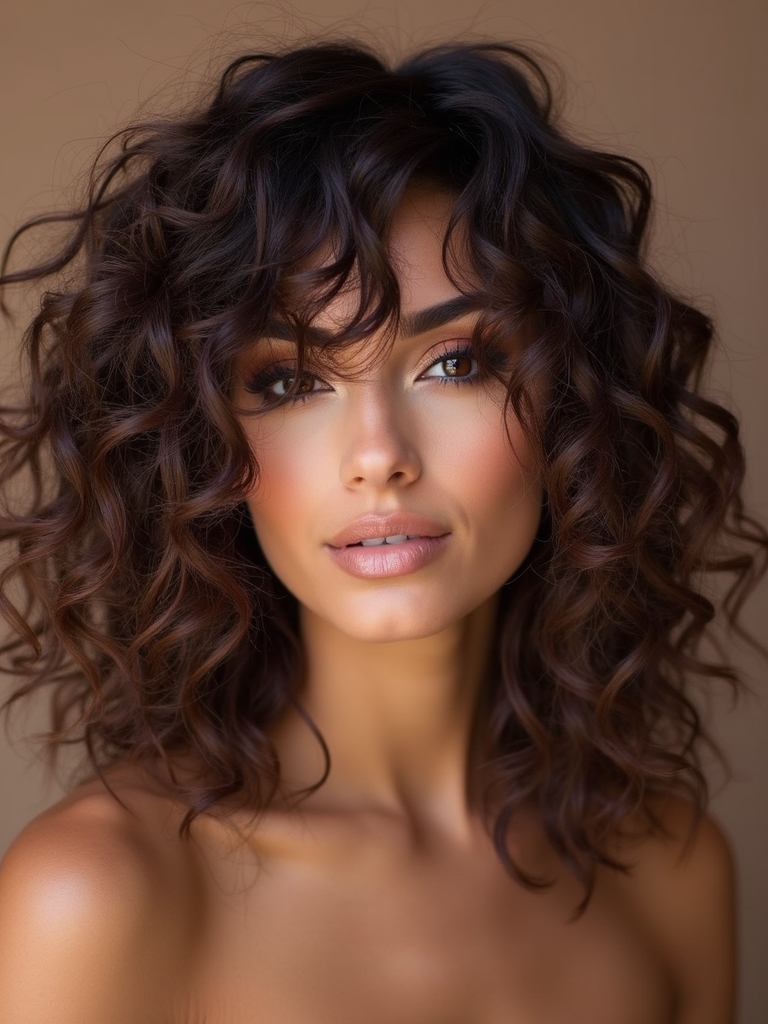
Textured bangs are the lower-commitment cousin of a full curly fringe. They are cut piecey and soft so they blend right into your curls.
This style flatters almost everyone. Because the broken-up edge keeps the bangs from feeling heavy, they grow out gracefully too, melting back into the length over a few weeks with none of the awkward in-between stage a blunt fringe puts you through.
Define them with a dot of curl cream on your fingertips, then scrunch gently. Skip the brush, which only breaks up the curl clumps and invites frizz.
Easy Daily Maintenance
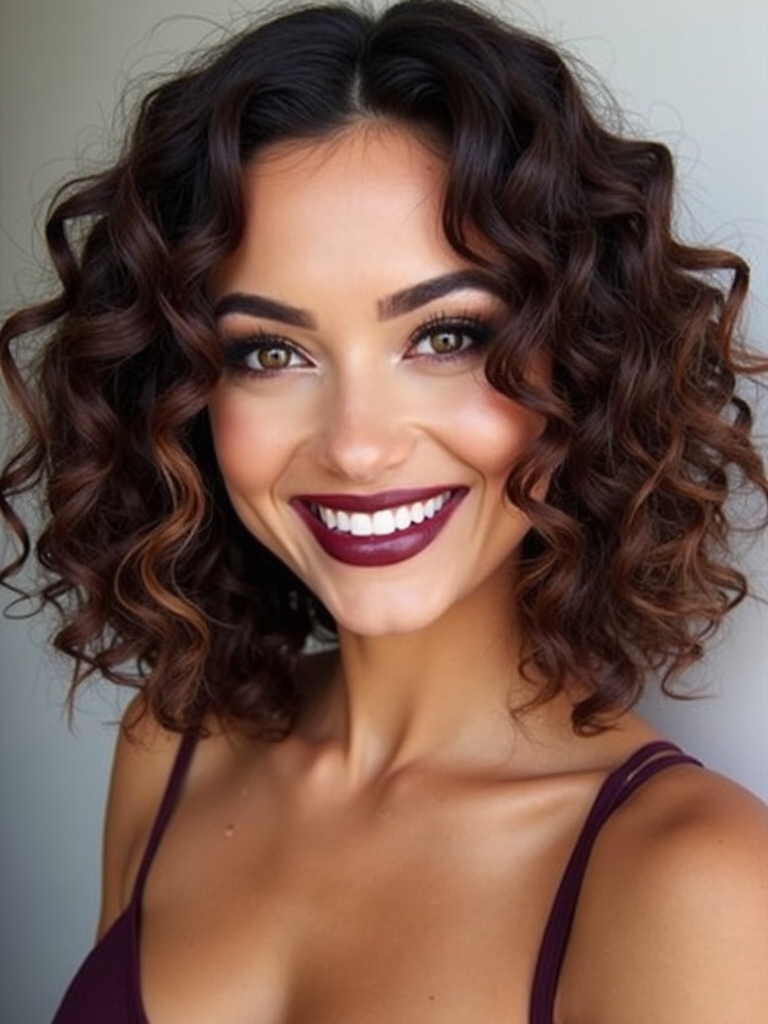
Short curls are refreshingly low-maintenance once you stop over-handling them. The less you touch dry curls, the better they hold.
Most days are about a quick revive. Keep it simple:
- Tie curls into a loose pineapple or rest them on a satin pillowcase to hold the shape overnight.
- In the morning, spritz with water and a little leave-in, then press the curls back to life.
- Save the full wash-and-style for every few days, not daily.
Curly Styles for Special Occasions
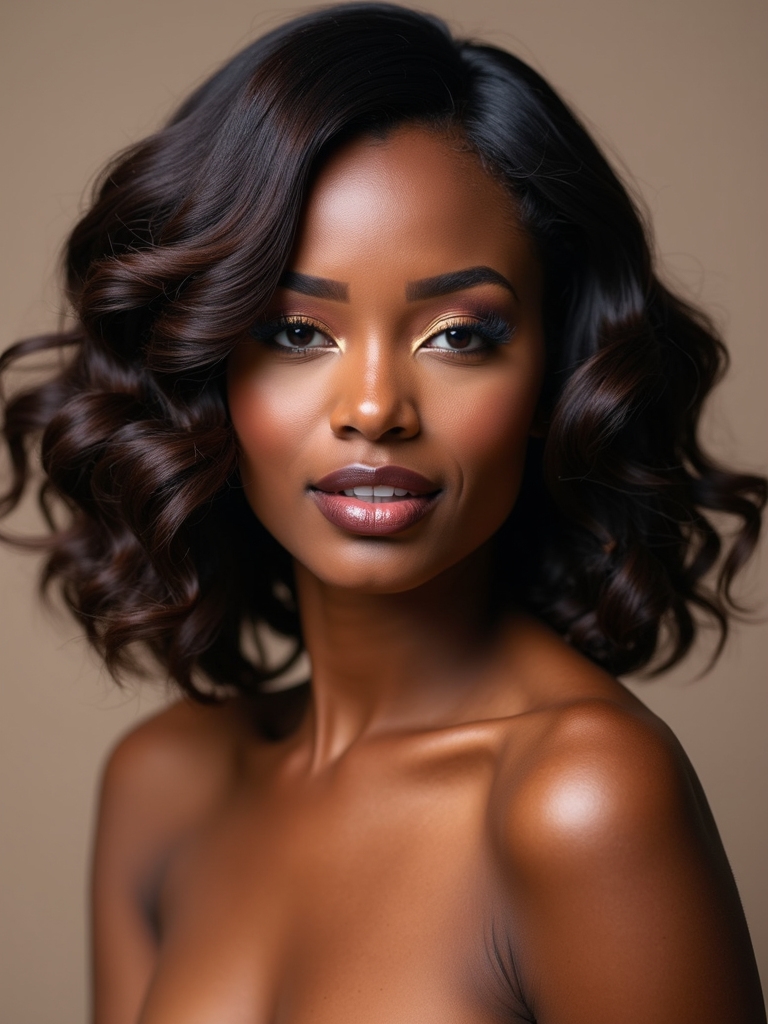
Short curls dress up faster than you would think, and the texture already looks festive on its own. A little polish takes them from everyday to event-ready in just a few minutes at the mirror.
Pin one side back with a jeweled clip, add a sparkly headband, or define a few face-framing curls with extra cream for a sharper finish. A swipe of lightweight gloss across the top smooths flyaways and catches the light beautifully. The curls do the heavy lifting, so you only need to frame them and add a little shine.
Summer-Friendly Curly Hairstyles
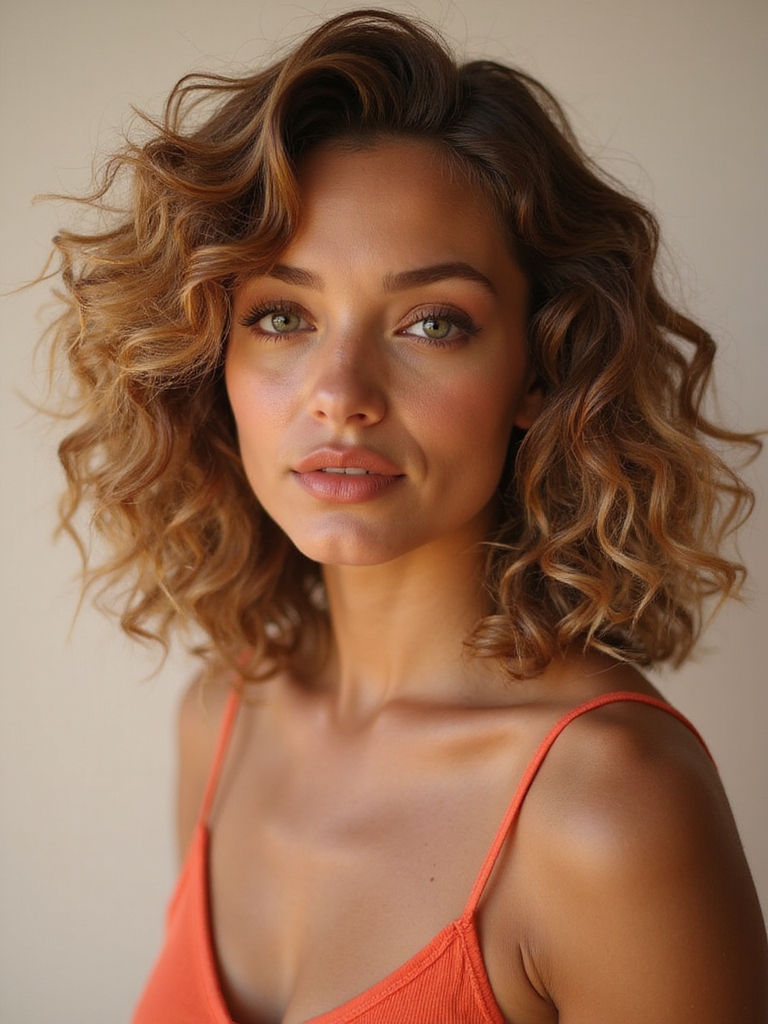
Summer is curly hair’s season and its biggest test. Humidity can swell curls into frizz, but the right approach turns that moisture into your friend.
Lean on a gel with hold to lock the pattern, keep a refresh spray in your bag, and embrace the bigger, fuller curls humidity brings. Short lengths also keep you cooler and dry faster after a swim. Rinse and re-scrunch with a little leave-in after the pool to keep chlorine from drying you out.
Curly Hair Care Myths
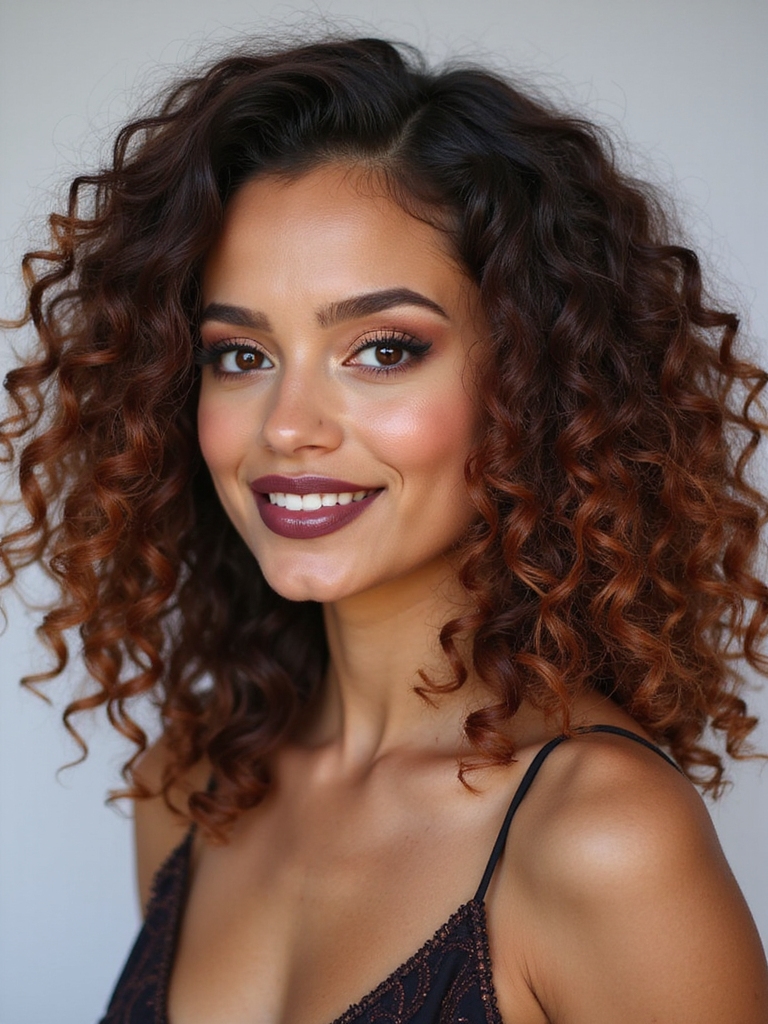
Curly hair collects more bad advice than almost any other texture. A few myths are worth clearing up.
What to Stop Believing
Clients ask me constantly whether they should brush their curls dry; the answer is almost never, since it shatters the clumps and creates frizz. Another myth is that curly hair should not be washed often, when the truth is it just needs gentle, hydrating washing on its own schedule.
The biggest myth of all is that curls are hard to manage. They are not difficult, only different, and they reward the right routine with bounce that straight hair cannot fake.
Transitioning to Short Curls
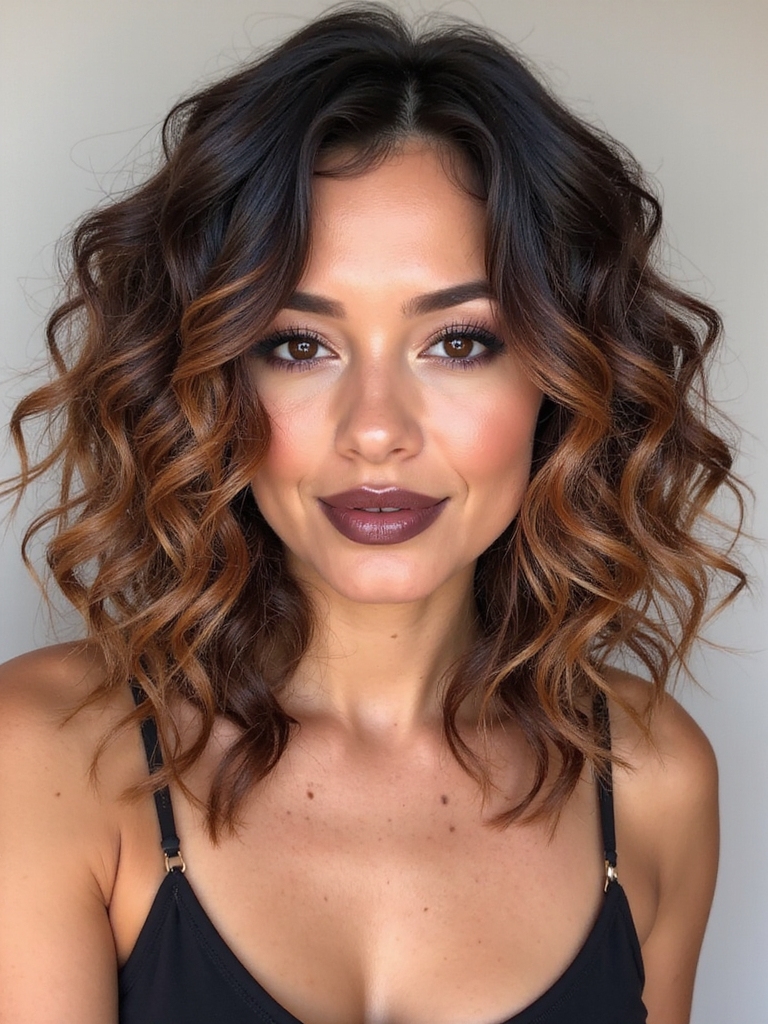
Cutting curls short for the first time is a leap, especially if you have hidden behind length. A little planning makes the change feel exciting:
- Go gradually if you are nervous; cut to a bob first, then shorter.
- Find a curl specialist and bring photos that match your curl pattern.
- Talk through shrinkage so the final length is no surprise.
- Stock your curl products before the cut so day one goes smoothly.
Accessories for Curly Styles
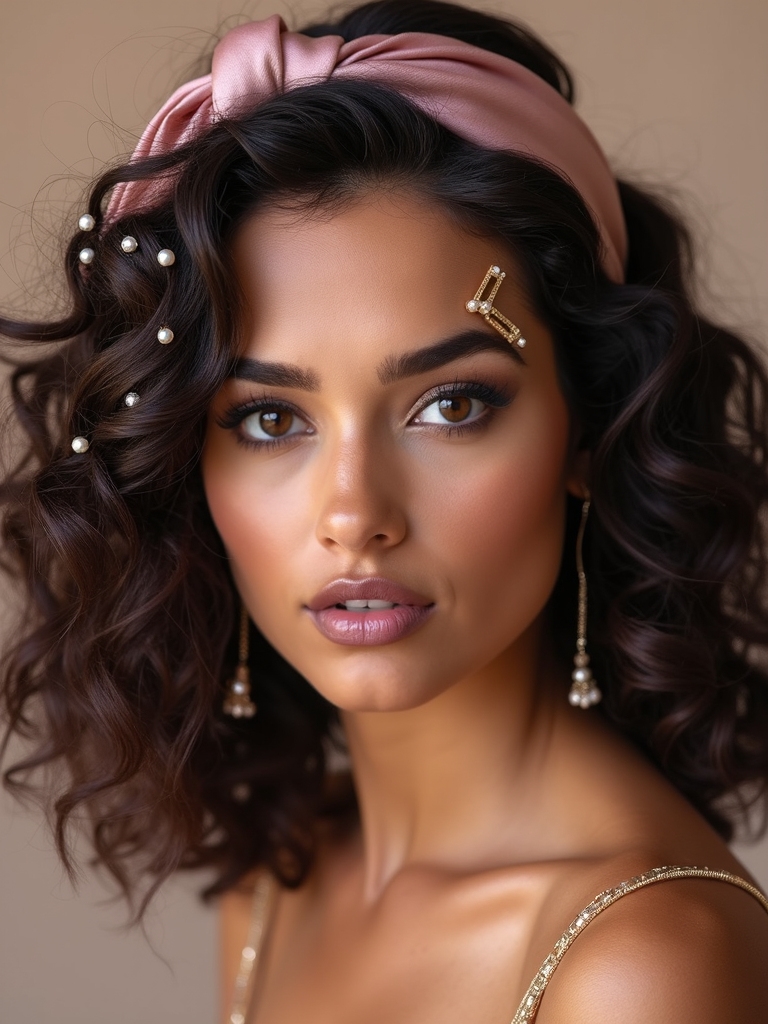
Accessories are an easy way to switch up short curls without touching the cut. They frame the face, buy you an extra day between washes, and add polish in seconds. A few that earn their keep:
- Silk scarves and headwraps protect the curl and add a pop of color.
- Decorative clips pin back one side for instant shape and asymmetry.
- A wide headband smooths day-three roots while showing off the curls on top.
- Bobby pins set a few face-framing curls in place for a dressed-up finish.
Celebrity Short Curly Looks
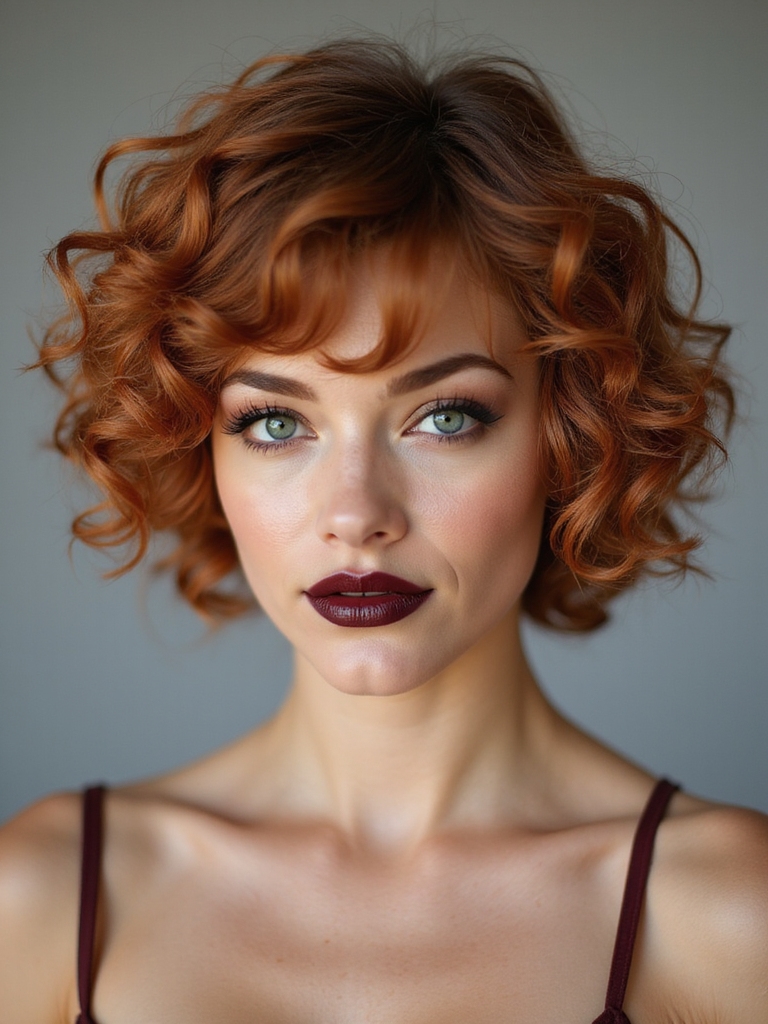
Plenty of well-known curly looks prove how much range a short cut has. They are worth saving as reference for your stylist.
What They Get Right
Think tapered coily crops worn with pride, glossy curly bobs with a deep side part, and bold pixies that let the curl pile high. Each shows a different curl pattern celebrated on its own terms.
The lesson in all of them is the same: a great short curly cut is shaped to the person’s own texture and the look they want.
DIY Tips for Short Curls
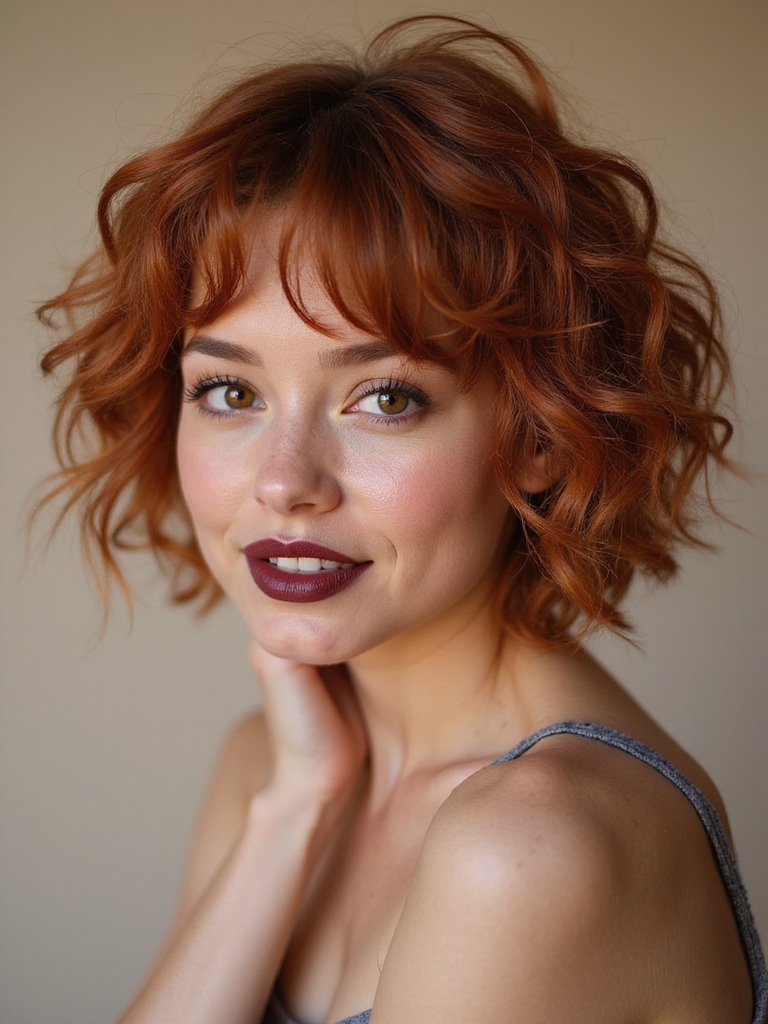
You cannot cut your own curly layers, but plenty of short-curl upkeep happens at home between salon visits. A little know-how stretches your cut and your budget.
Master these and you will rely on the salon only for the actual cut:
- Learn to refresh second and third-day curls with water and leave-in.
- Trim the occasional single split end, never whole sections.
- Deep-condition weekly to keep the curl elastic and shiny.
How Often to Cut Curls
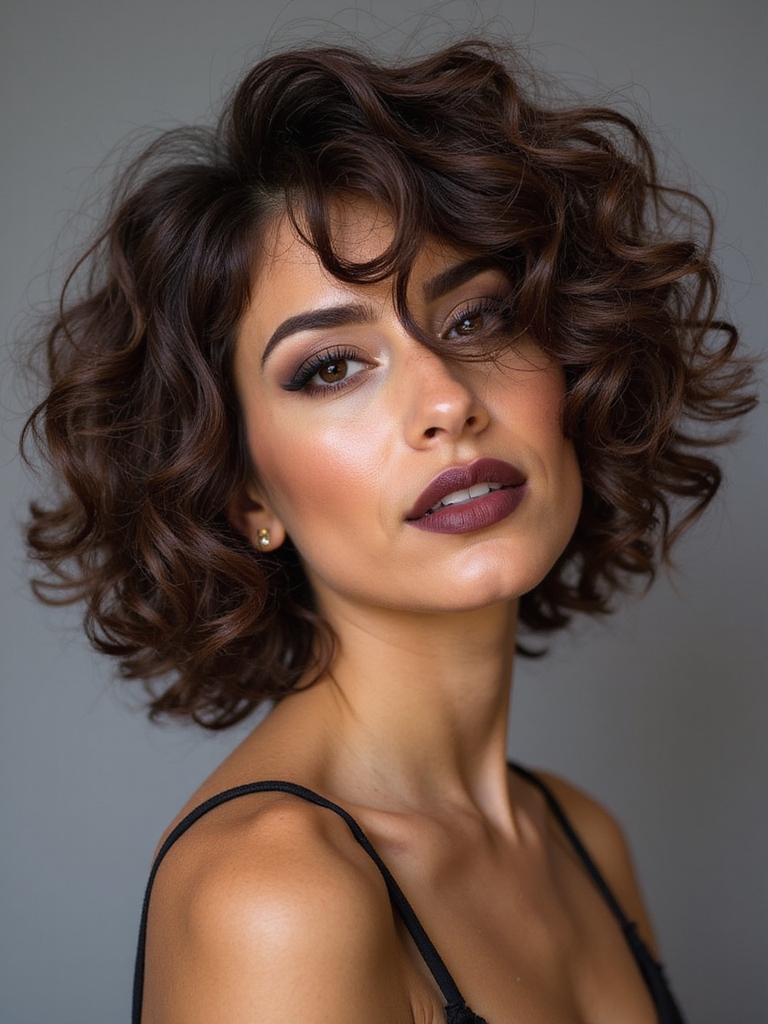
Curly hair hides growth better than straight hair, so you can stretch trims further than you might expect. Most short curly cuts hold their shape for eight to twelve weeks.
Pixies and cropped shapes need attention sooner, closer to every five to seven weeks, since the short length shows growth faster. A curly bob can often wait the full twelve.
Watch the ends rather than the calendar. When curls start to look stringy or lose their spring at the bottom, it is time for a shaping trim, which usually runs $50 to $90 at a curl-focused salon.
Maintaining Healthy Curls
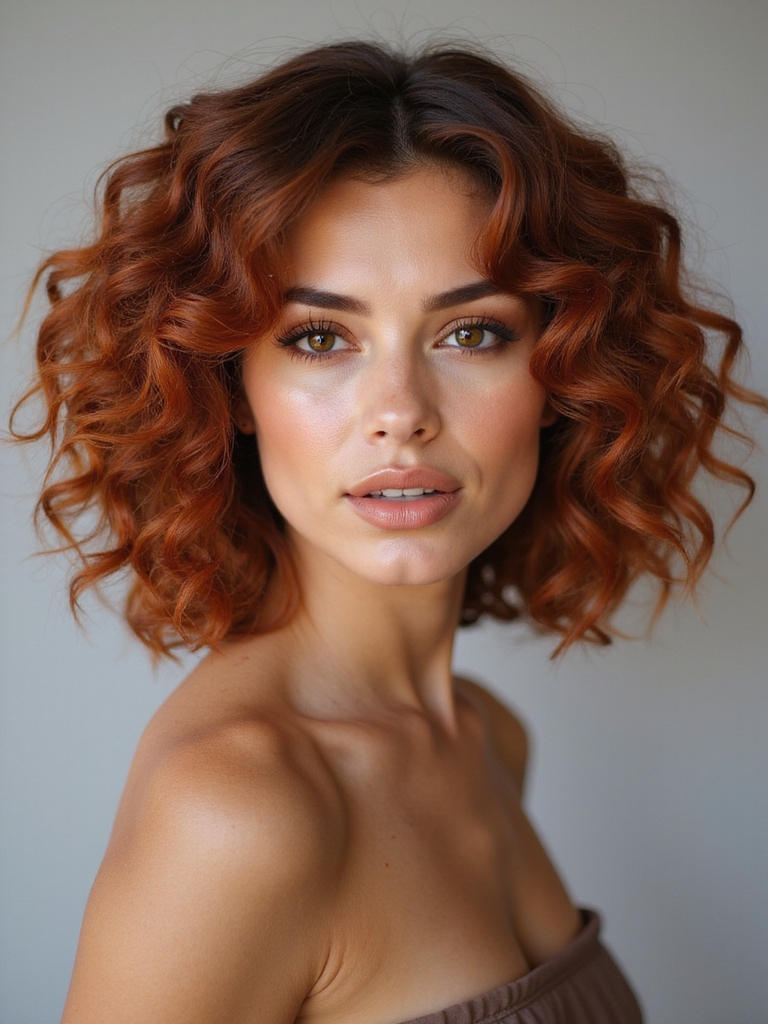
Healthy curls are the foundation of every short style on this list. Without steady moisture and care, even the sharpest, most expensive cut falls flat within a wash or two.
Hydrate often with leave-ins and weekly deep conditioning, limit heat, and trade your cotton pillowcase for satin to cut overnight friction. A bond-building treatment helps if you color or use any heat.
Listen to your hair as the seasons change. Drier winter air calls for richer products, while summer humidity wants lighter, hold-focused formulas to keep frizz in check.
Curls and Confidence
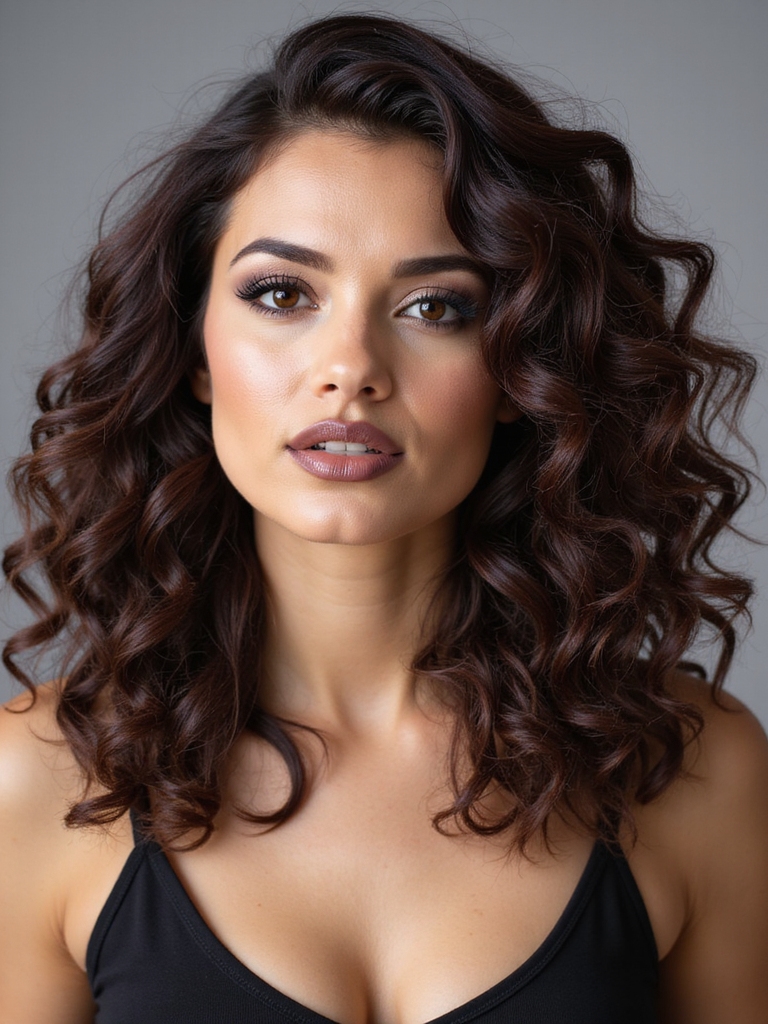
There is a real shift that happens when someone stops fighting their curls and starts wearing them short and proud. The hair looks better, and so does the person under it.
More Than a Haircut
Short curly hair asks you to trust your natural texture, and that trust tends to show up as confidence. You stop hiding and start owning what grows out of your head.
That is the quiet payoff behind every cut here. The bounce is fun, but the real result is feeling like yourself, curls and all.
Short Curly Hair Questions, Answered
?How often should I cut short curly hair?
It depends on the cut. Pixies and crops want a trim every five to seven weeks, while a curly bob can stretch to eight or twelve. Watch the ends instead of the calendar; when curls look stringy or lose their spring, book a shaping trim.
?Why does my hair look shorter than I asked for?
Shrinkage. Curls spring up dramatically as they dry, sometimes pulling back half their wet length or more. A good curl stylist cuts dry and discusses shrinkage first, so the finished length matches what you pictured.
?How do I keep short curls from frizzing?
Apply product to soaking-wet hair, scrunch with your hands and skip the brush, and let curls dry fully before touching them. Sleep on satin, refresh with water and leave-in, and keep your curls hydrated. Most frizz comes from dryness and over-handling, both easy to fix.
Let Your Curls Lead
Across all twenty-five of these, the through-line is simple: the best short curly cut works with your pattern, your face, and your routine, never against them. Whether you go pixie-short or keep a curly bob, the shape should let your curls do what they already want to do.
If you are curious, start small. Book a consultation with a curl-focused stylist, bring a photo or two, and let your own texture guide the cut from there.
More to Explore