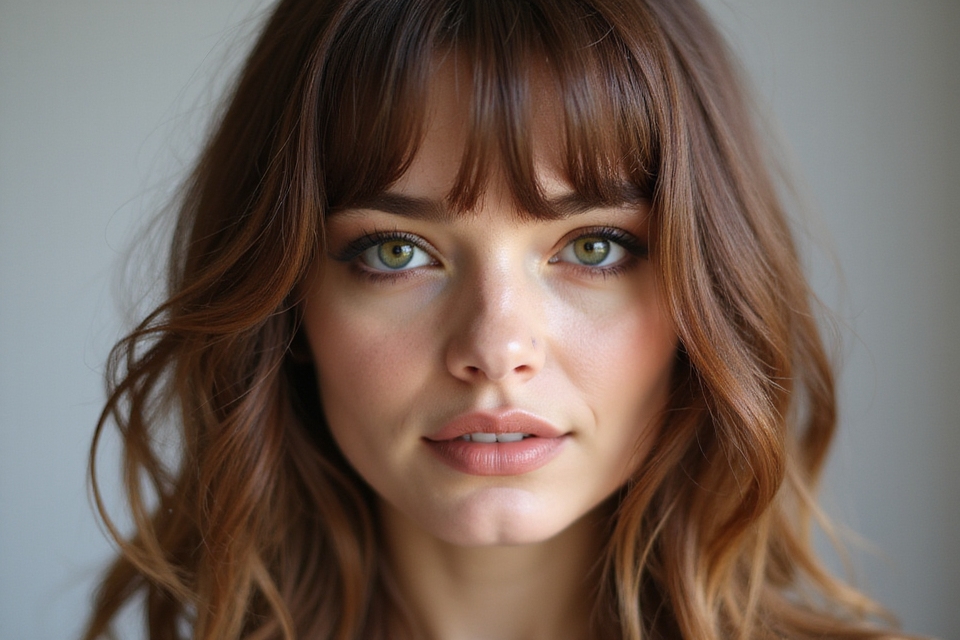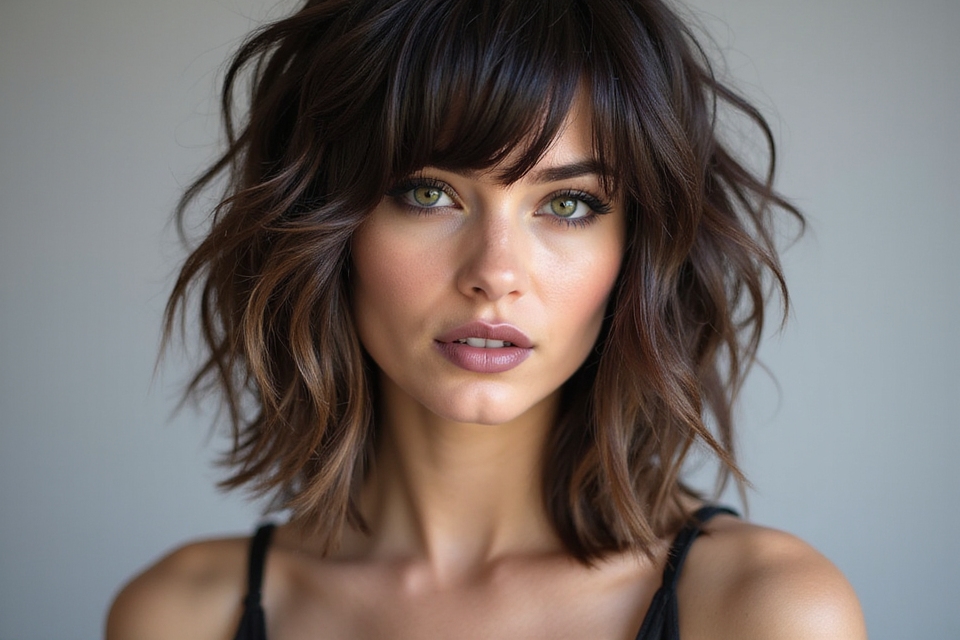

A client sat down last month, tugged at her grown-out layers, and said she wanted to look pulled-together without spending twenty minutes a day on it. So I cut her one of my favorite short shag haircuts. She texted a week later to say she had stopped using her round brush entirely.
That is the whole appeal. Short shag haircuts are built on choppy layers and lived-with texture, and the rougher they look, the better they usually wear. This guide covers what makes a shag a shag, who it suits, and how to style, color, and grow it out without the fuss.
Shag at a Glance
| Topic | The short version | Keep in mind |
|---|---|---|
| The cut | Choppy layers, a feathered fringe, built-in texture | It needs a good cut more than good products |
| Upkeep | Trim every 8 to 10 weeks; air-dry friendly | Layers blur softly, so grow-out is forgiving |
| Best for | Almost every texture, especially fine or wavy | Very straight, heavy hair may need more layering |
The Organized Chaos of a Shag

A shag is its own thing. It carries a specific philosophy: heavy, choppy layering from the crown down, a feathered fringe, and texture built right into the cut. The whole shape is designed to look undone on purpose, which is what makes it read so easy.
Why It Is Not Just Layers
A pixie and a bob both reward a smooth, precise finish. The shag rewards mess. That single difference changes everything about how you live with it.
Here the layers do the work that styling does on other cuts, and that is exactly why it feels so freeing. Get the cut right and the hair falls into place on its own. No fight.
Best Face Shapes for a Short Shag

Few cuts flatter as widely as this one. The layers and fringe move wherever your face needs them. On a round face, I lift the crown for added height and leave the front pieces long, a small move that lengthens the whole look.
Long faces do well with a fuller fringe and some width through the sides. Square jaws go soft under wispy, face-framing layers. The fringe is the adjustable part, so a good stylist tailors it to your features. For more on matching cuts to a face, see these short cuts for a round face.
Heads-Up
The shag lives or dies by the cut, not the products. A shag from a stylist who does not understand the shape can fall flat or look like a plain layered cut. Bring photos, ask specifically for a shag with choppy layers and a feathered fringe, and find someone whose portfolio shows real shags.
Styling Products for the Perfect Shag

A shag asks for very few products. That suits its low-effort spirit. The right ones lift and separate the texture without flattening it under weight.
These are the ones I recommend to shag clients:
- A sea-salt or texture spray to build the piecey, undone finish.
- A light mousse for fine hair that needs a little lift.
- A matte paste or a drop of oil to separate the ends, used sparingly.
Classic Short Shag With Wispy Layers

The classic short shag is the one most people picture: soft, wispy layers throughout and a curtain-ish fringe framing the face. It is cool, easy, and endlessly wearable.
It suits nearly every texture and forgives a missed wash like no other cut. I tell nervous first-timers this is the gentlest way to try short hair, since the wispy layers keep it from ever reading heavy or helmet-like.
Spritz a texture spray, scrunch, and air-dry. That is the whole two-minute routine, which is the entire point of the shag.
Texture Tip
For the most piecey finish, scrunch your texture spray into damp hair and then leave it completely alone while it air-dries. The temptation to touch and fluff is what kills the texture, so let it set, then break it up with your fingers only once it is fully dry.
Short Curly Shag for Natural Texture

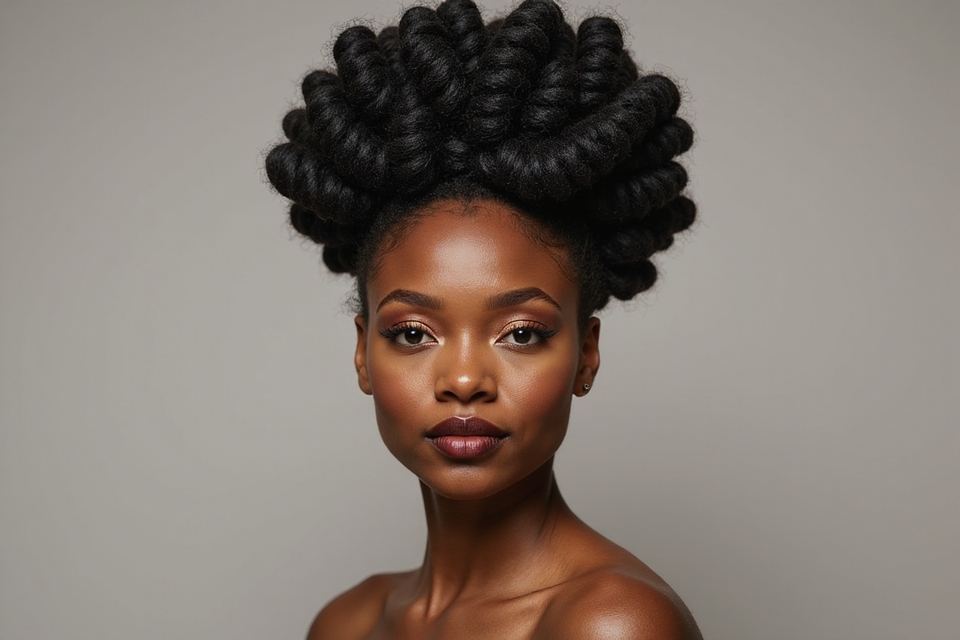
Curly hair and the shag are a beautiful pair. The layers let the curls spring and move, so the shape stays loose rather than swelling into a triangle. The choppy cut works with your natural pattern. To wear it:
- Have it cut dry and curl by curl, letting each layer fall to its own spring.
- Define with a curl cream and scrunch up toward the crown.
- A jaw-length curly bob is a tidier cousin when a full shag sounds like more than you want.
Pixie-Length Shag With Choppy Ends

The pixie shag splits the difference between a crop and a shag, short all over but loaded with choppy, textured ends. It is edgy, fun, and even lower-effort than a classic shag. To get the look:
- Ask for heavy texture and choppy layers on a pixie base.
- Leave the top long enough to pieces and spike if you want.
- Style with a matte paste and your fingers, no tools needed.
The shag is the only cut I know where the worst thing you can do is style it too well. The mess is the whole design.
Short Shag With Heavy Bangs

A fuller, heavier fringe gives the shag a bold, retro edge. The classic wispy version stays soft and barely-there. A heavy one makes a statement and frames the eyes dramatically. It is the loudest change you can make to the cut.
Thicker hair carries the weight best. A few notes:
- Ask for a full, brow-grazing fringe with real weight to it.
- Book a quick bang trim about every couple of weeks to keep it sharp.
- Soft, piecey curtain bangs are the lighter alternative.
Low-Maintenance Shag Styling

Here is the rare cut where doing less actually looks better. Over-styling fights the whole point. The goal is simple: bring the texture forward and let it stay rough.
A few low-effort habits keep it looking its best:
- Air-dry whenever you can, scrunching in product as it dries.
- Refresh day-two hair with dry shampoo and a quick tousle.
- Leave the round brush in the drawer; it smooths out the texture you paid for.
🅰️Classic Shag
Soft, wispy layers and a curtain fringe, easy and wearable for nearly every texture and face.
🅱️Pixie Shag
Shorter and choppier with textured ends, edgier and even lower-effort, best for those ready to go really short.
Short Shag for Fine Hair

Fine hair and the shag are quietly perfect together. The layers build body where fine hair runs flat, and the choppy texture fakes a fullness a blunt cut can only dream of. I see fine-haired clients leave the chair startled by how much hair they suddenly seem to have.
It comes down to smart layering and a little lift. A few pointers:
- Ask for layers concentrated up top for crown height.
- Use a volumizing mousse at the roots and keep creams off fine strands.
- Rough-dry with your fingers, flipping the head for lift.
Modern Takes on the Shag

The seventies shag has had a major glow-up, and the modern version is softer, more wearable, and a little more polished than the original. The bones are the same; the finish is fresher. A few ways it has evolved:
- Softer, more grown-out layering with an easier finish.
- A curtain fringe in place of the heavy seventies bangs.
- A blend with the bob, the lob, and the wolf cut for new shapes.
Celebrity-Inspired Short Shags

The short shag has become a red-carpet favorite, and plenty of well-known versions make great reference photos for your stylist. They show how the cut reads across different textures, lengths, and colors, which helps you picture it on yourself.
Look for a shag worn on your hair type. A shag on poker-straight hair behaves very differently from one on waves or curls, so a glamorous photo can mislead you if the texture is nothing like yours. Save two or three references that truly match your hair, and bring them to your appointment so you and your stylist picture the same finish from the start.
Strategic Trims for Growing Out

Growing out a shag is famously painless. The layers blur softly into longer lengths and leave no hard line behind. Plan a little, and every stage looks intentional.
Plan strategic trims even as you grow. A stylist reshapes the layers and bangs every couple of months, easing the cut into a longer shag or a lob with no awkward phase to suffer through.
Lean on dry texture and a few clips during the in-between weeks. A shag grows out so gracefully that most people barely notice the change.
Custom Short Shag by Texture

There is no single shag; the cut is customized to your texture, and that is its strength. A good stylist adjusts the layering, length, and bangs to suit what your hair naturally does. The variations:
- Straight hair: sharper, more defined choppy layers.
- Wavy hair: soft, piecey layers that play up the natural bend.
- Curly and coily hair: layers cut dry to shape the curl pattern.
Color Options for a Short Shag

Color and the shag are a powerful pair, because the layers catch and show off dimension beautifully. The right color adds depth that makes the texture pop. A few directions:
- Soft, grown-in highlights to play up the choppy layers.
- A money piece to brighten the face and front pieces.
- A gloss every couple of months, about $40 to $70, to keep tones rich.
Common Styling Mistakes to Avoid

Most shag fails come from treating it like a different cut. The shag wants a light touch, and a few common habits work against it. The big ones to skip:
- Over-styling with hot tools, which smooths away the texture.
- Using heavy products that weigh the choppy layers flat.
- Brushing it out, when a shag wants scrunching with your hands.
Tools for Daily Styling

A shag needs almost no tools, which is half its charm. Your fingers and a spray bottle do most of the work, and that is by design.
If you want a small kit, keep it light: a diffuser for curly shags, a flat iron for the occasional smooth day, and a good texture spray for everyday. Hot tools work against a shag the more you lean on them, so most days your hands and a quick spritz are really all you need.
Effective Salon Consultation

A great shag starts with a clear conversation, since the cut is so customized. The mistake I watch people make is asking for a shag with no photo and hoping for the best. Walk in prepared and your stylist can tailor it to you. What to cover:
- Bring photos of shags worn on your own hair texture.
- Be honest about how much styling you actually want to do.
- Mention your face shape and any cowlicks so they place the bangs right.
What to Expect
A short shag is among the most low-maintenance cuts you can choose, but it is not no-maintenance. The big advantage is the styling, which drops to a quick scrunch and spritz, and the forgiving grow-out, which blurs softly instead of growing into a shapeless mop. A salon cut tends to land near $50 to $90 where I work, and the haircut itself matters far more than any product, so it is worth finding a stylist who knows the shape.
Book a reshape roughly every two months, longer than most short cuts, since the layers are meant to look a little grown-in anyway. If you wear a heavy fringe, that part needs a touch-up every couple of weeks on its own.
None of this is medical advice, so if you notice unusual shedding or scalp irritation, check in with your doctor rather than blaming the cut. Done right, a short shag gets you about as close to wash-and-go as a haircut can while still looking intentional.
Short Shag Questions, Answered
?Is a short shag actually low-maintenance?
Yes, in styling. It is built to air-dry and look better tousled, so a scrunch and a spritz handle most days. The trade-off is that it needs a skilled cut to begin with, and a heavy fringe, if you choose one, needs frequent trims.
?How often does a short shag need trimming?
Every eight to ten weeks, longer than most short cuts, since the layers are meant to look a little grown-in. A heavy fringe is the exception, needing a touch-up every couple of weeks to stay out of your eyes.
?Does a shag work on fine hair?
Beautifully. The layers build the body and movement fine hair lacks, and the choppy texture fakes fullness a blunt cut cannot. Keep products light and lift at the roots, and a shag makes fine hair look like more.
?Can I get a shag with curly hair?
Yes, and it is a great match. The layers let curls spring and move instead of piling up. The key is a stylist who cuts curly hair dry, so the layers land where the curl actually falls once it dries.
?Will a short shag suit my face shape?
Almost certainly, because the fringe and layers are adjustable. A stylist places a fuller fringe to shorten a long face, height at the crown for a round one, and soft pieces to ease a strong jaw. Bring a photo and ask them to tailor it.
Low Effort, On Purpose
The thread through all of this is the same: a short shag turns low maintenance into a deliberate style rather than a compromise. The choppy layers and lived-with texture are designed to look better the less you fuss, which is a rare and freeing thing in a haircut.
So if you are tired of fighting your hair every morning, gather a few shag photos that match your texture and book someone whose portfolio shows the cut done well. The shag rewards letting go, and most people who try it never look back.
Where to Next