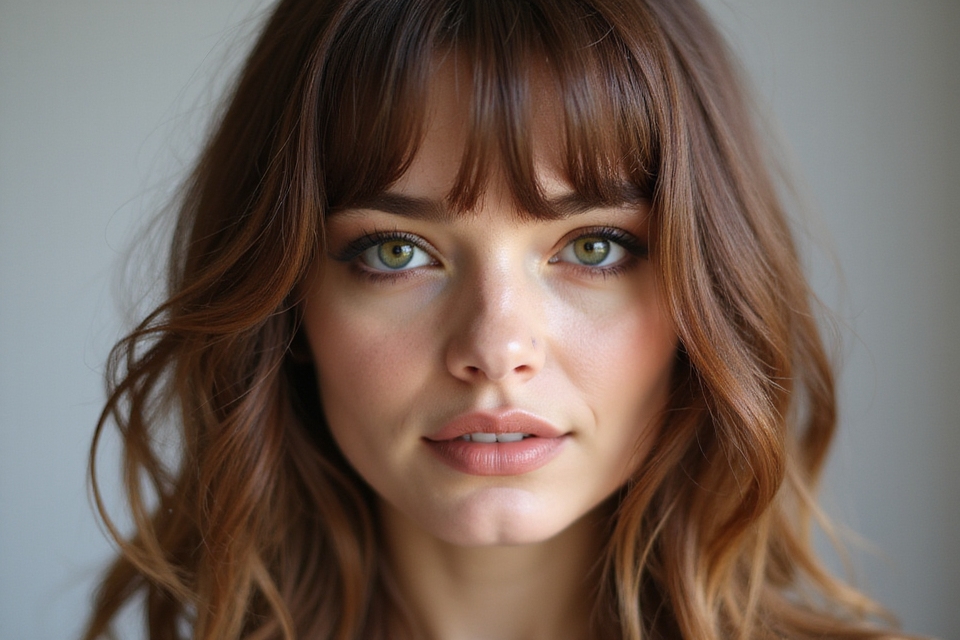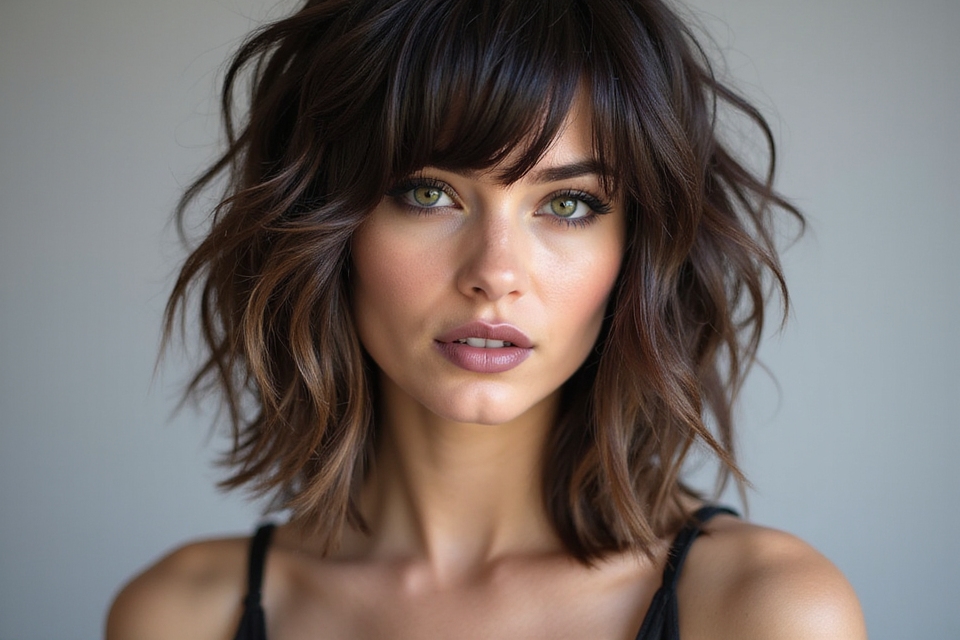
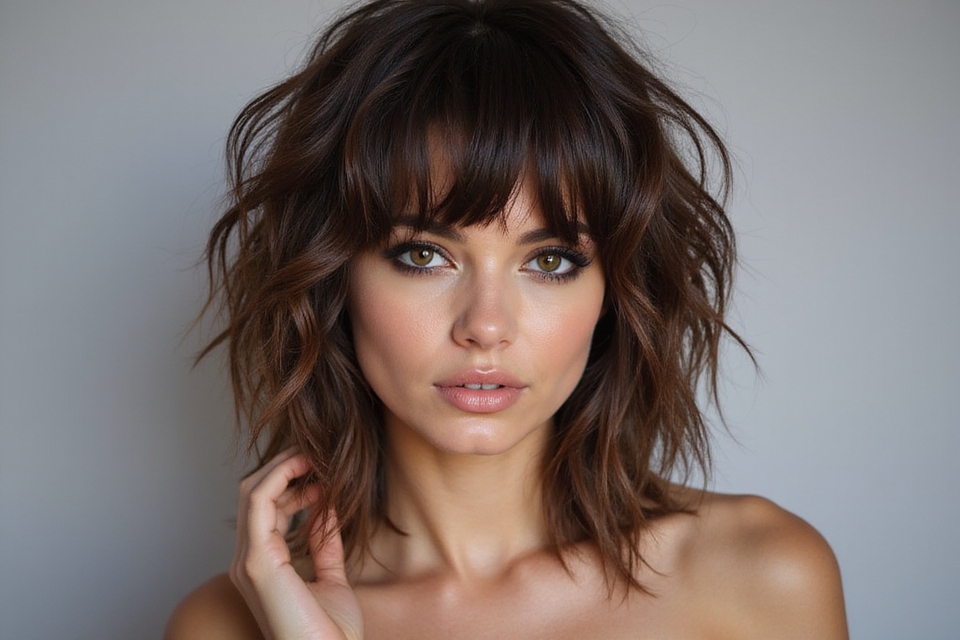
I have cut a lot of shags, and here is my honest take: it is the most forgiving haircut in the book and the easiest one to get wrong. The whole style lives in its layers, short ones stacked through the crown, longer pieces framing the face, and ends left deliberately frayed so the hair moves on its own.
Nail the layering and a shag hands you volume, texture, and that grown-out, easy look with almost no daily effort. Miss it and the cut just looks choppy. Here is what the shag actually is, who it suits, what it costs to keep up, and how to wear it whether your hair is short, long, straight, or curly.
The Shag In Short
- A shag is built on heavy, connected layers, face-framing pieces, and softly textured ends.
- It flatters fine and wavy hair most, but a skilled stylist can adapt it to any texture and face shape.
- Plan a trim every six to eight weeks, roughly $50 to $120, to keep the layers sharp.
- Styling is fast: a texture spray, a quick scrunch, and you are done.
The Shag’s Cultural Evolution
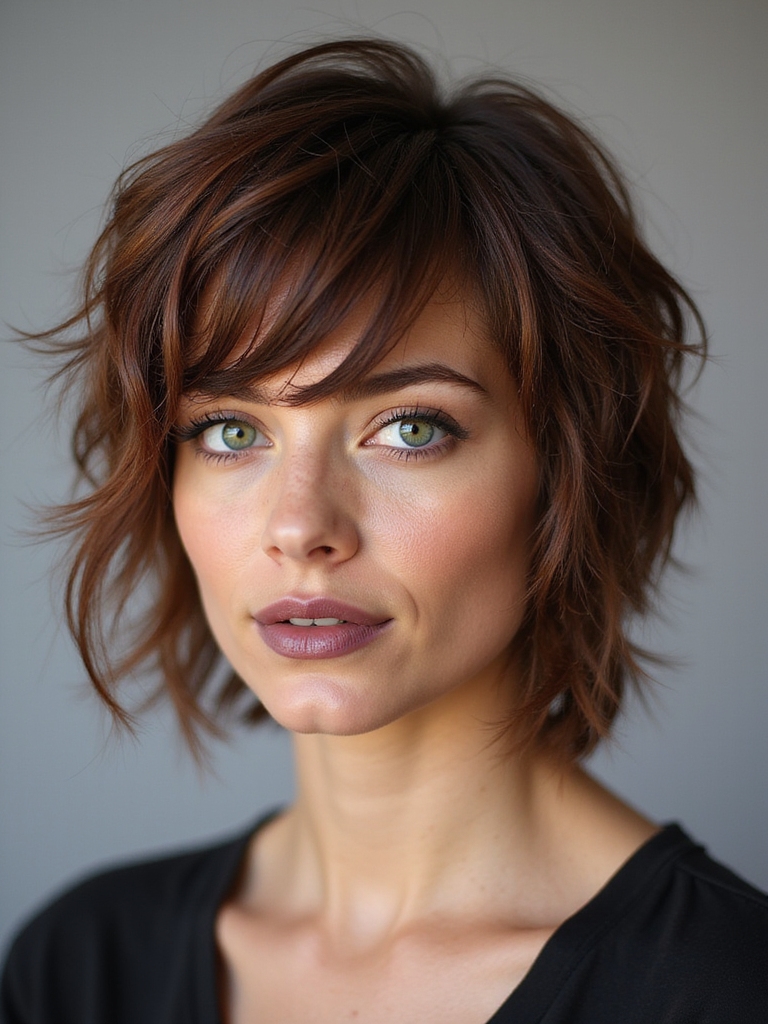
The shag arrived in the early 1970s as a deliberately undone answer to the stiff, set styles before it. It read as rebellion. Rock musicians and free-spirited women wore it precisely because it looked like they had not tried at all.
It never really left. Each decade reworks the shape, and the cut keeps absorbing whatever mood is in the air, from punk edges to grungy texture to today’s softer, wearable waves.
- 1970s: heavy layers, shoulder-length, unmistakably rock and roll
- 1990s: grungier, choppier, paired with a thin fringe
- Today: softer layers and curtain bangs, often called a modern shag or wolf cut
What Defines A Chic Shag

Strip away the eras and a classic shag has a few non-negotiable traits. The layers are the headline: short at the crown for lift, gradually longer toward the ends, all connected so nothing looks blocky.
The ends are point-cut or razored so they taper softly, which is what gives the shag its feathery edge. It is built to look best a little undone, and that is the whole point.
- Stacked crown layers for height and volume
- Face-framing pieces that begin around the cheekbone
- Textured, tapered ends for a soft finish
A shag is the only haircut I know that looks better the less you do to it. The cut does the work, not your morning routine.
Modern Shag Variations
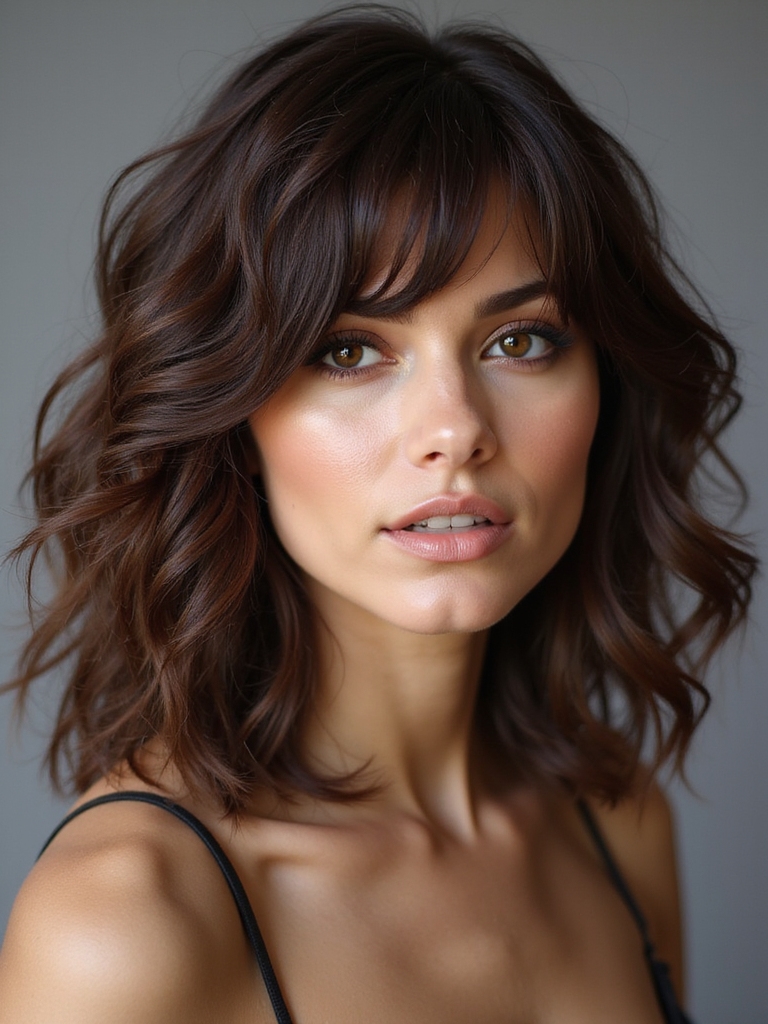
Today’s shags are softer and more wearable than the original, and there is a version for nearly everyone. The differences come down to length, how heavy the layers sit, and what you do at the fringe.
- The soft shag: gentle layers and curtain bangs for an easy everyday look.
- The wolf cut: a shorter, spikier crown for a bolder, edgier shape.
- The bixie shag: a pixie-bob hybrid with shaggy texture up top.
Why The Shag Is Timeless
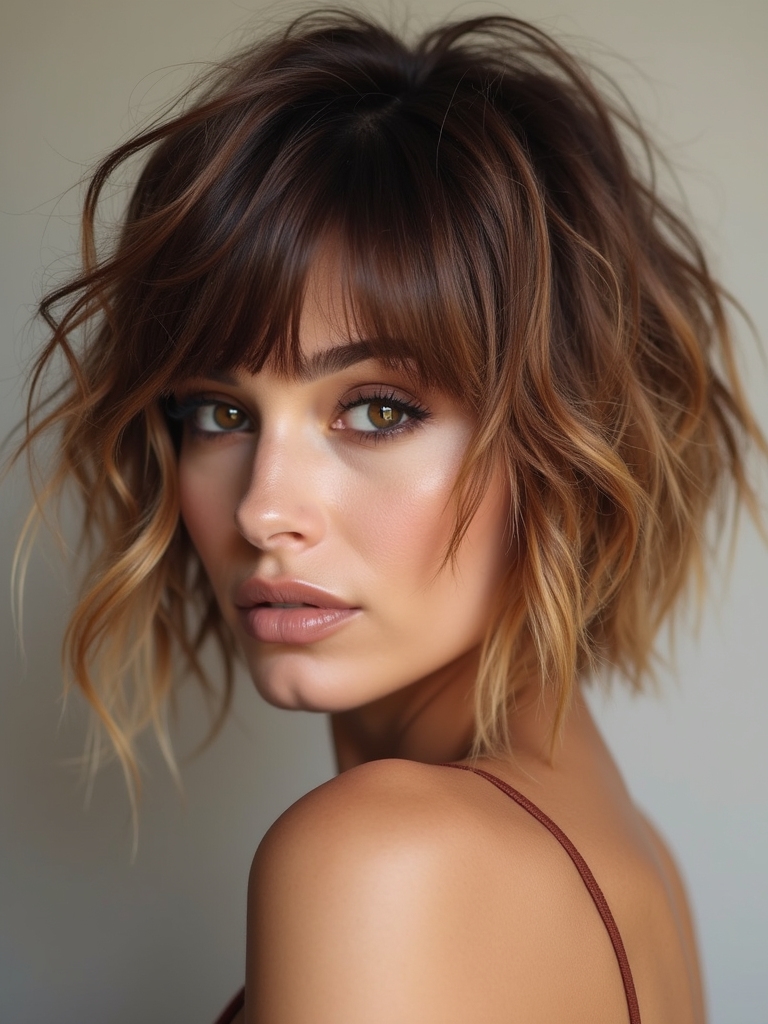
Most trend cuts have a shelf life. The shag does not, and the reason is baked into the shape: it is endlessly adaptable. Take it short or long, soft or spiky, and it still looks like a shag.
It also grows out kindly. Because the layers are already meant to look undone, a few weeks of growth just softens the shape as it goes. That forgiveness is rare in a haircut.
- Works across lengths and textures
- Softens gently as it grows out
- Reinvents itself with each new fringe or color
📋Before Your Shag Appointment
- ✓Save two or three photos that show the layers, not just the length
- ✓Know your natural texture and how it behaves air-dried
- ✓Decide whether you want a fringe now or later
- ✓Ask how often this length will need a trim
Choosing The Perfect Shag
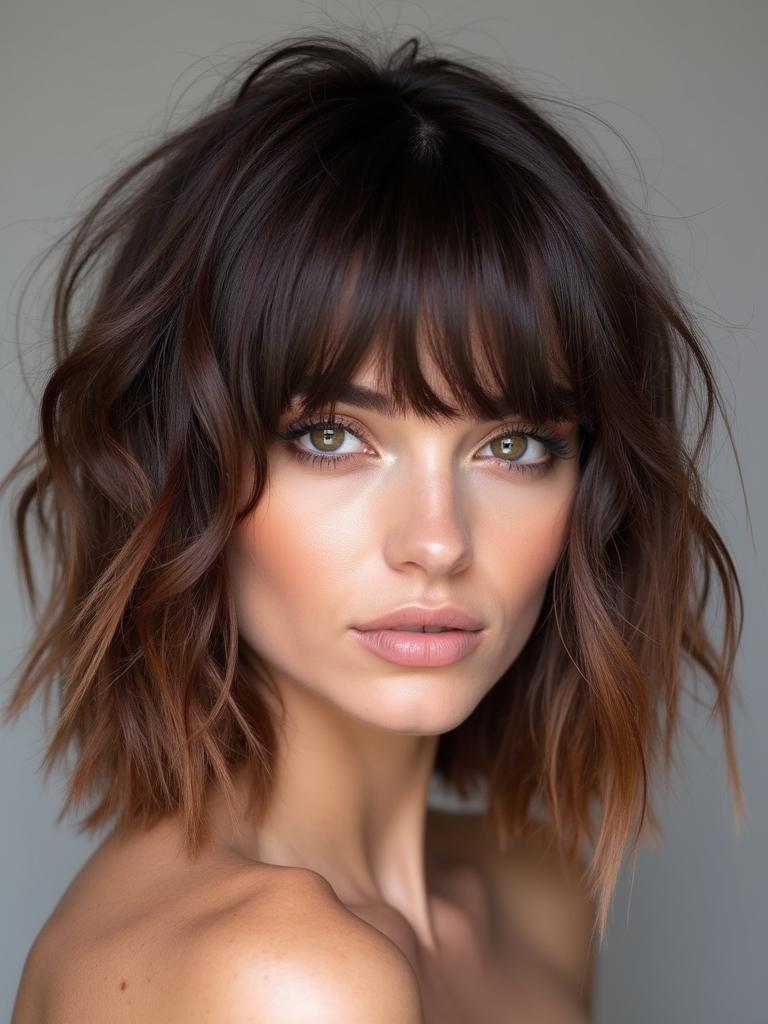
The right shag starts with your hair texture, well before any photo on your phone. Fine, wavy, and straight-with-a-bend hair takes layers beautifully and gets instant volume. Thick or very curly hair can absolutely wear a shag, but it needs a stylist who knows how the layers will spring up once dry.
Bring a reference, then be ready to adapt it. I walk every client through how their specific texture will behave, because the same cut lands differently on each head of hair.
The Versatile Side Of The Shag
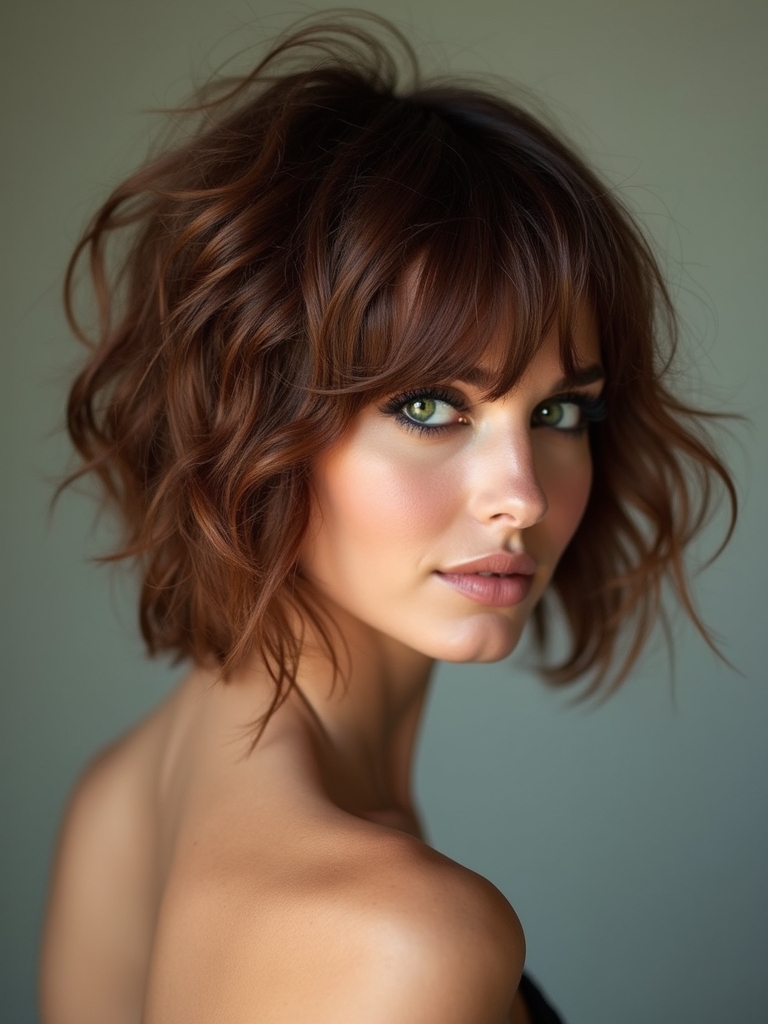
Part of the appeal is how many looks live inside one cut. The same shag can go sleek and polished with a flat iron, or wild and piecey with a scrunch of sea-salt spray.
That range is why it suits busy people. You can dress it up for an event, then wear it air-dried the next morning without touching the scissors. One appointment, plenty of options. Think of it as the haircut version of a wardrobe staple that mixes with everything you already own.
Not sure which length to ask for? Match it to how much styling you actually want to do.
🎯Short shag
Boldest and lowest-effort; great for fine hair and wash-and-go mornings.
🎯Medium shag
The all-rounder; movement and softness that suits most faces and routines.
🎯Long shag
Keeps your length while adding texture; needs the least frequent trims.
The Shag For Different Face Shapes
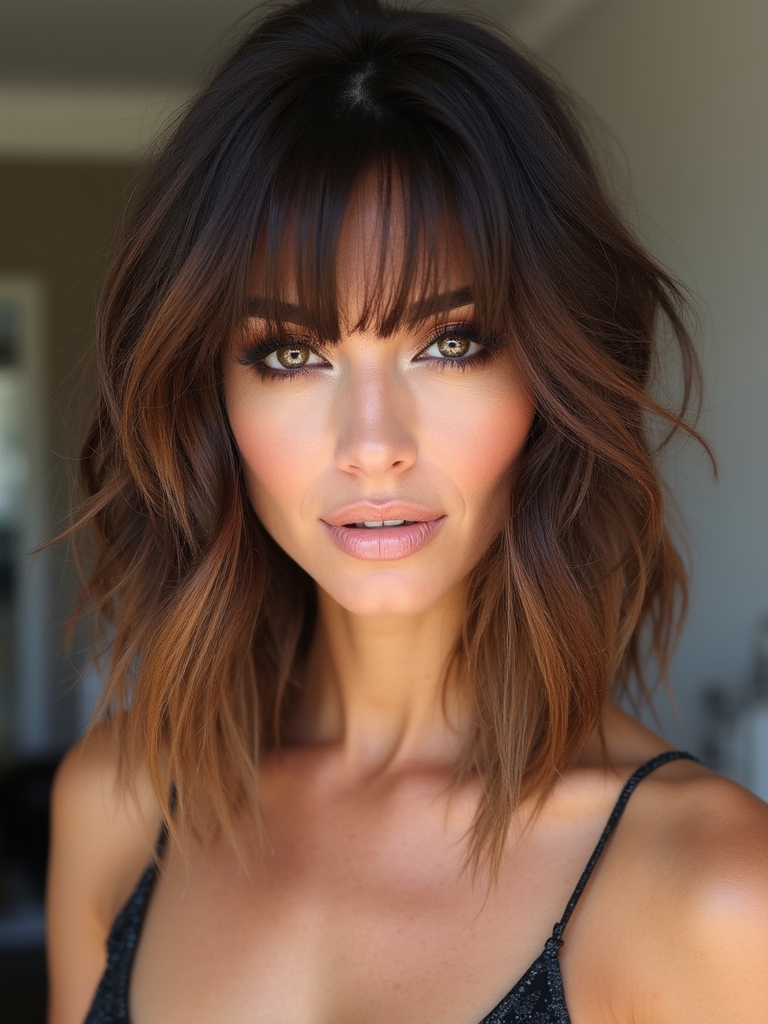
A shag is one of the few cuts that suits nearly every face shape, as long as the layers and fringe are placed with your features in mind. Oval faces can wear almost any version, while other shapes just need the layers started in the right spot. The whole balancing act happens at the cheekbones and chin, so I always talk it through with clients in my chair before any cutting begins.
- Round faces: longer face-framing layers that start below the chin add length
- Square jaws: wispy, textured pieces soften a strong line
- Long faces: a fuller fringe and side volume bring balance
Styling A Shag Day To Day
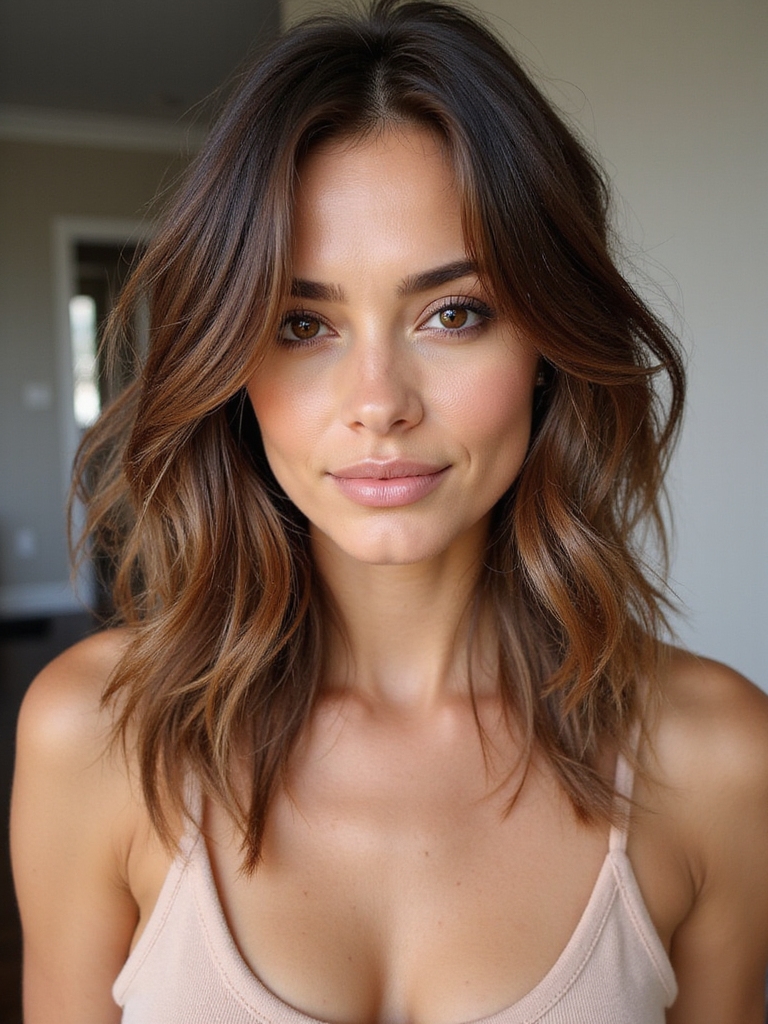
Styling a shag is fast, which is half its charm. The goal is to bring out the texture the cut already built in and work with it. Work a texture spray through towel-dried hair, scrunching upward toward the roots, then leave it to dry or diffuse on a low setting.
For more lift, flip your head upside down and shake while you dry the roots. Flick the front pieces outward with a round brush, and that is all most days need. Skip the heavy products that drag the layers flat.
Heads-Up
Very curly or coily hair should be cut dry by someone who works with your curl pattern. Layering wet curls is the fastest way to end up with a shorter, shrunken shape than you wanted.
Products That Enhance A Shag

The shag is a low-product cut, but the right few make a real difference. A lightweight mousse or volumizing foam at the roots builds lift without crunch, and a texture or sea-salt spray gives the ends that separated, piecey finish. Save the smoothing serum for the very ends if frizz is your issue, and keep heavy creams away from the layers.
- Volumizing mousse worked into damp roots
- Sea-salt or texture spray for piecey ends
- A tiny drop of serum on the ends to tame frizz
Regular Trimming Keeps It Sharp
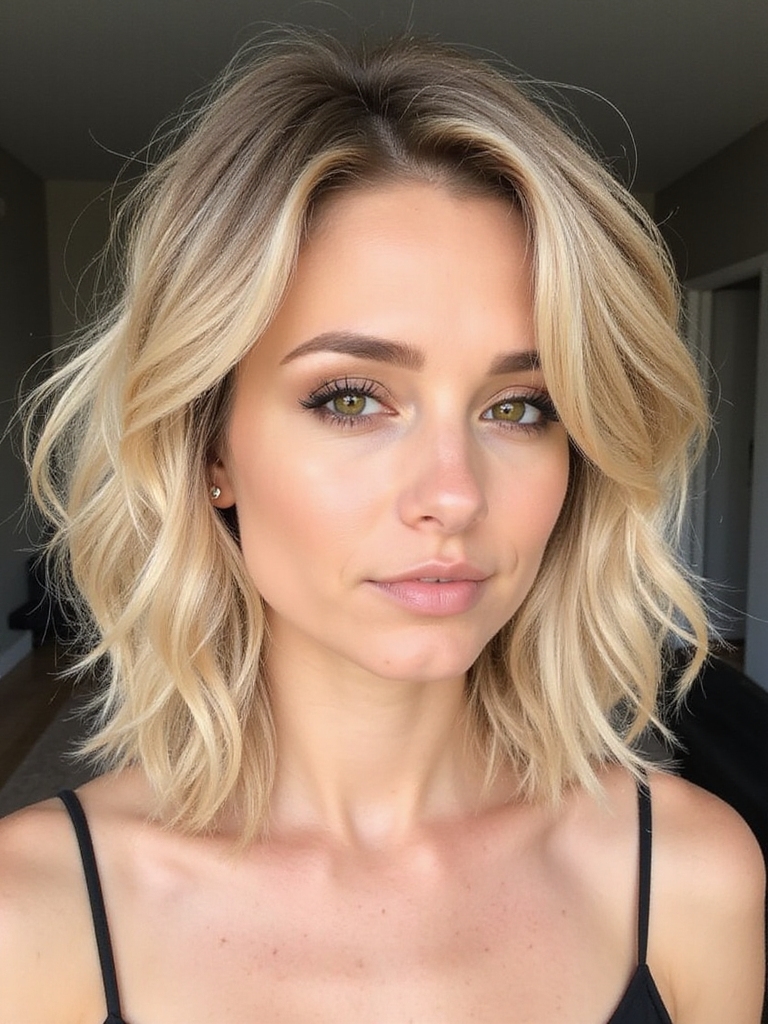
A shag lives and dies by its layers, and layers grow out. To keep the shape crisp, book a trim every six to eight weeks. Let it run much longer and the texture turns shapeless.
How Often, Really
A maintenance trim usually costs $50 to $120 depending on your salon and city. Ask only for a dusting of the ends and a light refresh of the front layers each time.
Longer shags can stretch a little further between visits, since the layering is less obvious as it grows. Shorter, choppier versions need that six-to-eight-week rhythm to stay sharp.
A Bold, Low-Maintenance Short Shag
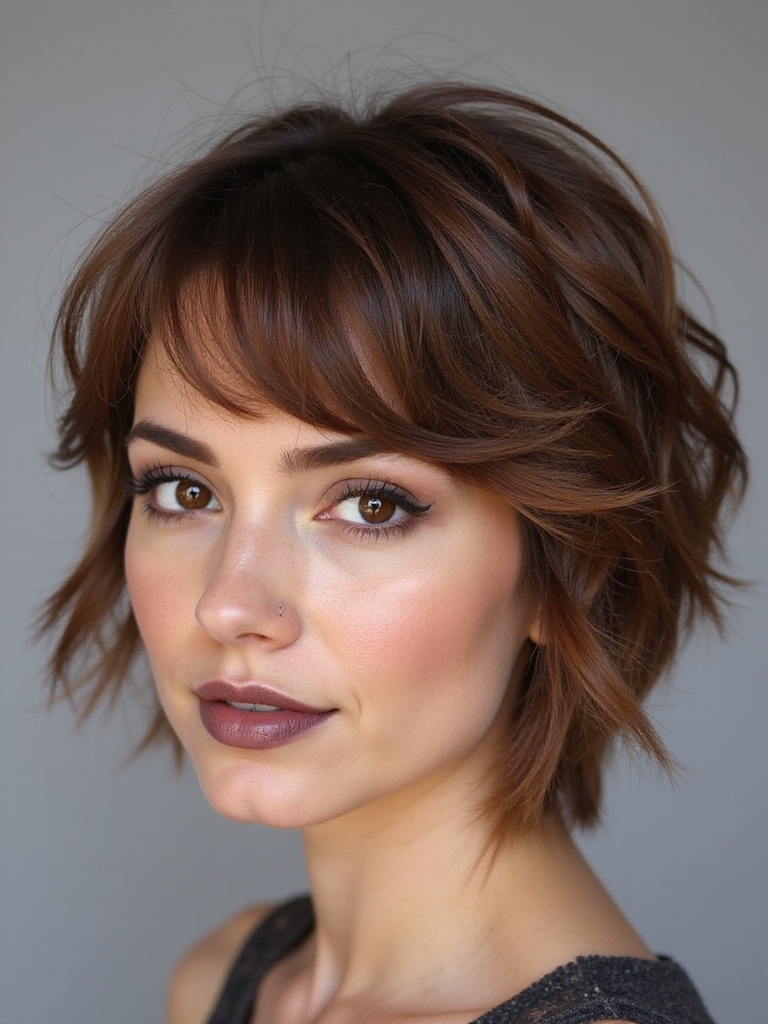
A short shag is the boldest version and, oddly, one of the easiest to live with. Choppy layers and a piecey crown give you a confident, slightly punky shape that asks almost nothing of you in the morning. It frames the face closely, so it suits anyone who wants their haircut to do the talking, and fine hair especially benefits from the faked-up volume. Browse a few short shag ideas before you commit.
- Choppy crown layers for instant volume
- Close face-framing for a strong, graphic shape
- Wash-and-go upkeep with a little texture spray
A Chic Layered Shag
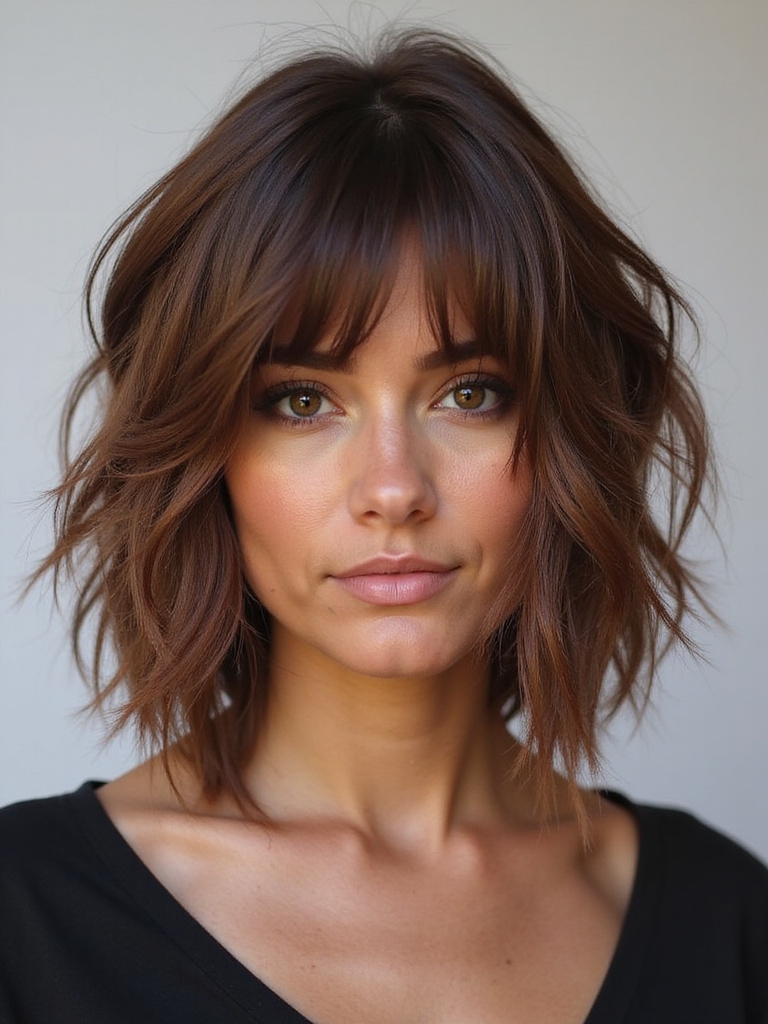
The layered shag is the crowd-pleaser: medium length, lots of movement, and soft enough for almost any setting. It is the one I find myself cutting most weeks, since it balances drama and everyday wearability so well.
- Cascading layers from the crown down for all-over movement
- Feathered ends for a soft, tapered finish
- A few shorter crown pieces for built-in lift
How The Shag Adds Movement

If your hair tends to fall flat, a shag is a movement machine. The connected layers leave every strand at a slightly different length, so the hair bends and swings as you move.
That is why the cut looks alive even when you do nothing to it. On wavy hair the effect is strongest, since the waves catch on the layers and lift. It is the closest thing to volume you do not have to create yourself, and the reason fine-haired clients fall for it so fast.
The Layered Shag Technique
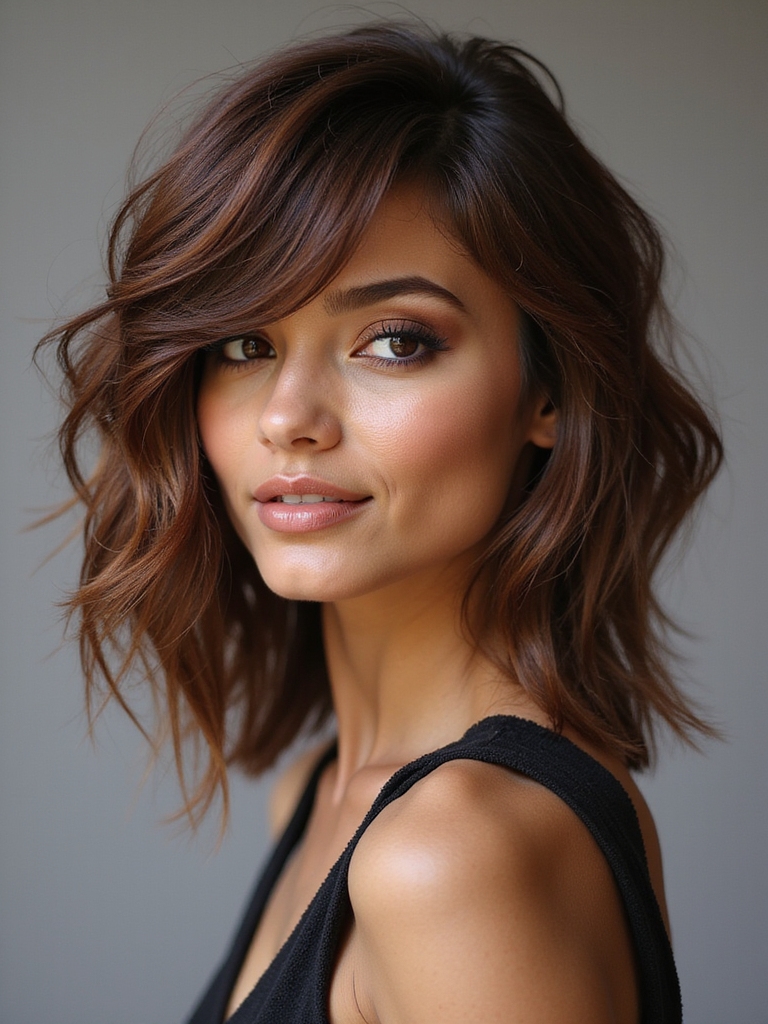
For the curious, here is what is actually happening under the scissors. A stylist sections the hair and cuts internal layers, then point-cuts into the ends to soften them gently.
Many of us cut a shag on dry hair, or at least finish it dry, because that is the only honest way to see how the layers fall on your texture. It rewards an experienced hand, which is why a true shag is worth a specialist.
- Internal layering to remove weight and add lift
- Point-cutting for soft, tapered ends
- Dry finishing so the layers land true to your hair
Adding Bangs To A Shag

Bangs and shags are a natural pair. The most popular choice now is the curtain bang, which blends straight into the face-framing layers and suits nearly everyone.
Wispy, eye-skimming fringes keep the look soft, while a heavier fringe makes it bolder and more retro. Match the fringe to your forehead and face shape, and budget for the small, frequent trims bangs always need.
- Curtain bangs for a soft, grown-out blend
- Wispy bangs for a soft, low-commitment fringe
- A fuller fringe for a bolder, retro-leaning shag
Color Trends For A Shag
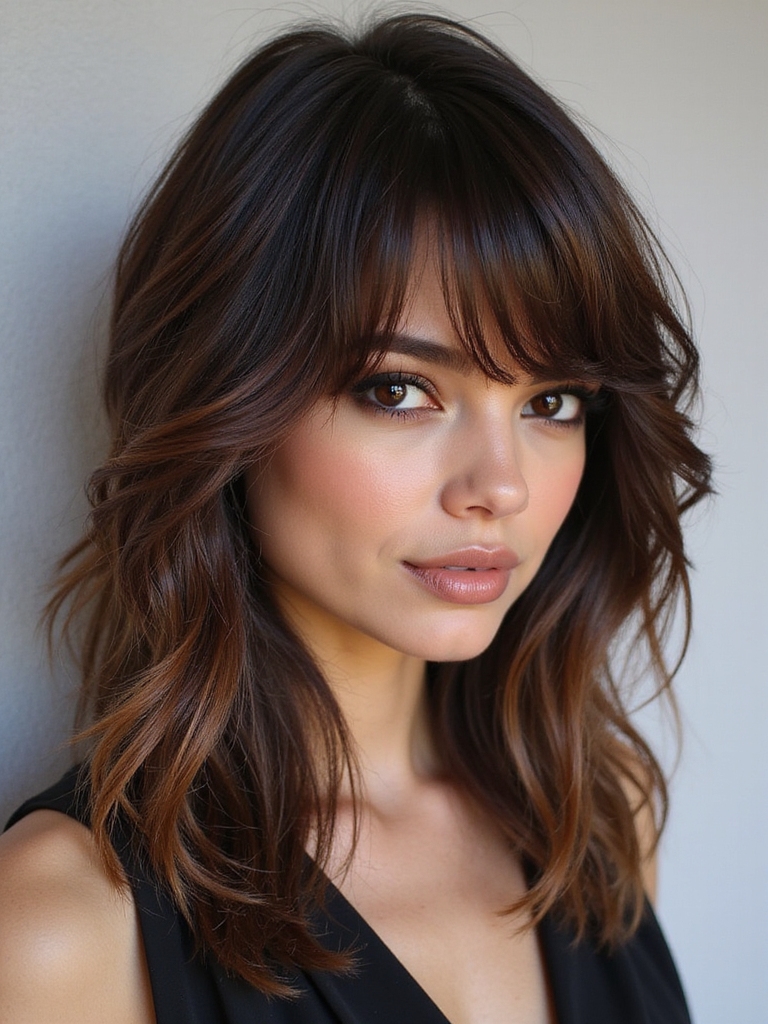
Texture and color play off each other, which makes a shag a brilliant canvas. Dimensional color, with lighter pieces painted along the layers, gives the movement even more punch.
Soft copper, honey balayage, and a grown-out brunette all flatter the cut right now. Whatever you pick, ask your colorist to follow the layers so the shape stays the star.
- Money-piece highlights to brighten the face
- Balayage painted through the layers for depth
- Bold all-over color if you want the shape to shout
The Shag’s Influence On Fashion

The shag has always been more than a haircut; it is a fashion signal. On runways and in street style, it looks a little rebellious and a little undone, which is exactly the mood fashion keeps circling back to.
Editorial shoots love it because it photographs with built-in movement. When the brief is cool rather than polished, the shag is a reliable shortcut to that energy. That crossover from runway to real life is a big part of why it keeps trickling back into salons every few seasons.
The Shag And Rebellion

From the start, the shag carried an attitude. In an era of carefully set hair, choosing a cut that looked deliberately tousled was a quiet act of defiance, and that DNA stuck around.
- It signals character over polish
- It crosses generations, from rock fans to teenagers
- It still feels a touch subversive, which is its charm
Empower Your DIY Shag Trim

I will be straight with you: I would rather you see a stylist for your first shag. The shape is technical, and a bad layering job is hard to fix.
That said, if you are comfortable with scissors and only want to refresh your layers between salon trims, a careful touch-up is doable. Work on dry, styled hair so you see the true shape.
Twist small sections and point-cut tiny amounts off the ends, never straight across, and go slow. You can always take more off, but you cannot put it back.
From A Bob To A Shag
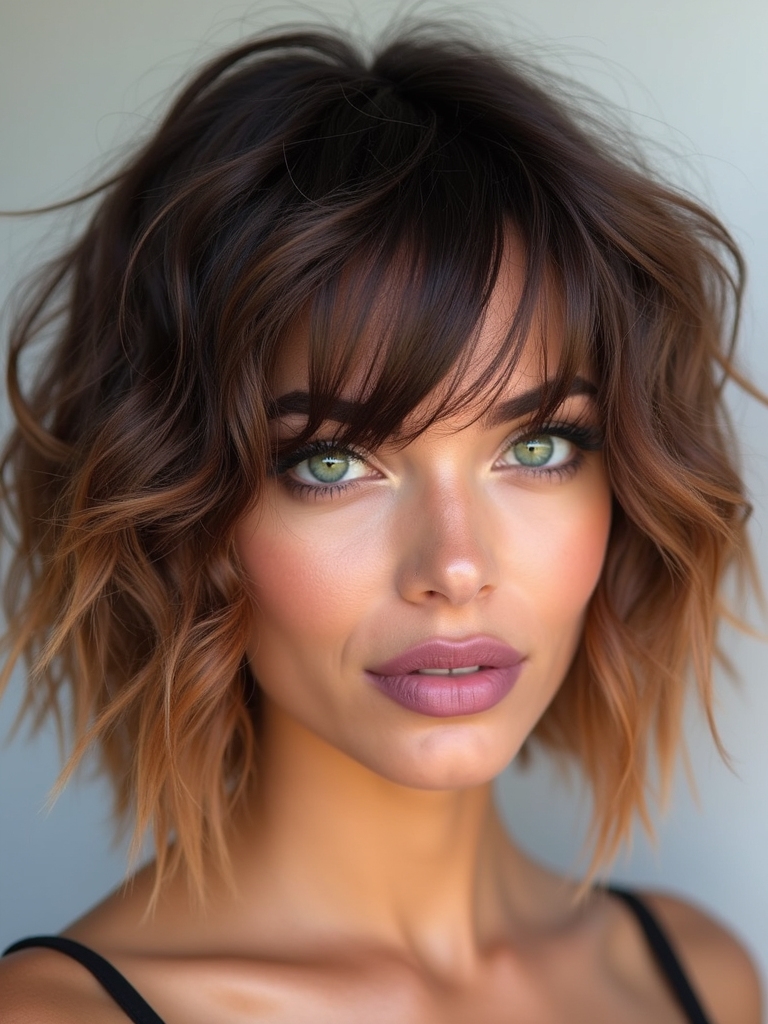
Growing out a bob is the perfect moment to move into a shag. The length is already there; the cut just adds the layers and texture the bob was missing.
Your stylist cuts internal layers and face-framing pieces into the existing shape, often adding a fringe to tie it together. It is a low-risk change, since you keep most of your length while gaining movement.
- Keep your current length and add internal layers
- Soften the perimeter with point-cutting
- Add a fringe to complete the transition
How A Shag Enhances Your Style
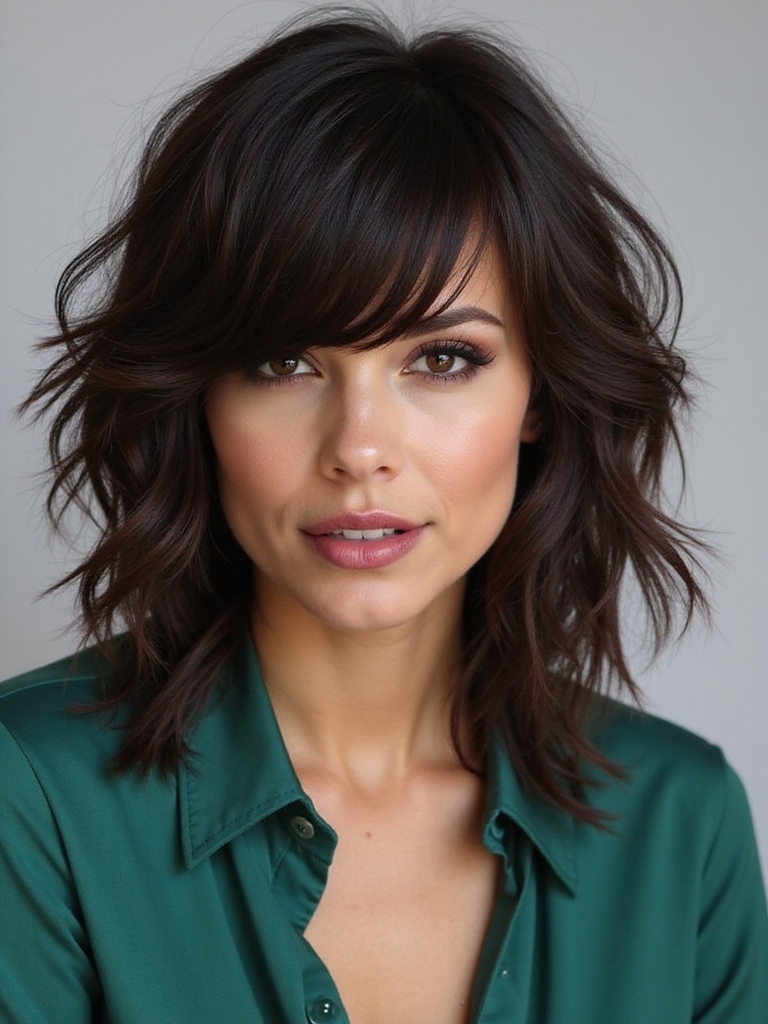
A haircut can shift your whole look, and the shag does it with attitude and ease. It feels creative and a little off-duty, which dresses down a formal outfit and sharpens a casual one.
It is the rare cut that works with a leather jacket and a slip dress equally well. The texture keeps polished clothes from feeling stiff and gives jeans-and-a-tee some intention.
Smooth the layers with a flat iron for work, then scrunch them back to life on the weekend. The cut flexes right along with your wardrobe.
The Shag, Timeless And Versatile
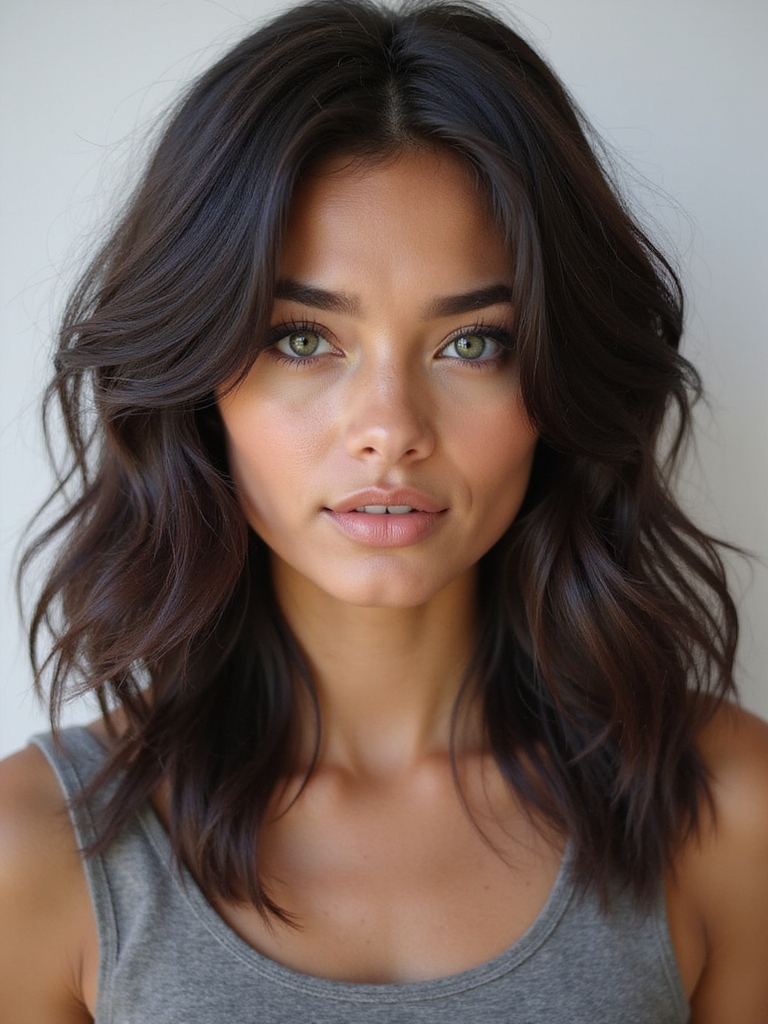
Pull all of this together and you see why the shag endures. It is timeless because the shape adapts, and versatile because it bends to your hair, your face, and your mood.
Range From One Appointment
Few cuts give you this much range from a single appointment. You can be sleek on Monday and tousled by Saturday without going back to the chair.
That mix of staying power and flexibility is exactly what makes it worth considering, whatever your age or hair type.
Revamping Your Whole Look
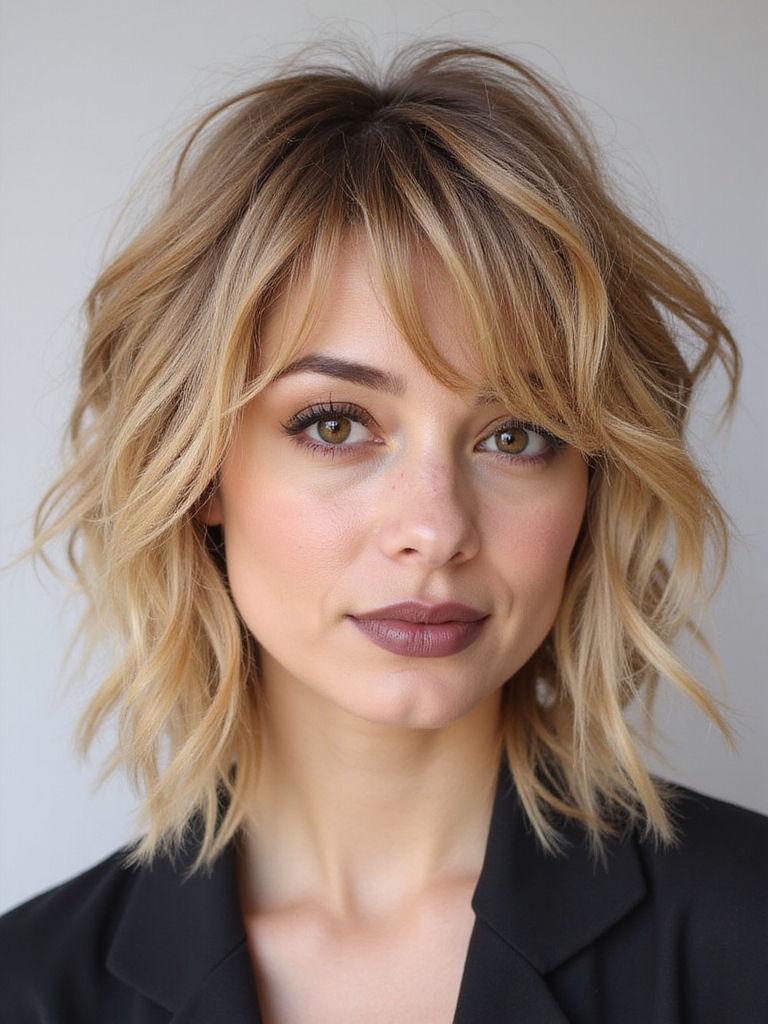
If you are itching for a change but nervous about commitment, a shag is a smart first move. It revamps your look without sacrificing length, and the layers can always be softened later if you change your mind. The texture alone makes hair feel new, and adding a fringe doubles the effect. Start subtle and build it choppier over a couple of trims if you are unsure.
- Keeps your length while changing the shape
- Easy to soften or build on at the next trim
- A fringe amplifies the transformation
An Inclusive, Expressive Cut
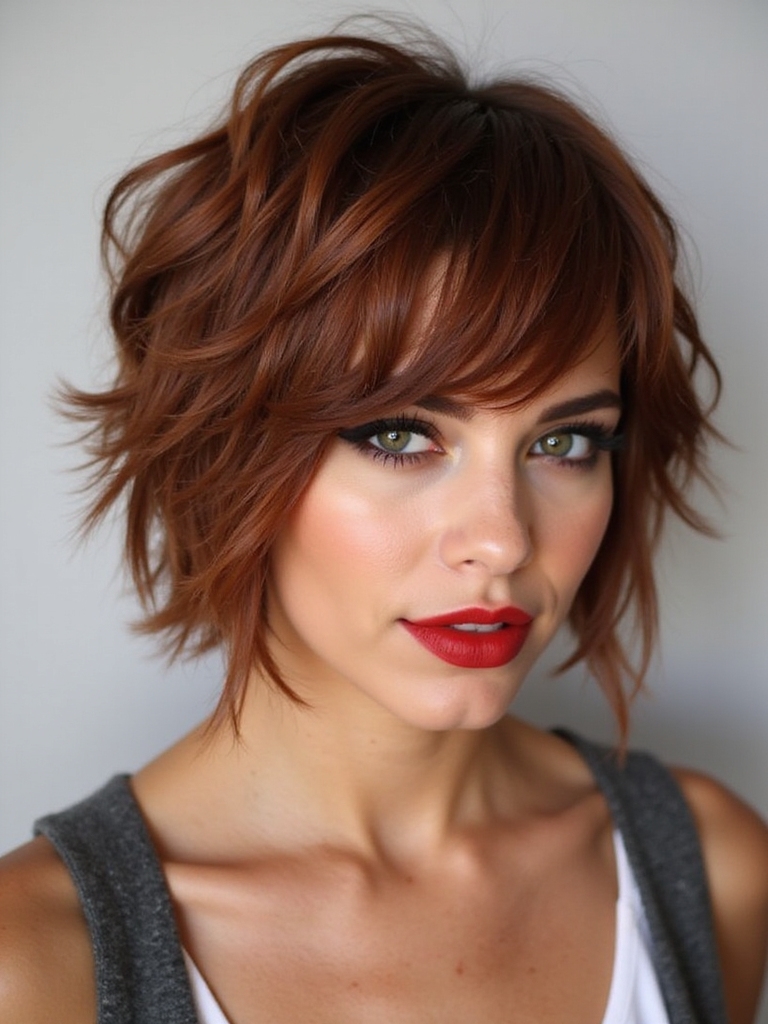
One of the best things about the shag is that it belongs to everyone. It has never been tied to one gender or one hair type, which is part of why it has lasted so long.
It feels like a real expression of personal style, more than a passing trend. You shape it around who you are.
- Flattering across textures, from straight to coily
- Worn by all genders without changing the cut
- Endlessly personal through length, fringe, and color
Future Trends For The Shag

So where does the shag go next? The current direction is softer and more blended, with grown-out layers and natural-looking color leading the way.
What To Expect Next
Curtain bangs look set to stay, wolf-cut energy keeps shaping the crown, and air-dried texture remains the goal for most people.
The shag will keep evolving, because reinvention is what it has always done best. That is the whole reason it is still here.
Fixing Common Shag Problems
A few targeted fixes solve the complaints I hear most in the chair. If your shag falls flat by midday, you are probably over-conditioning the roots; keep conditioner to the mid-lengths and ends only. If the ends look dry or stringy, a pea-sized drop of oil revives them without weighing the layers down.
For second-day hair, mist a little dry texture spray at the roots and rescrunch to revive it. And when the front pieces go limp, a quick pass with a round brush and cool air brings the shape back in seconds. Each fix is a one- or two-minute job, which is exactly what the cut promises.
Is The Shag Your Next Cut?
If you want big texture without a big time commitment, the shag is hard to beat. It flatters nearly every face and hair type, grows out gracefully, and gives you real range from a single appointment, all for the price of a regular trim.
The one thing that makes or breaks it is the stylist, so bring clear photos and find someone who cuts shags often. Get that part right and you will spend a lot less time on your hair and like it a lot more.
You Might Also Like