
Some hairstyles are decoration. Cornrows are a record. Each row traces a path along the scalp, and for thousands of years those paths have carried meaning across West and Central Africa, signaling kinship, age, and belonging long before they became a fixture on runways and red carpets.
That history is exactly why cornrows reward a little knowledge before you book. The same technique that looks quiet and sleek on Monday can become a map of curves and zigzags by Friday. This guide covers the heritage, the patterns, the upkeep, and the looks worth trying, with frank notes on the time, cost, and upkeep each one demands.
Cornrows at a Glance
What exactly is a cornrow? A braid worked flat against the scalp, picking up small sections of hair as the braider moves along a parted row. The result sits close to the head, which is what makes the patterns possible.
How long do they last? Most cornrow sets hold for two to six weeks depending on size and your hair type. Smaller rows last longer; chunky styles loosen faster around the hairline.
Are they only for one hair type? No. Coily and kinky textures grip best, but wavy and straight hair can hold cornrows too, often with a little product for grip and a slightly shorter wear time.
Braiding as Storytelling
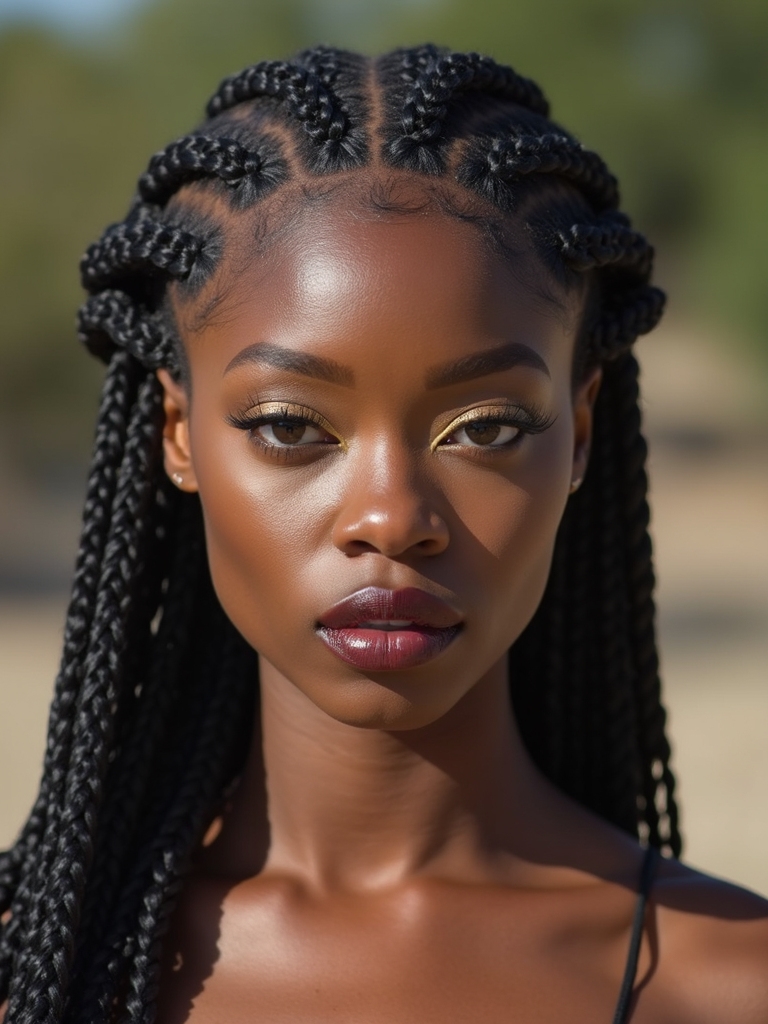
Before cornrows were a trend, they were a language. In many African communities, the direction of a part, the count of the rows, and the addition of a curve could mark a woman’s village, her marital status, or a season of her life. A braider read a head of hair the way you might read a name tag.
That storytelling instinct still lives in the work. When I sit with a client to plan a set, I rarely open with which photo did you save. I open with what you want the rows to say. A clean back-swept pattern speaks differently than a swirl that loops toward the temple, and the rows themselves become the sentence.
- Straight-back rows feel calm and put-together, the everyday workhorse of cornrow styles.
- Curved and looping parts add movement and tend to draw the eye toward the face.
- Geometric breaks and offset sections feel modern and lean into the artistry side.
Cornrows and Cultural Heritage
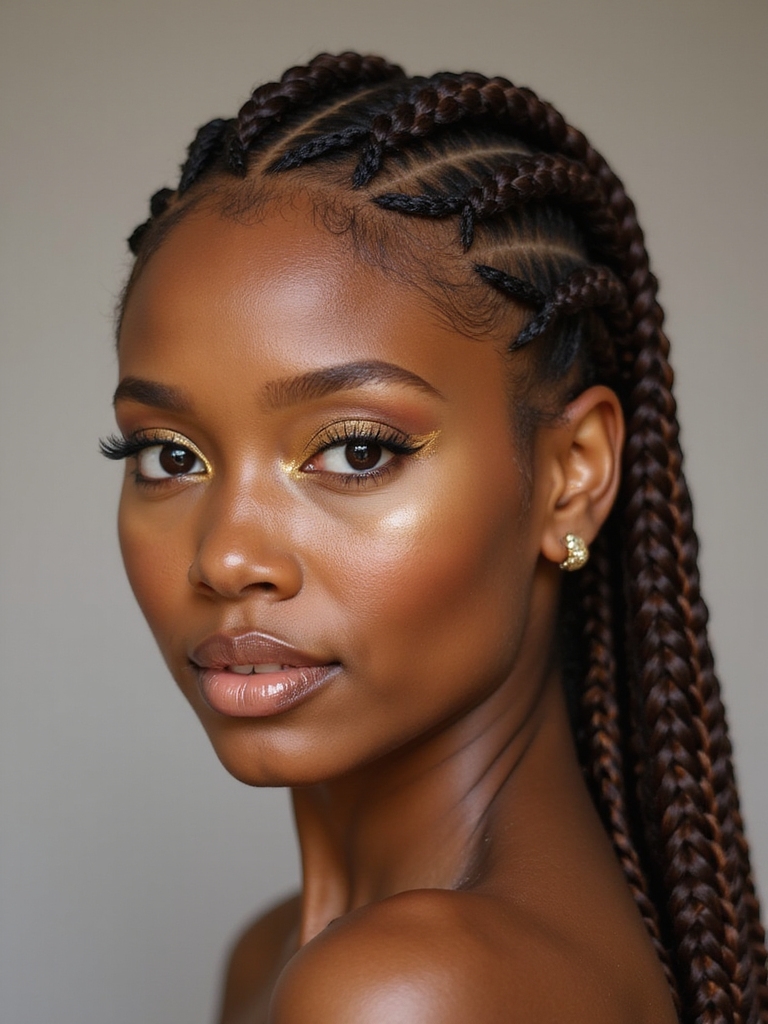
You cannot talk about cornrows honestly without naming where they come from. This is a Black hairstyle with roots stretching back thousands of years, and wearing it well starts with respecting that lineage as you would any inherited tradition.
- Carvings and artwork place braided rows in Africa more than 3,000 years ago, tied to identity and community.
- During the transatlantic slave trade, oral histories describe cornrows used to pass messages and, in some accounts, to map routes toward freedom.
- Today the style remains a source of pride and self-expression, which is why cultural credit and skilled Black braiders matter so much.
How well do you know the roots of the style? Two quick ones before you book.
1Roughly how far back do braided rows appear in African art?
More than 3,000 years, where they signaled identity, age, and community belonging.
2What is one historical role cornrows are said to have played during enslavement?
Oral histories describe them carrying hidden messages and, in some accounts, mapping escape routes.
Cornrow Patterns Up Close
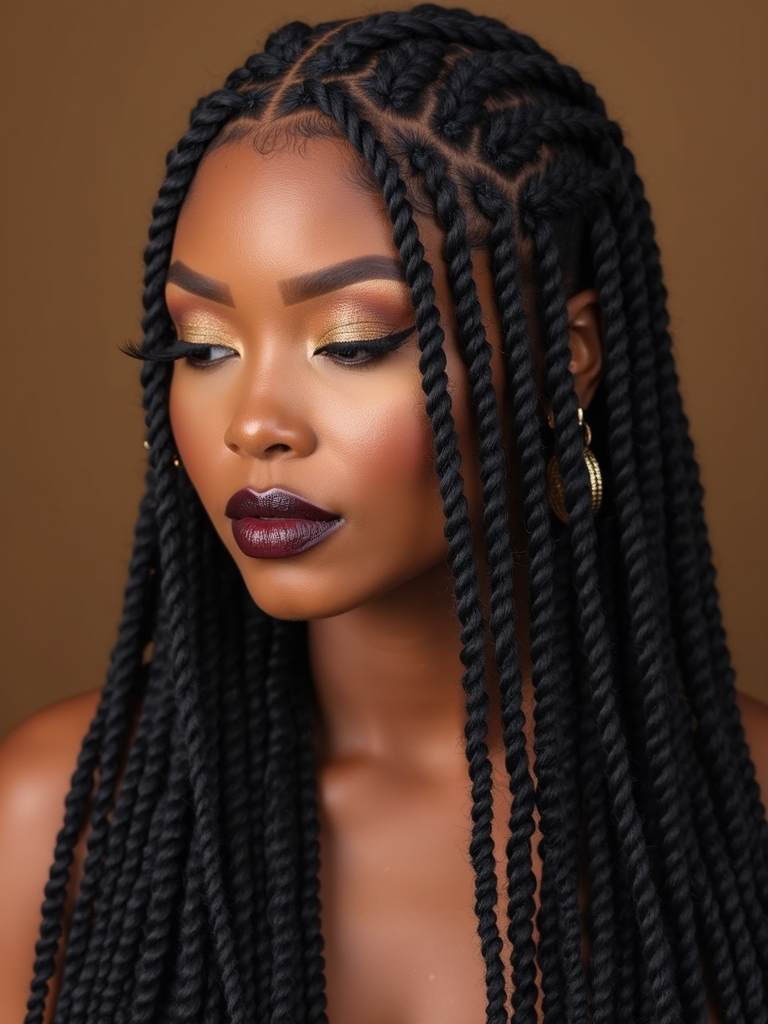
The magic of cornrows lives in the parting. Once you start noticing how the scalp is sectioned, you stop seeing rows and start seeing design. These are the building blocks braiders mix to create almost any pattern.
- Straight-back: even rows running from hairline to nape, the foundation everything else builds on.
- Side-swept: rows angled across the head for a softer, asymmetric finish.
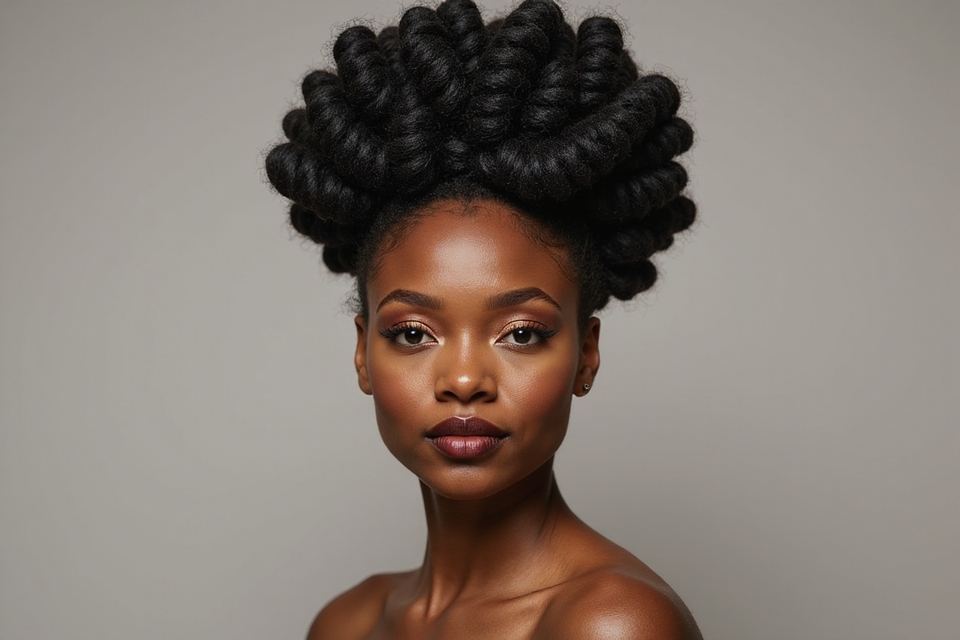
- Curved and spiral: looping parts that swirl into shapes, from gentle waves to full rosettes at the crown.
Your Personalized Cornrow Guide
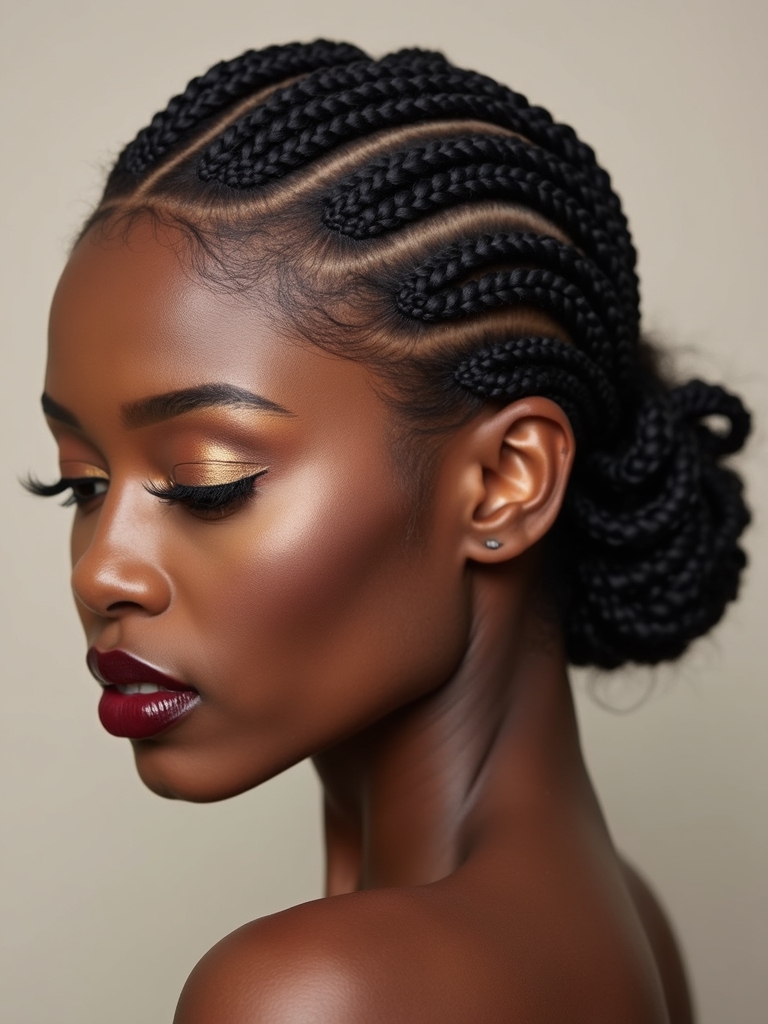
A photo saved to show your braider is a starting point, not a promise. The set that suits you depends on your face shape, your hair density, and how much daily fuss you can live with. Here is how I help clients narrow it down before a single row goes in.
- Map your routine first: a busy parent and a weekend festival-goer want very different upkeep, so be honest about wash days and gym time.
- Read your face shape: rows that lift toward the crown lengthen a rounder face, while softer side parts flatter a longer one.
- Pick your commitment: jumbo rows are quick and bold, micro rows are slow and long-lasting, and most people land somewhere between the two.
A quick way to land on the right set before you sit down.
1Audit your week
Count your wash days, gym sessions, and how much morning time you truly have, then match the size to that reality.
2Pick size over photo
Choose jumbo, medium, or micro rows based on how long you want the set to last, since size drives wear time more than the pattern does.
3Plan the part
Decide straight-back, side-swept, or curved with your braider, since the parting shapes your face more than any accessory.
Maintenance for Longevity
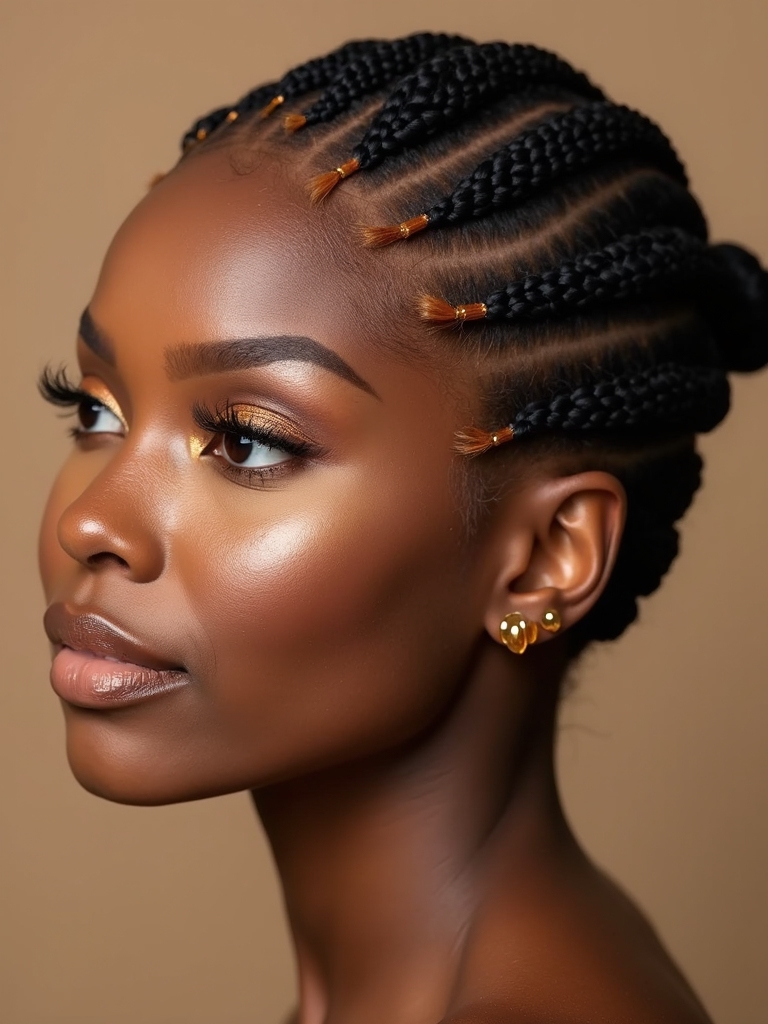
A good set is an investment, so treat it like one. Expect to pay roughly $80 to $220 for professional cornrows depending on size and length, and to sit for two to five hours in the chair. With care, that work holds for two to six weeks.
Nights matter more than mornings. Cover your rows at night with a satin or silk wrap, or trade a cotton pillowcase for a satin one, since that overnight rub is what frizzes braids and wears at your edges. A light spritz of water mixed with leave-in keeps things supple between wash days, and a drop of oil along each part calms a tight, itchy scalp.
Know when to let go. Hanging onto a set past the six-week mark for the sake of value tends to backfire, because new growth pulls at the roots and adds tension right where your hairline is most fragile. Take them down, give your scalp a breather, then go again.
Cornrows for Every Texture
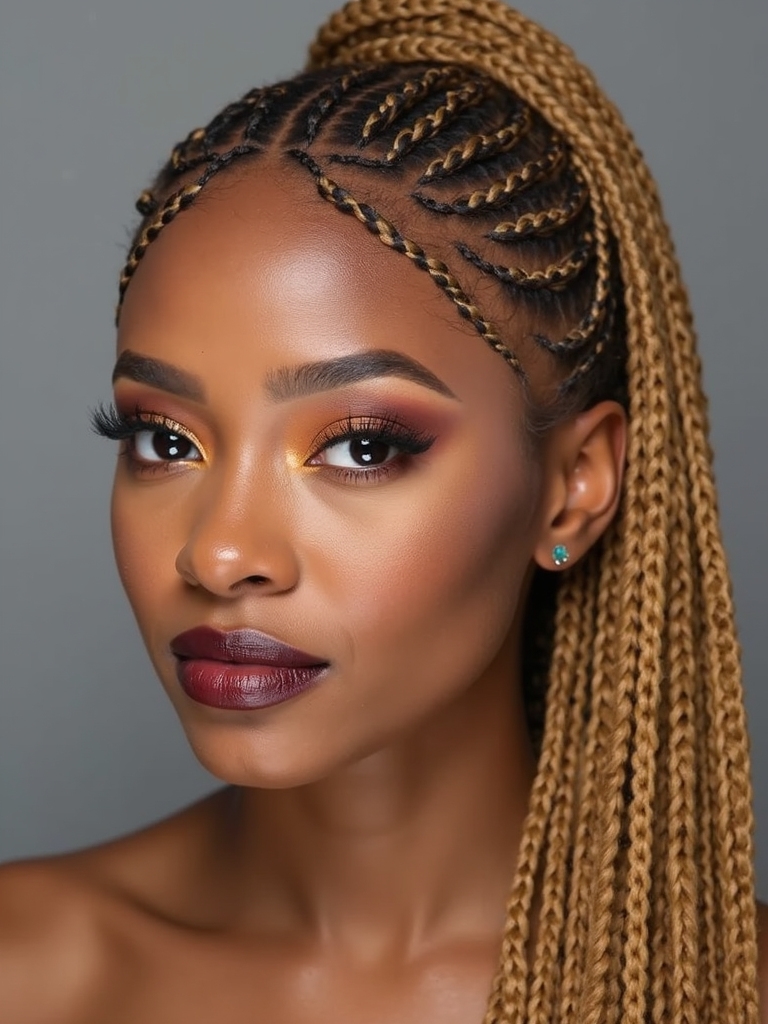
Cornrows are often framed as a coily-hair style, and that texture truly is the gold standard for grip. Other hair types can wear them well too, as long as you adjust expectations on wear time and prep.
- Coily and kinky (type 4): the natural texture locks rows in place, making this the longest-lasting and most pattern-friendly canvas.
- Curly (type 3): holds nicely with a stretch or blow-dry first, though rows may soften a touch sooner.
- Wavy and straight (types 1 to 2): doable with braid spray or mousse for grip, best kept to shorter, simpler patterns that resist slipping.
Find your texture, then set your expectations.
🎯Coily and kinky
Your hair grips best; go for longer wear and the most detailed patterns.
🎯Curly
Stretch or blow-dry first; expect solid hold with a slightly shorter run.
🎯Wavy or straight
Use braid spray for grip and keep patterns simple so rows do not slip.
Intricate Cornrow Designs
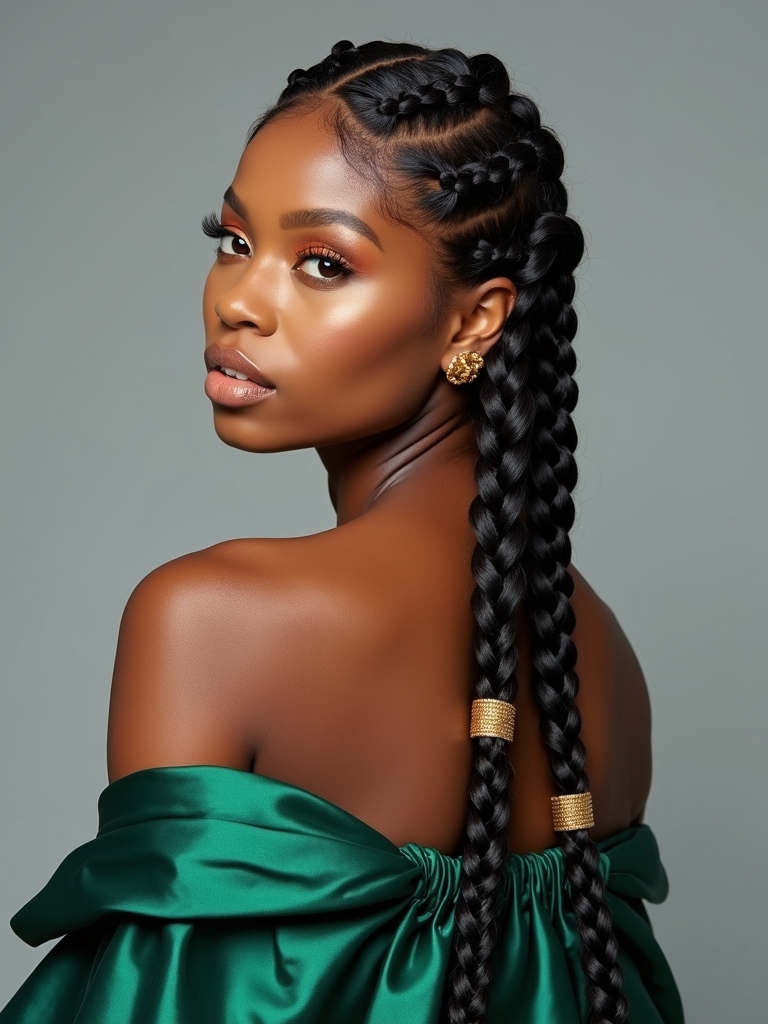
This is where cornrows stop being practical and start being a showpiece. Intricate designs lean on the braider’s eye for symmetry, weaving fine rows into shapes that look like line drawings across the scalp. They take patience and a steady hand.
Be realistic about the booking. A detailed pattern can stretch a session to four or six hours and cost more than a simple set, because the cost reflects real artistry, hour after careful hour. The reward is a one-of-a-kind look you will rarely spot on anyone else.
- Heart and feather motifs worked into the side sections for a soft, romantic edge.
- Tribal-inspired geometry with sharp angles and mirrored parts on each side.
- Crown swirls that spiral toward a center point, often finished with a low bun or ponytail.
Bold Artistic Styles
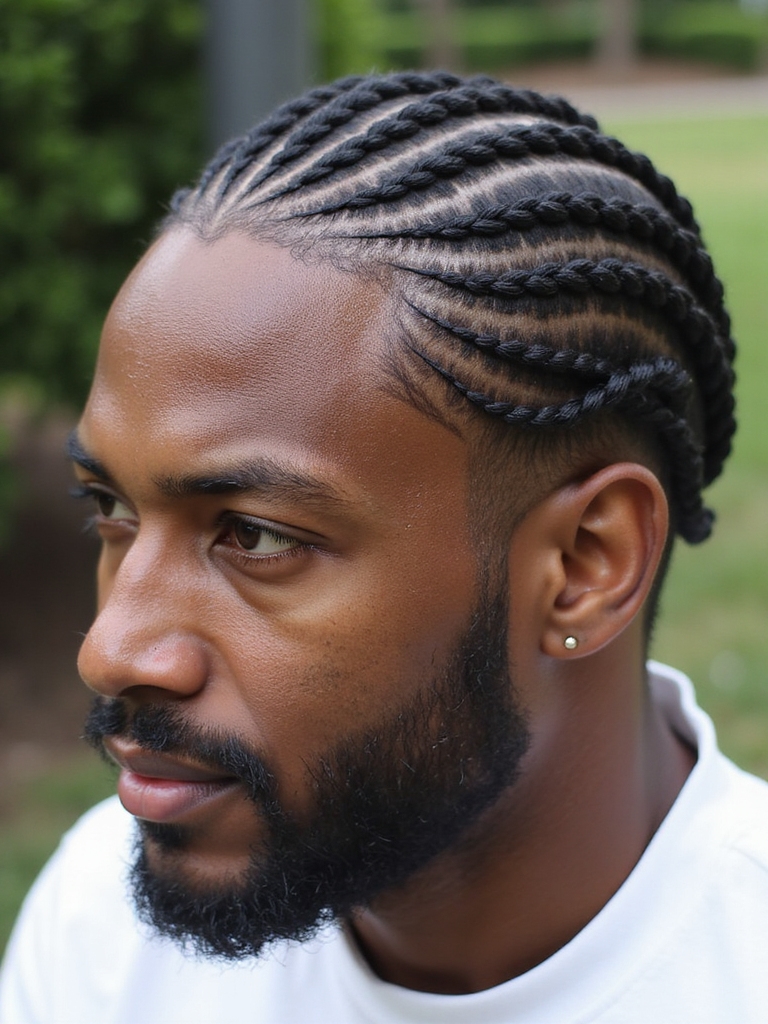
Some days you want quiet. Other days you want the cornrows to do the talking before you say a word. Bold sets play with scale, height, and unexpected directions to create something closer to sculpture than a simple style.
- Mohawk cornrows: rows braided toward a raised center strip for serious drama.
- Stacked or layered rows that build real dimension across the head.
- Oversized statement parts that carve a single graphic shape across the whole head.
Two beliefs worth clearing up before your next install.
❌ Myth: Tighter braids last longer and look cleaner.
✅ Reality: False. Tightness causes tension damage at the edges, and a skilled set holds firm while staying comfortable.
❌ Myth: Cornrows are mainly a way to make hair grow.
✅ Reality: They protect length by cutting daily manipulation and breakage, so you keep more of the length you grow, but they do not change your actual growth rate.
Playful Cornrow Designs
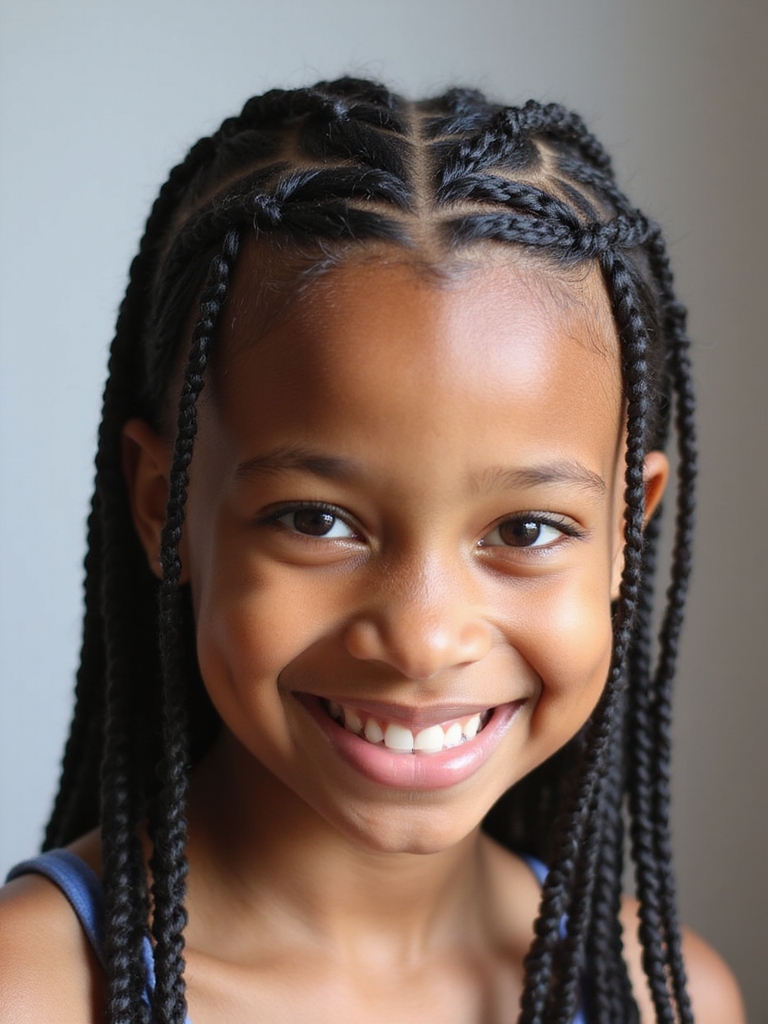
Plenty of sets keep things relaxed and low-key. Playful cornrows keep the technique light and the mood relaxed, which makes them a favorite for weekends, travel, and anyone easing into braided styles for the first time. They braid up fast and forgive a little imperfection.
- Two simple feed-in rows down the center, the no-fuss classic that suits almost anyone.
- Half cornrows up top with the rest left loose or curly for a soft, hybrid feel.
- Short zigzag parts that add a wink of personality without a long salon session.
Creative Cornrows With Flair
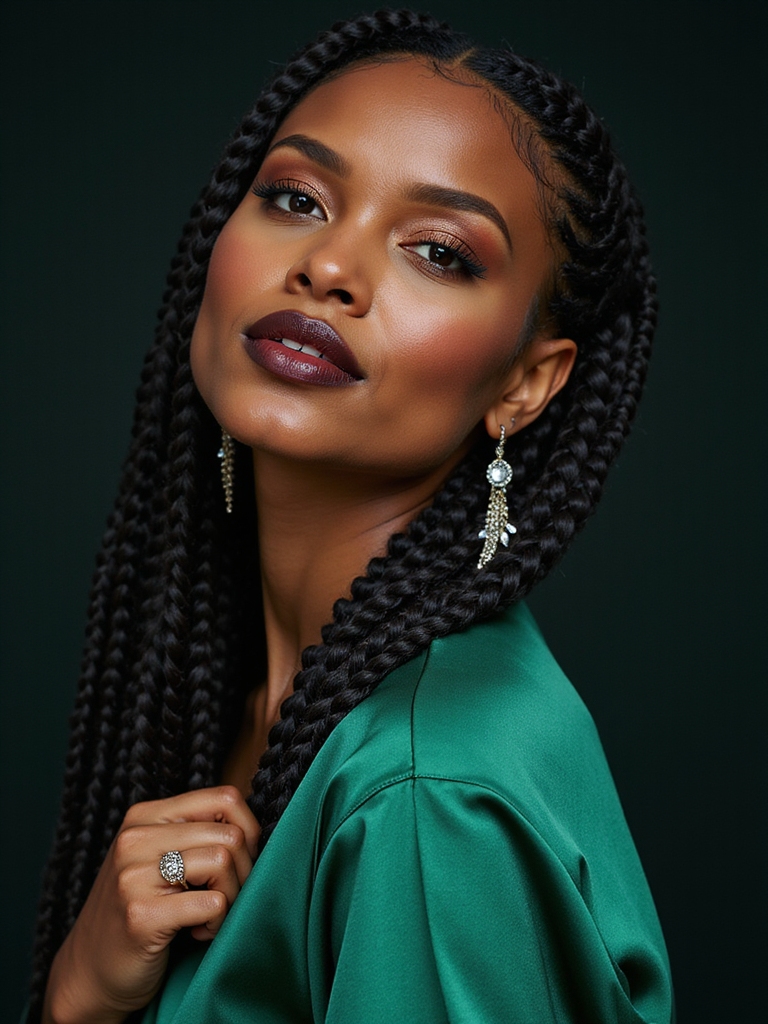
Once the basics feel familiar, small creative choices keep cornrows from ever looking the same twice. The flair usually comes from how rows are combined, while the technique itself stays simple.
I love nudging a hesitant client toward a single creative element first. Swap a straight part for a curve, add a single accent braid, or mix two row sizes, and the whole set looks fresh without doubling your time in the chair.
- Mixed row widths, pairing chunky and thin braids in the same pattern.
- A burst of curved rows at the crown that flows into straight rows down the back.
- Accent braids left to hang loose at the ends for a bit of movement.
Celebrity Cornrow Trends
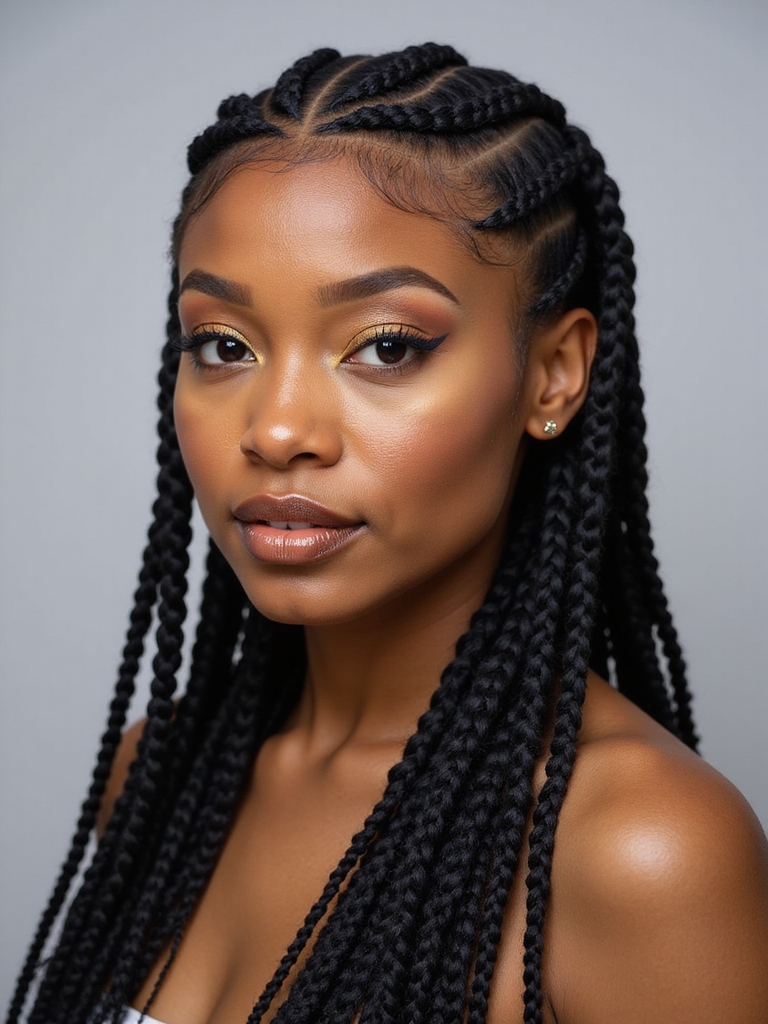
Cornrows on a public stage have done real work in pushing the style into the mainstream, though it is worth remembering the look belongs to a culture long before it reaches a magazine cover. The trends below keep resurfacing because they simply work.
- Sleek straight-backs into a long braided ponytail, the polished red-carpet standby.
- Cornrows fed into knotless lengths for extra drama down the back.
- Crown braids that wrap the head like a halo for a polished, formal finish.
How to Accessorize Cornrows
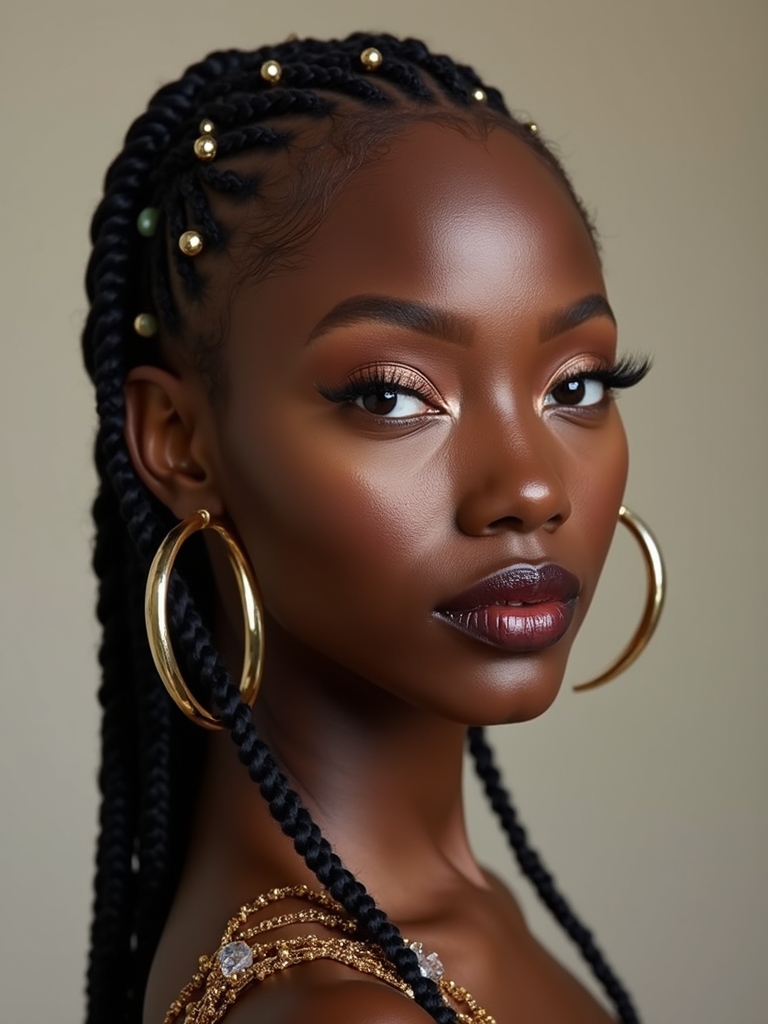
Accessories are how you turn a finished set into your set. The right additions cost very little and slide on in minutes, letting you shift the mood of the same braids from one day to the next without touching the rows underneath.
Beads and cuffs are the obvious place to start. Wooden beads feel earthy and grounded, gold or silver cuffs lean dressy, and a few placed near the face draw attention exactly where you want it. Thread is another quiet trick, wrapped around a single braid for a pop of color.
Just mind the weight. Loading the ends with heavy beads adds steady pull on the roots over time, so keep the count sensible, especially on finer hair. A handful of well-placed pieces always looks better than a curtain of them.
Elegant Cornrows With Accessories
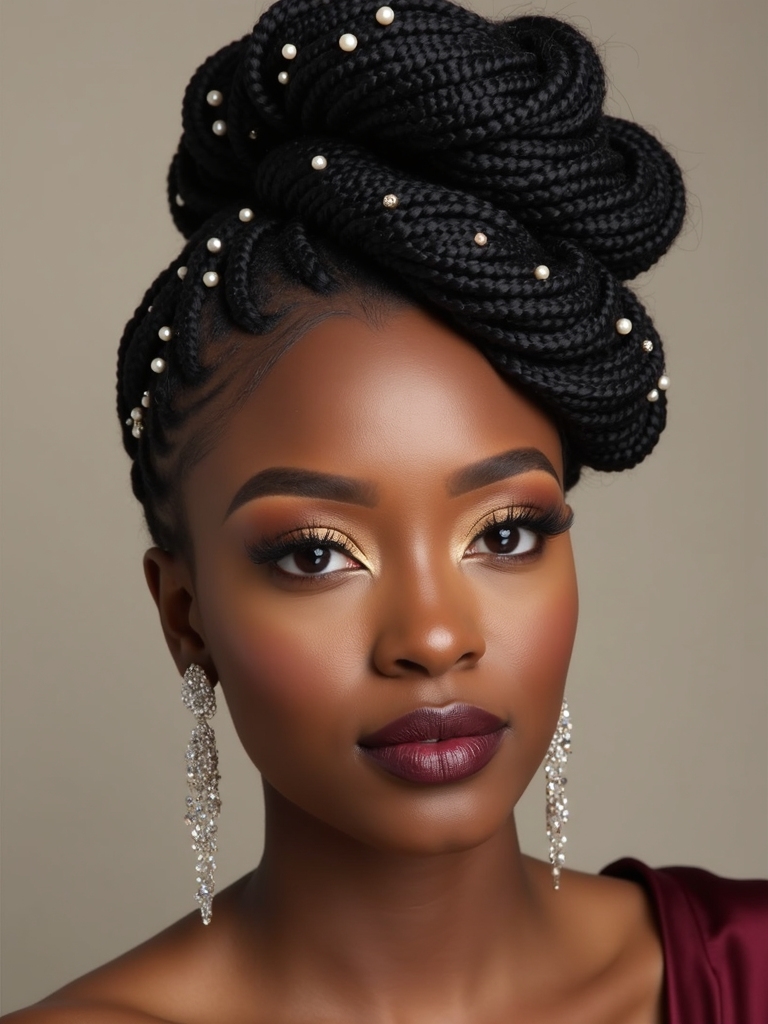
For weddings, galas, and milestone nights, cornrows hold their own against any updo. The trick is restraint: one refined accent comes across far more elegant than a pile of competing pieces. Think jewelry for your hair, chosen the way you would choose earrings.
- A slim metallic chain woven along a single crown row for understated shine.
- Pearl pins tucked at the base of a braided bun for a soft, bridal touch.
- A single decorative cuff in gold to anchor a sleek, swept-back style.
Sleek, Sporty Styles
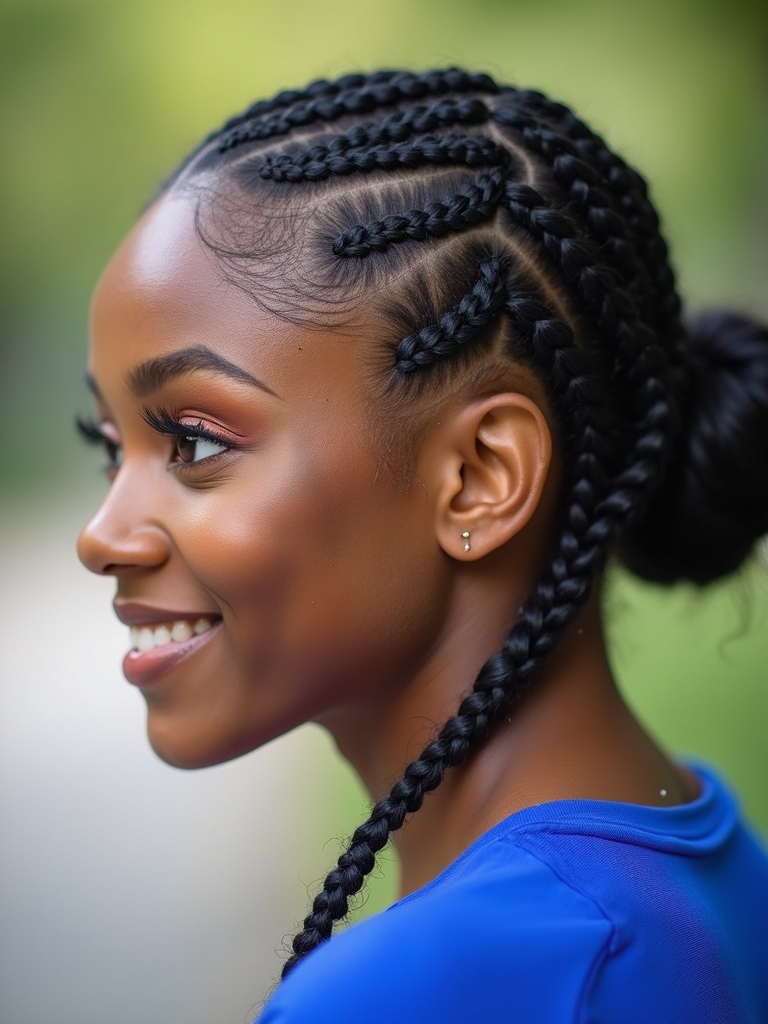
There is a reason athletes reach for cornrows. Braided flat to the scalp, hair stays out of your face through a workout, a game, or a long humid commute, and it stays put when looser styles would have given up an hour in.
What I tell first-timers chasing this look is to keep it simple. A clean set of straight-backs into a low ponytail handles sweat, helmets, and hats without fuss, and it loosens gracefully instead of falling apart. Save the intricate art for a day off.
- Straight-back rows into a single tail, the gym and field standard.
- Two or four thicker rows for quick wear that survives constant motion.
- A low braided bun that tucks away cleanly under a cap or helmet.
DIY Braiding Techniques
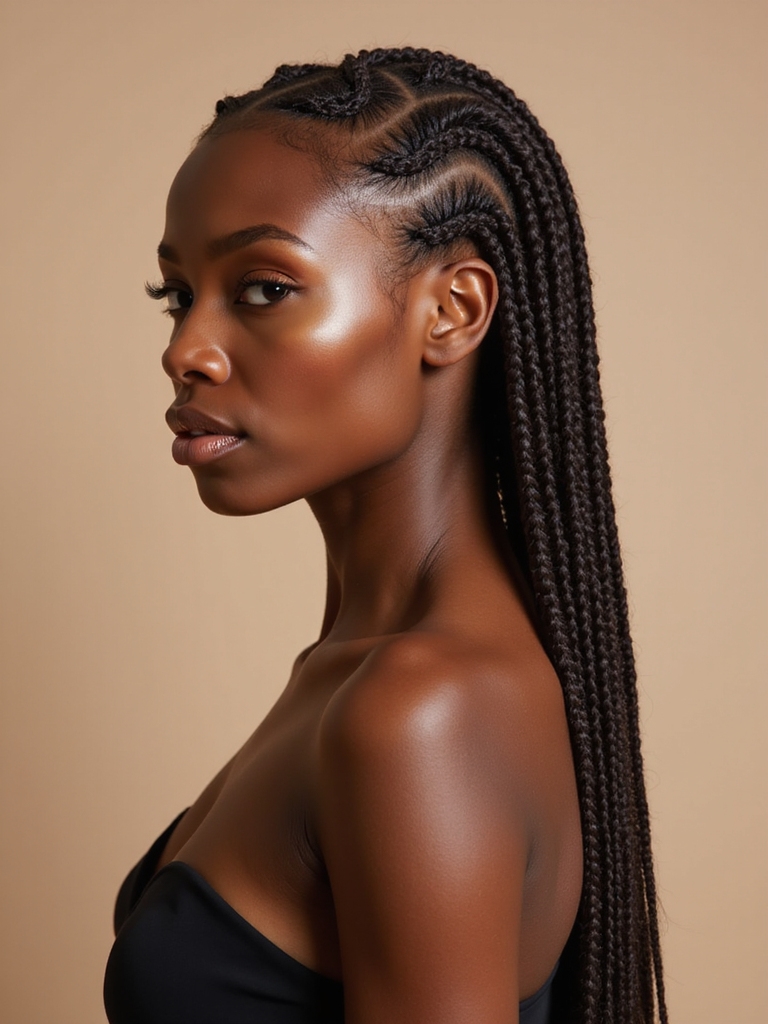
Cornrowing your own hair is humbling at first and satisfying once it clicks. The motion is an underhand braid that picks up hair as you go, and your hands learn it through repetition more than instruction. Start on a simple two-row style and be patient with the back.
- Prep: detangle fully, then lightly dampen and add a leave-in or braid cream for grip.
- Part: section a clean row with a rat-tail comb and clip the rest out of the way.
- Braid: cross strands under, not over, feeding in small bits of hair with each pass until you reach the nape, then secure.
Seasonal Styling Ideas
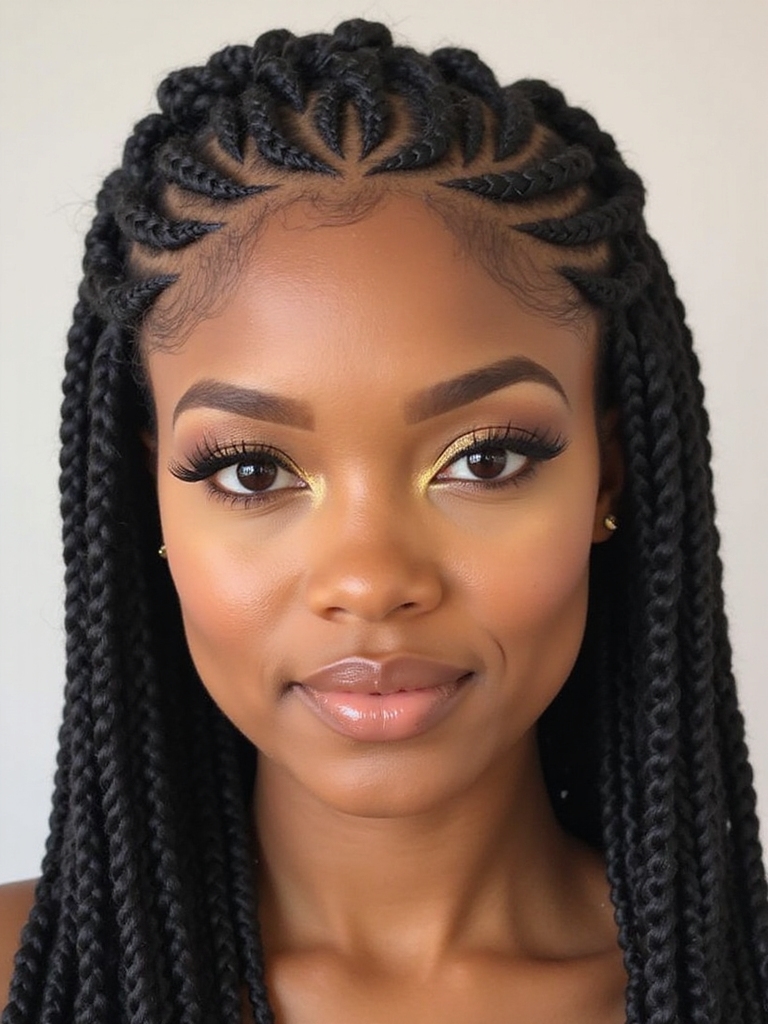
Cornrows shift with the seasons as easily as your wardrobe does. In warm months they earn their keep, pulling hair off the neck and surviving humidity that wrecks a blowout, which is why they trend hard heading into summer and festival season right now.
Cooler months invite a different mood. Deeper accent colors, cozy chunky rows, and styles that tuck neatly under a beanie all feel right when the temperature drops. The base technique never changes; you are just dressing it for the weather.
Creative Combinations
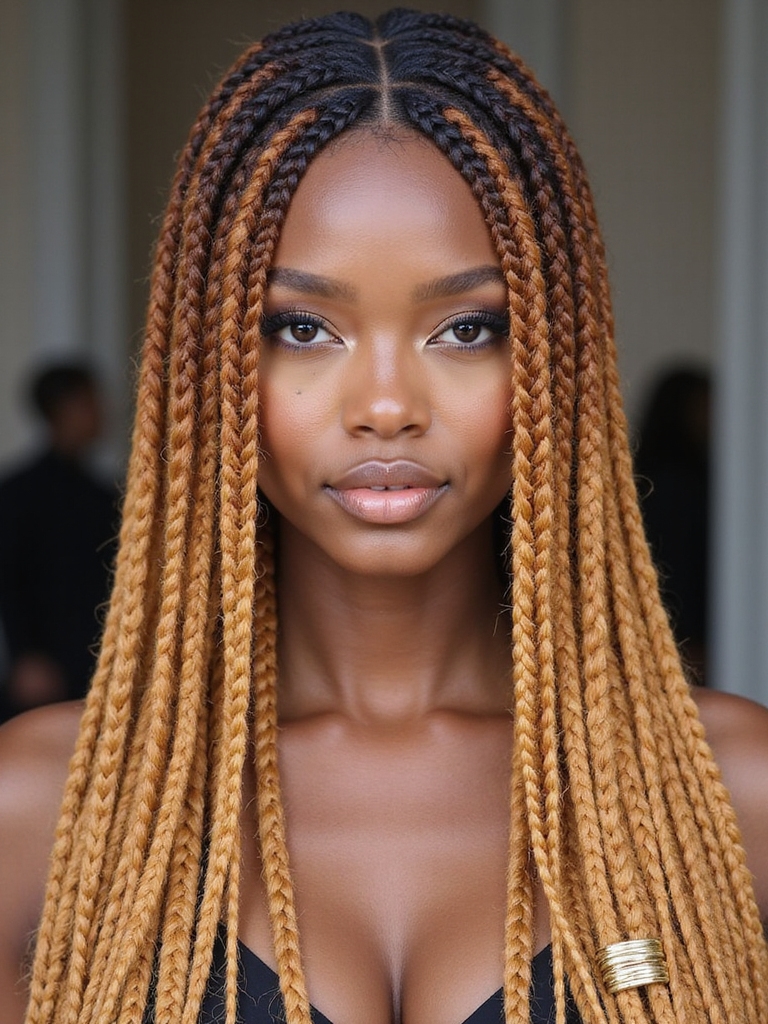
Some of the most-worn cornrow looks are not pure cornrows at all. They borrow from other techniques, using flat rows as a foundation and letting another style carry the ends. This is where the look turns truly personal.
Cornrows Plus Other Braids
The most popular pairing feeds cornrows into a second braid type partway down, so the scalp stays sleek while the lengths get texture and weight. It is also a smart way to add length with extensions without braiding the whole head tightly.
If you already love other protective styles, cornrows slot in beautifully alongside knotless braids and butterfly locs, giving you a base layer that keeps everything neat.
Colorful Cornrows
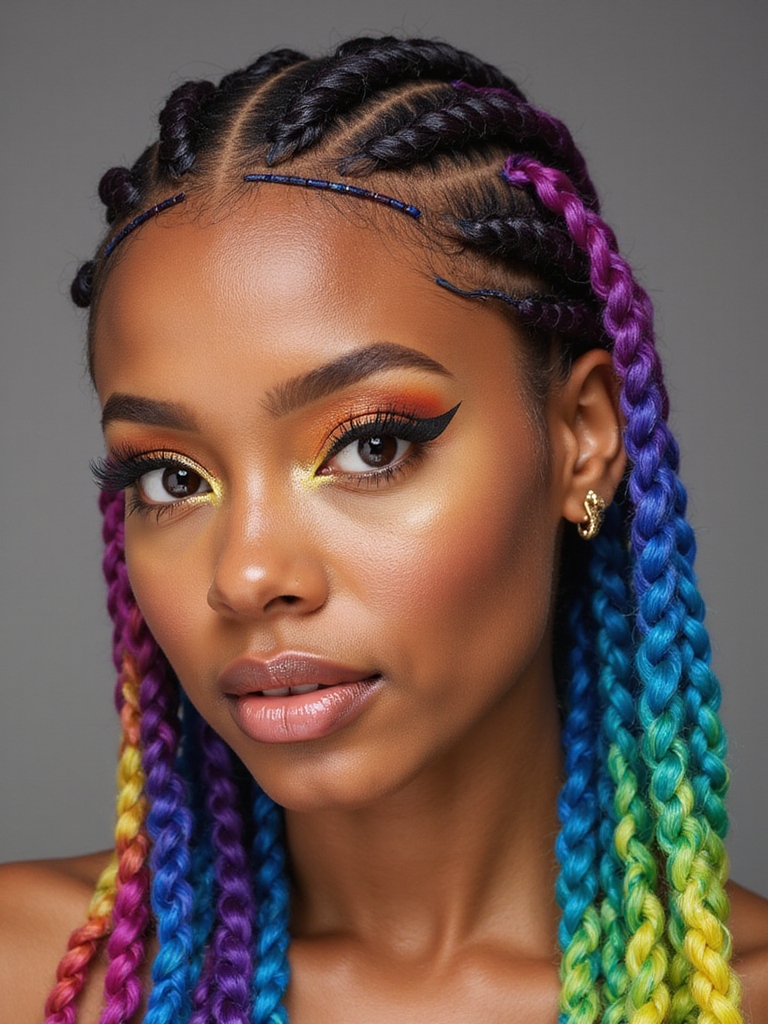
Color is the fastest way to make a set feel like yours, and braiding hair lets you experiment without touching your natural strands. You can go subtle or loud, then braid something completely different next month.
- Single accent color: one shade of braiding hair woven through for a pop near the face.
- Ombre rows: a gradient from your roots to bright or pastel ends.
- Full color set: an all-over shade like honey, copper, or burgundy for a true reset, no bleach required.
Healthy Scalp Care
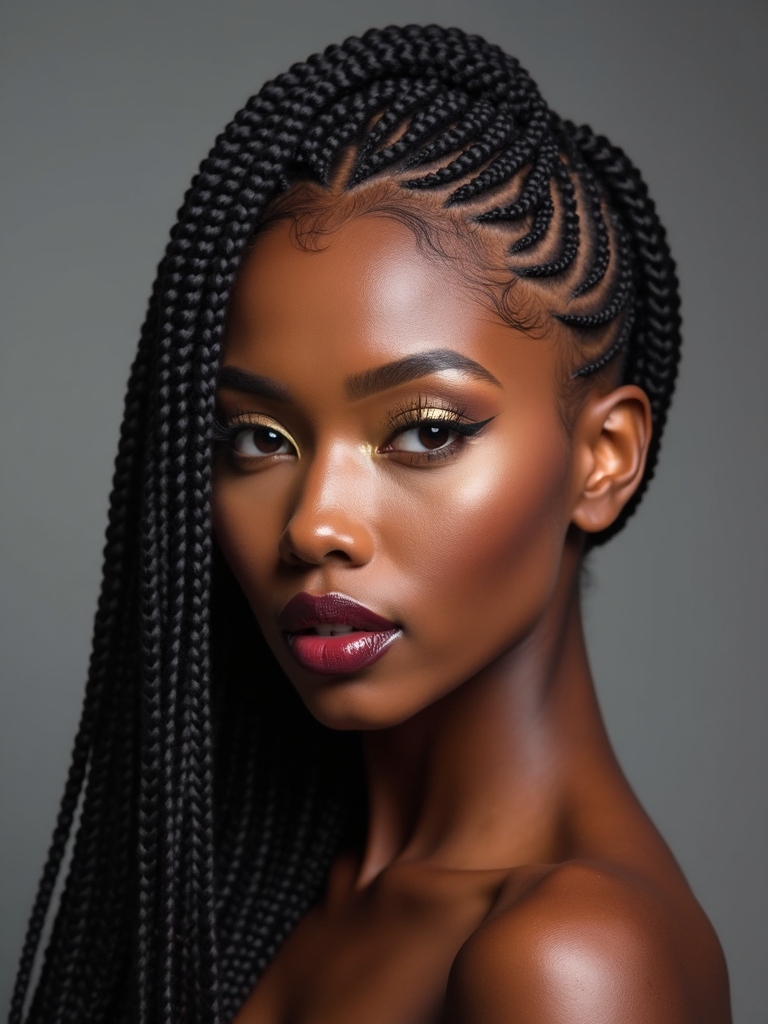
A protective style only protects if the scalp underneath stays healthy. The single most important rule is this: cornrows should never hurt. Tightness at the hairline is a warning sign, plain and simple, and braids that sting or raise little bumps are pulling harder than your roots can safely take.
Speak up in the chair. A good braider will happily loosen tension around your edges and temples, the most fragile zones, where years of too-tight styling can lead to traction-related thinning. This is about comfort and the long-term health of your hairline, so there is no shame in asking.
Between sets, keep the scalp clean and moisturized. Dilute shampoo in an applicator bottle to reach the rows, follow with a light oil, and give your hair a rest period of a week or two before the next install so it can recover.
Breaking Gender Stereotypes
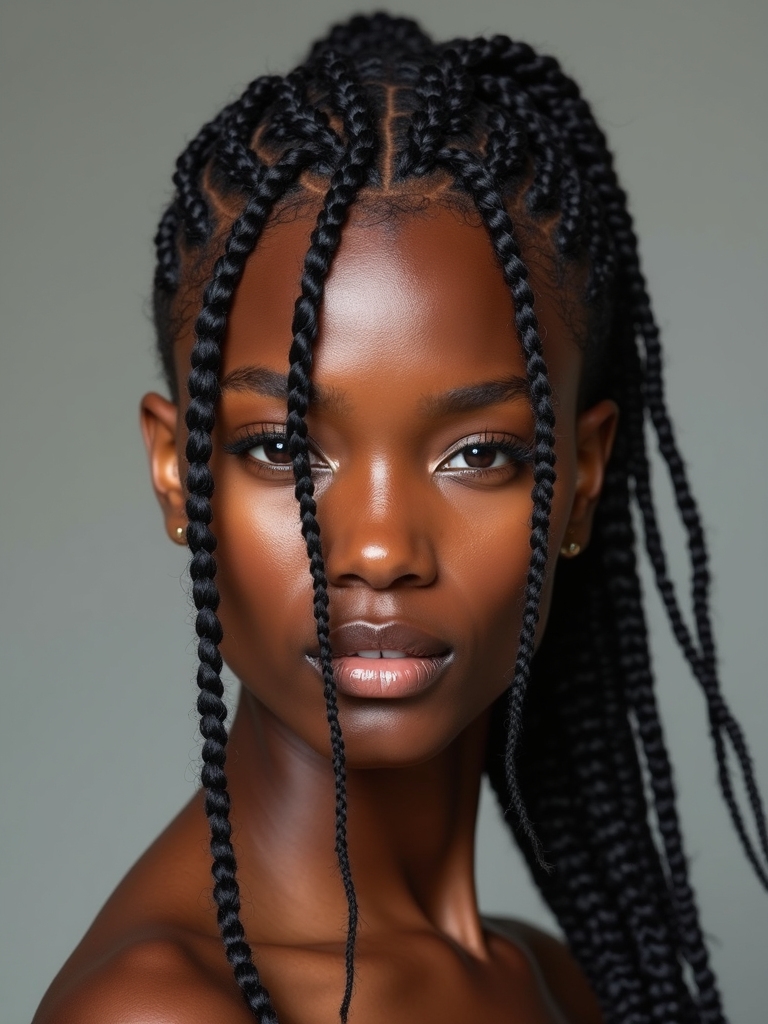
Cornrows belong to no single gender. Across their history they have been worn widely, and the modern resurgence has only made that clearer, with the style looking sharp, practical, and expressive on anyone who wears it.
- Clean straight-backs are a go-to for a low-maintenance, polished everyday look.
- Designed parts and fades pair cornrows with barber work for a tailored finish.
- The protective benefits and quick mornings appeal to anyone managing textured hair.
Cornrows and Well-Being
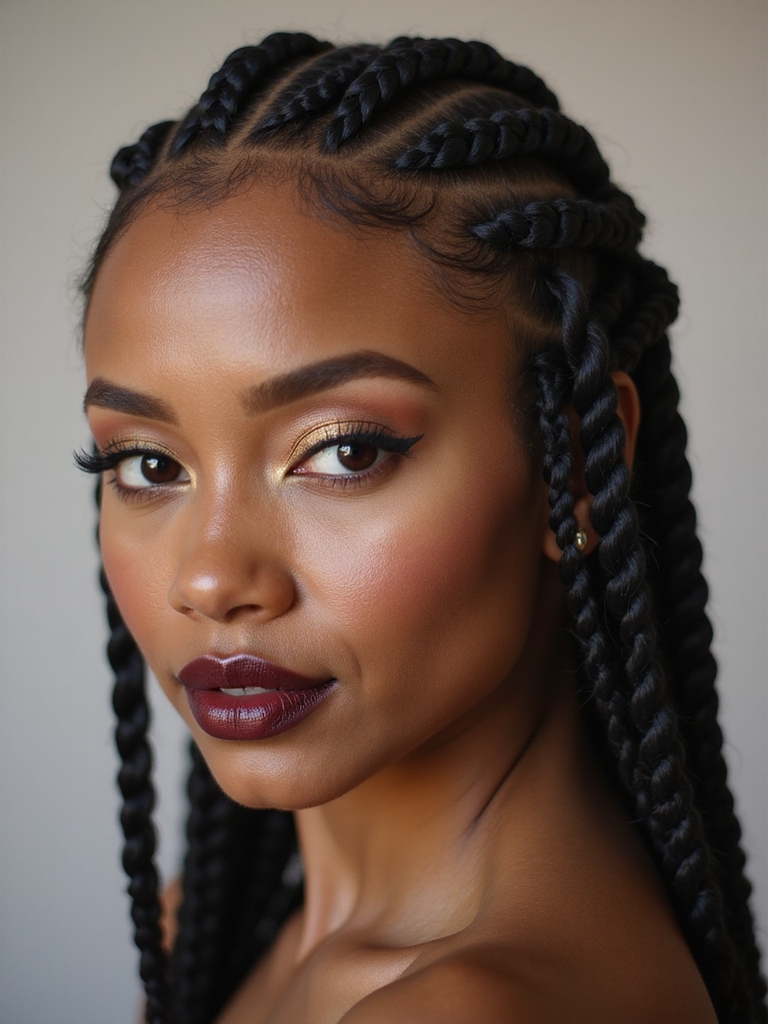
There is a quiet upside to cornrows that rarely makes the style guides. The hours spent in a braider’s chair are a rare stretch of stillness, often filled with conversation and care, and many people describe leaving calmer than they arrived. For generations, braiding has been a social ritual as much as a beauty one.
The daily payoff is real too. A protective set takes morning decisions off your plate, frees up time you would have spent fighting a comb, and tends to come with a confidence boost when the work is clean and the pattern feels like you. Less daily fuss, a little more ease, which counts for a lot.
Gentle Takedown Technique
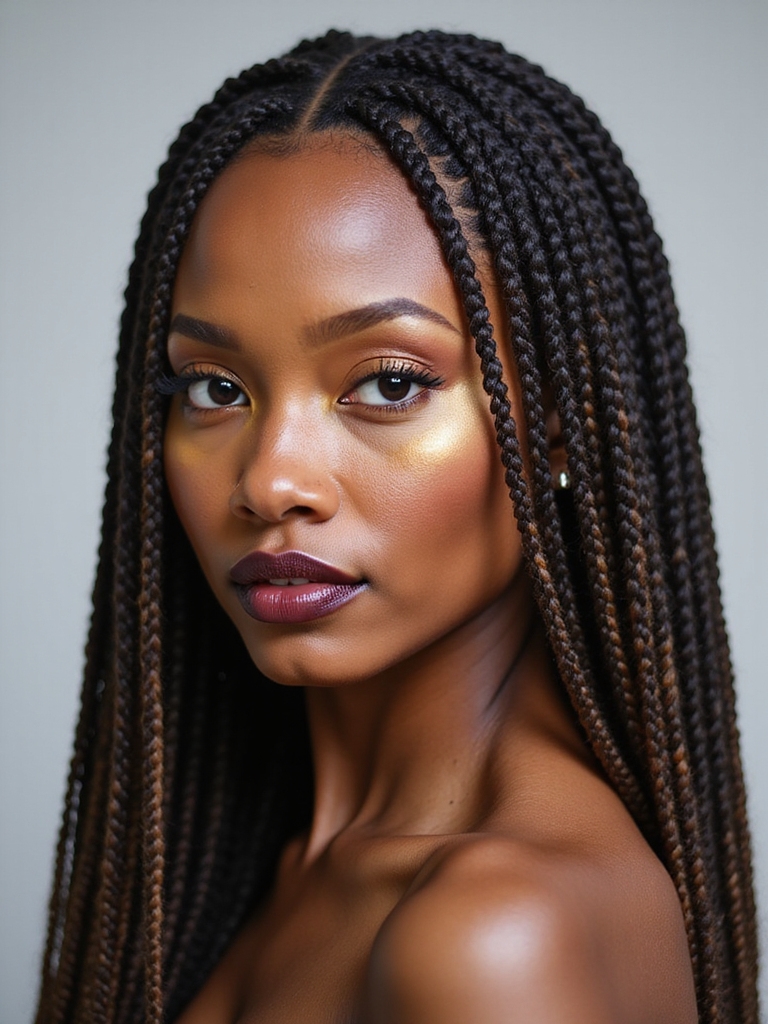
Removal deserves every bit as much patience as the install did. Rushing the removal is where a lot of avoidable breakage happens, especially if extensions are involved and the roots have a few weeks of growth to navigate.
Take Your Time on Removal
Work slowly and from the ends up. Unravel each braid by hand or with the tip of a tail comb, easing gently through any knot, and keep a spray bottle of water and conditioner nearby to soften any spots that resist. Shed hair will gather as you go, which is completely normal.
Once everything is loose, detangle in sections, then shampoo and deep condition before your hair air-dries. Give the scalp a real rest before the next set so your edges stay strong over the long run.
Mastering Intricate Designs
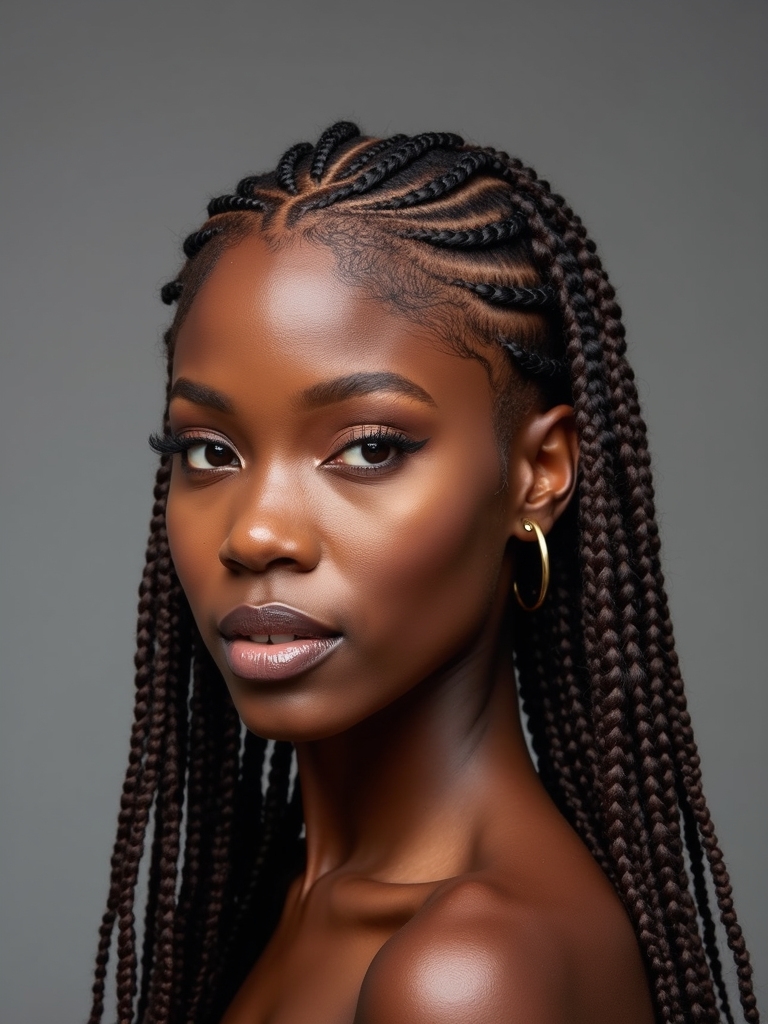
Advanced cornrow design is a real craft, and the braiders who excel at it have logged serious hours. If you are chasing complex patterns, whether on yourself or as a budding stylist, progress comes from drilling the fundamentals until clean parts and even tension feel automatic.
- Master even sectioning first; crooked parts undo even the most ambitious pattern.
- Practice consistent tension so every row sits at the same depth and angle.
- Sketch the design before you braid, mapping curves and breaks like a blueprint.
A Trendy Cultural Statement
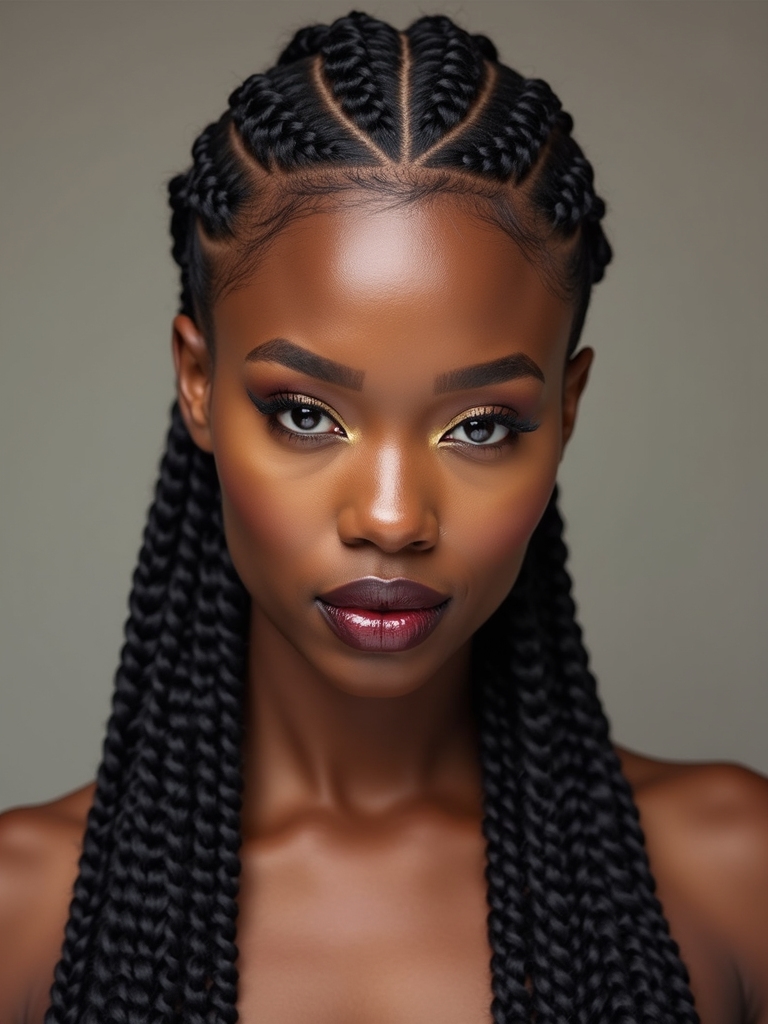
Cornrows sit in a rare spot: deeply traditional and constantly current at once. They trend season after season because they answer real needs, look striking, and carry meaning that few passing trends can match. Wearing them with awareness is part of the appeal.
- They protect natural hair while giving you weeks of finished, ready-to-go style.
- They offer near-endless patterns, so your look stays personal to you.
- They keep a cultural story alive, which gives the style a depth most trends lack.
Make Your Cornrow Style Your Own
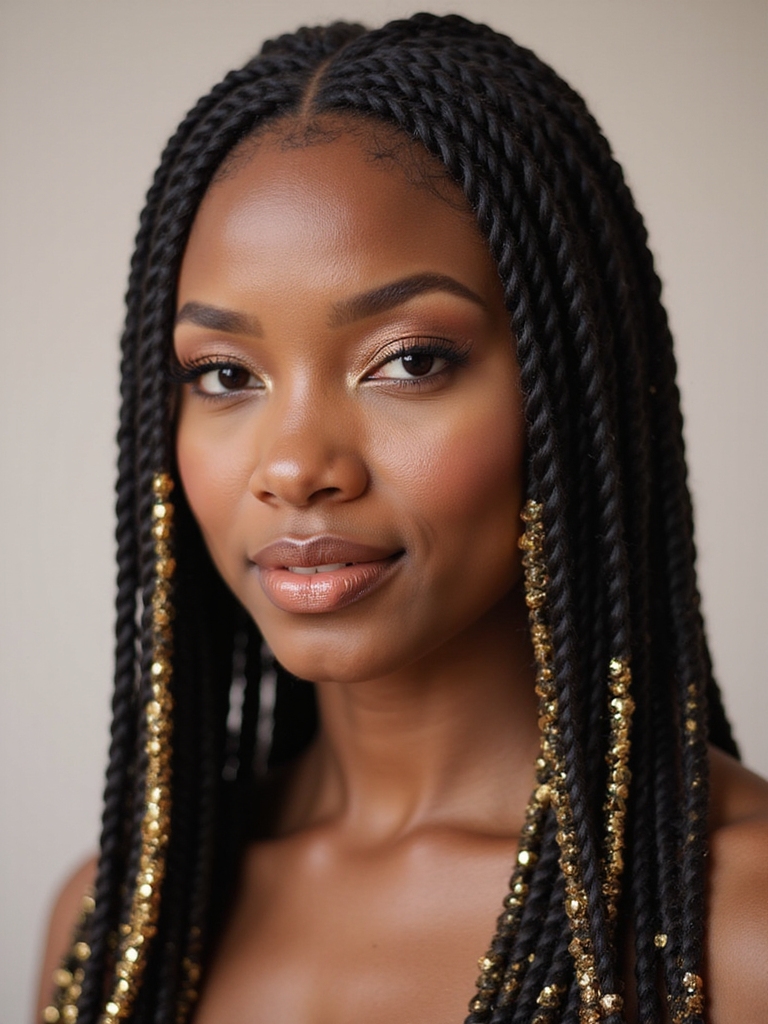
By now the pattern is clear: cornrows are less a single hairstyle than a whole vocabulary. The same flat-braid technique stretches from a two-minute weekend look to a six-hour work of art, and the version that fits you depends on your texture, your routine, and what you want the rows to say.
My honest advice is to start simpler than you think you should. Get comfortable with the upkeep and the takedown on a clean straight-back set, then build toward the patterns that caught your eye. Lean on a skilled braider for the heritage knowledge and the tension call, and the rest is just play.
- Begin with a low-fuss set to learn your hair’s wear time and care rhythm.
- Layer in one creative element, like a curve or accent color, before going full design.
- Pair cornrows with styles you already love, from Fulani braids to natural cornrow looks and twist styles.
Cornrow Questions, Answered
?How much do cornrows usually cost?
Professional sets typically run $80 to $220, with intricate designs and added length pushing toward the upper end. You are paying for skilled, time-intensive work that can keep a friend or salon busy for several hours, so the price reflects real artistry.
?How long can I keep cornrows in?
Two to six weeks is the safe range for most sets. Take them down once new growth starts pulling at the roots, since that adds tension right where your hairline is most fragile, and a set held too long for the sake of value tends to cost you edges.
?Will cornrows damage my hair?
Not when they are done well. Damage comes from braids that are too tight or left in too long, so insist on comfortable tension and a rest period between sets.
?Can I wash my hair with cornrows in?
Yes, and you should. Use diluted shampoo in an applicator bottle to reach the scalp along each row, follow with a light conditioner, rinse thoroughly, and let the braids dry fully so no dampness lingers at the roots and turns to mildew.
?Can looser hair textures wear cornrows?
They can. Wavy and straight hair holds cornrows with a little braid spray or mousse for grip, though simpler patterns and a shorter wear time work best, since looser textures let rows slip sooner than coily hair does.
Where to Begin
Cornrows reward the wearer who takes them seriously, both as a style and as a piece of living history. Learn your texture, respect the roots of the look, protect your edges, and the technique opens up into hundreds of versions that can carry you from the gym to a gala.
So pick one simple set to start, book a braider whose work you trust, and let your hair tell its story. The intricate art will still be there waiting once the fundamentals feel like second nature, and your scalp will thank you for building up slowly.
Next Up