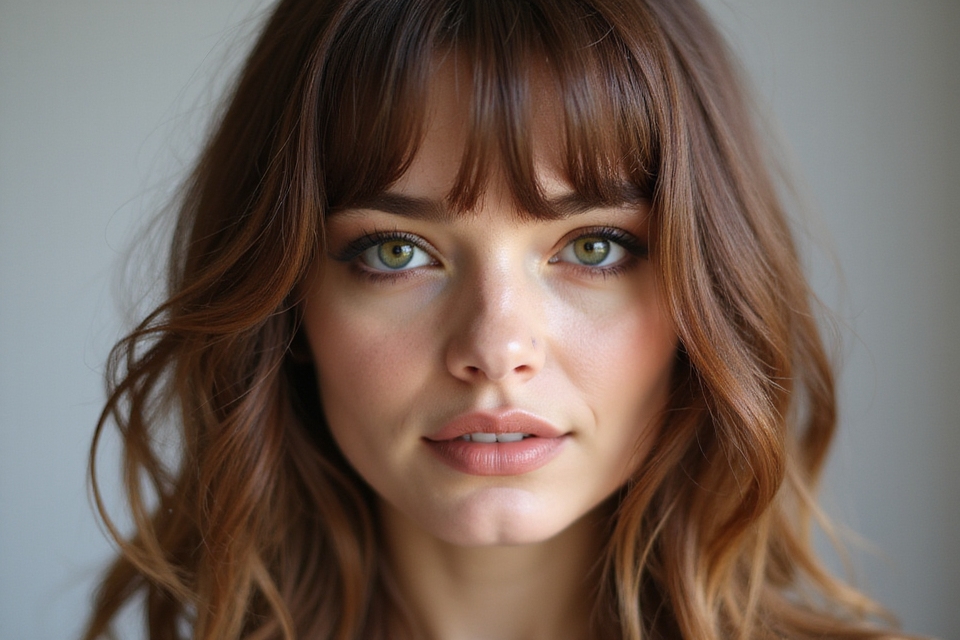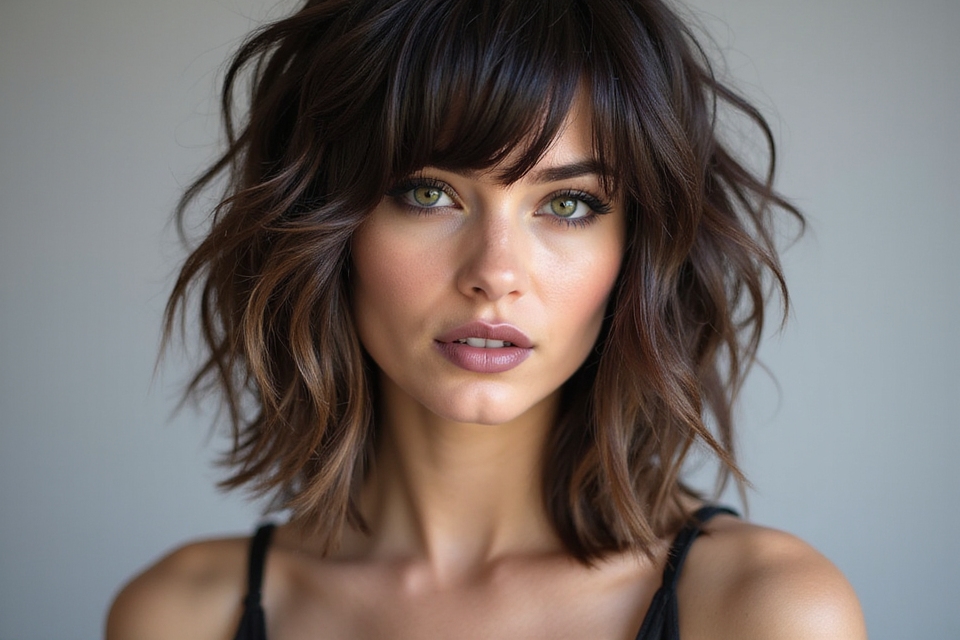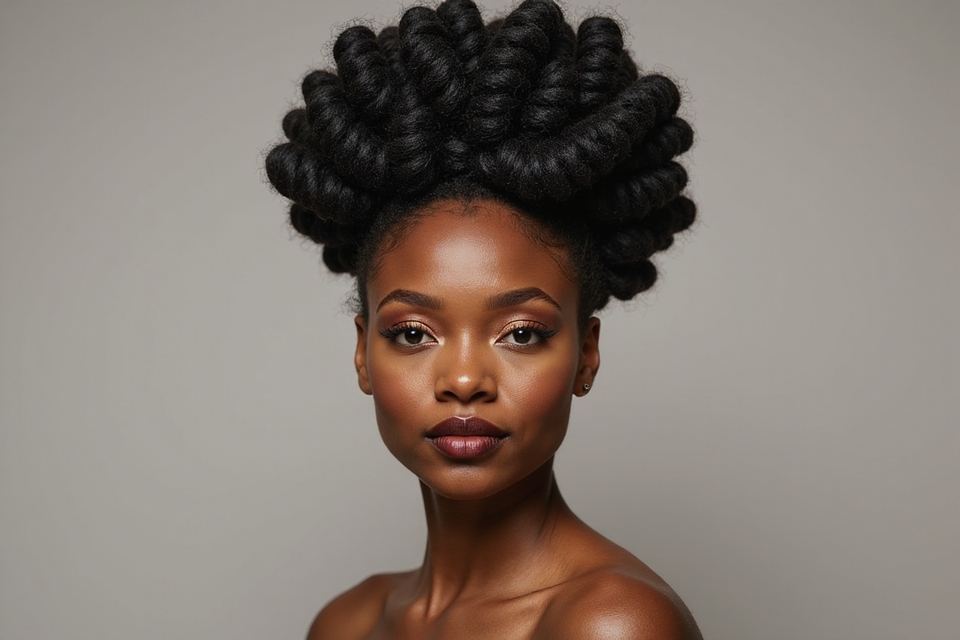

Here is the honest truth about bangs: they are the highest-reward, highest-maintenance thing you can do to short hair. Cut well, a fringe reshapes your whole face. Cut wrong, you spend six long weeks growing it out, pinning it back, and quietly swearing to yourself that you will never go near a pair of scissors again.
The sweet spot is a fringe trimmed sharp but falling soft. Short hair with bangs lives or dies on that balance, and on knowing which fringe suits your face and texture. From blunt to wispy to curtain, the right fringe comes down to your face shape, your texture, and a trim every couple of weeks.
Bang Basics
- The right fringe depends on your face shape and hair texture, not on what is trending.
- Bangs need a trim every two to three weeks, far more often than the cut itself.
- Soft, wispy, and curtain styles are the most forgiving; blunt, heavy fringe is the highest-maintenance.
- A few minutes with a round brush and a flat iron tames almost any short fringe.
The Evolving Versatility of Bangs

Bangs have shape-shifted through every decade, from the blunt sixties fringe to the wispy nineties curtain. What stays constant is the payoff: a fringe is the quickest way to refresh your look while keeping every inch of length.
Why Modern Bangs Are Easier
Today’s bangs lean softer and more relaxed than the stiff, hairsprayed versions of the past, cut with precision at the salon but finished loose and movable so they look like real hair rather than a helmet.
That shift is good news for short hair. A modern fringe is built to move and forgive, which makes it far easier to wear day to day than the rigid bangs of decades ago.
Sharp-Edged Bangs

A blunt, sharp-edged fringe is the boldest fringe there is. It lands in one clean line straight across the brow and makes a genuine statement, framing the eyes and sharpening the whole face in a way no softer fringe quite manages.
It rewards thick, straight hair and a confident streak, the kind of person who does not mind a standing appointment to keep that hard line looking crisp. A few honest notes:
- Best on thick to medium straight hair that can carry a solid line.
- It is the highest-maintenance fringe, needing a trim every couple of weeks.
- Blow-dry it flat with a round brush so it lies in a clean line.
A fringe should look cut, not carved. The line can be sharp, but the way it falls has to be soft, or the whole thing looks frozen.
Softly Styled Bangs

Soft, wispy bangs are the easiest fringe to live with. They are point-cut and feathered, so they break up into airy little pieces along the brow.
Why First-Timers Start Here
Because they are textured, grow-out is gentle and styling is quick. They suit fine hair beautifully and flatter nearly every face, which is exactly why they have quietly become the default fringe for anyone who wants the look without the daily commitment.
I steer most first-timers here. The wispy edge hides small unevenness, forgives a rushed blow-dry, and softens the face without the commitment a blunt fringe demands.
Versatile Short Hair With Bangs

Almost any short cut takes to a fringe, and the pairing decides the mood. A blunt bob with a blunt fringe comes off sharp and graphic. A pixie with a piecey fringe lands playful and edgy.
The trick is matching the energy of the fringe to the energy of the cut, so the two read as one deliberate look rather than two separate ideas fighting for attention:
- Bob plus soft fringe: classic, polished, endlessly wearable.
- Pixie plus textured fringe: bold, low-fuss, full of personality, like the short bob with bangs but shorter.
- Lob plus curtain bangs: soft, modern, and easy to grow out.
“The mistake I see most is people choosing a fringe from a photo without thinking about their cowlick. If your hair grows in a swirl at the front, a blunt fringe will fight you every morning. Tell your stylist where your hair parts and lifts, and let them shape the fringe around it.”
Trendy Short Cut Variations
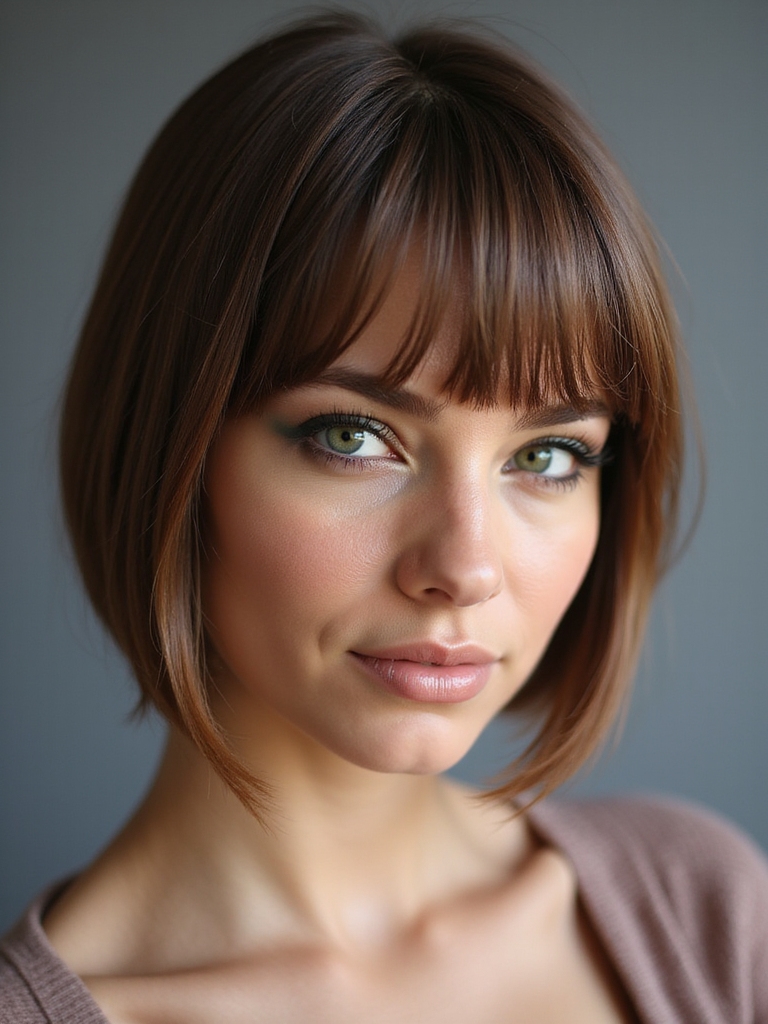
Beyond blunt and wispy, a handful of fringe variations are everywhere right now. Knowing the names helps you ask for exactly what you want. The current crowd-pleasers:
- Curtain bangs: parted in the middle, sweeping to each side.
- Baby bangs: a bold micro-fringe high on the forehead.
- Birkin bangs: long, full, and brushing the lashes.
Choosing a Flattering Bang Style
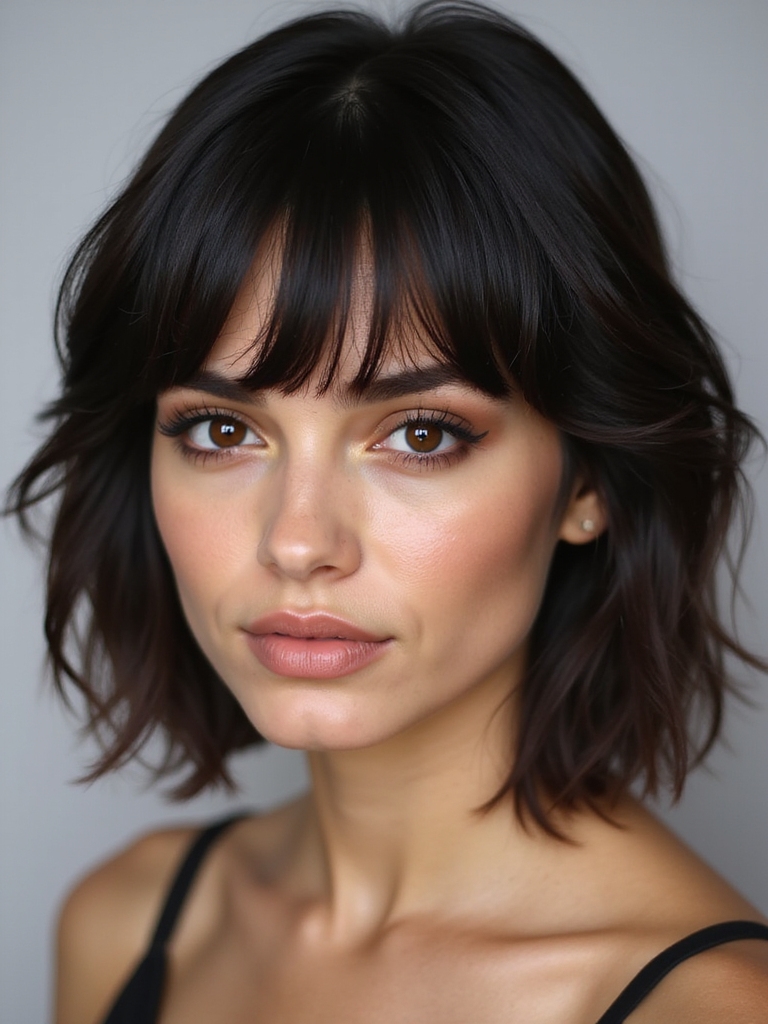
Face shape is the smartest guide to a fringe. The right one balances your proportions; the wrong one fights them. Choose with this quick map:
- Round face: long, side-swept bangs to add angles and length.
- Long face: a fuller, brow-grazing fringe to shorten the face.
- Square or heart face: soft, wispy bangs to ease a strong jaw or wide forehead.
Good to Know
Bangs make up only a small section of hair but take the most upkeep of any part of your cut. A fringe grows roughly half an inch a month, which is why it slips down over your eyes within a couple of weeks while the rest of your cut still looks perfectly fresh and in shape.
Short Hair Styling Tutorial

Styling a short fringe takes two minutes once you know the moves. The goal is to dry it first, before it sets in its own direction. Here is the order that works:
- Dry the fringe first, on damp hair, before it air-dries crooked.
- Use a small round brush, rolling side to side to break cowlicks.
- Lock the shape with a quick cool blast, then add a touch of light oil.
The Right Tools for Bangs

You do not need much to keep a fringe in line, just a few small tools that earn their place. A small round brush is the most important, since it controls direction and smooths cowlicks better than anything. I tell every client this is the one tool worth buying.
Add a mini flat iron for quick touch-ups, a dry shampoo for greasy days, and a fine-tooth comb for clean parting. That is the whole kit. Skip the heavy gadgets; a fringe responds to technique far more than to expensive tools.
Not sure which fringe to ask for? Start here:
1Want the easiest to wear?
Soft, wispy bangs or curtain bangs forgive a lot and grow out gracefully.
2Want bold and graphic?
A blunt, brow-skimming fringe makes the strongest statement on straight hair.
3Have curly hair?
A longer, curl-cut fringe shaped dry works with your texture instead of against it.
Maintaining Bangs Between Trims
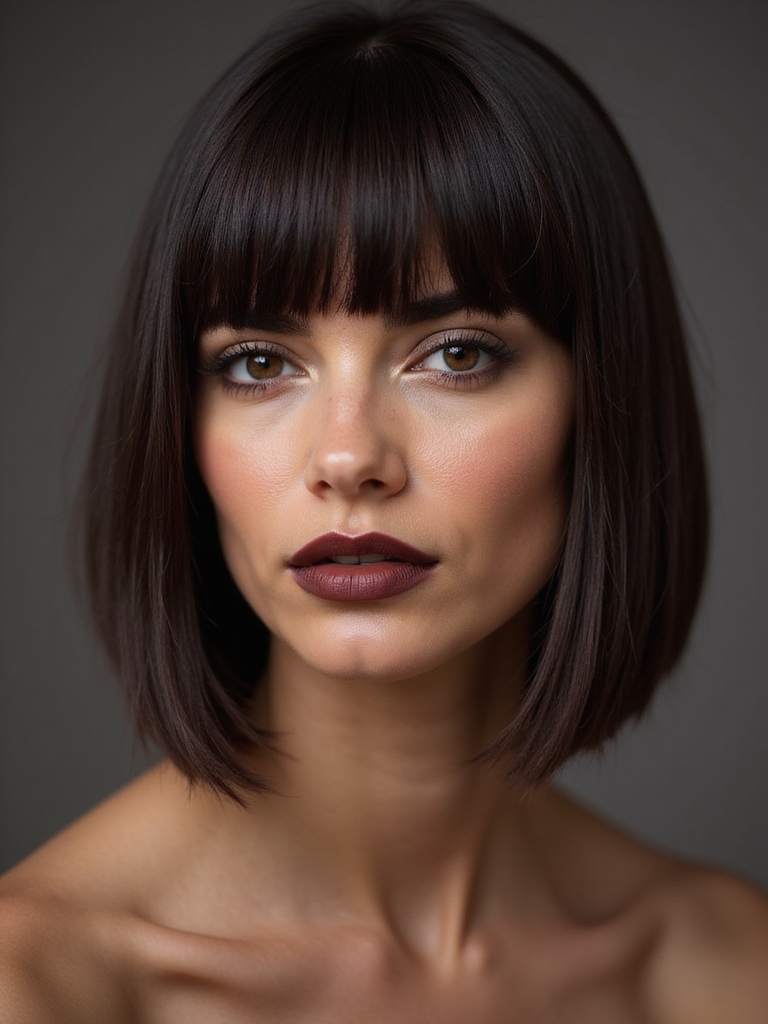
Bangs grow fast, and the gap between salon visits is where most people struggle. A little upkeep stretches a fringe and saves you money. Here is how to manage it:
- Learn a careful dry trim: snip vertically into the ends to soften them.
- Cut a hair longer than you think; you can always take more.
- Push a growing fringe into curtain bangs to buy a few extra weeks.
Products by Hair Texture
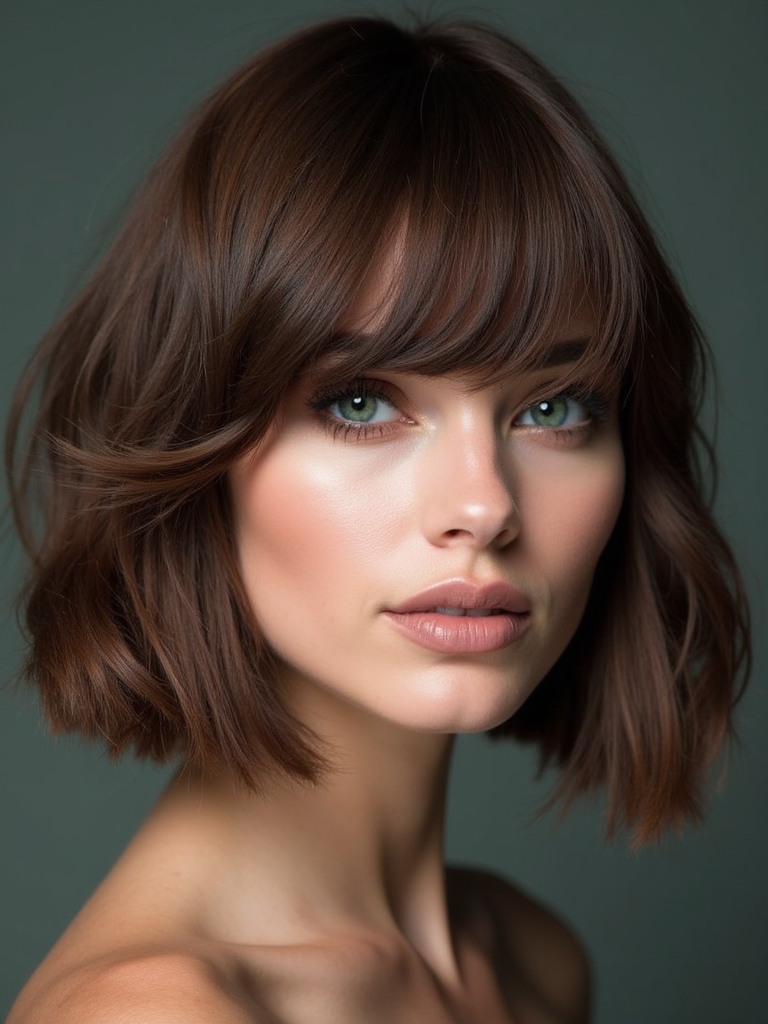
The right product for your fringe depends entirely on your hair texture. The wrong weight either flattens or frizzes it. Match it like this:
- Fine hair: a light mousse or dry shampoo for grip without grease.
- Thick or coarse hair: a smoothing cream or light oil to control bulk.
- Curly or wavy hair: a curl cream to define the fringe and fight frizz.
Celebrity-Inspired Sharp Bangs

Plenty of well-known fringe moments make great reference photos for your stylist. They show how a sharp fringe looks across different faces and cuts. A few worth saving:
- A blunt, brow-skimming fringe on a sleek bob for graphic drama.
- A piecey, separated fringe on a pixie for an edgier feel.
- Long, parted bangs on a lob for a soft, undone finish, the long-bang bob energy.
Short Hair Bang Trends
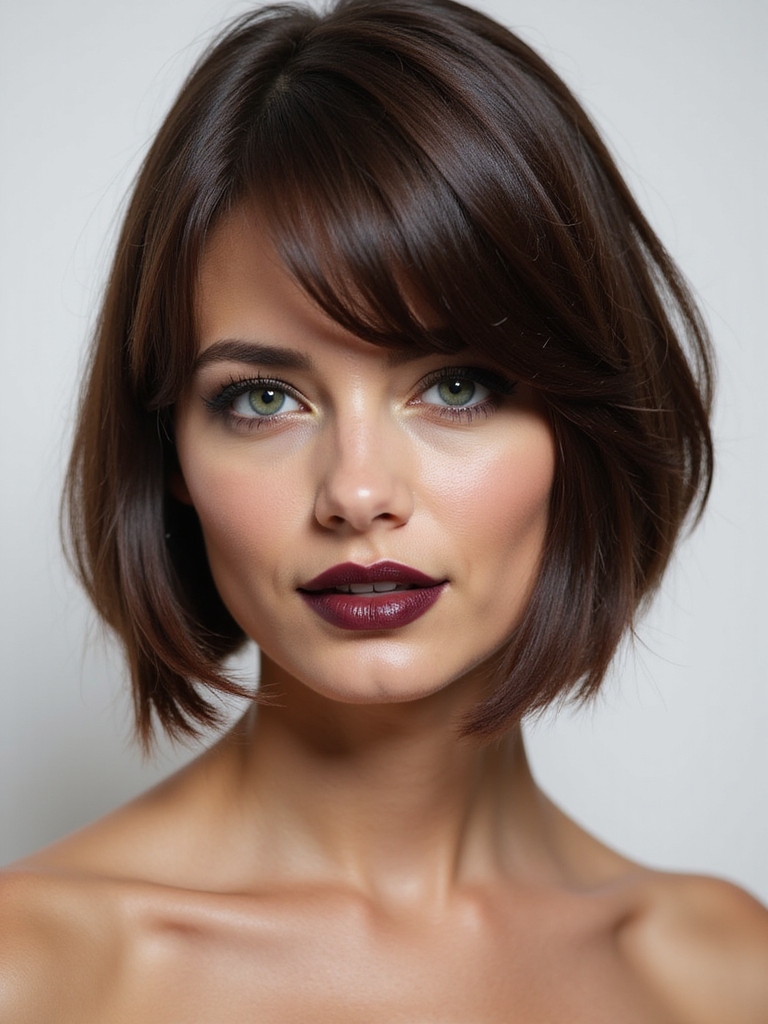
Fringe trends shift season to season, and right now the mood is soft and grown-out rather than crisp and short. Lately the most-requested looks lean undone. What people are asking for:
- Grown-out curtain bangs that blend into face-framing layers.
- Wispy, see-through fringe over the brows.
- A return of the long, full Birkin fringe on bobs, one of many bangs hairstyles making a comeback.
Modern Bangs on Classic Cuts
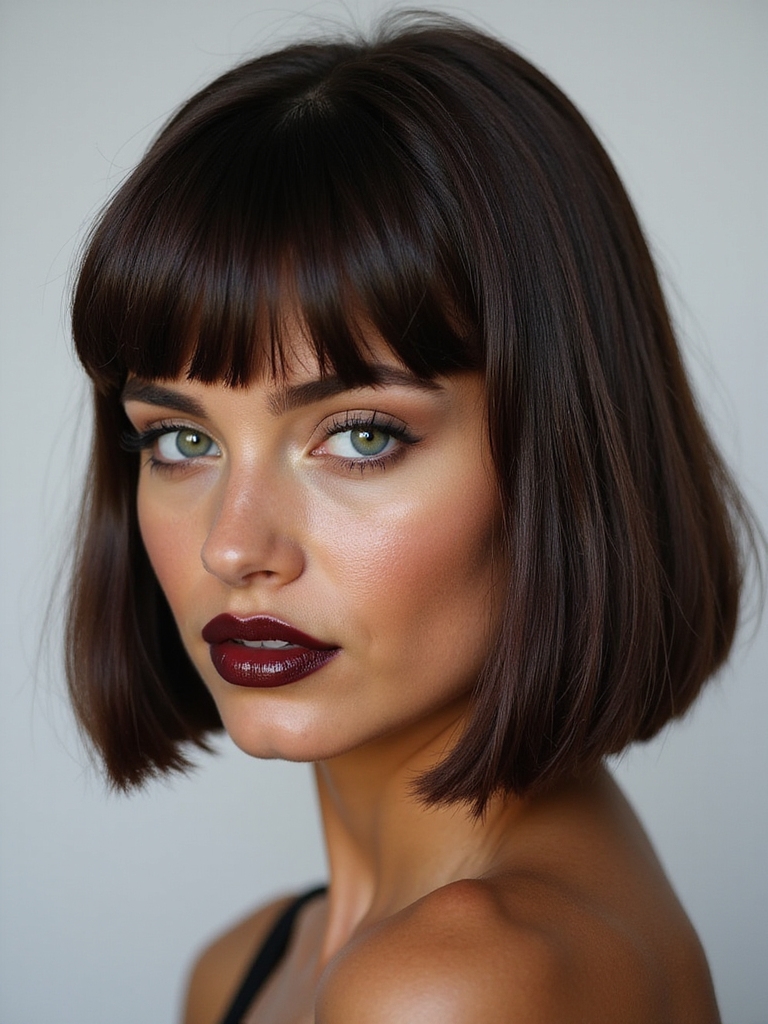
A fringe is the fastest way to modernize a classic cut you have worn forever, the kind of small change that makes people ask whether you did something different without quite knowing what. The base stays familiar; the bangs make it feel new. Easy updates to try:
- Add curtain bangs to a plain bob for instant softness.
- Drop a wispy fringe onto a pixie to update the shape.
- Pair a French bob with a light fringe for a chic, current look.
Easy Everyday Styling

Most days you just need a fringe that behaves in two minutes flat. Skip the full routine and hit the essentials. Here is the quick version:
- Dampen the fringe with a little water or spray to reset cowlicks.
- Round-brush it dry, side to side, for a soft, even fall.
- A whisper of dry shampoo keeps it fresh and lifted till evening.
Bangs and Outfit Harmony
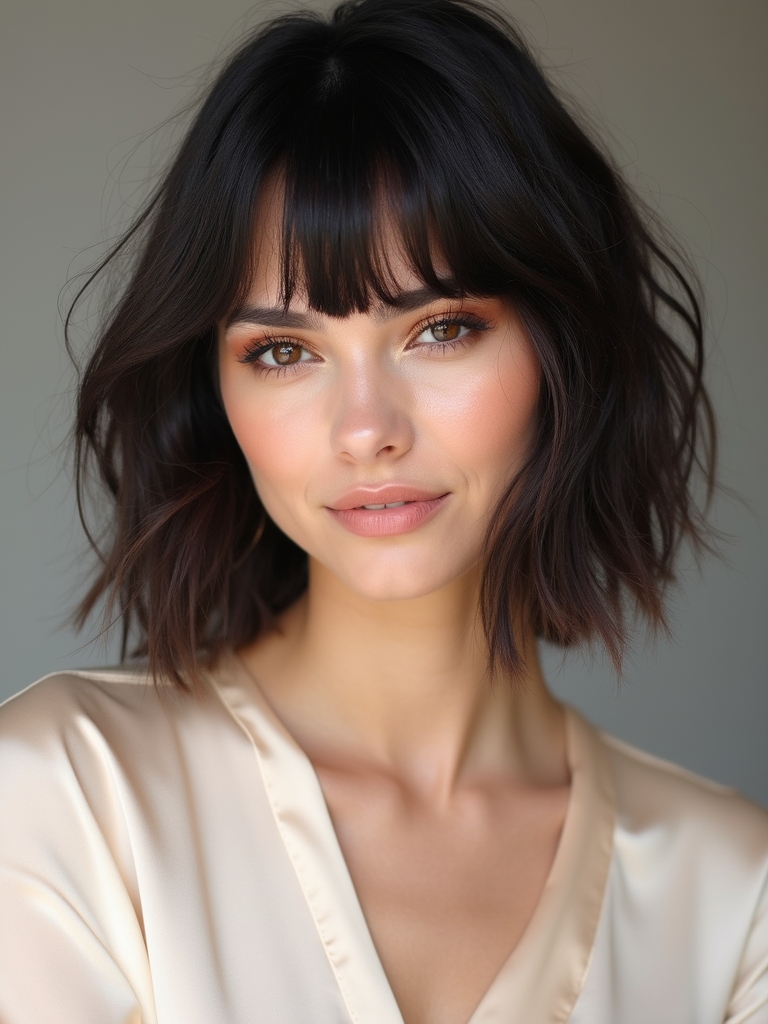
A fringe sets the tone for a whole look, so it pays to style it for the occasion. The same bangs can read polished or playful depending on the finish. Dress them up or down:
- For work, blow the fringe smooth and sleek for a tidy frame.
- For a night out, add a little texture and a side sweep for edge.
- For casual days, let it fall soft and undone with a touch of texture spray.
Bangs With Accessories

Accessories give a fringe a second life, especially on a grow-out day. The right clip or band turns an awkward-length fringe into a styling choice.
Turning Grow-Out Into a Look
They are also the easiest way to switch up a look in seconds. A pretty barrette pins the fringe back; a headband sweeps it off the face entirely.
Keep it intentional with one accent at a time. A single gold clip or a thin headband looks chic. A pile of clips just looks cluttered.
Regular Bang Maintenance

If there is one rule for bangs, it is this: they need trimming far more often than your cut. It creeps over your eyes within two to three weeks.
Budgeting for Bang Trims
That cadence catches people off guard. The cut itself can wait six to eight weeks, but the fringe cannot, so plan for the in-between trims.
Many salons offer free or cheap fringe trims between cuts, often just $10 to $20. It is worth asking; that small habit is what keeps a fringe looking sharp instead of shaggy.
Avoiding Uneven Bangs

The number one home-trim mistake is cutting bangs wet and straight across. Hair shrinks up as it dries, so a fringe that looked perfect wet ends up far too short.
Always trim a fringe dry, in its natural state, so you see the true length as you go. Cut tiny amounts and step back often.
Snip vertically into the ends to soften the line and hide small mistakes. When in doubt, leave it longer and book a pro.
Sharp Lines, Soft Edges

This is the whole philosophy of a great modern fringe, and the phrase in this article’s title: cut with precision, finished to fall soft. A fringe that is sharp but stiff looks dated; one that is soft but shapeless looks messy. The magic is both at once. How to get there:
- Ask your stylist for a clean cut with point-cut, textured ends.
- Style it smooth but movable, never crunchy with product.
- A drop of light oil on the ends keeps the edge soft, not stiff.
Bangs Tailored to Your Hair
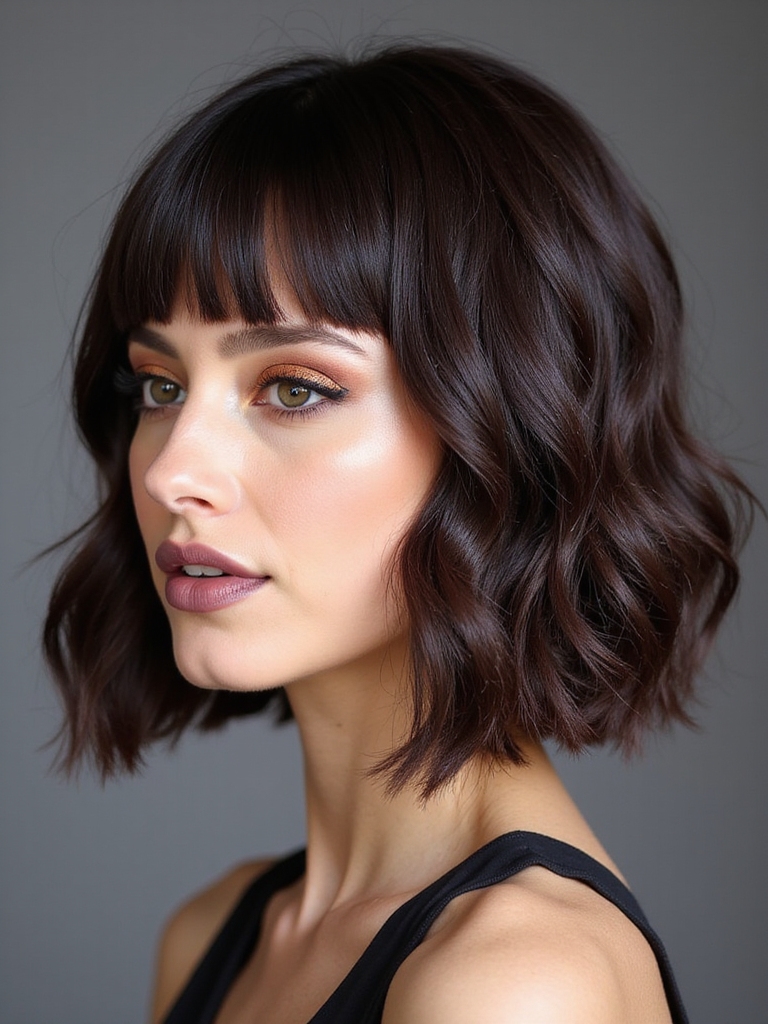
Your hair type matters as much as your face shape when choosing a fringe. The same bangs behave completely differently on fine, thick, or curly hair.
Fringe by Texture
Fine hair does best with a soft, wispy fringe that does not expose sparseness. Thick hair can carry a fuller, blunter fringe, but may need it thinned so it does not sit heavy.
Curly and coily hair makes a beautiful fringe, cut a little longer to allow for shrinkage. A curl-savvy stylist shapes it dry so the spring lands where you want it.
Color Techniques for Bangs

Color and bangs together make a powerful frame for the face, drawing the eye straight to your features the moment someone looks at you. A bright money piece or a few face-framing highlights at the fringe draw the eye straight to your features. Ways to play with it:
- A money piece: two brighter pieces framing the fringe and face.
- Soft highlights through the bangs to add dimension and lift.
- On deep skin, warm caramel or copper face-framing pieces glow beautifully.
Bang Transformation Tips
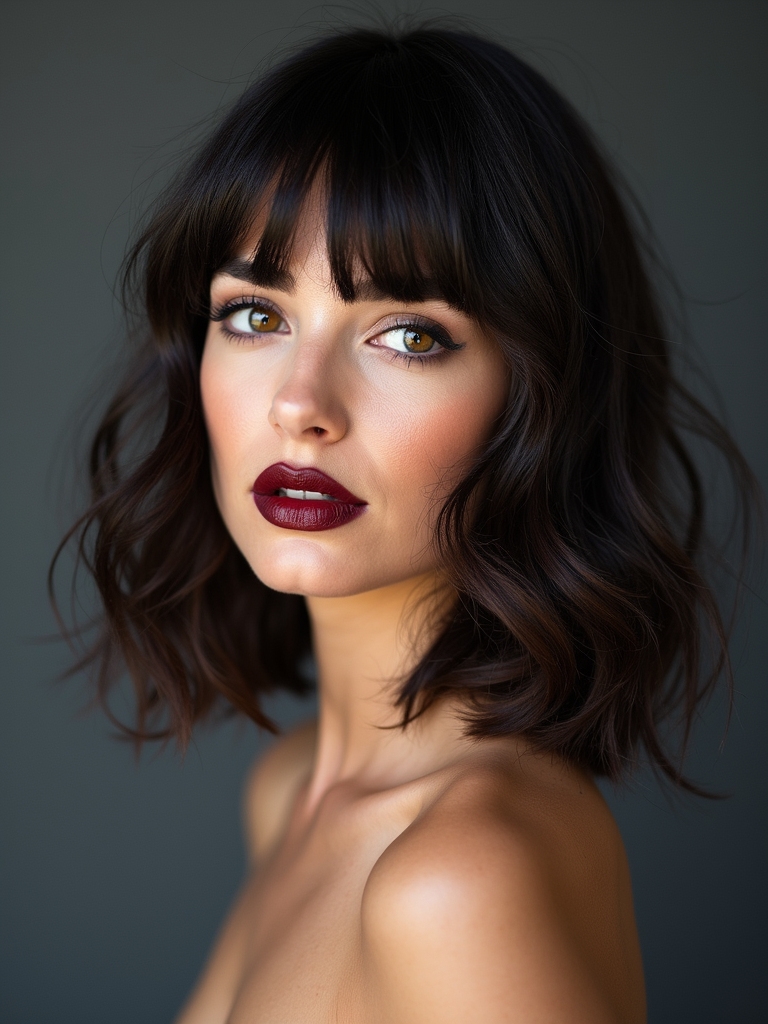
Ready to change your fringe entirely? Transforming bangs is mostly about patience and a good plan with your stylist. Whether you are growing out or going bolder, here is how:
- To grow out: blend the fringe into face-framing layers as it lengthens.
- To go bolder: move gradually from wispy to blunt over a couple of trims.
- Bring photos so you and your stylist picture the same end result.
Reviving Bangs on Bad Days
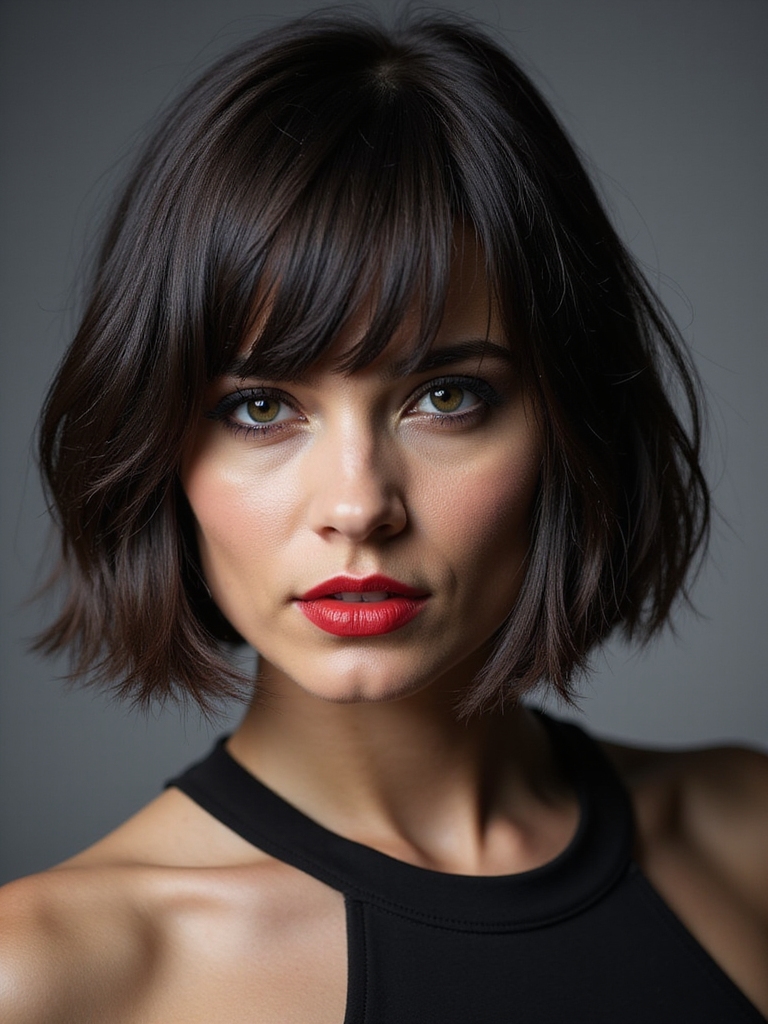
Bangs are the first thing to go greasy or flat, since they touch your forehead all day. The good news is they are also the fastest thing to rescue. When yours go limp:
- Hit the roots with dry shampoo and rub it in to soak up oil.
- Re-dampen and quickly round-brush to reset the shape.
- If all else fails, pin or clip the fringe back and own it.
Real Bang Transformations

Real before-and-afters teach more than any single photo, because they show what changes a fringe actually makes. A few patterns come up again and again:
- A fringe makes a long face look shorter and softer almost instantly.
- Curtain bangs open up a round face by adding vertical lines.
- Even a wispy fringe takes years off and brightens tired eyes.
Precision Cuts for Versatility
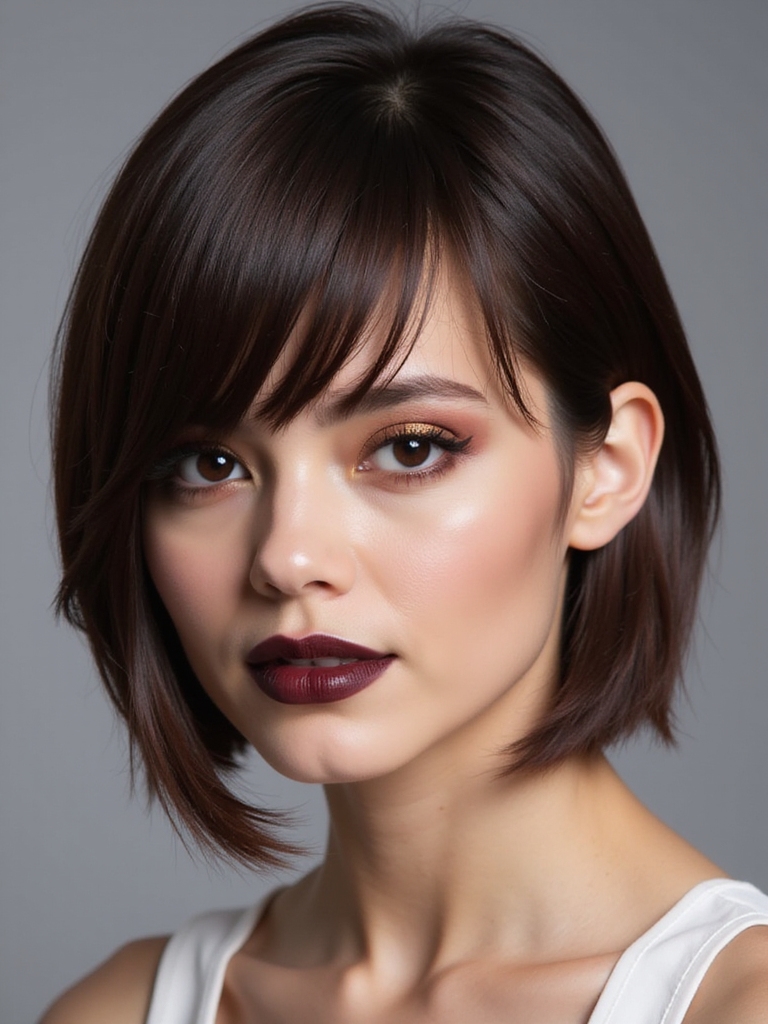
The most versatile fringe starts with a precise cut, which is the one part worth leaving to a professional. A skilled stylist cuts a fringe you can wear three different ways, smoothed flat one day and tousled and parted the next, all from the same precise shape. Why it pays off:
- A pro studies your cowlicks and growth pattern before the first snip.
- Point-cutting and texturizing give you a fringe that styles many ways.
- A clean base makes every at-home trim and restyle far easier.
Styling Tips for Bangs
A few habits keep any short fringe looking its best between salon visits. Dry the fringe straight out of the shower, before it sets into a cowlick you spend all day fighting. A small round brush and thirty seconds of warm air, finished with cool, sets the shape far better than a flat iron alone. Keep the product light and on the ends only, since anything heavy at the roots drags a fringe flat.
Clients ask me how to make bangs last past day one, and the answer is dry shampoo plus a quick re-brush. Mist it at the roots before bed and again in the morning, and the fringe stays lifted and clean. Above all, stay on top of trims; a fringe two weeks overdue is the single fastest way to make a fresh haircut look unkempt.
Short Hair and Bangs, Answered
?How often do bangs need trimming?
Every two to three weeks, much more often than the rest of your cut. Growing roughly half an inch a month, a fringe creeps down over your eyes before you know it. Many salons offer quick trims between appointments for $10 to $20, or you can learn a careful dry trim at home.
?Which bangs are easiest to maintain?
Soft, wispy, and curtain bangs are the most forgiving. They are point-cut and textured, so grow-out blends in and a rushed blow-dry still looks fine. Blunt, heavy fringe is the highest-maintenance, needing frequent trims and daily styling to stay sharp.
?Can I get bangs with curly or coily hair?
Absolutely. Curly and coily fringes look beautiful and should be cut dry and a little longer to allow for shrinkage. Find a curl-savvy stylist, commit to a curl cream, and your fringe will spring into shape with the rest of your hair.
Find the Fringe That Fits You
Strip it all back and a great fringe comes down to three things: the right shape for your face, the right cut for your texture, and the upkeep to keep it sharp. Get those right and bangs are the most transformative, flattering thing you can do to short hair.
If you have been on the fence, start soft. A wispy or curtain fringe is low-risk and easy to grow out, and it will tell you fast whether bangs are for you. Bring a photo, talk through your cowlicks, and let a good stylist do the rest.
Worth a Look