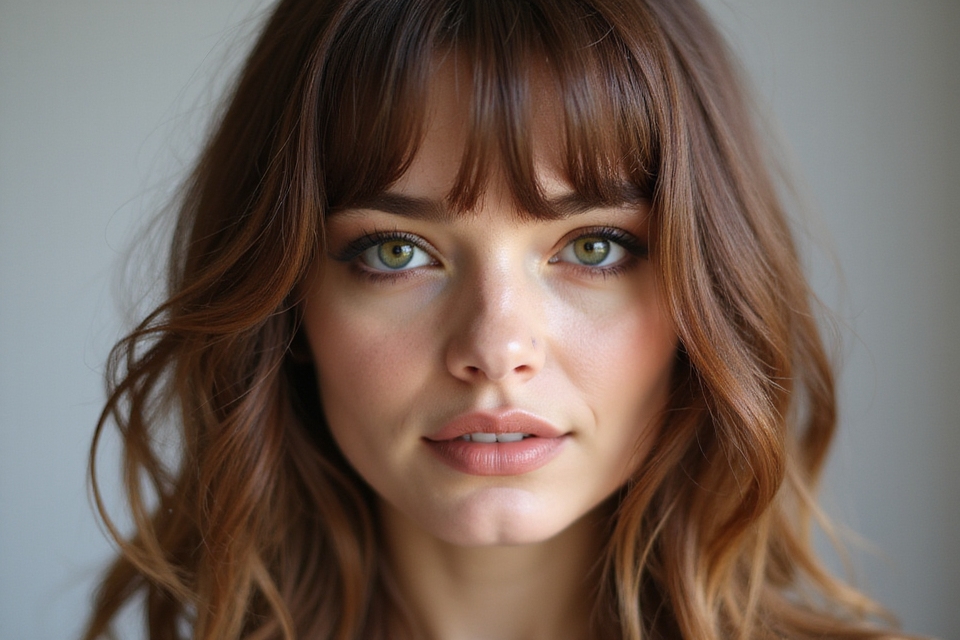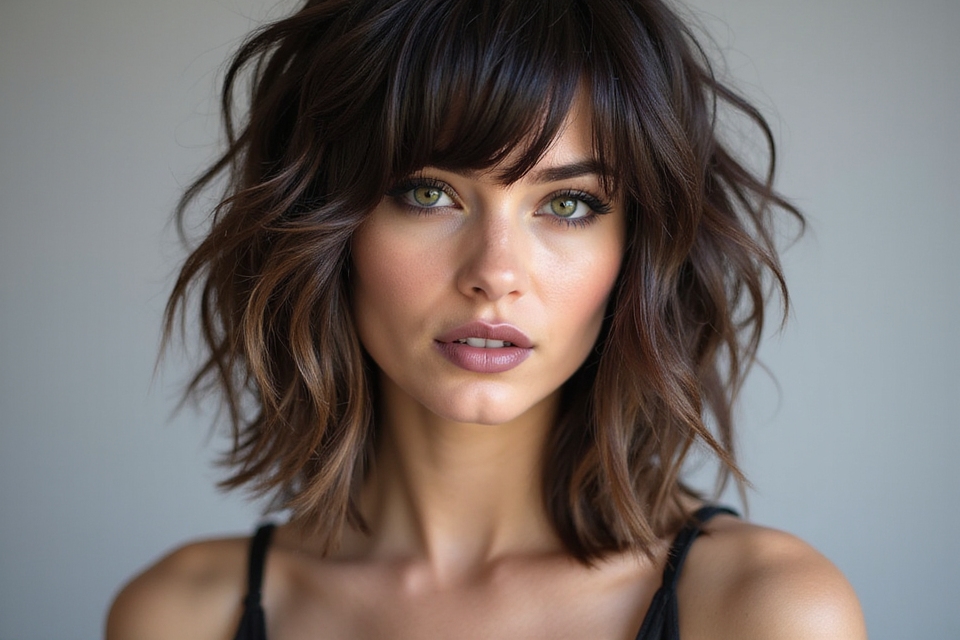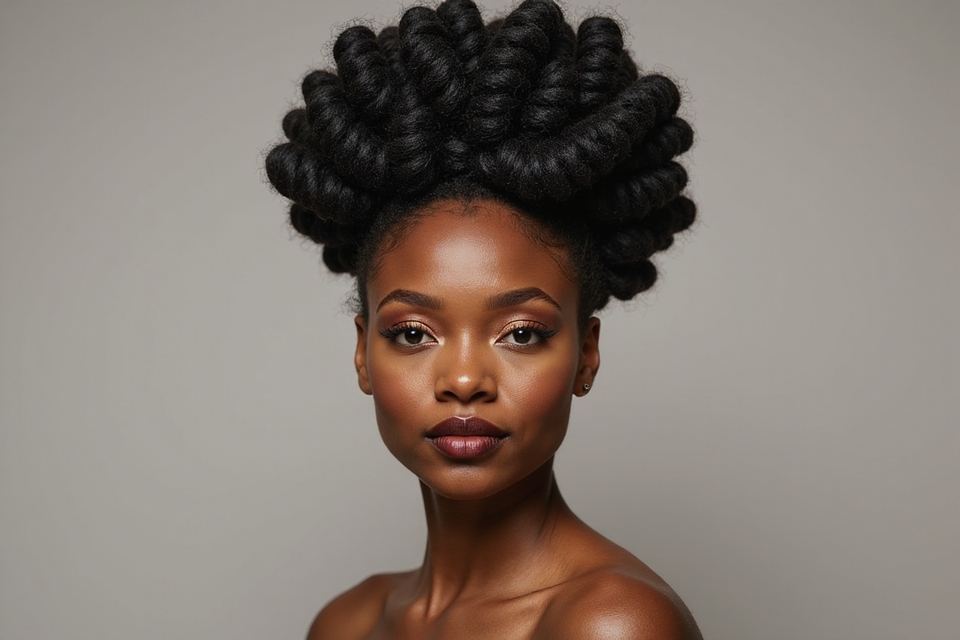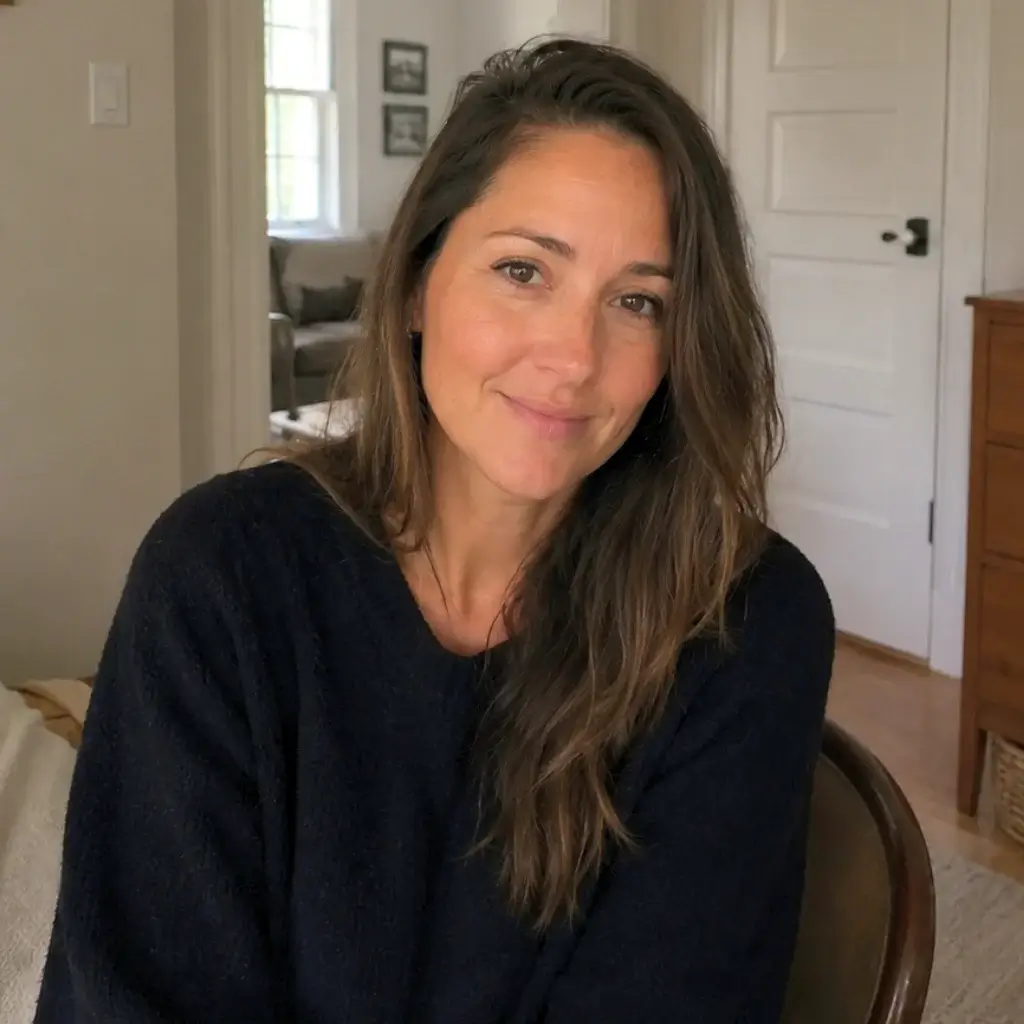
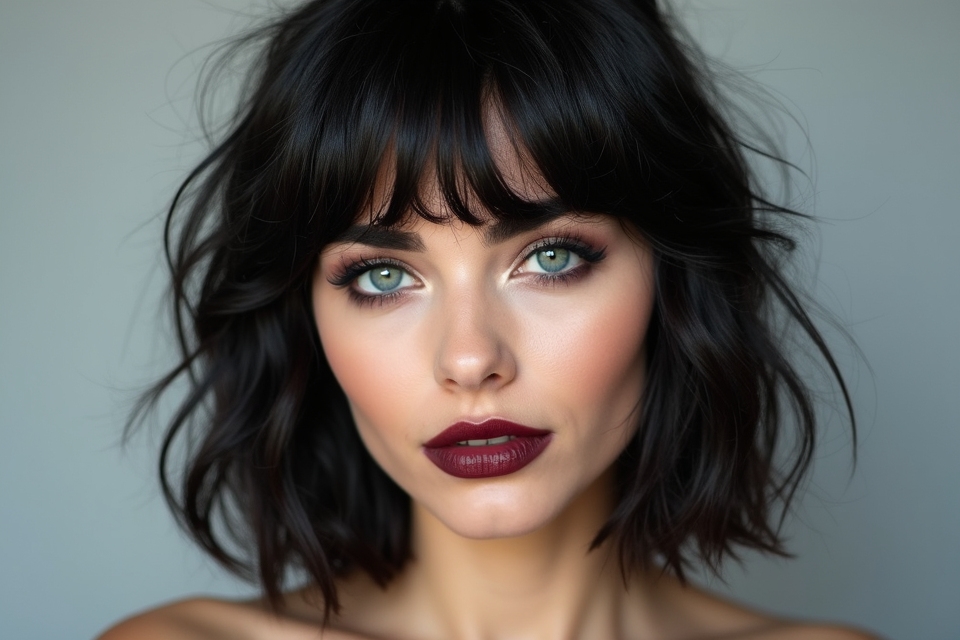
There’s a specific sound a stylist dreads: the text at 11 p.m. that just says, ‘I cut my own bangs.’ Bangs are the haircut we reach for when something has shifted, a breakup, a new job, a birthday that landed harder than expected, and somehow, against all odds, they keep turning out beautifully. The fringe has outlived every trend that tried to kill it.
This isn’t a list of styles to copy so much as a look at why bangs hold such power, and how to channel that impulse into a cut you’ll actually love. I’ll fold in the practical, face shapes, decade looks, upkeep, and the graceful grow-out, so the next time the urge strikes, you cut with intention instead of kitchen scissors at midnight.
Before You Pick Up the Scissors
- Bangs change the whole face faster than any other cut, which is exactly why they call to us in moments of change; the trick is matching the fringe to your face and hair, not your mood.
- Expect real upkeep: a trim every two to three weeks and a few minutes of styling most mornings, so the romance of the cut comes with a small daily commitment.
- Almost every face suits some kind of bang; curtain, wispy, blunt, or side-swept, so the question is which, not whether. Book a stylist for the first cut rather than freehanding it.
The Transformative Power of a Haircut
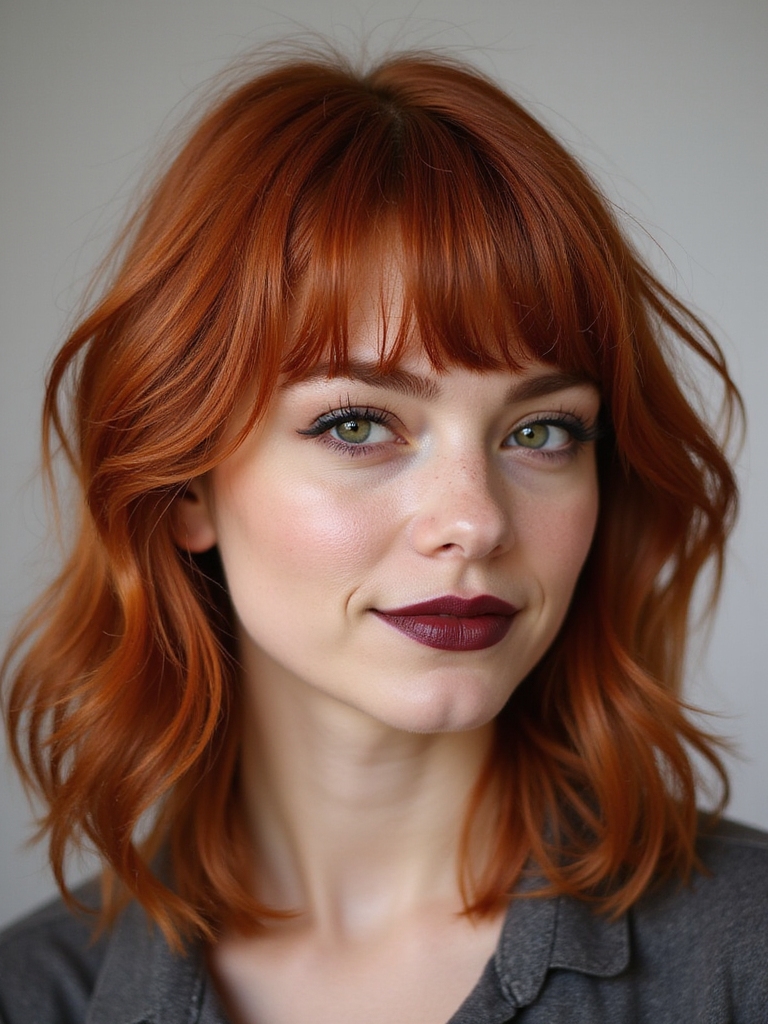
No cut changes a face as fast as bangs, which is why I see them spark the strongest reactions in my chair, equal parts thrill and panic. In one snip you reframe the eyes, shorten the forehead, and shift the whole balance of the face. Here’s what that change actually does.
- Bangs draw the eye to your eyes, which is why they read instantly flirty.
- They visually shorten a long forehead and soften a strong hairline.
- Because the change is so big, a consult first saves a lot of regret. Start with curtain bangs if you’re unsure.
Bangs as Timeless Reinvention
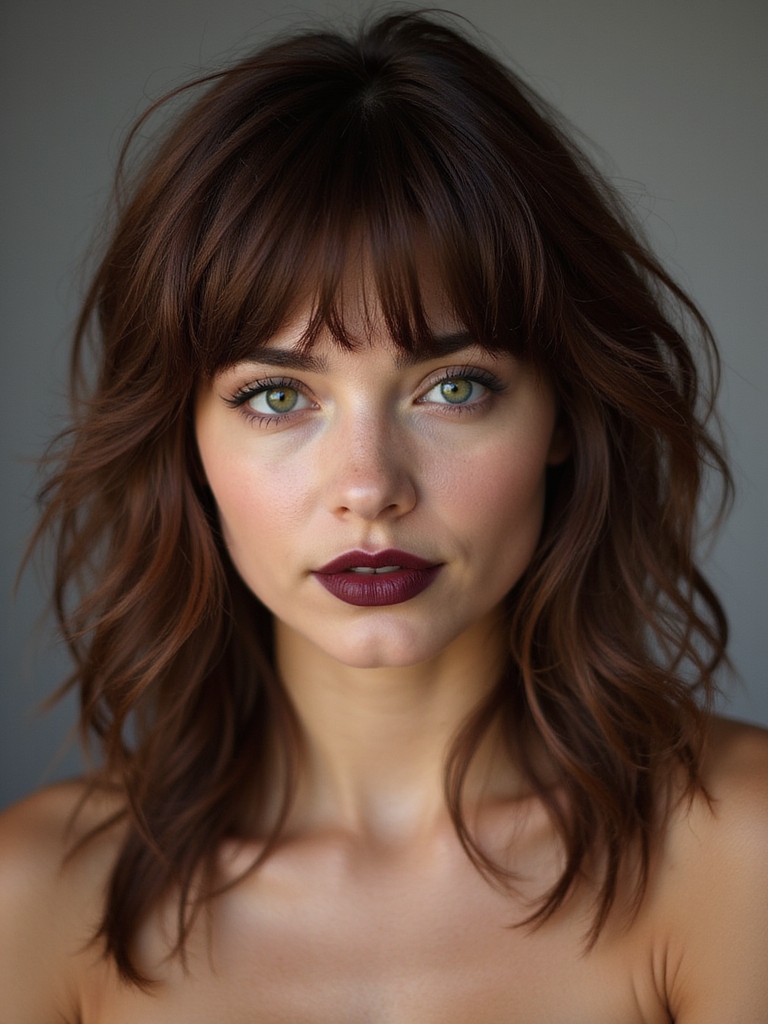
There’s a reason bangs are the universal symbol for starting over: they’re a visible, immediate signal that something is new. Unlike a color change that fades or a length change that’s gradual, a fringe announces itself the moment you walk in.
If reinvention is the goal, choose the fringe that matches the new chapter you’re starting. A soft curtain feels fresh-start gentle; a blunt micro bang lands as a bold declaration. Both reinvent, but they say very different things about where you’re headed.
Heads-Up
Never cut bangs on wet hair at home. Hair contracts as it dries, especially wavy and curly textures, so what looks like a perfect brow-skimmer wet can spring up into a micro bang dry. If you must trim between salon visits, do it on dry hair, a little at a time.
Celebrity Bangs and Their Influence
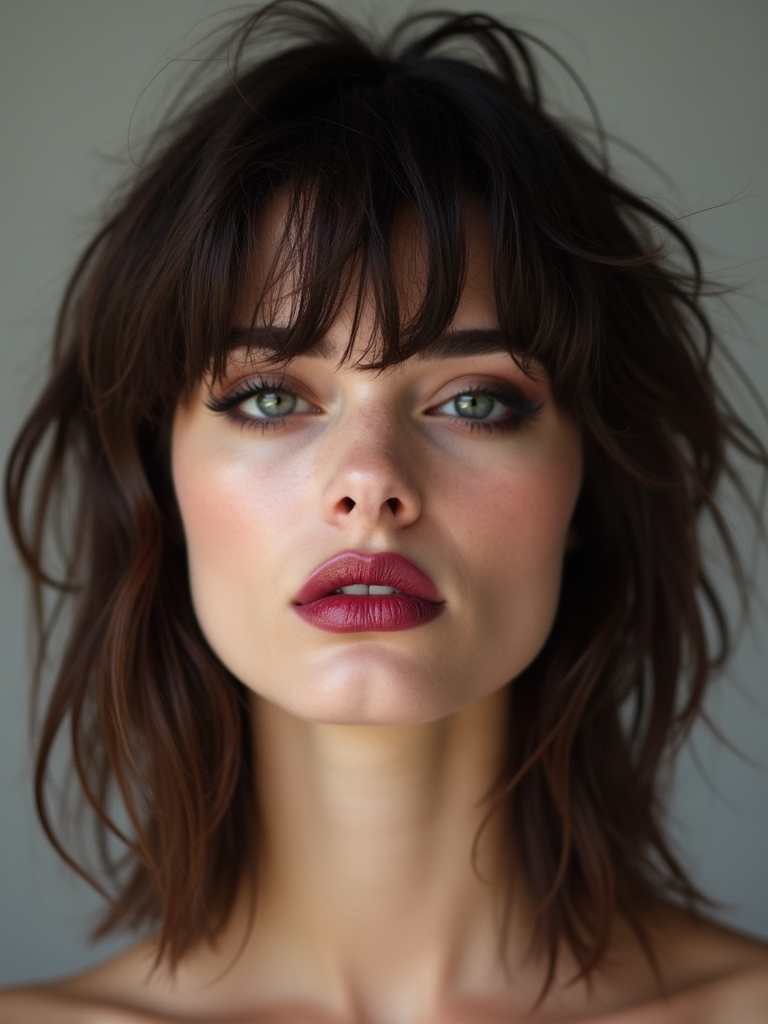
Every few years a single famous fringe sends the whole world to the salon, and the cut that follows tells you what era we’re in. Here’s how those waves tend to move.
- A soft 70s curtain fringe cycles back roughly every decade, always low-commitment.
- Blunt, heavy bangs spike when fashion turns sharp and minimal.
- Wispy, piecey fringe trends with the soft, undone hair eras.
- The lesson: borrow the shape, but adapt it to your face, not the famous one.
Emotional Transformation Through Bangs
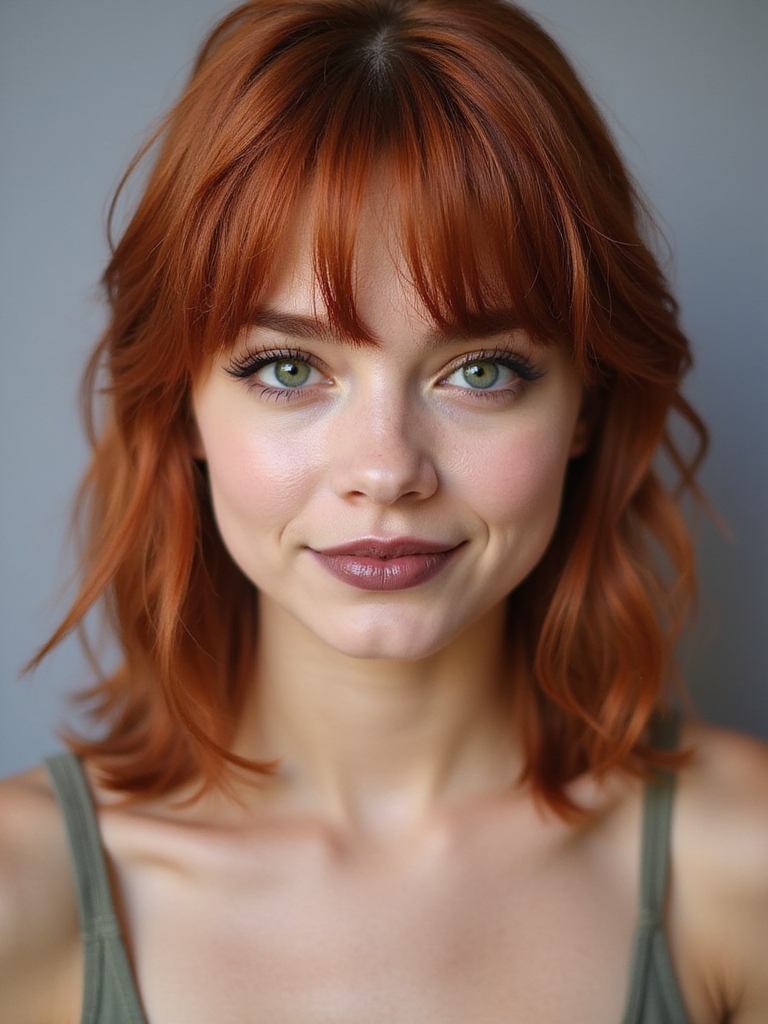
I’ve stood behind enough clients to know bangs are rarely just about hair. They show up at the end of a relationship, the start of a degree, the week someone finally quits the job. The cut is a way to make an internal shift visible.
There’s nothing wrong with that, as long as the decision survives the next morning. The fix I make most often is talking a client through the upkeep before we cut, so the emotional high doesn’t crash into a styling reality they didn’t sign up for.
If you’re cutting from a big feeling, sleep on it one night. The urge that survives till morning is usually the one worth acting on.
Two things people believe about bangs that aren’t true:
❌ Myth: Bangs are low-maintenance because they’re small
✅ Reality: The opposite. They’re the highest-upkeep section of your hair, needing trims every few weeks and styling most mornings.
❌ Myth: Bangs don’t work on curly or round-faced people
✅ Reality: They do, with the right shape. Curly hair takes a dry-cut rounded fringe; round faces suit longer, side-swept ones.
When Heartbreak Inspires the Scissors
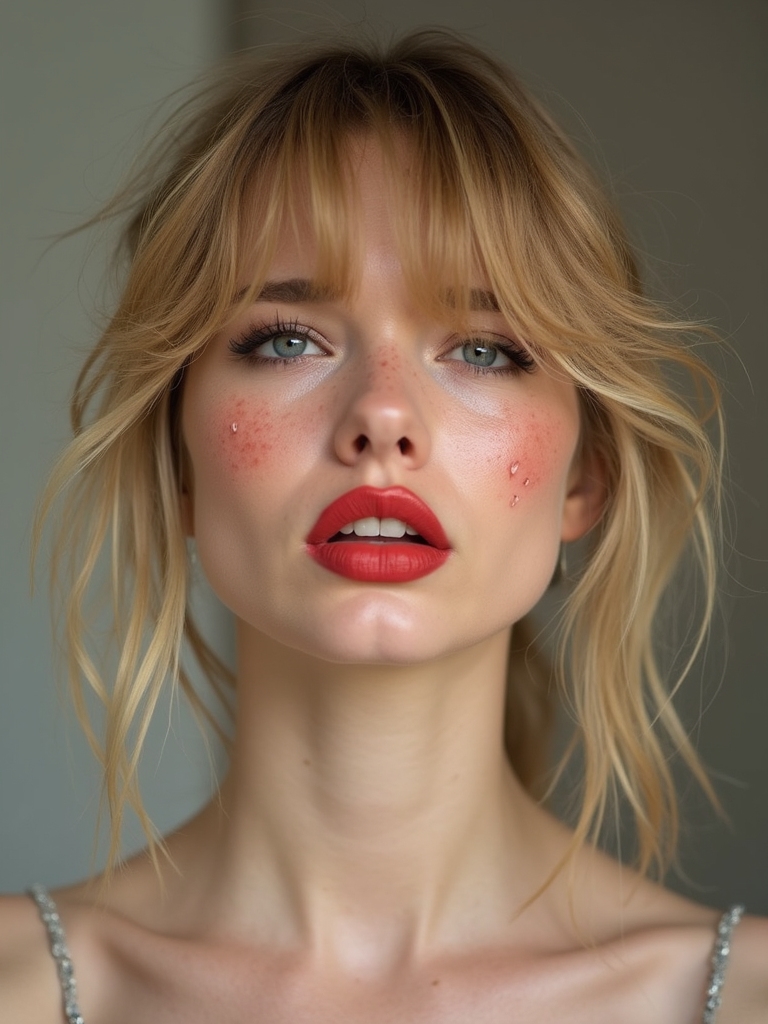
The breakup bang is a genuine phenomenon, and it’s not silly. Taking control of your appearance is one of the few things that feels possible when everything else has shifted. The danger is only in the kitchen-scissors version at midnight.
Try Before You Commit
What a breakup bang is really chasing is the feeling of a clean slate, a visible line between the old chapter and the new one. That impulse is healthy; it just deserves a steadier tool than midnight scissors and a foggy mirror.
This is exactly where a clip-in or faux fringe earns its keep, and it’s the first thing I hand anyone cutting from a big feeling. You get the whole reinvention rush tonight, and if the new self doesn’t fit by Friday, you simply lift it back out, no regret, no grow-out.
Bangs Styles Through the Decades
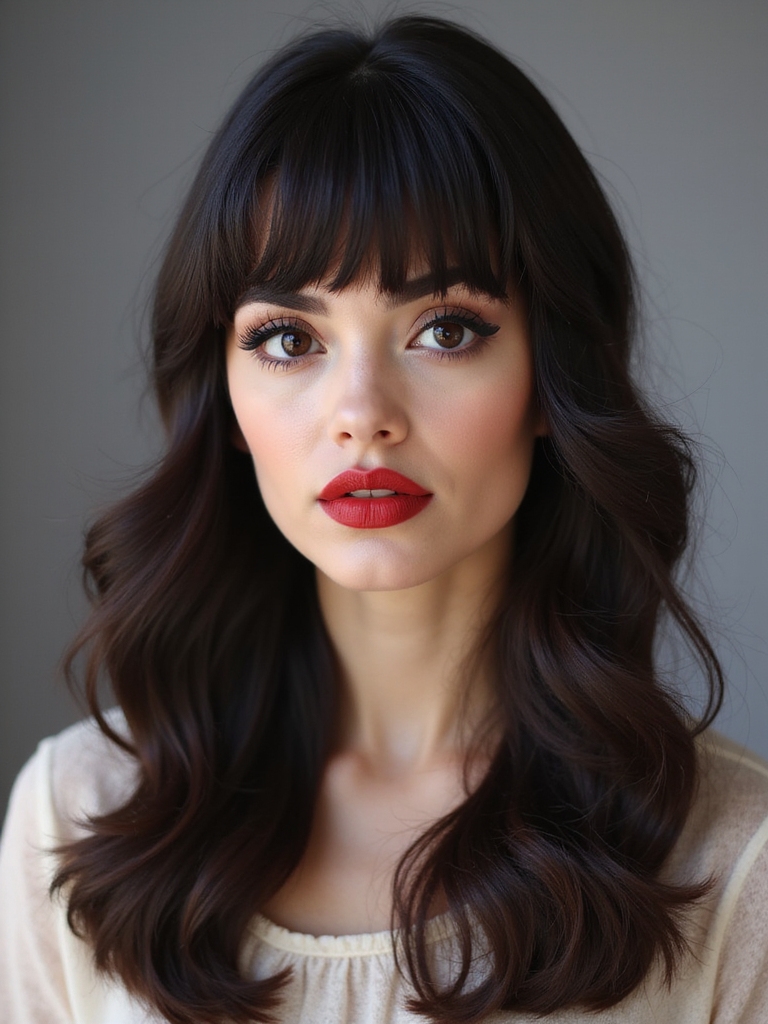
Bangs are a quick way to read a decade, and knowing the eras helps you pick a shape with real staying power. Here’s the quick tour.
- The 60s gave us bold, blunt, brow-skimming fringe and the baby bang.
- The 70s brought the soft, parted curtain that never really left.
- The 90s leaned thin, piecey, and a little grungy.
- The 2000s went side-swept and choppy; today’s fringe borrows softly from all of them.
👍Why bangs are worth it
- +They transform the whole face faster and cheaper than any other change.
- +There’s a flattering fringe for every face shape and hair texture.
- +A signature fringe makes looking put-together almost automatic.
👎What to weigh first
- –They need trims every two to three weeks and daily styling.
- –The grow-out takes three to five patient months.
- –Cut for your mood instead of your face and you’ll regret them by week two.
Bangs Symbolize Cultural Change
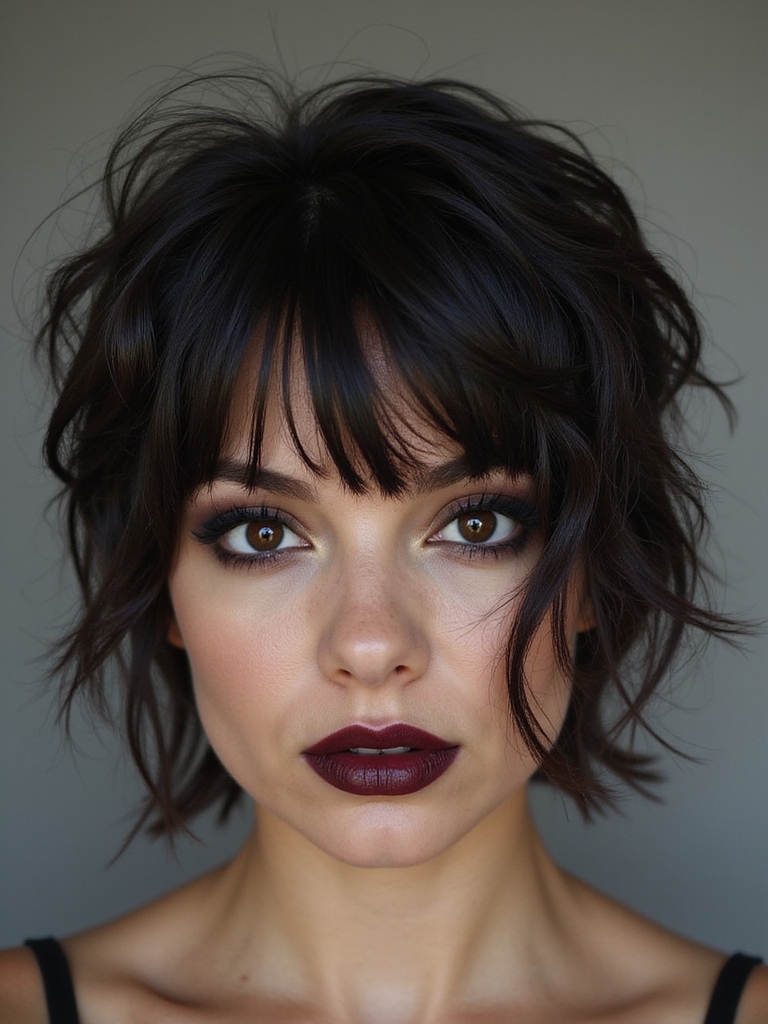
Across eras and movements, a change in fringe has often marked a change in attitude, a generation cutting against whatever came before. Bangs are cheap, fast, and visible, which makes them an easy flag to plant.
You don’t have to read that much into your own cut, but it’s worth knowing the fringe you choose carries a little of that history. A sharp, severe bang has always signaled defiance; a soft, romantic one signals ease.
Whatever you pick, wear it like it was your idea, because the most iconic bangs always look intentional, even the ones that started as a rebellion.
Bangs and Self-Identity
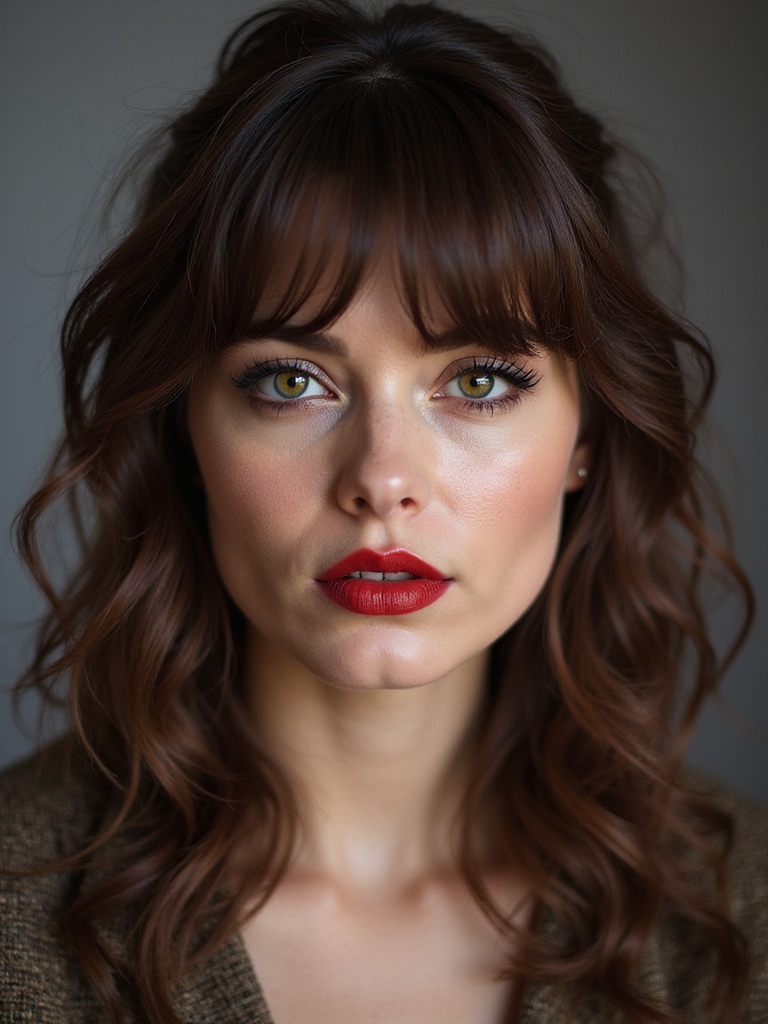
I tell clients the bangs that work long-term are the ones that fit who you actually are, not who you were feeling like for an afternoon. A low-maintenance person in a high-maintenance blunt fringe is headed for a fight every morning.
Before you commit, be honest about your real routine. If you barely blow-dry, a curtain or grown-out fringe forgives you; if you love a styling ritual, a blunt bang rewards the effort.
I always ask clients what their hair does on a bad day, because that’s the day the bangs have to survive. Cut for that day, and you’ll love them on the good ones.
Turning the urge into a cut you’ll love:
1Sleep on it, then book it
Give the impulse one night, and if it survives, book a stylist rather than reaching for kitchen scissors, so the shape is chosen for your face, not your feelings.
2Learn the two-minute styling
On the day of the cut, have your stylist show you the round-brush-and-dry-shampoo routine, so you leave able to recreate it at home.
A Bang Suitable for Everyone
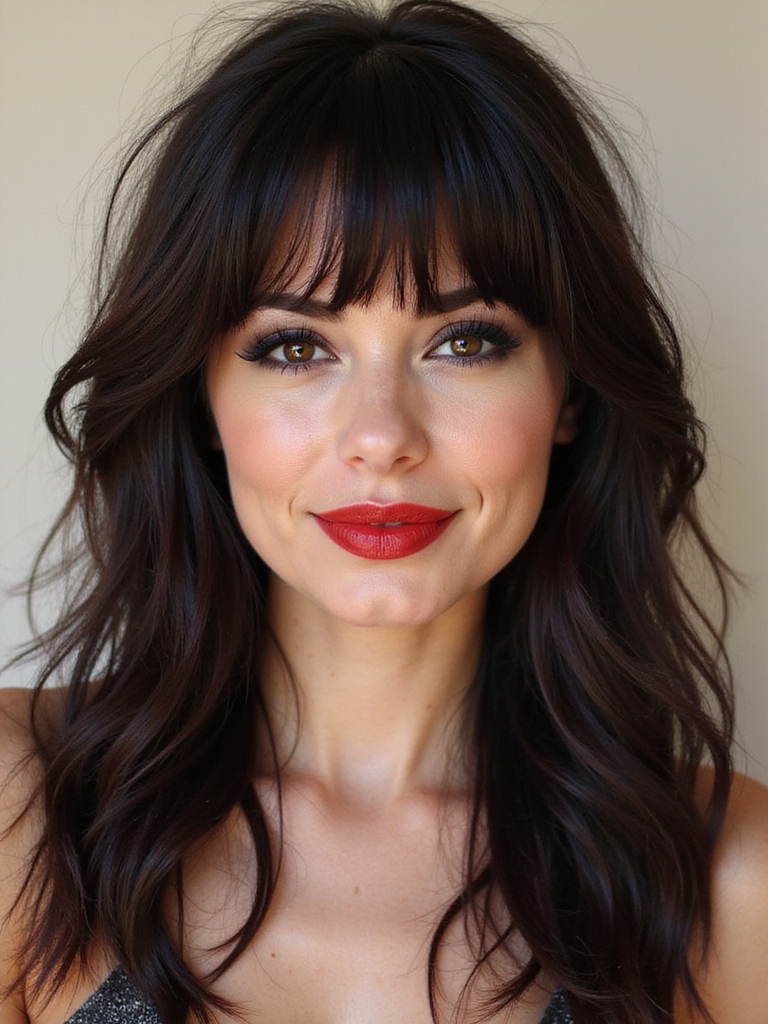
One myth worth killing: bangs aren’t only for fine, straight hair. There’s a fringe for every texture, including curly and coily hair, as long as the cut respects how your hair actually behaves. Here’s the match.
- Straight hair suits blunt, curtain, and micro bangs cleanly.
- Wavy hair loves a soft, piecey curtain that moves with the texture.
- Curly and coily hair wears a rounded curly fringe cut dry, so it springs up right.
- On textured hair, leave the fringe longer than feels right to allow for shrinkage, and refresh it with water and a little curl cream rather than heat to keep the pattern.
Bold Transformation Through Bangs
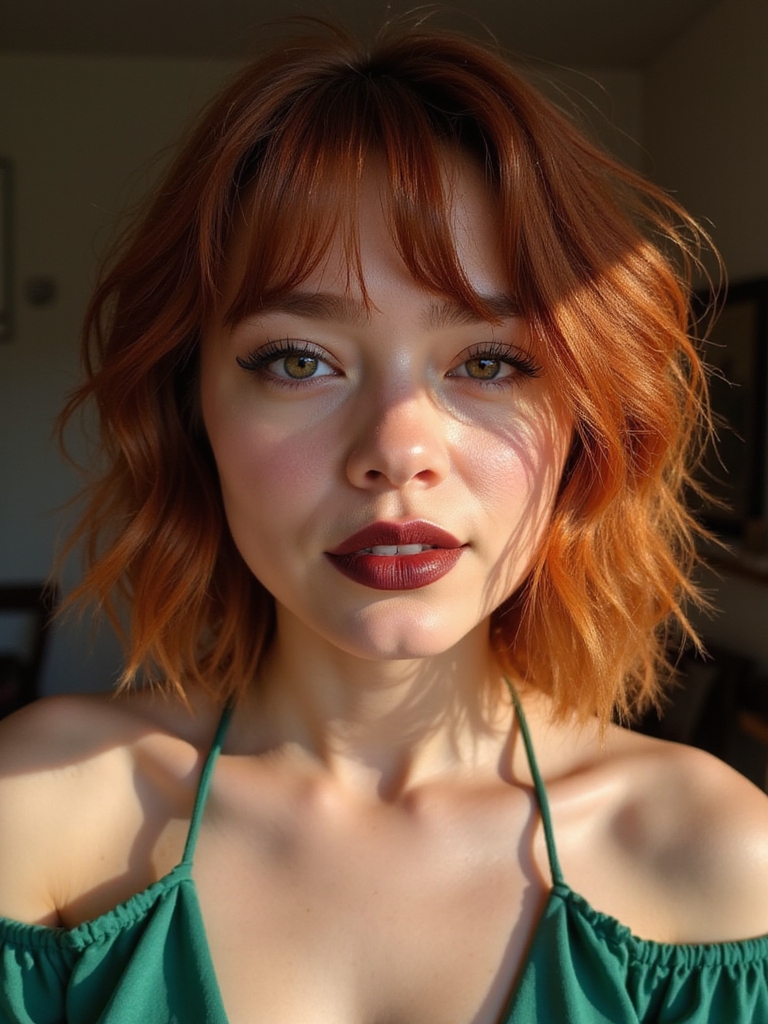
If you want the fringe to be a statement, the bold cuts, blunt, micro, or a heavy straight-across, deliver the biggest change. They’re also the highest-commitment, so go in clear-eyed. Here’s how to do bold well.
- A blunt, brow-grazing bang is the boldest classic and frames the eyes hard.
- Micro (baby) bangs sit high and read fashion-forward and fearless.
- Heavy fringe needs density, so it suits medium-to-thick hair best.
- Commit to the styling; bold bangs look incredible done and obvious undone.
Bangs and Personal Transformation
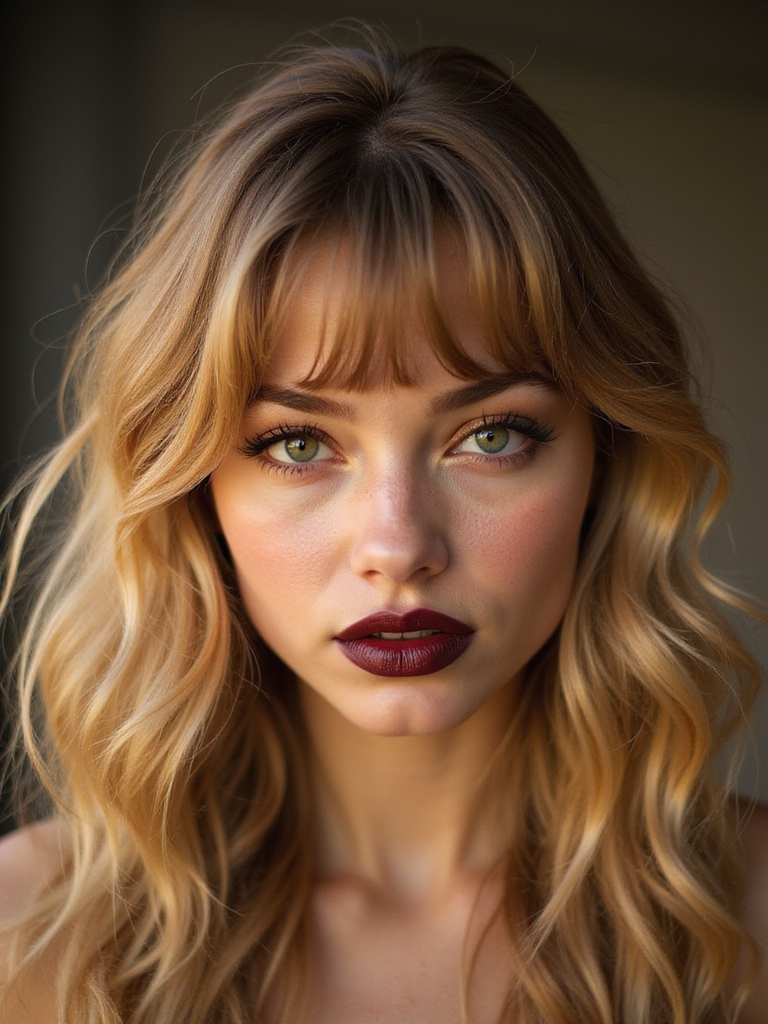
The confidence boost a good fringe gives is real, and it comes from the cut framing your features and forcing you to engage with your own reflection a little more. Here’s how to keep that high going past week one.
- Learn to style them in the first week, while you’re still excited.
- Get a round brush and a small flat iron; they’re the bang’s best friends.
- Keep a trim booked so they never hit the awkward eye-poking stage.
- Lean into it; bangs reward the person who wears them with a little swagger.
Bangs for Every Face
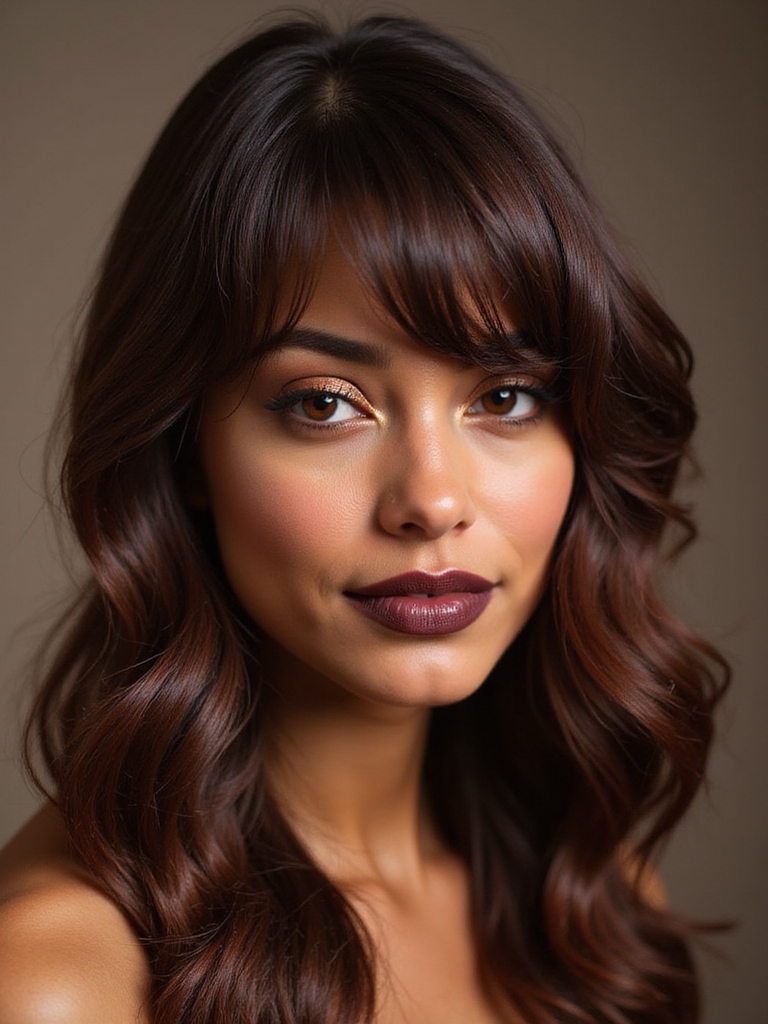
This is the part people skip in the impulse cut, and it’s the one that matters most: the right fringe is chosen for your face shape. Get this right and bangs flatter; get it wrong and they fight you.
The goal is balance, softening what’s strong and adding where it’s needed.
- A rounder face is flattered by a longer, side-parted curtain that draws the face down.
- A longer face balances under a fuller, blunt fringe that closes off some height.
- A strong, square jaw softens beneath wispy, feathered pieces.
- Heart shapes balance with a side-swept or curtain fringe. More in layered hair with bangs.
Choosing the Right Bangs
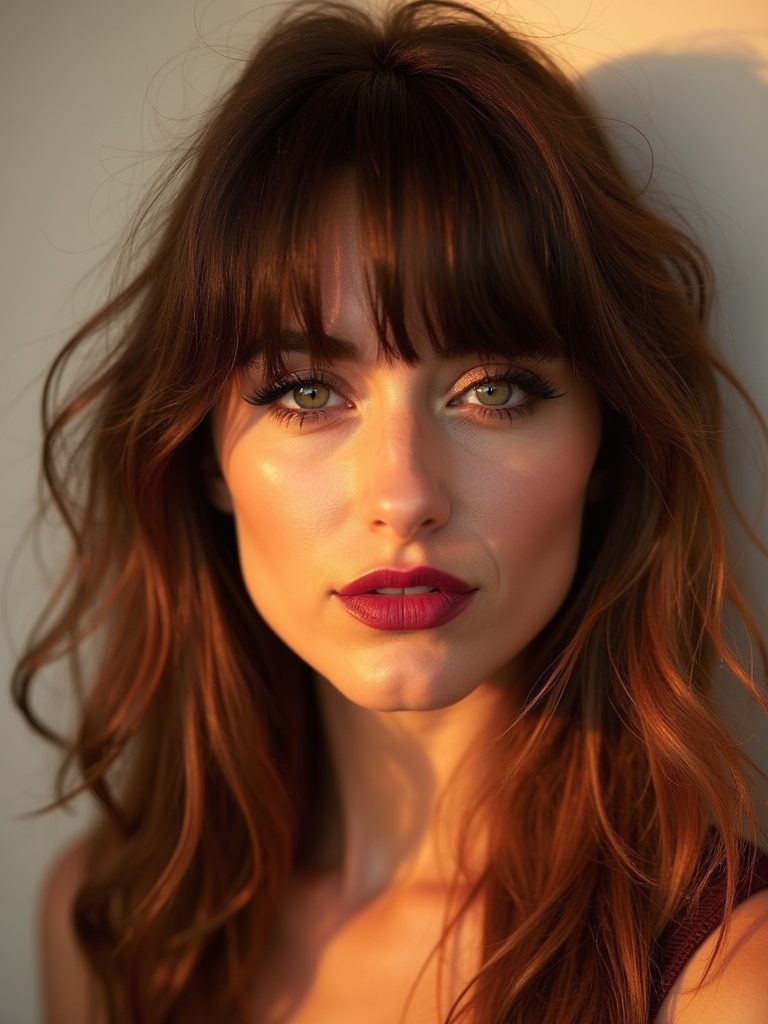
Choosing a fringe comes down to three honest answers: your face shape, your hair’s natural behavior, and how much daily time you’ll really give it. Skip any one and you risk a cut you resent.
Bring photos to the consult, but bring realistic ones, on hair like yours, not a glossy editorial blowout you’d never recreate. A good stylist will tell you which parts of a reference will work on your texture and which won’t.
If you’re torn, start longer. You can always go shorter at the next trim, but you can’t un-cut a micro bang, so the cautious choice is the kinder one here.
Confidently Style New Bangs
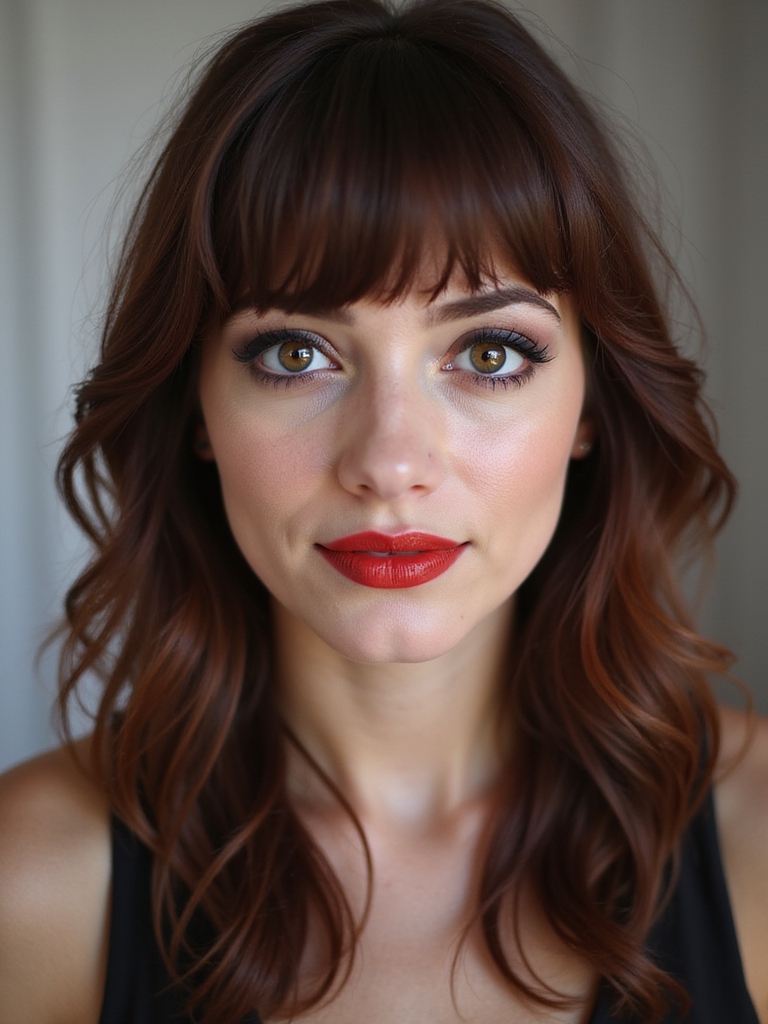
The number one reason people regret bangs isn’t the cut, it’s not knowing how to style them, so they sit flat or split apart. A few minutes of technique fixes almost all of it.
The Morning Routine
I tell clients to dry the fringe first, right out of the shower, moving a round brush side to side so it doesn’t dry with a cowlick. A quick pass with a flat iron smooths the ends, and a dusting of dry shampoo at the roots fights the oil that builds up by afternoon.
Forehead oils are the enemy of a fresh fringe, so sleep with your bangs pinned back and revive them midday with dry shampoo, never water, which only reactivates a cowlick.
The Resilient Grow-Out Transition
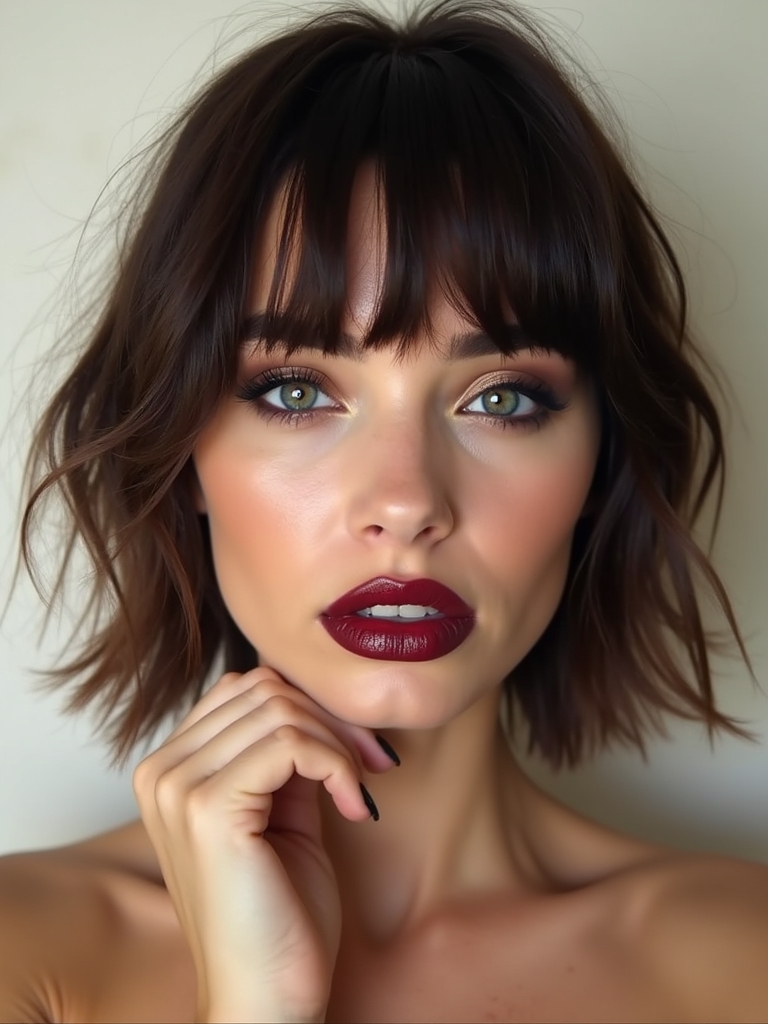
Every fringe eventually faces the grow-out, and the awkward stage is where most people give up and cut them again. With a little patience and a few tricks, you can ride it out gracefully.
Surviving the Awkward Length
The trick is to keep the bangs useful as they grow by having your stylist soften and angle them into face-framing layers that keep working as they grow. That way each in-between length looks deliberate.
Clips, headbands, and a deep side part are your grow-out toolkit. Most fringes blend into the rest of the hair in three to five months if you resist the urge to chop.
Fringe Enhances Facial Features
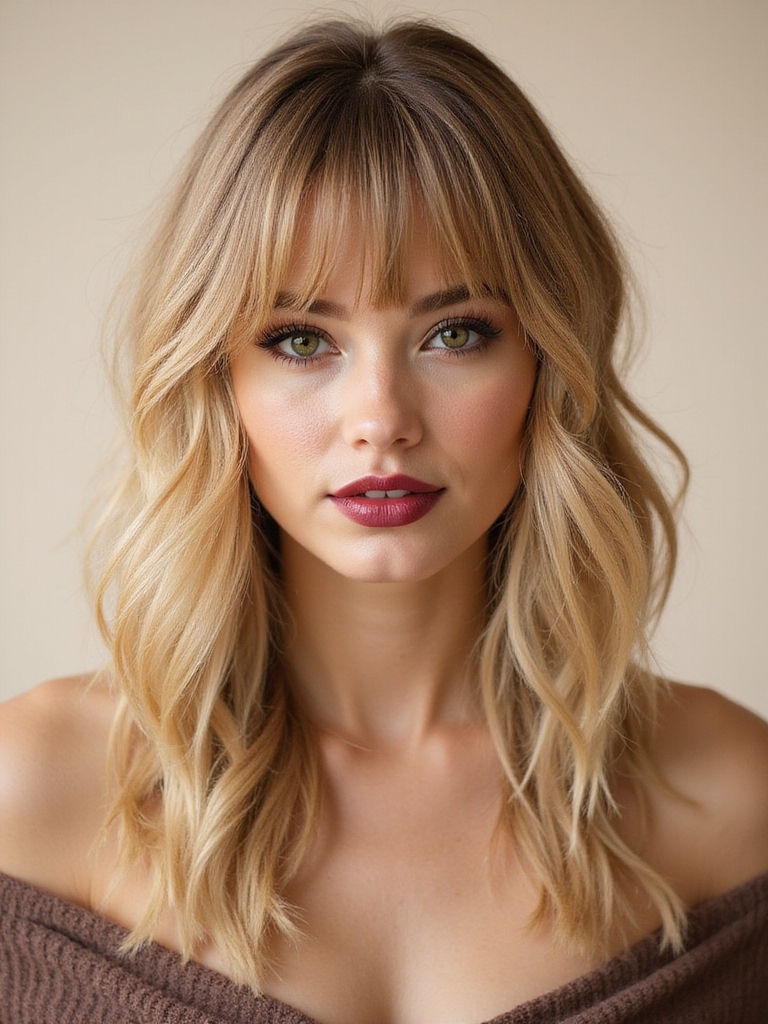
Beyond the drama, a fringe is a genuine framing tool, and a good cut uses it to draw attention exactly where you want it. Here’s what bangs can flatter when they’re cut with intent.
- Brow-skimming bangs make the eyes the center of the whole face.
- Cheekbone-length side pieces highlight and lift the cheekbones.
- A soft curtain narrows a wider forehead and balances strong features.
- Wispy ends keep the framing soft, so it flatters and opens the face.
Consult, Consider, and Use Caution
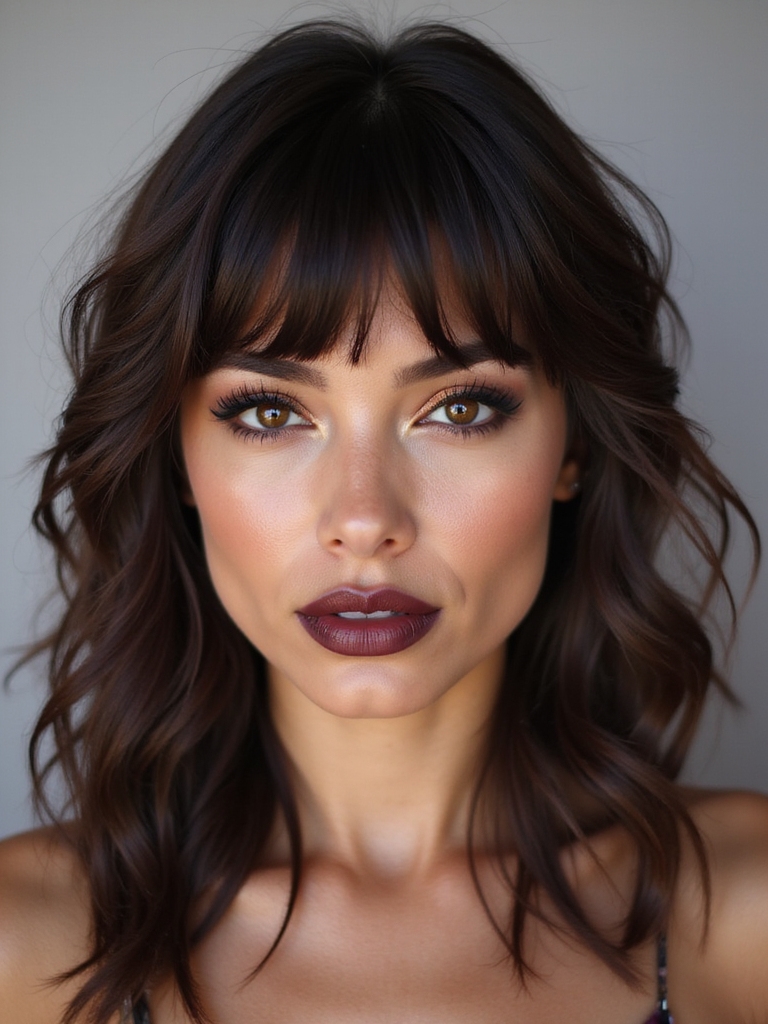
If there’s one section to read before you cut, it’s this one. The difference between an iconic fringe and a regretted one is almost always what happened (or didn’t) before the scissors.
A five-minute honest checklist saves months of growing out.
- Sleep on the urge for one night before booking.
- Book a stylist for the first cut; freehanding rarely ends well.
- Be honest about your styling time and your hair’s cowlicks.
- Try a faux fringe first if you’re at all unsure.
What the Fringe Reveals
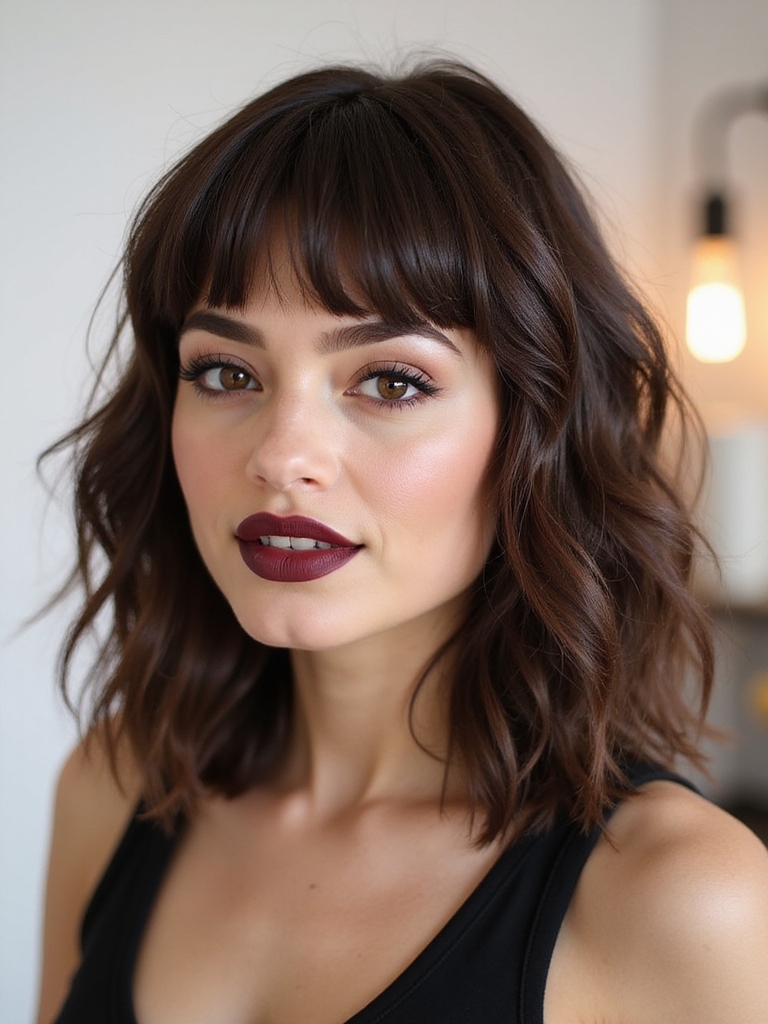
There’s a tender truth under all the bang jokes: cutting them is often the visible edge of something you’re working through, and that’s allowed. Hair is a low-stakes place to feel some control.
The kindest thing you can do for that feeling is make the practical choice that protects it. A fringe you can actually style and maintain keeps the high alive; one you can’t turns into a daily reminder of a hard week.
So feel the feelings, then make the boring, smart call on shape and upkeep. That’s how the emotional cut becomes the iconic one instead of the cautionary tale.
Balancing Personal Style Carefully
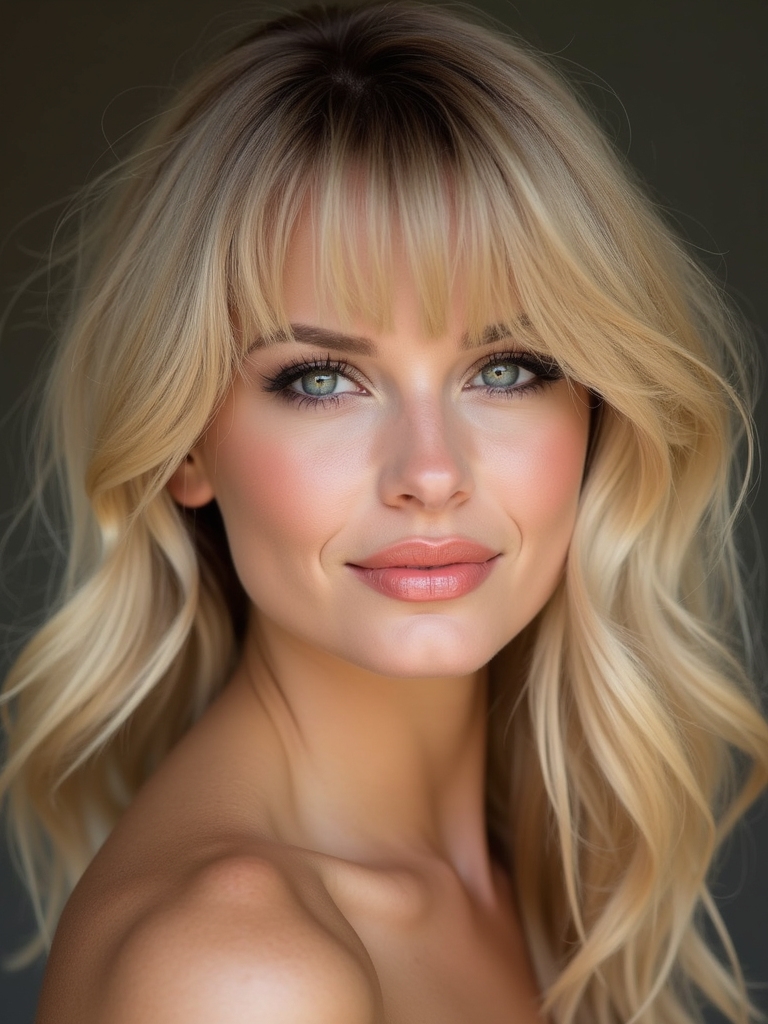
A fringe doesn’t live alone; it has to play with your glasses, your brows, your whole vibe. The most striking bangs are the ones that fit the rest of you.
Bangs, Brows, and Glasses
If you wear bold glasses, a softer fringe keeps the face from getting busy. If you love a clean, minimal look, a blunt bang echoes it. Think of the bangs as one line in a sentence, not the whole paragraph.
Your brows matter too: bangs and a strong brow can crowd the eye area, so soften one if you go bold on the other. Balance is what keeps the look polished.
Iconic Bangs in Fashion
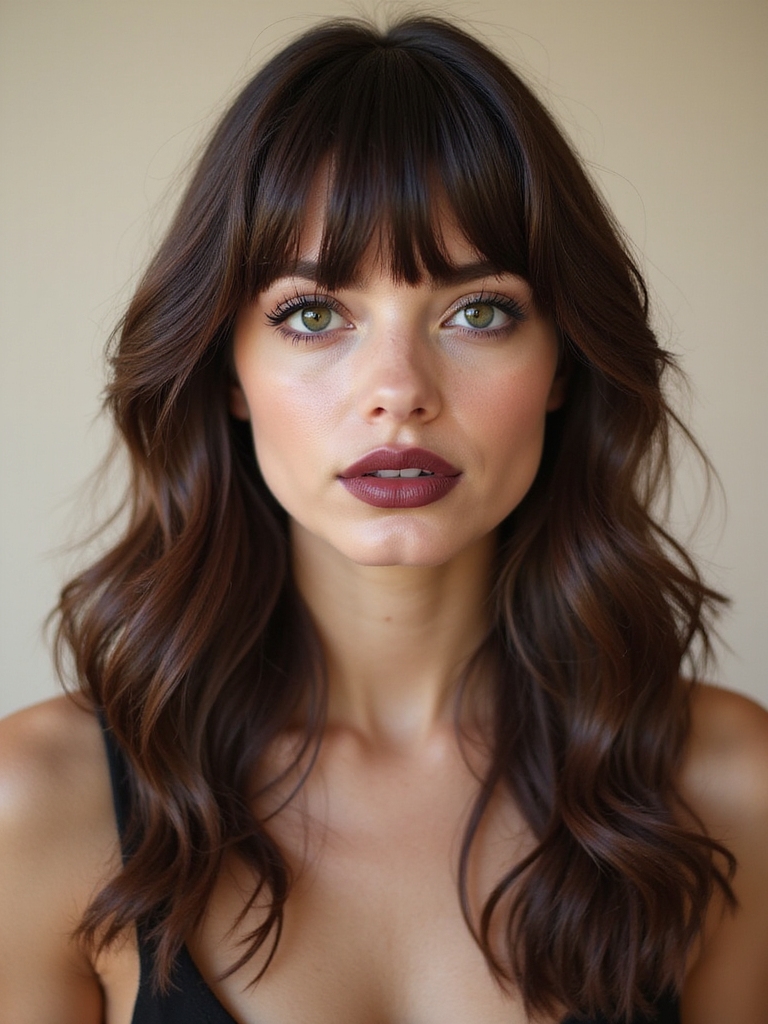
Some fringe shapes have earned permanent spots in the style canon, the ones that look current decade after decade. If you want a bang that won’t date, these are the safe bets. Here are the classics worth borrowing.
- The soft 70s curtain fringe: flattering, low-upkeep, endlessly current.
- The blunt brow-skimmer: bold, graphic, and a perennial fashion favorite.
- The wispy French-girl fringe: undone and easy to live with.
- Long, face-framing pieces: barely a bang, always chic. See long hair with bangs.
Bangs Require Consistent Maintenance
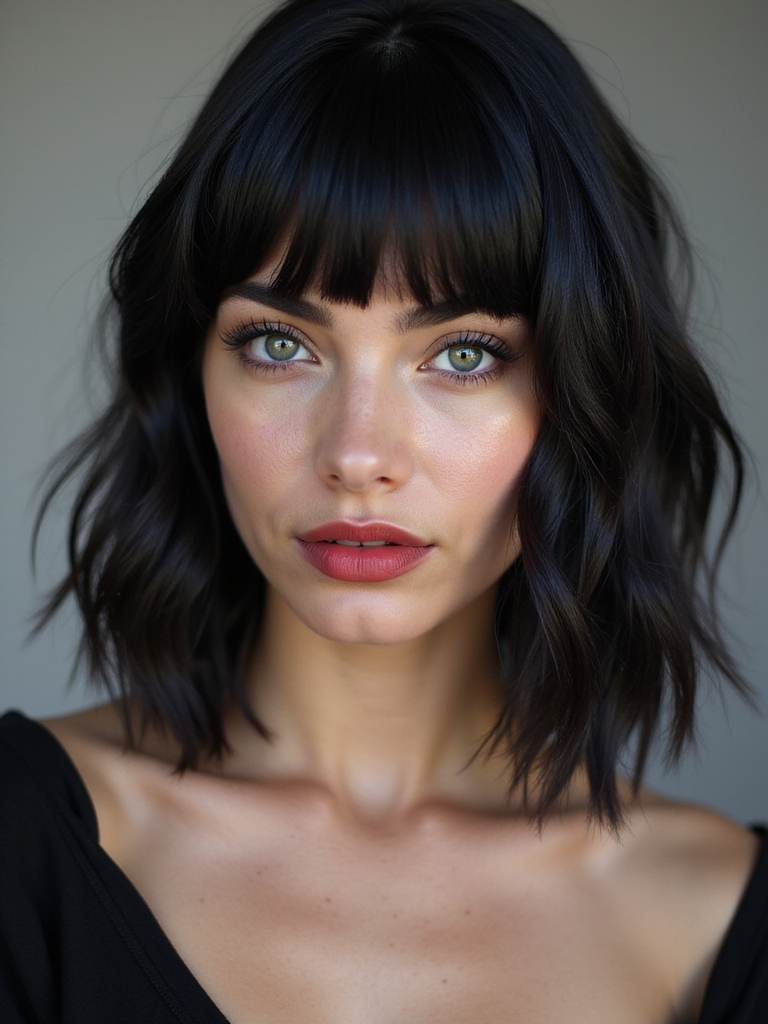
Here’s the part the impulse cut conveniently forgets: bangs are the highest-maintenance few inches of hair on your head. They grow into your eyes fast, show oil first, and need styling on days the rest of your hair could air-dry.
Budget a trim every two to three weeks, which many salons do free between cuts (otherwise about $10 to $20), and about five minutes of styling most mornings. A quick round-brush pass and a hit of dry shampoo at the fringe is the daily reality. None of this is hard, but it’s constant, so it’s worth knowing before you fall for the photo.
Embrace Your Stylish Transformation
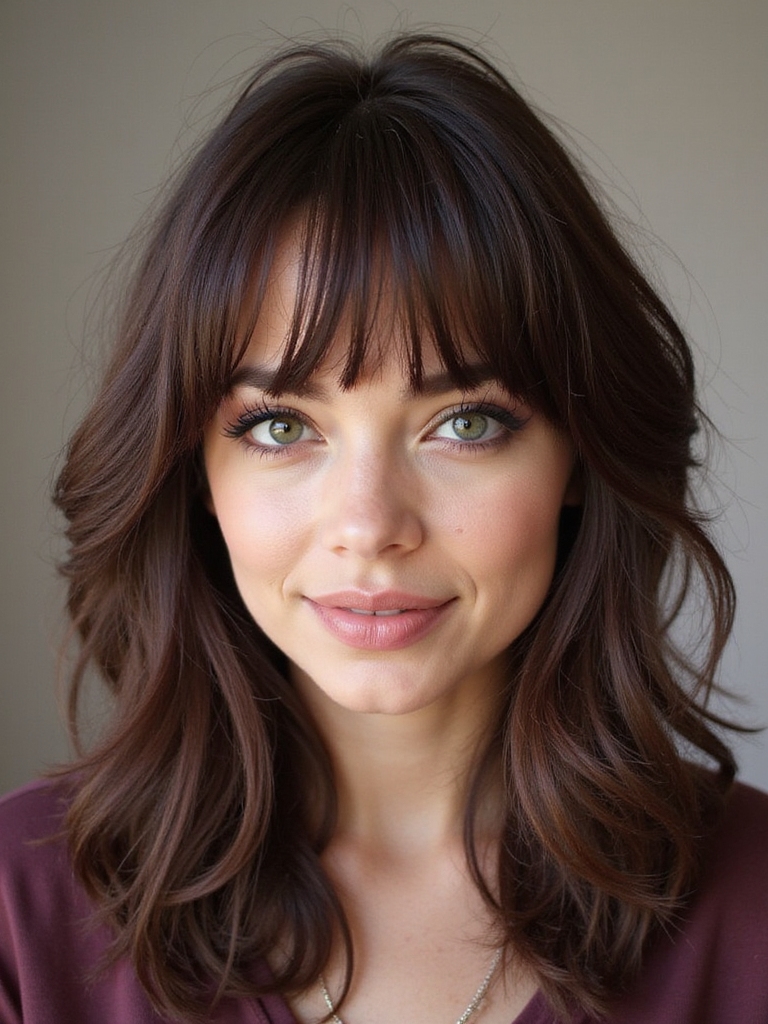
Once the bangs are cut, the best thing you can do is commit. Half-hearted bangs, pinned back and apologized for, never look as good as bangs worn with full confidence, even on a slightly-off day.
Give yourself two weeks before you judge them. The first few days always feel strange because your face looks new to you, and that’s the adjustment, not the verdict.
Learn the styling, keep the trims, and wear them like you meant it, because conviction is what turns any fringe from a cut into a signature.
Spontaneous Haircut, Newfound Confidence
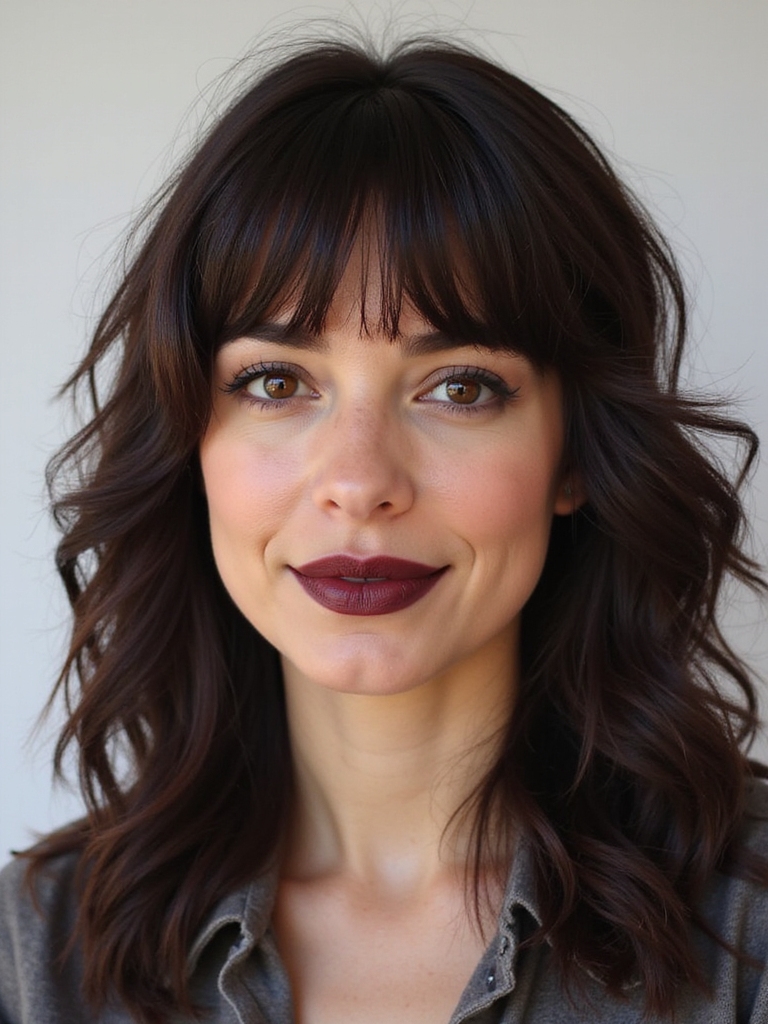
Not every spontaneous bang is a mistake, plenty of the best cuts start as a spur-of-the-moment yes. The difference is channeling the impulse into a chair instead of a bathroom.
Impulse, Meet Intention
If you feel the urge and you’ve got the time, book a same-day appointment and let a pro translate the feeling into a flattering shape. Spontaneous and smart aren’t opposites; they just need a stylist in the room.
That’s how the mid-crisis cut becomes the confidence story instead of the regret one, the impulse honored, the execution trusted to someone with shears and a plan.
Bangs Redefine Personal Branding
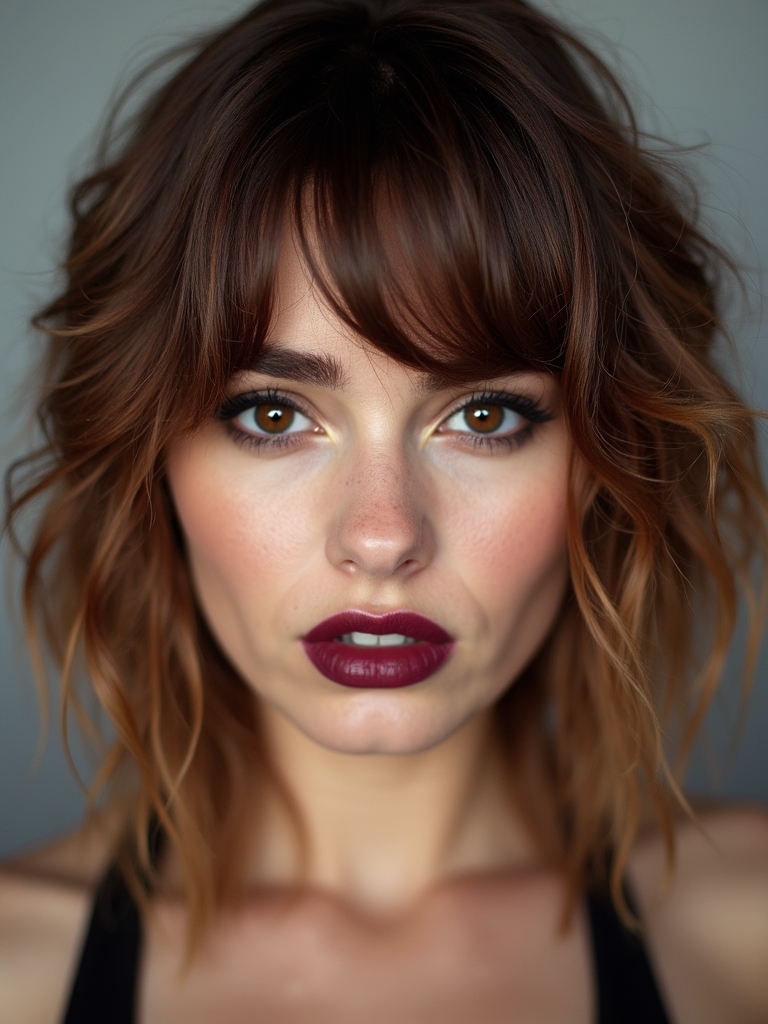
For some people a fringe stops being a phase and becomes the thing, the signature feature people picture when they think of you. There’s real power in a look that’s instantly, recognizably yours.
If you love your bangs enough to keep them for years, lean in: refine the exact shape that suits you, find the products that style them in two minutes, and make them a fixed point you build the rest of your look around.
A signature fringe is among the easiest ways to feel put-together every single day, because the hardest decision, what to do with your hair, is already made.
Common Mistakes to Avoid
The mistakes are predictable, which means they’re avoidable. The big one is cutting your own bangs at home, especially while wet, since hair springs up shorter as it dries and you end up with a micro bang you never wanted.
The second is choosing a fringe for your mood instead of your face shape and hair type, which is how a beautiful reference photo becomes a daily struggle. And the third is underestimating the upkeep, then resenting the trims and styling that any fringe demands.
A few smart habits fix all of it. Book a stylist for the first cut and be honest about your routine; try a faux or clip-in fringe before a permanent one if you’re unsure; and never cut bangs on a feeling without sleeping on it first.
If you want to ease in, bangs hairstyles ideas and the shorter-hair takes in bangs for short hair are good places to browse before you commit. Channel the impulse, but cut with a plan, and the mid-crisis fringe really can turn out iconic.
Cut With a Plan, Not a Feeling
Bangs will probably always be the haircut we reach for when life shifts, and there’s something lovely about that, a small, visible act of taking charge. The ones that become iconic instead of cautionary aren’t the most dramatic; they’re the ones cut with a little intention, matched to a face and a real routine rather than a midnight mood.
So the next time the urge strikes, honor it, but route it through a chair. Let a stylist translate the feeling into a shape that fits your face and your real life, and you’ll walk out with the rare thing: a haircut that marks the moment and still looks right months later. That’s the whole difference between the fringe that becomes your signature and the one that becomes a story you tell.
More Hair Ideas