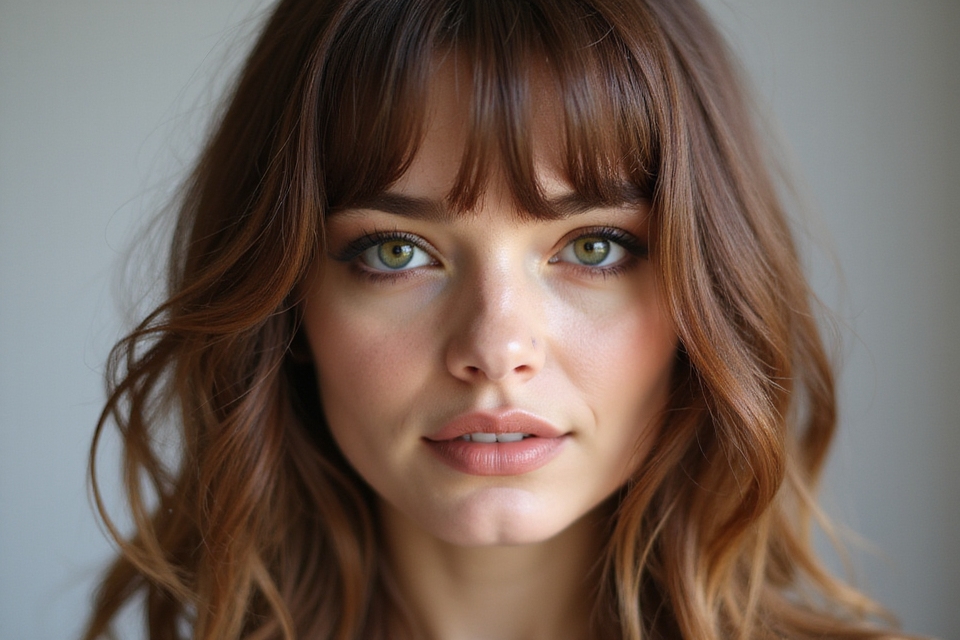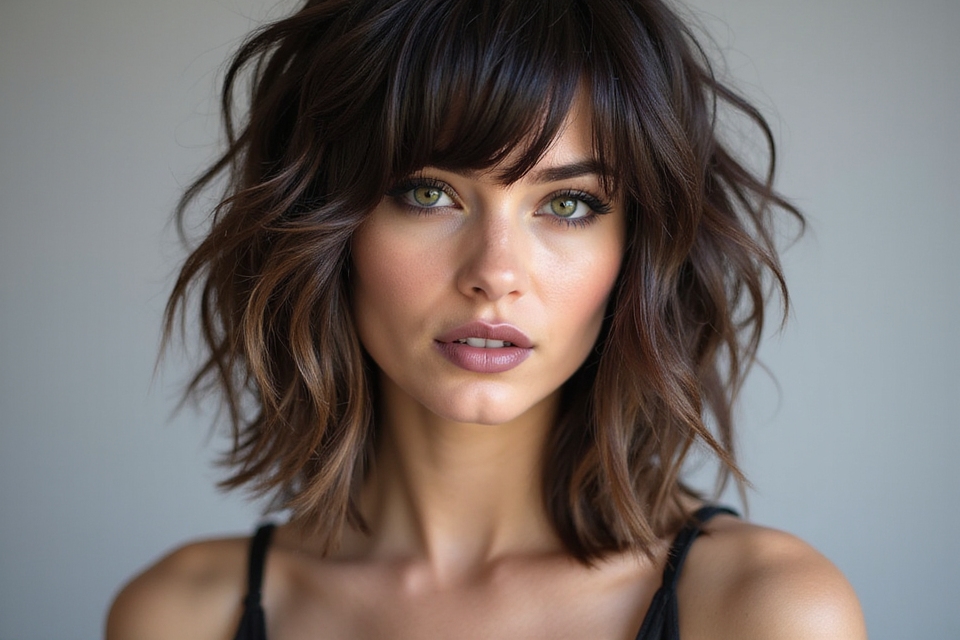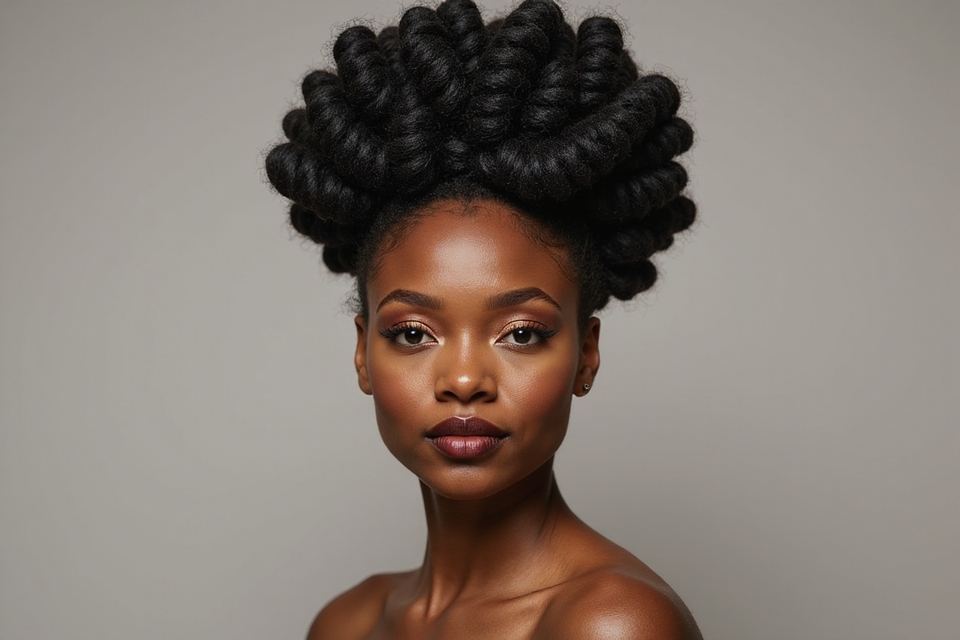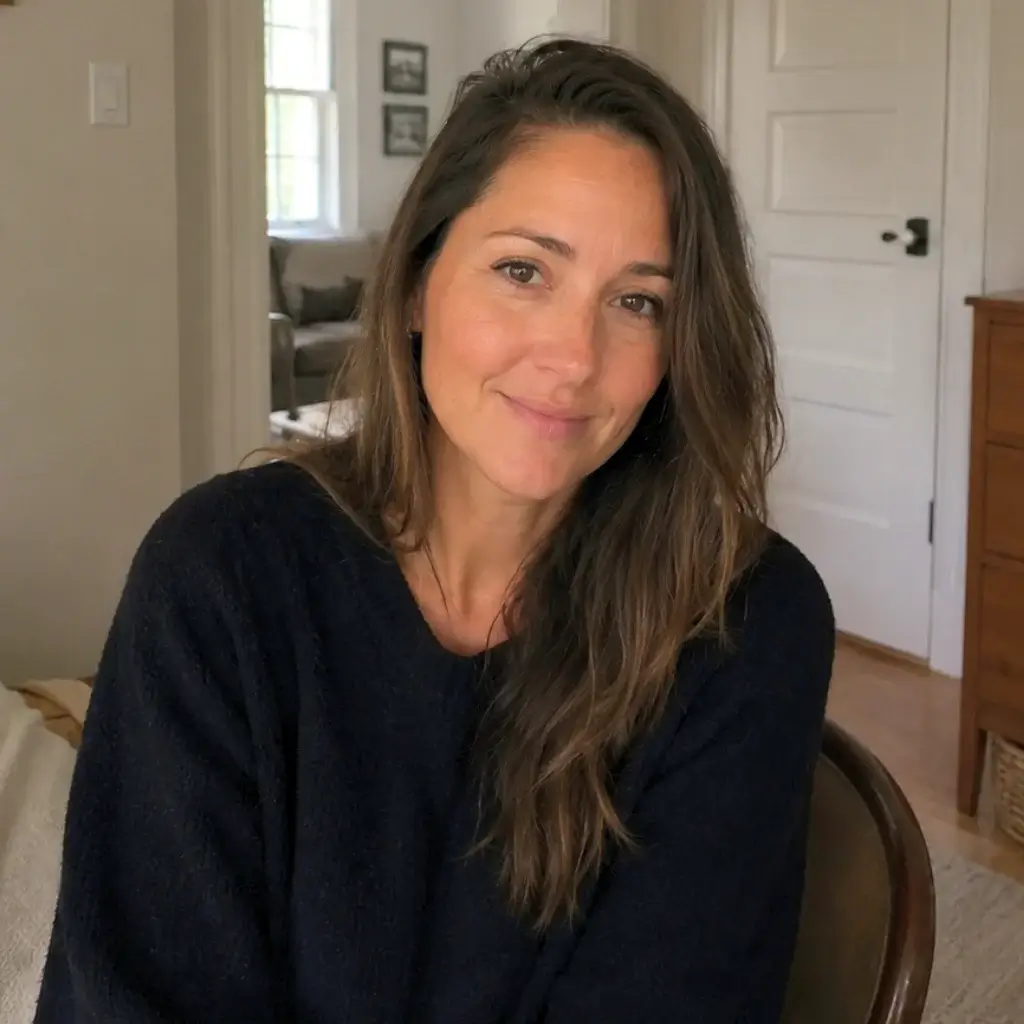

There is a reason medium hair is the length most stylists quietly recommend: it grazes the collarbone, long enough to pull back but short enough to feel light, and it is the perfect canvas for layers. Add layering to a mid-length cut and flat, heavy hair turns into something with bounce, shape, and swing, the kind of cut that looks polished pulled up for work and tousled loose on the weekend.
Medium length is the sweet spot because it balances versatility against upkeep, and layers are what bring out its full potential, giving body to fine hair and movement to thick. Below is everything that matters: which layered medium cuts suit your face and texture, how to style and maintain them, the mistakes to avoid, and the honest commitment, so you can find the layered mid-length cut that fits your hair and your life.
Layered Medium Hair at a Glance
| Hair type | Best layering approach | What it does |
|---|---|---|
| Fine or flat | Soft, strategic layers | Adds volume and the illusion of thickness |
| Thick or curly | Internal layers to remove weight | Lightens, lifts, and frees the movement |
The Versatility of Layered Medium Hair

Medium hair earns its reputation as the most versatile length because it can do almost anything: ponytails, updos, half-up styles, loose waves, and sleek blowouts are all on the table. Layering multiplies that versatility, since the varied lengths give you more texture to work with whether you wear it up or down. It is the length that says yes to the most looks.
The practical magic is that medium length is long enough to pull back when you need to but short enough to stay light and easy to handle. Layers keep it from feeling heavy or one-note, adding the shape that makes mid-length hair look intentional rather than just in-between. It is the dependable, do-anything cut.
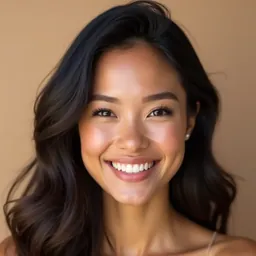
Layered Medium Cuts for Face Shapes

A layered medium cut can be tailored to flatter any face shape, since the placement of the layers and face-framing pieces balances your proportions. The right layers can soften, elongate, or add width exactly where you want. Here is a quick guide to start the conversation with your stylist:
- Round faces: longer layers starting below the chin to lengthen, with face-framing pieces that slim.
- Long faces: layers that begin around the cheekbones to add width and break up the length.
- Square or heart faces: soft, wispy layers around the face that soften strong angles and a wider forehead.
Not sure which layered medium cut suits you? Match it to your texture.
🎯Fine or straight hair
Soft, precise layers and a layered lob add volume and clean movement without thinning the ends.
🎯Thick, wavy, or curly hair
Internal layers or a textured shag remove weight and free the movement, with length left for shrinkage on curls.
Choosing Layers for Your Texture

The single most important factor in a great layered medium cut is your hair texture, since the same layers behave completely differently on fine, thick, straight, and curly hair. Cutting with your texture in mind is what separates a flattering cut from a frustrating one. Match the layering to your hair like this:
How texture changes the approach:
- Fine hair: soft, subtle layers that add volume without thinning out the ends.
- Thick hair: internal layers that remove weight and lighten the bulk without losing shape.
- Curly and wavy hair: layers cut to enhance the natural pattern, with length left for shrinkage.
Transforming Your Look With Layers

Layers fix a specific set of medium-hair complaints, which is why they are the first thing most stylists suggest for tired-looking hair. If your hair sits flat, hangs heavy, or refuses to hold a style, layering targets each of those problems directly. Here is what layers actually solve:
- Flat crown: shorter top layers lift the roots so the hair stops sitting limp against your head.
- Heavy, blunt ends: removing weight lets the lengths move instead of dragging the whole shape down.
- Won’t-hold-a-style hair: the texture from layers gives curls, waves, and blowouts something to grip.
🅰️Soft, subtle layers
Best for polish and a grown-up, professional look; barely visible movement that keeps the shape sleek.
🅱️Choppy, textured layers
Best for edge and volume; a shag or wolf-cut feel with bold, visible, piecey movement.
The Layering Techniques That Matter

Knowing the main layering techniques helps you ask for exactly what you want, since different methods create different effects on medium hair. The right technique depends on your texture and how dramatic you want the result. The key approaches are:
- Long layering for soft, blended movement that keeps your medium length intact.
- Internal or invisible layering that removes bulk from underneath while keeping the surface full.
- Point cutting and texturizing the ends for a softer, piecey, broken-up finish.
Layers That Enhance Natural Waves

Wavy medium hair and layers are a dream match, since the layers give the waves room to spring and show off their natural pattern. Without layers, waves on medium hair can hang heavy and lose definition; with the right ones, they bounce and define beautifully. It is the easiest way to make waves look intentional.
Let the Waves Spring
Ask for layers that remove just enough weight to free the waves without thinning the ends into frizz, and consider how the length will spring up slightly as it dries. Enhance the pattern with a curl or wave cream applied to damp hair, then scrunch and let it air-dry or diffuse. The layers do most of the work once the cut is right.
I love a layered medium cut on wavy hair because it turns a maintenance headache into a wash-and-go style. The waves finally have somewhere to go, so they fall into shape instead of fighting the weight.
Torn on how much to take off? Match the goal, not the rule.
1I want body and lift
Ask for more layers and shorter top pieces; you trade some thickness at the ends for serious bounce.
2I want length and swing
Keep layers long and minimal so the hair still reads as one length, with just enough motion to avoid a heavy curtain.
Subtle, Elegant Layering

Not everyone wants dramatic, choppy layers, and a subtle, soft layering is the elegant choice for anyone who prefers polish over edge. Gentle, blended layers add just enough movement to keep medium hair from looking flat while maintaining a sleek, refined finish. It is layering you can barely see but definitely notice.
Polish Over Edge
These soft layers are cut long and blended smoothly, removing only a little weight so the overall shape stays smooth and grown-up. The result reads expensive and intentional rather than textured or undone, which makes it perfect for a professional setting or anyone who loves a classic look. It pairs beautifully with a smooth blowout.
I recommend this approach for clients who want their hair to look healthier and more dynamic without committing to obvious layers. It is the quiet, sophisticated end of the layering spectrum, and it flatters almost everyone.
Easy, Tousled Layers

At the other end from sleek is the tousled, undone layered look, all soft texture and lived-with movement that feels relaxed and cool. It is the low-effort, off-duty version of layered medium hair, the kind that looks like you woke up with it even though a little product helps. It suits a casual, modern vibe perfectly.
Build the tousled look like this:
- Start with waved or second-day hair, which holds the undone texture better than fresh, slippery strands.
- Scrunch a texturizing spray or a little sea-salt spray through the layers for that piecey, beachy finish.
- Tousle with your fingers rather than a brush, and let the layers fall naturally for a relaxed shape.
👍Layered medium hair
- +Endlessly versatile: up, down, sleek, or tousled.
- +Adds volume to fine hair and removes weight from thick.
- +Grows out more gracefully than a blunt cut.
👎What to weigh
- –Needs a trim every couple of months to stay crisp.
- –Requires a little daily styling to look intentional.
- –The wrong layers for your texture can thin or frizz the hair.
Dynamic Choppy Layers

For maximum edge and movement, choppy layers cut shorter and more distinct create a bold, dynamic, rock-and-roll texture, the foundation of the popular wolf cut and shag on medium hair. The defined, visible layers add serious attitude and volume, making this the choice for anyone who wants their cut to make a statement. Here is what defines it:
- Shorter, more visible layers throughout for a textured, piecey, deliberately undone shape.
- Heavy texturizing at the ends for that razored, edgy finish.
- Plenty of volume and movement, especially when paired with curtain or piecey bangs.
More Face-Flattering Layered Styles

Beyond the basic face-shape guide, a few specific hairstyles for medium length hair are reliably flattering and worth knowing by name when you talk to your stylist. These are the cuts people screenshot and bring in. A few worth saving:
- A layered collarbone lob with face-framing pieces, universally flattering and endlessly versatile.
- A medium shag with curtain bangs, which adds texture and frames the face beautifully.
- Long, soft layers with a center part, which flatter and elongate almost every face shape.
Layered Cuts That Add Volume

For fine or limp medium hair, layers are the secret to volume, since removing a little weight lets the hair lift and creating shorter pieces gives the crown something to build height from. The right layered cut can make thin hair look noticeably fuller. It is a styling problem solved by a smart cut.
Build From the Crown
Ask for soft layers concentrated around the crown and through the mid-lengths to build body without thinning the ends, which would make fine hair look sparse. Then style for lift: blow-dry the roots up, use a volumizing product, and avoid heavy serums that flatten. The cut and the styling work together for fullness.
I see so many people with fine hair fight for volume with products alone, when the right layered cut does half the work for them. Get the cut right and your hair holds body far more easily, with far less effort each morning.
Layering Thick Medium Hair

Thick medium hair has the opposite problem from fine hair: too much weight and bulk, which can make it sit heavy and pyramid-shaped. Layers are the fix, removing internal weight so the hair moves freely and loses that dense, triangular shape. The right layering transforms thick hair from unmanageable to swishy.
The trick is internal layering that thins the bulk underneath while keeping the surface looking full and healthy, rather than aggressive surface layers that can cause flyaways. This lightens the hair, speeds up drying time, and lets it fall in a sleeker, more controlled shape. Done well, layered thick hair becomes a joy rather than a battle, with all of its natural fullness and none of the heaviness.
Layered Styles for Straight Hair

Straight medium hair shows off layers with crisp, clean precision, since there is no texture to hide the cut, which makes the layering itself the whole statement. Clean, well-executed layers give straight hair the movement and dimension it can otherwise lack. Wear layers on straight hair like this:
- Choose precise, clean layers, since straight hair shows every line, for the most polished effect.
- Add face-framing layers to soften what can otherwise look like a flat, heavy curtain.
- Style with a round brush to curve the ends and show off the layered shape and movement.
Layering Curly Medium Hair

Curly and coily medium hair wears layers beautifully when they are cut with the curl pattern in mind, which usually means cutting dry or curl-by-curl rather than wet and blunt. The right layers give curls shape and prevent the dreaded triangle, letting the volume sit where it flatters. The cut has to respect the texture.
Approach curly layering carefully:
- Have the hair cut dry or curl-by-curl so the stylist sees where each curl actually falls.
- Leave length to account for shrinkage, since curls spring up shorter than they look when stretched.
- Ask for internal layers that remove weight and lift the shape rather than thinning the curl into frizz. See hairstyles for curly hair for more.
The Timeless Layered Lob

The layered lob, a long bob grazing the collarbone with soft layers worked through it, is the most timeless layered medium cut there is. It strikes the perfect balance between the structure of a bob haircut and the versatility of longer hair, which is why it never goes out of style. It is the safe-but-chic choice. Here is what makes it work:
- A length right around the collarbone, long enough to tie back but short enough to feel light.
- Soft, blended layers that add movement without losing the lob’s clean shape.
- Optional face-framing pieces or a curtain fringe to personalize it to your face.
Layers and Bangs Together

Adding bangs to a layered medium cut takes it to the next level, since the fringe frames the face while the layers add body, and the two blend into a cohesive, flattering shape. It is a combination worth considering if you want a bigger change. The layered hair with bangs guide goes deeper, but here are the basics:
- Curtain bangs blend most naturally into medium layers and frame the face softly.
- Wispy or piecey bangs add texture that complements choppy or shaggy layers.
- Keep the bangs and the front layers connected so the whole front reads as one flattering frame.
Seasonal Layering Trends

Layered medium hair shifts with the seasons in both styling and trend, so small adjustments keep it looking current and behaving well. Humidity, dryness, and heat each ask something different of your layers. A little seasonal awareness keeps the cut at its best:
Adjust through the year:
- In humid summer, lean on anti-frizz products and softer, more textured styling to work with the air.
- In dry winter, richer products and a little more moisture keep the layers from going static and flyaway.
- Trend-wise, soft, lived-with layers and the medium shag have stayed strong, with the exact texture shifting seasonally.
DIY Medium Layered Cuts

The temptation to DIY a layered cut is real, especially with countless tutorials online, but cutting layers into medium hair yourself is truly tricky and easy to get wrong. Layers rely on precise angles and an understanding of how the hair falls, which is very hard to judge on your own head, and a mistake is visible and slow to grow out.
Better Left to a Pro
If you are determined to try a simple version, the ponytail method, gathering the hair into a high ponytail and trimming the ends, creates basic layers, but the result is unpredictable and uneven for many hair types. Work on dry hair, cut conservatively, and accept that the outcome may not match the tutorial.
Honestly, for anything beyond a tiny trim, a layered cut is worth a salon visit, since the precision is what makes it flattering. The cost of a professional cut is far less than the regret of a botched DIY job you have to live with for months.
Maintaining Medium Layers

Layered medium hair needs regular upkeep to keep its shape, but the good news is that layers grow out more gracefully than blunt cuts, so the schedule is forgiving. Knowing roughly when to book keeps the cut looking intentional rather than shapeless. The timeline is manageable.
Layers Grow Out Gracefully
Plan on a trim every eight to twelve weeks to keep the layers crisp and the ends healthy, though layered cuts can stretch a little longer than blunt ones since the grow-out is softer. In between, a little daily styling keeps the shape sitting right, and regular conditioning keeps the ends from looking ragged. Healthy ends are what make layers look fresh.
If you want to stretch time between cuts, ask your stylist for soft, blended layers rather than sharp, choppy ones, since they blur as they grow rather than looking grown-out. Matching the cut to your willingness to maintain it is the key to loving it long-term.
Product Essentials for Layers

The right products make styling layered medium hair quicker and the movement last longer, and the kit is simple. Because layers are about texture and movement, the goal is products that enhance both without weighing the hair down. A few essentials cover most needs:
- A lightweight mousse or volumizer to build body before drying, especially for fine hair.
- A texturizing or sea-salt spray for the piecey, undone finish that layers love.
- A smoothing serum or light oil to tame flyaways on the ends, used sparingly so it does not flatten.
Iconic Layered Inspiration

Some layered medium cuts have become real icons, the kind that resurface decade after decade because they simply work, and they make a great starting point for your own version. Borrowing from these classics is a reliable way to land on a flattering shape. A few enduring references worth bringing to your stylist:
Adapt the Classics to You
The most enduring layered looks share a few qualities: face-framing layers, plenty of movement, and a shape that flatters rather than follows a fad. Whether it is a feathered, voluminous cut or a soft, modern shag, the icons all balance texture with wearability. They are popular for a reason.
Bring a photo of a layered look you love, but talk through how to adapt it to your texture and face, since the magic is always in the personalization. An iconic cut becomes your cut only when it is tailored to you.
Layered Haircut Mistakes to Avoid

A few common mistakes can turn a great layered medium cut into a frustrating one, and knowing them helps you avoid the regret. Most layered-cut disappointments come down to a handful of avoidable errors, in the cut or the styling rather than anything mysterious.
Cut and Styling Errors
The biggest cutting mistake is layers cut too short or too choppy for your texture, which can leave fine hair looking thin and stringy, while over-thinning causes frizz, flyaways, and ends that will not lie smooth. Both come from a stylist not reading your texture, so a clear consultation is your best protection.
The biggest styling mistake is skipping the styling entirely, since layered cuts need a little shaping to look intentional rather than messy, plus skipping trims that let the shape grow shapeless. A few minutes with a brush and a trim every couple of months keep the cut looking deliberate.
Transform Your Look Dramatically

For anyone craving a big change but unwilling to lose length, a heavily layered cut is the answer, and it delivers the thrill of a chop without the regret. A medium wolf cut or a deeply textured shag turns one-length hair into something with attitude overnight. Here is what the bolder change feels like:
- The walking-out-different feeling of a wolf cut or shag, with all your length still intact.
- A bold, textured silhouette that photographs and moves like a much shorter, edgier cut.
- A real reset for anyone bored of their hair but not ready to commit to going short.
Who Layered Medium Hair Suits Best
The honest answer is that layered medium hair suits almost everyone, which is exactly why stylists recommend the length and the cut so often.
If you want a flexible style with movement and shape, and you are happy with a trim every couple of months and a few minutes of styling, this is among the most rewarding cuts you can have. The key is matching the layering to your specific texture, since fine, thick, straight, and curly hair each want a different approach.
Before you book, be honest about your hair and your habits. Fine hair wants soft, volumizing layers; thick hair wants internal weight removed; curly hair wants a dry or curl-by-curl cut with length left for shrinkage. Bring clear photos, talk through your face shape and your real styling routine, and ask exactly how to maintain the cut at home. So which version fits your hair best, a soft layered lob, a textured shag, or wavy layers built for movement?
Layered Medium Hair Questions, Answered
?Do layers work on all hair textures at medium length?
Yes, when cut for your specific texture. Fine hair wants soft, volumizing layers, thick hair wants internal weight removed, and curly hair wants a dry or curl-by-curl cut with length left for shrinkage. The approach changes, but the result flatters every texture.
?How often should I trim a layered medium cut?
Every eight to twelve weeks to keep the layers crisp and the ends healthy, though layered cuts grow out more gracefully than blunt ones, so you can sometimes stretch it. Soft, blended layers blur as they grow, while sharp, choppy ones show grow-out sooner.
?Will layers make my fine hair look thinner?
Not if they are cut correctly. Soft layers concentrated around the crown add volume and the illusion of thickness, while over-thinning or layers cut too short can make fine hair look sparse. The key is a stylist who layers fine hair to build body, not remove it.
The Most Versatile Cut You Can Have
Layered medium hair endures because it does so much: it adds movement and volume, flatters every face when tailored right, and stays versatile enough for any occasion, all at the most wearable length there is. Match the layering to your texture, find a stylist who cuts with your hair in mind, and a simple medium cut becomes a shape that swings, lifts, and styles a dozen different ways. That range is exactly why it keeps earning its spot in the chair.
Start by being honest about your texture and how much styling you will do, then choose the layered version that fits, soft and polished, choppy and bold, or wavy and free. Save this guide to screenshot for your appointment, and let the right layers turn your medium hair into the most flattering, flexible cut you have ever had.
Hand-Picked for You