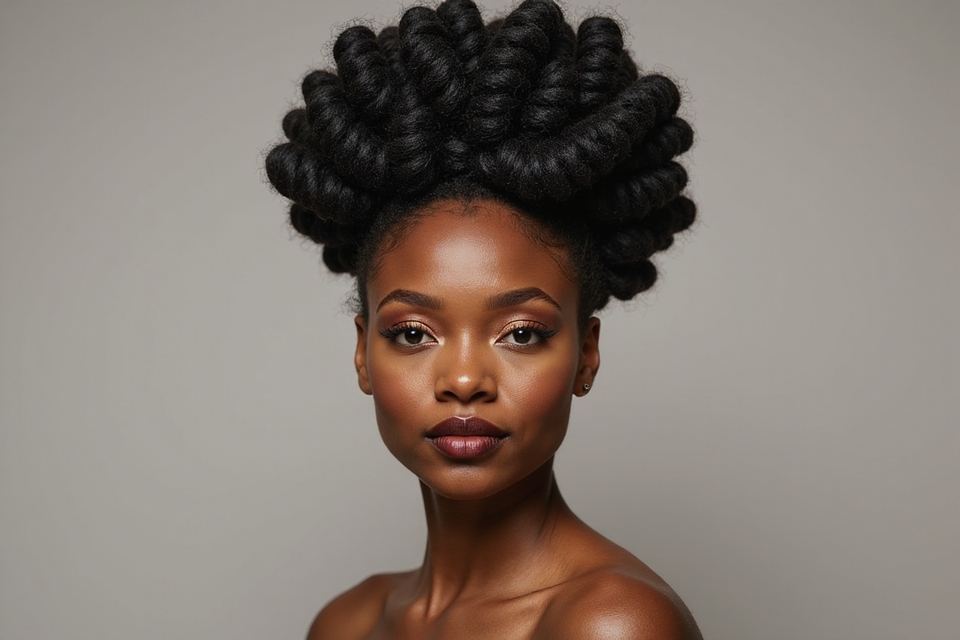

Most women with wavy hair spend years either flat-ironing it straight or curling it tighter, when the whole time the answer was to just let it be what it is. The difference between flat, frizzy waves and the soft, beachy kind is almost never heat. It is a handful of small habits, and once you learn them your morning routine basically disappears.
This is the full playbook for medium-length waves you can mostly air-dry: the cut and length that show waves off, the products and techniques that define them, and the tricks that keep them looking good on day three and through a humid afternoon. None of it needs a curling iron.
Wavy Hair, Quick Answers
Why do my natural waves look flat or frizzy? Usually too much brushing, the wrong products, or roughing the hair dry. Waves want to be scrunched, not brushed, and they need a curl-friendly product and a gentle dry to clump and define.
Can I really skip heat? Yes. Medium waves are the easiest texture to air-dry well. The right cut, a leave-in, and a scrunch-and-plop routine give you soft, defined waves with no hot tools at all.
Versatile Styling for Every Wave

The best thing about medium waves is how many ways they bend. The same head of hair can air-dry into soft S-bends, twist up into a clip in seconds, or pull half-back for a polished look, all without changing your routine.
Why medium is the sweet spot
That versatility is exactly why medium length wins for wavy hair. It is long enough to show the full wave pattern but short enough to dry fast and stay full at the ends.
Whatever the day asks for, a good wavy base styles up or down in minutes. The wavy hairstyles guide has more shapes to try.

Enhance Your Natural Waves

Defining the waves you already have starts in the shower and ends with how you dry. The goal is to encourage your strands to clump into waves and stop them separating into frizz, and a few small swaps make a big difference.
Most flat waves are just under-defined waves that needed a little product and a gentler touch.
- Work a leave-in followed by a curl cream through dripping hair, then rake and scrunch.
- Scrunch upward toward the scalp to encourage the bend.
- Let the hair clump; let the pieces stay clumped while wet.
- Use a microfiber towel or cotton tee to blot, skipping a terry towel, which roughs up frizz.
The biggest myth about wavy hair:
❌ Myth: You need a curling iron to get good waves.
✅ Reality: Naturally wavy hair almost always looks better air-dried with the right products than it does curled. Heat dries out the strands and gives a stiffer, less natural bend than your own pattern.
The Best Length for Wave Definition

Length quietly controls how defined your waves look. Too much length adds weight that stretches the bend out toward straight, while medium length keeps just enough weight to form a clean S without dragging it down.
Aim for somewhere between the collarbone and a few inches below it for the best balance of wave and movement.
- Collarbone to mid-chest is the wave sweet spot for most textures.
- If your waves go limp, a slightly shorter cut brings the bend back up.
- Layers help here too by removing weight that flattens the wave. See the layered haircuts for medium hair guide.
An Overnight Wave Routine
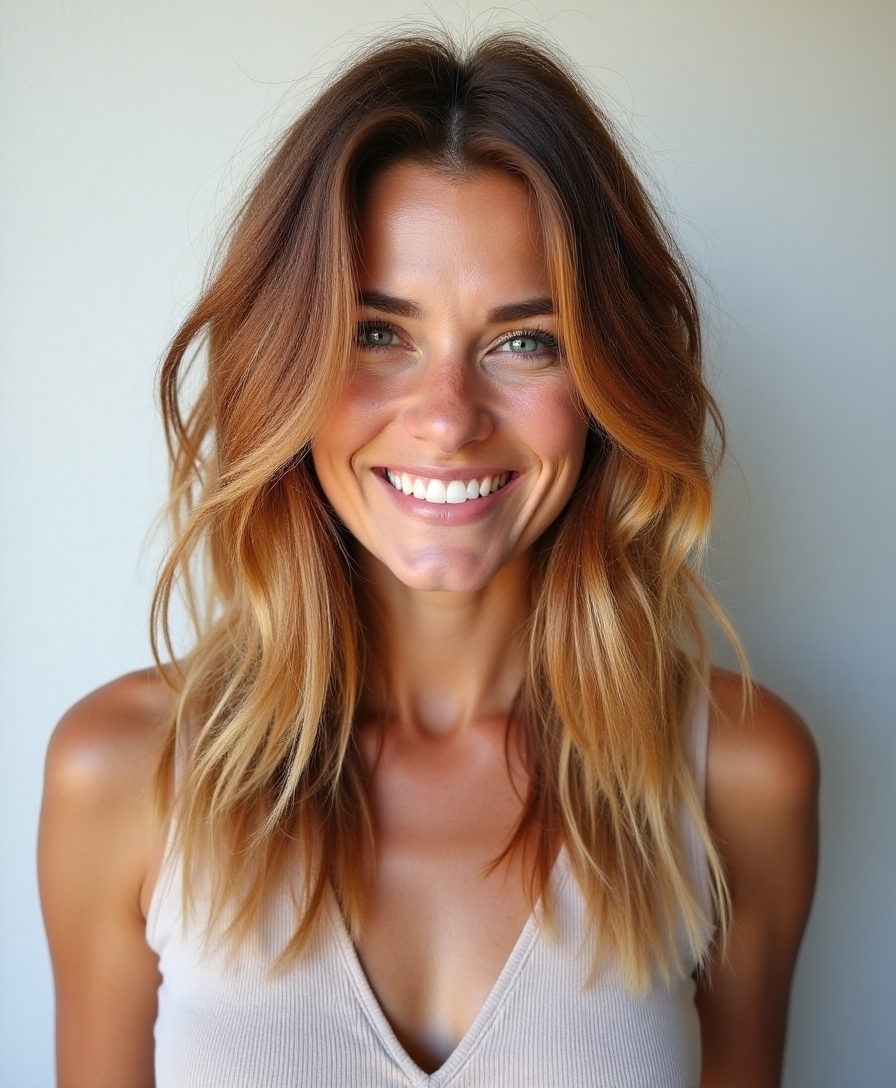
The laziest way to wake up with waves is to set them while you sleep. Damp hair braided or twisted before bed dries into soft bends by morning, with zero heat and zero effort once you are in bed.
Loose braids give a soft beachy wave, while twisted buns make a looser, romantic bend. The looser you set them, the softer the result.
Unravel everything in the morning, shake it out with your fingers, and add a little texture spray. It is the closest thing to free, hands-off waves there is.
“The fastest fix I give wavy-haired clients is to stop touching their hair while it dries. Product in, scrunch, then hands off until it is completely dry. That one habit doubles their wave definition.”
Preserve Waves While You Sleep

Keeping good waves alive overnight saves you from restyling every single morning. The enemy is friction, which flattens and frizzes the pattern, so a couple of simple habits stretch your waves into a second and third day.
- Gather everything into a loose, very high ponytail-bun, a pineapple, secured with a soft scrunchie so the waves fall free.
- Swap your cotton pillowcase for silk or satin, which lets hair slide instead of snagging into frizz overnight.
- For very long or thick hair, loosely plait it instead of pineappling.
- In the morning, take it down, flip your head, and shake the roots to revive the shape.
Beachy Waves, Styled Soft

The undone, just-left-the-water wave is the one most people want, and on naturally wavy hair it is the easiest of all to get. A texturizing mist worked through damp hair gives that piecey, matte, sun-and-surf finish without making the hair crunchy.
The key is a light hand: too much product turns soft waves stiff. Mist, scrunch, air-dry, then break the pieces apart with your fingers once it is fully dry. A drop of oil on the ends takes away any leftover crunch and adds a soft shine. A good texturizing mist runs about $15 to $25 and lasts months, so the whole air-dry routine costs very little to keep up.
The air-dry wave routine, start to finish:
1Wash and condition
Use a gentle shampoo and condition the mid-lengths to ends; detangle with fingers or a wide-tooth comb.
2Product on soaking hair
Smooth a leave-in, then a curl cream, into hair that is still streaming wet so it spreads evenly.
3Scrunch and clump
Cup and scrunch upward to form the bend, letting the hair clump together.
4Plop
Wrap the hair in a cotton tee for fifteen minutes to set the root.
5Air-dry and finish
Leave it fully alone to dry, then scrunch out the cast with a drop of oil.
Wave-Enhancing Haircuts

The right cut does half the styling for you. Long layers and a little internal texture give waves room to move and bounce, while a heavy, blunt, one-length cut can flatten them into a solid triangle.
A cut tailored to your wave pattern is the single best investment for easy, air-dried hair.
- Ask for long layers that remove bulk without taking away length.
- A few face-framing pieces give the front waves shape and lift.
- Mention you air-dry, so your stylist cuts for your natural texture, not a blow-out.
- A modern shag or a wavy lob both flatter this texture beautifully.
No-Heat Wave Tricks

Heat is the fastest route to frizz and damage on wavy hair, so the best stylists lean on no-heat methods that actually suit the texture better. The bends you set by hand look softer and more natural than anything a wand produces.
Three no-heat methods to try
These tricks also protect your color and your hair’s health over time, since repeated heat dries out the very strands that need moisture to wave well.
Once you find the two or three methods that fit your hair and schedule, hot tools start to feel like more work for a worse result.
👍Air-drying waves
- +No heat damage and healthier hair over time.
- +A faster morning once you learn the routine.
- +Softer, more natural-looking waves than hot tools give.
👎Worth knowing
- –Takes some trial and error to find your products.
- –Drying time is longer, so plan around it.
- –Humid days still need an anti-frizz step.
Seasonal Wavy Hair Care

Wavy hair behaves differently as the weather turns, and adjusting with the seasons keeps it happy year-round. Summer humidity pushes waves toward frizz, so anti-humidity products and lighter layers help; winter’s dry air flattens and dehydrates, so richer moisture brings the bounce back.
The pattern shifts too: many people find their waves loosen in heat and tighten in cold, which is normal.
Adjust your products with the calendar rather than fighting the change, going lighter and frizz-fighting in summer, then richer and more hydrating in winter.
Waves Love Deep Conditioning
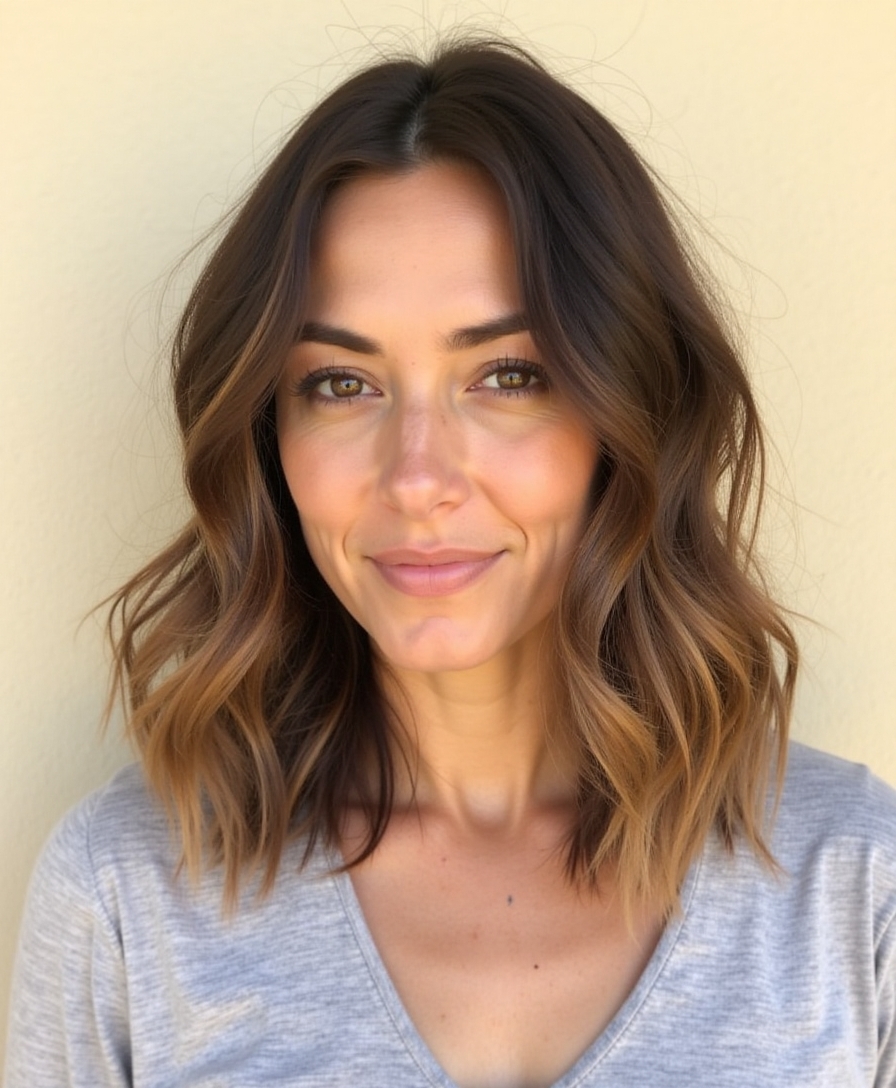
Hydrated waves are defined waves, full stop. Dry, thirsty hair separates and frizzes, while moisturized hair clumps into smooth, springy bends, which is why a weekly deep conditioner is the most underrated step in any wavy routine.
Smooth a rich mask through the mid-lengths and ends once a week, leave it on while you relax, and rinse with cool water to seal the cuticle. Wavy hair sits between straight and curly in its moisture needs, so a medium-weight mask usually suits it better than the heaviest curly formulas.
Common Wave Mistakes to Avoid
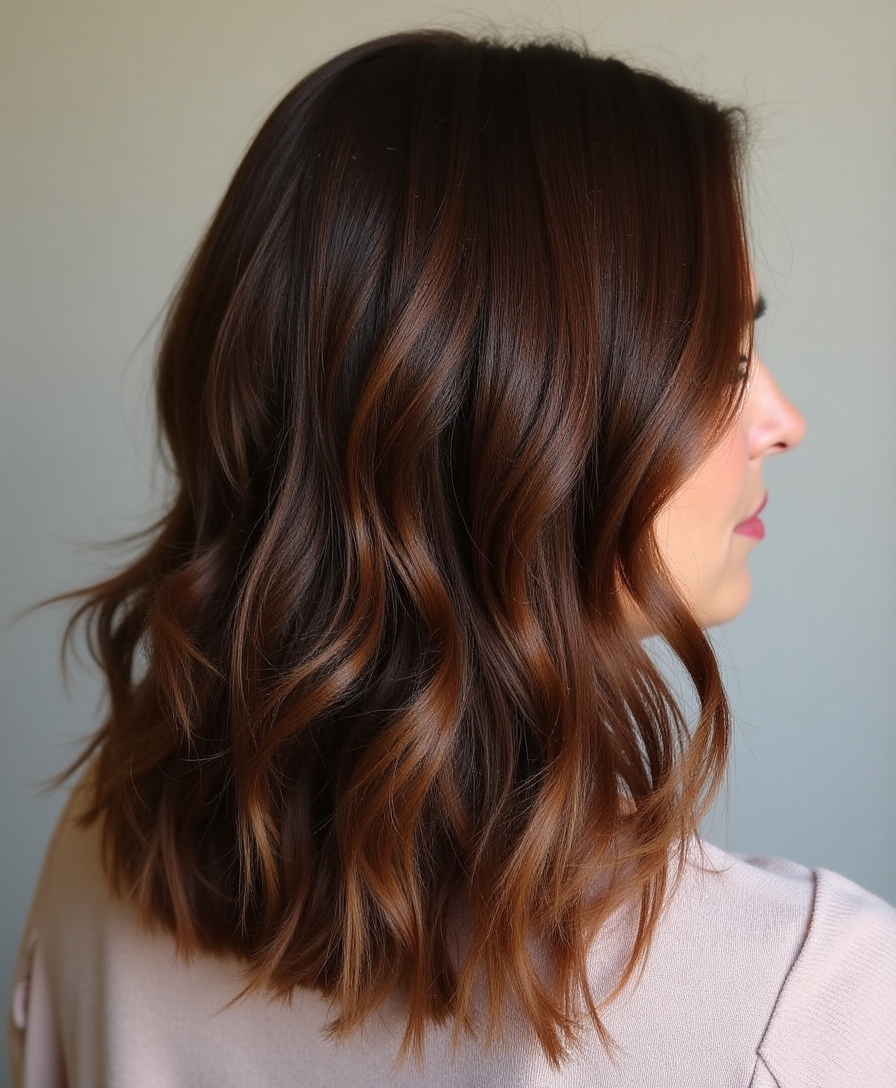
Most bad wave days trace back to a few fixable habits. The biggest is brushing dry hair, which shatters the wave pattern into a frizzy cloud; waves should be combed out only when wet, using slip from your conditioner and either fingers or a wide-tooth comb.
The hands-off rule
The second is touching the hair while it dries, which disrupts the clumps before they set.
Heavy products, terry towels, and too-frequent washing round out the list. Fixing even one or two of these usually transforms how your waves look.
Natural-Looking Wave Techniques
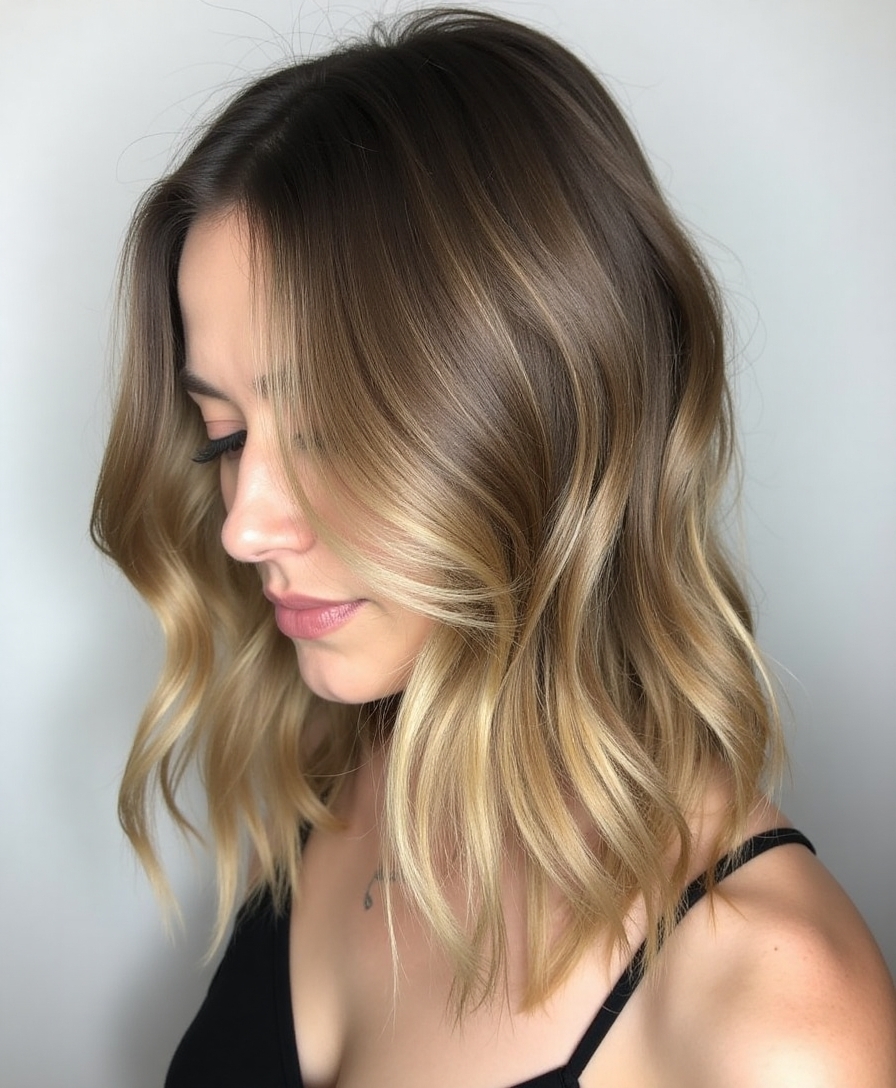
If you want waves that look like they happened on their own, it all comes down to the scrunch and the dry. These hands-on techniques coax out your real pattern instead of stamping a uniform curl over it.
- Cup sections of wet, product-soaked hair in your palm and push up toward the scalp to build the bend.
- Plop your hair into a cotton tee for fifteen to twenty minutes to set the wave at the root.
- Diffuse on low and cool if you must speed-dry, cupping the hair rather than blasting it.
- Scrunch out any dried product crunch with a little oil for a soft, natural finish.
Weather-Proof Your Wavy Hair

Humidity is wavy hair’s nemesis, drawing moisture into the strand and puffing smooth waves into frizz. The fix is to seal the cuticle so outside moisture cannot get in, which is exactly what an anti-humidity spray or a light gel cast does.
Apply a frizz-blocking product on damp hair, let it form a light cast as it dries, then scrunch the cast out at the end for soft, frizz-resistant waves. A drop of oil on top adds a final barrier against the damp. On the worst days, an updo or a braid keeps your waves protected until the weather passes.
Refresh Waves Between Washes

Wavy hair looks best on day two and three, so the real skill is reviving the waves without rewashing. A spray bottle of water with a little leave-in is all most people need to wake the pattern back up.
Mist the limp sections lightly, scrunch them back into shape, and add a touch of mousse or texture spray where the wave has fallen. Refresh the roots with dry shampoo for grip and lift. Washing every day actually strips the natural oils that help waves clump, so stretching to two or three days between washes makes your hair behave better, not worse.
Keep Waves All Day

Getting great waves in the morning is only half the battle; making them last until evening is the other half. A flexible-hold product and a few mid-day habits keep the bends from dropping by lunch.
- Set the morning style with a light mousse or a soft-hold spray over a stiff one.
- Carry a travel texture mist to scrunch back any waves that fall.
- Avoid touching or running your fingers through the waves all day, which loosens them.
- Tuck one side behind your ear if the front drops, for an easy, intentional fix.
Wavy Hair Questions, Answered
?How do I get my waves to look more defined without heat?
Apply a leave-in and a curl cream to soaking-wet hair, scrunch upward to encourage the bend, then air-dry without touching it until it is fully dry. Defined waves come from moisture, the right product, and a hands-off dry, not from hot tools.
?Why does my wavy hair get frizzy?
Usually from brushing dry hair, using a rough towel, or touching the waves while they dry. Detangle only when wet, blot with a microfiber towel or cotton tee, add an anti-humidity product on damp hair, and leave it alone until fully dry.
?How often should I wash wavy hair?
Every two to three days suits most wavy hair. Daily washing strips the oils that help waves clump and define, so stretching your washes, with a dry-shampoo refresh in between, usually makes your waves look better, not greasier.
Let Your Waves Do the Work
The throughline here is simple: stop fighting your texture and start working with it. The right length, a curl-friendly product, a gentle dry, and a hands-off attitude will get you better waves than any curling iron, in less time.
Pick two or three of these habits to try this week, the cut conversation, the plop, the day-two refresh, and give your hair a few washes to adjust. Once your waves click into their routine, that air-dried, just-right energy becomes your everyday default. The short wavy hair guide is a good next read if you are tempted to go shorter.
Don’t Miss These