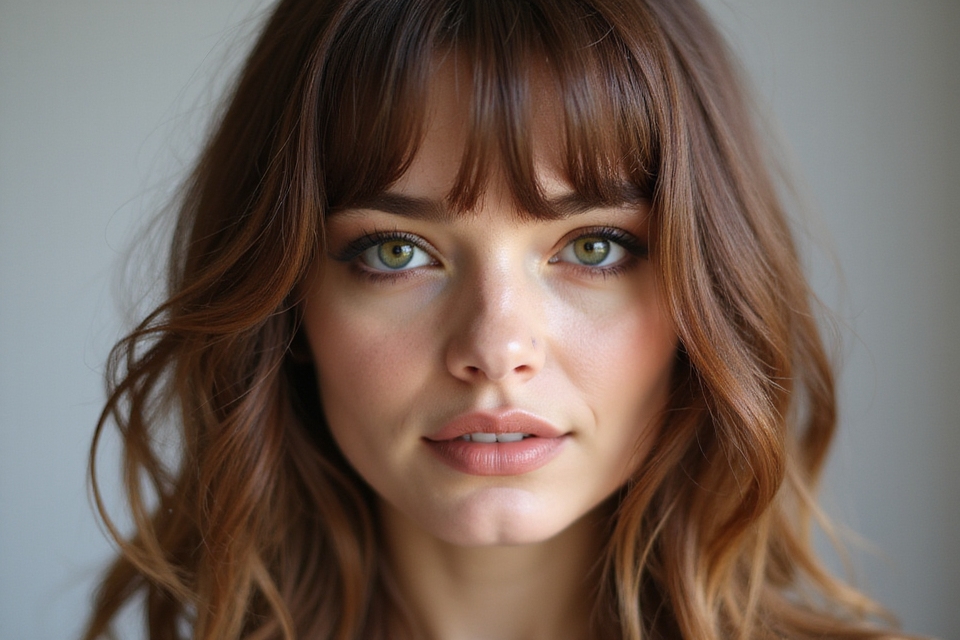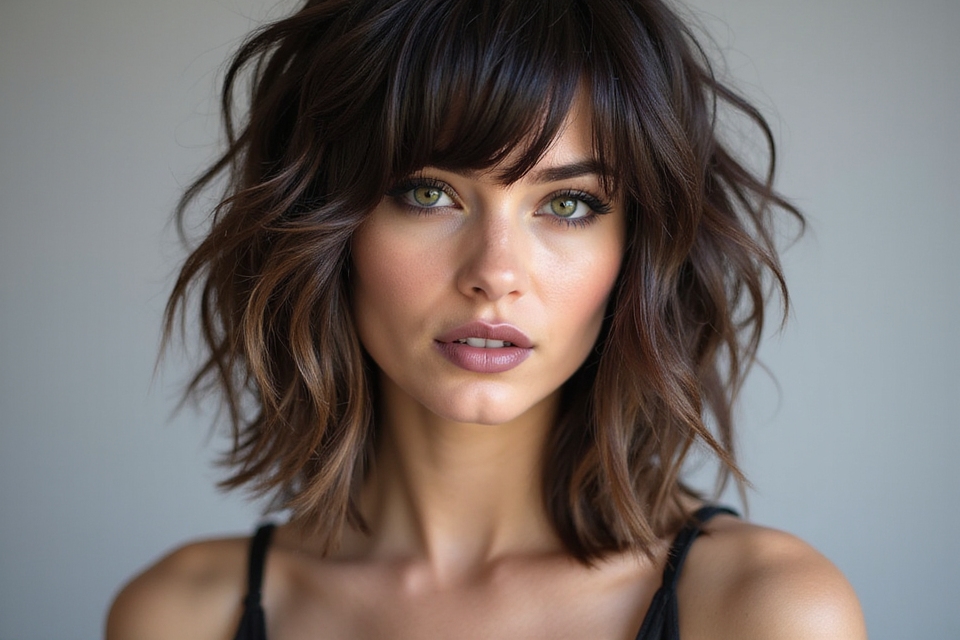

Why do waves flatter almost everyone, on almost any day? Because they sit in the sweet spot between done and undone, polished enough for an evening, relaxed enough for a Sunday. That is the quiet magic of wavy hairstyles, and it is more learnable than it looks.
This is the full guide rather than a quick roundup: how waves work, how to create them with heat or without, which products and tools actually matter, and how to wear them by length, face shape, and hair type. Whether your hair waves on its own or needs coaxing, there is a method here that fits your texture and your morning.
Wavy Hair at a Glance
- Waves suit every length and most face shapes, which is why they never really leave the trend charts. The key is matching the wave size to your hair length, loose and big for long hair, tighter for short.
- You do not need heat. Overnight braids, twists, and heatless rods give soft, damage-free waves, while a curling wand and sea salt spray build them faster.
- Products do most of the work: a lightweight mousse for hold, a sea salt spray for texture, and a leave-in to fight frizz. A heat protectant is non-negotiable if you use hot tools.
The Beachy-Wave Charm

Waves earn their place at the top of the trend charts because they blend elegance and casual ease in one shape. They look relaxed and pretty at the same time, which is rare. A few reasons they stay so popular:
- They flatter nearly every face shape and length
- They go from a beach day to a dinner with one swipe of product
- They forgive a second-day wash and a less-than-perfect blow-dry
- They suit straight, wavy, and curly textures with small adjustments
Diverse Wavy Hairstyles to Explore

The word waves covers a whole range, so it helps to know your options before you pick up a tool. At one end are loose beachy waves that feel casual; at the other, romantic vintage waves with real polish.
Name the Look First
In between sit tousled bobs, textured shags, and sleek S-waves, each with its own mood. A short wavy bob dazzles at a cocktail party, while a soft S-wave suits a wedding guest.
Knowing the look you want first saves you from fighting your hair into the wrong shape. Pick the wave, then choose the method that gets you there.
Not sure which wave you want? Start here:
🎯Casual and undone
Go for beachy waves: a sea salt spray, a wand on loose sections, ends left out. Relaxed, forgiving, and fast to refresh second-day.
🎯Polished and romantic
Reach for soft uniform waves: a hydrating mousse, a medium barrel, alternating directions, a flexible-hold finish. Dressier and longer-lasting.
Embracing Your Natural Waves

Before you reach for a hot tool, it is worth learning what your hair does on its own. Many people have more natural wave than they realize. It hides under heat damage and the wrong products.
Find Your Natural Pattern
I tell clients to try a wash-and-go first: cleanse, condition, scrunch in a curl cream, then leave it to dry on its own. The pattern that emerges is your starting point.
Working with your texture is gentler on your hair and faster every morning. Cutting back on heat also keeps the waves you do have healthier and springier over time.
Beachy Waves, Step by Step

Beachy waves are the loose, undone texture that looks like a day by the sea, and you can fake them anywhere. The method is simple once you have the tools. Here is the order:
- Mist damp hair with a sea salt spray for grip and texture
- Wrap two-inch sections around a curling wand, away from your face
- Skip the ends so the waves stay loose and undone at the tips
- Let each wave cool, then rake through with your fingers and a light mist
👍Wearing your natural waves
- +Zero heat damage and a faster morning
- +Healthier, springier texture over time
- +A look that is truly your own
👎What to weigh
- –Less uniform than a wand-set wave
- –Needs the right curl cream and a diffuser to define
- –Frizz-prone in humidity without good hydration
Waves That Transform Your Look

Soft romantic waves are the dreamy, fairytale version, bigger and more uniform than the beachy kind. The look hinges on hydration and a flexible hold.
Hydration Holds the Wave
Start with a hydrating mousse on damp hair, then curl in consistent sections with a medium barrel. Alternate the direction of each curl so the waves do not merge into one shape.
Let everything cool completely before you touch it, then break the curls into waves with your fingers. A light flexible-hold spray makes them last all evening without going crunchy.
Voluminous Curls With Technique

Big, bouncy volume is mostly about technique, not just a hot tool. The trick is building body in at every stage rather than trying to add it at the end. The method:
- Work a volumizing mousse through damp hair from roots to ends
- Curl section by section with a curling iron, wrapping each strand away from the face
- Let every curl cool fully before you touch it, which is what sets the volume
- Tease gently with your fingers and lock it with a light mist of hairspray
Make Waves Last
The single biggest reason waves fall out is touching them before they cool. A hot curl is soft and unset; the wave locks in as it cools to room temperature. So curl, then leave it completely alone, ideally pinning each curl up to cool, before you ever rake it into a wave. A flexible-hold spray over a fully cooled set holds far longer than the same spray over a warm one.
Everyday Wavy Hairstyle Tips

Everyday waves should take minutes, not a full routine. The secret is setting them up the night before or leaning on a fast tool, so your morning is just a quick refresh.
These are the shortcuts I lean on most for a busy week, the ones that keep waves looking fresh between proper styling days.
- Sleep in two loose braids for soft overnight waves
- Refresh second-day texture with a sea salt spray and dry shampoo
- Use a large-barrel curling iron for quick, loose waves when you have ten minutes
- Pull it into a wavy messy bun on the days you have none
Glamorous Evening-Ready Waves

For a gala or a wedding, waves trade their undone ease for bold volume and a sleek finish. The difference is uniformity: you curl every strand the same way and set it firmly so the shape looks intentional.
Add a touch of sparkle with a jeweled pin or a chic accessory, and finish with a light mist for shine rather than stiffness. Done this way, waves carry a formal gown as well as any updo, with softer, more romantic energy.
Heads-Up
Two habits quietly wreck waves. First, skipping heat protectant on a wand or iron, which fries the hair over time and leaves it too damaged to hold any shape. Second, over-brushing a finished set, which drags the waves apart into frizz. Use a heat protectant every single time you reach for a hot tool, and separate waves with your fingers or a wide-tooth comb, never a brush.
Heatless Wavy Styles for Busy Mornings

The best waves often happen while you sleep. Heatless methods give you soft, bouncy texture with zero damage, which is a gift on a hectic morning.
Let Sleep Do the Work
The classics all work: loose braids before bed, a twisted top-knot, or hair wrapped around a heatless curling rod or even a soft headband. Damp-but-not-soaking hair holds the shape best.
You wake up, take it down, and rake through with your fingers. It is the lowest-effort route to good waves, and it saves your hair a daily blast of heat.
Lightweight Mousse and Texture Products

The right products are the difference between waves that fall by noon and waves that hold all day. A lightweight mousse adds volume and grip without weighing the hair down, which is the foundation for most styles here.
I reach for a sea salt spray as the texture workhorse for that beachy, piecey finish, and a good leave-in conditioner keeps everything hydrated and frizz-free. Start with those three and you can build almost any wave.
Heatless Wave Techniques

If you want to give your hair a real break from heat, a few reliable techniques deliver bouncy waves overnight. Each works on damp hair left to dry fully. The methods worth knowing:
- Overnight braiding: two to four braids give a soft, even crimp by morning
- Twisting: wind sections into tight twists and pin them up to dry
- Headband curls: wrap damp sections around a soft headband for loose waves
- Heatless rods: foam or fabric rods give the most defined, uniform result
Essential Tools for Waves

Good waves are part technique, part kit. There is no need for a drawer of gadgets; just a few quality pieces that earn their space.
A curling wand with adjustable heat is the most versatile, since lower settings protect fine hair. Beyond that, a sea salt spray and a wide-tooth comb cover most of what you need to shape and refresh.
- A curling wand with adjustable heat settings for control
- A sea salt spray for texture and grip
- A wide-tooth comb to separate waves without frizzing them
Chic Short Wavy Hairstyles

Short hair takes waves beautifully, sometimes better than long, because the texture adds the volume a short cut can lack. The waves just need to be smaller to match the length.
Smaller Waves for Short Hair
A textured bob, soft curls, a tousled pixie, or classic S-waves all suit cropped hair. A short wavy look looks playful and modern, never flat.
Use a smaller-barrel wand so the waves are in proportion, and lean on product to define the shape. On short hair, a little texture goes a long way.
Beach Waves for Medium Hair

Medium-length hair is the sweet spot for beach waves, long enough to move, short enough to stay manageable. The texture brings personality and movement to a length that can otherwise look plain.
Twist damp hair into loose buns overnight, or use a sea salt spray and a wand for a faster version. Layers help the waves fall naturally rather than sitting in a solid block.
If your medium cut feels flat, waves and a few face-framing layers fix it instantly, the way a good medium-length layered cut gives texture room to move.
Long Wavy Hairstyles

Long, wavy hair has a built-in glamour, the kind that frames the face and moves when you do. The length carries big, loose waves better than any other. This is where you go full mermaid.
The risk with long hair is weight pulling the waves straight, so the technique leans on texturizing product and a wide barrel. Curl away from the face and let the waves drop into a soft S shape.
- Use a wide-barrel wand for big, loose waves that suit the length
- Texturize first so the weight does not pull the waves flat
- Refresh the next day with sea salt spray rather than re-curling all of it
Waves With Color and Highlights

Color and waves are a perfect pair, because dimension makes texture pop. Highlights and balayage catch the light along each wave, giving the illusion of more volume and movement than the cut alone.
I recommend a soft, sun-kissed balayage for most people, since the grown-out edges keep upkeep low. Strategic lighter pieces around the face also brighten the whole look.
- Balayage adds soft, grown-out dimension that flatters waves
- Face-framing highlights brighten the complexion and add movement
- Lighter pieces along the waves fake extra body and shine
Sparkle and Accessories for Waves

Accessories turn a simple wavy style into something finished in seconds. A few jeweled pins, a chic headband, or a pretty clip dresses waves up for an event or pulls them back for a polished day look.
The trick is restraint: one statement piece, placed well, beats a competing handful. Match the metal or color to your outfit, and let the waves stay the main event.
- Pin one side back with a jeweled clip for instant polish
- Use a wide headband to push waves off the face on a busy day
- Keep accessories to one statement piece so the waves still lead
Timeless Wavy Styles All Year

Waves are not a summer-only look, even if beach texture feels seasonal. The shape adapts to any time of year with small shifts in finish and volume.
One Shape, Every Season
Loose beach waves carry the warm months, while sleek defined waves and soft glam ones suit cooler, dressier seasons. Voluminous curls bring glamour to a holiday party.
The base technique stays the same; you just adjust the size and polish. That versatility is why waves stay in rotation no matter what the calendar says.
Wavy Hairstyle Tips and Tricks

A few small habits separate good waves from great ones. Do reach for a texture enhancer to define the shape, do experiment beyond plain beach waves, and do always use a heat protectant with hot tools.
On the don’t side: do not over-brush, which drags waves into frizz, and do not skip the cool-down step, since touching a hot curl before it sets is the fastest way to lose it. Let your waves breathe, and they hold far longer.
Healthy, Hydrated Waves

Waves only look their best on healthy hair, so hydration is the unglamorous foundation under every style here. Dry, damaged hair holds a wave poorly. It frizzes the moment the air turns humid.
A weekly deep conditioner, a leave-in for daily moisture, and a trim every few months keep the texture springy and defined. Cutting back on heat and sleeping on a satin pillowcase protect the waves you work so hard for.
Celebrity-Inspired Wavy Looks

Red carpets are a master class in waves, from old-Hollywood finger waves to modern, undone beach texture. The looks are worth borrowing, with realistic expectations about the team behind them.
Borrow the Principle
What you can copy is the principle: a clean part, uniform curl direction, and a flexible finish that keeps waves soft. The polish comes from the cool-down and the product, not magic.
Bring a clear photo to your stylist if you want a specific look recreated. Naming the exact vibe, old-Hollywood versus undone beachy, gets you far closer than the word waves alone.
Waves for Your Face Shape

Where you start the wave changes how it flatters your face, a detail most tutorials skip. The same waves can lengthen a round face or soften a square one, depending on placement.
Round faces look longer with waves that start below the chin and add height at the crown. Long faces suit waves that begin higher to add width, while square and heart shapes love soft, face-framing waves that round the angles.
Curtain bangs paired with waves flatter nearly everyone, since they soften the forehead and frame the eyes, much like the curtain bangs do on straight hair.
Cultural Diversity in Wavy Styles

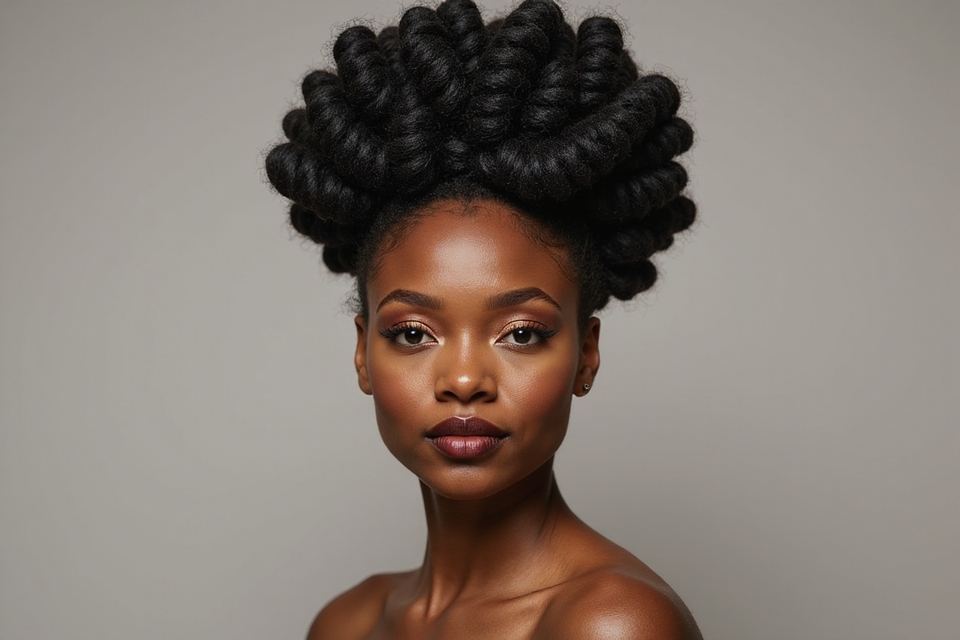
Waves are not one texture; they live across the whole spectrum of hair. Loose 2A-2C waves, springier 3A patterns, and the natural wave hidden in many type 4 heads all count, and each is beautiful on its own terms.
The mistake is trying to force every head into the same beachy template. Work with the wave your hair actually makes: enhance loose waves with a curl cream and a diffuser, define textured waves without heat, and let coarser or coilier patterns be what they are. The most striking waves are the ones that suit the hair they grow from, which is why a curly look and a sleek S-wave can both be the right answer.
Frizz Control and Hydration

Frizz is the enemy of a clean wave, and it almost always comes down to moisture, or the lack of it. Hydrated hair lies smooth. Thirsty hair puffs at the first sign of humidity. Here is how to keep waves sleek:
- Layer a leave-in conditioner on damp hair before any styling
- Smooth a few drops of lightweight oil over the lengths, not the roots
- Dry with a microfiber towel or a diffuser, never a rough terry towel
- Refresh with a water-and-leave-in mist rather than re-wetting the whole head
Transitioning Straight Hair to Waves

Stick-straight hair can absolutely hold a wave; it just needs the right prep to grip the shape. The secret is texture and a setting product, so the smooth strands get something to hold onto. How to make it stick:
- Prep with a texturizing or sea salt spray so straight hair grips the curl
- Work on day-old hair, which holds a wave better than freshly washed
- Use a slightly higher heat setting, then let the curl cool fully before touching
- Set the finished waves with a flexible-hold spray so they do not drop out
How to Ask Your Stylist
Half of getting good waves at the salon is describing them clearly. The word waves means a dozen different things, so show two or three reference photos and name the size you want: loose and beachy, soft and romantic, or tight and defined. Tell your stylist whether you want a cut that enhances your natural texture, like long layers or a shag, or just a styling lesson for hair you will wave yourself at home.
Tell your stylist the truth about your routine, too. If you will not pick up a wand every morning, ask for a cut and a wash-and-go approach that works with your texture rather than a style that needs daily heat.
A good stylist will also recommend products matched to your hair type and show you the cool-down trick in the chair, so you can recreate the look at home. The right cut plus the right two products is what turns a one-time salon wave into an everyday one.
Wavy Hair, Answered
?How do I make my waves last all day?
The cool-down is everything: let each curl cool completely before you touch it, ideally pinned up, so the wave sets. Prep with a texturizing product for grip, work on day-old hair, and finish with a flexible-hold spray over the fully cooled set. Touching warm curls is the fastest way to lose the wave.
?Can I get waves without heat?
Easily. Overnight braids, twists, heatless rods, or hair wrapped around a soft headband all give soft, damage-free waves by morning. Work on damp-but-not-soaking hair, let it dry fully before taking it down, and rake through with your fingers. It is gentler than any hot tool and saves your hair daily heat.
?Why do my waves fall flat by noon?
Usually one of three things: hair that is too clean and slippery to hold a shape, touching the curls before they cool, or skipping a setting product. Style on day-old or texturized hair, let curls cool fully, and lock them with a light flexible-hold spray. Fine hair especially needs that grip.
Find the Wave That Fits You
The single thread through this whole guide is that there is no one wave; there is the wave that fits your hair, your length, and your morning. Start by learning what your texture does on its own, then add only as much heat and product as you actually need. The best wavy hairstyle is the one you can recreate on a Tuesday, not just the one a stylist set once.
So pick the size and mood you want, gather the two or three products that matter most, and practice the cool-down until it is second nature. Treat your hair gently, lean on hydration over heat, and your waves will look their best on the days you have five minutes, which is most of them.
More Looks Worth Saving