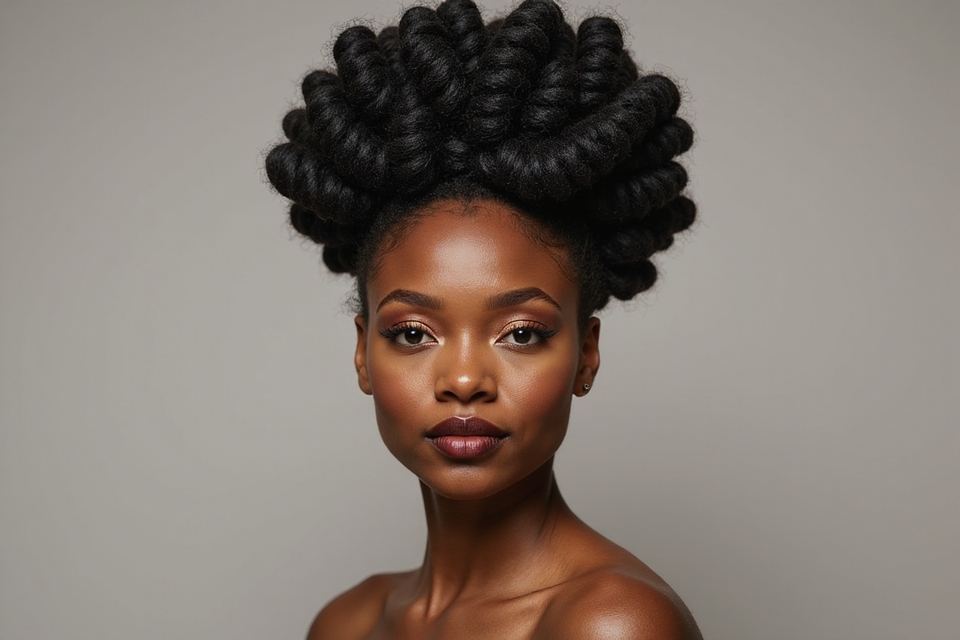

Run your hand along the edge of a freshly cut bob and you feel it right away: that clean, weighted line that swings back into place the second you turn your head. Short bob hairstyles carry a precision longer hair never quite matches.
They sit at the jaw, the chin, or the collarbone, and the smallest shift in length or layering changes the whole mood. Below are twenty-five versions, from glass-smooth and sharp to piecey and undone, with honest notes on who each suits and the upkeep each one demands.
Quick Bob Cheat Sheet
| If you want | Reach for | Upkeep |
|---|---|---|
| The least effort | A wavy, tousled, or shaggy bob | Trim every 6 to 8 weeks |
| Maximum polish | A blunt, sleek, or glossy bob | Trim every 4 to 6 weeks |
| More volume | A layered, choppy, or graduated bob | Trim every 6 weeks |
Timeless Sleek Bob
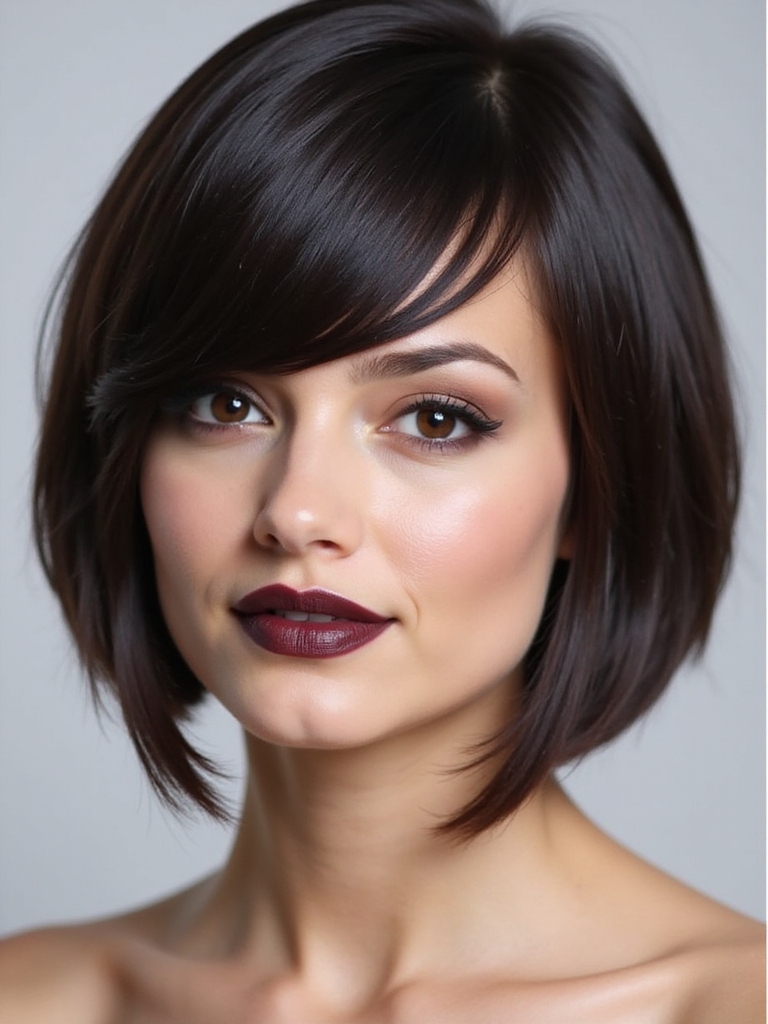
The sleek bob is where this whole family of cuts begins. One length, a sharp perimeter, and a mirror finish that looks polished without any visible effort.
How to Keep It Smooth
The smoothness lives entirely in the finish. Blow-dry with a flat paddle brush, nozzle pointing down the shaft, then press a single drop of lightweight oil through the mid-lengths and ends. I recommend a silk pillowcase to anyone fighting frizz overnight.
It flatters straight to lightly wavy hair best, since coarse textures want more length to settle. Plan a trim about every month or so, since a blunt line shows growth fast. The payoff is a cut that looks expensive on a five-minute routine.
Layered Textured Bob
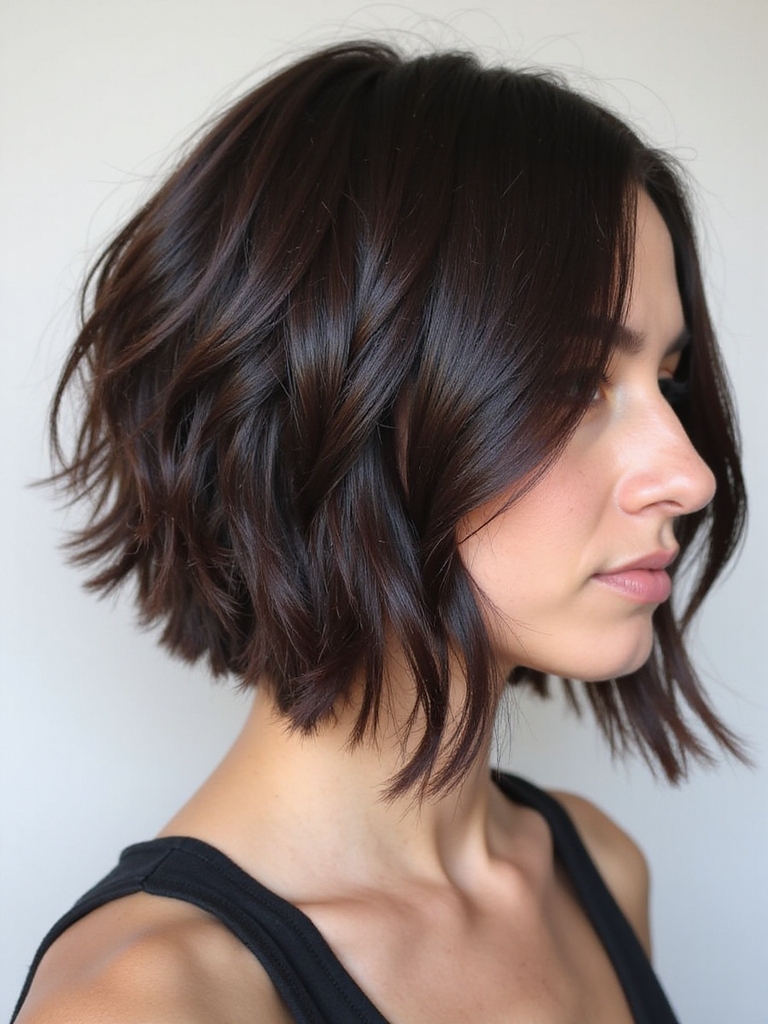
When fine hair falls flat, layers are the answer. A textured bob adds internal layers and point-cut ends, so the hair lifts and moves with real body through it. The shape ends up looking fuller than the hair underneath really is.
Work a texturizing spray into damp roots. Rough-dry with your fingers for piecey separation. I suggest this version most for thin or limp hair. Expect a trim roughly every six weeks, since layers loosen faster than a blunt cut, and that little extra upkeep is the price of all that movement. For a softer, age-friendly take, these short bob hairstyles for thinning hair dig into volume after 60.
Good to Know
The bob has been a salon staple for more than a century, first cropping up in the 1920s as a symbol of independence. Its staying power comes down to one thing: a well-cut bob flatters nearly every face shape once the length and weight sit in the right place.
Asymmetrical Bob
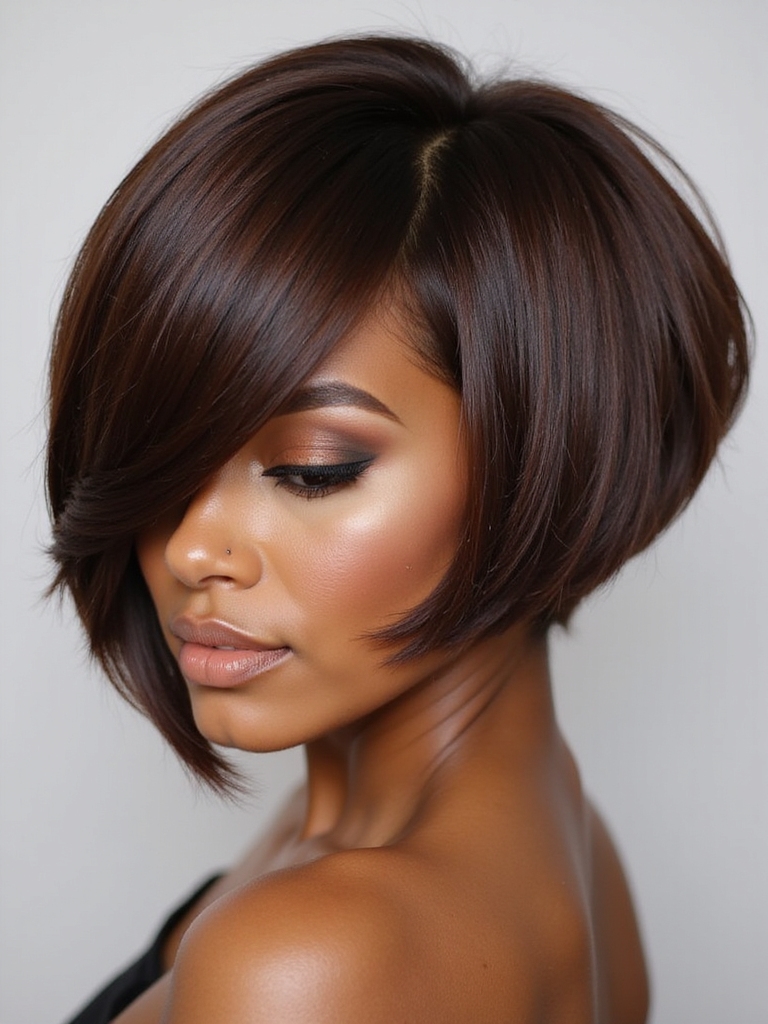
An asymmetrical bob runs one side noticeably longer than the other. It is for the woman who wants a touch of drama and would rather not reach for purple dye to get it.
The uneven length pulls the eye and frames the face on a slant, which is flattering on rounder shapes. Keep the shorter side tucked behind the ear so the contrast looks deliberate. A smoothing cream keeps the longer side sleek.
Be honest about upkeep here. The bigger the length gap, the more often you sit in the chair, often every four weeks. A subtle version grows out far more gracefully if you would rather stretch your visits.
Bold, Chic Blunt Cut

The blunt bob is the boldest plain cut you can ask for. Every strand ends at the same line, so the perimeter looks dense and heavy in the best way. Nothing at the ends hints at how fine the hair might be.
It makes a statement against a strong jaw and holds its shape at events long after softer cuts go limp. The trade-off is discipline: a hard edge shows every missed appointment, so the calendar matters.
- Best on straight to wavy hair that can carry a heavy line.
- Fakes density beautifully on fine hair.
- Needs a sharpening trim every month or so to stay crisp.
Not sure how far to push the asymmetry? Pick by how much upkeep you want:
🎯Subtle asymmetry
A slight difference between the two sides looks modern and grows out with no awkward stage.
🎯Dramatic asymmetry
A big length gap turns heads but needs a trim about every four weeks to stay sharp.
Angled Bob
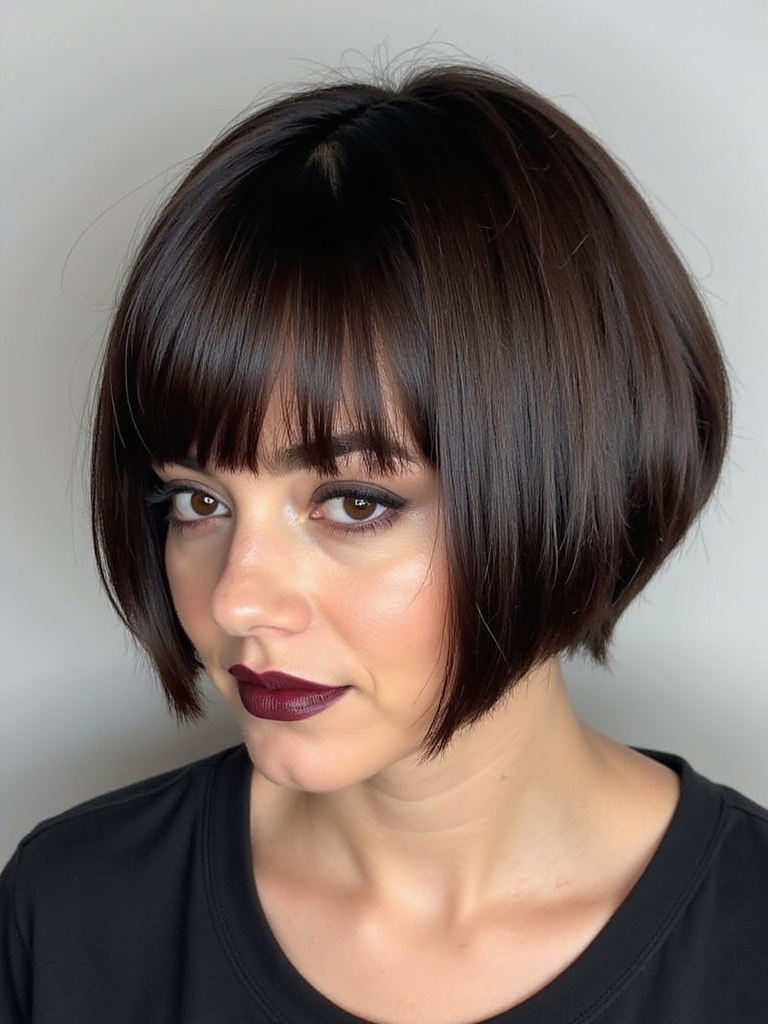
Cut shorter through the back and left longer toward the front, the angled bob draws a line that lengthens the neck and pulls focus up to the face. It looks sharper than a straight-across bob without going full asymmetric. Build it like this:
- Ask for a gentle angle on fine hair; a steep one can look sparse at the back.
- Keep weight at the back; over-thinning it makes the shape collapse.
- Flat-iron the front pieces lightly to keep the line clean.
Relaxed Wavy Bob
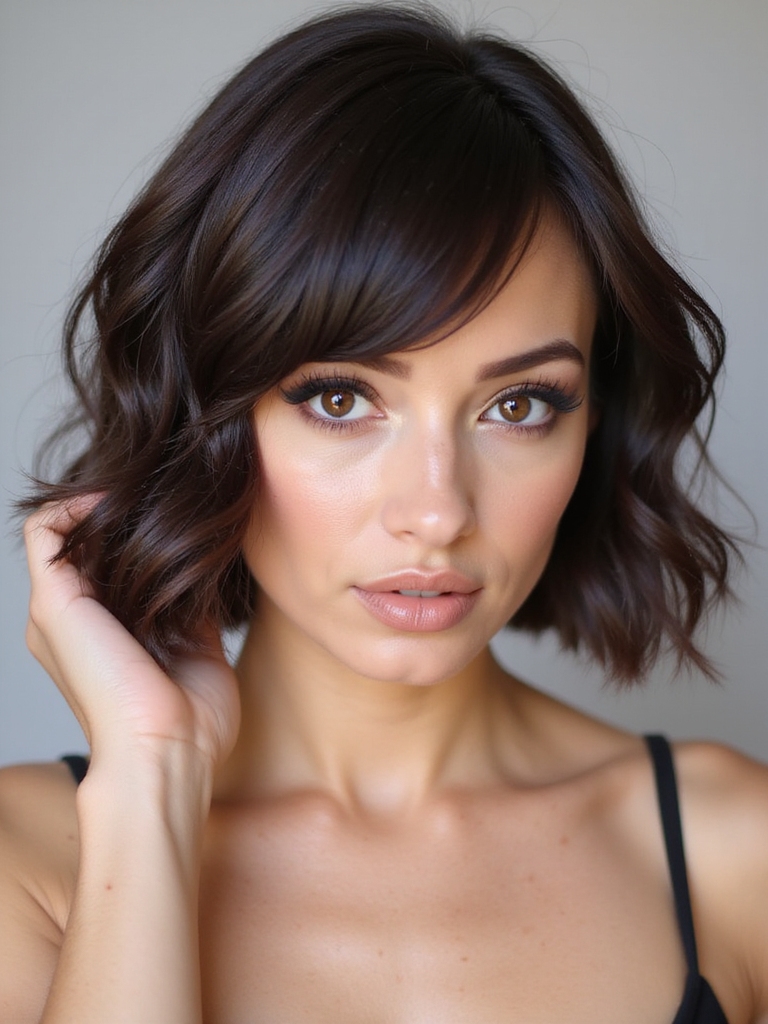
The wavy bob is the low-effort darling of the bunch. Loose, undone waves add body and hide flatness at the roots, and they forgive a missed wash like nothing else. Here is the routine that keeps them soft:
- Scrunch a salt spray through damp hair, then let it air-dry or rough-dry on low heat.
- Skip the curling iron; the wave should look slept-in, not set.
- Refresh day-two waves with a quick mist of water and a scrunch.
“The angled bob lives or dies by the back. Ask your stylist to keep weight back there and resist over-thinning it, or the shape flattens out within two trims and loses the line that made it worth doing.”
Playful Curly Bob
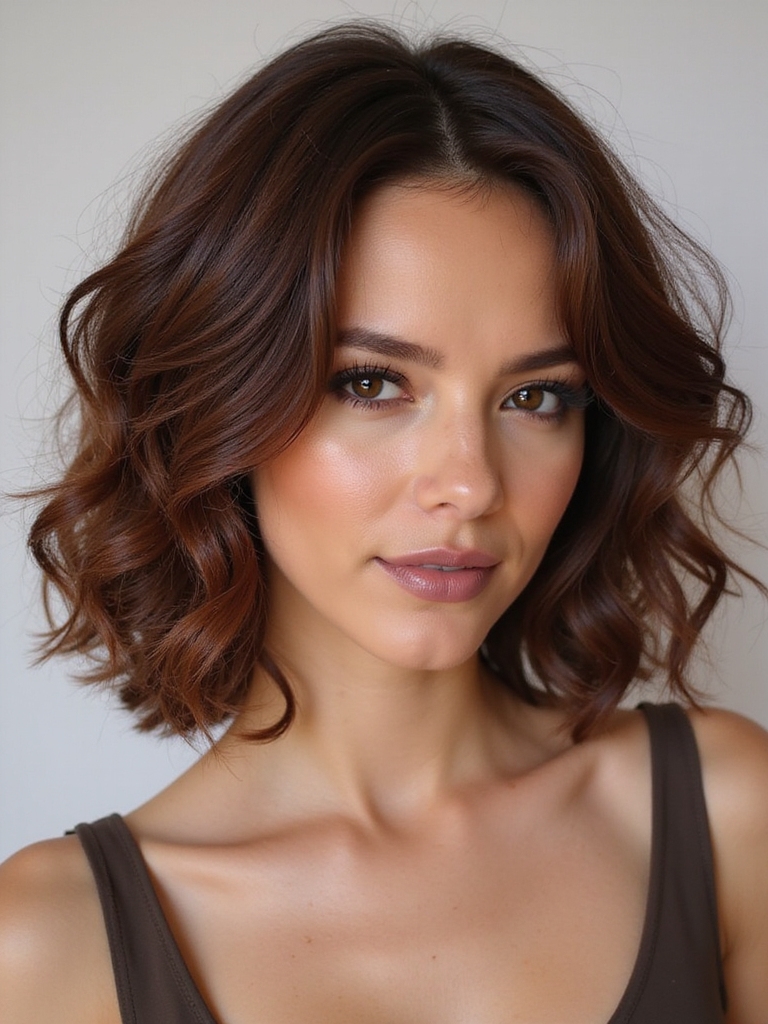
A curly bob turns coils into the whole point of the cut. Done well, it gives curls shape and bounce without the dreaded triangle silhouette.
The key is a dry cut, shaped coil by coil, so your stylist places the length exactly where it falls naturally. Wet curls hide their true length, and you can walk out far shorter than you planned. Smooth in a curl cream, diffuse on low heat, and the coils do the rest.
For a jaw-grazing version that keeps the bounce up high, study a jaw-length curly bob before your appointment. Between washes, mist with water and a little leave-in to wake the shape back up.
Inverted Bob
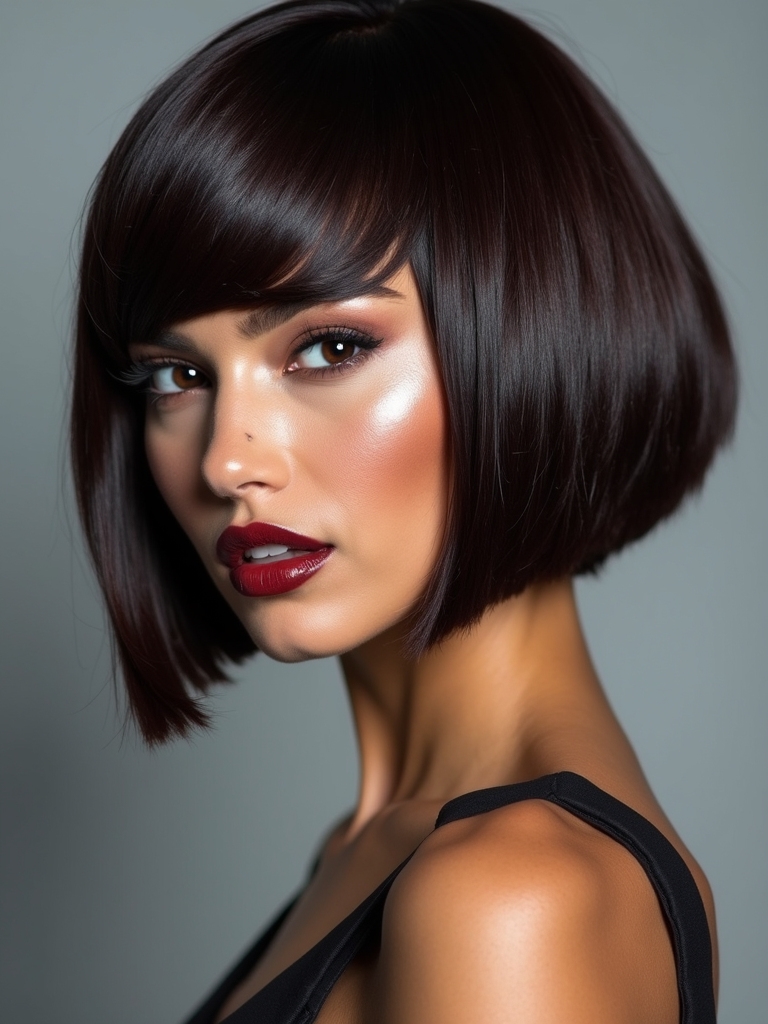
Stacking shorter layers underneath and keeping the front long, the inverted bob builds height at the crown, right where hair tends to fall flat. That stacking is what gives it volume without any extra product.
It suits fine to medium hair that needs lift, and it photographs well from every angle. Round-brush the back upward as you dry to set the height, and let the front pieces fall to frame the jaw.
Upkeep sits in the middle. The stacked back grows out faster than the front, so a shaping trim every five to six weeks keeps the silhouette balanced as it grows out.
Curl Tip
Always have a curly bob cut on dry hair so the stylist can see where each coil settles. Wet curls hide their real length, and you can end up far shorter than you ever asked for.
Choppy Bob
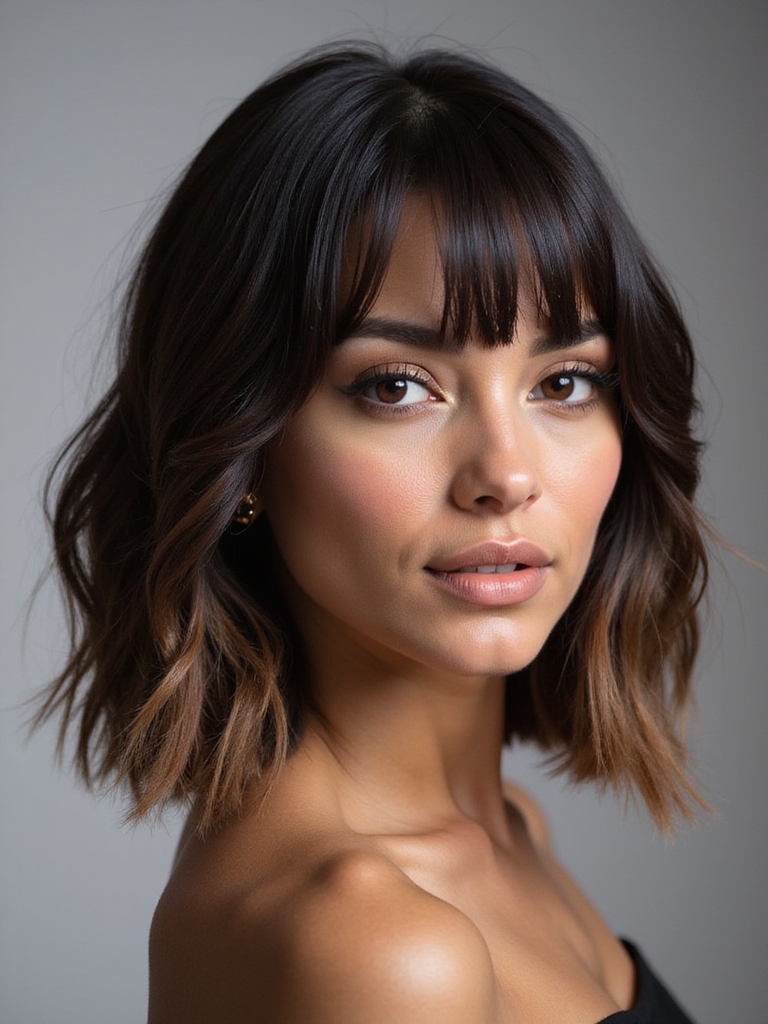
A choppy bob takes texture to the extreme, with deliberately uneven, razored ends that catch the light and move on their own. It comes across cool and a little undone, the opposite of fussy.
Clients ask me for this when they want change without losing much length. A matte texture paste worked through the ends gives the piecey separation that makes the cut sing.
- Ideal for thick hair begging to be thinned, or fine hair that wants some grit.
- Air-dry friendly; heat is optional.
- Trim every six to eight weeks since the texture hides growth.
Shaggy Bob
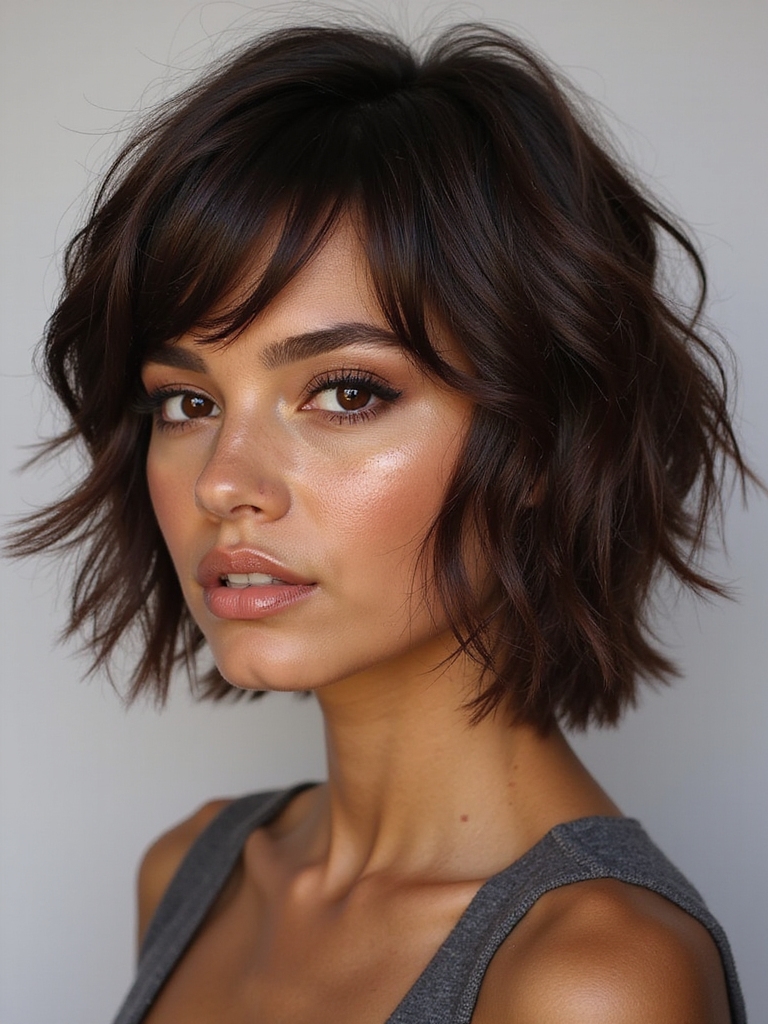
The shaggy bob borrows the heavy layering and curtain-y fringe of a classic shag and shrinks it to bob length. The result is rumpled, rock-and-roll, and very forgiving.
It works around cowlicks, uneven density, and the busiest mornings, and on most days a single spritz of texture spray plus a quick finger-scrunch is honestly the entire styling routine you need.
- Layers add movement to flat or fine hair.
- Pairs naturally with soft, face-framing pieces.
- Forgives a skipped blow-dry better than almost any cut.
Versatile Pixie Bob
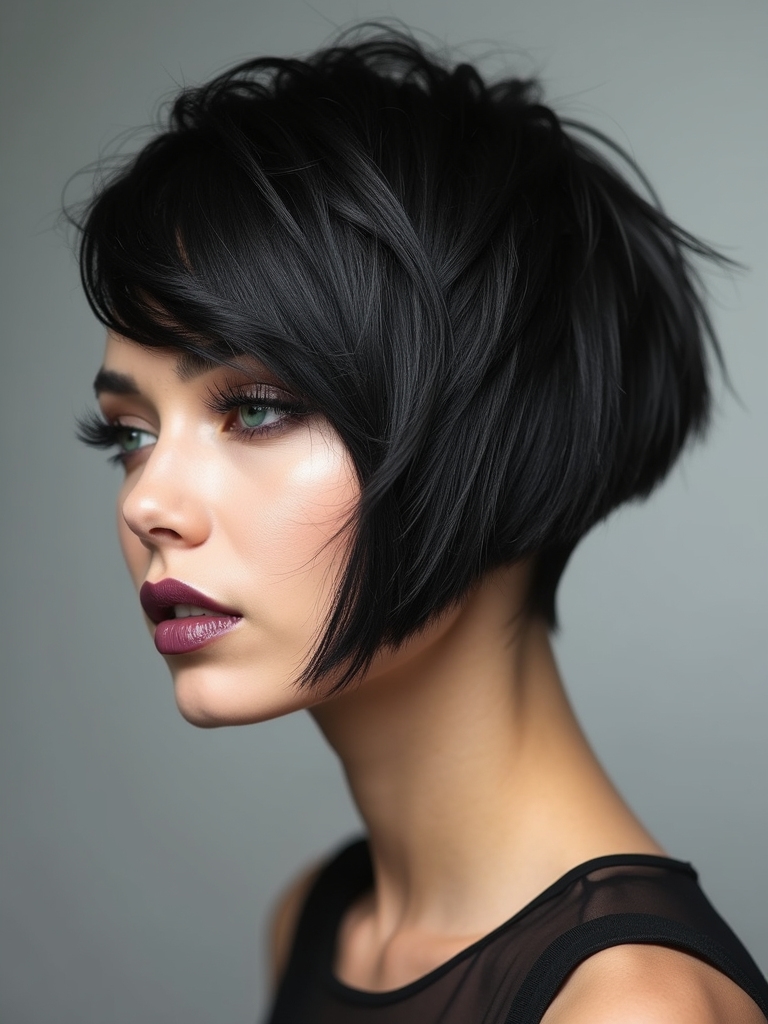
The pixie bob splits the difference between a crop and a bob, keeping the nape and ears cropped short and light while leaving the top long enough to tuck, sweep, or texture however the mood strikes that morning.
This is a smart bridge for anyone testing the waters on shorter hair before a full pixie. A dab of paste on the top pieces gives separation and lift, and the whole thing styles in a minute or two.
Be realistic about the calendar. Shorter cuts grow out visibly, so a shaping visit every month keeps it sharp. A salon trim runs roughly $40 to $80 depending on your area.
Bob With Bangs
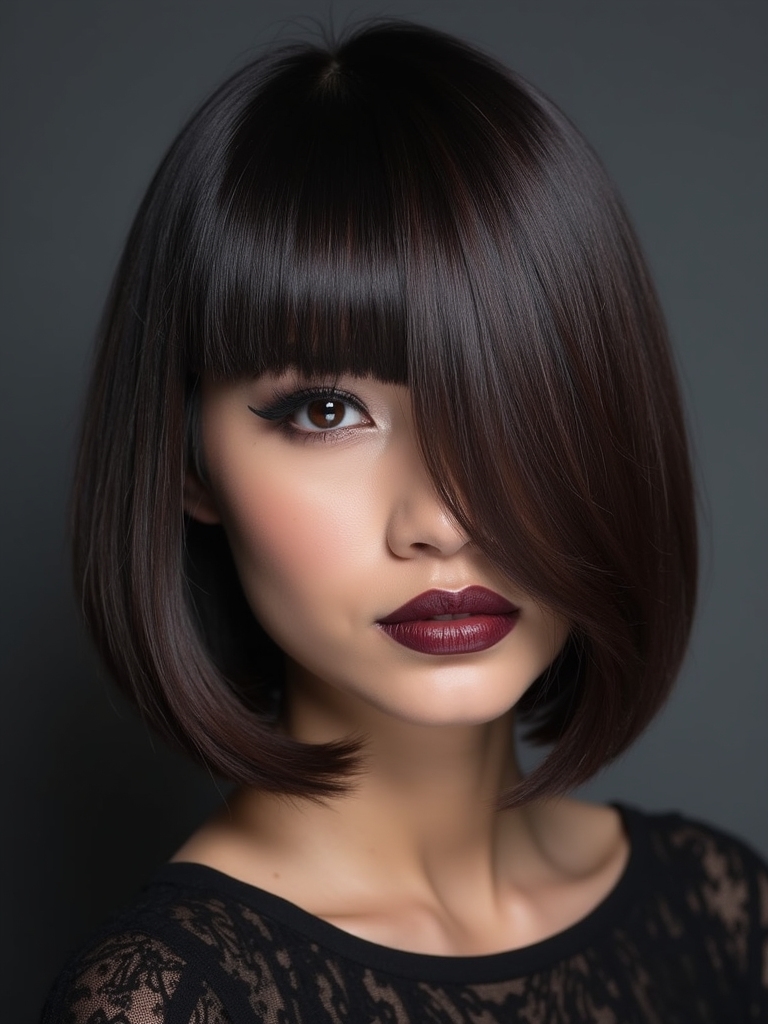
Adding bangs is the fastest way to reinvent a bob and take a few years off in the process. The right fringe reshapes the whole face, and there is a version for every forehead. Choose by commitment level:
- Blunt bangs make the boldest statement and suit thick hair.
- Soft curtain bangs frame the face and grow out with no awkward stage.
- Wispy, textured fringe adds softness for fine hair, much like a French bob fringe.
Light, Feathered Bob
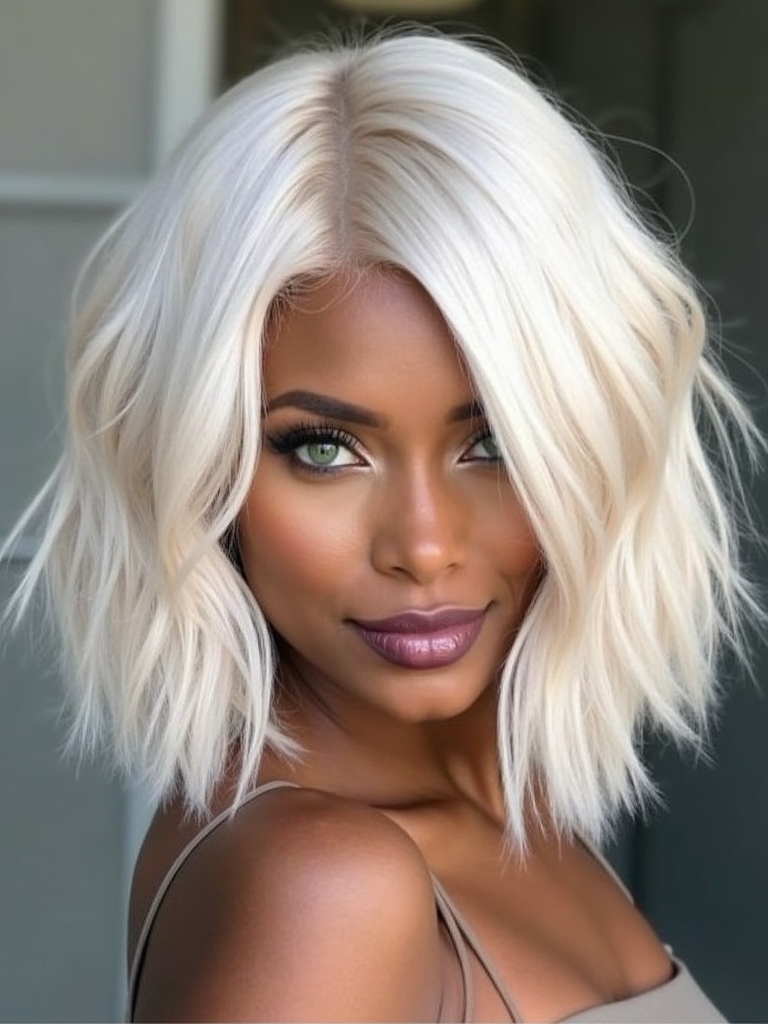
A feathered bob keeps the ends soft and wispy so the whole shape feels airy. The feathering does the flattering work, softening the jawline and adding the illusion of movement. To get the lift right:
- Ask for feathered, point-cut ends to keep the finish airy.
- Use a light mousse at the roots, not a heavy cream, to protect the airiness.
- Round-brush the ends out and away from the face for that soft curve.
Voluminous Bob
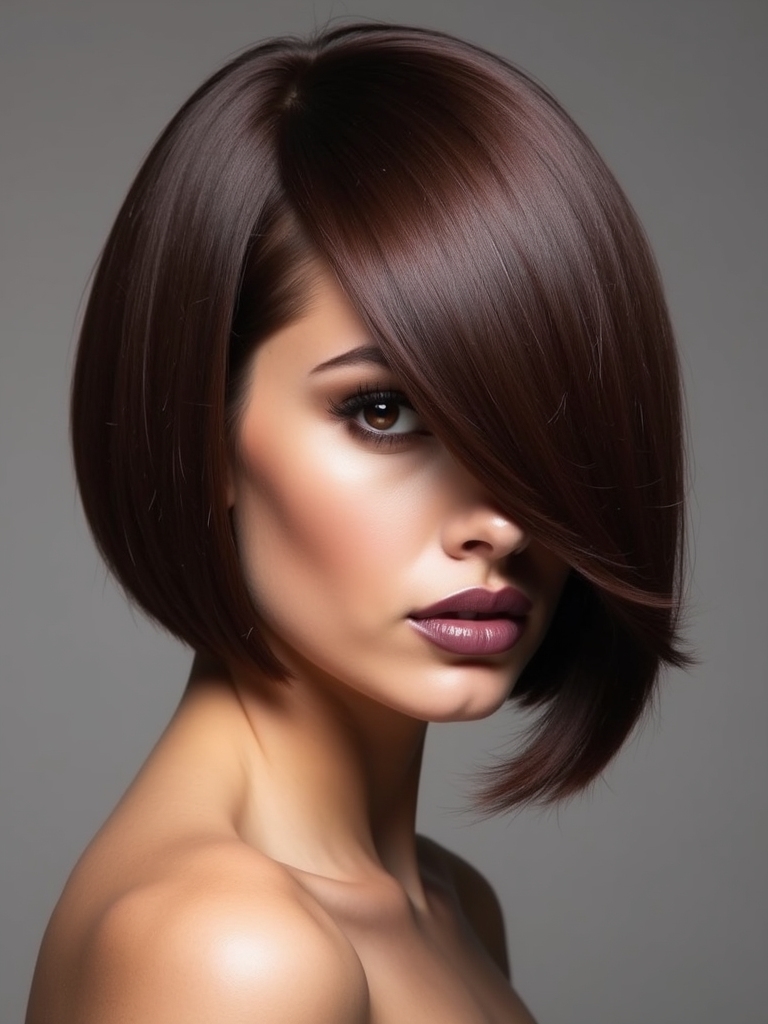
If your hair looks tired and flat, a bob built for volume rewrites the morning. Internal layers plus a round-brush blow-dry push real body into the roots, and bounce is what most people are actually chasing when they say they want to look fresher.
Dry it upside down for instant root lift, then lock the bend in with a cool blast over a round brush. A volumizing mousse beats heavy product, which only drags fine hair flat again.
It flatters fine and medium hair that has lost its oomph. The volume holds for a day or two, and a quick dry-shampoo refresh stretches it further before the next wash.
Graduated Bob
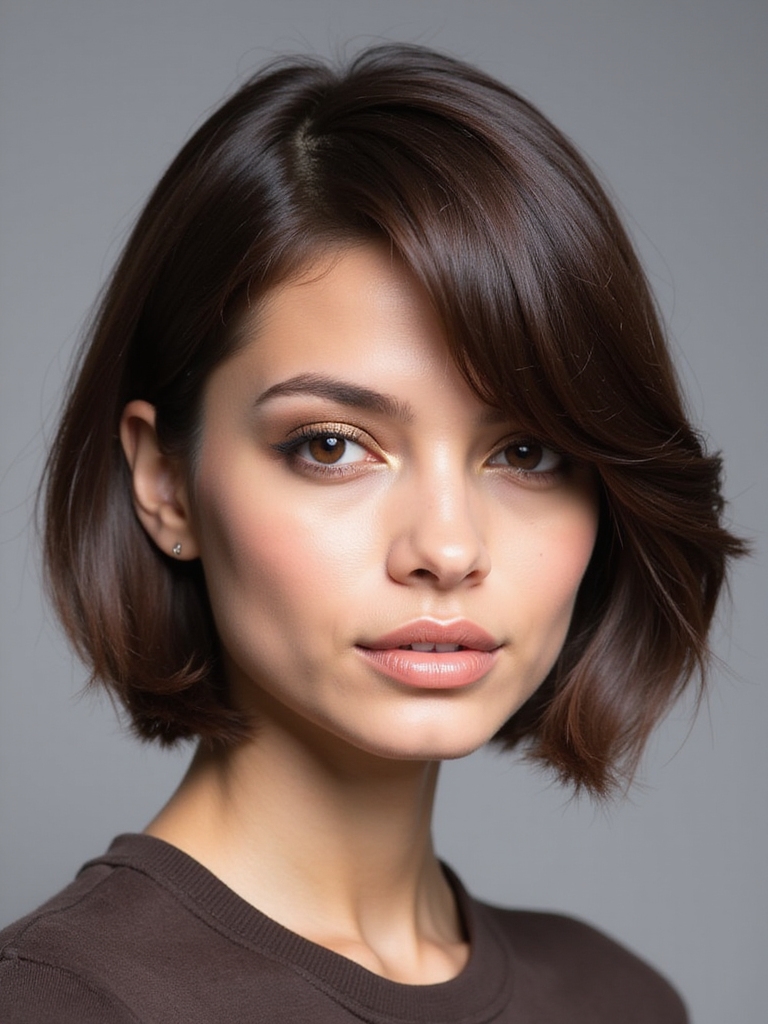
A graduated bob stacks layers at the back into a soft, rounded shape, with the length angling slightly toward the front. It is structured and elegant, the cut you see on a lot of news anchors for a reason. To wear it well:
- Suits straight to wavy textures that keep a smooth, rounded shape.
- Round-brush the back to build and round out the stack.
- A shaping visit every six weeks or so keeps the graduation crisp.
Highlighted Bob
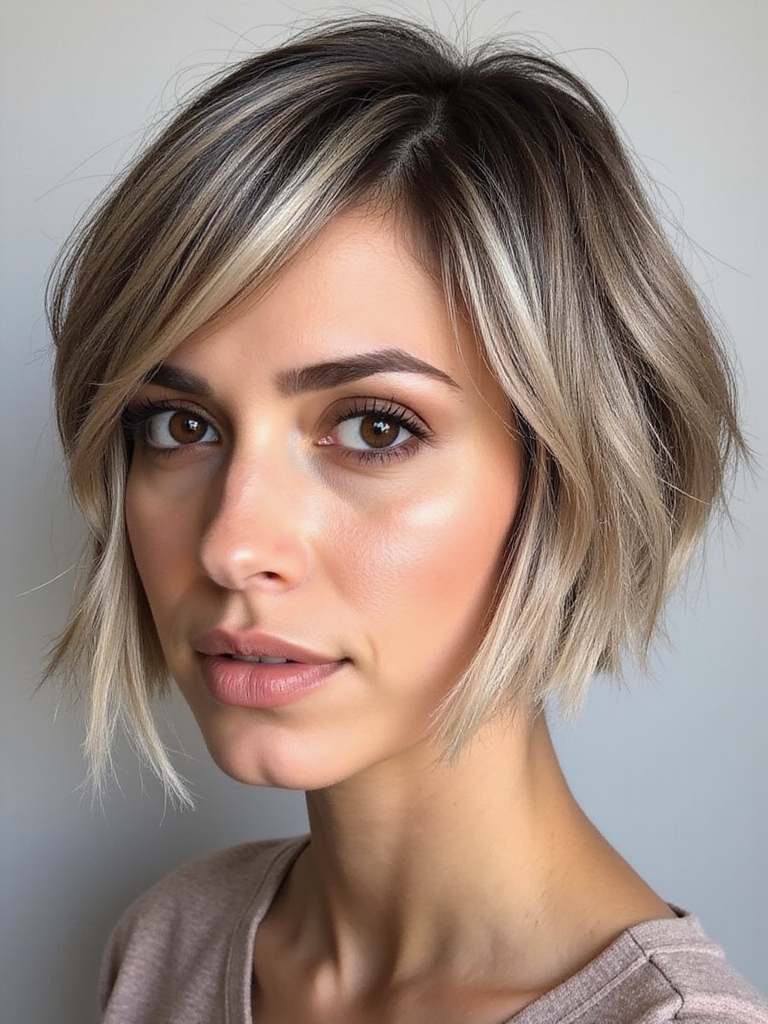
Color brings a bob to life the way good lighting brings a room to life. A few well-placed highlights add depth and draw the eye, and they make even a simple cut look considered.
I see the most natural results when the highlights stay close to your base level and cluster around the face. On gray or salt-and-pepper hair, soft highlights blend the silver so grow-out looks gentle.
Budget for upkeep. A gloss every six to eight weeks, roughly $40 to $70, keeps tones from going brassy, and a full highlight refresh stretches to every few months if the placement is soft.
Edgy Bob With Undercut
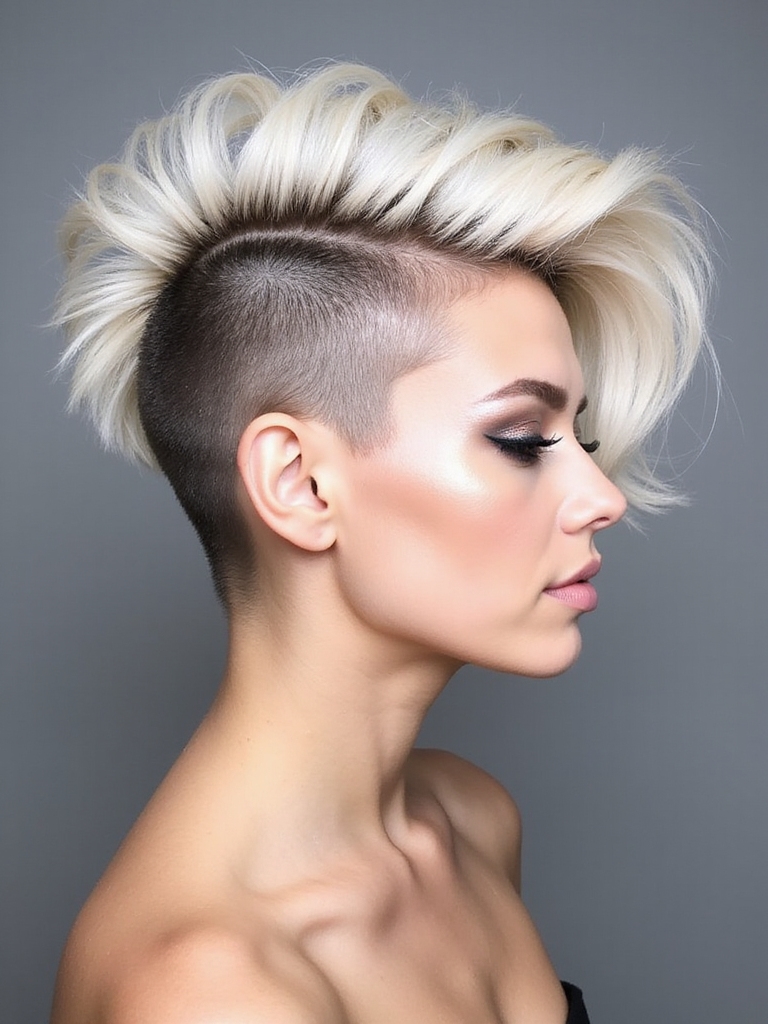
An undercut tucks shorter or shaved hair beneath the top layers, hidden until you sweep a side back. On thick or coarse hair it removes weight so the bob lies flatter and feels cooler, and on anyone it adds a quiet edge. A few things to weigh:
- Made for dense, heavy hair you want to lighten up, not for fine hair.
- Keep the undercut small and tucked if you want it subtle.
- Upkeep is frequent: the shaved section wants a buzz every three to four weeks.
Sleek Glossy Bob
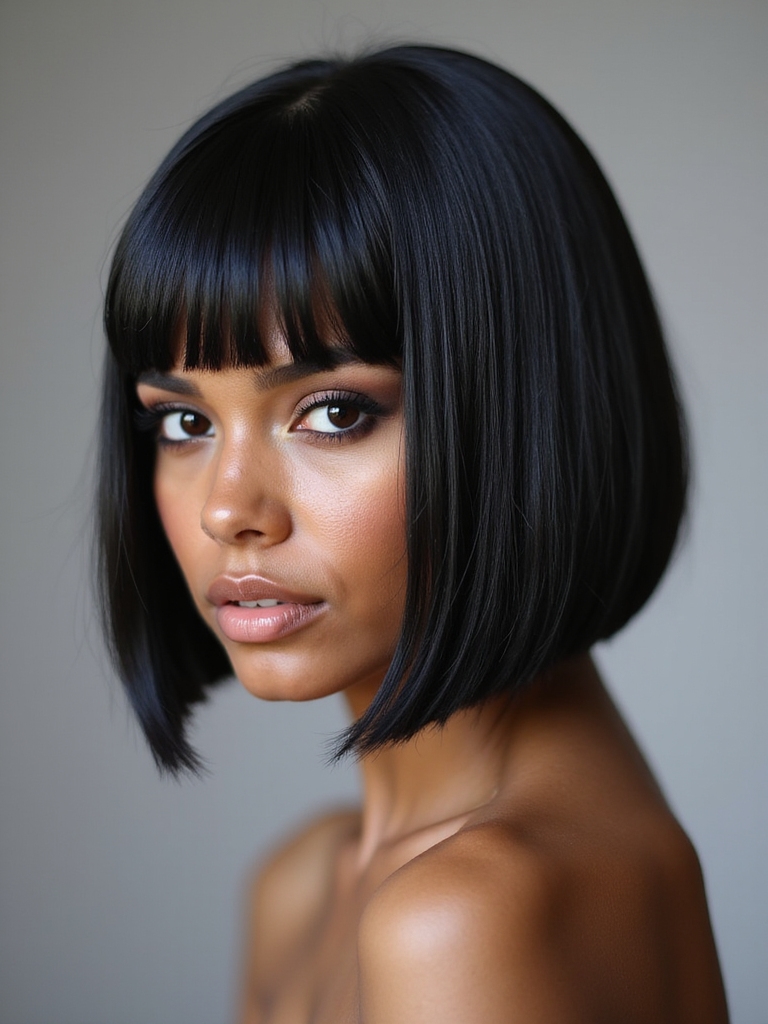
Where the sleek bob is about the line, the glossy bob is about the shine. The finish lands somewhere between wet and dry, polished to a high gleam that signals effort even on a simple cut.
Shine matters more as hair grays, since gray strands can turn dull and wiry. A classic sleek bob haircut is the easiest base for this look at home.
Blow-dry smooth, then finish with a pea-sized drop of shine serum from mid-length to ends. A weekly gloss or shine mask keeps the gleam going, and going light on waxes stops the shine from tipping over into greasy.
Dramatic Side-Part Bob
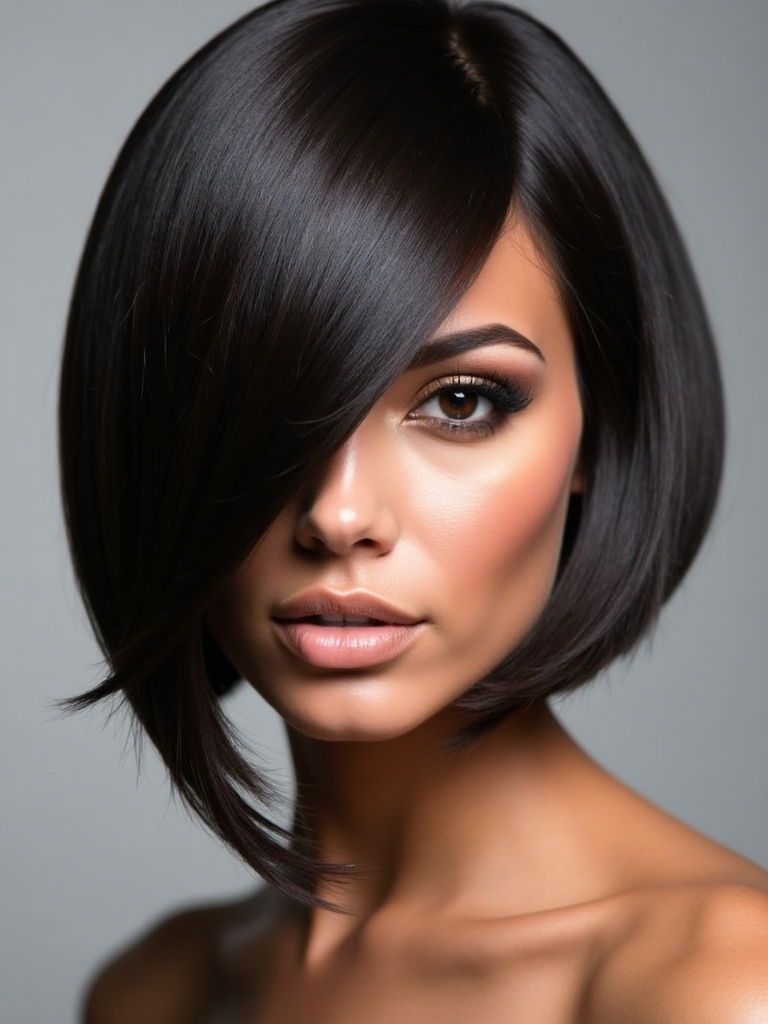
Shifting to a deep side part is the tiniest tweak with the biggest payoff. Sweeping the part well off-center adds instant volume at the crown and drops a flattering wave of hair across the forehead.
It suits almost everyone, and I lean on it for thin hair, since the extra root lift on the heavy side fakes fullness. It also softens a long or square face by breaking the symmetry.
Set it with a comb and a little hairspray at the part so it holds, since hair trained to a center part will drift back. A few days of consistent parting teaches it to stay.
Layered Bob
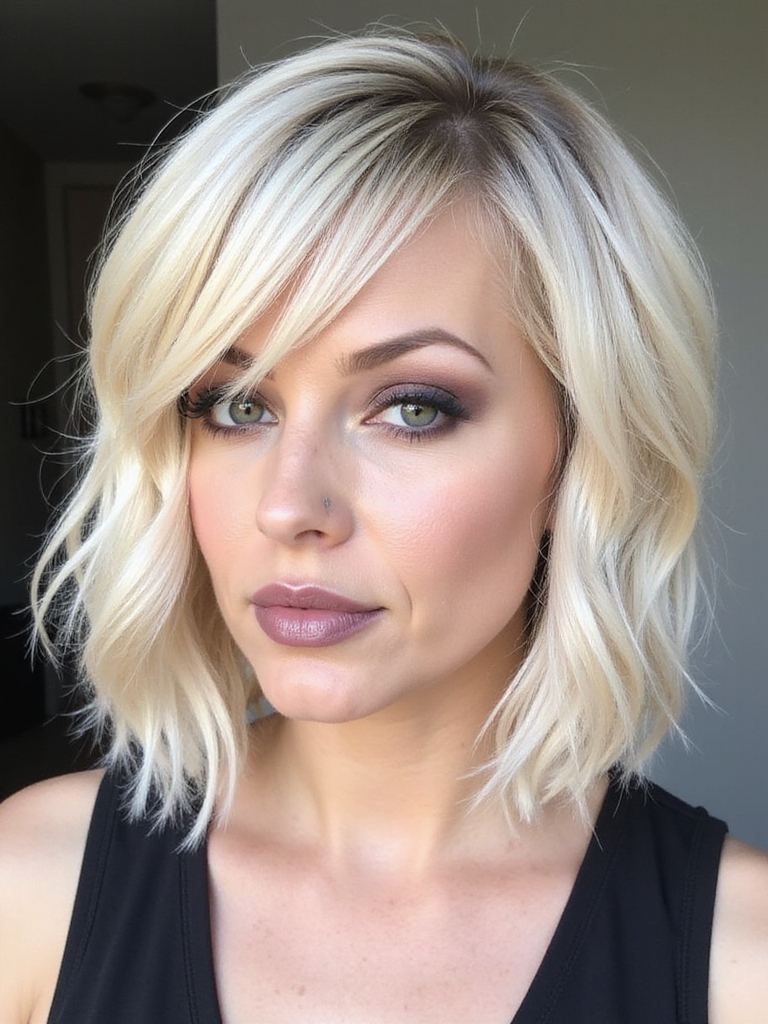
The layered bob is the all-rounder. Soft layers through the body add movement and shape without the heavy texture of a choppy or shaggy cut, which makes it the safe-but-stylish pick for most people.
Why It Suits Almost Everyone
It works on nearly every hair type, balancing thick hair by removing weight and lifting fine hair off the scalp. The layers should stay subtle enough that the bob still holds together as one clean shape.
Round-brush as you dry to coax the layers into a soft bend. A trim every six weeks keeps the layers from growing into uneven, straggly lengths.
Retro Bob
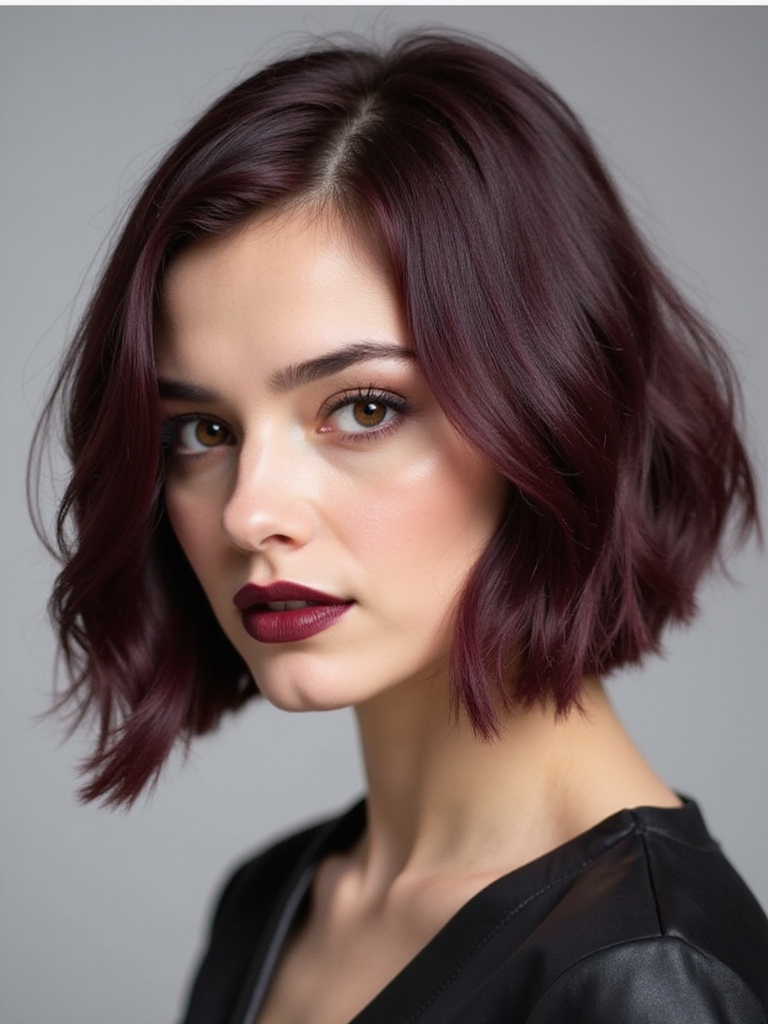
A retro bob nods to the finger waves and rounded shapes of decades past, often paired with a rich, saturated color. It is playful and distinctive, a real personality cut. To pull it off:
- Pair the rounded shape with a glossy, single-tone color for full impact.
- Set soft waves with a wide-barrel iron, then brush them out for a vintage finish.
- A bold all-over color needs a gloss every six weeks to stay rich.
Long Bob (Lob)
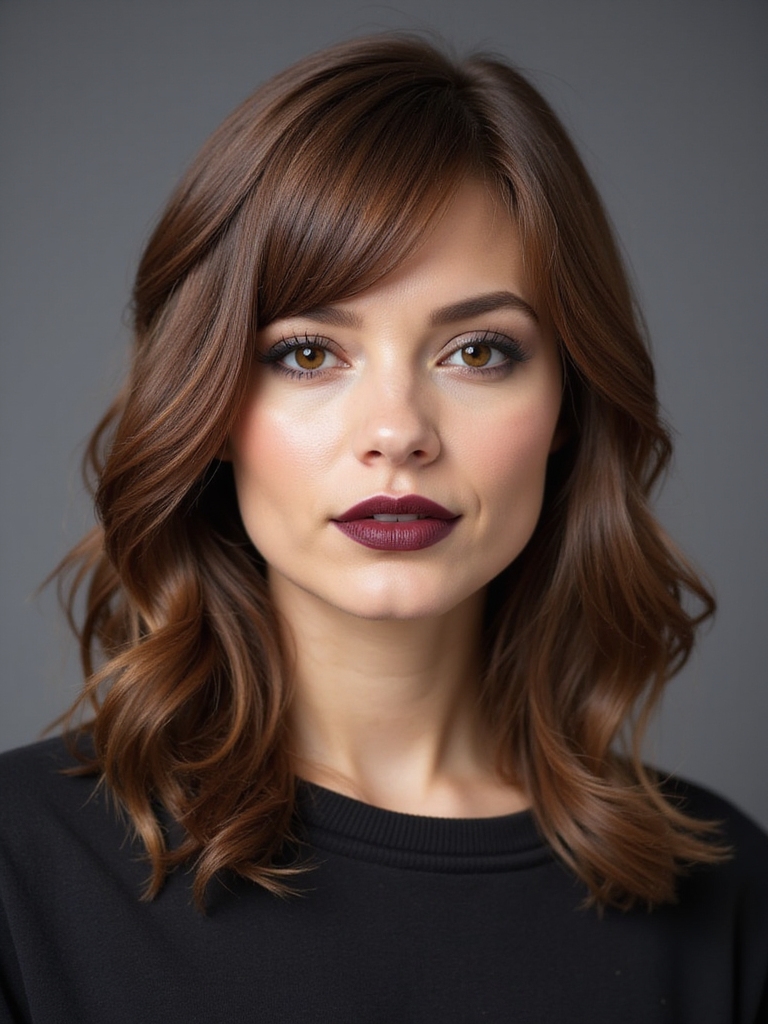
The long bob, or lob, hovers at the collarbone, the most forgiving length in this entire roundup. It keeps enough length to tie back while still delivering the swing and shape of a bob. Good reasons to start here:
- The easiest jump for anyone nervous about going truly short.
- Flatters almost every face shape and hair type.
- Grows out gracefully; a grown-out ’90s lob still looks intentional weeks later.
Ombre Bob
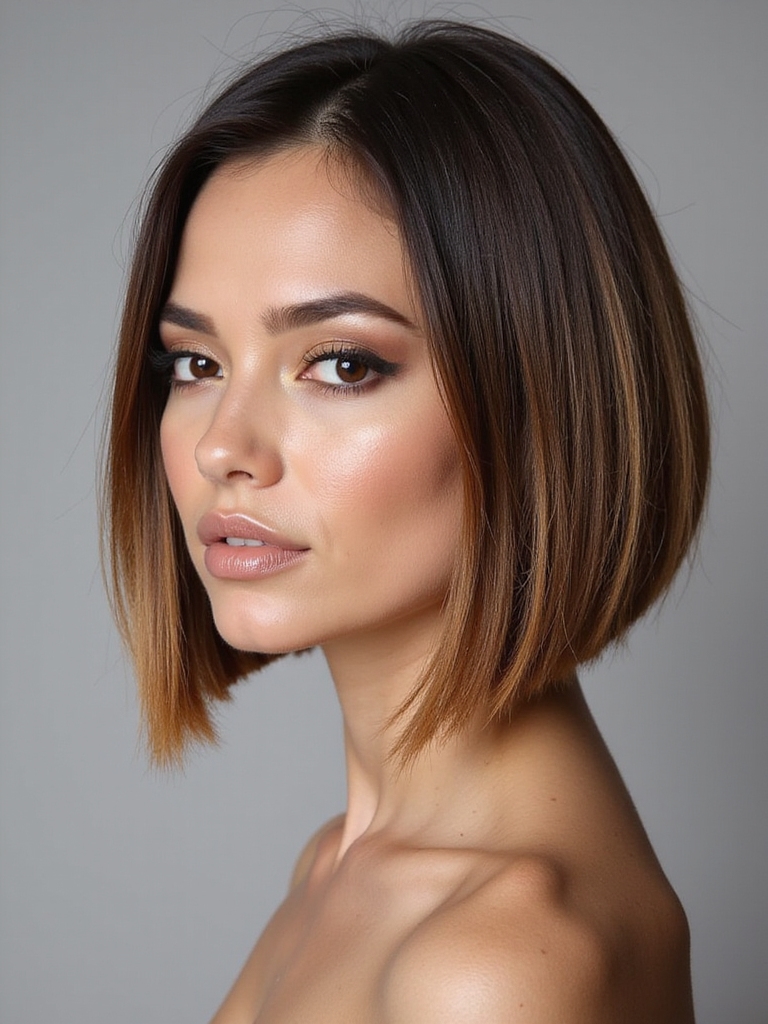
An ombre bob fades from a deeper root to lighter ends, which on a short cut looks especially striking because the whole gradient is visible at a glance. The color adds depth that a single tone cannot.
On a bob, the transition has to be subtle, blended across just a few inches so it does not look like a hard stripe. A skilled colorist melts the line so it looks soft and natural.
The big draw is low upkeep, since the root is meant to grow in. A gloss on the ends every couple of months keeps the lighter tones from fading dull and brassy.
Deep Textured Curly Bob

A deep textured bob celebrates tight coils and kinks at bob length, shaped to honor the curl pattern and work with it. With the right cut, the shrinkage works for you, building a full, rounded crown of texture.
Caring for the Coil Pattern
I tell curly and coily clients to find a stylist who cuts their texture dry and specializes in their curl type. Generic blunt cuts flatten a coily bob and leave it looking boxy.
Keep it hydrated, since drier textures thrive on moisture. A leave-in and a curl custard define the pattern, and tying it up in a satin scarf overnight keeps the coils intact between washes.
Bold Colorful Bob

Sometimes the cut is just the canvas. A bold color, copper, cherry red, icy platinum, or a full fashion shade, turns a simple bob into the loudest thing in the room. Because there is so little hair to refresh, a vivid shade is far easier to keep up on a bob than it ever is on long hair.
Go in with open eyes about commitment, though. Bright and pastel shades fade fastest and ask for the most love between salon visits.
- Vivid fashion colors need a color-safe, sulfate-free routine.
- Cool-water washes and fewer of them slow the fade.
- Plan a refresh every four to six weeks for the boldest tones.
Your Bob, Your Call
Twenty-five cuts, one shared truth: the bob bends to fit the person wearing it. Sleek or shaggy, blunt or feathered, the right one comes down to your texture, the shape of your face, and the honest number of minutes you give your hair each morning.
Pick two or three that keep pulling your eye, take the photos to a stylist you trust, and be honest about your routine. The best bob is not the boldest one on the page. It is the one you reach for happily, week after week.
More Hair Inspiration