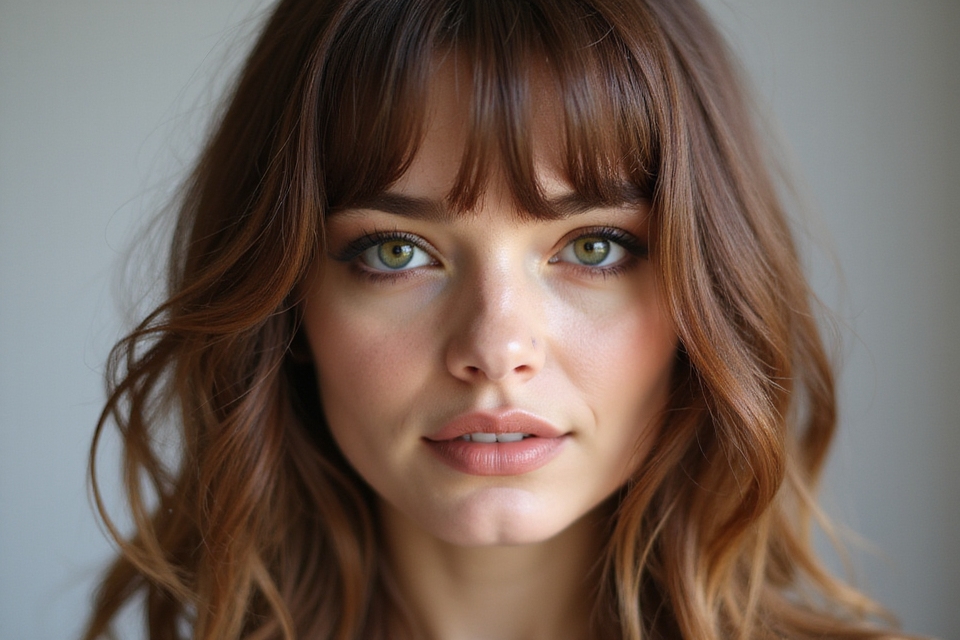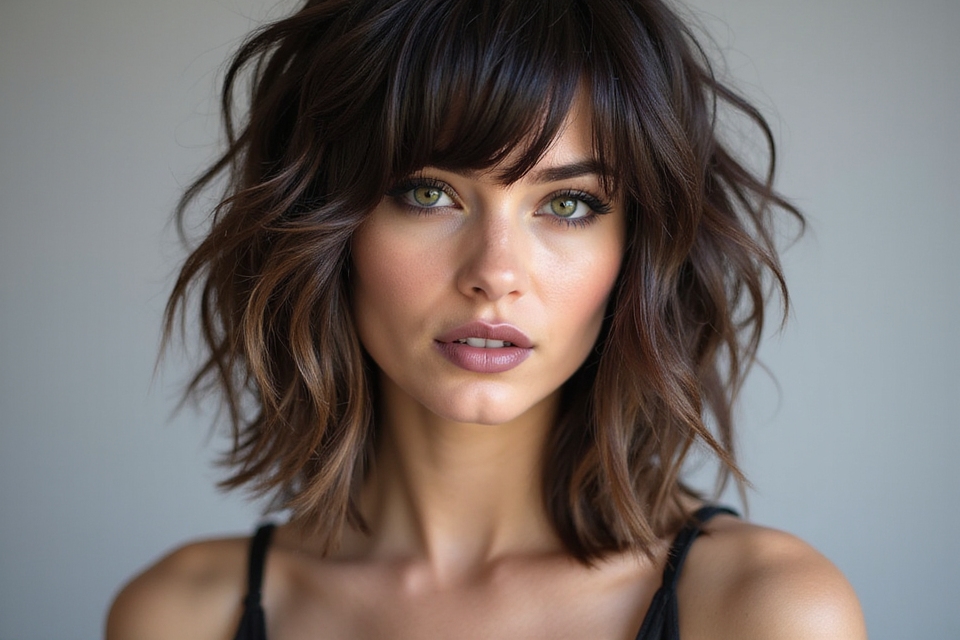

A layered pixie does something no other short cut can. It takes whatever your hair is already doing, the wave, the cowlick, the stubborn straight bits, and turns that texture into the whole point of the haircut. That is why I push so many clients toward it.
I have cut hundreds of these behind the chair, and the surprise is always the same. People walk in nervous about losing length and walk out standing taller. Below are seventeen layered pixie ideas, each with who it actually suits, what it costs to keep up, and how to ask for it so you leave with the cut in your head.
Before You Book A Layered Pixie
- Layers are what give a pixie movement; the cut should follow your natural texture, not fight it.
- Most layered pixies need a shape-up every four to six weeks, so factor that into the cost before you commit.
- Curly and coily hair should usually be cut dry so the stylist can see how each piece falls and shrinks.
- Fine hair gains the most volume from choppy, point-cut layers, while thick hair needs bulk removed from underneath.
Classic Layered Pixie With A Textured Crown

This is the layered pixie I cut most often, and for good reason. The layers stack a little fuller at the crown while the sides taper down, so the shape has height where you want it and stays neat where you do not. It works on fine and thick hair alike.
- Ask for stacked crown layers with tapered sides to keep height up top.
- Style with a pea-sized dab of paste worked through the crown for separation.
- Plan a shape-up every four to six weeks; a pixie cut runs $45 to $85 in most salons.
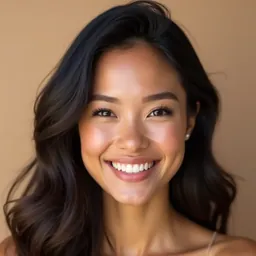
Side-Swept Bangs With Feathered Layers

Side-swept bangs are the gentlest way to soften a pixie, and they frame the face beautifully. Feathered layers through the crown and sides give the fringe somewhere to blend into, so the whole shape moves together as one soft, airy piece.
- Ask for point-cutting so the fringe melts into the layers with no hard line.
- This one is a favorite with clients over fifty who want something soft and youthful.
- See more fringe options in our guide to short hair with bangs.
“If you are nervous about a fringe on short hair, ask for side-swept bangs left a little long the first time. You can always trim shorter at the next visit, but you cannot add length back, so start cautious and adjust.”
Asymmetrical Pixie With A Deep Side Part

If you want drama, this is the one. An asymmetrical pixie keeps one side longer and heavily textured while the other stays short and structured, and a deep side part exaggerates the difference. It is bold. It photographs sharp.
I steer confident clients here, because the contrast rewards a strong sense of style. It does ask for a little more styling time, so be honest about your morning routine before you commit.
- Ask for choppy layers and razor-cut ends on the longer side for extra attitude.
- A deep part needs a touch of paste to hold its direction all day.
- Expect a trim every four weeks to keep the asymmetry crisp.
Curly Pixie With Graduated Layers

A curly pixie is one of my favorite cuts to shape, because graduated layers let each curl find its place. Done well, the crown lifts and the spirals bounce freely with real shape and definition.
The single most important rule with curls and coils is this. Have it cut dry, with your curls in their usual unstretched state, so your stylist can watch how each piece springs up and plan for shrinkage before a single curl comes off.
Ask for graduated layers that remove bulk from underneath while leaving length on top to keep definition. For coily and 4c hair, a careful dry cut protects your shape, and a curly shag is a longer alternative if you are not ready for the full chop.
| Hair type | Best layered pixie | Styling note |
|---|---|---|
| Fine / thin | Choppy or stacked layers | Point-cut layers and root lift fake density |
| Thick | Soft rounded layers | Remove bulk underneath to avoid a boxy shape |
| Curly / coily | Graduated layers, cut dry | Account for shrinkage; define with a curl cream |
Choppy Layers For Fine-Hair Volume
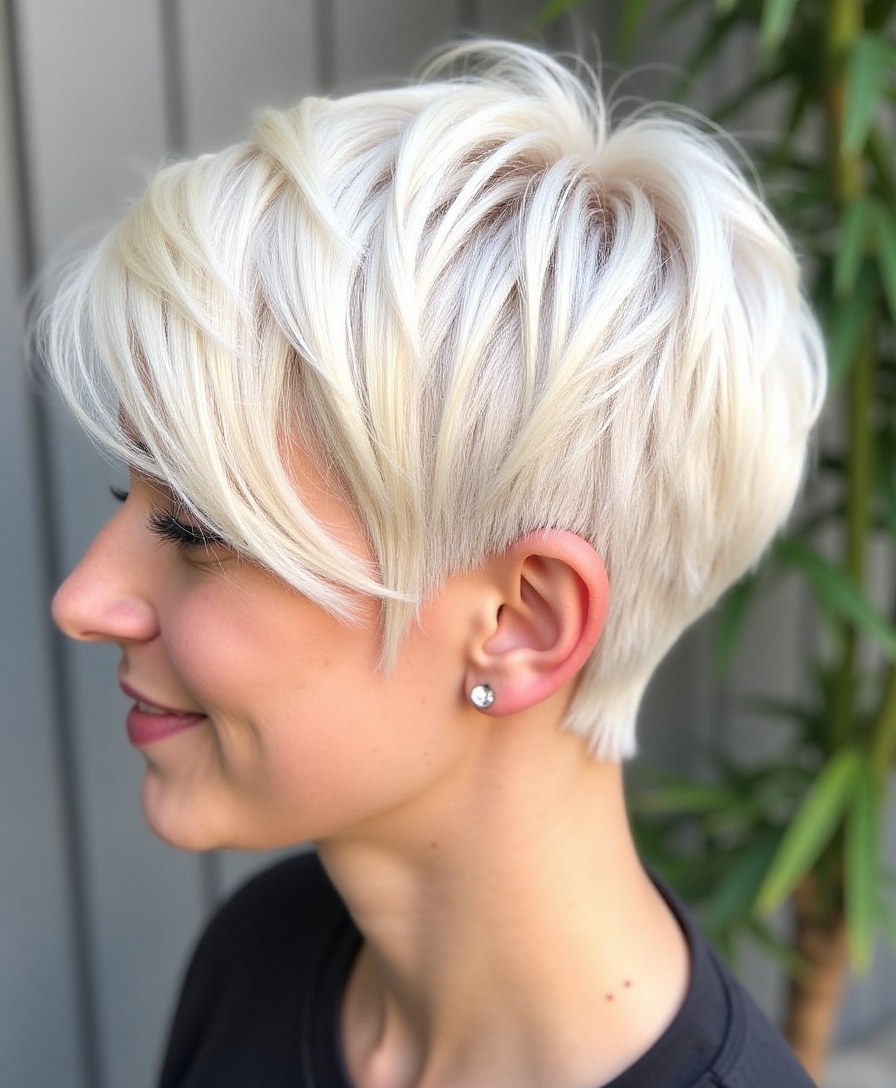
Choppy layers are a fine-haired client’s secret weapon. They break up limp strands into piece-y sections that the eye reads as volume, and they make thin hair look like it has far more body than it really does. This is the fix I make most often. A client says their hair falls flat by noon, and choppy layers are my answer.
- Ask for point-cut layers to create soft, piece-y texture through the ends.
- Keep the crown layers shorter for automatic lift at the root.
- Leave wispy bits around the ears for softness, and see more options for thin, fine hair.
Tapered Neckline With Long Top Layers

A tapered neckline gives a pixie a clean foundation while the longer top layers do the talking. The graduation behind the ears keeps your profile sleek, and this is about the easiest pixie shape to style with just your fingers and a little product.
Why The Nape Does The Heavy Lifting
I love this cut for someone who wants something polished but low-fuss. The feathered crown blends the longer pieces into the shorter base, so it lands edgy and feminine at once.
Style it by raking a lightweight cream through the top and leaving the nape alone. The tapered part keeps itself neat between cuts.
👍Why a layered pixie is worth it
- +Styles in minutes once it is grown into.
- +Layers add movement and work with your texture.
- +Makes fine hair look fuller and thick hair lighter.
👎What to weigh first
- –Needs a shape-up every four to six weeks.
- –Growing it out takes patience and a few awkward weeks.
- –Bold versions like undercuts need more frequent upkeep.
Platinum Blonde Pixie With Shadow Roots

Platinum on a pixie is a statement, and the shadow root is what makes it wearable. By keeping your natural color soft at the root for about an inch, you get all the drama of platinum with far less frantic upkeep.
I recommend this to clients who want bold color but cannot get to the salon every two weeks. The grown-out root is part of the design, so it ages gracefully between appointments.
- A platinum transformation with a shadow root runs $150 to $250 and takes a few hours.
- Refresh the toner every six to eight weeks to keep the blonde from going brassy.
- Use a purple shampoo once a week and a bond-building mask to protect lightened hair.
Undercut Pixie With A Longer Crown

The undercut pixie keeps shaved or closely cropped sides under a fuller crown, and the contrast is pure drama. It is also secretly versatile, because the long top restyles in a dozen directions depending on your mood.
I tell clients this is the most fun cut to live with, as long as you are happy buzzing the sides every couple of weeks to keep the contrast sharp.
- Wear it sleek for work, tousled for the weekend, or swept to one side for softness.
- Spike the crown with a strong paste when you want it fierce.
- Budget for a quick side buzz every two to three weeks between full cuts.
The clients who hesitate longest over the big chop are almost always the ones who text me a week later asking why they waited.
Soft Layered Pixie For Thick Hair

Thick hair and a pixie can be a dream pairing, as long as the layers are rounded and the bulk is managed. Soft rounded layers frame the face gently and stop thick hair from sitting heavy or boxy on the head.
Managing Bulk Without Losing Shape
When I cut this, I focus on smoothing the transitions between lengths so nothing looks stepped. The crown keeps its volume while the sides hug the head’s natural shape.
The trade-off with thick hair is that it grows out faster into a mushroom shape, so a six-week trim keeps it in line. A little smoothing cream tames any frizz at the surface.
Wispy Layers With Face-Framing Pieces

Wispy layers give a pixie an airy lightness that makes daily styling almost automatic. Soft, feathery pieces around the face do the framing for you, and with the right texturizing product they fall into place on their own most mornings.
- Ask for soft, feathery face-framing pieces cut a touch longer at the cheekbone.
- A light texturizing spray is all most people need to style this at home.
- The feathered pixie takes this wispy idea even further.
Dynamic Stacked Layers For Movement

Stacked layers build body into a pixie by graduating from short underneath to slightly longer on top. The result is bounce and flow. It turns even baby-fine hair into something with real movement.
I build volume at the crown with these so the lift holds all day, then create smooth steps from short to shorter through the back. The layers catch light, which adds the illusion of thickness.
Style by rough-drying with your fingers and scrunching a little mousse through the mid-lengths. Skip heavy serums here, because weight is the enemy of movement.
Edgy-Elegant Pixie-Bob Hybrid

The pixie-bob hybrid is the middle ground for anyone not quite ready for a true crop. It keeps slightly more length than a classic pixie while holding onto that short-hair charm, so it feels edgy and elegant at once.
Textured ends are what make it modern. Rough them up with a little styling paste and you get that easy, worn-in finish that always looks deliberate and relaxed.
- Ask for textured, piece-y ends so the longer length still moves.
- It grows out kindly, which makes it a low-pressure first step into short hair.
- Compare lengths in our pixie-bob guide before you decide.
Tousled Layered Style With Root Volume

Some mornings you want the perfectly imperfect bedhead, and a tousled layered pixie is built for exactly that. Strategically placed layers and a load of root volume turn five minutes of finger-styling into a deliberate cool-girl finish.
- Spray a texturizing mist at the roots and finger-tousle while you blow-dry.
- Define a few pieces with a lightweight pomade for intentional messiness.
- Ask your stylist to leave the ends slightly uneven so the tousle looks natural.
Bold Geometric Pixie With Sharp Angles

For the person who likes makeup sharp and clothes structured, a geometric pixie matches that energy. Precise diagonal lines and clean edges turn the cut into something architectural that draws the eye to your bone structure.
Who Should Try The Sharp-Angle Look
Sharp angles around the ears and nape frame the jaw, while crisp lines at the crown give the shape its drama. This is a cut that really rewards a skilled hand, so book a stylist who shows geometric work in their portfolio.
The flip side is upkeep. Hard lines blur quickly as the hair grows out, so a tight three to four week trim is what keeps the geometry looking deliberate and architectural rather than like a cut that is simply growing shaggy.
Natural Textured Pixie With Mixed Lengths

This is the purest expression of the whole idea: a pixie shaped entirely around your own texture, whether that is wave, curl, coil, or straight. Mixed lengths let your natural pattern lead, so the cut looks like it grew that way on purpose.
- Let longer crown pieces carry the movement and personality of the cut.
- Keep the sides softly textured to flatter your face shape.
- For coily and textured hair, embrace the pattern at the nape and ask for a dry cut so shrinkage is accounted for.
Modern Micro-Layered Pixie

Where a classic pixie uses chunky layers, micro-layering uses ultra-fine ones for razor precision. The tiny layers add movement and texture without removing the weight that keeps the shape controlled, so it reads sleek and contemporary.
Best Hair Types For Micro-Layers
Each delicate section falls into place on its own, which makes this a low-effort cut to style once it is grown into. A few minutes with a small amount of cream is usually all it needs.
This one suits straight to lightly wavy hair best, because the fine layers show up clearest on smoother textures. On very curly hair, the detail gets lost in the pattern.
Color Techniques For Added Depth

Color is the final layer that makes a layered pixie look three-dimensional. Strategic highlights and lowlights catch the light along the layers, so the cut looks deeper and more textured than a single flat shade ever could.
I like to place brightness around the crown where light naturally lands, then keep depth underneath for contrast. On a pixie, a little color goes a long way because every piece is visible.
- Add pearly or caramel highlights around the crown for dimension that catches the light.
- Paint darker lowlights beneath the layers for depth and contrast.
- Color work on a pixie runs $120 to $250; see soft blends in our silver blonde ideas.
What To Expect From A Layered Pixie
Going short is a bigger commitment to upkeep than length, which surprises a lot of people. A pixie looks its best in that sweet spot a couple of weeks after a cut, which means a shape-up every four to six weeks to hold the shape. Budget roughly $45 to $85 a visit, more if you are coloring, and a little daily product to define the layers.
The payoff is the morning routine. Most layered pixies style in under five minutes once they are grown in, and the right cut works with your texture and your cowlicks. Bring a photo to your consultation, be honest about how much time you will spend styling, and ask the stylist to show you where your cowlicks and growth patterns will affect the shape.
Layered Pixie Questions People Ask Me
?How often does a layered pixie need trimming?
Every four to six weeks for most people, and every three to four weeks for sharp geometric or undercut styles. A pixie shows growth fast because the shape is so precise, so regular shape-ups are what keep it looking intentional.
?Will a layered pixie work on curly or coily hair?
Yes, beautifully, as long as it is cut dry and the layers are graduated to your curl pattern. A dry cut lets the stylist see how each piece shrinks and falls, which protects your shape and your length.
?Is a layered pixie good for fine, thin hair?
It is among the very best cuts for fine hair. Choppy, point-cut layers and a shorter crown create lift and piece-y texture that make thin hair look noticeably fuller than it ever does at length.
?How do I grow out a pixie without it looking messy?
Get regular trims while growing it out so the layers stay shaped, and let the front pieces lengthen into a longer pixie or pixie-bob first. Texturizing product helps blend the awkward in-between stages.
Let Your Texture Lead
If there is one thing to take from all of this, it is that the best layered pixie is the one cut to your own texture rather than against it. The wave, the curl, the cowlick you have fought for years can become the very thing that makes the cut yours.
Bring a photo, talk honestly with your stylist about your hair and your routine, and pick the version that fits the life you actually live. Short hair done with your texture in mind is the kind of cut people remember.
You Might Also Like