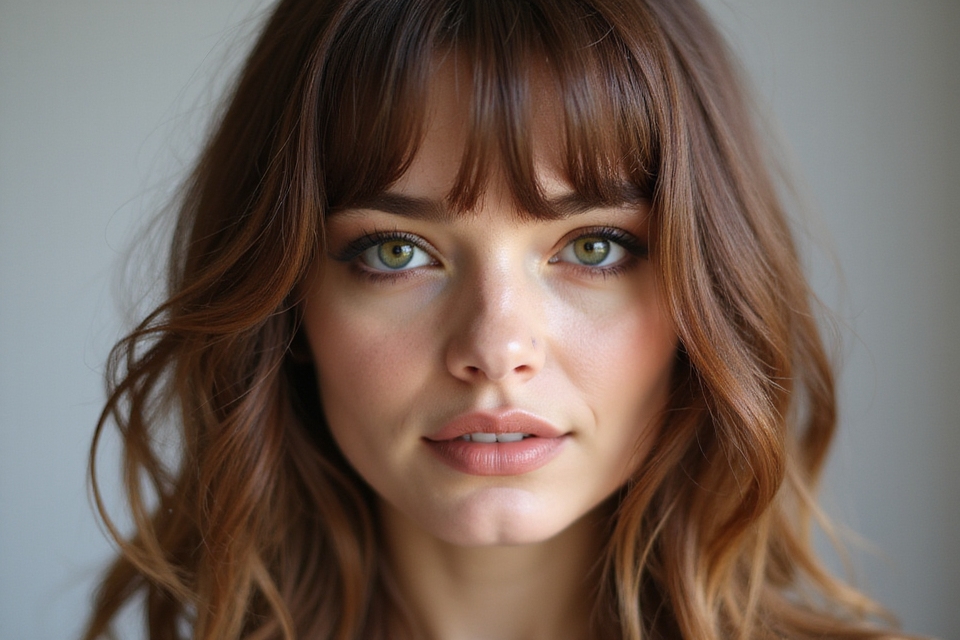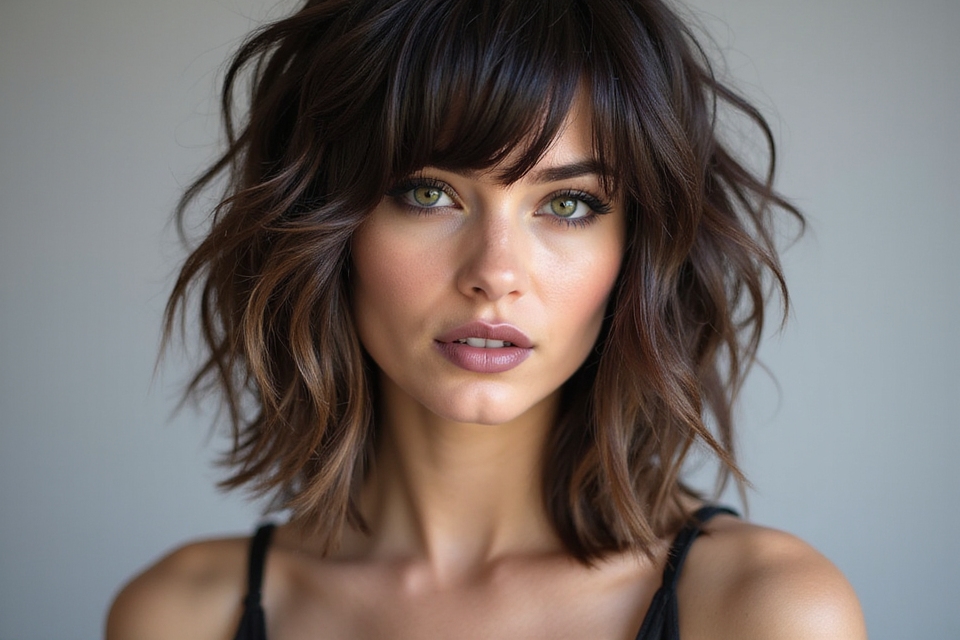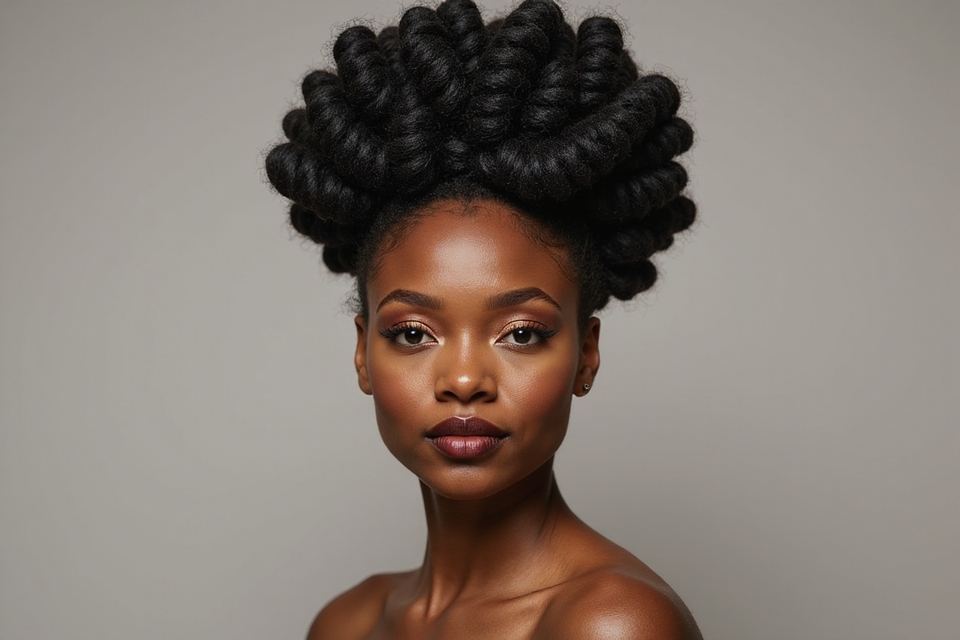

What actually makes a short shag look good from every angle? The answer is the architecture. A shag is built to do two jobs at once: pile soft volume at the crown and taper cleanly into the neck.
Once you understand that crown-to-neck structure, every version of the cut starts to make sense. This guide covers how a short shag is built, how it changes across textures, and how to color, style, and keep it. Think of it as the blueprint behind the messy-cool finish.
The Shag, Built to Last
- A shag is defined by crown volume up top and a tapered neck below, with choppy layers bridging the two.
- The same structure flexes across straight, wavy, curly, and coily hair with small cutting changes.
- Plan a reshape every six to eight weeks; a salon shag usually runs $45 to $75.
- Styling stays short: scrunch, air-dry, and let the built-in texture carry the look.
The Timeless Appeal of the Shag

The shag has been in steady rotation for fifty years, which is rare for any haircut. Trends come and go. This one keeps returning because the structure simply works.
Built on Balance
Its staying power comes from that crown-to-neck balance. The volume up top flatters most faces, and the close nape keeps the whole thing light. That mix looks modern decade after decade, which is no small feat for a haircut that has survived since the era of disco and vinyl.
It is also remarkably versatile, bending to suit straight, wavy, and curly hair alike. Few cuts give a stylist that much room to tailor one idea to very different heads, which is a big part of the appeal.

The Textured, Edgy Silhouette

Step back and look at a shag in profile. The silhouette is the giveaway: full and rounded at the crown, then narrowing to a close, feathered nape. That shape is the whole signature.
The choppy layers create the edgy, textured feel people love, breaking up any heaviness and keeping the hair in constant, easy motion so it never settles into a flat, stiff helmet. The movement is the point.
It is a playful outline, a little undone by design. That softness is what separates a shag from a sharp, structured crop.
Stylist Tip
When you book, ask to see the back of the stylist’s past shags, where the tapered nape shows. That neckline is the hardest part of the cut to get right, and a strong nape is the clearest sign someone truly knows the shape.
Tailoring the Shag to Your Face Shape

Because the layers and fringe move freely, a shag can be tailored to almost any face. The crown volume and the front pieces are the two dials a stylist turns to balance your features.
Round faces gain from extra height up top. Long faces settle under a fuller fringe. Square jaws soften behind wispy, face-framing pieces. For a deeper look at this, see this guide to short cuts for a round face before you book.
Shag Cuts for Different Textures

The shag is one of the few cuts that honors every hair texture and adapts to it. The cutting method shifts from head to head, while the crown-to-neck logic stays the same throughout.
On fine hair, the layers build body. On thick hair, they remove weight so the shape stays light. On curls and coils, they let the pattern spring and breathe.
I tell clients that a shag should be cut for their real, air-dried texture, the way their hair behaves on an ordinary morning. That single rule heads off most disappointments.
| Face shape | What to ask for | Why it works |
|---|---|---|
| Round | Height at the crown, longer front pieces | Adds length and balances width |
| Long | A fuller, brow-grazing fringe | Shortens the face visually |
| Square | Soft, wispy face-framing layers | Eases a strong jawline |
| Heart | Volume toward the chin, light fringe | Balances a wider forehead |
Adding Bold Bangs to a Shag
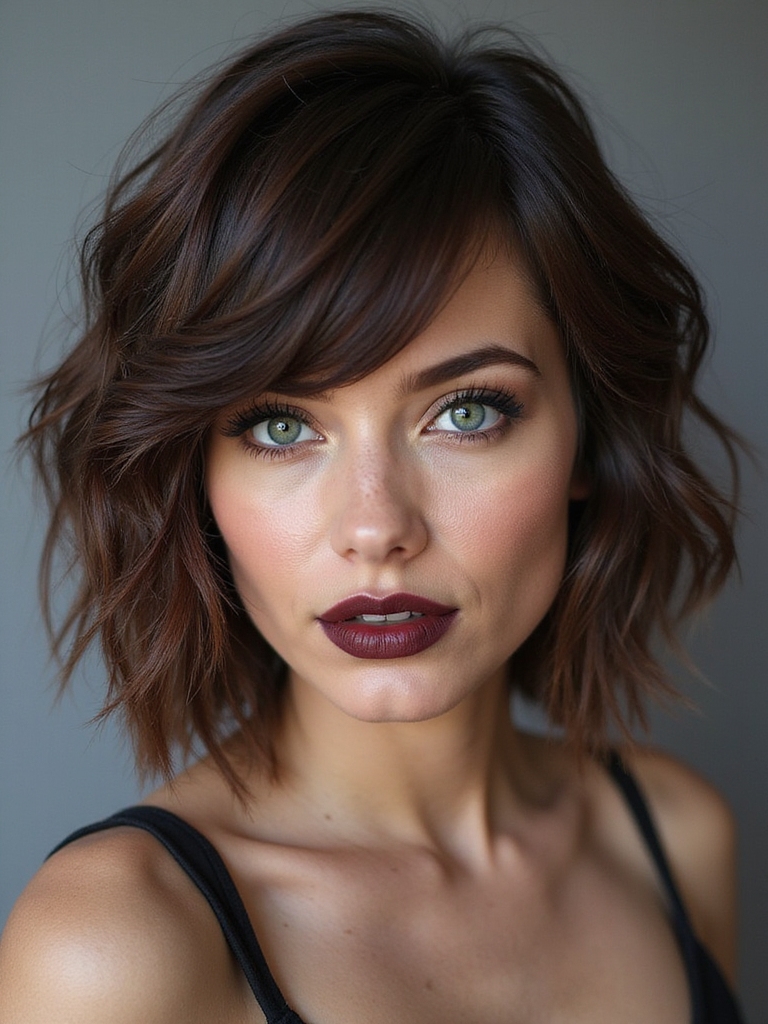
Bangs set the mood of a shag. A wispy curtain fringe keeps things soft and grown-up. A heavier, brow-grazing fringe makes the whole look bold and a little retro.
The bolder choice asks for more upkeep, with a quick fringe trim every couple of weeks. If that feels like a lot, soft curtain bangs give you the frame with far less fuss. Either way, flag any cowlicks so your stylist places the fringe well.
Layered for Crown Volume

The volume in a shag is engineered, built almost entirely through layer placement. Layers concentrated near the crown create the lift that gives the cut its lively top half.
A stylist controls that effect with a few choices:
- Shorter layers up top for maximum crown volume and bounce.
- Longer, blended layers below to keep the shape from going round.
- Point-cutting on the ends so the lift looks soft and feathered.
The fringe is the steering wheel of a shag. Change it and you change the whole personality of the cut.
The Bold Pixie Shag
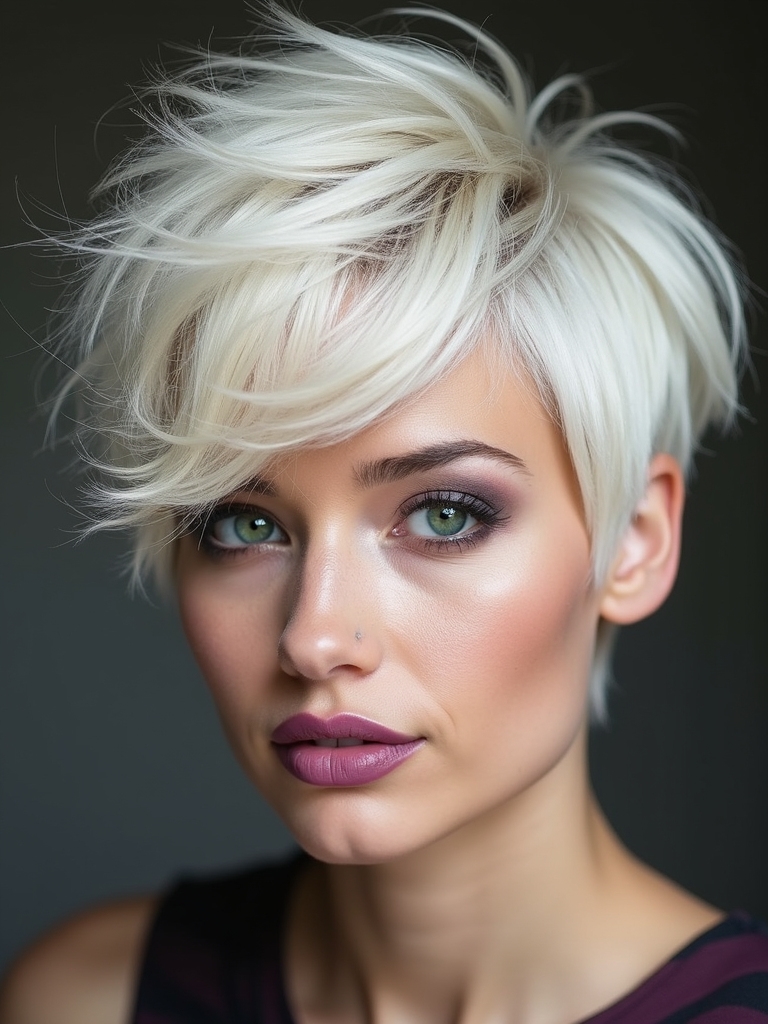
Take the crown-to-neck idea to its shortest extreme and you get the pixie shag. It keeps real texture and choppy layers on a cropped base, so the finish stays soft and wearable.
Edgy but Easy
This is the boldest member of the family and the lowest-effort to style. A little matte paste and your fingers finish it in under a minute.
It suits people who want a statement and almost no morning routine. A longer short pixie style is the gentler step if a full crop feels like a leap.
Textured Shag for Wavy Hair

Wavy hair and the shag are a natural fit. The waves already have movement, and the choppy layers simply amplify it into that beachy, piecey texture the cut is known for.
Cut With the Wave
What matters most is cutting with the wave in mind, so the layers fall where each bend sits. Cut against the wave and the shape can puff out at the sides.
Air-dry with a curl cream scrunched in, and the waves spring into shape on their own. A diffuser adds extra lift on flatter days.
Before You Go Very Short
A pixie shag is bold and hard to undo quickly, since growing it back means living through several in-between lengths. If you have never gone short, start with a longer shag first. You can always crop it shorter once you know you love the feel.
Curly Shag for a Volume Boost

Curly and coily hair gain a lot from a shag, since the layers let the curl pattern spring and reach real height. The cut works with the texture and lets the coils do what they naturally want to. To get it right:
- Have it cut dry and curl by curl, so each piece lands at its own spring point.
- Ask for layers that build height while keeping the curl shape intact.
- Define with a curl cream and a diffuser, scrunching up toward the crown.
- A jaw-length curly bob is a tidier option for tight coils that want less shape.
Sleek Shag for Straight Hair

Straight hair gives the shag its most polished, modern face. The layers stay crisp and the tapered neck looks sharp, so the cut comes across as sophisticated while it keeps its edge.
Precision Pays Off
Because straight hair shows every line, the cutting has to be precise. Feathered, point-cut ends keep the finish soft and stop it from going blunt.
A texture spray adds the piecey separation that straight hair lacks on its own. A flat iron rarely earns a place in the routine, since the cut already carries the shape.
Balayage for a Dynamic Shag

Color and a shag are a strong pair, because the layers catch and show off every shift in tone. Soft, hand-painted balayage adds depth that makes the texture look even fuller.
Balayage suits this cut especially well, since the grown-out roots stay low-effort and the lighter ends brighten the layers. Expect to pay around $120 to $200 and to refresh it every few months. A gloss in between keeps the tone fresh for less.
Rockstar-Inspired Shag Styles
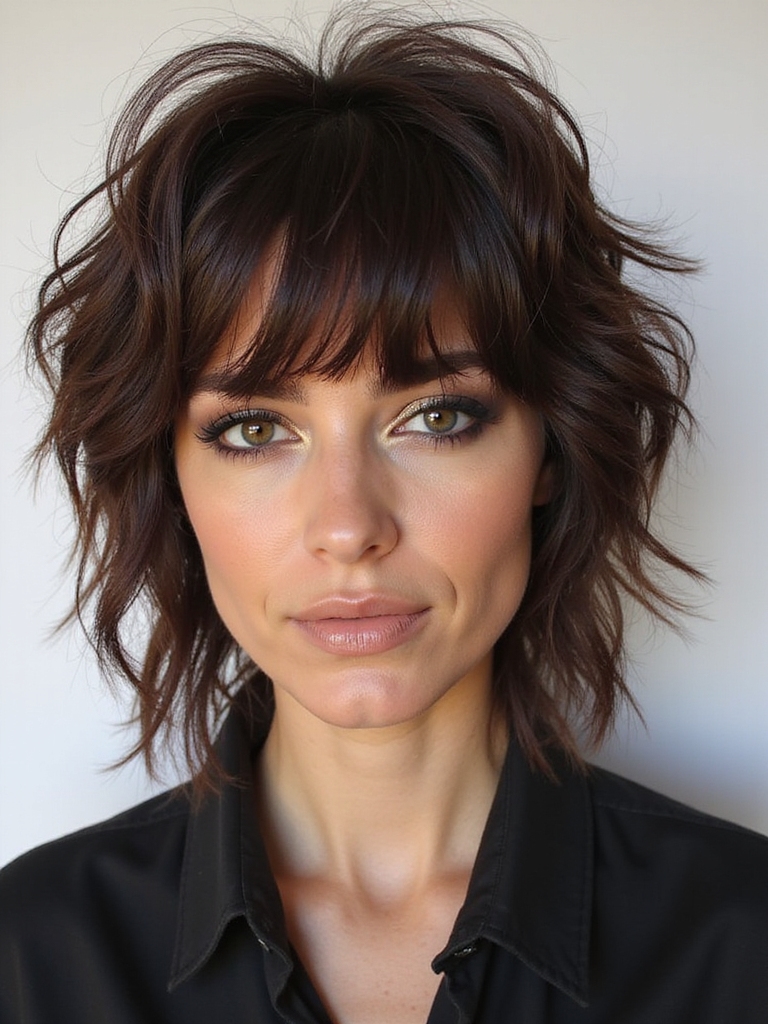
The shag has rock-and-roll in its DNA. It came up alongside the music scene of the seventies, all attitude and tousled volume, and that edge still lives in the cut today.
To lean into that spirit, ask for choppier layers, a heavier fringe, and a deliberately undone finish. A matte texture paste and rough-dried roots push it further. This is the take to choose when you want your hair to carry a little swagger.
Modern Shag Techniques

Today’s shag is softer than its ancestor. Stylists have refined the cutting so the layers blend smoothly into one another, giving a more wearable, grown-up result.
Modern versions also borrow freely from their neighbors, taking a touch of weight from the bob, a hint of drama from the wolf cut, and a soft curtain fringe that keeps the whole thing feeling current rather than retro.
The result keeps the crown-to-neck bones intact while feeling fresh. That is why the cut never quite goes out of style.
The Chic, Messy Shag

The messy shag is the cut at its most relaxed. The whole point is texture over polish, and a little disorder is exactly the goal here.
Mess as a Method
Getting there is simple. Work a texture spray into towel-dried hair, scrunch upward, and leave it to dry on its own before separating the pieces with your fingertips.
Day-two hair often looks even better. A quick mist of dry shampoo and a tousle revives the volume in seconds.
Upkeep Tips Between Cuts

A shag holds its shape well, but a few habits keep it looking intentional between salon visits. The choppy ends are the part that shows wear first, going wispy and ragged before the rest of the cut does. A little attention there goes a long way.
My usual advice to clients:
- Book a reshape on a six-to-eight-week rhythm so the choppy ends stay clean.
- Condition the tapered ends weekly so they stay soft and shiny.
- Refresh the crown with dry shampoo to hold its volume.
Products to Enhance Your Shag
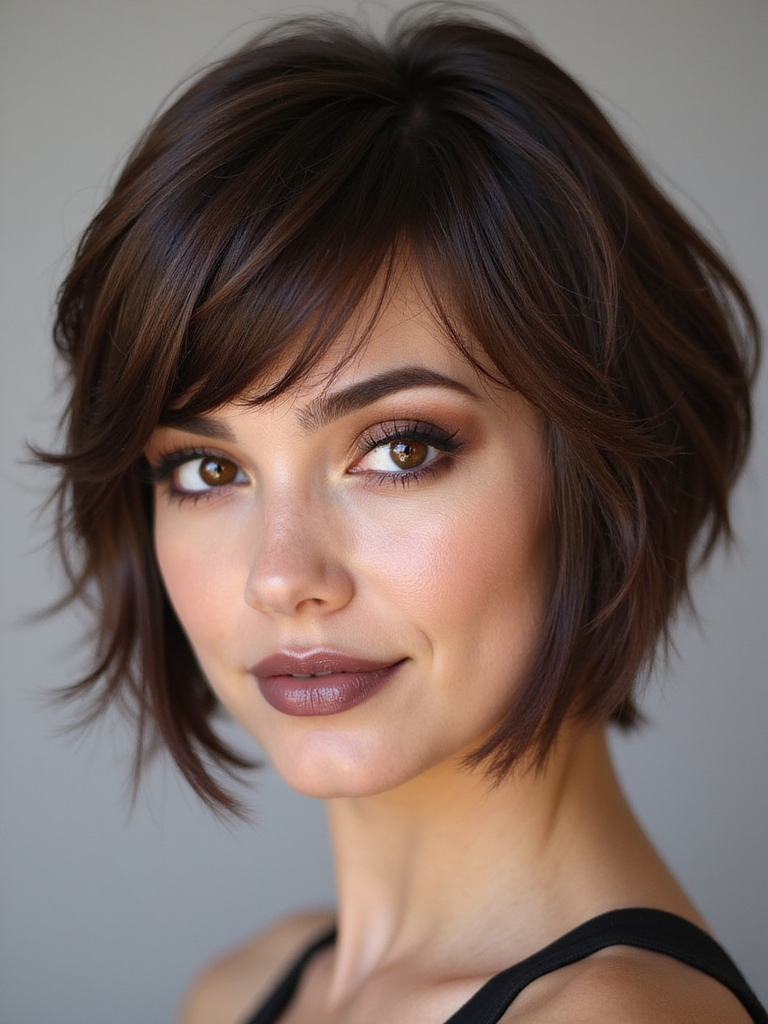
A shag needs very little to look its best, which is part of its charm. A short, well-chosen kit covers nearly every day and keeps you from piling on product the cut does not want. Heavy creams flatten the texture, so light formulas win. What I recommend keeping on hand:
- A texture spray for the piecey, undone finish.
- A volumizing mousse at the roots for lift on fine hair.
- A little shine serum smoothed over the very ends.
Timeless Elegance for Mature Hair

A shag is a wonderful choice for mature hair. The crown volume lifts hair that has lost some density, and the soft, face-framing layers flatter the face as it changes.
It also works beautifully with silver and gray, where the texture adds movement that keeps the look modern. I see many clients over fifty leave feeling years lighter, simply because the shape gives back the body their hair used to have.
Celebrity Shag Inspirations
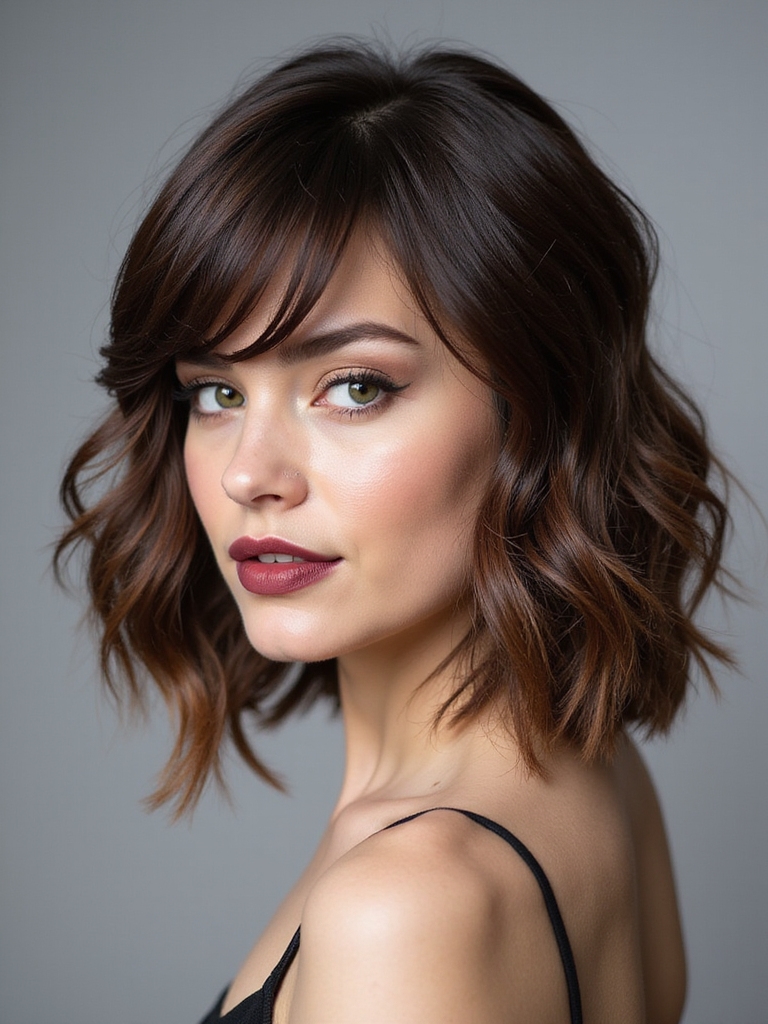
The shag has graced red carpets for decades, which makes celebrity photos handy references for your own cut. Choose ones that match your hair as much as your taste. How to use them well:
- Pick photos of a shag on your hair texture and density.
- Notice the crown height and the fringe style in each shot.
- Bring two or three to your stylist so you both share the same picture.
DIY Trim Tips at Home

A full shag really belongs to a trained stylist, since the crown-to-neck shape is hard to judge on yourself. Small fringe touch-ups, though, are fair game at home between visits.
If you do trim your own bangs, cut them dry, point the scissors upward into the hair, and take off less than you think. The big shaping is best left to the salon, where someone can see all the angles you cannot.
Ways to Accessorize Your Shag

The shag’s texture grips clips and pins well, which makes it a great base for accessories. A small addition can change the whole feel in seconds, taking the same cut from undone-cool to polished without any heat or restyling.
A few easy options to keep in a drawer:
- Claw clips to pin the front back on a warm day.
- Thin headbands that sit neatly over a curtain fringe.
- A silk scarf knotted at the crown for a retro nod.
Seasonal Updates to the Shag

One quiet perk of the shag is how readily it shifts with the seasons, taking small updates in stride without a full restyle. A new fringe length or a fresh tone is often all it takes to feel current again. A few ideas to keep yours fresh this season:
- Brighter, warmer highlights as the days grow longer.
- A slightly heavier fringe for the cooler months.
- A glossier finish in winter and a beachier, more matte one in summer.
- A deeper root smudge in autumn for low-effort dimension.
Going Short: A Bold Move

Cutting short can feel like a big leap, and a shag is a kind way to take it. The texture is forgiving, and the grow-out blurs softly, so a change you are unsure about never traps you.
If you are nervous, start a touch longer than your target. You can always go shorter when you return, once you see how the shape sits on you.
Give any new cut a week before you judge it, because hair needs a few washes and a couple of air-dries to settle into the way it will actually fall day to day. I see plenty of first-timers panic on day one, then fall for the shape by the weekend.
Choosing the Right Stylist

A shag lives or dies by the cut, so the stylist matters more than any product. Not every barber or stylist cuts a strong shag, and a weak one falls flat fast.
Look through a stylist’s portfolio for real shags with visible texture and a clean tapered neck. Their photos are the most honest preview you will get.
When you book, say the word shag plainly and describe the crown volume and feathered ends you want. A good stylist will ask about your texture and routine before they start.
Global Takes on the Shag

The shag is a global citizen, and different places have shaped it in their own image. The Korean version, often called a build perm, adds soft volume and a gentle fringe for a romantic feel.
A Shape Everyone Adapts
The Japanese wolf cut pushes the contrast further, with a tight, dramatic taper at the neck and a full, choppy crown. Western versions tend to sit somewhere in the middle.
All of them share the same crown-to-neck logic. That common backbone is why a shag reads as a shag in any language.
What a Shag Costs and How Long It Lasts
A salon shag usually runs $45 to $75, depending on your area and your stylist’s experience, and the cut itself matters far more than any product you add later. Color sits on top of that, with balayage in the $120 to $200 range and a simple gloss costing much less. The cut is the investment worth protecting.
Aim to sit in the chair on a six-to-eight-week cycle so the layers and nape stay sharp, and a heavier fringe needs its own quick trim every couple of weeks. None of this is medical advice, so if you notice unusual shedding or scalp irritation, check with your doctor before you blame the cut. Cared for this way, a short shag holds its intentional look from one appointment to the next.
Short Shag Questions, Answered
?What makes a short shag different from other layered cuts?
The crown-to-neck structure. A shag piles volume at the crown and tapers close at the neck, with choppy layers bridging the two. A plain layered cut lacks that deliberate top-heavy shape and the feathered nape, which is exactly what gives the shag its signature, lived-with movement from every angle.
?How often does a short shag need a trim?
Plan on a salon visit roughly every six to eight weeks, which keeps the layers and the nape looking clean and intentional. A heavy fringe is the exception, needing its own quick trim every couple of weeks to stay out of your eyes, while a wispy curtain fringe forgives a longer gap between visits.
?Will a short shag work on curly or coily hair?
Yes, and it shines on curls. The layers let the pattern spring and reach real height, so the shape stays loose and round. Work with a stylist who cuts curly hair dry, so each layer lands where the curl actually falls once it dries and settles into its natural shape.
?How much does a short shag cost?
A salon cut usually runs $45 to $75, depending on your area and your stylist’s experience. Color adds more on top, with balayage in the $120 to $200 range and a simple gloss costing far less. The cut itself is the part worth investing in, since the shape is what carries the whole look.
Your Shag, From Crown to Neck
Once you see the shag as architecture, the whole cut clicks into place. Crown volume up top, a tapered neck below, and choppy layers tying the two together, all flexed to fit your texture and your face.
So if the shape has been calling to you, go for it. Save a few references on your hair type, find a stylist whose nape work you trust, and ask for the crown-to-neck balance by name. The shag has lasted fifty years for a reason, and it has plenty of room to become yours.
Hand-Picked for You