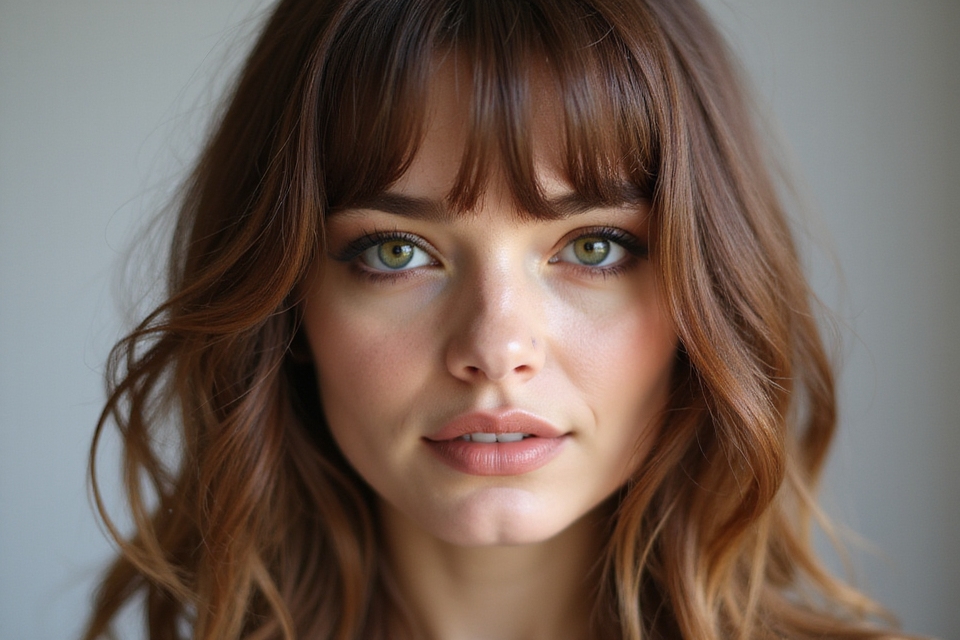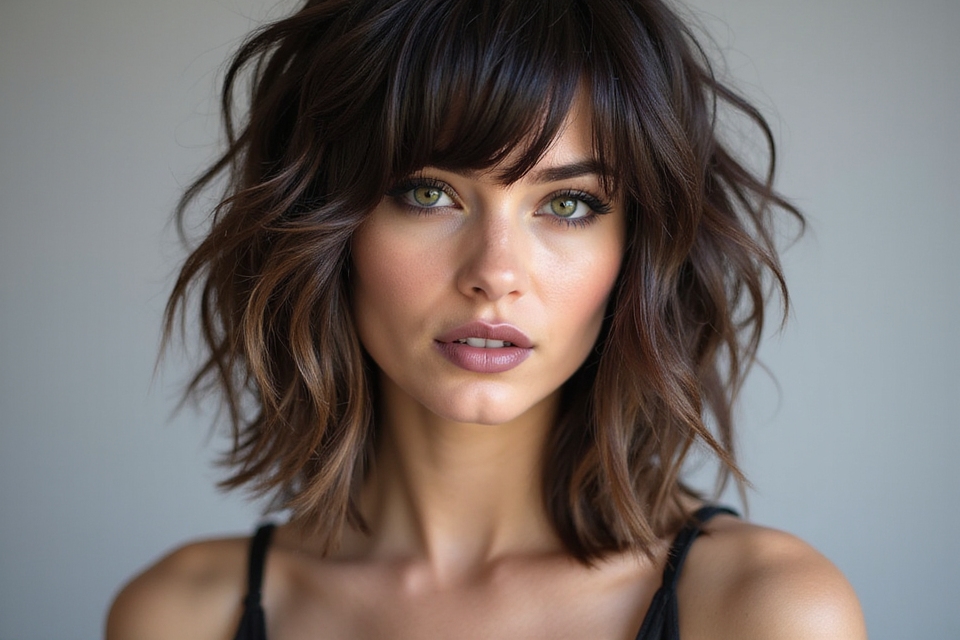

Walk into any salon right now and ask for a shag, and you will not be alone. The cut that defined 70s rock and roll has come roaring back, all choppy layers, face-framing pieces, and that undone, just-rolled-out-of-bed texture. It is the haircut for someone who wants movement and attitude without fussing over it every morning.
The shag works on nearly every length and texture, from a wispy fine shag to a curly wolf cut, and these fifteen takes show the range, plus how to style it, maintain it, and dodge the cuts that go wrong. Whether your hair is poker-straight or tightly coiled, there is a shag that suits it.
The Shag, in Short
A shag is a layered cut built on heavy, choppy layers, face-framing pieces, and usually some fringe, designed to create volume on top and movement throughout. It is forgiving, low-maintenance, and flattering on most face shapes, which is why it keeps cycling back into fashion.
It works across textures, fine and straight, wavy, curly, and coily, though the cutting changes for each: curls are best cut dry to follow the curl pattern, while straight hair is cut for that piecey, undone texture the shag is known for.
Soft Layered Shag

The softest version of the shag keeps the layers gentle and blended rather than heavily choppy, for movement without a dramatic, spiky edge. It is the most wearable, office-friendly shag, all soft texture and face-framing pieces, and the version I usually point new clients to first.
- Request gentle, blended layering instead of a bold chop.
- Keep face-framing pieces to soften the look.
- It suits fine to medium hair that wants movement. See layered haircuts.

Choppy Layers and Volume

The classic shag leans into bold, choppy layers that build serious volume on the crown and break the hair into piecey, textured sections. This is the rock-and-roll shag, all attitude and lift, for someone who wants the cut to be the statement.
- Ask for heavier, choppy layers for maximum texture.
- Build volume at the crown for that 70s lift.
- Use a texturizing spray to keep the pieces separated.
How to style a shag at home:
1Rough-dry
Dry the hair with your fingers, scrunching upward, instead of a round brush, to build undone volume.
2Spray for texture
Mist a sea-salt or texturizing spray through the mid-lengths and ends to separate the layers.
3Break up the pieces
Rub a little pomade between your palms and pull it through the ends to define the choppy layers.
4Shape the fringe
Bend the face-framing pieces and fringe with a flat iron or your fingers to finish.
Shag Styles by Face Shape

One reason the shag flatters so widely is that it adapts to your face shape through the layers and fringe. A round face benefits from longer, face-framing layers that add length; a long face suits a fuller fringe and layers that add width at the sides.
Wispy layers around the face ease a square jaw, and a heart shape comes into balance when the layers fill in below the chin. Bring a photo and ask your stylist to place the shortest layers where they flatter your features most.
Shag Haircut Variations

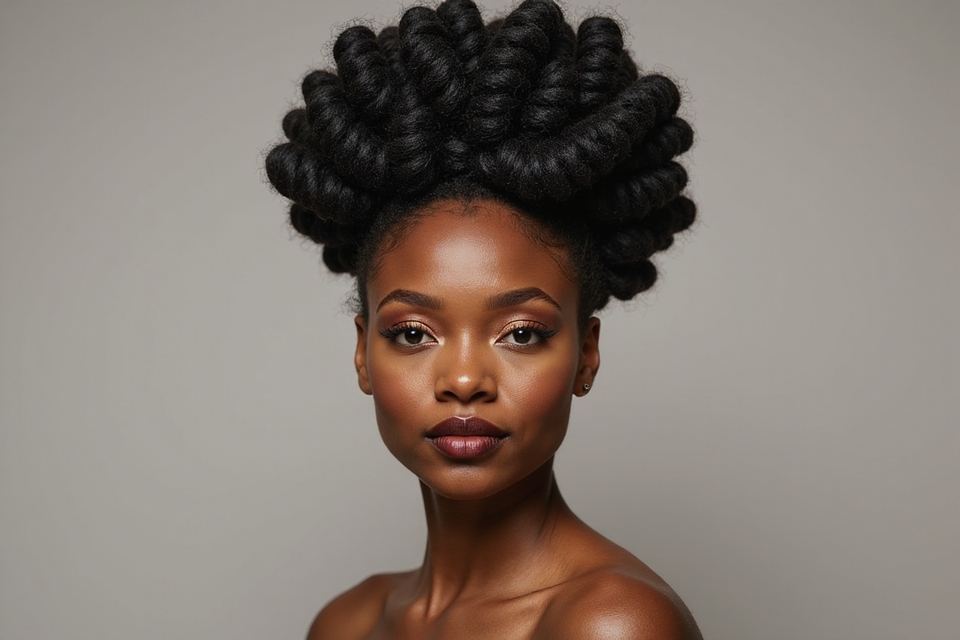
The shag is really a family of cuts, the wolf cut, the mullet shag, the bixie, the curly shag, each mixing layers and length differently. The curly shag in particular is a gift for textured and coily hair, since its layers give curls room to spring and lift rather than weighing them down. Curly and coily hair should always be cut dry, so the stylist can follow the natural curl pattern.
- Try a wolf cut for a shorter, edgier shag-mullet hybrid.
- Ask for a curly shag on textured or coily hair, cut dry.
- A bixie blends a bob and a pixie with shag layers. See mullet.
Which shag is for you?
1Want low-key and soft?
A soft layered shag or a medium-length shag with curtain bangs.
2Want bold and edgy?
A wolf cut or a choppy, high-volume shag.
3Have curly or coily hair?
A curly shag, cut dry to follow your natural pattern.
The Wolf Cut for Waves

The wolf cut is the shag’s wilder relative, a shag-mullet hybrid that stacks short layers up top over longer, feathered ends. On a natural wave it shines, because the bend in the hair grabs those choppy layers and reads as instant, undone texture.
Let the wave shape the layers
Ask for a shorter, heavily layered crown and longer pieces at the nape, and let your wave do the styling. A little curl cream scrunched in defines the layers without weighing them down.
It is the wolf cut I love for a wavy texture, bold and a little punk, the shag for someone who wants a real change. See wolf cut.
Shag Styling Essentials

A shag is built to look undone, but a few products get it there. The hero is a sea-salt or texturizing spray, which separates the layers and gives that piecey, gritty finish the cut is known for. Work a little volumizing mousse through the roots for body.
Rough-dry the hair with your fingers rather than a round brush, scrunch in a texture spray, and break up the pieces with a little pomade. The goal is separation and movement, not smooth polish.
- Use a sea-salt or texturizing spray for piecey separation.
- Rough-dry with your fingers for undone volume.
- Finish with a little pomade to define the ends.
The texture-spray trick
If your shag ever falls flat, the fix is almost never a wash; it is a texture or dry-shampoo spray at the roots and a scrunch with your hands. The cut is designed to look better a little undone, so second-day hair is often a shag’s best day.
Shag Maintenance

The shag is low-maintenance day to day, but the layers do grow out, so booking a cut every couple of months holds the shape. A salon shag runs about $50 to $90 depending on your area, and because the whole look hangs on those layers, leaving it to grow out too far softens the texture into an ordinary layered cut.
- Book a cut roughly every two months to keep layers defined.
- Tidy the fringe on its own as it grows out.
- Ask for the same layering each time so the shape holds.
Shag Inspiration Through the Decades

The shag has reinvented itself every decade since the 70s, when rock stars made it the symbol of cool, careless glamour. The 90s brought a softer, lighter version, and today’s revival mixes the 70s volume with modern, undone texture and curtain bangs.
One cut, reinvented every decade
If you want inspiration, look to the eras rather than any one person: the 70s for volume and attitude, the 90s for soft grunge, and now for a polished-but-undone everyday version. Each is the same cut tuned to a different mood.
It is a rare haircut that looks current in every decade, which is the secret to its staying power.
Be honest about your texture
The number-one cause of a bad shag is a photo that does not match your hair. Heavy choppy layers that look amazing on thick hair can leave fine hair stringy. Tell your stylist your real texture and density, and let them adapt the layers to your hair, not the picture.
Low-Maintenance Shag Cuts

For anyone who wants style without a routine, the shag is one of the lowest-maintenance cuts there is. Its built-in layers and texture mean it looks intentional even on a no-effort day, air-dried and finger-styled. It is the cut I recommend to busy clients who want to look done without trying.
- Choose a shorter shag for the least daily styling.
- Air-dry and scrunch, no heat tools required.
- A texture spray revives it on second-day hair.
Medium-Length Shag

The medium-length shag, hitting around the collarbone, is the most versatile and popular length, long enough to tie back but short enough to keep all that volume and movement. It flatters a wide range of faces and hair types, the version most people have in mind when they say shag.
- Aim for a collarbone length for the most versatility.
- Keep heavy layers through the crown for volume.
- Add curtain bangs to frame the face.
Long Layered Shag

A long shag keeps the length past the shoulders while layering heavily through the top and around the face, so you get movement and face-framing without sacrificing length. It is the shag for someone who loves long hair but wants it to feel lighter and less flat.
- Keep the length long but layer the crown and face heavily.
- Add long curtain bangs to tie it together.
- It removes weight so long hair moves and lifts. See long layered haircuts.
Shags With Bangs

A shag and a fringe belong together, and the type of bang you pick shifts the entire mood. Curtain bangs are the modern default, soft and parted in the middle, while a heavier, full fringe leans more 70s and dramatic.
Match the fringe to your texture
Wispy, piecey bangs suit fine hair and a softer shag, while a curly fringe works beautifully on textured shags. Ask your stylist to cut the fringe to your texture, since curly bangs need extra length to allow for shrinkage.
Whichever you pick, the fringe is what makes a shag look finished rather than just layered. See curtain bangs.
Color That Enhances a Shag

The right color makes a shag’s layers pop. Because the cut is all about dimension and movement, color techniques that add depth, face-framing highlights, a soft balayage, or money-piece brightness around the face, accentuate the layers and the texture.
Soft, grown-out color suits the cut best, since the shag itself is undone. Ask for highlights placed to catch the movement of the layers rather than an all-over, flat color.
Avoiding Shag Disasters

The shag goes wrong in a few predictable ways, and all are avoidable. The biggest is too many layers on fine hair, which can leave the ends stringy and sparse, so fine hair needs softer, fewer layers. The mistake I see most is someone bringing a photo of thick, voluminous hair to a fine-haired head.
Match the layers to your hair type
The other trap is a shag cut too short to tie back, leaving you stuck on the days you want it up. And a shag needs a texture product to look intentional; without it, the layers can look like an accident rather than a choice.
Tell your stylist the truth about your hair type and how much time you actually spend, and the cut will fit your real life instead of just the photo.
Everyday Shag Styling

For an everyday shag, the routine is short: a texture spray, your fingers, and maybe a quick bend with a flat iron on the face-framing pieces. This is a cut designed to be quick, minutes rather than a full blowout, so resist the urge to fuss over it.
- Keep daily styling to a texture spray and your fingers.
- Bend the face-framing pieces with a flat iron if you like.
- Avoid over-smoothing, which flattens the texture.
Shag Cut Questions, Answered
?Does a shag work on curly or coily hair?
Beautifully. A curly shag or a curly wolf cut gives the curls room to spring and lift instead of sitting heavy. The key is to cut curly and coily hair dry, so the stylist can follow the natural curl pattern and place the layers where they fall.
?How often does a shag need trimming?
A cut roughly every two months keeps the layers defined, with a quick fringe tidy in between. Because the cut relies on its layers for shape, letting it grow out too far blurs the texture into a plain layered cut.
?Is a shag high or low maintenance?
Low, day to day. It is built to air-dry and finger-style, and a texture spray revives it on second-day hair. The only real upkeep is the regular trim and keeping a texture product on hand, since the layers need a little grit to look intentional.
?What face shape suits a shag?
Most of them, because the cut adapts through the layers and fringe. A round face suits longer face-framing layers, a long face a fuller fringe, a square jaw soft wispy layers, and a heart shape layers that build below the chin. Your stylist can place the shortest layers to flatter your features.
The Cut That Always Comes Back
The shag has survived fifty years for a reason: it is flattering, forgiving, and built to look good with almost no effort, on straight, wavy, curly, and coily hair alike. Choose your length, match the layers and fringe to your texture, and keep a texture spray on hand, and you have a cut that works for your face and your routine.
More Hair Ideas