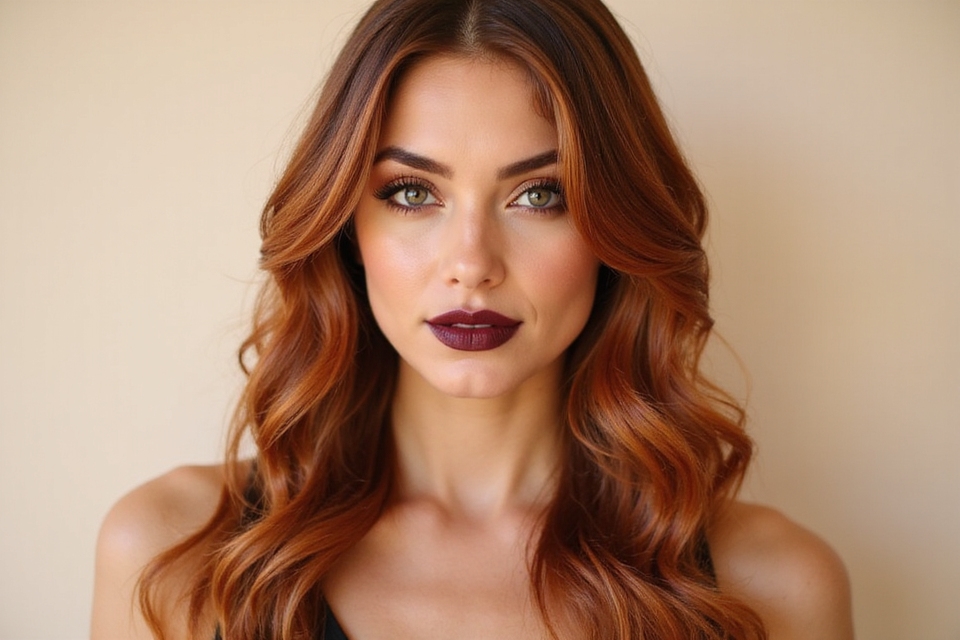
People love to talk about hairstyles going in and out of fashion, but the truth I have seen over years of doing hair is quieter than that: the styles that last are the ones that flatter, not the ones that trend. A good bob from ten years ago still looks good today.
So this is a collection of twenty-five hairstyles that really stay in style, the ones clients come back for again and again. From a sharp bob to a soft wave, a bold buzz to a simple braid, each comes with an honest note on who it suits, how to wear it, and what it asks of you to keep.
How to Use This List
- Pick by your hair type and face shape first, then by the look, since the most flattering style is always the one cut for your hair.
- Match the upkeep to your life: blunt cuts and buzzes want frequent trims, while layered and grown-out styles forgive a stretched schedule.
- Almost every look here works across textures when it is cut to your natural pattern, so do not rule one out for your curls or coils.
Tousled, Worn-in Waves

Loose, tousled waves are the look most people picture when they imagine good, undone hair. They are soft, a little piecey, and built to look like you slept on them and got lucky, which is exactly why they never date.
Keep Them Imperfect
Get them from overnight braids, a quick twist-and-clip while you dress, or a few passes of a curling wand, then break the curls up with your fingers.
They flatter nearly every length and face, and they grow out invisibly, so there is no upkeep beyond restyling. The one rule is to keep them imperfect; a too-neat wave loses all the charm.
The Sleek Bob

Few cuts say put-together faster than a sleek bob, a clean, blunt-ish shape worn smooth and shiny.
- Best on straight to wavy hair, where the smooth line reads cleanest; curls suit a softer version.
- Worth a flat iron and a drop of serum on the days you want it truly sharp.
- Plan a trim every five to six weeks to keep the line honest. Our pixie cut guide covers the shorter cousin.
Two things people believe about hairstyles that simply are not true:
❌ Myth: You have to chase every trend to look current.
✅ Reality: The opposite is true. The styles that last are the flattering ones; a cut chosen for your face and texture always looks current.
❌ Myth: Certain styles are off-limits for your hair type.
✅ Reality: Almost any look here works across textures when it is cut to your natural pattern rather than forced against it.
The Versatile Pixie

The pixie is the boldest low-maintenance cut there is: short, light, and full of personality, with almost nothing to do in the morning.
- A brilliant choice for fine hair, which looks fuller short, and for anyone tired of styling time.
- It wants a shape-up every three to four weeks, since short cuts grow out fast and visibly.
- It suits coily and curly textures beautifully when shaped to the pattern rather than against it.
The Adaptable Lob

The lob, or long bob, sits at the collarbone and is the most adaptable length in hair. Long enough to tie back, short enough to feel light, it is the cut I suggest most to clients who cannot decide between short and long.
- Flatters almost every face and texture, which is the secret behind its staying power.
- Wear it sleek, waved, or tucked behind the ears; the same cut reads three different ways.
- Grows out softly into long layers, so trims can stretch to six or seven weeks.
Protect Your Edges
Several of the most popular styles, the sleek high ponytail, tight buns, and protective braids, pull on the delicate hair along your hairline. Worn too tight or too often, that steady tension thins your edges over time, and broken baby hairs are the early warning. Keep these styles secure rather than painful, switch where you gather the weight, and give your hairline rest days. A style is never worth your edges.
Long Layers With Bangs

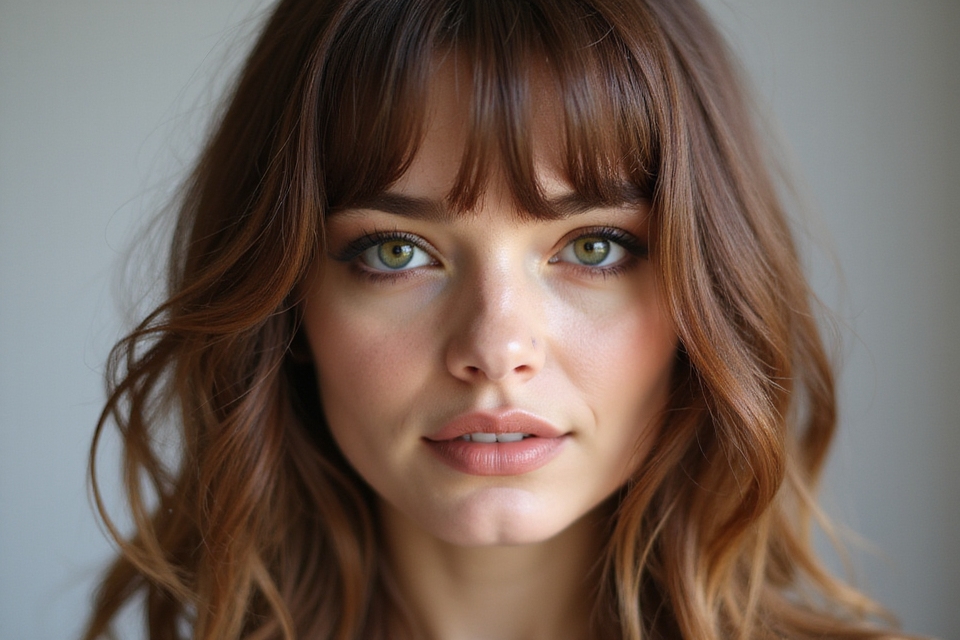
Long hair can read heavy and flat without movement, and layers with a fringe are the fix. Layers remove weight so the lengths swing, while a soft fringe frames the face and adds a focal point up top.
This is a low-commitment way to refresh long hair without losing it. The layers blend as they grow, and a curtain or wispy fringe softens almost any face shape.
- Ask for face-framing layers plus a fringe matched to your features, not a blunt one-length cut.
- A round brush at the roots gives the layers lift and movement.
- The fringe needs a trim every few weeks; the layers can wait much longer.
Face-Framing Layers

If you want one small change that flatters everyone, it is face-framing layers, soft pieces cut around the face to highlight your features and soften your jaw and cheekbones. They are the gentlest way to add shape without committing to a real cut.
The Smallest Flattering Change
Because they sit at the front, they do the most visible work for the least length lost.
They suit every length and texture and grow out with no awkward line. It is the change I reach for when a client wants something new but is not ready to lose any length.
Not sure where to start? Match a style to what you want most:
1I want the lowest maintenance possible
A pixie, a buzz, or a chin-length bob asks almost nothing of your mornings.
2I want to change my look without losing length
Face-framing layers, curtain bangs, or a new part refresh everything and grow out cleanly.
3I want something I can dress up
Hollywood waves, a low bun, or soft romantic curls take you straight to an occasion.
The Asymmetrical Undercut

For something with real edge, an asymmetrical undercut buzzes one side or section short while the rest stays long, creating a bold, off-balance shape. It is the most rebellious cut on this list and a genuine statement of confidence.
The trade-off is upkeep on the buzzed section, which wants a tidy-up every two to three weeks to stay sharp, and a stylist comfortable with graphic shapes. Worn down it hides the undercut; pulled back, it shows it off, which makes it quietly versatile.
Curtain Bangs

Curtain bangs part softly down the middle and sweep open to each side, framing the face like a pair of curtains rather than cutting straight across. They are the most forgiving fringe there is, which is why they have stayed in style season after season.
Because they are longest at the edges, they grow out with no awkward stage and tuck behind the ears on a rushed day. They flatter nearly every face, so they are the fringe I point nervous first-timers toward. Our curtain bangs guide goes deeper.
- Ask for them cut to hit around the cheekbone so they frame rather than cover.
- A round brush sweeping outward sets the soft, parted shape in seconds.
- They suit straight, wavy, and curly hair when cut to the texture.
Whatever you pick, three habits keep any style looking its best:
1Cut on schedule
Keep your trims on the calendar; even grown-out styles need shaping to read intentional rather than neglected.
2Protect overnight
Sleep on satin and, for curls and protective styles, in a bonnet, to cut frizz and keep the shape.
3Moisturize, do not strip
Wash less, rinse cool, and use a weekly mask; healthy, hydrated hair makes every style look better.
The Blunt Bob

Where the sleek bob can be softened, the blunt bob commits, one clean length with no layers, cut sharp and worn dense. It is bold, modern, and makes fine hair look thicker by keeping all the weight in the line.
Why It Flatters Fine Hair
That density is the whole point, so it suits fine to medium hair best; very thick hair can read heavy and may want a little internal texture.
It is higher upkeep than a layered bob, wanting a trim every four to five weeks to keep the line crisp, but the payoff is a cut that always looks intentional.
Soft Romantic Curls

Soft, romantic curls are the dressed-up version of waves, fuller, rounder, and brushed out into a brushed, vintage-leaning shape. They suit an event, a date, or any day you want to feel a little done.
Set them, let them cool fully, then brush them out so they read soft rather than tight and ringlet-y.
They work on any hair that holds a curl, and a setting spray makes them last the night. Naturally curly hair gets here with far less effort, simply by defining the pattern it already has.
The Universally Flattering Shag

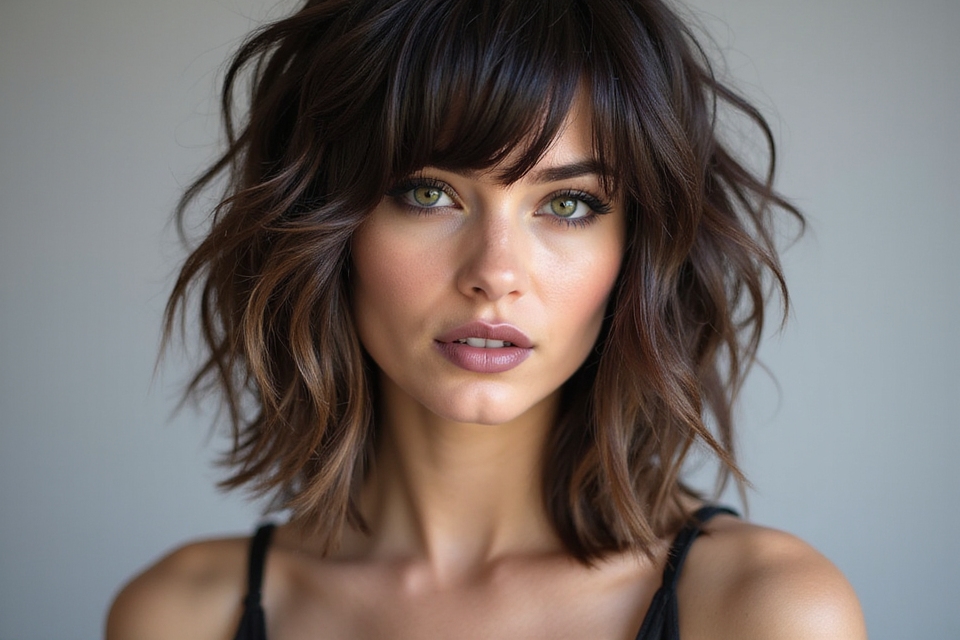
The shag is a heavily layered, textured cut with a feathered fringe and lots of movement, and it has come roaring back precisely because it flatters almost everyone. The layers add volume to fine hair and shape to thick hair, doing different jobs on different heads.
It is really low-effort to wear, since the whole look is meant to be undone and a little wild. A texturizing spray scrunched through is the entire styling routine. Our shag haircut guide has the full breakdown.
Classic Hollywood Waves

Old-Hollywood waves are the most glamorous look here, deep, polished, uniform waves brushed into a sleek S-shape that catches the light. They are the go-to for a wedding, a gala, or any moment that calls for real glamour.
They take patience: set the hair in even sections, let it cool completely, then brush through and pin the wave pattern in place.
They suit medium to long hair best, where the wave has room to repeat. A shine spray to finish is what gives them that liquid, red-carpet gloss.
Beachy Waves

Beachy waves are the most relaxed wave of all, loose, undone, and a little gritty, like you just walked back from the coast. Where Hollywood waves are polished, these are deliberately imperfect, which is the whole appeal and why they always read modern.
- Scrunch a salt spray into damp or dry hair, then gently stretch the waves loose as they dry.
- Do not overwork them; a little unevenness is what makes them read beachy rather than styled.
- They suit looser textures by nature and give tighter curls a softer, stretched day-two life.
The Chin-Length Bob

Shorter than a lob and softer than a blunt bob, the chin-length bob is the rounded, French-leaning shape that frames the jaw and flatters a remarkable range of faces. It is light, modern, and easy to wear down or tucked back.
- The chin length draws the eye to your cheekbones and jaw, balancing longer and rounder faces alike.
- It barely needs styling: a leave-in, a scrunch, and air-drying brings it to life.
- It is the most low-maintenance bob, growing out softly into a lob with no hard line.
The Bold Buzz Cut

The buzz cut is the boldest, most freeing cut a woman can make, hair clipped short and even, with nothing to hide behind and nothing to fuss over. It is a statement of confidence and, for many, a genuine relief from years of styling.
- Truly zero-maintenance day to day, with a quick buzz every two to three weeks to keep it even.
- It puts your features and your neck on full display, so lean into bold earrings or a strong brow.
- Often a powerful choice after a big chop, during regrowth, or simply for the freedom of it.
The Sleek High Ponytail

The sleek high ponytail is the fastest way to look pulled-together and a little powerful, hair smoothed back tight and gathered high at the crown. It reads polished for the office and striking for the evening, all from one quick move.
The honest note is tension. Worn too tight too often, a high pony pulls at your hairline, so keep it secure rather than painful and give your edges a rest between wears.
- Smooth the top with a brush and a little gel, and wrap a strand around the base to hide the elastic.
- Use a soft, snag-free tie rather than a tight elastic to protect the hair.
- Switch the height day to day so you are not stressing the same spot on your hairline.
The Twisted Half-Up

A twisted half-up takes two sections from the sides, twists them back, and joins them at the crown, lifting hair off the face while leaving the length down. It is the prettiest thirty-second style there is, and it works on almost everyone.
The beauty of it is how little it asks: no braiding skill, no heat, just two twists and a clip or a small elastic. Tug the twists a touch wider for a soft, full finish, and leave a few pieces loose at the face.
The Textured Crop

The textured crop is the pixie’s edgier sibling, short all over with choppy, piecey texture and often a little fringe. It is bold and modern, and the broken-up texture makes it more forgiving to style than a sleek short cut.
Forgiving by Design
Because the texture is the point, it forgives a shaky hand and a busy morning. A little paste worked through with your fingers, pushing pieces in different directions, is the whole routine.
It suits people who want short and a little undone, and it works across textures, reading especially sharp and architectural on coily hair.
Bouncy Defined Curls

For naturally curly and coily hair, nothing beats your own curls at their defined, bouncy best, worn down and proud. This is less a style to impose than a pattern to bring out, and a good wash-day routine is what gets you there.
- Rake a curl cream or gel through soaking-wet hair so every coil is coated, then leave it alone to dry.
- Scrunch out any product cast with a drop of oil once fully dry for soft, springy definition.
- Embrace shrinkage; it is a sign of healthy curls, not lost length. Our Black hairstyles guide has more.
Braided Styles

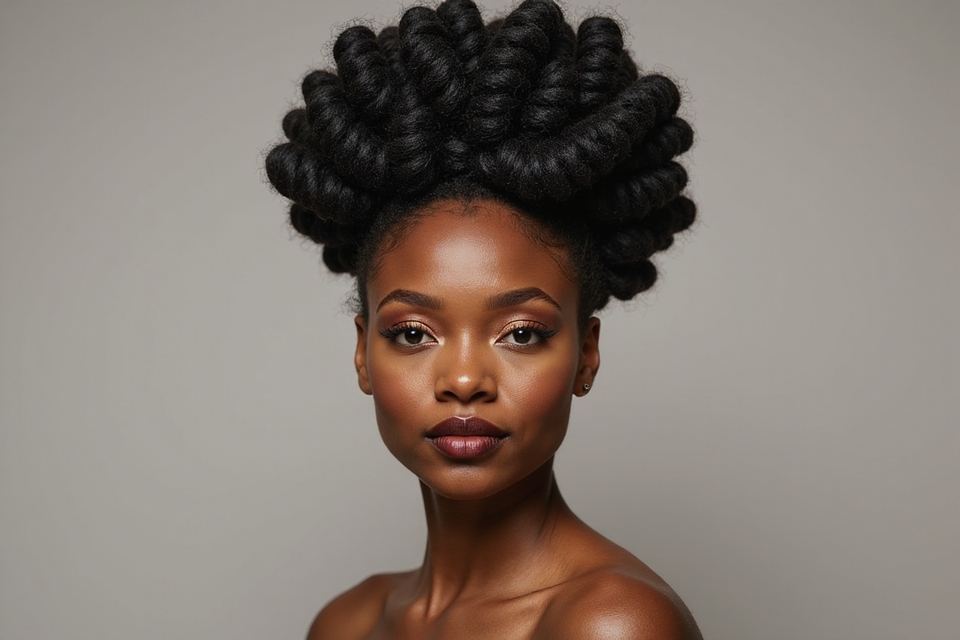
Braids are the most versatile family in hair, from a quick side braid to cornrows, box braids, and braided updos. They are protective, practical, and carry deep cultural history, especially across the African diaspora, where braiding is a tradition as much as a style.
Worn for a day or installed for weeks, braids rest your hair while looking finished. The one rule that always applies is tension: braids worked too tight pull at the hairline, so they should feel secure but never sore. Our braided hairstyles guide runs through the range.
- A loose side braid is the fastest pretty style; cornrows and box braids are longer-wear protective sets.
- Keep the tension gentle at the edges, and moisturize your scalp while protective braids are in.
- Take protective installs down by six to eight weeks to keep your own hair healthy.
The Low Bun

The low bun is the quietest elegant style there is, hair gathered softly at the nape and twisted into a coil. It suits the office, a wedding, and a bad-hair day equally, which is why it never goes out of fashion.
Worn sleek it reads formal; worn loose with a few pieces out it reads romantic. Either way it takes under a minute and tucks your ends away, which makes it gentle on your hair too.
- Gather low and loose at the nape, twist into a coil, and pin; leave the front soft.
- A soft tie rather than a tight elastic keeps it gentle on your hairline.
- Tuck the ends fully under for a chignon-style finish on dressier days.
The Classic Center Part

Sometimes the style is simply the part. A clean center part worn with hair down is minimal, balanced, and quietly modern, framing the face symmetrically and letting a good cut speak for itself.
A Change With No Cut
It flatters balanced and oval faces most, while a slightly off-center version softens a longer face.
Keep the part clean with a little smoothing cream along the line. On the days a center part feels too severe, shifting it a centimeter off-center is all the softening most faces need.
Highlights for Dimension

Color is part of style too, and highlights are the most timeless way to do it, lighter pieces woven through to add depth and catch the light. Done softly, they make any cut look more expensive without changing the shape at all.
The most flattering, lowest-maintenance version stays close to your base and blurs the regrowth, like a soft balayage or a few babylights. A salon set runs from around a hundred dollars and up, and the soft kind grows out with no hard line.
- Ask for face-framing brightness, which lifts your complexion as much as your hair.
- Choose balayage or babylights over a hard foil line if you want the lowest upkeep.
- Use a purple shampoo sparingly to keep lighter pieces from going brassy between visits.
The Messy Bun

No list of staying-power styles is complete without the messy bun, the gathered, undone knot you can do half-asleep in twenty seconds.
- Gather loosely high or low, twist, wrap, and pin or use a soft tie; do not smooth every piece.
- Pull a few strands loose at the face so it reads soft and intentional rather than rushed.
- Second-day hair holds it better than fresh, clean hair, which makes it the perfect skip-a-wash style.
How to Get Glossy, Shiny Hair

Whatever style you choose, shine is what makes it look healthy and expensive, and it comes from the cuticle lying flat. A few habits do more for gloss than any single product, and they work on every texture and length.
- Rinse cool at the end of every wash; cold water closes the cuticle so it reflects more light.
- Use a weekly mask and a drop of oil on the mid-lengths to keep hair hydrated, since dry hair reads dull.
- Skip over-washing and high heat, the two fastest ways to strip the shine right out of healthy hair.
Choosing a Hairstyle, Answered
?How do I choose a hairstyle that suits me?
Start with your hair type and face shape, not the trend. A stylist matches the cut to how your hair actually behaves and to the features you want to balance, so the shape works for you. Bring a photo as a starting point, but expect to adapt it to your texture.
?Which hairstyles are the lowest maintenance?
Pixies, buzz cuts, chin-length bobs, and grown-out layered styles ask the least. The high-upkeep looks are blunt cuts, sharp fringes, and anything that needs frequent toning or buzzing. Match the upkeep to how much salon time you actually have before you commit.
?Do these styles work on curly or coily hair?
Almost all of them, when they are cut dry and shaped to your natural pattern. Bobs, pixies, shags, and layers all translate beautifully to curls and coils; what matters is a stylist who cuts texture regularly and works with your shrinkage rather than against it.
?How often should I get a trim?
It depends on the cut. Blunt and short styles want a trim every three to five weeks to hold their shape, while layered and longer styles stretch to six to eight weeks. A fringe needs the most frequent attention, often every few weeks on its own.
The Style That Lasts Is the One That Fits
If twenty-five looks feel like a lot of choice, let this be the filter: the best hairstyle is not the trendiest one, it is the one cut for your hair, your face, and your real life. Every style here has lasted because it flatters, and the version that flatters you is the only trend that matters.
So save the few that pulled at you, bring a photo to a stylist you trust, and talk through your texture and your honest upkeep before a single cut. The right style does not just look good in the salon; it looks good on a Tuesday, which is the whole point.
More Hair Ideas