
It is 7am, your hair dried in odd directions overnight, and you have eleven minutes before you leave. This is the real test of any curly hairstyle, and it is exactly the moment most generic hair advice falls apart. Curls behave by their own rules, the way they always have.
Once you stop fighting your texture and start working with it, mornings get easier and your hair looks better. The styles below span every curl pattern, from loose waves to tight coils, with cuts, updos, protective options, and the moisture routine that holds it all together. Find your curl type first, then borrow whatever fits your hair and your schedule.
Curly Hair, Quick Notes
- Know your curl type before anything else; it decides which cuts, products, and styles will actually work for your hair.
- Moisture is the whole game for curls. Hydrated hair curls tighter, frizzes less, and holds a style far longer than dry hair ever will.
- Handle curls gently and on wet or damp hair. Brushing them dry breaks up the pattern and invites breakage.
Understanding Your Curl Types

Everything starts here. The widely used typing system runs from type 2 waves through type 3 curls to type 4 coils, with a, b, and c subtypes marking how tight the pattern gets. Knowing roughly where you fall saves you from products and cuts that were built for a totally different texture.
- Type 2 (wavy): loose S-shaped bends that fall flat easily and prefer lightweight products.
- Type 3 (curly): springy ringlets from loose to corkscrew that thrive on curl creams and gels.
- Type 4 (coily): tight coils and zigzags, the most fragile pattern, that need rich moisture and a gentle hand.
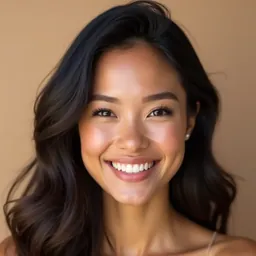
Embrace Your Natural Curls

There is a quiet confidence that comes with wearing your hair as it actually grows. For years a lot of us were sold the idea that curls had to be straightened to look done, and unlearning that takes time. The payoff is hair that looks like you and takes a fraction of the effort.
Giving Heat a Long Rest
Going natural usually means a reset. Cutting away heat-damaged ends so healthy curls can spring back, then learning how your pattern behaves when you stop interfering with it. Expect a few weeks of getting acquainted before things click.
The reward is real. Once your curls are healthy and you have a routine that suits them, your natural texture becomes the easiest version of your hair to live with.
🅰️Air-Drying
Gentlest on curls and zero heat, giving the most natural set. It is slow and leaves you at the mercy of the weather.
🅱️Diffusing
Faster and adds volume at the roots, with more control over shape. Even on low heat it is still heat, so use a heat protectant.
Layered Curly Bob

The curly bob is a modern classic for a reason. Cut to sit somewhere between the chin and shoulders, it keeps length manageable while letting curls do their bouncy thing. Layers are what keep it from turning into a heavy triangle.
Ask your stylist for layers cut specifically for curly hair, ideally dry, so they can see how each curl falls. The right internal shape removes weight, lifts the roots, and gives the bob its rounded, springy silhouette. Skip heavy products that would drag a shorter cut down, and scrunch in a light mousse instead.
Caring for Natural Curly Hair

Great curly styles all sit on top of healthy hair, so a simple care routine matters more than any single product. You do not need a ten-step shelf, just a few steps done consistently. If you want a deeper dive, the full hairstyles for curly hair guide pairs care with styling.
- Cleanse gently with a sulfate-free or co-wash formula so you keep your natural oils.
- Condition generously and detangle with fingers or a wide-tooth comb while the conditioner is in.
- Style on soaking-wet hair, then dry without disturbing the curls to lock in definition.
👍Why Go Natural
- +Far less daily heat styling, which means healthier hair over time.
- +Your real texture is usually the lowest-effort version of your hair.
- +Volume and movement that straightened hair cannot replicate.
👎What to Expect
- –A transition period while heat-damaged ends grow out or get cut.
- –A learning curve to find the right products and routine.
- –Some days your curls have their own agenda, and that is normal.
Bold and Playful Curly Looks

Some days call for curls that take up space. Bold, playful looks lean into volume and personality, the kind of hair that walks into a room a second before you do. This is where curly hair gets to show off what straight hair simply cannot.
- A big voluminous halo, diffused at the roots and fluffed out for maximum lift.
- Curls pinned up on one side with the other left wild for a fun, lopsided shape.
- A bright accessory, a silk scarf or a statement clip, tucked into the volume.
Chic Curly Hairstyle, Zero Fuss

A truly low-maintenance curly look is real; it just relies on prep more than morning styling. The chic, pulled-together version of curly hair comes from setting your curls well the night before so morning-you does almost nothing. This is the look I lean on when the alarm wins.
- Refresh second-day curls with a spritz of water and a little leave-in, scrunched in.
- Pineapple your hair at night, loosely gathered on top, to protect the shape while you sleep.
- Smooth flyaways at the hairline with a damp brush and a touch of gel.
Handle With Care
Brushing dry curls shatters the pattern and snaps fragile strands. Detangle only on wet, conditioner-coated hair with fingers or a wide-tooth comb, working from the ends up toward the roots, never the other way around.
Chic Half-Up Curly Style

The half-up is the hardest-working style in the curly playbook. It pulls hair off your face while showing off your length and curl pattern, which makes it equally right for work, a date, or a weekend. It also buys you a second day between washes.
Adding a Quick Twist
Gather the top section and secure it with a soft tie or claw clip, leaving the rest to fall. How much you take up changes the whole mood, a small section feels casual, a larger one feels styled. Tug a few pieces loose around the face to keep it soft.
For extra polish, add a twist or two on each side before clipping the top back. It takes thirty seconds and makes the whole thing look deliberate.
Curly Bangs

Curly bangs are having a real moment, and they transform a face faster than almost any other change. Done right, they add softness and frame the eyes; done wrong, they shrink up shorter than you expected. Going in informed is half the battle.
The golden rule is shrinkage. Curly fringe springs up dramatically as it dries, so it must be cut longer than the length you actually want. A stylist who cuts your bangs dry, curl by curl, will get the proportion right where a wet cut often guesses wrong.
- Loose, wispy curly bangs suit type 2 and 3 hair for a soft, airy frame.
- A fuller, rounded curly fringe makes a bold statement on type 3 and 4 textures.
- Refresh bangs daily with a little water and cream, since they touch oily skin and fall first.
Curly-hair terms you will see everywhere.
📖Wash-and-go
Applying product to soaking-wet hair and letting it dry in its natural curl pattern, with no stretching or setting.
📖LOC method
Layering a Liquid, then an Oil, then a Cream to add and seal in moisture, especially for drier, coily textures.
Curly Elegance for Formal Events

Curls belong at every black-tie event, straightener left in the drawer. A formal curly look is about controlling shape and adding a few refined touches, so your texture looks intentional and elegant. The natural movement of curls actually makes updos look richer.
- A curly updo with face-framing pieces left loose for a romantic, soft finish.
- A low, voluminous bun at the nape, defined and smoothed only at the edges.
- A few pearl pins or a delicate band tucked in to dress the curls up without flattening them.
Beachy Waves

Beachy waves are the most relaxed end of the curly spectrum, that loose, tousled texture that looks like a salty afternoon by the sea. They suit naturally wavy hair beautifully and give tighter curls a softer, stretched-out option for a change of pace.
If your hair is already wavy, a salt spray scrunched into damp hair and air-dried does most of the work. Tighter textures can loosen their pattern with large flexi-rods or a few fat braids left to dry. A light hand with product keeps the waves airy rather than crunchy, which is the whole point of the look.
Timeless Vintage Curls

Vintage curls carry a glamour that never really dates. Think defined, sculpted waves and soft pinned shapes inspired by old-Hollywood icons, a look that turns curly hair into pure drama. It rewards patience and a bit of setting time.
The classic versions rely on setting the hair and then brushing or pinning it into shape once it is fully dry and cool. The structure is what gives vintage curls their polish, so resist the urge to rush the cooling stage.
- Finger waves pressed close to the head for a striking retro statement.
- Soft pin curls set overnight, then gently brushed out into glossy waves.
- A deep side part with one wave swept across the forehead for instant glamour.
Protective Curly Styles

Protective styling gives curls, especially tighter type 4 textures, a break from daily handling and the weather. By tucking the fragile ends away, these styles help you retain the length you grow and keep moisture locked in. They are practical and can look striking at the same time.
Twists, braids, buns, and updos that hide the ends all count, worn for a week or two at a stretch. Keep the tension comfortable at your roots and edges, since styles pulled too tight can stress the hairline over time. For braided options, knotless braids are a gentle, lower-tension favorite.
High Curly Ponytail

A high ponytail on curly hair is all bounce and attitude. Gathering your curls up high shows off their full shape and instantly lifts the whole face, which is why it reads both sporty and chic depending on how you finish it. It is a five-minute style with big impact.
- Gather curls high with a soft scrunchie to avoid denting or snapping the hair.
- Leave the curls full and undefined up top for volume, or smooth the front for polish.
- Wrap a curl around the base to hide the tie for a finished, intentional look.
Side-Swept Curly Elegance

Sweeping all your curls to one side is an old trick that still works like magic. The asymmetry feels romantic and dramatic, sending a cascade of curls over one shoulder while opening up the other side of the neck. It suits weddings and ordinary Tuesdays alike.
Create a deep part on one side and gently encourage the bulk of your hair over the opposite shoulder. Pinning behind one ear holds it in place, and the curls themselves provide all the volume and interest you need.
This look flatters long and medium curls especially well, since they have the length to drape. A little oil smoothed over the surface adds shine and tames any frizz along the part.
The Wash-and-Go

The wash-and-go is curly hair’s signature move: clean, product in, dry, done. The name oversells the simplicity a little, but once you nail your technique it really is the fastest route to defined curls. The whole secret is applying product to soaking-wet hair. The wet curly hair method explains exactly how wet is wet enough.
- Apply leave-in and a curl gel to hair dripping with water, never damp.
- Rake the product through, then scrunch upward to encourage the curl to clump.
- Air-dry or diffuse without touching, then scrunch out any gel cast once fully dry.
Transform Your Curls

Having curly hair does not mean wearing the same look every day. With a little effort you can shift your texture and shape dramatically, which keeps things interesting without any permanent commitment or heat damage. Variety is one of the underrated perks of curls.
Most transformations come down to stretching or setting. Stretching loosens your pattern for length and a different silhouette, while setting on rods or rollers tightens and defines it. Both let you wear a noticeably different head of hair from one day to the next.
- Banding or threading damp hair to stretch curls without heat.
- Flexi-rods or perm rods for a uniform, springy curl set.
- A braid-out or twist-out for stretched, defined waves with body.
Hydrating Products to Reduce Frizz

Frizz is almost always a thirst signal. When the hair cuticle is dry it lifts and grabs moisture from the air, which is what you see as frizz, so the fix is hydration that calms the cuticle. Well-watered curls simply behave.
Build a routine around water-based moisture sealed in with the right products for your texture. Lighter creams and serums suit looser curls, while richer butters and oils keep coily hair happy. Layering leave-in, then gel traps the hydration where it counts.
- A water-based leave-in as your first hydrating layer on wet hair.
- A curl cream or custard to define and add slip.
- A gel or sealing oil on top to lock moisture in and fight humidity.
Curly Styles by Face Shape

Curls add volume, and where that volume sits can flatter or fight your face shape. A few small adjustments to length and placement make a cut feel custom rather than generic. This is the kind of detail a good curly stylist thinks about automatically.
- Round faces: build height at the crown and keep the sides from widening for balance.
- Long faces: add fullness at the sides and avoid too much height up top.
- Square and heart shapes: soft layers and face-framing curls round off stronger angles.
Curls With Highlights

Color and curls are a natural pair, because highlights catch every twist and turn to show off the spiral shape. Well-placed lightness adds depth and movement that makes curls look fuller and more dynamic. The dimension is the whole reason to do it.
Keeping Colored Curls Healthy
Techniques like balayage and a curl-focused painting method called pintura place color along the curl so the brightness lands where the light hits. The result follows your pattern, tracing the spiral rather than flat stripes, which is what keeps it looking organic.
One caveat: lightened curls need extra moisture and care, since color is drying. Build in regular deep conditioning so your highlighted curls stay springy and soft.
Heatless Curl Techniques

Heatless methods are a gift to curly hair, letting you set, stretch, or enhance your curls without the damage that hot tools cause over time. They take a little planning, usually an overnight set, but your hair thanks you for it. These work on natural curls and looser textures alike.
- Flexi-rods or curlformers on damp hair for a defined, bouncy set by morning.
- The viral robe-tie or sock method for soft, heatless waves on looser hair.
- Plaits or twists left in overnight, then unraveled for stretched, textured curls.
Short Curly Styles

Short curly hair is full of personality and far easier to manage than people fear. Less length means less weight pulling the curls down, so you often get more spring and volume out of a short cut. There are far more options than a single default crop, as the short curly hairstyles roundup shows.
- A curly pixie that lets coils stand up and frame the face with attitude.
- A tapered cut, shorter at the sides and full on top, for a sculpted shape.
- A short curly shag with layers for that worn-in, textured, rock-and-roll feel.
Moisturizing Tips for Curls

If frizz is a thirst signal, moisture is the answer to most curly hair complaints. Curls are naturally drier than straight hair because the spiral shape makes it hard for scalp oils to travel down the strand. That means you have to deliver and seal in moisture deliberately.
A few habits make the biggest difference. Deep condition weekly, refresh with water between washes, and seal damp hair with a cream or oil so the hydration does not just evaporate. Many curlies swear by the LOC method, layering a liquid, an oil, and a cream in that order.
Protect that moisture overnight too. A satin or silk pillowcase, or a bonnet, stops cotton from wicking the water out of your curls and roughing up the cuticle while you sleep.
Voluminous Curls

Big, full curls are a look in their own right, and a few techniques reliably crank up the volume. Most flat curls come down to roots and product, which is good news, because both are easy to fix. The lift starts at the scalp.
Diffuse with your head flipped upside down to lift the roots, and use root clips at the crown while drying to bake in height. Avoid heavy oils at the roots, which weigh curls down, and choose mousses or foams built for volume. Fluffing gently with your fingers once dry expands the curls without causing frizz.
Braids With Curly Hair

Braids and curls are natural partners. You can braid curly hair into countless styles, or use braids as a tool to create texture in hair you later wear loose. Either way, braiding gives curly hair structure and a break from daily styling.
Braid-In Versus Braid-Out
Worn in, braids keep curls contained and protected, from a single side braid to fuller cornrow and twist styles. Worn out, a braid-out leaves behind soft, uniform waves that stretch your pattern and add body. The technique is the same; only the timing of unraveling changes.
Keep the tension gentle so braids sit comfortably at your scalp, and braid on moisturized hair so the strands stay supple. For more ideas, twist styles use the same logic with a different motion.
Seasonal Curly Trends

Curly hair trends shift with the seasons, and lately the mood is all about authenticity, embracing real texture and letting it be what it is. Heatless styling and healthy-hair routines are having a real moment right now, which is a win for curls everywhere.
Whatever is trending, the smart move is to borrow the ideas that suit your hair and skip the rest. Trends come and go, but a healthy curl pattern you understand is always in style.
- Defined, glossy wash-and-gos worn proudly in their natural shape.
- Curly shags and modern mullets for texture-forward, low-fuss cuts.
- Bold accessories, from silk scarves to oversized clips, dressing up everyday curls.
Curly Hair Questions, Answered
?How do I find my curl type?
Wash your hair, let it air-dry with no product, and look at the shape it forms. Loose S-waves are type 2, defined ringlets are type 3, and tight coils or zigzags are type 4. Many heads have more than one type, so style for the majority pattern.
?Why is my curly hair so frizzy?
Frizz is usually a sign of dryness. When the cuticle lacks moisture it lifts and pulls humidity from the air. Focus on hydrating leave-ins, sealing with a cream or gel, and avoiding rough towel-drying or brushing curls when dry.
?How often should I wash curly hair?
Most curls do best with less frequent washing, often once or twice a week, since natural oils take time to travel down the strand. Co-washing or refreshing with water on non-wash days keeps curls hydrated without stripping them.
?Can I make my curls last more than one day?
Yes. Protect the shape overnight by pineappling your hair or using a satin bonnet or pillowcase, then refresh in the morning with a little water and leave-in scrunched through. Good second and third-day hair starts with how you sleep.
Your Curls, Your Way
The throughline across all of this is simple: curly hair gets easier the moment you stop treating it like straight hair that misbehaves. Learn your curl type, keep it hydrated, handle it gently, and the styles open up from there, whether you want a quick wash-and-go or a sculpted formal updo.
Pick one idea from this list to try this week, maybe a half-up or a fresh moisture routine, and build from there. Your curls are not a problem to solve; they are a texture to work with, and they look best when they look like you.
More Styles to Try