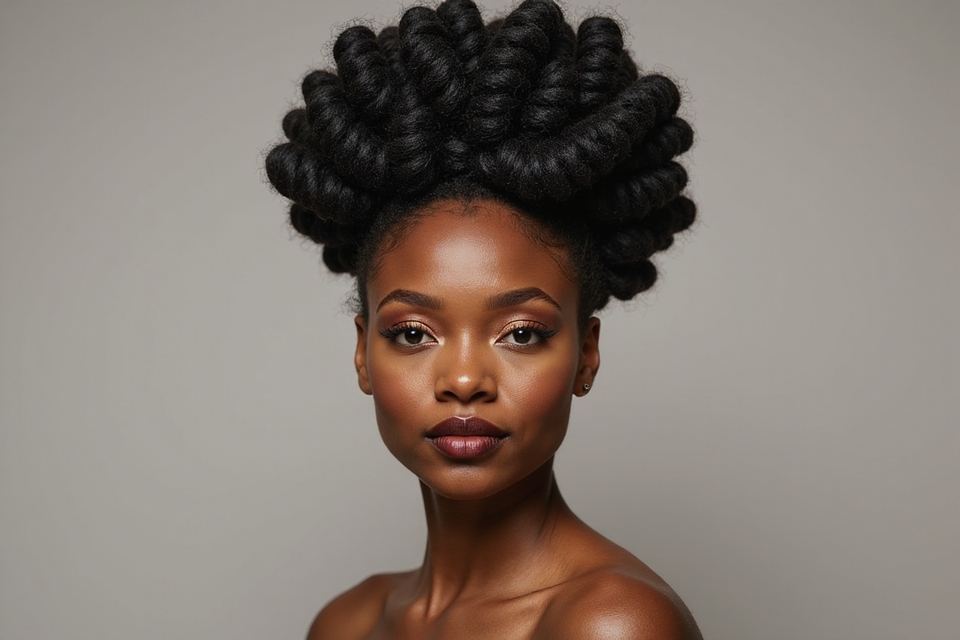
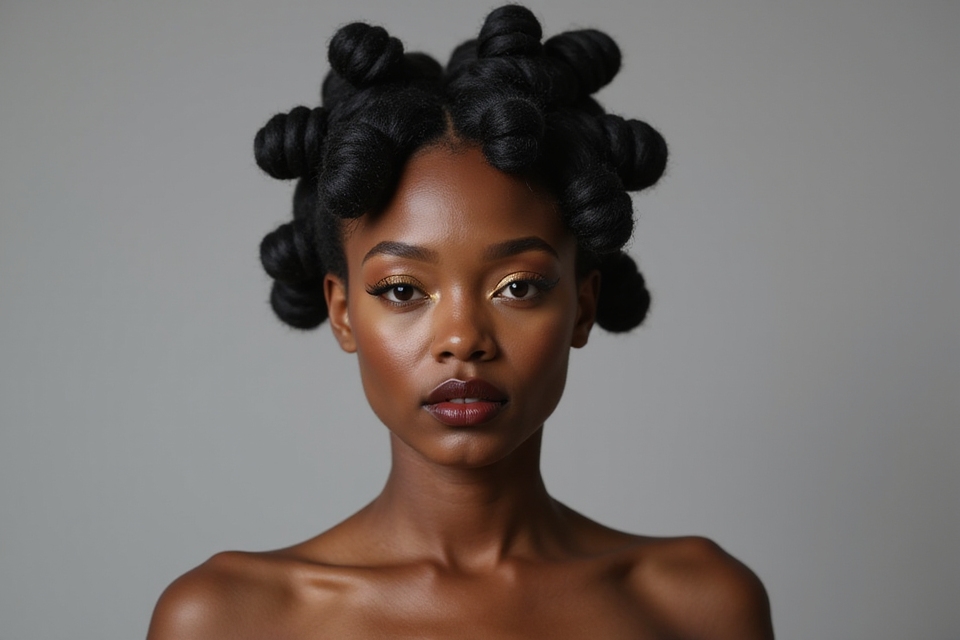
Where does a hairstyle this striking actually come from? Bantu knots, the sculptural coiled knots that sit in rows across the head, trace back centuries to the Zulu people of Southern Africa, and the name nods to the broad family of Bantu-speaking African peoples who have worn versions of them for generations. They are bold and beautiful, yes, and they are also deeply rooted, a piece of living Black heritage long before any feed called them a trend.
So this guide treats them as what they are: a protective style with real cultural weight and real technique. I’ll walk through the heritage, how to section and coil them well, how they protect natural and coily hair, the lovely knot-out they leave behind, and how to care for them, with the respect the style has earned.
The Heart of It
- Bantu knots are a traditional Zulu style, also called Zulu knots; wearing them means wearing a piece of Black heritage, so it’s worth knowing and honoring where they come from.
- They’re a genuine protective style for natural and coily hair, tucking the ends away and lasting several days to a week with the right care.
- The technique is sectioning, twisting or coiling, and wrapping each knot; done gently at the roots, they protect the hair, and taking them down leaves defined, springy curls.
The Cultural Heritage of Bantu Knots
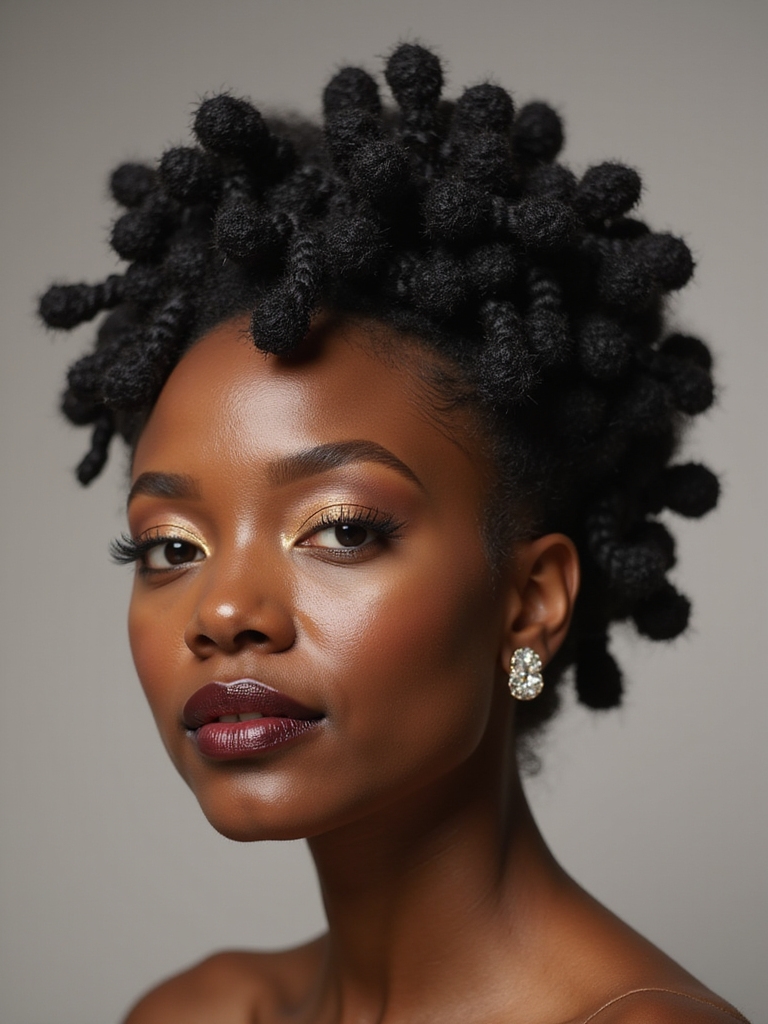
Before anything else, it helps to know what you’re wearing. Bantu knots come from the Zulu people of Southern Africa and have been worn across the continent for generations. The short history is worth carrying with you.
- The word ‘Bantu’ refers to a large family of African ethnic and language groups.
- The style is also known as Zulu knots, naming its Southern African roots directly.
- It has always been both practical and beautiful, protecting the hair and signaling identity.
- Carrying that history with you is part of wearing the knots with respect.
Cultural Roots and Identity
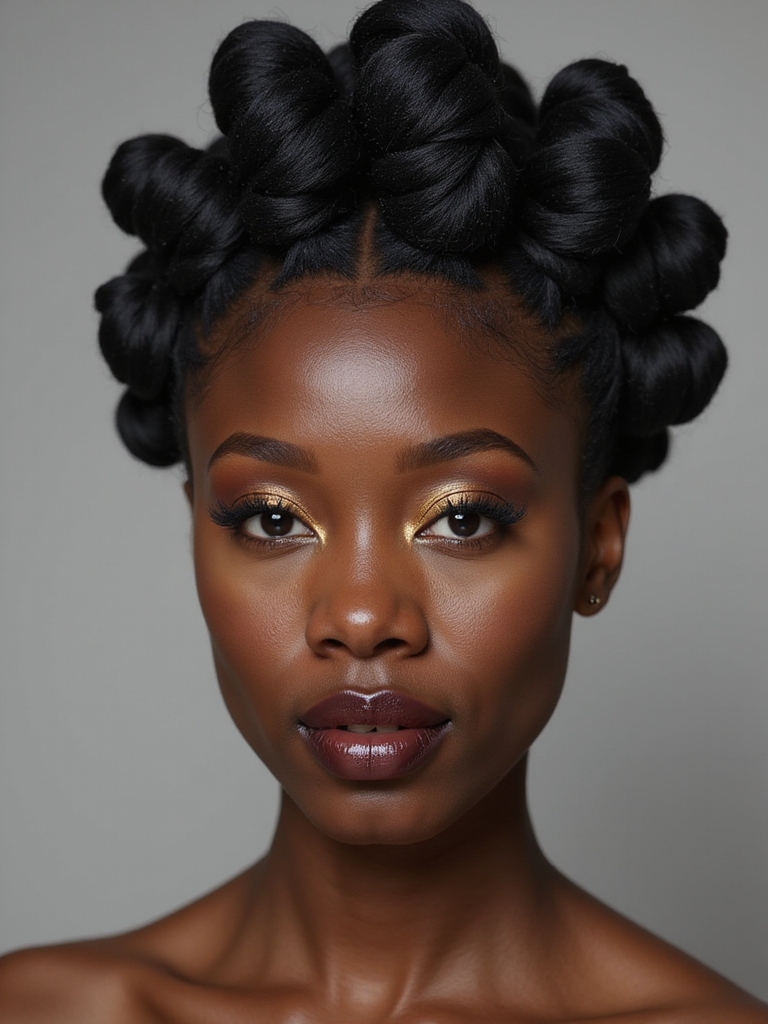
Across African cultures, hair has long carried meaning, status, community, age, artistry, and Bantu knots are part of that language. They were never only decoration, and they hold identity in layered ways.
- The knots and their patterns could once signal a person’s community or status.
- They’ve been passed down through generations, mother to daughter, as shared knowledge.
- For many Black women today, wearing them is a connection to that lineage.
- That continuity is exactly what makes the style feel powerful, not just pretty.
Not sure how to wear your knots? Match it to your day.
🎯A bold statement
A few large knots in clean rows, or knots with color and accessories, for events and nights out.
🎯Everyday protection
Smaller knots you leave in for several days, then take down into a soft knot-out.
Where Heritage Meets Fashion
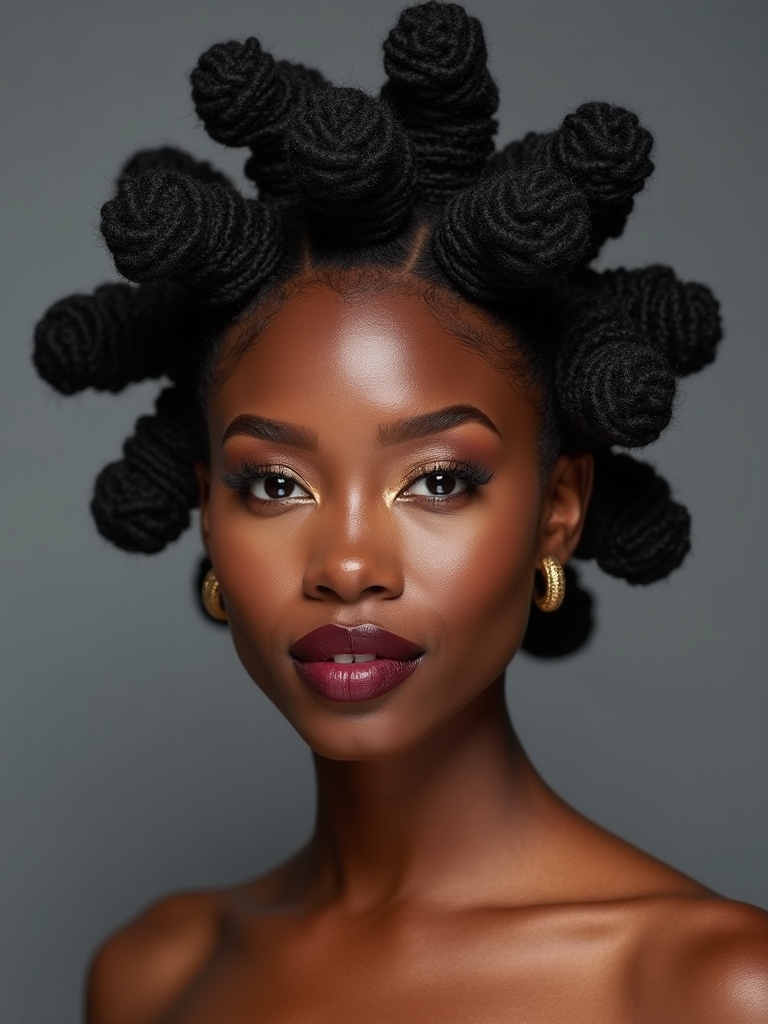
Bantu knots have moved from everyday protective styling into editorials, runways, and red carpets, and that visibility is a good thing when it credits the source. The style hasn’t changed so much as the spotlight has widened.
What matters is that the fashion moment honors the heritage rather than erasing it.
- On the runway, Bantu knots read as artful, sculptural, and unmistakably rooted.
- Credit matters: the look is Bantu knots, named for its African origin.
- Worn with that respect, the heritage and the fashion strengthen each other.
Bantu Knots Across Hair Types
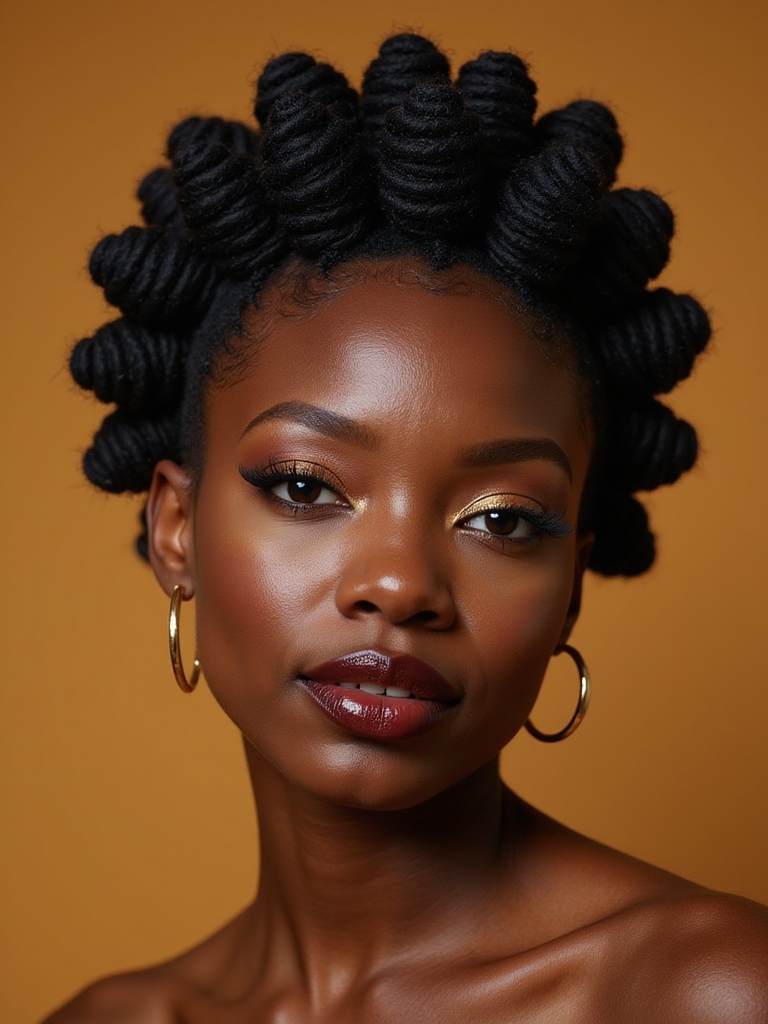
Bantu knots shine brightest on the natural and coily hair they were made for, where the texture grips and the knots hold firmly. They work across the curl spectrum, with small adjustments for each.
Adjusting for Your Curl Pattern
Coily and kinky hair holds the knots most securely and gives the most defined knot-out afterward. Looser curls and waves can wear them too, though they may need a little gel or a twist first to keep each knot from slipping.
Whatever your texture, the knots should be built on moisturized, detangled hair so they sit smooth and come down without tangling.
Bantu knots carry a Zulu lineage. Wearing them means wearing, and honoring, a living piece of that heritage.
A Versatile, Empowering Style
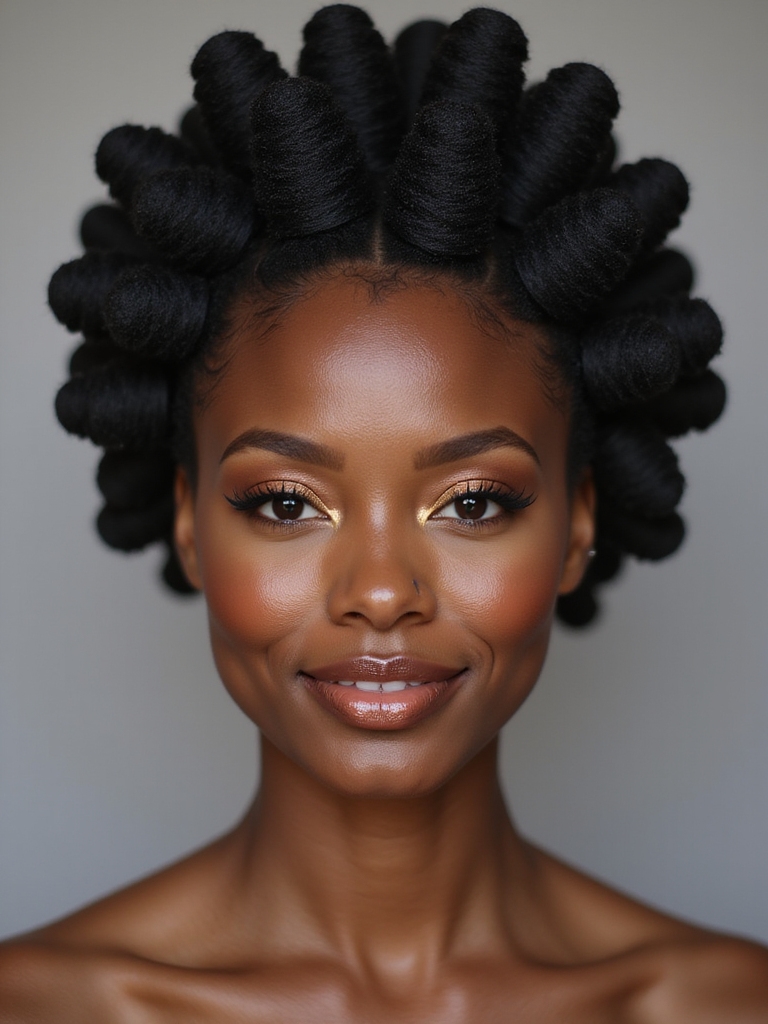
Part of what makes Bantu knots beloved is how they make you feel wearing them, head-up, seen, connected to something larger. They’re as versatile in mood as they are in styling, covering a wide range.
- Worn as knots, they’re sculptural, bold, and striking for a night out or an event.
- Taken down, they become a soft, defined curl set for the everyday.
- They suit a workday, a wedding, or a festival depending on how you finish them.
- However you wear them, they carry a quiet, rooted confidence.
Colorful, Elegant Bantu Knots
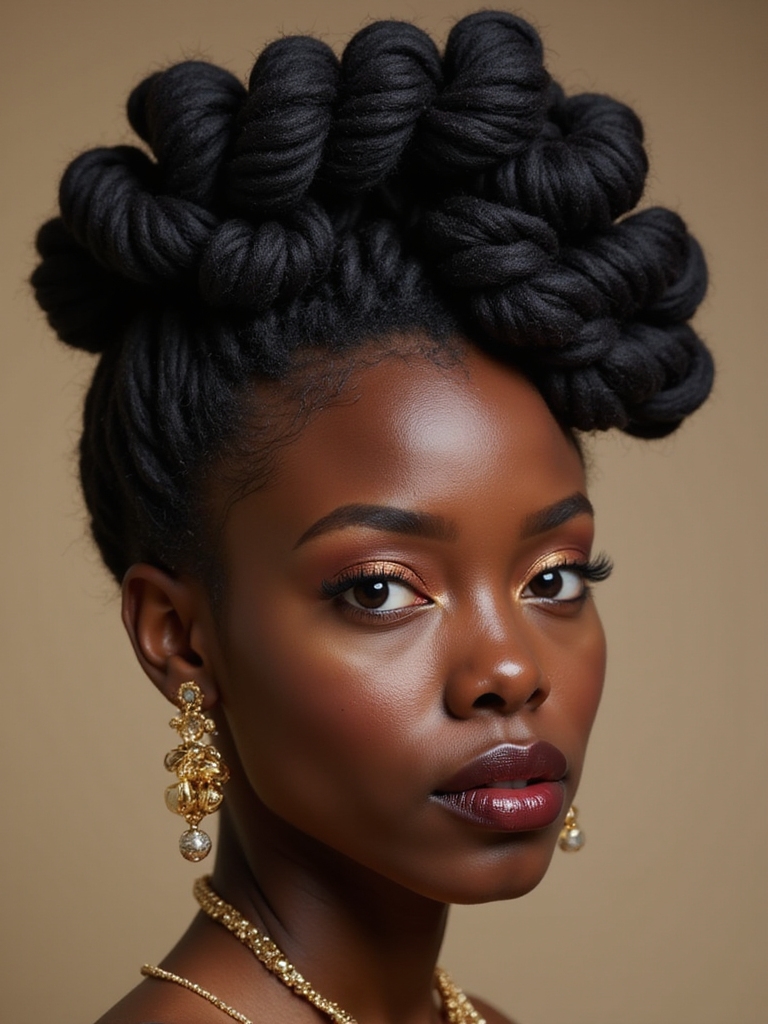
When you want the knots to feel celebratory, color takes them somewhere joyful, whether that’s your own color, temporary chalk, or wrapped thread woven through each knot. The sculptural shape gives color a beautiful canvas.
I tell clients a deep burgundy or copper catches the light beautifully along the rows, and on deep skin those warm tones glow especially richly. Wrapped thread in gold or bright shades adds elegance and a nod to traditional adornment. Keep the color choices intentional, and the knots read elegant rather than busy.
🅰️Wear the knots
Choose this for a bold, sculptural look that’s striking for events and protects your ends for days.
🅱️Wear the knot-out
Choose this when you want soft, defined, springy curls; the second style your knots leave behind.
How Bantu Knots Protect Natural Hair
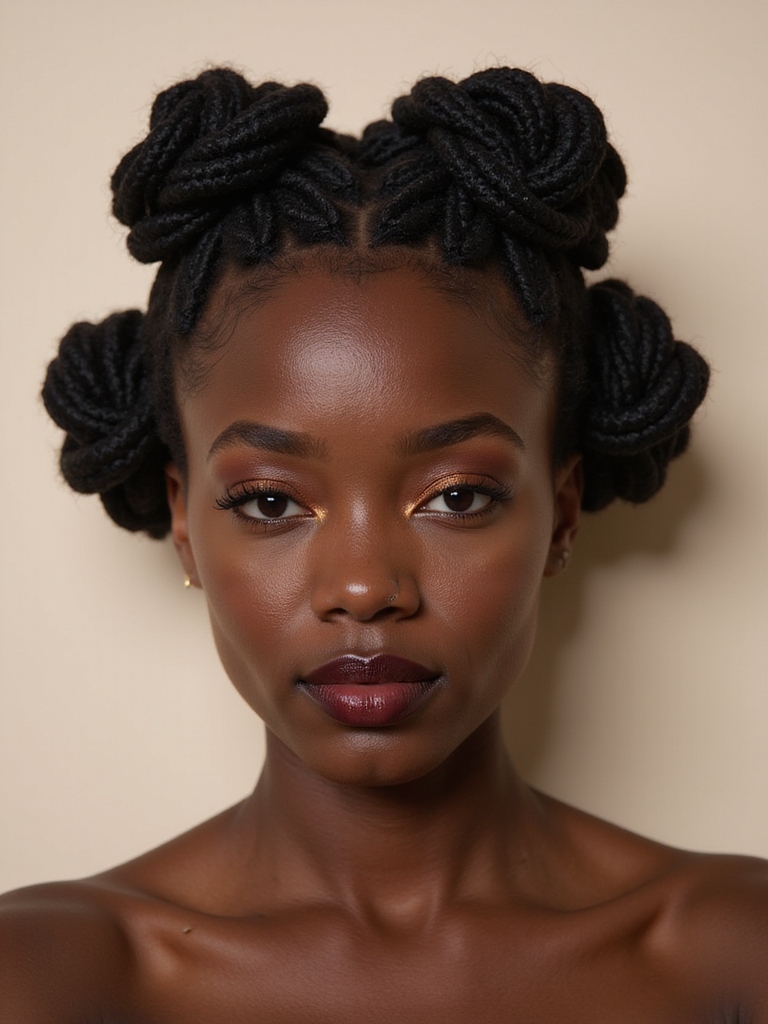
First and foremost, Bantu knots are a protective style, and that’s a big part of their value beyond the look. By coiling the hair and tucking the ends safely inside each knot, they shield the most fragile part of the strand from daily friction and weather.
Worn over several days, they let you skip daily heat and manipulation, which is how protective styling supports length retention for coily hair. The hair stays moisturized and undisturbed underneath. The one rule is gentleness at the roots, since knots wound too tight stress the hairline, so comfort is the goal, not strain.
Bantu Knot Essentials
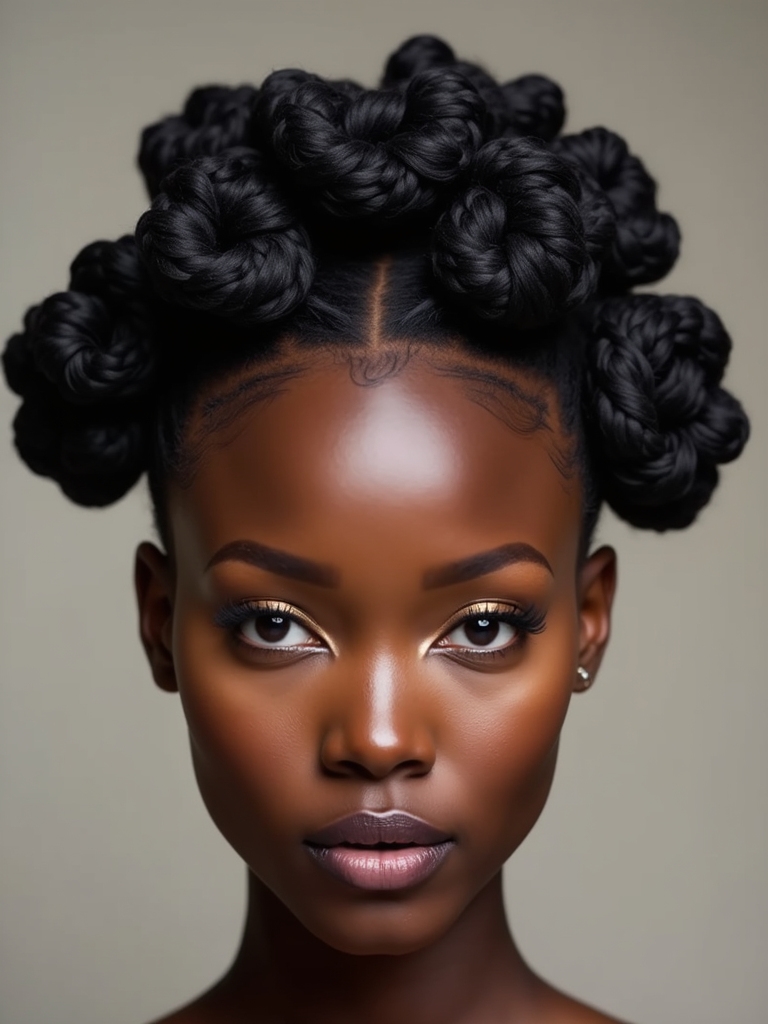
Good knots start with the right prep and a few simple tools, no fancy kit required. Gathering these first makes the whole process smoother and the knots neater.
- Clean, moisturized, fully detangled hair, the single most important starting point.
- A rat-tail comb for clean sections and a little leave-in or cream for slip.
- A light gel or twisting cream to keep each knot smooth and lasting.
- Small elastics or bobby pins, plus a satin scarf for sleeping.
📋For Knots That Last and Protect
- ✓Start on clean, moisturized, fully detangled hair.
- ✓Section into even parts for a symmetrical finish.
- ✓Keep the tension gentle at the roots to protect your edges.
- ✓Sleep in a satin scarf or bonnet to keep them fresh.
Bantu Knots for Short Hair
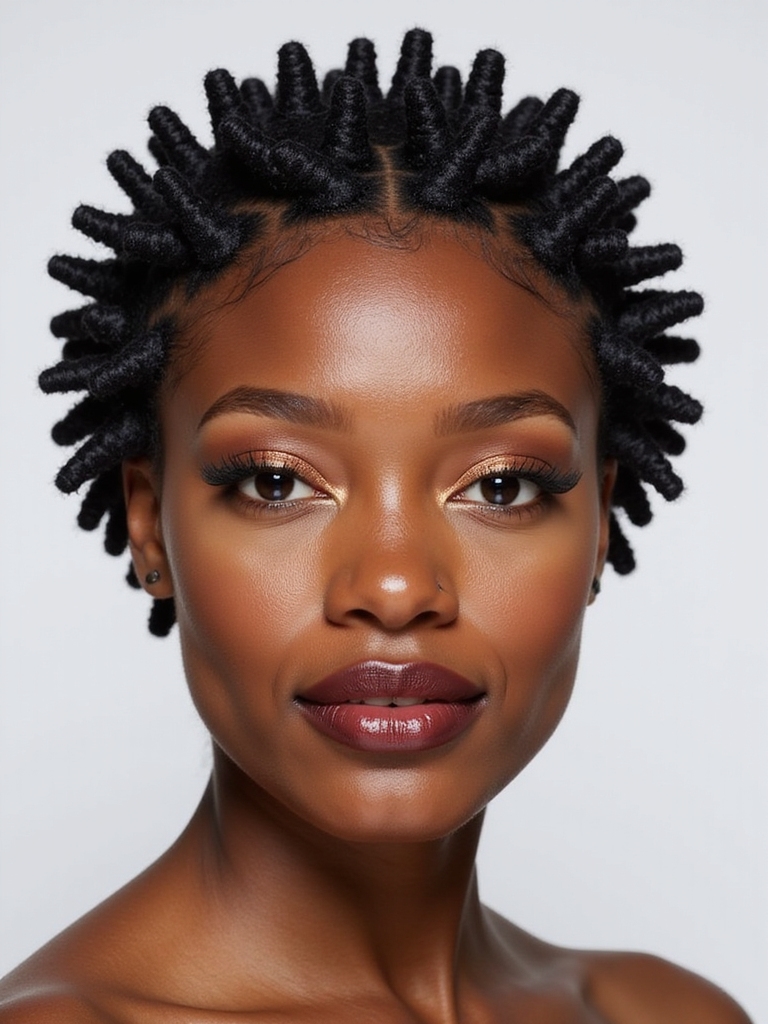
You don’t need long hair for Bantu knots, short natural hair wears them beautifully, just in smaller, more numerous knots across the head. The shorter the hair, the more sections you’ll want to keep each knot secure.
On a TWA or short coily cut, I make more, smaller sections and use a little extra gel so the shorter lengths hold their coil. A pin can anchor any knot that’s too short to wrap fully.
Short hair gives an especially crisp, graphic pattern of knots, and the knot-out afterward adds welcome length and definition to a short curly style.
Bantu Knots for Creativity
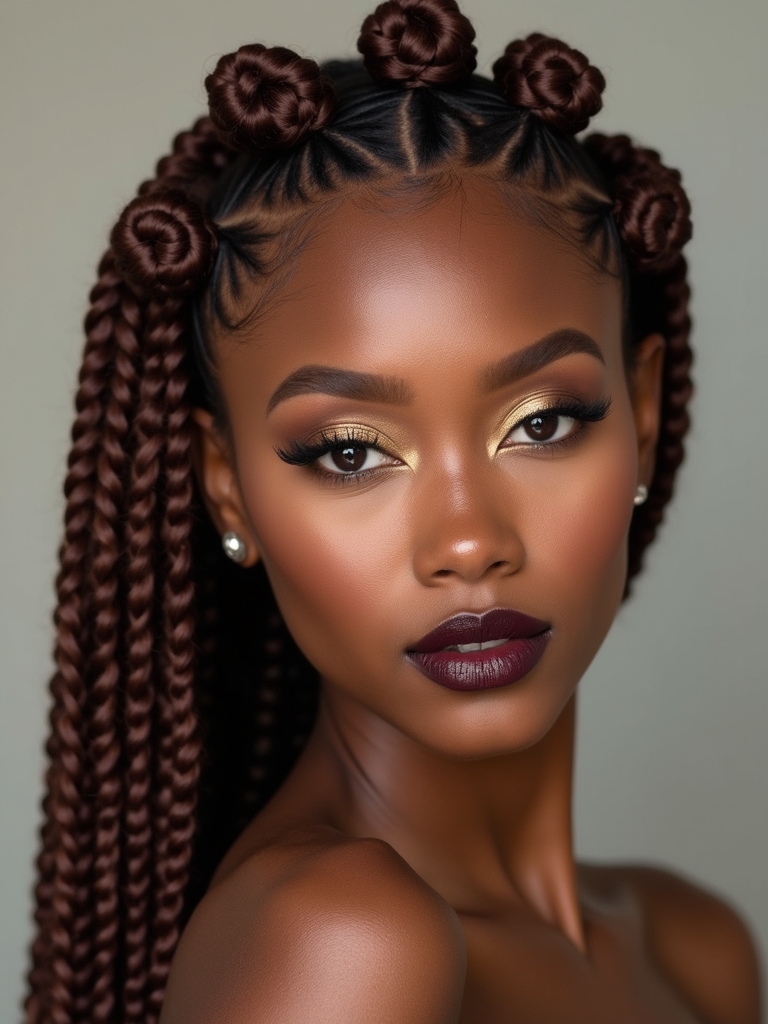
The grid of knots is a canvas, and the parting is where you get to be an artist. Beyond straight rows, the sections themselves can become part of the design, and that’s where you get to play.
- Try geometric, triangular, or zigzag parts for a graphic, custom pattern.
- Mix knot sizes across the head for a more dynamic, modern layout.
- Combine knots with cornrows or flat twists leading into them for artistry.
- Pair the creativity with braided hairstyles techniques for even more pattern play.
Stylish Bantu Knot Accessories
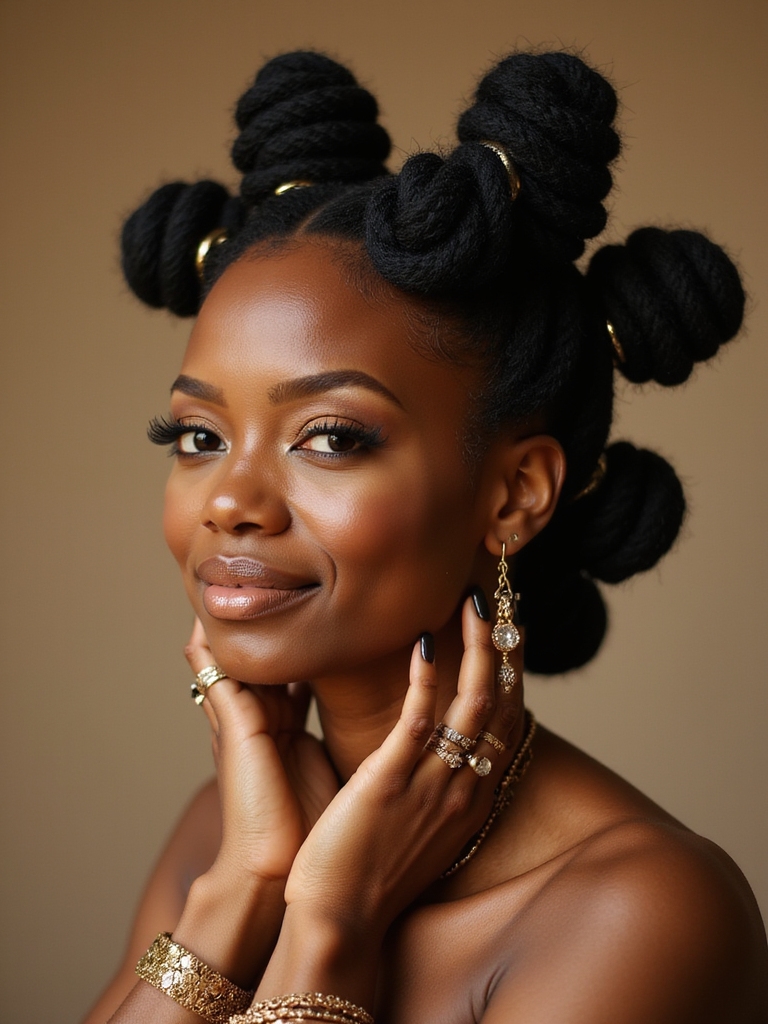
Accessories turn a row of knots into a real statement, and they carry a lovely echo of traditional hair adornment. A few well-placed pieces dress the style up in seconds, as long as you keep a light hand.
- Cuffs, rings, or beads on a few knots catch the light without crowding.
- Wrapped gold or colored thread around select knots reads elegant and rooted.
- A silk scarf tied at the crown frames the knots beautifully.
- Keep accessories to a few focal knots so the pattern still leads.
Versatile and Elegant Every Day
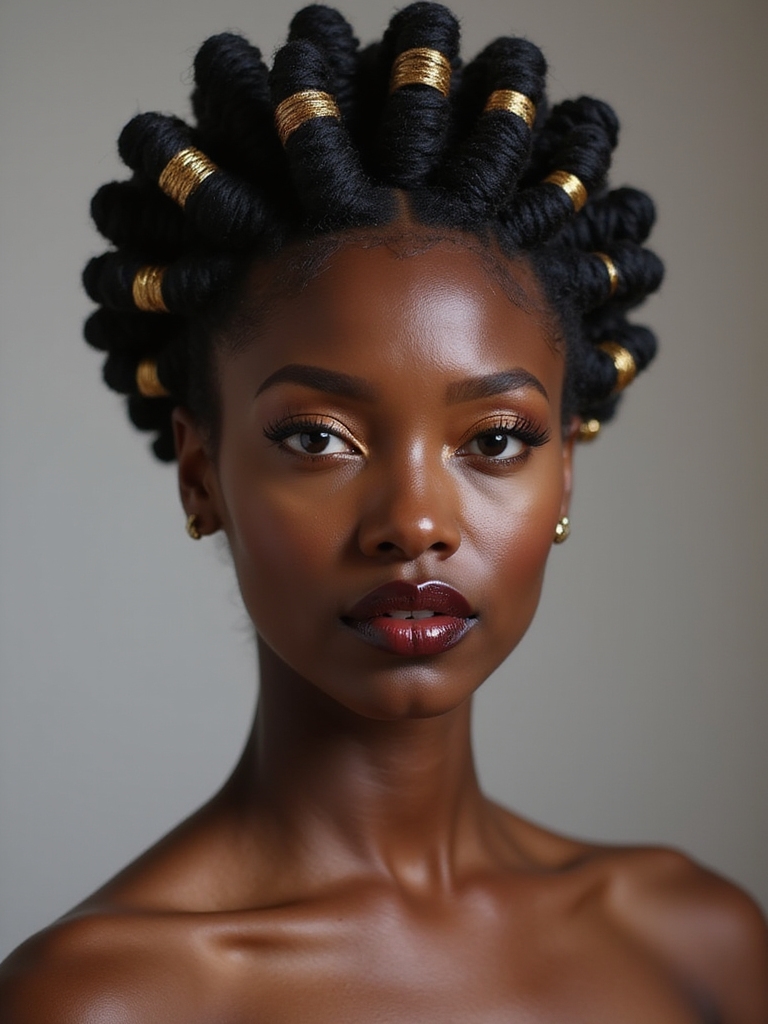
Bantu knots aren’t only for special occasions, they’re a truly practical everyday style that buys you several low-effort mornings. Once they’re in, your hair is done for days.
That everyday wearability is part of why they’ve lasted so long as a protective style.
- Worn as knots, they need almost no daily styling, just a satin scarf at night.
- They take you from work to evening with a scarf or accessory swap.
- They buy several wash-free days, which is gentle on coily hair.
- When you’re ready for a change, the knot-out gives you a second style.
A Bantu Knots Care Routine
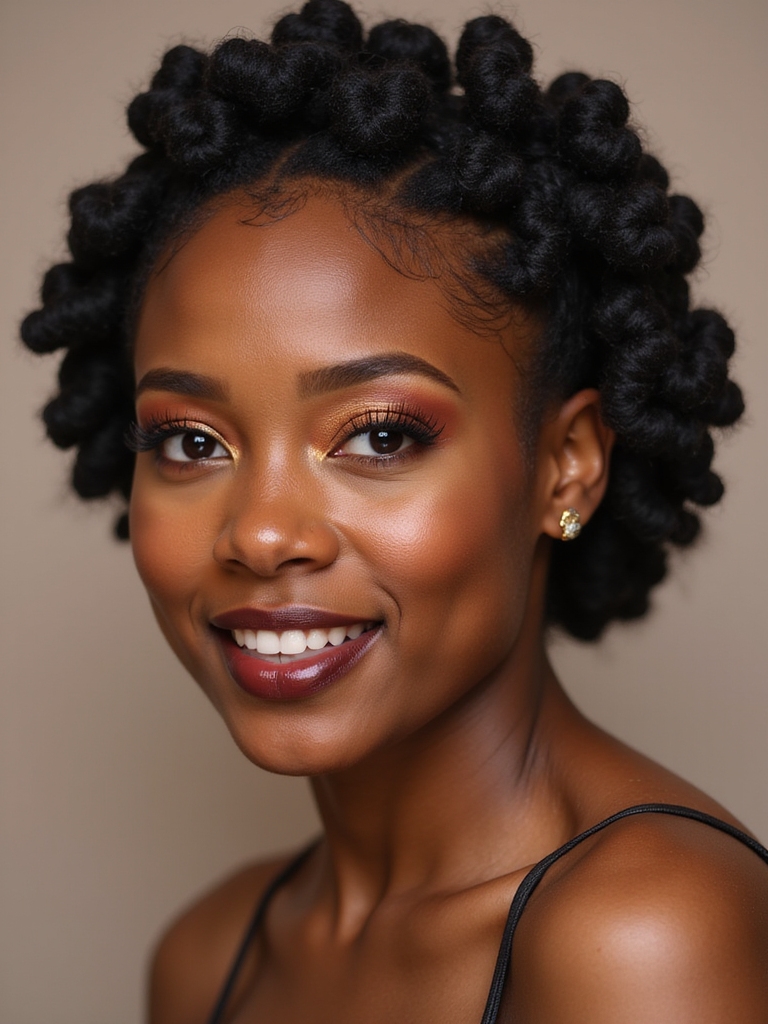
Like any style, Bantu knots last longest with a little care, and the routine is refreshingly simple. The goal is keeping the hair moisturized and the knots smooth between days.
The Every-Few-Days Refresh
Clients ask me how to keep them fresh, and it’s simple: I mist the knots lightly with a water-and-leave-in mix every couple of days to keep the hair from drying out, and smooth any frizz with a touch of gel on the fingertips. At night, a satin scarf or bonnet is non-negotiable, since cotton pillowcases rough up the knots and dry the hair.
Kept this way, a set of knots stays neat for several days to a week, which is excellent value for the time they take to put in.
Proper Sectioning Is Essential
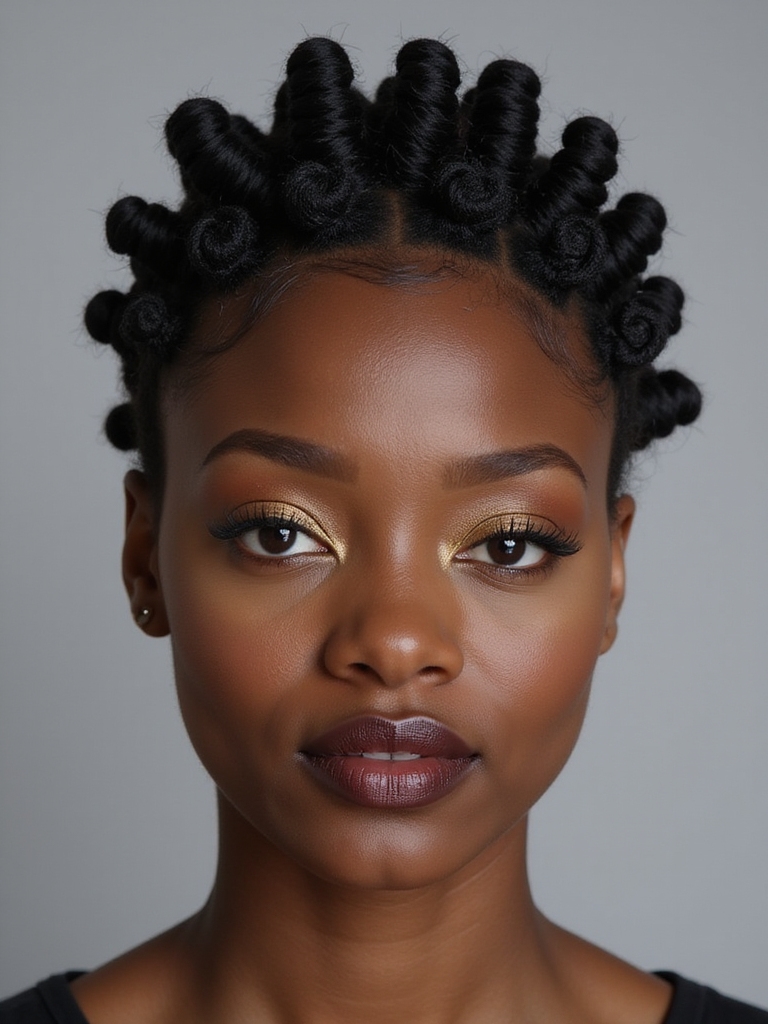
If there’s one step that decides whether your knots look polished or messy, it’s the sectioning. Clean, even parts are the foundation everything else sits on. Here’s how to get them right.
- Use the tail of a rat-tail comb to draw crisp, straight or patterned parts.
- Keep the sections even in size so the finished knots match across the head.
- Clip away each section as you go so the parts stay clean.
- Smooth each section with cream before twisting so the knot lies flat.
Heritage Meets Empowerment
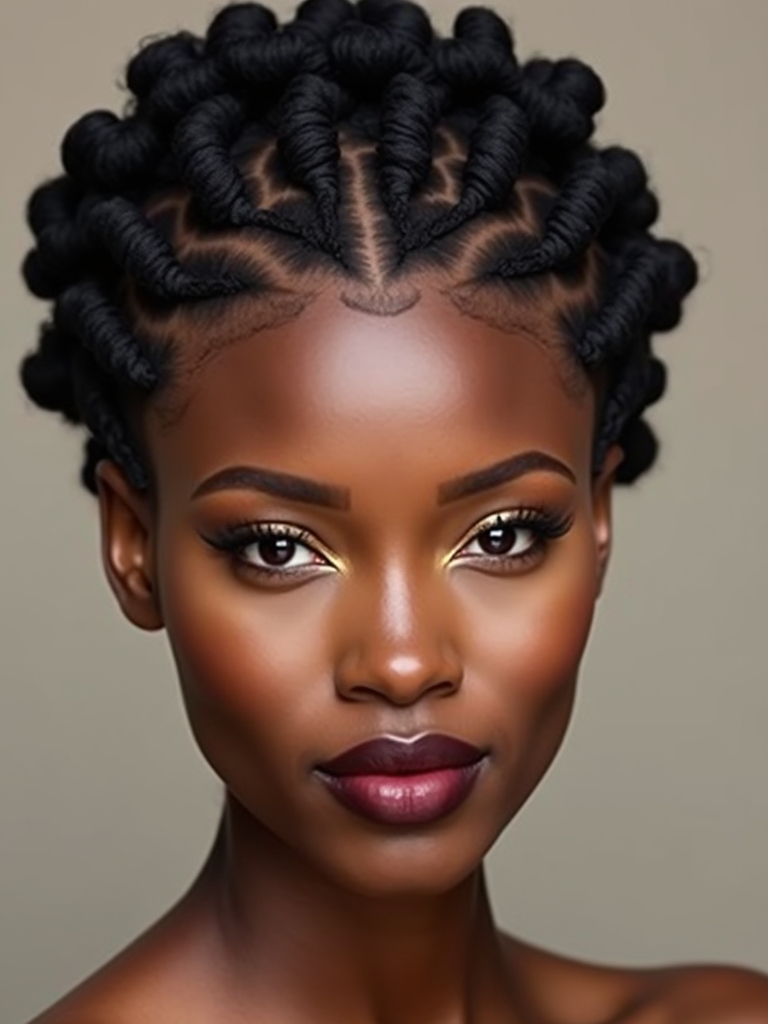
For a lot of Black women, choosing to wear Bantu knots is an act of pride, embracing natural texture and ancestral style in a world that has too often pressured them to hide it. The empowerment is real and personal, and it shows up in concrete ways.
- Wearing natural hair openly pushes back on narrow beauty standards.
- The style links the wearer to generations who wore it before them.
- It celebrates coily texture as something to display, not straighten away.
- That pride is the part no trend cycle can borrow or replicate.
Even and Symmetrical Knots
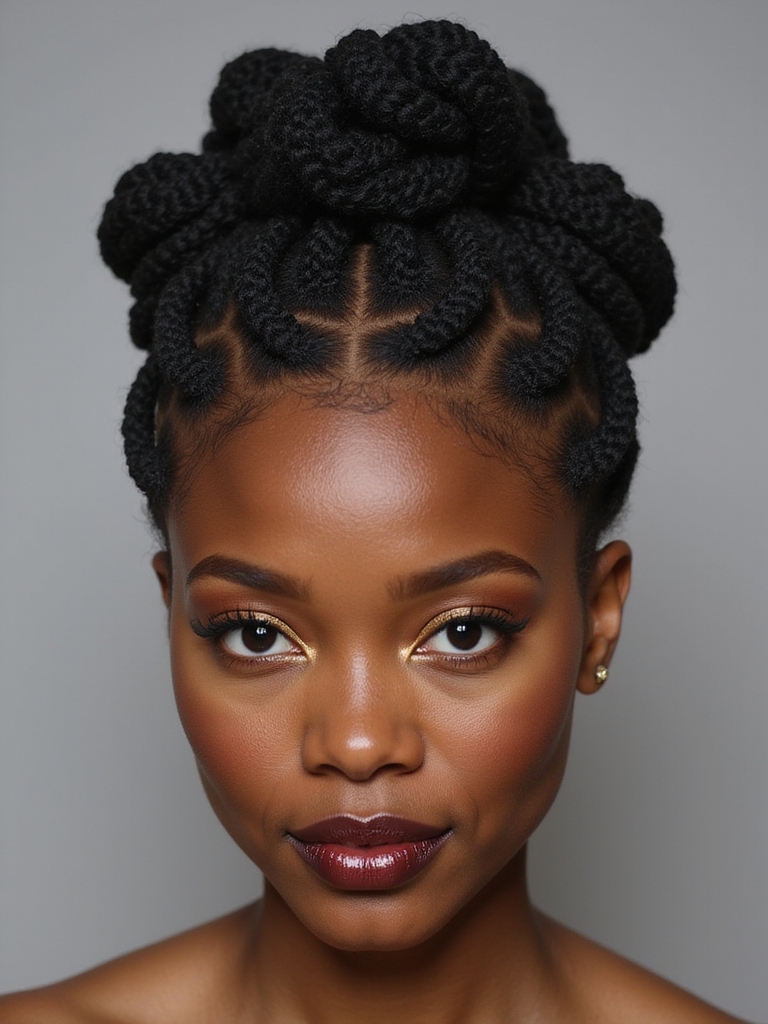
A row of even, symmetrical knots is what separates a polished set from a rushed one, and symmetry comes down to planning before you twist. The eye reads balance instantly, so it’s worth the few extra minutes.
I tell clients to map the parts across the whole head first, so the sections mirror each other from side to side, then twist each knot with the same tension so they end up the same size. Working in rows rather than randomly keeps it organized.
If a knot comes out larger, I take it down and re-twist rather than leaving it, because one oversized knot throws off the whole pattern. Patience here is what makes the finished style look intentional.
The Bantu Knots Resurgence
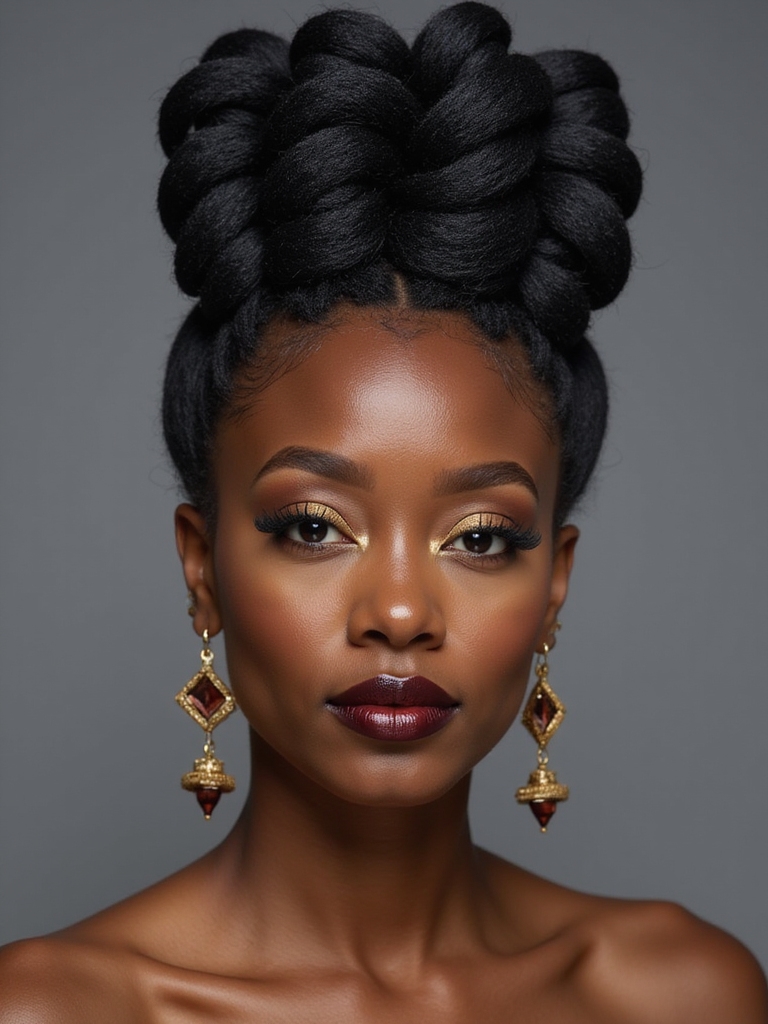
Bantu knots cycle back into the wider spotlight every few years, and the current wave is bigger than ever, driven by natural-hair pride and social media. Several forces are behind it.
- The natural-hair movement put protective styles front and center.
- Social media gave Black creators a platform to share technique and history.
- Visibility on artists and public figures renewed mainstream interest.
- Importantly, more of the conversation now credits the Zulu origins.
Bantu Knots on the Runway
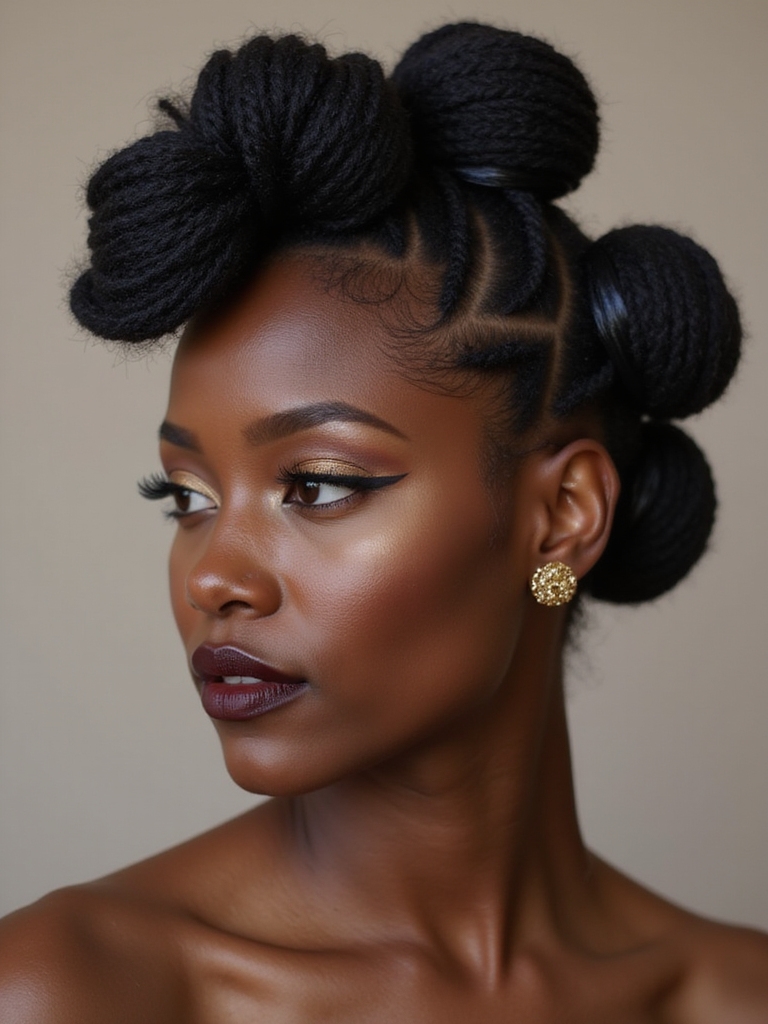
On runways and in editorials, Bantu knots are treated as high art, sculptural shapes that photograph beautifully and command attention. Their geometry suits the drama of a fashion stage.
Scale and Placement for Impact
Stylists play with scale and placement for the camera, oversized knots, mixed sizes, or knots paired with bold makeup. The shape is inherently graphic, so it reads strong even in a busy show.
What makes these moments land well is when the show notes and the styling credit the heritage. Borrowed with respect, the runway spotlight celebrates the style; stripped of its name, it erases it.
Debunking Bantu Knot Misconceptions
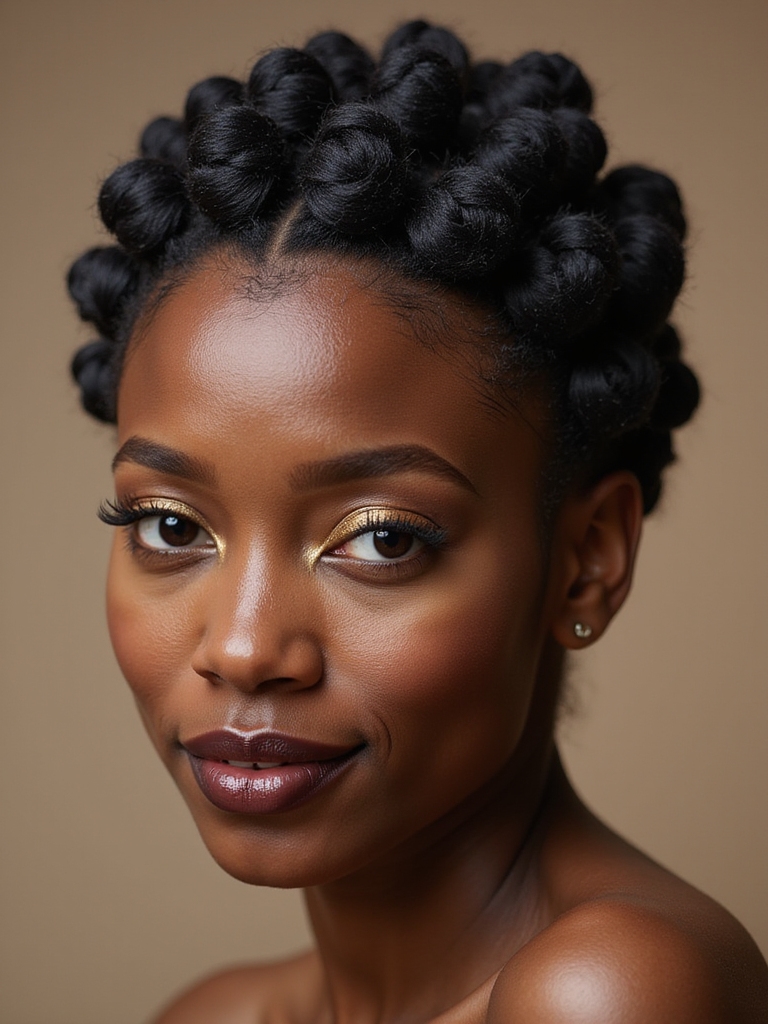
A few misconceptions follow this style around, and clearing them up is part of wearing it well. The biggest is the renaming problem: when the look is called ‘mini buns’ or ‘twisted buns’ and stripped of its origin, that erases its Black heritage.
The Renaming Problem
Another myth is that the knots are difficult or damaging by nature. Done on detangled hair with gentle tension, they’re one of the kinder protective styles, not a risk.
And they’re not a costume or a trend invented yesterday; they’re a long-established style with a name. Use it, Bantu knots or Zulu knots, and you’ve cleared up the most important misconception of all.
Bantu Knots as Self-Expression
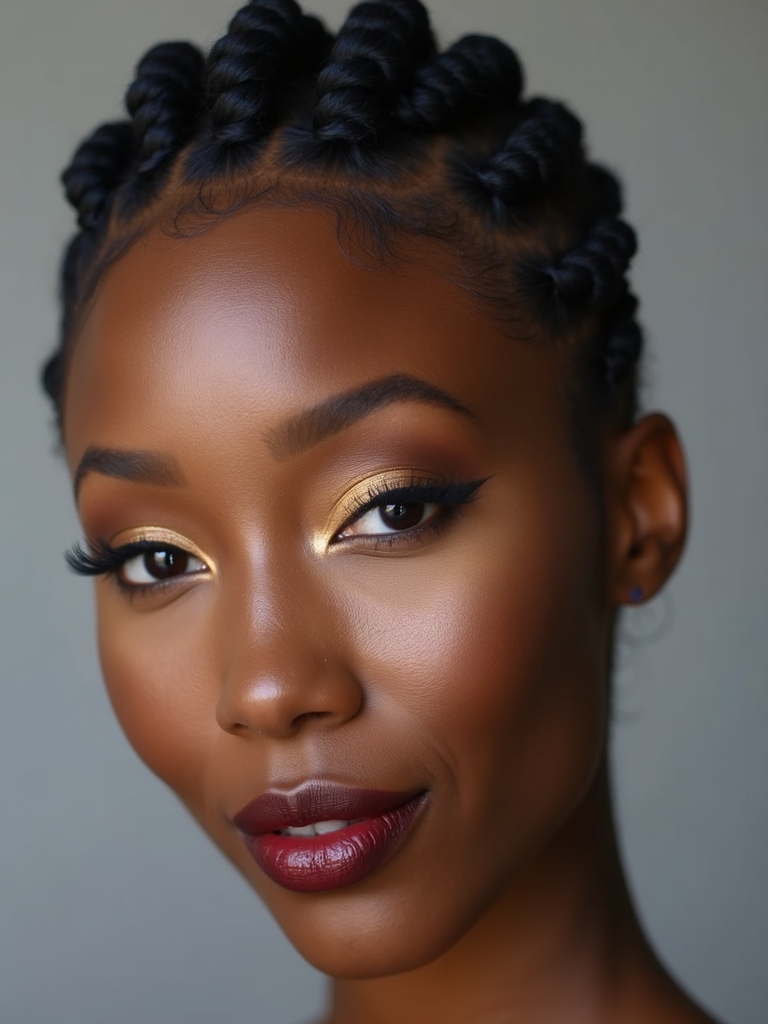
Within the tradition, there’s enormous room to make Bantu knots your own, the number and size of knots, the parting, the color, the accessories all let you express something personal. No two sets have to look alike.
Few Big Knots or Many Small
Some wear a few large knots for a bold, minimal statement; others cover the head in dozens of tiny ones for intricate detail. The choices say something about your mood and your style.
That blend of deep tradition and personal freedom is rare and lovely. You’re working within a heritage and adding your own voice to it at the same time.
Cultural Celebration Through Hair
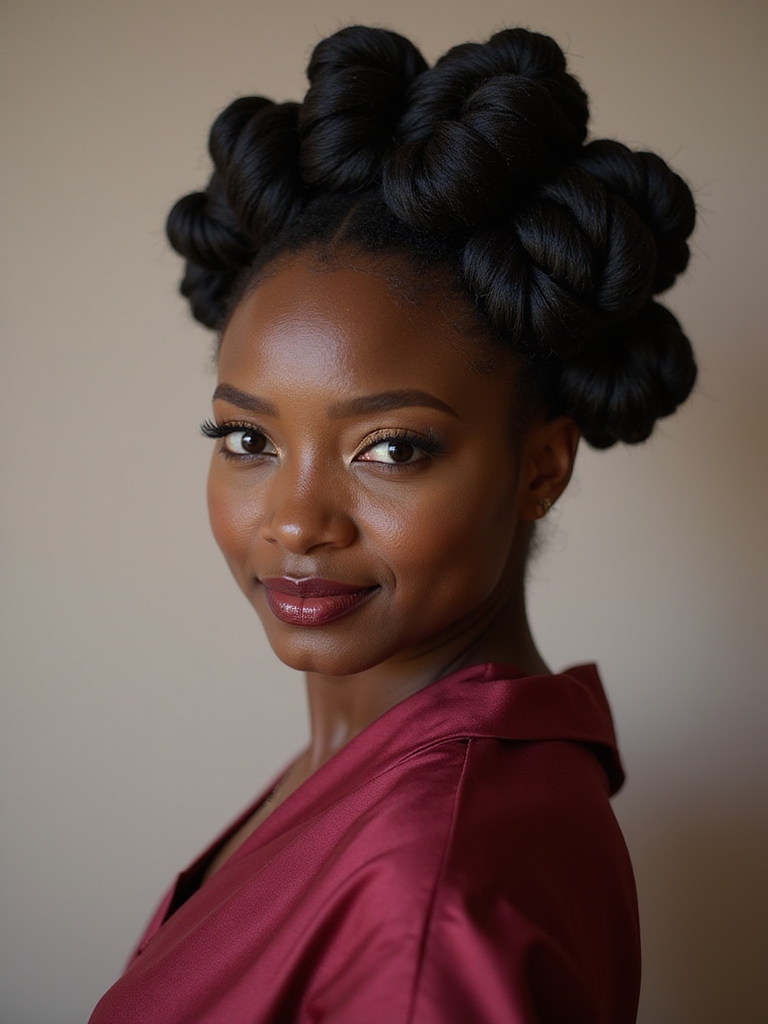
Wearing Bantu knots can be a small, daily celebration, of texture, of heritage, of belonging. Hair has always been a place where Black culture is expressed and shared, and these knots are a joyful part of that.
A Style Worn With Joy
You’ll often see them worn proudly at gatherings, festivals, and milestones, where the style connects the personal to the communal. There’s real joy in a room full of natural styles worn openly.
That spirit of celebration is worth keeping in mind, because it’s the heart of the style, far more than any single way of wearing it.
How to Create Stylish Bantu Knots
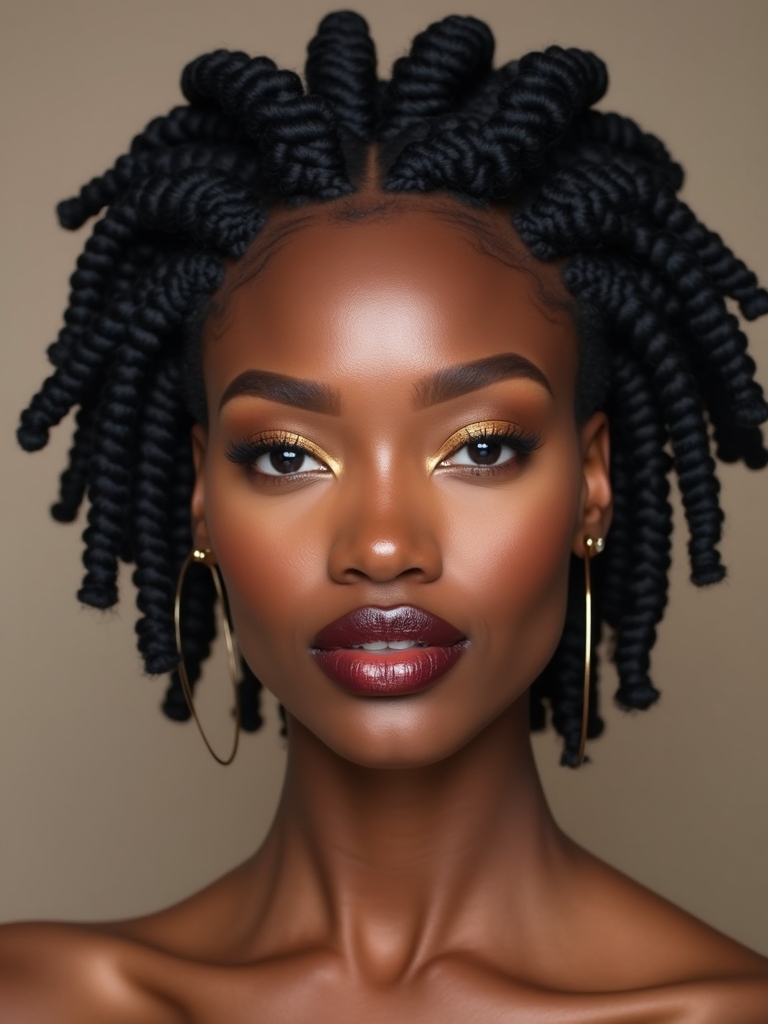
Putting in your own knots is absolutely doable at home with a little patience, and the method is the same whatever your texture. Start on clean, moisturized, detangled hair for the smoothest result.
The basic process is simple to learn and gets faster with practice.
- Section the hair into even parts and clip the rest away.
- Add a little cream or gel, then two-strand twist or coil each section.
- Wrap the twisted length around its base into a knot and tuck or pin the end.
- Repeat in rows, keeping the tension gentle and even throughout.
The Nighttime Knot-Out
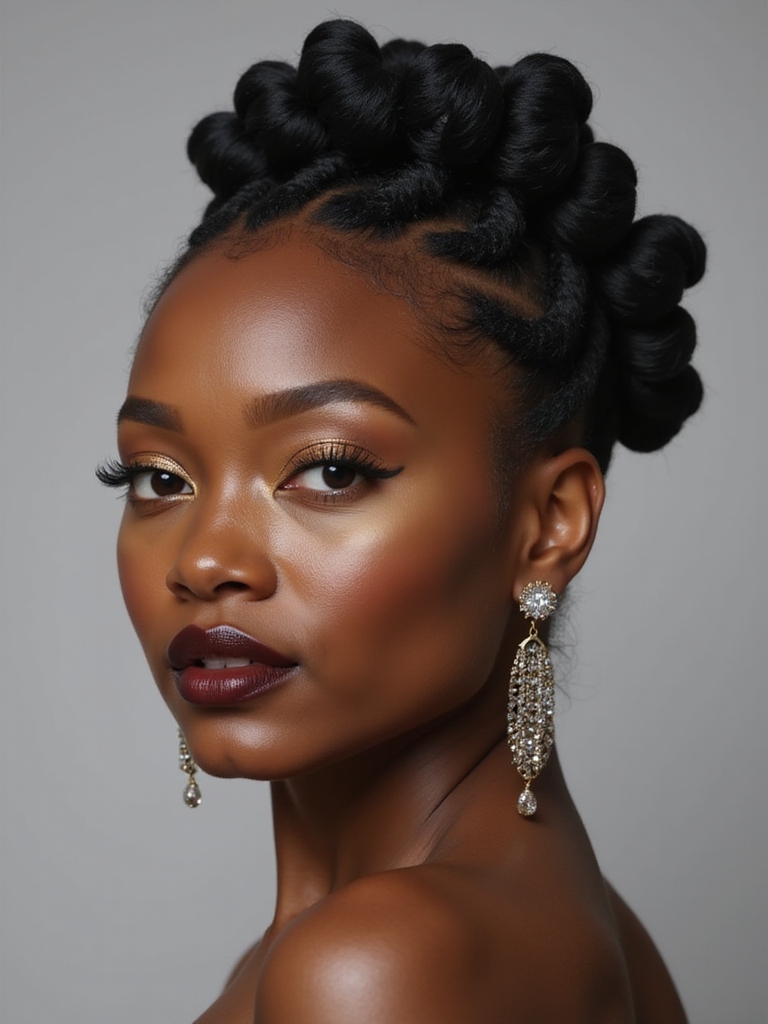
The most rewarding part of Bantu knots is the second style hiding inside them: the knot-out, the springy, defined curls you get when you take the knots down. A great one comes down to a few habits.
- Leave the knots in until the hair is fully dry, overnight or longer.
- Unravel each knot gently with oiled fingers to cut down on frizz.
- Separate the curls lightly for volume, fluffing from the roots.
- Sleep in a satin bonnet to stretch the knot-out over several more days.
Bantu Knots Enhance Hair Care
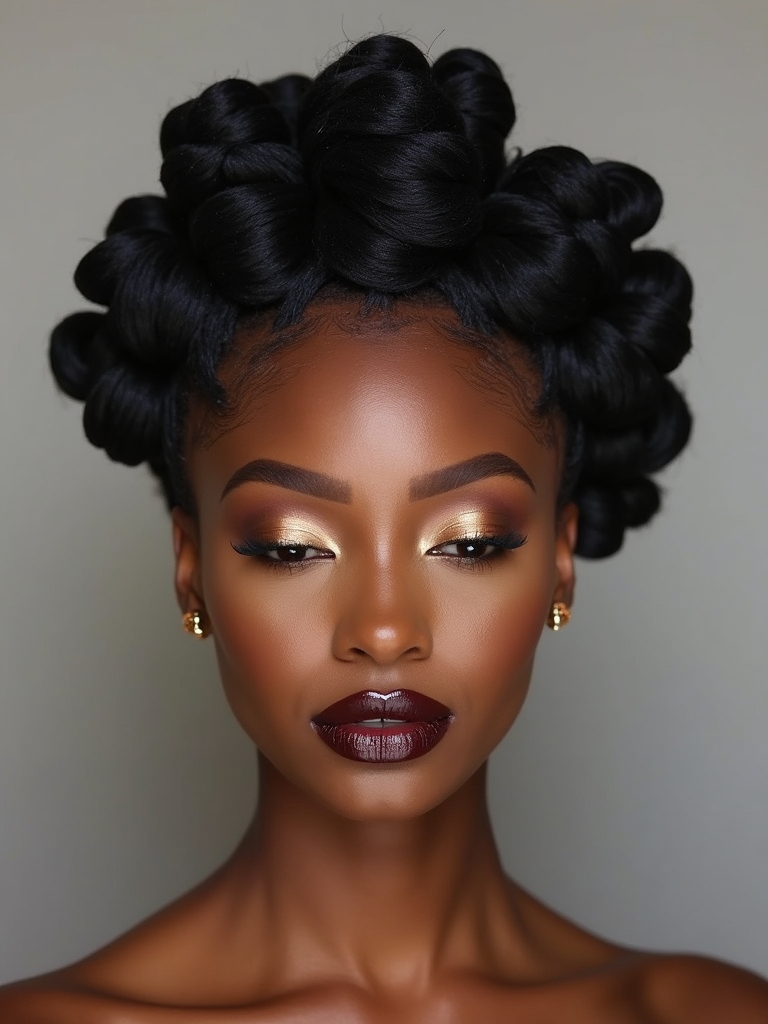
Beyond the look, Bantu knots fit beautifully into a healthy natural-hair routine, because the time they buy is time your hair spends protected and undisturbed. They’re a tool for length and moisture retention, not just a style.
While the knots are in, the ends are tucked safely away from friction, and the hair holds onto the moisture you sealed in at the start. Skipping daily combing and heat for several days lets fragile coily strands rest. Worn on a gentle rotation with other protective styles, Bantu knots truly support the long-term health of natural hair.
Empowering Cultural Expression
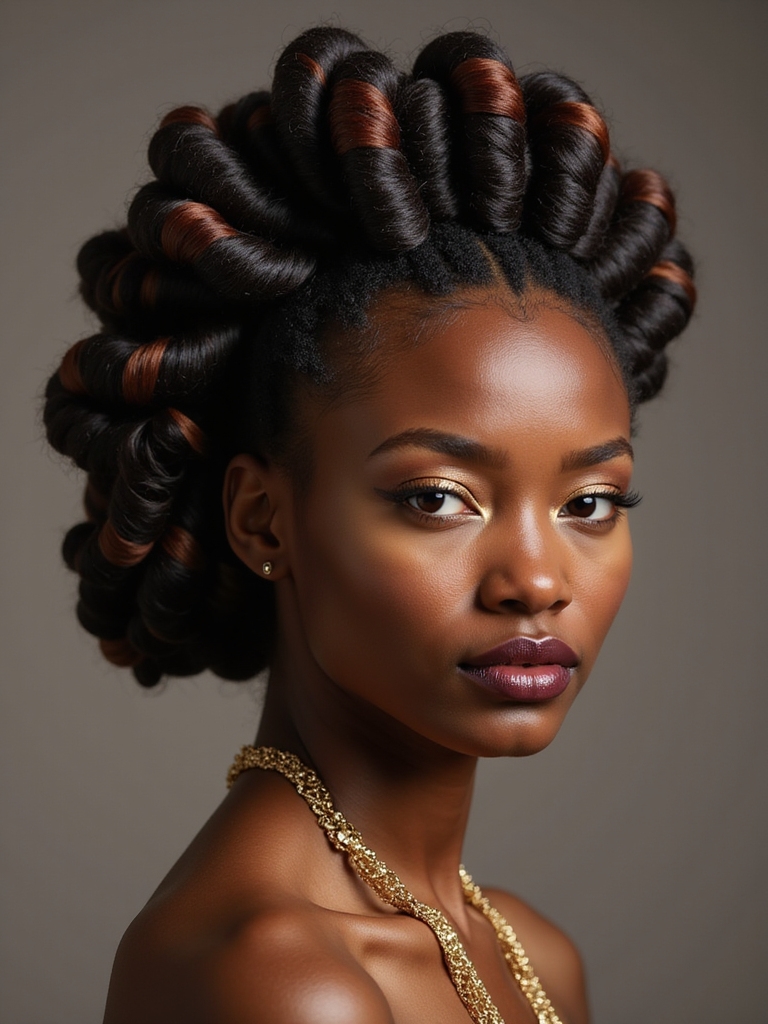
At their fullest, Bantu knots are a statement of self: a way to wear heritage, texture, and personal style all at once, openly and proudly. That’s a lot for one hairstyle to carry, and it carries it gracefully. One takeaway holds it together.
- Wearing them celebrates natural texture rather than hiding it.
- Naming them correctly keeps the credit where it belongs.
- They link personal style to a long, living cultural lineage.
- Worn with knowledge and pride, they’re as meaningful as they are beautiful.
What to Expect
A few honest expectations before you try them. Putting in a full head of Bantu knots takes time, anywhere from 45 minutes to a couple of hours depending on the number and size, so set aside an unhurried afternoon, especially your first time. A salon set runs roughly $60 to $120 depending on length and detail. Once they’re in, expect them to last several days to a week with a satin scarf at night and a light mist to keep the hair moisturized.
The most important thing to keep in mind is gentleness and respect, in equal measure. Keep the tension soft at the hairline so the knots protect rather than stress your edges, and if your scalp ever feels sore, they’re too tight and worth redoing. And carry the heritage with you: this is a deeply rooted Zulu style, so wear it proudly and name it correctly.
For more protective options to rotate with, the braided hairstyles and natural braided hairstyles guides pair well with a knots routine, and the curly hairstyles guide helps you care for the curls underneath.
Bantu Knots, Answered
?What are Bantu knots and where do they come from?
Bantu knots are coiled knots sectioned across the head, a centuries-old style from the Zulu people of Southern Africa, also called Zulu knots. The name references the broad family of Bantu-speaking African peoples, and the style is a piece of Black cultural heritage.
?Do Bantu knots damage your hair?
Not when they’re done right. On detangled, moisturized hair with gentle tension, they’re a kind protective style that shields your ends. Damage only comes from knots wound too tight at the roots, so keep them comfortable, and stop if your scalp feels sore.
?How long do Bantu knots last?
Worn as knots, they hold several days to about a week with a satin scarf at night and a light mist to stay moisturized. You can then take them down into a knot-out, which gives you several more days of defined curls.
?Can I wear Bantu knots on short hair?
Yes. Short natural hair wears them well in smaller, more numerous sections, with a little extra gel and a pin to anchor any knot that’s too short to wrap fully. Short hair gives an especially crisp, graphic pattern.
Wear Them Proudly
Bantu knots are bold, beautiful, and trending, but the real reason to love them runs deeper than any feed: they’re a centuries-old Zulu style that protects natural hair, leaves soft defined curls behind, and lets you wear a piece of heritage openly. Treated with care and named with respect, they reward you with a look that’s as meaningful as it is striking.
So whether you’re coiling your first set at home or booking a stylist, take your time with the sections, keep the tension kind to your edges, and wear them with the pride the style has earned. Bookmark this for your next wash day, rotate them with your other protective styles, and let your knots be exactly what they’ve always been, rooted, beautiful, and yours.
You Might Also Like