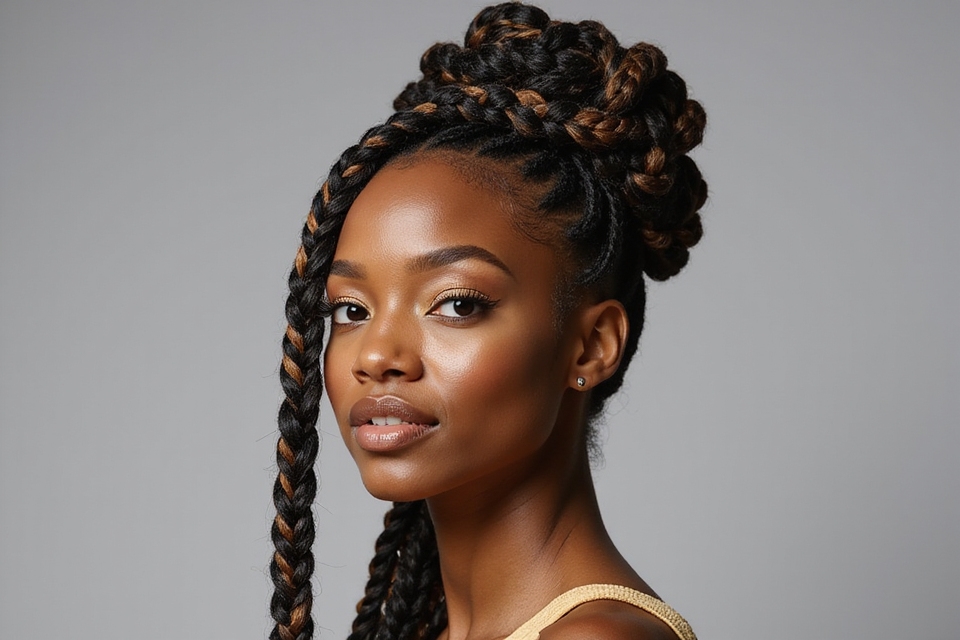
Scroll any feed this season and the braids jump out: a friend’s crisp feed-in cornrows in her selfie, a festival photo full of fishtails and beads, a wedding album where the bride wore a braided crown. Braids are having a loud, joyful moment, and the group chat is full of screenshots asking the same question, who does that, and can I pull it off?
The answer, almost always, is yes, because braids stretch across so many traditions and textures that there is a version for everyone.
Below are the latest braided hairstyles people are actually saving and sharing, from cornrows and feed-in braids rooted in deep cultural heritage to fishtails, waterfall braids, and jumbo styles, each with how to wear it and who it flatters. Where a style carries cultural meaning, it is worth wearing with respect for where it comes from.
Before You Pick a Braid
- Match the style to your texture and goal. Some braids are protective styles for natural hair, some are quick festival looks, and some are formal updos; they are not interchangeable.
- Honor the roots. Cornrows, feed-in braids, and many protective styles come from African heritage and carry real cultural meaning; wear them with respect and support skilled braiders from those communities.
- Mind the tension. Braids should never hurt; comfortable tension protects your edges, while braids that are too tight can stress the hairline over time.
- Plan the upkeep. A salon braided style runs roughly $80 to 300 depending on complexity, and protective styles want a satin scarf at night and a take-down within about eight weeks.
Braided Hairstyle Trends Right Now
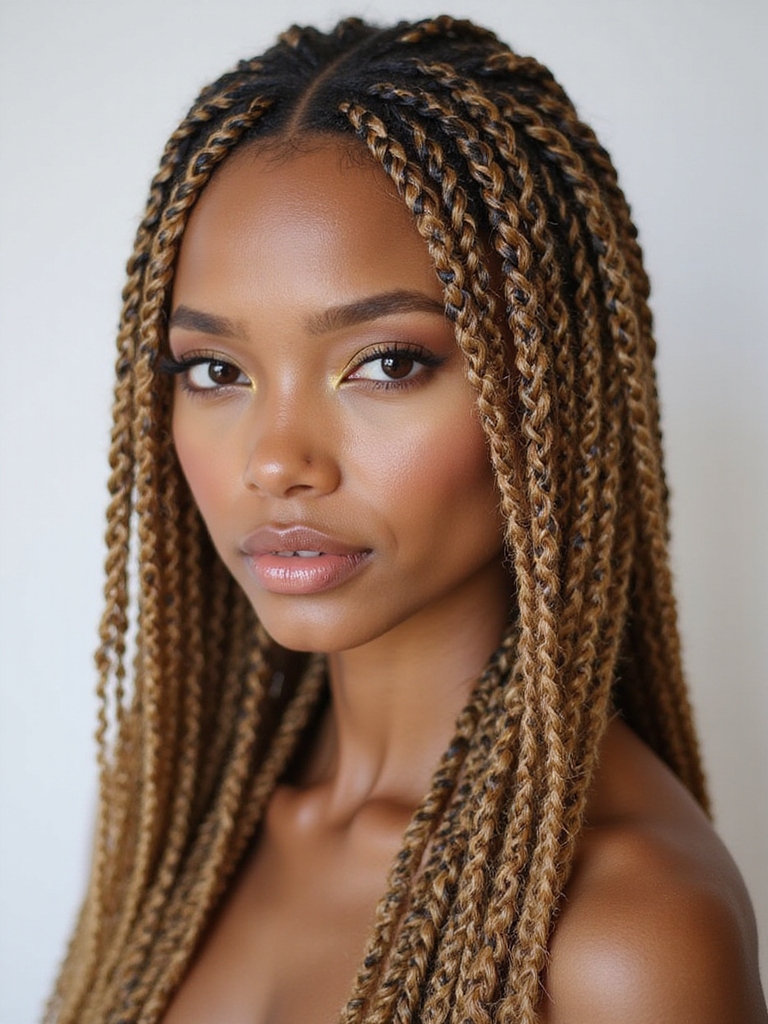
Braids are everywhere this season, and the trend spans a huge range, from sleek, precise feed-in cornrows to soft, undone boho braids to dramatic jumbo styles. What unites them is a move toward braids that feel personal and expressive rather than one-size-fits-all. The variety is the whole story.
A few directions defining the moment:
- Precision feed-in braids and cornrows, crisp, sleek, and graphic.
- Soft, romantic styles like waterfall and boho braids with a lived-with looseness.
- Bold statements, jumbo braids, bright color, and intricate parting, for anyone who wants to stand out.
Classic Cornrows, Modern Resurgence
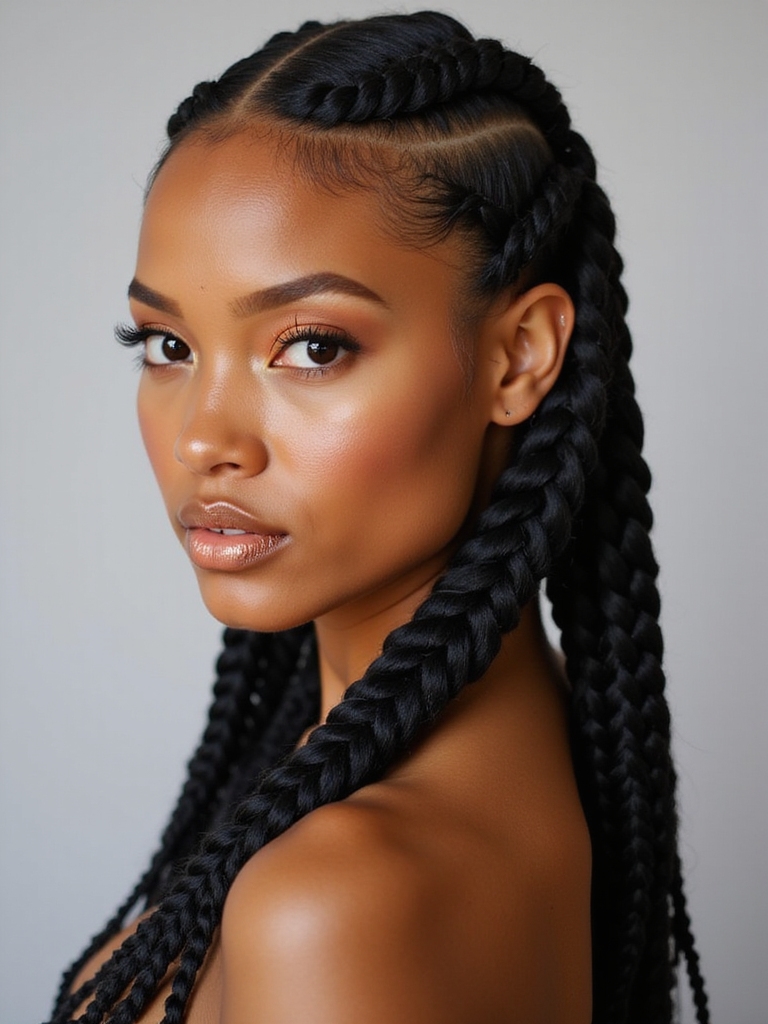
I tell clients that cornrows are among the oldest and most meaningful braiding traditions, rooted in African heritage and carrying centuries of cultural significance, and they are having a fresh, well-deserved moment. Today’s versions play with intricate parting, curved paths, and mixed sizes while honoring the technique’s deep roots. Worn with respect, they are as artful as any style there is.
What makes the modern cornrow feel current:
- Creative parting, curves, zig-zags, and geometric paths instead of only straight-back rows.
- Mixed widths within one style for added dimension and a custom feel.
- Pairing with extensions, beads, or cuffs for length and personality. See braided cornrow hairstyles for more.
Not sure which braided style fits your goal? Match it to what you want.
🎯I want to protect my natural hair
Feed-in braids, cornrows, box braids, and braided buns tuck the ends away and reduce daily manipulation.
🎯I want a quick, fun, temporary look
Fishtails, boho braids, half-up braids, or a few colored or accent braids give instant style with no commitment.
Timeless Elegance and Creativity
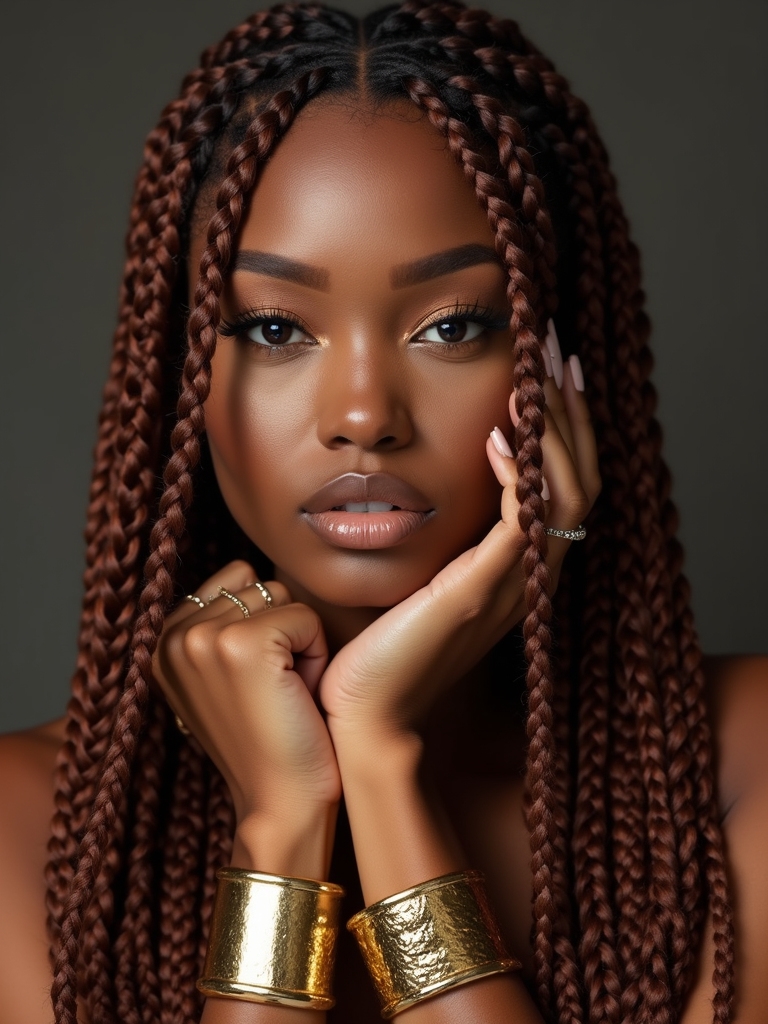
Some braided styles manage to feel both timeless and inventive, blending a classic technique with a creative twist that keeps it fresh. A traditional three-strand braid wrapped into an updo, or a fishtail softened and pulled apart, sits at this intersection of heritage and imagination. It is braiding as a living, evolving art.
Heritage Meets Imagination
The appeal is that braids are infinitely adaptable: the same basic stitches become a sleek crown, a romantic side braid, or an intricate sculptural updo depending on how they are arranged. That range is why braids never really go out of style; they simply get reinterpreted.
For everyday wear or a special event, a thoughtfully arranged braid reads polished and personal. The creativity comes not from inventing new stitches but from how the familiar ones are placed and combined.
Festival-Ready Fishtail Braids
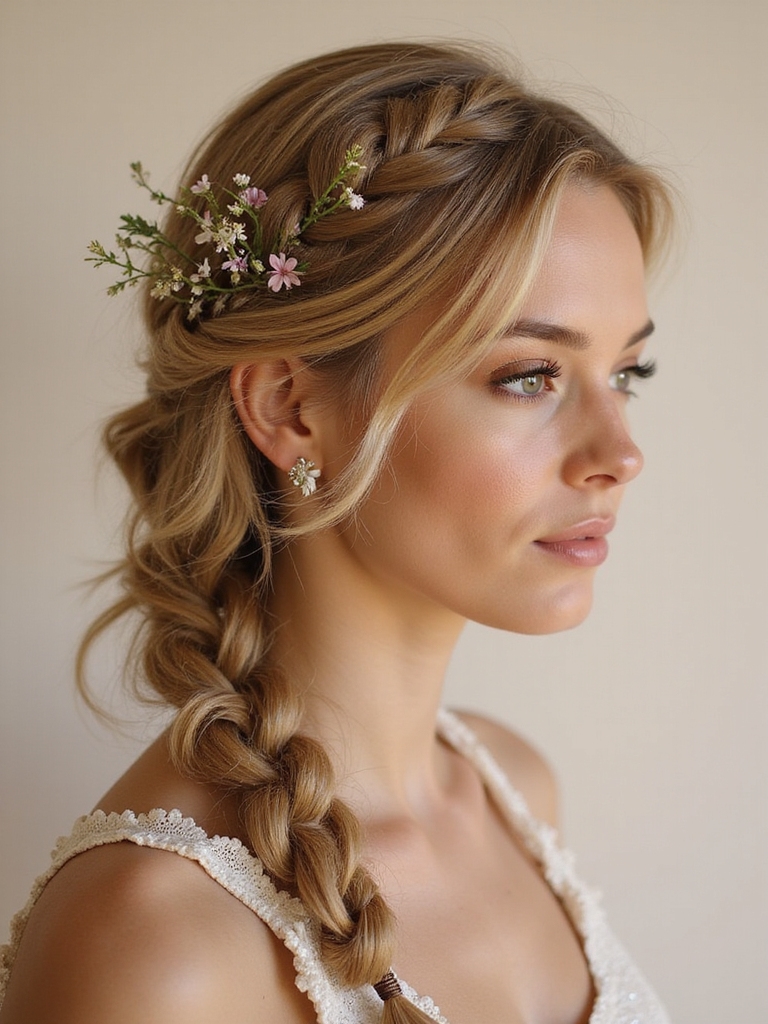
I love a fishtail braid for festivals, with its woven, herringbone texture that looks intricate but uses a simple two-section technique. Loosened and pulled apart for fullness, then decorated with flowers, gems, or glitter, it captures that free-spirited, celebratory energy perfectly. It is playful and surprisingly easy.
Loosen It for Fullness
Build a fishtail by crossing thin pieces from the outer edge of each of two sections over to the other, alternating down the length. Once finished, gently tug the edges to widen and soften it for that lush, undone look. The texture does most of the work, so it forgives an imperfect hand.
Add festival flair with woven-in ribbon, small flowers, or a scatter of gems, and the same braid goes from everyday to celebration. It suits straight, wavy, and curly textures, each giving the fishtail its own character.
Braids are one of humanity’s oldest art forms, and many of the most beloved styles carry deep cultural heritage. Wearing them with knowledge and respect is part of wearing them well.
Intricate, Regal Braided Artistry
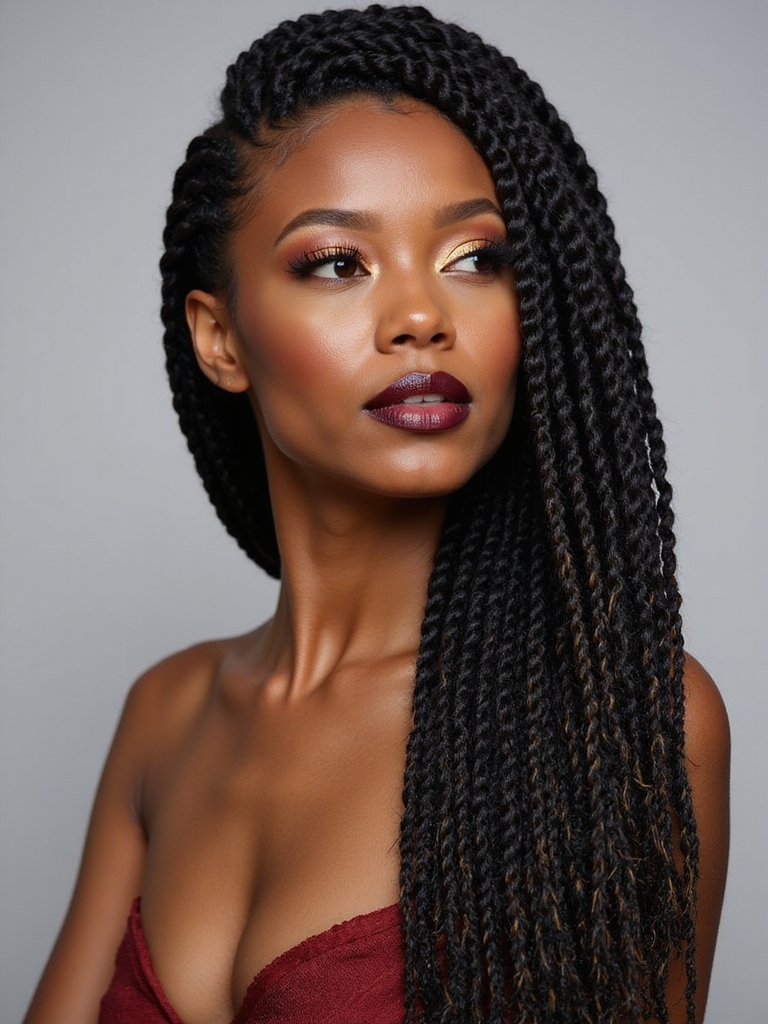
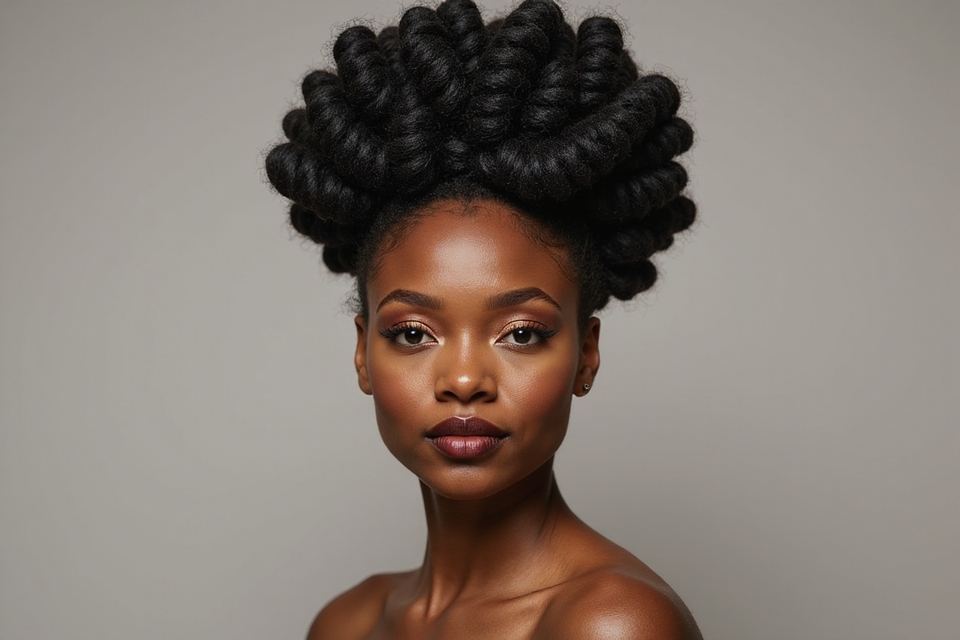
At the most elaborate end are the regal, intricate braided updos that look like sculpture, crowns of woven braids, complex interlocking patterns, and structured styles fit for a wedding or a gala. These showpiece braids take time and skill but deliver unforgettable drama. They are braiding as high art.
Braiding as Sculpture
These styles often combine multiple techniques, cornrows feeding into braided buns, or several braids woven together into a crown, building a structured, three-dimensional shape. The complexity is the point, creating something truly couture out of hair. They reward an experienced stylist with vision.
Reserved for special occasions, an intricate braided crown turns heads like little else. It is the kind of style worth booking a skilled braider well in advance for, since the artistry cannot be rushed.
Timeless Style, Elegant Variations
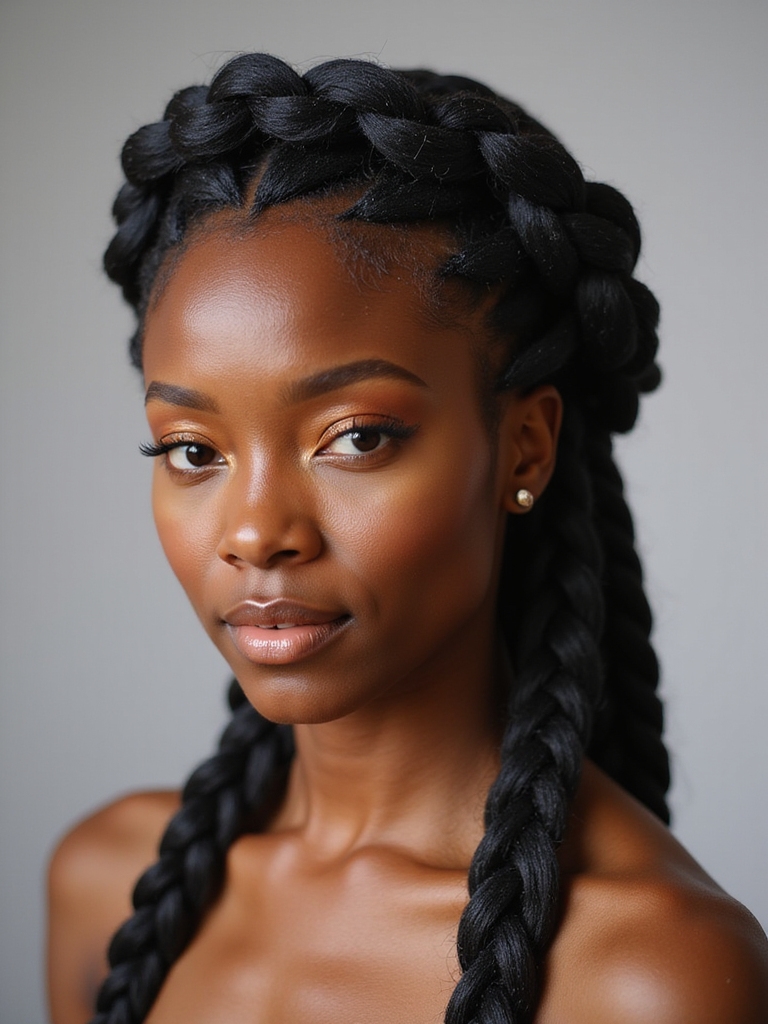
You do not need an elaborate style to wear braids beautifully, since small, elegant variations on classic braids carry just as much charm. A simple braid given a thoughtful twist, a side placement, a wrapped base, a few face-framing pieces left loose, feels considered without being complicated. These are the everyday workhorses.
A few easy, elegant tweaks:
- Wear a single braid to the side and drape it over one shoulder for soft romance.
- Wrap a thin braid around a ponytail base to hide the elastic and lift a simple style.
- Pull a couple of soft pieces free at the front so the braid reads gentle rather than severe.
Three braiding terms worth knowing:
📖Feed-in / knotless
A method that adds extension hair gradually as the braid grows, so the root stays flat and knot-free with less tension than a knotted braid.
📖Cornrows
Braids made flat against the scalp in rows, an ancient style of deep cultural significance, often used as a base for many other looks.
Elegant Braided Bun Styles
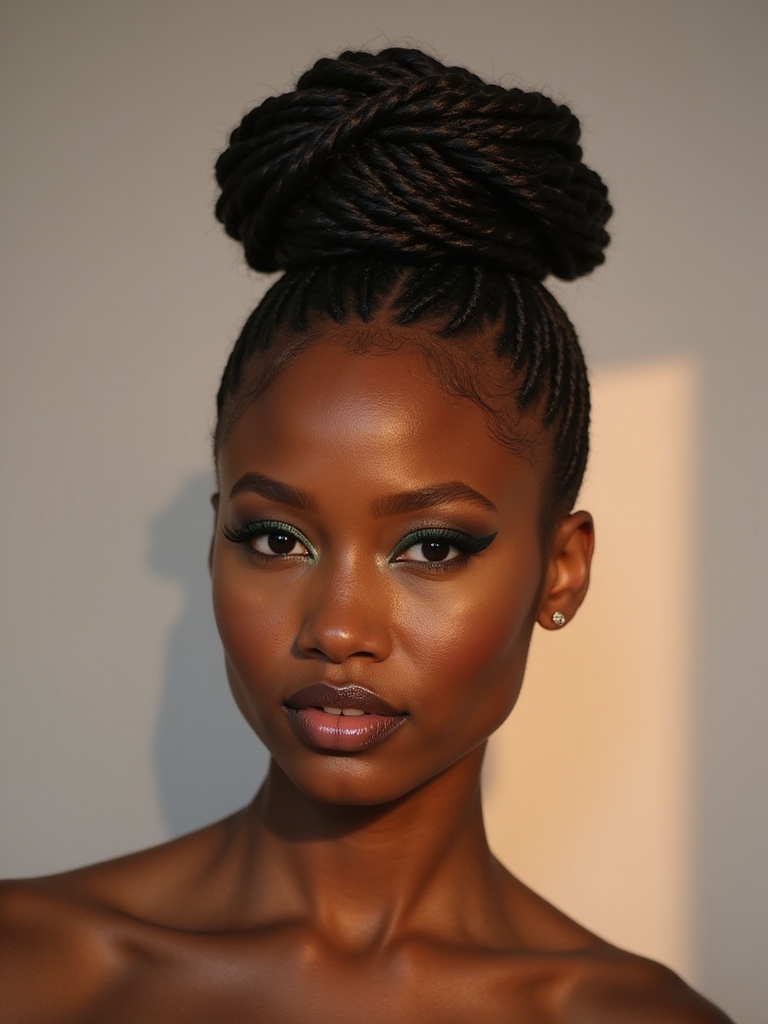
I recommend the braided bun when someone wants the polish of an updo with the texture of a braid, gathering one or several braids into a low or high bun for a refined, secure style. It is elegant enough for a wedding and practical enough for a workday, which makes it among the most versatile braided looks. The texture is what lifts it above a plain bun.
Braid the hair first, whether a single large braid, several smaller ones, or cornrows leading into the back, then coil and pin the braided lengths into a bun. The woven texture adds visual interest a smooth bun lacks, and the braids help everything stay secure. A low braided bun reads classic, while a high one feels more modern.
This style suits nearly every occasion and hair texture, and it keeps the ends tucked and protected, a bonus for anyone wearing braids to safeguard their natural hair. It is refined, practical, and endlessly adaptable.
Bold Color for Braids
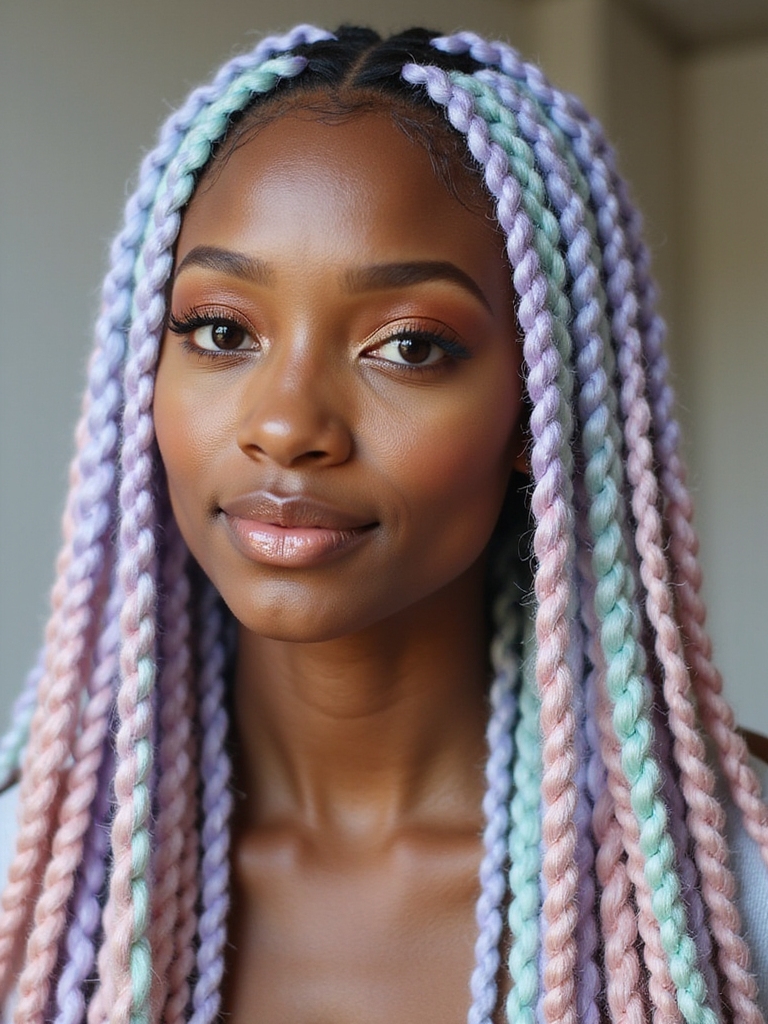
Color is among the most exciting ways to personalize braids, since braiding hair comes in every shade imaginable and lets you experiment without touching your natural color. From subtle highlights woven through to bold, all-over brights, color adds instant personality and is fully temporary. It is play without commitment.
Ways to bring color into braids:
- Weave a few brightly colored braids through a natural base for a peekaboo pop.
- Try an ombre effect, braiding hair that shifts from your root color to a brighter tone at the ends.
- Go all-out with a bold, all-over color like burgundy, honey, or a pastel for a full statement.
Good to Know
A braided style protects your hair only when the tension is comfortable. Braids that pull or ache at the hairline are too tight and can stress your edges over time, undoing the protective benefit. A good braider keeps the perimeter gentle, and you should always speak up if it hurts.
Easy Bohemian Braid Style
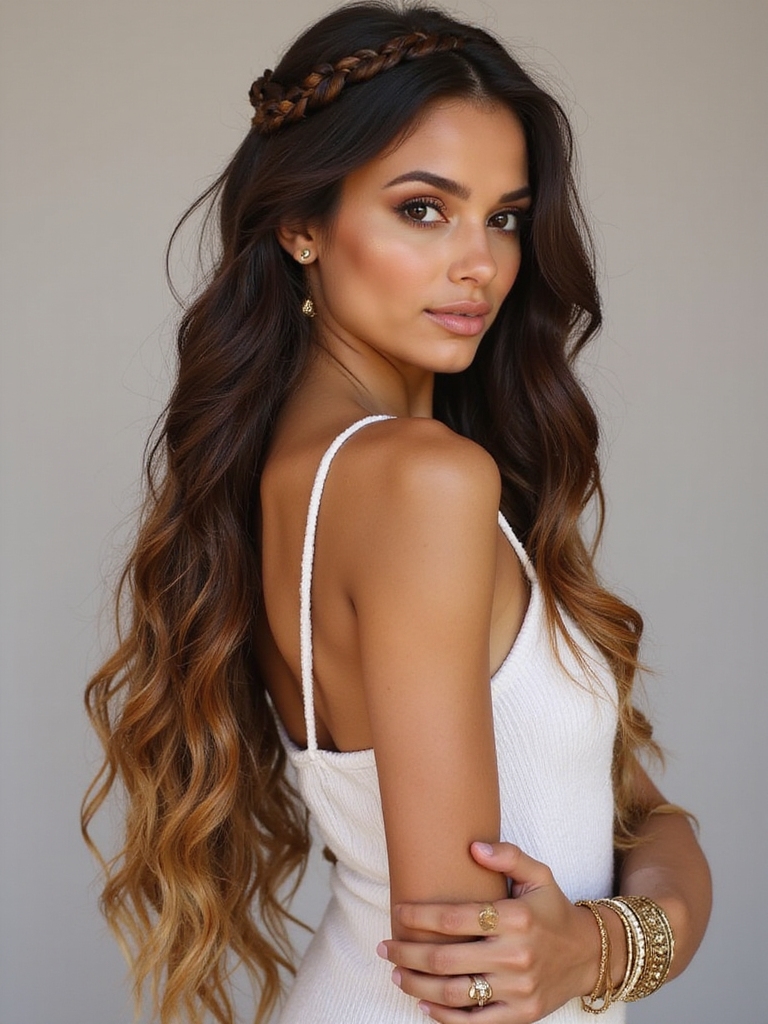
Boho braids are all about a soft, undone, lived-with looseness, the opposite of sleek and precise. Think loose braids with face-framing tendrils, gentle waves, and a relaxed, free-spirited finish that looks like it took no effort at all, even though a little intention helps. They suit a casual day or a festival perfectly. Build the boho look:
- Start with waved or second-day hair, which holds the soft, undone texture better than fresh, slippery hair.
- Braid loosely and leave tendrils out around the face and nape for that relaxed frame.
- Gently tug the braids apart to widen and soften them, then mist lightly to hold the lived-with shape.
Viking-Inspired Bold Braids
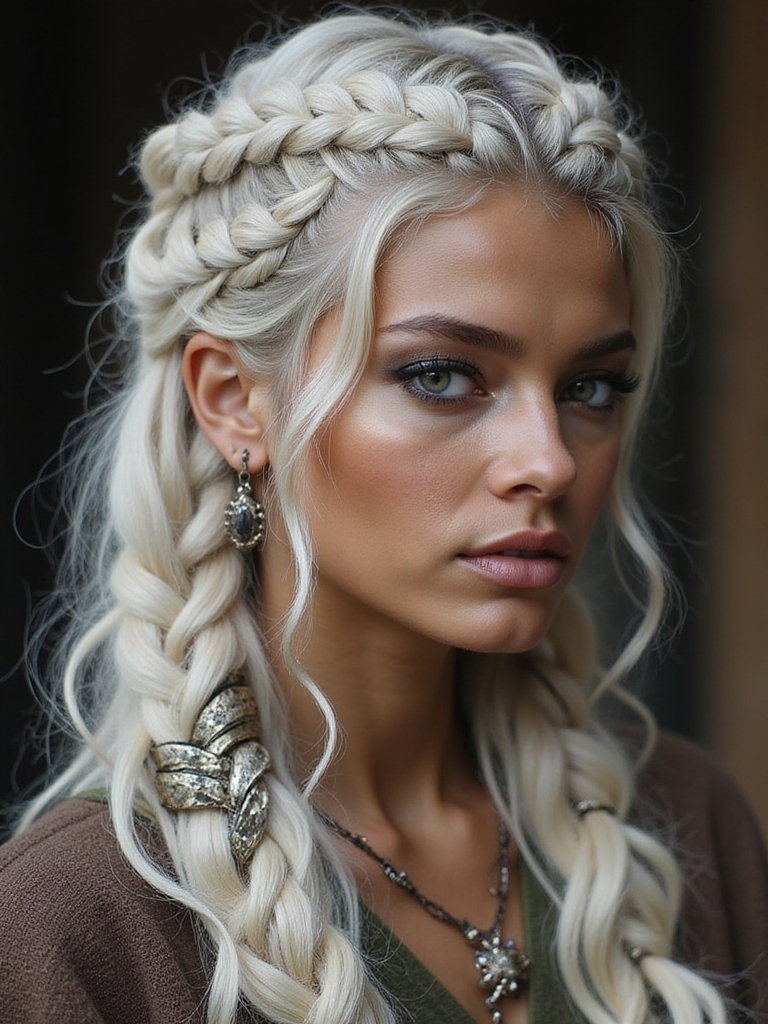
For a bolder, edgier mood, Viking-inspired braids bring a strong, warrior-like energy with tight cornrow-style braids along the sides, undercut details, and intricate woven patterns. Popularized by shows and games, the look reads powerful and dramatic, a striking choice for anyone who wants braids with attitude. Build the Viking vibe:
- Braid tight rows along one or both sides, often with the rest of the hair left loose or in a top knot.
- Add intricate woven or knotted details for that handcrafted, warrior feel.
- Pair with metal cuffs or rings on the braids for the finishing bold, rugged touch.
Half-Up Braided Elegance
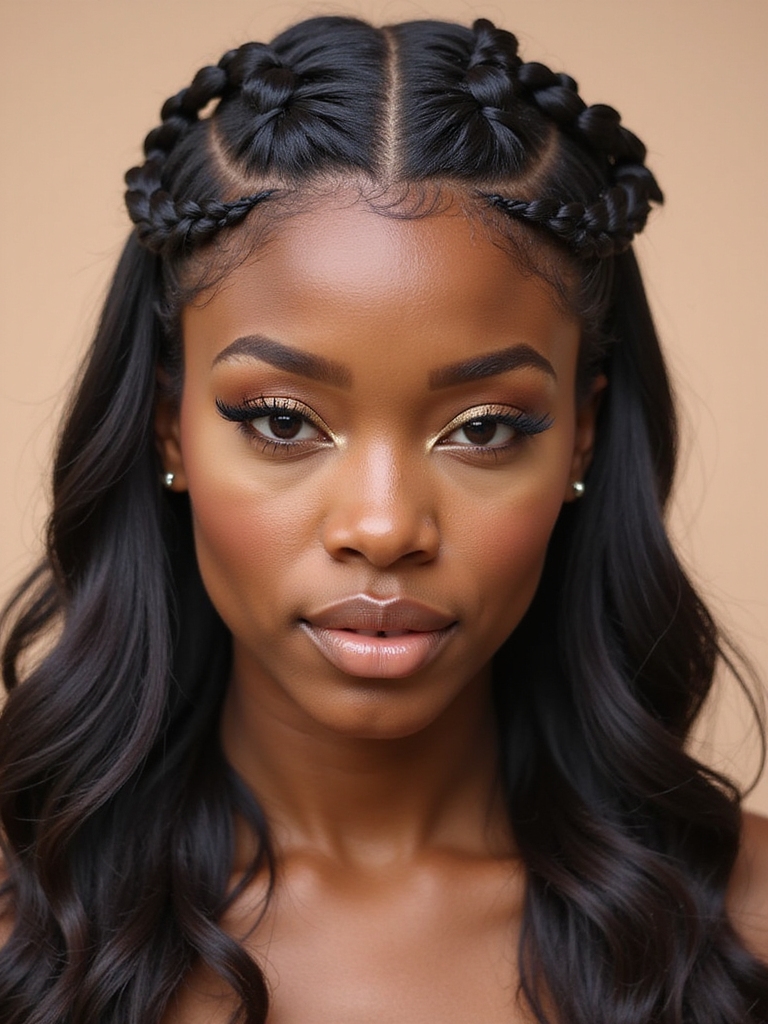
The half-up braid is the perfect middle ground, pulling the top section into braids while leaving the rest flowing for a look that is polished but not fussy. It keeps hair off the face while showing off length, which makes it endlessly flattering for everyday and events alike. It is the easy-elegant choice. A few ways to wear it:
- Braid two sections from the temples and join them at the back to frame the face.
- Gather the top half into a single braid down the center for a soft, boho half-up.
- Add a braided detail to a half-up bun for a little extra texture and polish.
Braids Adorned With Accessories
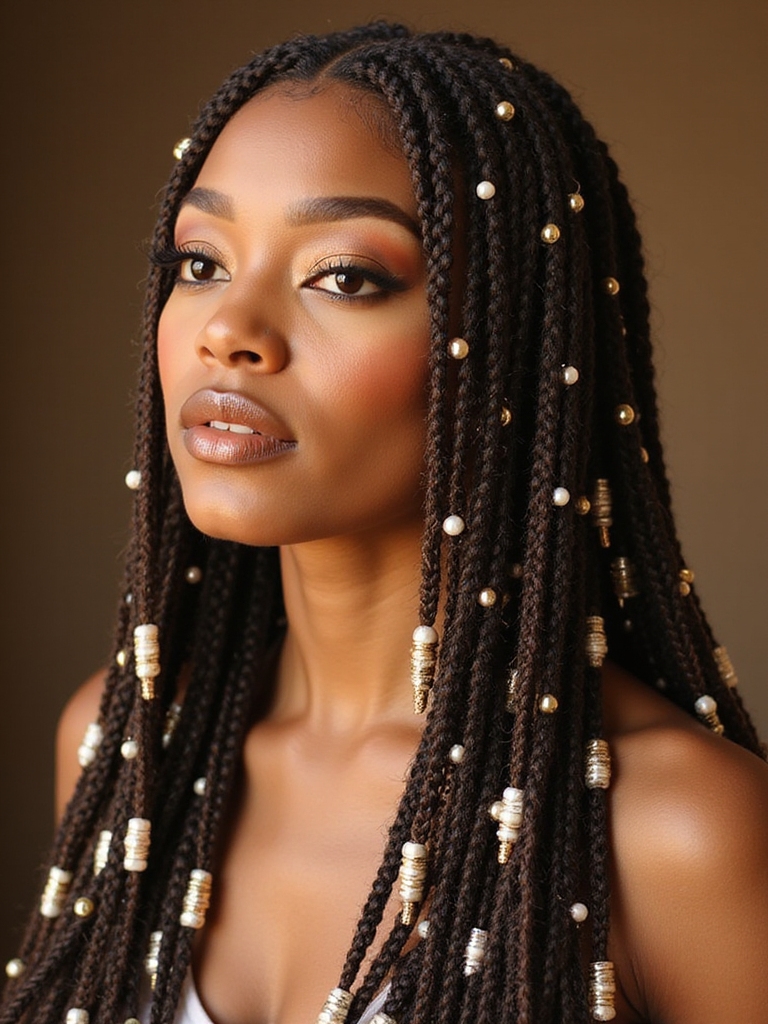
Accessories transform braids, and adorning them with beads, cuffs, rings, and charms is a tradition with deep cultural roots that also happens to be a major current trend. The hardware catches light, adds personality, and lets you change the look without redoing the braids. A few ways to adorn them:
- Thread wooden or glass beads onto the ends of braids, secured with small bands or crimps.
- Slide metal cuffs and rings onto individual braids for a modern, hardware-driven touch.
- Weave in ribbon, string, or charms for a personal, decorative finish that is easy to swap out.
Sleek, Sophisticated Feed-In Braids
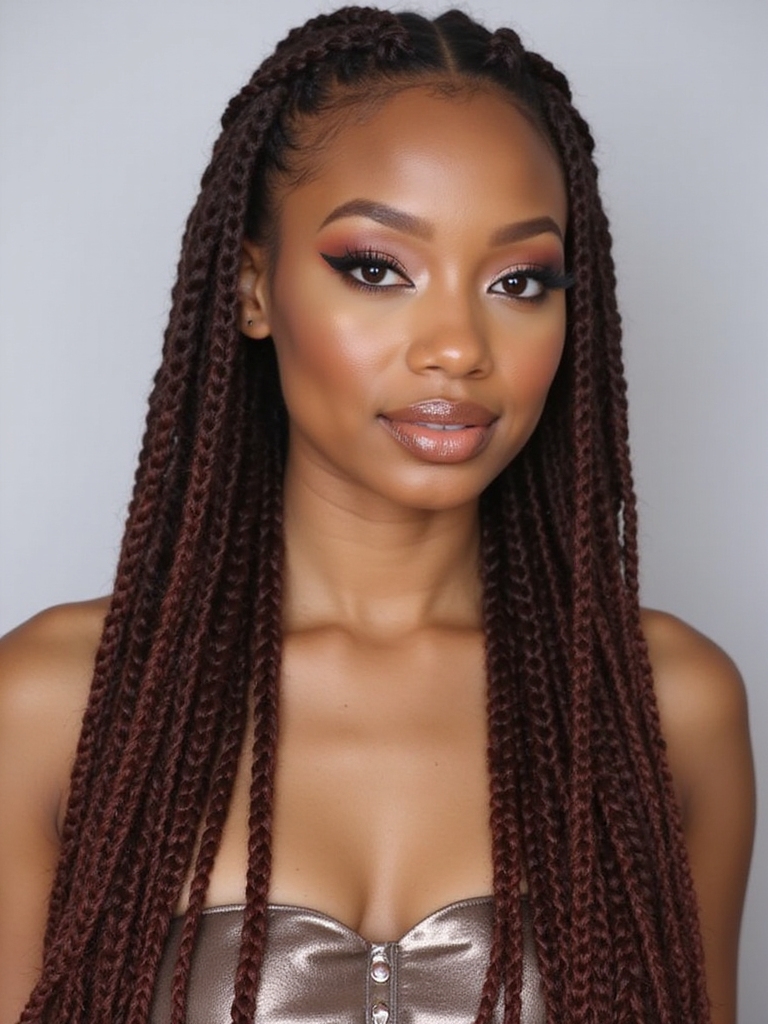
Feed-in braids are the gold standard for a sleek, natural-looking finish, gradually adding extension hair as the braid progresses rather than attaching it in a bulky knot at the root. This technique, central to so much of contemporary braiding, lies flatter, puts less tension on the scalp, and blends beautifully from your own hair. Here is what defines them:
- The braid starts with your natural hair, with extension fed in gradually for a smooth, knot-free root.
- The flatter root means less tension and a more comfortable, natural-looking braid.
- They suit cornrows, braided ponytails, and many protective styles. The knotless braids guide covers the same gentle method.
Cultural Artistry Through Braids
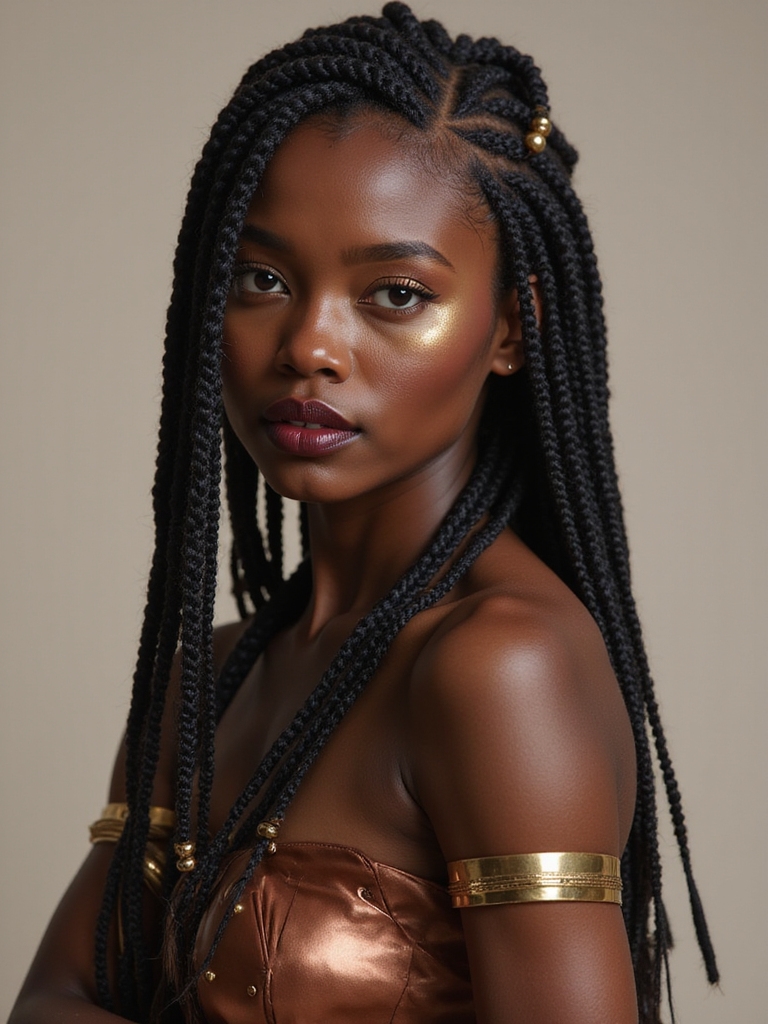
It is impossible to talk about braids honestly without recognizing them as a profound cultural art form. Many of the most beloved braided styles, cornrows, feed-in braids, and countless protective styles, originate in African and African diaspora communities, where braiding has carried meaning around identity, status, community, and creativity for centuries. The styles trending today rest on that deep heritage.
Braiding has long been a communal, intergenerational practice, passed between hands and shared as both artistry and care. Patterns once signaled tribe, age, or status, and the skill itself is a craft refined over generations. Understanding this history adds richness to every braid and is the reason these styles deserve to be worn with knowledge and respect.
When you wear braids rooted in this tradition, it matters to honor where they come from, to learn a little of their story, and to support the skilled braiders, often from these communities, who keep the art alive. Appreciation looks like credit and care; it never looks like treating heritage as a passing trend.
Inverted Braid Styles
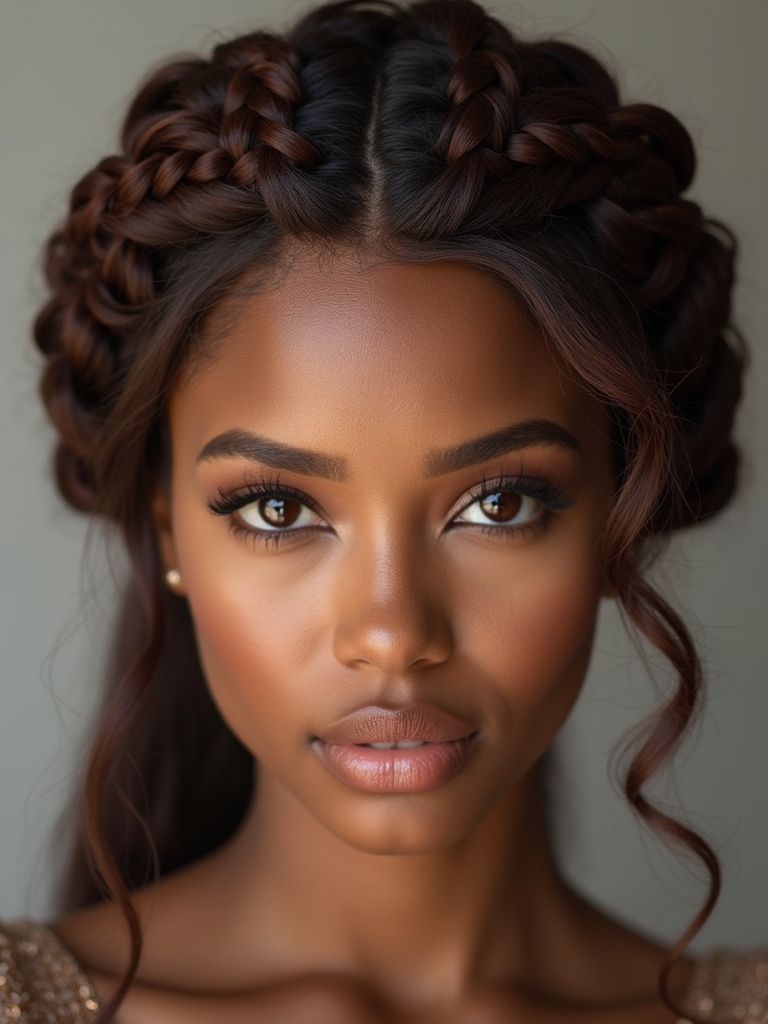
The inverted braid, often called a Dutch braid, sits on top of the hair rather than tucking underneath, which makes it pop out in a raised, three-dimensional rope. That lifted texture reads bolder and more defined than a regular braid, which is why it has become a go-to for everything from sporty styles to statement updos. It is the braid that stands out.
Where a French braid crosses sections over the middle, a Dutch braid crosses them underneath, pushing the braid up and out. This makes it ideal for adding visible volume and definition, whether in a single braid, double braids, or a braided crown. It holds firmly, which suits active days.
The raised texture also makes inverted braids a great base for more complex styles, since they create structure and grip. Double Dutch braids in particular have become a defining sporty-cool look, equal parts practical and striking.
More Elegant Braided Ideas
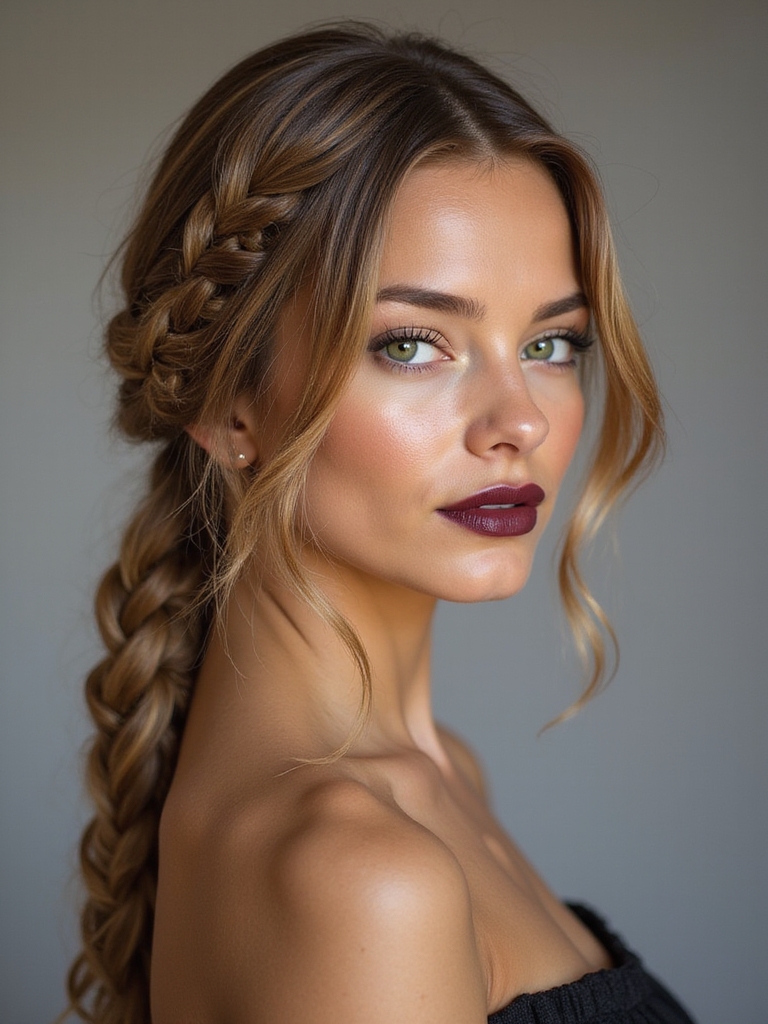
Beyond the headline trends, a whole world of elegant braided ideas keeps the style endlessly fresh, from crown braids to braided ponytails to delicate accent braids worked into looser styles. The beauty of braiding is that there is always another variation to try. A few more worth saving:
Refined braid ideas for any occasion:
- A crown braid wrapped around the head for a romantic, fairy-tale finish.
- A braided ponytail that adds texture and keeps a sporty style secure.
- A few thin accent braids worked into loose waves for an easy, lived-with detail.
Braids as a Protective Style
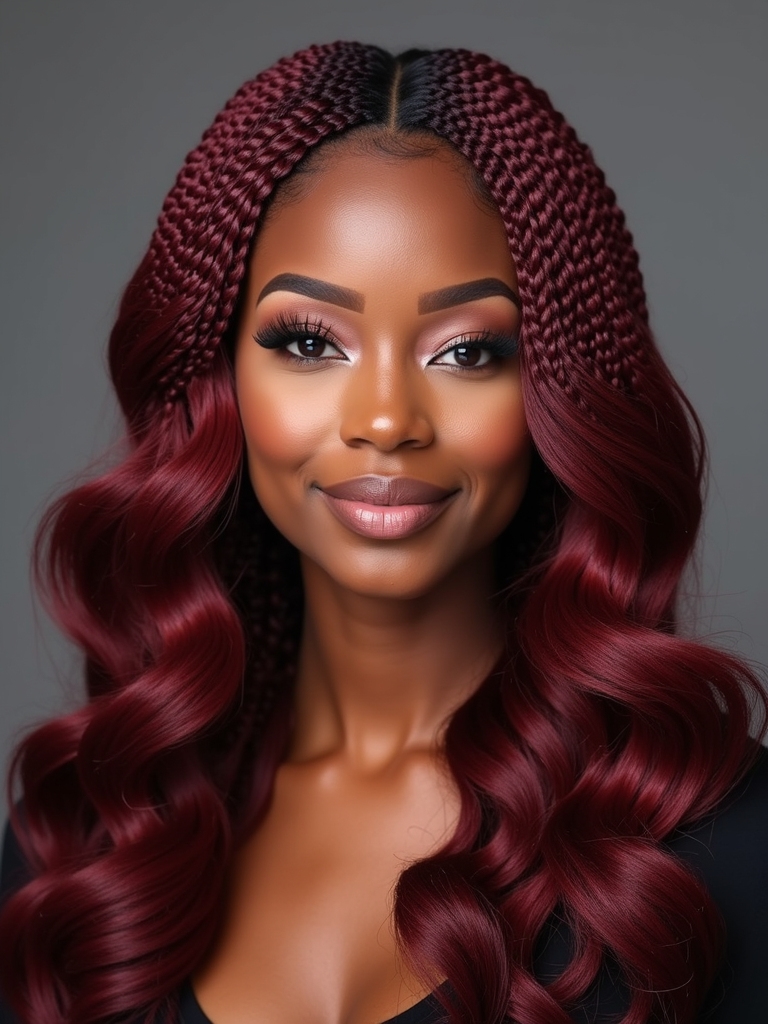
Beyond their beauty, many braided styles are truly protective, tucking the ends of the hair away and reducing the daily manipulation and breakage that comes from combing, heat, and styling. For natural and textured hair especially, braids can be a powerful tool for retaining length and preserving health. The protection is real, but only when done right.
To keep braids truly protective:
- Insist on comfortable, gentle tension, since braids that are too tight stress the hairline and undo the benefit.
- Keep the scalp and braids moisturized with a light oil or water-based spray, since braided hair still needs hydration.
- Take braids down within about eight weeks, sleep in a satin scarf, and let your hair rest between sets.
The Heritage of Hair Braiding
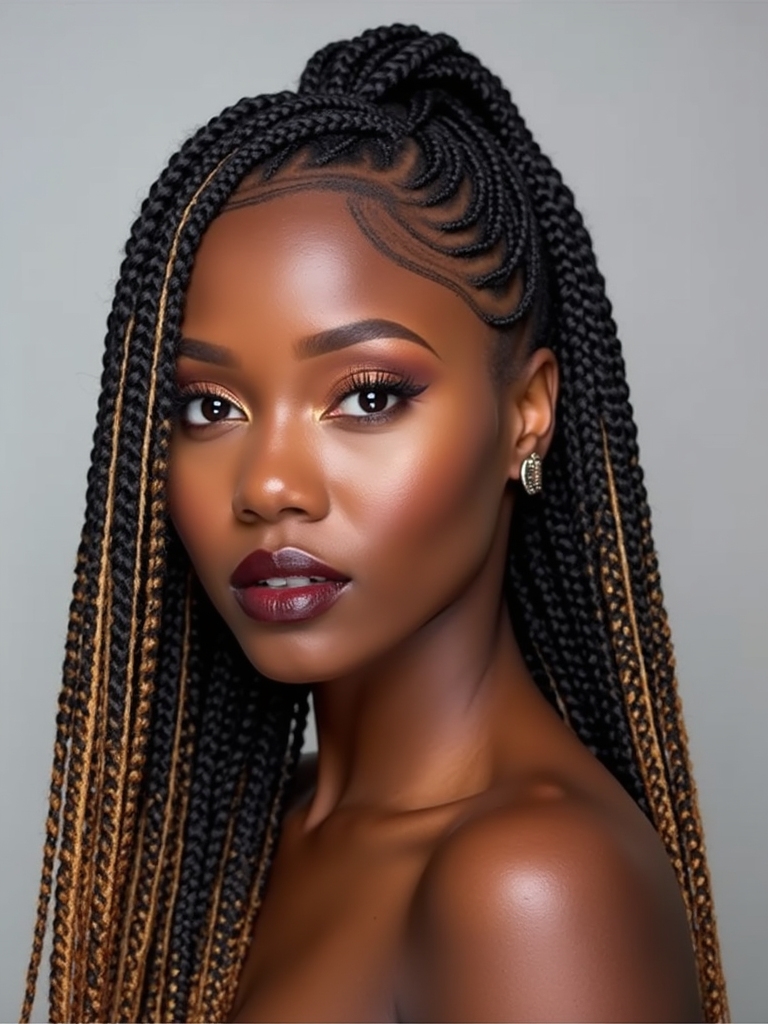
Braiding is among the oldest known styling techniques in human history, practiced across cultures for thousands of years, with some of the richest and most enduring traditions originating in Africa. Understanding the craft deepens appreciation for every modern braid you see. A few things worth knowing about the art:
- Many signature styles, including cornrows, hold deep cultural meaning and history in African and diaspora communities.
- Braiding has long been a shared, intergenerational skill, passed down and practiced as both artistry and bonding.
- Supporting skilled braiders and learning a style’s story is how to wear braids with genuine respect, not appropriation.
Dramatic Jumbo Braids
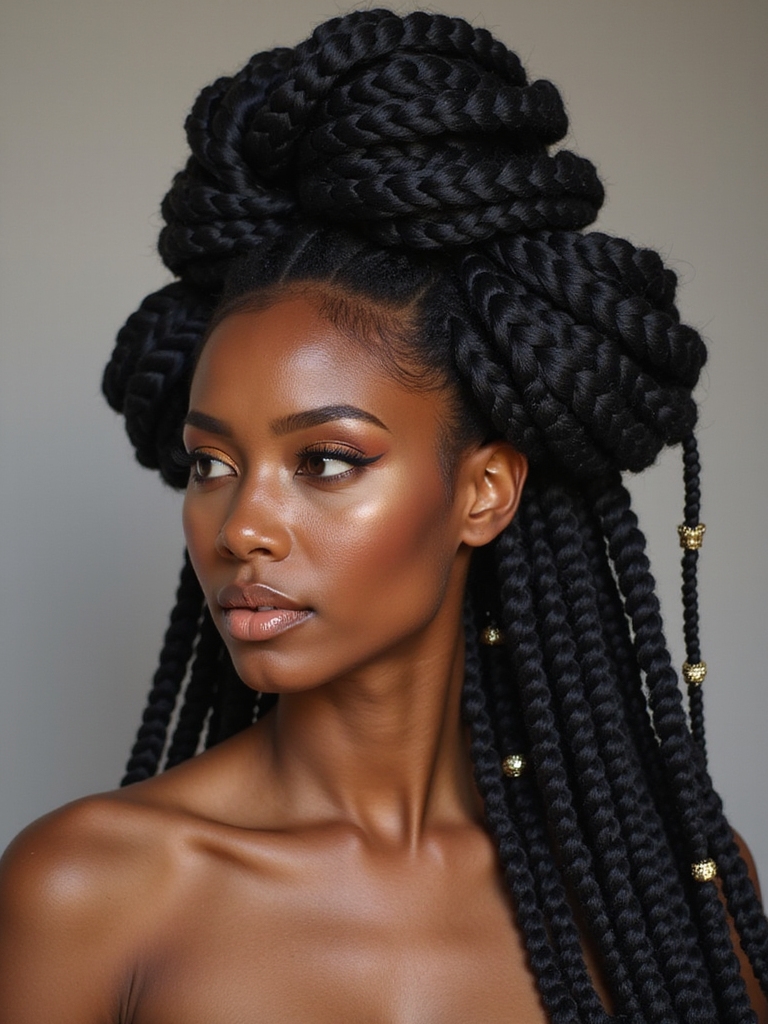
Jumbo braids make a bold statement with their oversized scale, using fewer, much larger jumbo braids for a dramatic, eye-catching look that also installs faster than smaller styles. The chunky proportions feel modern and confident, and the quicker install with less overall weight is a real practical bonus. They are impact with efficiency. Wear jumbo braids well:
- Choose jumbo box braids or jumbo cornrows for a fast, lightweight, high-impact style.
- Keep the parts clean and even, since larger braids show the parting more clearly.
- Mind the weight and tension at the roots, since big braids can pull if installed too heavily.
Romantic Waterfall Braids
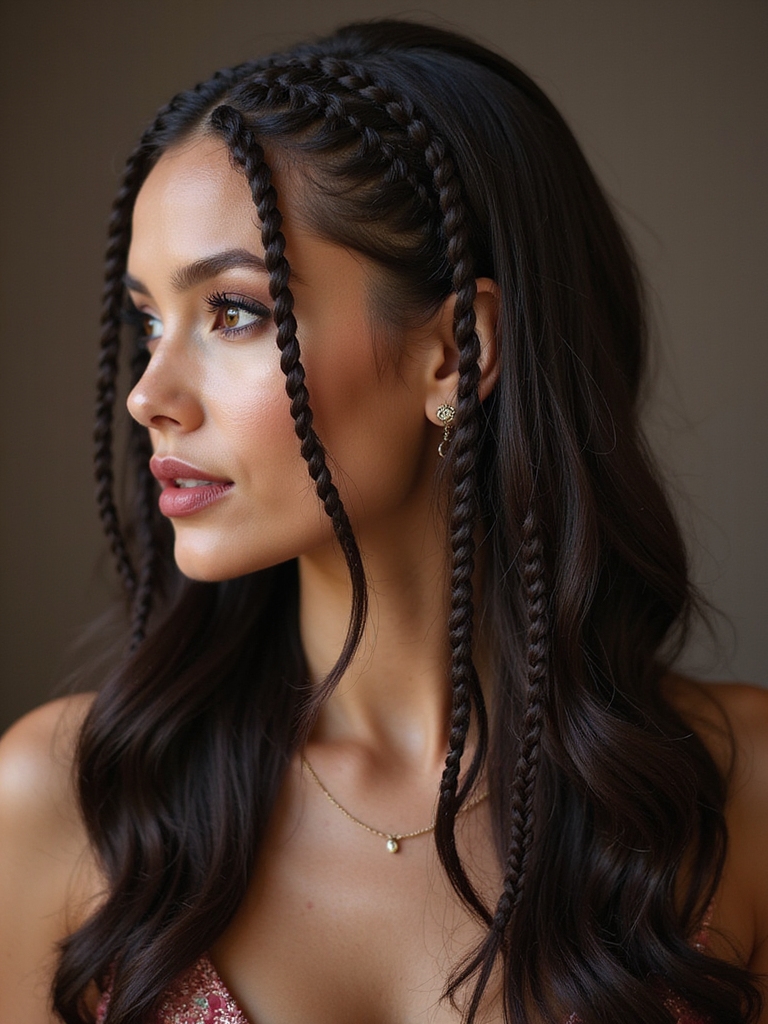
I see the waterfall braid requested most for weddings, the most romantic style here, a half-up waterfall braid that lets sections of hair fall loose through it like a cascade, creating a soft, dreamy effect. It works beautifully on wavy or curled hair, where the dropped strands tumble prettily below the braid. It is a favorite for weddings and dates for good reason.
Create a waterfall by braiding horizontally across the head and, at each stitch, dropping the lower strand to fall free while picking up a new piece from above to continue. The result is a braid that appears to float over loose, cascading hair. Curl the loose pieces first for the dreamiest, most romantic effect, and the style looks far more intricate than it actually is.
Chic Cornrow Ponytails
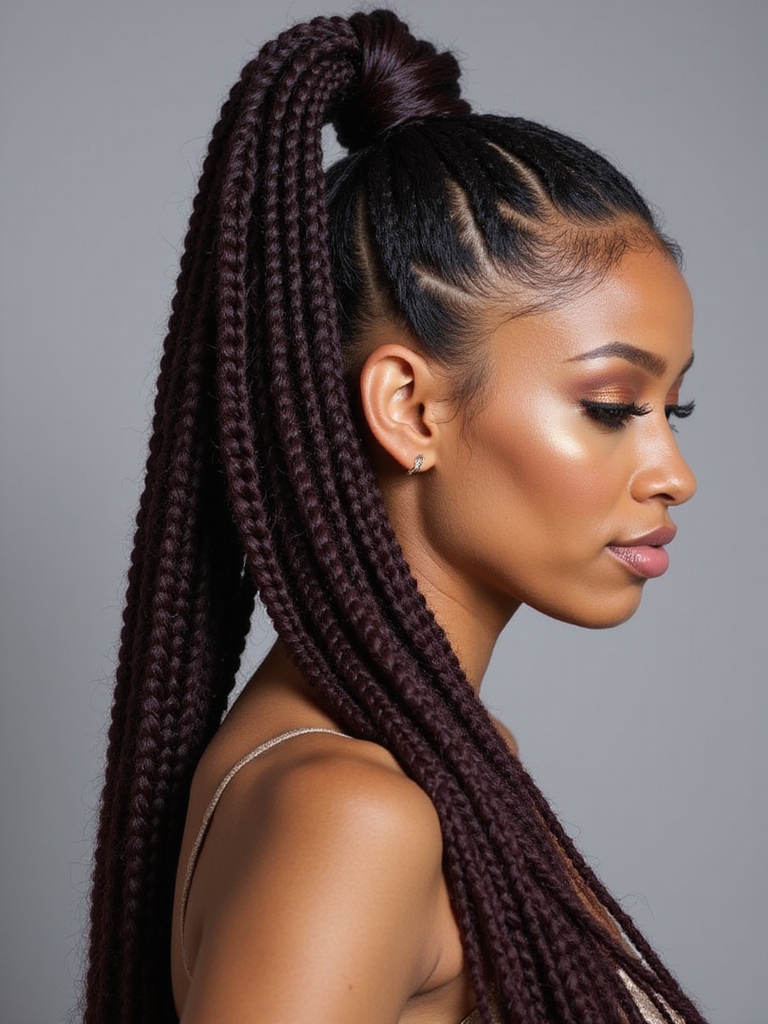
The cornrow ponytail is a sleek, confident style that channels cornrows into a high or low ponytail for a look that is both sporty and polished. The crisp braided base feeding into a flowing tail reads sharp and intentional, which is why it has become such a popular, versatile choice. It moves from gym to night out with ease.
What makes the cornrow ponytail work:
- Clean, even cornrows feeding back into a single gathered point for a sharp, graphic base.
- Added extension in the ponytail for length, fullness, and dramatic movement.
- A wrapped base to hide the gathering point and keep the whole style looking polished.
Intricate Zig-Zag Parting
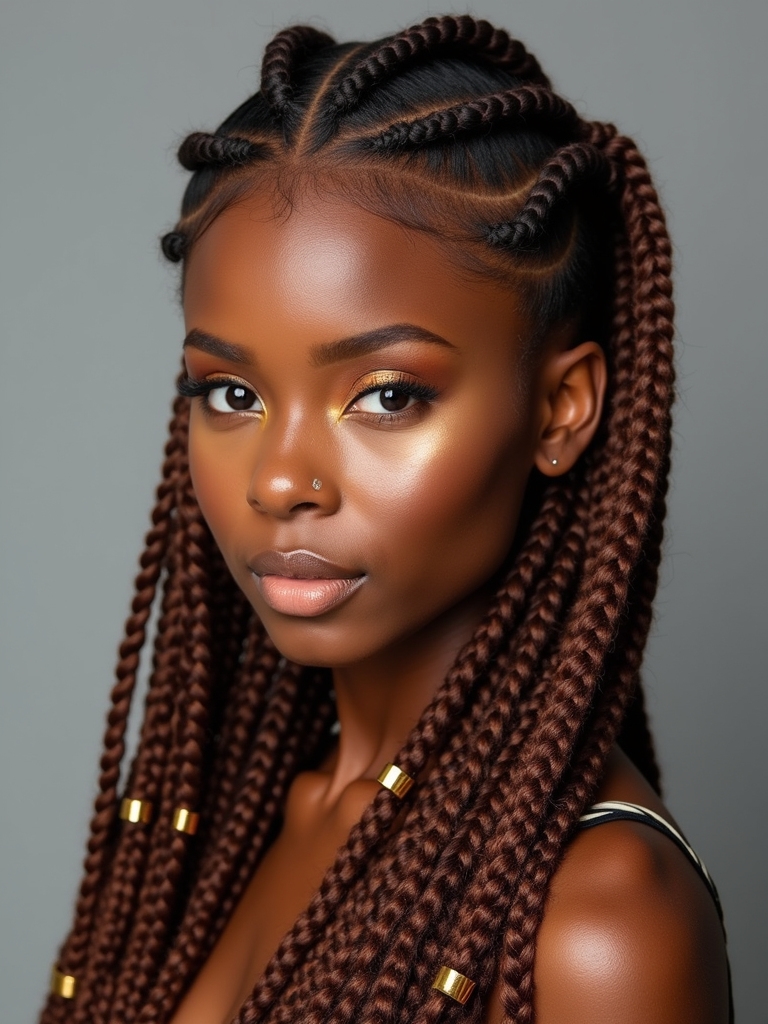
One of the easiest ways to take braids from plain to striking is creative parting, and zig-zag parts are leading the way, replacing straight lines with sharp, geometric zig-zag parts between the braids. The intricate parting turns the scalp itself into part of the design, adding artistry before a single braid is even noticed. It is the small detail that lifts the whole look.
Zig-zag and geometric parts require a skilled, precise hand, since the clean, sharp lines are what make the effect, and any wobble shows. The parts can be subtle accents within an otherwise classic style or the bold centerpiece of the whole look. Either way, they showcase the braider’s artistry.
This kind of creative parting works across many braided styles, from cornrows to feed-in braids, and it is a beautiful example of braiding as true artistry. The scalp design is as much a part of the look as the braids themselves.
Red-Carpet Braided Inspiration
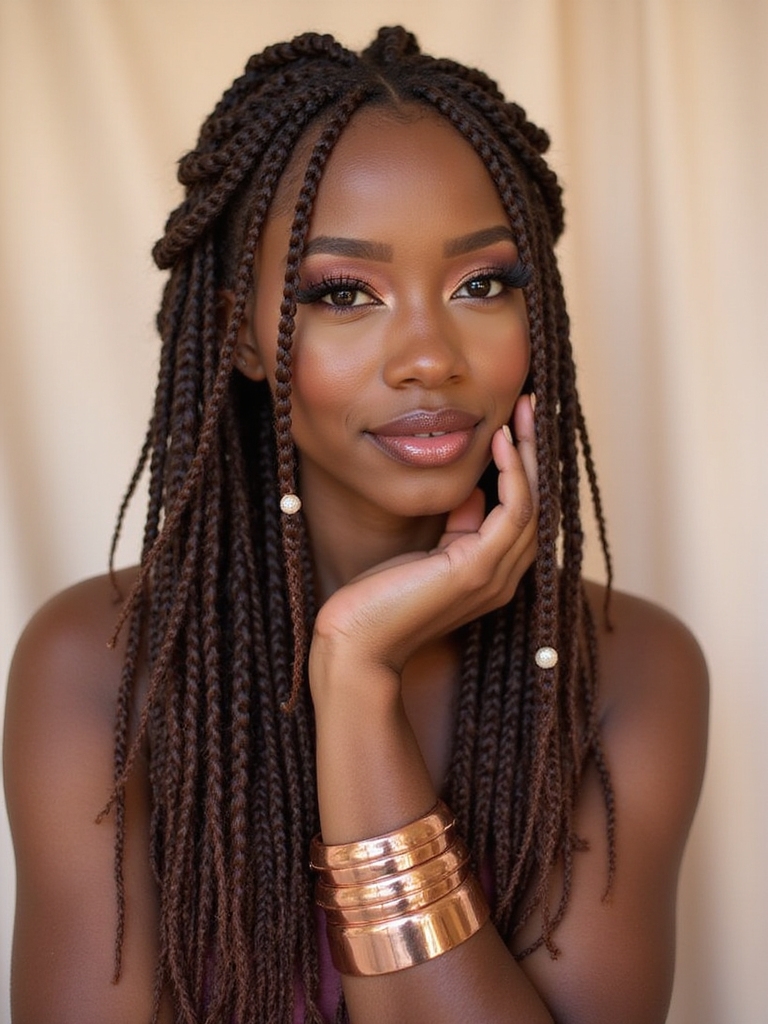
Some of the most-shared braided looks come straight from the spotlight, where stylists create standout braided styles for stages, runways, and red carpets that then ripple out into everyday inspiration. These high-glamour moments push braiding into bold, creative territory worth borrowing from. A few ideas to take from the spotlight:
Borrow the drama, scale it to real life:
- Try a sculptural braided updo or crown for a wedding or a big event.
- Take a bold color or an intricate parting from a runway look and wear it in a simpler everyday braid.
- Mix techniques, like cornrows into a braided bun, for that high-fashion, multi-dimensional effect.
Caring for Your Braids
Whatever braided style you choose, a little care keeps both the braids and your natural hair healthy through the weeks. Keep your scalp and braids hydrated with a light oil or a water-mist spray, since braided hair still dries out, and sleep in a satin or silk scarf or bonnet to reduce frizz and friction overnight.
Keep the parts and edges clean, and resist re-pulling the braids into tight styles that strain the roots, since comfortable tension is what protects your hairline over the life of the style.
Know when to take them down, too. Most braided styles should come out within about eight weeks, since leaving them in too long lets the natural hair tangle and stresses the roots. When you do remove them, work gently from the ends up, detangle thoroughly with conditioner, and give your hair a deep-conditioning reset before its next style.
Treated with this kind of care, braids do exactly what they promise: they protect and preserve your natural hair while looking beautiful, which is the real reason this ancient art keeps thriving.
Braided Hairstyle Questions, Answered
?How long do braided styles last?
It depends on the style, but most protective braided styles look good for four to eight weeks and should be taken down by about eight, since leaving them in longer lets the natural hair tangle and stresses the roots. Quick styles like fishtails or boho braids are usually a one-day look.
?Are braids actually good for your hair?
They can be, when done with gentle tension and cared for properly. Braids tuck the ends away and reduce daily manipulation, which helps retain length, especially for natural hair. But braids that are too tight or left in too long can stress the hairline, so comfort and timing matter.
?How do I keep my scalp from itching in braids?
Moisturize the scalp with a light oil or a water-based spray, cleanse gently every week or two along the parts, and avoid heavy product buildup. Using quality braiding hair, rinsed beforehand to remove its coating, also cuts down on the itch.
A Braid for Every Story
What makes braids so enduring is their range: they can be a sleek protective style, a romantic waterfall, a bold jumbo statement, or an intricate cultural masterpiece, all from the same fundamental craft. The latest braided hairstyles are really just new arrangements of a deeply old art, which is part of why they feel both fresh and timeless at once. Whatever your texture, occasion, or mood, there is a braid that fits.
Choose the style that suits your hair and your goal, find a skilled braider, insist on gentle tension, and wear styles with cultural roots with the respect they deserve. Care for your braids and your natural hair underneath, and this ancient, beautiful art will keep protecting, expressing, and delighting, one braid at a time.
More Looks Worth Saving