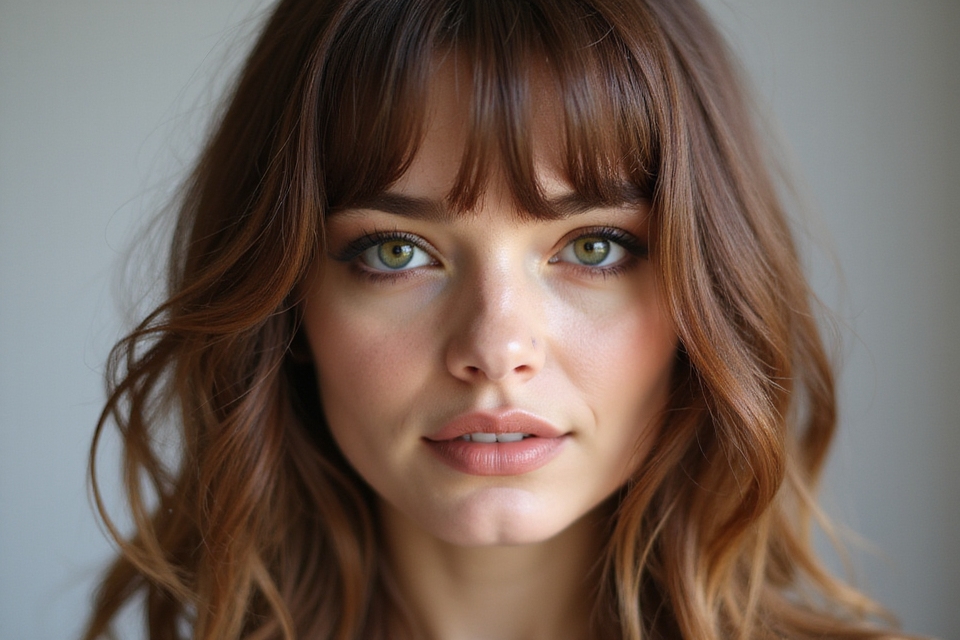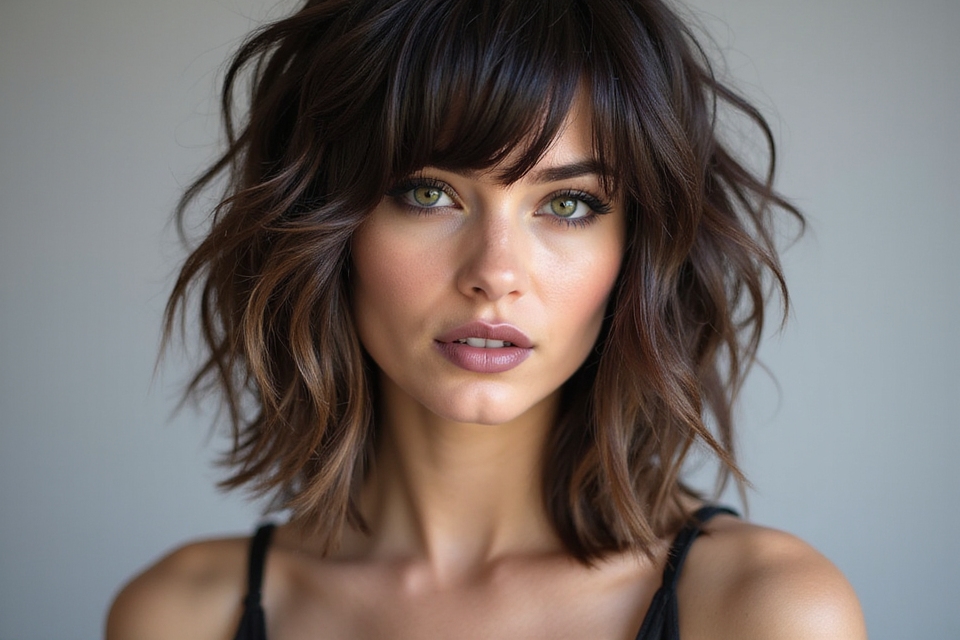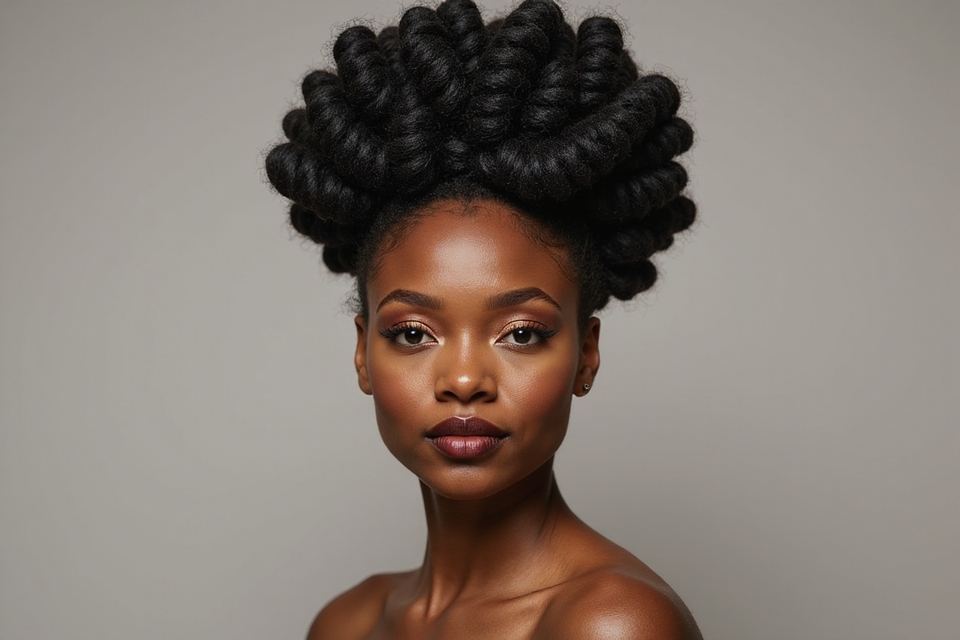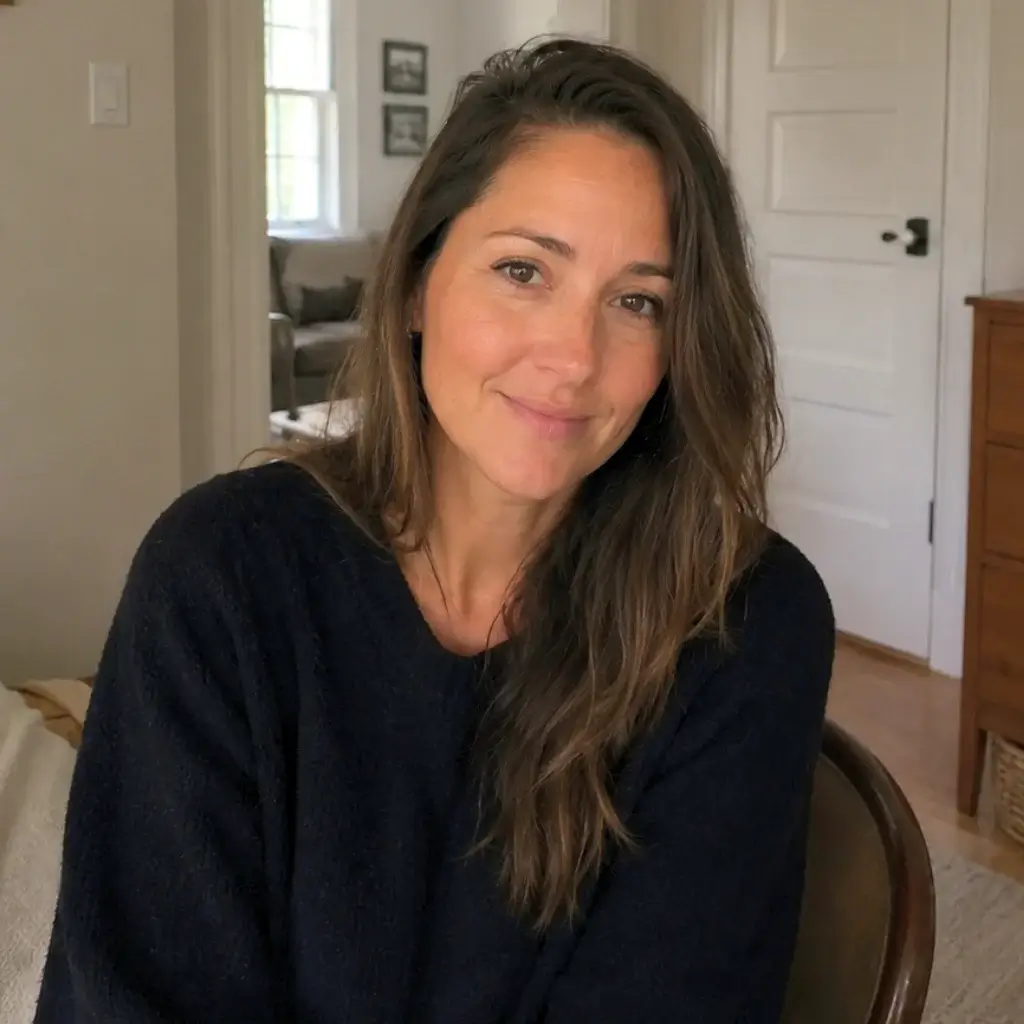
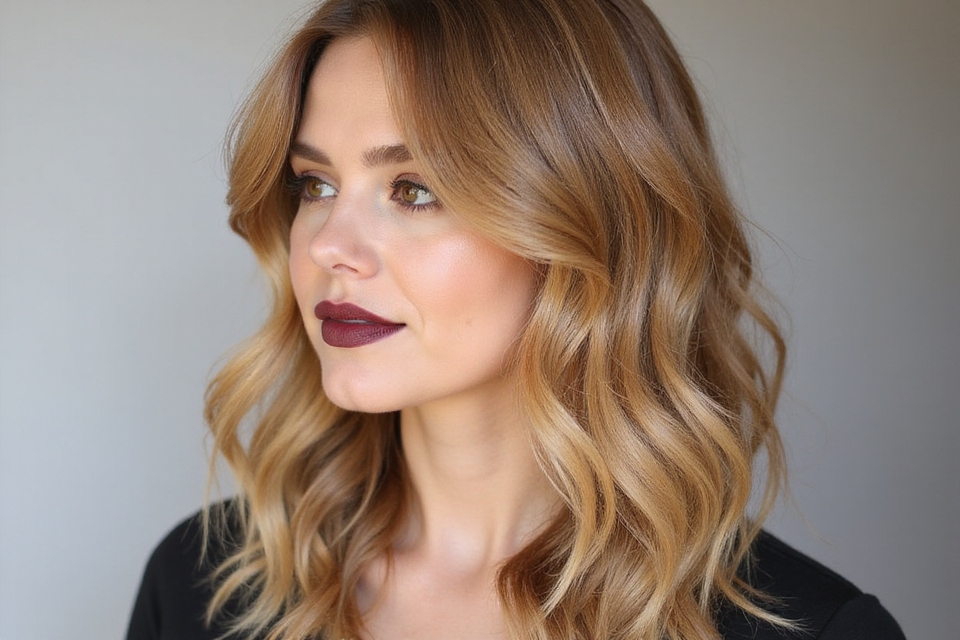
I’ll be honest: half my clients ask for bangs after finding an old photo they can’t stop looking at. There’s something about a fringe that pins a face to a moment, a decade, a version of yourself. Bangs date a picture faster than anything, and that’s exactly why they keep coming back.
So this is a wander through hairstyles with bangs across the decades, from 60s mod fringe to 90s curtain bangs, with what made each one and how to wear it now, softened for real life. Think of it as a scrapbook with styling notes, so the look you keep staring at becomes one you can actually ask for.
Bangs Through Time, Quick Answers
Why do bangs date a photo so strongly? Because each era had a signature fringe: blunt and heavy in the 60s, feathered in the 70s, curtain in the 90s. The shape of the bang signals a year almost on its own.
Can I wear a vintage fringe without looking costumey? Yes. Soften it. Take the era’s shape but make it wispier, less set, and pair it with modern, undone lengths. The reference shows through; the costume doesn’t.
Which bangs suit textured and curly hair? Curly and coily bangs are their own tradition, from 70s afro fringe to today’s curly curtain bangs. Cut them dry, longer than you think, and let the pattern shape them.
The Timeless Allure Of Bangs
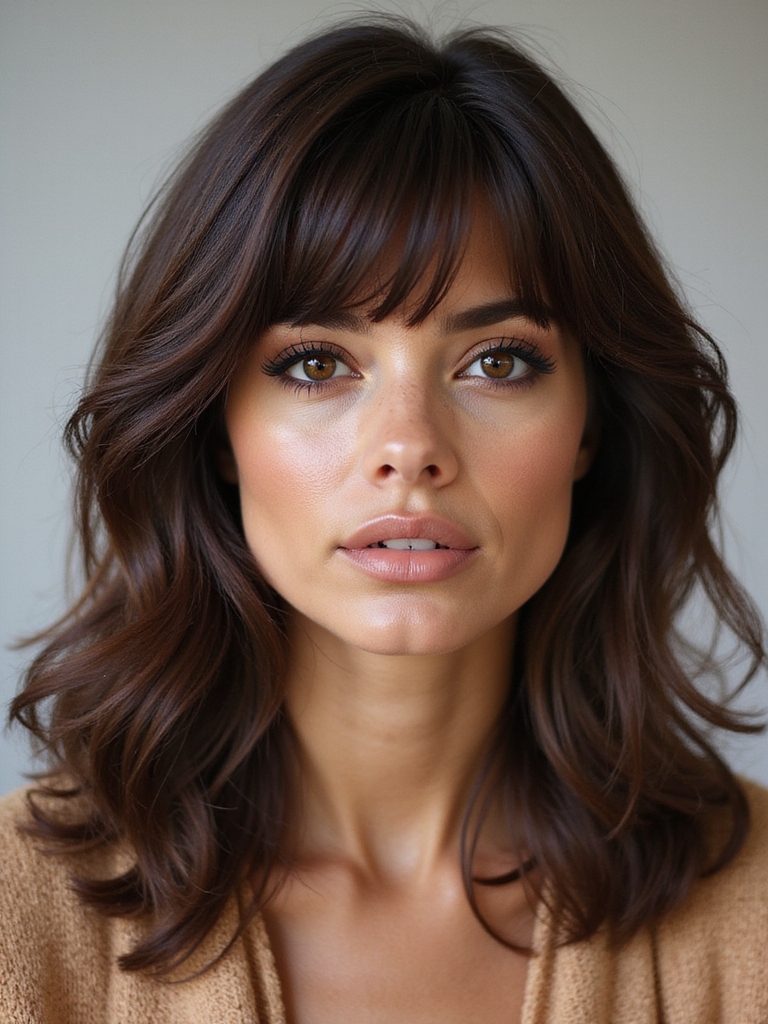
Bangs have framed faces for a century because they do one thing nothing else can: they put a frame right at eye level. That’s why a fringe changes a face more than any other cut.
Every generation has reinvented the idea, yet the appeal stays the same, a quick, dramatic way to look like a new version of yourself.
What follows traces that reinvention decade by decade, with notes on wearing each today.
1960s Mod Bangs
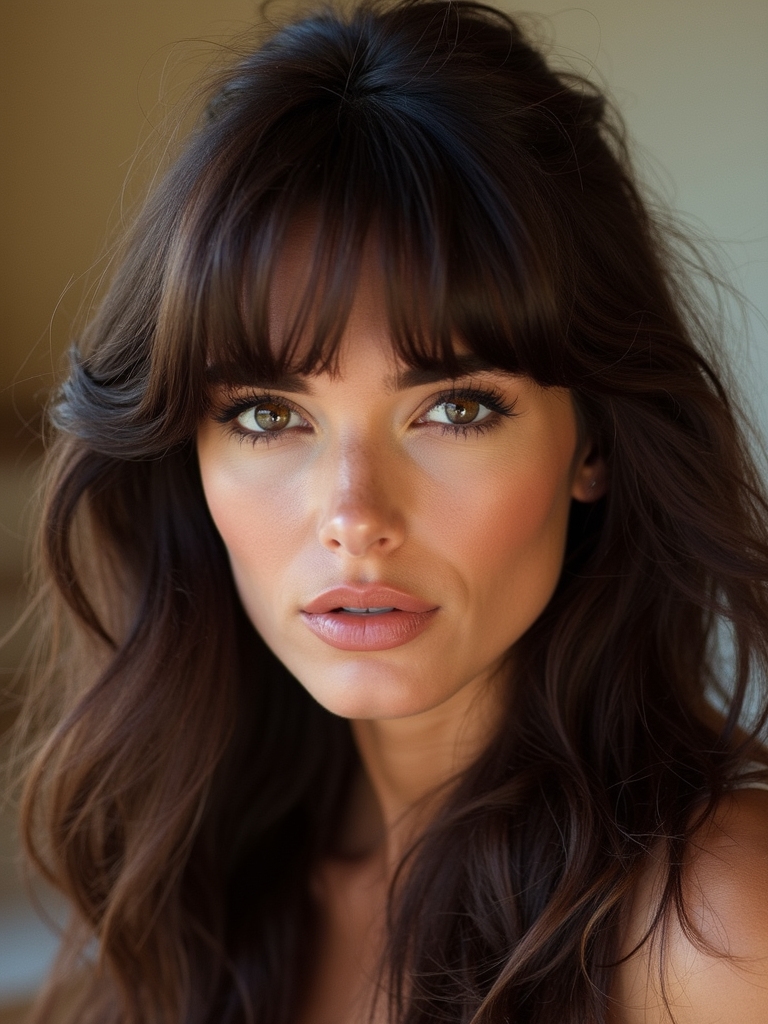
The 60s gave us the blunt, heavy fringe of mod London, sharp and graphic against sleek, geometric cuts. To borrow it now:
- Keep the fringe blunt and full, hitting just at the brow.
- Pair it with a sharp bob or a sleek, straight length.
- Soften the line a touch for a modern finish.
A few fringe terms worth knowing:
📖Blunt fringe
A full, straight-across bang cut to one length, bold and graphic, the classic 60s mod shape.
📖Curtain bangs
A longer fringe parted in the middle to frame both sides of the face; the 70s and 90s favorite, easy to grow out.
📖Micro bangs
A very short, blunt fringe sitting high on the forehead, a daring 2000s and modern statement.
📖Wispy fringe
A thin, piecey, see-through bang, soft and low-commitment, big in the grunge 90s and again now.
Hollywood Glamour
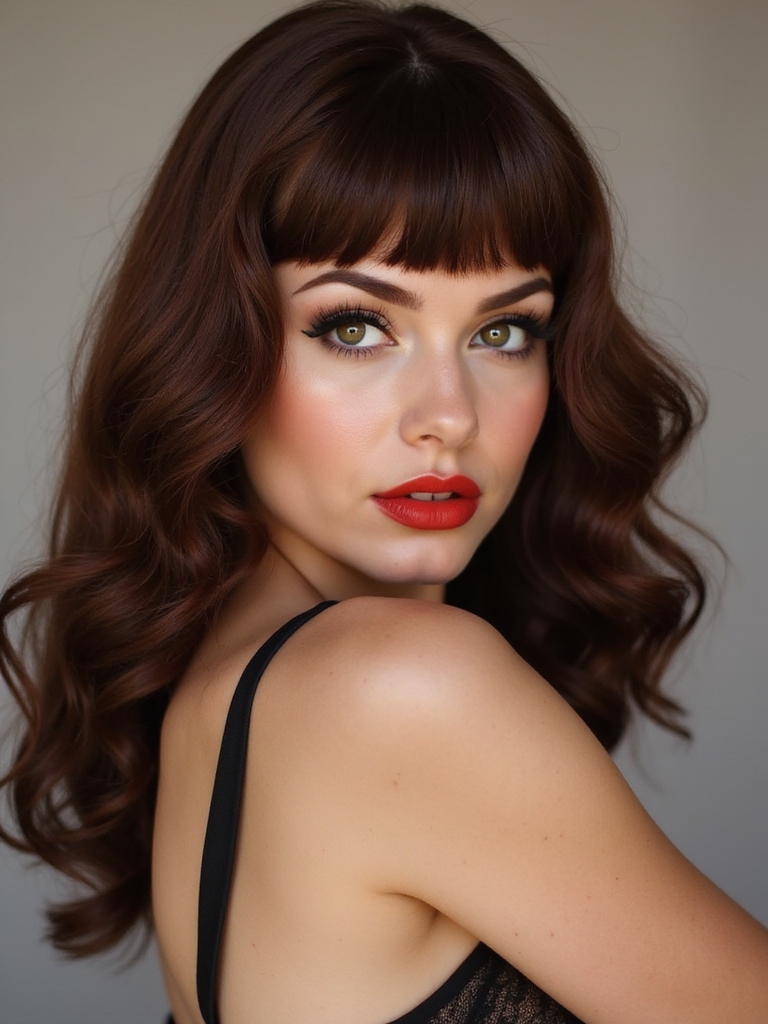
Old-Hollywood stars wore softer, side-swept fringe that worked with finger waves and pin curls for pure glamour. To channel it:
- Sweep a soft, longer fringe to one side.
- Pair it with set waves or a polished low chignon.
- Finish with a shine spray for that screen-siren gloss.
Vintage Bang Revival
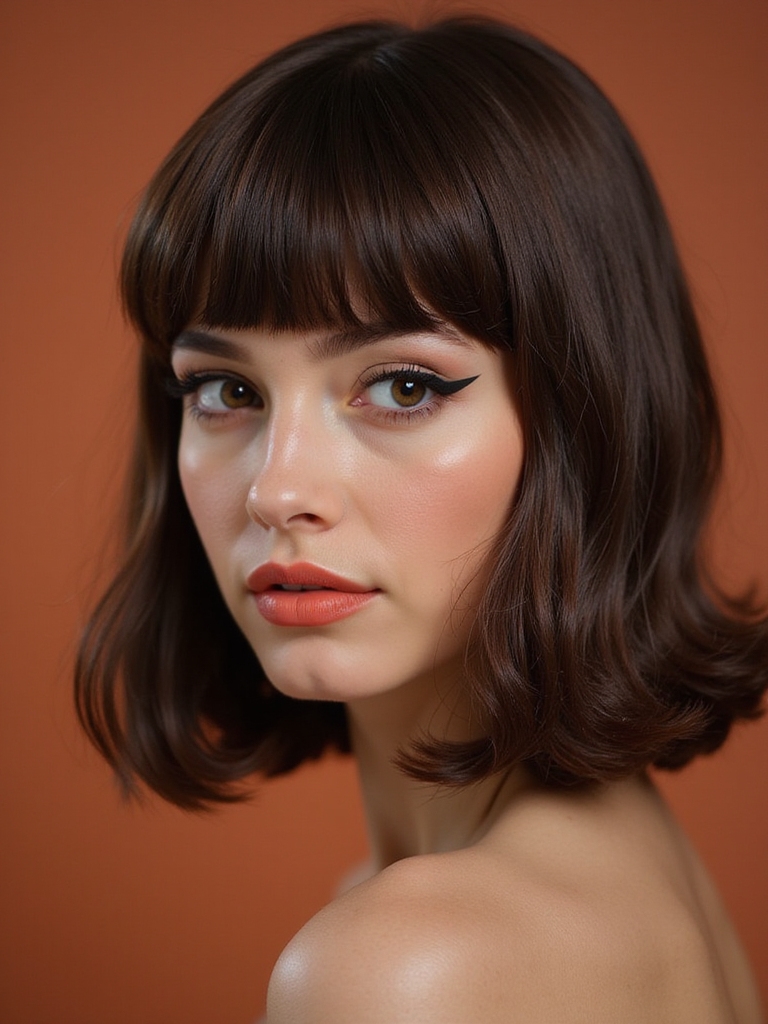
The reason vintage bangs keep returning is simple: they look confident and a little nostalgic at once. A full fringe signals you’ve made a choice.
I tell clients chasing a vintage look to bring the old photo but expect a softer version. The era’s shape, today’s softness is the formula that keeps it wearable.
- Bring the reference photo, but ask for a wispier take.
- Match the bang shape to your own hair texture.
- Pair vintage bangs with modern, undone lengths.
“The single thing that separates a modern fringe from a costume one is the finish. Old photos show set, sprayed, controlled bangs; today we cut into the fringe and leave it soft so it moves. Take any era’s shape, add today’s softness, and it reads current.”
Boho Fringe
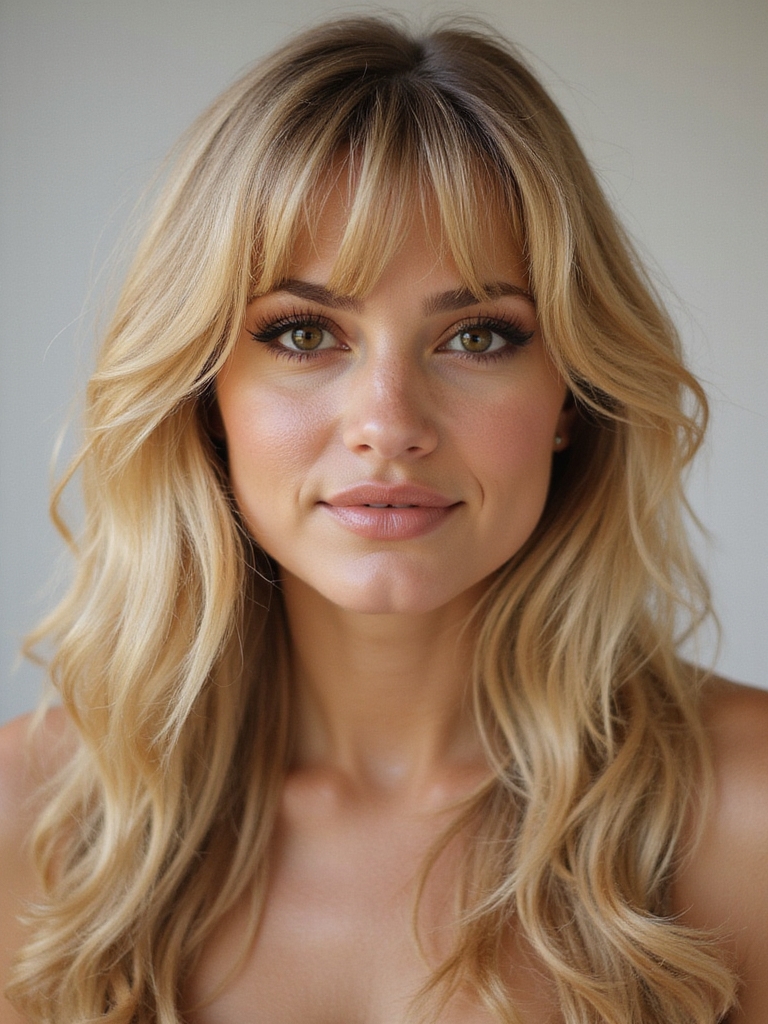
The boho fringe of the late 60s and 70s was long, parted, and grown-out, an early curtain bang before we had the name. It framed the face with little of the upkeep of a blunt cut, which is exactly why it suits relaxed, modern hair so well. Worn with long, loose waves, it’s the lowest-commitment fringe there is, since it grows out into face-framing layers with no awkward stage.
- Part a long fringe down the center to frame both sides.
- Pair it with long, loose, undone waves.
- It grows out gracefully into face-framing layers.
Disco-Era Bangs
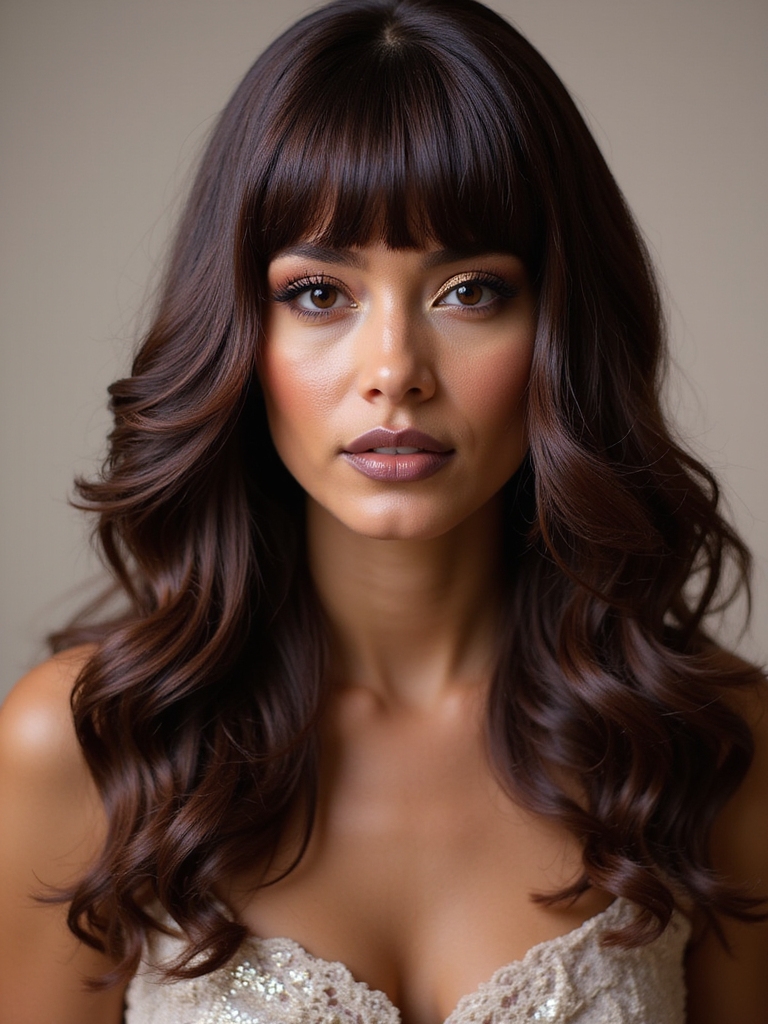
Disco brought bigger, bolder fringe with attitude, full and feathered to move under the lights. It was about presence on the dance floor.
Worn now, the move is to keep the volume but soften the finish: a feathered fringe blow-dried with body, then broken up soft so it looks playful and current.
Heads-Up
Resist copying a vintage fringe line for line off a photo. The hair texture, density, and even the humidity in that old picture may be nothing like yours, and an exact copy often falls completely differently. Bring the photo as a feeling to capture, a loose guide rather than a blueprint.
Big Textured Bangs
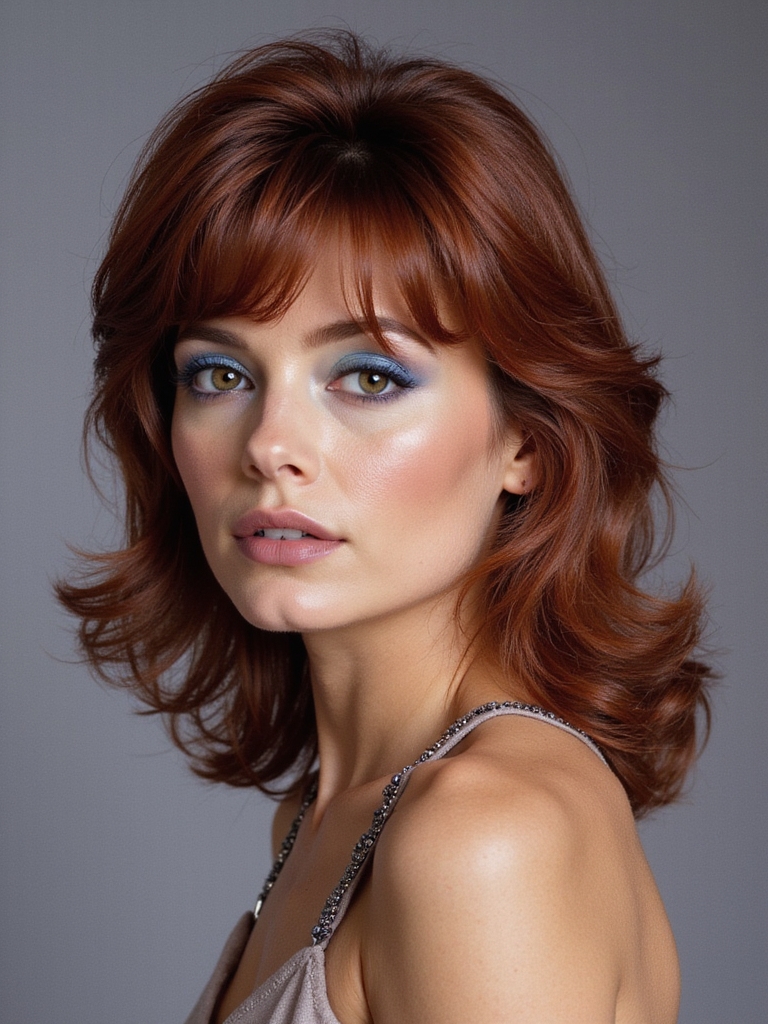
The 70s and 80s loved a big, textured fringe, from feathered flicks to the proud afro fringe that framed natural hair beautifully. Volume was the whole point.
Volume, Updated
On natural and coily hair, a textured fringe celebrates the pattern; cut it dry and shaped, and let the curl give the volume.
On straight hair, a round brush and a little root lift recreate the body with none of the heavy hold of decades past.
Geometric Statements
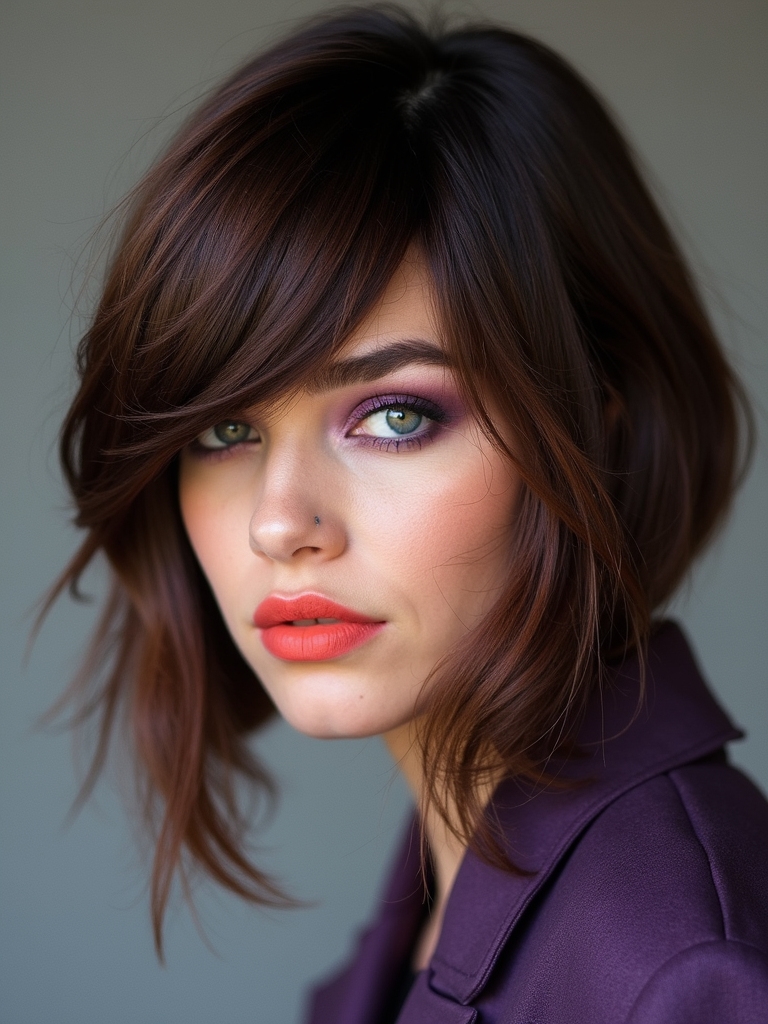
The 80s ran with sharp, geometric fringe, asymmetric angles and hard lines that turned a haircut into a statement. These were bangs as architecture.
A softened version works today: keep the strong angle but blend the edge, so the shape reads creative and modern rather than severe and dated.
📋Before you commit to bangs
- ✓Check your cowlicks; a strong one at the hairline fights a blunt fringe.
- ✓Decide if you’ll trim every few weeks or want a low-upkeep curtain bang.
- ✓Match the shape to your texture, not the photo’s.
- ✓Ask to see two or three ways to wear the fringe before you leave.
Retro Bangs Revival

Every few years a retro fringe comes back around, and stylists see the same reference photos cycle through. Right now it’s the 70s and 90s leading the requests.
The trick to a revival is restraint: take one defining feature of the era’s bang and leave the rest, so it lands current.
- Borrow one era detail and keep the rest modern.
- Keep the lengths modern and undone to balance the fringe.
- Ask your stylist to soften any hard vintage edges.
Bangs Through The Decades
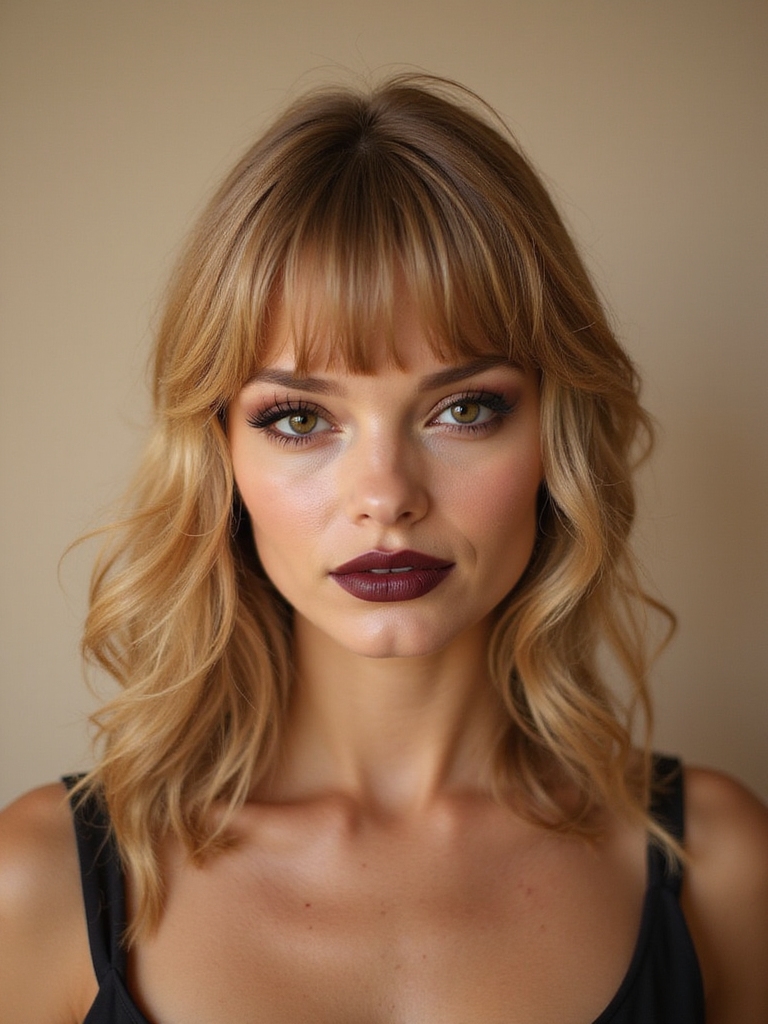
Line the decades up and the story is clear: blunt and graphic in the 60s, feathered in the 70s, sharp in the 80s, curtain in the 90s, micro in the 2000s, and soft curtain again now.
Each shape solved the same problem differently, framing the face to match the mood of its moment.
Knowing the lineage helps you pick a fringe with intention rather than on impulse.
Bangs And Identity
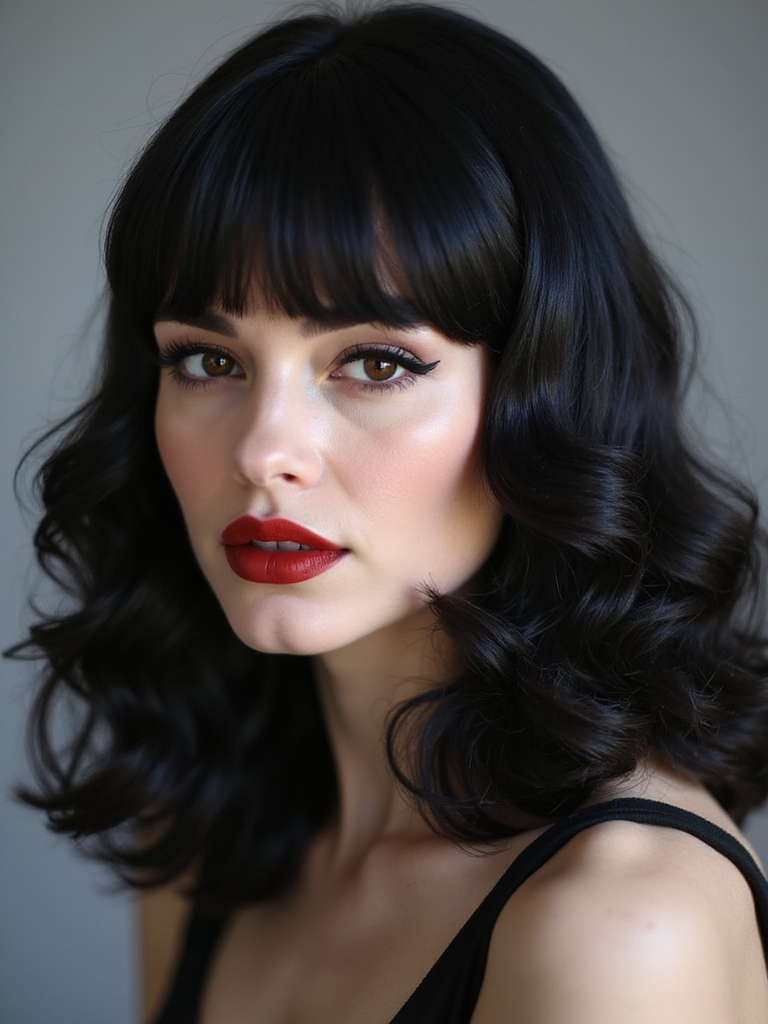
More than most cuts, bangs say something. A blunt fringe says bold; a soft curtain feels relaxed; a micro fringe looks fearless. People reach for them at turning points.
I’ve cut bangs after breakups, new jobs, and big birthdays, the haircut version of turning a page.
That’s part of why the old photos pull at us; they catch us mid-reinvention.
Rockstar Bangs
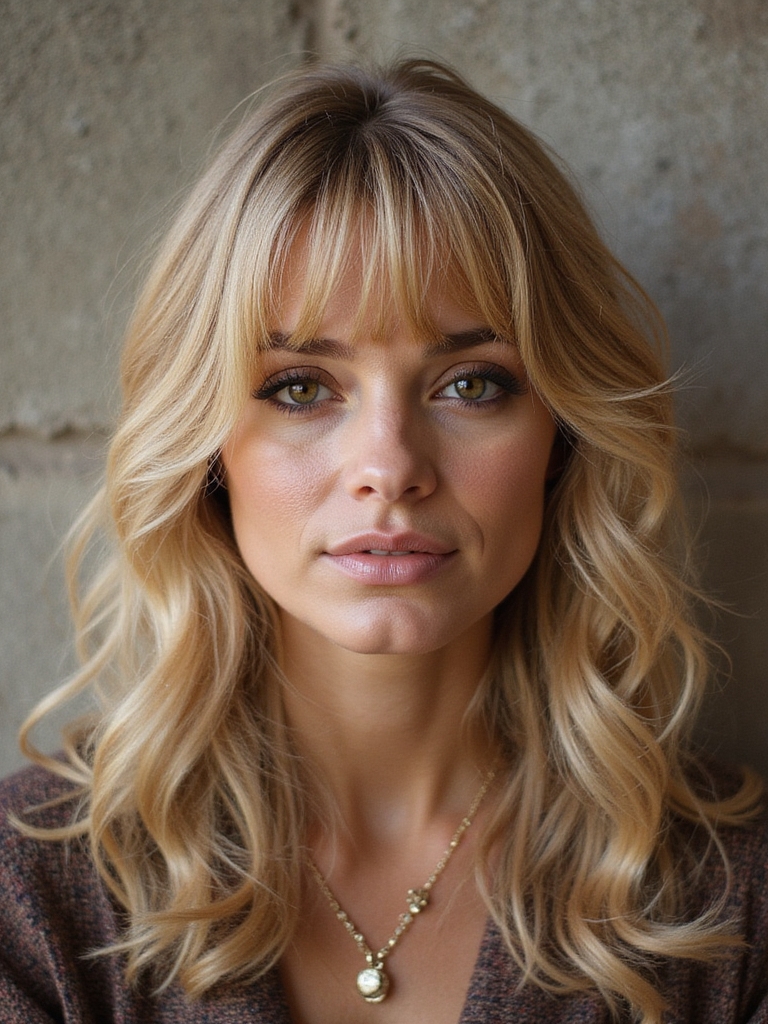
Rock and roll gave bangs their edge: shaggy, piecey fringe that looked slept-in on purpose, from glam rock to grunge. It was the anti-polish fringe.
Worn now, it pairs with a shag or a textured lob, styled with paste so it stays raw and a little undone.
- Ask for a piecey, choppy fringe with a broken edge.
- Style with a matte paste for grit and hold.
- Pair it with a shaggy, layered cut for the full effect.
Timeless Bang Trend
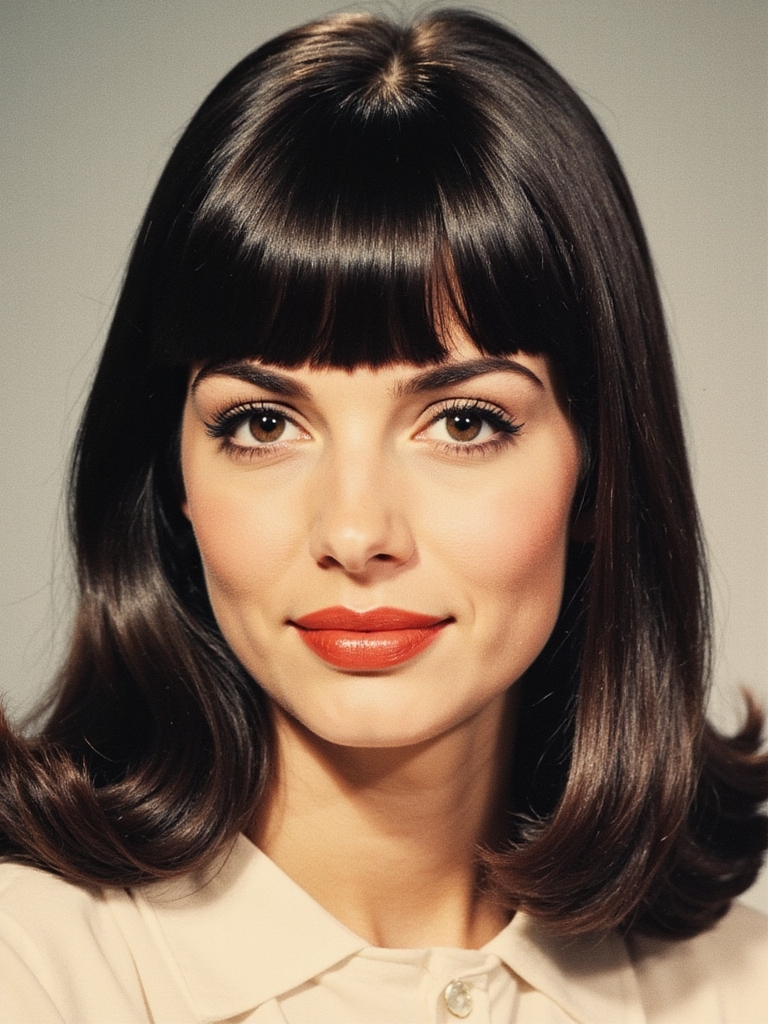
Some fringe shapes never really leave, and the soft, brow-skimming bang is the clearest example, flattering across decades and face shapes. It’s the safe-but-stylish choice I recommend to first-timers, since it’s gentle enough to suit almost anyone and grows out without drama. If you want bangs but fear commitment, this is where to start before going bolder.
- A soft, brow-skimming fringe flatters nearly everyone.
- It’s the best starting point for first-time bangs.
- It grows out softly into face-framing pieces.
90s Bangs
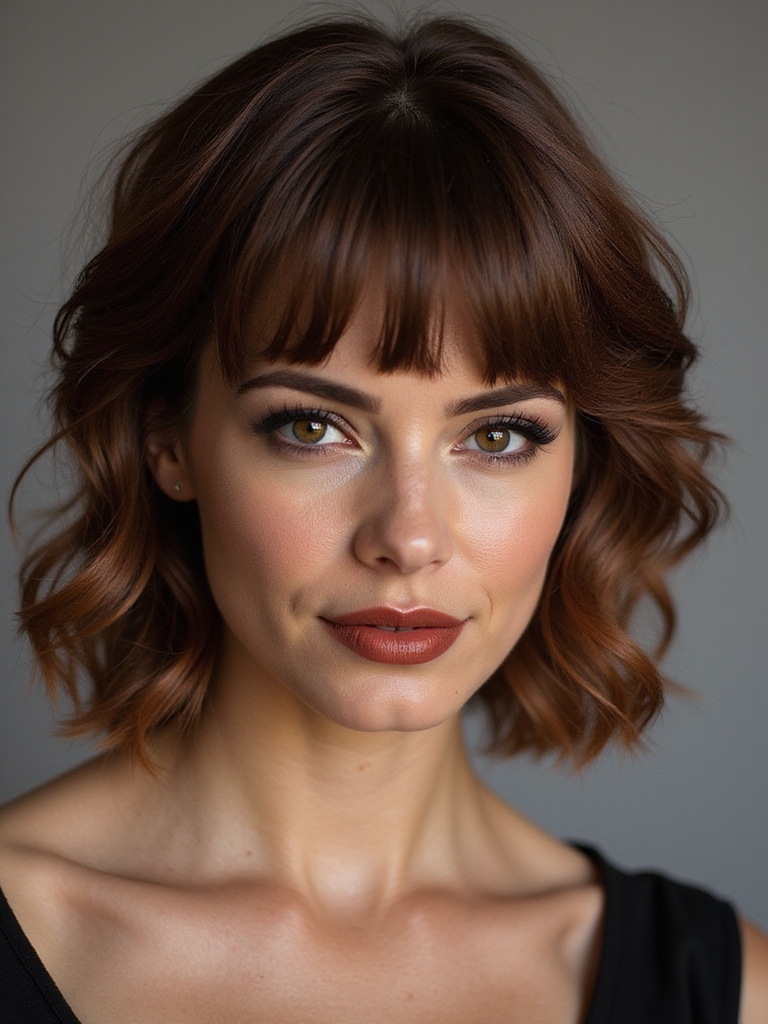
The 90s gave us two enduring fringes: the curtain bang, parted and face-framing, and the thin, wispy fringe of the grunge years. Both are everywhere again.
Why The Curtain Bang Endures
The curtain bang is the one I cut most now, since it suits every texture and grows out painlessly. See bangs and fringe styles for the full range.
Keep it longer and softer than the original and it looks current and fresh.
Vintage Bang Trends
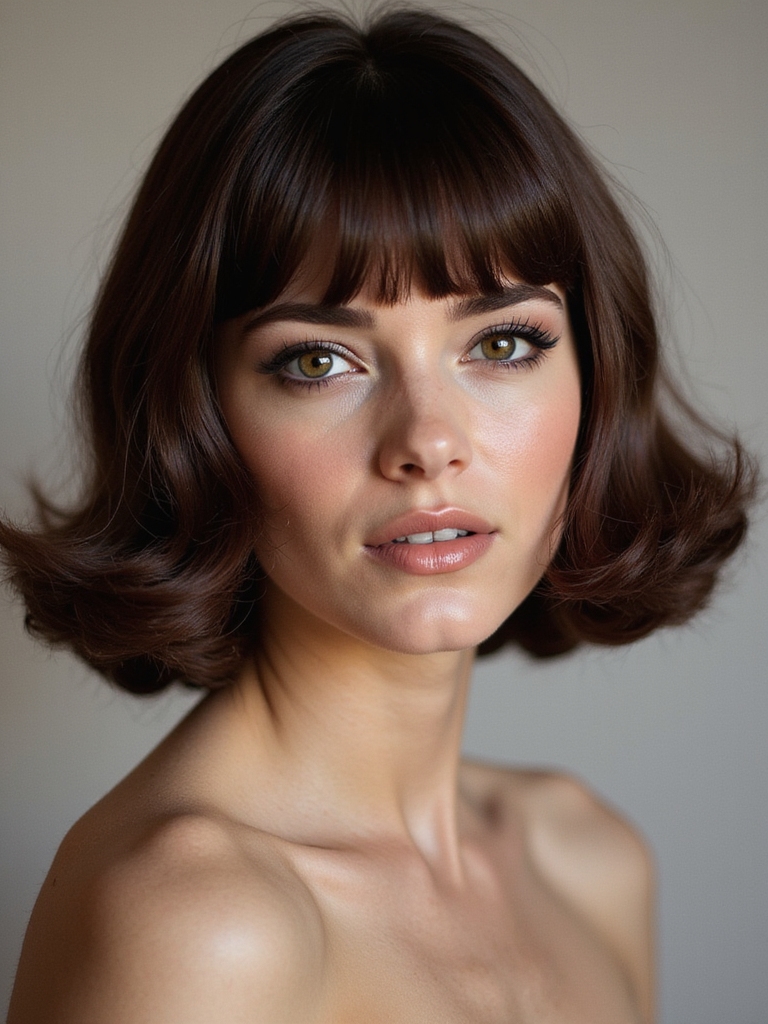
Vintage bang trends share a thread: they were cut with intention and worn with confidence. That attitude, more than the exact shape, is what looks stylish in the old photos.
When a client brings a vintage reference, I focus on capturing the spirit, the boldness or the softness, and leaving the set, sprayed finish behind.
- Capture the era’s attitude and update the finish.
- Update the texture to soft and modern.
- Wear it with confidence; that’s the real vintage secret.
Evolving Beauty Statements
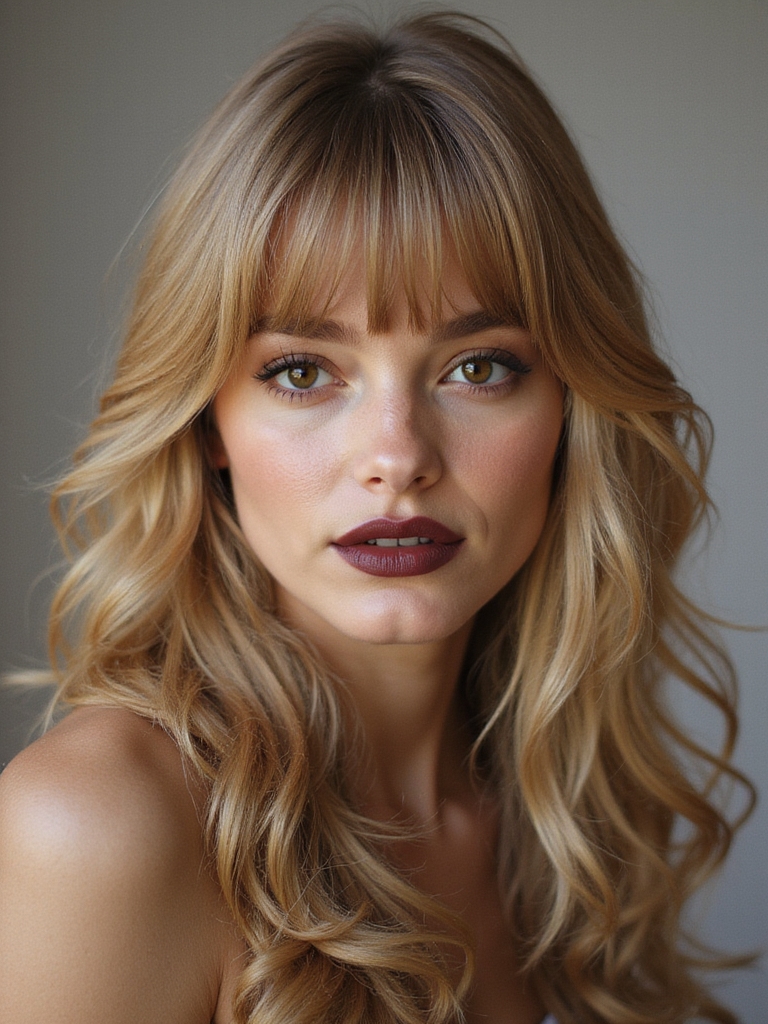
Bangs have always tracked the broader mood of beauty, shifting from controlled and set toward soft and natural over the decades. Today’s fringe is the most relaxed it has ever been, wispy, soft, and cut to move, which mirrors the wider move away from polished perfection toward ease. The old photos look set because their era valued control; ours look soft because we value the undone.
- Modern bangs prize softness and movement over a set line.
- The shift mirrors beauty’s move toward natural ease.
- Soft, cut-to-move fringe suits low-effort routines.
Timeless And Versatile
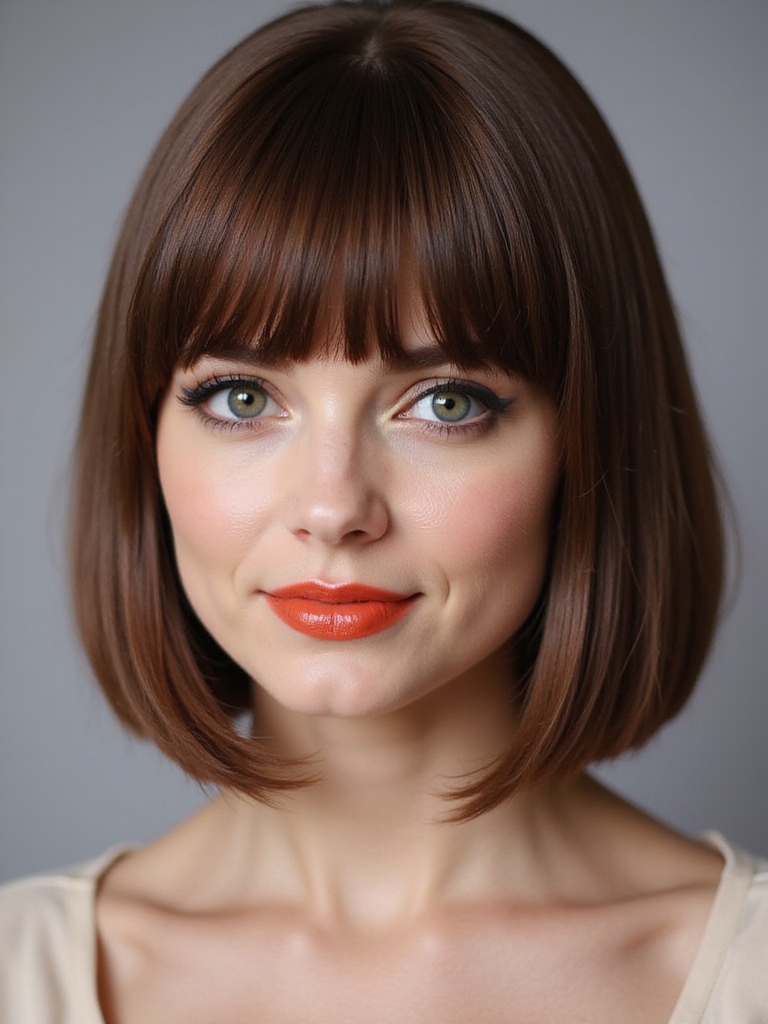
The most enduring bangs are the versatile ones, the fringe you can pin back, part in the middle, or sweep aside depending on the day. Curtain bangs win here again.
I always show clients how to wear their new fringe three ways before they leave, so the cut keeps its options open.
- Choose a fringe you can pin back on off days.
- Curtain bangs offer the most styling flexibility.
- Ask your stylist for two or three ways to wear it.
Bangs With Layers
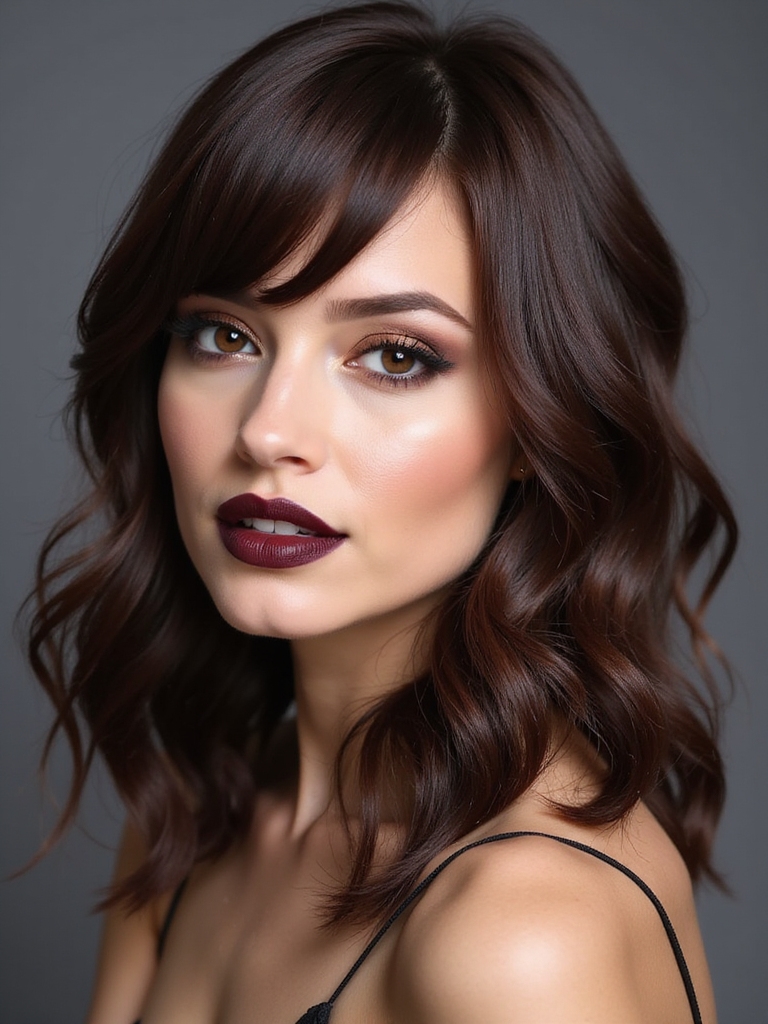
Bangs and layers are old friends, since layers blend a fringe into the rest of the cut so it joins the whole shape. The most sophisticated old photos almost always pair the two, with the fringe melting into face-framing layers below. It’s the pairing I suggest when someone wants bangs that feel integrated and grown-up.
- Blend bangs into face-framing layers for a smooth, joined look.
- Layers tie a fringe smoothly into the cut.
- It’s the most grown-up way to wear bangs.
Nostalgic Bangs
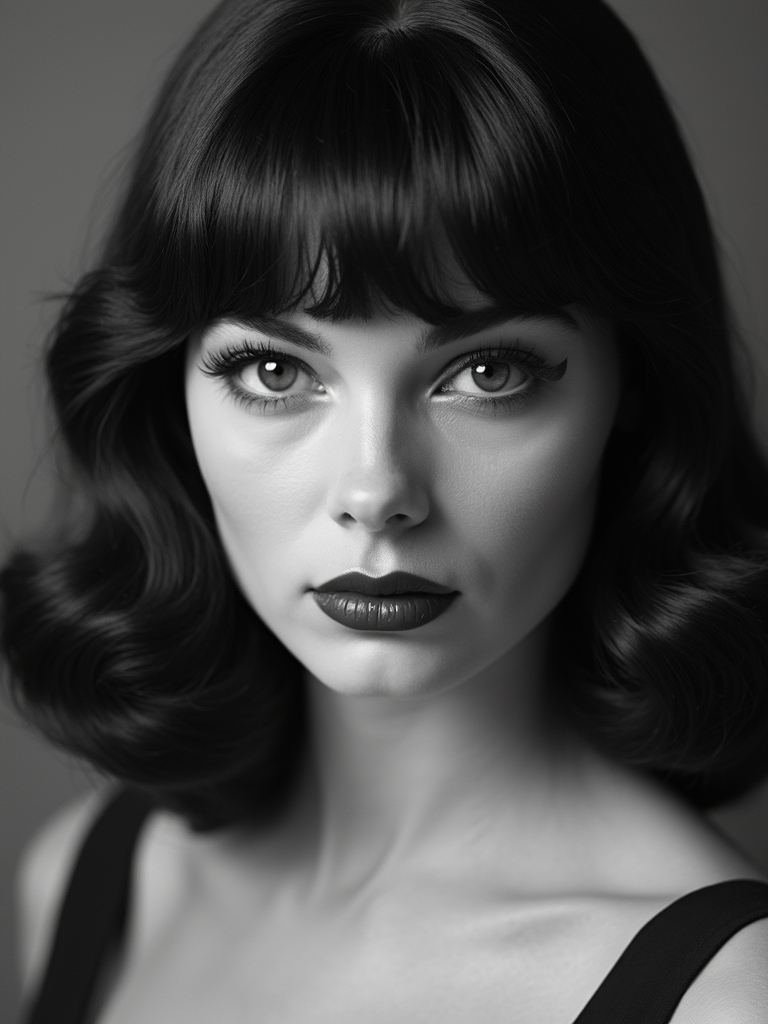
There’s a particular elegance to the bangs in family photos, the careful, set fringe of a special-occasion look from decades past. It carries real sentiment.
If that’s the photo you keep returning to, ask for the shape with a softer finish, so you keep the warmth of the memory and lose the dated stiffness.
Cultural Evolution
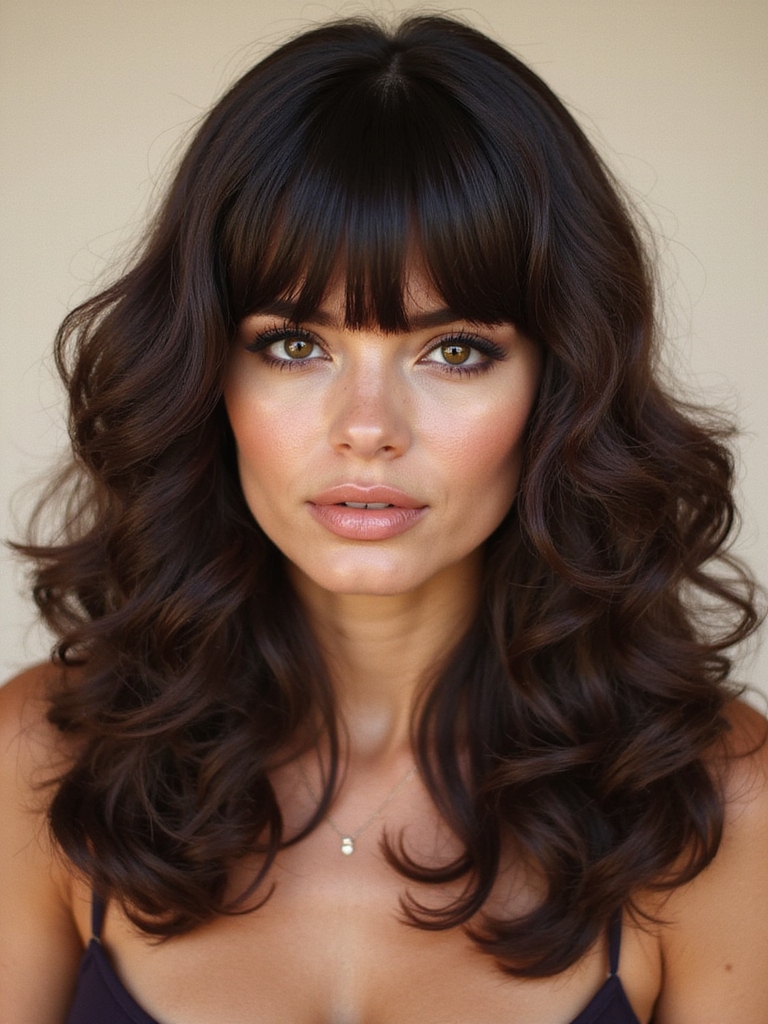
Bangs have meant different things across cultures and communities, from the precise fringe of classic styling to the proud textured fringe of natural-hair movements. The fringe has always carried more than fashion.
Honoring that history means cutting each fringe for the hair it sits on, with the right technique for straight, wavy, or coily texture, instead of one shape for all.
- A fringe carries cultural meaning beyond trend value.
- Textured and coily fringe has its own proud tradition.
- Cut every fringe for its real texture.
Bangs As Symbolism
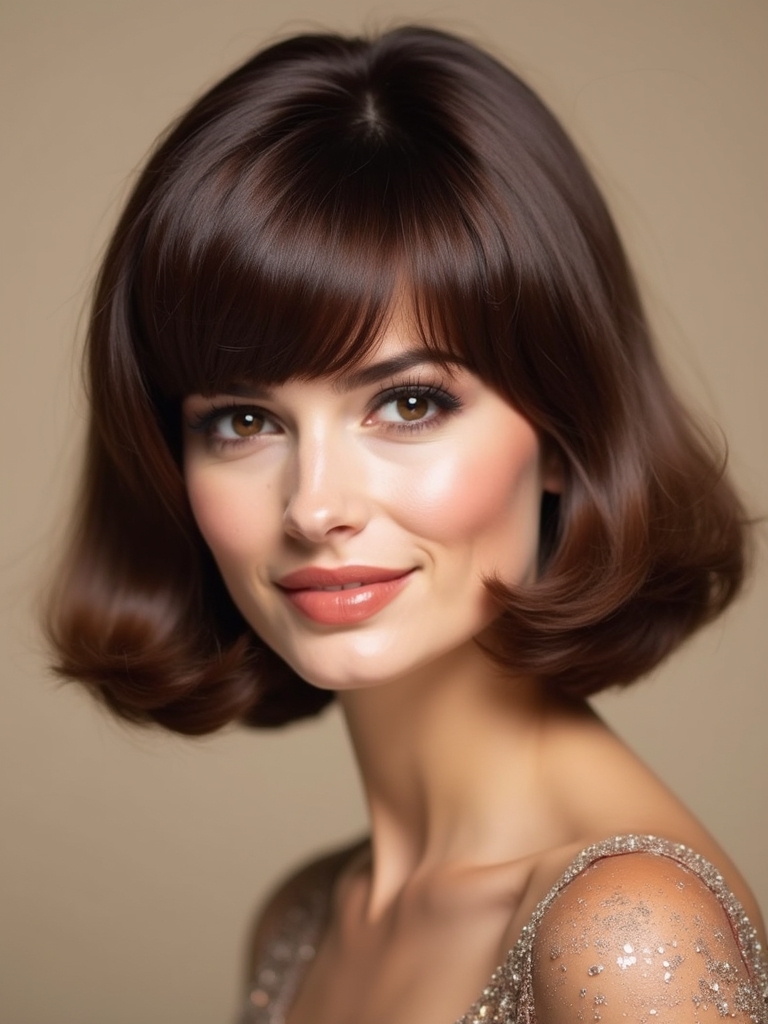
Throughout the last century, a dramatic fringe has signaled independence and reinvention, worn by women claiming a new chapter, from the flapper bob of the 1920s to the bold cuts of each youth movement since. Cutting a fringe has long been a small, visible act of choosing for yourself. That undercurrent is part of why the gesture still feels a little brave every time someone sits down and asks for one.
- A bold fringe has long signaled independence.
- Each youth movement claimed its own bang shape.
- Cutting bangs still reads as a fresh-start gesture.
Bangs In Portraits
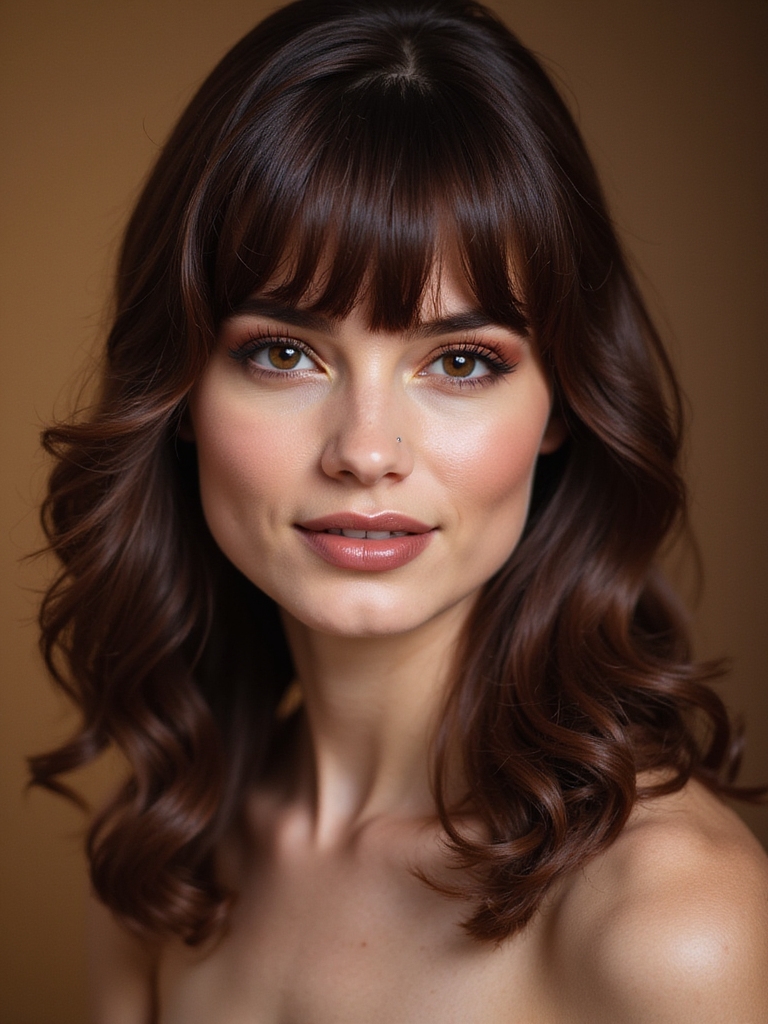
The portraits we treasure often owe their charm to the fringe. If you’re recreating one, work from the photo carefully:
- Note the exact length and density of the fringe in the photo.
- Ask your stylist to adapt that shape to your hair texture.
- Request a softer finish so it looks modern and natural.
Bangs As Self-Expression
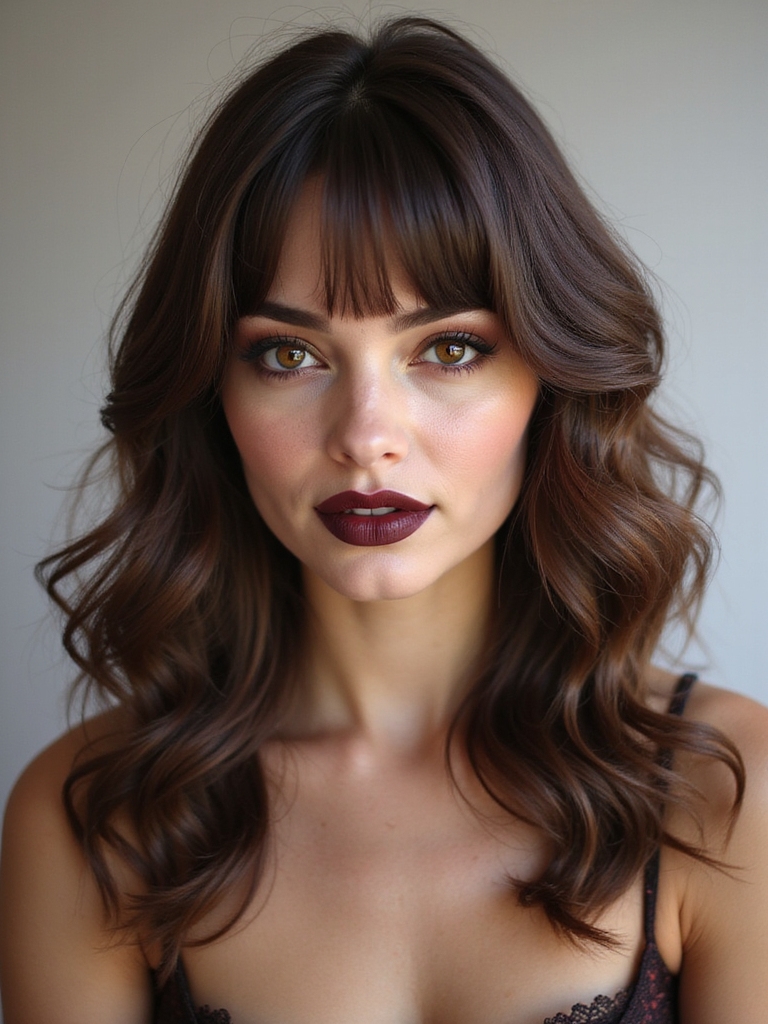
At heart, every fringe in this scrapbook is a tool for self-expression, the fastest way to change how you present to the world while leaving the length alone. That’s the real reason the old photos pull at us: they catch a moment when someone decided to show up differently. Whatever shape you choose, the best fringe is the one that feels like you, whatever decade it came from.
- Bangs change your whole look without cutting length.
- Pick the fringe that feels like you.
- There’s no wrong era to borrow from if it suits you.
Modern Fringe
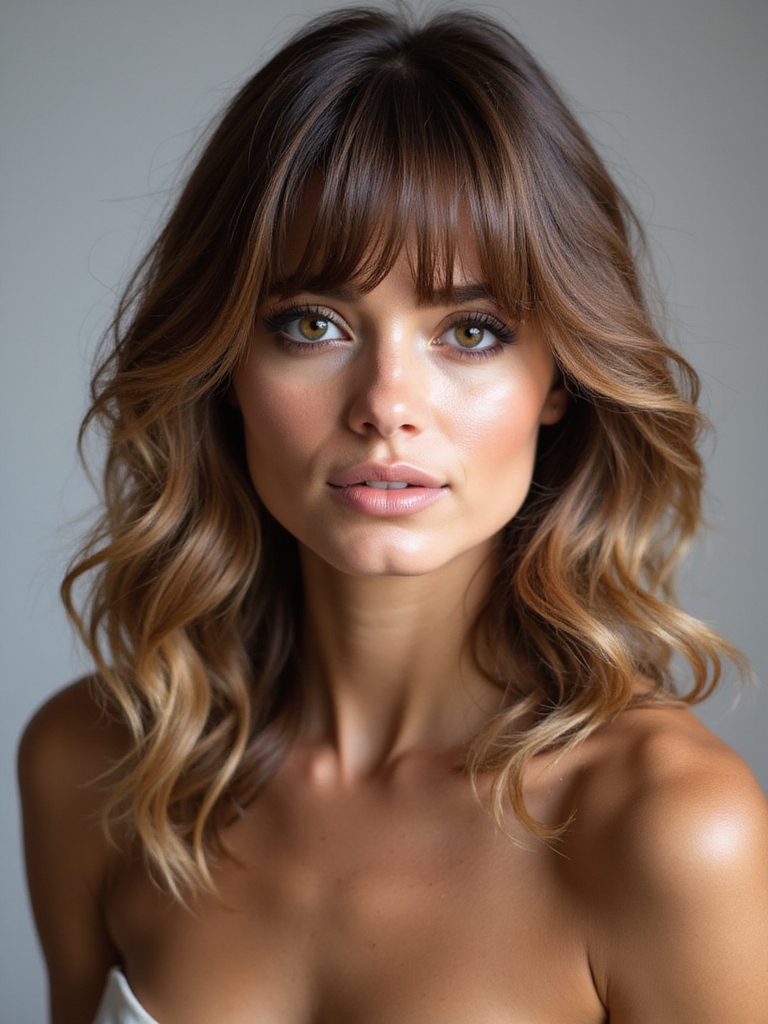
Today’s fringe takes the best of every decade and softens it: the frame of the 60s blunt, the ease of the 70s curtain, the edge of the 90s wisp, every one cut to move and air-dry.
It’s the most forgiving era of bangs we’ve had, low-upkeep and texture-friendly, which is why the look you keep staring at in old photos is easier to wear now than ever.
How to Ask Your Stylist
If an old photo is what brought you here, bring it to the salon, but bring realistic expectations with it. Tell your stylist which part of the fringe you love, the length, the fullness, the way it frames, so they can adapt the shape to your hair texture and face rather than copying a decades-old set. Ask for a softer, more modern finish than the photo shows; that single tweak is what keeps a vintage fringe from reading as costume.
Be honest about upkeep, too. A fringe grows into your eyeline fast, so plan a trim every three to four weeks, often free between cuts, and the cut itself every eight to ten weeks, around $40 to $80 a visit. Mention your natural texture and any cowlicks at the hairline, since both decide how a fringe falls. Get those details right and the look you’ve been staring at finally becomes one you can wear every day.
Wear The Photo, Not The Costume
If one idea runs through all twenty-four of these looks, it’s that the bangs in the photos you love are within reach, you just wear the shape and skip the era’s finish. Take the fringe that keeps catching your eye, ask your stylist to soften it for your texture and your life, and skip the set, sprayed finish of the original. Done that way, a fringe from any decade stops being a throwback and becomes the freshest thing about your face today.
More Looks Worth Saving