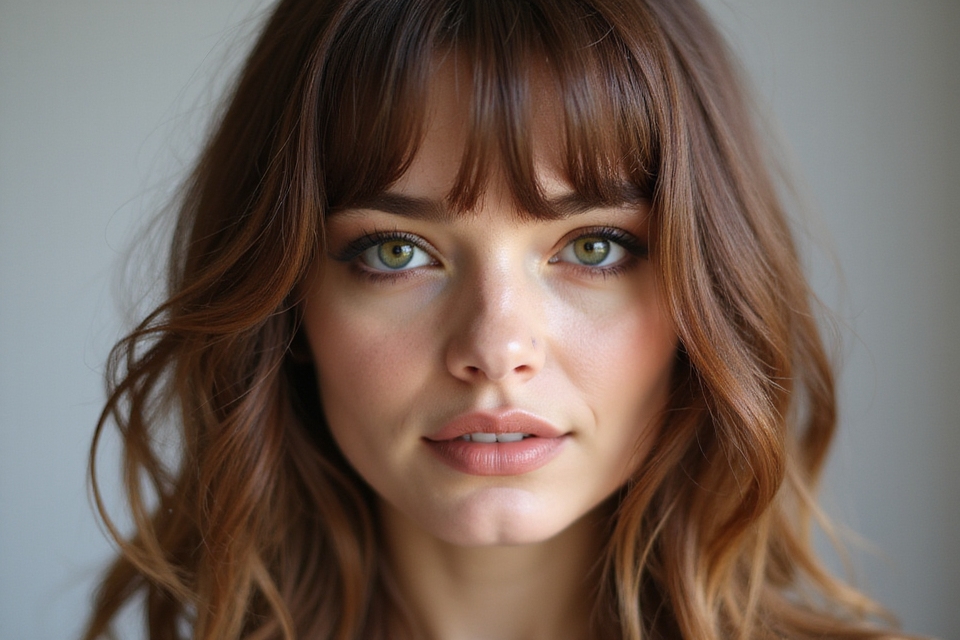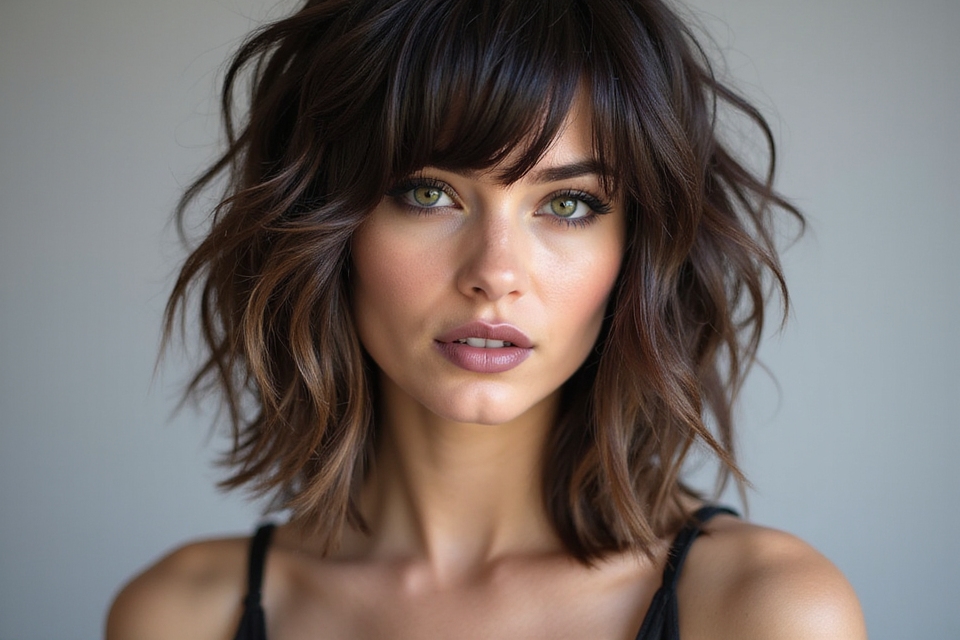

The myth I hear most about layers is that they cost you length or thin your hair out. Neither is true when they’re cut well. Layers are how you keep all your length and still have hair that moves, lifts, and frames your face, where one-length hair just hangs like a flat curtain.
Done right, layers are the most transformative thing you can do to long hair short of color. It comes down to placement that suits your face and your texture. This guide covers exactly that: where the layers go, how to style them, how to keep them, and the mistakes that give layers a bad name.
The Quick Version
- Layers add movement, volume, and shape that one-length long hair simply lacks.
- The right layer placement depends on your face shape and your hair texture.
- Long layers flatter fine hair, while heavier internal layers remove bulk from thick hair.
- Layers need regular trims, every 8 to 10 weeks, to keep their shape.
The Elegant Flow of Layered Hair
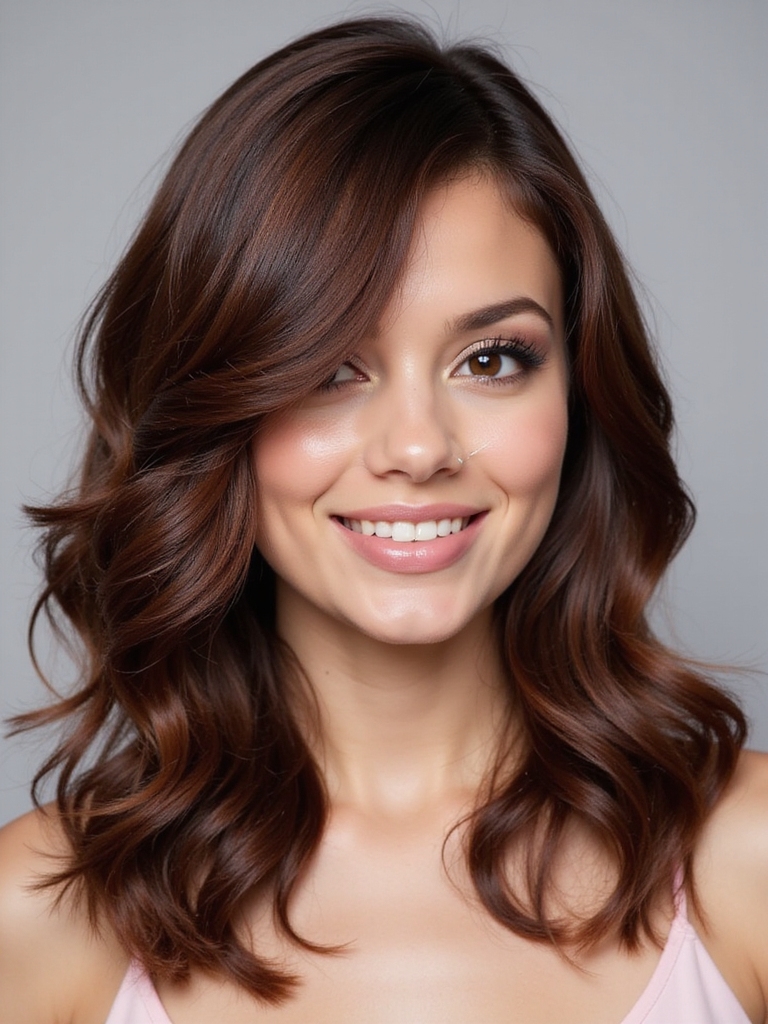
There’s a reason layered long hair always looks more expensive than a flat, one-length cut: it moves. Light catches the different lengths, the ends flick and catch the light, and the whole head of hair has life.
Layers work by removing weight in strategic places, so heavy hair lifts and fine hair gets the appearance of fullness. The same length looks completely different layered, which is why it’s the first change I suggest for tired long hair.
Best of all, you keep your length. Layering shapes what you already have, so you get all that swing without the sacrifice.
Movement, Volume, and Face-Framing
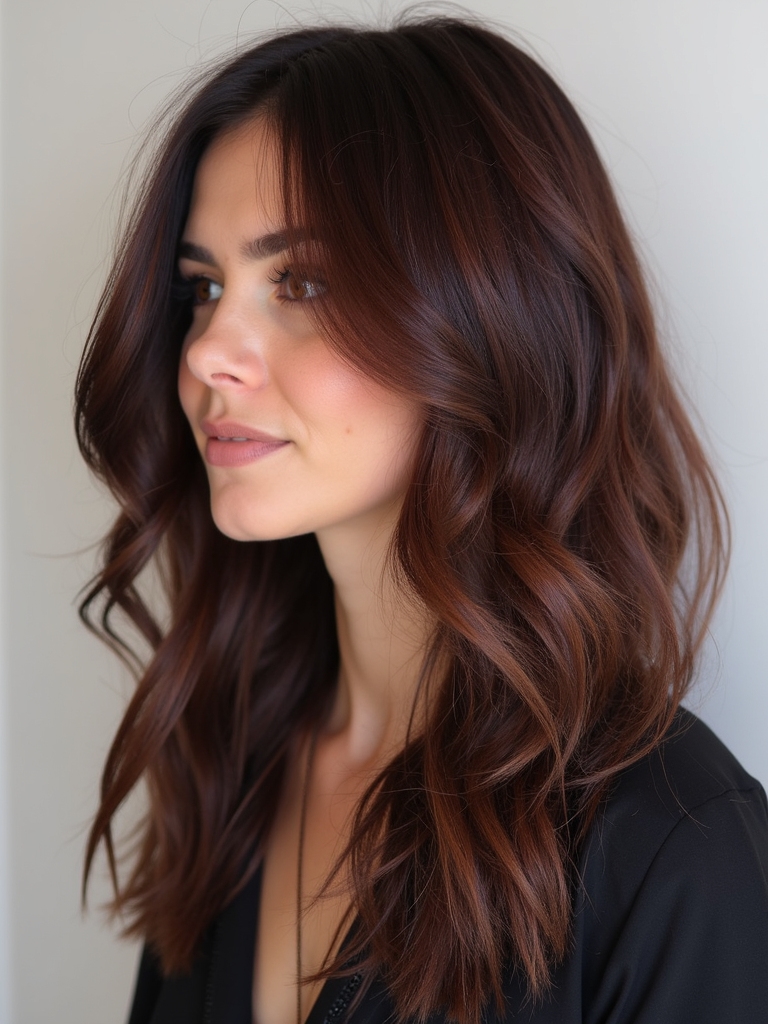
Layers do three jobs at once, and understanding them helps you ask for the right cut. First is movement: shorter pieces blended through the lengths let the hair swing and bend with life.
Second is volume. Removing weight lets the hair lift at the root and crown, which is why layered hair looks fuller even on fine textures. Third, and most flattering, is face-framing: soft pieces around the face that draw the eye up and soften your features.
Most great layered cuts deliver all three. When you talk to your stylist, naming which one matters most to you, lift, swing, or framing, gets you the cut you actually want.
Stylist’s tip
When you blow-dry layered hair, follow the brush down each section with the nozzle so the air travels with the cuticle. That one habit seals the layers smooth and shiny instead of frizzy, and it’s the biggest difference between a salon finish and a flat one at home.
Layered Haircuts for Individuality
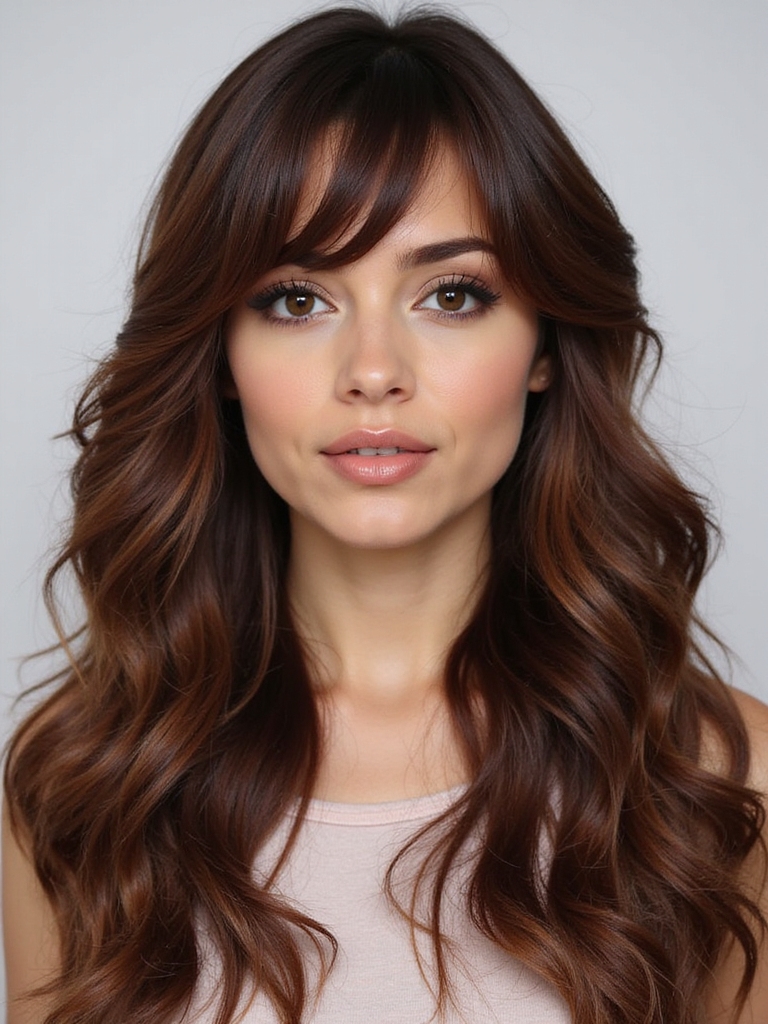
No two layered cuts should look the same, since each one is tailored to you. Layer length, placement, and weight all change depending on your hair and your face.
No Two Cuts Alike
A bombshell, voluminous layered look is different from a soft, barely-there one, and both are valid. The cut should suit your texture, your lifestyle, and how much time you’ll spend styling.
This is why a photo helps but only goes so far. Your stylist adapts the idea to your hair, so the same reference photo becomes a slightly different, better-suited cut on you.
Matching Layer Length to Your Face
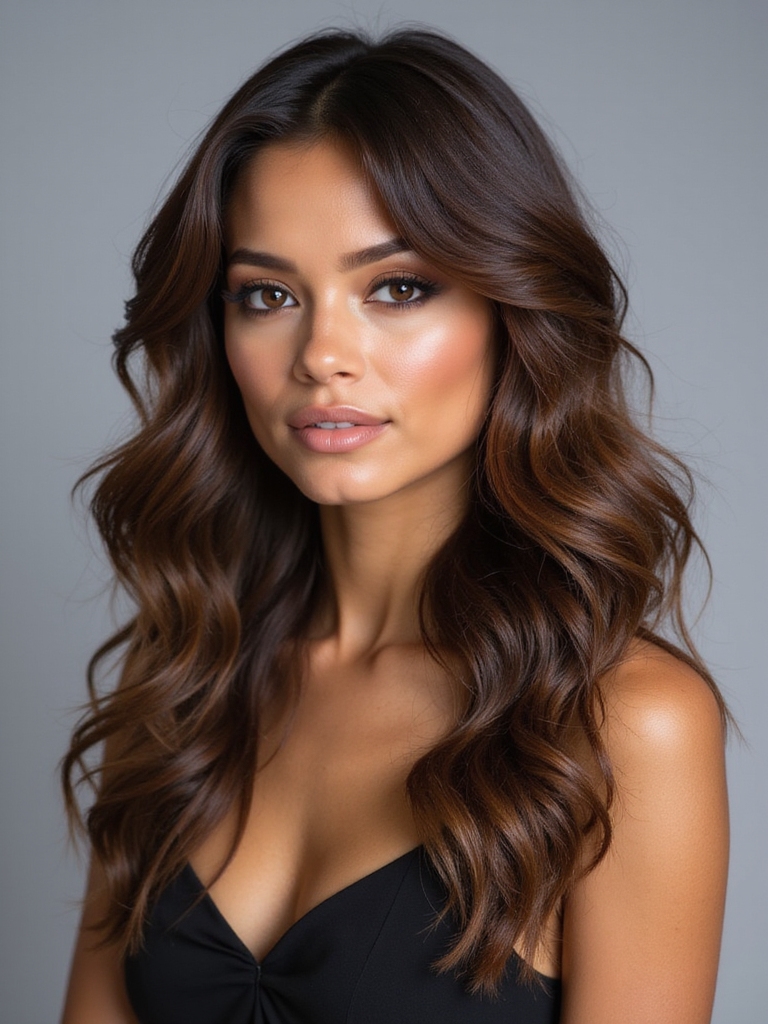
Where your layers start changes everything about how a cut flatters you. The shortest face-framing layer is the one people notice, so it should land somewhere that suits your features.
The Shortest Layer Matters Most
As a rule, the shortest face-framing piece looks best at the cheekbone, jaw, or chin, depending on what you want to highlight. Cheekbone-length lifts and opens the face; jaw-length frames and slims; chin-length softens.
Internal layers, the ones you don’t see directly, exist to remove weight, so those are placed for texture while the visible ones frame the face. Your stylist balances the two.
Layers are the difference between hair that just hangs and hair that moves. I can take the same length, add the right layers, and make it look like a completely different head of hair.
Layers for Round Faces
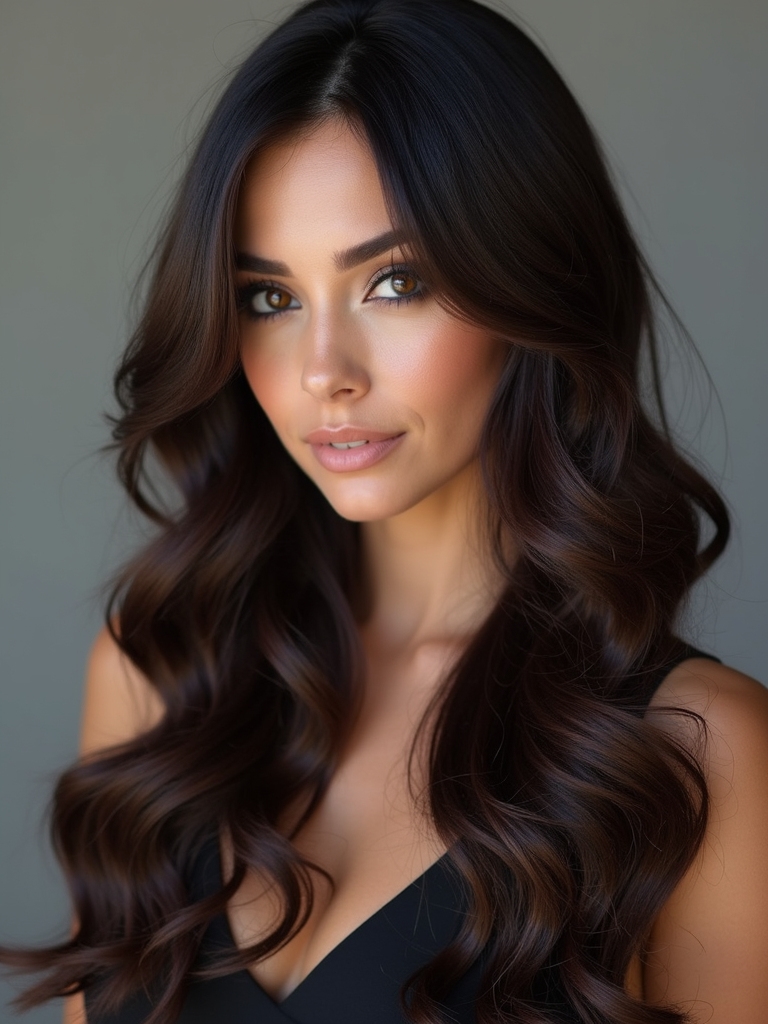
Round faces are flattered beautifully by layers, as long as they’re placed to lengthen rather than widen. The goal is vertical lines: long, face-framing layers starting at or below the chin that draw the eye downward and slim the face. Short, rounded layers at the cheek only echo the round shape, so skip those. There’s more in our round face haircut guide.
- Start face-framing layers at the chin or below to lengthen
- Keep volume low and vertical for a slimming line
- A deep side part adds the asymmetry round faces love
Essential Tools for Styling Layers
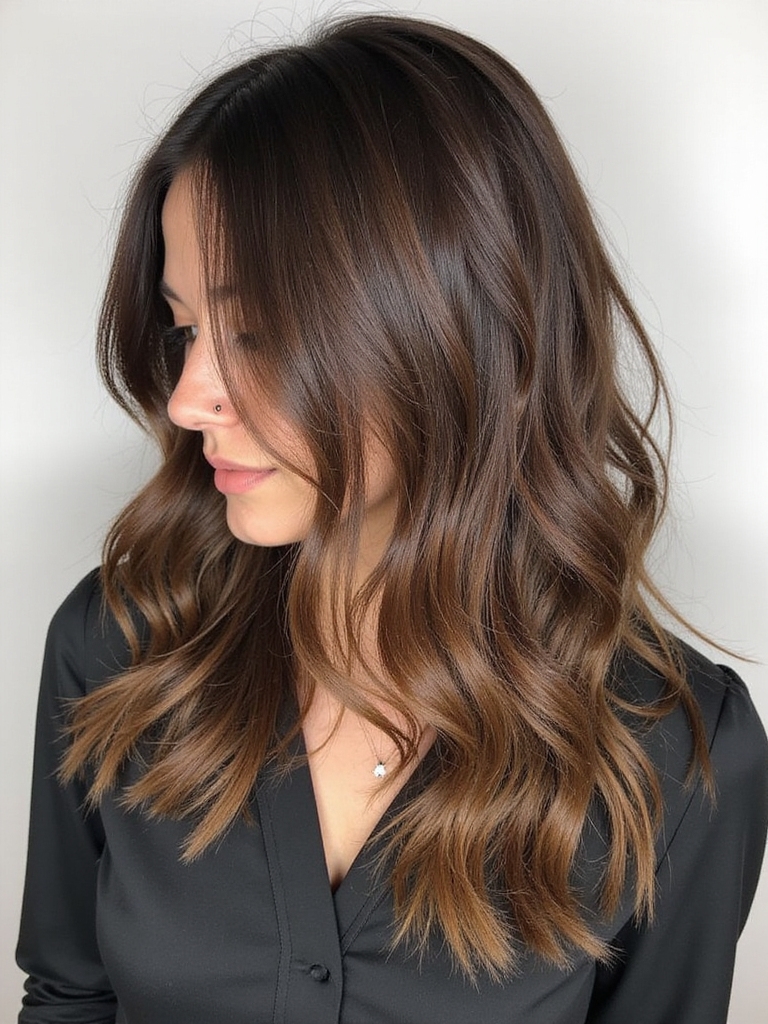
Layered hair styles up faster with a few good tools, because the cut does most of the shaping for you. A round brush is the workhorse, building bounce as you dry each layer.
Keep It Simple
A round brush and a blow dryer with a nozzle give layered hair its bounce; a curling wand adds wave; a texture spray makes the layers separate and show. You don’t need much beyond that.
The one upgrade worth making is an ionic dryer, which cuts drying time and tames flyaways so your layers look polished rather than frizzy. I keep one at my station for exactly that reason, and clients with frizz-prone hair notice the difference the first time.
Heads-Up
Layers are hard to undo. If you’re unsure, start conservative; you can always add more or go shorter later, but length is impossible to glue back on. Tell your stylist ‘long layers, nothing dramatic’ for your first time and build from there.
Trimming and Maintaining Layers
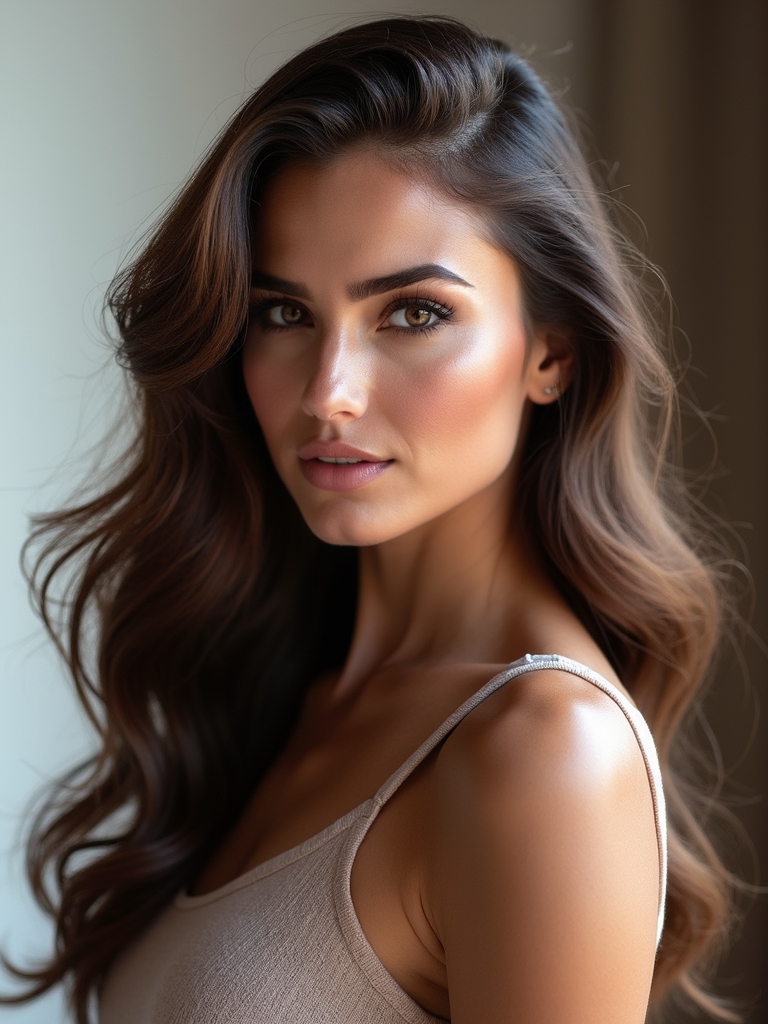
Layers grow out, and a layered cut needs more upkeep than a blunt one to hold its shape. As the layers lengthen, the movement softens and eventually disappears, so regular trims keep the cut looking intentional.
Plan on a trim every 8 to 10 weeks, though you can stretch long, soft layers a little longer. The trim refreshes the layers and keeps your ends healthy, which matters most on the longest pieces that have been growing the longest.
Product Essentials for Layered Hair
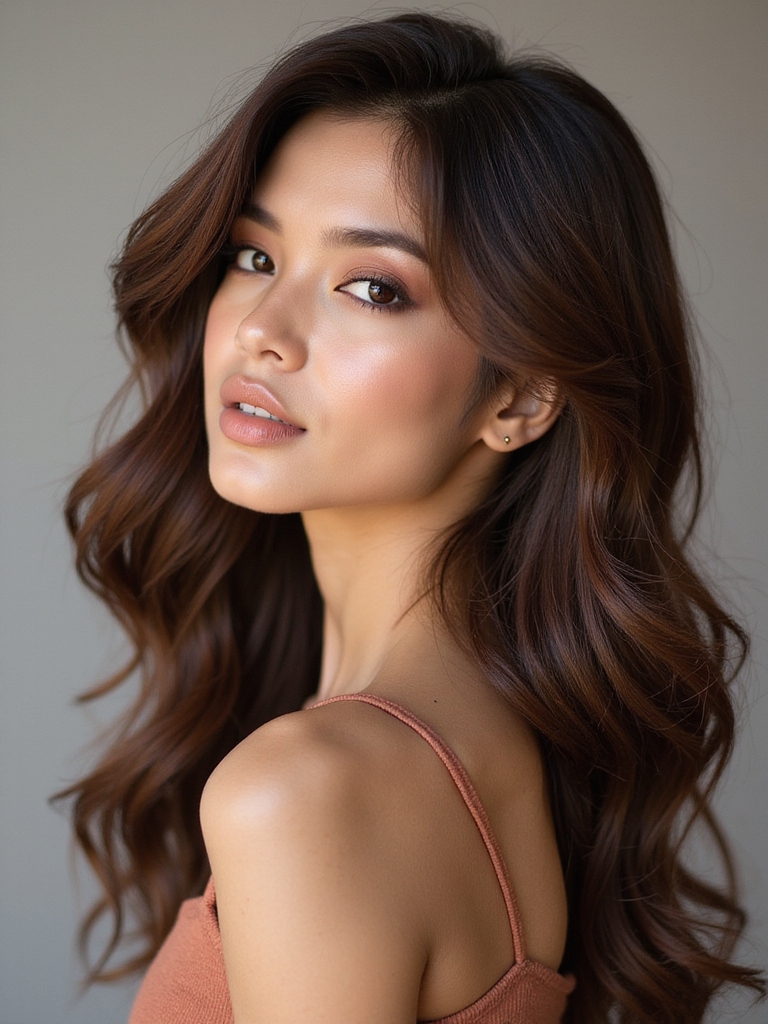
Layered hair lives on the right products, but the list is short. Here’s what actually earns a place:
- A heat protectant before any hot tool, every time
- A volumizing mousse at the roots to lift the layers
- A texture spray to separate the layers and show their shape
- A light serum or oil on the ends to keep the longest layers smooth
Two things people get wrong about layers:
❌ Myth: Layers make thin hair look thinner
✅ Reality: Done right, they do the reverse. Long, soft layers add the illusion of volume; only short, choppy layers risk looking sparse on fine hair.
❌ Myth: Layers always need lots of styling
✅ Reality: A good layered cut is built to air-dry well. The shape does the work, so many layered styles actually need less daily effort.
Blow-Drying Layers Like a Pro
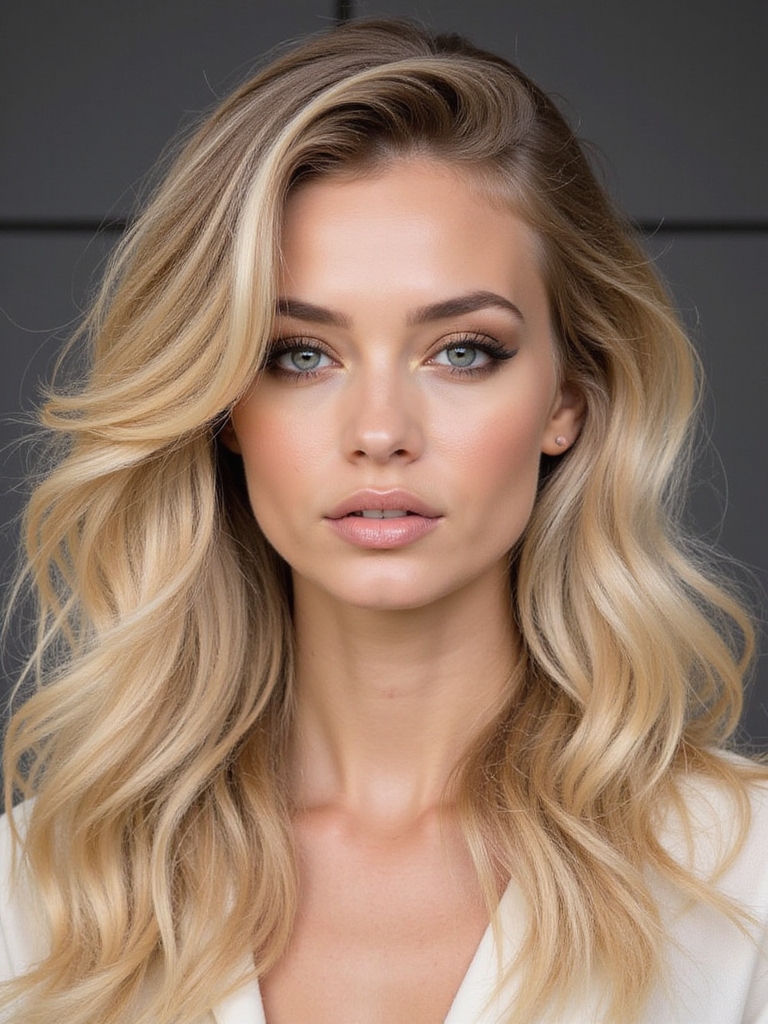
A good blow-dry is where layered hair comes alive, and the technique is learnable at home. It works by drying each layer over a round brush so it bends and lifts with body.
Section, Lift, Set
Start with the under-layers, lift each section up and out on the brush, and follow with the nozzle. Roll the brush under at the ends for a bouncy finish, or flip out for a more modern one.
Finish each section with a cool shot to set the shape. Working in sections is what separates a salon blow-dry from a flat home one.
Smart Sectioning for Volume
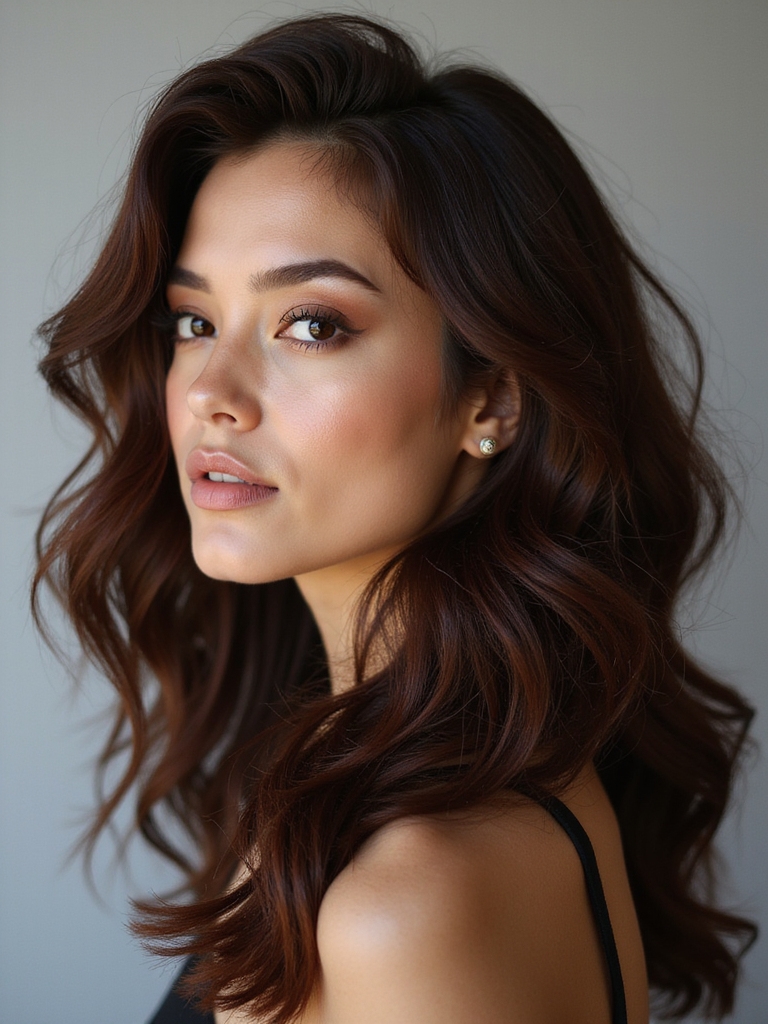
Volume in layered hair comes as much from how you section as from the cut. Here’s the approach that builds the most lift:
- Dry the roots first, flipped upside down, before styling the lengths
- Work in horizontal sections, clipping the top away so you can reach the under-layers
- Lift each section straight up at the root as you dry for crown height
- A blast of cool air at the root sets the volume before it falls
Enhancing Layers With Highlights
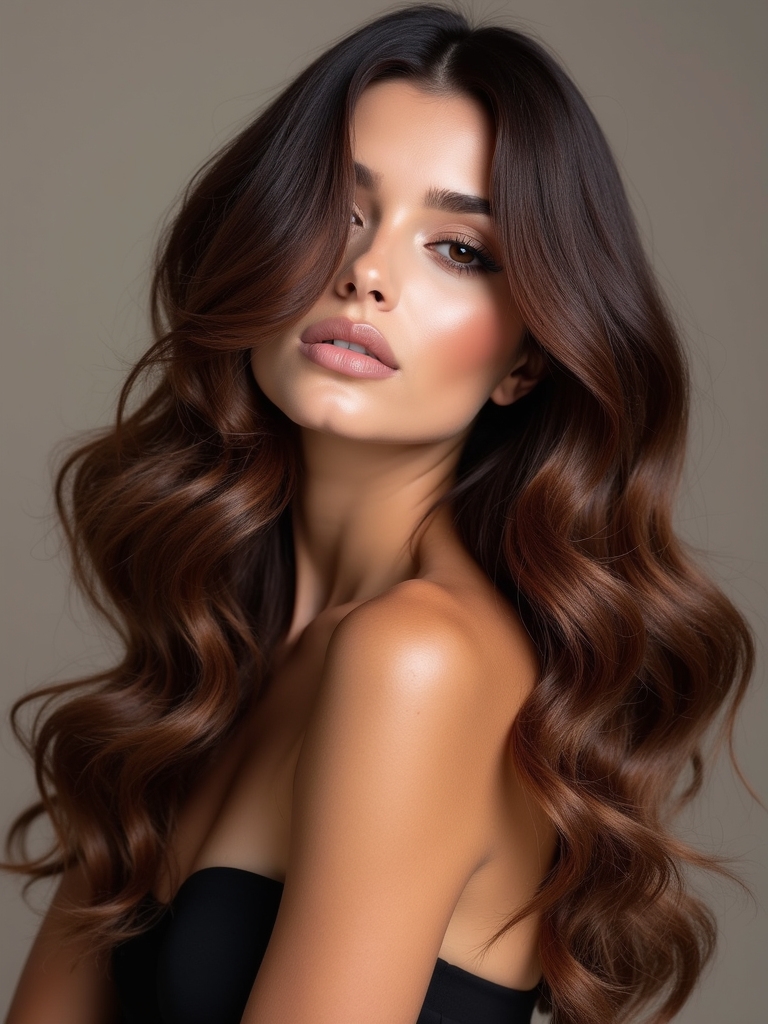
Color and layers are a perfect pair, because dimension follows the movement of the cut. Highlights and lowlights placed through the layers exaggerate their depth, so the hair looks even fuller and more dynamic. Balayage is especially good here, painted to catch the light as the layers move. The two work together: the cut creates the movement, the color shows it off.
- Balayage follows the layers for natural dimension
- Lowlights add depth so layers look fuller
- Face-framing brightness lifts the front pieces
Layered Hair With Bangs
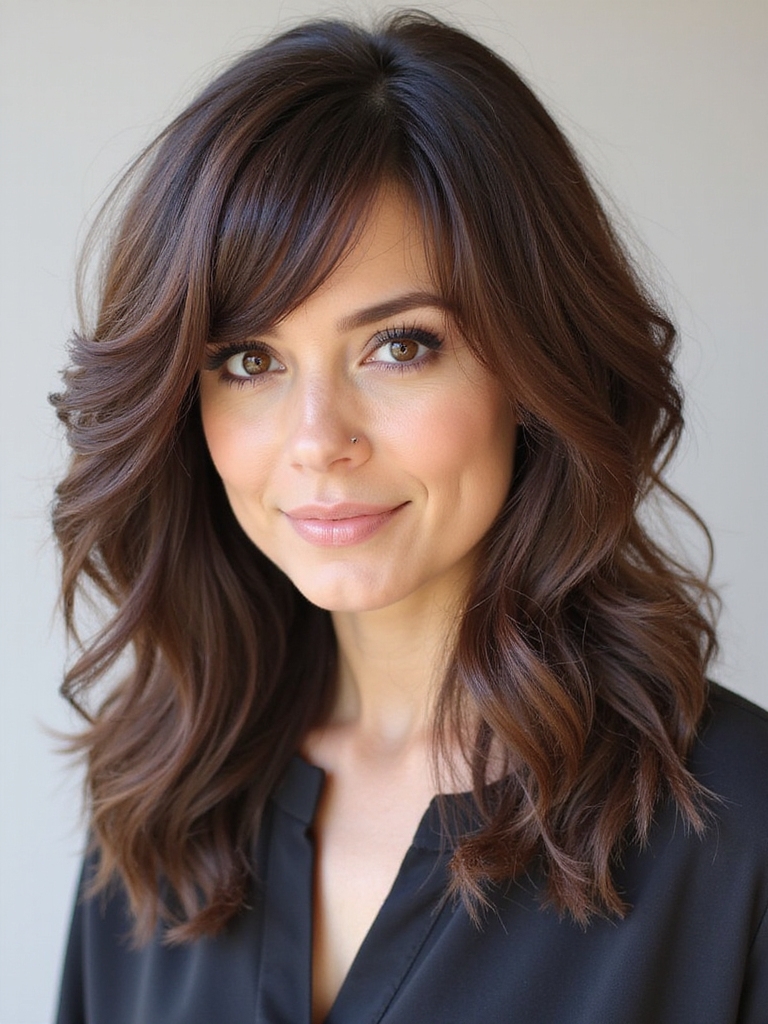
Bangs and layers are made for each other, since face-framing layers give the bangs somewhere to blend into. Curtain bangs especially melt straight into long layers for a soft, connected frame that needs no fuss. The combination is the most popular cut I do, because it suits nearly every face and grows out gracefully. For more on pairing the two, see our layered hair with bangs guide.
- Curtain bangs blend cleanly into long layers
- Connect the bangs to the front layers for a soft frame
- The pairing grows out without an awkward stage
Layers on Straight vs Wavy Hair
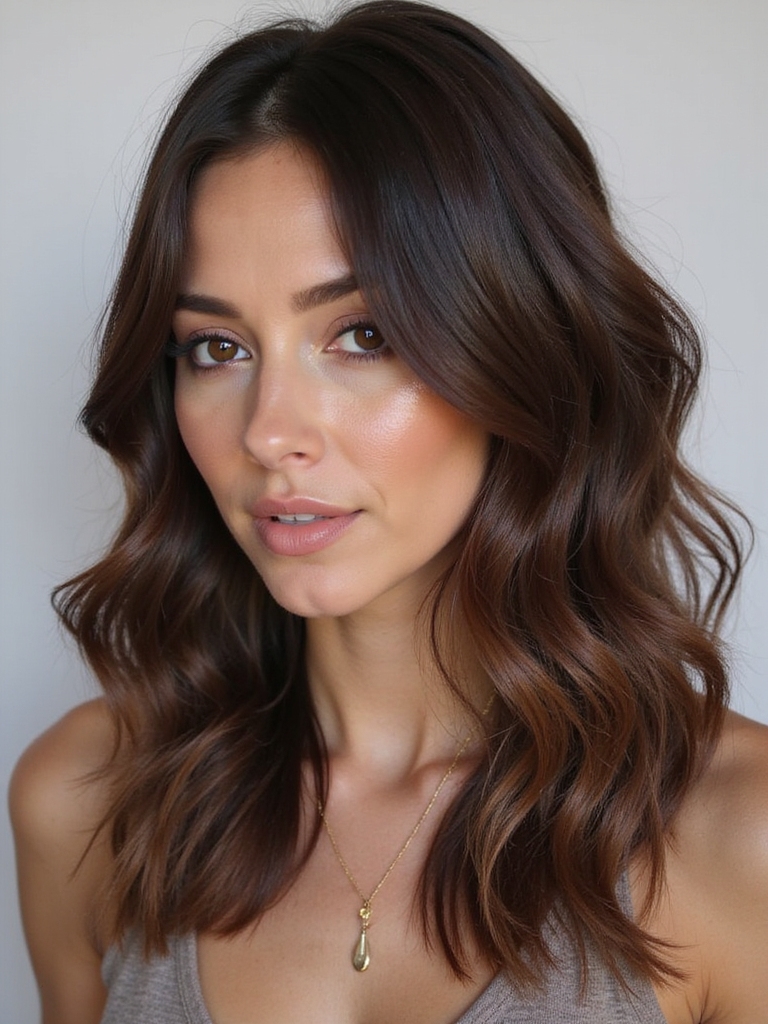
Layers behave differently depending on your texture, so the cut should account for it. Here’s how they play out:
- Straight hair shows every layer cleanly, so precision matters; see long layers on straight hair
- Wavy hair softens the layers into natural movement, very forgiving
- Thick hair carries dramatic, heavier internal layers well
- Fine hair wants long, soft layers, like a medium layered cut approach
Elegant Updos for Layered Hair
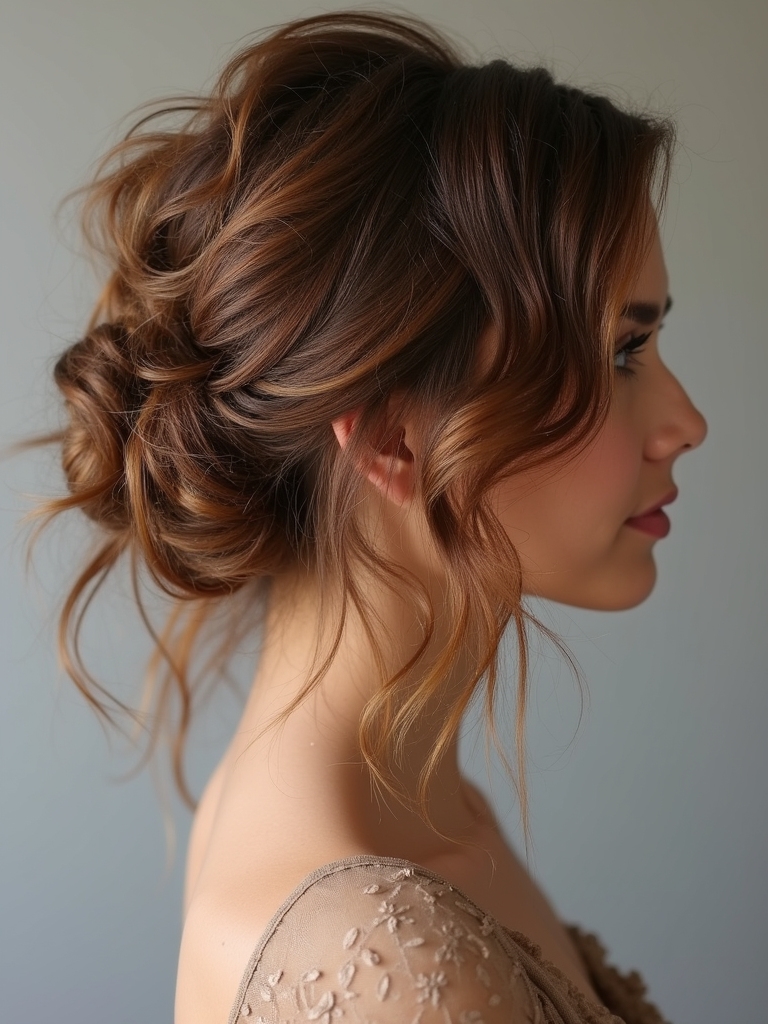
Layers can make updos trickier, since shorter pieces want to fall out, but worked with intention they actually add softness. The escaping pieces turn into romantic framing tendrils around the face.
For a layered updo, prep with texture spray so the layers grip, build a loose bun or twist, and let the shortest layers fall around the face on purpose for softness. Pin the longer pieces and leave the front soft.
A messy bun, a half-up style, or a loose chignon all suit layered hair beautifully, because the layers give the finished style natural softness and dimension.
Braiding Layered Hair
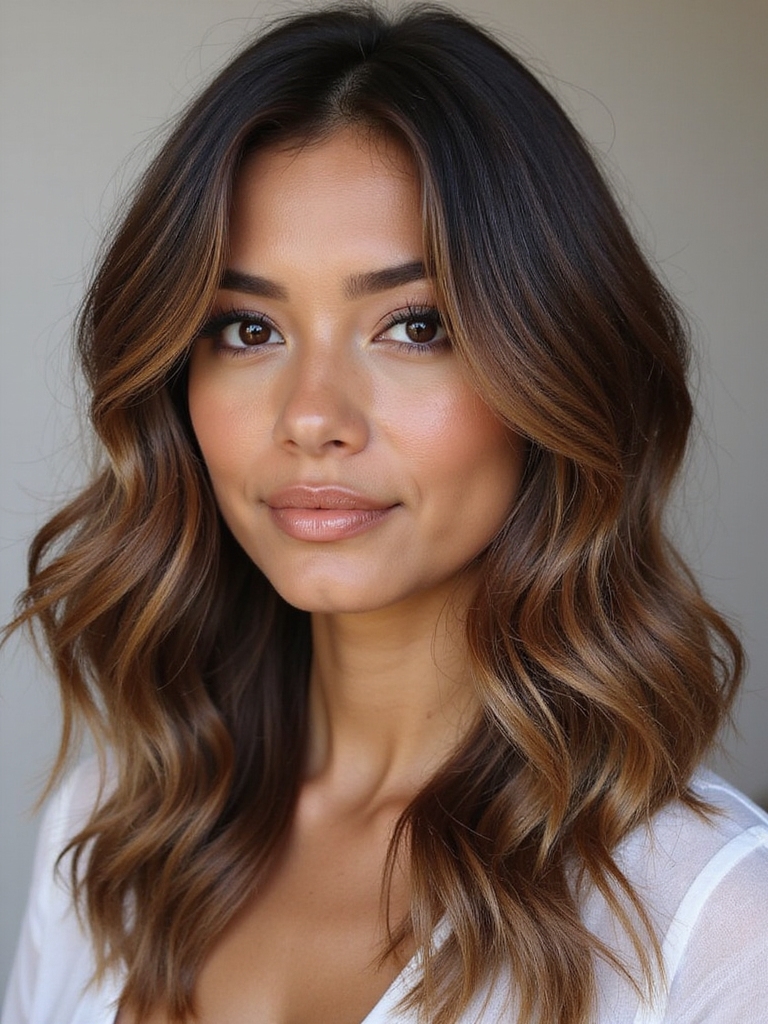
Braiding layered hair has the same challenge as updos: shorter pieces slip loose. The fix is technique and a little product rather than fighting it.
Braid on day-old or texture-sprayed hair for grip, and choose styles that forgive escaping pieces, like a loose side braid, a fishtail, or a braid with face-framing pieces left out. Pin any persistent flyaways once you’re done.
Embrace the softness and let it show. Layered braids look intentionally undone, which is exactly the look most people want anyway.
Managing Split Ends
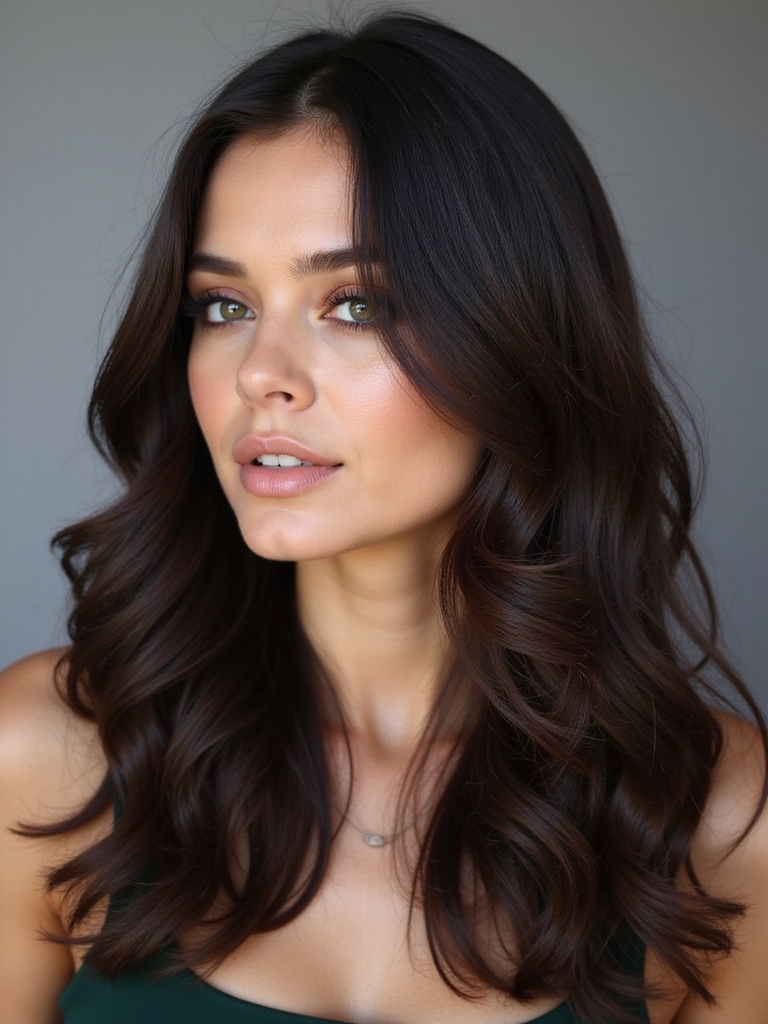
Long layers mean some of your hair has been growing for years, so the ends are the oldest and most prone to splitting. Managing them keeps the whole cut looking fresh, since frayed ends make even a great layered cut look tired. The split I see most at my chair sits right at the shortest layer, where the hair has been heat-styled the longest.
- Trim regularly to stop splits from traveling up the strand
- Use a weekly mask focused on the mid-length and ends
- Minimize heat and always use protectant, since the ends scorch first
Seasonal Layered Trends
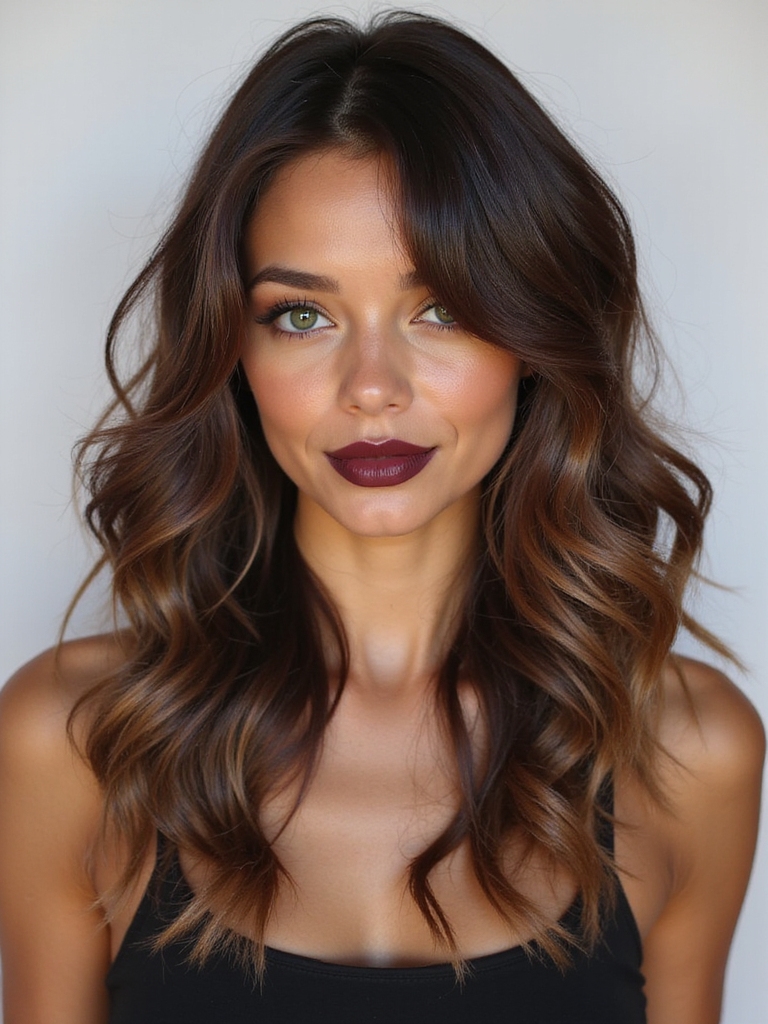
The way you wear layered hair shifts with the seasons, which keeps the same cut feeling fresh. A few easy seasonal moves:
- Spring and summer: air-dried texture and beachy waves through the layers
- Fall and winter: sleeker, glossier finishes and richer color
- Adjust your part and finish rather than re-cutting to stay current
- Add face-framing pieces in spring for a fresh, lighter feel
A Timeless, Universal Look
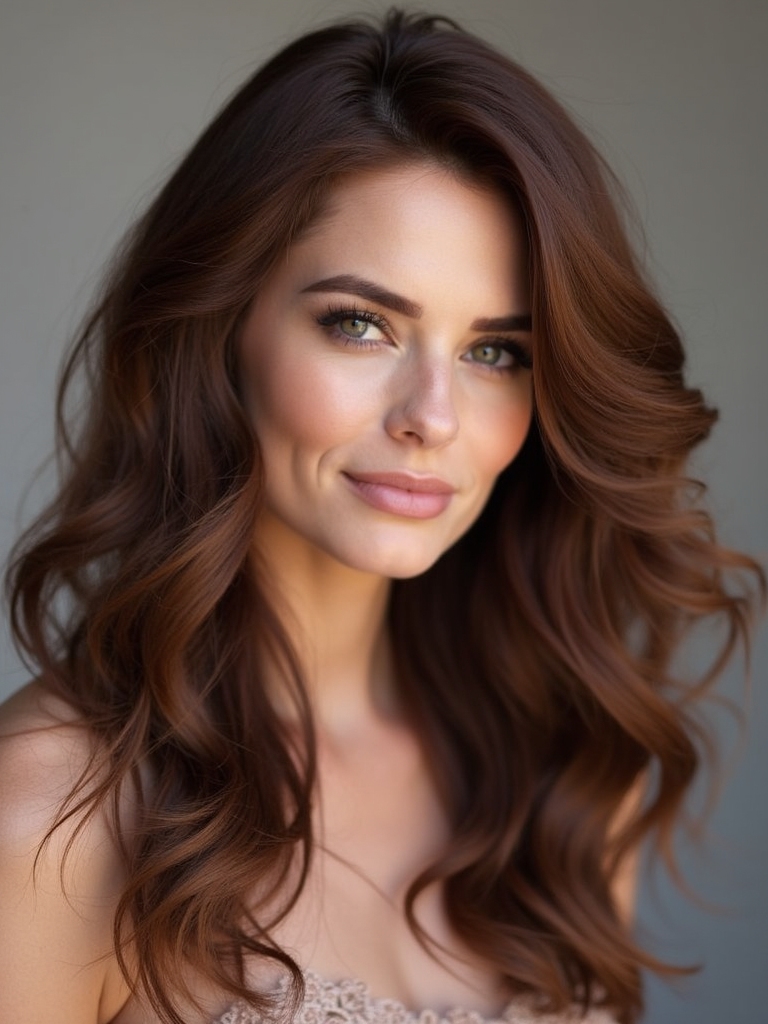
Long layered hair is one of the few cuts that truly flatters almost everyone, across ages, face shapes, and textures. That universal flattery is what keeps it in style decade after decade.
The reason is adaptability: layers can be placed to suit any face and cut to suit any texture. A twenty-year-old and a seventy-year-old can both wear long layers beautifully, just shaped differently. It’s as close to a no-regret haircut as exists.
Color Techniques for Layered Hair
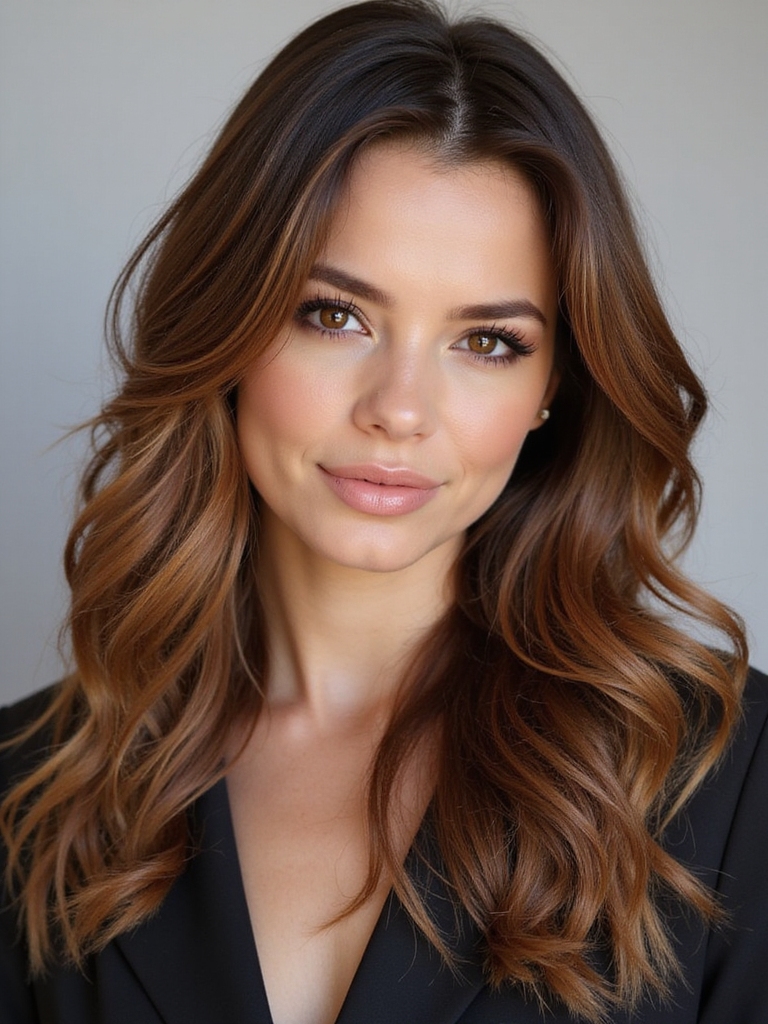
Beyond simple highlights, a few color techniques make layered hair look its richest. Balayage and ombre both play off the movement of the layers, adding gradient depth that flat color can’t.
A root shadow with brighter mid-lengths and ends mimics how light naturally hits layered hair, making it look sun-touched and dimensional. Money-piece brightness around the face lifts the whole look.
Whatever you choose, dimensional color and a layered cut amplify each other. For seasonal shade ideas, see our winter hair colors guide.
Celebrity Layered Inspiration
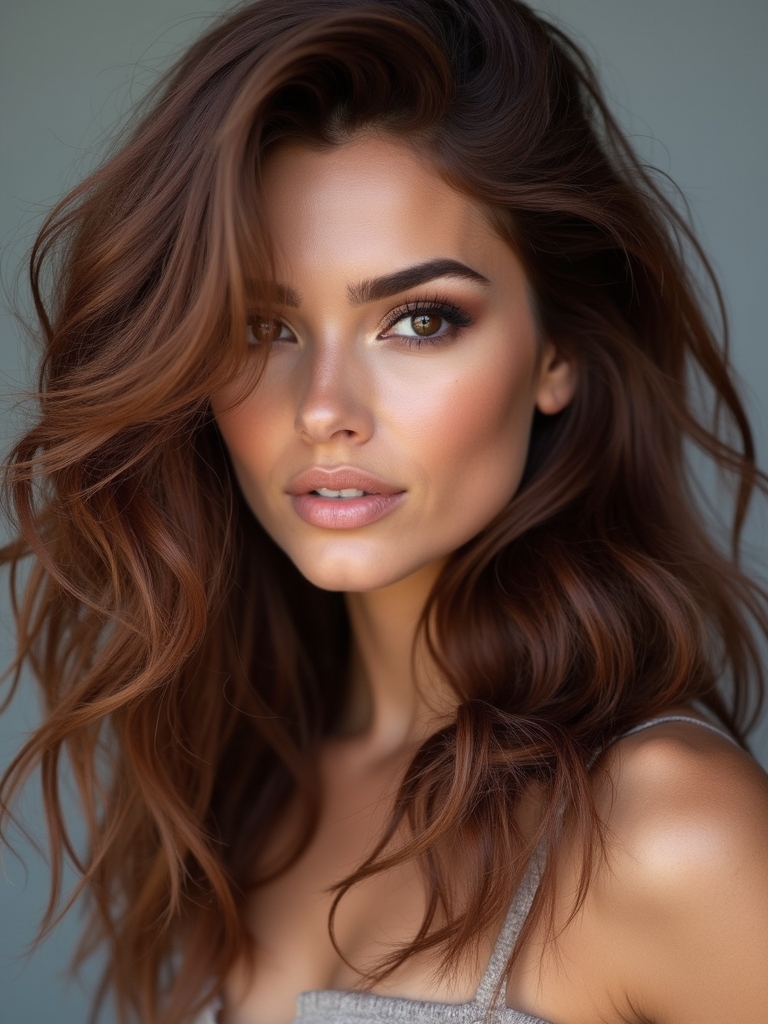
Layered long hair is everywhere on red carpets, and those looks are great inspiration when you focus on the cut rather than the famous face. Notice the placement of the face-framing pieces, the amount of movement, and the dimension in the color.
Bring a photo to your stylist for the qualities you like, and let them adapt the idea to your hair and face. The principles translate even when the exact cut wouldn’t suit you.
- Notice the face-framing placement, not the celebrity
- Look at the amount of movement you want
- Borrow the dimension in the color to copy at home
Layered Cuts for Maximum Volume
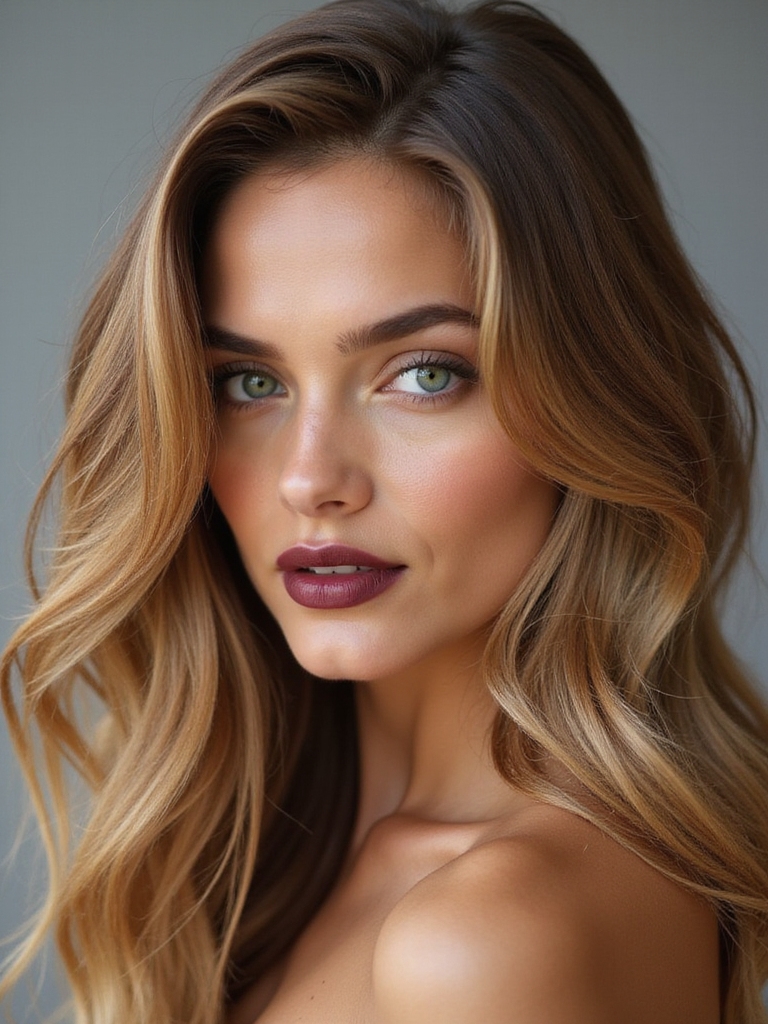
When volume is your main goal, the layering strategy shifts toward building lift and body. Here’s how to get the fullest result:
- Ask for shorter internal layers at the crown for lift
- Keep the perimeter fuller so the ends still look dense
- Style with a volumizing mousse and a root-lifting blow-dry
- Dimensional color adds the final illusion of fullness
Layers for Natural Curls
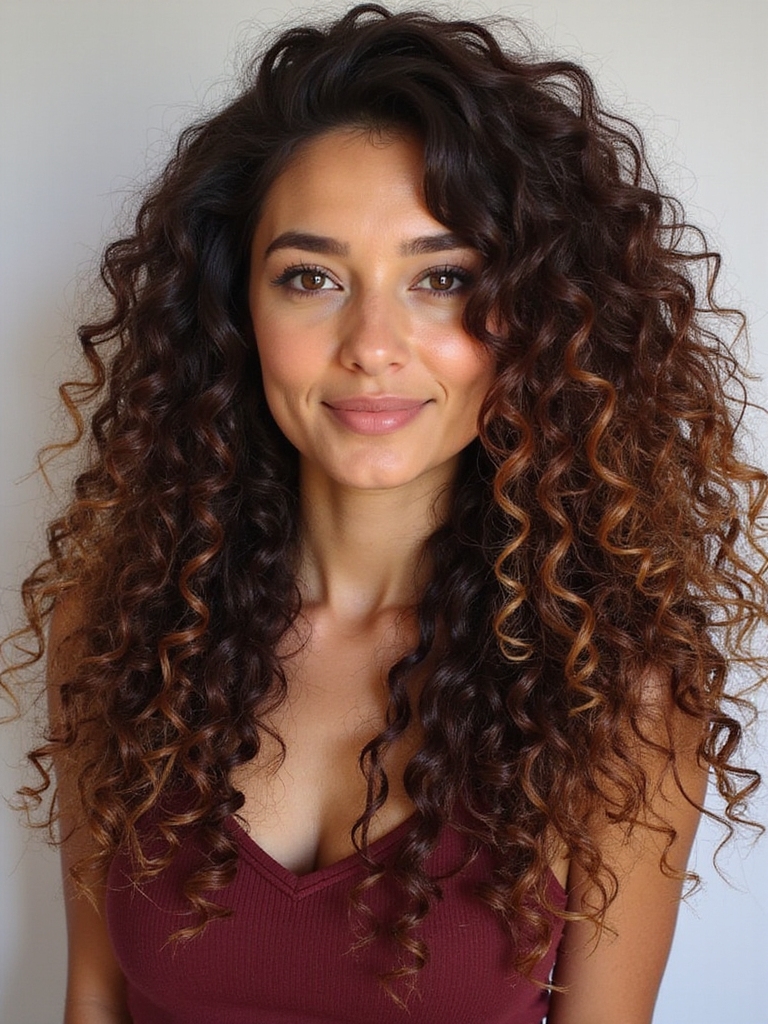
Curly and wavy hair loves layers, but they have to be cut for the curl, ideally on dry hair, when your stylist can judge where each curl actually lands. Done well, layers take weight off heavy curls and so they bounce up with real definition.
The wrong layers, cut wet or too short, can leave curly hair poofy and uneven. A curl specialist cuts to your pattern so the layers fall into place. Embrace the texture; layered curls are full of natural movement and life.
- Cut dry so the stylist sees how curls spring
- Layers remove bulk so curls bounce instead of sitting flat
- See a curl specialist for the best results
Caring for Layered Curls
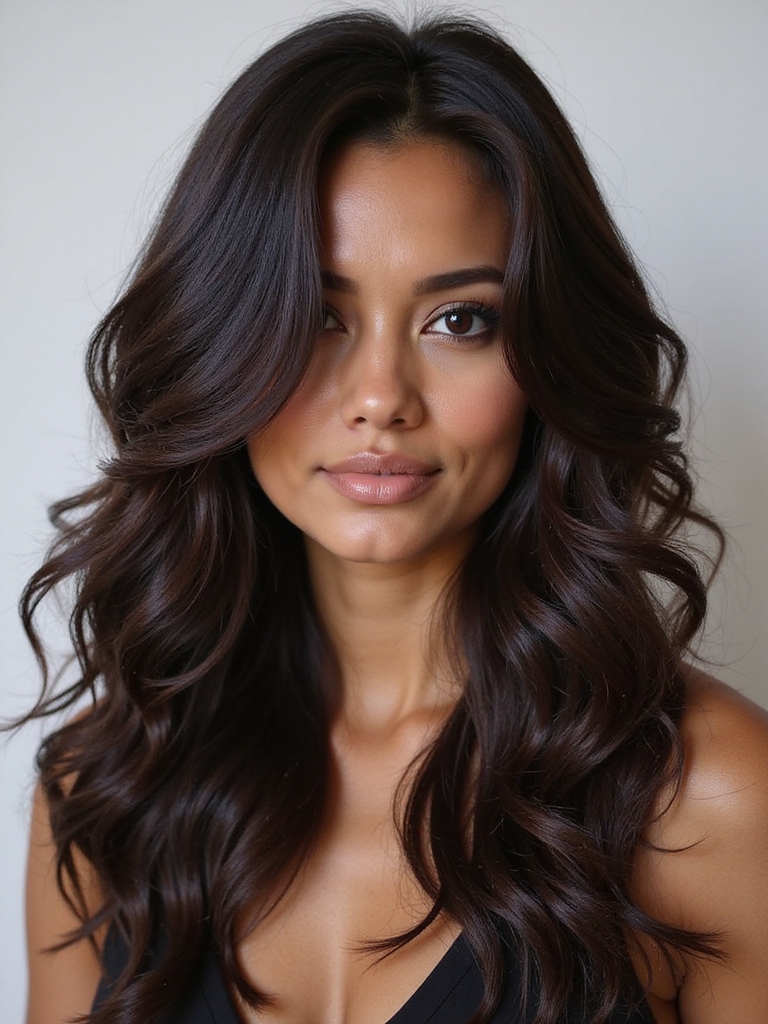
Layered curls need a slightly different routine to keep every layer defined and bouncy. Because the layers vary in length, they can dry unevenly, so even product distribution matters. I always remind curly clients to work the cream up from the ends, where the oldest, driest hair lives.
Work a curl cream or gel through soaking-wet hair, scrunch from the ends up, and diffuse on low or air-dry. A weekly deep conditioner keeps the longest layers from going dry, and a silk pillowcase protects the curl pattern overnight.
Long Layered Hair: Quick Answers
?Do layers suit all hair types?
Yes, when they’re cut for your texture. Fine hair wants long, soft layers; thick hair benefits from heavier internal layers to remove bulk; curly hair needs layers cut to the curl pattern. The placement changes, but everyone can wear layers.
?How often do layered haircuts need trimming?
Every 8 to 10 weeks to keep the shape, though long, soft layers can stretch a little longer. Trimming also keeps the ends healthy, which matters most on the longest layers that have been growing for years.
?Will layers make my fine hair look thinner?
No, as long as they’re long and soft. Long layers add movement and the illusion of fullness. The thing to avoid on fine hair is short, choppy layers, which can leave the ends looking sparse.
?Can I get layers if I want to grow my hair out?
Yes. Long, blended layers grow out gracefully and keep your hair from looking flat during the in-between stages. Just keep the layers long and skip short face-framing pieces while you’re chasing length.
Your Best Layers Start at the Consultation
Great layered hair isn’t an accident; it comes from a clear conversation with your stylist about your length, your face, and how much styling you’ll actually do. Bring a photo, name your hair type, and be honest about your routine.
If you’ve been stuck with flat, heavy long hair, try this first: ask for long layers and a little shape around your face at your next appointment. Keep the length, add the movement, and see how different the very same hair can feel.
Don’t Miss These