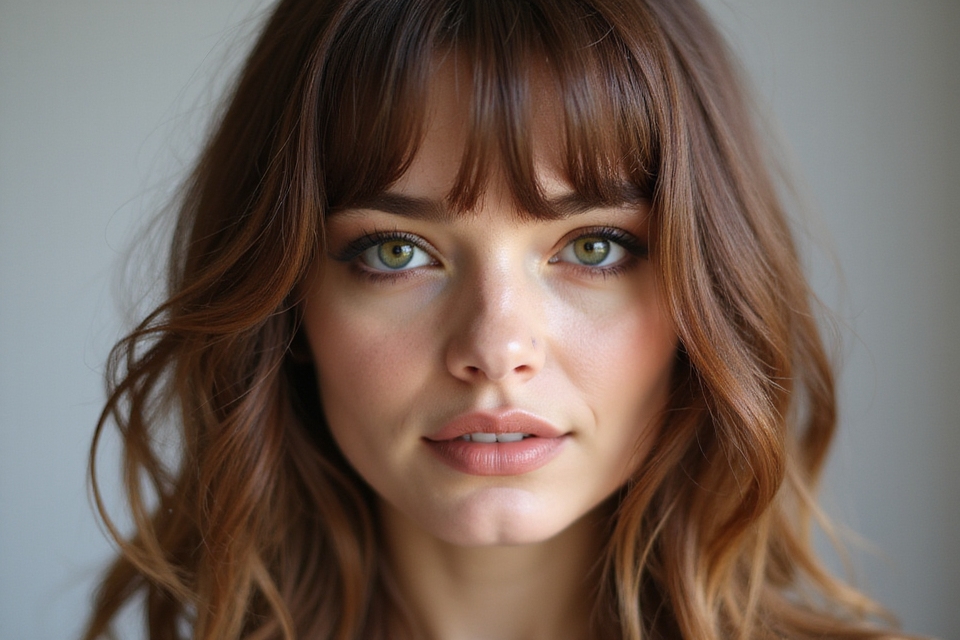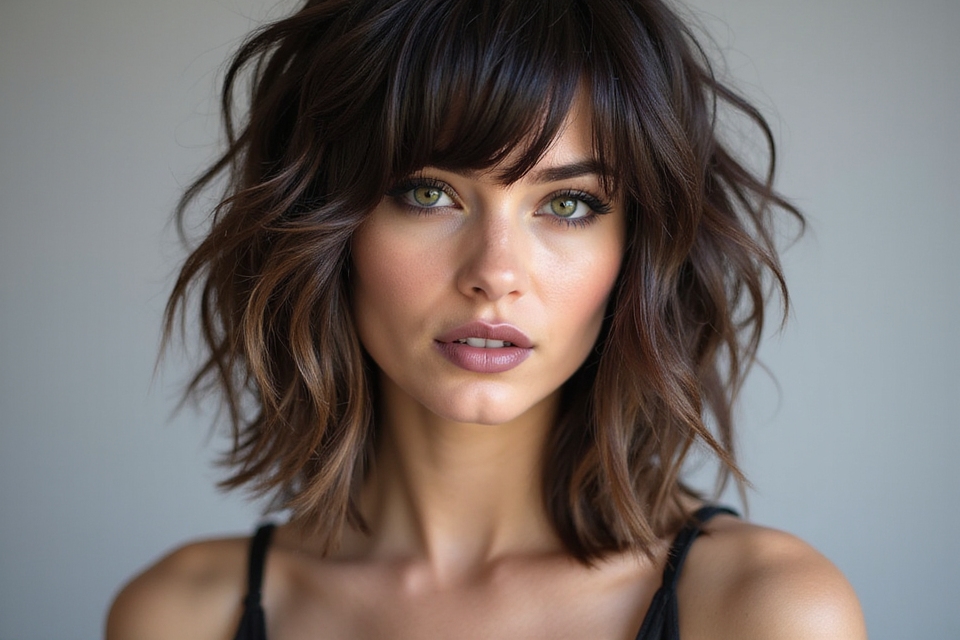

People with straight hair are told layers will make their hair look thin and stringy. The opposite is true when the layers are cut long and placed well. Straight hair haircuts with long layers shine because straight hair shows a great layered cut most clearly, since there is no curl to hide the shape, and long layers are exactly what turns a flat, one-length sheet into something with body and movement.
This guide covers how long layers work on straight hair, from why they add volume to which shapes suit your face, the products and tools that bring them to life, and what to actually say to your stylist. A long layered cut runs roughly $50 to $100, with trims around $30 to $60. Whether your hair is fine and flat or thick and heavy, the right long layers can make it flow.
Long Layers on Straight Hair, the Essentials
- Long layers remove weight and add movement without sacrificing length, which is what turns flat straight hair into flowing hair.
- Placement matters most: layers starting around the chin or collarbone add the most visible volume and face-framing.
- Bring photos to your stylist and ask for long, blended layers, not choppy ones, so straight hair keeps a smooth, connected shape.
How Long Layers Add Volume

Flat straight hair usually looks flat because it is all one heavy length, with the weight pulling everything straight down. Long layers remove some of that weight at different lengths, so the shorter pieces underneath can lift and support the longer ones, creating body where there was none.
Weight Removed, Movement Gained
The effect is subtle. It is also transformative. By taking out interior weight rather than cutting visible length, a stylist gives straight hair somewhere to move, so it falls with shape and bounce instead of hanging like a curtain.
In my chair I watch this happen all the time: the same person can have flat, lifeless hair one week and full, flowing hair after a good layered cut, with the overall length barely changed. The layers do the work invisibly, inside the shape.
Layers for Your Face Shape

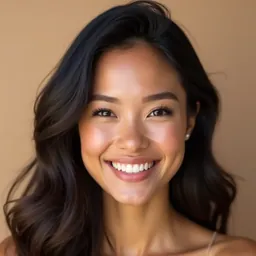
Where your layers begin should flatter your face, not fight it, and straight hair shows this placement clearly. The general rule is to start the shortest face-framing layer where you want to draw the eye, balancing your features rather than emphasizing them. A round face lengthens with layers that start lower and stay long, while a long face softens with layers and face-framing that add width around the cheeks.
- Round face: keep layers long and starting lower to lengthen.
- Long face: add face-framing around the cheeks to widen and soften.
- Square face: soft, curved layers around the jaw ease strong angles.
- Heart face: layers starting at the chin balance a narrower jaw.
Stylist Tip
The single biggest thing you can do for layered straight hair at home is a round-brush blow-dry. Rolling the layers under or out as you dry sets in the bounce that the cut is built for, which straight hair will not hold on its own. Five minutes with a round brush is the difference between flat layers and flowing ones.
Long Layered Styles for Volume

Within long layers, a few specific styles deliver the most volume on straight hair. Each removes weight differently. The right one depends on how much movement you want.
- The long layered cut: subtle internal layers for soft body with minimal change.
- The butterfly cut: shorter face-framing layers blended into long ones for big volume.
- The long shag: heavily textured layers throughout for the most movement and edge.
Layer Maintenance and Protection

Layers grow out, and straight hair shows the shape clearly, so trimming the shape up every two to three months keeps the layers looking intentional rather than grown-out. Skipping trims for too long lets the layers blur into one length again, undoing the volume.
Protection matters more on layered straight hair, since the ends of shorter layers are more exposed to heat and damage. A heat protectant before any hot tool and a weekly mask keep those layered ends healthy and the whole shape moving freely.
Straight hair also shows split ends and dryness more than textured hair, so regular conditioning and gentle handling keep your layers looking glossy. Healthy ends are what let layers swing and flow rather than sit limp.
Two things people with straight hair wrongly believe about layers.
❌ Myth: Layers make fine straight hair look thin and stringy.
✅ Reality: Only badly placed, too-high layers do that. Long layers started lower remove weight and add body while keeping the ends looking full and thick.
❌ Myth: Straight hair is too flat to pull off layers.
✅ Reality: Straight hair shows a good layered cut most clearly, since there is no curl to hide the shape. With a quick blow-dry, layers give straight hair real movement.
Custom Face-Framing Layers

Face-framing layers are the most flattering part of a long layered cut, the shorter pieces around the face that, clients tell me, change their whole reflection by drawing attention to their best features and add softness right where it shows. On straight hair, these frame the face cleanly with no curl to obscure them, which makes the placement especially powerful for balancing your shape and brightening the whole look.
Curtain-style framing that parts in the middle and sweeps back suits almost everyone, while a deeper side-swept frame adds drama. The key is having them cut to your specific face, which is why a face framing layers with bangs consultation is worth the conversation.
- Curtain framing parts center and sweeps back, flattering most faces.
- Side-swept framing adds drama and suits longer faces.
- Keep the shortest piece at or below the cheekbone for balance.
Products to Maximize Layer Movement

The right products make the difference between layers that flow and layers that fall flat, and straight hair needs lightweight ones that add body without weighing it down. Heavy creams and oils flatten straight layers, so reach for volumizing and texturizing formulas instead. A mousse or root-lift spray at the roots builds the lift, while a light texture spray on the lengths gives the layers grip and separation so they move.
- A root-lift spray or mousse at the roots builds volume from the base.
- A light texture or sea-salt spray gives straight layers movement and grip.
- Avoid heavy oils and creams, which flatten fine straight layers.
| Hair type | Best long layers | Watch for |
|---|---|---|
| Fine and flat | Soft, fewer layers started lower | Too many high layers thin the ends |
| Thick and heavy | More layering to remove bulk | Under-layering leaves it heavy and flat |
| Medium | Classic long layers with face-framing | Keep the blending soft and connected |
Planning Your Layered Cut

A great layered cut starts before the scissors, with an honest look at your hair and your routine. Think about how much time you are willing to style, since some layered shapes need a blow-dry to look their best while others air-dry well. Your hair’s thickness, your face shape, and your lifestyle all shape what will actually work.
Going in with a clear sense of how much volume and movement you want, and how much maintenance you can commit to, lets your stylist tailor the layers to you rather than giving you a generic cut. The planning is what makes the difference between layers you love and layers you fight.
- Be honest about your daily styling time before choosing a layered shape.
- Factor in your hair’s thickness, which changes how layers fall.
- Decide how often you can come in for trims to keep the shape.
Essential Tools for Layering
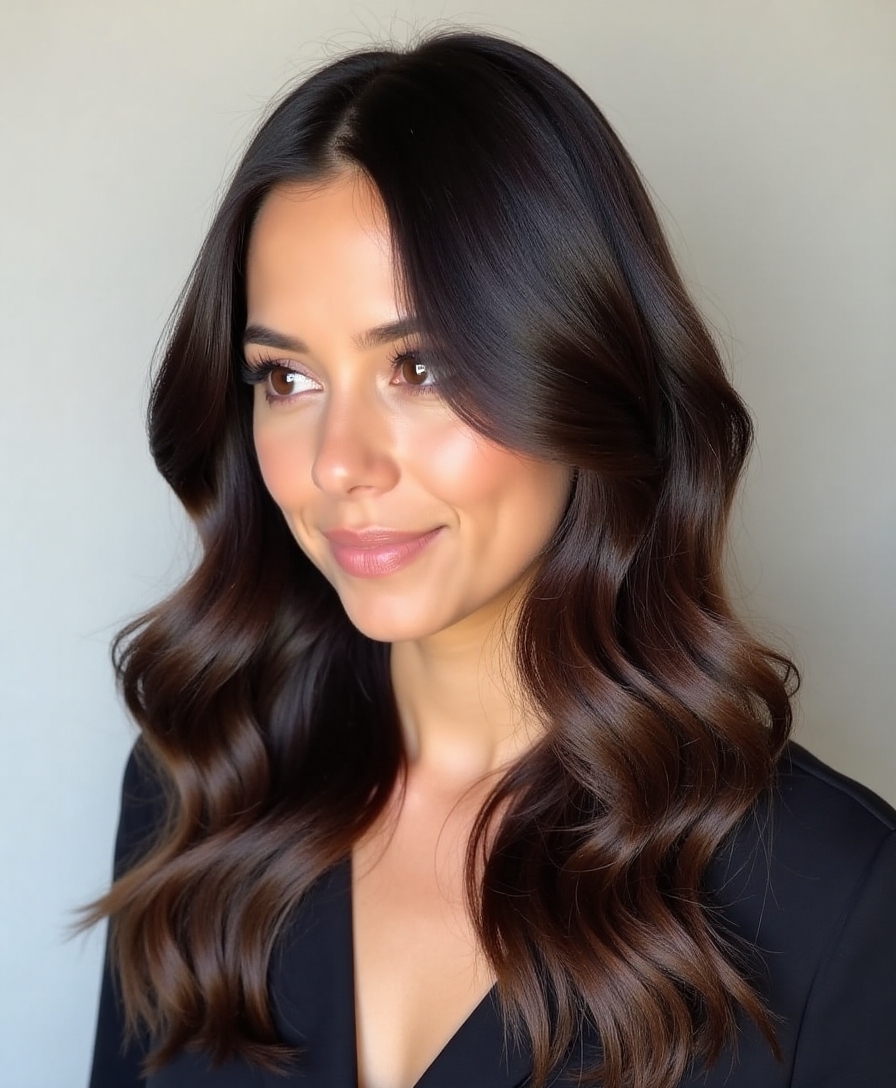
Styling layered straight hair at home comes down to a few key tools that build the volume the cut makes possible. A round brush used with a blow-dryer is the single most important one, since rolling the layers under or out as you dry sets in the bounce that straight hair will not hold on its own.
A large round brush lifts the roots and curves the ends, a flat iron with a slight wrist-turn keeps layers smooth with a soft bend, and a little dry shampoo or texture spray locks the movement in.
- A round brush plus a blow-dryer is the key to volume in straight layers.
- A flat iron with a wrist-turn bends the ends so layers do not sit flat.
- A heat protectant guards the more exposed ends of shorter layers.
🅰️Long layers
Subtle internal layers that keep length and add gentle body, the most wearable and easiest to grow out. Best for most straight hair.
🅱️Long shag
Heavily textured layers throughout for maximum movement and edge, more dramatic and styling-dependent. Best for those wanting bold volume.
Red-Carpet-Inspired Layered Cuts

If you ever need proof that long layers transform straight hair, look at any red carpet, where sleek, flowing layered cuts appear season after season on every length. Those camera-ready layered styles are built on the same principles you can ask for: long, blended layers with face-framing that catches the light.
- Long, blended layers with soft face-framing read polished and modern.
- A glossy blow-dry shows off layered movement in straight hair.
- Ask your stylist to recreate the cut, not a specific person’s hair.
Communicating Your Layer Goals
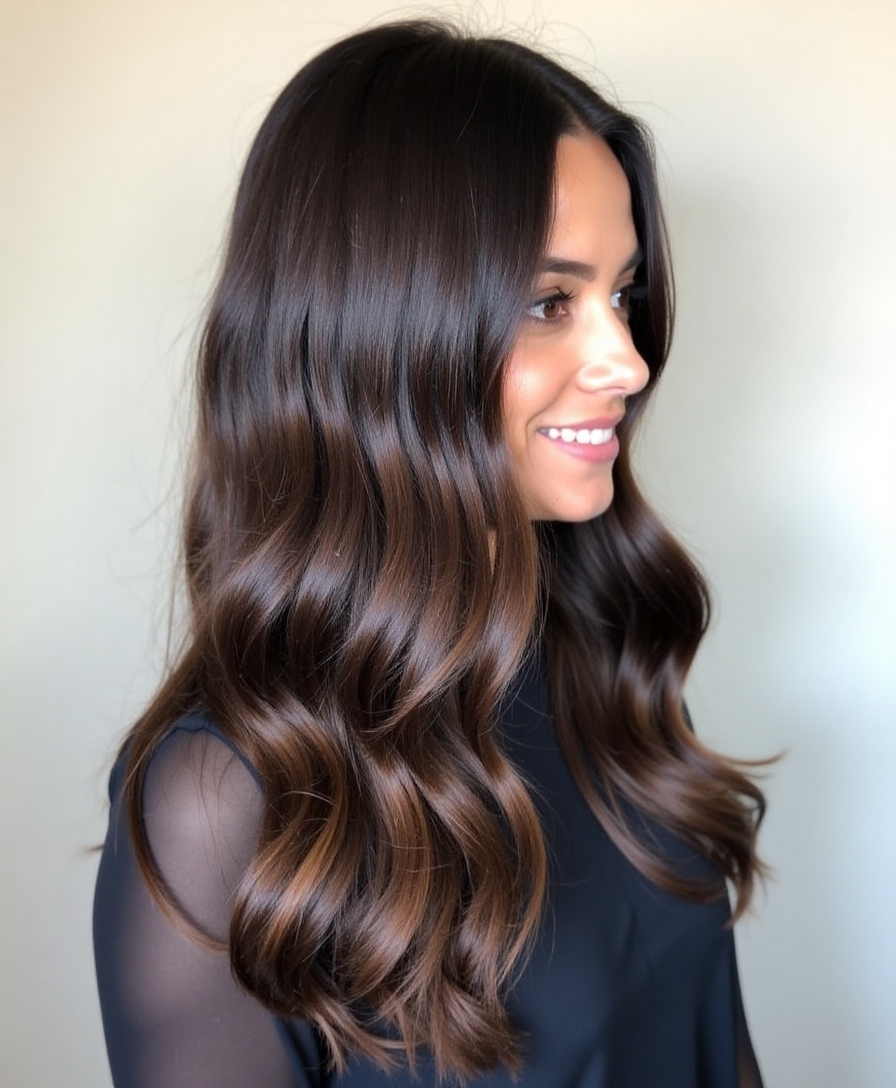
Clients ask me all the time why their last layers did not look like the photo, and the answer is almost always a consultation that rushed past what they wanted. Bring two or three photos of the result you want, and point out exactly what appeals to you in each, the volume, the framing, or the length.
Also bring a photo of a layered cut you do not want, since showing what to avoid is just as useful, and tell your stylist plainly how much length you can part with and how much styling you will realistically do at home.
- Bring photos of both layered cuts you love and ones you want to avoid.
- Say clearly how much length you are and are not willing to lose.
- Be honest about your real at-home styling routine and time.
Layer Placement for Volume

Where the layers sit on the head decides how much volume you get, and this is the technical heart of a good layered cut. Layers placed too high can thin out straight hair and create that stringy look people fear, while layers kept long and started lower add body without sacrificing fullness.
The sweet spot for most straight hair is layers beginning around the chin for face-framing and around the collarbone for the body layers, which lifts and moves the hair while keeping the ends looking thick and healthy.
- Start body layers around the collarbone to add movement without thinning.
- Keep the shortest layers long enough that the ends still look full.
- Avoid very high, short layers on fine straight hair, which can look stringy.
Tailored Long Layer Styles

There is no single long layered cut, and the best version is tailored to your hair type and how much drama you want. Fine straight hair suits softer, fewer layers that build gentle volume without thinning the ends, while thick straight hair can carry more aggressive layering to remove bulk and add real movement.
One Idea, Many Versions
The length you start the layers at, the amount of texture, and the face-framing are all adjustable, which is why two people can ask for long layers and walk out with completely different cuts. A skilled stylist reads your hair and tailors the layering to it.
This is why a photo is a starting point, not a guarantee, since the same layers fall differently on different hair. Tailoring the cut to your texture is what makes it work.
Expert Blending for Smooth Layers
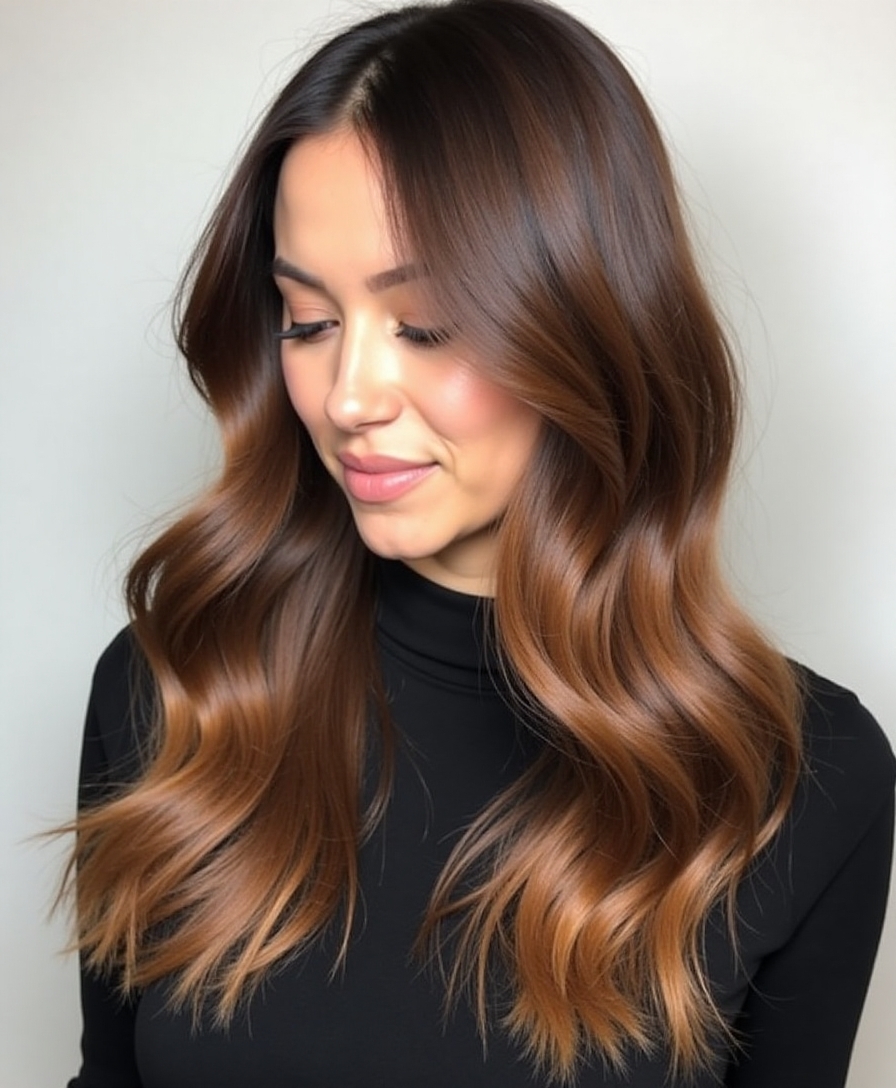
On straight hair especially, the blending between layers is everything, since there is no curl to disguise a harsh line. Well-blended layers flow into each other so the cut looks like one connected shape with movement, while poorly blended ones leave visible shelves and gaps that straight hair shows mercilessly.
This separates a cut that looks expensive from one that looks choppy, and it comes down to your stylist’s skill with point-cutting and connecting the lengths. I always tell clients to find a stylist experienced with straight hair for exactly this reason.
- Ask for blended, connected layers rather than choppy, disconnected ones.
- Straight hair shows any harsh layer line, so blending is critical.
- Point-cutting softens the ends so layers melt together.
Layer Definition Through Heat Styling

Straight hair does not hold shape on its own, so a little heat styling is what brings layered cuts to life day to day. I tell every client the round-brush blow-dry is the foundation, rolling the layers under or flicking them out to set in the bounce the cut is built for.
For more definition, a flat iron or a large-barrel curling iron can bend the ends of the layers, giving that soft, flowing movement straight hair will not produce naturally. Even a slight wrist-turn at the ends with a flat iron makes layers look intentional rather than flat.
Always use a heat protectant first, since the exposed ends of layers take the most heat. Set the style with a light spray, and the layers will hold their shape and movement through the day.
Trim, Texture, and Growing Out

Living with long layers is a cycle of trimming to keep the shape, texturizing to keep the movement, and eventually deciding whether to grow them out. Regular trims every couple of months maintain the layered shape, while a stylist can add or refresh texture to keep the cut moving as it grows.
Layers Grow Out Gracefully
Growing out long layers is easier than growing out short ones, since the long lengths blend more gracefully. The trick is to keep getting the ends and face-framing trimmed as you grow, so the layers soften into your length rather than leaving an awkward shelf.
If you decide layers are not for you, a few patient months of dusting the ends and letting the shortest layers catch up will return you to one length, which is the beauty of starting with long layers rather than dramatic short ones.
Who Long Layers on Straight Hair Suit Best
Long layers on straight hair suit almost everyone, but they are especially transformative for two groups. If you have fine, flat hair that hangs limp and one-length, long layers are the single best cut for adding the body and movement your hair will not produce on its own, lifting it from lifeless to flowing.
And if you have thick, heavy hair that feels like a solid block, long layers remove the bulk and weight, so your hair moves freely instead of sitting like a helmet.
They suit any face shape too, since the placement and face-framing are tailored to you, and they work for anyone wanting to keep their length while gaining shape.
The one group who should think twice is anyone unwilling to do any heat styling at all, since straight hair needs at least a quick round-brush blow-dry to show off the layers; left to air-dry flat, layered straight hair can look like it just needs a trim. If you are happy to spend a few minutes styling, though, long layers are the most flattering, flowing thing you can do with straight hair.
Questions About Long Layers on Straight Hair
?Will long layers make my fine straight hair look thinner?
Not if they are placed correctly. The stringy look comes from layers cut too high and short. Long layers started around the collarbone remove weight and add body while keeping the ends looking full, which actually makes fine hair look thicker and more alive.
?How often do I need to trim long layers?
Roughly every eight to twelve weeks. Straight hair shows the layered shape clearly, so regular trims keep the layers looking intentional. Skipping trims too long lets them blur back into one length and lose the volume the cut created.
?Do long layers require a lot of styling?
A little. Straight hair does not hold shape on its own, so a quick round-brush blow-dry brings the layers to life. Left to air-dry completely flat, layered straight hair can look like it just needs a trim, so plan on a few minutes of styling.
?What should I ask my stylist for?
Ask for long, blended layers started lower on the head, with face-framing tailored to your face shape. Bring photos of cuts you like and dislike, and specify how much length you are willing to lose and how much you will style at home.
?Can I grow out long layers easily?
Yes, far more easily than short layers. The long lengths blend gracefully as they grow. Keep getting the ends and face-framing dusted so the layers soften into your length rather than leaving an awkward shelf, and you will reach one length smoothly.
From Flat to Flowing
The myth that straight hair cannot do layers gets it exactly backwards. Straight hair is the canvas that shows great long layers most clearly, and the right placement turns a flat, one-length sheet into hair with body, movement, and shine. The secret is long, well-blended layers started lower on the head, the products and tools to lift them, and a stylist who tailors the cut to your face and texture.
Bring photos, be honest about your styling time, and ask for blended long layers rather than choppy ones, and you will walk out with hair that flows. For more, explore a few hairstyles for long hair or some layered hair with bangs ideas to build on your new layered shape.
You Might Also Like