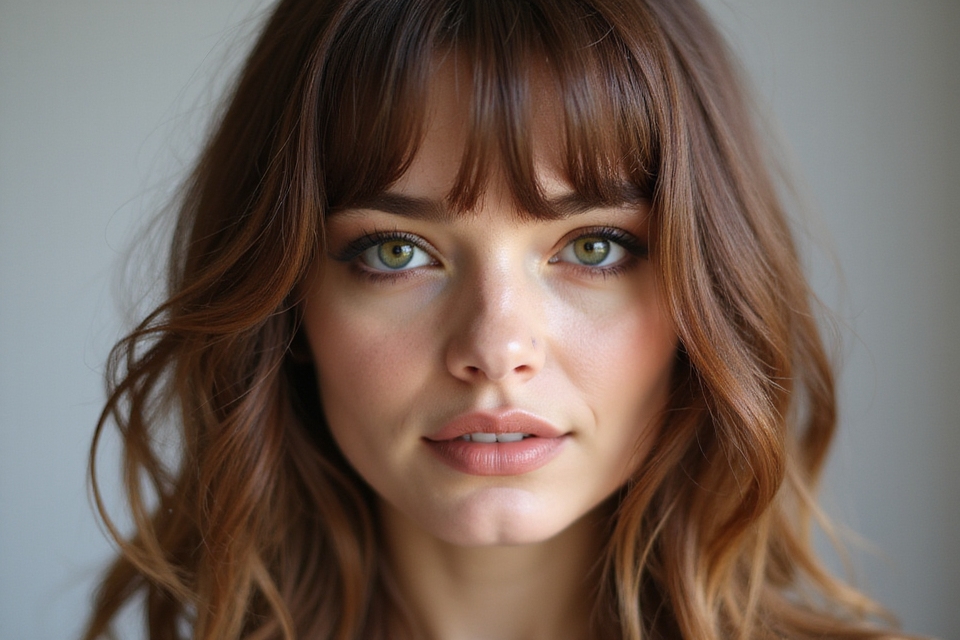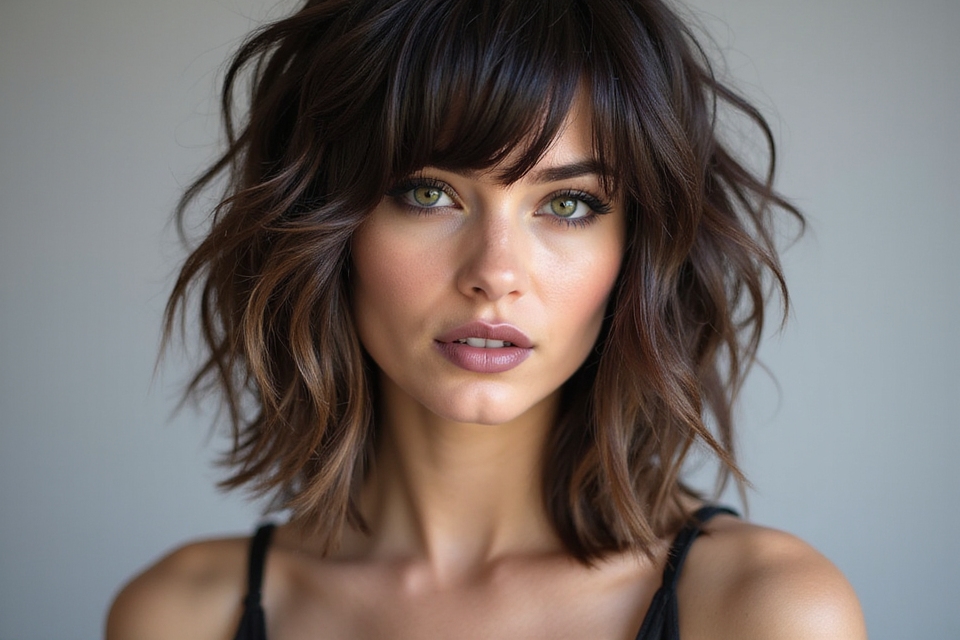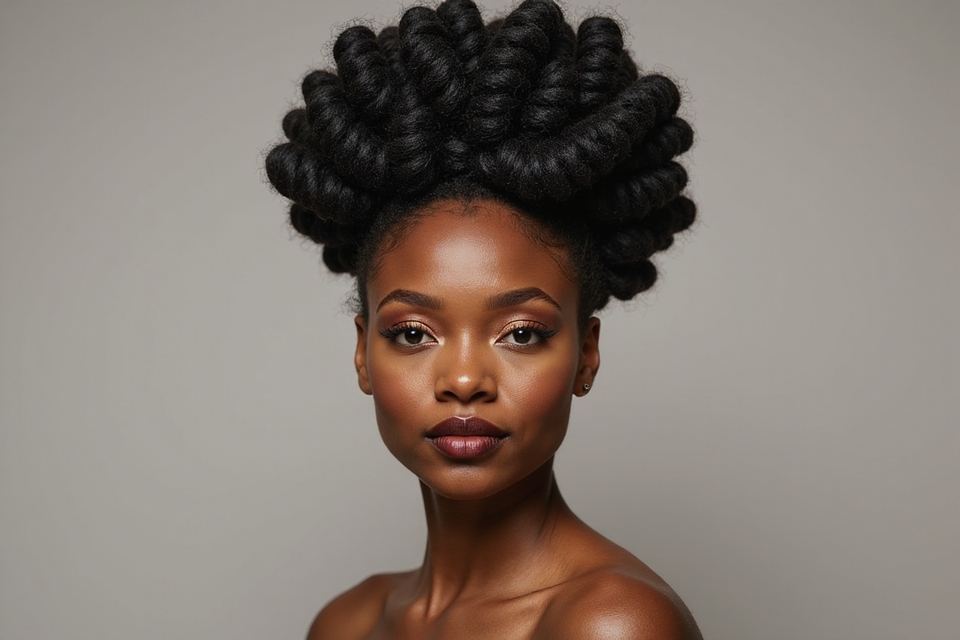

A woman sat down in my chair last spring clutching a photo of a sharp, textured pixie, then froze and said she was not sure she was brave enough. An hour later she would not stop turning her head in the mirror. The pixie does that to people.
It is the boldest short cut going, and easily the most misunderstood. Short pixie hairstyles run from sleek and tapered to piecey and textured, and the right one flatters almost anyone. This guide covers every type, how to style and color it, and how to make it work for your hair, your face, and your life.
Pixie Quick Answers
Will a pixie suit me? Almost certainly. A skilled stylist adjusts the length, taper, and texture to your face and hair, so there is a pixie for nearly everyone.
Is it hard to maintain? Styling is fast, but trims are frequent: every four to five weeks, roughly $40 to $70, to hold the shape.
What if I hate it? It grows out through a bob with regular shaping trims, so even a change of heart has a graceful path back.
The Versatile, Transformative Pixie

At its heart, a pixie is a short cut with cropped sides and back and a little more length on top. That simple formula is endlessly adaptable, which is why the pixie cut has outlasted every passing trend. It can be soft or sharp, sleek or piecey, depending entirely on how it is cut and styled. A few things that make it special:
- It puts your face front and center, with nothing to hide behind.
- It styles in minutes, freeing up your whole morning.
- It adapts to nearly every face, age, and hair texture.
History of the Pixie Cut

The pixie has a long, glamorous history, surging into fashion in the 1950s and 1960s on screen icons who made cropped hair a symbol of confidence. Every decade since has put its own spin on it.
Understanding that history helps you ask for the right version today. A few touchstones:
- The 1960s gave us the sharp, gamine crop.
- The 1990s softened it into a tousled, grungy shape.
- Today’s pixie leans textured, longer on top, and worn by every age.
Heads-Up
Do not confuse low-styling with low-maintenance. A pixie takes seconds to style but drifts out of shape within four to five weeks, so it needs more frequent salon trims than almost any other cut. If a standing appointment is not realistic for you, a slightly longer crop is more forgiving.
The Timeless Tapered Pixie

The tapered pixie is the cleanest, most classic version: short and graduated at the sides and nape, with enough length on top to style. It is elegant, low-maintenance, and flattering on nearly everyone. To wear it well:
- Ask for a soft taper at the nape, not a hard buzzed line.
- Keep length on top to sweep, texture, or smooth as you like.
- It is the safest first pixie, since it looks polished, not shocking.
Edgy Pixie With Textured Top

An edgy pixie cuts the top into choppy, varied lengths so the pieces stand up and separate. It is cool, modern, and the most flattering pixie for fine hair, since the choppy finish fakes fullness. To get the look:
- Ask for point-cut, piecey layers across the top.
- Work a matte paste through with your fingers for separation.
- Push the texture up and forward for height and edge.
A few pixie terms worth knowing:
📖Taper
The gradual shortening of the hair down the sides and nape for a clean shape.
📖Undercut
A section shaved or buzzed close beneath the top, often hidden, to remove weight.
📖Point-cutting
Cutting into the ends at an angle to create the piecey texture a pixie thrives on.
Edgy Asymmetric Pixie

An asymmetrical pixie runs longer on one side, building a deliberate, off-balance line that feels confident and a little daring. The uneven length draws the eye and slims the face, especially with a long, sweeping front piece.
It is the boldest pixie of the bunch, and it photographs beautifully. Keep the long side smooth and the short side tucked or tapered, and a little wax on the longer piece holds the asymmetry so it looks like a choice, not a grow-out.
Styling Tips for Short Pixies

Styling a pixie is fast once you find your rhythm, and the goal is texture and lift rather than a stiff, set finish. The whole thing takes a minute on a good day. Here is the order:
- Warm a pea of paste between your palms, then push it through dry hair.
- Lift and separate the top pieces with your fingertips.
- Hit the roots with dry shampoo for grip and a little height.
- ✓A trim every four to five weeks to hold the shape
- ✓Daily texture paste, though only a minute of styling
- ✓Your face and features on full display
- ✓A grow-out phase if you change your mind down the line
Choosing the Right Pixie for Your Face

The most flattering pixie is cut for your face shape, and a good stylist tailors the length and texture accordingly. Round faces do best with height on top and tapered sides for added length.
Tailoring to Your Shape
Long faces want a fuller, softer fringe to shorten the face, while square jaws soften under wispy, textured pieces. Heart shapes love a longer, side-swept top.
Bring a photo and describe your face shape, since the same pixie sits differently on everyone. A stylist who asks about it before they cut is one worth keeping.
Maintenance Tips for Pixie Cuts

A pixie is the highest-upkeep short cut, drifting out of shape faster than any longer style. The precise proportions are exactly what make it look so good, and what make it grow out quickly.
Budgeting the Chair Time
Plan a shaping trim every four to five weeks, roughly $40 to $70, to keep the lines clean. Skipping trims is the fastest way to make a great pixie look shapeless.
Daily upkeep is minimal, though. A little paste, a quick finger-tousle, and you are done. The chair time is the real commitment, so be honest about it before you commit.
Not sure which pixie to ask for? Pick by your goal:
🎯Softest, safest
A tapered or feminine pixie with a side-swept fringe.
🎯Boldest
An asymmetrical or sharply textured pixie, maybe with color.
🎯Most volume
A layered, textured top for fine or flat hair.
Color Ideas for Pixies

A pixie is a small canvas, which makes bold color cheaper and easier to maintain than on long hair. The short length shows off every tone at a glance.
Soft face-framing highlights brighten the complexion and add dimension. A full platinum, a rich copper, or a fashion shade turns the cut into a statement, and there is so little hair that refreshes are quick.
On deeper skin, warm coppers, caramels, and rich browns glow beautifully. Whatever the shade, a gloss every couple of months keeps the color fresh and the pixie shiny.
Timeless Pixies for Every Age

The pixie is truly ageless, which is part of its magic. On younger women it lands bold and fashion-forward; in your forties and beyond it lifts the face and frees up your routine.
The version changes with the wearer, not the calendar. A twenty-something might go sharp and bleached, while someone over 60 leans into soft texture and silver, like these pixie haircuts for women over 50. The cut flatters at every age when it is tailored to your hair and face.
Bangs Into Pixie Styles

Adding bangs reshapes a pixie entirely, softening the face and adding a new dimension to the cut. The right fringe can take a pixie from edgy to sweet or back again. A few options:
- Soft, side-swept bangs flatter most faces and grow out easily.
- A blunt micro-fringe makes a bold, fashion-forward statement.
- Wispy curtain bangs add a gentle, modern frame.
The Feminine Pixie Look

A pixie can be as soft and feminine as you like, which surprises people who picture only the sharp, severe versions. Soft layers, a side-swept fringe, and a romantic finish make it gentle and pretty.
It is proof that short does not mean harsh. A few ways to soften it:
- Ask for rounded, layered edges instead of hard, blunt lines.
- Add a side-swept fringe to frame the face softly.
- Style with a flexible cream for soft movement, not stiff spikes.
The Elegant, Modern Pixie

Plenty of style icons have made the pixie look pure elegance, proving it belongs on a red carpet as much as in everyday life. Their looks make great reference photos.
From Everyday to Evening
The elegant pixie is usually sleek and polished, with a clean taper and a smooth, glossy finish. It looks sophisticated and intentional.
Worn this way, the pixie is anything but casual. A flat-iron pass on the top pieces and a drop of shine serum take it from everyday to evening in minutes.
Transforming Long Hair to a Pixie

The big chop from long hair to a pixie is a real leap, and it helps to go in with a plan. I tell nervous clients that most of the fear lives in the first mirror moment; the freedom that follows wins almost everyone over.
Ease the change if you are nervous. Go to a bob first, then a pixie a few weeks later, so the shock is gentler. Bring photos, talk honestly with your stylist about how short you are ready to go, and stock a texture paste before the appointment so day one feels easy.
Adaptable Pixie Hairstyles

People assume a pixie is one fixed look, but it is one of the most adaptable cuts there is. The same crop can read sleek for work, tousled for the weekend, and dressed-up for an evening.
It is all in the styling. A few quick changes:
- Smooth and flat for a polished, professional finish.
- Tousled and piecey with paste for a casual, cool look.
- Slicked back or pinned up with an accessory for an event.
Accessories to Enhance Your Pixie

Accessories add instant variety to a pixie, and they are a lifesaver on a grow-out day. A small clip or band turns an awkward length into a styling choice. A few ideas:
- A delicate barrette pins back a longer top piece.
- A thin headband sweeps the front off the face.
- A bold earring is the perfect partner to a cropped cut.
Styling Products for Pixies

A pixie needs very few products, which is part of the appeal. A small, smart kit handles every look in this guide.
The Essentials
The hero is a good texture paste or wax for separation and hold without grease. Add a root-lifting spray for height on fine hair.
Round out the kit with a dry shampoo for second-day grip and a drop of shine serum for sleek days. That is truly all a pixie asks for.
Seasonal Pixie Trends

A pixie shifts easily with the seasons, which keeps it feeling current all year. Small tweaks to texture, finish, and color do the work.
Through the year, lean into different moods:
- Summer: a choppier crop and a salt spray for beachy texture.
- Winter: a smoother, glossier finish and a little oil for shine.
- Spring and fall: a good window to try new color or a fresh fringe.
Overcoming Pixie Challenges

Every pixie comes with a few quirks, and the good news is they all have fixes. Cowlicks are the most common complaint clients bring me, and the answer is usually a cut that works around the cowlick.
The Common Gripes
Flatness on fine hair is the next gripe, solved with root lift and a layered cut. A pixie that grows shaggy fast is simply telling you it is trim time.
Most challenges trace back to the cut or the timing of trims. A stylist who reads your growth pattern and a regular shaping appointment solve the bulk of them.
DIY Pixie Styling

You cannot cut your own pixie, but plenty of the styling and upkeep happens at home. A little know-how stretches the time between salon visits.
What You Can Do at Home
Learn to refresh the shape with water and paste, and to trim the odd long piece between cuts. Resist the urge to cut the whole thing yourself.
Master a quick morning routine, paste through dry hair and a finger-tousle, and you will rely on the salon only for the actual cut. That is the smart way to keep a pixie affordable.
Growing Out a Pixie

Growing out a pixie has a reputation for being awkward, but a good plan keeps every stage wearable. The secret is regular shaping trims, even as you grow. To do it gracefully:
- Keep getting shaping trims so the cut grows through a bob and avoids the mop stage.
- Lean on accessories and texture during the in-between weeks.
- Talk to your stylist about a grow-out plan from the very first trim.
Textured Pixie for Curls

A pixie on curly or wavy hair is a joy, since the curl builds its own volume and shape on top. The texture does half the styling for you, which makes it surprisingly low-effort.
The cut has to respect the curl pattern, so find a stylist who shapes curly hair dry. That way the curl springs up where you want it, not where it lands wet.
Define the curls with a light cream and scrunch up toward the crown. A curly pixie is bold, modern, and full of personality, much like a cropped take on a jaw-length curly bob.
The Pixie in Professional Settings

A pixie looks polished and professional, which makes it a smart choice for the workplace. Worn sleek, it looks sharp and put-together with almost no morning effort. To keep it office-ready:
- Style it smooth and close for a clean, professional finish.
- Keep color natural or subtle for conservative settings.
- A neat taper and a regular trim keep it looking deliberate.
Pixie Styling Misconceptions

The pixie is wrapped in myths that stop people from trying it. The biggest is that it only suits certain faces or thin women, when in truth a skilled stylist tailors it to flatter nearly everyone.
Another myth is that a pixie is masculine. The right one, with soft texture, a fringe, or a feminine finish, is anything but. The last myth, that it is low-maintenance because it is short, gets it backward; the styling is quick, but the trims are frequent. Knowing that going in is half the battle.
Finding Pixie Inspiration

Once the pixie bug bites, inspiration is everywhere, and gathering it helps you and your stylist land on the right cut. Save anything that catches your eye.
Look in a few smart places:
- Save photos of pixies on your hair texture and face shape.
- Note the length and texture you keep coming back to.
- Bring three references to your stylist for the clearest result.
Styling Tips to Take With You
A handful of habits make any pixie easier to live with. Always style on dry or nearly-dry hair, since paste and wax grip best then, and work product in with your fingers rather than a brush for natural, lived-with texture. Push the volume up and forward at the crown, where a pixie needs the most height, and keep a travel-size dry shampoo on hand to revive the shape and lift between washes.
Above all, respect the trim schedule. A pixie is the one cut where skipping appointments shows almost immediately, so book the next trim before you leave the salon. None of this is medical advice, so if you notice sudden thinning or scalp irritation under a short cut, check in with your doctor rather than assuming it is the haircut. Treated right, a pixie is the most freeing, confident thing you can do with short hair.
Short Pixie Questions, Answered
?Will a pixie suit my face shape?
Almost certainly, with the right cut. A skilled stylist adjusts the length, taper, and texture to balance your face, adding height for round faces, fullness for long ones, and soft pieces for strong jaws. Bring a photo and ask them to tailor it to you.
?How often does a pixie need trimming?
Every four to five weeks, the most of any cut. A pixie’s precise proportions drift quickly, so a regular shaping trim, usually $40 to $70, is what keeps it sharp. That frequency is the real commitment, more than the daily styling.
?Can I have a pixie with curly or fine hair?
Yes to both. Curly hair makes a beautiful pixie when cut dry to respect the curl, and fine hair benefits hugely, since a textured, layered pixie fakes the fullness flat lengths lack. The cut just has to be tailored to your texture.
?Is growing out a pixie really that bad?
Not with a plan. Keep getting shaping trims so the cut grows through a bob and skips the shapeless phase, and lean on accessories and texture for the awkward weeks. Talk to your stylist about a grow-out plan from the start.
?Is a pixie low-maintenance?
Yes and no. The daily styling is truly fast, just paste and fingers. But the trims are frequent and non-negotiable, every four to five weeks, or the shape falls apart. So it is low-effort day to day but a real commitment to the chair.
Braver Than You Think
If there is one thing all twenty-five of these prove, it is that the pixie is far more flexible than its bold reputation suggests. Tapered or textured, sleek or piecey, soft or sharp, there is a version to flatter almost any face, age, and texture.
So if a pixie has been calling you, find a stylist who knows short cuts, bring a few photos, and take the leap. Most people who do it spend the first week wondering why they waited so long.
Worth a Look