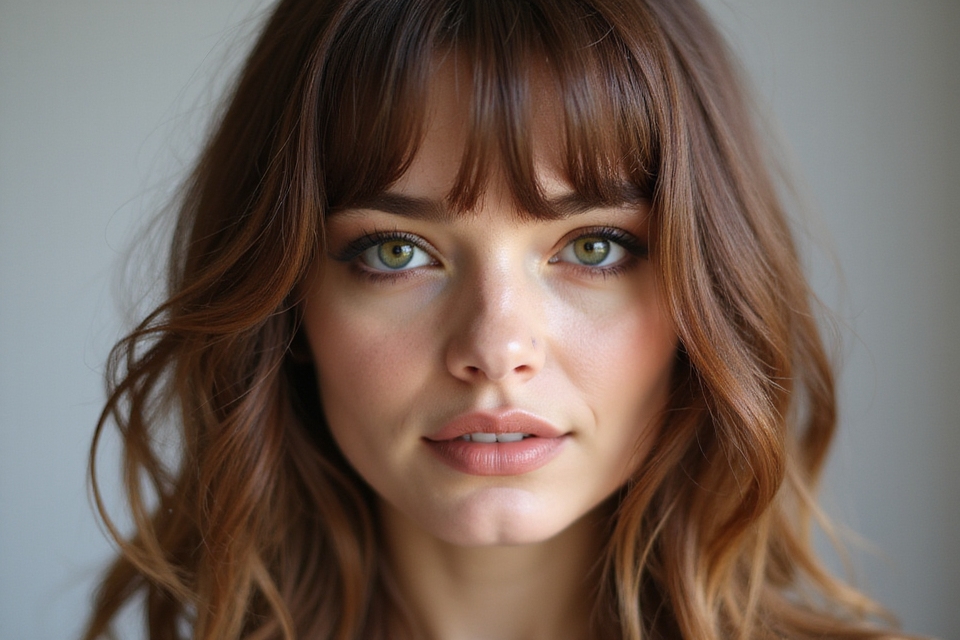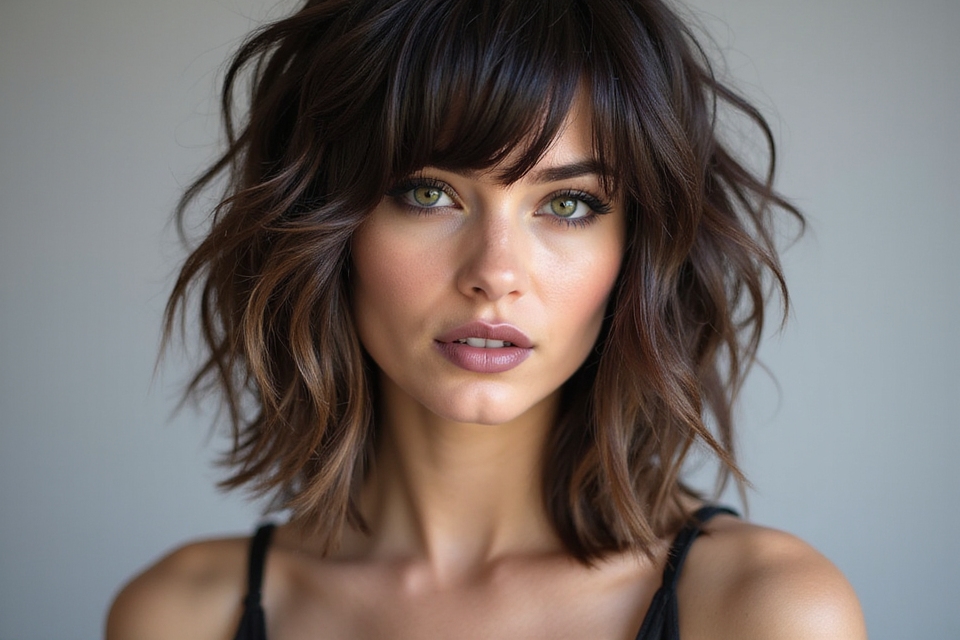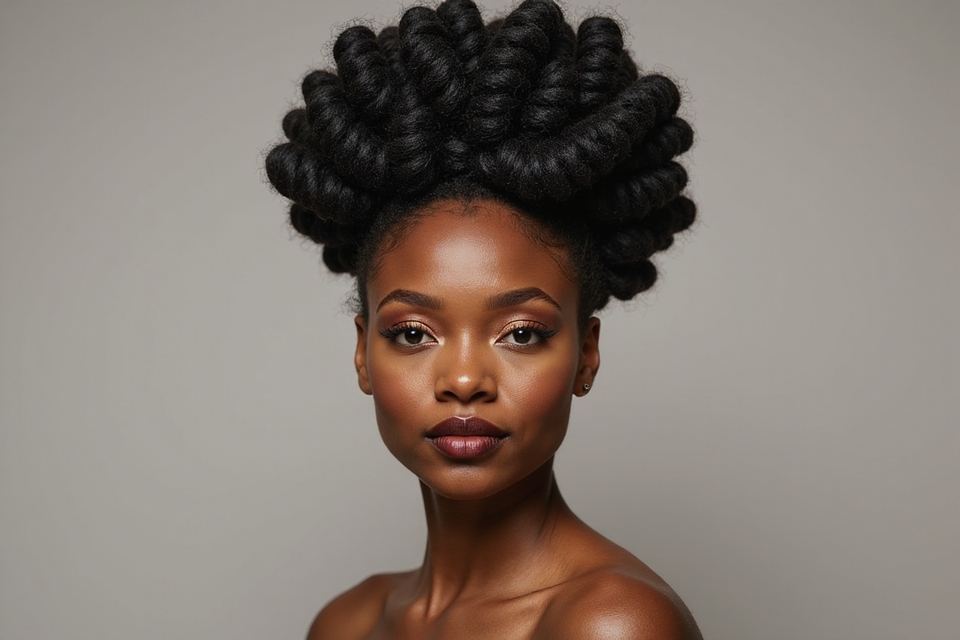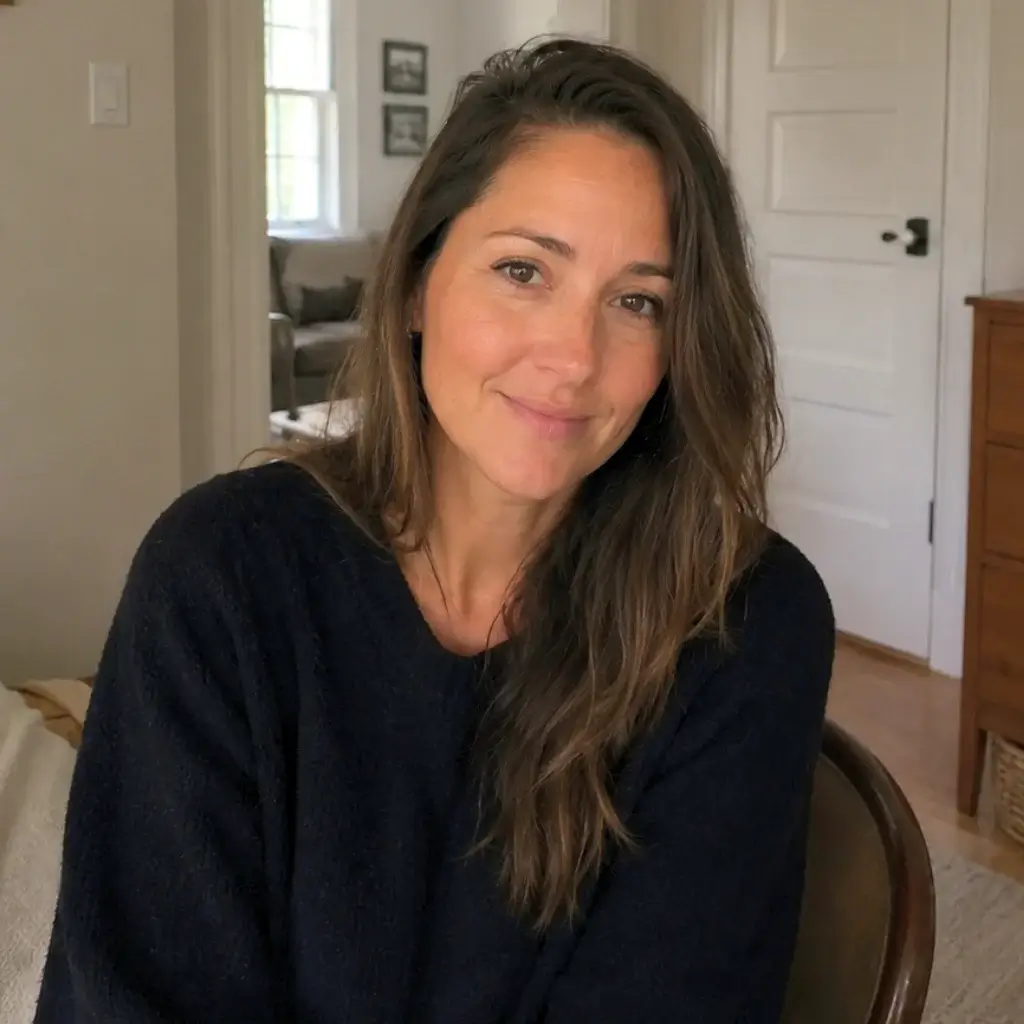
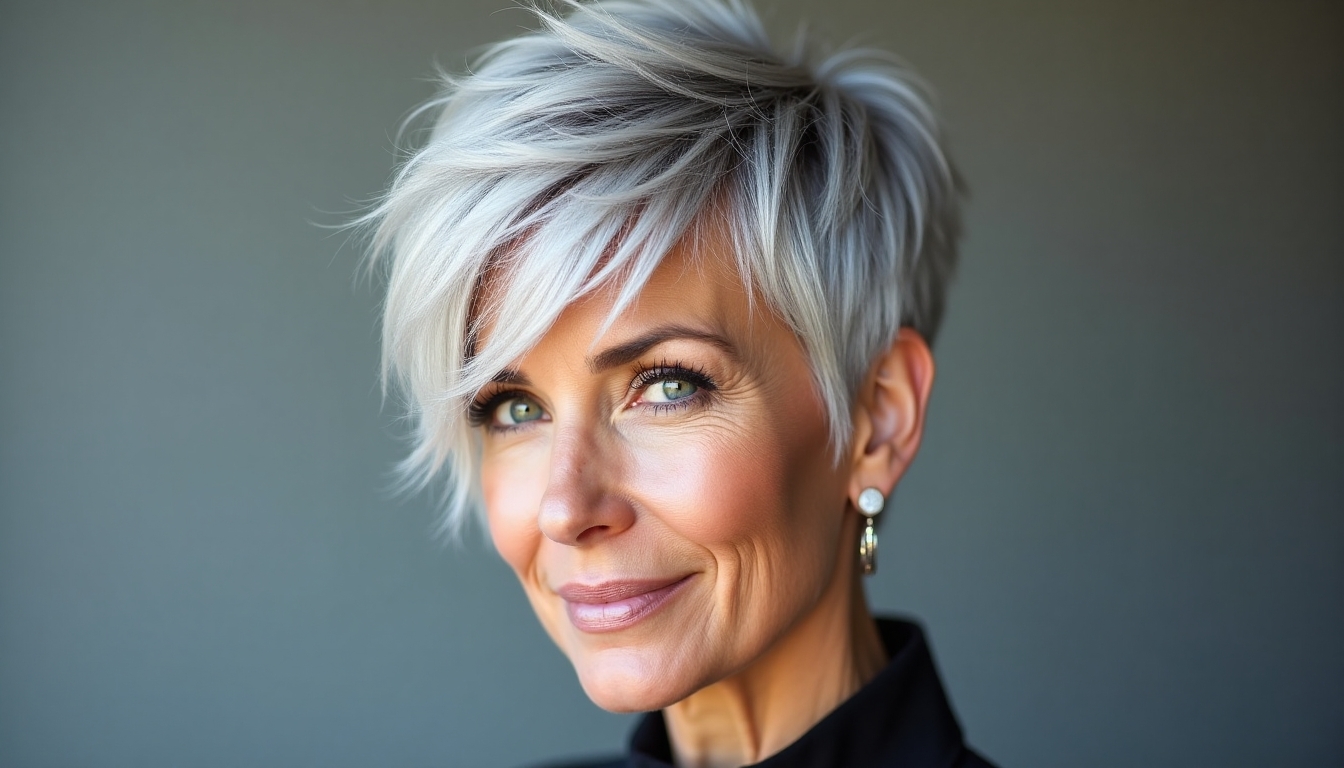
Who says 50 means playing it safe with your hair? Not the women walking out of my chair with a sharp, textured pixie and a grin. The pixie is the cut for anyone over 50 who still wants a little edge, and it happens to flatter, lift, and free up your mornings while it is at it.
These are not safe, set little crops. Short pixie haircuts for women over 50 can be edgy, colorful, and full of movement, the cut that proves bold gets better with age. Here are seventeen looks and the styling, color, and care notes that make each one work.
Pixie Quick Notes
- A pixie lifts the face and styles in minutes, ideal for fine or thinning hair over 50.
- Texture and a little length on top keep a pixie modern and edgy, not severe.
- It is the highest-upkeep short cut: plan a trim every four to five weeks, roughly $40 to $70.
- The right pixie suits every texture, from straight to coily, when cut to your hair and face.
Why the Pixie Flatters After 50

The pixie earns its place after 50 for practical reasons. It is not just about style. Like other flattering short haircuts over 60, it lifts the face and puts all the volume up top where hair tends to thin, and frees you from fighting flat, tired lengths every morning.
It carries real confidence, which is half the appeal. Here is why it works so well:
- All the volume sits high, where thinning hair shows most.
- It frames a softening jawline and draws the eye up to your features.
- It styles in a minute or two, no hot tools required.
Classic Pixie With Modern Twists

The classic pixie got a modern update. It comes with a longer top, softer edges, and a little movement now. Gone is the stiff, helmet-like crop of decades past; today the version moves and flatters.
What Makes It Modern
The longer top is everything. It gives you something to style, sweep, and texturize, so the cut keeps its modern, soft edge.
I steer most over-50 clients to this version first, since it is bold without being a shock. A dab of paste on the top pieces is the whole routine for this pixie cut.
| Your goal | Pixie to ask for | Upkeep |
|---|---|---|
| Most volume | Layered or textured pixie | Trim every 4 to 5 weeks |
| Real edge | Asymmetrical or bold-color pixie | Trim every 4 weeks, color refresh |
| Lowest effort | Soft wash-and-go crop | Trim every 5 weeks |
Textured Pixie That Frames Features
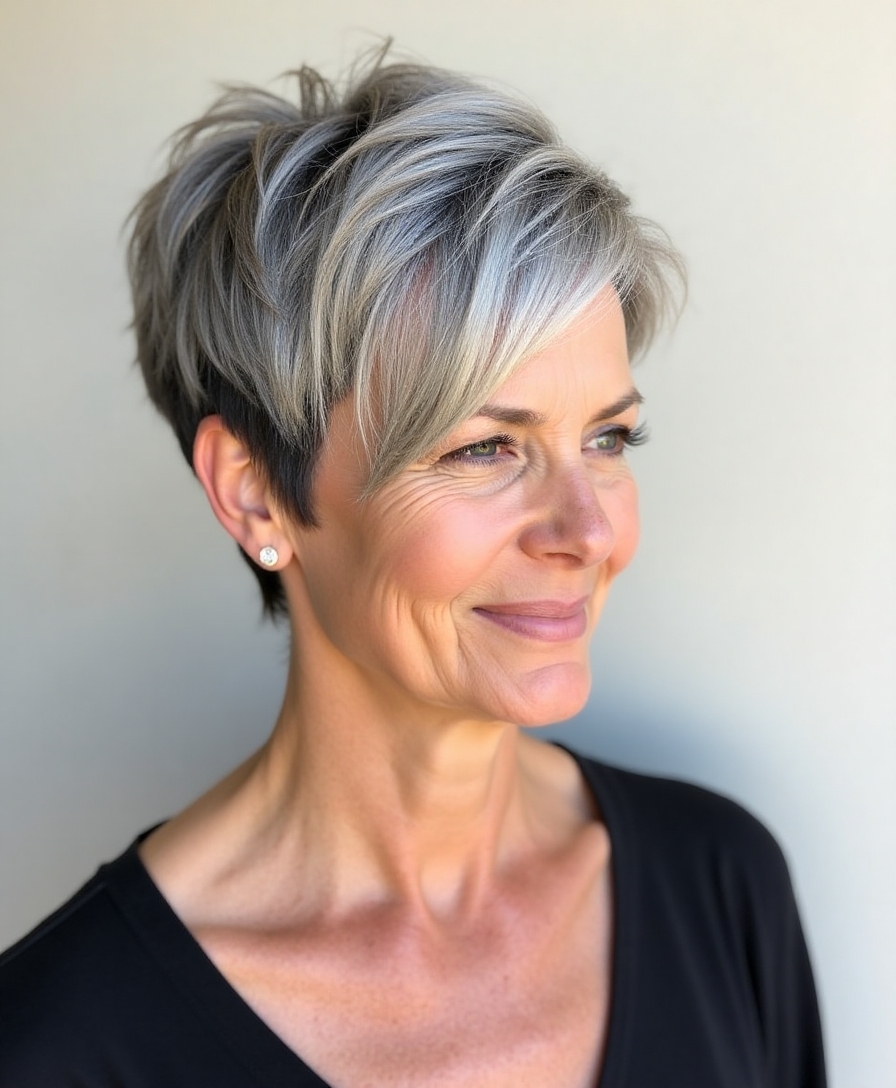
A choppy pixie cuts the top into varying lengths so the pieces stand up and separate, framing the face with soft movement. It is the most flattering pixie for fine hair, since the broken-up pieces give thinning hair body a smooth crop never delivers.
The piecey finish is what keeps it youthful and edgy. A few pointers:
- Ask for point-cut, choppy layers on top for separation.
- Work a matte texture paste through with your fingers.
- Push the texture up and forward, lifting it off the head.
Low-Maintenance Pixie for Busy Women
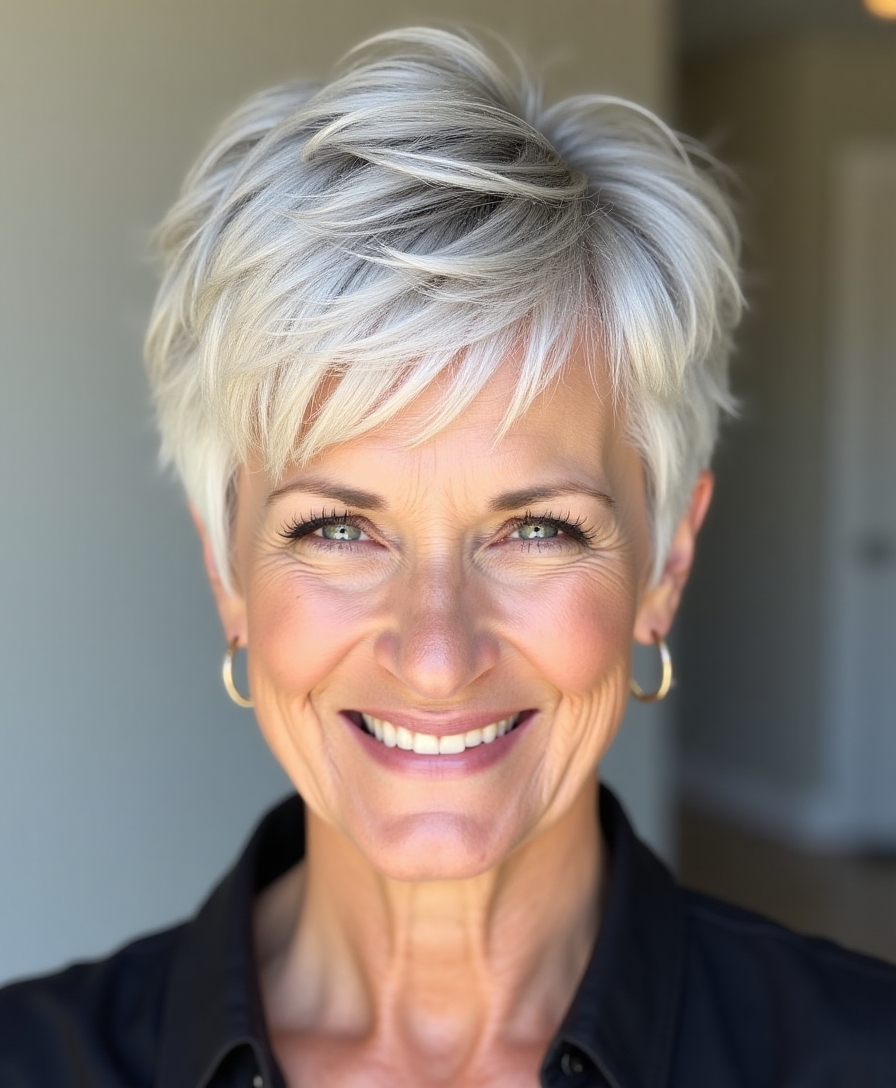
When you want to spend less time on your hair, a well-shaped pixie delivers. Cut to your natural growth pattern, it dries into place on its own, so a busy day cannot derail it.
The cut does the work. That is the whole point. A few things to ask for:
- A shape cut to your cowlicks so it falls right air-dried.
- Enough built-in movement that it looks good with just fingers and paste.
- A length that needs no hot tools on a normal morning.
“The biggest thing I tell women nervous about a pixie at 50 is to leave plenty of weight on top. After 50, fine hair needs that length up high to build the height that lifts a softening face, and it keeps the cut soft where a cropped-all-over pixie can look hard.”
Edgy Asymmetrical Pixie
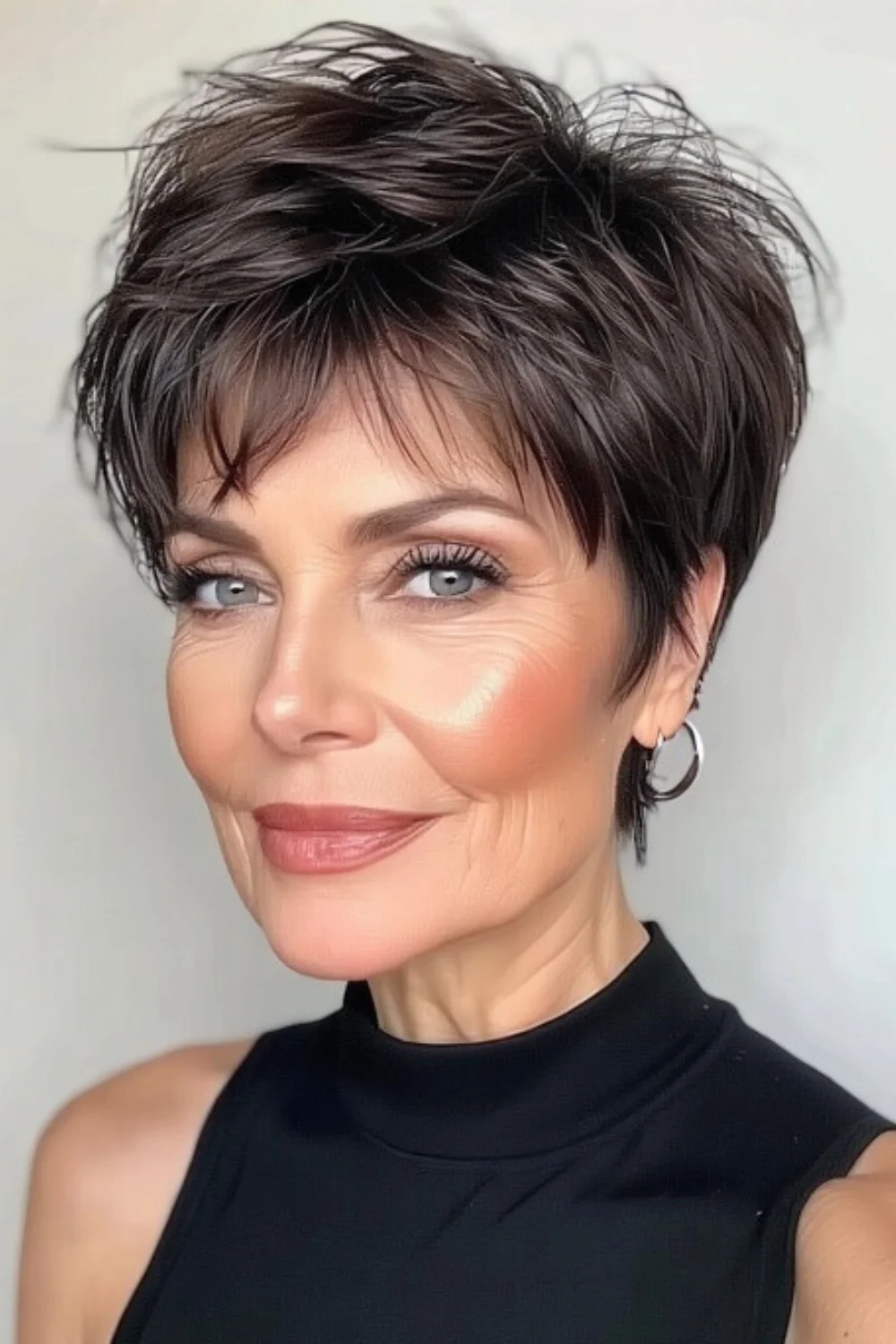
For the woman who wants real edge, an asymmetrical pixie is cut longer on one side, drawing a deliberate, off-balance line. It is easily the boldest cut here, and it proves better than any other that 50 is no age to quietly fade into the background of a room.
Wearing the Asymmetry
The uneven length draws the eye and slims the face, especially with a longer, sweeping piece at the front.
Keep the long side smooth and the short side tucked or tapered. A little wax on the long piece holds the asymmetry so it looks intentional, not grown-out.
Color and Highlights for Pixies

A pixie is a tiny canvas. That makes bold color surprisingly easy and cheap to keep up. From soft highlights to a full silver or a daring copper, the short length shows off color at a single glance. To play with it:
- Soft face-framing highlights brighten the complexion and add dimension.
- Embrace gray with a gloss, or go bold with copper or a fashion shade.
- Less hair means cheaper, faster color refreshes than long lengths.
👍Why Go Pixie
- +Lifts the face and fakes fullness on fine hair
- +Styles in a minute with almost no product
- +Bold, confident, and truly freeing
👎Worth Knowing
- –The highest-upkeep short cut, trims every 4 to 5 weeks
- –An awkward grow-out phase if you change your mind
- –Nowhere to hide on a bad-hair morning
The Layered Pixie for Volume
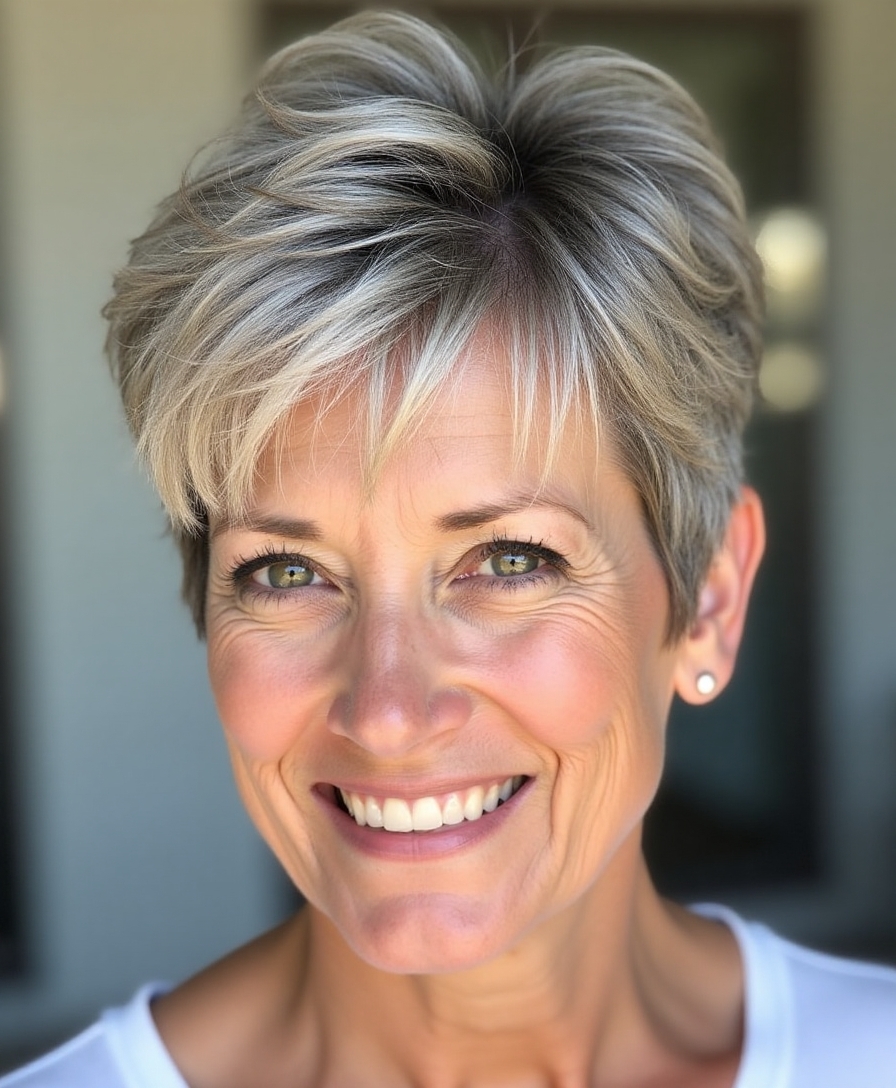
A layered pixie stacks short layers on top to build real height, the best answer to fine, flat hair, much like the volume tricks behind short styles for fine hair over 50. The layers lift the crown and give the cut body that a one-length crop cannot. To build the volume:
- Ask for layers concentrated on top for lift at the crown.
- Dry the top up and back with a little root spray.
- A light volumizing mousse adds lift where a heavy product would only flatten fine hair.
Pixie Styles by Face Shape
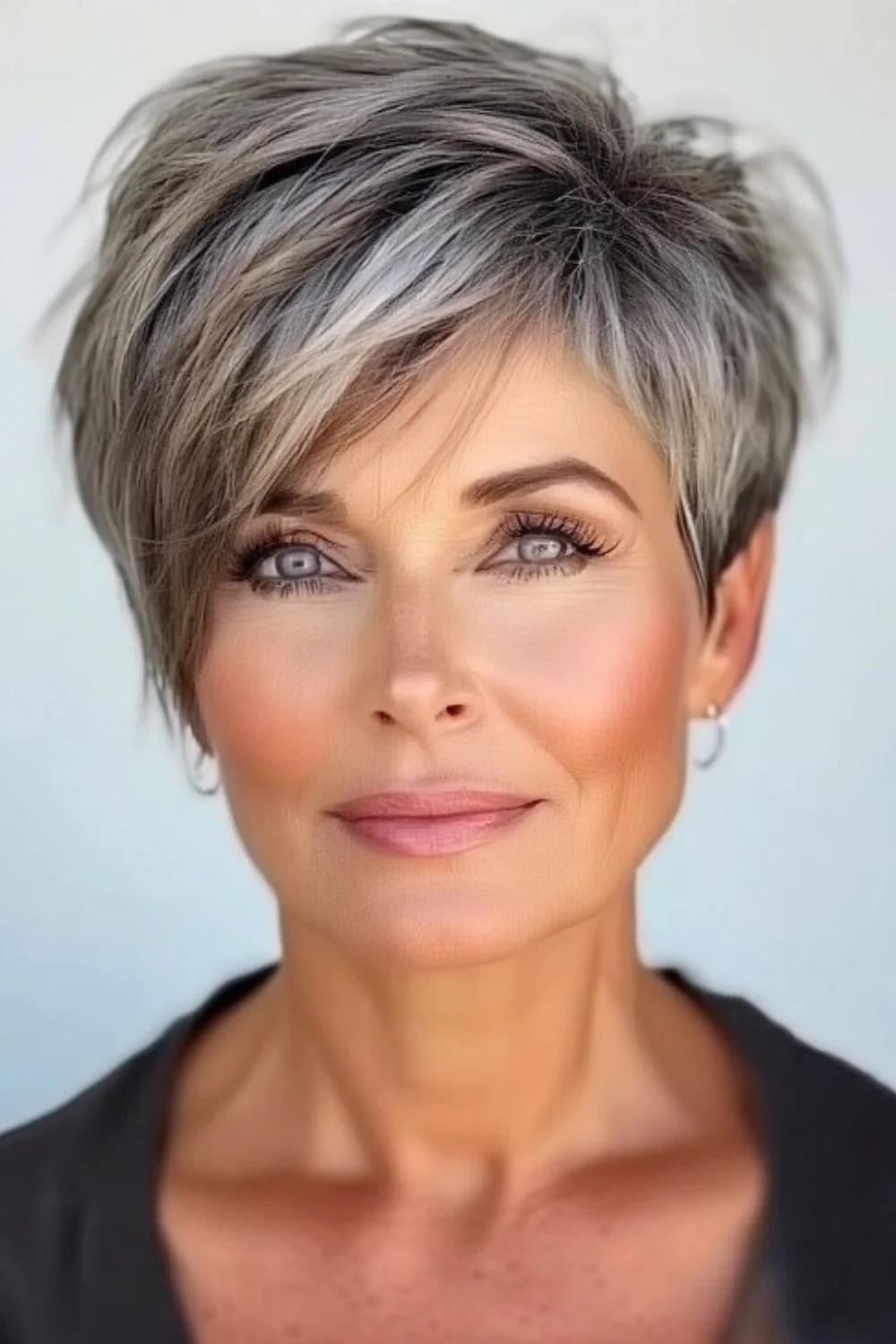
The most flattering pixie is the one cut for your face shape, and a good stylist adjusts the length and texture to suit. Round faces do best with height on top and tapered sides to add length, the same logic behind most short cuts for a round face.
Tailoring the Cut
Long faces want a fuller, softer fringe, even soft curtain bangs, to shorten the face, while square jaws soften under wispy, textured pieces around the edges.
Heart-shaped faces love a longer, side-swept top that balances a narrower chin. Bring a photo and ask your stylist to tailor it, since I find the same pixie sits completely differently on every face.
Volume Tip
For a layered pixie on fine hair, dry the top section first while it is wettest, lifting it up and back with a round brush or just your fingers. Building height into the crown while it dries locks in volume that no product can add later.
Styling Tips for Short Pixies
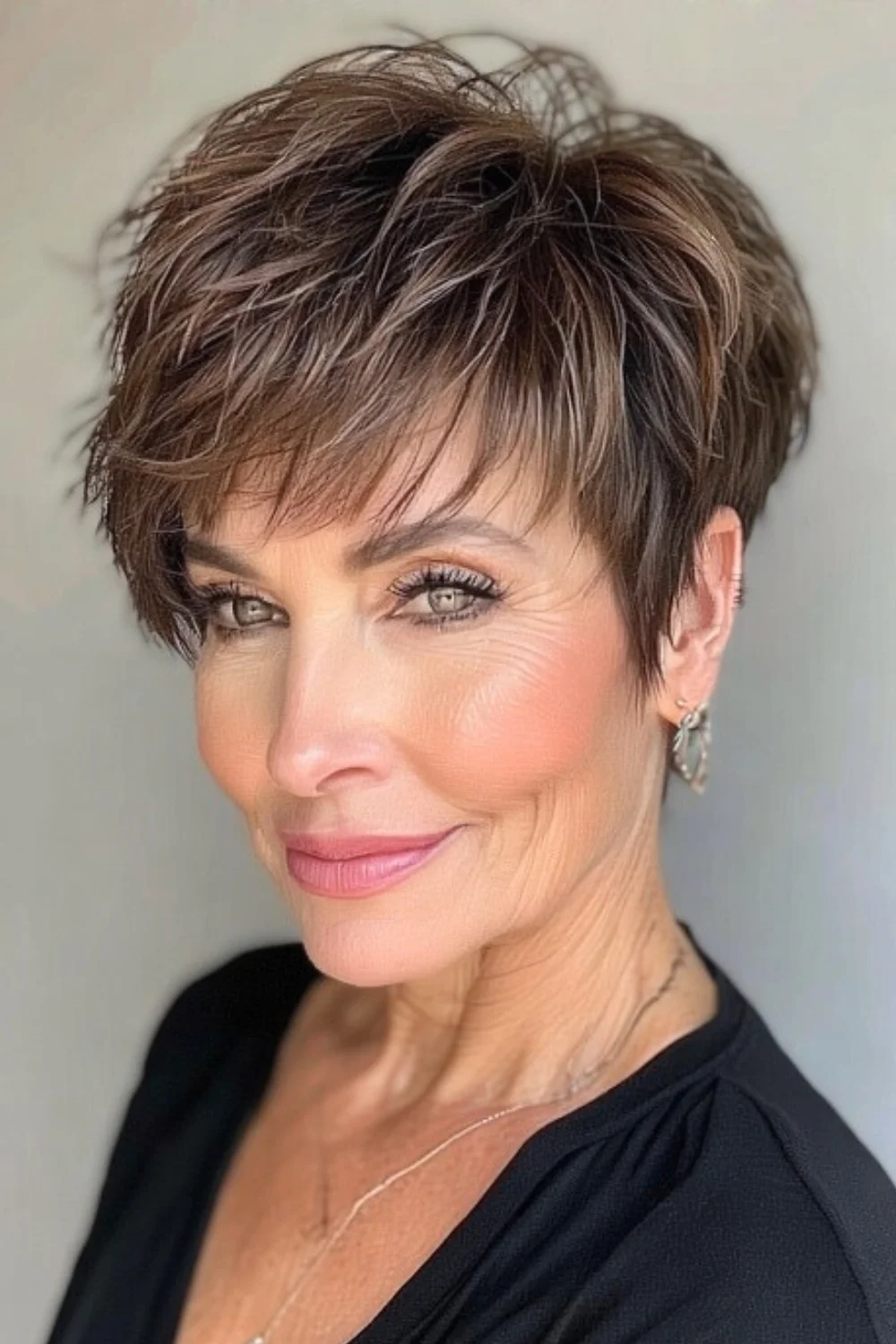
Styling a pixie takes a minute once you know the moves. The goal is texture and lift, not a stiff, set finish. Here is the quick version:
- Rub a little paste into dry palms, then press it through the top in light passes.
- Lift and separate the top pieces with your fingertips.
- Hit the roots with dry shampoo for grip and a little height between washes.
Celebrity-Inspired Pixies

Plenty of women over 50 in the public eye wear the pixie with serious confidence, and their looks make great reference photos for your stylist. They show how the cut works across faces, textures, and colors.
A few directions worth saving:
- A silver, textured pixie worn with pride and zero apology.
- A longer-top pixie swept into a soft side quiff.
- A sharp, cropped pixie with bold, modern color.
Pixies for Different Hair Textures

A pixie suits every hair texture, as long as it is cut to work with what you have. Straight hair takes a sleek, precise pixie; wavy hair gets soft, piecey movement with very little effort.
Cut to Your Texture
Curly and coily hair makes a striking pixie, shaped to celebrate the curl pattern. The key is a stylist who cuts your texture dry so the curl lands where you want it.
Tighter textures often hold a tapered or rounded crop beautifully, with the curl building its own volume on top. Whatever your texture, the cut should honor it instead of fighting it with daily heat.
Transitioning From Long Hair to a Pixie
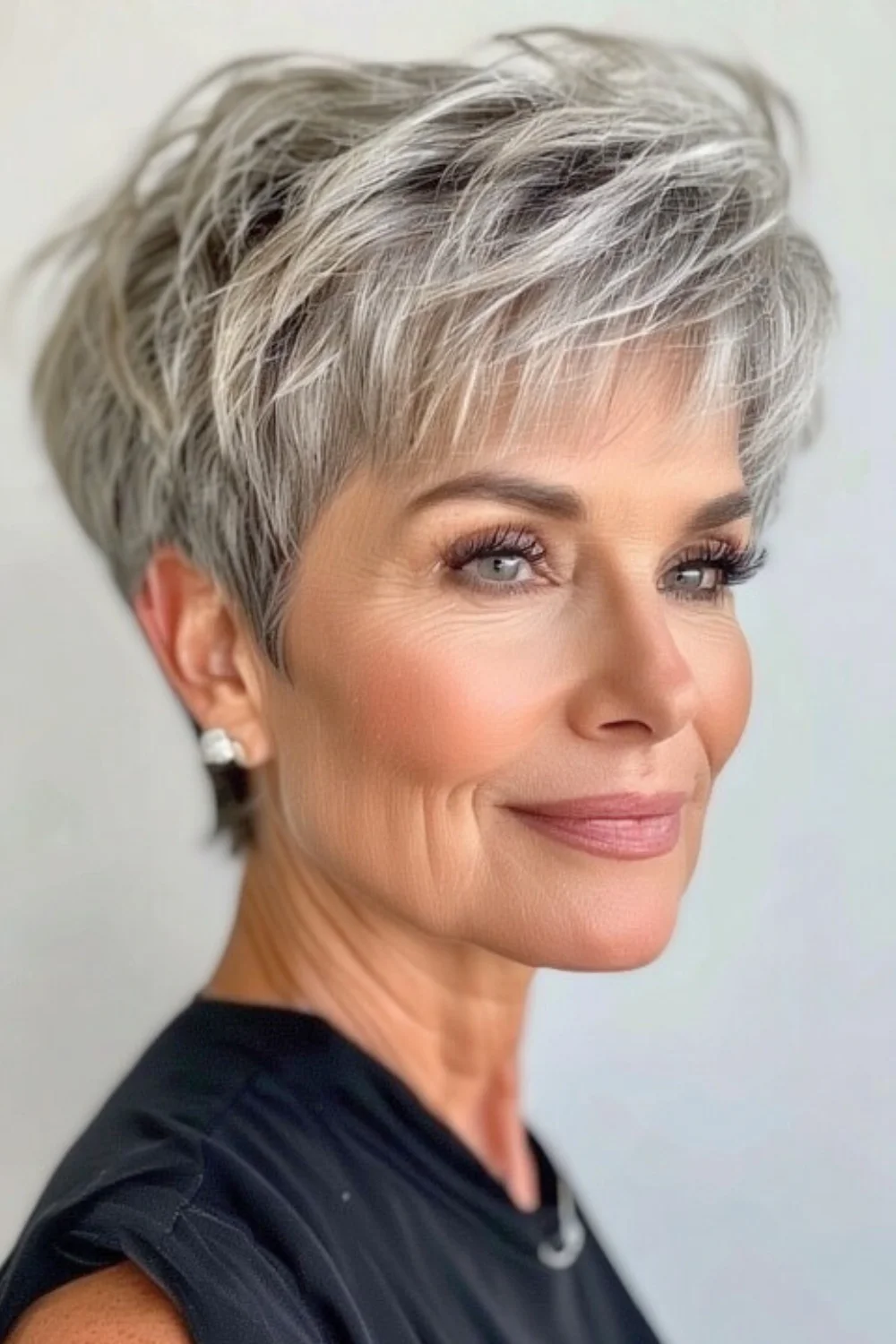
Cutting from long hair to a pixie is a big leap, and a little planning makes it exciting instead of scary. The shock is mostly in the first look in the mirror; most women fall for it within a week. To ease the change:
- Go in stages if you are nervous: cut to a bob first, then a pixie.
- Bring photos and talk through how short you are really ready to go.
- Stock a texture paste before the cut so day one goes smoothly.
Products and Tools for Pixie Upkeep
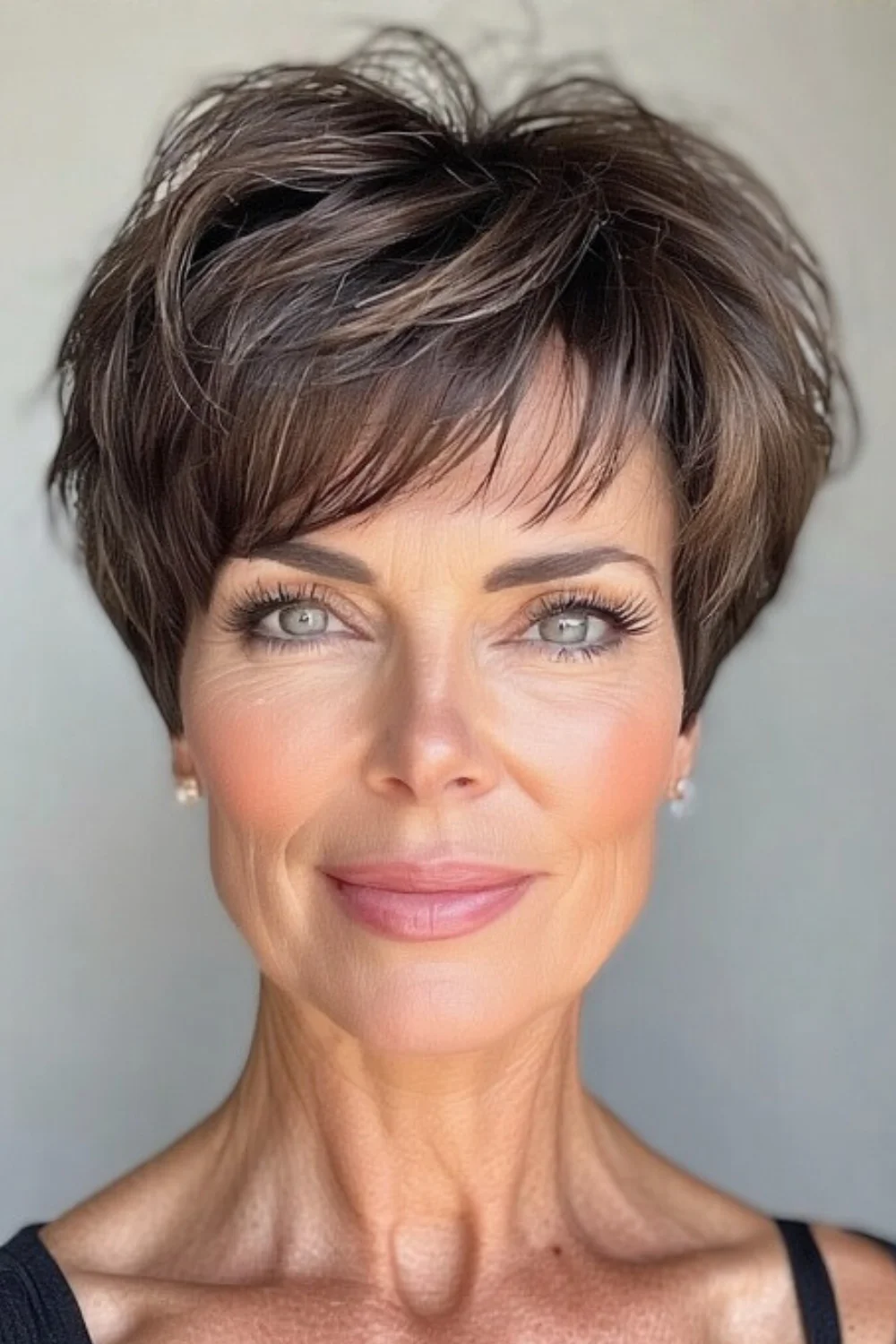
A pixie needs almost no products, which is part of the joy. A small, smart kit covers everything. These earn their spot:
- A matte paste or wax for texture and separation.
- A root-lifting spray for height on fine hair.
- A dry shampoo to refresh and lift between washes.
Seasonal Updates for Your Pixie

A pixie shifts easily as the seasons turn, which keeps it feeling fresh all year. Small tweaks to length, texture, and product do the work. Through the year:
- Summer: a lighter, choppier crop and a sea-salt spray for that beachy grit.
- Winter: a smoother, sleeker finish and a little oil for shine and static.
- Spring and fall: a good time to try new color or a softer fringe.
Growing Out a Pixie Gracefully
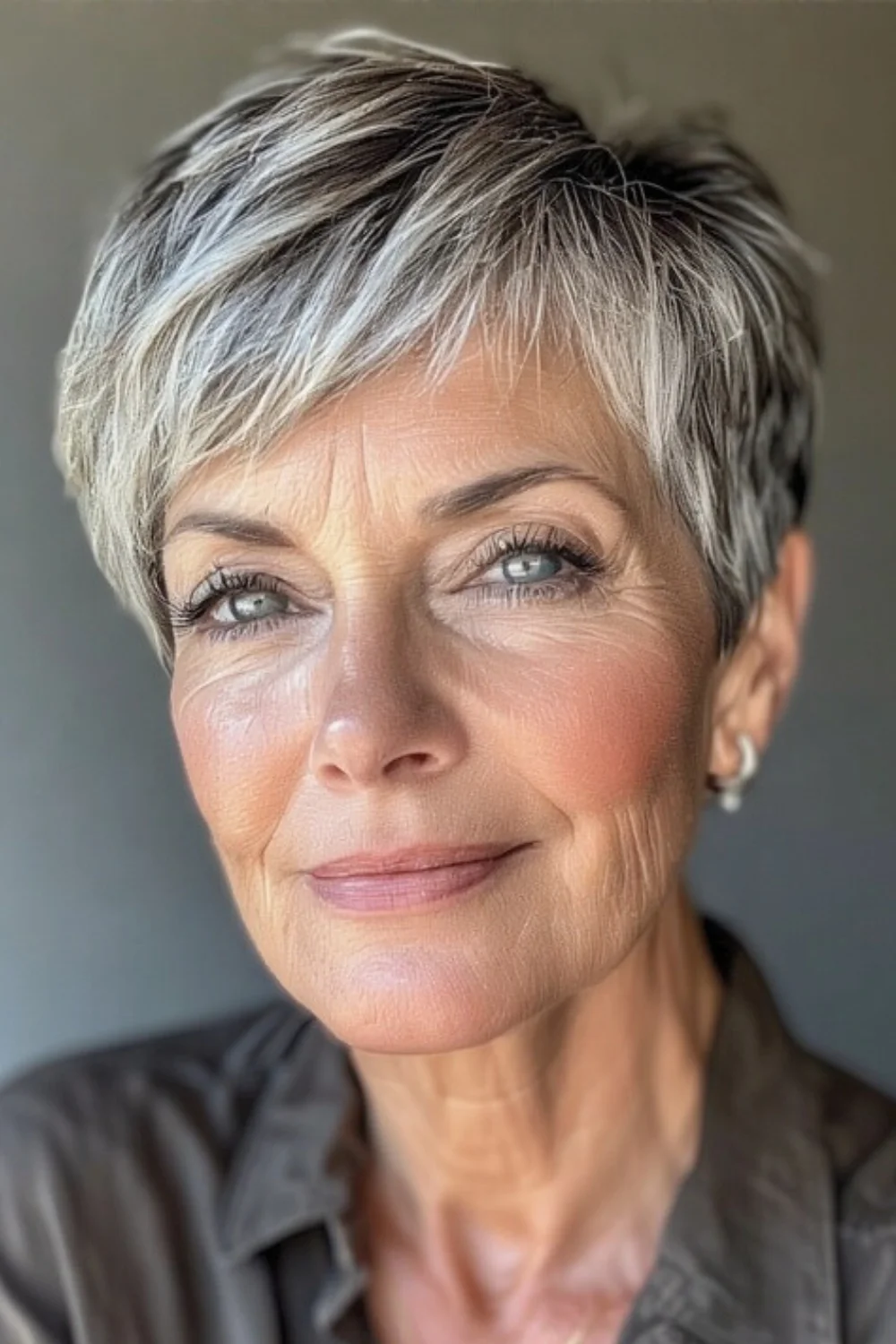
Growing out a pixie has a reputation for being awkward, but a good plan keeps every stage wearable. The trick is regular shaping trims, even as you grow, so each trim shapes the grow-out so it always reads like a deliberate length, never a neglected one.
Lean on accessories and texture during the in-between weeks. I tell clients accessories are their best friend in this phase; a clip, a headband, or a fabric band turns an awkward length into a deliberate look. Talk to your stylist about a grow-out plan from the start; they can shape each trim to move you smoothly toward your next length.
Common Pixie Mistakes to Avoid
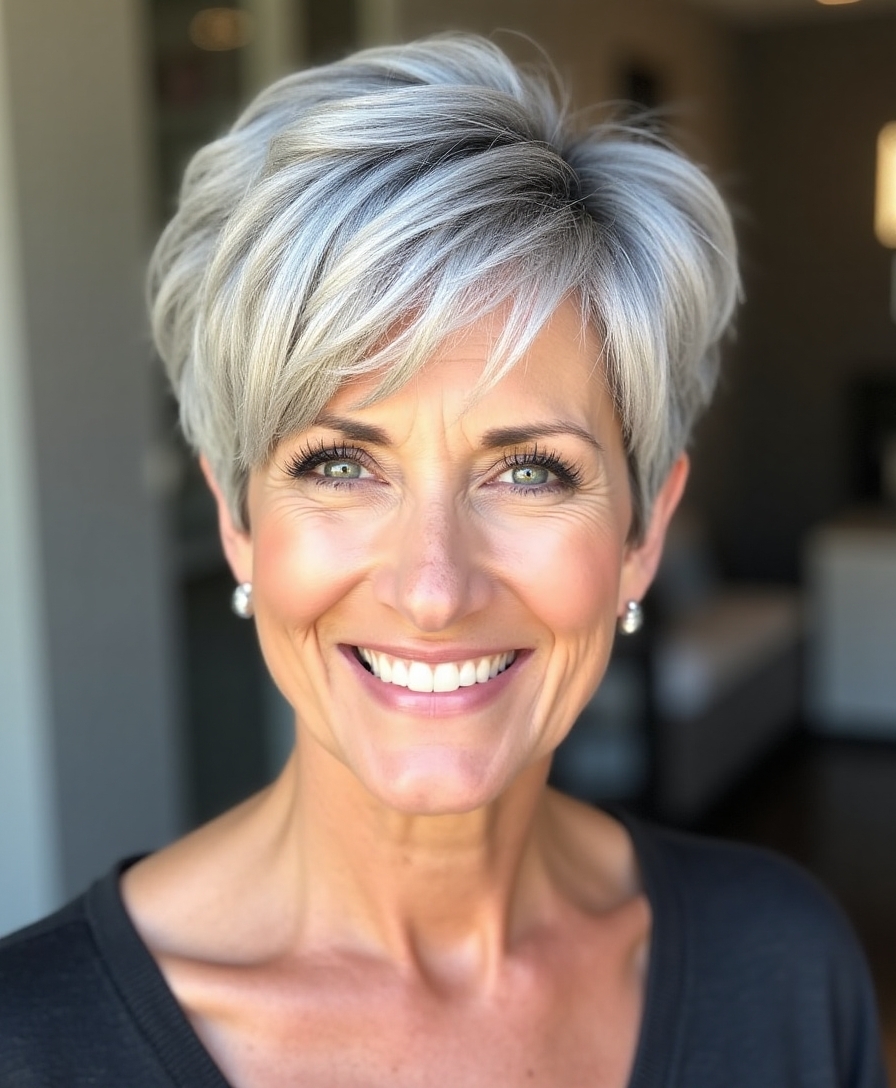
A few common missteps can turn a great pixie into a regret. Most are easy to dodge once someone points them out to you. The big ones to watch for:
- Going too short too fast; ease in with a longer top first.
- Skipping trims, since a pixie loses its shape within five weeks.
- Choosing a stiff, all-one-length crop that flattens and ages the look.
Finding the Right Stylist
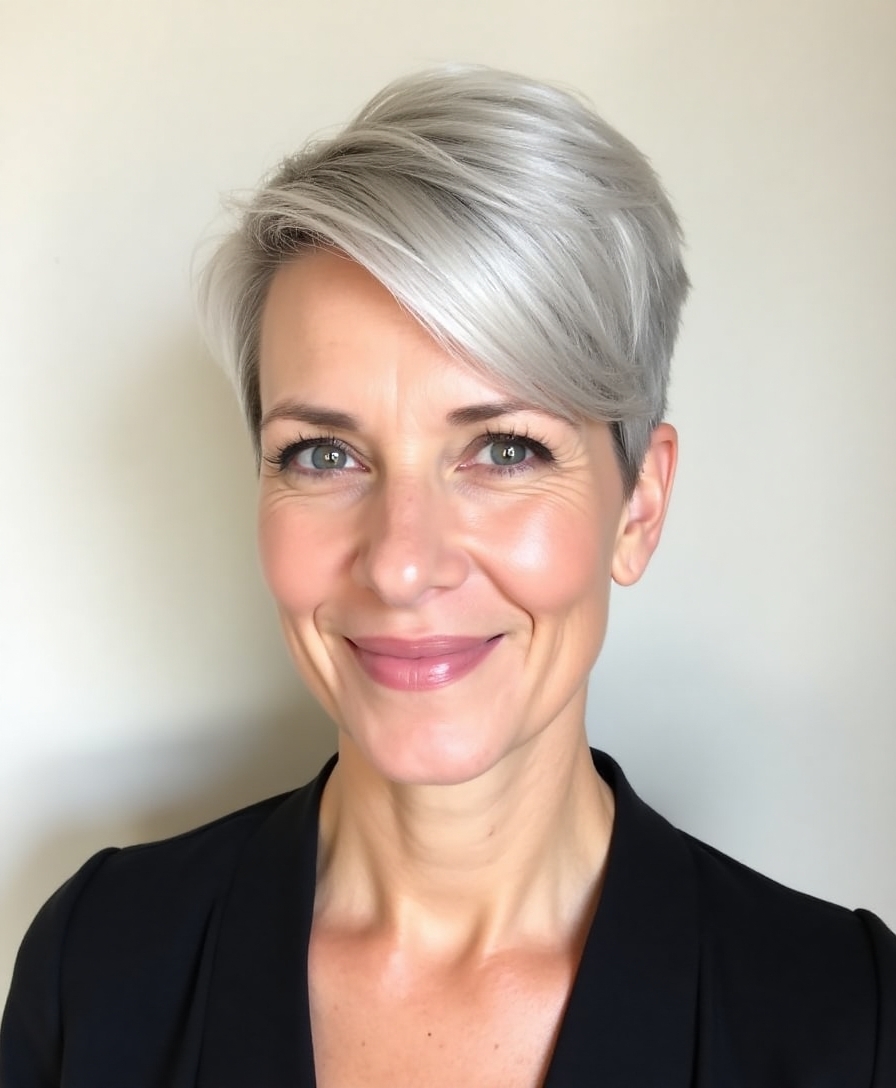
A pixie lives and dies by the stylist, more than any longer cut, because there is nowhere to hide an uneven line. Precision is everything on this little a cut.
Choose carefully with these checks:
- Find someone who specializes in short cuts, not just long-hair styling.
- Check that their portfolio shows real pixies, ideally on your texture.
- Pick a stylist who asks about your routine and your face shape.
What to Expect
Going pixie is a commitment to the chair, so know what you are signing up for. A pixie is the highest-maintenance short cut there is, drifting out of shape within four to five weeks, so plan on a trim that often, roughly $40 to $70 a visit. In exchange, your daily styling drops to almost nothing, which is the trade most women happily make.
Walk into your first appointment with photos and an honest account of how much time you want to spend and what your hair does on its own. Ask how the cut will grow out and how often it needs shaping. None of this is medical advice, so if you notice sudden thinning or a sore, irritated scalp, check in with your doctor before chalking it up to age. The right pixie, cut by the right hands, is the most freeing thing you can do for your hair after 50.
Pixies Over 50, Answered
?Does a pixie make you look older or younger?
Younger, when it has texture and a little length on top. A soft, piecey pixie lifts the face and draws the eye up, which takes years off. The version that ages people is a flat, stiff, all-one-length crop, so ask for movement.
?Is a pixie good for thinning hair over 50?
It is one of the best cuts for it. A pixie pushes all the body up to the crown, exactly where age-related thinning shows first, and the choppy pieces read as fullness a longer style cannot fake. Skip a smooth, flat crop, which highlights sparseness, and ask for layered, textured pieces instead.
?How often does a pixie need trimming?
Every four to five weeks, the most of any short cut. A pixie drifts out of shape quickly because the proportions are so precise. That frequent trim, usually $40 to $70, is the real commitment, so weigh it before you go this short.
?Can I get a pixie with curly or coily hair?
Absolutely, and it can look incredible. Have a curly or coily pixie cut dry by a stylist who knows your pattern, so the spring lands where you want it. The curl builds its own height on top, which is a real gift for anyone whose hair has thinned with age.
Bold Looks Good on You
The thread through all seventeen is the same: a pixie after 50 is not about shrinking down to something safe. It is about lifting your face, freeing your mornings, and wearing a cut with real confidence and a little edge.
So pick the version that made you sit up, whether that is the asymmetrical crop or the soft layered one, and take it to a stylist who knows short hair. Bold looks its absolute best on a woman who knows exactly who she is.
More Looks Worth Saving