
A client came in last week and set her phone on my station, already open to a photo. “I want to stop fighting my hair every morning,” she said. She is far from alone. After 60, the brief I hear most is the same: less time, less effort, and a cut that still looks sharp.
Short hair delivers all three. Short haircuts for women over 60 put the style up where hair tends to thin, cut your routine to minutes, and let gray and silver take center stage. Here are the cuts worth bringing to your stylist, plus how to keep them looking fresh.
Quick Answers
Does short hair really suit women over 60? Yes. Short cuts add fullness where hair thins, frame a softening face, and cut styling to a few minutes a day.
How often will I need a trim? Most short cuts want a shape-up every four to six weeks; pixies and crops closer to four, bobs closer to six.
What about my gray? Embrace it. A gloss every couple of months, roughly $40 to $70, keeps silver bright, shiny, and full of life.
Why Short Haircuts Suit Women Over 60

Hair changes after 60. It often grows finer, drier, and a little sparser over the years, and carrying it long only drags whatever volume is left flat against the head. A short cut flips that. Here is why it works so well:
- Short shapes hold volume up high, where thinning shows most.
- Less length means the hair stops dragging itself flat.
- A good cut styles in minutes, not the half-hour long hair demands.
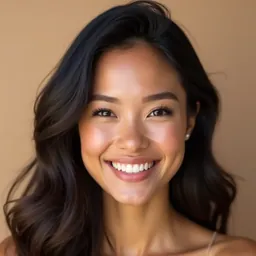
Classic Pixie With Soft Layers

The pixie is the queen of low-maintenance cuts, and soft layers keep the shape gentle and easy. Those layers add movement and let the hair sit naturally, so it flatters rather than feeling harsh.
It suits fine hair beautifully, since there is no length to weigh it down. A dab of texture paste on the top pieces is the entire styling routine.
The honest catch is upkeep. A pixie grows out fast, so plan a trim every four to five weeks, which runs roughly $40 to $70 at most salons. For a softer version, browse these short cuts for round faces.
Heads-Up
A pixie is the lowest-styling cut, but it is the highest-maintenance to keep in shape. It grows out fast, so be honest with yourself about getting to the salon every four to five weeks before you commit to going this short.
Textured Bob With Side-Swept Bangs

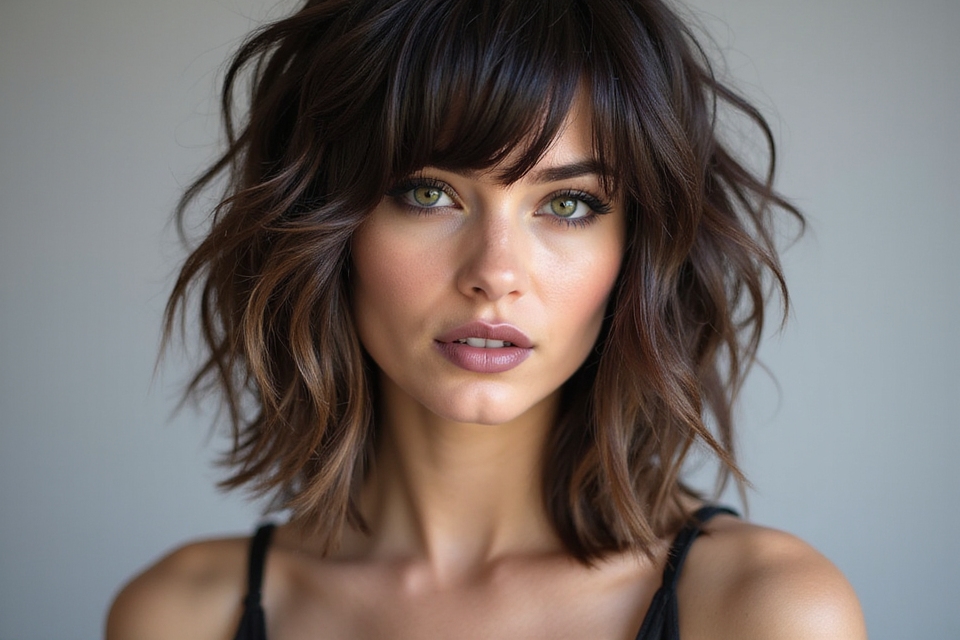
A textured bob with a side-swept fringe is the safe, flattering middle ground for anyone not ready for a pixie. The texture adds body, and the fringe softens the forehead while drawing the eye up.
Why the Fringe Helps
It lands at the jaw or just below, which frames a softening jawline beautifully. The side sweep keeps it light and modern.
Use a round brush with a little volumizing mousse worked into the roots. A bob with bangs over 60 goes deeper if this is your direction.
Modern Wedge Cut for Fine Hair

The wedge is back, and the modern version is far softer and more wearable than the stiff, sprayed helmet so many people remember from decades past. Stacked layers at the back build real height and round out the shape, which is a gift for fine, flat hair.
All that built-in volume means the cut does the work for you. A quick blast with a round brush at the crown, and the stacked shape lifts on its own.
It is one of the best cuts going for thin hair that needs body. I tell clients to keep the back stacked and the front softer so it frames the face and softens a square jaw.
Volume Tip
For fine hair, dry it upside down first. Flipping your head over and blasting the roots with a dryer builds more lift in two minutes than any product, and a wedge or stacked shape locks that volume into the cut itself.
Low-Maintenance Feathered Crop

A feathered crop is the wash-and-go dream: short all over, with soft, feathered pieces through the crown for lift and movement. It is the cut I recommend to anyone chasing a true wash-and-go. To wear it well:
- Ask for feathered, point-cut layers at the crown for natural lift.
- Air-dry and tousle with a little paste; no tools required.
- A shape-up every month or so keeps the feathered layers crisp.
Stylish Short Cuts for Gray Hair

Gray and silver hair looks striking on a short cut, but it needs the right care to look polished and bright. The cut and the shine work together. Here is how to make it sing:
- Keep the shape sharp; crisp lines make silver look intentional.
- Use a purple shampoo once a week to keep gray bright and clear.
- A clear gloss every couple of months adds the shine gray hair can lose.
Good to Know
Gray hair is coarser and more porous than pigmented hair, which is why it can look dull or wiry. A weekly purple shampoo and an occasional gloss counteract both, keeping silver bright, smooth, and shiny instead of yellow and flat.
Face-Framing Short Layers

Face-framing layers are the simplest way to make any short cut more flattering. Soft pieces cut to fall along the cheeks soften the face and draw the eye to your features.
They work on a bob, a crop, or a longer pixie, and they add the gentle movement that mature hair sometimes loses. The shortest framing piece should sit around the cheekbone.
Ask your stylist to sweep these pieces slightly off the face. That little outward bend makes them read as a deliberate frame, the way good face-framing should.
Easy-Care Stacked Bob

A stacked bob builds short layers low at the back, lengthening toward the front. That stacking builds crown height while the front length frames the face, a flattering combination after 60. To get it right:
- Ask for stacking at the back to lift a flat crown.
- Keep the front angled longer to graze and soften the jaw.
- Round-brush the back upward when drying to set the height.
Not sure which short cut fits? Pick by your priority:
🎯Lowest effort
A feathered crop or textured pixie air-dries into shape with almost no styling.
🎯Most volume
A wedge or stacked bob builds height right into the cut for fine, flat hair.
🎯Easiest to grow out
A textured bob with a fringe softens and blends as it grows between visits.
Short Styles for Thinning Hair

Thinning hair is common after 60, and the right short cut is one of the kindest things you can do for it. A blunt-ish perimeter makes hair look denser, and layers up top add the height that fakes fullness.
Styling for Fullness
The styling goal is lift without weight. Volumizing products belong at the roots only. Heavy conditioners and oils drag fine hair down.
Lift sections at the crown while you dry, and choose soft layers over one heavy line. None of this is medical advice, so if you notice sudden or patchy shedding, check in with your doctor before reaching for a new shampoo.
Elegant Tapered Neckline

A tapered neckline is the small detail that makes a short cut look expensive. The hair narrows close at the nape, which elongates the neck and keeps the whole cut crisp and tidy.
It suits pixies and short bobs especially well. A few notes:
- Ask for a soft taper at the nape, not a hard buzzed line.
- It keeps the cut looking sharp longer between trims.
- A clean nape shows off earrings and a defined jaw.
Short Cuts That Minimize Morning Styling

If your goal is to be out the door in five minutes, the cut matters more than any product. A well-shaped short style dries into place on its own. Look for these features:
- A cut shaped to your natural growth pattern and cowlicks.
- Built-in texture or layers that look good air-dried.
- A length that needs only fingers and a little paste, no hot tools.
Flattering Angles for Mature Faces

As the face softens with age, angles in a haircut do quiet, flattering work. A side part, a forward-angled bob, or longer front pieces all add definition where the face has lost a little.
Where to Add the Angle
The principle is simple: vertical and diagonal lines lengthen and lift, while heavy rounded shapes can add width. A good stylist places the angles to suit your face.
Ask for a little length around the front and a side-swept finish. Those two moves frame the eyes and cheekbones and keep a short cut from looking blocky.
Short Styles That Work With Natural Wave

If your hair has natural wave or curl, a short cut can lean into it. The wave adds built-in volume and movement, which is a real advantage on mature hair.
The key is letting a stylist cut to your texture, ideally shaping curlier hair dry so the wave lands where you want it. Fighting the texture with daily heat only stresses fragile hair.
Embrace the bend. A curl cream and a quick scrunch bring out the wave, and the result is a soft, lived-with cut that needs almost no tools.
Practical Short Cuts for Active Women

If your days involve the gym, the garden, or chasing grandkids, your cut should keep up. Active women over 60 do best with a short style that survives sweat, hats, and humidity.
Look for a cut with enough texture to look intentional when tousled, and short enough to dry fast after a workout or a swim. A wash-and-go crop or a textured pixie fits the bill.
Keep a travel-size dry shampoo and a little paste on hand. A quick refresh resets the shape between activities, no full restyle needed.
Products and Tools for Short Hair

Short hair needs far fewer products than long hair, which is part of the appeal. A small, well-chosen kit covers almost everything.
These are the ones I reach for with short-hair clients:
- A root-lifting spray or volumizing mousse for height at the crown.
- A light texture paste for separation and a tousled finish.
- A purple shampoo and a shine gloss to keep gray bright and glossy.
Finding the Right Stylist

A great short cut lives and dies by the stylist, more than any other length. Precision matters, because a short cut shows every uneven line.
What to Look For
Look for someone who specializes in short cuts and, ideally, in mature or fine hair. Their portfolio should show real short styles, not just long-hair work.
Bring photos and be honest about your routine and your texture. A stylist who asks how much time you really put into your hair each day is one worth keeping.
Maintaining Your Short Style

Short hair looks its best when it is freshly shaped, so the upkeep rhythm matters more than with long hair. A little routine keeps it sharp between salon visits:
- Book a fresh shape every four to six weeks before it loses its form.
- Refresh the style daily with water and a touch of paste, no full wash needed.
- Use a weekly mask to keep drier, mature hair soft and shiny.
How to Ask Your Stylist
Walk in with more than a photo. Tell your stylist three things: how many minutes you are willing to give your hair each morning, what it does on its own as it dries, and where it tends to thin or fall flat. That handful of details lets a good stylist tailor any cut to your hair and your life, not just copy an image.
Ask the practical questions too. Find out how often the cut needs a trim, what it costs to maintain, and whether your texture will hold the shape. A salon cut runs anywhere from $40 to $90 depending on where you live, so it is worth knowing the upkeep before you commit. An honest five-minute conversation up front saves weeks of fighting a cut that does not suit you.
Short Hair Over 60, Answered
?What is the most low-maintenance cut for women over 60?
A feathered crop or a textured pixie. Both are cut to air-dry into shape, so a little paste and your fingers finish the job in under five minutes. The trade-off is more frequent trims, every four to five weeks, to keep the short shape crisp.
?Does short hair make thin hair look fuller?
Yes, when it is cut for volume. A blunt-ish perimeter reads denser, and layers or stacking at the crown add height that fakes fullness. Keep volumizing products at the roots and skip heavy oils that weigh fine hair down.
?How do I keep my gray hair from looking dull?
Use a purple shampoo once a week to fight yellow tones, and book a clear gloss every couple of months for shine. Gray hair is more porous and loses luster, so a weekly mask and that gloss keep it looking bright and healthy.
?How often should I get a short cut trimmed?
Every four to six weeks for most short styles. Pixies and crops drift out of shape faster, closer to four weeks, while a bob can stretch to six. Short hair shows grow-out quickly, so a regular shape-up is what keeps it looking deliberate.
?Will a short cut suit my face shape?
Almost certainly, with the right angles. A skilled stylist adjusts the part, the length around the face, and the fringe to flatter your shape. Bring a photo and ask them to tailor it; the cut should balance your face, not fight it.
Your Most Low-Fuss Years Yet
The cuts here share one promise: more style for less effort. Whether you go pixie-short or keep a stacked bob, the right short cut puts volume where mature hair needs it, frames a softening face, and hands you back your mornings.
Pick the two that keep drawing your eye, think honestly about the minutes you are willing to give your hair, and take both to a stylist who knows short cuts. The best years for low-fuss, high-style hair may be the ones still ahead of you.
Next Up