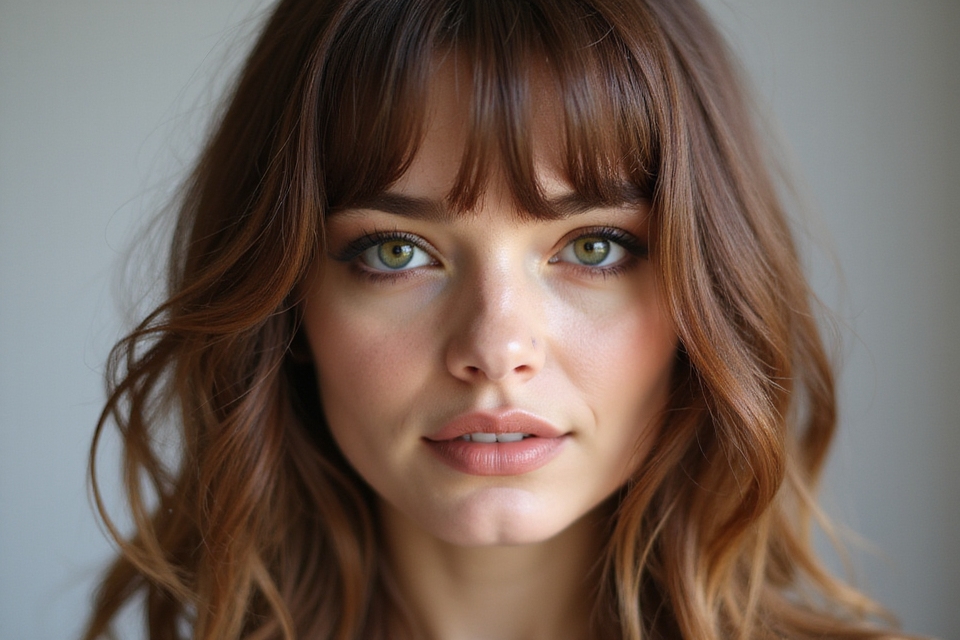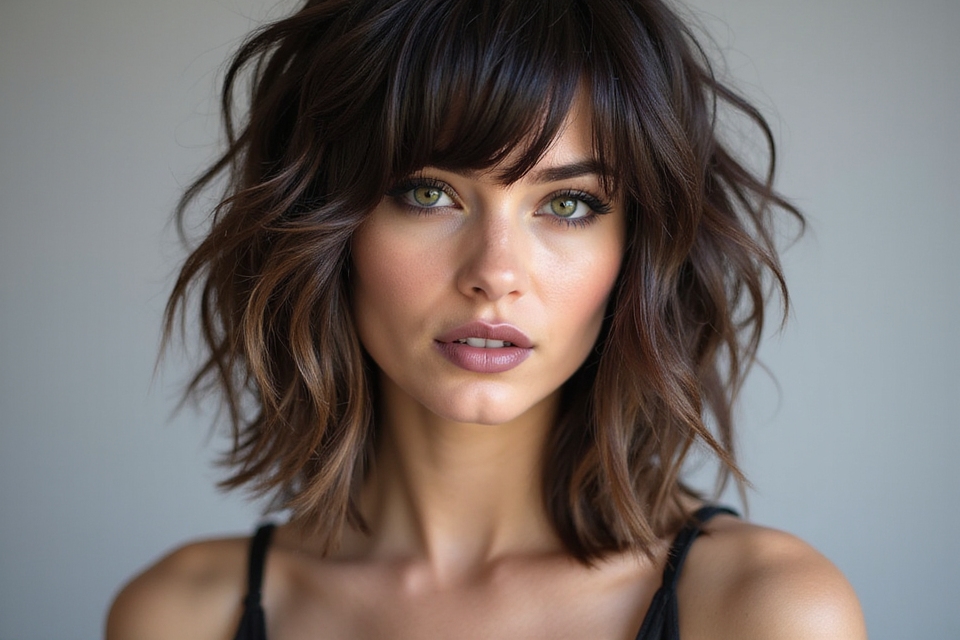

The French bob is the haircut that manages to look both undone and impossibly chic, a short, jaw-grazing cut usually paired with a soft fringe. Clients ask me for it constantly when they want that Parisian, just-rolled-out-of-bed-but-make-it-elegant feeling. The charm is in the imperfection: a French bob is meant to look lived with, not lacquered.
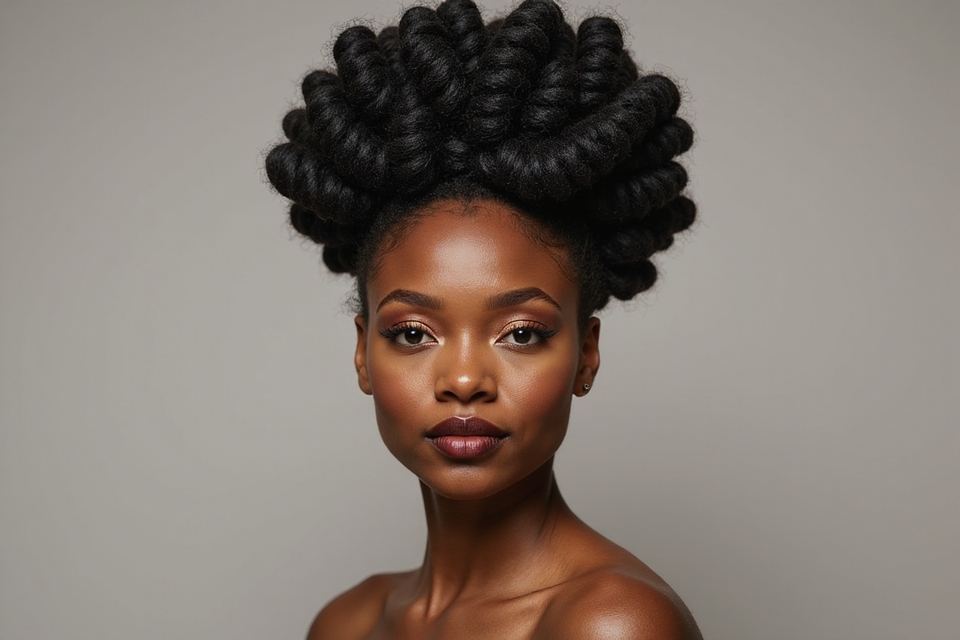
This guide covers the french bob from every angle, from blunt jaw-grazing versions to soft light-fringe curves, with who it flatters by face shape and texture, how to ask for it, and the honest upkeep. No matter your texture, from poker-straight to tightly curled, a version of it can be tailored to suit you.
What to Know About the French Bob
- A French bob is a short, usually jaw-grazing cut, classically with a fringe.
- Its charm is a slightly undone, low-maintenance, Parisian feel.
- It flatters most face shapes when the length and fringe are tailored to you.
- A cut runs roughly $50 to $90, with a trim every six to eight weeks.
A Haircut of Liberation

The bob was never just a haircut; when women first chopped their long hair into one in the 1920s, it was a small act of rebellion. Cutting it short was a statement of independence at a time when long hair was simply the expectation, a quiet refusal to spend hours every week on something society had decided defined a woman’s femininity.
Why the Bob Mattered
That spirit still clings to the French bob today. There is something quietly bold about a woman choosing a short, low-fuss cut over the high-maintenance length culture so often pushes.
Knowing that history is part of the appeal for a lot of clients. The cut carries a legacy of women choosing ease and self-expression over convention, which is a nice thing to wear on your head.
Parisian Chic Elegance

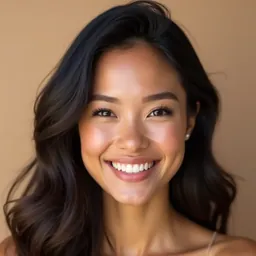
The whole French bob aesthetic rests on looking like you did not try, which is, of course, its own kind of art. The Parisian ideal is hair that looks a little undone, slightly tousled, never over-styled.
The Art of Looking Undone
That is good news for anyone short on time, because perfection is not the goal. A French bob looks best with a bit of natural texture and movement rather than a sleek, blow-dried finish.
The trick is in the cut itself: a good French bob is shaped to fall into place on its own. When the cut is right, the undone look really does happen with almost no effort.
Match the French bob to your hair.
🎯Fine, straight hair
A blunt-edged French bob makes it look thicker and fuller.
🎯Wavy or curly hair
A textured, dry-cut French bob works with your natural pattern.
Jaw-Grazing Bob Evolution

The defining feature of a classic French bob is the jaw-grazing length: it grazes the jaw, hitting right around the chin. That specific length is what gives it the chic, slightly severe-yet-soft look it is known for.
- The classic length hits right at the jaw or chin.
- It draws attention to the cheekbones and jawline.
- Slightly longer versions soften a rounder face.
- The jaw-grazing length is the most authentically French.
The Modern French Bob

The modern French bob is softer and more wearable than the sharp geometric bobs of past decades. Today’s version leans into texture and a lived-with quality rather than a precise, blunt helmet.
Soft, Not Severe
Stylists now build in subtle internal texture so the cut moves and falls naturally. The result is a bob that feels current and easy rather than stiff or dated.
It is the version I recommend most, since it suits real life and real hair. The modern French bob forgives a missed blow-dry in a way the rigid bobs of the past never did.
One thing worth clearing up.
❌ Myth: A French bob always needs a fringe.
✅ Reality: Not at all. A fringeless French bob with soft face-framing pieces is just as chic and far lower-maintenance for anyone who does not want bang trims.
Blunt-Edge Bob Variations

A blunt-edged French bob, cut to one clean length with no layers, is the boldest, most graphic version. The solid line looks striking and makes fine hair appear thicker, since none of the density is removed.
It suits straight, glossy hair best, where the clean edge can really show. On thick hair, a blunt bob looks lush, though I always add a little internal thinning so it does not sit too wide and triangular.
The trade-off is that a blunt line shows growth and unevenness quickly, so it needs more frequent trims. It is the version for anyone who loves a sharp, polished finish over a soft, undone one.
Fringe Elements on the French Bob

A soft fringe is the element that most defines a French bob, and the type you choose changes the whole look. A soft, wispy, slightly-too-long fringe is the most classic, brushing the brows for that Parisian feel.
A full, blunt fringe makes the cut bolder and more retro, while a curtain fringe softens it and suits those nervous about a heavy bang. The fringe should always feel a little undone rather than precise.
Not every French bob needs a fringe, though, so do not feel obligated. A fringeless French bob with face-framing pieces is a lovely, lower-maintenance alternative for anyone who does not want to commit to bang trims.
Is a French bob right for you?
1Want low-fuss and undone?
The modern textured French bob is made for you.
2Want sharp and polished?
Go for a blunt-edged version on straight, glossy hair.
Customizing for Face Shapes

The reason a French bob flatters so widely is that a good stylist tailors the length and fringe to your face shape. The same cut can slim, soften, or balance depending on where it falls.
A round face suits a slightly longer bob that hits just below the jaw to lengthen, while a long face is balanced by a chin-length cut whose fringe visually shortens it. A square jaw softens under a wispy fringe and soft ends, and a heart shape suits a bob that adds a little width at the jaw.
Textured French Bob Options

Texture is what gives a modern French bob its movement, and there are several ways to build it in. From a piece-y, tousled finish to a soft wave, texture keeps the cut from ever looking flat or stiff.
It also makes the bob far more forgiving day to day.
- Point-cut ends give a soft, piece-y, undone finish.
- A texturizing spray adds grit and that lived-with look.
- Soft bends from a flat iron suit a more polished day.
- Natural waves and curls bring built-in texture, no tools needed.
| Cut | Length | Vibe |
|---|---|---|
| French bob | Jaw-grazing | Undone, with fringe |
| Italian bob | Slightly longer | Polished, often fringeless |
| Classic bob | Chin to shoulder | Clean and even |
Hair Coloring Trends

A French bob is a wonderful canvas for color, since the short shape shows off dimension beautifully. Soft balayage and face-framing money pieces light up the cut without harsh regrowth lines.
Glossy single-tone color also looks rich on a bob, especially a blunt one, where the clean line and shine play off each other. Rich brunettes and soft coppers are especially popular on the cut right now.
Because there is less hair than on a long style, color on a bob is often more affordable to maintain. A few well-placed lighter pieces around the face do the most flattering work for the least upkeep.
French Bob Styling
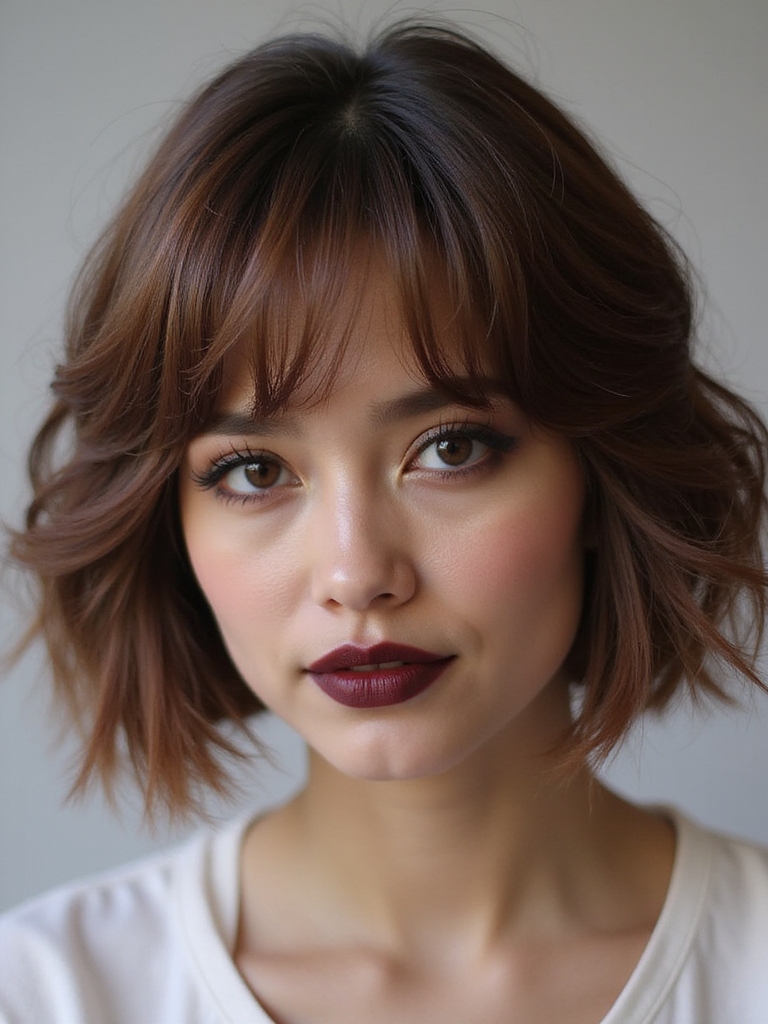
Styling a French bob day to day is meant to be quick, in keeping with its low-fuss spirit. A rough dry, a little texture product, and a tousle with your fingers is most of it.
The goal is movement, not perfection.
- Rough-dry rather than smooth for a natural finish.
- Work texture paste or spray through with your fingers.
- Bend a few pieces with a flat iron if you want polish.
- Skip heavy product, which weighs a short cut down.
Hairstyle Trends and Their Impact

The French bob keeps resurging partly because high-profile hairstyles drive what the rest of us ask for at the salon. When the cut appears on screens and feeds, requests for it spike almost overnight.
What keeps it from being a passing fad, though, is that it is truly flattering and easy. Trends fade fast when they are hard to live with, but the French bob earns its repeated comebacks by actually suiting real life.
The French Bob on the Runway

The French bob is a perennial runway favorite, styled countless ways at fashion weeks season after season. Designers love it because the clean, short shape frames the face and lets the clothes lead.
- Slicked back wet for an editorial, modern look.
- Pinned with tiny clips for a playful runway moment.
- Worn glossy and blunt for a sharp, high-fashion edge.
- Tousled and undone for the classic Parisian vibe.
Street-Style Inspiration

Where the runway shows the French bob at its most dramatic, street style shows how real people actually wear it. The off-duty versions are where the cut feels most attainable and easy to picture on yourself.
Saving the Right References
Street-style French bobs lean undone and personal: tucked behind one ear, worn with a beret, or pushed back with sunglasses. These are the looks worth saving when you go in for your own cut.
Gathering street-style references on people with your hair texture is more useful than any runway shot. It shows the cut on real hair in real light, which is what you actually want to recreate.
Iconic Bob Influences

The French bob carries echoes of nearly a century of iconic short cuts, from the flapper bobs of the twenties to the sharp styles of later decades. Each era shaped what we now think of as the French bob.
Borrowing From Every Era
The twenties gave it the original chop, the sixties added geometric precision, and recent decades softened it into the textured version we love today. The cut is a living mix of all of them.
Understanding those influences helps you describe what you want to your stylist. Knowing whether you lean twenties-soft or sixties-sharp gives them a clear direction for your cut.
Essential Products for Upkeep

A French bob needs surprisingly few products, in keeping with its low-fuss nature. A texturizing spray or paste, a lightweight dry shampoo, and a good comb are most of what the cut requires.
A texturizing product is the non-negotiable one, since it creates the piece-y, undone finish the cut is built on. A small amount worked through dry hair does far more than any heavy styling cream.
Skip anything heavy or greasy, which flattens a short cut and ruins the movement. The whole point of the French bob is lightness, so the products should match that, used sparingly.
French Bob Styling Tips

A few small tricks make a French bob look its best and last between washes. Most of them take seconds and rescue a flat or grown-out day.
The front pieces matter most, since they frame the face.
- Dry shampoo at the roots revives a flat second-day bob.
- Tuck one side behind your ear for instant Parisian ease.
- Re-bend the front pieces to refresh the shape.
- A tiny clip handles the grow-out fringe on bad days.
Styling With Accessories

Accessories are the easiest way to restyle a French bob, especially since the cut is short enough that they really stand out. A few clips, a headband, or a silk scarf change the whole feel in seconds.
Accessories for the Grow-Out
Tiny pearl or metal clips pinning back one side are the most on-trend way to dress up the cut, while a headband pushes the bob back for a clean, polished look. A scarf tied around the head leans into the Parisian feel.
Accessories also earn their keep during the grow-out, holding back too-long pieces. They turn an awkward length into a deliberate, styled choice in a moment.
Seasonal Bob Adaptations

A French bob adapts easily with the seasons, which keeps it feeling fresh year-round. Small tweaks to product and styling carry it through humidity, cold, and everything between.
The cut itself stays the same; only the styling shifts.
- In summer humidity, use an anti-frizz cream so it stays smooth.
- In winter, a little oil fights static and flyaways.
- Add more texture spray in heat for a beachy finish.
- A slightly longer cut in summer tucks back more easily.
Versatile and Approachable

People assume a short cut limits their options, but a French bob is surprisingly versatile. With a little product and a few accessories, it shifts from undone to polished to playful in minutes.
- Tousled and textured for an everyday, undone look.
- Sleek and tucked for a polished, professional day.
- Pinned or accessorized for evenings and events.
- Pushed back with a headband for off-duty ease.
French Bob Techniques

Knowing how stylists actually cut a French bob helps you find the right one and judge a good cut from a rushed one. I tell clients the best French bobs are often cut dry, so the stylist can see exactly how the hair falls and where each piece will sit.
Point-cutting and soft texturizing through the ends create the piece-y, undone finish, rather than one blunt line. For curly and wavy hair especially, a dry cut is essential, since it lets the stylist work with the natural pattern and shrinkage instead of guessing.
A Timeless Haircut

What makes the French bob worth the commitment is that it never truly goes out of style. Unlike trend cuts that date quickly, the bob has been chic for a hundred years and shows no sign of stopping.
That timelessness makes it a safe bold choice, if that is not a contradiction. You get the drama of a big change with the reassurance that the cut will still look good in photos years from now, which is rare for any short, statement haircut.
Global Bob Variations

The French bob has cousins around the world, each with its own subtle twist, and knowing the difference helps you ask for exactly what you want. The variations are small but they change the whole feel of the cut.
- French bob: jaw-grazing, undone, usually with a fringe.
- Italian bob: a touch longer and more polished, often fringeless.
- Classic bob: a clean, even length without the Parisian grit.
- Naming the version you want saves a lot of confusion at the chair.
The Light Fringe Transition
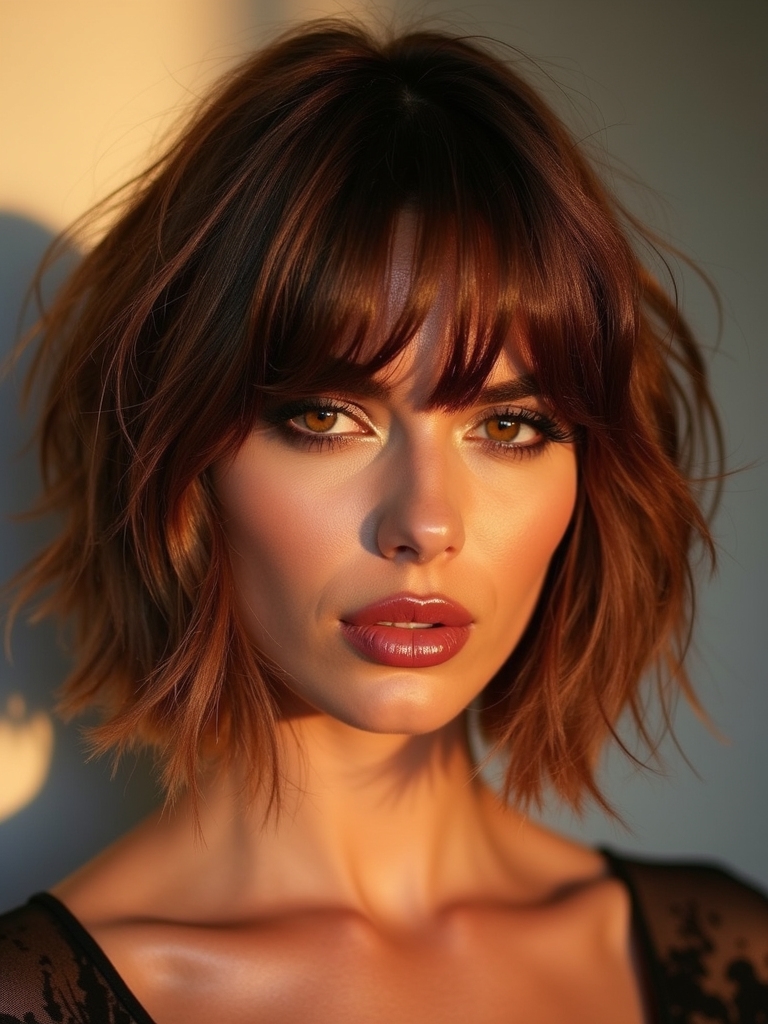
A light, wispy fringe that melts into the length is the softest way to wear a French bob, especially for fringe first-timers. Rather than a heavy blunt bang, the pieces taper and blend into the face-framing length.
- Ask for a soft, piece-y fringe rather than a blunt one.
- It blends into the bob instead of sitting separate.
- Far easier to grow out than a heavy fringe.
- Flattering on most faces and the least committal fringe.
Social Media and Trends

Much of the French bob’s recent revival has played out online, where the cut is endlessly photogenic. Its clean shape and built-in chic make it a favorite for hair transformations and tutorials.
That visibility is a double-edged sword worth knowing about.
- The cut photographs beautifully, fueling its popularity.
- Filtered, styled photos can set unrealistic expectations.
- Always check references on real, unstyled hair too.
- A trending cut is still only worth it if it suits your life.
The Evolution of the Bob
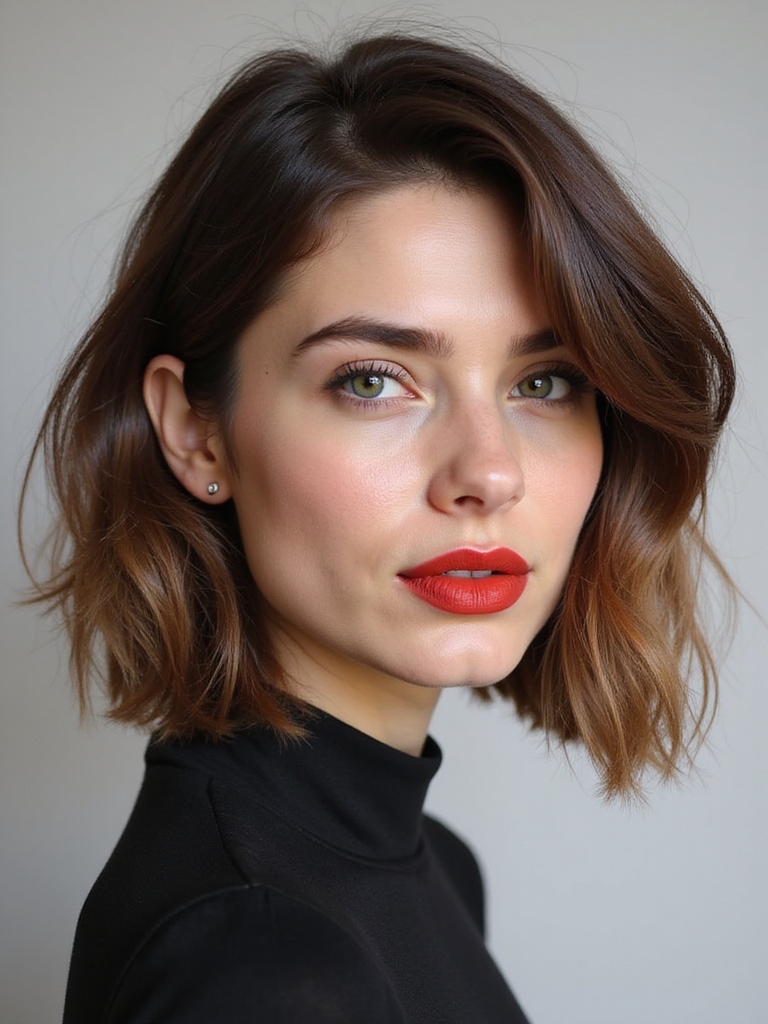
If there is one thing the bob has always done, it is reinvent itself, and the French bob is its current, softest chapter. From flapper chop to geometric sixties to today’s textured version, the cut keeps adapting while staying recognizably itself.
- The bob has stayed relevant for over a century.
- Each generation softens or sharpens it to suit the times.
- The French bob is its undone, modern incarnation.
- Whatever comes next, the bob will adapt again.
Is the French Bob for You
The French bob endures because it offers a rare combination: a bold, chic change that is also low-fuss and truly timeless. Tailored to your face shape and texture, worn a little undone, it gives you that Parisian ease without ruling your mornings.
Bring a clear photo on your hair type, decide whether you want a fringe, and ask your stylist to cut for your texture. For more short looks, see our bob haircut guide, bob hairstyle ideas, pixie bob, and curtain bangs.
Keep the Inspiration Going