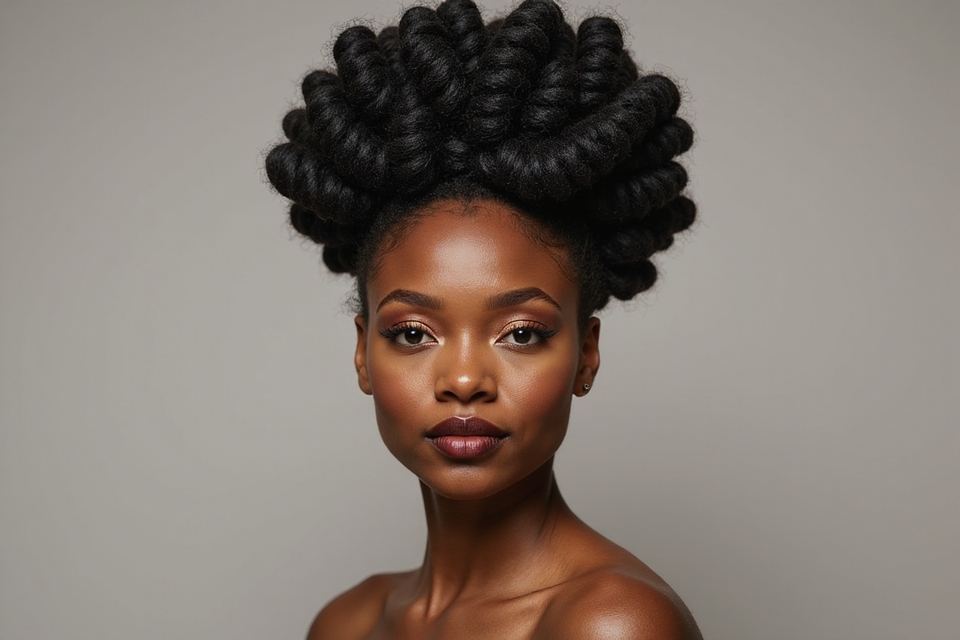

Everyone knows the scene: a hard week, a long scroll through hair photos, and a sudden urge to chop it all off by Saturday. Sometimes that ends in a cut you love; often it ends in a tearful regrowth. After years behind the chair, I’ve learned the difference between haircuts for women that feel like a reset and ones that end in regret is almost never the cut itself, it’s how the decision got made.
This guide is about getting that reset feeling without the meltdown: the cuts worth trying, the questions to ask, and the honest prep that turns an impulsive chop into a change you actually love. For each step I’ve shared what I tell clients in the chair, including how it differs by hair type.
Haircuts For Women, The Short Version
A haircut is the fastest reset there is, but it’s also where the most regret happens, usually from a snap decision made in an emotional moment. The path to a cut you love isn’t a perfect style photo; it’s the conversation before the scissors and the realistic expectations going in.
Below are the cuts worth considering and, just as important, how to choose well: how to know you’re ready, what to ask your stylist, how to manage expectations, and how to keep the cut looking good. Think of it as the whole journey, not just the inspiration photo.
Hair As Self-Expression

A new haircut is one of the few changes you can make in an hour that shifts how you feel about yourself, which is exactly why people reach for it after a breakup, a new job, or a hard season. Hair is identity you can edit, and there’s real power in that.
The work is channeling the impulse well. The same urge that leads to a great bold change can lead to a rushed regret, so the difference is intention. A reset works best when you’ve thought about what you actually want it to say.

Signs You’re Ready For Change

Not every itch for a haircut means it’s time, but a few signs reliably do. If you’re bored every morning, if your routine takes longer than the result is worth, or if your cut hasn’t changed in years and no longer fits your life, you’re probably ready.
The healthy version of readiness is curiosity. Wanting to try something because it excites you is a good reason; wanting to erase a bad week usually isn’t.
- You’re bored with styling the same look every day.
- Your upkeep outweighs how much you like the result.
- Your cut hasn’t evolved with your life in years.
“When someone books a big change in an emotional week, I always ask them to sleep on it once. The ones who still want it the next day love the result; the ones who hesitate are usually grieving something else, not their hair.”
Questions To Ask At Consultation

The consultation is where great haircuts are made or lost, and most people under-use it. Come with photos, but also come with questions. Here’s what to ask before anyone picks up scissors:
- How much daily styling will this realistically take?
- Will this suit my hair texture and face shape, honestly?
- How will it grow out, and when will I need to come back?
Elegant Modern Bob Variations

The bob is the most-requested reset for good reason: it’s a clear change that flatters nearly everyone and comes in enough variations to fit any face and texture. For a longer take, blonde lob shows the lob. Here are the versions worth knowing:
- A classic chin bob: timeless, structured, polished.
- An A-line or angled bob: longer in front for a softer frame.
- A textured or curly bob: cut for movement and your natural pattern.
What kind of change are you after?
🎯A refresh
A trim, light layers, or a fringe, low-risk and reversible
🎯A real reset
A bob, a big chop, or a new length, higher impact
Easy Medium-Length Transitions

If a dramatic chop feels like too much, medium length is the gentlest reset, long enough to feel familiar, short enough to feel new. It’s the safest place to start if you’re nervous, since it suits almost every face and texture and styles a dozen ways.
Why Medium Is The Safe Reset
I often guide first-time-changers here, adding a few layers or a fringe for freshness without the commitment of a big cut.
Medium length gives you options, up, down, waved, or straight, so it rarely feels like a mistake. It’s the length to choose when you want change without risk. For more mid-length cuts, medium length layered haircuts cover the options.
Low-Maintenance Cut Options

Plenty of people want a great cut that asks almost nothing of them, and that’s a perfectly legitimate goal. The secret is a shape that holds itself. Look for these:
- A blunt or one-length cut that falls into place as it dries.
- A cut shaped for your natural texture so you can skip heat.
- A length and layering that air-dries well, usually shorter or mid.
Two haircut myths worth dropping:
❌ Myth: Short hair is always lower-maintenance.
✅ Reality: Some pixies need daily styling and frequent trims; a blunt lob can be far easier.
❌ Myth: A new cut will fix a bad hair routine.
✅ Reality: If the issue is dryness or damage, a cut helps, but care and trims matter more.
Face-Framing Layers

Face-framing layers are the lowest-risk way to feel like you’ve changed something: a few pieces cut around the face to shape and soften without touching your length. They flatter every face shape because they’re tailored to yours.
I cut them to highlight your best features, the cheekbones, jaw, or eyes, and they grow out softly, so there’s no awkward phase. It’s the change I suggest to anyone who wants a reset but isn’t ready to lose length.
- They shape the face without sacrificing overall length.
- Tailored to your features, so they flatter any face shape.
- They grow out softly, with no awkward phase. For more, layered hair with bangs cover fringe options.
Subtle Layers For Movement

Subtle layers add movement and life to hair that’s fallen flat, without the drama of a big restyle. A few well-placed internal layers let the hair move, bend, and hold a wave, which is often the freshness people are actually chasing.
I keep them long and soft on fine hair so they don’t remove density, and bolder on thick hair to take out weight. The amount of layering is matched to your hair.
This is the quiet reset: your length stays, but the hair suddenly behaves better and looks more intentional. It’s a small change with an outsized payoff. For more layered looks, long layered hair cover length.
📋Is This Cut Timeless?
- ✓Would it look right in a photo from five years ago and five from now?
- ✓Does it suit your face, not just the trend?
- ✓Can you style it without a viral technique?
Timeless Cuts For Every Season

Some cuts never date, and choosing one is the antidote to trend regret. A well-cut bob, a soft layered lob, a classic long layer, and face-framing pieces look right in any year and any season. Trends are fun, but a timeless shape is what you build a routine around.
I tell clients to anchor with a timeless cut and play with color or styling for trendiness, so the foundation always works.
- Pick a classic shape as your base: bob, lob, or long layers.
- Express trends through color and styling, not a risky cut.
- A timeless cut photographs well and suits every season.
Managing Expectations

The biggest source of haircut regret is a mismatch between the photo and reality. The model’s hair is a different texture, density, and length, and styled by a pro. A realistic conversation about what your hair will actually do prevents most disappointment.
I’d rather tell a client the truth in the chair than send them home with a cut that needs an hour of styling they’ll never do.
- Remember the inspiration photo is styled, often on different hair.
- Ask your stylist what the cut will look like air-dried.
- Factor in your real daily routine, the one you actually keep.
Prepare For A Hair Transformation

If you’re going for a real chop, a little prep makes it go smoothly and keeps regret away. Here’s what I tell clients before a big change:
- Bring several photos, including the back, plus a few of what you don’t want.
- Book a consultation first if it’s dramatic, not just an appointment.
- Go in with clean, product-free hair so the stylist sees its real texture.
Styling A Fresh Cut

A new cut can feel strange for a few days, and knowing how to style it bridges the gap. Ask your stylist to teach you before you leave. Here’s the routine to nail down:
- Watch how they blow-dry or air-dry it, and ask which products they used.
- Buy the one or two products that actually make the difference.
- Practice once at home that week, while the shape is fresh.
Essential Care Products

The right products make a cut look salon-fresh between visits, and the list is shorter than the industry wants you to believe. For most people, a good shampoo and conditioner for your hair type, a heat protectant, and one styling product (a cream, mousse, or oil) covers it.
I match products to texture: lightweight mousse and volumizers for fine hair, rich creams and oils for thick or curly hair, and a leave-in conditioner for anything dry or color-treated.
On textured and curly hair especially, the products matter as much as the cut, since the right leave-in and gel define the pattern the cut is built around. Skip the ten-step routine; the right three products do more. For thin hair specifically, haircuts for thin fine hair cover cut and care together.
Growing It Out Gracefully

If you cut too short or want to change direction, growing out doesn’t have to be a miserable in-between. The fix is regular shaping trims rather than avoiding the salon. Small trims keep the grow-out intentional while you add length.
I reshape the cut every couple of months as it grows so it always looks deliberate, and face-framing pieces or a fringe disguise the awkward lengths. Patience plus maintenance beats white-knuckling it, and a trim costs little while saving the whole grow-out.
Avoiding A Hasty Decision

Most haircut regret traces back to a rushed choice, so the simplest insurance is to slow down. A reset made calmly almost always beats one made in a spiral.
If you’re cutting to punish a bad week or copy someone exactly, pause. If you’re cutting because it truly excites you and fits your life, go for it.
- Sleep on a dramatic change at least one night.
- Separate the urge to reset from the cut you actually want.
- Start reversible, with layers or a fringe, if you’re unsure about a big chop.
Maintaining Your Cut

A great cut is only great for as long as you maintain it, and the maintenance is mostly trims and the right care. Most cuts hold their shape for six to eight weeks before they need a tidy, though shorter, structured cuts need it sooner.
I tell clients that a cut is a relationship, an ongoing one: it needs check-ins to stay looking intentional. Skipping trims for months is the fastest way to make a good cut look grown-out and tired.
On cost, a women’s cut runs roughly $40 to $120 depending on the salon and length, plus the trims that keep it sharp. Budgeting for upkeep is part of choosing a cut you can actually maintain.
Trim Schedule By Hair Type

How often you trim depends on your hair and your cut more than any universal rule. Short, structured cuts like pixies and blunt bobs need a trim every four to six weeks to hold their shape; mid-length and long cuts can stretch to eight to twelve weeks.
Fine hair shows grown-out ends faster, so trim on the shorter end; thick hair can wait longer. Curly and coily hair is the exception, often needing fewer trims, every three to four months, because the curl hides grown-out ends and length is precious.
The honest gauge is your ends: when they look wispy, split, or shapeless, it’s time, whatever the calendar says. For round faces specifically, haircut ideas for round faces cover flattering shapes.
Haircut Questions, Answered
?How do I avoid regretting a haircut?
Slow down and consult first. Most regret comes from rushed, emotional choices and from copying a styled photo on different hair. Sleep on a big change, and have an honest conversation with your stylist about what your hair will really do.
?What’s the most low-risk way to change my hair?
Face-framing layers or a soft fringe. Both shape the look without sacrificing length, flatter any face, and grow out softly, so there’s no awkward phase if you change your mind.
?How often should I get a trim?
Short, structured cuts every four to six weeks; mid-length and long every eight to twelve. Fine hair trims sooner, while curly and coily hair can wait three to four months. Trim when the ends look wispy or shapeless.
Reset, Not Regret
A haircut really can be the reset you’re after, the lighter, fresher, more-like-yourself feeling that comes from a good change. The difference between that and a meltdown isn’t the cut on the wall; it’s the consultation, the honest expectations, and a little patience with the process. Choose with intention and the scissors deliver.
Next time the urge hits, slow down just enough to do it right: gather photos, book a consultation, and tell your stylist the truth about your hair and your life. Do that, and the cut becomes a reset you’re glad you made, not one you’re growing out by spring.
More Looks We Love