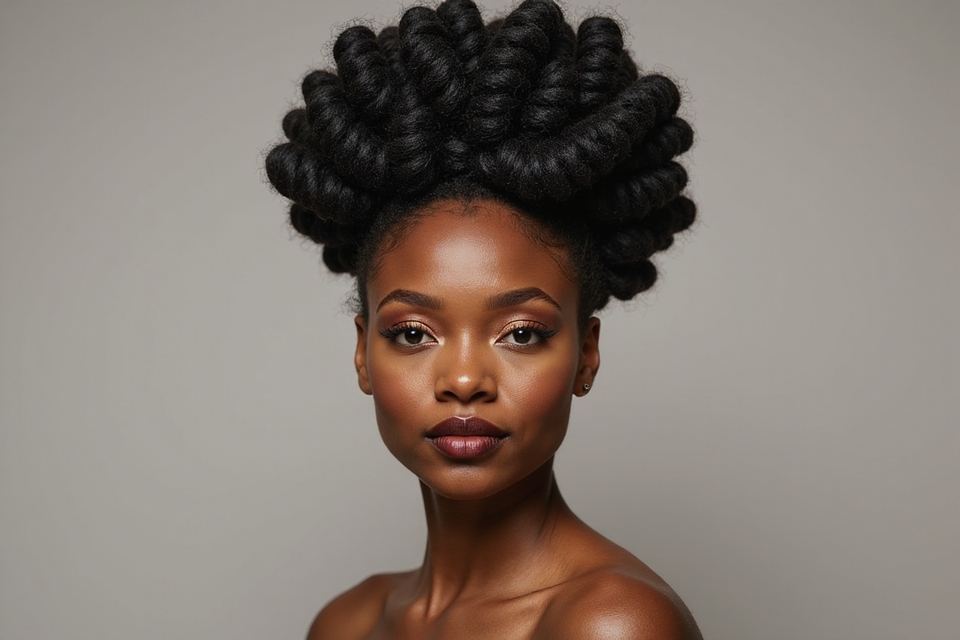

Bedhead has a bad reputation, but a good shag turns it into the whole point. The gap between hair that looks slept-on and hair that looks deliberately undone is all in the cut, then in about three minutes of styling.
This is the messy-on-purpose shag: short crown layers, soft curtain bangs, and texture you actually want. Here is how to pick the right version for your hair, the products that make it work, and the five-minute routine that keeps it looking deliberate.
The Modern Shag In Short
- A modern shag is messy by design: short crown layers, longer ends, and built-in texture.
- Curtain bangs and a texture spray are what make it look styled instead of slept-on.
- It styles in about five minutes and suits every hair type with the right layering.
- Refresh with dry texture spray between washes; trim every six to eight weeks, roughly $50 to $120.
How The Modern Shag Evolved

The shag has reinvented itself at least three times since the 1970s. The original was all choppy layers and rock-and-roll attitude, cut to look like you had been up all night in the best possible way.
Why It Keeps Coming Back
The 1990s sanded it down into something sleeker, with face-framing pieces and less volume. Today’s version splits the difference: strategic layers plus customizable texture that works with your natural pattern. For the full backstory, see the classic shag haircut.
What stayed constant is the spirit. A shag has always been about looking pulled-together without looking fussed-over, and that is exactly why it keeps circling back into style.

Short Crown Layers For Texture

The engine of any shag is the crown. Short layers stacked at the top create lift and that piecey, separated texture the whole style leans on. Left too long, the shag falls flat; cut well, it practically styles itself.
- Short layers through the crown for height and separation
- Gradually longer pieces toward the ends so it stays connected
- Point-cut tips so the texture looks soft and piecey
Good to Know
The wolf cut, the spiky modern shag that took over social media, is really just a shag crossed with a mullet. It works on most hair types and needs little more than texture spray to style.
Timeless Shag Elements

Trends move fast, but a few shag elements never date. Feathery, movement-rich layers and a soft fringe have defined the cut for fifty years and still look current today.
If you want a shag that ages well, start with these bones and let the styling change with the seasons. The underlying structure is endlessly adaptable, which is half the appeal.
- Feathered layers for built-in movement
- Soft curtain bangs that frame the face
- Tapered, textured ends for a soft finish
The Curtain Bang Shag

Curtain bangs and shags belong together. The split, cheekbone-grazing fringe blends straight into the face-framing layers and softens almost any face shape. To style them, aim a round brush and dryer downward for that smooth, parted swoop.
Heart-shaped faces do well with longer, cheekbone-length pieces, while rounder faces can go a touch shorter. They also double as a clever disguise for an awkward grow-out while you decide on length. Browse more curtain bangs for ideas.
- Round-brush the fringe with airflow pointed down to cut frizz
- Keep the pieces long enough to tuck behind your ears
- Trim the fringe every two to three weeks
Stylist Tip
Twist small sections of damp hair as you rough-dry them. That single move sets in the piecey separation that makes a shag look intentional, and it costs you nothing extra.
A Voluminous, Versatile Shag

When clients bring me a screenshot of big, textured hair, it is usually a wolf cut: a shag with extra attitude up top. The heavier crown layers and shaggy ends look bold without much daily work.
It suits almost every hair type and face shape, which is exactly why it took off so fast. A little texturizing spray and you are out the door.
- Heavier crown layers for serious volume
- Shaggy, disconnected ends for edge
- A great pick if you want the wolf cut look
Texture Sprays That Bring Out Movement

If I had to choose one product for a shag, it would be texture spray. A quick spritz turns flat, freshly washed hair into something with grit and separation, which is the entire look.
Sea-salt sprays are the workhorse, adding gritty separation without the crunch older products left behind. Use it on damp hair for hold, or on dry hair for a fast midday revival.
Go easy at first. You can always add more, and over-spraying tends to stiffen fine hair. Two or three pumps is plenty for most heads.
Not sure a shag is for you? A quick gut check.
1Do you want volume without daily heat styling?
A shag builds movement into the cut itself, so it is a strong match.
2Are you willing to trim every six to eight weeks?
If not, choose a longer shag that grows out more gracefully.
3Do you like a little texture in your hair?
If you prefer sleek and smooth, a shag may fight your routine.
Quick Shag Styling, Step By Step

The promise of a shag is that it looks best with the least fuss, and my own routine takes about five minutes flat.
The Five-Minute Routine
Mousse goes on damp roots for lift. Then I rough-dry with my fingers, head flipped over, twisting random sections as they dry to set in texture.
Finish with a mist of flexible hairspray or a little dry texture spray, and that is the whole routine. No round brush required unless you want a smoother day.
Versatile Shags For Every Texture

One reason the shag spread everywhere is that it bends to any hair type. The layering simply changes to suit your texture, from poker-straight to tightly coily.
- Straight hair: longer layers add the volume it tends to lack
- Wavy hair: the cut amplifies your natural bend with almost no styling
- Curly and coily hair: layers cut dry preserve the curl pattern and remove bulk
| Hair type | Best shag | Why it works |
|---|---|---|
| Fine | Short or shaggy bob | Layers fake volume |
| Thick | Long layered shag | Removes weight, keeps length |
| Wavy | Classic mid-length shag | Amplifies natural bend |
| Curly or coily | Dry-cut curly shag | Preserves the curl pattern |
A Textured, Layered Short Bob

Short hair gets a shag too, in the form of the shaggy bob. It sits between chin and collarbone with choppy, uneven layers worked all the way through.
On fine hair it fakes volume; on thick hair it removes weight and tames bulk. Either way, the styling is a quick scrunch and go. It is a favorite among clients chasing short hair with a bit of edge.
It works with or without a fringe, so it is an easy first step if a full shag feels like a big jump. Browse a few shaggy bob shapes before you book your appointment.
Shag Maintenance Made Simple

Keeping a shag looking deliberately undone takes less time than you would guess. A morning refresh with texture spray and a diffuser brings tired layers back in a couple of minutes.
Between washes, lean on dry texture spray and a light pomade to revive the separation. Steer clear of heavy creams that flatten the crown.
- Refresh the roots with dry texture spray between washes
- Use a pea-sized amount of pomade only on the ends
- Sleep on a smooth pillowcase to hold the shape
Celebrity-Inspired Shags To Show Your Stylist

Photos are the fastest way to communicate a shag, and pop culture is full of them. You do not need a famous name; you need the shape. Save a few references that show the length, layering, and fringe you are after. A name only gets you so far. The picture does the real talking, and clients pull these up in my chair every single week.
A modern mullet-shag with choppy layers, a curly shag with soft curtain bangs, a shoulder-length shag with face-framing pieces, and a long rock-and-roll shag all read very differently. Bring the one closest to your own hair and your stylist can adapt it. For more, see these shag haircuts for women.
Seasonal Shag Updates

A shag is easy to tweak as the seasons turn, which keeps it from going stale. In summer I lighten the layers and lean into beachy texture to fight humidity.
Come winter, a little more length and a heavier fringe add warmth and weight. Fall suits richer color, and spring is the moment for brighter face-framing highlights. Small changes, same cut. I retweak my own shag as the seasons turn, and it never feels like starting over with a whole new haircut.
Shag Styling Essentials

A handful of tools make the shag easy to live with, and none of them are fancy. These are the ones I tell clients to keep in the drawer and reach for on busy mornings.
- A wide-tooth comb to detangle without killing the texture
- Sea-salt or texture spray to add grit and piecey separation
- A mini flat iron for soft bends, plus dry shampoo for root volume
Transforming Your Cut Into A Shag

Turning your current cut into a shag is mostly about adding internal layers and a fringe to what you already have. With length, a stylist cuts internal layers and face-framing pieces to build movement; with a bob, they soften the edges and add texture. It is a low-risk change, since you keep most of your length. Bring photos and be specific about how much texture you actually want, because that word means different things to different people.
- From long hair: add internal layers and curtain bangs
- From a bob: soften the perimeter and add choppy texture
- Ask for dry cutting so the layers fall true to your hair
Where Shag Styling Goes Wrong
Most shag complaints trace back to a few fixable habits. Over-conditioning the roots is the big one; it weighs down the crown and kills the volume the cut built in, so keep conditioner on the mid-lengths and ends. Heavy styling cream is the second mistake, since it glues the layers together when the whole point is separation.
The other trap is skipping trims. A shag relies on its layers, and once they grow past about eight weeks the shape turns heavy and shapeless. A quick dusting of the ends keeps it sharp. Get those three things right and the cut does the rest for you.
Shag Styling Questions, Answered
?How do I make my shag look intentional instead of messy?
It comes down to texture spray and a little twisting as you dry. Two or three pumps of sea-salt spray scrunched through the lengths gives you separation that looks styled, not slept-on.
?How often does a shag need trimming?
Every six to eight weeks for short and mid-length versions, since the layers lose their shape as they grow. Longer shags can stretch a bit further between cuts.
?Will a shag work on curly hair?
Yes, as long as it is cut dry by someone who understands your curl pattern. Dry cutting lets the layers fall true to your curls and keeps the shape from shrinking up shorter than you wanted.
Making Mess Look Deliberate
A shag earns its keep by asking so little of you. Get the layers cut by someone who knows the style, keep a texture spray within reach, and your hair looks deliberately undone with almost no daily work.
Still undecided? This is one of the more forgiving cuts to try. Save a couple of photos that match your hair, ask your stylist for soft layers and a fringe, and ease into the texture from there.
Keep Reading