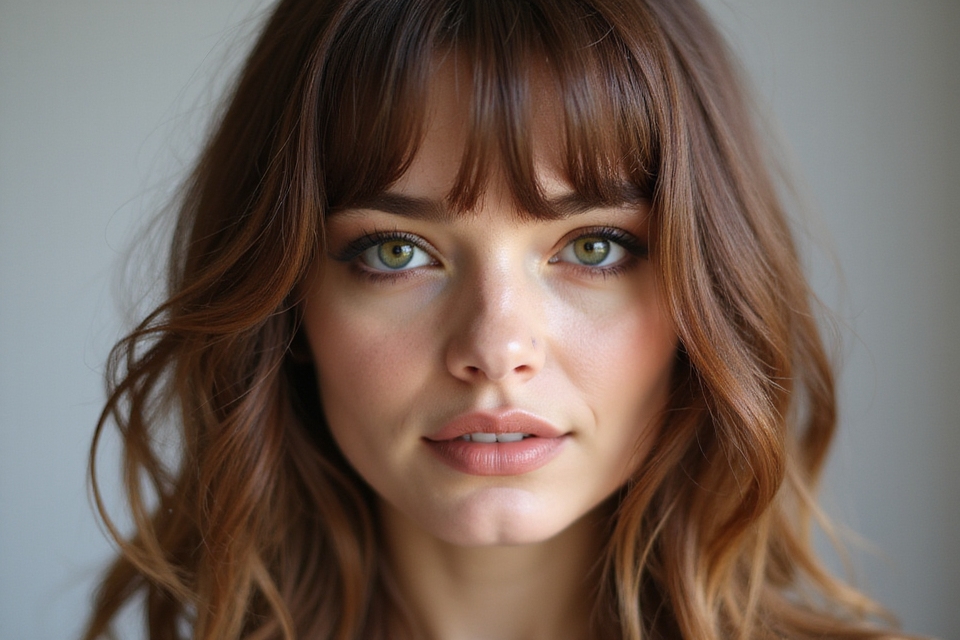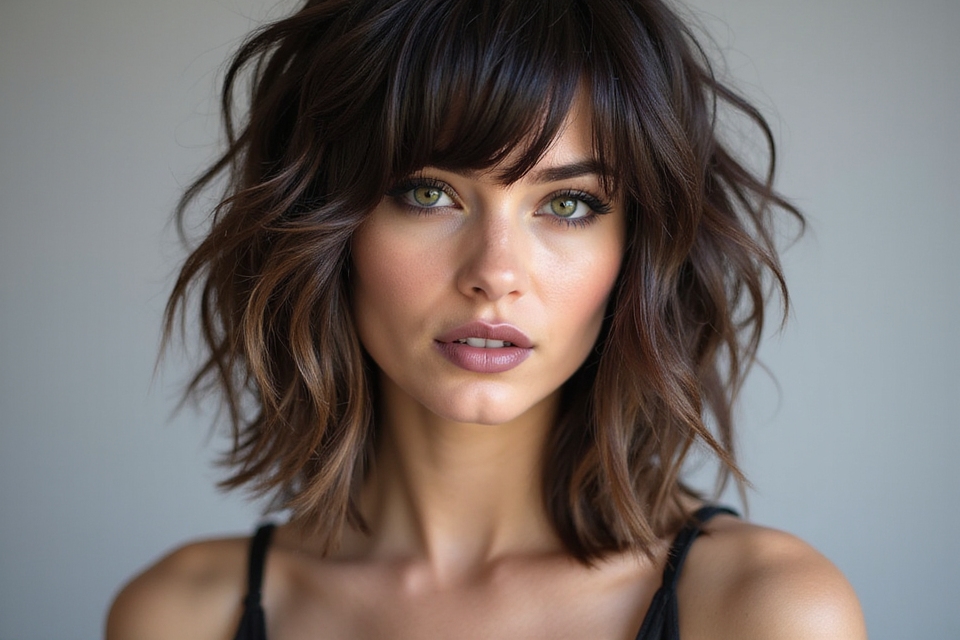

Thin hair and the long bob are quietly perfect for each other. Every client I cut a lob for walks out looking like she grew hair overnight, because the right length sits exactly where the ends still feel full instead of trailing off into wispy tails. No extensions, no two-hour blow-dry, just a cut that works with what you have.
Below are ten long bob shapes that flatter fine hair, followed by six styling and color tricks that fake real density. For each cut you get who it suits and how to ask for it, and the volume section covers the products and habits that keep the fullness going between salon visits.
The Thin-Hair Lob Cheat Sheet
The lob flatters thin hair because its collarbone length keeps weight at the ends, where fine hair otherwise thins out. Blunt and choppy cuts both build the look of density, just in different ways: blunt looks thick, choppy looks textured.
The cut is only half the story. Root color, a quick mousse-and-round-brush routine, and the right lightweight products are what make a fine lob look truly full all day. None of it requires extensions.
The Thickness-Illusion Long Bob

The foundational version, and the one I cut most for fine hair. A long bob ending right at or just below the collarbone keeps the maximum amount of weight at the perimeter, so the ends look solid, not stringy. That single decision does more for the illusion of thickness than any product.
Length is everything here. Go too long and fine hair thins out at the bottom; the lob stops it right where it still looks full.
- Ask for the cut to hit between the chin and collarbone, kept fairly one-length.
- A slightly blunt perimeter makes the ends read dense.
- It suits almost every face shape. The bob haircut guide covers exact lengths.
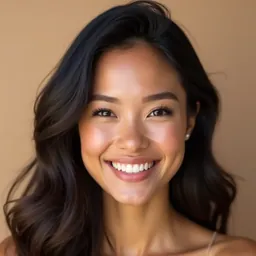
Classic Lob With Layers

A few well-placed layers give a lob movement without sacrificing the fullness fine hair needs. The win is restraint: long, soft layers that start low add bounce, while heavy layering removes the weight that keeps thin hair looking thick.
This is the most versatile thin-hair lob, easy to wear straight, waved, or tucked behind the ears.
- Keep layers long and concentrated through the mid-lengths, not the crown.
- A long top layer adds a little lift while the bulk of the hair stays solid.
- Pair with face-framing pieces for shape. See the long layered hair guide for placement.
👍Why a lob suits thin hair
- +Keeps weight at the ends, where fine hair looks fullest.
- +Low-maintenance and quick to style.
- +Flatters nearly every face shape and age.
👎Worth knowing
- –Blunt versions can fall flat at the root without styling.
- –Fine ends show wear, so a tidy perimeter needs regular upkeep.
- –Very long lobs lose the density advantage, so length matters.
Textured Volume for Thin Hair

Texture is fine hair’s best friend, because separation creates the look of more strands. A lob cut with subtle internal texture and finished with a matte styling paste looks fuller than the same hair worn smooth and flat.
Texture without frizz
The texture can come from the cut, the styling, or both. A little point-cutting at the ends and a texturizing spray do most of the work.
It suits anyone who wants undone, modern hair and is happy with a slightly piecey finish.
The Angled Bob

An angled lob keeps the back cropped and lets the front pieces grow longer, which stacks fullness toward the crown, and the longer front sections frame and slim the face. That stacked back is a real volume trick, doing more than looks alone.
The graduation at the back lifts the hair off the neck, so it stands away from the head instead of lying flat. Keep the angle gentle on very fine hair so the back does not look sparse, and ask for a soft stack rather than a steep one. It flatters long necks and oval faces especially well.
Length is the decision most people get wrong with fine hair. A lob that stops at the collarbone looks twice as thick as the same hair grown two inches longer.
Blunt-Cut Lob

If you want the single most thickening cut, it is a blunt lob. A clean, solid perimeter with no layering concentrates every strand at the ends, so the hair looks like a dense, heavy curtain even when it is fine.
Why blunt looks thick
When a client’s whole goal is to look like she has more hair, this is where I point her first.
The trade-off is styling: blunt cuts can fall flat at the root, so this one needs a little volumizing help on top. A blow-dry with a round brush solves it in minutes. The blunt bob hairstyles for women guide has variations.
Asymmetrical Wavy Lob

Add a soft wave to an asymmetrical lob and thin hair suddenly has bends, body, and dimension. Waves are pure volume on fine hair, because every curve lifts the strands away from the scalp and catches light.
The asymmetry, slightly longer on one side, gives the shape modern edge and a flattering diagonal line across the face.
Create the waves with a wand or by braiding damp hair overnight, then break them apart with your fingers so they look soft. The wavy hairstyles guide has heat-free methods that are gentler on fine hair.
Terms to bring to your stylist:
📖Blunt perimeter
A clean, one-length bottom edge with no layering, which makes the ends look dense and full.
📖Root shadow
A slightly darker color at the scalp that melts into lighter lengths, adding the look of depth and density.
📖Point cutting
Cutting into the ends at an angle to add soft texture and separation without removing fullness.
Choppy Layered Lob

A choppy lob uses short, irregular layers to create the maximum amount of separation and texture, which fakes density beautifully on fine hair. It looks lived in and cool, and it is forgiving to style since the whole point is a little mess.
- Ask for choppy, razored, or point-cut ends rather than blunt ones for this look.
- A texturizing paste or sea-salt spray defines the pieces.
- It grows out gracefully, which stretches the time between trims.
- Best on straight to wavy hair; very fine hair should keep the chop subtle so it does not look sparse.
Center-Parted Graduated Bob

A graduated bob stacks the hair slightly at the back for built-in volume, and a center part gives it a sleek, modern, nineties-inspired feel. The graduation lifts the back while the part frames the face symmetrically.
Making a center part work
On thin hair the stacked back is the hero, adding height and body where fine hair tends to collapse.
A center part suits balanced, oval, and longer faces best; if a middle part feels stark, soften it with a slight zigzag or a few face-framing pieces.
🅰️Blunt lob
Looks the thickest; best if your goal is solid, dense-looking ends. Needs root volume on top.
🅱️Choppy lob
Looks the most textured; best if you want undone, piecey volume and easy styling.
Tousled Bob With Feathered Ends

Feathered, flicked-out ends give a lob airy movement and a soft, retro lift that makes fine hair look like it has body to spare. The outward flick at the bottom adds width and bounce exactly where thin hair usually hangs limp.
Rough up the lengths for an undone finish, then bend the very tips outward using a flat iron or the edge of a round brush. It is a forgiving, low-effort look that flatters most faces and pairs beautifully with curtain bangs.
Side-Swept Voluminous Lob

A deep side part is the oldest volume trick there is, and on a lob it works overtime. Sweeping fine hair over from a deep side part instantly piles body onto the crown, since the hair has to lift up and over to reach the other side.
Locking in the lift
Add soft layers and a little wave and the volume compounds, giving thin hair real height and a glamorous, swept finish.
It is the style I pull out when a client wants maximum body for an event. A round-brush blow-dry at the part locks it in.
Embrace Natural Curls for Volume

If your fine hair is naturally curly or wavy, a lob lets that texture do the heavy lifting. Curls and waves add built-in volume that straight fine hair has to fake, so working with your pattern instead of flat-ironing it is the smartest move for fullness.
The key for fine curls is hydration and definition without weight, so the coils spring up instead of clumping down.
- Use a lightweight curl cream and diffuse on low to keep curls bouncy.
- Cut the lob a touch longer, since curls shrink up when they dry.
- Scrunch to protect the volume and pattern. The curly hairstyles guide covers fine-curl care.
Strategic Color for Fullness

Color is the most underrated density trick, because dimension looks like depth, and depth looks like more hair. A few shades woven through fine hair create shadows and highlights that trick the eye into seeing fullness that is not really there.
A darker root melting into lighter mid-lengths is especially effective, since the shadow at the scalp makes hair look denser at the base where it counts most.
- Ask for a root shadow or soft balayage rather than all-over single-process color.
- Dimensional color hides scalp show-through far better than a flat shade.
- Skip heavy bleaching, which can make fine hair more fragile.
- A glossing treatment adds shine that makes any color look healthier and fuller.
Volume-Boosting Products

The right products turn a good thin-hair lob into a great one, and the rule is simple: lightweight everything. A volumizing mousse or a root-lift spray at the base, worked in before blow-drying, gives fine hair its biggest payoff for the least effort.
Avoid heavy creams, butters, and oils, which flatten fine hair fast. Reach instead for a mousse, a texturizing spray, and a dry shampoo, the three products I tell every fine-haired client to keep on hand. Expect a salon-quality volumizing mousse to run about $15 to $30, and a little goes a long way.
Density-Maximizing Techniques

Beyond the cut and products, a few stylist techniques squeeze maximum density out of fine hair. The biggest is drying your roots in the opposite direction of how the hair falls, which props the strands up off the scalp for lasting lift.
Flipping your head upside down to blow-dry the roots is the at-home version of the same trick, and it works every time.
Backcombing gently at the crown adds height for an event, and a round brush rolled under at the ends keeps the perimeter looking full. A dusting of texture powder at the roots can add grip and lift on the flattest days.
Daily Fixes for Limp Strands

Fine hair goes flat by midday, so a few quick daily habits keep a lob looking full from morning to night without restyling from scratch.
- Refresh the roots with dry shampoo at lunchtime; it absorbs oil and adds instant grip and lift.
- Flip your head and shake the roots out, or hit them with a quick blast of cool air.
- Tuck one side behind your ear to add asymmetry and the look of body.
- Sleep on a silk pillowcase to reduce the flattening and friction that drag fine hair down.
Lob Fullness Maintenance

Keeping a thin-hair lob looking lush comes down to regular trims and a gentle routine. Fine hair shows split ends and thinning at the perimeter quickly, so staying on top of trims keeps that all-important blunt edge looking solid.
Wash with a volumizing or lightweight shampoo and keep conditioner to the mid-lengths and ends, never the roots, where it flattens fine hair fast.
A weekly clarifying wash removes product buildup that weighs hair down, and a lightweight bond treatment keeps fine strands strong without heaviness.
Maintenance & Care
A thin-hair lob is low-fuss, but a little consistency keeps it at its best. The most important habit is the six-to-eight-week trim, since a clean perimeter is what builds the look of density; let it grow too long and fine ends start to wisp and the illusion fades. Keep your routine lightweight throughout, lightweight shampoo, mousse at the roots, conditioner kept to the ends, so nothing drags the volume down.
On cost and timing, a lob cut runs roughly $40 to $80 depending on your salon, and a dimensional root color or balayage adds $80 to $150 but pays off in the look of fullness it buys. If your hair has thinned noticeably or suddenly rather than simply being naturally fine, it is worth a chat with your doctor, since that can have treatable causes. For more shapes, the bob hairstyle ideas for women guide has plenty to browse.
Thin-Hair Lob Questions, Answered
?What length of lob is best for thin hair?
Right at or just above the collarbone is the sweet spot. That length keeps the weight and the look of fullness at the ends, where fine hair tends to thin out. Going much longer makes thin hair look wispy at the bottom and loses the density illusion.
?Should thin hair have a blunt or layered lob?
Both can work, but a blunt or lightly layered cut keeps more fullness than a heavily layered one. Blunt ends look the thickest; if you want movement, ask for long, soft layers concentrated low, not short layers that remove weight from the crown.
?How do I add volume to a fine lob without extensions?
Use a deep side part, a volumizing mousse at the roots, and a round-brush blow-dry, drying the roots away from how the hair falls. Dimensional color adds the look of depth, and a texturizing spray separates strands so they read as fuller.
?How often should I trim a thin-hair lob?
Every six to eight weeks. A clean perimeter is what makes fine hair look dense, and split or wispy ends undo the effect quickly. Regular trims keep the blunt edge that does so much of the work.
?Will coloring my hair make it look thicker?
Strategic color can, yes. A root shadow or soft balayage creates dimension and shadow that the eye reads as fullness, and it hides scalp show-through far better than a flat single shade. Just avoid heavy bleaching, which can weaken fine strands.
Start With the Length
Above everything else, get the length right. A lob that lands around the collarbone is the single biggest favor you can do thin hair. Build from there with a blunt or choppy edge, a little color dimension, and a lightweight product routine, and you get fullness no extension can match.
Bring a photo to your stylist, be honest about how much time you have in the morning, and ask for the cut and color tricks here by name. Your hair will look lusher the day you walk out.
More to Explore