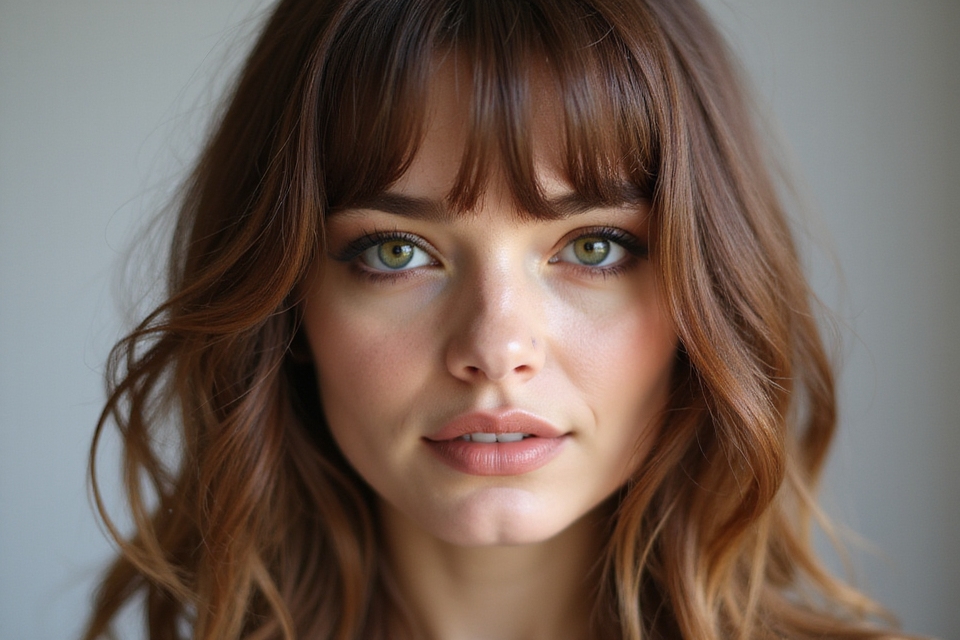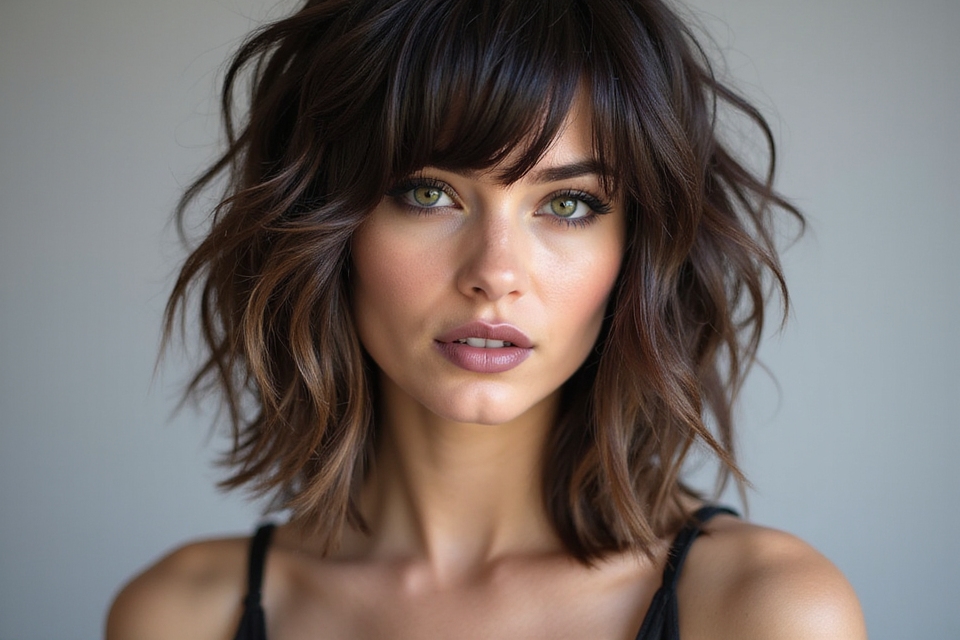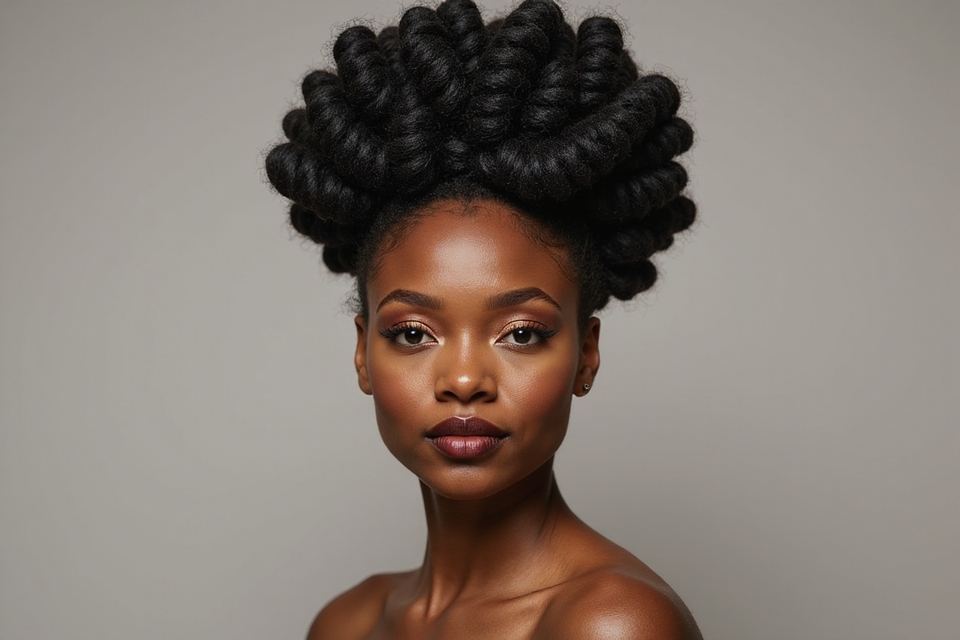

People assume slick back hairstyles are either a man’s domain or a style only stick-straight hair can pull off. Both ideas are wrong. The brushed-back, lacquered look belongs to anyone with the confidence to bare their face, and it works on curls, coils, bobs, and waist-length hair with the right approach.
A slick back is less a hairstyle than a finish, a wet-look surface pushed away from the forehead that frames your features and looks bold and self-possessed. Below are twenty-five ways to wear it, with the products, the technique by hair type, and the frizz and volume fixes that make it last. Whether you want boardroom-clean or runway-edgy, the confidence is built in.
Slick Back at a Glance
| Hair type | Best product | Watch for |
|---|---|---|
| Fine or thin | Light gel or styling foam | Heavy product looks greasy and limp |
| Thick or coarse | Strong gel or pomade | Needs more product and firmer brushing |
| Curly or coily | Edge control plus a brush | Lay gently; never force the pattern |
Chic, Confident Attitude

More than any haircut, a slick back is an attitude you wear. Pushing every strand off your face leaves nowhere to hide, and that exposure is the whole source of its confidence. It says you are comfortable being seen, and clients always tell me they stand a little taller once it is on.
That boldness is the whole appeal. A slick back puts your bone structure, your brows, and your eyes front and center, turning your face into the focal point rather than your hair.
It is the look I suggest when a client wants to feel powerful for a big meeting or a night out, because the polish does something to your posture the moment it goes on.
The Slick-Back’s Evolution
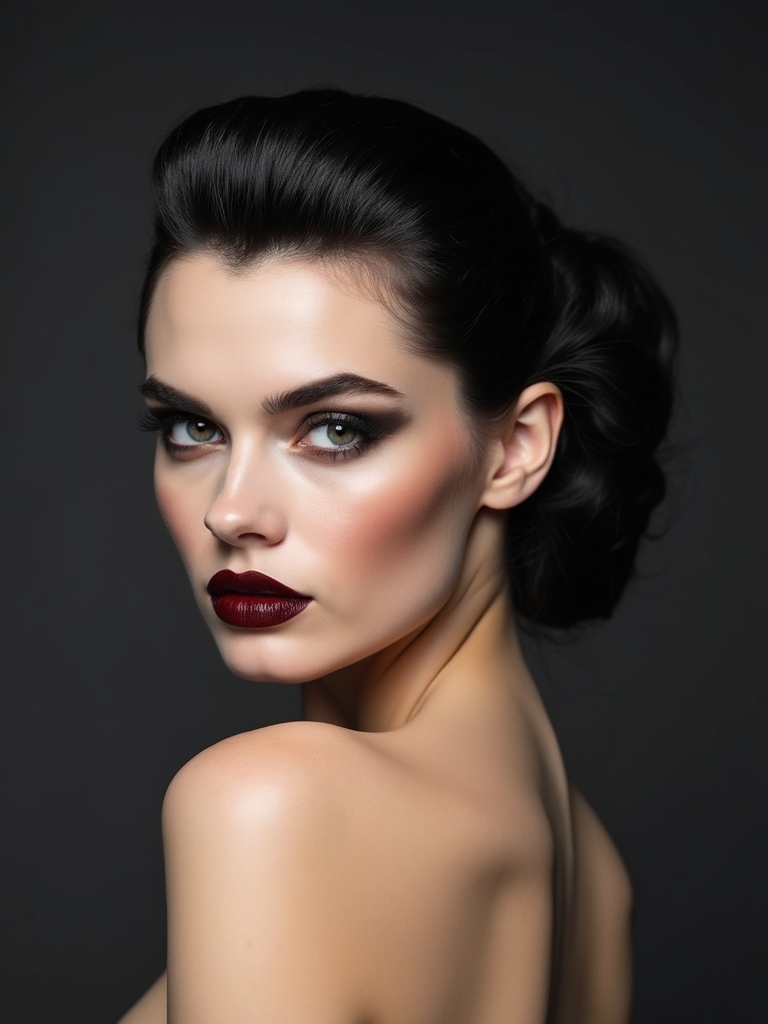
The slick back has traveled a long way to get to your bathroom mirror, and knowing its history makes wearing it more fun. It has shifted meaning across the decades, from rebellion to boardroom to runway.
- Mid-century: the polished, pomaded look of old Hollywood glamour.
- The rebel decades: a sharper, edgier symbol of cool and attitude.
- Today: a unisex, fashion-forward finish worn on every length and texture.
“Always apply your gel to damp hair, not dry. Damp hair lets the product spread evenly and smooth the cuticle, while dry hair drinks it in patches and leaves streaks and clumps. This single switch fixes most home slick backs that come out fuzzy or uneven, no matter how much product you use.”
Slick-Back Elegance

A slick back is not only edgy; worn smooth and glossy, it is quietly elegant. The clean lines and mirror shine look refined and expensive, which is why it appears on so many red carpets beside floor-length gowns.
Polish for Formal Occasions
The elegance comes from precision. A perfectly even surface with zero flyaways and a glassy finish lifts the same basic technique into something formal and polished.
For an elegant version, keep the product clear and high-shine, perfect the hairline, and pair it with statement jewelry that the bare face shows off beautifully.
Slick-Back Hair Essentials

A great slick back rests on a short list of products, and choosing the right one for your hair is the whole game. The wrong gel on the wrong texture is why most slick backs fail.
- A gel, pomade, or styling foam matched to your hair weight; a good one runs about $8 to $20.
- An edge control to lay the hairline smooth and tame baby hairs.
- A brush, a fine-tooth comb, and a flexible hairspray to set the finish.
👍Why Wear a Slick Back
- +Fast to do and works on every length and texture.
- +Showcases your features, bone structure, and bold color.
- +Reads confident and polished for work or events.
👎Worth Knowing
- –Wet-look gel needs washing out the same night.
- –Pulling tight at the hairline too often can stress edges.
- –A flat slick can look severe without a little crown volume.
Sleek-Finish Techniques

The technique that gets you a glassy finish is simple but specific. You work product through damp hair, since dry hair drinks it unevenly and leaves streaks, then brush firmly straight back from the hairline in one direction, smoothing in layers rather than dumping it all on at once.
The biggest difference between a home slick back and a salon one is patience at the surface: brushing slowly and going back over any bump while the product is still wet. Set it only once the shape is exactly right, because hairspray locks in whatever is there, lumps and all.
- Apply to damp hair so the product spreads evenly with no streaks.
- Brush straight back in layers, smoothing each before adding more.
- Perfect the shape first, then set with hairspray, never the reverse.
Slick-Back Styles Explained
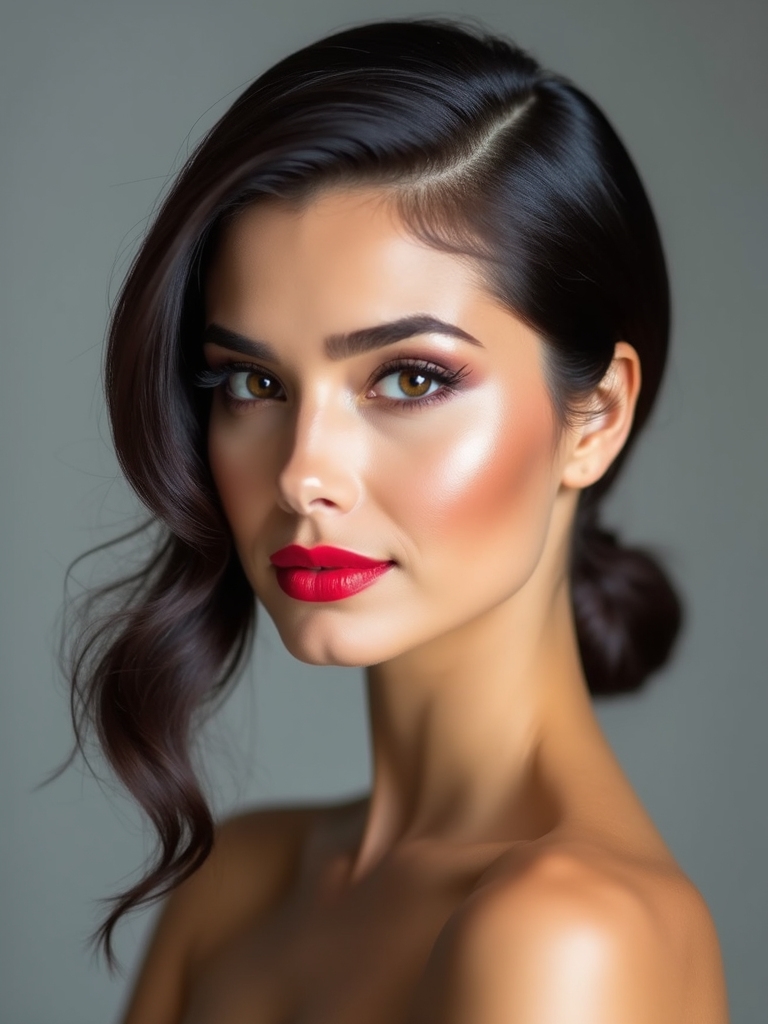
Slick back is an umbrella term covering several distinct looks, and knowing the difference helps you ask for and recreate exactly what you want. The wet look is high-shine and lacquered, the dry slick is smooth but matte, and the slicked-into-a-style version finishes in a bun, ponytail, or tucked behind the ears.
Each starts the same way, brushed back off the face, and diverges in finish and ending. Picking your version before you start saves you redoing it.
- Wet look: maximum shine, gel-heavy, best for events and photos.
- Dry slick: smooth and matte, more wearable for everyday.
- Slicked-into-style: brushed back, then finished in a bun or tuck.
A slick back hides nothing, and that is the point. With your whole face on show, confidence becomes part of the style.
Slick-Back Maintenance

Once the slick back is in, a few habits keep it sharp from morning to night. The enemies are humidity, which puffs the surface, and your own hands, which add oil and dent the shape every time you touch it.
A light anti-humidity mist helps the finish survive damp weather, and a travel comb plus a dab of gel handle any midday flyaways. For a wet-look style, accept that it softens over hours and plan to wash the product out that evening rather than sleeping in it, which can dry the hair and flatten the next day.
- Keep hands off; touching the surface dents and oils the finish.
- An anti-humidity spray protects the shape in damp weather.
- Wash out wet-look gel the same night to keep hair healthy.
Slicked-Back Short Hair

Short hair and pixies make some of the sharpest slick backs, since there is less length to control and the cut itself does half the styling. A slicked pixie or short bob brushed straight back is edgy, modern, and takes barely a minute.
- Work a small amount of pomade through and brush straight back from the face.
- Tuck the sides behind the ears for an extra-clean, androgynous finish.
- Short hair shows shine beautifully, so a glossy product looks expensive.
Stylist Tip
If your slick back looks too severe, add a little volume at the crown before you smooth it. Backcomb the roots gently, then brush the surface flat over the top. You keep the polished finish but soften the silhouette, which flatters most faces far more than a dead-flat slick.
Sophisticated Long Slick-Backs

Long hair brings drama to a slick back, the glassy crown flowing into yards of glossy length. The contrast between the controlled, lacquered top and the free-falling hair below is what makes it feel sophisticated and editorial.
Brush the front and crown back hard with gel until the surface is glass, then let the length hang loose and shiny, or gather it low if you prefer. A drop of serum down the lengths keeps the tail as glossy as the crown.
It is a striking option for events, where the long, wet-look finish photographs like liquid and needs no accessories to make a statement.
The Timeless Classic Slick-Back

The classic slick back is the foundation every other version builds on: all the hair brushed straight back off the face, smooth and shining, with clean lines and no part. It is the purest form of the look, and the one I have clients master first.
Master This One First
Apply gel to damp hair, brush everything back in one direction, smooth the sides flat, and set. No part, no accessories, just a glossy sweep away from the forehead.
This is the version that suits almost any occasion depending on your product: high-shine gel for a bold event, a softer cream for a wearable everyday take.
A Feminine Slick-Back

A slick back can be soft and feminine rather than hard-edged, and the trick is in the finish and a few left-out pieces. Leaving a couple of face-framing tendrils loose and waving them softens the severity into something romantic.
- Slick the bulk back, but leave two soft tendrils at the temples.
- Use a glossy, lighter product for a softer sheen than heavy gel.
- Wave the loose pieces and finish the lengths in soft curls.
Chic Accessories for Slick Styles

Because a slick back is so clean, it makes the perfect canvas for accessories, which pop against the smooth surface. A jeweled hair clip, a sculptural barrette, or a thin metallic headband turns a minimal slick back into a styled statement.
The clean lines do the work here. Even a single bold piece looks intentional, not cluttered. Place one accessory where the eye lands, the side of the crown or behind one ear, and let the polish be its backdrop.
- A thin headband over a slick back looks modern and put-together.
- Pearl or crystal pins along one side add quiet evening glamour.
- Keep it to one focal piece so the clean surface still shows.
A Polished Professional Look

For the office, a slick back signals competence and control without a hair out of place. The professional version stays smooth but skips the heavy wet-look shine, using a lighter product for a finish that looks polished, not dramatic.
Brush it back into a low bun or a neat tuck for meetings, keeping the surface controlled but matte enough to look like real effort. It is sharp, serious, and comfortable for a full workday.
I tell every client chasing a fast, sharp work look to start here, since it takes minutes and never reads as fussy.
Edgy Slick-Back Variations
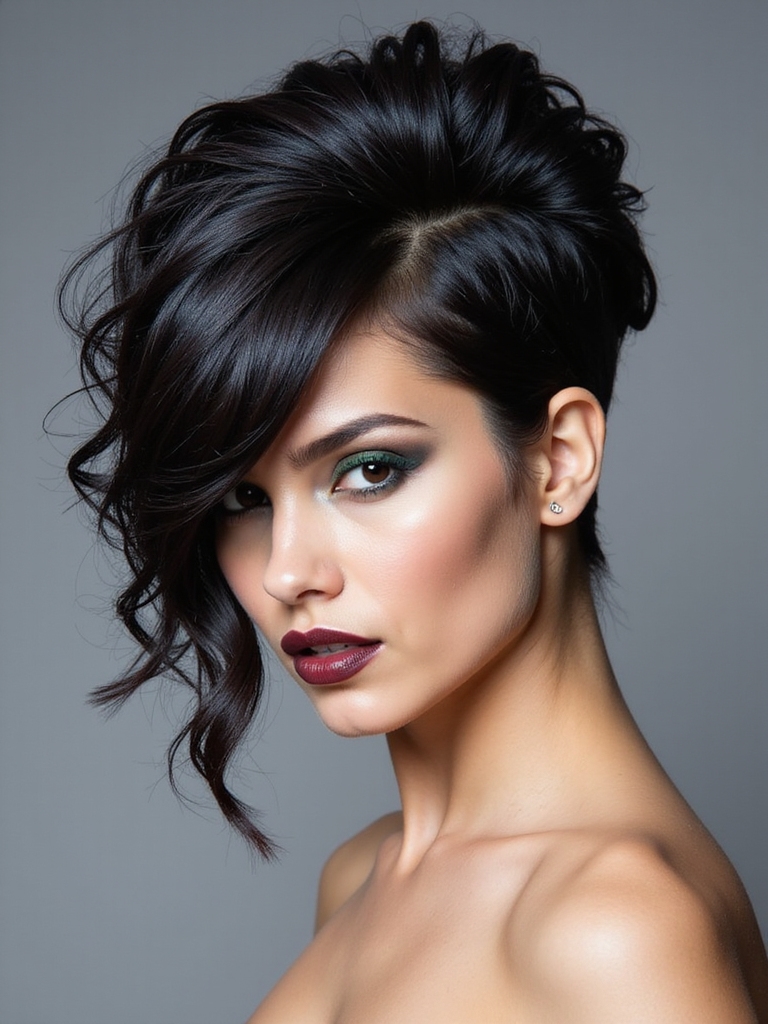
When you want the slick back to feel rebellious rather than refined, a few edgy variations push it there. The wettest, most lacquered gel finish feels punk and high-fashion, while pairing a slick back with an undercut or shaved sides brings real attitude.
A deep, severe side part or a slicked-back style with sharp, exposed ears leans androgynous and cool. These versions are about contrast and confidence, taking the same brushed-back base and amplifying the boldness rather than softening it. They suit a concert, a fashion event, or any day you want a little danger in your look.
- Go maximum-wet with a heavy gel for a punk, high-shine edge.
- Pair a slick back with an undercut or shaved sides for attitude.
- A severe deep side part sharpens the whole look instantly.
Adding Volume to a Slick-Back

A flat slick back can read severe, so adding a little volume at the crown softens and flatters most faces. Lifting the roots before you smooth the surface keeps the polish while giving the silhouette some height and life.
Lift the Roots, Smooth the Surface
Backcomb the crown gently before brushing back, or push the hair forward and then back to build lift at the roots. Smooth only the surface over the volume so it stays glassy on top but full underneath.
Crown height is especially flattering on rounder faces, where a totally flat slick can shorten the face, and it keeps fine hair from looking limp.
Textured Slick-Backs
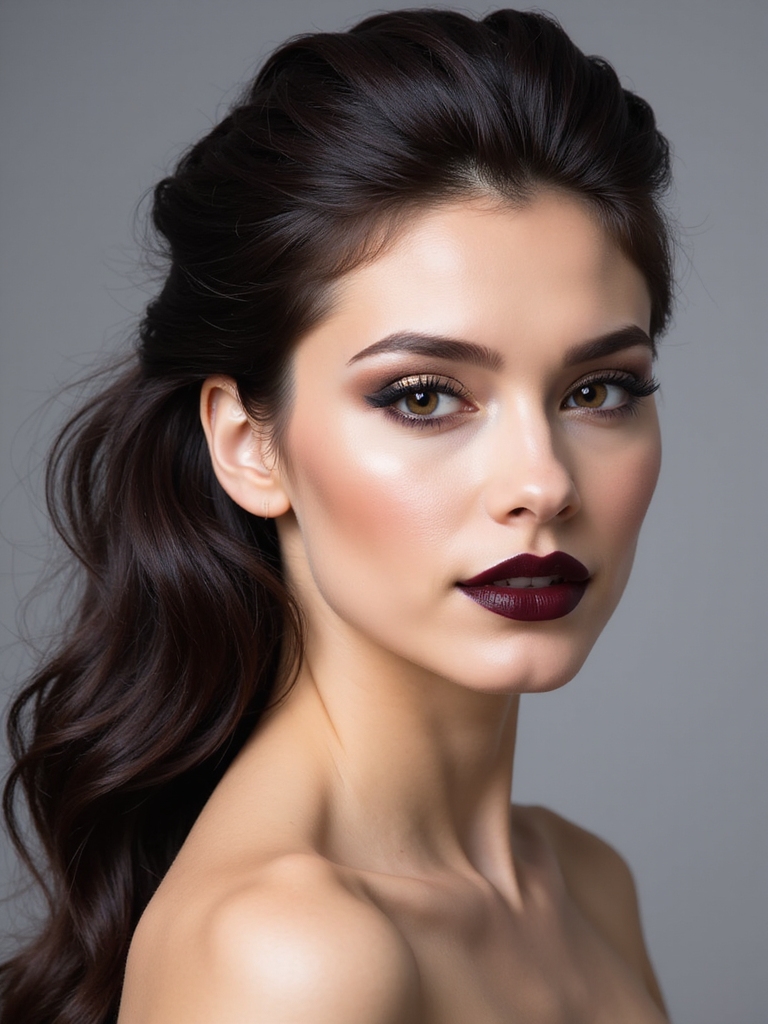
A textured slick back keeps the brushed-back shape but lets comb marks or natural texture show, a modern, undone twist on the wet look. Running a wide-tooth comb through the gel leaves deliberate grooves, like rake lines, that read fashion-forward.
It is a smart way to wear the style if a perfectly smooth surface feels too severe for you. The visible texture makes it look intentional and current rather than fussed-over.
- Drag a wide-tooth comb through wet gel for deliberate groove lines.
- Or slick the front and let natural texture show in the length.
- Comb-mark texture is forgiving, since perfection is not the goal.
An Elegant Evening Slick-Back

For evenings and events, the slick back turns all the way up: glass-smooth, high-shine, and finished like the rest of a formal look. This evening version leans into the wet-look drama, with a mirror finish that catches every light in the room.
Use a clear, high-shine gel, perfect the hairline with edge control, and pair it with bold earrings or a statement neckline, since the bare face and neck are the whole point. It is the most glamorous way to wear the style and needs no other adornment to turn heads.
A Curly Slick-Back

Curly and coily hair makes a striking slick back, and it does not mean straightening your texture. You can slick the front and crown smooth with the right products while letting your curls form the volume behind, or stretch the length for a longer line.
Smooth Front, Natural Curls Behind
Lay the front and edges with a gel or edge control suited to curls, working gently with your pattern, then let the curls live in a puff or low gathered shape behind the smoothed front. A satin scrunchie protects the gathered length.
Keep the tension soft at the hairline. Laying edges should never pull or hurt, and constant tight styling can stress fine edges over time, so be gentle and give your hair rest days.
Frizz Management for Sleekness

Frizz is the enemy of a slick back, and managing it is what separates glassy from fuzzy. Clients ask me about frizz more than any other slick-back problem. A few targeted steps keep the surface smooth even on humid or flyaway-prone days.
- Start on damp, not dry, hair so the product can smooth the cuticle.
- Use an anti-humidity or smoothing serum under your gel as a base.
- Press flyaways down with an edge brush, then mist lightly to hold.
Heat Tools for Slick-Backs

While many slick backs are done on damp hair with gel alone, heat tools help when you want a dry, smooth finish or are working with resistant texture. A flat iron run over gelled-and-dried hair gives an ultra-glassy surface, and a blow-dry with a brush smooths the base before you even add product.
Always use a heat protectant first, since gel plus high heat can stress the hair. For most everyday slick backs, damp styling is gentler, and heat is best saved for special, extra-polished occasions.
- Blow-dry hair smooth with a brush before applying product for a cleaner base.
- A flat iron over dry, gelled hair gives the glassiest finish.
- Always apply heat protectant first to guard against damage.
Controlling Thick Hair

Thick, coarse hair makes a substantial, impressive slick back, but it needs more product and firmer handling to stay controlled. A strong gel or pomade and a sturdy brush are non-negotiable, and you may need to work in sections so every part gets smoothed.
Apply generously to damp hair, brush back with real pressure, and consider clipping sections up as you work through them. The payoff is a slick back with serious body and shine. Once it is set, thick hair has the weight to stay put all day.
Bold Colors on Slick Styles

A slick back is the ultimate showcase for bold hair color, since the smooth surface reflects light and shows every tone clearly. Vivid reds, icy platinums, deep blacks, and fashion shades all look richer when the hair is glassy and pulled back. The surface acts like a mirror.
The wet-look finish makes color appear saturated and almost liquid, which is why colorists love photographing fresh dye jobs on slicked hair. If you have invested in a bold color, a slick back is the way to let it shine.
Glossy products enhance the effect, so reach for a clear, high-shine gel rather than a matte one when color is the star of your look.
Perfecting the Slick-Back
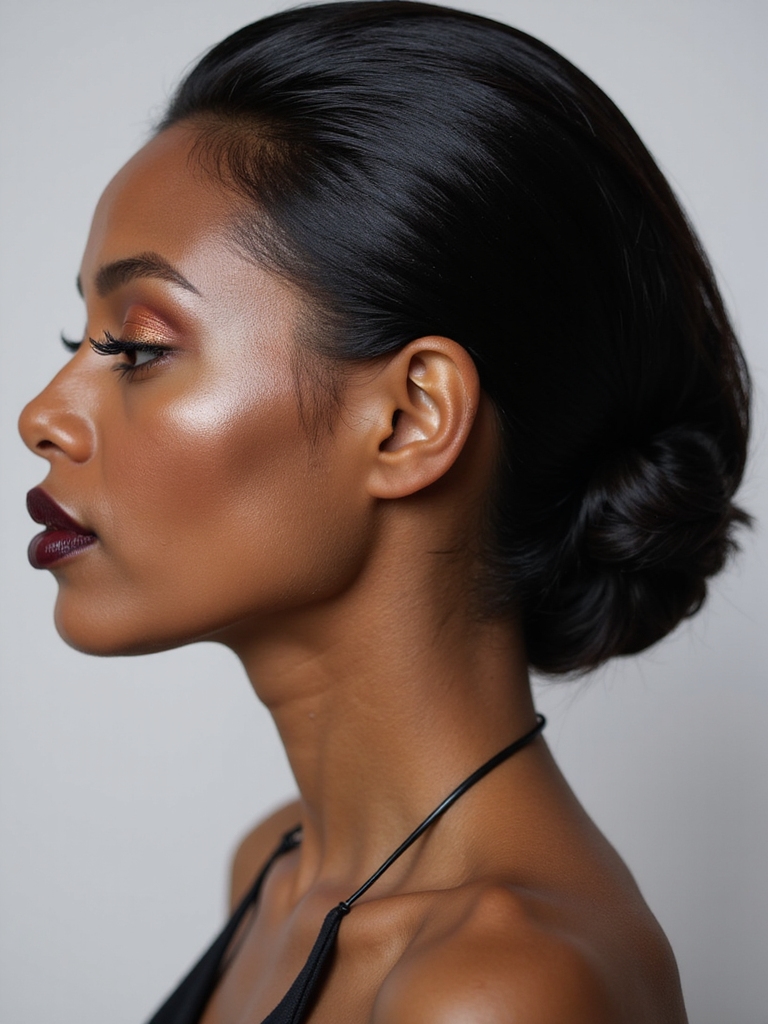
The difference between a good slick back and a perfect one lives in the small finishing details. The hairline is the biggest: laying your baby hairs smooth with an edge brush and a little edge control is what makes the whole thing look intentional rather than slept-on.
Shine is the next detail. A final mist of shine spray or a drop of serum over the set surface gives that expensive, glassy finish, though a light hand keeps it from sliding into greasy.
Finally, check the back and the sides in a second mirror, since bumps love to hide where you cannot see them. A quick smooth there is the last step to a truly polished slick back.
Slick-Back Styling Tips

A handful of small habits make every slick back better, and they take no extra time once they are routine. Work on slightly damp hair for the smoothest spread, match your product strength to your hair weight, and build in thin layers so you never overload the surface into greasiness.
Set the shape only after it is exactly right, smooth the hairline last, and keep your hands off the finished surface so it stays sharp. None of these are difficult, but together they are the difference between a slick back that looks salon-done and one that looks flat and oily by noon.
- Damp hair takes product more evenly than bone-dry hair.
- Build product in thin layers to avoid a greasy overload.
- Smooth the hairline last and then leave the surface alone.
Common Slick-Back Mistakes
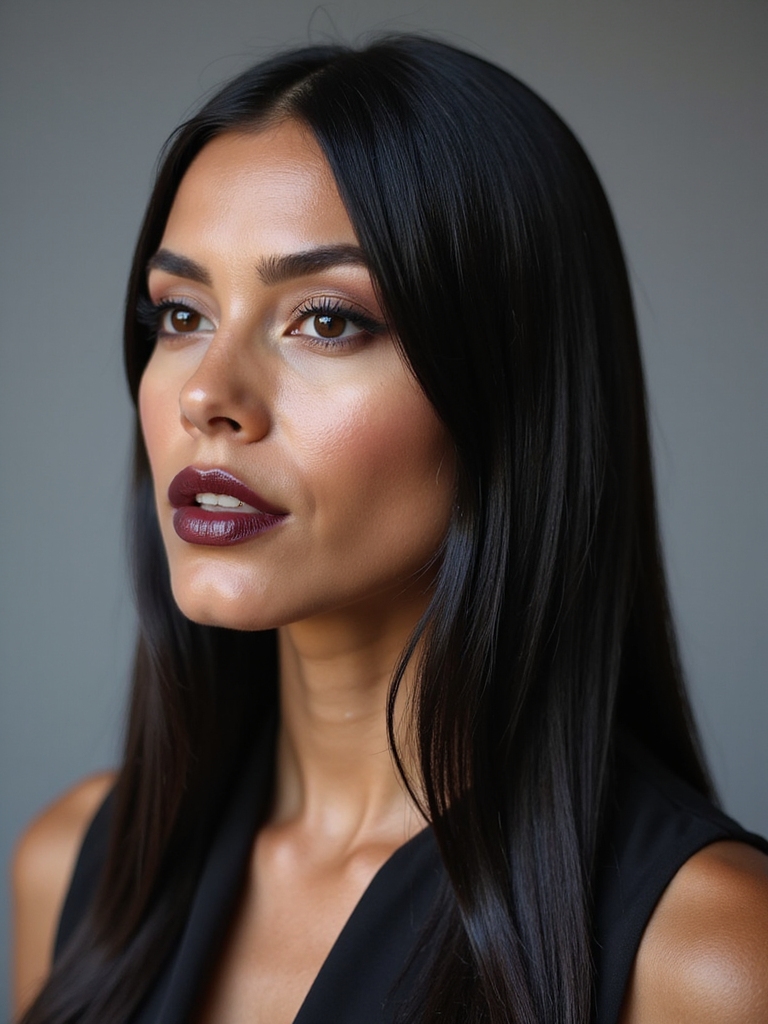
Most slick-back fails come down to the same handful of avoidable mistakes. The biggest is using too much product, which turns a sleek finish into a greasy, weighed-down mess; start light and add more only where you truly need it. The second is applying to bone-dry hair, where gel streaks and clumps instead of smoothing.
Other common slips include skipping the hairline, which leaves the look unfinished, choosing the wrong product weight for your hair type, and setting the shape with hairspray before it is actually right. Avoid these five and your slick back will look polished every time.
- Too much product is the number one cause of a greasy slick back.
- Applying to dry hair leaves streaks; work on damp hair instead.
- Never set with hairspray until the shape is exactly right.
How to Ask Your Stylist for a Slick-Back-Friendly Cut
If you love a slick back but yours never quite cooperates, the fix often starts at your haircut. Tell your stylist plainly that you want to wear your hair brushed back, and ask whether your current layers help or fight that. Long layers around the face can flop loose from a slick back, while a cut with less disconnection at the front holds the shape better. Bring a photo of the exact slick back you want, since that tells them far more than any description.
Also ask which products suit your specific hair type for a slick back, since a stylist who knows your texture can point you to the gel, pomade, or edge control that will actually hold. If your hair is curly or coily, ask about gentle ways to lay the front without stressing your edges. A good stylist will cut and advise with your real styling goal in mind, so the slick back you want takes minutes instead of a frustrating fight every morning.
Questions About Slick Back Hairstyles
?How do I keep my slick back from looking greasy?
Use less product than you think and build in thin layers, choosing a weight matched to your hair type. Fine hair needs only a little light gel, while thick hair can take more. Apply to damp hair and add more only where the surface needs it.
?Can I do a slick back on curly or coily hair?
Absolutely, and you do not have to straighten it. Lay the front and edges smooth with a curl-friendly gel or edge control, keep the tension gentle, and let your curls form the volume behind in a puff or low gathered shape. A satin scrunchie protects the length.
?How do I stop frizz from ruining the smooth finish?
Start on damp hair, use a smoothing serum or anti-humidity product under your gel, and press flyaways down with an edge brush before a final light mist. Humidity is the main culprit, so an anti-humidity spray is worth it in damp weather.
Wear It With Confidence
A slick back rewards exactly one thing above all: the nerve to put your whole face on display. Get the product right for your hair, brush back with patience, mind the hairline, and you have a look that reads bold and polished in minutes, on any length or texture. The technique barely changes from short to long, curly to straight; only the products and the finish shift.
Choose the take that fits your hair and your mood, practice it until it takes minutes, and let the confidence it gives you become part of how you wear it. For more polished ideas, explore other sleek hairstyles or a focused sleek bun hairstyles guide to take the same shine into an updo.
Keep the Inspiration Going