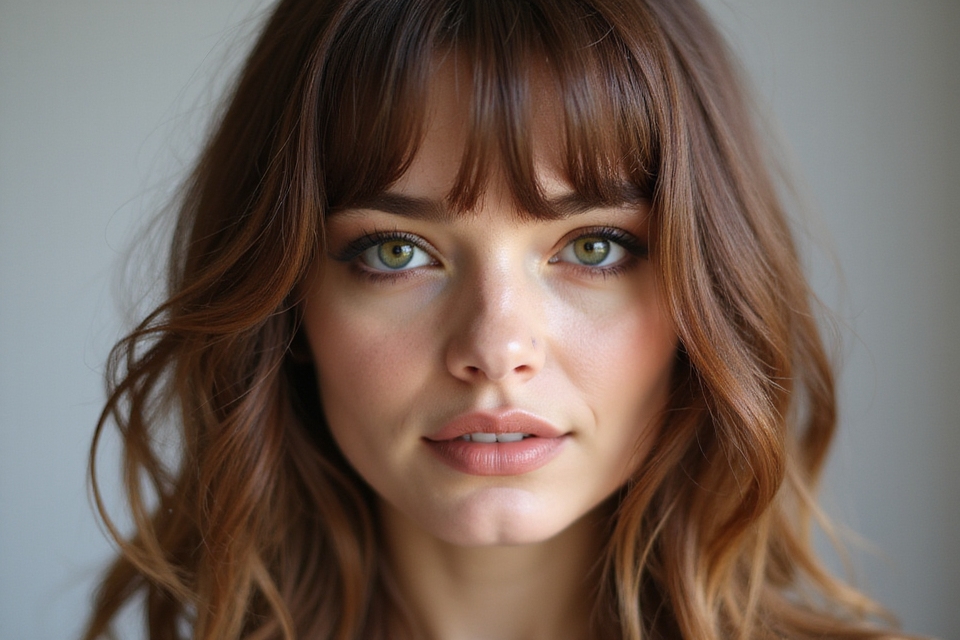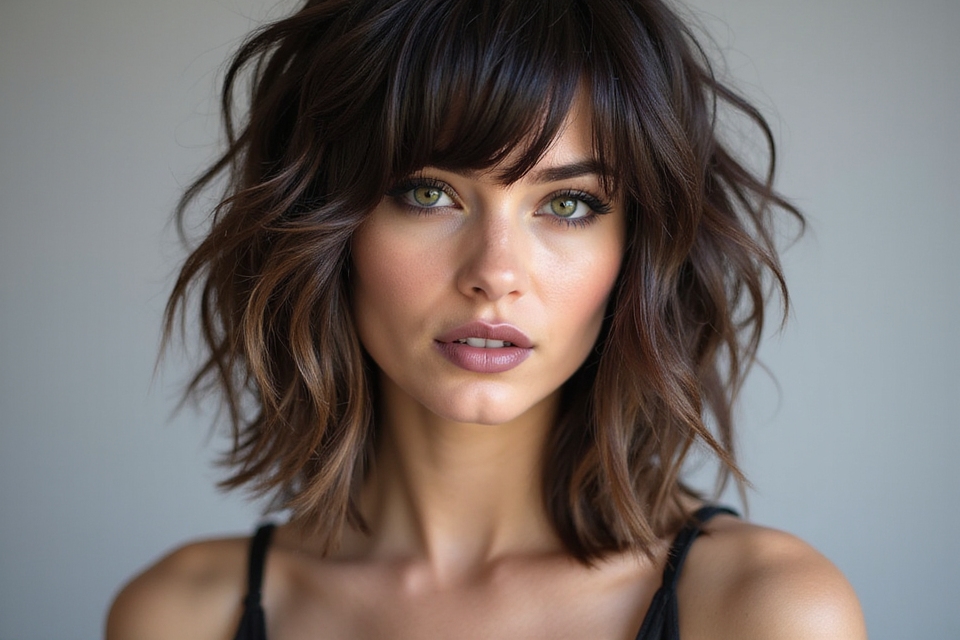

Here is the honest truth about layers: they are the difference between a short cut that sits flat and one that moves. One solid block of hair has nowhere to go. Cut into it, and the same hair lifts, swings, and looks like more of it.
That is the whole case for short layered hair. Whether your hair is fine and limp or thick and heavy, the right layers add the volume and movement a blunt cut cannot. Here are twenty-five layered looks, each with how the layers work and how to style them.
Layers at a Glance
| Hair type | Layers do this | Watch for |
|---|---|---|
| Fine, flat hair | Add lift and the look of fullness | Over-thinning, which can leave it sparse |
| Thick, heavy hair | Remove bulk and add movement | Too few layers, leaving it blocky |
| Curly or wavy | Shape the curl and release weight | Cutting wet, which hides where it springs |
The Modern Shag

The shag is the cut layers were practically invented for, built on choppy, stacked layers that run from the crown all the way down to feathered, separated ends. It is rumpled, cool, and full of movement, a close relative of the shaggy bob, and it suits almost every hair type. The layers are the entire personality of the cut. To wear it well:
- Ask for heavy layering through the crown for height.
- Add a curtain fringe to frame the face.
- Scrunch in texture spray and air-dry for that undone finish.
Textured Pixie Cut

On a pixie, layers change everything. They turn a flat crop into something with real spike and separation. The short top pieces are cut at varying lengths so they stand up and apart instead of lying down.
Why Texture Beats a Smooth Crop
It is the most freeing pixie cut here, and the texture does all the styling. A pinch of matte paste worked through the top is the whole routine.
This is the pixie I steer fine-haired clients toward, since the texture builds the illusion of more hair. Keep the sides close so the layered top stays the focus.
A few layering terms worth knowing:
📖Point-cutting
Snipping into the ends at an angle to soften layers and add texture.
📖Internal layers
Layers cut inside the hair to add movement while the outline stays solid.
📖Stacking
Building shorter layers at the back to create height and volume at the crown.
Bob With Wispy Layers

A bob with wispy, soft layers is the quiet everyday workhorse of layered hair, the cut that does more for movement and shape than its simple looks let on. I tell clients the internal layers are what keep the bob from sitting like a helmet, adding bounce and a light, airy finish all around the face.
It flatters fine to medium hair that needs movement without losing the bob’s clean shape. Round-brush the ends under as you dry to let the layers swing, and a short bob hairstyle with this kind of soft layering looks modern and easy.
Layered Lob With Bangs

The lob, a collarbone-length bob, gets a real upgrade from layers and a fringe. The layers add motion through the length, and the bangs frame the face and pull the whole look together.
It is easily the most wearable cut on this entire list, long enough to pull back on a busy morning yet soft and layered enough to flatter just about every face shape that walks into the salon. The combination of layers and fringe keeps it from feeling heavy.
Pair it with soft curtain bangs for an easy, grow-out-friendly fringe. Style it with a loose wave to play up the layered motion through the mid-lengths.
“The mistake I see most with layers is people asking for them to thin out thick hair, then getting them on fine hair too. On fine hair, layers should add lift up top and keep the ends full. On thick hair, they remove weight. Same word, opposite jobs, so always tell your stylist which problem you are solving.”
Graceful Feathered Layers

Feathered layers keep the ends soft and wispy. They fan out for a light, romantic finish. It is the gentlest version of layering, all softness and no sharp edges.
It flatters mature and fine hair beautifully, since the airy ends disguise any sparseness. A few pointers:
- Ask for feathered, point-cut ends over blunt ones.
- Round-brush the pieces out and away from the face.
- Keep the product light so the feathering stays airy.
Layered Curly Crop

On curly hair, layers are what give a crop its shape and stop it from becoming a triangle. The right layering lets the curls spring up and out evenly instead of piling at the sides. To get it right:
- Have it cut dry, curl by curl, so the layers land where the curl springs.
- Keep layers light, since over-layering curly hair causes frizz.
- Define with a curl cream and scrunch up toward the crown for lift.
Heads-Up
Layers are not a one-time decision. They grow out and change shape, so a layered cut needs more regular trims than a blunt one, usually every five to six weeks. If you cannot commit to that, ask for softer, longer layers that blur as they grow rather than sharp, choppy ones.
Boldly Asymmetrical Bob

Layer an asymmetrical bob and you get the best of both. You get motion on top of an already-bold shape. The uneven length brings the drama, and the layers keep it from looking stiff or one-note. It is a confident, modern choice. A few things to know:
- Let the longer side carry softer, sweeping layers.
- Keep the short side tucked and sleek for contrast.
- Smooth the long side so the layered movement looks intentional.
Trendy Choppy Layers

Choppy layers take the texture up a notch. The ends are deliberately uneven and razored, and they catch the light. They read cool and a little undone, the most fashion-forward layering on the list. Build the look like this:
- Ask for visible, piecey layers, not subtle blended ones.
- Work a matte paste through to separate the pieces.
- Air-dry and tousle; the messiness is the whole point.
How to style choppy layers for maximum texture:
1Prep damp
Work a texture spray or light mousse through towel-dried hair.
2Rough-dry
Dry with your fingers, scrunching upward to build movement.
3Separate
Pinch a little matte paste through the ends to define the pieces.
Wavy Layered Bob

Layers and waves are made for each other, and on a bob they create soft, full movement that flat styles cannot touch. The layers give the waves somewhere to fall, so the bend looks natural rather than forced.
It is a relaxed, flattering everyday look. I set a loose wave with a 1-inch wand, break it up with your fingers, and the layered bob moves all day. A flexible-hold spray keeps the wave from collapsing without making it crunchy.
Voluminous Layered Pixie

This pixie is cut and styled for maximum height, with layers concentrated on top to push real volume into the crown. It is the boldest possible answer to flat, fine hair, taking the one thing that drags a short cut down and turning it into the whole point of the style.
The layers do the heavy lifting, but the styling seals it. Dry the top section up and back, then set the height with a little paste at the roots.
It is dramatic and freeing at once, and it photographs beautifully. Keep the sides tapered so all the eye goes to that lifted, layered crown.
Sleek A-Line With Layers

An A-line angles shorter at the back and longer toward the front, and layers add the swing that keeps it from looking severe. The sleek silhouette stays sharp while the layers soften it just enough.
Angle Plus Layers
It is a polished, grown-up cut that flatters most face shapes. The angle elongates the neck while the layers add interest.
Keep the back stacked for crown height and the front layers long enough to frame. A smooth blow-dry shows off both the angle and the layered movement.
Carefree Textured Layers

Soft tousled layers are for the woman who wants pretty with zero fuss. The layers are cut for motion, then styled loose and undone for a soft, just-woke-up-like-this finish. To pull it off:
- Ask for soft, blended layers over choppy ones.
- Scrunch in a light mousse and air-dry for natural texture.
- Tousle with your fingers; skip the brush to keep it soft.
Razor-Cut Layers

A razor carves soft, tapered layers with feathered, piecey ends, for a look that is full of texture and a little undone. The razored finish gives movement that scissor-cut layers cannot quite match.
It works best on straight to wavy hair, since the razor can frizz tight curls. The technique adds built-in texture, so styling stays quick. Keep the hair well conditioned, though, since razored ends can dry out faster than blunt ones.
Spiky Layered Style

Spiky layers push the texture to its boldest. The top pieces are cut short and lifted into separated spikes. It is edgy, confident, and full of attitude, the kind of cut that announces itself before you have said a single word.
Building the Spikes
The layers make the spikes possible, since the varying lengths give the pieces something to stand on. It is a real statement cut.
Use a strong matte wax and pinch the pieces up with your fingertips. Keep the sides tight so the spiky, layered top leads the whole look.
Edgy Undercut With Layers

An undercut pairs beautifully with layers, removing weight underneath while the layered top stays full and moving. For thick hair, this combination is a relief, taking out bulk so the layers can do their job. A few notes:
- Best for thick hair that needs serious weight removed.
- Keep the undercut hidden under the layered top for a subtle version.
- Plan a clipper pass on the shaved part every few weeks to keep it tidy.
Layered Bob With Highlights

Layers and highlights together are a double dose of dimension. The layers add physical movement, and the color adds visual depth, so the bob looks fuller and more expensive at once. To make it sing:
- Place highlights along the layers to catch the movement.
- Leave the base color a shade richer so the highlights stand out.
- Book a gloss every six to eight weeks, about $40 to $70, to keep tones fresh.
Bold Layered Mohawk

A short layered mohawk pulls the volume into a central strip, with layers adding the height and texture that make the shape work. It is bold, adaptable, and sharper than almost anything else here.
The layers let you wear it spiky or smoothed down. A few pointers:
- Ask for layered length down the center for height.
- Keep the sides cropped or buzzed for contrast.
- Style the center up with strong paste, or smooth it for a softer take.
Vintage-Inspired Layered Bob

A vintage layered bob nods to the soft, rounded shapes of decades past. The layers curve under for a polished, retro finish. It feels classic and intentional, the opposite of undone.
The layers build the rounded volume that gives it that old-Hollywood body. It suits straight to wavy hair that holds a smooth shape.
Set it with a round brush, curving the layers under at the ends. A little shine spray finishes the vintage, glossy look.
Layered Crop With Side Fringe

A layered crop with a side fringe is short, chic, and full of personality. The layers add texture through the crop, while the swept fringe softens the face and adds a diagonal line.
It is a modern, low-effort cut that suits a busy life. A few things to ask for:
- Layered texture through the crown for lift and movement.
- A soft, side-swept fringe to frame and soften the face.
- Enough length on top to sweep the fringe across.
Tousled Pixie With Layers

This pixie is all playful charm, with layers cut for bounce and styled loose and tousled. It looks young and fun, the opposite of stiff. The layered texture is what keeps it from looking like a plain crop.
It is a great low-maintenance choice with personality. To wear it:
- Ask for choppy, varied layers on top for lift and motion.
- Tousle with a little paste and your fingers, no tools needed.
- Let it air-dry for the most natural, playful finish.
Short Layered Blunt Cut

This one balances a blunt perimeter with soft internal layers, the best of both worlds. The blunt line keeps the ends looking dense and full, while the layers add the bounce a pure blunt cut lacks. To get the balance right:
- Keep the perimeter blunt so the ends stay full.
- Add only internal layers, leaving the outline solid.
- Blow-dry smooth so both the line and the movement show.
Layered Inverted Bob

An inverted bob stacks short layers at the back and angles longer toward the front, and the layering builds serious crown height. It is a versatile, flattering shape that fakes volume where you need it. To wear it well:
- Ask for stacked layers at the back to lift the crown.
- Keep the front longer to frame the face.
- Lift the back up and out as you dry to build the crown.
Sleek Straight Layers

Layers do not have to be choppy. On straight hair, sleek, subtle layers add quiet movement to a polished, glossy style. The layers keep a smooth cut from looking flat and lifeless without losing the clean line.
It is the most refined layering on this list. A few notes:
- Ask for long, blended layers that keep the sleek shape.
- Blow-dry with a flat brush for a smooth, glossy finish.
- A drop of oil on the ends seals the polished look.
Messy Layered Style

The messy layered style leans all the way into undone. The piecey layers are worn deliberately rough and textured. It is carefree, creative, and the lowest-effort look here. The layers make the mess look intentional rather than accidental.
It is the cut for people who hate styling. A few moves:
- Ask for choppy, uneven layers throughout.
- Scrunch in a salt or texture spray and let it air-dry.
- Rough it up with your fingers and leave it alone.
Layered Cut With Feminine Finish

This is layering at its softest and most feminine, with gentle, face-framing layers and a smooth, polished finish. It is elegant and timeless, the layered look for someone who wants pretty over edgy. To wear it:
- Ask for soft, face-framing layers around the face.
- Style with a loose wave or a smooth blow-dry.
- Keep a jaw-length curly bob in mind if your hair has natural wave.
Common Mistakes to Avoid
The single biggest layering mistake is over-thinning, especially on fine hair. A heavy hand with thinning shears or a razor can leave fine hair looking sparse and see-through at the ends, the exact opposite of the fuller look you wanted. Ask for volume-building layers up top and a fuller perimeter, and tell your stylist if your hair is fine so they go easy.
The other common slip is cutting curly or wavy hair wet. Curls shrink and spring as they dry, so layers cut wet can land far shorter and more uneven than planned. A good stylist cuts textured hair dry to see where it falls. And remember that layers grow out faster than a one-length cut, so plan a shaping trim every five to six weeks, which holds the bounce and stops the ends from straggling.
Short Layered Hair, Answered
?Do layers make fine hair look thicker or thinner?
Thicker, when they are done right. Volume-building layers up top lift fine hair and add the look of fullness. The danger is over-thinning the ends, which leaves fine hair sparse. Tell your stylist your hair is fine so they keep the perimeter full.
?How often do layered cuts need trimming?
Every five to six weeks for most short layered styles, more often than a blunt cut. Layers grow out and lose their shape faster, so a regular shaping trim keeps the movement crisp. Softer, longer layers can stretch a little further between visits.
?Are layers good for curly hair?
Yes, when cut correctly. Layers give curls shape and stop a crop from turning into a triangle. The key is cutting dry, curl by curl, and keeping the layering light, since over-layering curly hair causes frizz and loss of definition.
?What is the most low-maintenance layered cut?
A soft tousled or messy layered style. Both are cut for movement and styled loose, so they air-dry into shape with just a little paste or texture spray. They also hide grow-out well, since the texture blends as the layers lengthen.
?Can thick hair handle short layers?
Absolutely, and it benefits the most. Layers remove the bulk that makes thick hair sit heavy and blocky, adding movement and lightness. The mistake is too few layers, which leaves thick hair looking like a solid helmet, so do not be shy about asking for real shape.
Let the Layers Do the Work
Strip away the names and every cut here runs on the same idea: layers turn flat, lifeless hair into something with body and movement. The trick is matching the layering to your hair, lift for fine, weight removal for thick, shape for curly.
So the real question is not whether to add layers, but which kind your hair is asking for. Talk that through with your stylist, be honest about your texture, and let the layers do the heavy lifting your hair has been missing.
More Looks Worth Saving