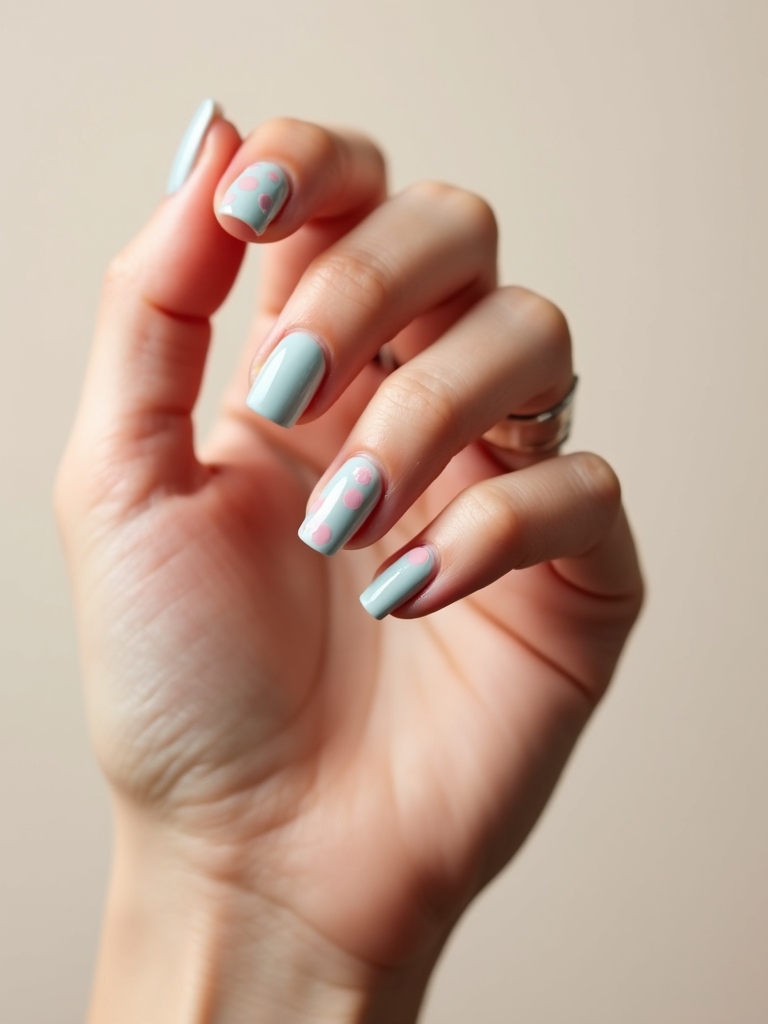
Pink gets written off as the easy choice, the bottle you grab when nothing else feels right. From behind the nail desk I see it the other way around. No other shade I work with stretches this far, from a sheer wash quiet enough for an interview to a saturated magenta built for a night out, and the line between sweet and stylish usually comes down to finish, not color.
Here are the pink manicures clients actually book, each with how it goes on, the skin tones it loves, and the upkeep it asks for. A few take five minutes; others are a full gel set. Pick the pink that fits your week, then weigh the upkeep against how often you get to a salon.
Choosing Your Pink
- Sheer and milky pinks look polished on every skin tone and hide grow-out the longest, which makes them the low-maintenance pick.
- Saturated pinks like magenta, fuchsia, and hot pink flatter deep, melanin-rich skin with real punch and photograph far better than chalky pastels.
- Most gel pink sets run $35 to $55 and hold two to three weeks; chrome, ombré, and hand-painted accents add both cost and chair time.
Cotton-Candy Pastel Pink Gloss

This is the pink most people picture first, a soft, slightly milky pastel finished with a wet-looking shine. It lands between baby pink and cotton candy, light enough to stay sweet but never washed out. It is the shade I see saved most often come spring, though plenty of women wear it straight through the year because it goes with everything they own.
Why the gloss matters more than the shade
The finish carries this look. Two thin coats over a hydrating base, then a glossy top coat that holds its shine for the full wear. A quick buff first keeps the surface even, so the gloss reflects cleanly instead of pooling in the ridges. Skip the matte version here; it turns the pastel chalky and loses the whole point.
It suits most skin tones, but if your hands run cool, choose a peach-leaning pastel so it does not turn ashy. A gel version keeps its glass-like shine for about three weeks, where regular polish gives you maybe five good days before the top dulls. For an even softer take, see milky nails.

Dusty Rose Minimalist Sheer

Dusty rose is the grown-up pink, a soft, slightly grayed rose worn sheer so it reads like your nails on their best day. It is what I pull for the client who wants color her boss will not side-eye. The muted tone keeps it quiet while still looking put-together.
Because it is sheer, application forgives a lot. Two to three thin coats build the tint without streaking, and grow-out blends into the tint, sparing you the hard line at the cuticle. That forgiveness is the whole appeal: it is the rare manicure you can stretch close to three weeks before it looks like it needs anything at all.
- Layer thin coats; one heavy pass streaks badly on a sheer formula.
- Pick a rose with a little gray in it so the look stays muted and adult.
- It flatters every skin tone, which is why it is the safest pink here. See baby pink nails.
📋Make Any Pink Last Longer
- ✓Buff lightly and dehydrate the nail before base coat so the color grips.
- ✓Two thin coats beat one thick one, which peels at the edge first.
- ✓Cap the free edge with every layer, top coat included, to fight chipping.
Modern French Tips on a Blush Base

The French tip went pink. Honestly, it suits most hands better than the white original. A blush base with a slightly deeper rose tip keeps the classic smile-line shape but softens the contrast, so it looks current instead of bridal-formal. This is the request I get most from women who are bored of plain but not ready for full nail art.
Thin tips look cleaner than thick ones
Keep the base sheer and the tip thin; a fat, white-style tip is what dates the look. A micro-line, a soft ombré edge, or a slightly angled tip all look modern. The soft pink-on-pink edge also photographs softer than a stark white tip, which is half its modern appeal.
If you want the full breakdown of every pink smile-line variation, that has its own guide. See pink french tip nails and french nails.
Glazed Pink Jelly Nails

Glazed pink jelly nails are the juicy, see-through option, a sheer candy-pink built up in translucent layers so light passes through and the whole nail looks freshly glossed.
Keeping it translucent is what makes it work; a jelly should look like tinted glass, so you layer thin sheer coats and let an opaque pink sit this one out. A pale, slightly warm base reads juiciest, while an ash-toned pink can look flat through sheer layers, so test the color on one nail before you commit the whole hand.
- Build two or three sheer jelly coats so light travels through for depth.
- Add a chrome or pearl glaze over the top for that wet, just-dipped shine.
- It flatters warmer and deeper skin especially well, where the candy tone glows. See jelly nails.
Good to Know
A pink French grows out far more gently than a white one. Where a stark white tip leaves an obvious gap at the cuticle as the nail grows, a soft pink edge melts into a sheer base, so you can push fills toward the three-week mark without it looking overgrown.
Blush Pink Nails With Pearls

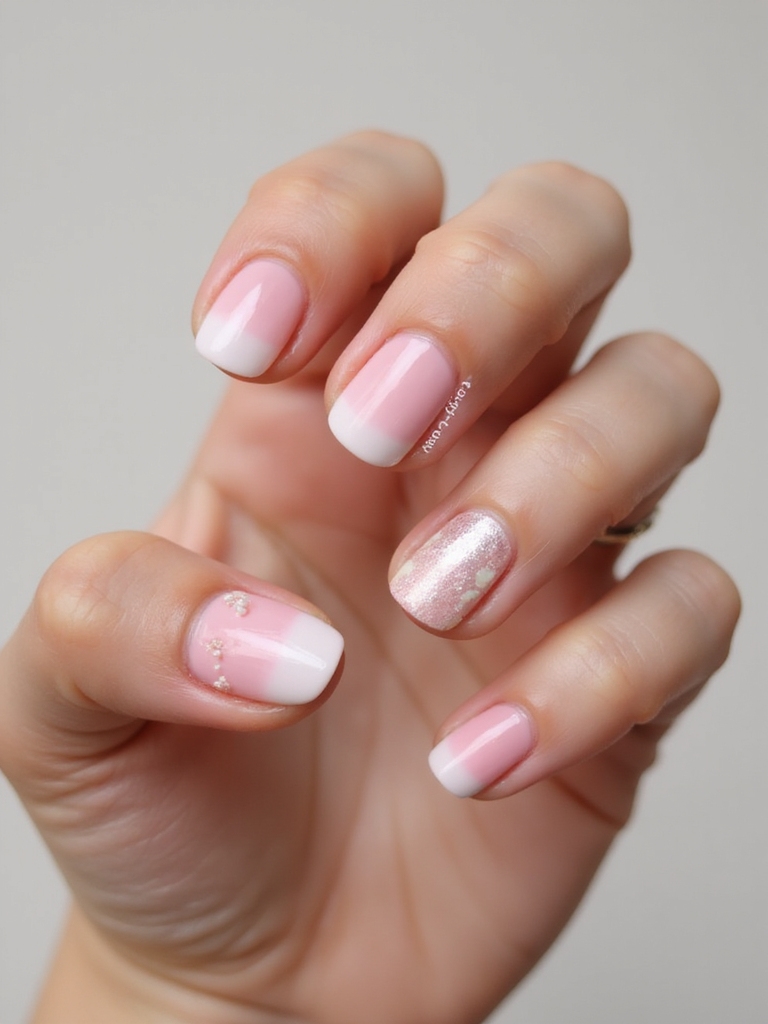
This is the bridal-adjacent pink, a milky blush base dotted with tiny pearls, usually at the cuticle or trailing up one accent nail. A bride sat down last month with a photo of exactly this and called it understated, which is the point: the pearls catch light without tipping into full nail art.
The milky base sets the mood, soft enough that the pearls register as a quiet accent. Keep them few and placed on purpose, a single pearl at the base of each nail, or a small cluster on the ring fingers only. Scatter too many and the look slides from refined into crafty.
- Use real flat-back micro pearls set in gel so they actually hold.
- Cap each pearl with a dot of gel and cure it so it does not pop off.
- Pearls sit raised, so expect to baby them around zippers and pockets.
Delicate Pink Micro-Florals
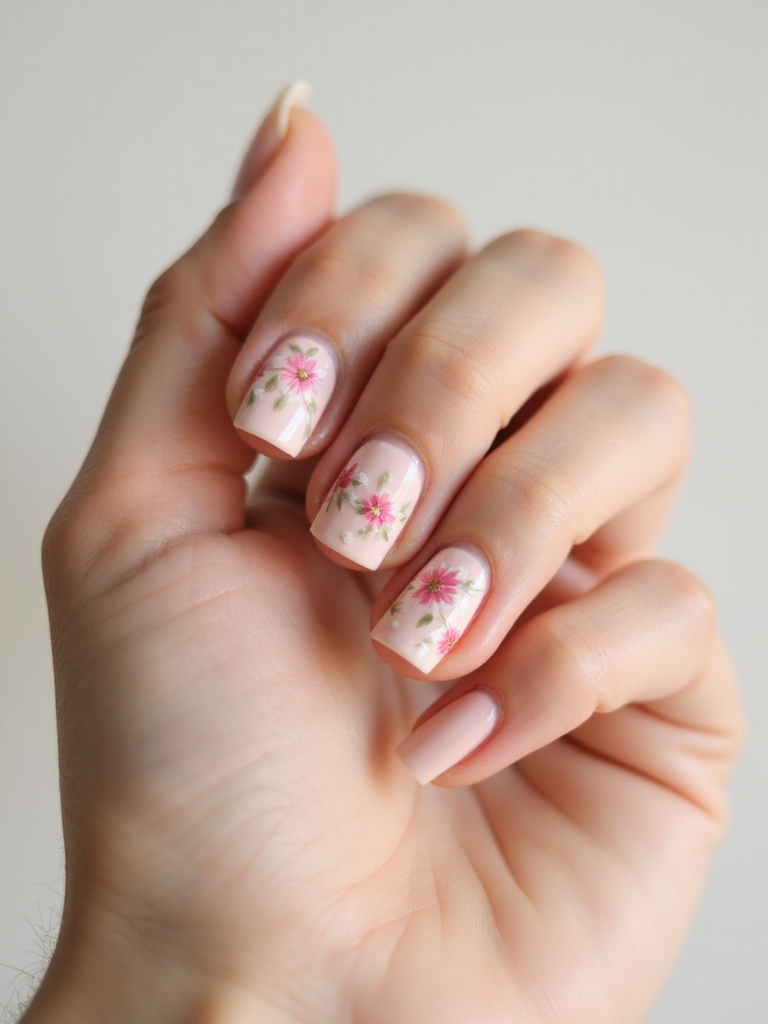
Micro-florals scatter tiny hand-painted blossoms across a soft pink base, the petals small enough that from a step back they blur into soft texture. It is the spring manicure that does not feel costume-y, and it works on restraint: airy spacing, sheer petals, and one or two accent nails rather than a bouquet on every finger.
At the desk this is slow work, a few extra minutes per painted nail, so most people keep the florals to two nails and leave the rest plain pink. White five-dot flowers with a tiny yellow center are the classic, but a single tone-on-tone bloom in a deeper pink looks more modern. Seal it under a glossy top so the art stays put through the week.
🅰️Sheer Pink
Reads natural, hides grow-out, wears two to three weeks with little fuss. The low-effort choice for busy weeks.
🅱️Saturated Pink
Magenta, fuchsia, hot pink. More impact and better photos, but it shows chips at the edge sooner and asks for tidier upkeep.
Hot Pink French Tips With Heart Accents

When someone wants playful and bright in one set, this is it, a glossy hot-pink French tip with a tiny heart tucked near the smile line. The crisp tip keeps it from reading childish, while the heart adds just enough sweetness. It photographs loud and still holds together as chic, which is a hard balance to land. Almond and short coffin shapes carry the bright tip best, since the longer canvas keeps the hot pink from swallowing a short nail.
- Paint a clean hot-pink tip first and let it cure fully before detailing.
- Add one small heart at the corner of a single accent nail.
- Deep and melanin-rich skin carries this brightness beautifully, so do not let anyone talk you into a softer pink if hot pink is what you came in for. See hot pink nails.
Blush Matte Base With Glossy Tips

This one trades on contrast in finish rather than color, a soft blush base taken matte with a velvet top, then just the tips sealed in high gloss. The two textures against the same quiet pink look modern and considered, and it photographs from every angle because the shiny edge catches light while the matte body stays soft.
It is a smart choice when you like a neutral pink but want it to feel like something. Use a velvet-matte top coat over the base, then cap the tips in clear gloss; the cleaner the line between matte and shiny, the sharper it looks. One honest trade-off: matte shows dust and fingerprints faster, so it asks for a little more daily wiping than a full-gloss set.
Who It Suits Best
The real lesson across these looks is simple. Pink is a whole spectrum, and which one fits you depends on your skin and your schedule far more than on whatever is trending.
Cool, fair hands look best in soft cool-rose and dusty pinks; warm and olive tones suit coral-leaning and bright pinks; and deep, melanin-rich skin carries saturated magenta, fuchsia, and hot pink with a punch that pastels simply cannot match. If a pastel looks chalky on you, you do not dislike pink, you have just been handed the wrong depth of it.
On upkeep, be honest about how often you actually reach a salon. Most of us go less than we plan. If it is rarely, stay with sheer, milky, and blush tones that hide grow-out and forgive a stretched fill; a gel set in these shades runs about $35 to $50 and holds two to three weeks.
If you love the brights, budget for tidier maintenance, since hot pink and chrome show wear at the free edge first and look best re-capped. Bring a photo to your tech, name the finish you want, glossy, jelly, matte, or chrome, and you walk out with the pink you actually pictured. For a second helping of ideas, see pink acrylic nails.
Find Your Pink
Pink earns its reputation as the friendliest color on the polish wall precisely because there is a version of it for every hand, every job, and every level of effort. Sweet and stylish are not opposites here; the same shade can read either way depending on the finish you put over it.
Start with whichever look matched your week, a sheer dusty rose for the office, a glazed jelly for the weekend, a hot-pink French for a night out, and grow your list from there. Screenshot the two or three you keep circling back to and take them to your next appointment. Choosing really is the hardest part.
More Hair Inspiration