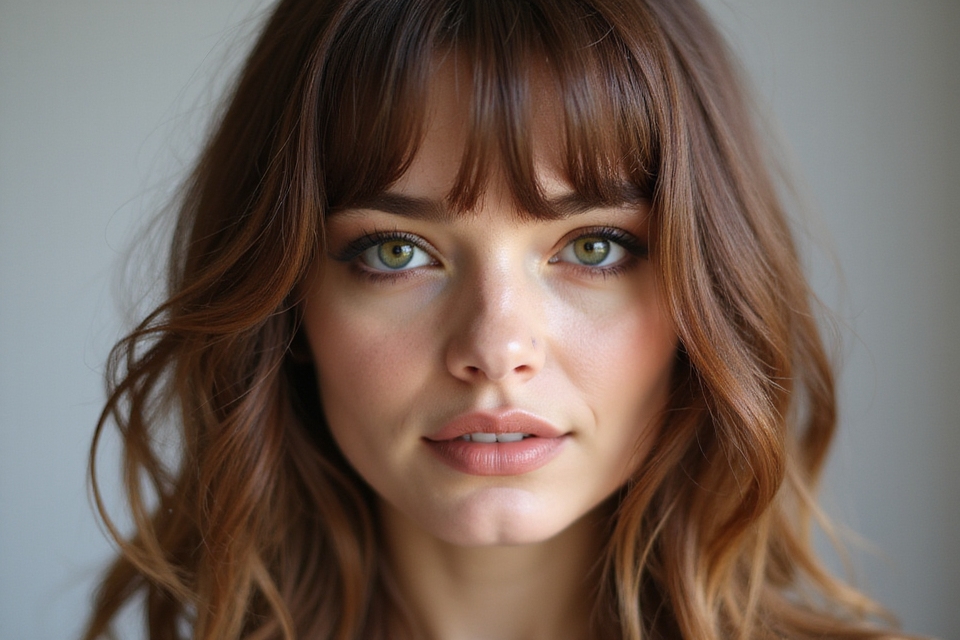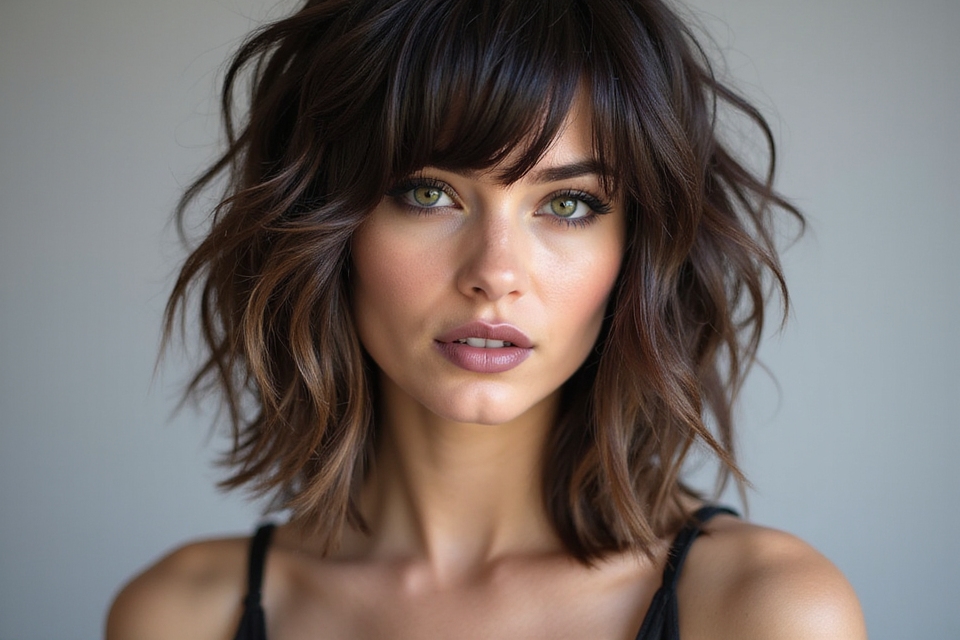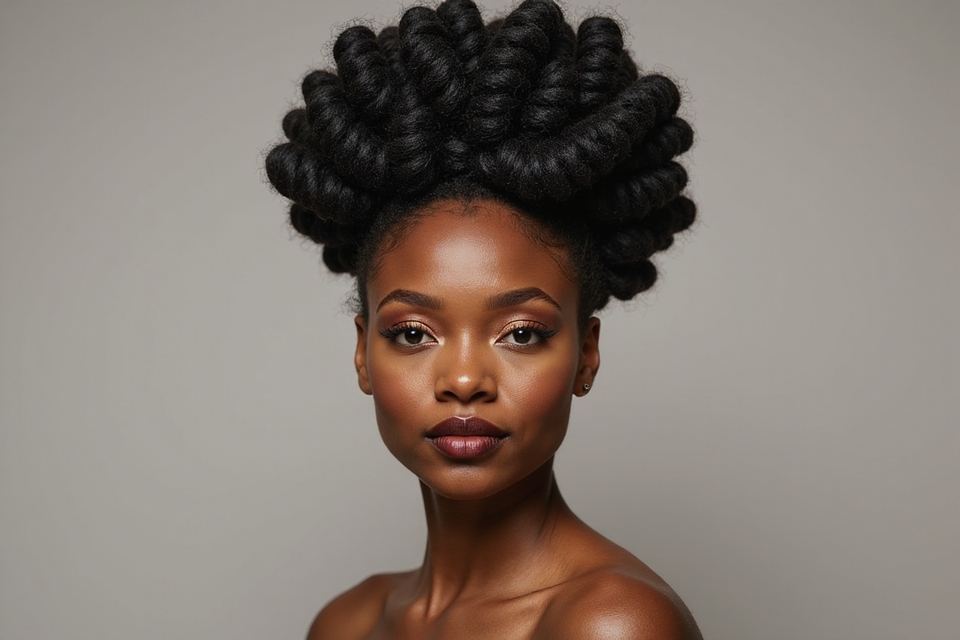
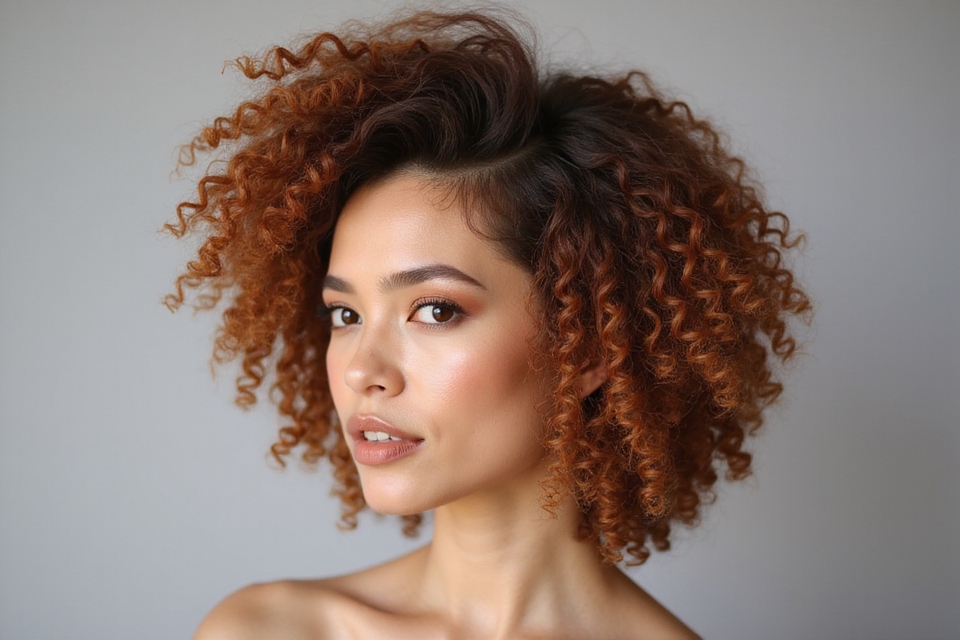
Most haircuts blend their layers together. The jellyfish does the opposite, and that is the whole point. A rounded, bowl-like top layer sits like a bell over a longer, separate underneath layer that hangs free like tentacles, with a clean, deliberate gap between the two. On straight hair it looks graphic and sharp; on curly hair, it turns into something softer and far more interesting.
Curls change the jellyfish completely. The rounded top becomes a bouncy bubble crown of coils, and the longer underneath layer falls in defined spirals, so the disconnection feels playful and organic rather than severe. This guide covers how the cut works on curls, how to build the volume, the products and care it needs, and the honest trade-offs before you commit to such a bold shape.
The Essentials Up Front
- It is two disconnected layers. A short, rounded bubble crown on top sits over a longer, separate underneath layer, with a visible gap between them.
- Curls soften it. On curly hair the sharp jellyfish silhouette turns bouncy and organic, so the bold cut comes across playful rather than severe.
- Volume lives in the crown. The top layer needs lift and curl definition to hold its rounded bell shape, which is mostly a cut-and-dry job, not a product one.
- It is high commitment. This is a dramatic, disconnected cut that grows out awkwardly, so a salon shape every six to eight weeks keeps it sharp. A first cut runs roughly $70 to 150.
The Contrasting-Length Silhouette
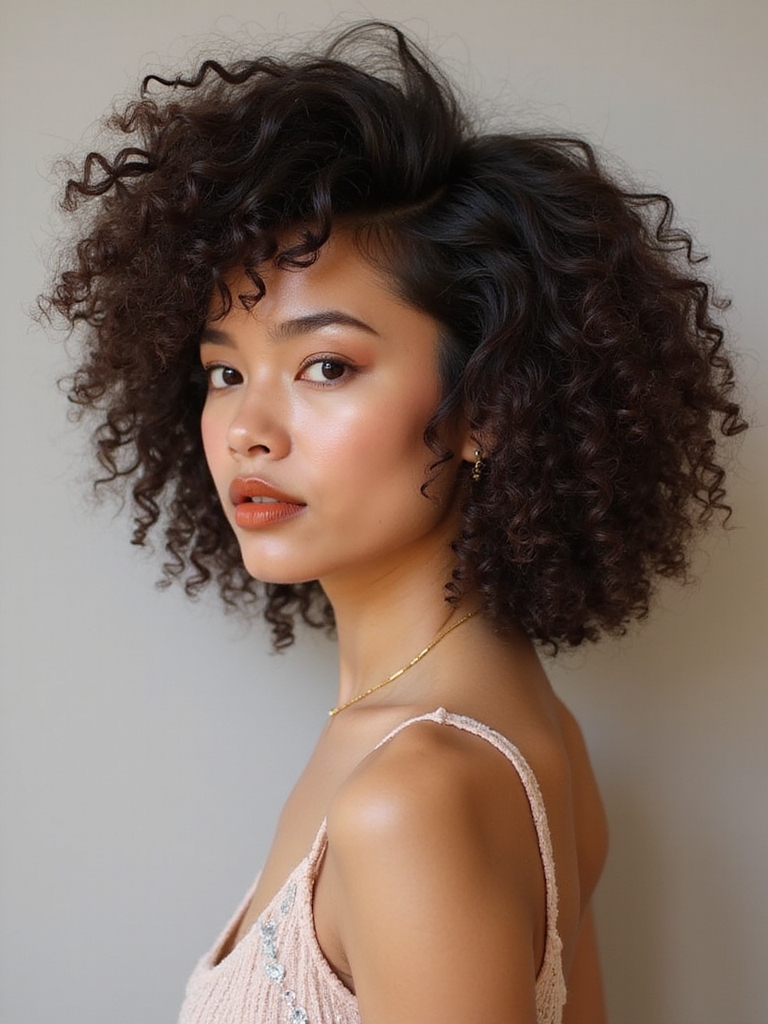
The whole identity of the jellyfish cut is contrast: a short, rounded top layer hovering over a much longer underneath layer, with a clean break between them. That break is what gives the cut its jellyfish name, the bell of the crown above and the long tentacles below. On curls, the contrast softens but stays unmistakable.
The top layer usually sits anywhere from chin to shoulder length, while the underneath layer can fall to the mid-back or longer. The bigger the gap between the two lengths, the more dramatic the effect, so where your stylist places that line decides how bold the cut reads. Curly textures need a little extra length factored in for shrinkage.
What makes it work on curly hair is that the two layers each get to do their own thing: the crown poufs into a rounded shape while the lengths hang in defined spirals. It is a cut that celebrates rather than fights the natural disconnection of curl volume.

Movement and Elegance in Motion
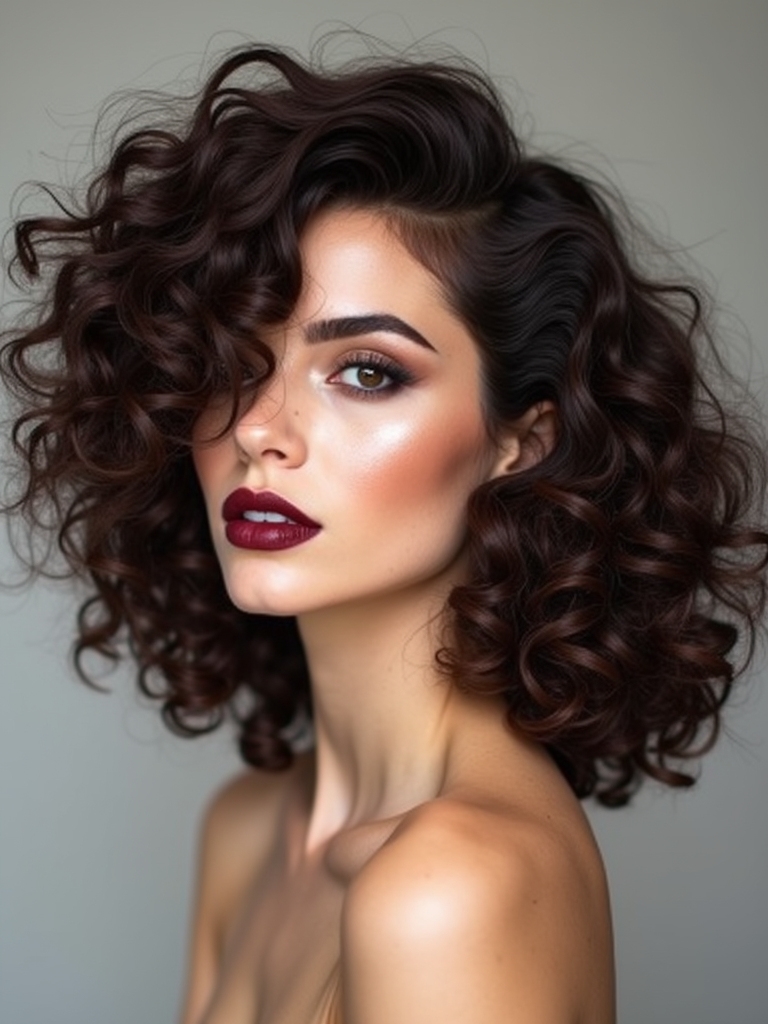
A jellyfish cut on curls is built for movement, since the long underneath layer swings and bounces independently of the rounded crown above it. As you walk or turn, the two layers move at different rhythms, which is part of what makes the cut so eye-catching in motion rather than just in a photo.
Curly hair amplifies this beautifully, because each spiral catches the light and springs as it moves. The trick is keeping both layers healthy and defined so the movement looks like bouncy curl rather than frizz, which comes down to moisture and the right styling. A well-cut, well-conditioned jellyfish practically dances when you move.
Good to Know
The jellyfish gets its name from its silhouette: the rounded top layer is the bell, and the longer underneath layer hangs like tentacles. On curly hair the bell becomes a cloud of coils, which is why the cut reads softer and more organic on curls than on straight hair.
The Layered Bubble Crown
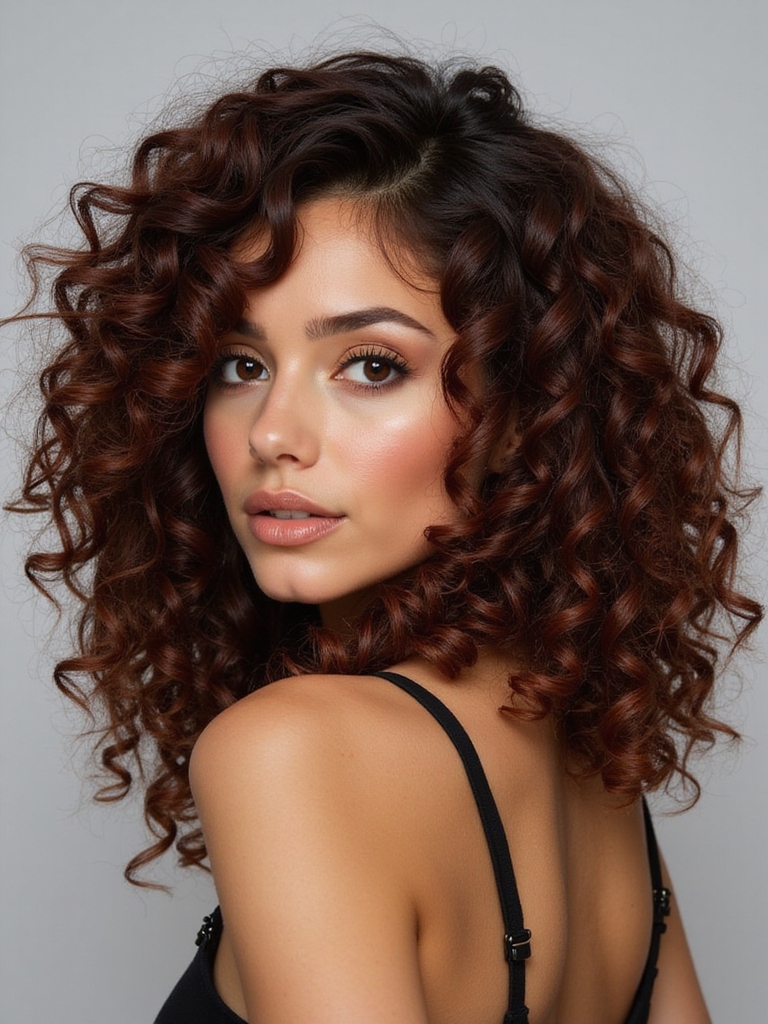
The bubble crown is the rounded top layer that gives the jellyfish its dome-like silhouette, and on curls it becomes a soft cloud of coils rather than a sharp bowl. Internal layering within the crown is what lets it puff into that rounded shape without going flat or triangular. Here is what makes the crown work:
- Layers cut inside the crown remove weight so the curls spring up into a rounded dome.
- The shape should be fuller at the sides and crown, curving smoothly rather than poking out in points.
- The bottom edge of the crown is shaped to sit cleanly above the longer layer, defining the jellyfish gap.
How the Jellyfish Cut Enhances Curls
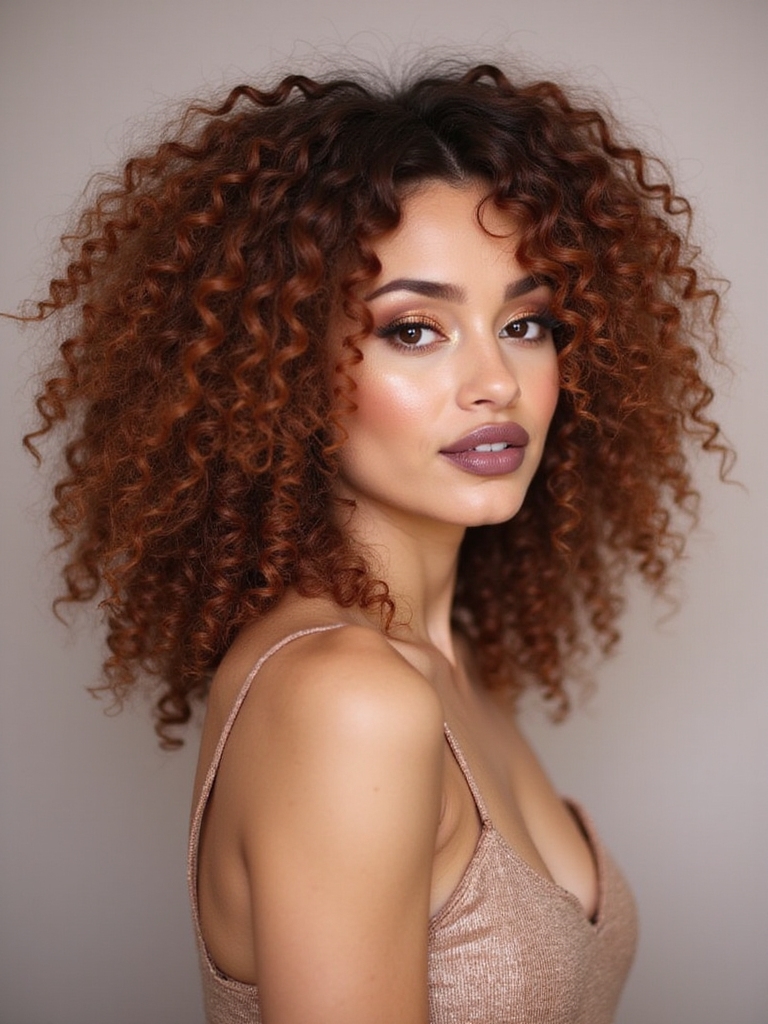
Curly hair and the jellyfish cut are a surprisingly natural match, because curls already create their own volume and separation that the cut then frames. Where straight hair needs styling to fake the rounded crown, curls build it for free, springing into the bell shape on their own once the weight is right.
The disconnection also solves a common curly-hair problem: length pulling the curl pattern flat. By keeping a short, light crown, the cut lets the top curls stay bouncy and defined while the longer underneath layer adds drama without weighing the whole head down. It is volume up top and length below, the best of both.
For anyone who has felt their curls go limp as they grow long, the jellyfish offers a clever fix. The curly hairstyles guide has other shapes that work with curl volume rather than against it.
“When you book a curly jellyfish, ask the stylist to cut your curls dry or in their natural state, not stretched wet. On a disconnected cut like this, cutting wet means the crown springs up far shorter than intended once it dries, throwing off the whole balance between the two layers.”
The Artistry Behind the Cut
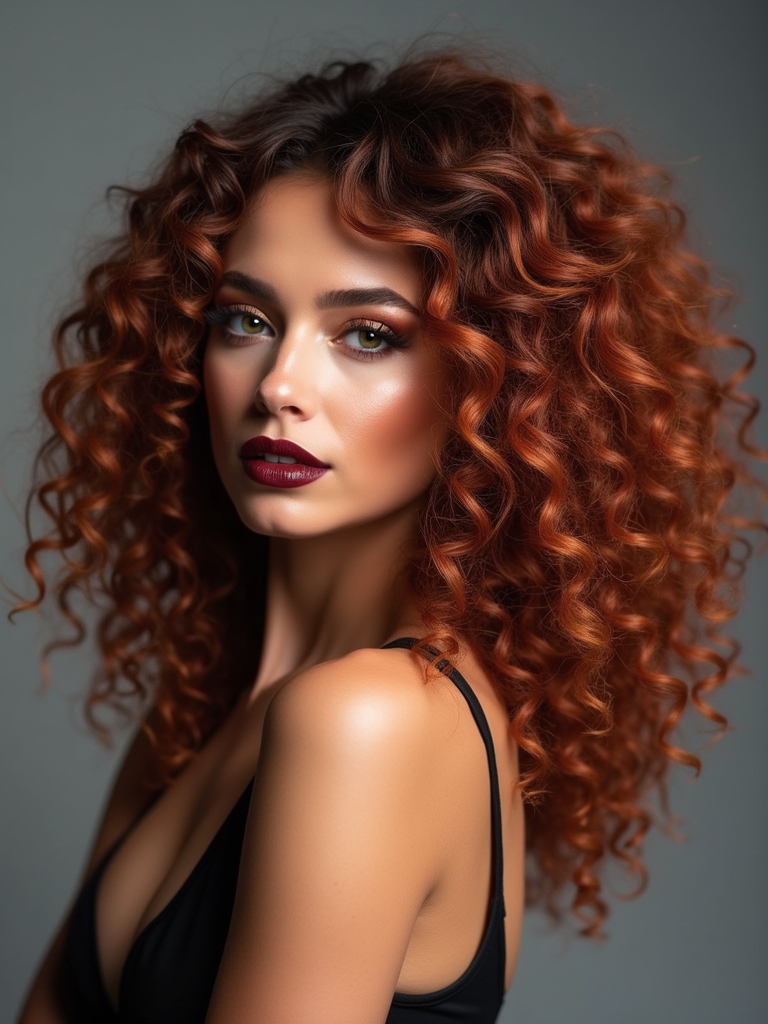
I will be honest with clients: the jellyfish is an advanced, artistic cut that lives or dies on the stylist’s skill. Getting two disconnected layers to look intentional rather than like a grow-out accident takes a precise eye, especially on curls where shrinkage and curl pattern complicate every length decision. This is not a cut to trust to just anyone.
A skilled stylist reads how your specific curls fall, places the crown and the gap to flatter your face, and balances the volume so the bell does not overwhelm the lengths. On curly hair they also account for how much each layer will spring up when dry. The artistry is in making something this bold look deliberate and balanced, which is exactly why finding the right curl-experienced stylist matters so much.
Building Volume in the Bubble Crown
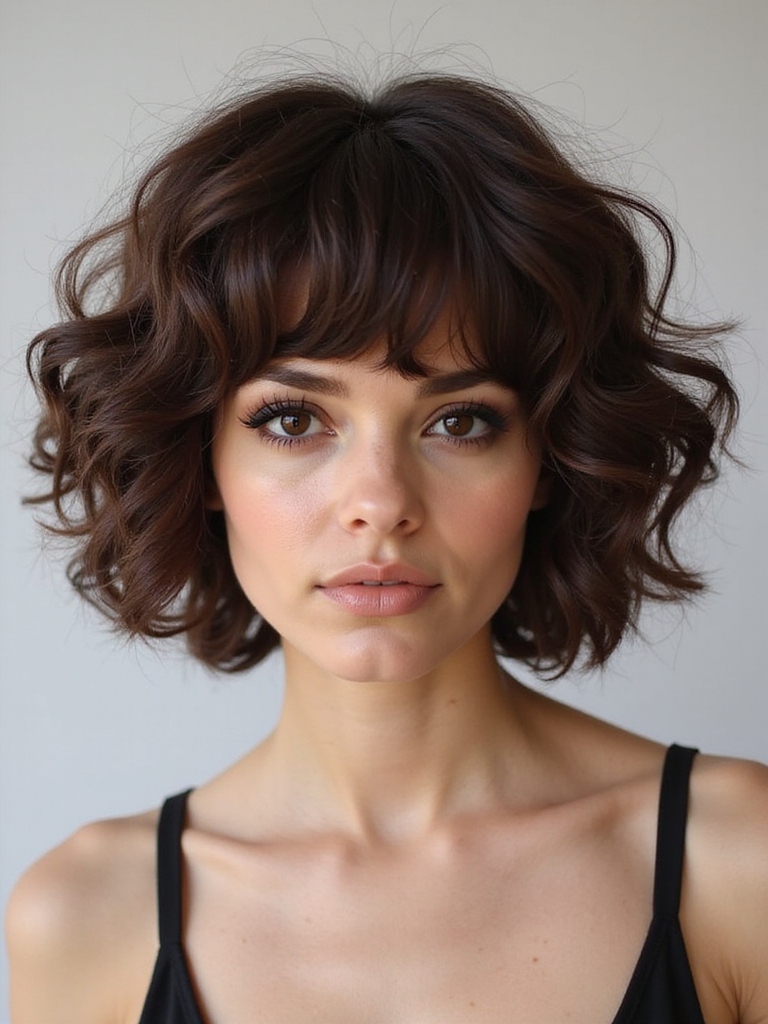
The crown only reads as a jellyfish bell if it holds real volume, and on curls that volume is mostly built at the drying stage rather than sprayed in. A flat crown collapses the whole silhouette, so a few targeted moves keep it lifted and rounded. Here is how to pump up the bell:
- Clip the roots of the crown while wet to dry them with lift away from the scalp.
- Diffuse the crown with your head tipped to each side to encourage round, even volume.
- Scrunch curl cream into the crown curls so they clump and spring rather than fall loose and flat.
Not sure if the upkeep suits you? Match your routine to a version.
1I rarely style my hair
Ask for a softer, longer crown that holds shape with minimal effort, and book regular trims to keep it crisp.
2I love styling daily
You can handle a shorter, bolder crown that rewards regular volume work and a sharper, more sculptural shape.
Sculpting the Tapered Base
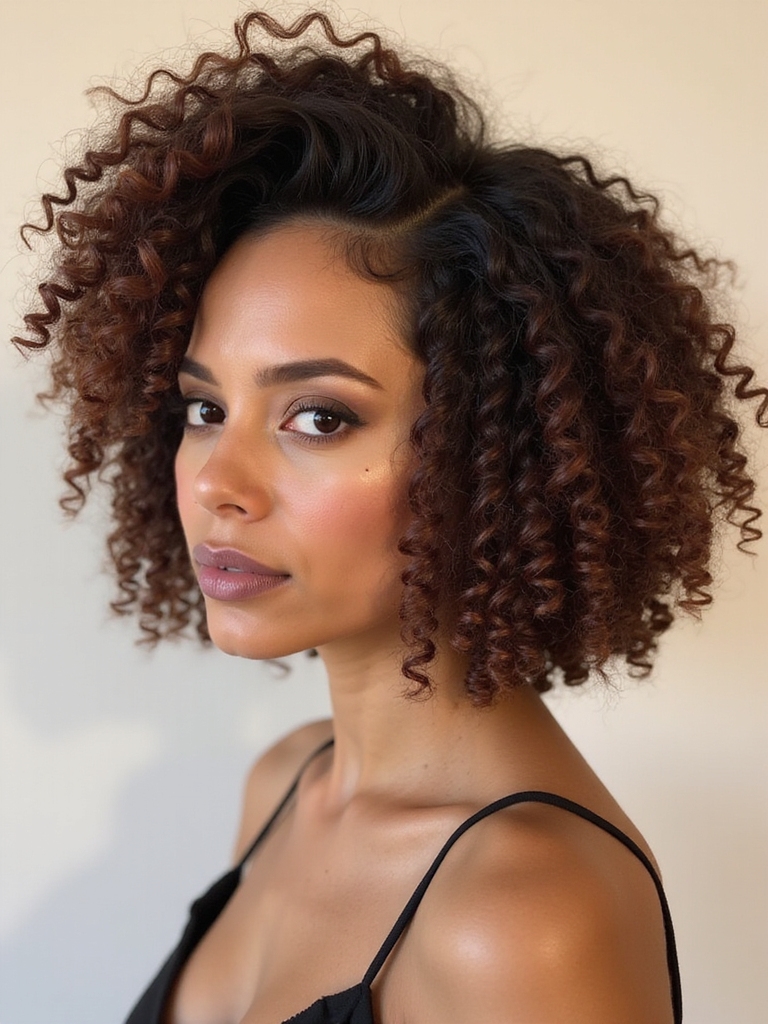
While the crown gets all the attention, the tapered base, the long underneath layer, is what balances the cut and keeps it from looking top-heavy. On curls, this layer is shaped so it falls in defined spirals that taper gently toward the ends rather than sitting in a blunt, heavy line. The taper is what gives the tentacle effect its grace.
A good stylist removes just enough weight from the lengths so they keep their curl definition and movement without becoming stringy. Too blunt and the base looks heavy and disconnected from the airy crown; too thinned and it loses its curl clumps. The balance between a full, bouncy crown and a softly tapered base is the entire art of a curly jellyfish, and it is worth talking through carefully at your consultation.
A Versatile, Adaptable Cut
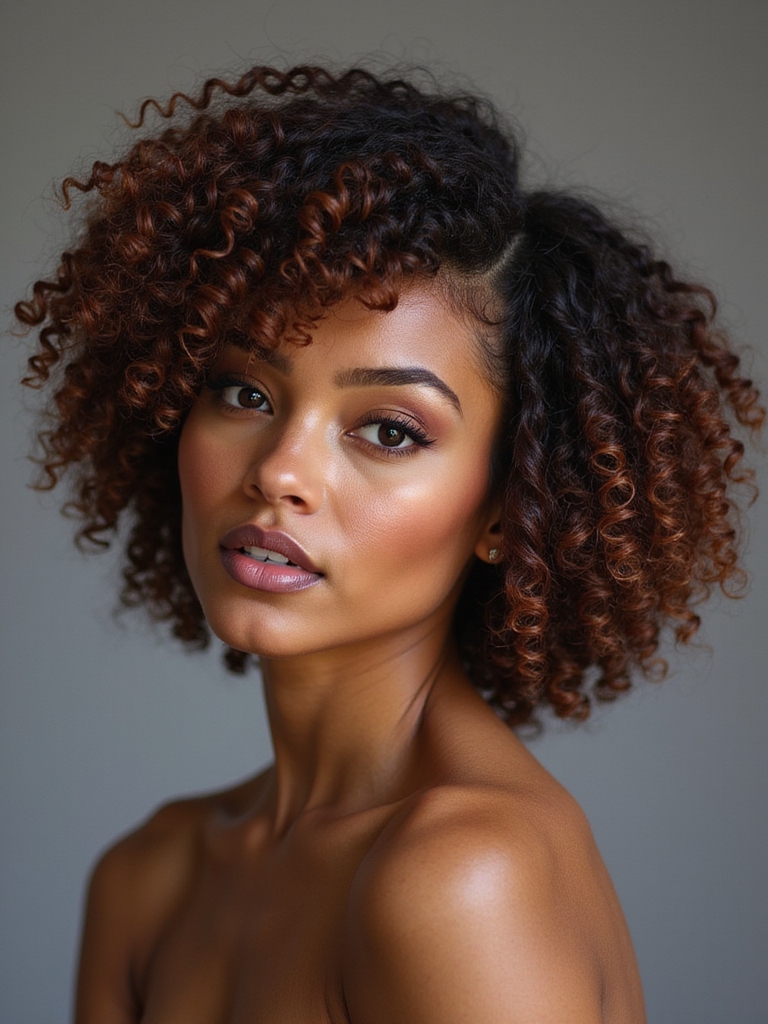
Day to day, the jellyfish is far more flexible than its dramatic reputation suggests, since the long lengths can be gathered, tucked, or left loose. You are not locked into one look. A few ways to wear it through a normal week:
- Wear it fully down for the classic bell-over-tentacles jellyfish silhouette.
- Tuck or pin the crown back to show off the long underneath layer for a softer look.
- Gather the long layer into a low pony or half-up while keeping the crown out for a playful contrast.
Two things people get wrong about the curly jellyfish:
❌ Myth: It only works on straight hair
✅ Reality: Curls actually suit it beautifully; the rounded top becomes a natural cloud of coils that looks far softer and more organic than the same cut on straight hair.
❌ Myth: It is low maintenance because curls hide everything
✅ Reality: The opposite is true. This cut exposes any dryness or grow-out, so it needs regular trims and a committed curl routine to stay sharp.
Personalizing the Jellyfish Cut
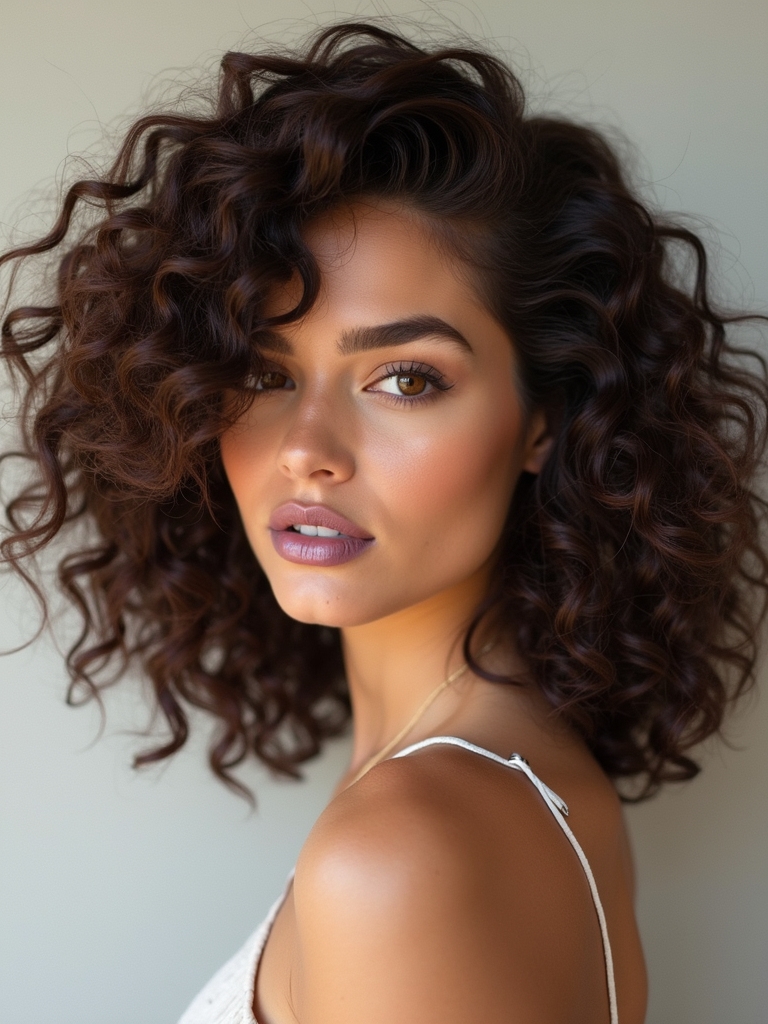
Where the jellyfish really earns its keep is in flattering your specific face shape, since the crown’s volume and placement can balance almost any set of features. This is the dial most people overlook, focusing on length when face shape should lead the conversation.
A rounded, fuller crown adds width at the top that balances a long or narrow face, while a flatter, longer crown elongates a rounder one. Volume placed toward the sides softens a strong jaw, and a face-framing front stops the cut from widening the cheeks. I read a client’s proportions first and place the shape to flatter, rather than just copying a photo.
I tell clients to bring a clear photo of their face from the front and the side, since that tells me far more about where to place the volume than any inspiration picture of the cut itself. Flattering the face is what turns a trendy shape into one that truly suits you.
Essential Products for Styling
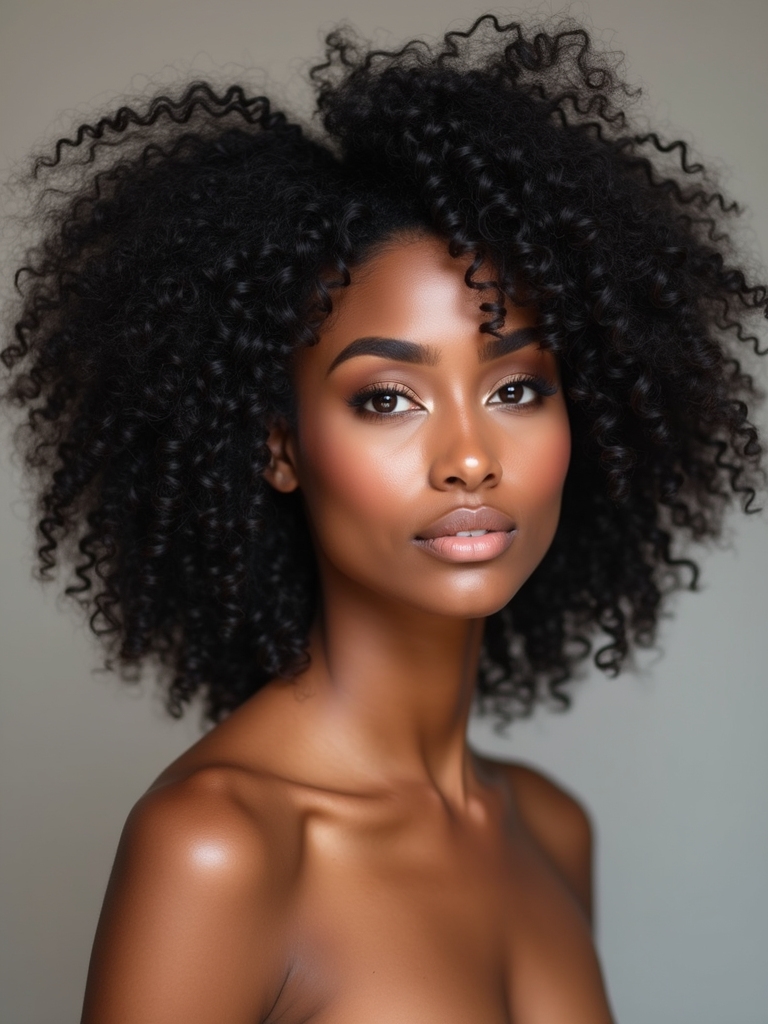
A curly jellyfish needs the right product kit to keep both layers defined and the crown lifted, and the essentials are the same curl staples done with intention. Without them, the crown falls flat and the lengths frizz, losing the crisp two-layer effect. Build your kit around these:
- A leave-in conditioner and a curl cream or gel for definition and clump in both layers.
- A lightweight mousse or root-lifting product to give the bubble crown its volume.
- A microfiber towel for scrunching and a curl-refresh spray to revive the shape between washes.
A Careful DIY Jellyfish Guide
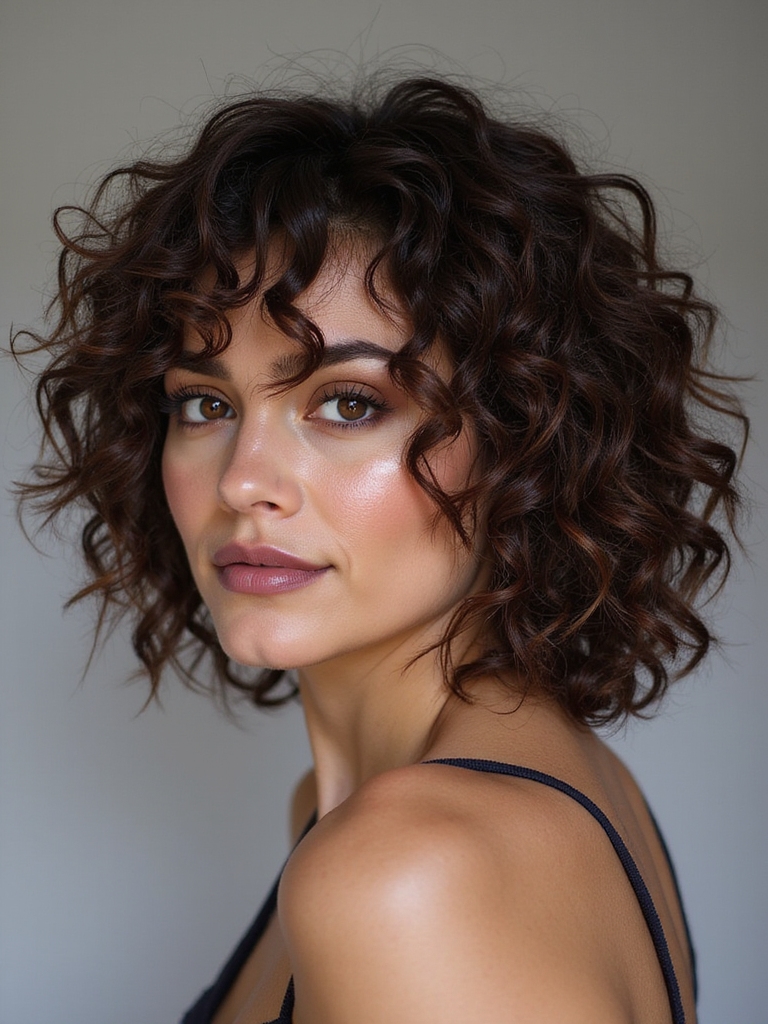
It is tempting to try a jellyfish at home, but this is easily among the hardest cuts to DIY, especially on curls, and I would gently steer most people away from it. The disconnected layers and the curved crown demand precise sectioning that is nearly impossible to judge on your own head, and a mistake here is dramatic and slow to grow out.
Better Left to a Pro the First Time
If you are determined to try a softer version yourself, work on clean, stretched hair, section the top crown carefully away from the longer layer with clips, and cut conservatively, taking far less than you think you need since curls spring up shorter. Cut the crown layer first and the underneath length second, checking the balance constantly.
Honestly, though, the safest DIY move is to book a curl specialist for the first cut and only learn to maintain it at home afterward. A botched jellyfish is one of the few cuts where the regret really is worth avoiding.
Professional Versus At-Home Styling
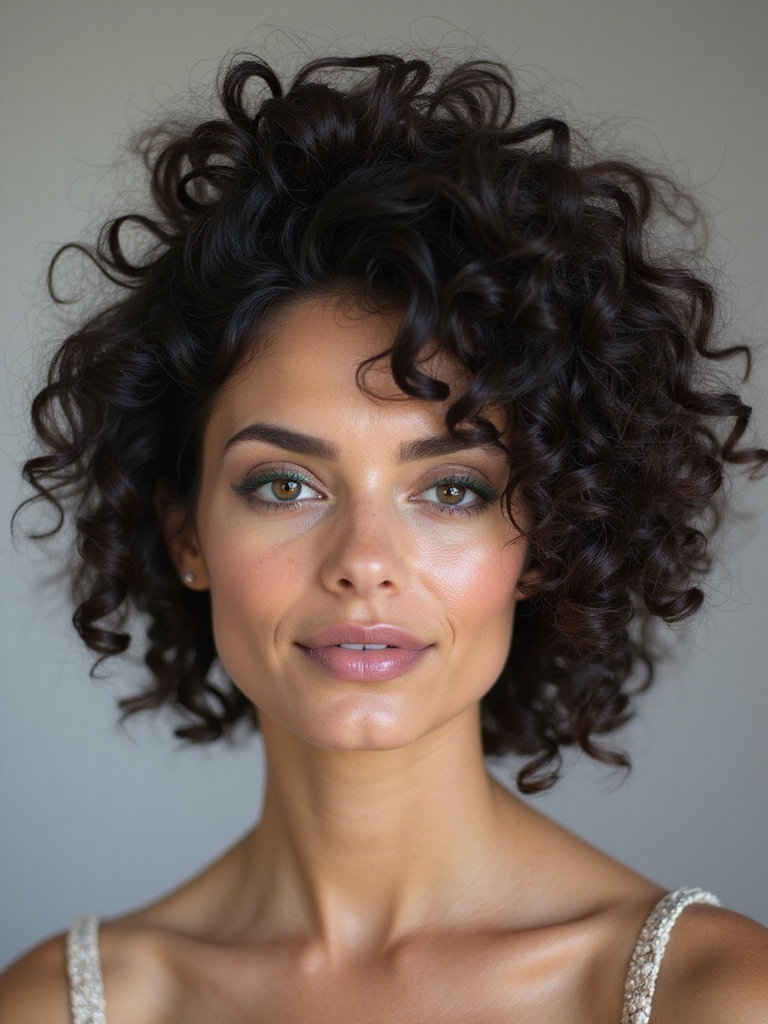
There is a clear line between what a salon should do and what you can manage at home with a jellyfish cut, and knowing it saves both money and disasters. The cut itself is firmly salon territory; the styling and upkeep are skills you can learn. A sensible split looks like this:
Lean on the pro for the structure, then own the daily routine:
- Leave the cutting and any major reshaping to a curl-experienced stylist.
- Learn to wash, product, and diffuse both layers at home to keep the shape fresh between visits.
- Book a trim every six to eight weeks, since the disconnected layers lose their crispness as they grow.
Natural Curls, Enhanced
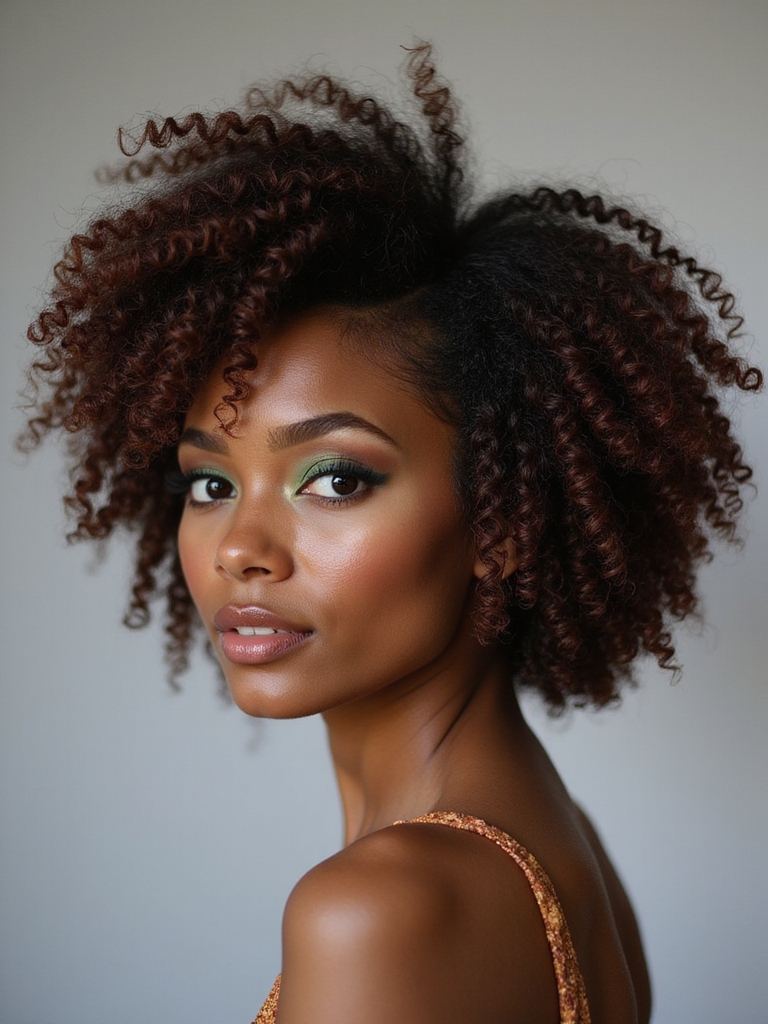
The best curly jellyfish cuts work with your natural curl pattern rather than imposing a shape on it, enhancing what your curls already do. The cut frames and lifts your coils, but the curls themselves stay the star, which is why it suits a huge range of textures from loose 3A spirals to tight 4C coils.
Work With Your Pattern
Each texture wears the cut a little differently. Looser curls give a softer, more flowing jellyfish with gentle disconnection, while tighter coils create a fuller, more sculptural bell crown with dramatic separation. There is no single right curl type for this cut, only different beautiful versions of it, so it adapts to whatever pattern you have.
The key is embracing your real texture rather than fighting it, since the jellyfish is at its best when the curls look healthy, defined, and entirely themselves. Work with a stylist who celebrates your specific pattern instead of trying to reshape it.
Accessorizing the Jellyfish Cut
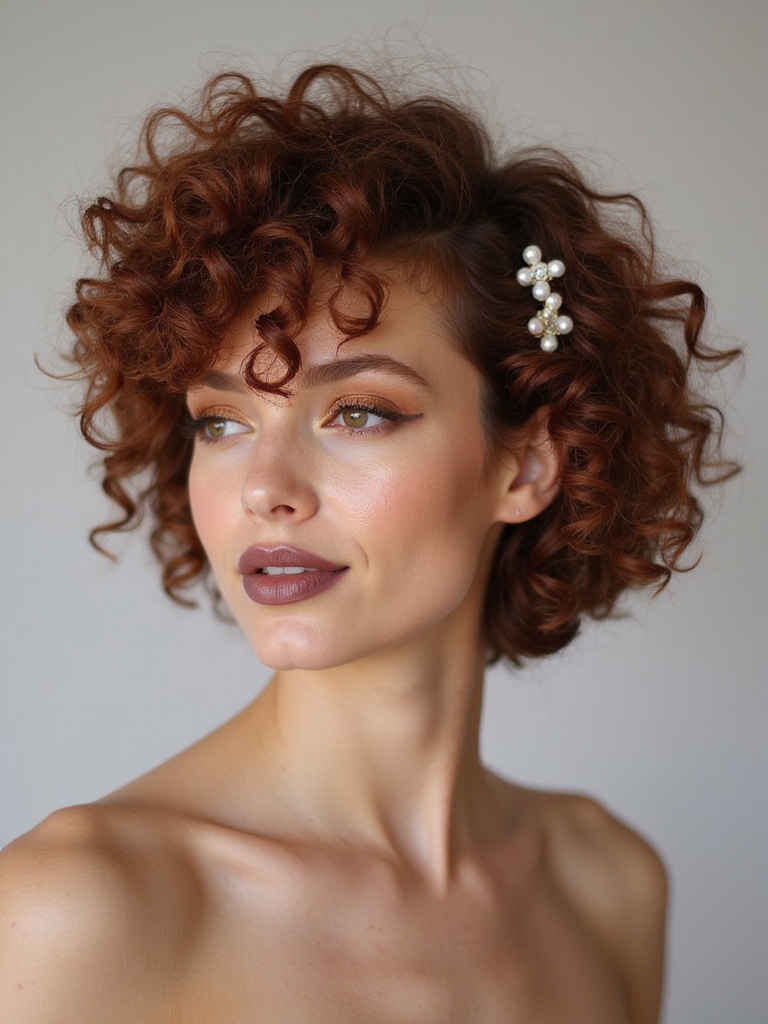
Because the jellyfish has two distinct layers, accessories become a fun way to play with the shape and change the look in seconds. The contrast between the crown and the lengths gives accessories somewhere interesting to sit. A few ideas to try:
- Use a headband to push the crown back and emphasize the rounded bell shape.
- Clip a section of the long underneath layer up to create new shapes and show off the disconnection.
- Add a scarf or pins at the gap between the layers to highlight the cut’s signature break.
The Jellyfish Cut’s Elegant Appeal
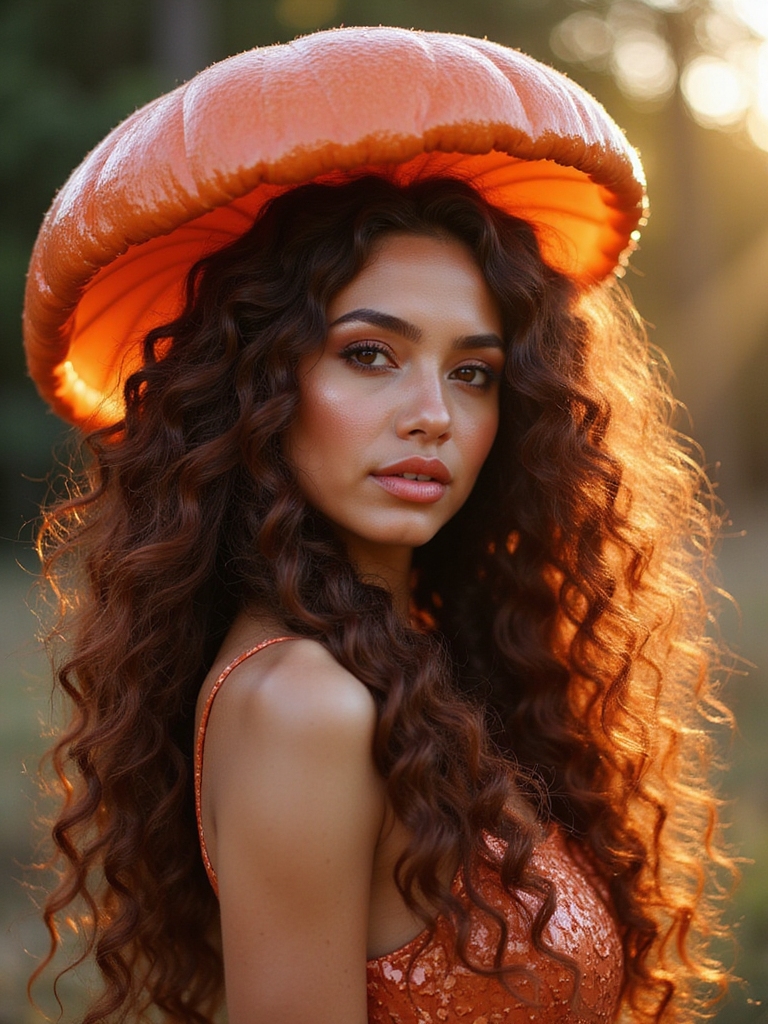
The jellyfish cut has surged in popularity partly because it photographs so dramatically, turning up on stages, runways, and social feeds as a bold, fashion-forward statement. Its sculptural shape reads as confident and creative, which is just the kind of cut that gets attention in a crowd.
On curls especially, the cut has an artful, editorial quality that feels intentional and modern rather than trendy-for-the-sake-of-it. The disconnected layers catch the eye and frame the face in a way few other cuts do, which is why it keeps spreading from fashion circles to everyday wear.
If you want a cut that turns heads and signals real confidence, the curly jellyfish delivers. Just go in knowing it is a statement, not a low-key change, and wear it like you mean it.
A Curly Hair Care Regimen
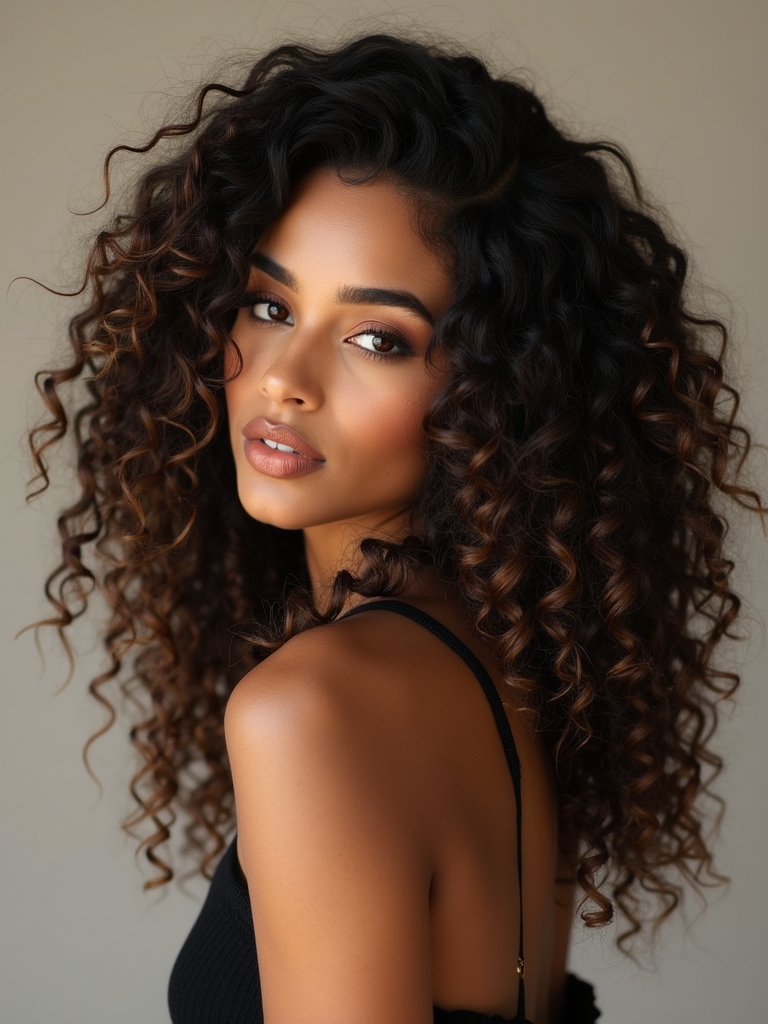
I tell every client this: a jellyfish cut only looks its best on healthy, hydrated curls, so a consistent care routine matters even more than with a simpler style, since the disconnected layers expose any dryness or damage. A solid weekly rhythm keeps both the crown and the lengths defined. Build your regimen around these:
- Cleanse gently with a sulfate-free wash and follow with a slip-rich, hydrating conditioner.
- Deep condition weekly to keep the longer underneath layer, which is older hair, soft and defined.
- Detangle only when wet with conditioner and a wide-tooth comb to protect both layers from breakage.
Seasonal Variations
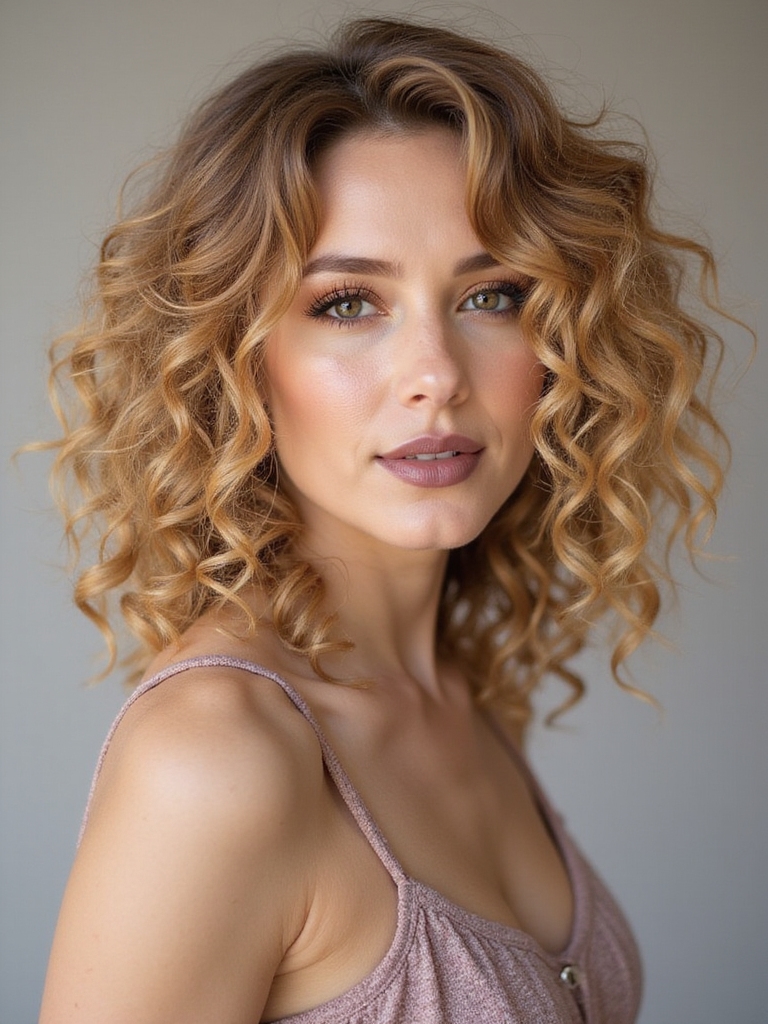
A curly jellyfish behaves differently as the weather shifts, and small seasonal adjustments keep it looking its best year-round. Humid months swell curls and threaten the crisp two-layer separation, while dry, cold months flatten the crown and dull the curl. Plan ahead with these tweaks:
Shift your routine with the season:
- In humid summer, lean on gels that seal the curl and protect the crisp disconnection from frizz.
- In dry winter, switch to richer creams and weekly masks to keep both layers hydrated and defined.
- Adjust the crown volume seasonally, since humidity can expand it and dry air can flatten it.
Hydrating to Tame Frizz
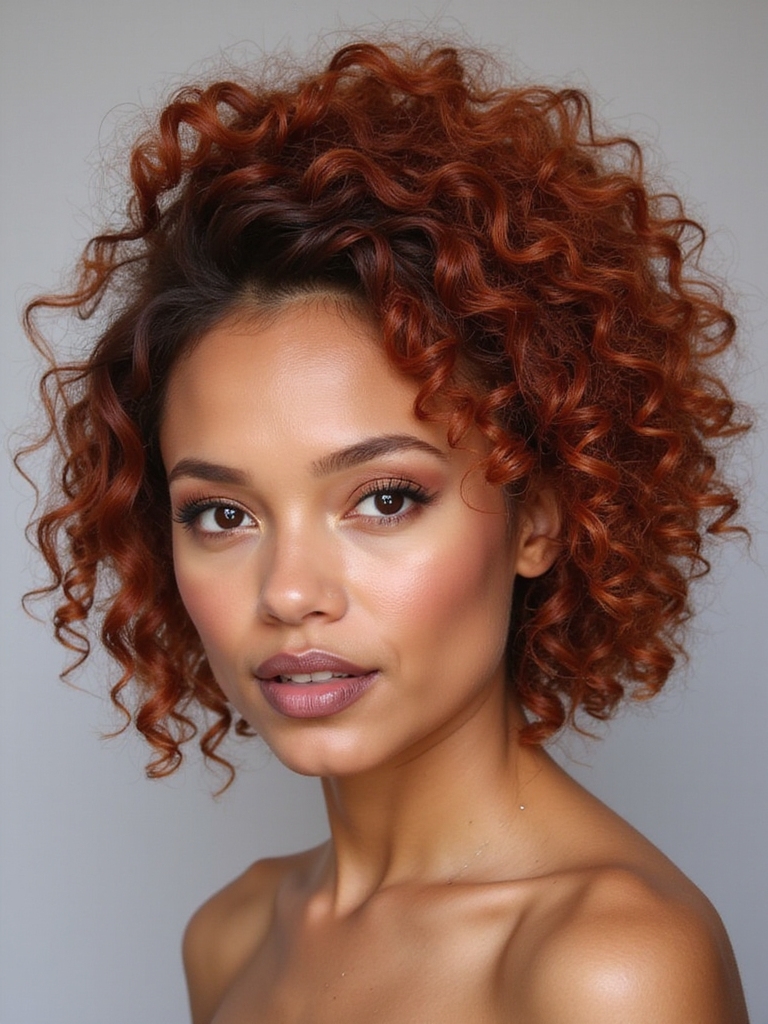
Frizz is the enemy of a clean jellyfish, because it blurs the crisp line between the two layers that defines the whole cut. The single best defense is moisture, since well-hydrated curls clump and define while dry curls fray into a fuzzy cloud that hides the disconnection. Hydration is non-negotiable here.
Keep both layers moisturized like this:
- Work leave-in and curl cream through dripping-wet hair so the curls lock in moisture and clump cleanly.
- Avoid over-washing, which strips the curls of the oils they need to stay defined and frizz-free.
- Seal with a light oil or gel on damp ends to lock hydration into the longer, older underneath layer.
Tailoring the Cut to You
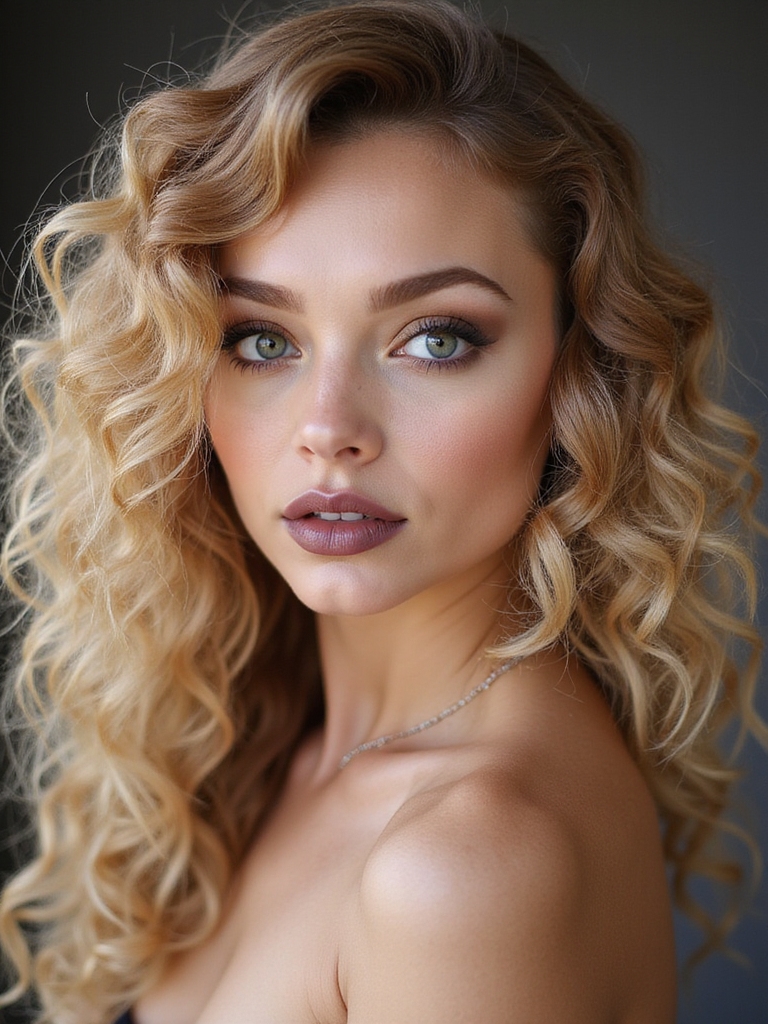
Separate from your face shape is the honest question of upkeep, since this cut on a hands-off routine can disappoint fast. How much you will realistically style and trim it should steer the cut as much as your features do. Match it to your real habits:
Tell your stylist the truth about your routine:
- If you style daily, you can handle a bolder, shorter crown that needs regular volume work.
- If you are low-effort, ask for a softer gap and a longer crown that holds shape with less fuss.
- Factor in your trim schedule honestly, since this cut needs regular upkeep to stay crisp.
Adding Color to the Jellyfish Cut
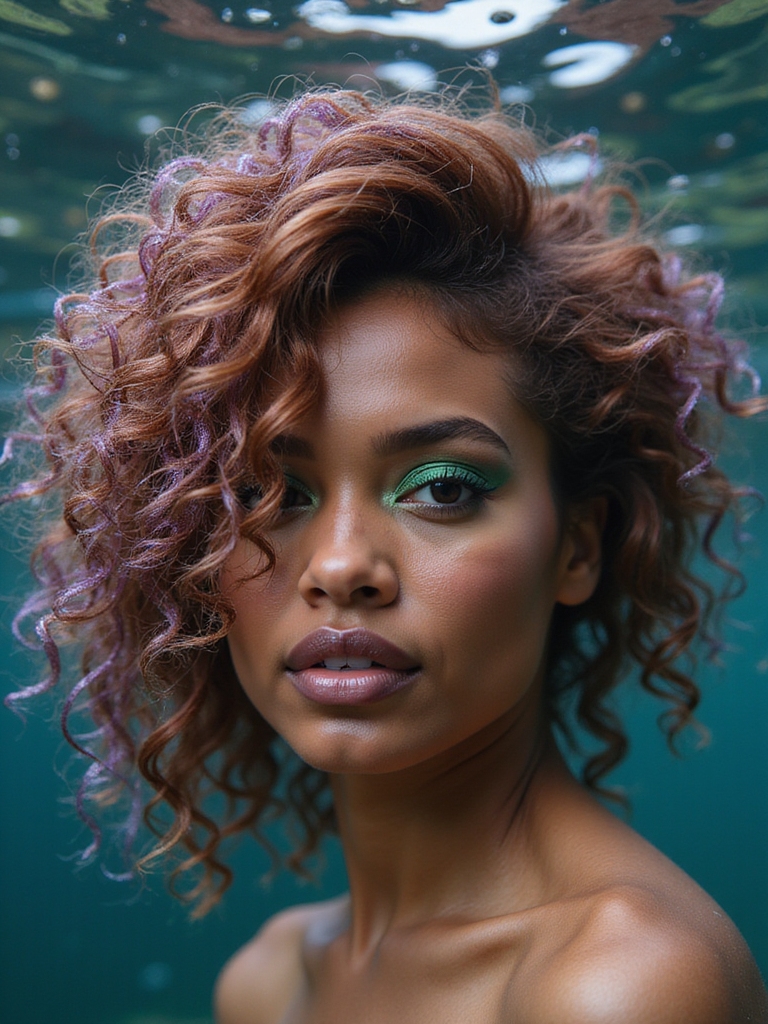
Color and the jellyfish cut are a dramatic pairing, because the two disconnected layers give color somewhere bold to live. A common, striking choice is to color the crown and the underneath layer differently, so the hidden contrast reveals itself as you move. The cut practically invites a peekaboo color moment.
A contrasting underneath layer flashes as the long tentacles swing, while a tonal crown keeps the face-framing soft. You can go subtle, with a slightly deeper or brighter shade underneath, or full drama with a bold contrast like a dark crown over a vivid base. On curls, dimensional color also exaggerates the bounce and movement of both layers.
If you color, lean hard on moisture, since processed curls dry out faster and a jellyfish exposes any frizz. Treat color as an extension of the cut’s artistry rather than an afterthought, and it can take the whole look to another level.
An Elegant Everyday Transformation
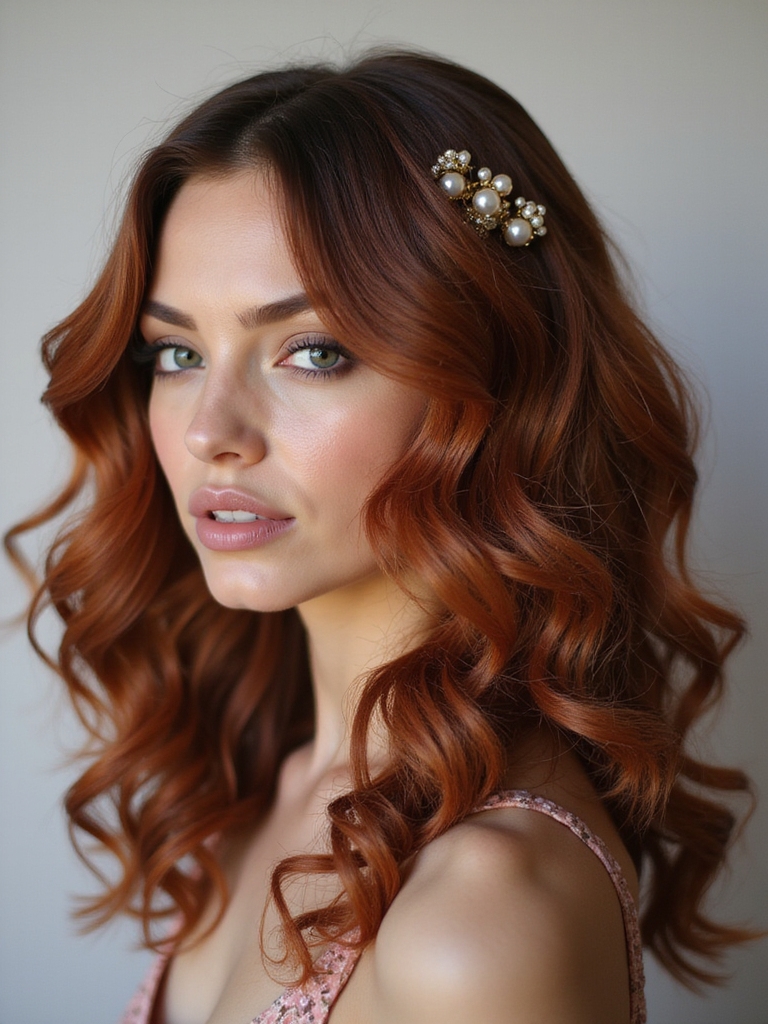
For all its drama, a curly jellyfish can read as an elegant everyday style once you learn to wear it, softening from a statement into a signature. The key is in the styling: a well-defined, well-conditioned jellyfish looks polished and intentional rather than costume-like, which is what makes it wearable beyond a fashion shoot.
From Statement to Signature
On a normal day, focus on clean curl definition and a lifted crown, and the cut carries itself. Dressed up, the layers can be pinned or accessorized for events; dressed down, worn fully natural, it still looks artful. The same cut shifts from school run to evening out with nothing more than a change in how you style the crown.
I love seeing clients realize that a cut they thought was only for the bold becomes their easiest, most-complimented everyday look. Once the routine clicks, the jellyfish stops feeling like a risk and starts feeling like you.
Inventive Jellyfish-Inspired Variations
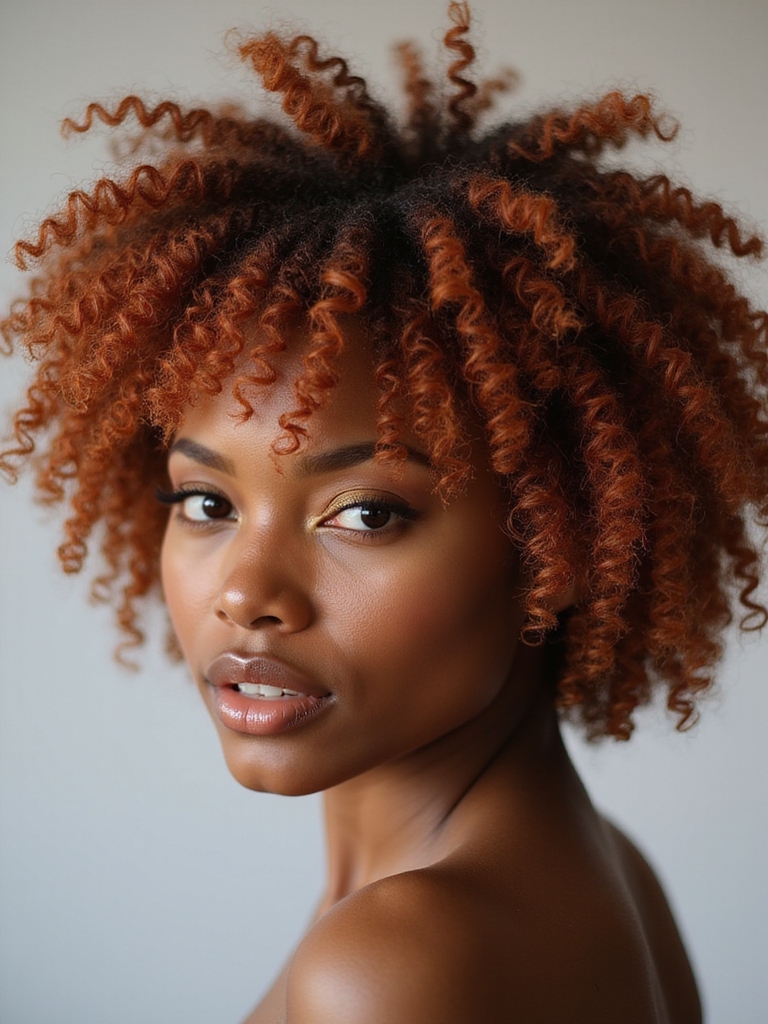
Once you understand the basic jellyfish principle of a rounded crown over a longer base, there is room to get inventive with variations that push the idea further. Stylists keep reinventing the cut, and curls offer especially rich material for creative spins. A few directions to explore:
Take the concept somewhere new:
- A softer, half-jellyfish that only disconnects at the back for a subtler, more wearable take.
- A jellyfish with a shaggy, textured crown instead of a smooth bell for an edgier feel.
- A jellyfish paired with curtain bangs or a fringe to frame the face and soften the crown. The hairstyles for curly hair guide has more curl-friendly shapes.
What to Expect From a Curly Jellyfish
Going in, expect a bold commitment rather than a casual trim. The curly jellyfish is a dramatic, disconnected cut that demands a skilled curl stylist, regular upkeep every six to eight weeks, and a daily styling routine to keep both layers defined and the crown lifted. The grow-out is awkward, since the two lengths blur together as they grow, so plan to maintain it or to live through a transitional stretch when you eventually move on.
What you get in return is a truly striking, movement-rich cut that turns your curls into the feature rather than a problem to manage. It rewards healthy, hydrated hair and a stylist who respects your specific curl pattern, so invest in both.
Bring clear photos to your consultation, be honest about your routine and your nerve, and ask exactly how to style and maintain it at home before you leave the chair. Worn with confidence and the right care, the curly jellyfish is among the most distinctive cuts you can have.
Curly Jellyfish Questions, Answered
?Does the jellyfish cut work on all curl types?
Yes. Loose 3A spirals give a softer, flowing jellyfish, while tight 4C coils create a fuller, more sculptural bell crown. The cut adapts to your pattern; what changes is how dramatic the disconnection looks, not whether it works.
?How much length do I need for a jellyfish cut?
Enough for a clear contrast between the short crown and the long underneath layer, so usually at least shoulder-length on curls, accounting for shrinkage. The longer your underneath layer, the more dramatic the tentacle effect.
?Is a curly jellyfish high maintenance?
Fairly. It needs a trim every six to eight weeks to keep the layers crisp, plus a daily curl routine to define both layers and lift the crown. The grow-out is awkward, so it suits someone willing to commit to upkeep.
?Can I grow out a jellyfish cut easily?
Not especially. As the layers grow, the gap blurs and the shape loses definition, so expect a transitional stretch. Regular trims and connecting layers from your stylist make the grow-out smoother when you decide to move on.
A Bold Cut That Curls Wear Beautifully
The curly jellyfish takes a sharp, graphic idea and lets curls soften it into something organic, playful, and full of movement. Master the two-layer logic, build volume in the crown, keep both layers hydrated, and find a stylist who reads your curl pattern, and a cut that sounds intimidating becomes among the most distinctive and rewarding styles a curly head can wear.
Start with an honest consultation about proportion, upkeep, and your real routine, then learn to style and maintain it at home over the first few weeks. Once it clicks, the curly jellyfish stops being a daring experiment and becomes a signature, a cut that makes your curls the unmistakable star.
More Looks Worth Saving