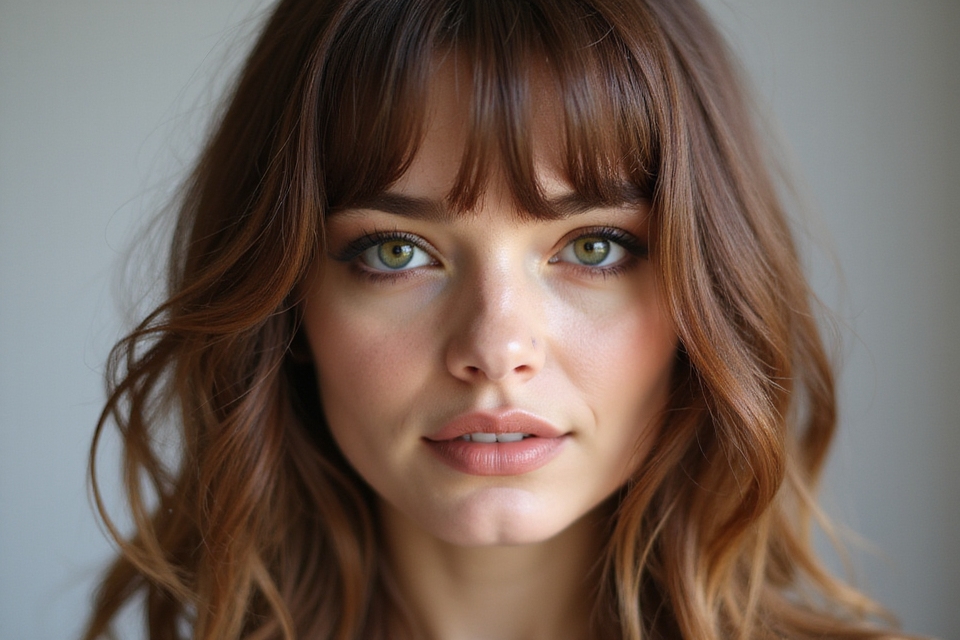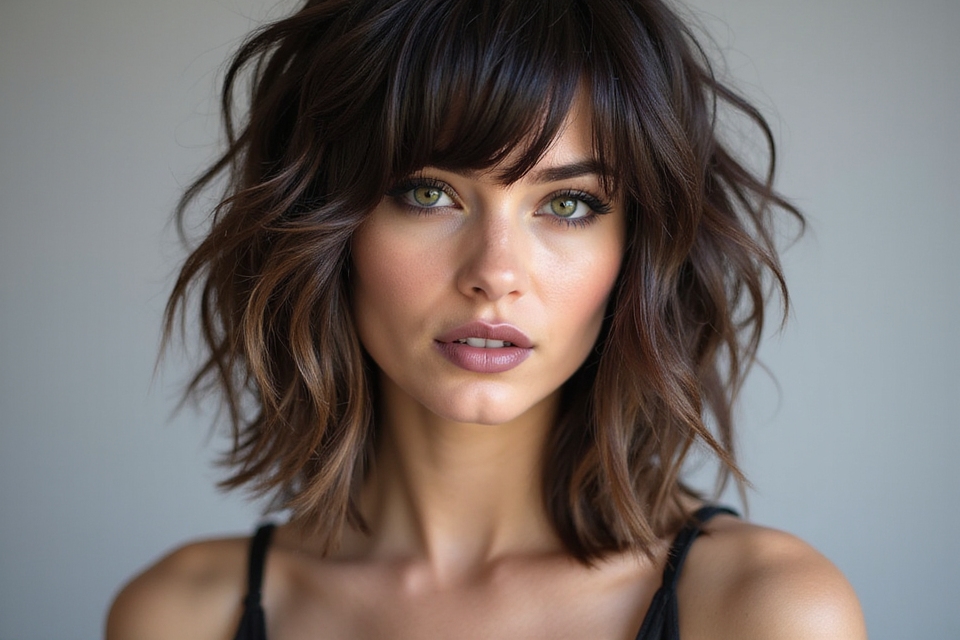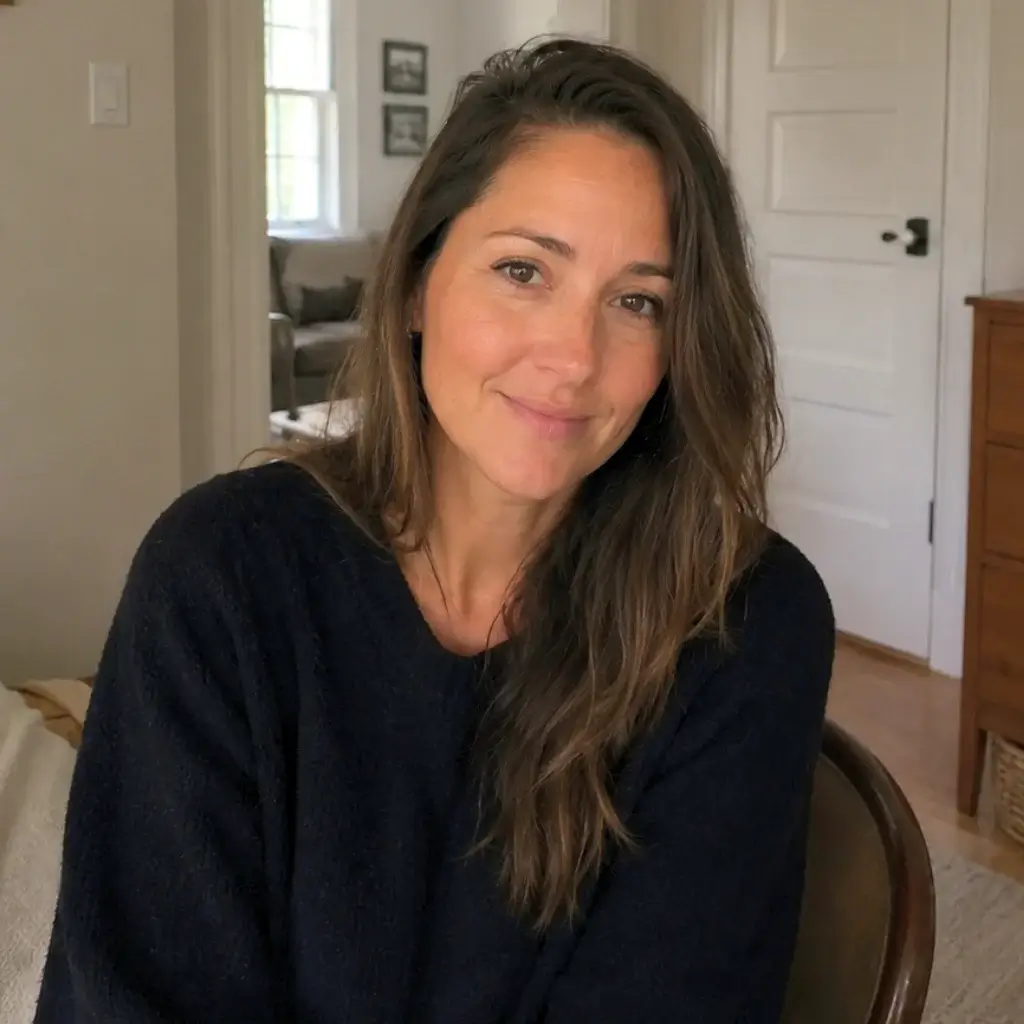

Face-framing layers with bangs are the cut clients bring me by photo more than any other, and for good reason. The soft pieces that fall at the cheekbones and jaw do what good lighting does: they draw the eye to the best of your features and soften the rest. Paired with bangs, the effect is even stronger.
This guide covers face framing layers with bangs from every angle: what the cut actually does, how to ask for it, and how to wear it across lengths, textures, and face shapes. Whether your hair is fine, curly, or coily, there is a version here that works for you.
What to Know Before You Cut
Face-framing layers are shorter pieces cut around the face to highlight your cheekbones and jaw, and bangs add a finishing frame at the brows. Together they flatter nearly every face shape, since a good stylist tailors the angle and length to you.
Plan for upkeep: a fresh cut runs roughly $40 to $80, and the fringe needs a quick trim every few weeks to stay sharp. The layers themselves hold their shape for two to three months between cuts.
What Face-Framing Layers Do
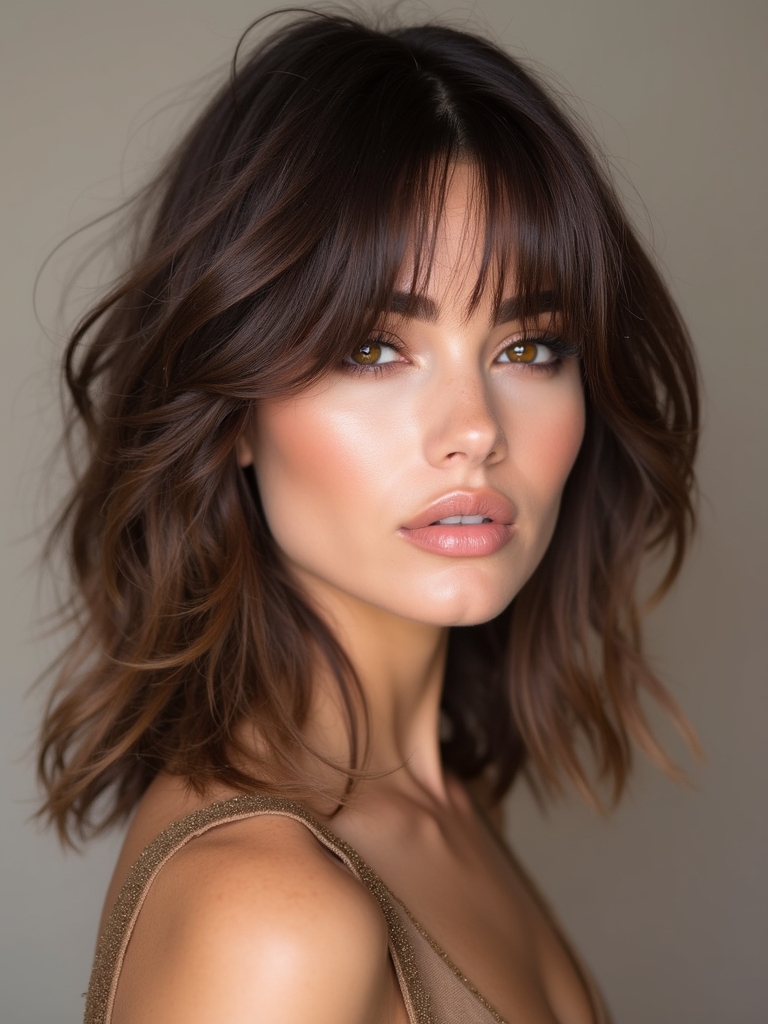
Face-framing layers are simply shorter pieces cut around the front of the hair, angled to fall along your cheekbones and jaw. Their whole job is to direct attention, and depending on exactly where the shortest piece lands they can soften a strong jaw, slim a round face, or add width to a long one, which is why the same cut looks so different from one person to the next.
The transformation is bigger than people expect from such a small change. Because the shortest pieces sit right beside your face, they frame it the way a good neckline frames a photo, which is why even a subtle version reads as a noticeable refresh.
Cheekbone-Grazing Bangs
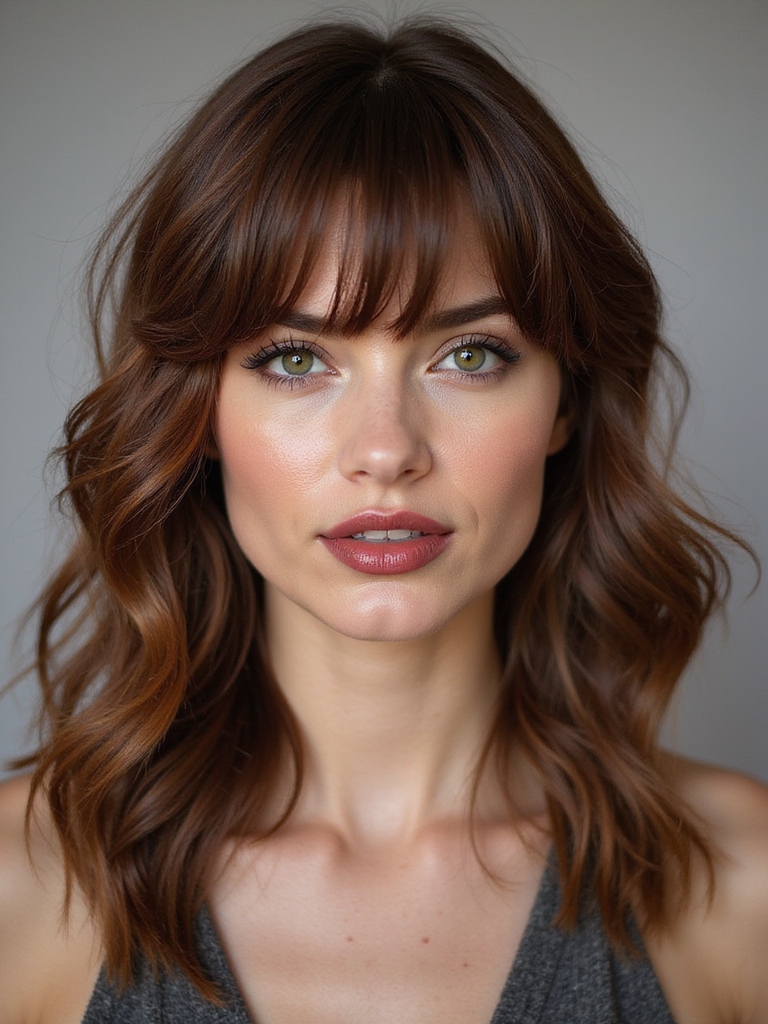
The most flattering bangs for this look are the long, parted, cheekbone-grazing kind rather than a blunt fringe at the brows. They melt straight into the layers, so the entire front of your hair moves as a single soft sweep instead of reading as two separate pieces fighting each other.
Why Cheekbone Length Flatters
Ask for a center or side part with the shortest pieces hitting the cheekbone and the rest blending longer. This length is forgiving, since it grows into your layers instead of needing constant blunt trims.
It is the cut I point most first-timers to, because it flatters nearly every face and tucks away easily whenever you want it clear of your eyes. That flexibility is a big part of its appeal, since you are never locked into wearing the bangs down on a day you would rather not.
🅰️Curtain bangs
Part in the middle and sweep to both sides; the softest, most grown-out-friendly frame for most faces.
🅱️Side-swept face-framing
Heavier on one side for a bit more drama and coverage; great for foreheads you want to soften.
Face-Framing Layers as a Trend
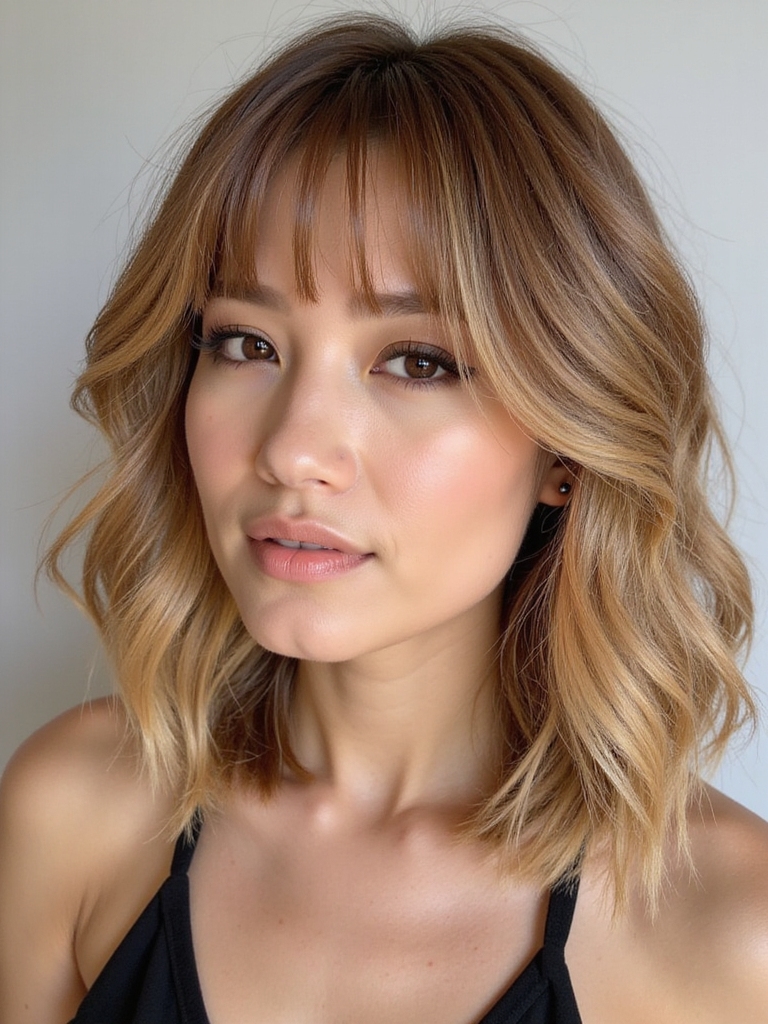
This cut has stayed popular for years because it is less a trend than a flattering constant. Unlike a dramatic chop, face-framing layers change how your features read without committing you to a whole new look.
They suit people who want a refresh but are not ready for big length changes, since the back stays the same while the front does the work. That low-risk appeal brings it back season after season, year on year.
It also photographs beautifully, which has kept it everywhere online. The soft pieces catch light and movement in a way blunt cuts cannot, so it always looks intentional.
Length Options for Layers
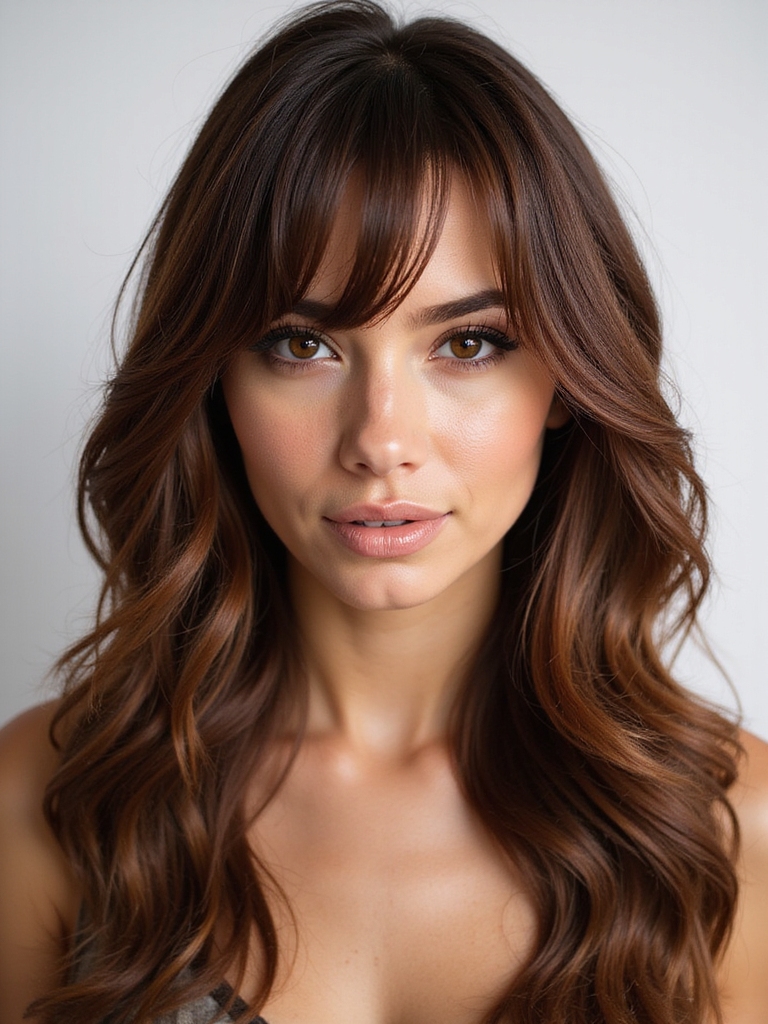
The most useful thing about this cut is that it works at any length. On long hair, the layers create movement and stop the length from looking heavy and flat; on a long layered cut the face-framing pieces are the detail that keeps it from reading one-note.
On medium and shorter hair the framing is even more prominent, since the pieces make up a larger share of the look. Whatever your length, the front pieces should start around the cheekbone and lengthen down, so ask your stylist to keep that gradual angle.
Match the framing to your face shape.
🎯Round or full face
Start the layers below the cheekbone so they lengthen and slim.
🎯Long or narrow face
Start higher at the cheekbone to add width and balance.
Getting a Chic Layered Cut
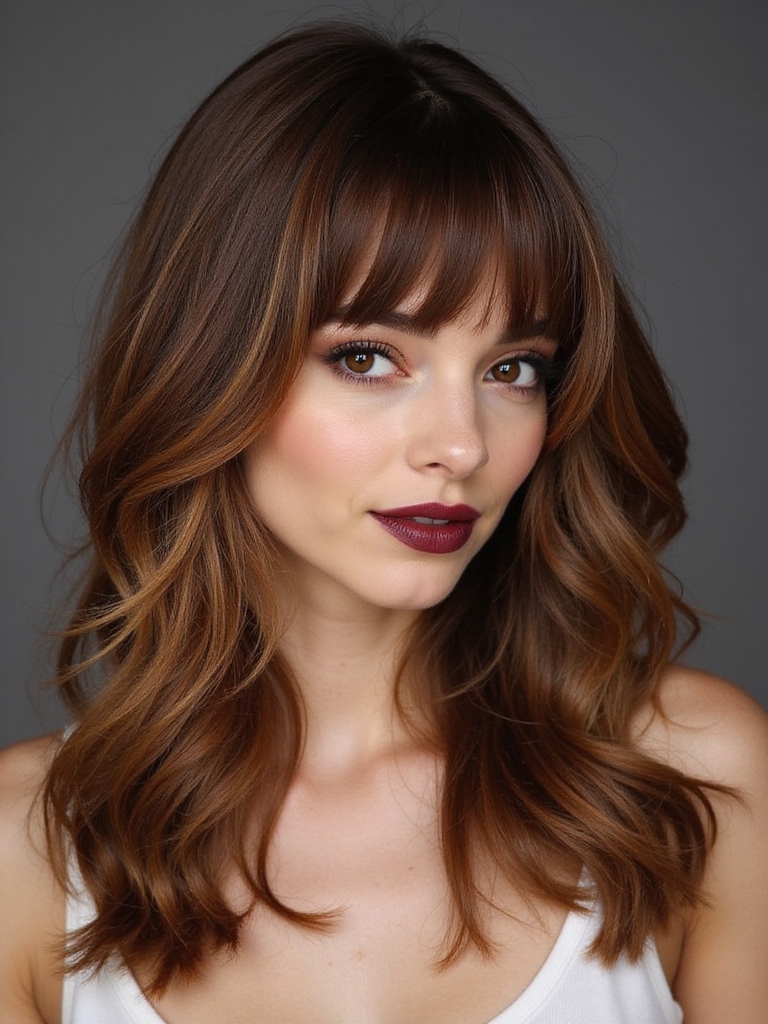
The cut lives or dies on the consultation, so go in with a photo and clear language. Telling your stylist exactly where you want the shortest pieces to fall saves you from a cut that is too short or too subtle.
Bring a reference and talk through your daily styling time honestly.
- Point to where you want the shortest face-framing piece to land.
- Say whether you want bangs blended in or separate.
- Mention how much time you actually spend styling.
- Ask how the cut will grow out so there are no surprises.
Tools for Precision Cutting
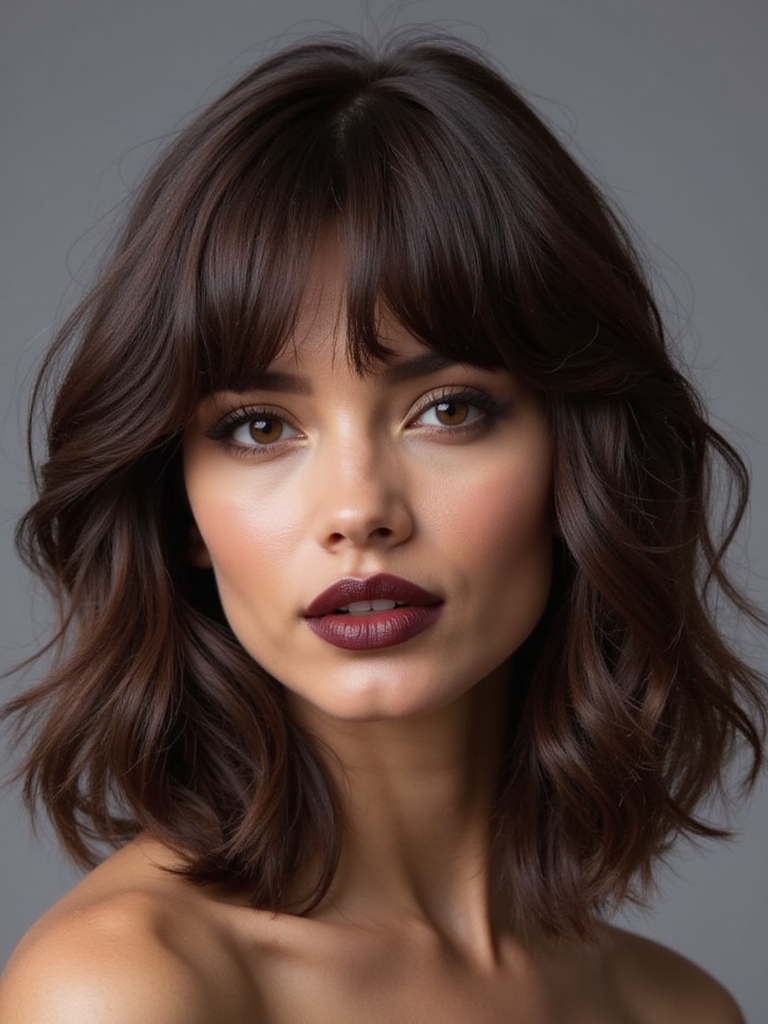
Good face-framing layers come down to technique and the right tools, which is why this is one cut worth leaving to a professional. Stylists use point-cutting and slide-cutting to soften the ends so the layers blend rather than sit in hard steps.
Knowing what goes into it also helps you judge a good cut from a rushed one.
- Sharp shears for clean lines, not kitchen scissors.
- Point-cutting into the ends for a soft, blended finish.
- A razor only on the right texture, since it can fray fine or curly hair.
- Sectioning clips so each side matches the other.
👍Why people love it
- +Flatters almost every face shape
- +Keeps your length while refreshing the look
- +Grows out softly, not awkwardly
👎What to weigh
- –Bangs need a trim every few weeks
- –Front pieces get oily and need daily styling
- –Best cut by a pro, not at home
Salon-Worthy Styling Tips
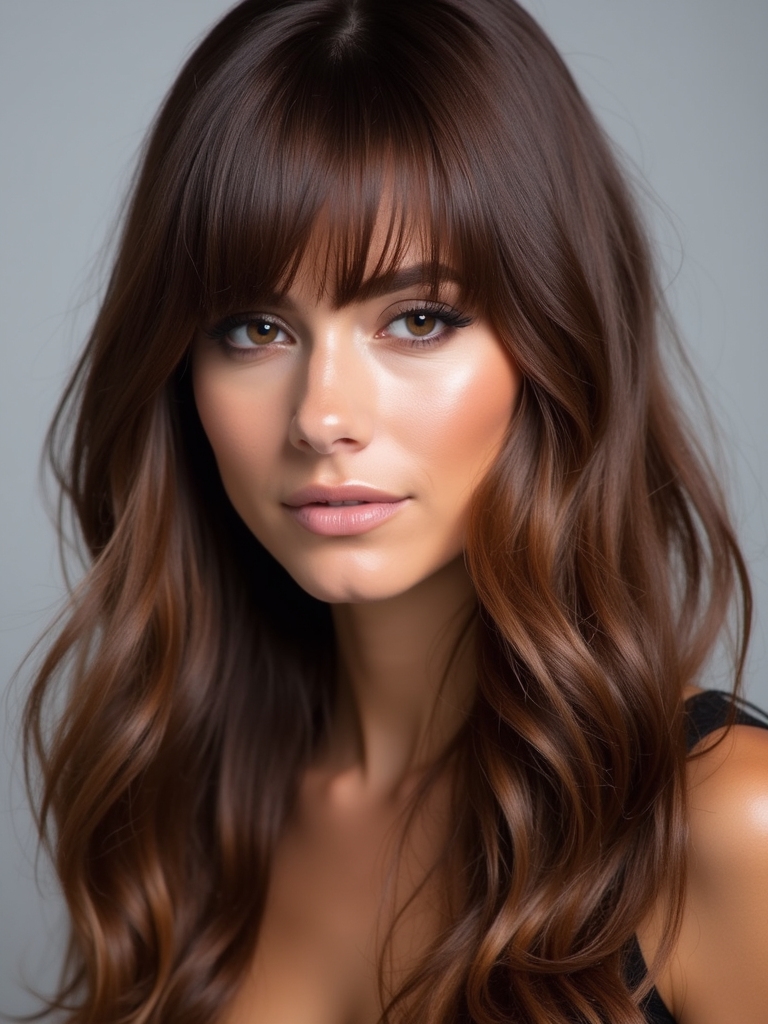
The reason layers look so good leaving the salon is the blow-dry, and you can copy it at home with a round brush. The trick is to curve the face-framing pieces back and away from your face as you dry.
A little product keeps the movement without weighing the pieces down.
- Curl the front sections away from your face with a round brush.
- Lock the curved shape with a quick blast of cool air.
- Use a light serum on the ends, never the roots.
- Tousle with fingers rather than a brush for a softer finish.
Sleek Layers and Maintenance
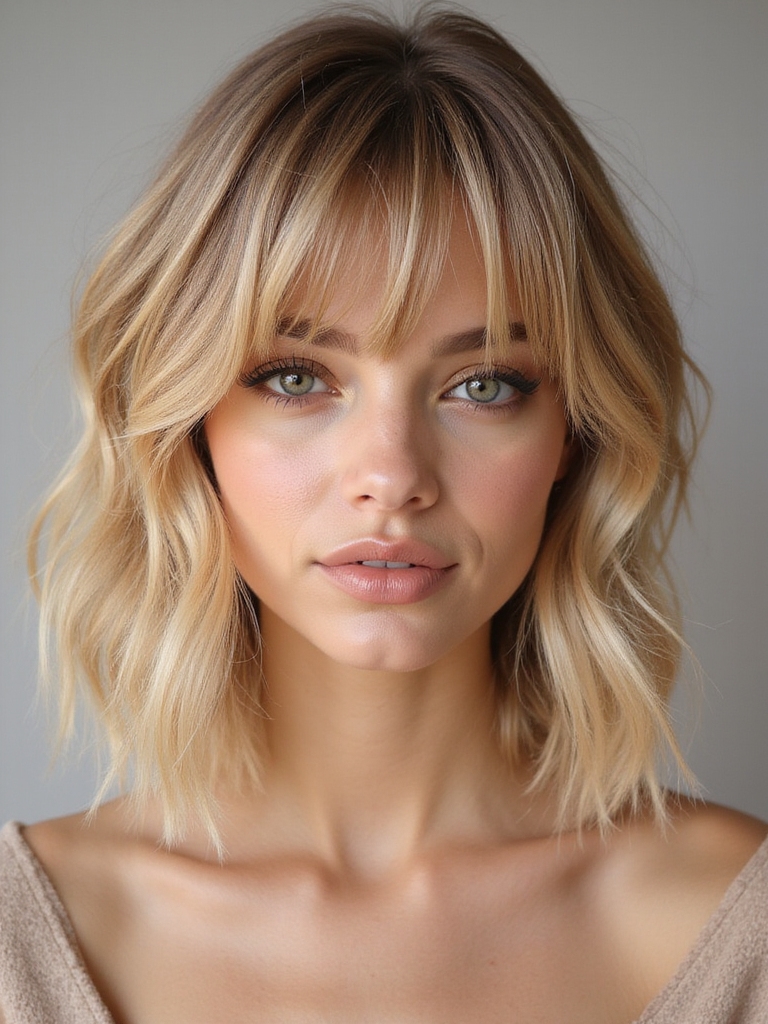
If you love a sleek, polished version, the upkeep is mostly about ends and frizz. A flat iron run lightly over the face-framing pieces keeps them smooth, and a glossing serum adds the shine that makes layers look expensive.
Maintenance is the honest trade-off with this cut. The fringe wants a quick shape-up about once a month, and the layers themselves need reshaping roughly every eight weeks to stay crisp rather than grown-out, which is a real commitment worth weighing before you book.
If that sounds like a lot, ask for a softer, longer version that blends as it grows. It buys you more time between visits while keeping the framing effect.
One thing worth clearing up.
❌ Myth: Face-framing layers ruin your length.
✅ Reality: Only the front pieces are shortened; your overall length stays. A good cut frames the face while keeping the length you love at the back.
Natural Texture and Layers
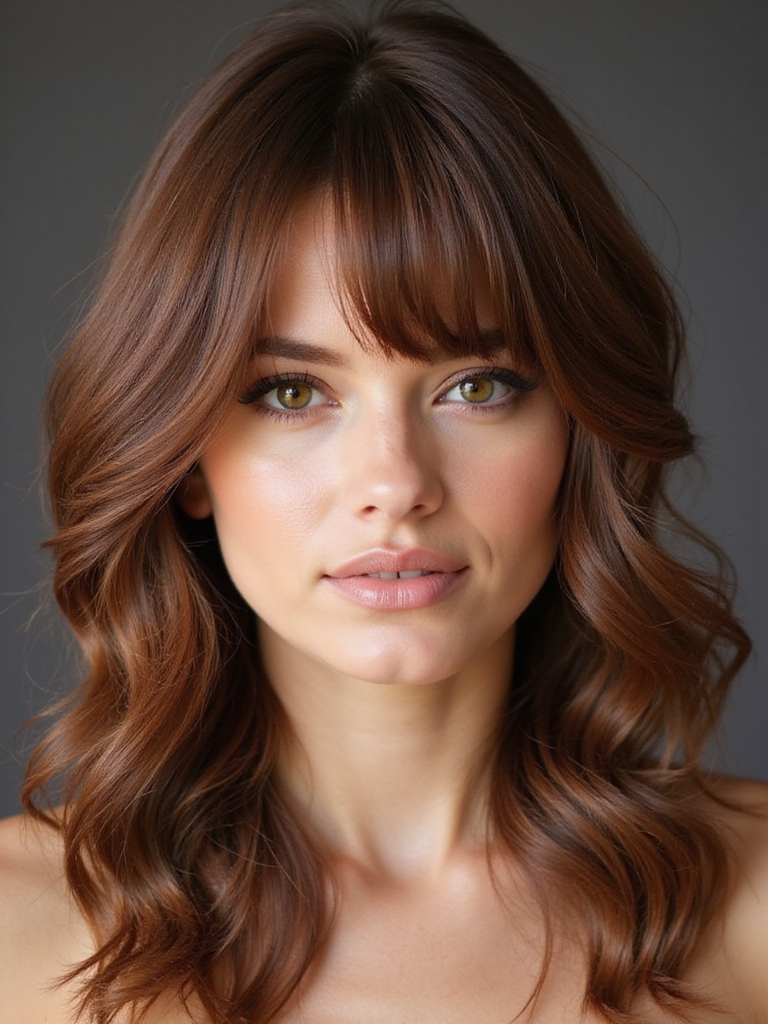
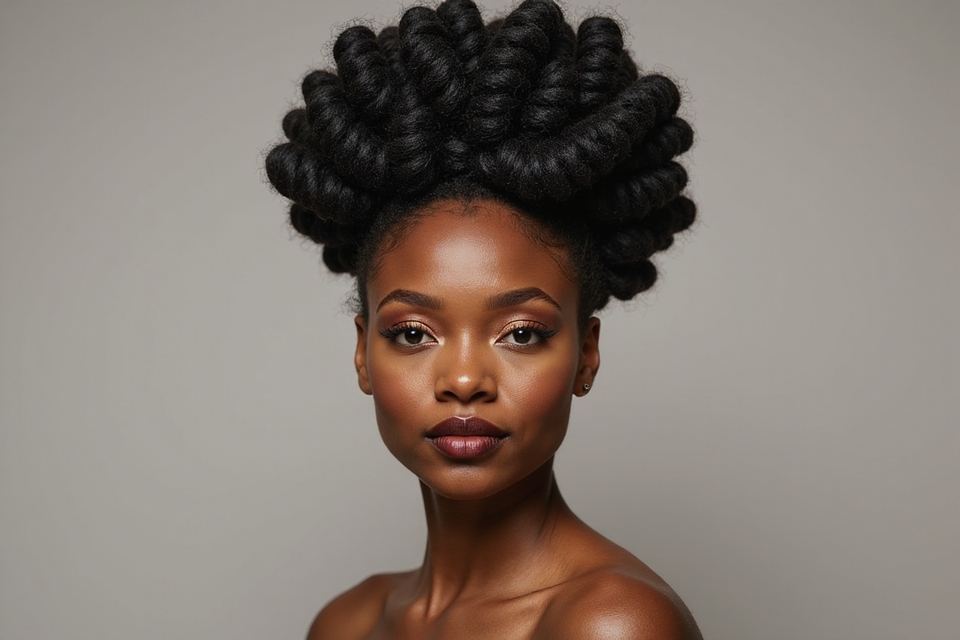
Face-framing layers are not just for straight hair; they shine on natural texture when cut correctly. The key is that wavy, curly, and coily hair should usually be cut dry or only slightly damp, so the stylist can see where each piece will land once it springs up.
Cutting Textured Hair Dry
On textured hair, the layers fall differently than the photo on straight hair, so build in extra length to account for shrinkage. A good stylist who works with your texture will plan for this rather than fighting it.
The payoff is layers that move with your natural pattern instead of against it. Done right, the framing pieces enhance your curls rather than creating an awkward shorter halo.
Customized for Your Face
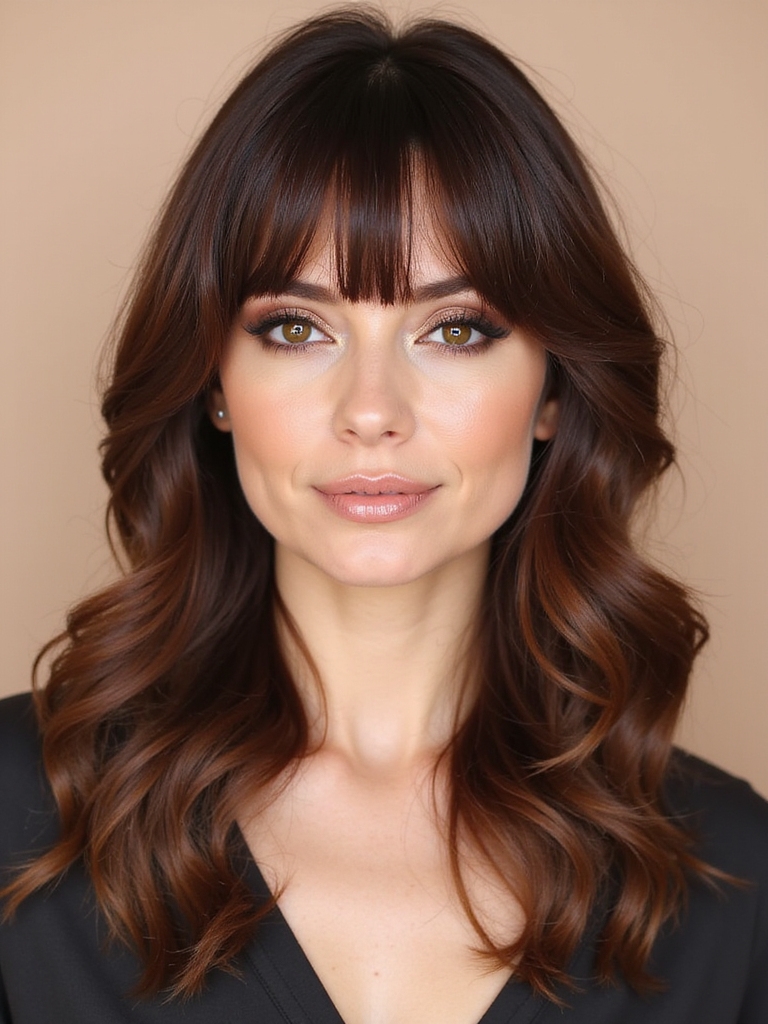
There is no single right version of this cut, because the whole point is tailoring it to your face. Where the shortest piece lands changes everything, and a good stylist adjusts it to balance your features.
Think about what you want to highlight or soften before you book.
- Round face: longer pieces starting below the cheekbone to lengthen.
- Long face: pieces starting higher, around the cheekbone, to add width.
- Square jaw: soft, curved layers to round the angles.
- Heart shape: layers that widen toward the jaw to balance the chin.
Layers for Fine Hair
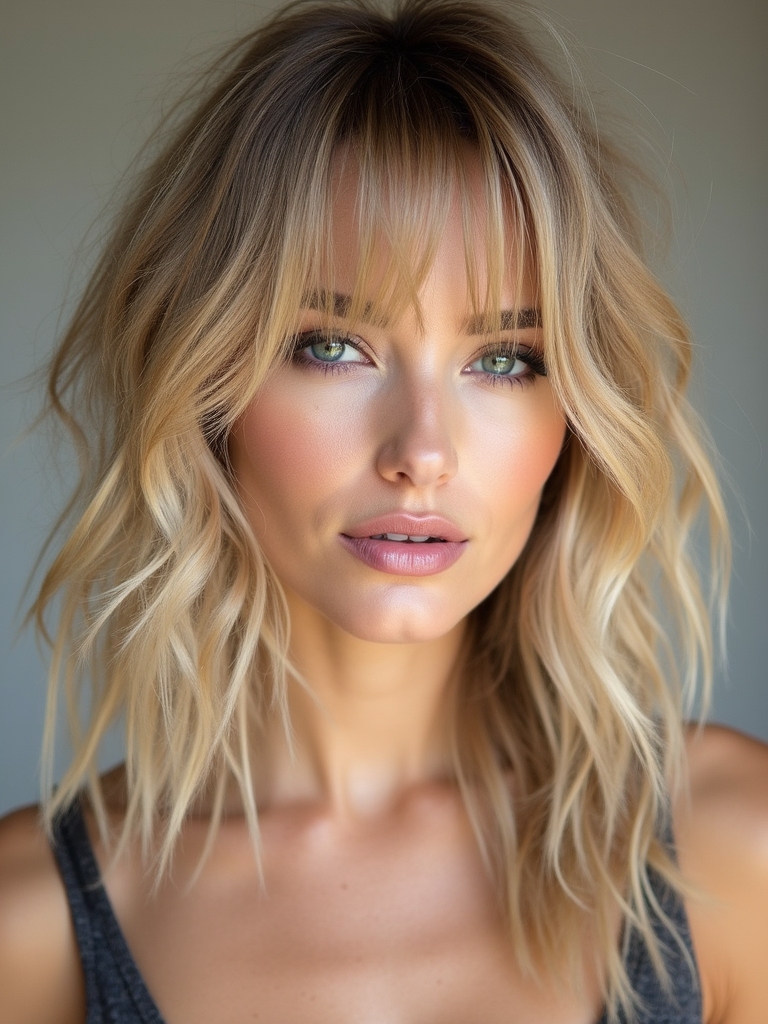
Fine hair benefits hugely from face-framing layers, since the right ones create the illusion of fullness around the face. The trick is keeping the layers subtle so they do not thin the ends out, which is the worry with fine hair.
- Ask for soft, long layers rather than heavy short ones.
- Add a few face-framing pieces for movement, not drastic steps.
- Use a volumizing mousse at the roots to lift the front.
- Skip heavy serums that drag fine pieces flat.
Layered Cuts for Dimension
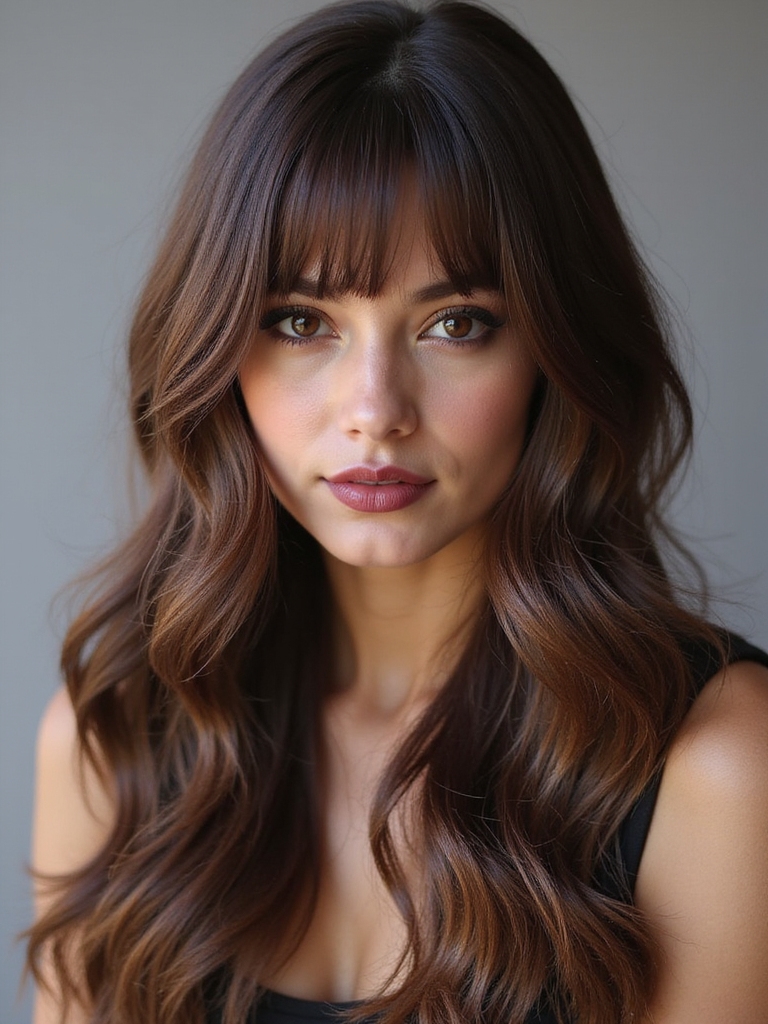
Layers add dimension that a single blunt length simply cannot, and that depth is what makes hair look thick and full of movement. Around the face, that dimension is what catches the eye.
- Layers let the hair bend and swing instead of falling flat.
- Internal layers add volume; face-framing layers add shape.
- The contrast of short and long pieces creates visual depth.
- Color and layers together amplify dimension even more.
Curly Hair Styling Tips
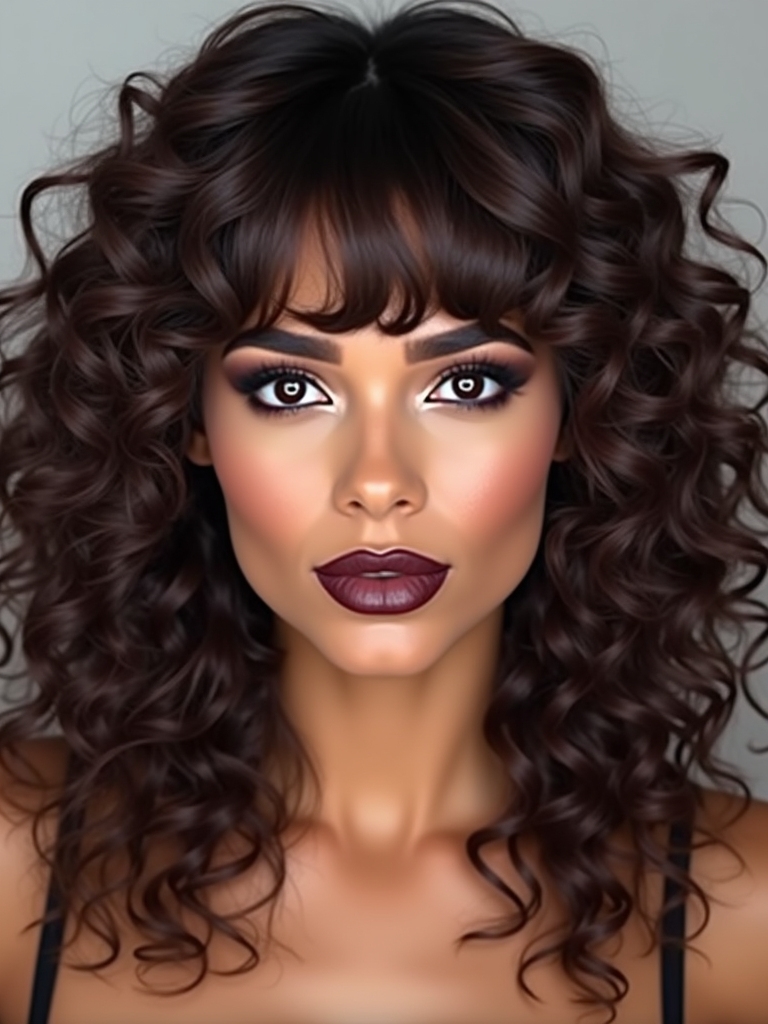
Curly and coily hair wears face-framing layers beautifully, but the styling is what keeps the curls defined around the face. After washing, apply a curl cream and gel to soaking-wet hair, then scrunch and let the framing pieces clump into defined spirals.
Avoid touching the curls as they dry, since that is what causes frizz in the most visible spot, right by your face. Diffuse on low or air-dry, then break any crunch gently with your fingers once fully dry.
Refresh the framing pieces between washes with a little water and cream. Those front curls take the most wear from your face and hands, so they need the most reviving.
Short Hair Options
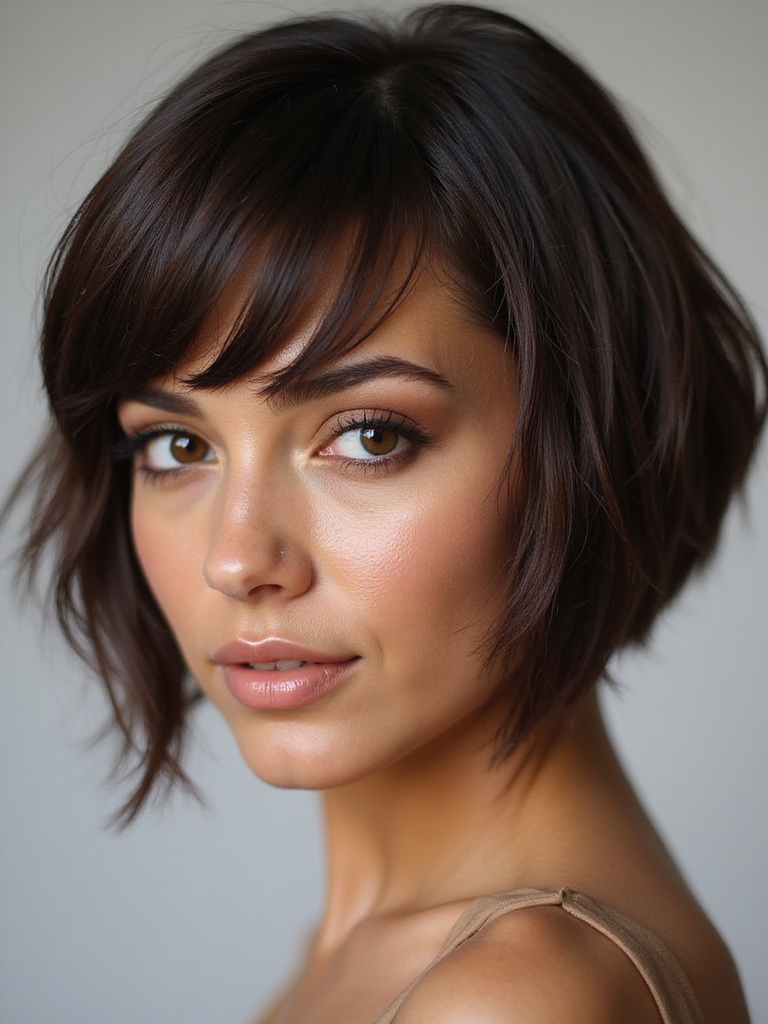
Face-framing layers are not only for long hair; they make short cuts like a lob with bangs look intentional and modern. On a bob or lob, the framing pieces and bangs do most of the styling work for you.
Because there is less hair overall, the framing has an outsized effect, so it can dramatically change how the cut reads. A few soft pieces at the front turn a plain bob into something with shape and movement.
Short versions need slightly more frequent trims to hold their shape, but they also style faster day to day. It is a fair trade for many people with busy mornings.
Bangs for Cheekbone Definition
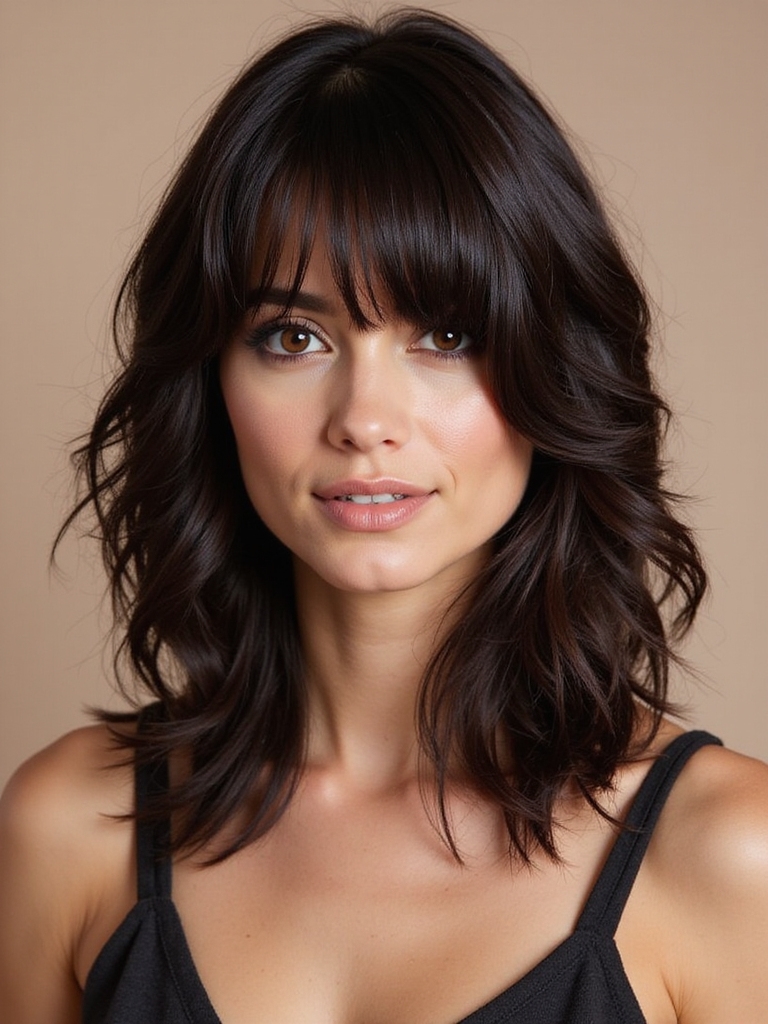
Beyond framing, bangs and layers can actually sculpt the face the way contour does. Pieces that angle in toward the cheekbone draw a soft diagonal line that makes the bone look higher and more defined.
This is why the right cut can feel as transformative as makeup. The hair creates shadow and highlight around the face, emphasizing structure without a drop of product.
If defining your cheekbones is the goal, tell your stylist directly. They will angle the front pieces to point toward the cheekbone rather than straight down, which makes all the difference.
Colorful Layer Transformations
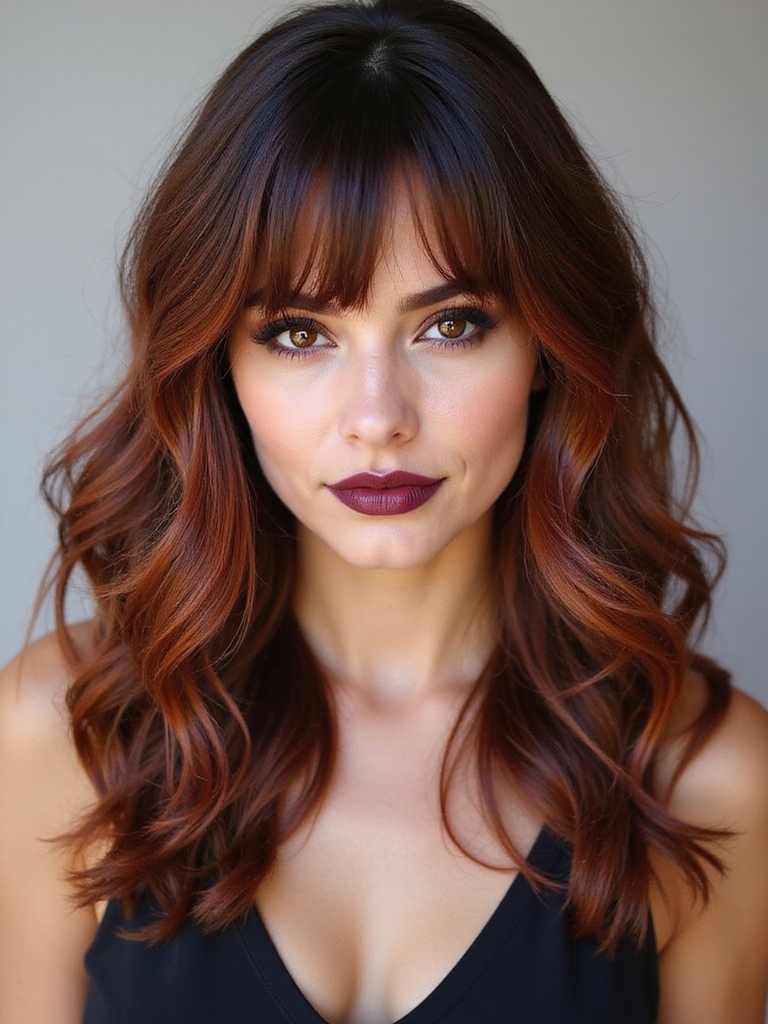
Color and layers are a powerful pair, because dimension in the cut shows off dimension in the color. Placing brighter pieces in the face-framing layers, often called money pieces, lights up the front of the face.
The Money-Piece Effect
A few lighter strands right at the cheekbone act like a highlight, drawing the eye and brightening your complexion. For minimal commitment, few color tricks flatter as instantly.
Because the brightness sits only in the front, it is low-maintenance too. The money pieces grow out softly and do not require full-head touch-ups every few weeks.
A Chic Transformation
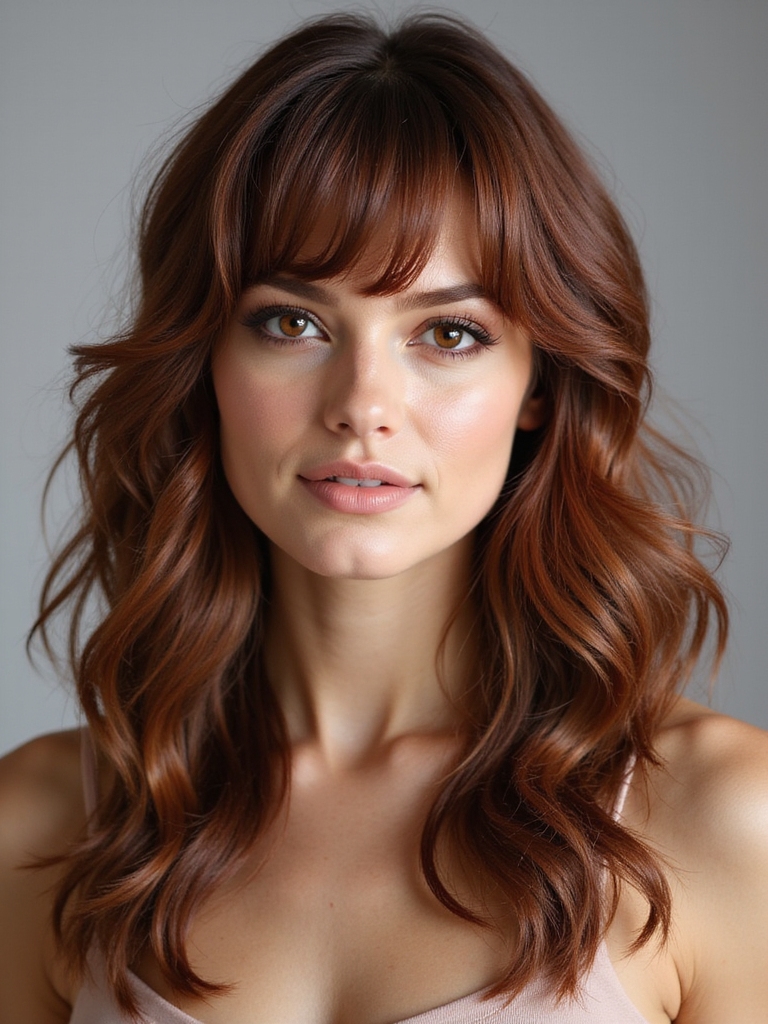
If you want a noticeable change without losing length, face-framing layers and bangs are the lowest-risk dramatic refresh there is. You keep your length while completely changing how your hair frames your face.
- Your overall length stays the same, so it feels less scary.
- The front change reads as a whole new look.
- It grows out softly instead of awkwardly.
- You can pin the bangs back if you change your mind.
Balayage With Layers
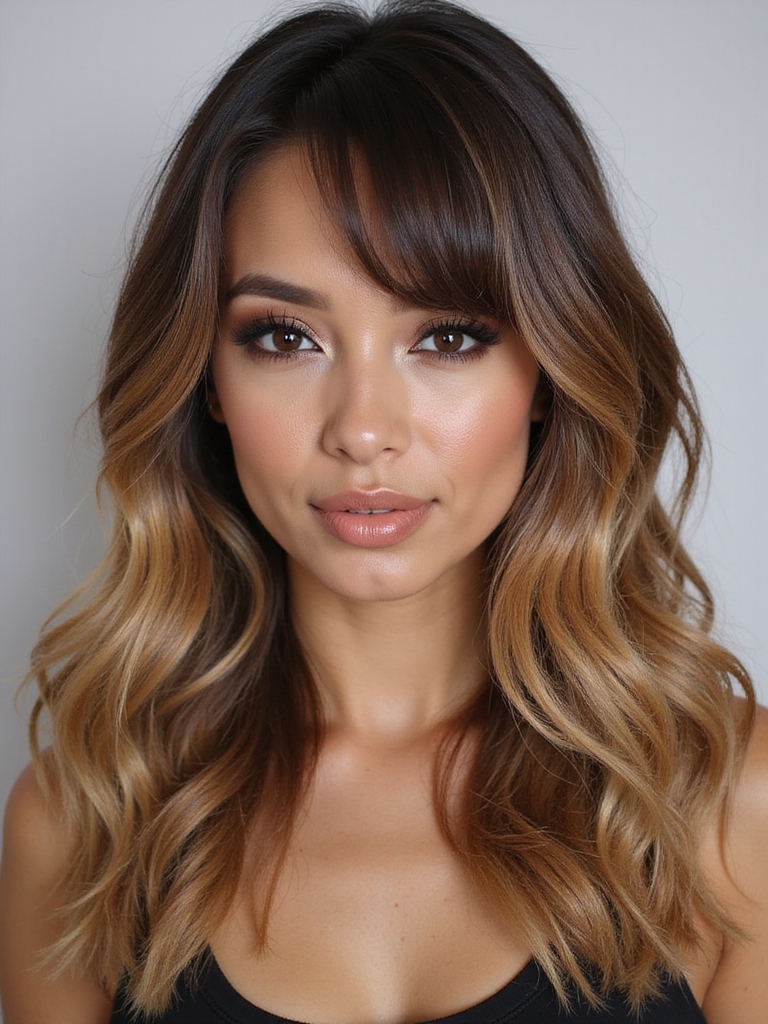
Balayage and face-framing layers are made for each other, since the hand-painted color follows the movement the layers create. The result is soft, sun-kissed depth that looks natural rather than striped.
Ask your colorist to brighten the face-framing pieces a touch more than the rest. That subtle lift right around the face does the same flattering work as a money piece, just blended more softly.
Balayage is also forgiving to grow out, which suits this low-maintenance cut. There is no harsh regrowth line, so you can stretch months between color appointments.
Hairstyle Inspiration
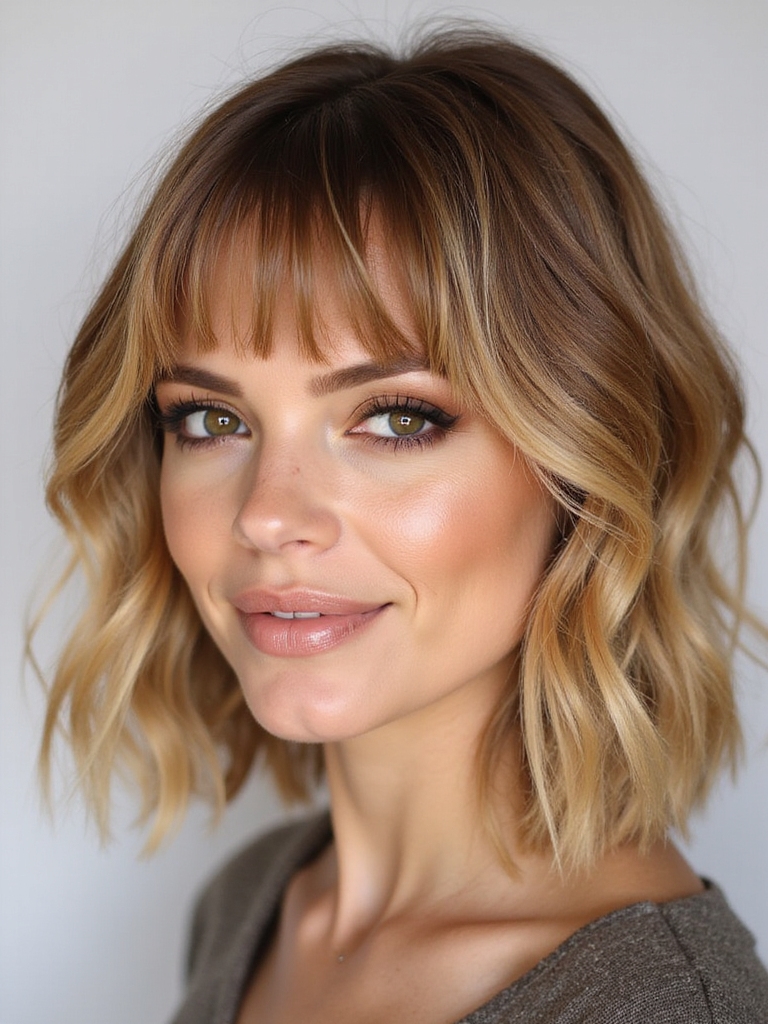
The best way to land the cut you want is to gather references before you book. Save a few photos of face-framing layers on people with your hair texture and face shape, not just the ones that look good on anyone.
Choosing the Right Photo
Look for examples that match your length and density, since a cut behaves differently on fine versus thick hair. A photo of the exact effect you want communicates more than any description.
Pin a styled shot and a more natural one of the same cut. The styled photo shows the potential, while the natural one shows how it will look on an ordinary morning.
Accessories for Layers
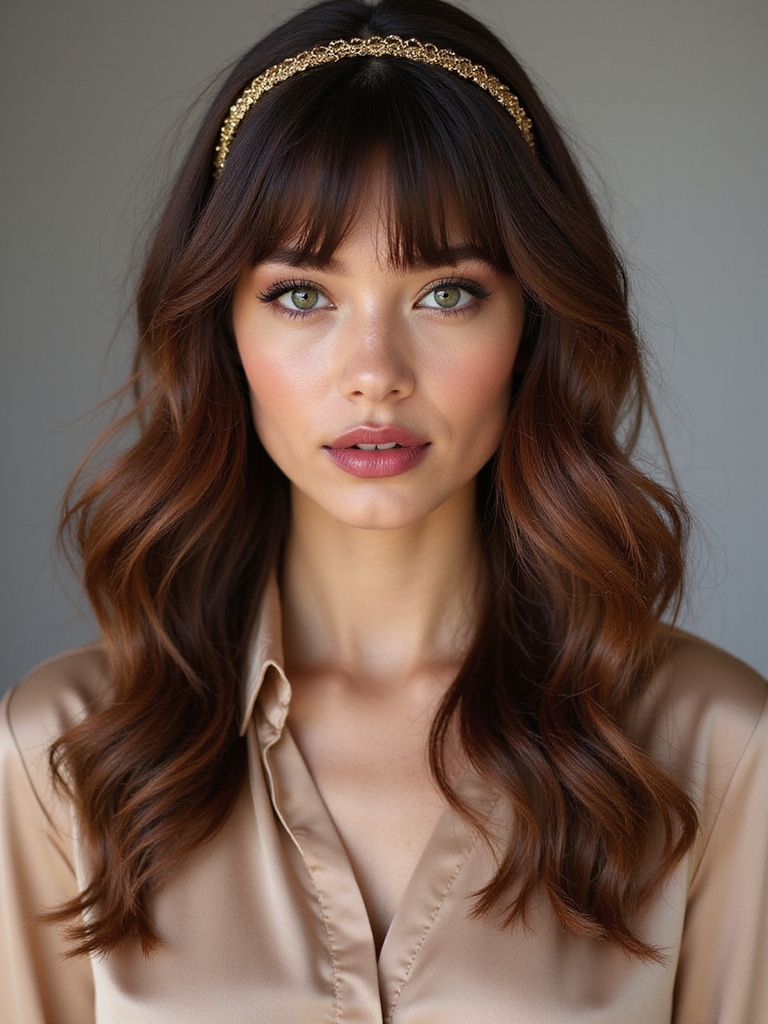
Accessories are the easy way to restyle face-framing layers, especially on days the bangs will not cooperate. A clip, a barrette, or a small claw can pin the framing pieces back into a half-up shape in seconds.
They also help during the awkward grow-out phase. A pretty barrette holding back too-long bangs turns a styling problem into a deliberate look, which buys you time between trims.
Cutting and Styling Tips
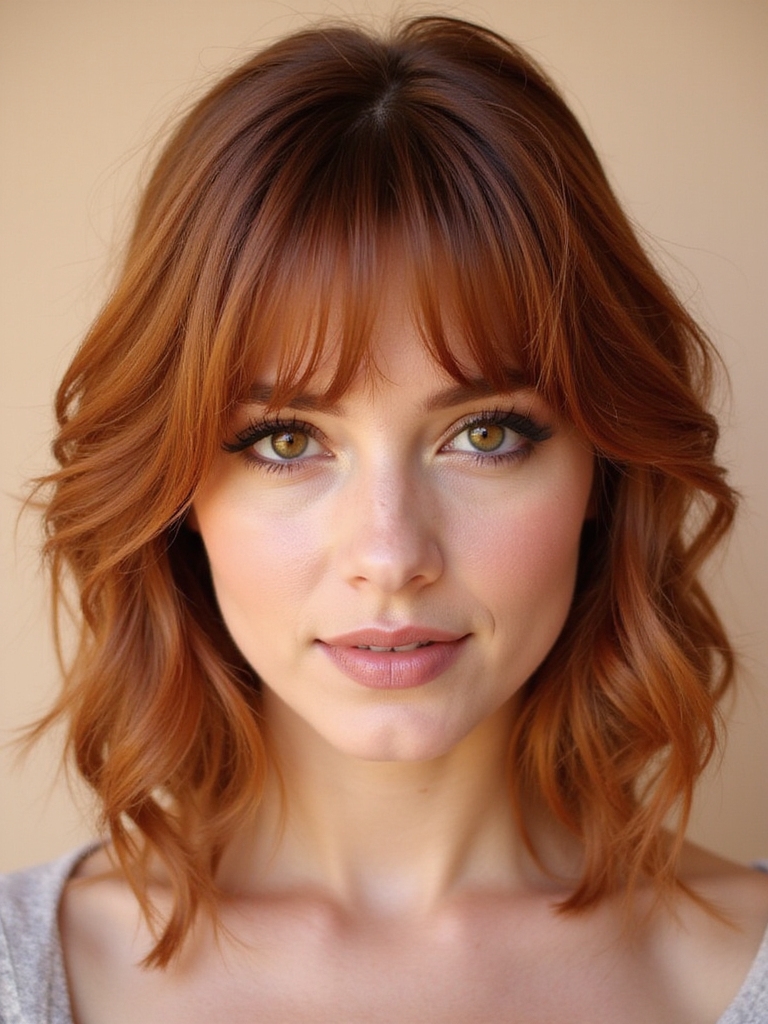
A few honest do-and-do-not tips save grief with this cut, especially around trimming at home. The mistake I see most is people trimming their own bangs too short between salon visits.
- Do trim bangs dry, a tiny bit at a time, if you must do it yourself.
- Do not cut the face-framing layers at home; leave those to a pro.
- Do book bang trims, which most salons do free between cuts.
- Do not over-wash, since clean-but-not-squeaky hair styles better.
Headbands and Dry Shampoo
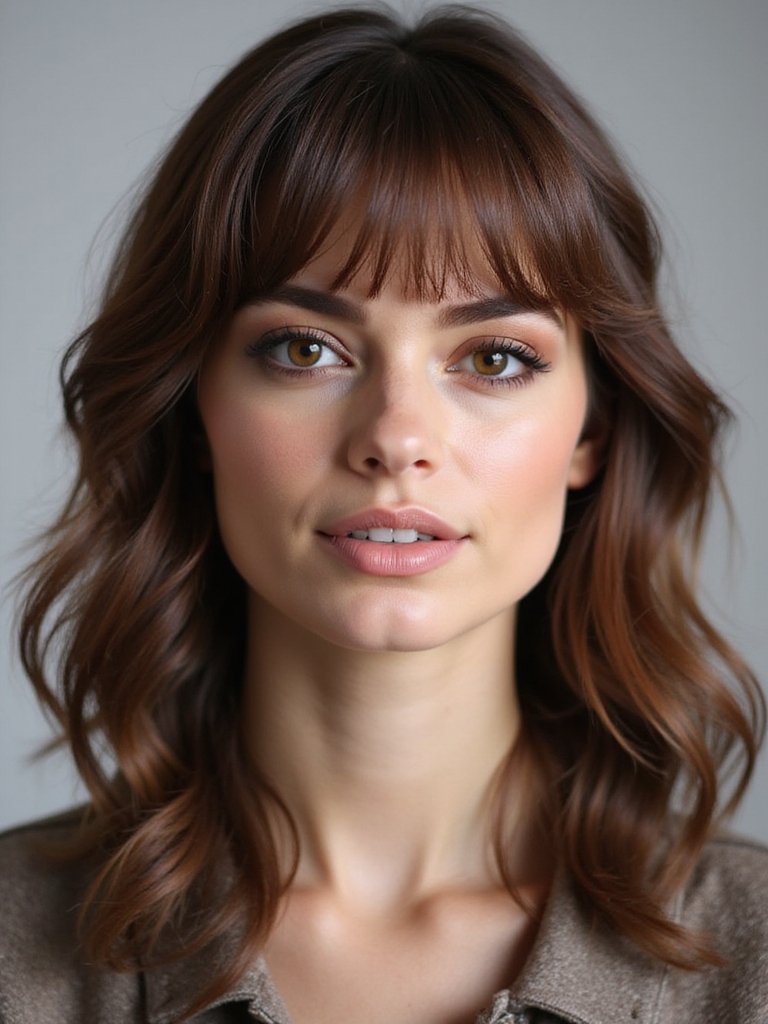
The front pieces get oily fastest, since they touch your face all day, so a little dry shampoo where the fringe meets your forehead becomes a daily habit. A quick spritz and a finger-fluff revives the front without a full wash.
A soft headband is the other second-day savior. Sliding one on pushes the framing pieces and bangs back into a clean, deliberate shape, which is perfect for the gym, errands, or a bad-hair morning.
Bold, Confident Transformations
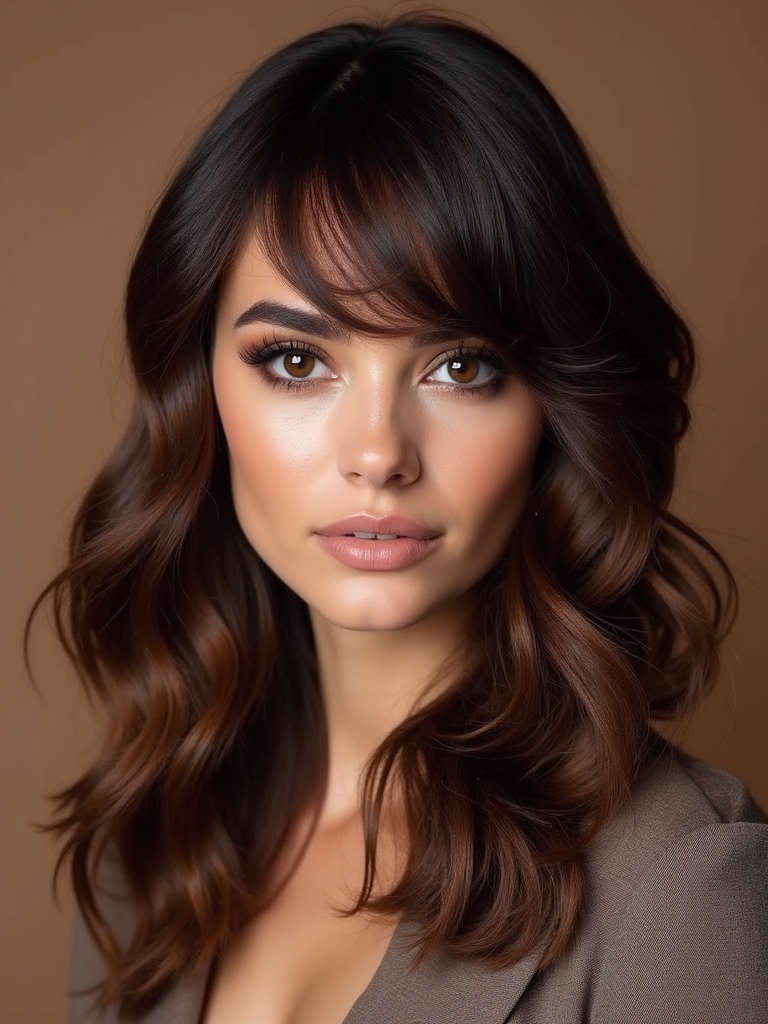
For anyone nervous about bangs, remember that this version is among the most forgiving changes you can make. Cheekbone-length pieces are long enough to tuck, pin, or blend, so you are never stuck with a fringe you hate.
If you have wanted to try it, the low risk is the reason to go for it. The worst case is you pin the bangs back for a few weeks while they grow into your layers, and most people end up loving the change.
A Seasonal Transformation
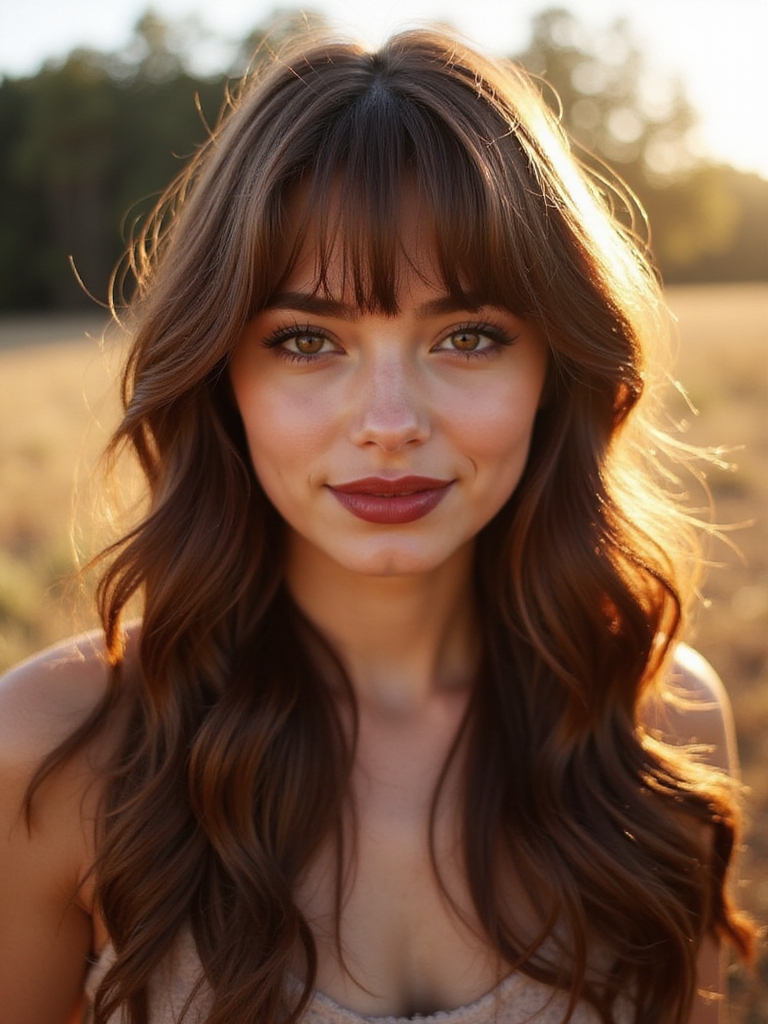
Many people adjust this cut with the seasons, and it adapts well. In summer, longer, softer framing pieces feel breezy and pull back easily in the heat, while a slightly shorter, more defined version suits the polished feeling of fall.
Color often shifts with the seasons too, going lighter around the face in warmer months and deeper in cooler ones. Because the cut is so adaptable, you can refresh the vibe without ever changing the underlying shape.
Common Mistakes to Avoid
A few missteps keep this cut from looking its best. The biggest is going too short with the shortest face-framing piece, which leaves a stubborn flick that will not blend; always start longer, since a stylist can take more off but cannot add it back. The second is skipping the bang trims that keep the front looking sharp, which most salons do free every three to four weeks.
The last mistake is fighting your natural texture instead of cutting for it, which leaves curly and coily hair with an awkward shorter halo. Cut for the texture you have, style with the right products, and the cut rewards you daily. For more, see our curtain bangs, layered hair with bangs, long hair with bangs, and hairstyles with bangs.
Framing the Face You Have
Face-framing layers with bangs work because they flatter the face you already have, drawing the eye to your best features with nothing more than a smart cut. Tailored to your shape, length, and texture, they refresh your whole look while keeping the length you love.
Bring a clear photo, talk honestly about your styling time, and start a little longer than you think you want. The cut grows in beautifully, and few who try it ever return to one blunt, unbroken length again.
You Might Also Like