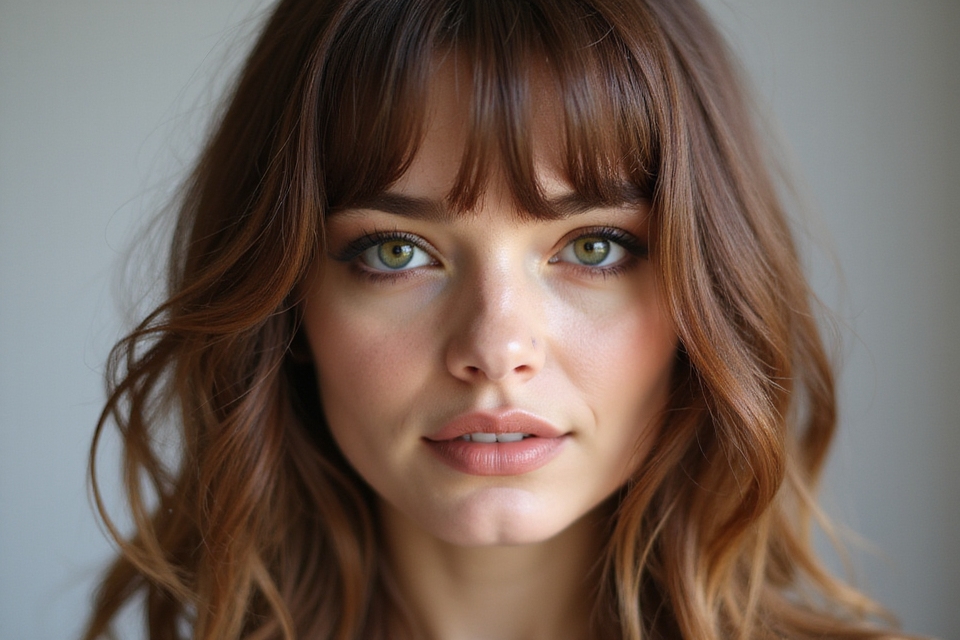
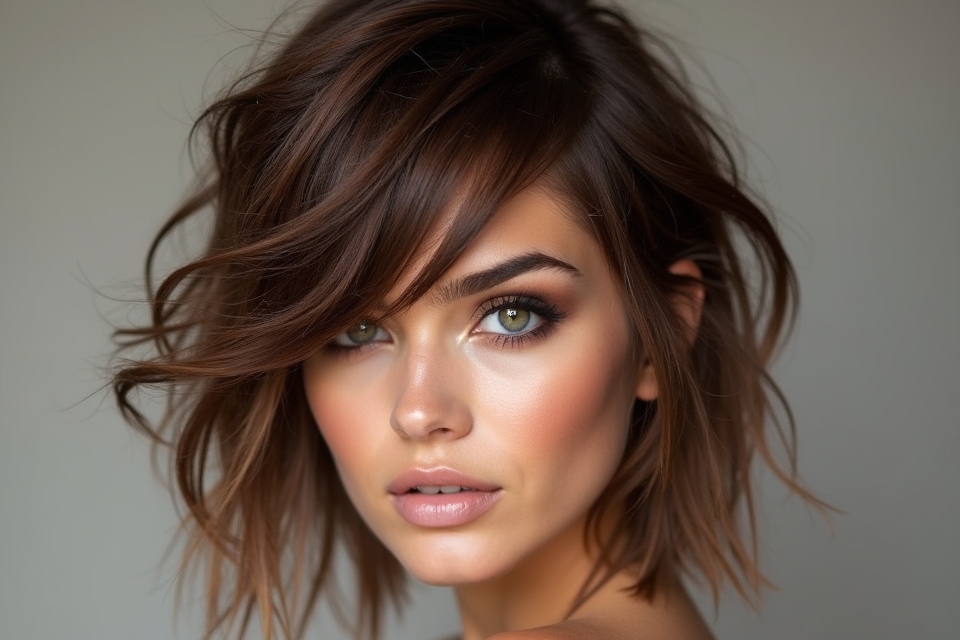
A client came in last spring with long, heavy hair she described as a curtain with no personality. We didn’t cut a single inch of length. We added shag layers instead, and a week later she messaged to say it was the best haircut she’d had in years.
That’s the magic of the long shag: it turns flat, lifeless hair into something with volume, movement, and a little rock-and-roll attitude, all while keeping your length. This is the full guide, from the layers and the fringe to styling, color, and exactly who should be holding the scissors.
Before You Book
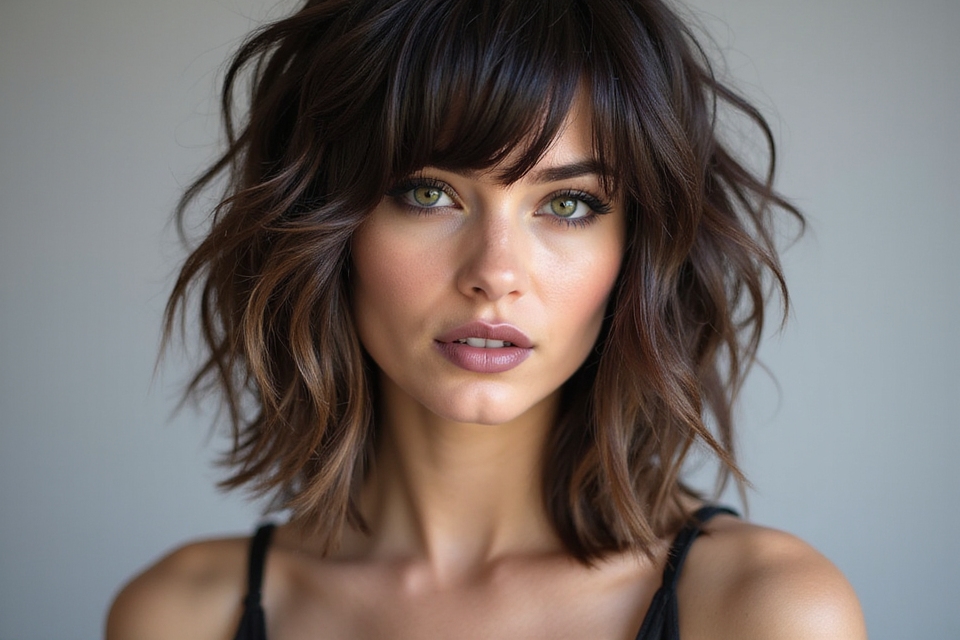
A long shag keeps your length but adds heavily textured layers, shorter at the crown and graduating longer toward the ends, usually paired with a curtain or choppy fringe. The payoff is volume, movement, and an undone, broken-in feel that flatters nearly every texture.
It’s a low-effort cut built to air-dry with a little product, but it lives or dies on the layering, so the stylist matters. Plan on a trim every 6 to 8 weeks, and know that it grows out more gracefully than a blunt cut.
The Chic, Rebellious Shag
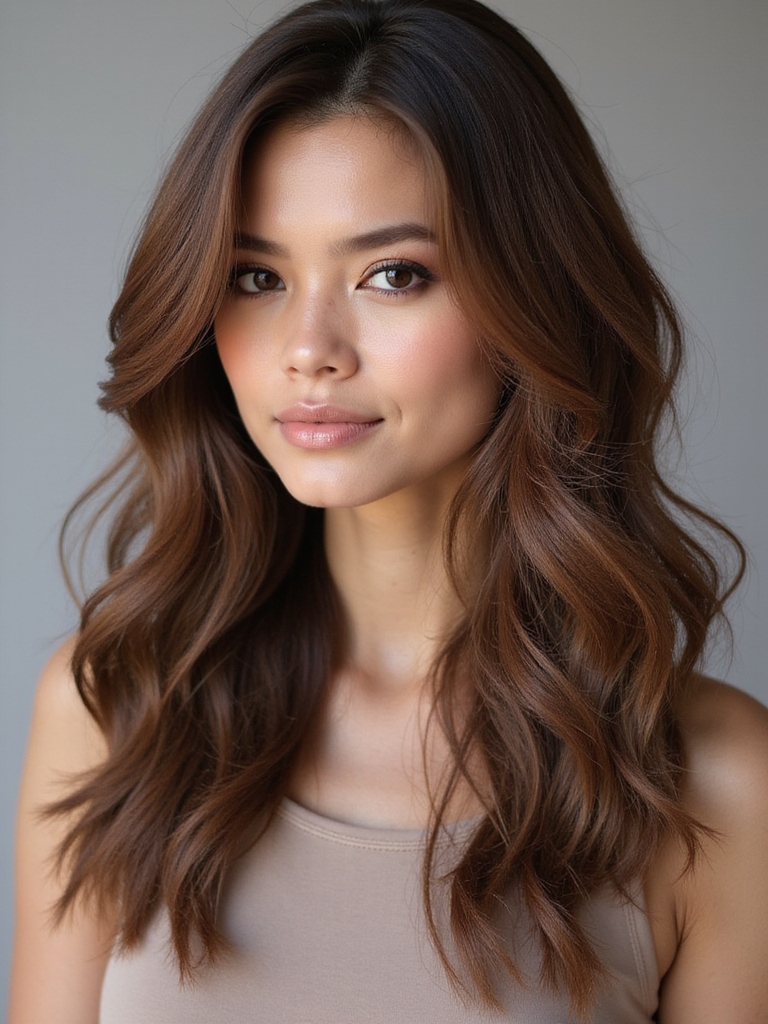
The shag was born in the 70s as a rock-and-roll cut, all attitude and texture, and it has never fully left. Today’s version is softer and more polished, but it kept that undone, cool-girl edge.
Edge Meets Ease
What gives the shag its character is the contrast: short, choppy layers up top for volume against long, draped ends. That mix is what makes it look relaxed and a little rebellious at the same time.
It’s the cut for women who want their hair to have a personality in under five minutes of styling. Equal parts edge and ease, the shag flatters that whole mood.
Crown Layers, the Shag’s Signature
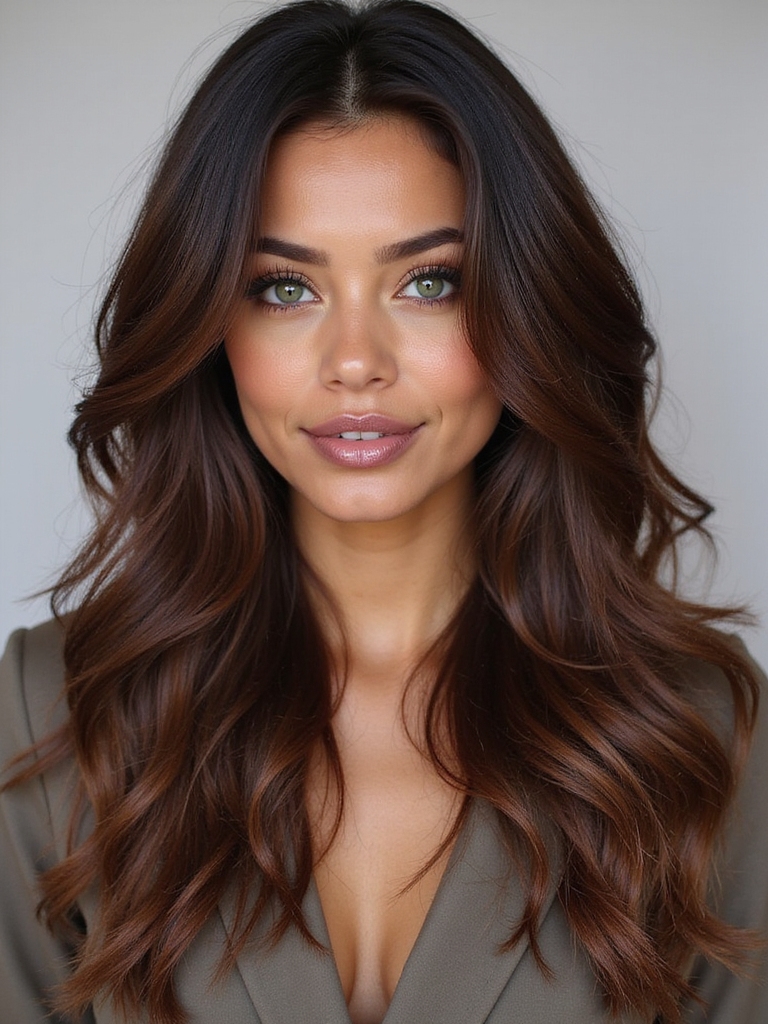
The defining feature of a shag is the layering at the crown. Shorter pieces cut through the top create the height and volume that the rest of the cut builds on.
Those crown layers keep the hair lifted even when it would normally fall flat. They raise the roots and give it that signature, slightly wild fullness, even on hair that’s normally lifeless.
The art is blending those short top layers smoothly into the longer length so there’s no harsh step. That’s where a skilled stylist earns the cut, and where a careless one ruins it.
Heads-Up
A shag lives and dies on its layers, and bad layering is hard to fix. If your stylist doesn’t cut shags often, find one who does. An over-layered or wrongly-placed shag can take months to grow back into shape.
Long Shag for Fine Hair
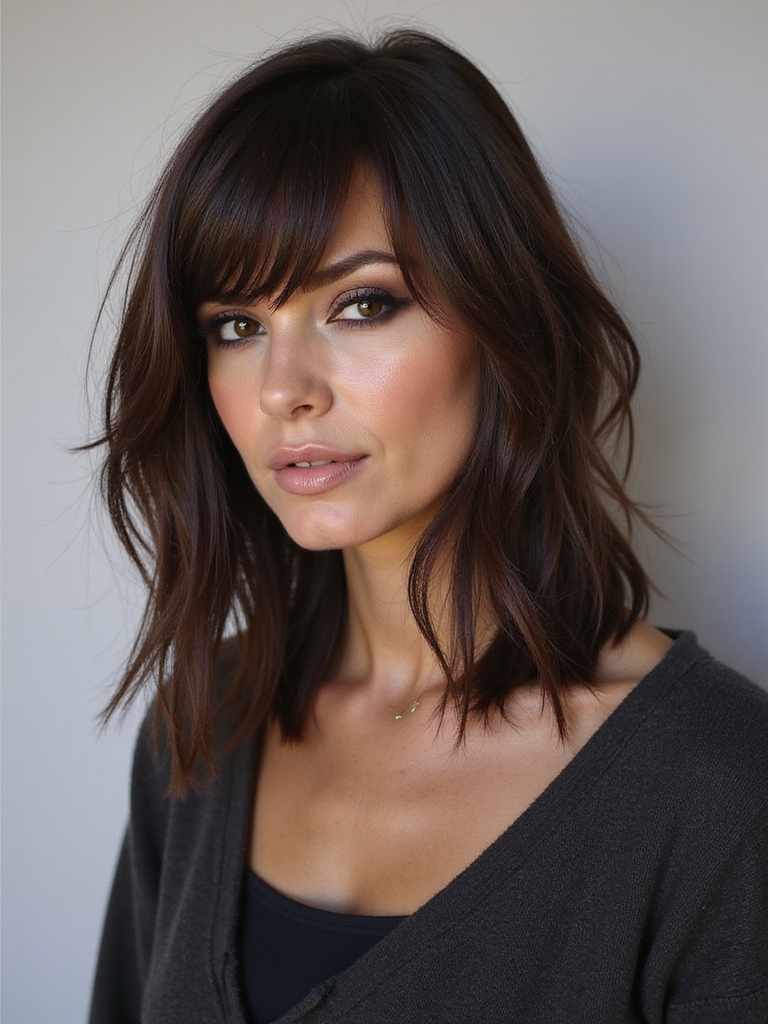
Fine hair and the long shag are a perfect match. The heavy layering creates the illusion of volume and density that fine, flat hair can’t manage on its own.
The one thing to watch is over-thinning. The layers should stay soft so the ends don’t go stringy and wispy, which defeats the purpose. A good stylist keeps the perimeter fuller while texturizing the top. There’s more on this in our shag for thin hair guide.
- Layers fake the volume fine hair lacks
- Keep the layers soft so the ends don’t go stringy
- A fuller perimeter keeps the bottom looking dense
How a Shag Flatters Face Shapes
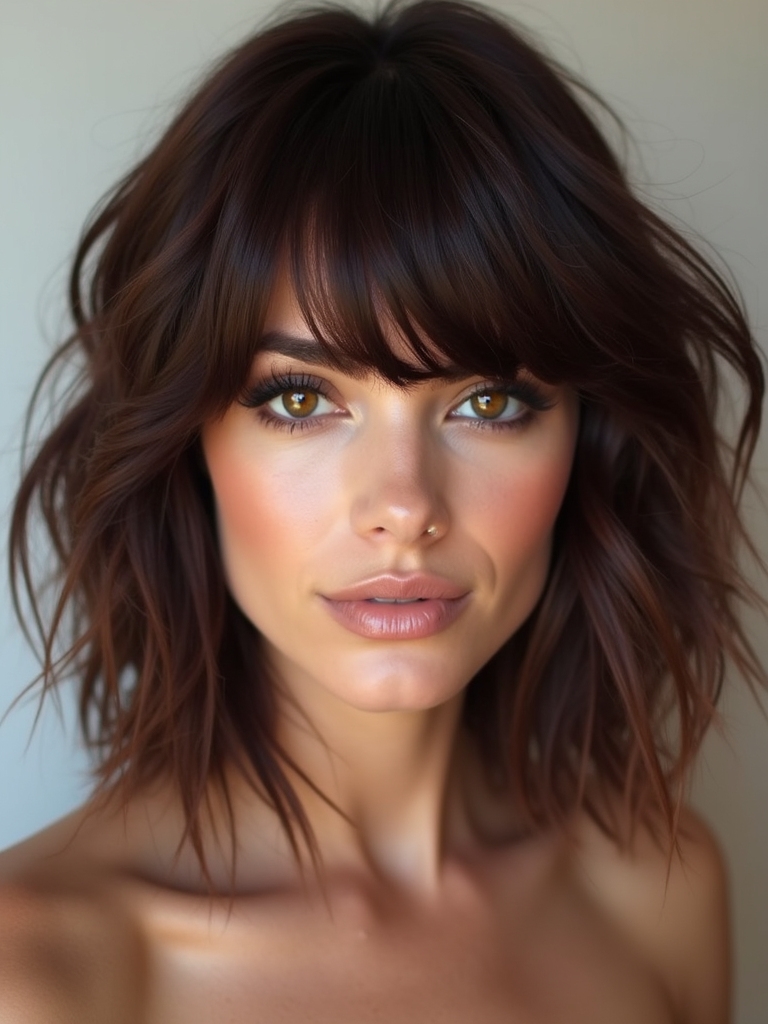
The shag flatters almost every face shape because the layers and fringe adjust to balance your features. The face-framing pieces do most of the work.
A round face suits longer, more vertical layers and a curtain fringe to lengthen it. A square jaw softens under soft, wispy face-framing. A long face does well with a fuller fringe to break up the length.
Because the cut is so customizable, your stylist can place the shortest layers and the fringe exactly where they flatter you. There’s more in our round face haircut guide.
A few terms you’ll hear:
📖Shag
A heavily layered cut with shorter layers up top and longer ends, built for volume and movement.
📖Wolf cut
A bolder, choppier cousin that blends a shag with a mullet, for even more dramatic layers.
📖Curtain bangs
Center-parted bangs that sweep to the sides, the classic fringe paired with a shag.
Modern Shag vs the Old Mullet
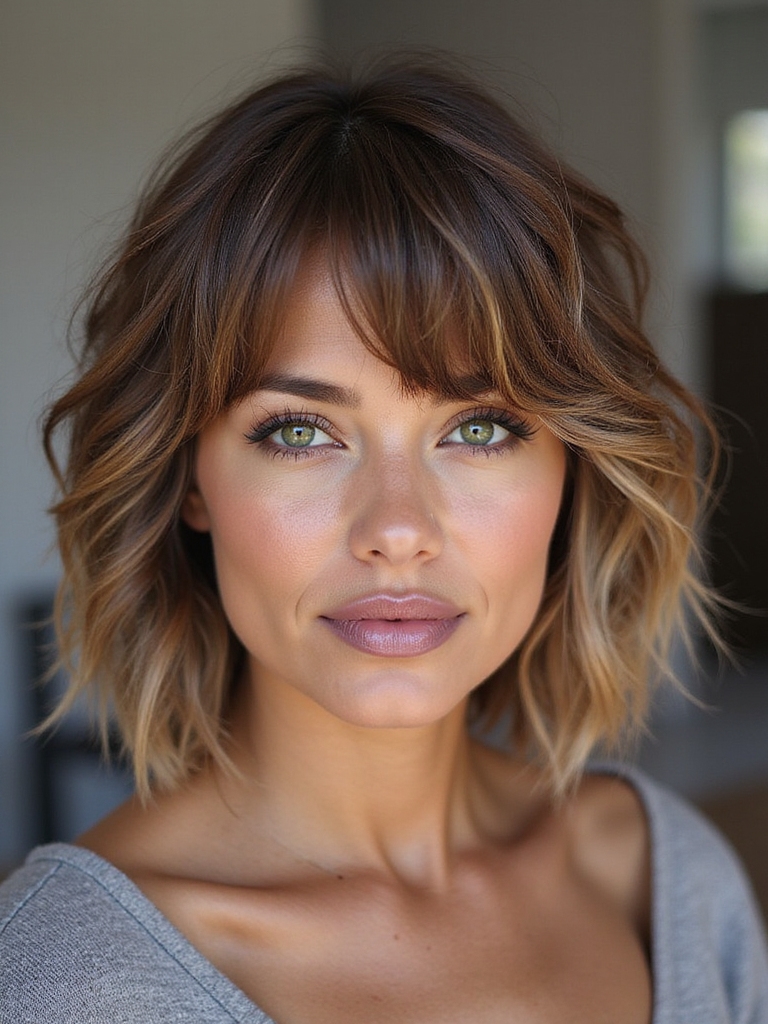
If the word shag conjures a dated mullet, the modern version will change your mind. Today’s shag is softer, more blended, and far more wearable than its 70s and 80s ancestors.
The difference is in the blending. A modern shag graduates its layers smoothly and pairs them with soft curtain bangs, so it reads chic and current. The old versions were choppier and more extreme, with a harder line between top and length.
- Modern shag: soft, blended layers and curtain bangs
- Old shag/mullet: choppier, with a harder top-to-length line
- Today’s version is polished and easy to wear
The Styling Tools You Need
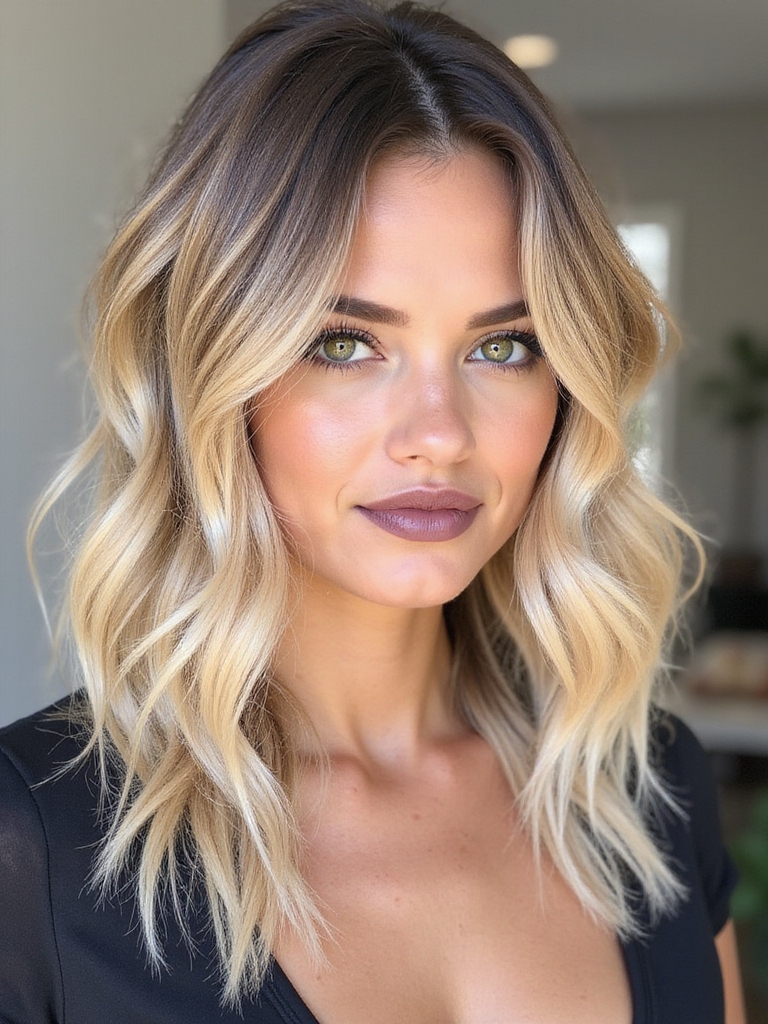
One of the joys of a shag is how little equipment it needs. Because it’s built to air-dry, you can skip the round-brush ritual entirely.
The essentials are a diffuser or just your fingers, a texture or sea-salt spray, and a light cream or pomade to define pieces. A curling wand is optional for adding extra bend. That’s truly the whole kit for most shags.
Is a long shag for you?
1You want low-effort, air-dry texture
The shag is built to air-dry with a little product, ideal if you’d rather skip the round brush.
2Your hair is flat and lifeless
All those layers add instant volume and movement, which is the shag’s whole purpose.
A Quick Long Shag Guide
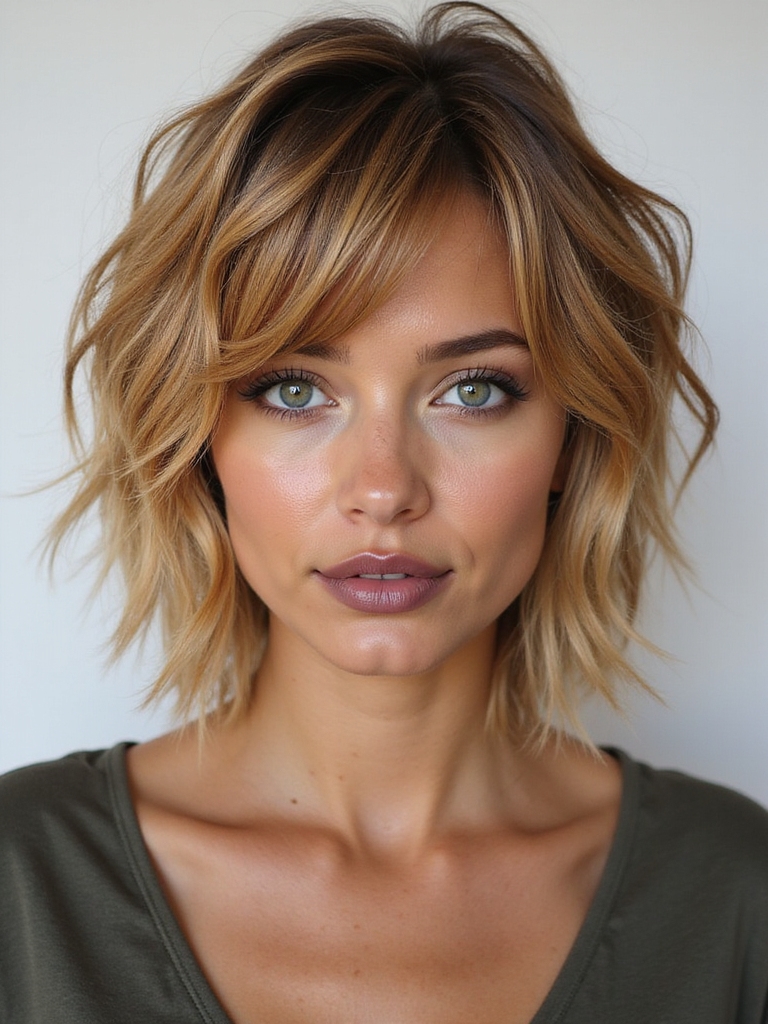
So what exactly is a long shag? It’s a long cut with heavy, graduated layers, short and textured at the crown, draping into longer ends, usually finished with a curtain or choppy fringe. The whole design is built for volume, movement, and an undone texture. It keeps your length while giving the hair a shape and a personality it lacks one-length. If you want the look on women of all hair types, see our shag haircuts for women roundup.
- Heavily layered, short at the crown, long at the ends
- Usually paired with a curtain or choppy fringe
- Built for volume, movement, and texture
Crown Volume With Mousse
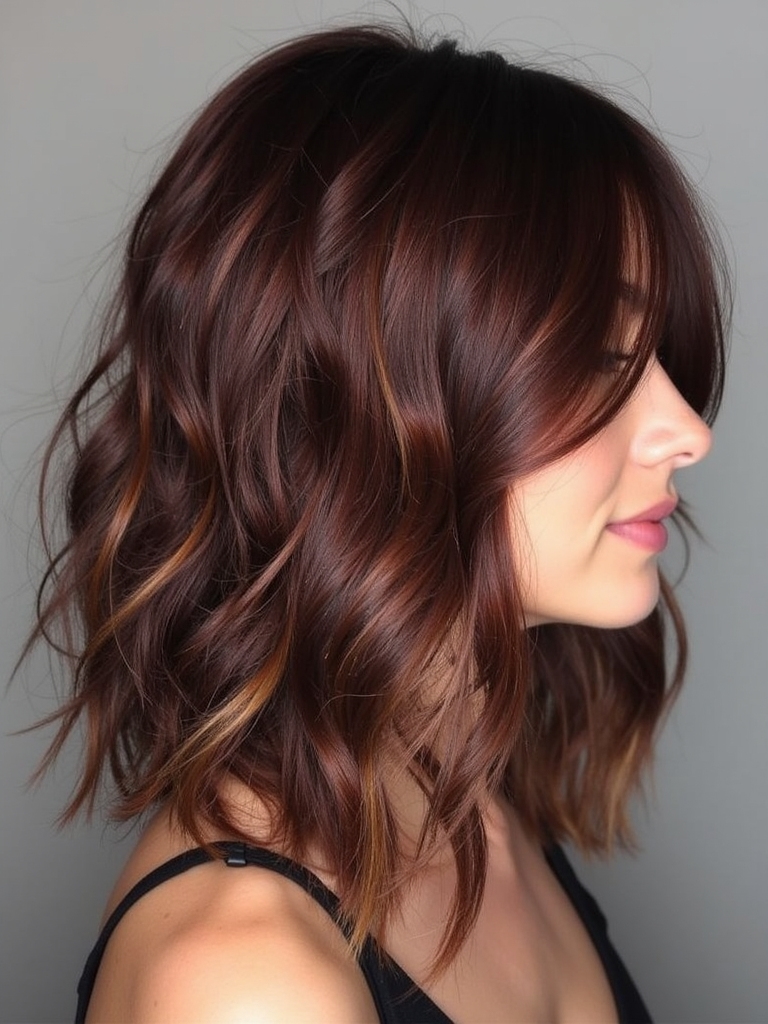
The shag’s volume starts at the crown, and a good mousse is how you maximize it. The short crown layers are primed to lift; mousse gives them the staying power.
Lift Starts at the Roots
Work a golf-ball-size amount of volumizing mousse into damp roots, then rough-dry with your head flipped to build lift at the crown. The layers do the rest as they fall back into place.
Finish with a blast of cool air at the roots to set the volume. This one habit is the difference between a shag that stands up and one that goes flat by lunch.
Styling a long shag at home:
1Prep damp
Work mousse or sea-salt spray through damp hair for grip and lift.
2Rough-dry
Scrunch and rough-dry with your fingers, or diffuse, to build the textured volume.
3Define
A little texture spray or a pea of cream separates the layers and the fringe.
The Layering Technique Behind a Shag
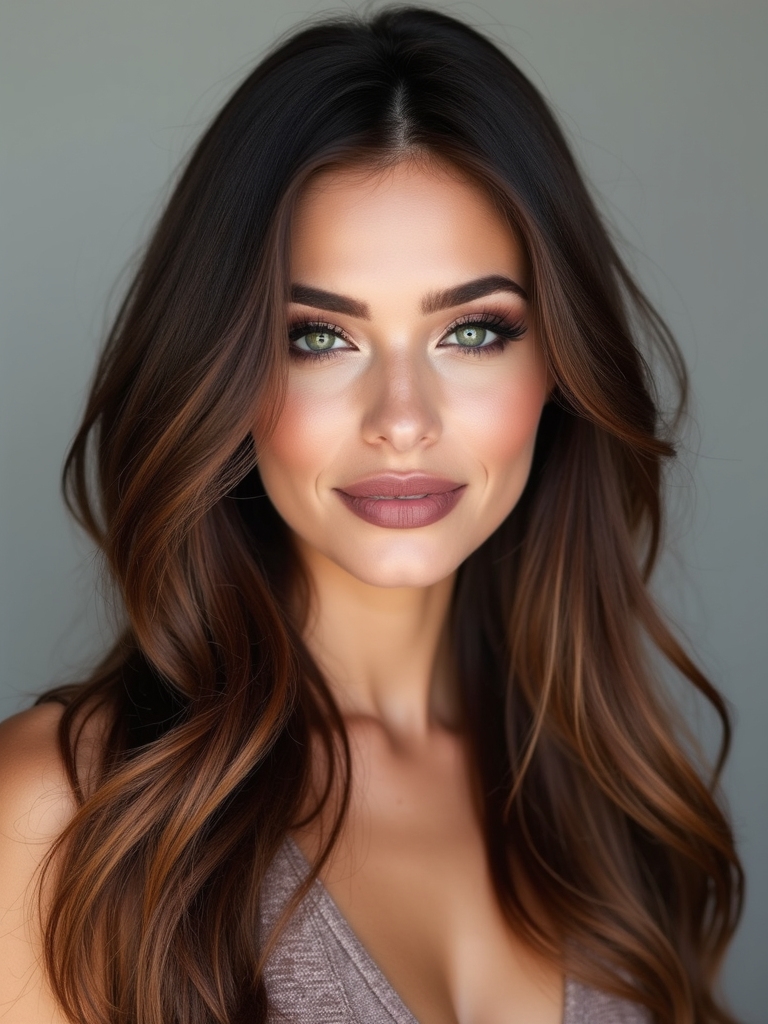
A great shag is all about the layering technique, and it’s more complex than it looks. The stylist cuts short layers at the crown that graduate down into the length, point-cutting the ends for that soft, broken-up finish.
The face-framing pieces are cut separately to suit your features, and the fringe is shaped last. Razoring or point-cutting keeps the edges soft so nothing looks blunt or heavy.
Because so much rides on the placement, a shag is honestly tricky to cut well. It’s the cut I’d most strongly steer you away from attempting at home.
Bright Balayage for Shags
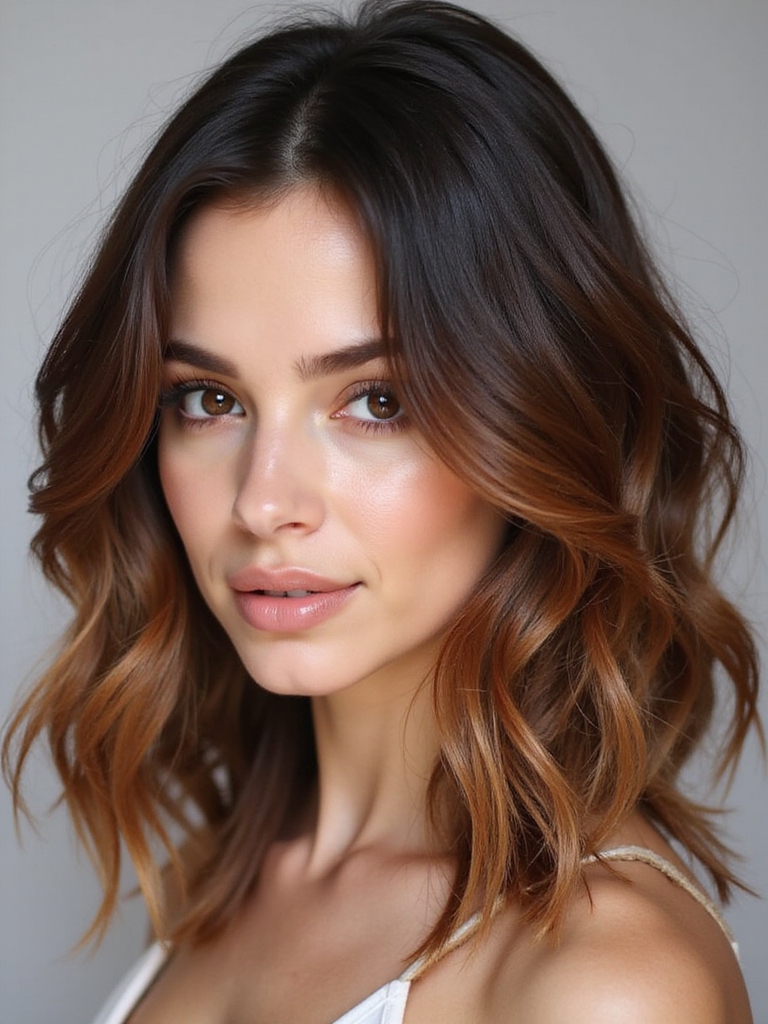
Color and a shag work hand in hand, since all those layers give dimension somewhere to live. Balayage especially shines, painted to catch the light as the layers move.
Dimension on Dimension
A bright, hand-painted balayage exaggerates the texture and movement of the cut, making the shag look even fuller and more dynamic. A money piece around the face brightens the fringe.
Whether you go bold or subtle, dimensional color and a shag amplify each other. For cool-season shade ideas, see our winter hair colors guide.
Bangs That Complete the Shag
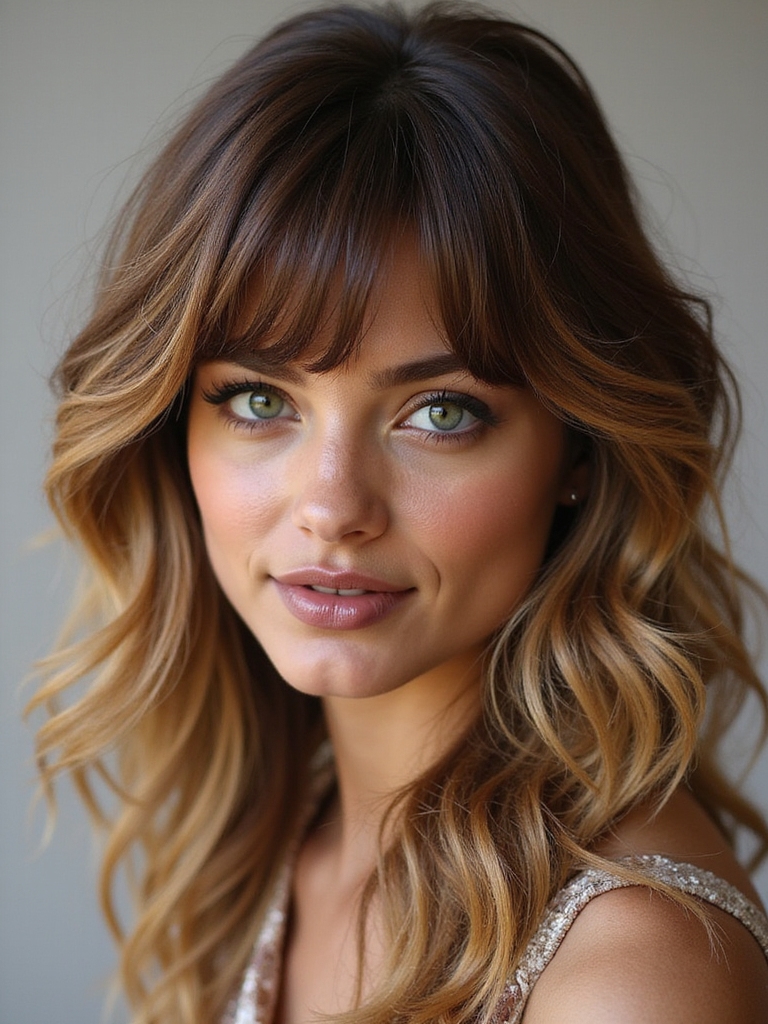
A shag almost always wants a fringe, and curtain bangs are the classic pairing. They sweep softly to the sides and melt into the face-framing layers for a connected, soft frame with no hard line.
Curtain Bangs Are Classic
Choppier, piece-y bangs lean into the shag’s edgier side, while soft curtain bangs keep it pretty and modern. Either way, the fringe is where the cut does most of its face-framing.
If you’re new to bangs, the soft curtain version grows out gracefully, like the ones in our curtain bangs guide. It’s the lowest-risk way to complete the look.
Curly Hair and Shag Texture
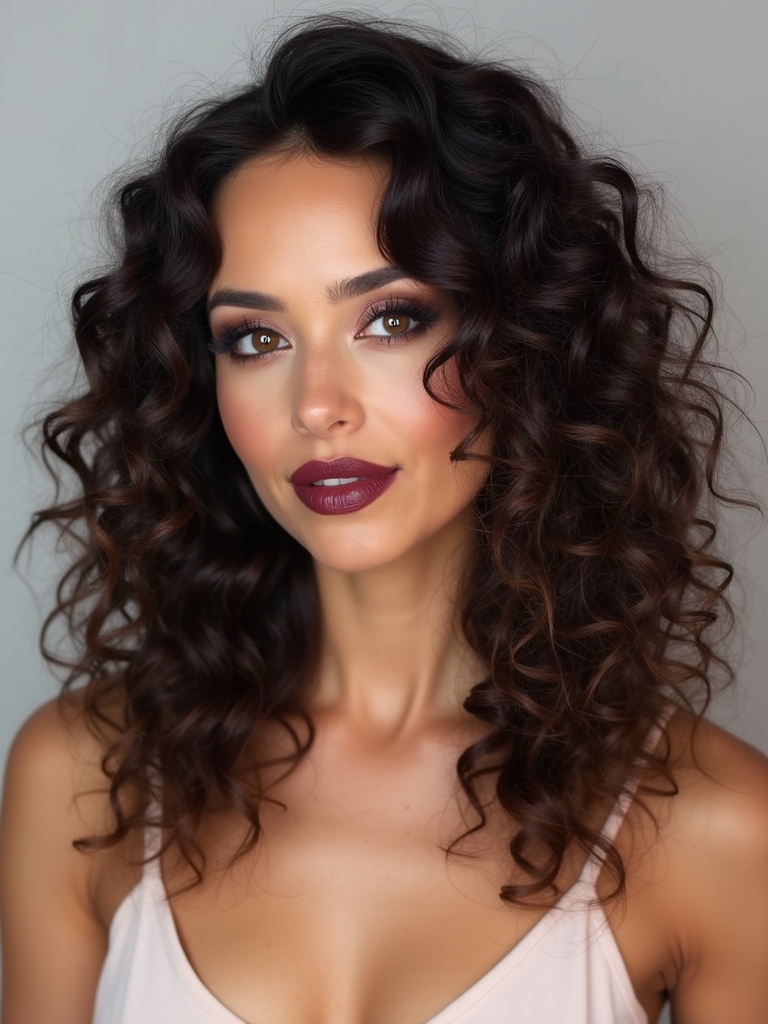
The shag was practically made for curly hair. The layers let curls bounce and spring instead of piling into a heavy, triangular shape, and the volume suits the texture naturally.
Curly shags should be cut dry, to the curl pattern, by a stylist who knows textured hair, so the layers fall where they should once everything springs up. A curl cream and a diffuser keep it defined. See our curly shag guide for more.
- Layers let curls bounce instead of sitting heavy
- Cut dry, to the curl pattern, for the best result
- A curl cream and diffuser keep it defined
Long Shag for Straight Hair
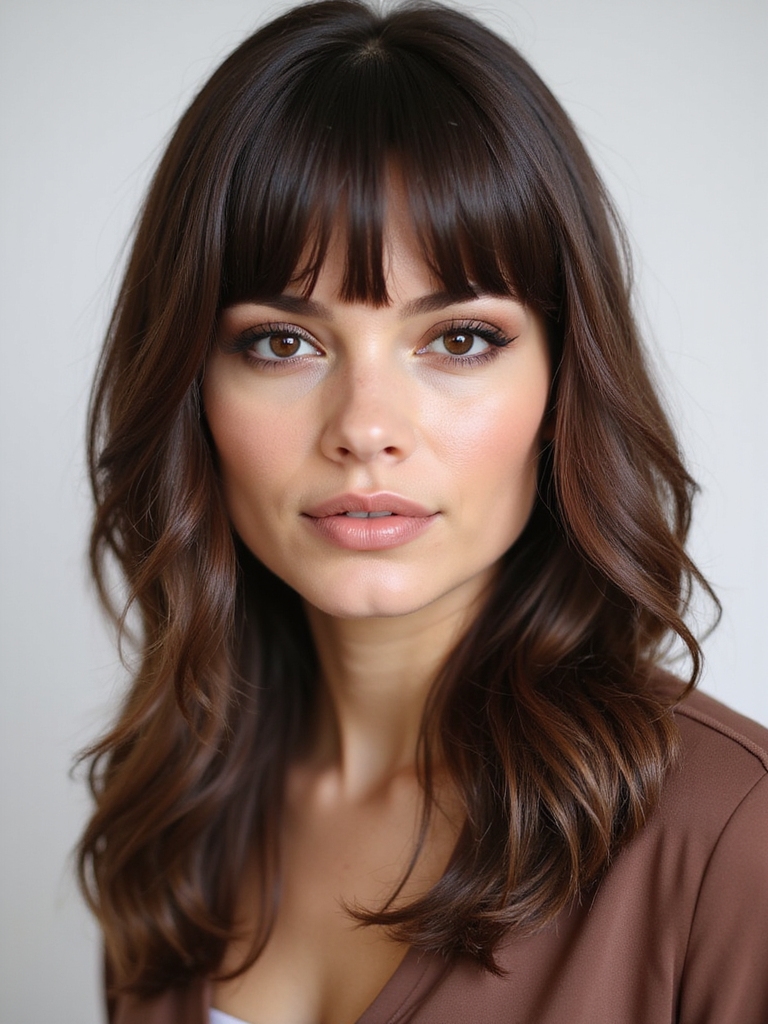
Straight hair gets a different gift from the shag: movement and shape it doesn’t have on its own. The layers break up that flat, one-length curtain into something with body.
Texture Brings It to Life
Straight shags show the cut’s lines most clearly, so precision matters. A little texture spray helps the layers separate and show, since pin-straight hair can otherwise hide the shape.
A few waves bent in with a flat iron or wand make a straight shag really come alive, revealing all those layers. It’s the easiest way to show off the cut.
A Soft, Layered Shag
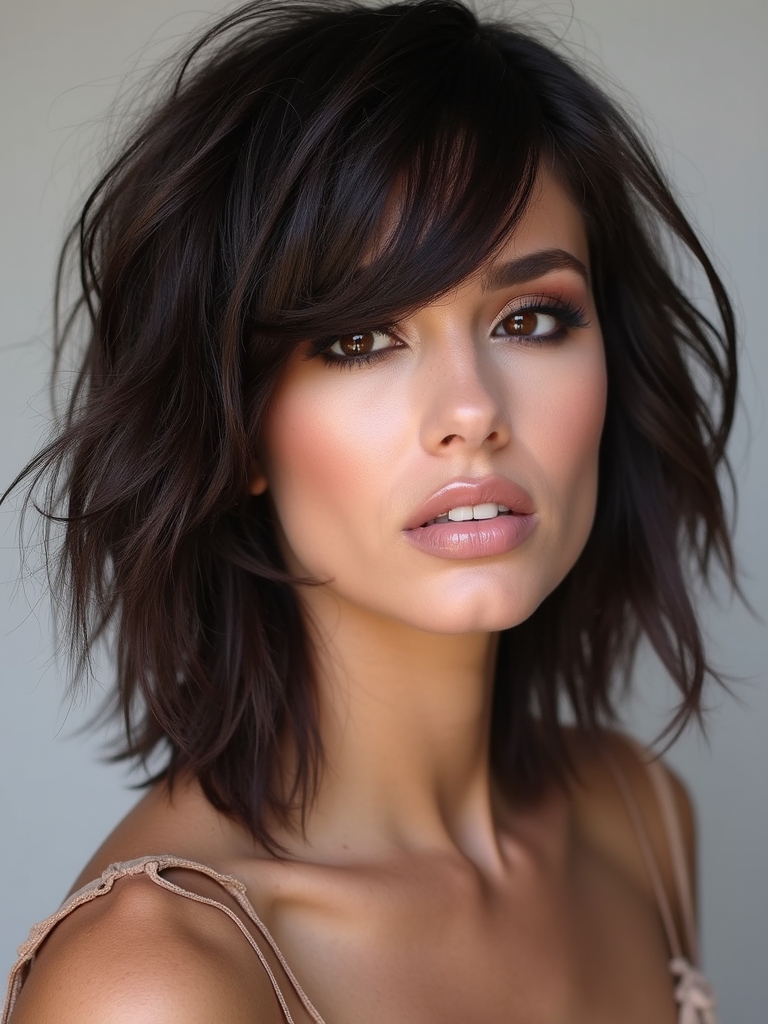
Not every shag has to be edgy. The soft, layered version dials down the choppiness for a romantic, feminine take that still has volume and movement.
This version uses gentler, more blended layers and soft curtain bangs, so it reads pretty rather than punk. It’s the shag for someone who loves the volume but wants a softer mood, and it suits more conservative settings beautifully.
Product Essentials for Shaggy Styles
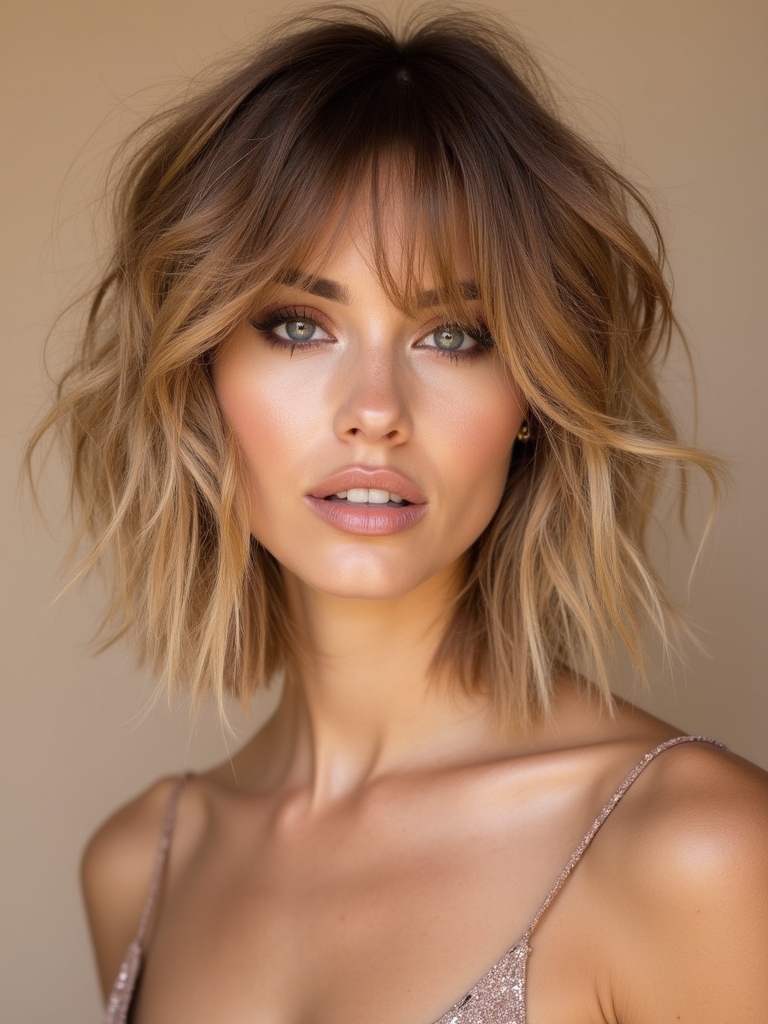
A shag asks for the right products to bring out its texture, and the list is short. The hero is a texture or sea-salt spray, which gives the layers their separated, piece-y definition.
Light and Texturizing
Add a volumizing mousse for lift at the crown and a light cream or pomade to define the ends and fringe. A heat protectant is a must whenever you reach for a hot tool.
Skip anything heavy or greasy, which weighs the layers down and kills the volume. A shag wants light, texturizing products, used with a gentle hand.
A Chic Shag Transformation
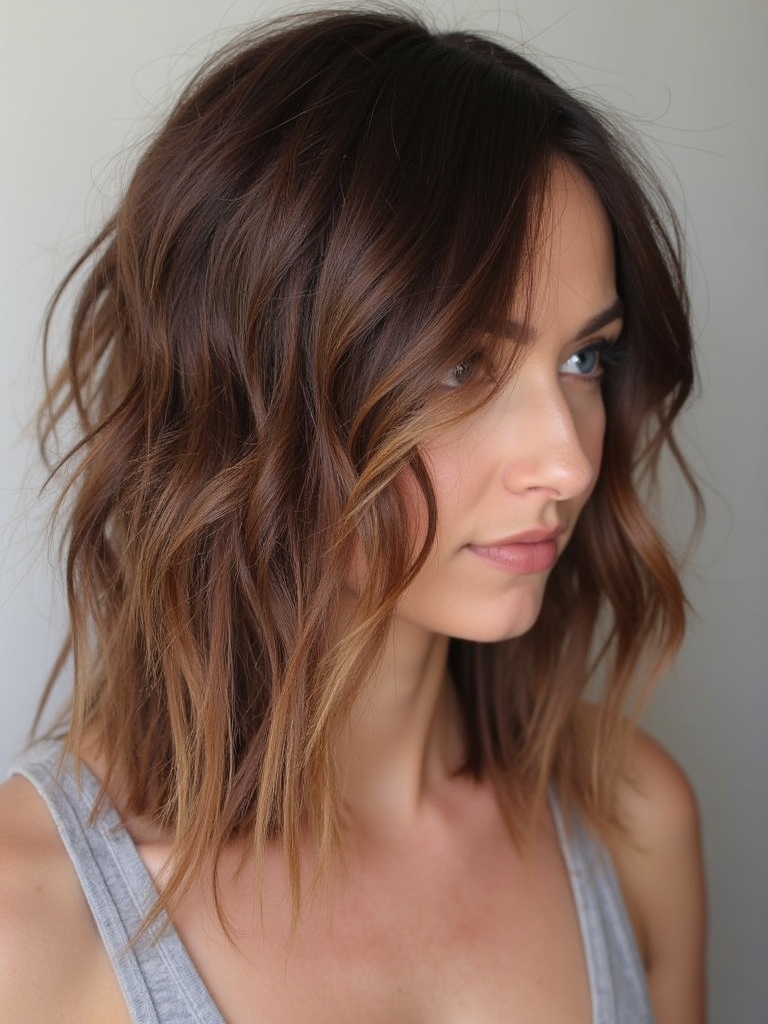
The most dramatic thing about a shag is how completely it transforms hair while keeping every inch of length. Clients walk in with heavy, lifeless hair and walk out with volume, movement, and a whole new attitude, all from layering.
It’s why the shag has stayed so popular through every trend cycle: it solves the most common complaint, flat and boring long hair, in a single appointment. If your hair feels like a dull, heavy curtain, this is the cut that fixes it.
- Transforms flat hair while keeping your length
- Adds volume, movement, and attitude in one cut
- Solves the most common long-hair complaint
Versatile Styles for a Long Shag
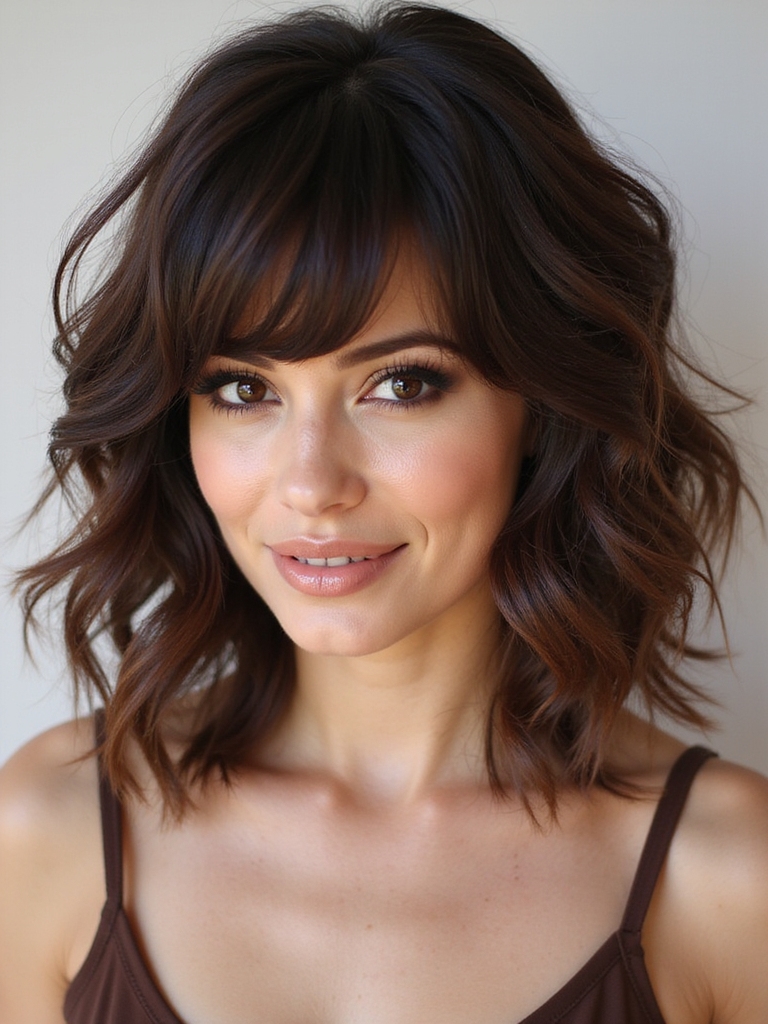
A long shag may look like one undone style, but it wears many ways. Air-dried and tousled it’s casual and cool; smoothed with a round brush it turns polished; waved with a wand it goes glamorous.
You can also pull it into a textured low bun or half-up style, with the face-framing pieces left out to keep it soft. The layers give every style built-in movement, so even a simple ponytail looks intentional.
The Timeless Evolution of the Shag
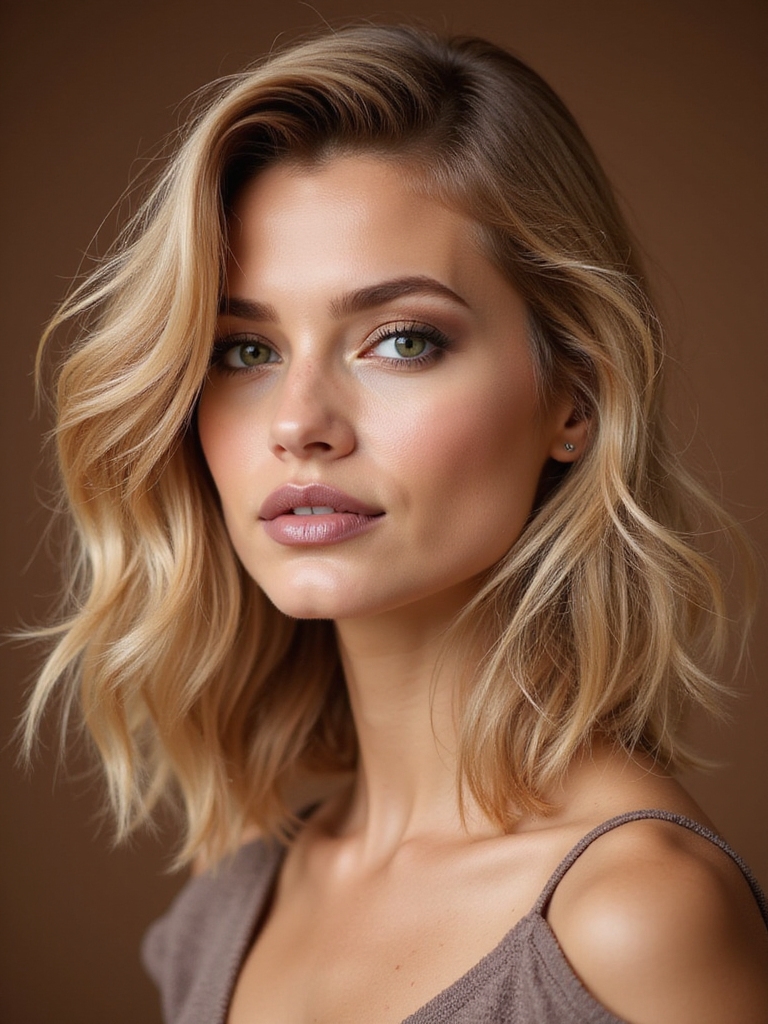
The shag has reinvented itself every decade since the 70s, and that constant reinvention keeps it current. From rock-and-roll roots to the indie-sleaze revival to today’s soft, blended version, the basic idea, heavy layers for volume and movement, keeps proving timeless. Each era reshapes it to suit the mood, but the core appeal never changes. That staying power is a good sign you won’t regret the cut a year from now.
- Reinvented every decade since the 70s
- Always built on layers for volume and movement
- A safe bet you won’t quickly tire of
Avoid Over-Layering
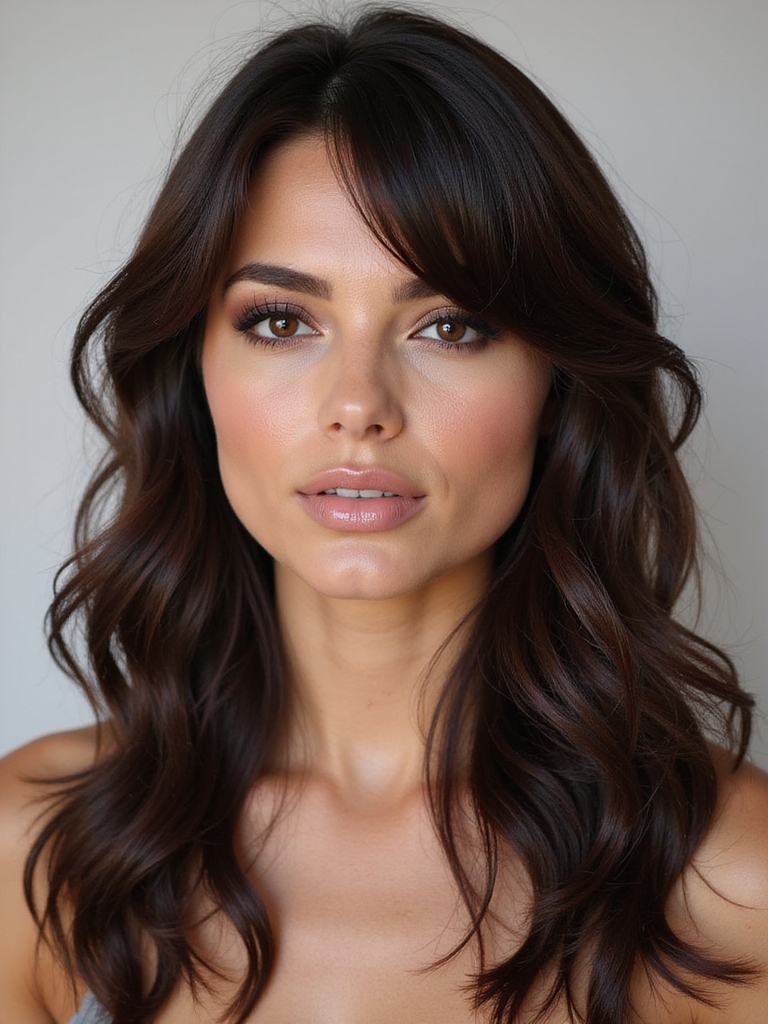
The biggest risk with a shag is too many layers in the wrong places. Over-layered hair goes stringy, thin at the ends, and hard to style, which kills the full, textured look you want.
Restraint Wins
This is especially a danger on fine hair, where aggressive thinning leaves the ends sparse. The fix is restraint: enough layering for volume, but a fuller perimeter so the bottom stays dense.
It’s also why the stylist matters so much. A careless shag can take months to grow back into shape, so it’s worth finding someone who cuts them well.
Revitalizing a Tired Shag
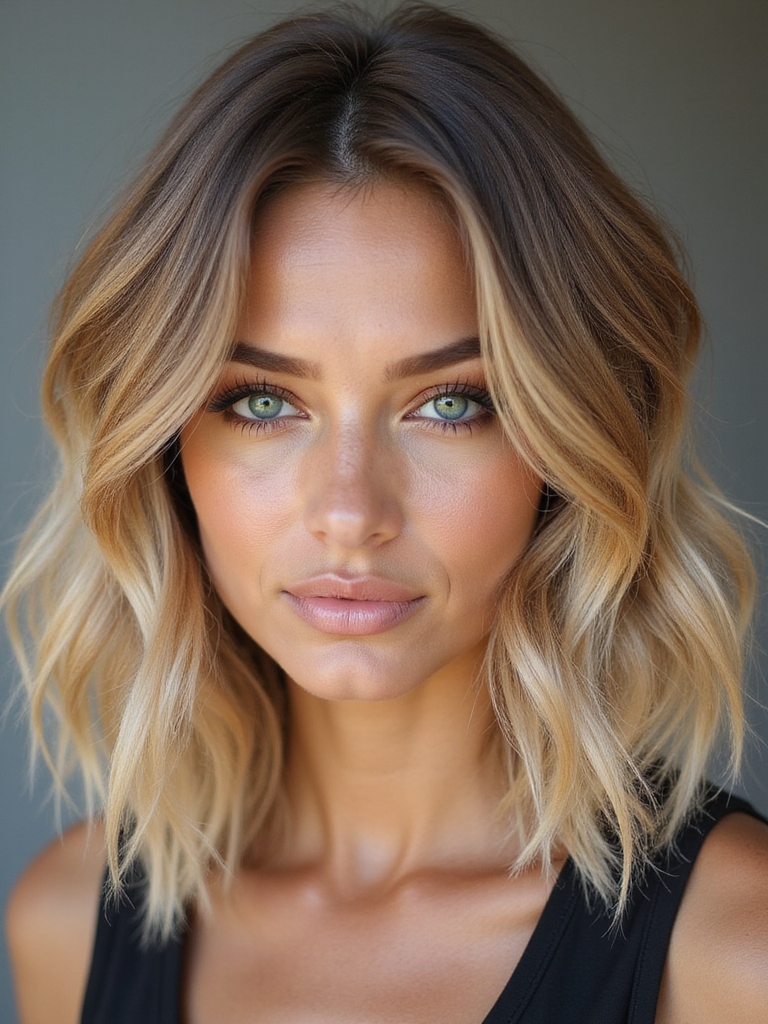
As a shag grows out, the crown layers soften and the volume drops, so it can start to look tired. A few tricks bring it back to life between trims.
A dry-shampoo and texture-spray refresh at the roots revives the volume, and a quick diffuse or wand-wave re-energizes the layers. When the shape really softens, a quick dusting trim restores the crown texture without a full cut.
- Dry shampoo and texture spray revive lost volume
- A quick diffuse or wave re-energizes the layers
- A small dusting trim restores the crown between full cuts
Seasonal Color Adjustments
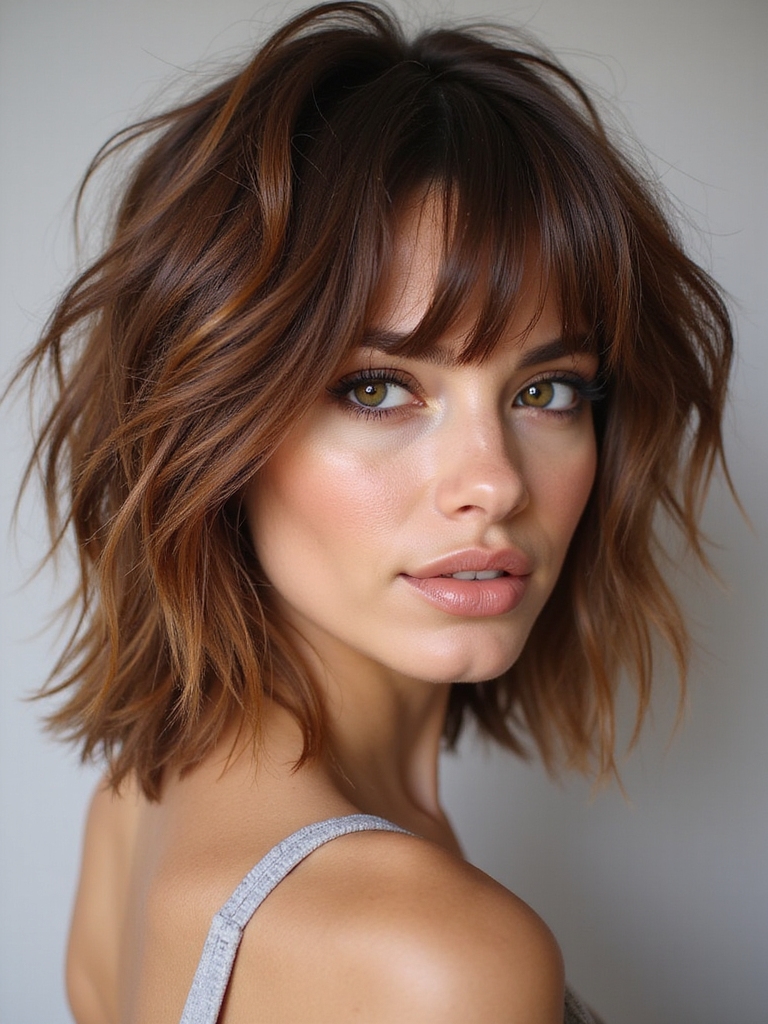
A shag’s dimensional color shifts beautifully with the seasons, and small tweaks keep it feeling fresh. A few ideas:
- Summer: brighter, sun-kissed balayage through the layers
- Fall and winter: deeper, richer tones and a warm gloss
- A toning gloss is the easy seasonal refresh
- The cut’s layers show off any dimensional color you choose
Day-to-Night Shag Styling
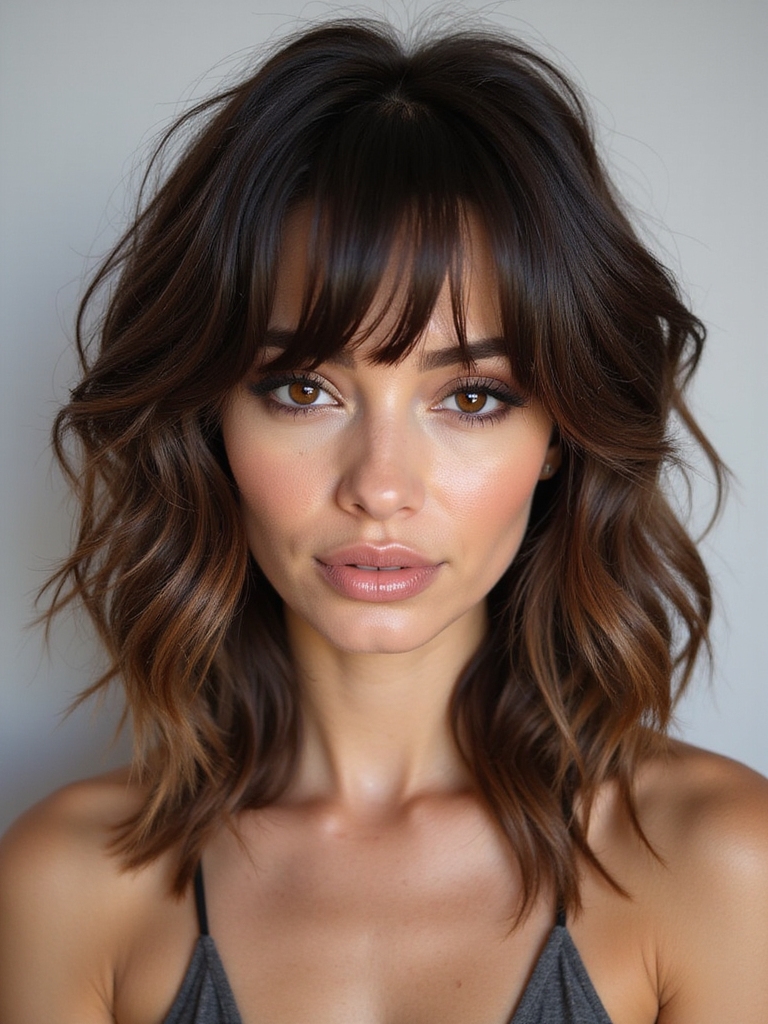
The shag moves from day to night with almost no effort, which suits a busy life. By day, air-dried texture and a little spray keep it casual and easy.
For the evening, a few wand-waves and a spritz of shine turn the same shag glamorous, or a textured half-up dresses it up in minutes. The built-in volume means you’re never starting from flat.
- Day: air-dried texture, a quick spray
- Night: wand-waves and shine, or a textured half-up
- The layers mean you never start from flat
Vintage Meets Modern
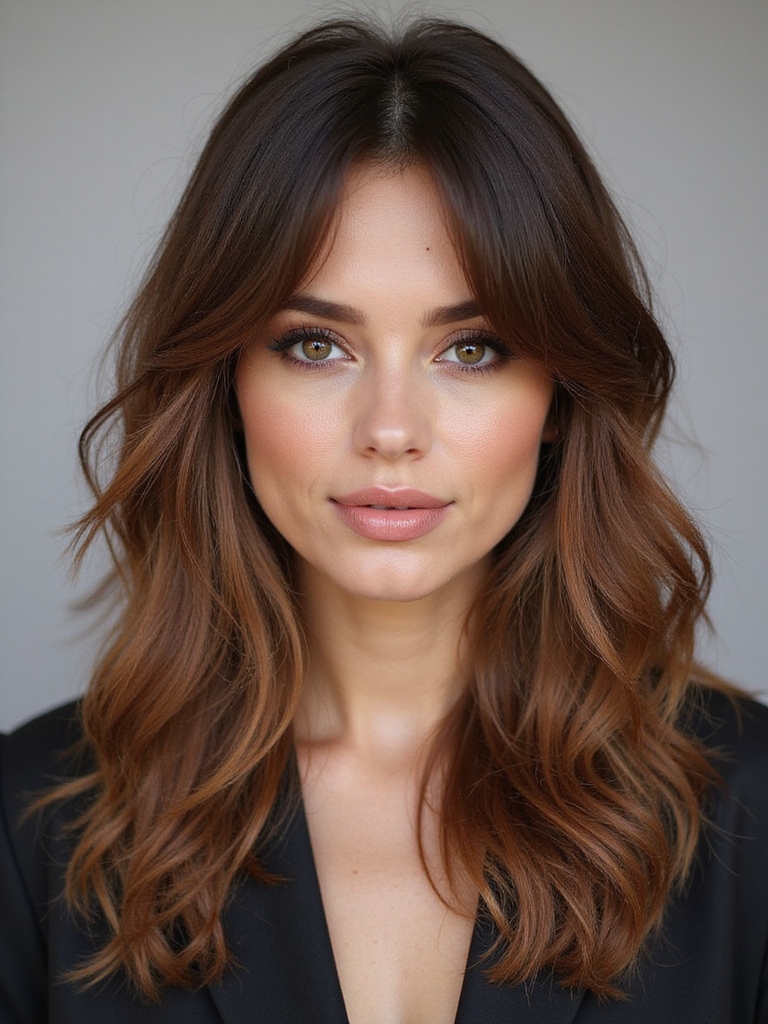
Part of the shag’s charm is that it bridges eras: vintage roots with a thoroughly modern finish. It carries a nostalgic, rock-and-roll spirit while looking completely current.
Timeless and Current
That blend is why it appeals across generations. A woman who wore a shag in the 70s and her granddaughter discovering it now can both love the same cut, styled to their own taste.
The vintage soul gives it character; the modern blending keeps it wearable. It’s a rare cut that feels both timeless and of-the-moment at once.
Finding the Perfect Stylist
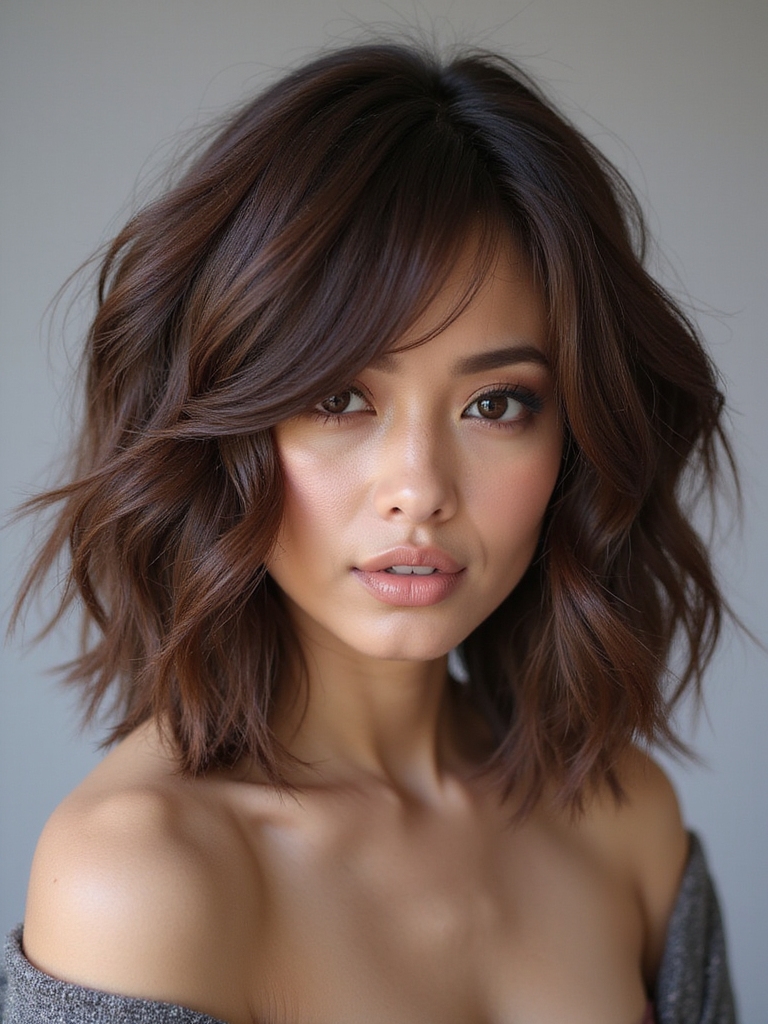
Because the shag depends so completely on its layering, the stylist is the single most important factor. A great shag and a regrettable one are usually the same length, cut by different hands.
The Stylist Makes the Shag
Look for someone who shows shags in their portfolio, and sit down for a proper consultation covering your texture, face shape, and how much volume you want. Ask how they’ll place the layers and the fringe for your hair specifically.
A skilled stylist will tailor the cut to you and your hair. The chop is worth doing right, so find the hands that cut shags often and well.
Long Shag: Common Questions
?What is a long shag haircut?
A long shag keeps your length but adds heavily textured layers, shorter at the crown and graduating longer toward the ends, usually with a curtain or choppy fringe. The result is volume, movement, and an undone, rock-and-roll feel.
?Does a long shag suit fine hair?
Yes, beautifully. The layers create the illusion of volume and fullness that fine, flat hair lacks. The thing to watch is over-thinning; the layers should stay soft so the ends don’t go wispy.
?How often does a long shag need trimming?
Every 6 to 8 weeks to keep the layers crisp, though it grows out more gracefully than a blunt cut. The textured layers blur the grow-out, so you can stretch it a little if you need to.
?Is a long shag high-maintenance to style?
It’s one of the lowest-effort cuts there is. It’s designed to air-dry with a little texture spray or mousse, and a round brush is optional, which is a big part of its appeal.
?Can curly hair get a long shag?
Absolutely. The shag was practically made for curls, since the layers let them bounce instead of sitting in a heavy triangle. It should be cut dry, to the curl pattern, by a stylist who knows textured hair.
The Cut That Gives Lifeless Hair a Pulse
The long shag is the rare cut that adds personality without sacrificing length. Its layers bring volume to fine hair, movement to flat hair, and a relaxed, undone attitude to anyone who wants it. It air-dries, it grows out gracefully, and it flatters nearly every texture.
If your long hair has gone heavy and dull, the shag is worth bookmarking for your next appointment. Save a few photos, find a stylist who cuts them often, and bring this guide along. The layers will do the rest.
Where to Next