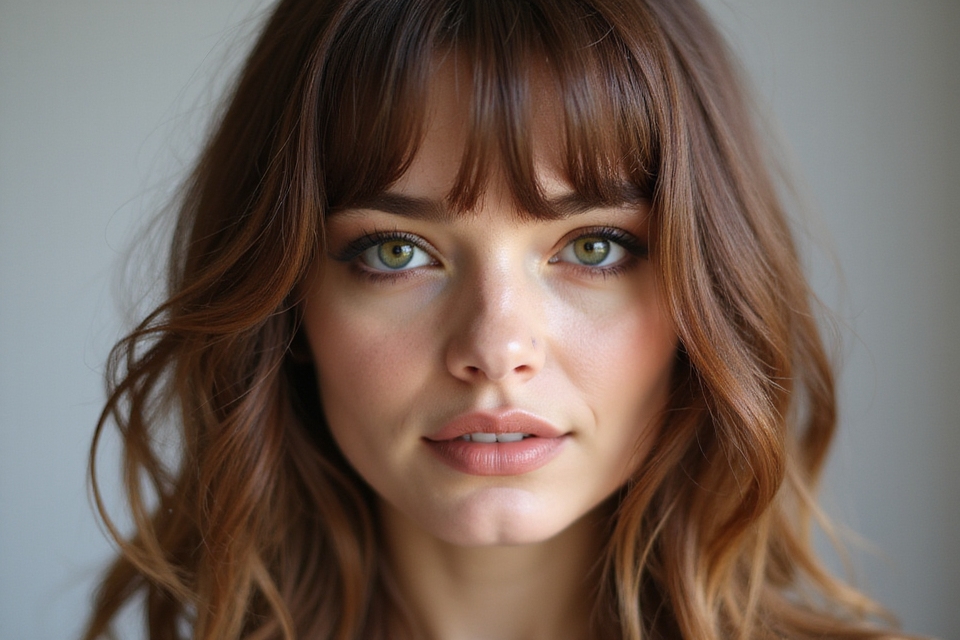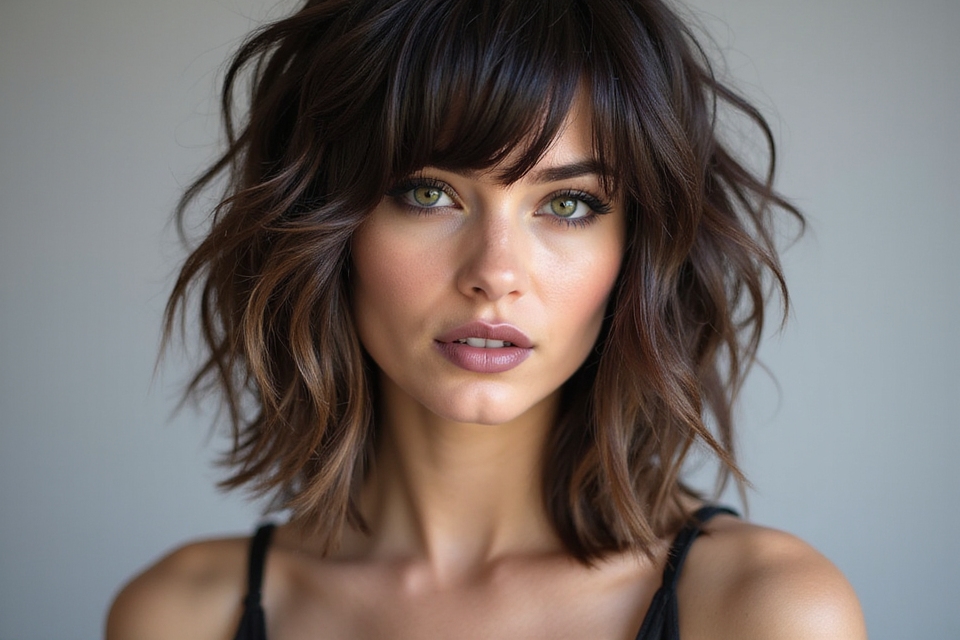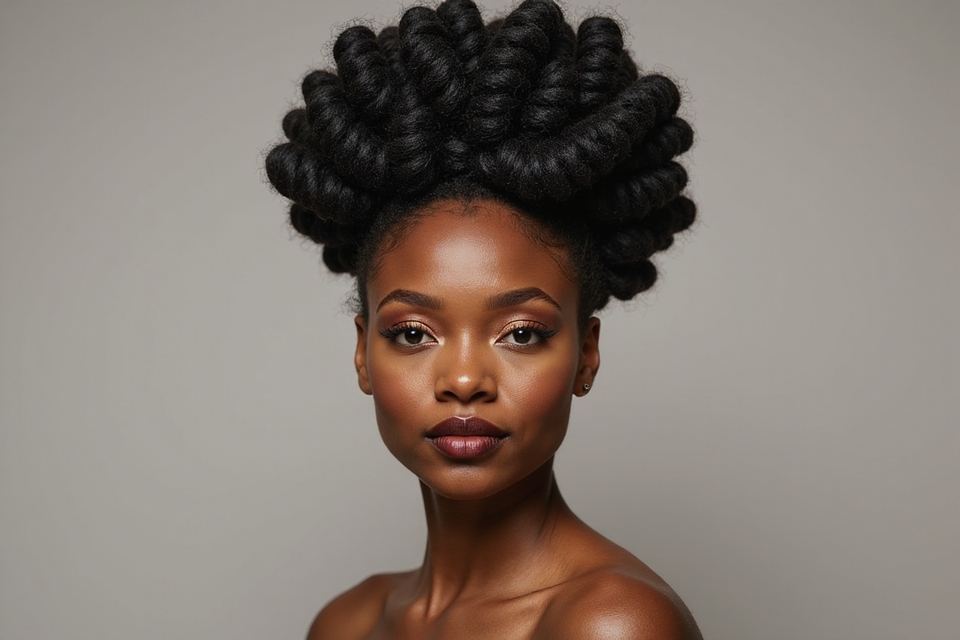
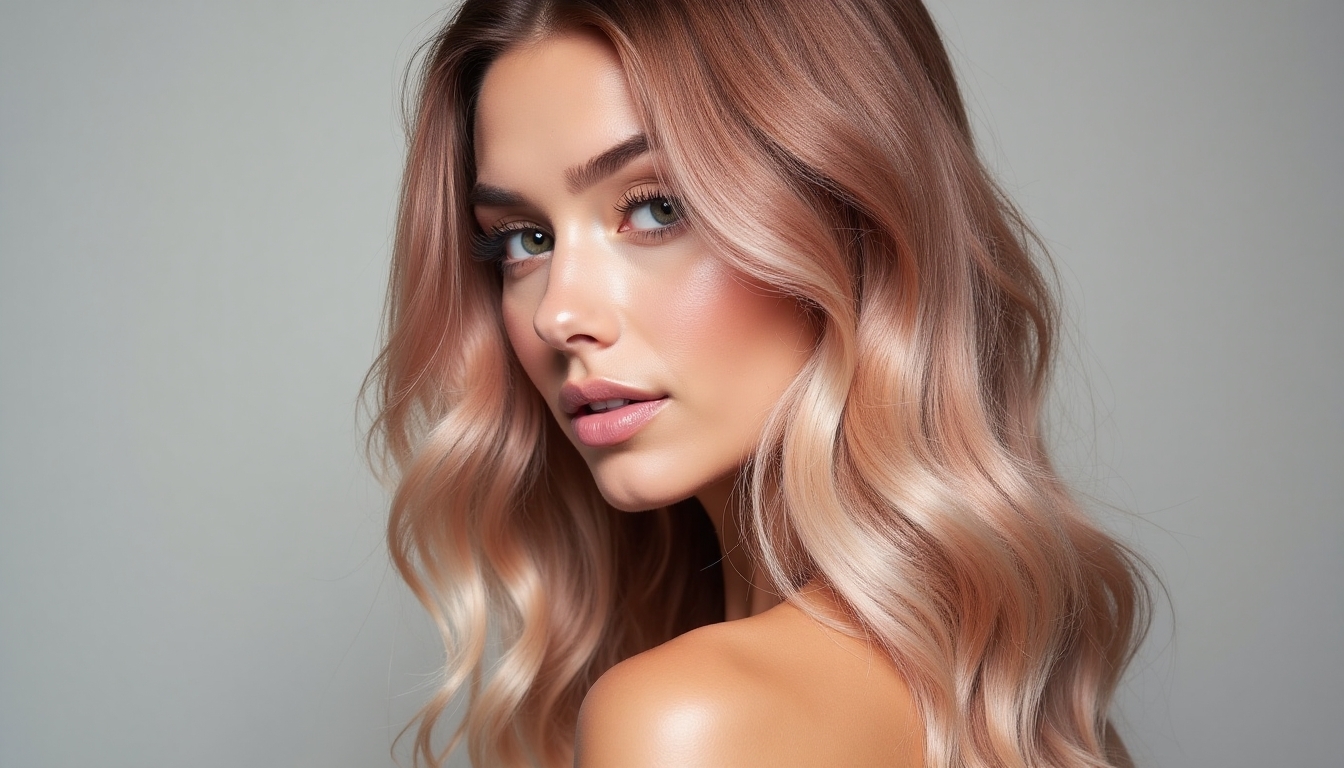
Should you go icy or go warm for winter? It is the question I field most once the light shifts in November, and the honest answer is that the season holds room for both. Winter is split-personality color weather: the frosted platinums and silvers that match the snow, and the rich burgundies and coppers that glow against a gray sky like a lit hearth.
These fifteen shades cover the whole spread, cool and warm, bold and barely-there, with a clear word on who each one flatters, what it costs to keep up, and how to keep it from going brassy or flat by February. Whether you want to disappear into the frost or warm up the dark months, your shade is in here.
Cool or Warm This Winter
| The direction | The shades | Upkeep |
|---|---|---|
| Cool and frosty | Icy platinum, ash brown, jet black, smoky lilac | Purple toner every few washes |
| Warm and cozy | Caramel, auburn, copper, chestnut, burgundy | Color-depositing mask to fight fade |
| Low-commitment | Winter wheat, soft icy blonde, money-piece contrast | A gloss every few months |
Icy Platinum Blonde
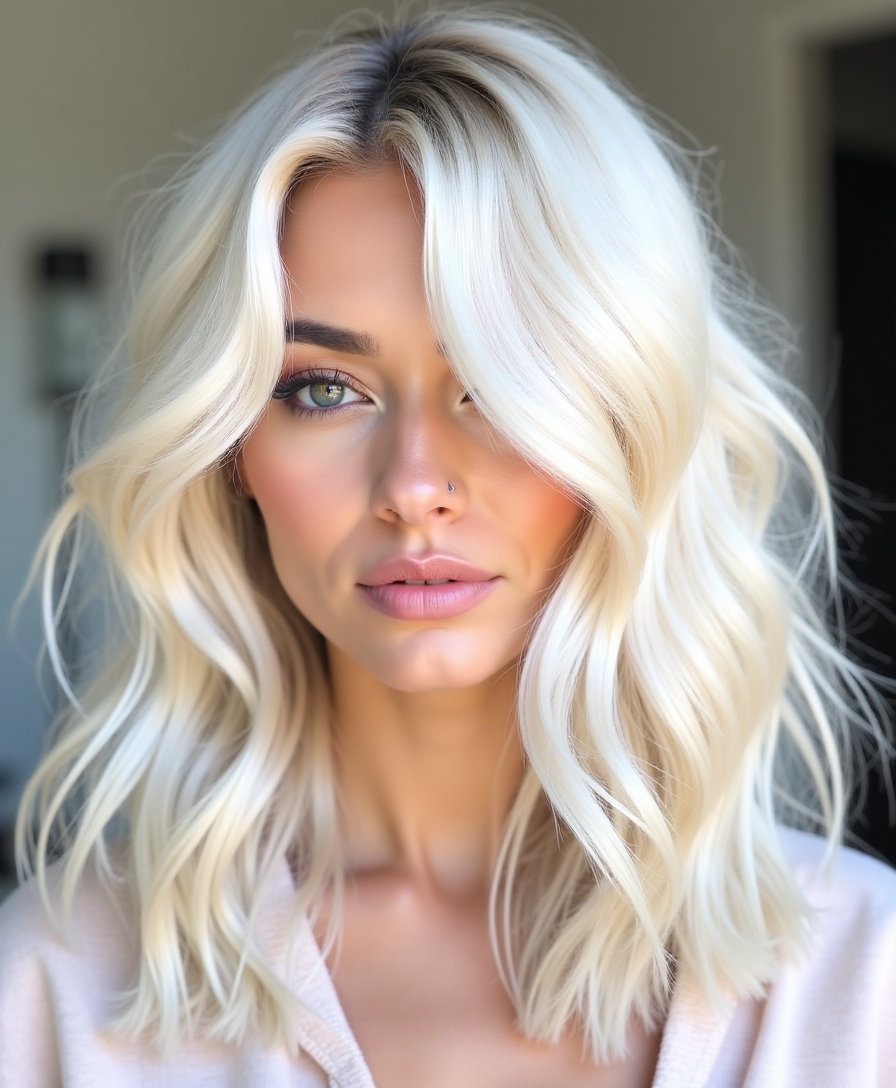
Nothing says winter like a true icy platinum, a cool, near-white blonde with not a trace of yellow. It is the most dramatic shade here and the highest maintenance, since reaching it usually means several lightening sessions and a careful colorist. A full platinum transformation often runs $200-400 and three to four hours in the chair.
Once you are there, the work is keeping it cold. A good purple toning shampoo every few washes is what fights the brass that creeps in. This is a commitment color. Go in with realistic expectations and a bond-builder in your routine.
- Expect multiple sessions to reach platinum if you start dark
- Budget for toner refreshes every four to six weeks
- Use a bond-builder to protect lightened hair through winter dryness

Frosty Pastel Tones
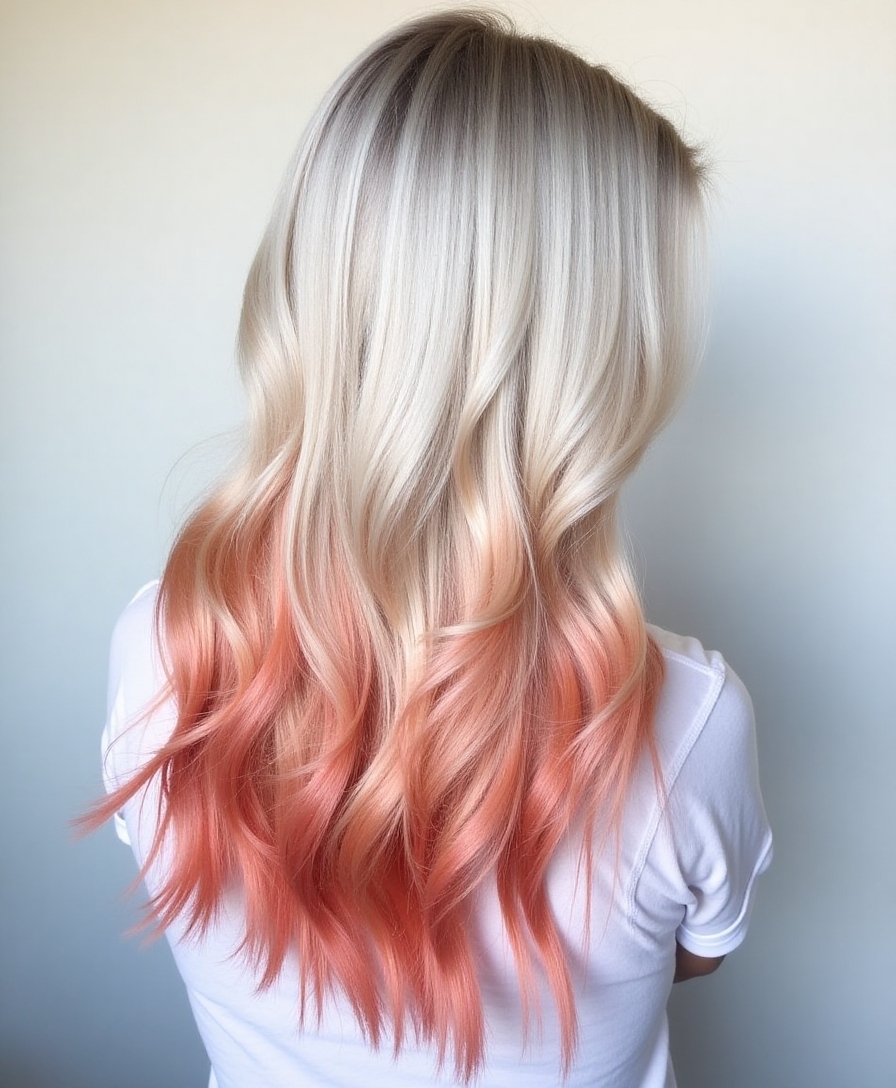
For the bravest, a frosty pastel, think baby pink, icy blue, or pale mint over a platinum base, turns your hair into something out of a snow globe. The pale base lets the pastel read soft and frosted rather than loud.
These shades fade fast. That is part of their charm, washing down to ever-softer tints over a few weeks. Treat them as a fun winter experiment, refresh with a tinted conditioner at home, and skip them entirely if your hair is too dark to lift without damage.
Two quick winter-color calls:
1Icy blonde or warm copper for my skin?
Go by your undertone, not the trend. Cool and neutral skin wears icy blonde and ash beautifully; warm, golden, and olive skin glows in copper, caramel, and auburn. If your wrist veins read blue, lean cool; green, lean warm.
2Will a bold red wreck my hair?
Less than you would think. Most reds, burgundies, and coppers need little or no lightening, so they are gentler than going platinum. The cost is pigment upkeep, not damage, so expect to refresh the tone, not repair the hair.
Soft Icy Blonde
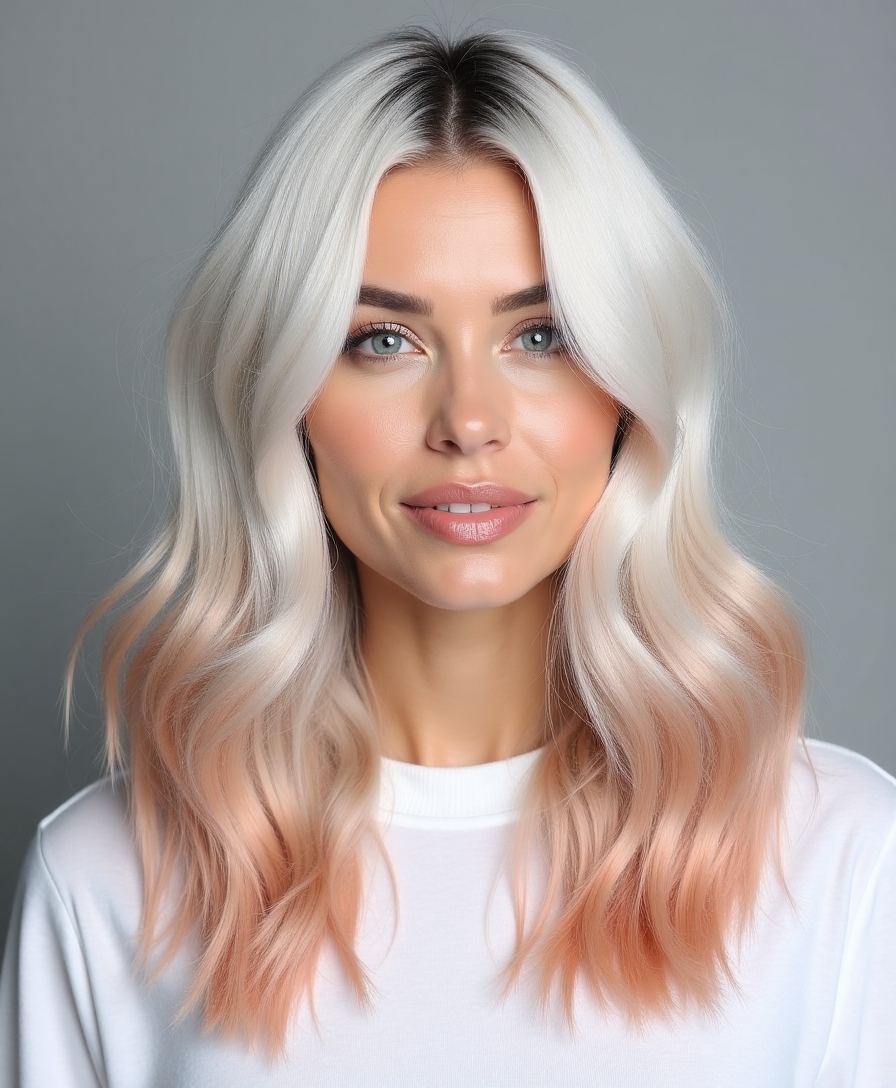
If full platinum feels like too much, a soft icy blonde keeps the cool tone but leaves a little depth at the root, so it looks expensive and far easier to grow out. The shadowed root means no harsh line as it grows, and fewer salon trips.
This is the winter blonde I suggest to most clients who want cool without the upkeep of white. It flatters cool and neutral skin tones beautifully, and a shadow root buys you eight weeks between appointments instead of four.
Warm Caramel Highlights
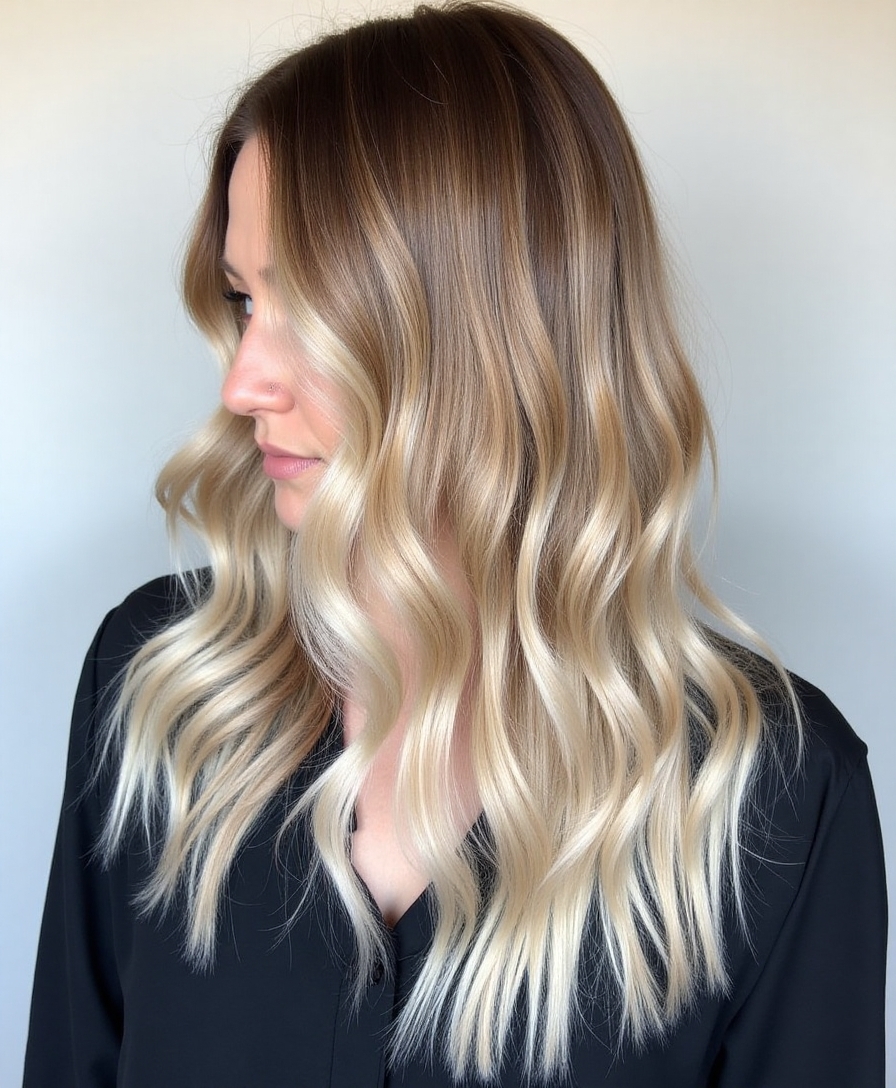
If you want warmth without a full color change, caramel highlights laced through brown hair are the cozy, low-risk winter move, usually $150-250 for a partial. They add dimension and glow while keeping your base intact. Worth getting right, so keep these in mind:
- Ask for balayage-placed caramel so the grow-out stays soft
- Keep the highlights face-framing to brighten your complexion
- A gloss roughly every eight weeks keeps the caramel from dulling
- It suits warm and golden skin tones especially, like a softer mushroom brown warmed up
A few winter-color terms worth knowing:
📖Toner
A semi-permanent wash that neutralizes unwanted warmth, the purple or blue product that keeps blondes and ash tones cool between colors.
📖Money piece
A brighter face-framing section around the front, a low-upkeep way to add lightness without coloring the whole head.
📖Shadow root
A deliberately darker root blended into lighter lengths, so the grow-out stays soft and salon trips stretch further.
Radiant Warmth Auburn
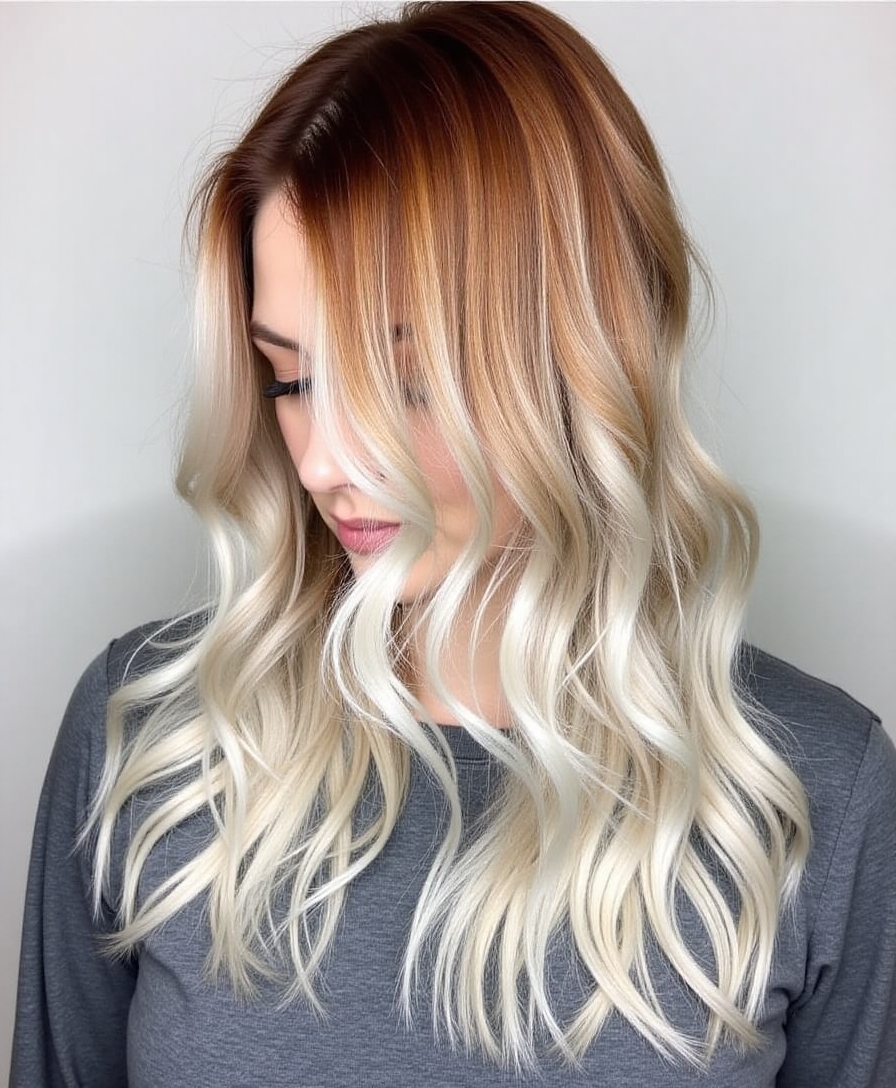
Auburn is the shade that makes winter skin look lit, a warm red-brown that glows against pale and deep complexions alike. It is the shade I recommend most when winter washes someone out, and it does not require lightening, so it is gentler on the hair. Get it right like this:
- Choose an auburn a shade or two off your natural depth for an easy grow-out
- Red molecules fade fastest, so wash cool and use a color-depositing mask
- It glows on warm, olive, and deep skin tones with red undertones
- Refresh the tone at home between salon visits to hold the richness
Rich Burgundy
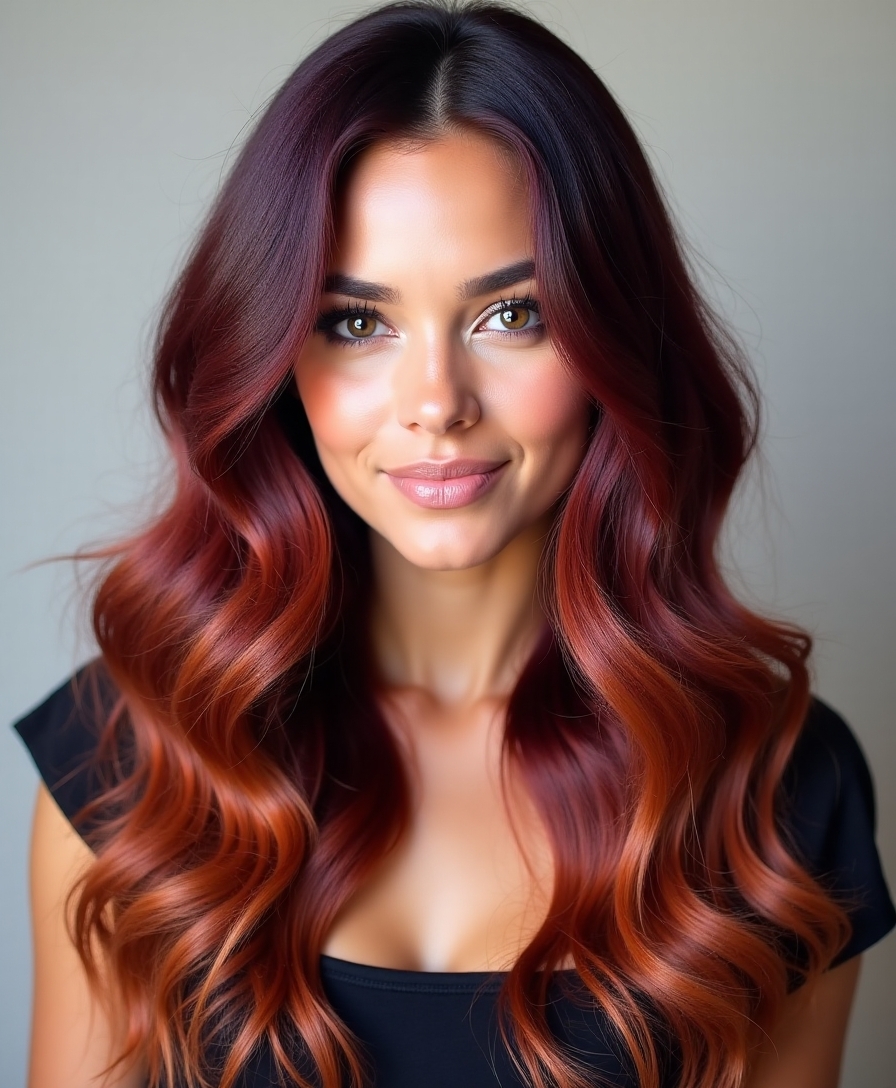
Burgundy is winter color at its most luxe, a deep wine-red that looks dramatic in low light and turns almost black until the sun hits it. It is bold but surprisingly wearable. The darkness keeps it grown-up. Wear it this way:
- It needs little to no lightening on dark hair, so it stays healthy
- Wash cool and infrequently, since red is the fastest pigment to fade
- It looks striking on deep and rich skin tones, glowing against the skin
Upkeep Tip
Whatever winter shade you choose, turn your water temperature down. Hot showers open the cuticle and strip color faster than almost anything else, which is why blondes go brassy and reds wash pale by February. A cool final rinse, a color-safe shampoo used less often, and a weekly color-depositing mask in your shade will do more to keep your color looking fresh than any single salon visit.
Cozy Chestnut Brown
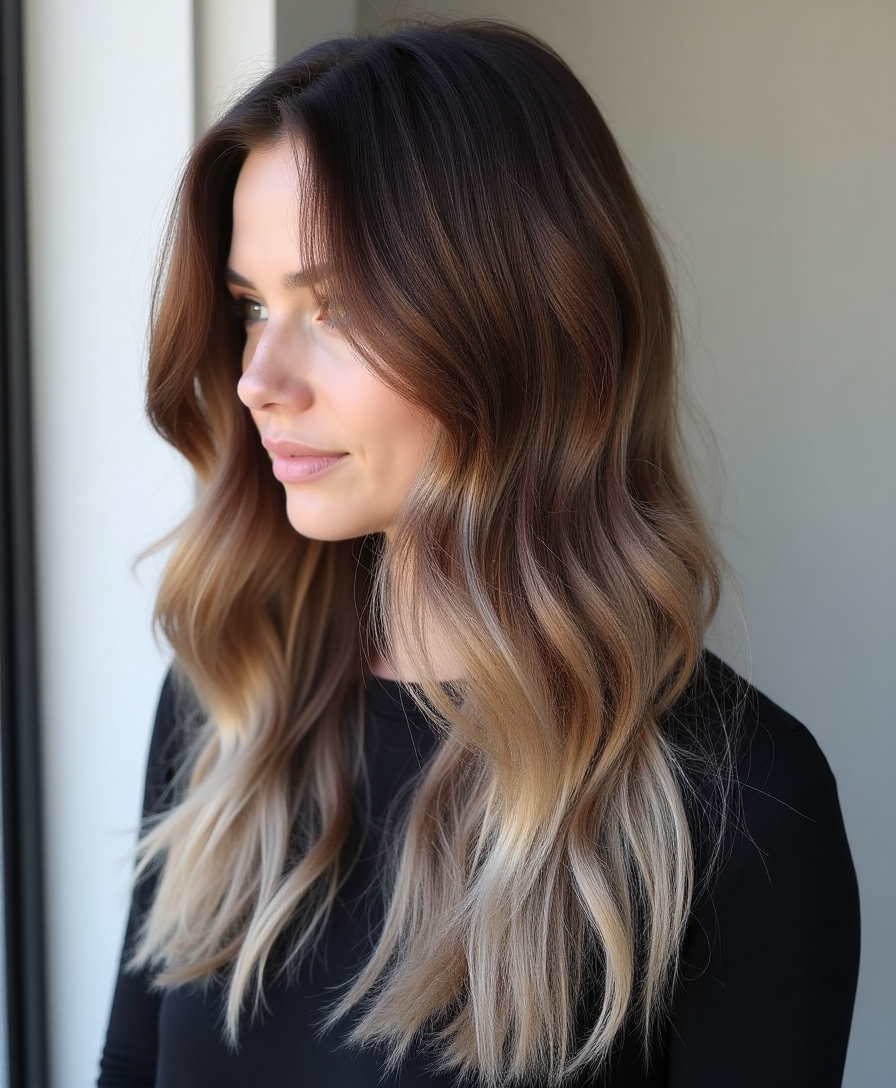
Chestnut is the warm brunette that carries winter for anyone who wants rich but not bold. A glossy red-brown with golden depth, it makes brown hair look expensive and catches firelight like polished wood. Keep it this way:
- Ask for a glossy chestnut with subtle dimension so it is not flat
- It is one of the lowest-upkeep winter colors, needing only the odd gloss
- It flatters nearly every skin tone, which is why it is a safe first dye
Ash Brown With Silver
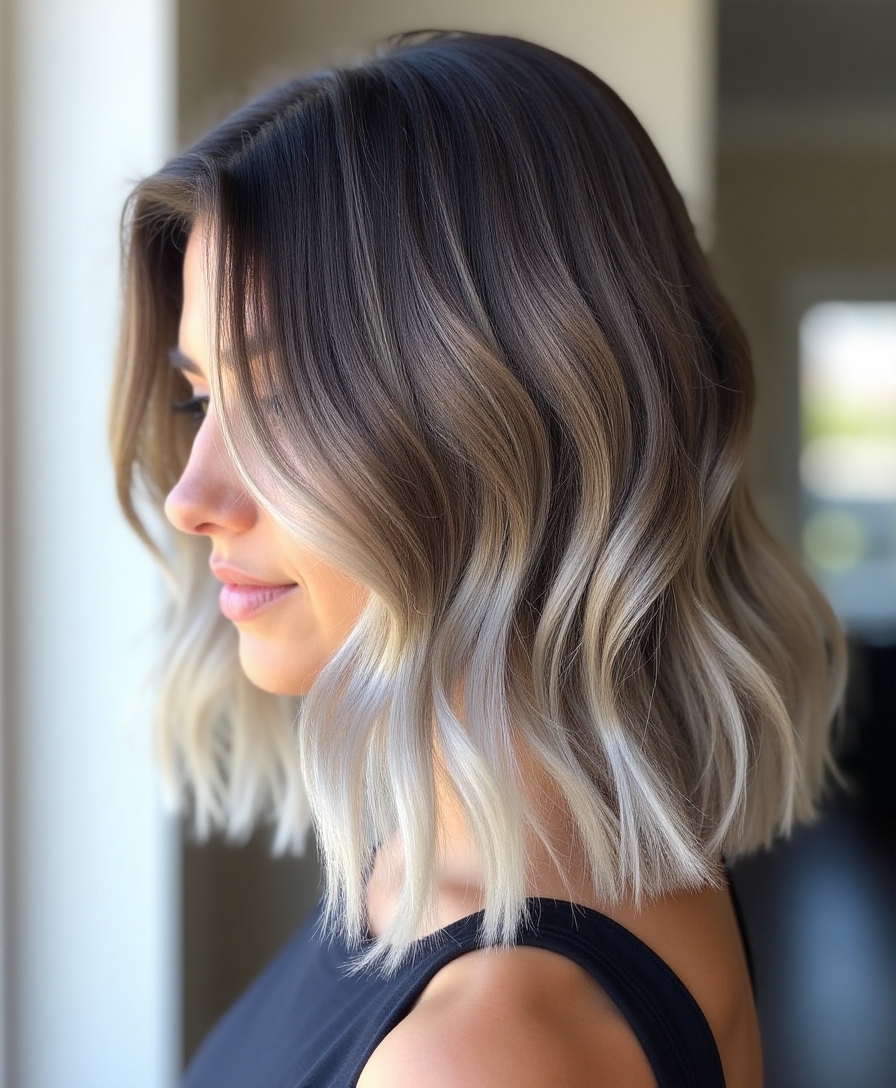
Ash brown swaps the warmth out of brunette for a cool, smoky depth with faint silver undertones. It is the brunette answer to icy blonde: chic, modern, and very of-the-moment for winter.
The catch is that ash tones fade warm, so the work is keeping the cool in. A blue or silver toning treatment every few washes holds the smoke. It flatters cool and neutral skin tones, and it looks especially sharp on a sleek blunt cut.
- Use a cool-toning shampoo to stop ash fading orange
- Pair it with a glossy finish so the smoke does not read dull
- Best on cool and neutral undertones that suit silvery depth
🅰️Cool Winter Color
Icy platinum, ash brown, jet black, smoky lilac. Striking and snow-matched, but they need regular purple or blue toning and suit cool to neutral undertones.
🅱️Warm Winter Color
Caramel, auburn, copper, burgundy, chestnut. Glowy and cozy against gray weather, gentler on the hair, but the reds and coppers fade fast without pigment upkeep.
Jet Black With Blue Sheen

Jet black with a blue sheen is the most striking winter color of all, a true ink-black that throws a cool blue light in the sun, like a raven’s wing. It is bold, glossy, and deeply flattering. Here is how to wear it:
- Keep it mirror-glossy, since blue-black lives entirely on shine
- It looks incredible on deep and rich skin tones, and on cool fair ones
- Going back lighter is hard, so be sure before you commit
- A clear gloss every few weeks keeps the blue light alive, like a sleek black style
Smoky Lilac
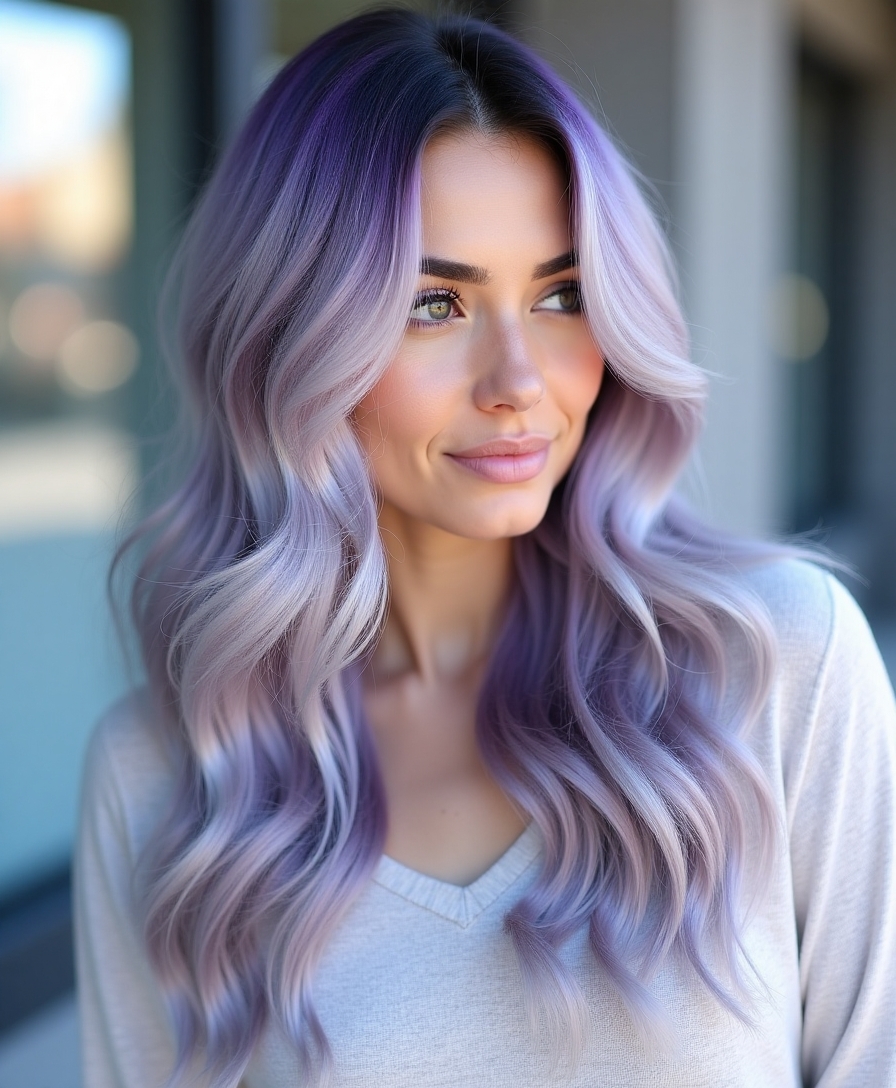
Smoky lilac is the fashion shade that actually works for grown-ups, a muted, grayed-out purple that looks frosted rather than candy. The smoke in it keeps it sophisticated, so it feels more winter-dusk than cartoon.
It needs a light base to show, so it suits blondes or the pre-lightened. The pastel fades gracefully, softening week by week, and a tinted conditioner at home keeps it alive. It is a playful pick for someone who wants cool-toned but not another blonde.
- Choose a grayed, muted lilac over a bright one for a grown-up finish
- It needs a pale base, so dark hair must lift first
- Refresh with a purple-tinted mask to slow the fade
Cozy Copper
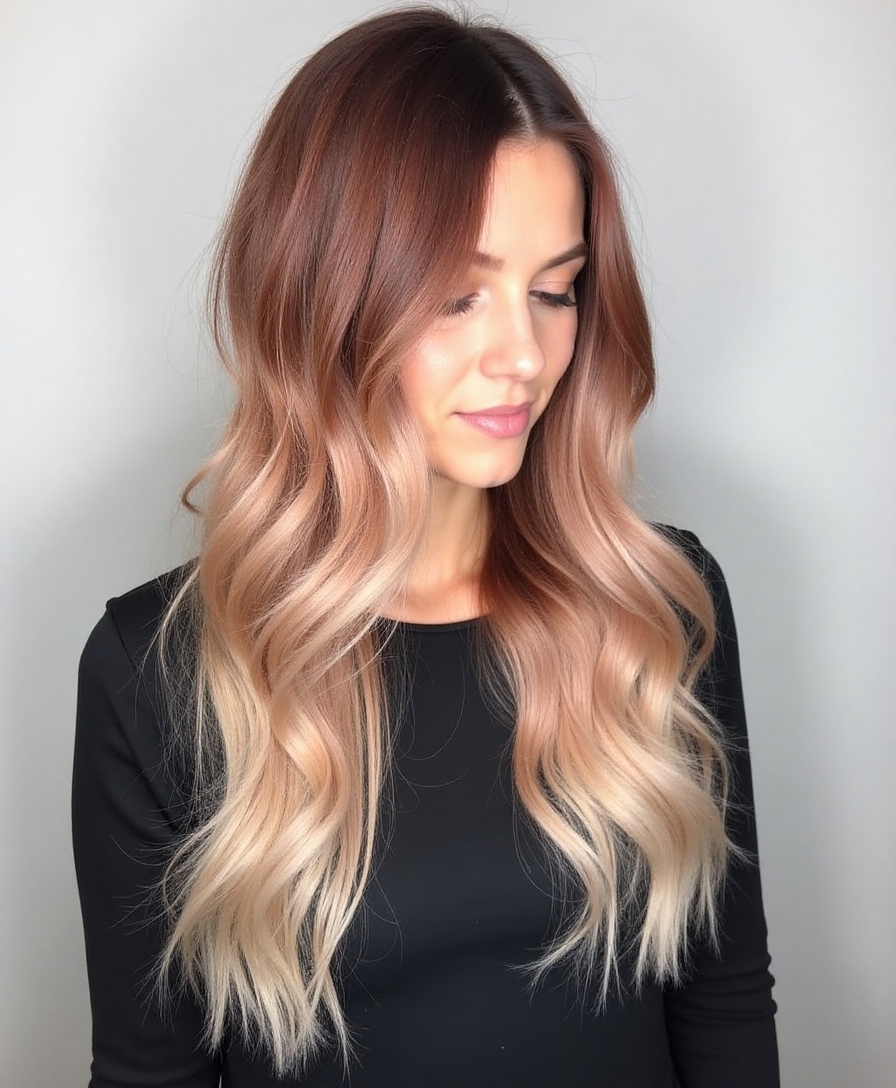
Clients ask me for copper more than any other warm shade, and for good reason: the bright, warm orange-red is pure firelight against cold weather. It ranges from a soft peachy copper to a deep penny, so there is a version for almost everyone.
Like all reds and coppers, the pigment fades fast, so cool washes and a copper-depositing conditioner are the price of keeping it vivid. The fire is worth it. It glows hardest on warm and golden skin, but a deeper penny copper also flatters olive and deep tones beautifully.
Sophisticated Winter Contrast
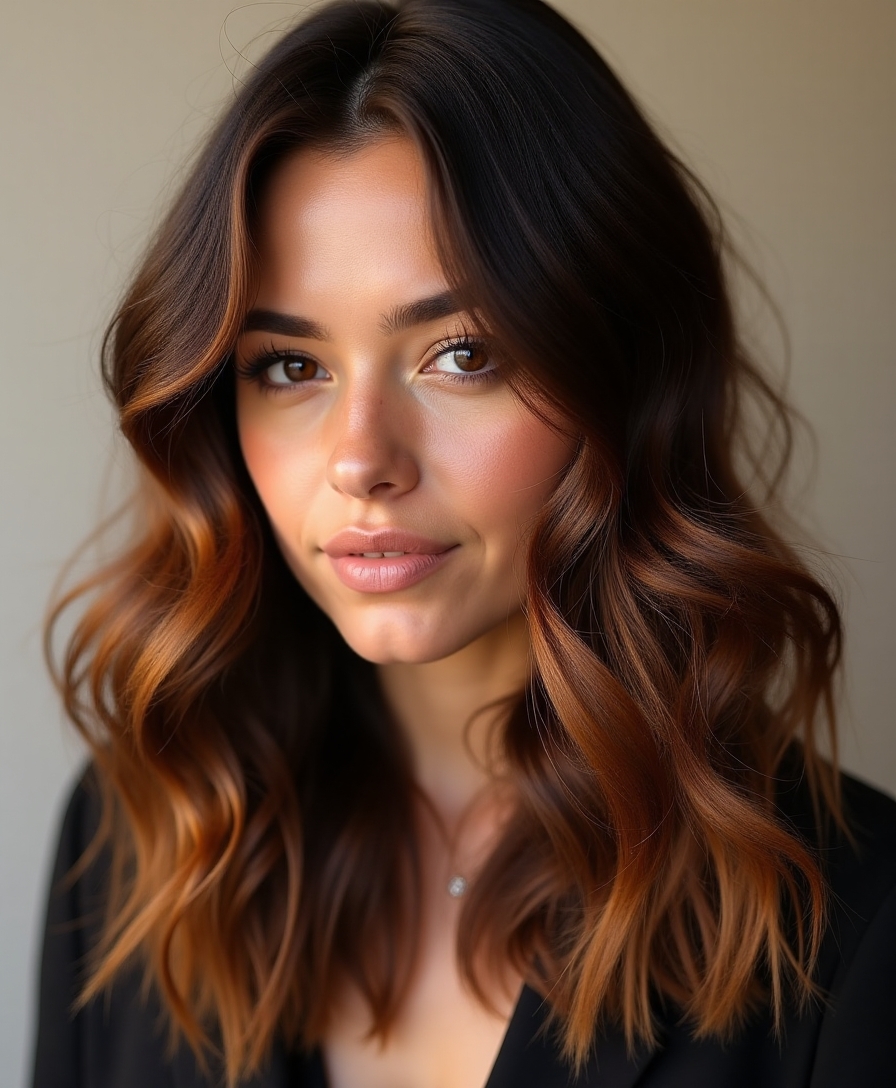
A high-contrast color, a dark base with a bright money-piece framing the face, is the low-commitment way to play with winter color. Most of your hair stays low-maintenance while a few bright pieces do the work.
It is the smart pick if you want a change without dyeing your whole head. The face-framing brightness lifts your complexion in dull winter light, and since the brightness sits only at the front, you are not maintaining a whole head. It suits anyone testing a lighter look before committing.
- Ask for a money-piece in a shade two to four levels lighter
- It brightens the face while keeping overall upkeep low
- Simple to soften or grow out if you change direction
Winter Wheat Blonde
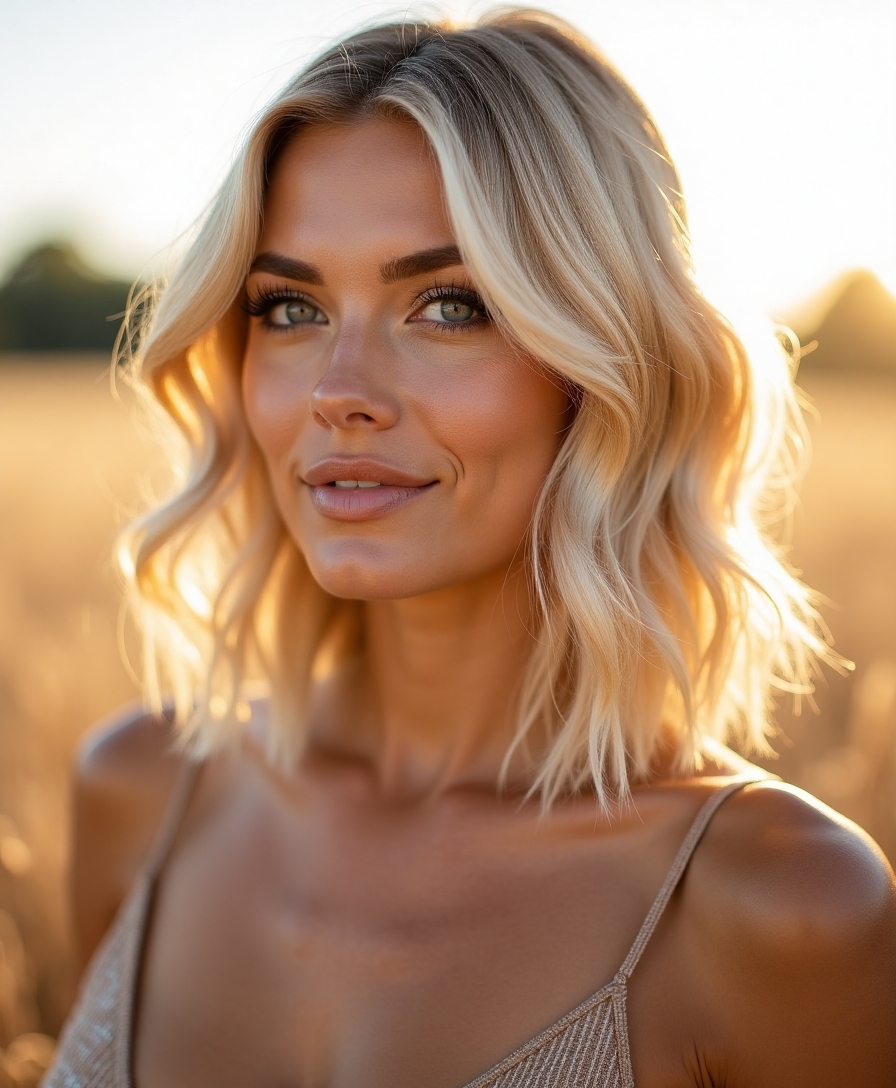
Winter wheat is the cozy blonde, a soft, neutral golden-beige that is warmer than icy platinum but cooler than honey. It is the in-between blonde that flatters the widest range of people. It suits the muted winter palette perfectly.
Because it sits close to many natural blonde and light-brown shades, it grows out softly and forgives a missed appointment. A gloss keeps it from going flat or brassy, but it asks far less of you than a platinum.
It is the blonde for someone who wants warmth and ease over drama, and it photographs beautifully in winter’s soft, low light.
A Luxurious Cozy Brunette
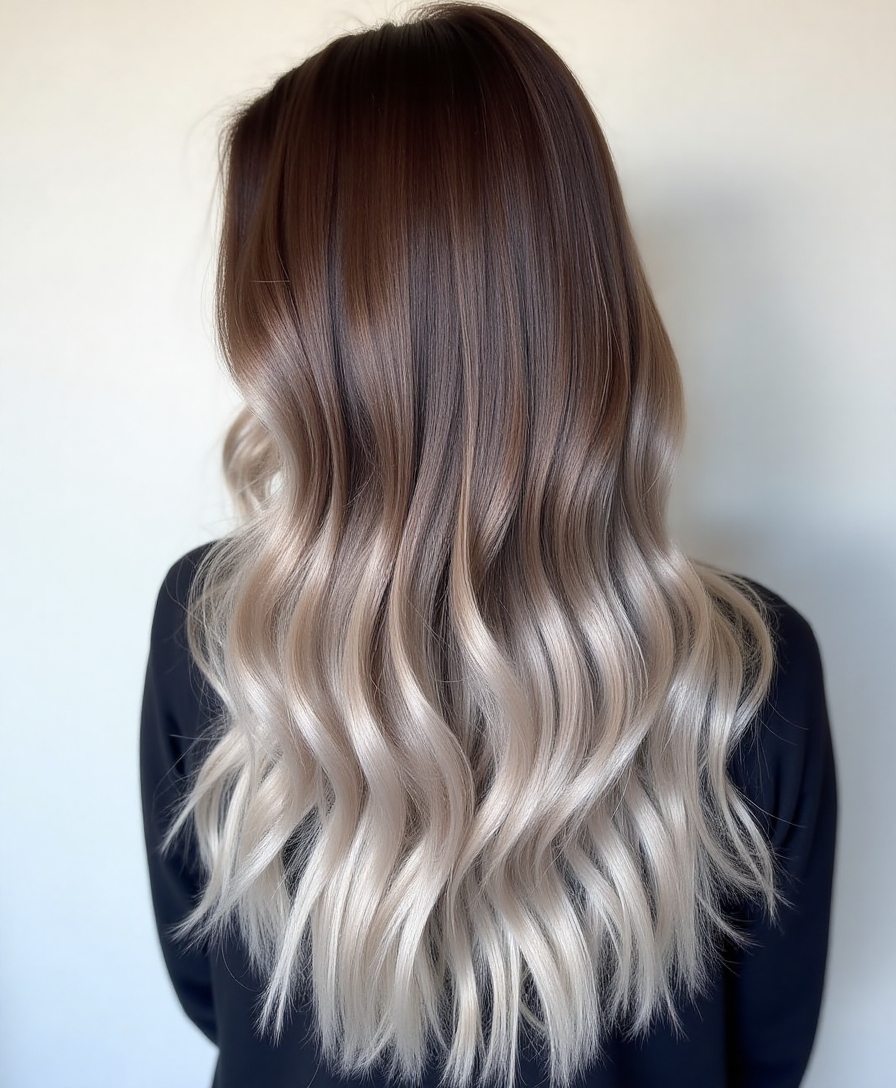
A deep espresso brunette is winter’s answer to the little black dress: rich, glossy, and quietly expensive. It is darker and cooler than chestnut, a near-black brown that keeps just enough warmth to avoid looking harsh.
Gloss Keeps Dark From Going Flat
The magic is in the shine. A flat dark brown can look heavy, so the gloss and a touch of low-light dimension are what keep an espresso looking deep rather than dull. A clear glaze every couple of months does it.
It is deeply low-maintenance once you are there, since dark roots blend easily, and it flatters nearly every complexion.
A Bold Warm Winter Shade
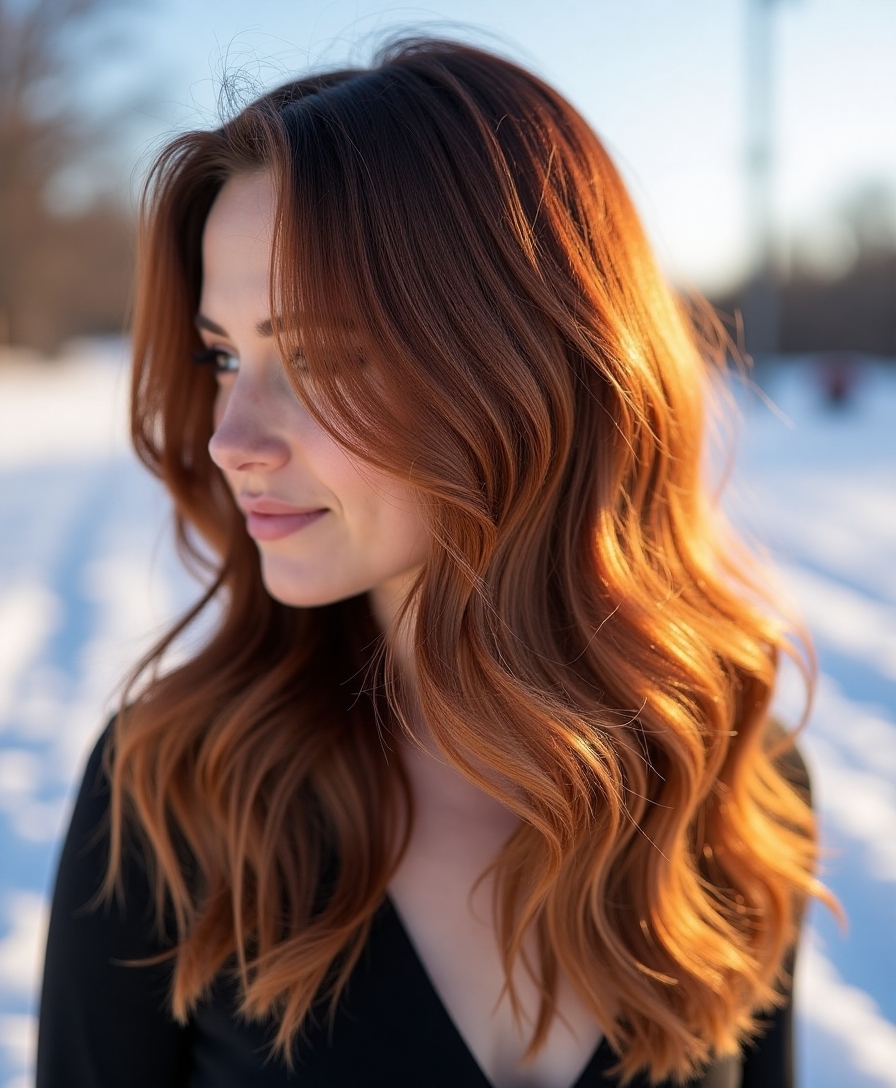
If you want winter color to be a full statement, a bold warm shade, a bright copper-red, a true ginger, a vivid auburn, is the way to glow against the gray. These are the colors people stop you to ask about.
Brightest Means Most Upkeep
Bold warm shades demand the most pigment upkeep, since the brightest reds and coppers fade quickest. But the payoff is a head of hair that looks lit from within all season, which no cool shade can quite match.
Go for it if you have wanted a dramatic change, and lean on color-depositing products to keep it vivid between salon visits. Winter is the season that can carry a bold warm red.
Common Mistakes to Avoid
The biggest winter-color mistake is going too cool for your skin. An icy platinum or ash brown is striking, but on warm and golden complexions it can read sallow and washed-out, the same way a too-warm copper can clash with very cool skin.
Match the temperature of the color to your undertone, not just the season, and your colorist can adjust the toner to flatter you. On deep and rich skin tones, the boldest winners are usually burgundy, blue-black, deep copper, and a warm espresso, all of which glow against the skin rather than fighting it.
The second mistake is ignoring upkeep until it is too late. Reds and coppers fade fastest, blondes go brassy, and ash tones turn warm, all within a few weeks if you wash hot and skip toning products.
Before you commit to a high-maintenance shade, be honest about how often you will tone, gloss, and book touch-ups. And never try to jump from dark to platinum in one session at home, that is the fast track to breakage. Lighten gradually, with a bond-builder, and ideally with a professional.
Winter Hair Colors, Answered
?What hair colors are most popular in winter?
Winter splits into cool and warm camps. The cool favorites are icy platinum, ash brown, jet black, and smoky lilac; the warm ones are copper, auburn, burgundy, caramel, and rich chestnut. Deep, glossy shades dominate because they look luxe in low winter light, while the icy tones lean into the snowy season.
?Which winter hair color is best for my skin tone?
Match the color’s temperature to your undertone. Cool and neutral skin glows in icy blonde, ash, and blue-black; warm, golden, and olive skin suits copper, caramel, and auburn. On deep and rich skin tones, burgundy, blue-black, and deep copper are especially striking. When unsure, your colorist can adjust the toner to flatter you.
?Why does my winter hair color fade so fast?
Mostly heat and over-washing. Hot water opens the cuticle and strips pigment, and reds and coppers have the largest molecules that wash out fastest. Turn the water cool, wash less often with a color-safe shampoo, and use a color-depositing mask in your shade to keep it vivid between salon visits.
?Can I go from dark to icy blonde in winter?
It is possible but rarely in one sitting, and never safely at home. Lifting dark hair to platinum takes multiple sessions and a careful colorist to avoid breakage, especially in winter when hair is already drier. Use a bond-builder throughout, go gradually, and keep realistic expectations about the time and cost involved.
?What is the lowest-maintenance winter hair color?
A glossy chestnut, an espresso brunette, or a soft icy blonde with a shadow root. All three sit close to natural depths, so the grow-out stays soft and you can stretch appointments. A gloss every couple of months keeps them rich, with none of the constant toning that platinum or bright copper demand.
Frost or Firelight, Your Call
The best winter hair color is not about chasing the trend; it is about deciding which version of the season you want to wear. The frost, all icy platinum and smoky ash, or the firelight, copper and burgundy and warm auburn that glow against the cold. Both are right, and both flatter when you match the temperature to your own skin.
Pick the direction that makes your complexion look lit, then talk to your colorist about the upkeep before you sit down. Choose honestly for your undertone and your patience, and your winter color will carry you glowing all the way to spring.
More Hair Ideas