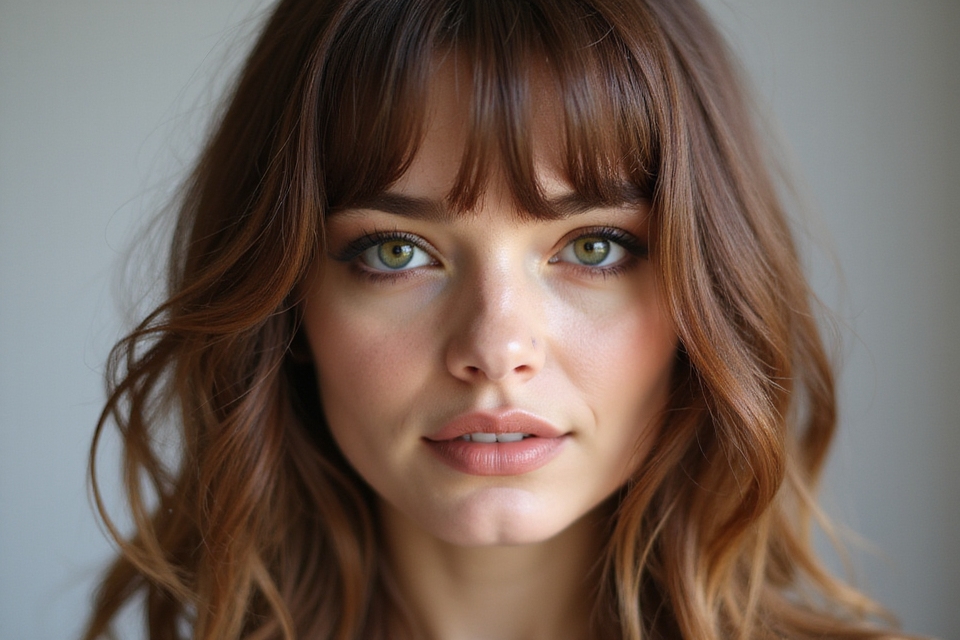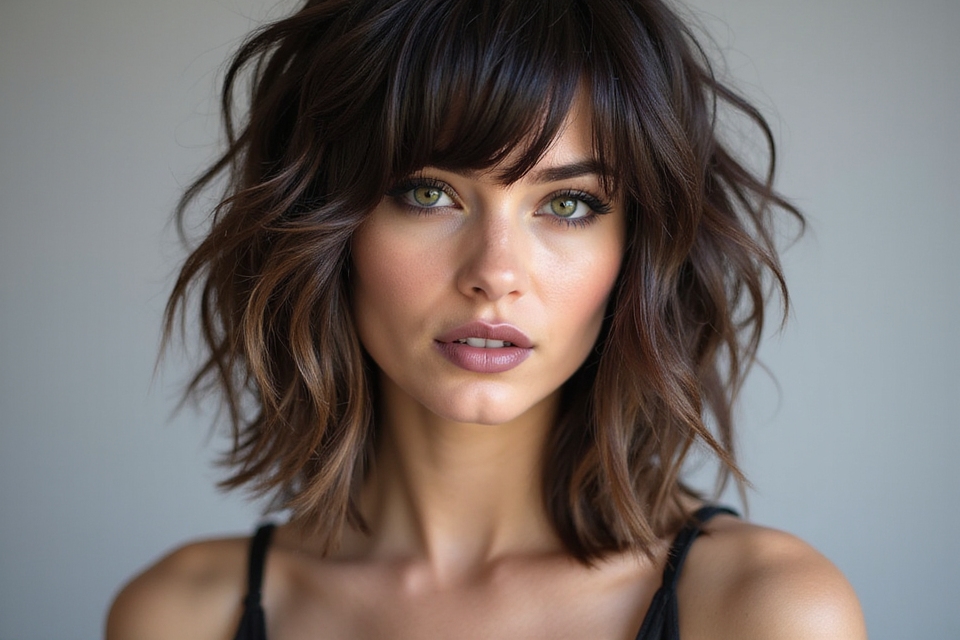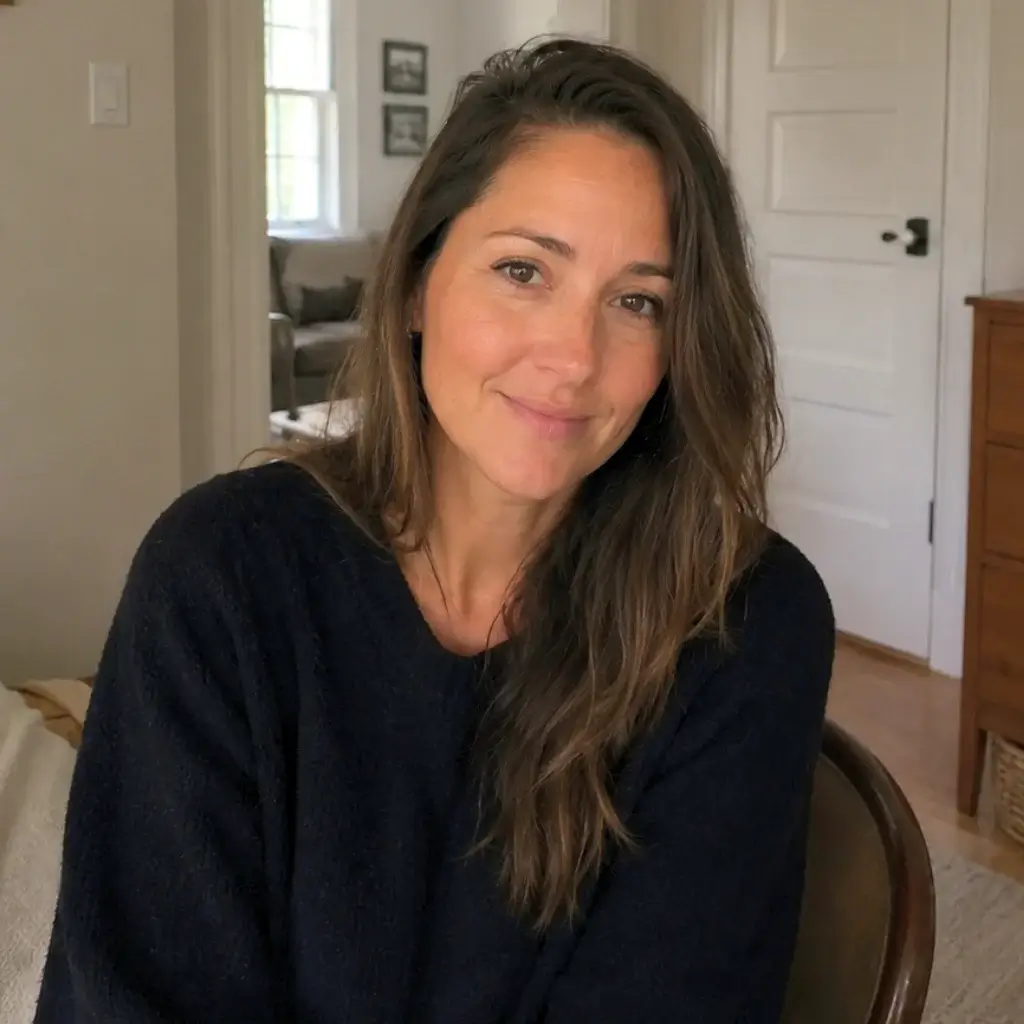

A client in her sixties sat in my chair last month, pointed at her forehead, and said she was tired of looking tired. We cut a soft, wispy fringe, and the woman who looked back in the mirror was the same age and somehow lighter. That is what good bangs do at any age: they frame the eyes, soften the face, and draw attention exactly where you want it.
Bangs are among the most flattering changes an older woman can make, and one of the most misunderstood, too. Matching the style to your face shape and hair texture is what makes the difference; a copied photo rarely translates. Here is how to choose, style, and maintain bangs that suit you, with honest notes on what works, what to skip, and when to call a pro.
Bangs at a Glance
The most flattering bangs for most older women are soft and face-framing, like curtain bangs and wispy fringes, because they open up the eyes without the heavy, severe line of a thick blunt fringe. Match the style to your face shape and texture, and a fringe can soften the forehead and refresh the whole face.
Bangs are commitment, though: plan on a trim every two to four weeks to keep them out of your eyes, often free or $10 to $20 at your salon. Fine and thinning hair, common as we age, does beautifully with light, wispy bangs that add the look of fullness around the face.
Why Bangs Suit Every Age

There is a myth that bangs are only for the young. It keeps a lot of women from a cut that would suit them beautifully. The truth is the opposite: a soft fringe frames the face and draws the eye up to the eyes and cheekbones, which flatters at sixty just as much as at sixteen.
Bangs also do a surprising amount of quiet, practical work that has nothing to do with how old you are. They soften a high or lined forehead, balance a strong jaw, and give thin hair the appearance of fullness around the face. None of that has an age limit.
What changes with age is the kind of fringe that flatters you, never the question of whether you can wear one at all, because you absolutely can at any stage. Soft, airy styles tend to suit mature hair and features better than heavy, blunt ones, and that is the whole conversation worth having.
Choosing Bangs by Face Shape

Face shape is the single best guide to which bangs will flatter you, far more useful than any trend. Before you commit, work out your shape and let it steer the cut your stylist gives you.
- Round face: longer, side-swept bangs add length and slim the face.
- Long or oval face: a fuller, straighter fringe shortens and balances it.
- Square or strong jaw: soft, wispy bangs soften the angles up top.
Good to Know
Soft, wispy, and side-swept bangs are far more flattering on mature hair than a heavy blunt fringe. The lightness opens up the eyes, while a thick straight line can read severe and add weight to the face.
Soft Side-Swept Bangs
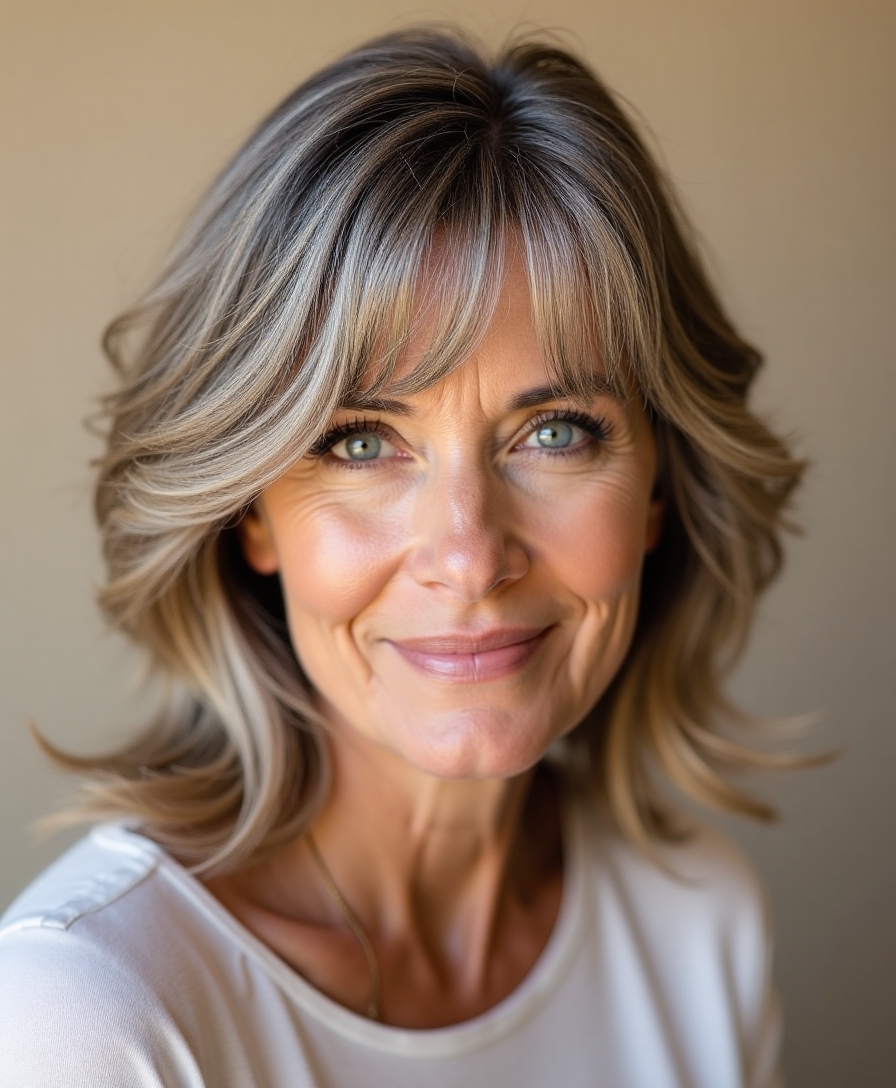
Side-swept bangs are the easiest fringe to wear and the one I recommend most to nervous first-timers. Swept gently to one side, they frame the face while skipping the full forehead-covering fringe, and they grow out with no awkward stage.
They suit nearly every face and hair type, and they are kind to a forehead you would rather keep covered. Because they blend into your length, they also need less frequent trimming than a straight fringe.
- Ask for bangs that start longer and sweep into your face-framing layers.
- Blow them to one side over a round brush so they fall with soft movement.
- A great entry point; pair them with soft curtain bangs for even more ease.
Straight-Across Bangs to Frame the Eyes

A straight-across fringe makes a statement and draws all the attention to your eyes, which is striking on the right face. It is bolder and higher-maintenance, so it rewards a confident wearer who does not mind regular upkeep.
- Best on oval and long faces, where it adds welcome width and balance.
- Keep it soft and slightly textured at the ends so it stays gentle.
- Plan on a tidy-up roughly every two weeks to keep that blunt line sharp.
Bangs are the most forehead-friendly haircut there is. A soft fringe does in two minutes what people spend a fortune chasing elsewhere: it frames the eyes and softens the whole face.
Curly Bangs, Natural Texture and All

Curly and wavy hair can absolutely wear bangs; you just work with the texture and let it lead. Curly bangs are soft, bouncy, and forgiving, since the curl hides any unevenness in the cut.
Cutting Curls Dry
The most important rule is to have them cut dry, with the curls sitting where they naturally fall, so the stylist can watch how each piece springs up. Cut wet, curly bangs shrink up and can land far shorter than planned.
Leave curly bangs a touch longer than you think, since they will lift as they dry. A light curl cream keeps them defined and frizz-free without weighing them down.
Layered Bangs for Volume

Layered bangs blend shorter and longer pieces for a soft, dimensional fringe that adds body, which is a gift for hair that has thinned over the years. The layers catch the light and create movement, so the fringe looks fuller than it is.
This style sits beautifully with a layered cut, the two flowing into each other. It is also more forgiving day to day, since the mixed lengths do not show every grown-out millimeter the way a blunt fringe does.
- Ask for soft internal layers within the fringe for built-in volume.
- Blend the bang layers into your overall cut so nothing looks separate.
- A little root lift at the front keeps the volume from falling flat.
🅰️Side-swept bangs
Low-maintenance, grow out gracefully, flatter nearly everyone
🅱️Straight-across bangs
Bolder and eye-framing, but need frequent trims and a confident face shape
Soft Wispy Bangs

Wispy bangs are the lightest, airiest fringe there is, with soft see-through pieces that barely graze the brows. They are the most modern, flattering bangs for mature hair, because they add a fresh frame without any heaviness or severity.
- Best on fine to medium hair, where the airy texture looks natural.
- Ask for piece-y, point-cut ends so the fringe stays soft and see-through.
- Style with a tiny amount of light product to keep the wisps separate.
Bangs on Thick Hair

Thick hair makes wonderful bangs, but it needs careful cutting so the fringe does not turn into a heavy curtain. The goal is to remove some of that internal weight so the bangs sit soft and move freely rather than hanging like a solid block. A skilled stylist will texturize from underneath, keeping the surface smooth while thinning the bulk you do not see.
- Ask for internal texturizing; heavy thinning on top creates frizz.
- A side-swept or layered shape carries thick hair better than a blunt one.
- A blow-dry with a round brush keeps thick bangs from looking heavy.
📋Before You Commit to Bangs
- ✓You know your face shape and a style that flatters it
- ✓You are ready for a trim every two to four weeks
- ✓You have two minutes most mornings to style them
Styling and Maintenance

No part of a haircut demands more upkeep than a fringe, and being honest about that is the difference between loving your bangs and regretting them. They need styling most mornings and a trim every few weeks, so factor that into your routine before you commit.
The daily styling is quick once you have the hang of it. A two-minute round-brush blow-dry while the bangs are slightly damp sets them for the day and stops them from parting or sticking up.
- Wash or dampen and re-style bangs daily, since they show oil first.
- Keep a round brush and dryer handy for a fast morning reset.
- A little dry shampoo at the roots stretches the time between washes.
How Bangs Flatter and Soften

Part of the appeal of bangs as we age is honest and simple: they gently cover a forehead and soften the frame of the face, drawing the eye to your features and away from your hairline. It is less about chasing youth and more about a fresh, intentional frame that feels like you.
They also give you styling options on a grown-out cut, since a fringe can be pinned back or swept aside on the days you want your face open. That flexibility is half of why they stay worth the upkeep.
- A soft fringe sits well above glasses and balances the frames.
- A fringe gives grey regrowth a natural place to blend in.
- Bangs can be pinned or swept aside on a grown-out day.
Balancing Length and Texture

Bangs do not exist alone; they work with the length and texture of the rest of your hair. A heavy fringe over very short hair can overwhelm; soft bangs with a longer layered cut feel balanced and intentional.
Texture matters as much as length. Fine hair wants light, wispy bangs; thick or coarse hair can carry a fuller fringe, as long as it is texturized so it moves. Getting that balance right is what makes the whole cut look harmonious.
- Pair soft bangs with layers so the fringe blends into the cut.
- Skip a heavy fringe on very short hair, which can look top-heavy.
- Match the fringe weight to your hair density for balance.
Choosing a Skilled Stylist

Bangs are deceptively hard to cut well, so the stylist matters more here than almost anywhere else on your head. A few millimeters change everything, and the difference between a soft, flattering fringe and a blunt, severe one is all in the cutting technique.
Look for a stylist who asks about your face shape, your hair texture, and your morning routine before they pick up the scissors. The good ones cut bangs dry, or check them dry, so they see how the hair will actually fall.
Bring reference photos. Be clear about the upkeep you will actually do. A great cutter will tell you honestly if a style you love is going to fight your hair every single morning, and then steer you toward something that gives you the same feeling with far less of the daily struggle.
DIY Bang Trims, Carefully

Plenty of women trim their own bangs between salon visits, and it can be done safely if you go slowly and follow a few rules. The cardinal rule is to cut far less than you think you need, because you can always take more but you cannot put it back.
- Trim on dry hair so you see the true length; bangs spring up when dry.
- Cut tiny amounts vertically into the fringe, never straight across.
- Use proper hair scissors, never kitchen or craft scissors.
Products to Keep Bangs Fresh

The right handful of products makes daily bang styling far easier, and you do not need many. The goal is light hold and oil control, since the fringe sits against your skin and shows grease before the rest of your hair.
Anything heavy flattens and separates a fringe into greasy strands, so keep your products light. The rule is simple. Light, dry, and minimal.
- Dry shampoo to absorb oil and refresh the fringe between washes.
- A light texture spray or a tiny bit of pomade for separation.
- A heat protectant before the daily round-brush blow-dry.
Iconic Bangs for Inspiration

Some bangs never date, and they make great references to bring to your stylist. The soft seventies curtain fringe, the elegant side-swept sweep, and the modern wispy bang have all flattered women for decades across every age.
Pulling from these timeless looks is smarter than chasing a trend, because they were never about youth in the first place. Show your stylist the finish and softness you love, and let them tailor it to your hair.
- The curtain fringe for soft, face-framing ease.
- The side-swept sweep for understated elegance.
- Modern wispy bangs, like these wispy bangs, for a fresh, light frame.
Common Mistakes to Avoid
The biggest bang regrets among my older clients come down to a few avoidable choices. Going too short or too blunt is the most common, since a heavy, severe fringe tends to add years instead of softness, and the fix takes weeks to grow out.
Cutting bangs wet, especially on curly or thick hair, is the second, because they shrink up shorter than expected once dry. And underestimating the upkeep is the third; bangs that are not trimmed and styled quickly stop looking chic.
The other quiet mistake is forcing a fringe that fights your hair, like a straight blunt bang on a cowlick or very curly hair. Work with your texture, keep the style soft, commit to the trims, and choose a stylist who cuts bangs dry. For more soft, face-framing ideas to pair with a fringe, our side-swept bangs guide and broader hairstyles for older women ideas are a good next stop.
Bangs for Older Women, Answered
?What are the most flattering bangs for older women?
Soft, wispy, and side-swept bangs are the most flattering, because they frame the eyes and soften the face without the severity of a heavy blunt fringe. Curtain bangs are an easy, forgiving favorite.
?Do bangs make you look younger?
Bangs do not chase youth so much as refresh and soften the face. A soft fringe covers a lined forehead, draws attention to the eyes, and frames the features, which tends to read as fresher and more intentional.
?How often do bangs need trimming?
Every two to four weeks to keep them out of your eyes, depending on how fast your hair grows. Many salons do a quick bang trim for free or a small fee between full cuts.
?Are bangs good for fine or thinning hair?
Yes, light wispy or layered bangs are excellent for fine and thinning hair, since they add the appearance of fullness around the face. Avoid heavy blunt fringes, which can look sparse and show the scalp.
?Can I have bangs with curly hair as I age?
Absolutely. Curly bangs work beautifully when cut dry in their natural pattern, so the curl hides any unevenness. Leave them a little longer to allow for spring, and use a light curl cream to keep them defined.
A Fringe That Fits You
Few changes flatter and boost confidence the way bangs do for an older woman, as long as the style suits your face shape and texture and you are honest about the upkeep. Soft, wispy, and side-swept fringes tend to win, because they frame and soften without ever looking severe.
If you have been curious, take a reference photo to a stylist who cuts bangs dry, start a little longer than you think, and give yourself a couple of weeks to fall for them. The right fringe does not make you look like someone else; it makes you look refreshed, like you on a very good day.
Where to Next